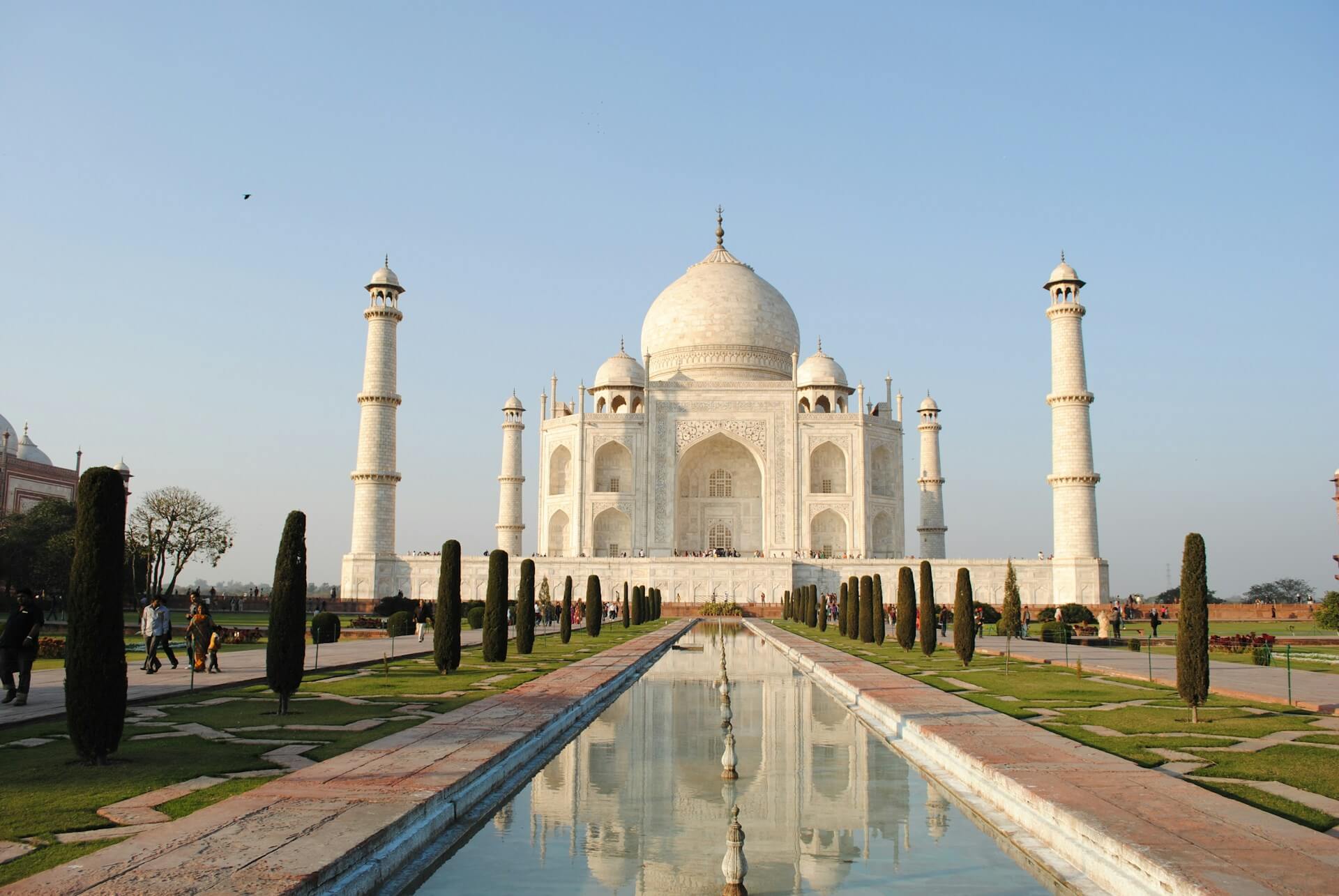

Most travelers plan their India trips around monuments and cities. They plan routes between the Taj Mahal and Jaipur’s forts. They often add beach time in Goa.
Most itineraries are based on geography. Sometimes, they arrive during a festival by accident. When that happens, their plans for the day no longer matter. The streets fill with color, music, and fire.
Large crowds move together in the same direction. The smell of marigolds and incense hangs in the air. Strangers invite you to join the celebration.
You don’t need to fully understand it to enjoy it. The city feels very different from what guidebooks describe. That’s the India most travelers talk about for years afterward.
You don’t have to experience this by chance. India has one of the richest festival calendars in the world. Many festivals are worth planning your entire trip around.
It’s better to arrive early and stay longer to fully experience them. This guide covers the most important festivals. It also explains what they are like and how to plan your trip around them.
This guide covers the best Festivals in India to Plan Your Trip Around, with practical tips for first-time travelers.
Festivals in India (Quick Overview)
The festivals worth planning your India trip around include Holi, Diwali, Pushkar Camel Fair, Kumbh Mela, Rann Utsav, Durga Puja, and Thrissur Pooram.
- Holi: Explosive colors and fun
- Diwali: Stunning lights and atmosphere
- Pushkar Fair: Cultural spectacle in the desert
- Kumbh Mela: Spiritual, once-in-a-lifetime experience
- Rann Utsav: Desert culture, crafts, and music
- Durga Puja: Art, community, and culture
- Thrissur Pooram: Elephants, music, and ceremonial grandeur
Why Choose Festivals in India to Plan Your Trip Around?
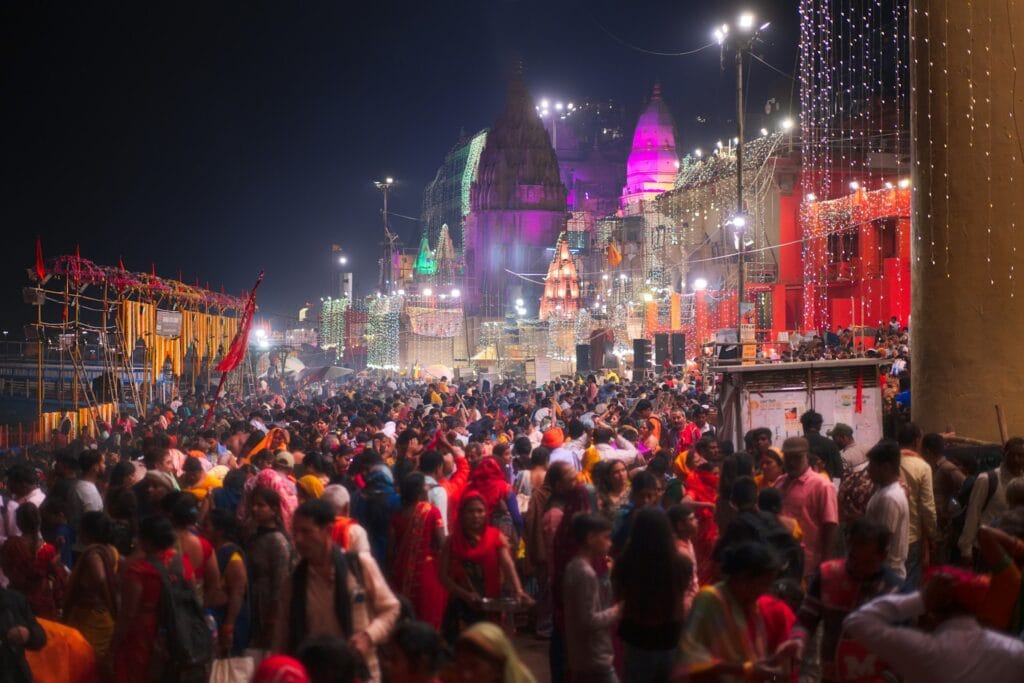
India’s culture and traditions are best experienced through festivals. They show regional differences, local warmth, and centuries-old customs. Festivals give your trip a clear focus.
Planning around Holi in March, Durga Puja in October, or Pushkar in November lets you build your itinerary around experiences, not just geography.
Festivals can be crowded, loud, and chaotic, but that energy is part of their charm. Respectful visitors are welcomed, and the experience becomes unforgettable.
How to Choose the Right Festival for Your Trip
Choosing the right festival is the first step to planning a memorable India trip. Knowing what excites you most will make your visit meaningful.
- Visual spectacle & photography: Holi, Pushkar Camel Fair, Thrissur Pooram. Perfect for travelers who love colors, performances, and striking visuals.
- Spiritual experiences: Kumbh Mela, Dev Deepawali in Varanasi. Ideal for those seeking sacred rituals, meditation, and cultural depth.
- Cultural immersion: Durga Puja in Kolkata, Rann Utsav in Gujarat. Markets, music, local traditions, and handicrafts bring Indian culture alive.
- Season & weather: October to March is the peak festival season. It’s also the most comfortable travel window across most of India.
By planning around the Festivals in India to Plan Your Trip Around, you can structure your itinerary by experiences instead of distance, making your journey richer and more memorable.
Best Festivals in India to Plan Your Trip Around (Complete Guide)
Holi — The Festival of Colors That Changes Everything
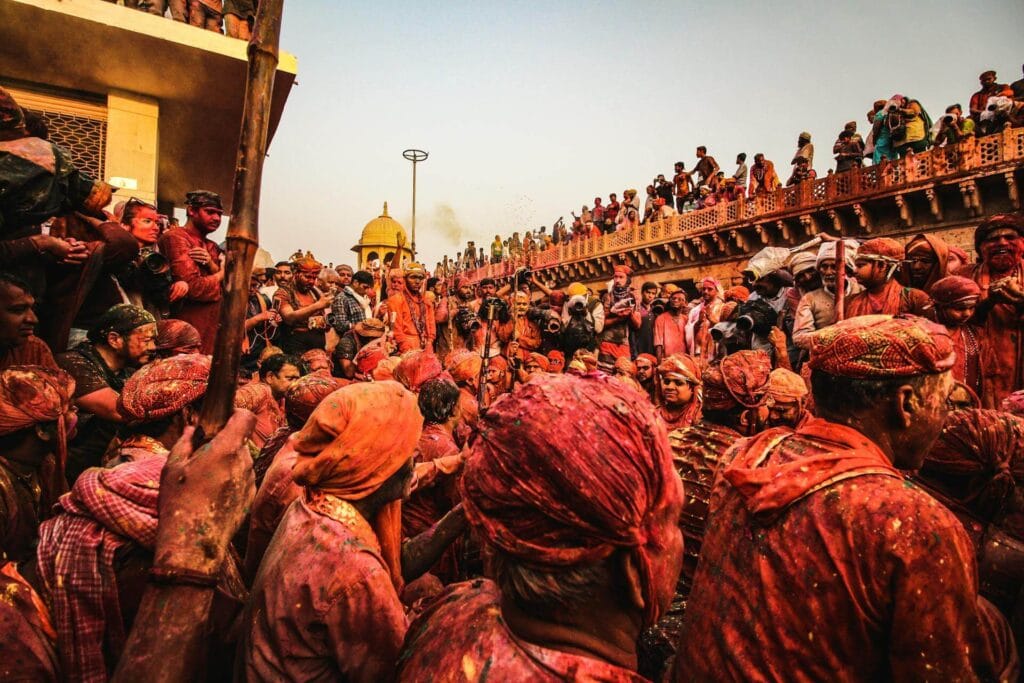
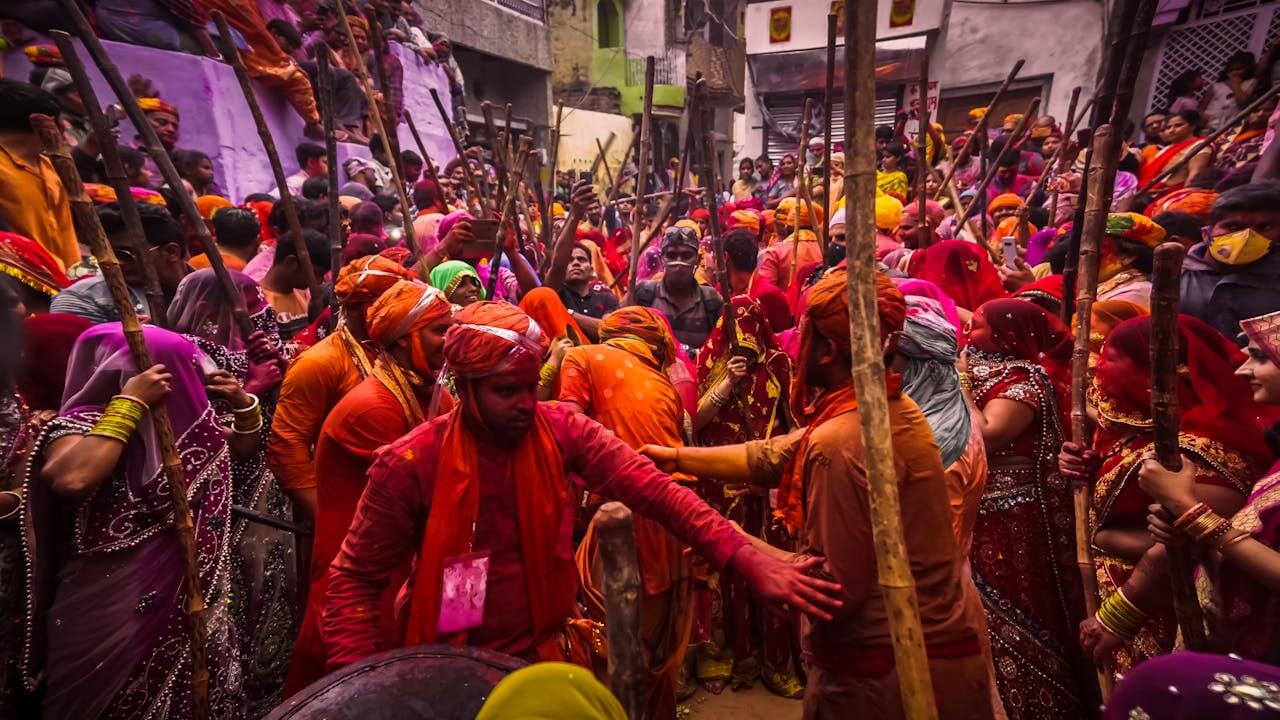
Holi, held in late February or March, is one of the most unforgettable festivals in India to plan your trip around. The day transforms cities with clouds of colored powder – pink, yellow, green, and electric blue – flying through the air.
Water balloons drop from rooftops, and strangers invite you into the celebrations.
Holi celebrates spring and the victory of good over evil, rooted in the story of Prahlad and Holika. Social hierarchies temporarily disappear, creating a joyful, inclusive atmosphere.
Tips for Holi:
- Best locations: Jaipur, Mathura, Vrindavan, Delhi
- Wear old clothes; colors stain permanently
- Protect cameras and electronics
- Participate in community events for an immersive experience
- Experience Holika Dahan the night before for bonfires and rituals
Diwali — A Must-See Festival in India to Plan Your Trip Around
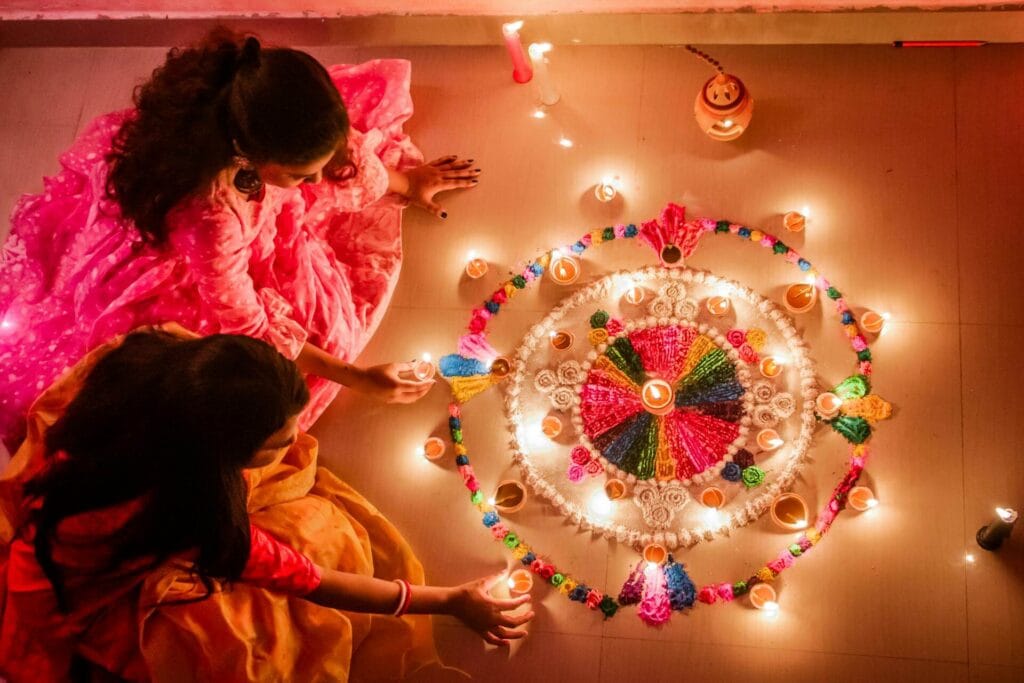
Diwali, the five-day festival usually in October or November, is another top festival in India to plan your trip around. It celebrates Lord Rama’s return to Ayodhya and the triumph of light over darkness.
Cities glow with thousands of clay lamps, streets hum with celebrations, and fireworks light up the night sky.
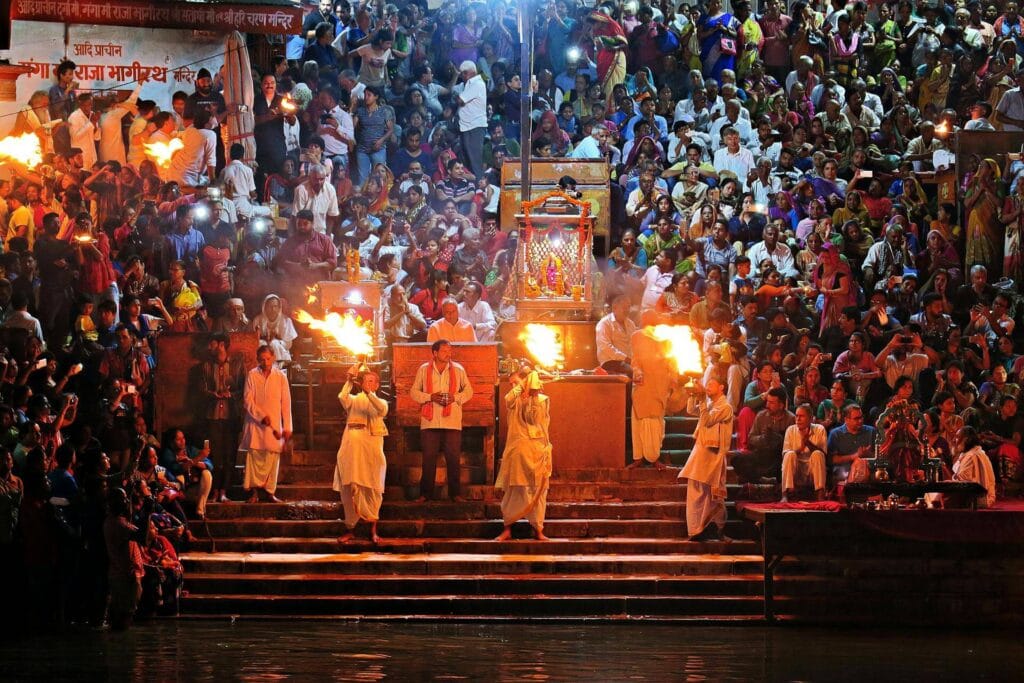
Varanasi, along the Ganges, is among the best places to witness the full spectacle, including Dev Deepawali five days later, when the riverbanks shine with millions of floating lamps.
Tips for Diwali:
- Best locations: Varanasi, Jaipur, Amritsar
- Book hotels 4–5 months in advance
- Watch the Ganga aarti from rooftop terraces
- Try local sweets and street food prepared for the festival
- Enjoy fireworks from public ghats for the full experience
Pushkar Camel Fair — A Desert Spectacle Like No Other
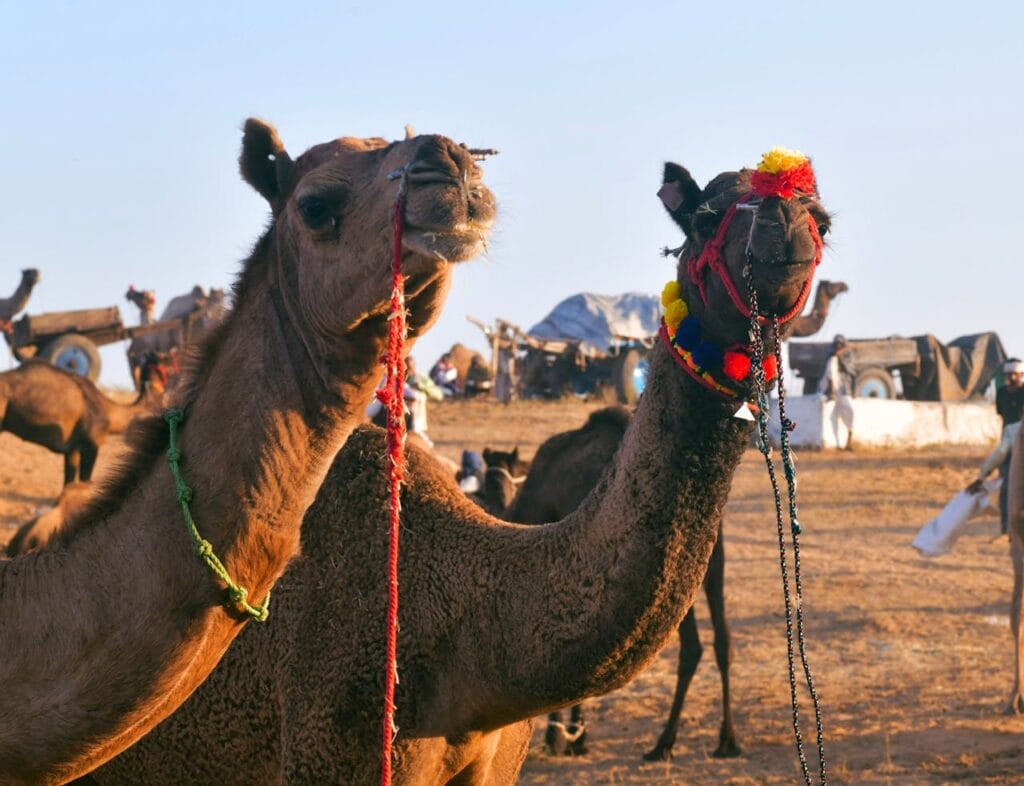
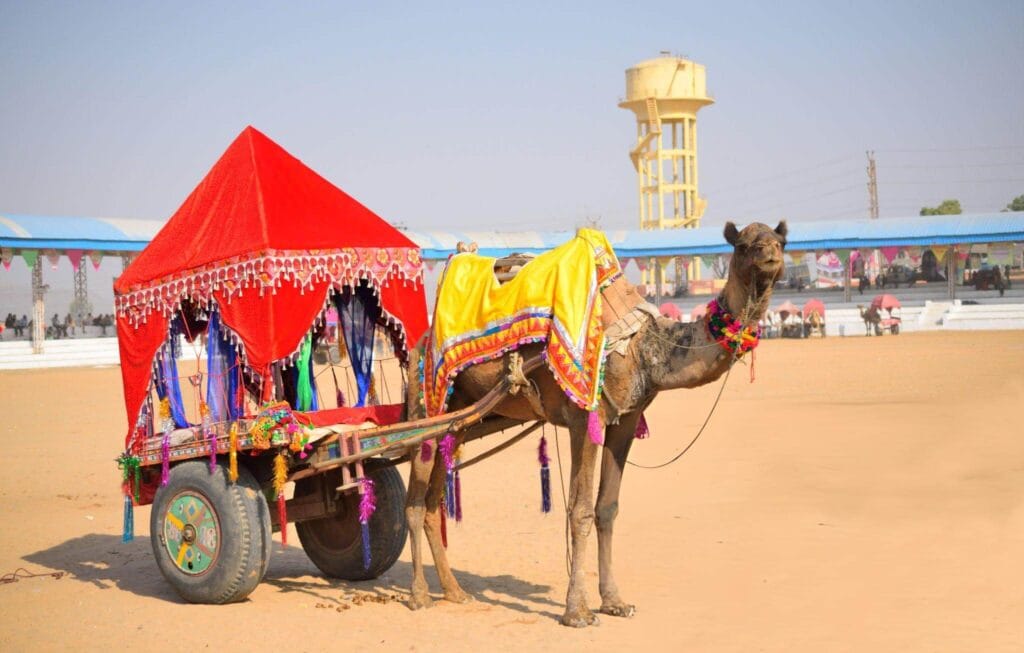
Pushkar Camel Fair, in November, is one of the most colorful festivals in India to plan your trip around. Originally a livestock fair, it now combines camel trading, Rajasthani folk culture, and desert festivities.
Thousands of decorated camels, colorful tents, music, and local rituals create a timeless atmosphere.
Photographers and travelers alike will find endless opportunities for capturing desert landscapes and cultural performances.
Tips for Pushkar Camel Fair:
- Best times to shoot photos: sunrise and early morning
- Explore local markets for handicrafts and textiles
- Stay in heritage guesthouses or luxury tents on the fairgrounds
- Attend cultural performances and sports competitions
- Take part in the sacred lake bathing rituals
Kumbh Mela — The Largest Human Gathering on Earth
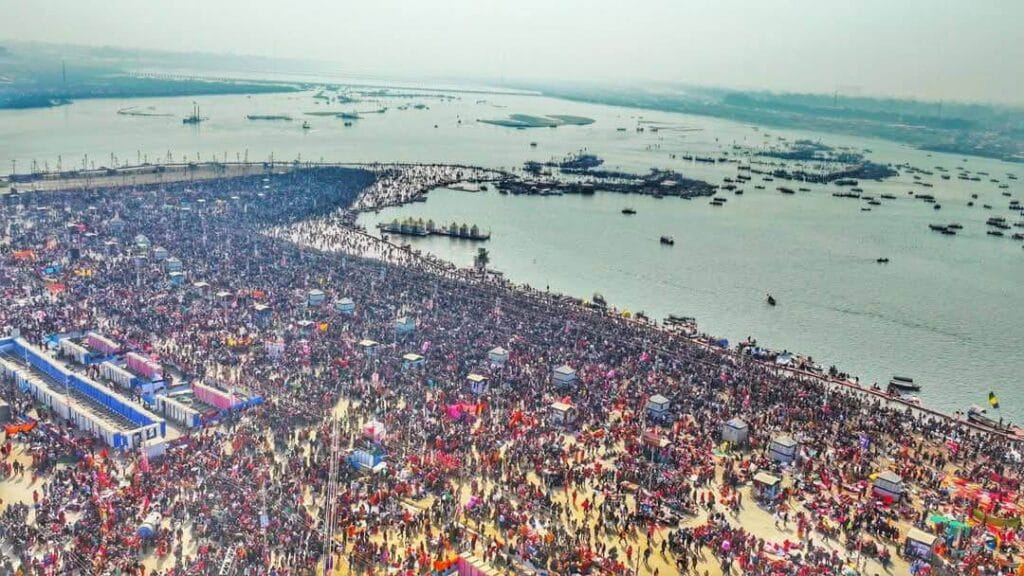
Kumbh Mela, held every twelve years in Prayagraj (and smaller cycles every three or six years elsewhere), is a spiritual festival in India worth planning your trip around.
Millions gather at the river confluence for holy baths believed to cleanse past karma.
Shahi Snan days feature grand processions with naked Naga Sadhus, chanting pilgrims, and ritualistic ceremonies. This festival is both humbling and overwhelming, offering a once-in-a-lifetime spiritual experience.
Tips for Kumbh Mela:
- Main location: Prayagraj; alternatives: Ujjain, Haridwar
- Attend Shahi Snan days for maximum spectacle
- Approach with respect and patience
- Stay in advance-booked accommodations near the sangam
- Best for experienced travelers seeking spiritual immersion
Durga Puja — Kolkata’s Greatest Artistic Festival
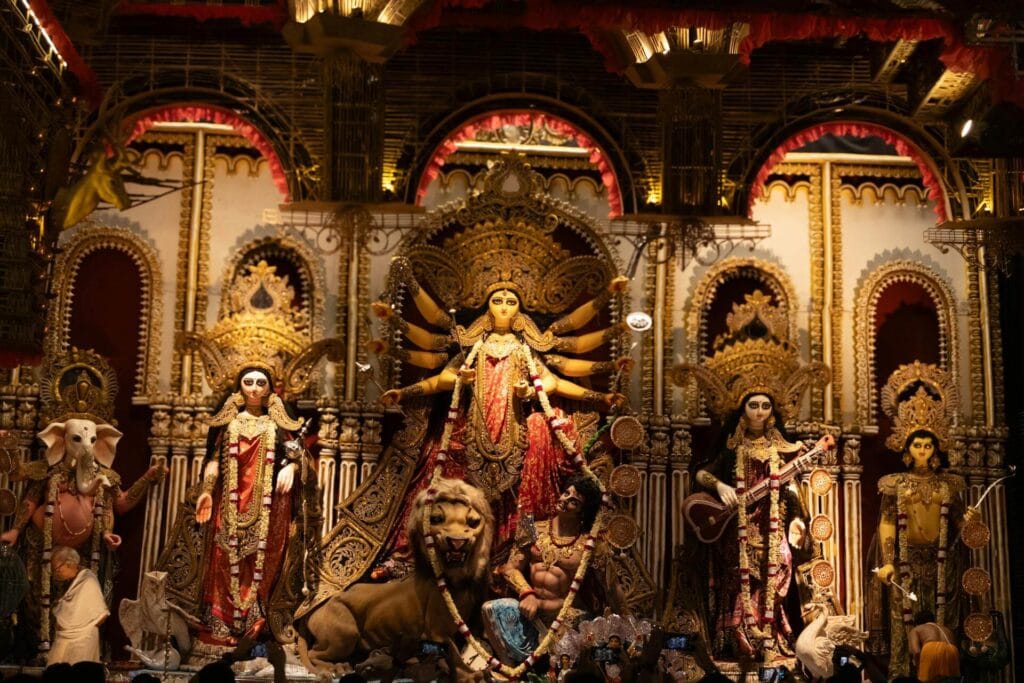
Durga Puja, celebrated in October, is both an art festival and a cultural celebration. Neighborhoods in Kolkata build elaborate temporary pavilions, or pandals, showcasing stunning sculptures of Goddess Durga.
Streets glow with lights, music fills the air, and food stalls offer a taste of Bengali culture. Pandals invite visitors to wander, pray, and enjoy the artistry, making this one of the most engaging festivals in India to plan your trip around.
Tips for Durga Puja:
- Visit pandals at night for the best lighting and energy
- Try local street foods like kathi rolls and mishti doi
- Join pandal hopping for a complete experience
- Stay in central Kolkata for easy access to main celebrations
- Capture photographs of festival artistry and cultural rituals
Thrissur Pooram — Kerala’s Grand Temple Festival in India to Plan Your Trip Around
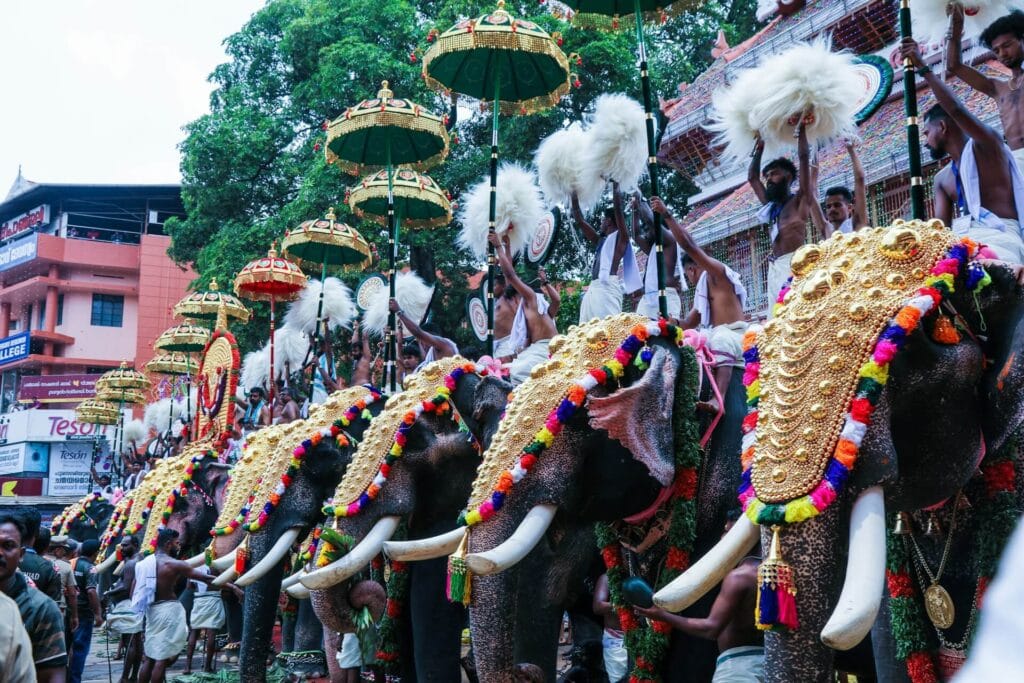
Thrissur Pooram, held in April or May, is a grand temple festival in Kerala. Decorated elephants, traditional percussion, and fireworks create a majestic and energetic atmosphere.
Locals and visitors gather from all over to witness the ceremonial grandeur, making it a must-experience festival in India to plan your trip around.
Tips for Thrissur Pooram:
- Arrive a day early to witness full festivities
- Book hotels in advance; expect crowds
- Experience the percussion orchestra and elephant processions
- Stay through dawn to see the fireworks finale
- Wear comfortable clothing and shoes for long walks
Rann Utsav — A Cultural Festival in the White Desert
Rann Utsav, from November to February in Gujarat, showcases Kutchi folk culture, crafts, music, and dance against the white salt desert of Kutch.
Full moon nights illuminate the desert, creating a spectacular natural backdrop for performances. Travelers can enjoy a calm yet immersive festival experience, making it a top festival in India to plan your trip around.
Tips for Rann Utsav:
- Best for photography: full moon nights
- Enjoy folk music, Garba dances, and local cuisine
- Explore handicraft markets for textiles and embroidery
- Stay in Gujarat Tourism tents or nearby accommodations
- Attend workshops for cultural immersion
Festival Comparison at a Glance
Festival | Best For | Crowd Level | Location | Travel Level | Month |
Holi | Color, fun, photography | Very High | Mathura, Jaipur | Adventurous | Feb–Mar |
Diwali | Lights, atmosphere, culture | High | Varanasi, Jaipur | All levels | Oct–Nov |
Pushkar Fair | Photography, culture, desert | High | Pushkar, Rajasthan | All levels | Nov |
Kumbh Mela | Spiritual, once-in-lifetime | Extremely High | Prayagraj | Experienced | Jan–Mar |
Durga Puja | Art, culture, food | High | Kolkata | All levels | Oct |
Thrissur Pooram | Elephants, music, spectacle | Very High | Thrissur, Kerala | All levels | Apr–May |
Rann Utsav | Desert culture, crafts | Moderate | Kutch, Gujarat | All levels | Nov–Feb |
Which Festivals in India Should You Plan Your Trip Around?
First-time visitors often wonder which festival to prioritize. Your choice depends on interests, travel style, and comfort level.
- For newcomers: Diwali in Varanasi or Durga Puja in Kolkata are accessible, visually stunning, and welcoming to first-time travelers.
- For culture lovers & photographers: Pushkar Camel Fair and Holi (Mathura or Jaipur) offer immersive local traditions and amazing photo opportunities.
- For spiritual seekers: Kumbh Mela is intense, large-scale, and transformative. Patience and respect are essential to enjoy the experience fully.
- For party and joy enthusiasts: Holi offers full-immersion, colorful celebrations, and social interaction.
- For Kerala culture fans: Thrissur Pooram showcases elephants, traditional music, and grand temple rituals.
Planning your trip around the Festivals in India to Plan Your Trip Around ensures every day has a purpose and a cultural highlight.
Best Time to Experience Festivals in India to Plan Your Trip Around
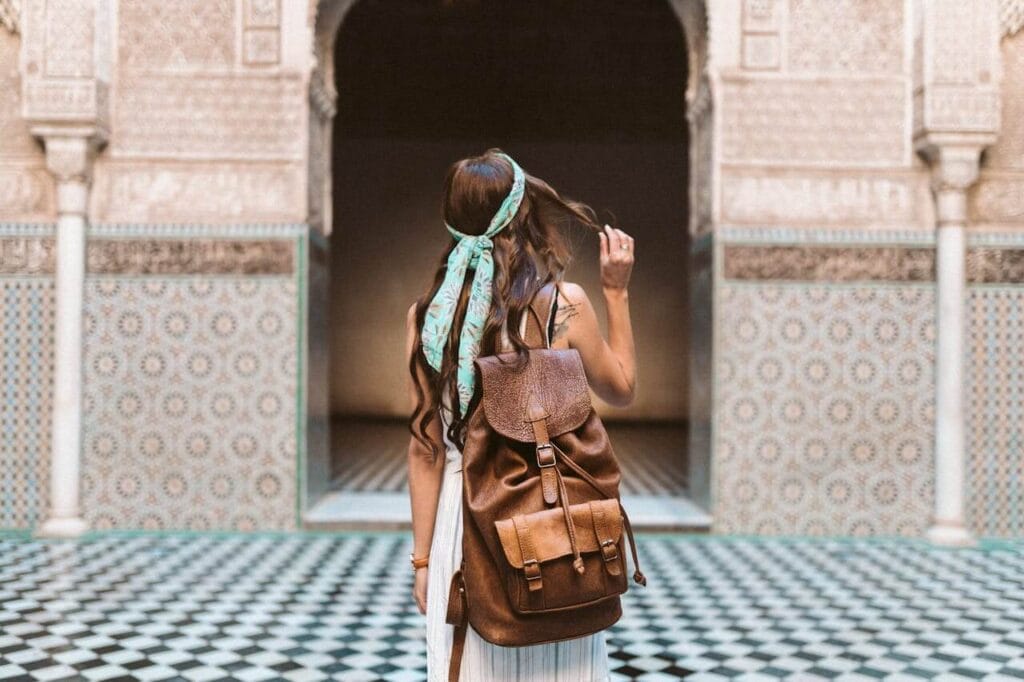
Timing is key to enjoying India’s festivals to the fullest. The main festival season runs October through March, coinciding with the best travel weather.
- October: Diwali, Durga Puja – lights, art, and local celebrations
- November: Pushkar Camel Fair, start of Rann Utsav – desert culture and markets
- January–March: Kumbh Mela, Dev Deepawali, Holi – spiritual rituals and colorful celebrations
- April–May: Thrissur Pooram – elephants, music, and temple ceremonies
- Monsoon (July–Sept): Fewer major festivals; regional celebrations like Onam in Kerala or Ganesh Chaturthi in Mumbai are best
By planning your itinerary around the Festivals in India to Plan Your Trip Around, you align travel with cultural highlights, weather, and local experiences, making every trip unforgettable.
Travel Tips for Festivals in India to Plan Your Trip Around
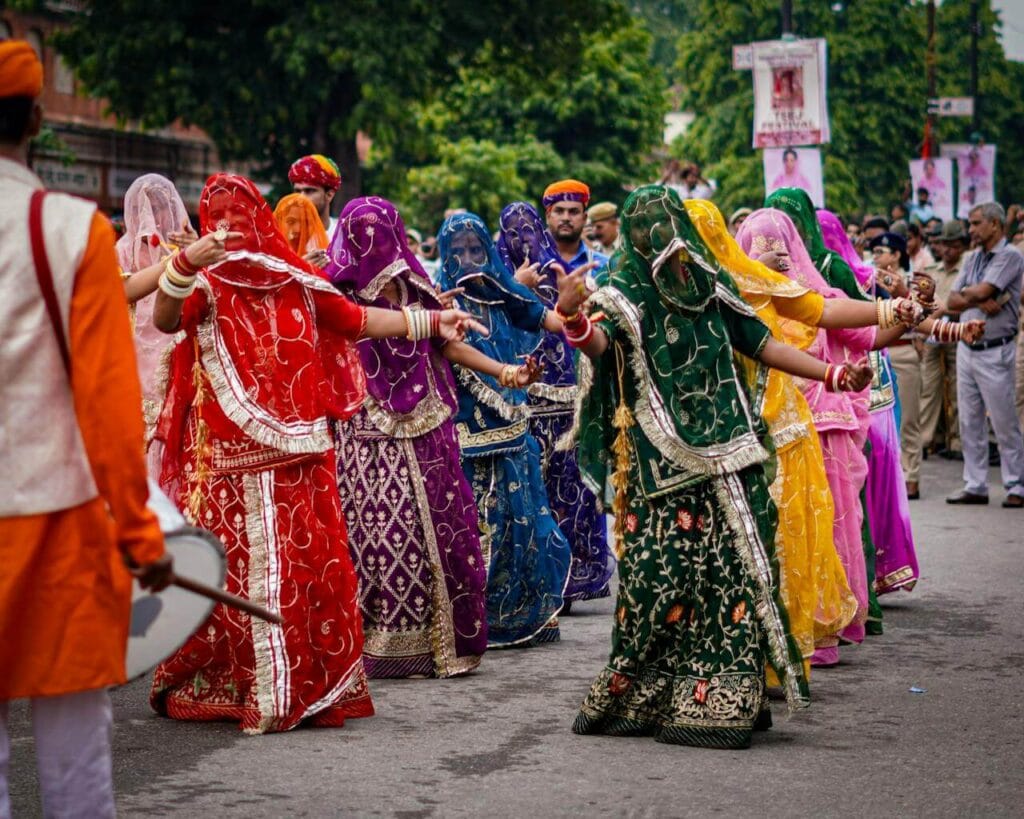
Planning ahead makes a big difference when visiting festivals in India. These events attract large crowds, so preparation helps you enjoy the experience fully.
- Book early: Hotels and trains fill up quickly, especially for Diwali, Holi, and Kumbh Mela
- Arrive in advance: Reach at least 1–2 days before the main event
- Dress appropriately: Wear comfortable clothes; for Holi, use old clothes
- Respect local customs: Follow traditions, especially at religious festivals
- Stay flexible: Expect crowds, delays, and last-minute changes
- Protect valuables: Use waterproof covers during Holi and crowded events
- Choose central stays: Helps you access celebrations easily
Planning your trip around the Festivals in India to Plan Your Trip Around ensures a smoother and more meaningful travel experience.
Final Thoughts
India’s monuments are amazing, but its festivals are alive. The festivals are something different — living, breathing, deeply felt expressions of culture and faith that happen around you rather than in front of you.
Whether it’s diyas floating on the Ganges in Varanasi, Holi colors in Mathura, or full moon nights in Kutch, festivals turn your trip into a memory that lasts a lifetime.
Plan early, book accommodations in advance, stay flexible, and participate fully. Festivals in India reward curiosity and presence more than any sightseeing itinerary.
These are truly the most memorable festivals in India to plan your trip around.
FAQs about Best Festivals in India to Plan Your Trip
What are the must-visit festivals in India to plan my trip around?
Some of the most popular festivals to plan your India trip around include Holi, Diwali, Pushkar Camel Fair, Kumbh Mela, Durga Puja, Thrissur Pooram, and Rann Utsav.
When is the best time to visit India for festivals?
The peak festival season is from October to March, offering pleasant weather and major celebrations like Diwali, Holi, Pushkar Camel Fair, and Kumbh Mela.
Which Indian festival is best for photography enthusiasts?
Holi in Mathura or Jaipur, Pushkar Camel Fair, and Thrissur Pooram are highly photogenic, offering colorful scenes, cultural rituals, and vibrant street life.
Are festivals in India crowded?
Yes, many festivals attract huge crowds. Plan ahead with accommodations and travel bookings, especially for Diwali, Kumbh Mela, and Holi.
Can I experience spiritual festivals in India as a visitor?
Absolutely. Festivals like Kumbh Mela, Dev Deepawali in Varanasi, and Durga Puja welcome respectful travelers who want to witness or participate in rituals.
Which festivals are best for first-time visitors to India?
Diwali in Varanasi and Durga Puja in Kolkata are accessible, visually stunning, and offer cultural immersion without overwhelming new travelers.
What should I wear during colorful festivals like Holi?
Wear old clothes you don’t mind getting stained. Protect electronics and cameras, as colored powders and water are widely used during celebrations.
How long should I stay to enjoy festivals in India fully?
Arrive at least a day early and plan to stay through the main celebrations. Multi-day festivals like Kumbh Mela, Holi in Mathura, and Rann Utsav require 2–5 days to experience fully.
Are there smaller, less crowded festivals to explore in India?
Yes. Rann Utsav in Gujarat and regional celebrations like Onam in Kerala or Ganesh Chaturthi in Mumbai offer immersive experiences with fewer crowds.
Can I plan a trip to India solely around festivals?
Definitely. By aligning your travel itinerary with major festivals, you can experience culture, traditions, food, and local life while enjoying iconic landmarks along the way.
Images: Pexels
