
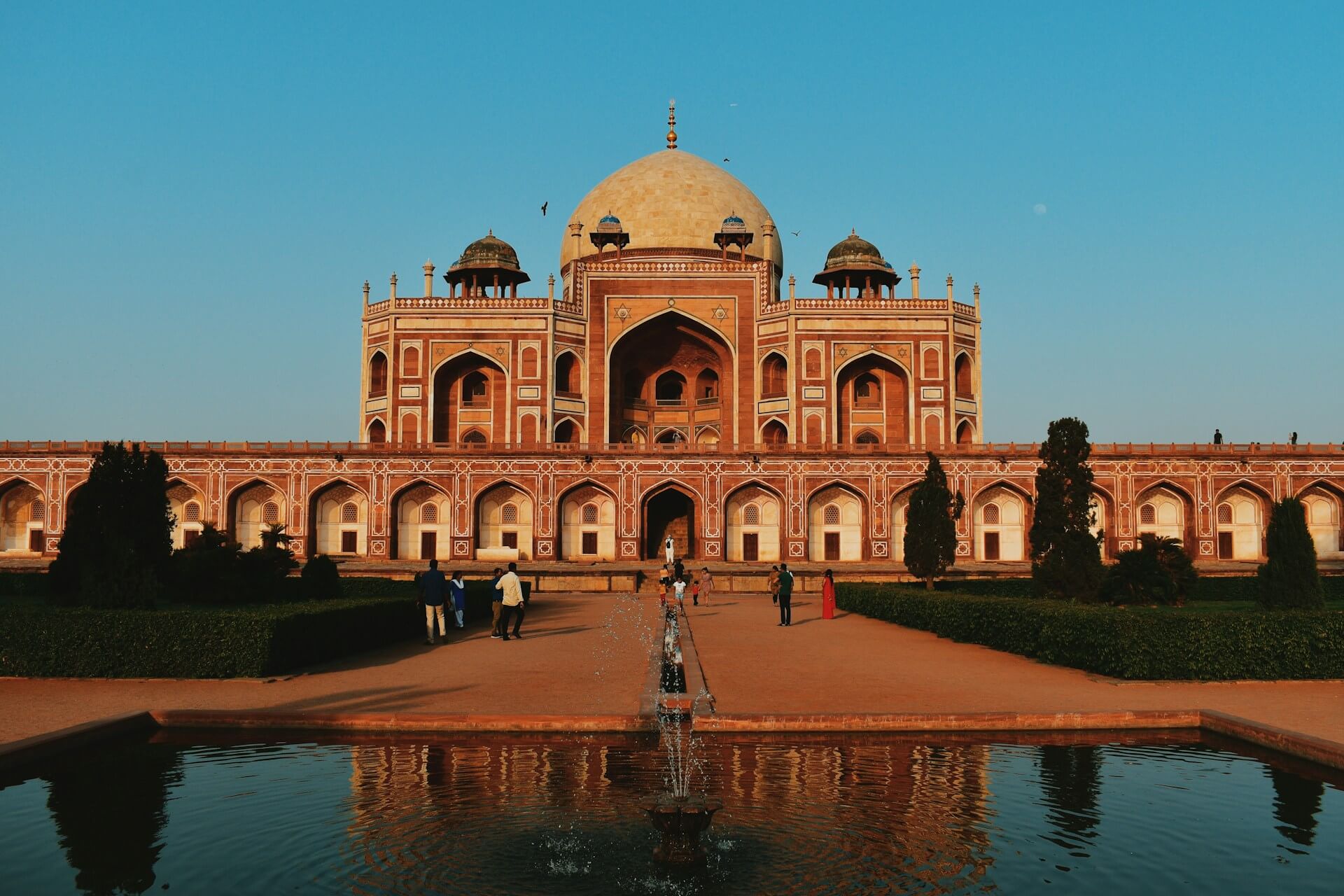
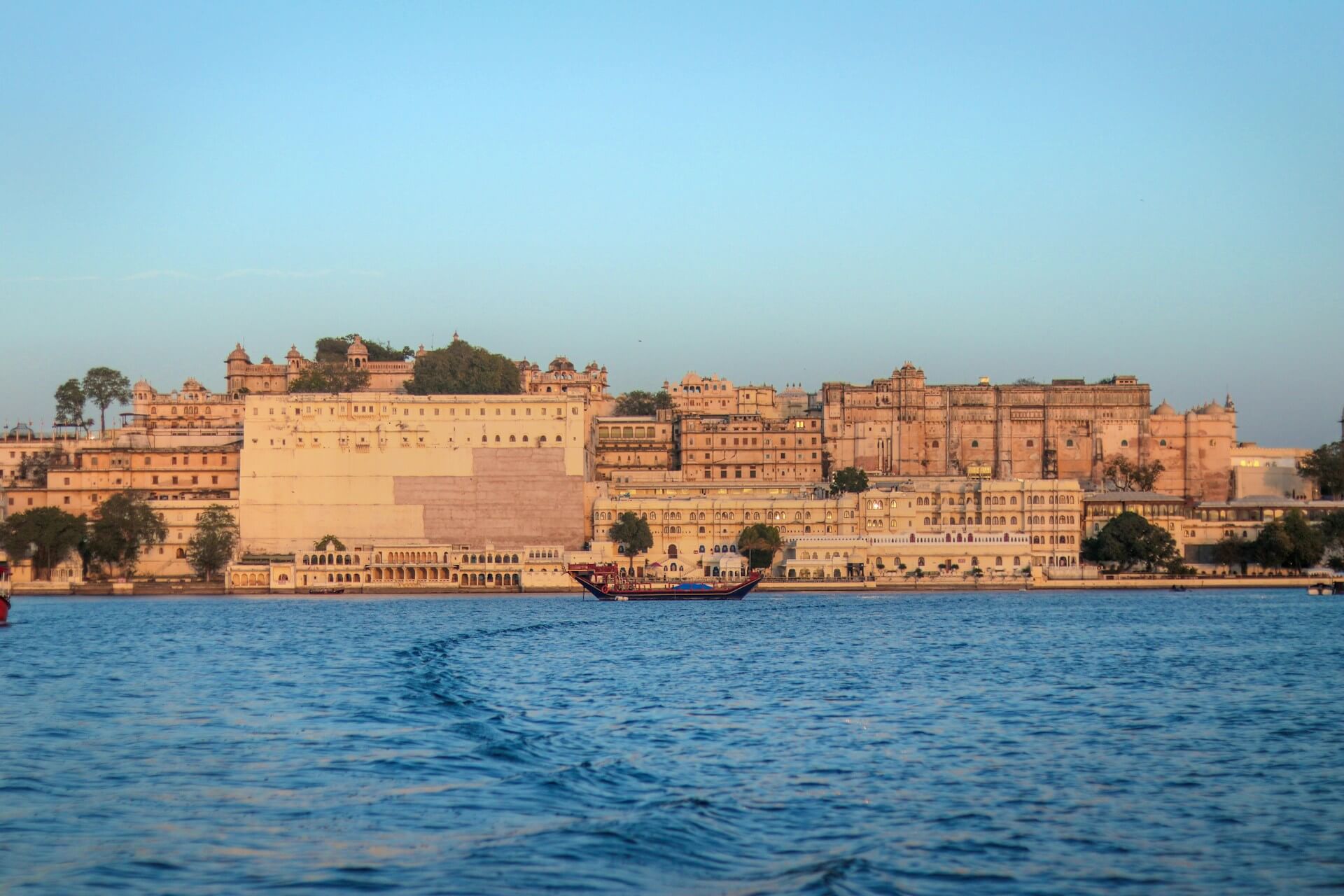
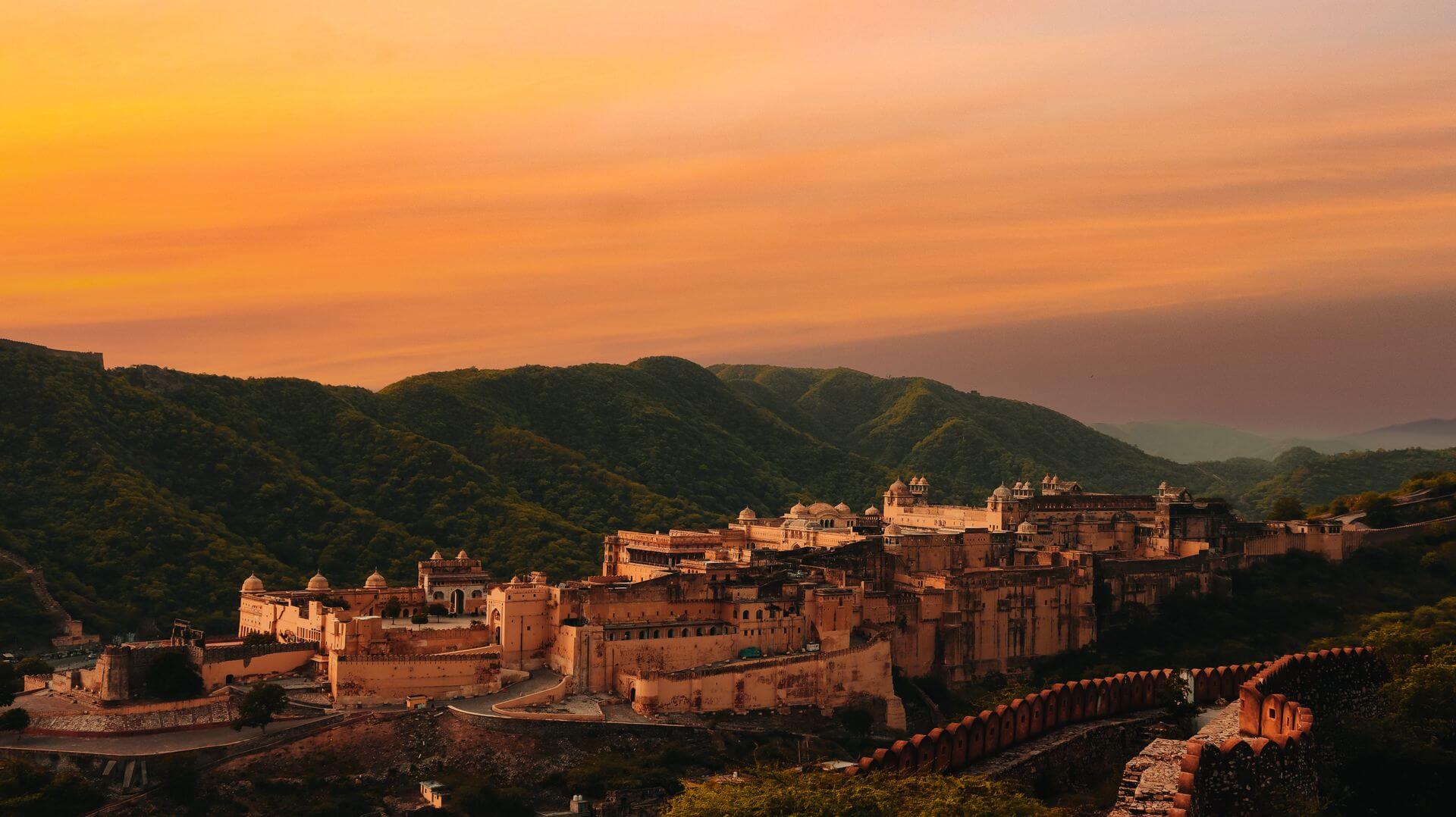
Excited about your first trip to India? You’re in for an adventure! India’s vibrant culture, diverse landscapes, and fascinating history make it a bucket-list destination, but the country can also feel overwhelming if you’re not prepared.
Don’t worry – this First-Time Travel Guide to India has everything you need to know: from visa requirements to the best places to visit and safety tips, so you can experience India with confidence.
Whether you’re coming for 10 days or three weeks, this guide will help you arrive confident, informed, and ready to enjoy the experience.
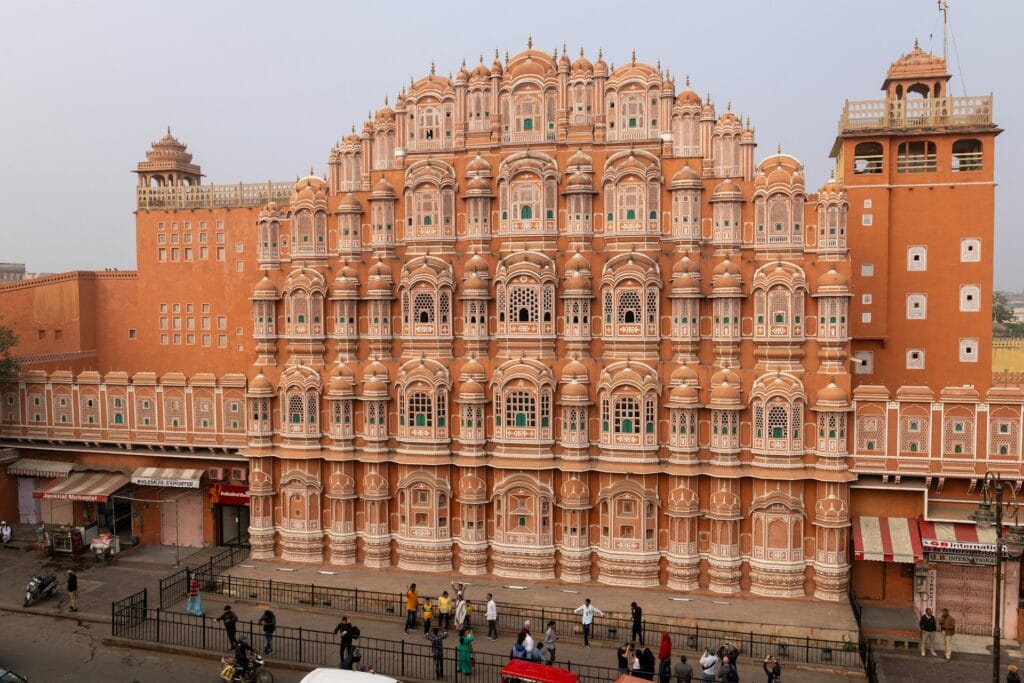
Start Here: Quick Planning Checklist for First-Time Visitors to India
Before diving into the details, here’s a quick checklist to help you get started:
- Apply for your Indian e-Visa in advance
- Book your first 1–2 nights of accommodation
- Plan a 10–14 day route (don’t try to see everything)
- Get comprehensive travel insurance
- Carry basic medications and hand sanitizer
- Learn a few basic cultural norms (like removing shoes in temples)
- Keep digital and printed copies of important documents
First-time visitors may also find this airport arrival guide helpful for navigating immigration, local transport, and SIM card setup after landing in India.
This small preparation can make your first trip to India significantly smoother. Want to save time planning? Explore ready-made tours and experiences.
Most travelers can apply through the official Indian e-Visa system managed by the Government of India. This step-by-step Indian tourist visa guide explains the application process, fees, and common mistakes to avoid.
Klook.comIndia at a Glance: Essential Travel Information
Before planning your first trip, here’s a quick snapshot of key information about India. This helps travelers understand the basics at a glance.
Feature | Overview |
Population | 1.4+ Billion |
Currency | Indian Rupee (INR) |
Languages | 22 Official Languages (Hindi & English widely used) |
Time Zone | IST (UTC +5:30) |
Best Time to Visit | October – March |
Plug Type | Type C, D & M (230V) |
Capital City | New Delhi |
First Time Travel Guide to India: What Every Beginner Should Know
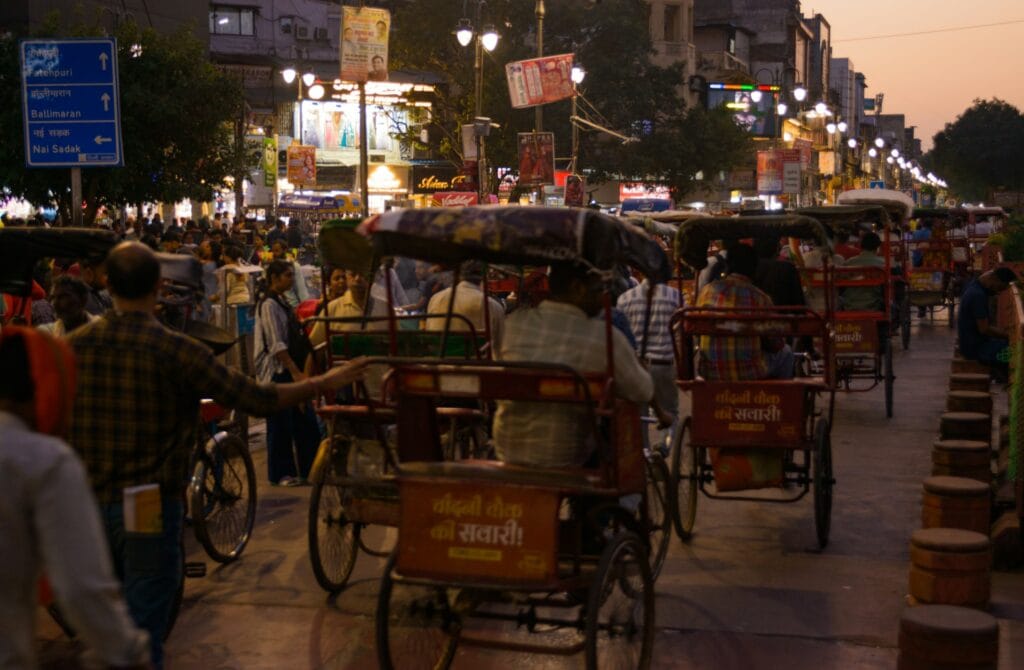
India is a country of contrasts, a land of endless surprises and vibrant diversity that can be a thrill to visit, but also overwhelming for anyone stepping in blindly, especially first-timers.
India is full of different experiences. You can explore busy cities, visit famous monuments, relax in peaceful temples, and enjoy vibrant festivals throughout the year.
With so much to see and do, it’s easy to feel overwhelmed on your first visit. Before you travel, take some time to learn about local customs, transportation, and basic safety tips.
A little planning can make your trip much smoother and help you enjoy everything India has to offer.
Culture and Etiquette Tips for First-Time Visitors to India
Understanding local customs can make your trip smoother and more enjoyable. Here’s what you should know:
- Dress modestly, especially in temples and rural areas.
- Greet locals with a ‘Namaste’ (hands clasped together). It’s a sign of respect, and they’ll appreciate it!
- When entering homes or temples, remove your shoes—a small gesture that speaks volumes in India.
Don’t go getting too fancy; just take your shoes off when you go into someone’s house or a temple, and a quick Namaste with your hands clasped will go down a storm with the locals.
Important Safety and Health Tips
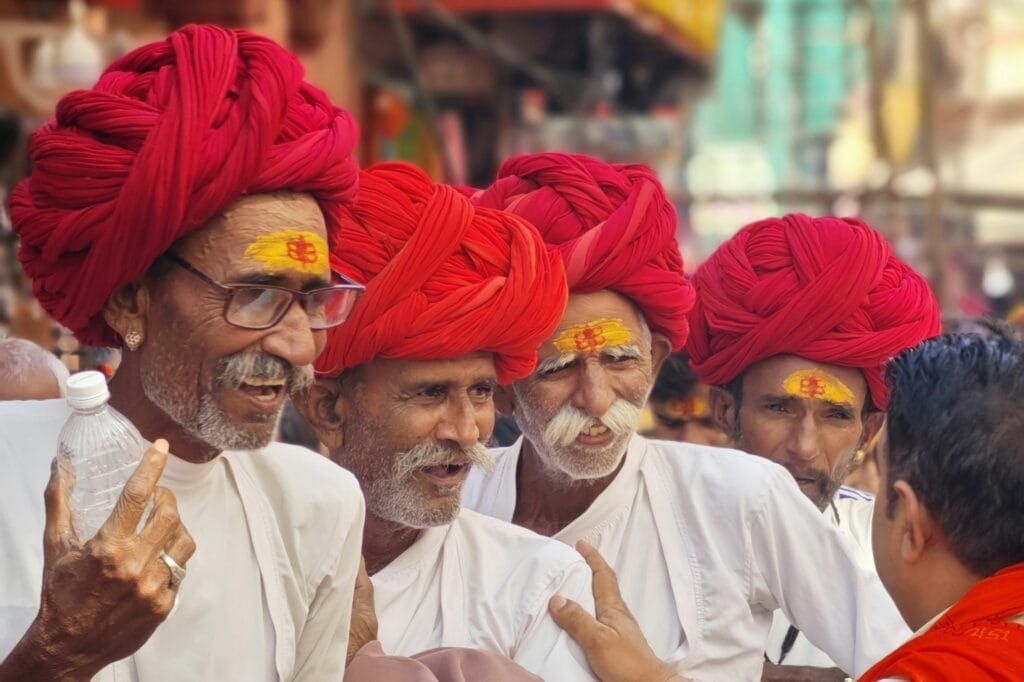
Staying safe is essential when traveling in India. Basic common-sense rules, like staying out of dodgy areas, drinking bottled water, and keeping an eye on your gear, will all help you have a stress-free trip.
India is generally safe for tourists, especially in well-traveled areas. However, like any large country, it requires awareness and basic precautions.
In my experience helping international travelers, most issues arise from simple mistakes—such as using unofficial taxis, carrying valuables openly, or ignoring local advice.
Stick to well-lit areas at night, use verified transport options, drink bottled or filtered water, and keep an eye on your belongings in crowded places. A little preparation goes a long way toward ensuring a smooth and stress-free trip.
Best Time to Visit India for First Time Travelers
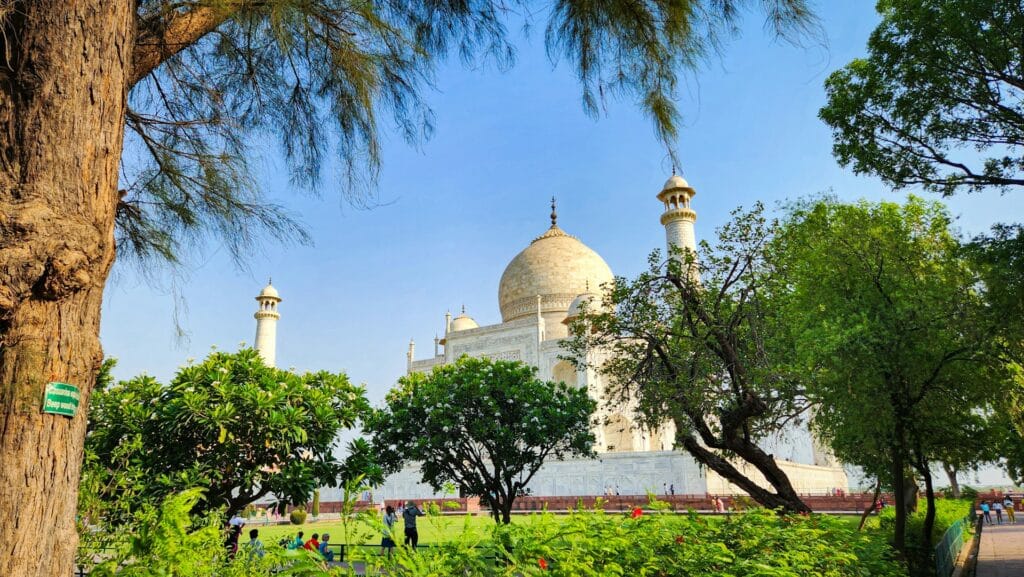
India’s climate varies significantly by region, so timing your visit is important. For most first-time travelers, October to March offers the most comfortable weather.
During these months, temperatures are cooler, skies are clearer, and sightseeing in destinations like Delhi, Agra, Jaipur, and Kerala is far more enjoyable.
If you plan to visit northern cities in summer, be prepared for extreme heat, often exceeding 40°C (104°F). Monsoon season brings lush landscapes but can disrupt outdoor travel plans in some regions.
Choosing the right season depends on where you’re going and what kind of experience you’re looking for.
Best Season by Travel Type
India’s climate varies widely by season. The table below helps you decide the ideal time based on your travel preferences.
Season | Months | Weather Conditions | Best For | Considerations |
Winter | Oct – Mar | Cool & Pleasant | Sightseeing, cultural tours, first-time visits | Peak tourist season |
Summer | Apr – Jun | Very Hot (North), Humid (South) | Hill stations, Ladakh, fewer crowds | Heat can be intense |
Monsoon | Jul – Sep | Rainy, lush landscapes | Nature lovers, budget travelers | Outdoor plans may be affected |
Weather Differences by Region
The weather across different parts of India varies significantly. You’ve got the hot deserts of Rajasthan on one end of the scale and the humid tropical south and the cool mountain regions in the north.
Getting a handle on these differences helps you sort out where to go and when to go. And to be honest, the right time to travel to India really does depend on where in the country you want to visit.
- Rajasthan: basically hot & dry all the time
- South India: gets pretty warm & humid
- Himalayan regions: really cold in winter, quite mild in summer
Festivals and Events
Indian festivals are just the thing to add some extra color to your trip as a first-time traveller to the country.
If you can sync your trip with one of the key festivals like Diwali, Holi, or any of the other regional celebrations, then those will be some memories you’ll take home with you for sure.
Festival time is when Indian culture really comes alive and leaves a lasting impression on anyone visiting the country for the very first time.
- Diwali (Festival of Lights): The entire place is lit up like a diorama with thousands of lamps and firecrackers illuminating homes and streets, and it’s all about celebrating new beginnings.
- Holi (Festival of Colors): The ultimate spring festival, people are dancing in the streets to music and laughter, and just generally letting their hair down, covered in colored powder.
- The Hornbill Festival (Nagaland): This is where you can get a glimpse of tribal life, featuring traditional music and handcrafted goods for sale.
- Chapchar Kut (Mizoram): It’s a spring harvest festival of dance, music, and feasting with the whole community.
- Teej (Rajasthan): They celebrate the arrival of the monsoon with parades, swings, and traditional singing. It’s a truly old-school feel to it.
- Ambubachi Mela (Assam): A huge spiritual gathering focused on fertility and nature at a temple in Assam. It’s a real spiritual experience.
- Bhagoria Haat (Madhya Pradesh): If you’re looking for some colorful market action, then you have to check out one of these tribal fairs with traditional music, dance, and markets to explore.
- Losung/Namsung (Sikkim): They have a harvest festival here with masked dances and all sorts of cultural rituals to check out.
These festivals are the main draw for many tourists, and it’s not hard to see why when you see so many people from all over the world coming to India to attend them.
Traveling in this season? Check what experiences are available now.
India Visa Requirements for First-Time Visitors
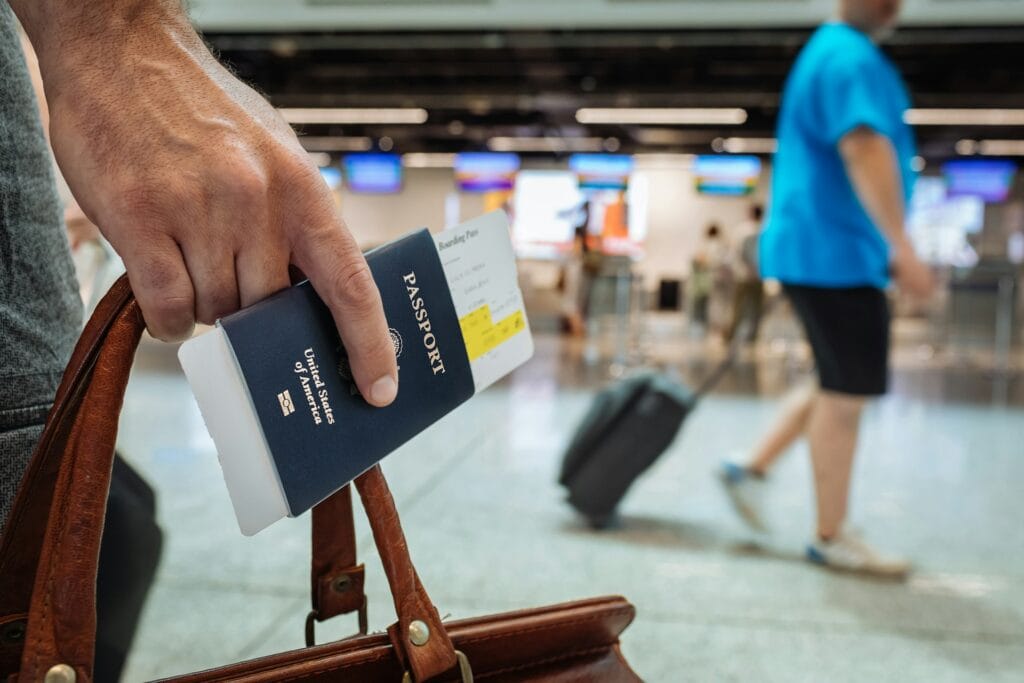
Before travelling, understanding India’s visa rules is essential. Most foreign tourists can apply for an Indian e-Visa, but requirements vary by nationality.
Know the different visa types, how to apply, passport rules, and tips to avoid last-minute issues.
Different Types of Tourist Visas
Most international travelers will be able to use India’s e-Visa system, which is convenient, especially if you’re only in the country for a short while.
However, if you’re planning a longer trip, things can get a bit more complicated depending on where you’re from, so a traditional visa might be the way to go.
The good news is that the majority of tourists can still apply for an Indian e-Visa, making the process much simpler for those visiting for the first time.
Applying for a Visa: What You Need to Know
If you follow the official rules, applying for a visa isn’t difficult; just make sure you’re well-prepared, and you’ll sail through the process.
First-time visitors should get all their documents in order in advance. See the India tourist visa document checklist before submitting your application.
Most travelers can apply through the official Indian e-Visa system managed by the Government of India. This step-by-step Indian tourist visa guide explains the application process, fees, and common mistakes to avoid.
Always use the official government website to avoid scams or inflated service fees from third-party agents.
Apply at least a week in advance and double-check passport validity requirements before submitting your application.
Entry Rules and Passport Requirements to Visit India
If you’re planning on heading to India, you’ll need a valid passport and an approved visa, no question.
It’s also worth understanding where to exchange currency safely and how to avoid poor exchange rates after arriving in India.
Knowing the entry rules can save you a lot of hassle further down the line especially at airports and border crossings where things can get a bit chaotic.
Not to mention, it’s a good idea to make sure your passport will be valid for at least six months before you travel.
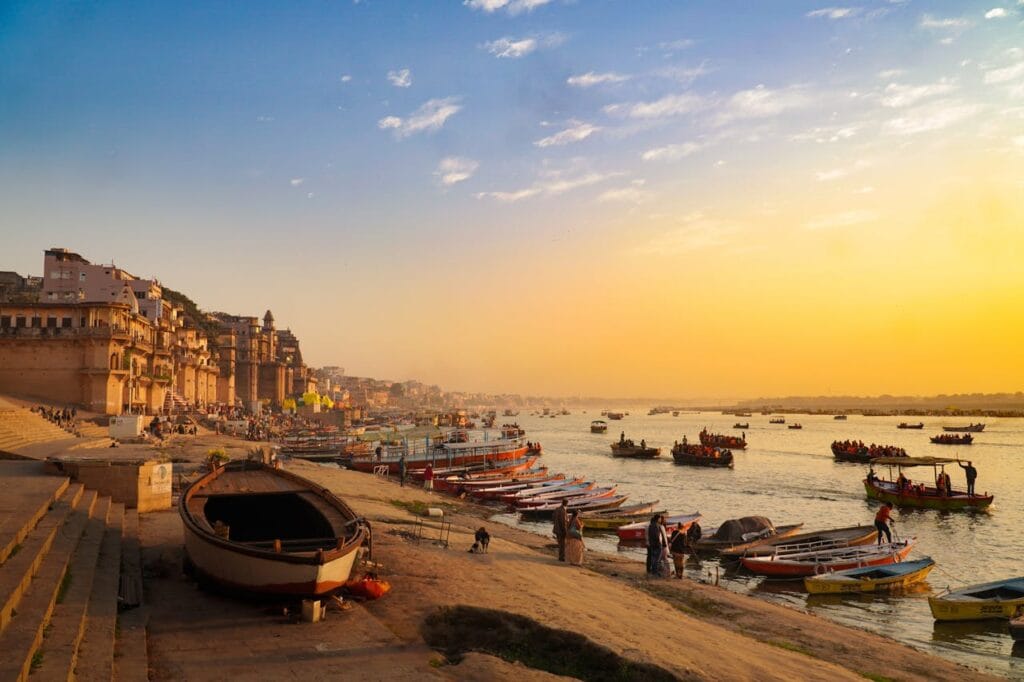
Due to India’s sheer size and astonishing diversity – its 1.5 billion people and countless cultures, cuisines, and landscapes – planning your first trip to India can be completely overwhelming.
This guide is here to help you make the right decision about where to go, create an itinerary that suits you, decide how long to stay, and find a good balance between all the amazing sights and a little relaxation time so you can really enjoy yourself.
Choosing the Right Destinations
India is not a country you can “see” in one trip and that’s okay. For a first visit, it’s better to focus on one region rather than rushing across the entire country.
Many travelers begin with the Golden Triangle (Delhi, Agra, Jaipur) because it combines history, architecture, and cultural experiences in a manageable route.
If you prefer slower travel and natural scenery, South India offers a calmer introduction with backwaters, temples, and coastal landscapes.
Choosing fewer destinations allows you to enjoy the experience instead of constantly moving. Some really popular choices include the stunning Golden Triangle, the picturesque Kerala backwaters, and the beautiful deserts of Rajasthan.
Planning Kerala? Don’t miss curated backwater and local experiences.
North vs South India: What Should First-Time Travelers Choose?
Both regions offer completely different experiences. This comparison simplifies your decision.
Feature | North India | South India |
Best For | History & Architecture | Nature & Relaxation |
Famous Attractions | Taj Mahal, Jaipur Forts, Varanasi | Kerala Backwaters, Hampi, Meenakshi Temple |
Travel Style | Fast-paced sightseeing | Slow & Scenic |
Cultural Influence | Mughal & Rajput Heritage | Different Temple Culture |
Ideal Trip ( In Days) | 7–14 Days | 7–14 Days |
If this is your first visit, many travelers start with North India’s Golden Triangle route before exploring the South.
How to Plan Your First India Itinerary
Creating a good itinerary that balances sightseeing and relaxation time while also leaving some room for spontaneity is really the key to a good, stress-free trip.
If you can plan and include some downtime in the mix, you’ll be able to see tons of amazing things India has to offer without feeling like you’re running on a treadmill.
Planning a trip that includes multiple cities can be difficult, but it’s usually better to take your time and not try to cram too many things into too short a time.
Consider the weather, distance between locations, and how many days you have available, and make sure you leave some leeway in your schedule.
Travel Time Tips
Most people on their first trip to India spend 10–21 days there, and this allows them plenty of time to experience the place and see all the top sites.
Travel Budget Planning
If you’re planning a trip to India, one thing you really need to get right is your budget.
Think about what you’ll need – how much accommodation and food will cost, how much you’ll need for transport, and what activities you’ll be willing to pay for.
Foreign card withdrawals can also include additional banking charges, so it helps to understand ATM fees in India before your trip.
Must-Visit Places in India for First Time Travelers
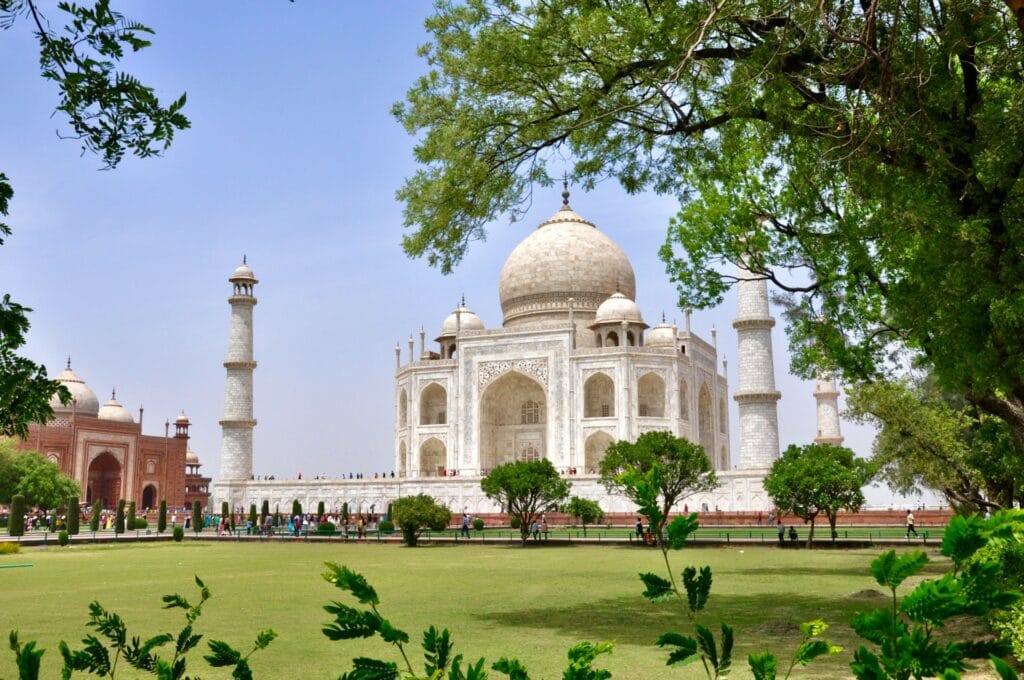
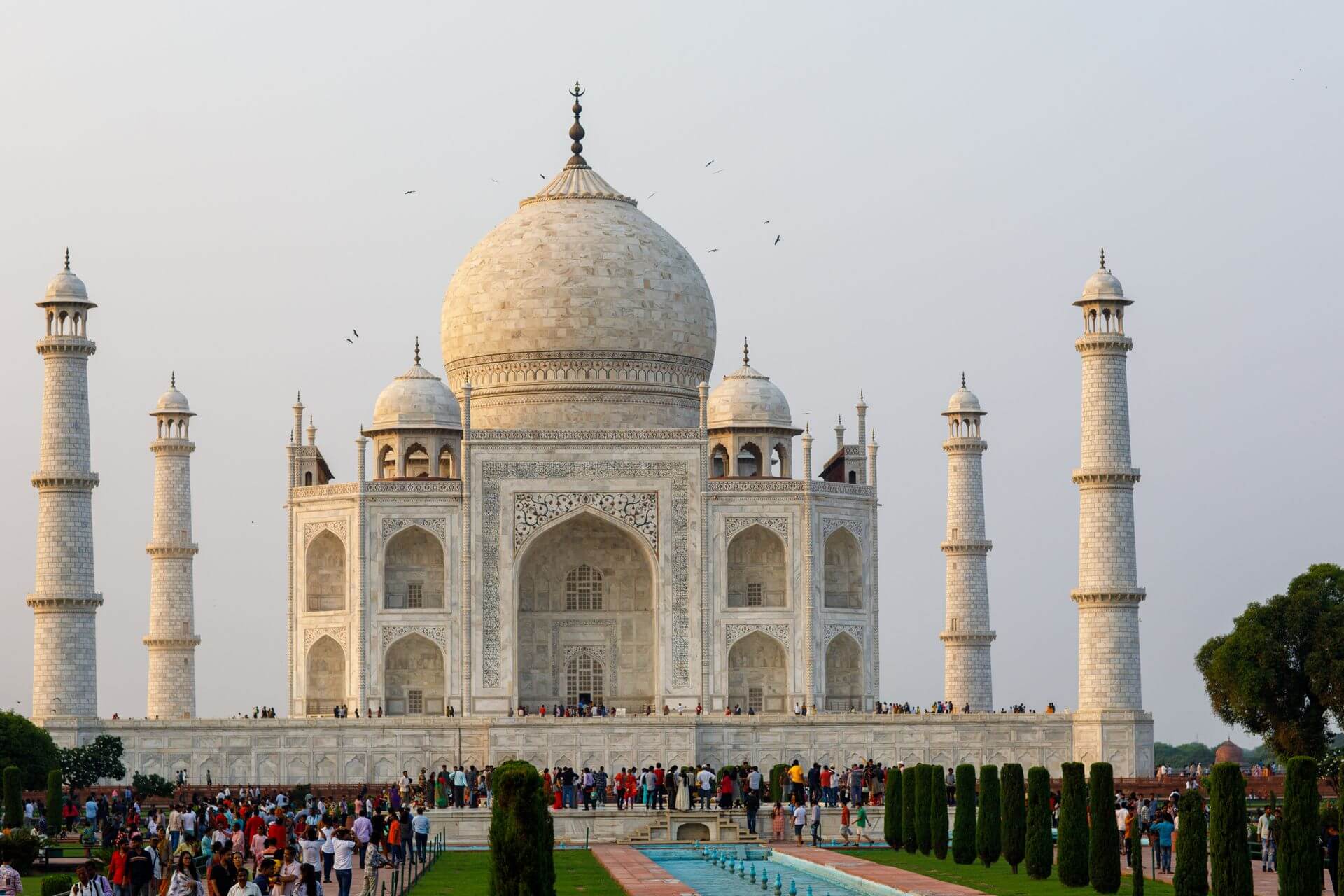
India is packed with destinations that leave first-time visitors in awe. A classic introduction is the Golden Triangle – Delhi, Agra, and Jaipur – which combines vibrant city life, incredible history, and iconic landmarks like the Taj Mahal and Jaipur’s palaces.
For those drawn to deserts and royal heritage, Rajasthan offers sweeping sand dunes, colorful villages, and majestic forts.
In the south, Kerala enchants travelers with tranquil backwaters, lush greenery, and relaxing boat rides, while Goa adds sun, sand, and a lively beach vibe.
Finally, spiritual seekers will love cities like Varanasi, Rishikesh, Haridwar, and Prayagraj, where rivers, temples, and rituals provide a unique cultural experience unlike anywhere else.
Visiting Delhi, Agra & Jaipur? Guided tours make it much easier.
Klook.comGetting Around India: Transportation Tips for First-Time Travelers
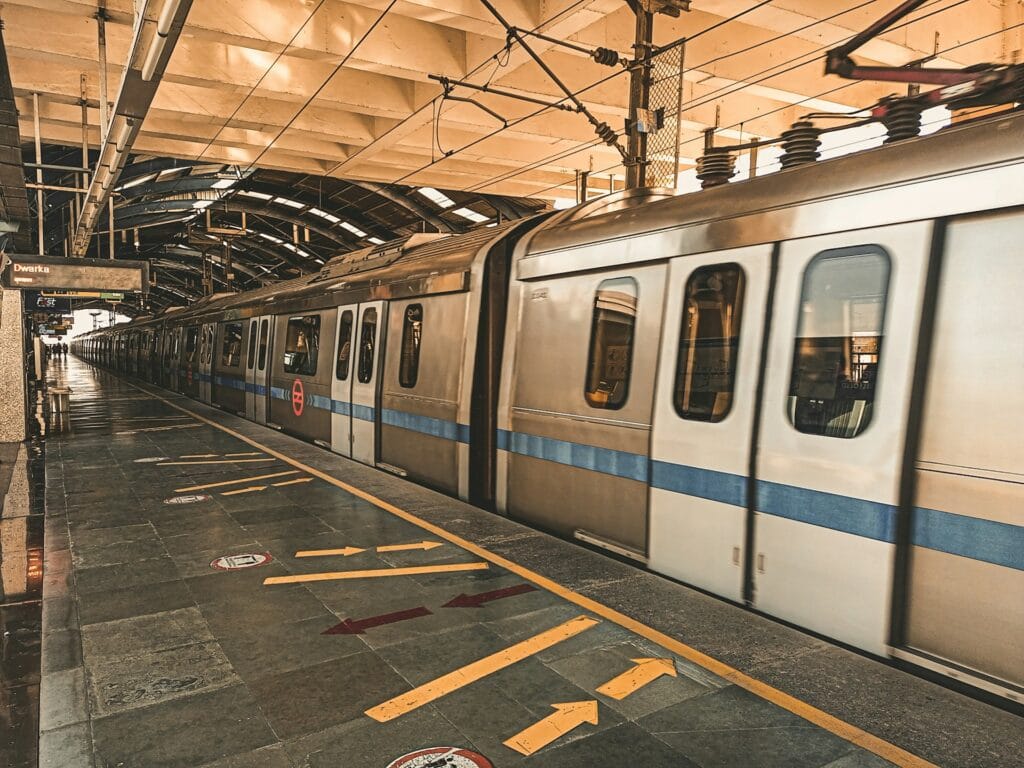
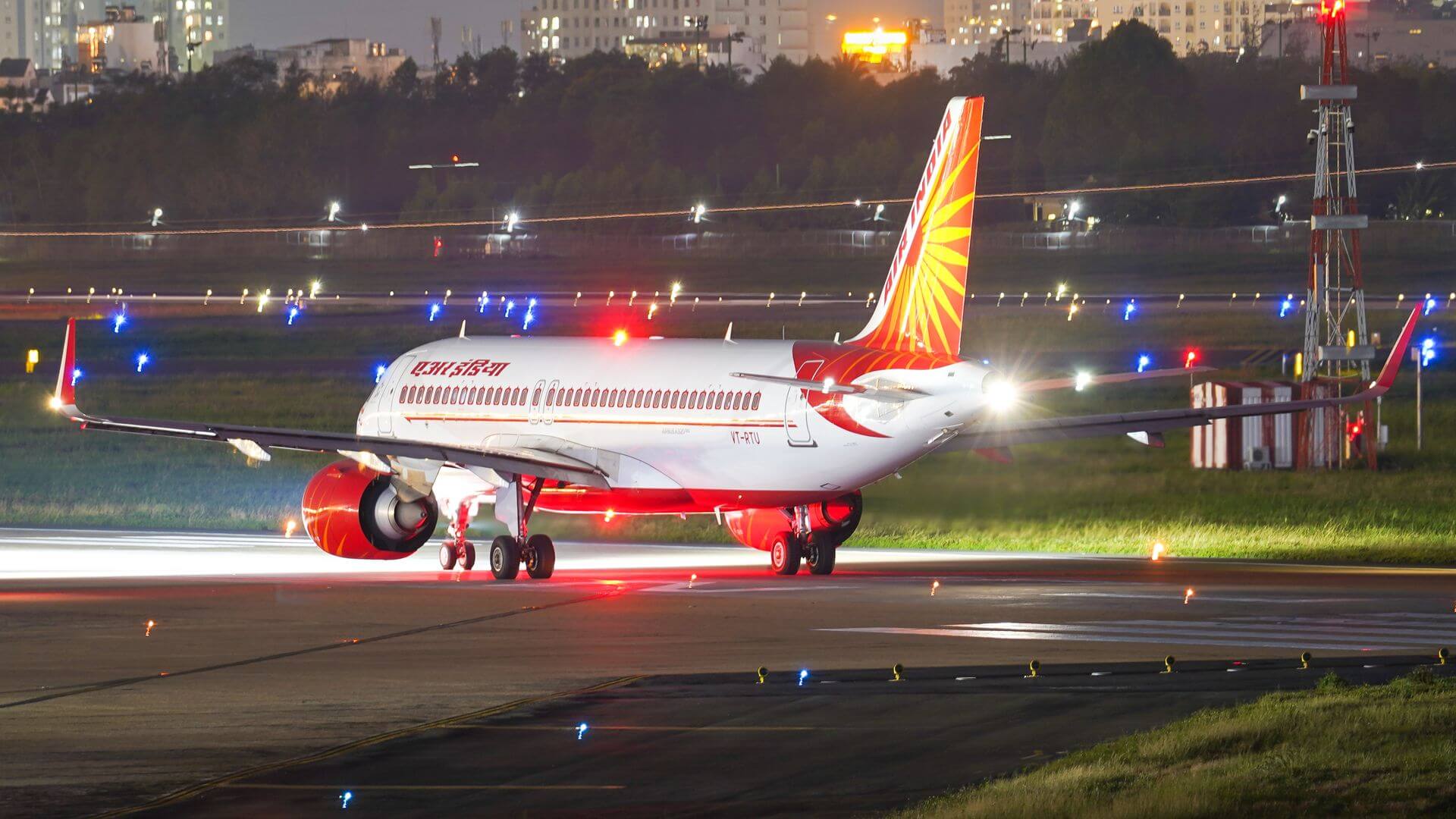
Traveling around India can feel like a puzzle at first, but with a little planning, it’s manageable. For long distances, domestic flights are fast and often affordable if booked early.
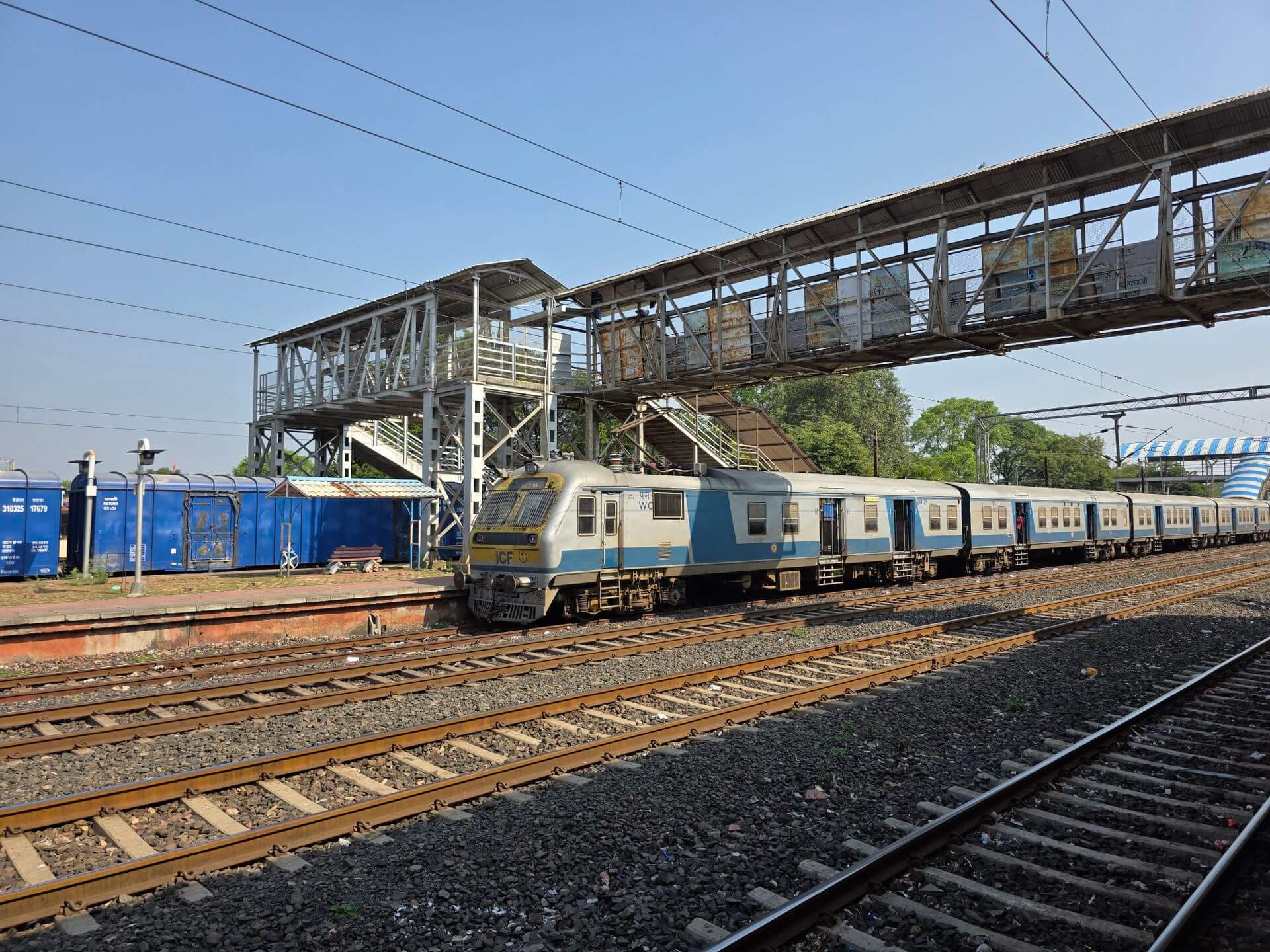
Trains are an excellent way to see the countryside, but first-timers should reserve seats in advance for comfort and safety. Buses are budget-friendly and offer a closer look at India’s villages and rural life, though journeys can be slower.
In cities, taxis, auto-rickshaws, and ride-hailing apps like Ola and Uber are convenient – just negotiate fares in advance or use the app meter.
Along with transport apps, travelers should also download essential India travel apps for maps, food delivery, hotel bookings, and payments.
First time in India? Pre-book transport to avoid confusion.
Klook.comTransportation Options in India Compared
India offers multiple transport options. Choosing the right one can save both time and money.
Mode | Best For | Pros | Cons |
Domestic Flights | Long Distances | Fast & Affordable | Airport Transfers Needed |
Trains | Scenic & Budget Travel | Extensive Network | Advance Booking Required |
Buses | Remote Areas | Cheap | Slower & Less Comfortable |
Uber/Ola | City Travel | Convenient & Safe | High Pricing |
Where to Stay in India: Accommodation Tips for First-Time Visitors
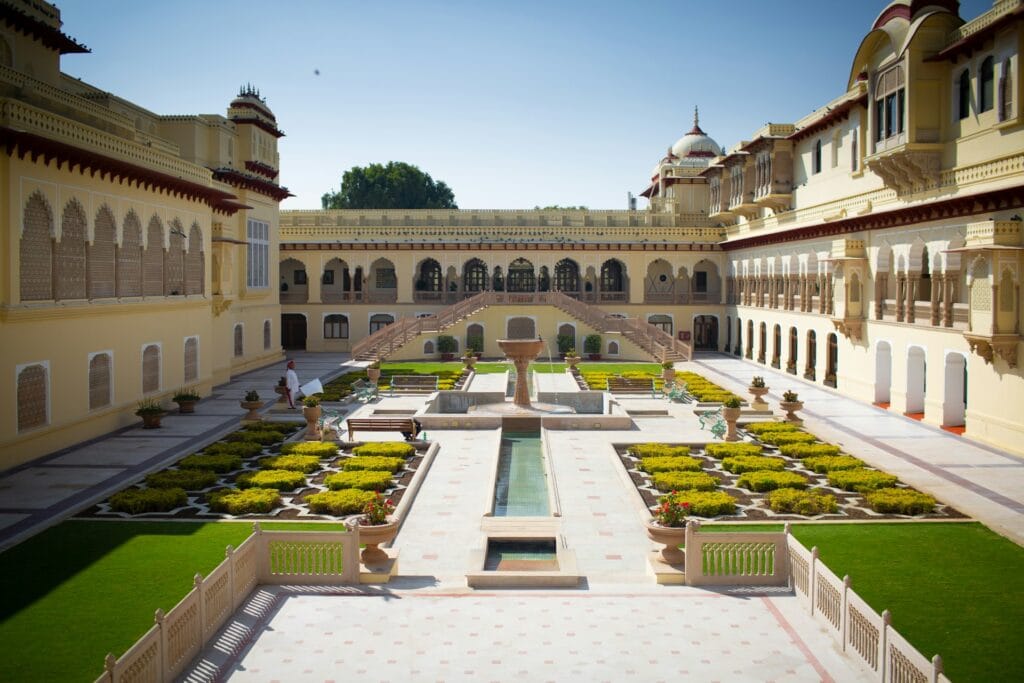
India offers accommodations for every budget and style. Backpackers often enjoy hostels or guesthouses for their affordability and social vibe, while mid-range hotels strike a balance between comfort and cost.
Luxury hotels provide world-class service for those seeking an indulgent experience.
Pro Tip: Always read recent reviews, check the neighborhood for safety, and stay near major transport hubs. This ensures your first trip is hassle-free and enjoyable.
Want a smoother trip? Combine your stay with local experiences.
Accommodation Options in India
Type | Price Range | Best For |
Hostels | $8 – $20 | Backpackers & Solo Travelers |
Budget Hotels | $20 – $50 | Budget Couples |
Mid-Range Hotels | $50 – $120 | Families |
Luxury Hotels | $150+ | Premium Travelers |
Homestays | Varies (City by city) | Cultural Experience |
Always check recent reviews and choose accommodations near main attractions or transport hubs.
Indian Food for First-Time Travelers
Indian cuisine is a journey in itself. Every region has its own flavors – from spicy curries in the north to coconut-rich dishes in the south.
Street food is tempting, but first-timers should stick to busy stalls with good hygiene and always drink bottled or filtered water.
Vegetarians and vegans will find India a paradise, with countless traditional plant-based dishes. Don’t be afraid to ask locals for recommendations — it’s often the best way to discover hidden culinary gems.
Money and Budget Tips for First-Time Travelers in India
The Indian Rupee (INR) is used everywhere, and while cash is still king in smaller towns, digital payments are widely accepted in cities.
If you’re unsure whether to rely more on cash or cards, this guide explains what actually works best for tourists in India.
ATMs are common, but foreign tourists should understand typical ATM withdrawal charges and how to avoid unnecessary banking fees in India.
Mobile payments via UPI apps can save you from carrying too much cash, and foreign travelers can now use UPI in many parts of India with supported services.
Here’s a realistic daily cost estimate based on travel style:
India Travel Cost Breakdown (Per Day)
Budget planning is essential for first-time visitors. Below is a realistic daily cost estimate based on travel style.
Category | Budget Traveler | Mid-Range | Luxury |
Accommodation | $10 – $20 | $40 – $80 | $150+ |
Food | $5 – $10 | $15 – $30 | $50+ |
Transport | $5 – $15 | $20 – $50 | $80+ |
Activities | $5 – $15 | $20 – $40 | $100+ |
Total Per Day | $25 – $50 | $80 – $160 | $250+ |
Internet, SIM Cards, and Connectivity in India for Travelers
Getting online in India is simple and affordable. Most travelers pick up a local SIM card at the airport or in cities, and this guide explains the requirements, costs, and setup process for tourists.
Mobile data coverage is generally good, even outside major cities, making navigation and ride-hailing apps much easier. Travelers who prefer instant activation can also use eSIM services before arriving in India.
Wi-Fi is common in hotels, cafes, and restaurants, but having your own data ensures you’re connected in more remote areas.
Download essential apps for maps, taxis, translators, and food delivery before you land for a smoother experience.
Packing Essentials for First Time Travelers in India
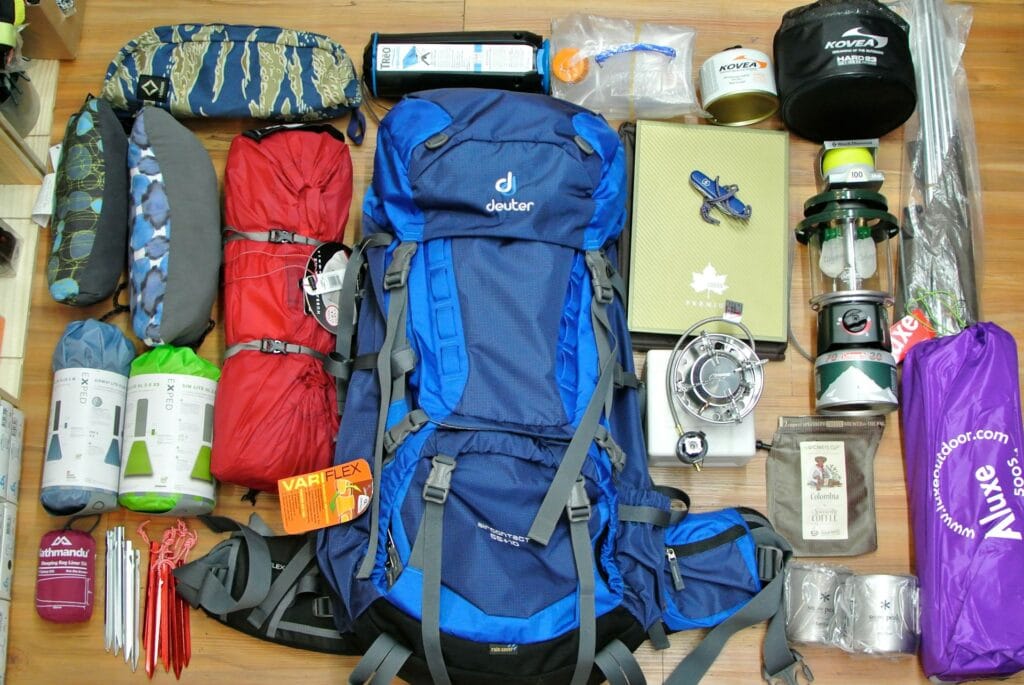
Packing smart can make your first India trip far less stressful. Weather varies widely, so bring versatile, lightweight clothing and modest outfits for temples. Comfortable walking shoes are essential for exploring cities and villages.
Other must-haves include basic medicines, sunscreen, hand sanitizer, a universal adapter, power bank, and digital/printed copies of your passport, visa, and travel insurance. Planning ahead ensures you enjoy India instead of worrying about missing essentials.
Category | Essentials |
Clothing | Lightweight clothes, modest wear, scarf |
Footwear | Comfortable walking shoes |
Health | Basic medicines, sanitizer, sunscreen |
Tech | Universal adapter, power bank |
Documents | Passport, Visa, Insurance Copies |
Common Mistakes First Time Travelers to India Make
Many first-timers rush in without a plan and end up overwhelmed. Common pitfalls include overpacking, trying to visit too many destinations, underestimating travel times, or ignoring local customs.
Travelers planning road trips should also understand India’s driving rules, license requirements, and road conditions before renting a vehicle.
Avoid these mistakes by planning a realistic itinerary, packing essentials, and learning basic cultural norms — it can make your first India trip smooth and memorable.
Mistakes to avoid:
- Don’t overpack or forget the essentials like medications, chargers, etc.
- Don’t try too many destinations in one short trip.
- Underestimate the distances between places and the time it takes to get there.
- Fail to notice the little things that will make you stand out you know, the local way of doing things.
Practical Tips for a Smooth Trip to India
Traveling in India requires flexibility and an open mind. Expect minor delays and plan for them. Using local guides, learning a few Hindi phrases like “Namaste” and “Dhanyavaad” (thank you), and staying patient will make your trip more enjoyable and immersive.
Remember: the journey is as much about adapting as it is about sightseeing.
Tips to get you through the trip:
- Don’t get too rigid with your plans be flexible.
- Consider getting a local guide or going on one of those organized tours.
- Get a bit of a handle on some basic Hindi phrases – like ‘hello’ and ‘thank you’.
- Stay chill, curious and open to new experiences.
Ready to explore India? Find the best tours and activities here.
FAQs About a First-Time Traveler’s Guide to India
Do I need a visa to travel to India?
Most foreign nationals need a visa to enter India. India offers an online e-Visa for eligible countries, available for 30 days, 1 year, or 5 years. Your passport must be valid for at least six months from arrival.
How many days are enough for a first trip to India?
For a first visit, 10–14 days is ideal. This allows you to explore one region properly, such as North India’s Golden Triangle, or combine culture with relaxation in South India.
Is Indian food safe for first-time visitors?
Indian food is safe when eaten at clean, well-reviewed restaurants. Travelers should drink only sealed bottled water, avoid ice cubes, and be cautious with street food initially.
What is the easiest itinerary for first-time travelers to India?
The easiest itinerary is the Golden Triangle:
1. Delhi (2–3 days)
2. Agra (1–2 days)
3. Jaipur (2–3 days)
This route offers iconic landmarks, good infrastructure, and manageable travel distances.
Can tourists drink tap water in India?
No, tourists should avoid drinking tap water in India. Always use sealed bottled water or purified water for drinking and brushing teeth to reduce the risk of stomach illness.
What vaccinations are recommended before traveling to India?
No vaccinations are mandatory for most travelers, but doctors commonly recommend hepatitis A, typhoid, and tetanus. Depending on your travel plans, additional vaccines may be advised.
Is India suitable for solo female travelers?
Yes, many women travel solo in India safely. Staying in reputable hotels, dressing modestly, using trusted transport, and avoiding isolated areas at night increases comfort.
What is the biggest culture shock for first-time visitors to India?
The biggest culture shock is the intensity of busy streets, traffic, crowds, and sensory overload. Most travelers adjust within a few days and find the energy part of India’s unique charm.
Image Credit: Unsplash
