




You’ve settled on 10 days for your first India trip — enough time to actually see something, not so much that it swallows your whole vacation calendar.
Now comes the harder part: figuring out exactly which cities fit, in what order, without spending half the trip on trains and transfers.
This is a practical, day-by-day 10 day India itinerary for first-time travelers, built around a route that gives you the highlights without packing every day with long transfers: the Golden Triangle plus Udaipur.
It covers roughly 1,000 km of travel by train and road, mixes busy sightseeing days with slower ones, and is realistic for first-time visitors.
You can do most of the route by train and road, although a short flight from Jaipur to Udaipur can save several hours.
Why This Route Works for 10 Days
Ten days is enough time to see the Golden Triangle properly and add one worthwhile extension, but not enough to squeeze in Kerala, Varanasi, and Goa without turning the trip into a checklist.
The route stays in North India and Rajasthan because the cities are close enough to connect without losing several days to travel.
Why this order? Delhi comes first because that’s where most international travelers arrive. Agra is an easy next stop, followed by Jaipur and then Udaipur, where a slower pace makes a nice finish to the trip.
The 10-Day Itinerary at a Glance
Day | City | Focus |
1 | Delhi | Arrival, settle in, short orientation walk |
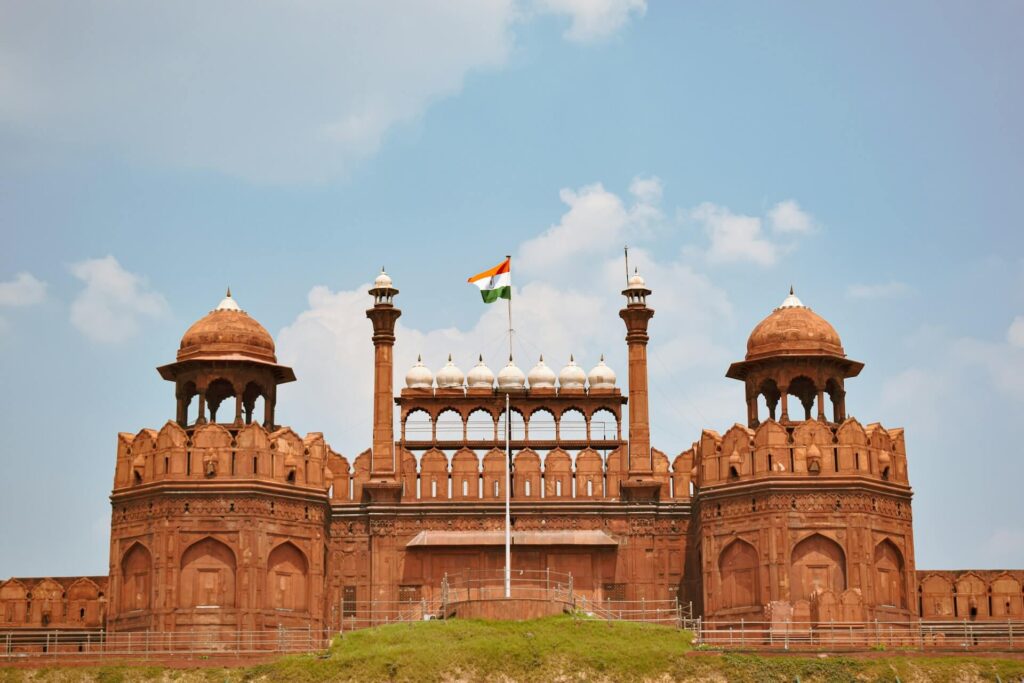
2 | Delhi | Old Delhi: Red Fort, Jama Masjid, Chandni Chowk |
3 | Delhi → Agra | New Delhi sights, afternoon train to Agra |
4 | Agra → Jaipur | Sunrise Taj Mahal, Agra Fort, Fatehpur Sikri en route, evening in Jaipur |
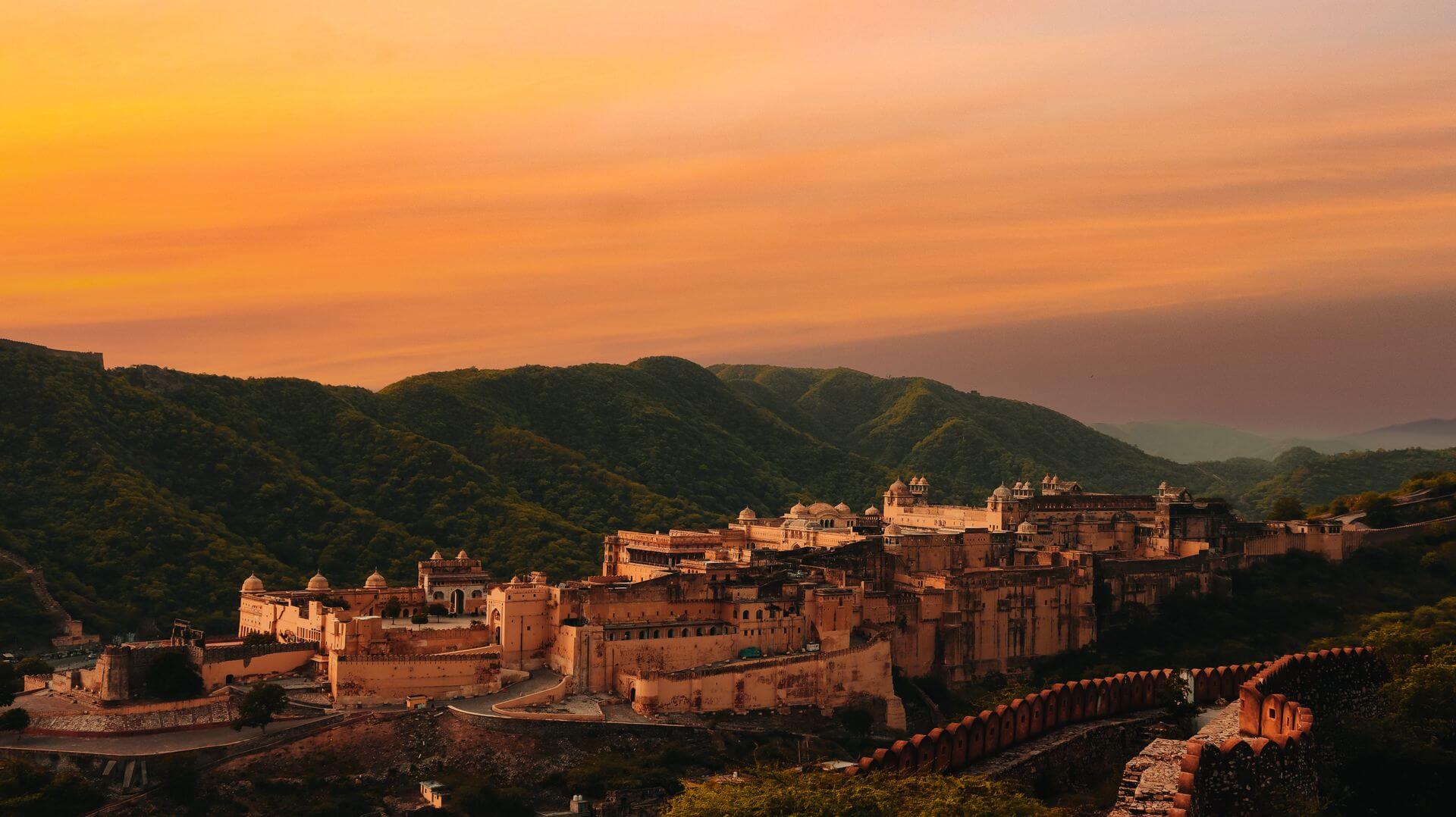
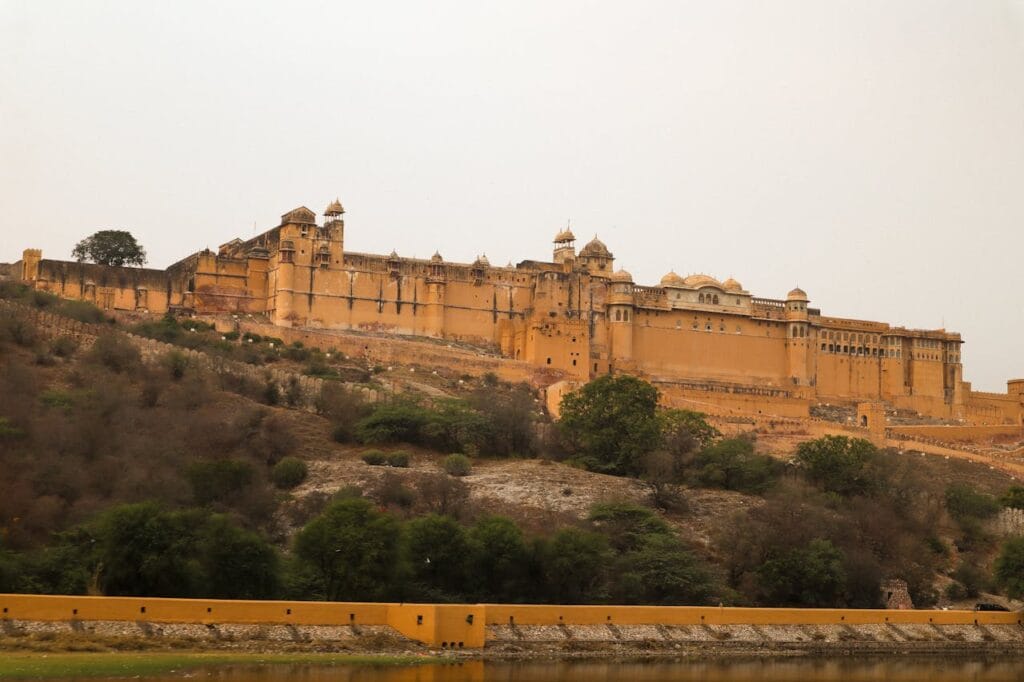
5 | Jaipur | Amber Fort, City Palace, Jantar Mantar |
6 | Jaipur | Hawa Mahal, markets, optional day trip |
7 | Jaipur → Udaipur | Travel to Udaipur (flight or road) |
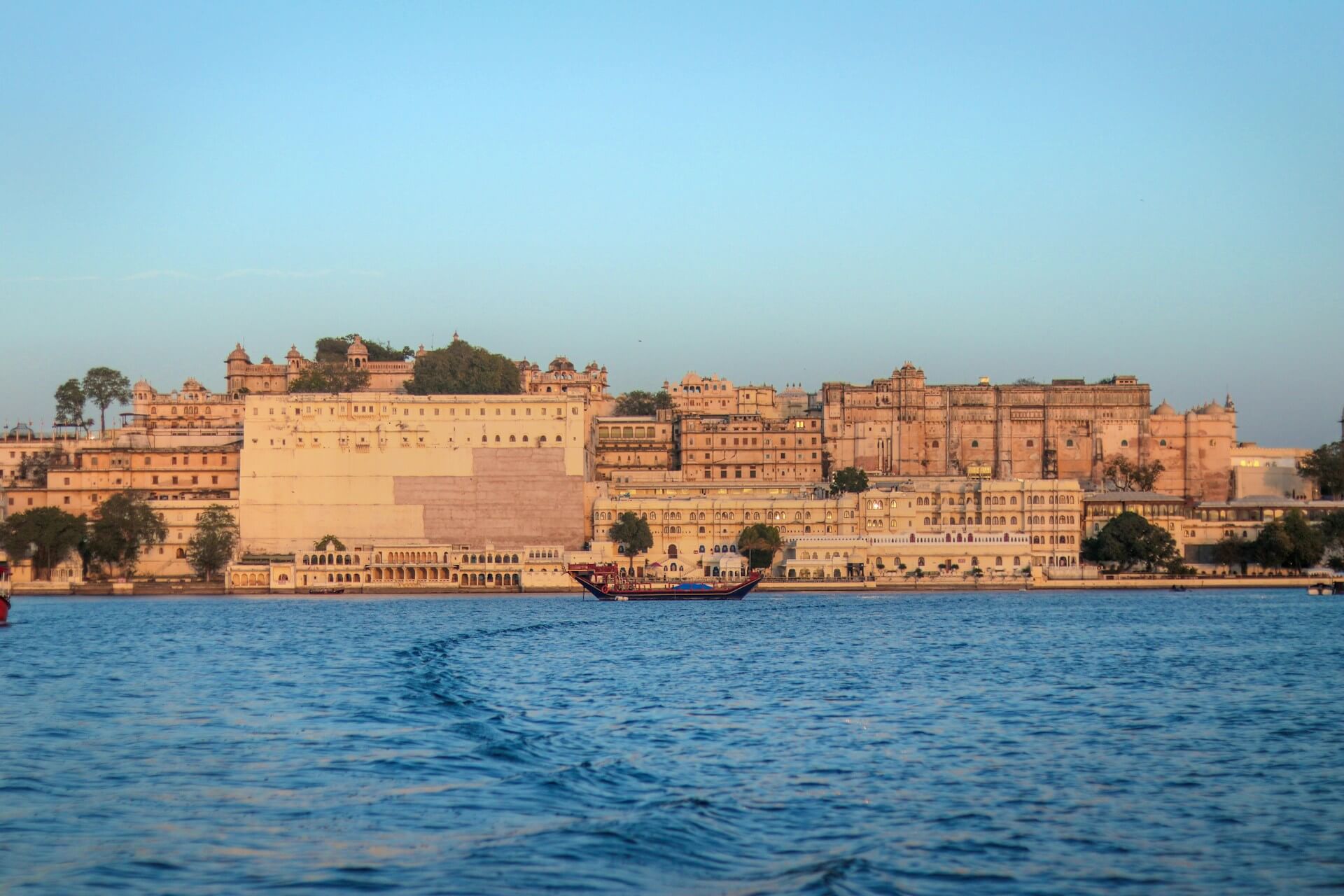
8 | Udaipur | City Palace, Lake Pichola boat ride |
9 | Udaipur | Jagdish Temple, Saheliyon ki Bari, sunset at Monsoon Palace |
10 | Departure | Departure from Udaipur, or connect via Delhi |
Day-by-Day Breakdown
Day 1: Arrival in Delhi
If you’re arriving in India after a long international flight, keep your first day light.
- On arrival: clear immigration and customs, arrange a pre-booked airport transfer or use the official prepaid taxi service at the terminal
- Evening: check in, have dinner near your hotel, and go to bed early — jet lag hits harder if you fight it on day one
- Where to stay: Connaught Place or the Karol Bagh area both put you close to Delhi’s metro network and major sights
Day 2: Old Delhi
This is your most atmospheric day in Delhi: crowded lanes, historic mosques, busy markets, and some of the city’s best-known street food.
- Morning: Red Fort, the Mughal fortress that anchors Old Delhi
- Midday: Jama Masjid, India’s largest mosque, followed by a walk through Chandni Chowk’s market lanes
- Afternoon: a food-focused walk through Old Delhi’s lanes — parathas, chaat, and jalebi are the local specialties worth seeking out
- Evening: return to your hotel area for dinner; Old Delhi’s crowds and heat make a full evening there tiring for a first day of serious sightseeing
Day 3: New Delhi, then Train to Agra
Split this day between New Delhi’s sights and your travel window to Agra.
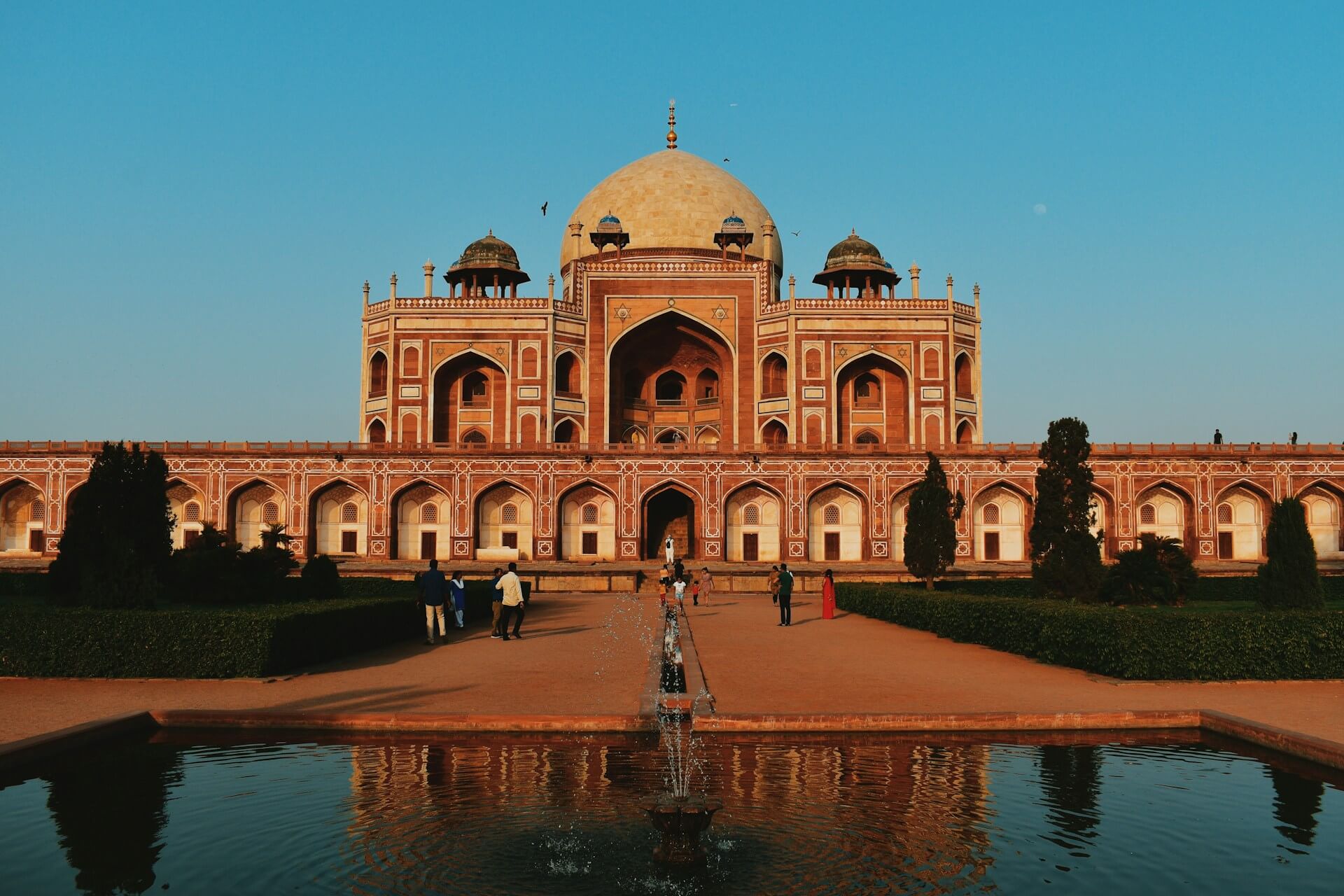
- Morning: Humayun’s Tomb and Qutub Minar, both well-preserved Mughal-era sites with more breathing room than Old Delhi
- Midday: India Gate and a drive past the government buildings of Rajpath
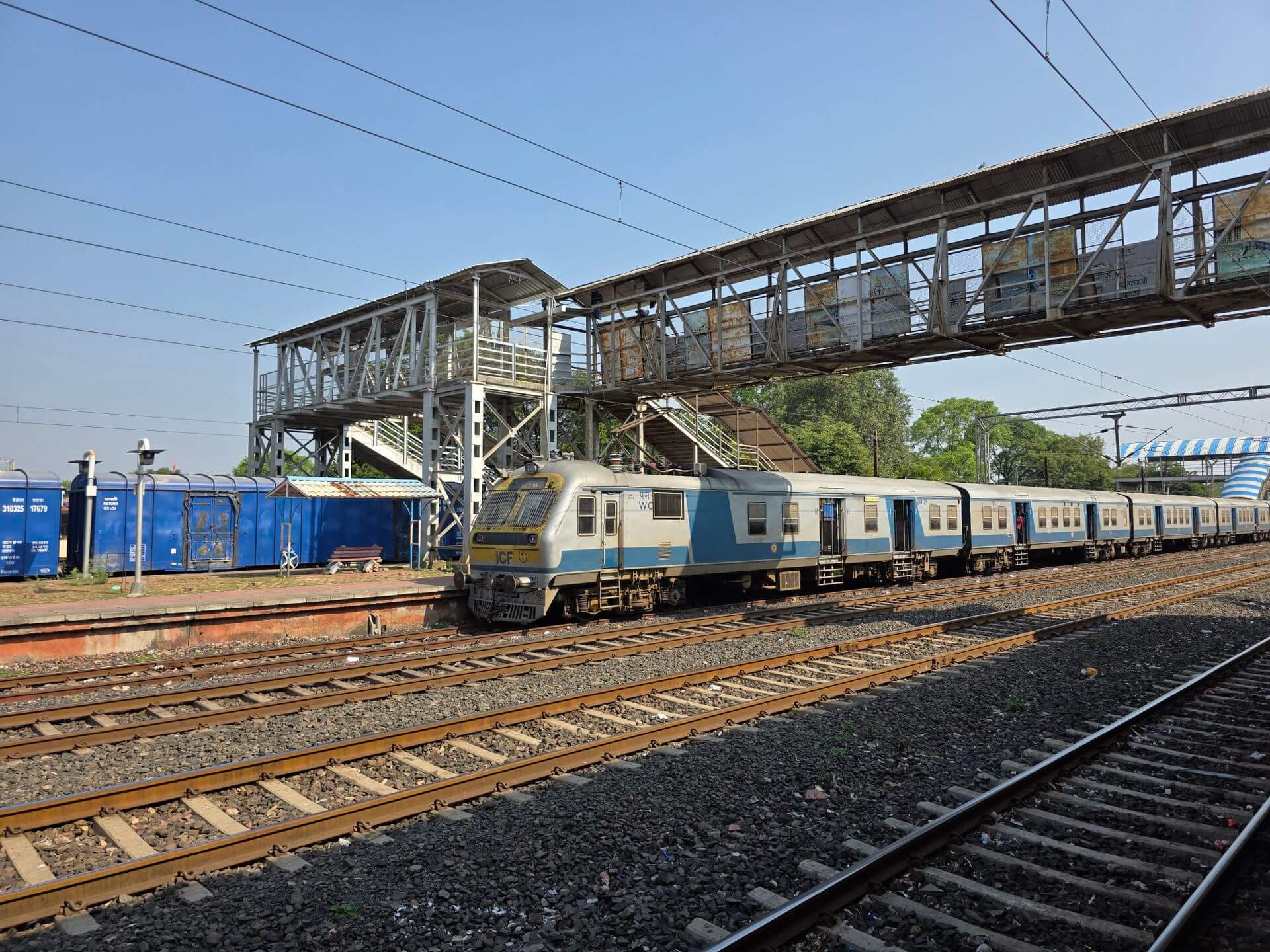
- Afternoon: take the Gatimaan Express, a fast train between Delhi and Agra. The journey takes around 1 hour 40 minutes, making it a convenient option for this itinerary.
- Evening: arrive Agra, check in, early dinner and early night ahead of a pre-dawn start
Day 4: Taj Mahal at Sunrise, Then On to Jaipur
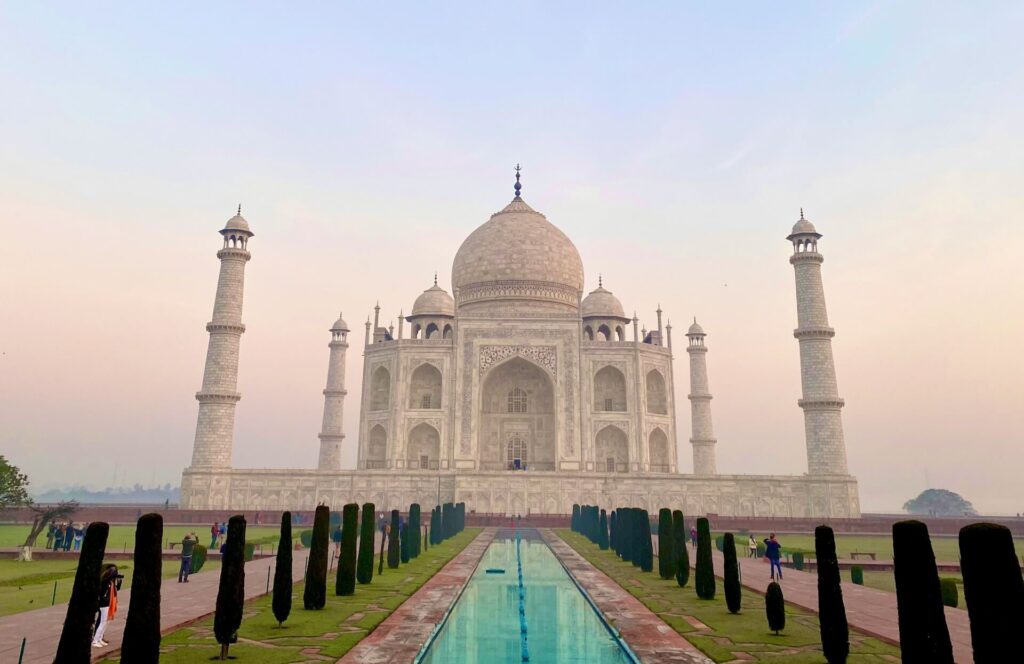
This is the itinerary’s headline day, and it’s worth the early start.
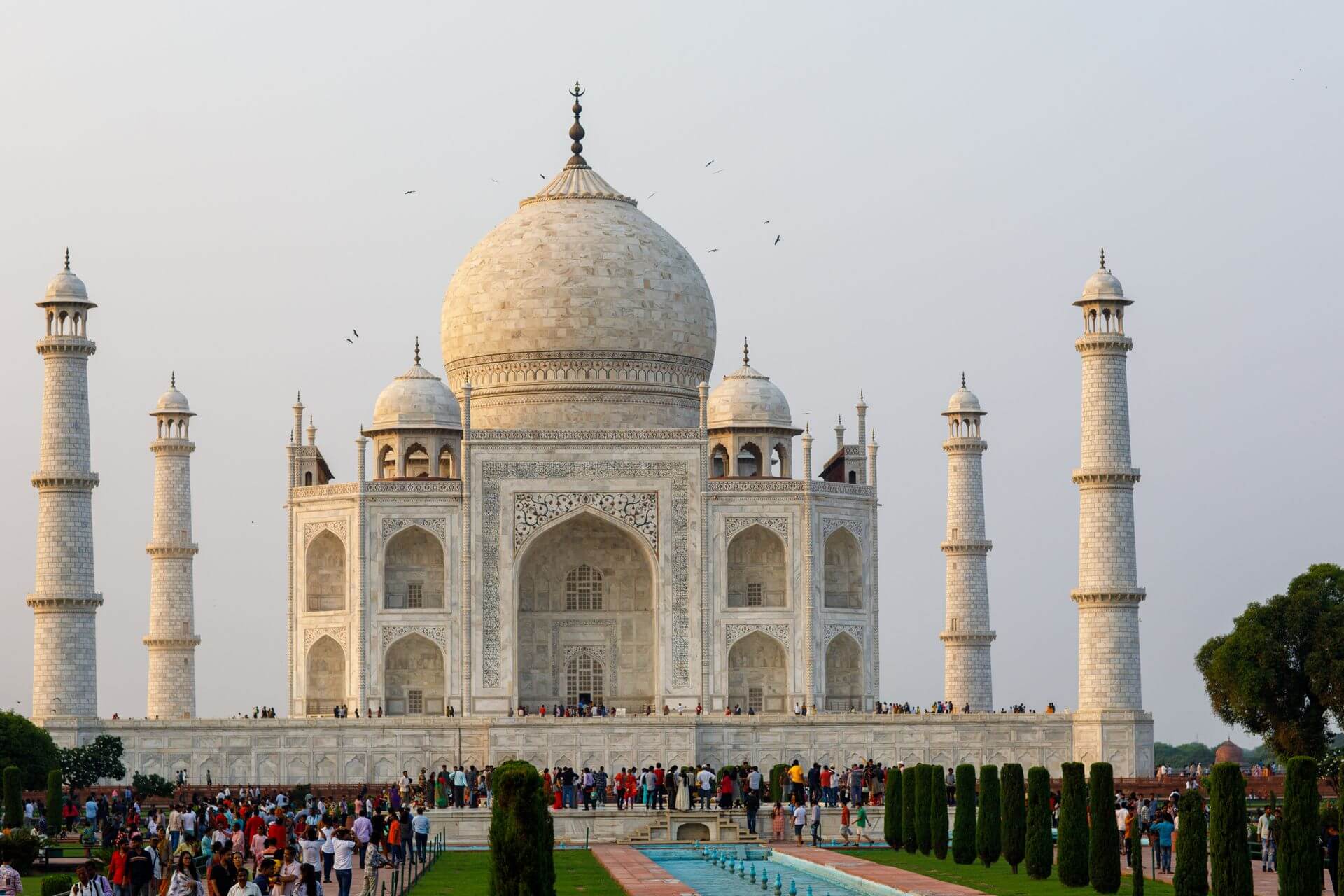
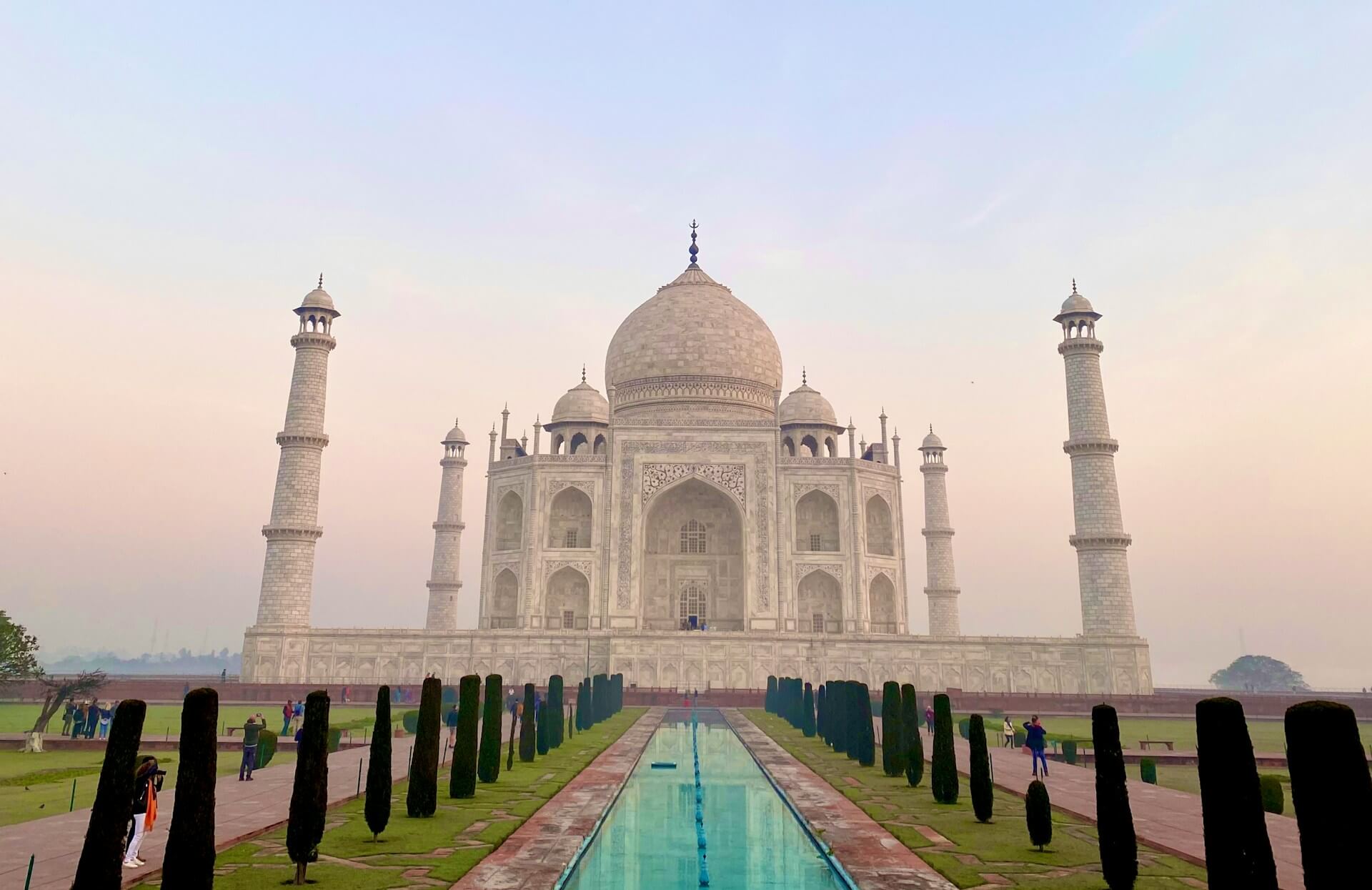
- Early morning: Taj Mahal at sunrise – arriving around opening time gives you a chance to see the monument before the crowds build and the day gets hotter.
- Mid-morning: Agra Fort, a red sandstone fortress with its own Taj Mahal views
- Midday: depart for Jaipur by road, stopping at Fatehpur Sikri, the remarkably preserved former Mughal capital, roughly the halfway point of the drive
- Evening: arrive Jaipur, check in, settle in for a 3-night stay
Check the official opening time for your travel date, and remember that the Taj Mahal is closed on Fridays.
Day 5: Amber Fort and Jaipur’s City Center
Jaipur’s most iconic sights are best tackled in the cooler morning hours.
- Morning: Amber Fort, reached by jeep or on foot up the hill. Elephant rides are also available, but a jeep is the simpler option if you prefer to avoid animal rides.
- Midday: City Palace, still partly home to Jaipur’s royal family, with an impressive textile and weapons collection
- Afternoon: Jantar Mantar, an 18th-century astronomical observatory right next to the City Palace
- Evening: dinner in the old city, ideally somewhere with a rooftop view of the Pink City’s lit-up walls
Day 6: Hawa Mahal, Markets, and a Flexible Afternoon

A lighter day gives you some breathing room if Day 4 or Day 5 runs long.
- Morning: Hawa Mahal (the “Palace of Winds”), best photographed from the street just after it opens
- Midday: Jaipur’s markets — Johari Bazaar for jewelry, Bapu Bazaar for textiles and leather goods
- Afternoon: optional day trip to Nahargarh Fort for panoramic city views, or simply a slower afternoon at your hotel
- Evening: free evening — this is a good night for a cooking class or a cultural show if you want something beyond sightseeing
Day 7: Travel Day to Udaipur
Today is mostly about getting from Jaipur to Udaipur, so don’t try to squeeze in too much sightseeing.
- Morning: If you’re flying, take a morning flight from Jaipur to Udaipur. The short flight gives you most of the day to settle in and explore.
- Alternative: If you’d rather travel by road, the drive takes roughly 6–7 hours. You can stop at Pushkar or Ajmer along the way, but treat this as a full travel day rather than trying to fit in several attractions.
- Afternoon: Check in to your Udaipur hotel and take some time to relax. If you arrive early enough, walk around the old city or head toward Lake Pichola.
- Evening: Keep the evening easy — a rooftop dinner overlooking the lake is a good way to start your Udaipur stay.
If you’re sticking to exactly 10 days, I’d choose the flight. The road journey is worthwhile if you specifically want to stop in Pushkar or Ajmer, but the flight gives you considerably more time to enjoy Udaipur.
Day 8: Udaipur’s Palaces and Lake

After the busy sightseeing days in Delhi, Agra, and Jaipur, Udaipur gives you a chance to slow down.
- Morning: City Palace, Udaipur’s largest palace complex, with sweeping views over Lake Pichola
- Afternoon: a boat ride on Lake Pichola, past the Lake Palace (now a hotel) and Jag Mandir
- Evening: dinner at a lakeside restaurant — this is a good evening to put the sightseeing aside and simply enjoy Udaipur.
Day 9: Temples, Gardens, and Sunset at Monsoon Palace
- Morning: Jagdish Temple, a short walk from the City Palace, followed by Saheliyon Ki Bari, a peaceful garden with fountains
- Afternoon: free time for shopping (Udaipur is known for miniature paintings) or simply resting before departure
- Evening: sunset at Monsoon Palace, where the hilltop setting gives you panoramic views over Udaipur and the surrounding lakes
Day 10: Departure
For most international travelers, getting home from Udaipur will involve a connection, so check your flight options before booking your final night.
- Morning: any last-minute shopping or a final relaxed breakfast by the lake
- Departure: allow at least 2–3 hours before your flight for airport arrival and check-in, more if you’re connecting through Delhi
How to Adjust This Itinerary
If you have 12–14 days instead of 10: add two nights in Pushkar between Jaipur and Udaipur, or give Udaipur an extra night so the end of the trip feels less rushed.
If you’re traveling with young kids: add a full extra day to both Jaipur and Udaipur, and consider skipping the Fatehpur Sikri stop on Day 4 to shorten what’s already a long day.
If you’d rather visit Varanasi than Udaipur: you can swap it in – Varanasi is reachable by a short flight from Delhi or Agra, but it gives the trip a much more intense finish, so plan your final day accordingly.
If you’re on a tighter budget: replace the Jaipur–Udaipur flight with the road route via Pushkar, and use trains instead of a private car for the Delhi–Agra–Jaipur leg.
Practical Information
Booking timeline: For the October–March peak travel season, lock in your Jaipur and Udaipur hotels 2–3 months ahead. Book the Gatimaan Express as soon as your dates are firm, especially if you want a particular travel date or class.
Approximate 10-day budget (excluding international flights): As a rough guide, budget travelers might spend around $350–500, while mid-range trips can run around $900–1,400. A more comfortable trip with a private driver may cost around $1,800–2,800.
Apps worth having: IRCTC Rail Connect for train bookings, Google Maps with each city downloaded offline, and a reputable flight-booking app for the Jaipur–Udaipur flight if you choose to fly.
What to pack for this itinerary: Because this route stays in North India and Rajasthan, your packing list depends heavily on when you travel.
For October–February, bring light layers for cool mornings and evenings; in warmer months, choose lightweight, breathable clothing. A modest outfit is also useful for temple visits in Jaipur and Udaipur.
Common Mistakes Travelers Make
Skipping the Gatimaan Express booking until the last minute. It’s one of the most convenient ways to cover Delhi–Agra, but the limited daily departures mean seats can fill up quickly.
Visiting the Taj Mahal in the afternoon instead of early morning. The early morning is usually a better choice if you want cooler temperatures and fewer crowds.
Packing Day 2 and Day 4 too tightly. Old Delhi and the Taj Mahal/Fatehpur Sikri/Jaipur transition are this itinerary’s two most demanding days — don’t add extra stops to either.
Underestimating the Jaipur–Udaipur road option. Six to seven hours is a genuinely long driving day; if you choose the road route, treat Day 7 as a travel day, not a travel-plus-sightseeing day.
Not booking Udaipur hotels early enough. Lake-view rooms in Udaipur’s best-located hotels fill up especially fast for the October–March season.
Final Thoughts on This India Itinerary
For a first trip to India, this 10-day India itinerary gives you a good mix of major landmarks, Mughal history, Rajasthan’s forts and palaces, local markets, and a slower finish in Udaipur.
You’ll see a lot, but you won’t spend the entire trip moving from one city to the next.
Once the route is set, the main things left to sort out are your visa, flights, hotels, train tickets, and what to pack for the time of year you’re visiting.
Frequently Asked Questions About a 10-Day India Itinerary
Is 10 days enough for a first trip to India?
Yes. Ten days is enough for a first trip if you focus on one region. The Golden Triangle – Delhi, Agra, and Jaipur – plus Udaipur gives you a good mix of historic sights, Rajasthan culture, food, and slower-paced travel without spending most of your vacation in transit.
What is the best 10-day itinerary for India?
For a first trip, a practical 10-day India itinerary is Delhi → Agra → Jaipur → Udaipur. This route covers major sights such as the Taj Mahal, Amber Fort, and City Palace while giving you enough time to explore each destination without rushing through too many cities.
How many days should I spend in Delhi, Agra, Jaipur, and Udaipur?
For this route, plan about 3 days in Delhi, 1 day in Agra, 3 days in Jaipur, and 3 days in Udaipur, including travel and departure. Agra can be covered quickly, while Jaipur and Udaipur benefit from having more time.
What is the best time to visit India for this itinerary?
For Delhi, Agra, Jaipur, and Udaipur, October through March is generally the most comfortable period for sightseeing. December and January have cooler mornings and evenings, while March starts getting warmer. Summer can be extremely hot, and the monsoon brings wetter conditions.
How do I travel from Delhi to Agra?
The train is one of the easiest options for traveling from Delhi to Agra. The Gatimaan Express takes around 1 hour 40 minutes and fits well into a 10-day itinerary. A private car is another option if you prefer door-to-door travel or more flexibility.
Is it better to take a train or private car from Agra to Jaipur?
A private car is more convenient if you want to visit Fatehpur Sikri on the way from Agra to Jaipur. The train can be cheaper, but traveling by road lets you combine the transfer with sightseeing without adding another day to your itinerary.
Should I fly or drive from Jaipur to Udaipur?
If you only have 10 days, flying is the better time-saving option. Driving takes several hours but gives you the option to stop at Pushkar or Ajmer. If you don’t need those stops, flying leaves you with more time to enjoy Udaipur.
How much does a 10-day trip to India cost?
A 10-day India trip can cost anywhere from about $350 to $2,800 or more, depending on your travel style. Budget travelers can spend less by using trains and simpler hotels, while mid-range and private-driver trips cost considerably more. International flights are not included.
Is the Golden Triangle plus Udaipur too much for 10 days?
No. The Golden Triangle plus Udaipur is a manageable 10-day India itinerary if you keep the route focused. The busiest days are usually Old Delhi and the Agra-to-Jaipur transfer, so avoid adding too many extra attractions to those days.
What should I pack for a 10-day trip to North India?
Pack according to the season. From October to February, bring light layers for cool mornings and evenings; in warmer months, choose lightweight, breathable clothing. Comfortable walking shoes are essential, and a modest outfit is useful for temple visits.
Images: Unsplash
