



A month in India sounds like plenty of time — until you open a map and realize how vast the country is.
Different regions have their own climates, languages, cultures, and travel rhythms, so planning a one month in India itinerary is less about seeing everything and more about choosing where to spend your time.
The real planning question for a trip this long isn’t “what can I fit in,” it’s “what should I deliberately leave out.”
This guide explains how to plan a one-month trip to India as a first-time visitor, including which regions work well together, how many places to include, when to slow down, and the practical details that become more important on a longer trip.
Why One Month in India Isn’t Enough to See Everything
Even with a full month, trying to cover several major regions of India can turn the trip into a long series of travel days.
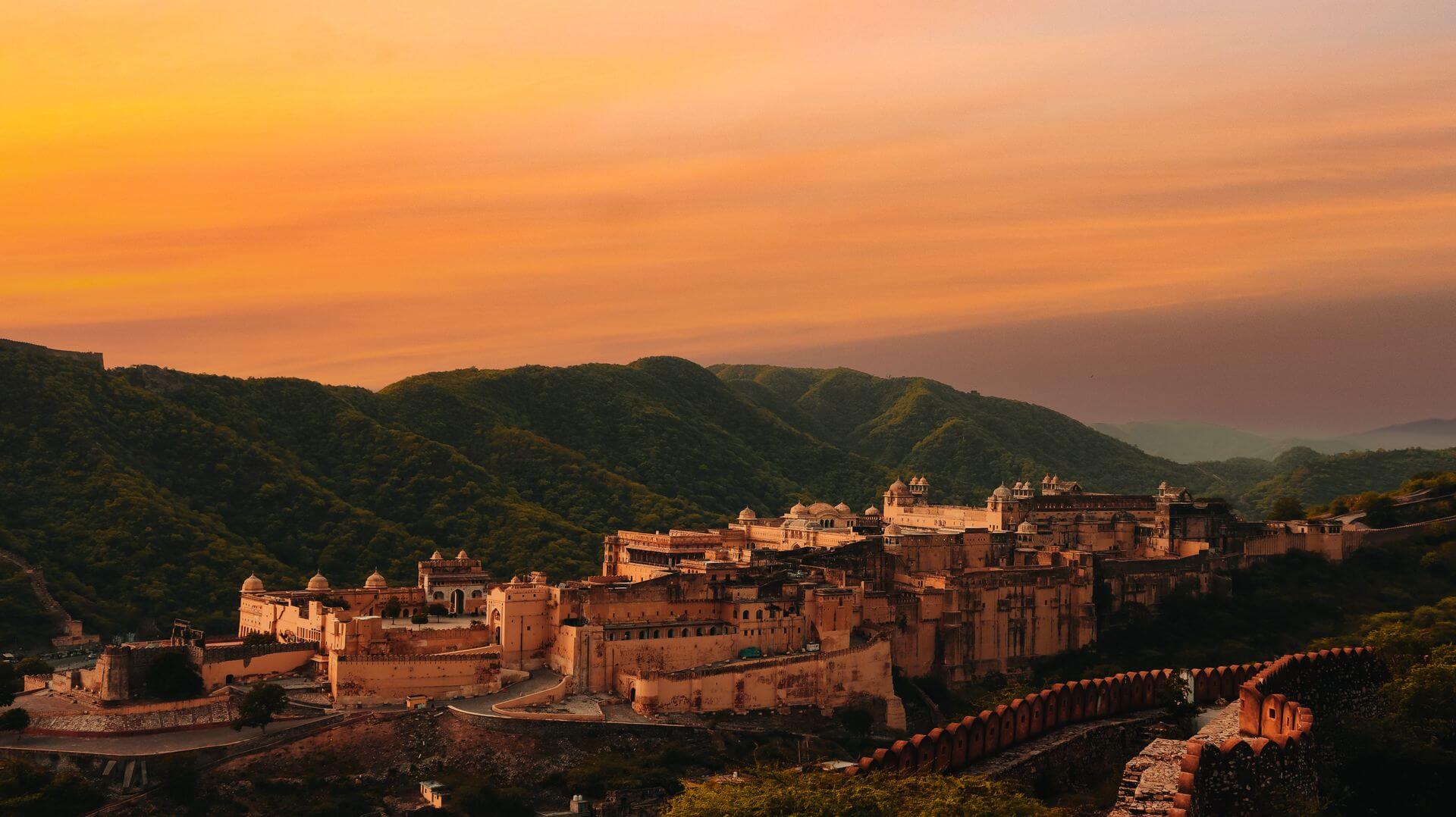
North India’s forts and desert cities, South India’s backwaters and temple towns, and the Himalayan regions all have different climates, landscapes, and travel patterns.
Trying to combine all three in 30 days can mean spending too much of the trip in transit and too little actually exploring.
For a first trip, a better approach is to choose two or three regions that genuinely interest you and give each enough time to experience them properly.
How to Plan a One-Month India Itinerary by Region
For a first-time traveler, one of the easiest ways to plan a month in India is to think in weekly regional blocks rather than trying to build one long chain of destinations.
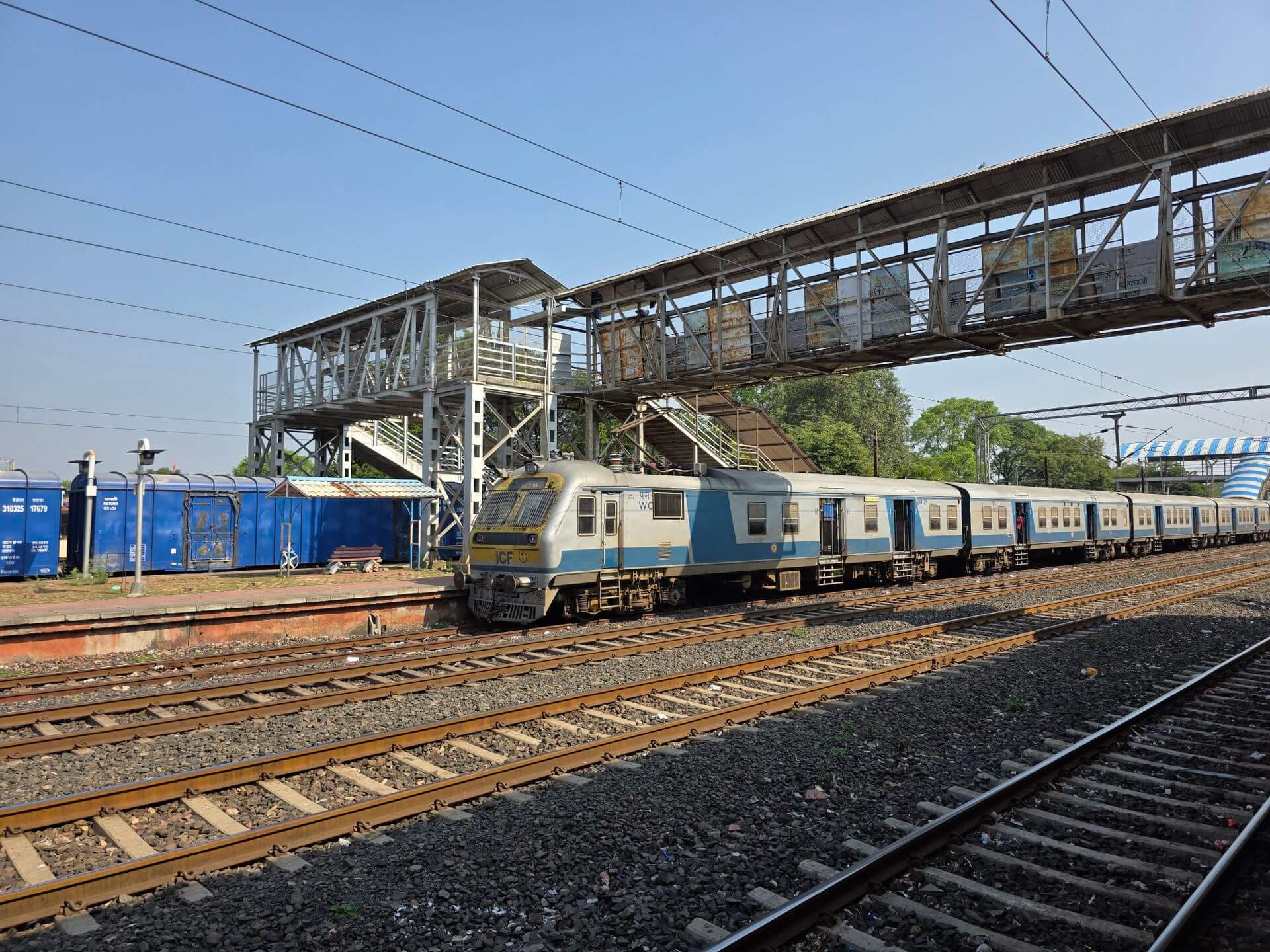
Spend several days exploring one region, then use a travel day – often a domestic flight – to move to the next. This keeps your India travel itinerary manageable and avoids spending too much time on long overland journeys.
A typical four-block structure:
Week | Region | Why it works |
1 | North India: Golden Triangle + Rajasthan | Well connected by train and road |
2 | Varanasi + North India extension | Easy to connect by short flight |
3 | South India: Kerala | Different landscape and slower pace |
4 | Goa or Hampi | Relaxing end to the trip |
This isn’t the only way to plan a month in India. If you prefer mountains to beaches, you could swap Goa for Himachal Pradesh or Rishikesh.
The block logic matters more than the specific regions: group what’s geographically close, connect the blocks by flight rather than long overland journeys, and end somewhere restful.
A Sample 30-Day India Itinerary
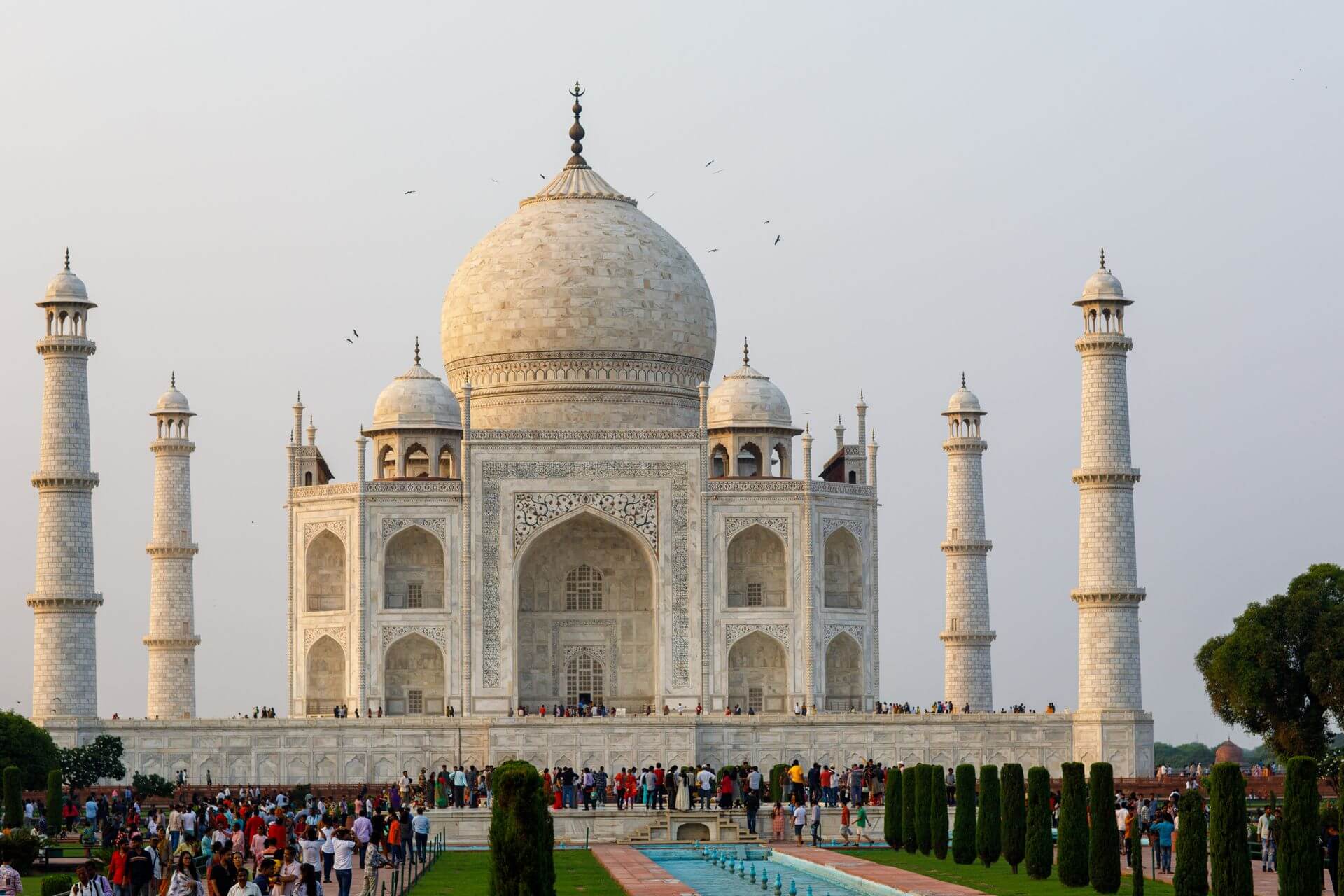
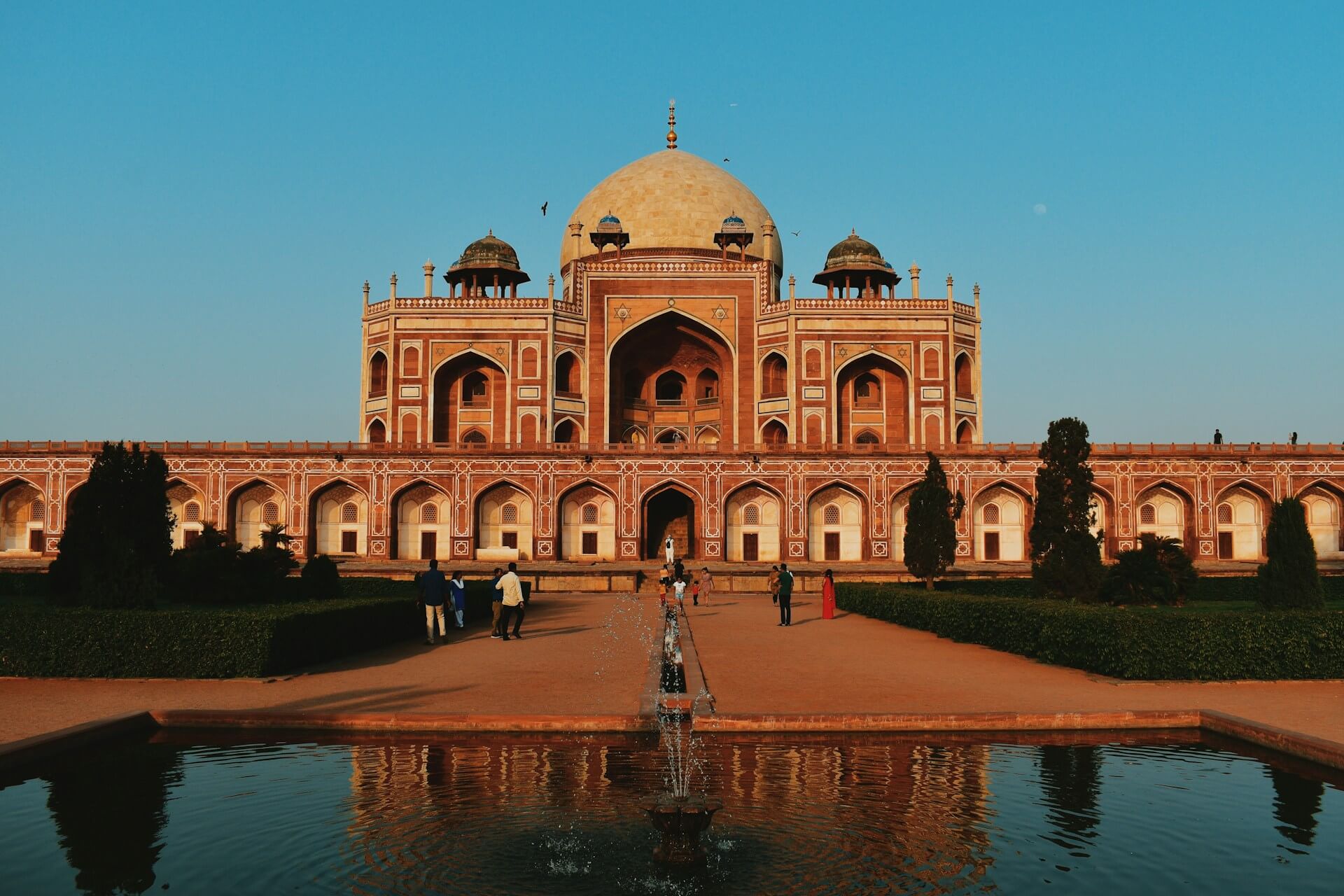
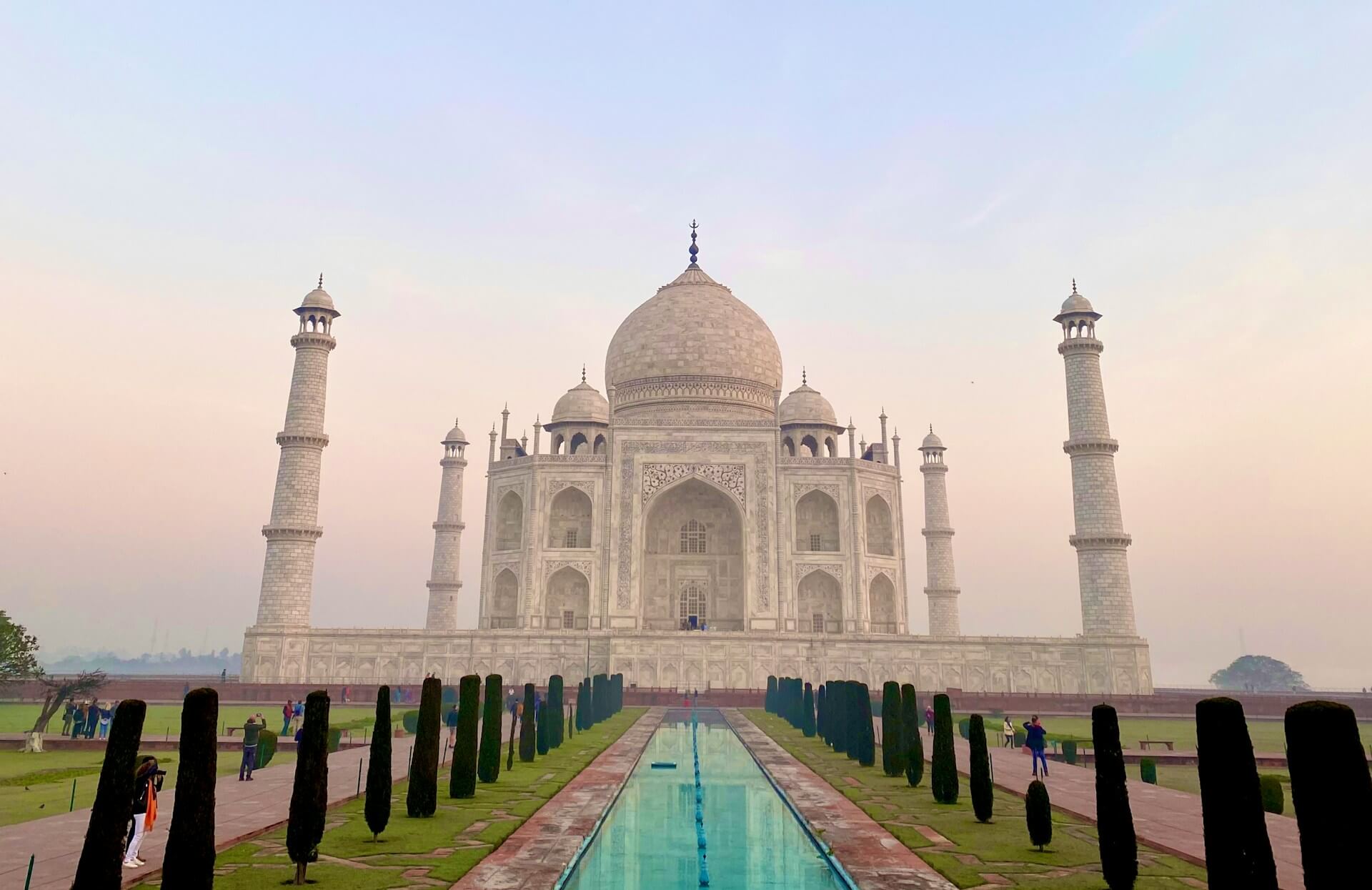
Week 1 — North India: Delhi (2–3 days), Agra (1 day, timed around a Taj Mahal sunrise visit), and Jaipur (3 days). This follows the classic Golden Triangle itinerary, which works well for many first-time visitors to India.
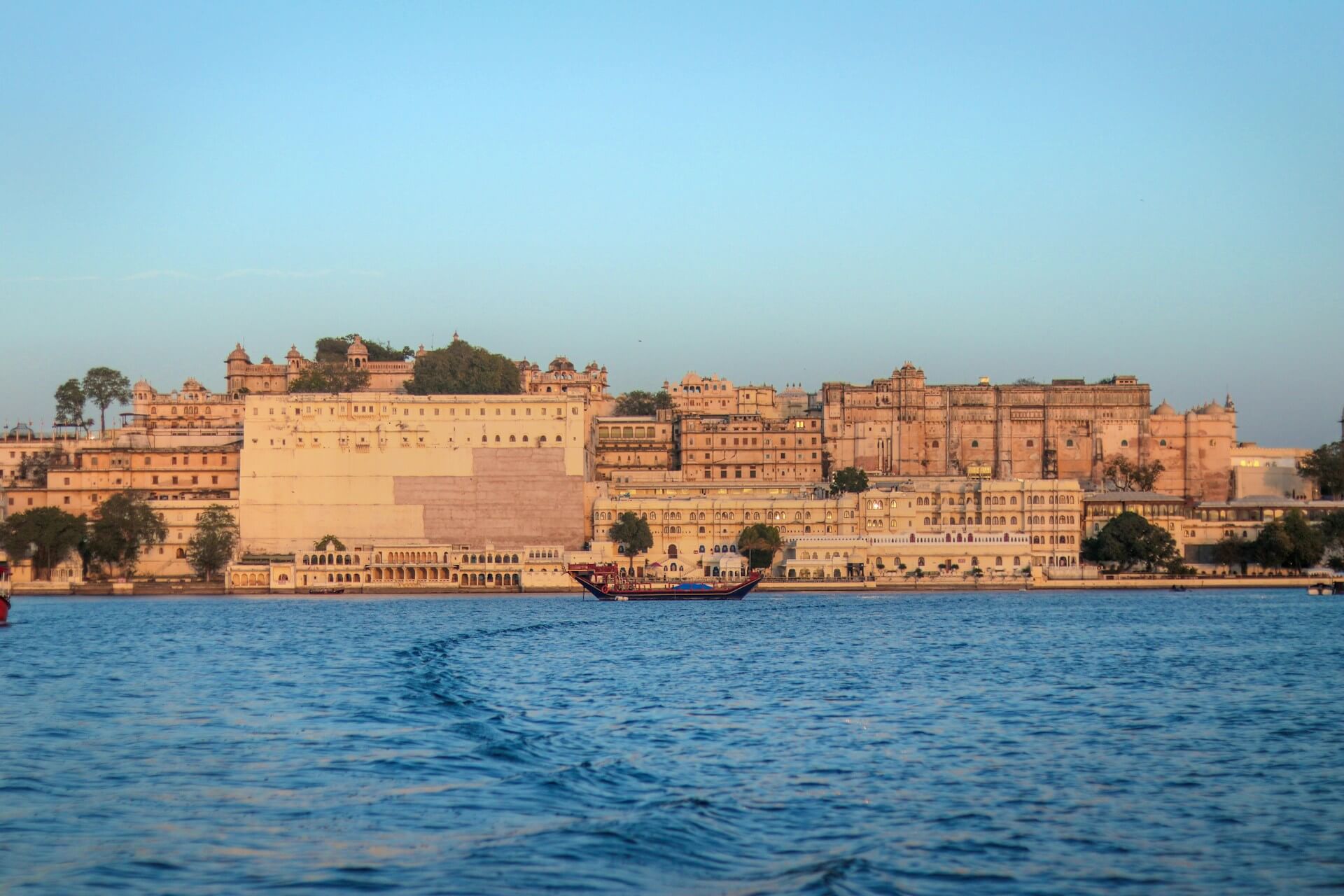
If Rajasthan is a priority, you can replace some of the time in Jaipur with Udaipur or Jodhpur rather than simply adding another destination.
Week 2 — Varanasi and a northern extension: Fly from Delhi or Jaipur to Varanasi and spend 2–3 days exploring the ghats, old city, and evening Ganga Aarti.
This gives you enough time to experience Varanasi without turning the visit into a rushed stop on your India itinerary.
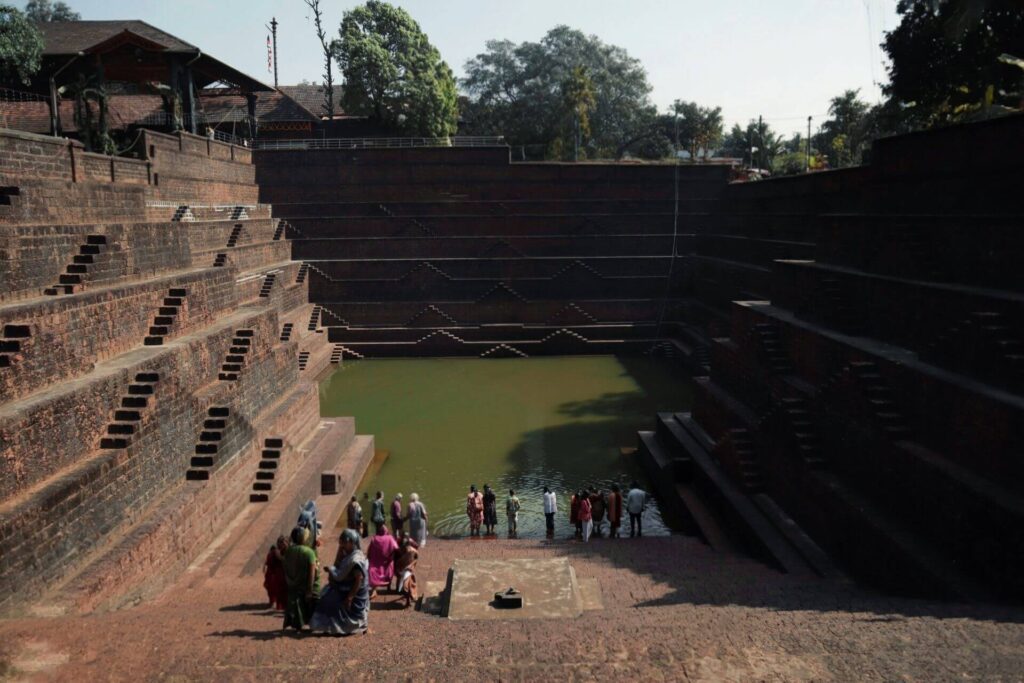
Week 3 — South India: Fly south to Kochi for 2 days, then spend 2–3 days in the Kerala backwaters before heading to Munnar for another 2–3 days among the tea plantations.
This gives you a compact South India itinerary with a mix of culture, scenery, and slower-paced travel.
Week 4 — Goa (or an alternative wind-down): Spend the final 5–7 days of your India trip in Goa, dividing your time between the livelier beaches and towns of North Goa and the quieter beaches of South Goa before your flight home.
If beaches aren’t your thing, swap part of Goa for Hampi and spend a few days exploring its temples, ruins, and surrounding landscape before heading to the coast.
Think of this as a starting point rather than a strict schedule. One of the advantages of having a full month is that you can spend an extra day somewhere you love without throwing the entire trip off course.
Choosing Between a Fast-Paced and Slow India Itinerary
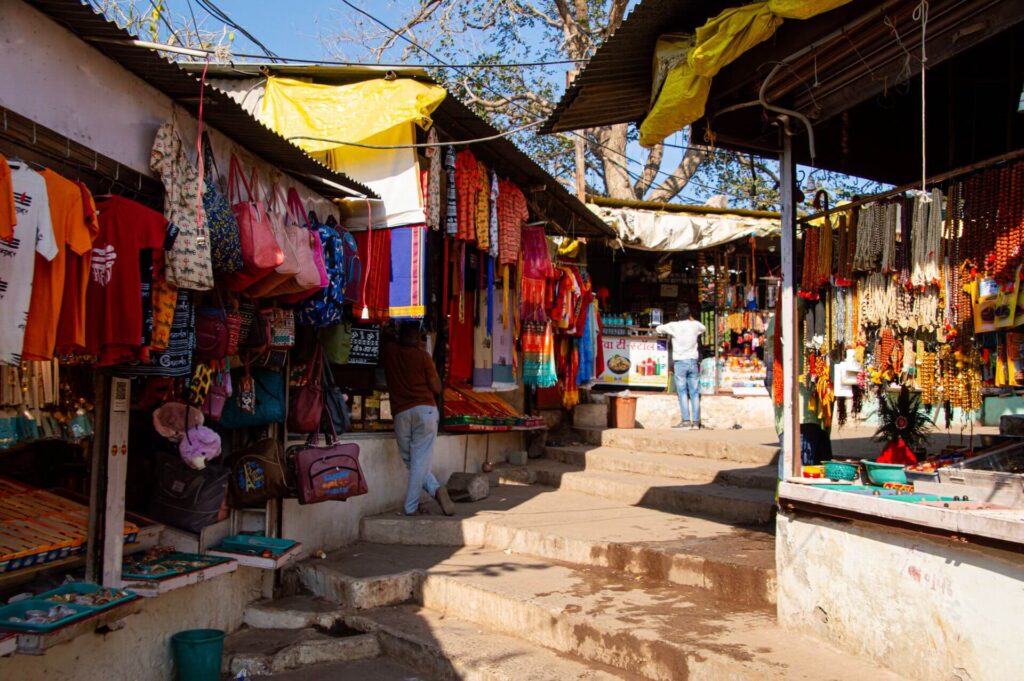
A month gives you enough time to choose between seeing more places and spending longer in fewer destinations. Neither approach is better; it depends on how you like to travel.
1. Multi-Region Itinerary
A multi-region itinerary works well if you want to experience different sides of India in one trip. You might combine the Golden Triangle and Rajasthan with Varanasi, Kerala, and Goa, using domestic flights to cover longer distances.
Best for: First-time travelers who want to see more of India and may not return soon.
2. Slow Travel Itinerary
A slow travel itinerary means choosing fewer regions and staying longer in each one. For example, you could spend two weeks exploring Rajasthan, including smaller towns such as Bundi or Ranakpur, followed by two weeks in Kerala.
Best for: Travelers who prefer a relaxed pace, deeper experiences, or fewer travel days.
You’d see fewer places, but you’d have more time to settle into each one and leave room for unexpected experiences.
Visa and Logistics for a Trip This Long

A month-long trip also comes with a few practical considerations that are easy to overlook on a shorter vacation.
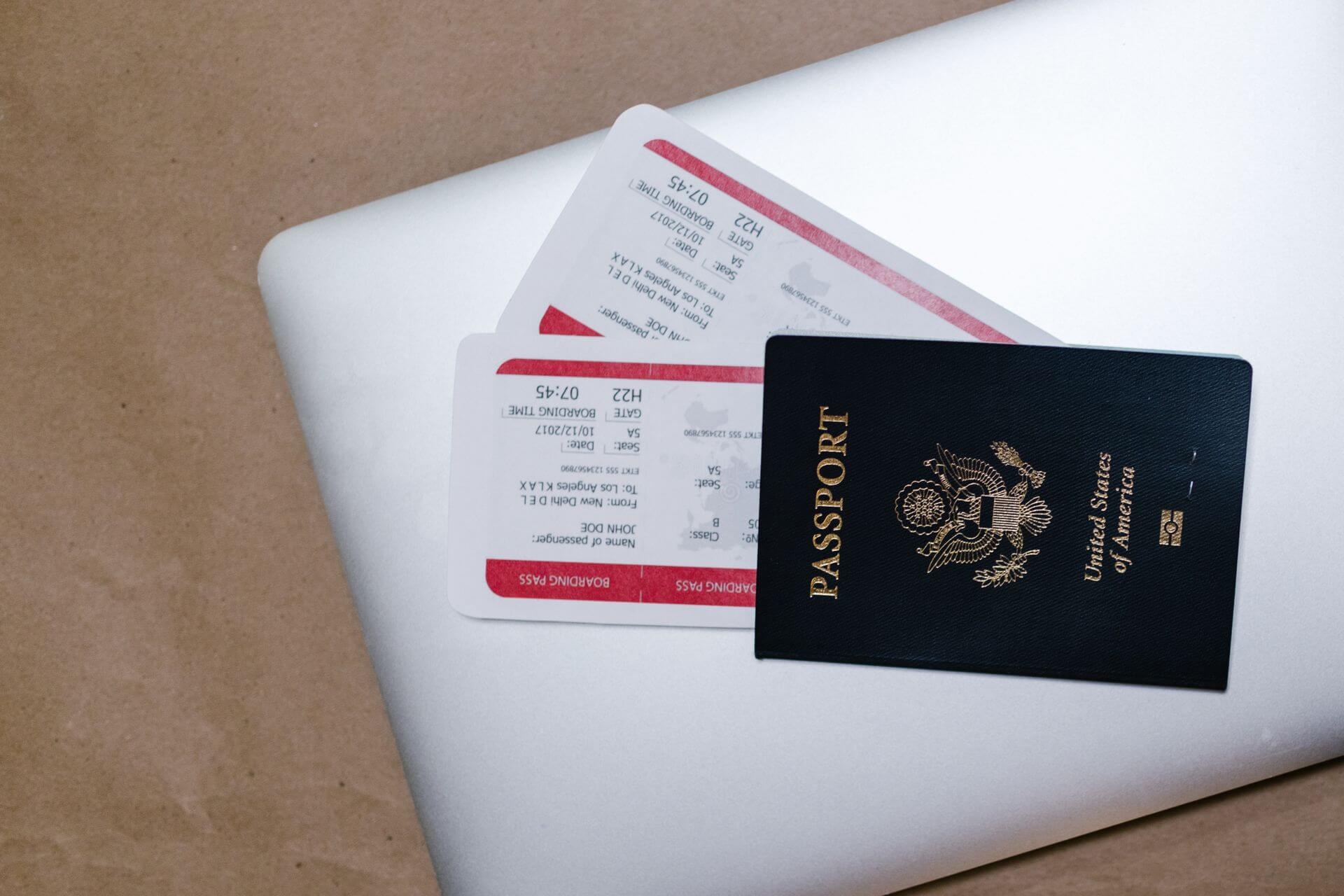
e-Tourist Visa: India offers a 30-day e-Tourist Visa with double entry, as well as 1-year and 5-year e-Tourist Visa options with multiple entries.
Visa eligibility and conditions can vary, so check the official requirements before booking your trip.
If you’re planning to stay in India for close to 30 days, check the exact validity and entry conditions before finalizing your flights.
The 30-day e-Tourist Visa is non-extendable, so don’t assume you can simply add extra days if your plans change.
Connectivity: For a month-long trip, a local SIM card or eSIM can make life much easier than relying entirely on international roaming.
You’ll use mobile data for maps, ride-hailing, bookings, and staying in touch as you move between cities.
Laundry: With a month of travel, packing light becomes much easier if you plan to use laundry services along the way. You don’t need to carry enough clothes for 30 days.
Health and fatigue: A month-long India trip is easier when you build in rest days between regional blocks, not just between individual cities.
Climate changes, new foods, long travel days, and constant sightseeing can add up by the third or fourth week.
Common Mistakes to Avoid on a One-Month India Trip
Trying to cover too many regions. A month feels long when you’re planning at home, but four or more major regions can quickly turn into a rushed trip.
You’ll spend more time checking in, packing, and traveling than actually experiencing each place.
Ignoring seasonal mismatches between regions. A single month rarely offers ideal weather across every region.
Rajasthan and much of North India are generally more comfortable during the cooler months, while many Himalayan destinations have a different travel season.
Kerala and Goa also have their own weather patterns, so check conditions for each region before finalizing your India itinerary.
Booking every day in advance. Booking every day in advance can make a 30-day trip unnecessarily rigid. Leave some room to stay an extra night when you find a place you really enjoy.
Skipping rest days between regional blocks. Travelers who move from Rajasthan straight into a demanding South India schedule with no buffer often hit genuine fatigue by week three.
Assuming a 30-day e-Visa gives enough margin. Any trip planned right up against the 30-day limit leaves little room for schedule changes, so double-check the visa’s exact validity and entry conditions before finalizing your return flight.
How Many Places Should You Visit in India in One Month?
For most first-time visitors, around 6–8 main stops can be a comfortable target for a month in India, depending on the distances between them.
A route with fewer destinations can be more enjoyable than one that looks impressive on a map but involves constant travel.
What Is the Best Time to Visit India for One Month?
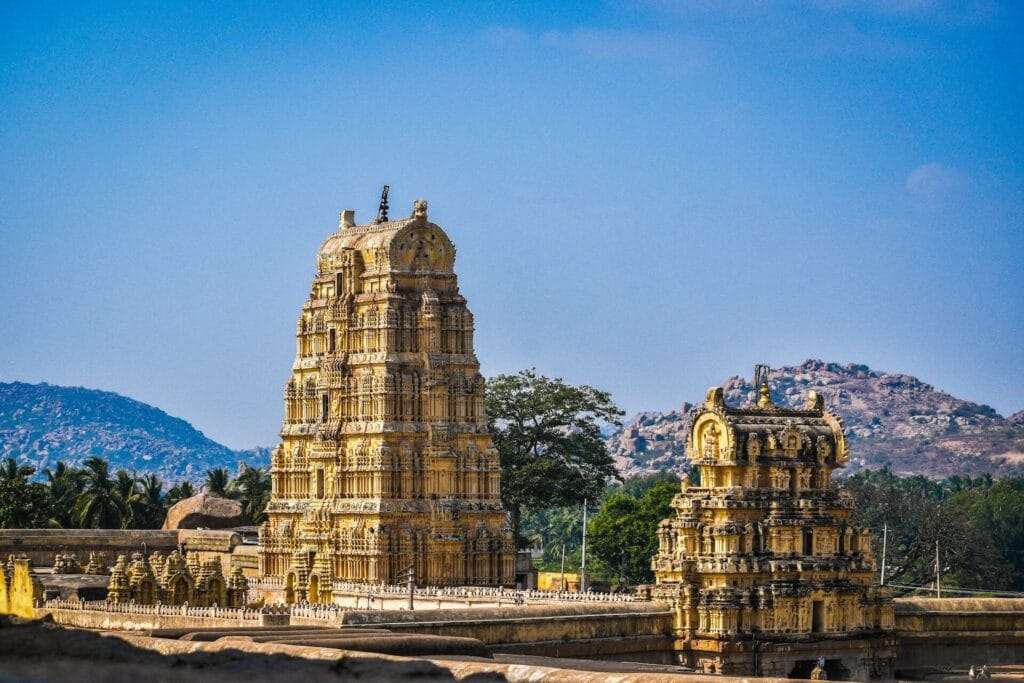
There isn’t one perfect month for every part of India. The best time depends on the regions you choose.
Rajasthan and much of North India are generally more comfortable during the cooler months, while many Himalayan destinations are best visited during their warmer travel season.
Kerala and Goa have different seasonal patterns, so the best month for your trip depends heavily on the regions you choose.
Final Thoughts for Your One Month in India Trip
A month in India is long enough for an incredible first trip, but not long enough to see everything. The best one month in India itinerary is the one that balances memorable places with enough time to enjoy them.
Pick two or three regions, connect them sensibly, leave room for rest, and don’t be afraid to skip destinations that don’t fit the route.
You’ll come home with better memories than you would from trying to collect every major city on the map.
One Month in India: Frequently Asked Questions
Is one month enough to travel around India?
Yes, one month is enough for a great first trip, but not enough to see all of India. Focus on two or three regions rather than trying to cover the entire country.
What is the best one month in India itinerary for first-time travelers?
A popular first-time route combines Delhi, Agra, Jaipur, Varanasi, Kerala, and Goa. It gives you a mix of history, culture, nature, and beaches.
How many places should I visit in India in one month?
Around six to ten main stops is a reasonable target for a 30-day India trip. Fewer destinations can give you more time to explore without feeling rushed.
What is the best time to visit India for a one-month trip?
October to March is generally a good period for many popular North India destinations. However, the best time depends on the regions included in your itinerary.
Is it better to travel slowly or visit more places in India?
For a first-time visitor, slow travel is often more enjoyable. Spending longer in fewer places also leaves more time for unexpected experiences and rest.
How should I plan a 30-day trip to India?
Choose two or three regions first, then group nearby destinations into each part of your India itinerary. Use domestic flights for long distances and leave some days flexible.
What is the best way to travel around India?
Trains are useful for many routes, while domestic flights are better for longer distances. Taxis, buses, and local transport work well for shorter journeys.
Should I include Kerala in a one-month India itinerary?
Yes, especially if you want to experience South India at a slower pace. Kochi, the Kerala backwaters, and Munnar make a good combination.
Can I visit Rajasthan, Varanasi, Kerala, and Goa in one month?
Yes, but you’ll need to plan the route carefully. Use flights between distant regions and avoid adding too many extra cities.
What should I avoid when planning a month in India?
Avoid trying to cover too many regions or booking every day in advance. Leave room for rest, delays, and changes along the way.
Images: Pexels
