

You applied for your India e-Visa weeks ago, checked your application status today, and found a rejection instead of an approval. No explanation beyond a generic denial notice, and your flight is booked.
It’s one of the more stressful moments in trip planning – but in most cases, it’s fixable, and it rarely means your India trip is off the table.
This guide explains the most common India visa rejection reasons, why an India e-Visa application gets rejected, how to avoid those mistakes, and what to do if your application is denied.
Table of Contents showQuick Answer
If your India e-Visa application was rejected, don’t panic.
Most India visa rejections happen because of incorrect passport details, photo issues, application errors, missing supporting documents, or eligibility problems.
- Check the rejection email or portal status for the stated reason — it’s often specific enough to act on
- Fix the exact issue (passport mismatch, photo, wrong visa type, missing document) before reapplying
- Reapply through the official portal only — indianvisaonline.gov.in — and expect to pay the fee again
- If it’s rejected a second time, consider applying for a regular visa through an Indian embassy, consulate, or BLS/VFS center instead of the e-Visa route
In many cases, you can fix the issue and submit a new application.
Why India Visa Applications Get Rejected (Most Common Reasons)
India’s e-Visa system runs through a combination of automated checks and manual review.
Automated systems flag technical issues (blurry scans, mismatched data, wrong file specs) almost instantly, while manual reviewers assess the substance of your application – your stated purpose, supporting documents, and background.
This distinction matters because most India visa rejections fall into two categories: technical mistakes that are easy to fix and eligibility issues that require a different application approach.
Passport-Related India Visa Rejection Reasons
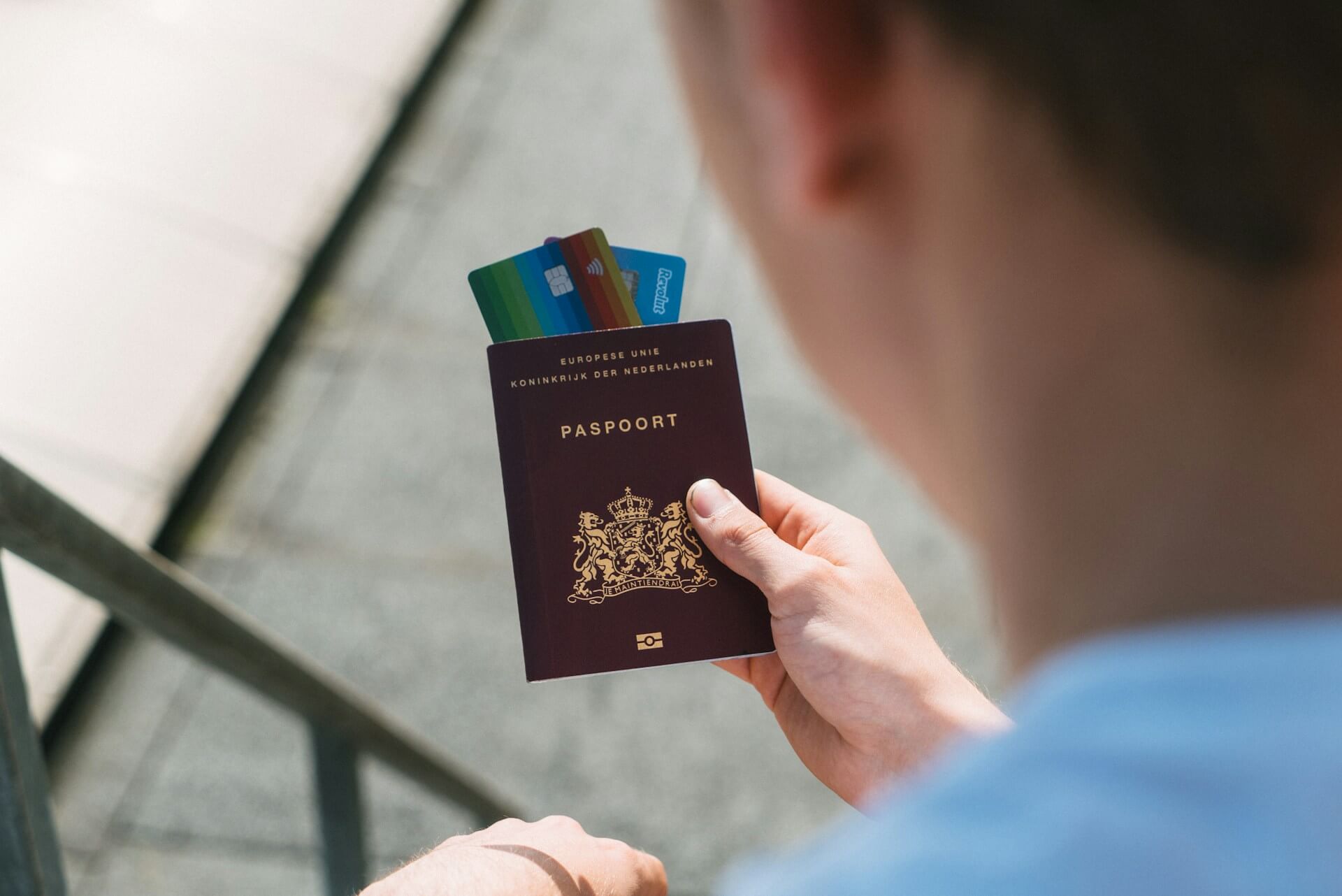
Passport problems are the single most common cause of India visa rejections, and nearly all of them are avoidable.
Common reasons for rejection include:
- Your passport is valid for less than six months from your planned date of arrival.
- Fewer than 2 blank pages remaining
- A damaged, torn, or heavily worn passport
- A blurry, cropped, or partial scan of the passport’s bio page
- Personal details entered on the form that don’t exactly match the passport (name spelling, date of birth, passport number)
How to avoid this problem:
- Check your passport’s expiry date against your planned arrival date before you even start the application
- Scan the full bio page in color, in good lighting, with all four corners visible and the machine-readable zone (the line of characters at the bottom) fully legible
- Copy your name exactly as printed on the passport — including your full middle name if the passport includes one, rather than shortening it to an initial
Photo-Related India e-Visa Rejection Reasons

India’s e-Visa photo requirements are strict, and even a clear, high-quality photo can be rejected if it doesn’t meet the official specifications.
Many applicants mistakenly upload a regular phone photo or reuse an old passport photo, only to have their India e-Visa application rejected because the image doesn’t match the required format.
To reduce the risk of an India visa rejection, make sure your photo is square (1:1 ratio), in JPEG format, has a plain white background, shows your full face with a neutral expression, and doesn’t include glasses or anything covering your face.
The image should also meet the portal’s size and file-size requirements so it uploads correctly.
Common photo-related rejection reasons include:
- Uploading a rectangular photo instead of a square one
- Wearing glasses or sunglasses
- Using a colored, patterned, or cluttered background
- Submitting a blurry or low-resolution image
- Uploading a file that exceeds the maximum size limit or is in the wrong format
- Using an old photo that no longer reflects your current appearance
How to avoid this problem: Take a new photo specifically for your India e-Visa application instead of reusing an older passport or ID photo. Before uploading, check that the image is correctly cropped, has a plain white background, and meets the official file size and format requirements. A quick review can help you avoid one of the most common India visa rejection reasons.
India Visa Application Errors That Lead to Rejection
Besides passport and photo problems, mistakes on the application form are another common reason for India visa rejections.
Common form errors:
- Selecting the wrong e-Visa category (for example, applying for Tourist when your actual purpose is business or a short course)
- Leaving mandatory fields incomplete
- Submitting a second application while a valid e-Visa is still active
- Entering payment details that fail 3-D Secure verification, which can cause the application to expire mid-process
Some travelers search for “India visa rejected after payment” when their application is refused after the payment is successful. In most cases, the payment isn’t the reason for the rejection.
Instead, the application is denied because of incorrect information, missing documents, photo or passport issues, or eligibility concerns identified during the review process.
How to avoid it: Match your visa type to your actual purpose of travel — tourism, business meetings, a short course, or a medical visit each has a separate e-Visa category with its own document requirements.
If you’re unsure whether you already hold a valid e-Visa from a previous trip, check your email and the portal before applying again.
Eligibility Issues That Can Cause an India Visa Rejection
These are less common but more serious, since they usually can’t be fixed by simply resubmitting a cleaner form.
Situations that lead to rejection:
- Holding a diplomatic, official, or laissez-passer travel document — these aren’t eligible for the e-Visa route at all
- A military, defense, police, or security background (serving or retired) not disclosed on the application
- Undisclosed criminal history
- Passport or personal history connected to Pakistan, including birthplace or close family ties, which routes applicants toward the regular visa process instead
- A record of prior immigration violations in India, such as an overstay or previous deportation
How to avoid it: Answer background questions honestly, even when the honest answer feels like it might hurt your application.
Misrepresenting this information risks a harder consequence than a rejection — including denied entry or deportation on arrival, even if the e-Visa was initially approved.
If any of these apply to you, the more reliable path is a regular visa application through an Indian embassy, consulate, or an authorized visa application center (BLS International or VFS Global handle these in many countries), rather than repeatedly retrying the e-Visa portal.
Missing Documents That Can Result in an India Visa Rejection
The supporting documents you need depend on the type of India e-Visa you’re applying for.
Examples by visa type:
- Business e-Visa: a business card or an invitation letter from an Indian company on official letterhead
- Medical e-Visa: a letter from the treating hospital confirming your appointment
- Conference e-Visa: an official invitation and event confirmation
- Tourist e-Visa: generally just passport and photo, though proof of onward travel or accommodation may be requested in some cases
How to avoid it: Confirm exactly which supporting documents your specific visa type requires before starting the application, since Tourist and Business e-Visas have meaningfully different document checklists.
What to Do After an India Visa Rejection
A rejected e-Visa is not the same as a ban, and it doesn’t automatically affect future applications. A rejected India e-Visa doesn’t automatically mean future applications will be denied.
If you correct the reason for the rejection and meet the eligibility requirements, you can usually apply again successfully.
In most cases, you can:
- Download or save a copy of the rejection notice for your records.
- Correct that exact issue
- Reapply through the official portal, paying the fee again
After you reapply, processing usually takes around 3–5 business days, although it may vary depending on your nationality and application details.
If your India e-Visa is rejected a second time for the same reason, stop and review the issue carefully instead of submitting another identical application.
At that stage, applying for a regular visa through an Indian embassy or an authorized visa application center is often the better option.
A rejected India e-Visa doesn’t automatically mean future applications will be denied, provided you correct the issue before reapplying.
Before You Reapply for an India e-Visa

Where to apply: The only official portal is indianvisaonline.gov.in. Third-party sites offering “expedited” e-Visa services often charge steep service fees for something you can do directly, and using an unofficial site adds an unnecessary point of failure.
Application timing: Apply between 120 days and at least 4 business days before your planned arrival. If possible, submit your application 4–6 weeks before travel to leave enough time to fix any issues if your application is rejected.
Typical costs: E-Visa fees vary by nationality and visa type, generally in the $10–80 USD range. Check the fee for your specific nationality on the official portal, since these amounts are periodically revised.
If you need help: The official portal and Indian consulates list a helpline number and an email address for e-Visa queries — check the current contact details listed directly on indianvisaonline.gov.in, since these can change.
Common Mistakes That Lead to India Visa Rejection
Applying too close to the travel date. A rejection with no time buffer to reapply can genuinely threaten your trip — always leave at least a few weeks of cushion.
Reusing an old passport photo. Specifications differ enough between document types that a passport photo often fails the e-Visa’s specific square-format, white-background requirements.
Guessing at the visa category. Selecting “Tourist” for what’s actually a business trip, or vice versa, is a common and entirely avoidable rejection reason.
Typing your passport number incorrectly. Even a single incorrect character can result in an India visa rejection.
Omitting background information hoping it won’t matter. Undisclosed criminal history or military background is one of the more serious rejection causes, and misrepresenting it risks bigger problems than a simple denial.
Using a payment card without 3-D Secure enabled. This causes payment failures that can expire the application before it’s even submitted.
Final Thoughts on India Visa Rejection Reasons
Most India visa rejection reasons come down to small but avoidable mistakes, such as incorrect passport details, an invalid photo, choosing the wrong visa category, or missing documents.
Reviewing every detail before submitting your application can improve your chances of approval and help you avoid unnecessary delays.
If your India e-Visa is rejected, identify the exact reason, correct it, and reapply through the official portal.
For more complex cases, applying for a regular visa through an Indian embassy or authorized visa center is often the better option.
Because India visa requirements, eligibility rules, and application procedures can change, always check the official India e-Visa website for the latest information before submitting your application.
FAQs About India Visa Rejection Reasons
Can I reapply immediately after an India e-Visa rejection?
Yes. In most cases, you can reapply immediately after an India e-Visa rejection. Correct the issue mentioned in your rejection notice, then submit a new application and pay the visa fee again.
Does an India visa rejection affect future applications?
Usually not. A technical rejection, such as an incorrect photo or passport details, generally doesn’t affect future India visa applications. However, applications rejected because of false information or eligibility issues may receive closer scrutiny.
Why was my India e-Visa rejected with no explanation given?
Some India e-Visa rejections provide only a general reason instead of a detailed explanation. If that’s the case, carefully review your passport scan, photo, application details, and supporting documents before submitting a new application.
How long does it take to get an India e-Visa after reapplying?
Most reapplications are processed within 3–5 business days, although processing times can vary depending on your nationality and individual application.
Can I apply for an India e-Visa if I have a criminal record?
Yes, you can apply, but you must answer all background questions honestly. Failing to disclose a criminal record is more likely to result in a visa rejection than disclosing it accurately.
Is it better to use a visa agency instead of applying myself?
Not necessarily. Most travelers can apply directly through the official India e-Visa portal. A visa agency may be helpful only if your application involves unusual circumstances or additional documentation.
What should I do if my India e-Visa is rejected twice?
If your India e-Visa is rejected twice, review the rejection reason carefully before applying again. For repeated rejections or more complex cases, applying for a regular visa through an Indian embassy or an authorized visa application center is usually the better option.
Can military or government employees get an India e-Visa?
Serving or retired defense, police, or security personnel, as well as diplomatic and official passport holders, generally aren’t eligible for the India e-Visa. They should apply for a regular visa through an Indian embassy or consulate instead.
Will a blurry passport scan really cause a rejection?
Yes. If the system can’t clearly read your passport’s machine-readable zone or personal details, your India e-Visa application may be rejected.
Do I need travel insurance to get an India e-Visa approved?
No. Travel insurance isn’t a mandatory requirement for most India Tourist e-Visas. However, it’s strongly recommended, and you should be prepared to provide proof of onward travel or accommodation if requested.
Can I fix a mistake on my application after I’ve already paid?
Usually only minor details, such as contact information, can be updated after payment. Errors in your name, passport number, or date of birth usually require a new application and another visa fee.
Can I get a refund if my India e-Visa is rejected?
No. India e-Visa application fees are generally non-refundable, even if your application is rejected. Check the official policy for your visa category before applying.
How do I check the reason for my India visa rejection?
Review the rejection email or check your application status on the official India e-Visa portal. Some rejection notices provide a specific reason, while others only give a general explanation.
Can I travel to India if my e-Visa is rejected?
No. You can’t travel to India using a rejected e-Visa. You’ll need to submit a new application or apply for a regular visa and receive approval before traveling.
Does an India e-Visa rejection affect visa applications for other countries?
Generally not. An India e-Visa rejection doesn’t automatically affect visa applications for other countries. However, if a future visa application asks whether you’ve ever had a visa refused, answer honestly.
What’s the safest way to avoid an India visa rejection?
Double-check every detail before submitting your application. Make sure your passport information matches exactly, upload a recent photo that meets the official requirements, choose the correct visa category, and include all required supporting documents.
Images: Pexels
