


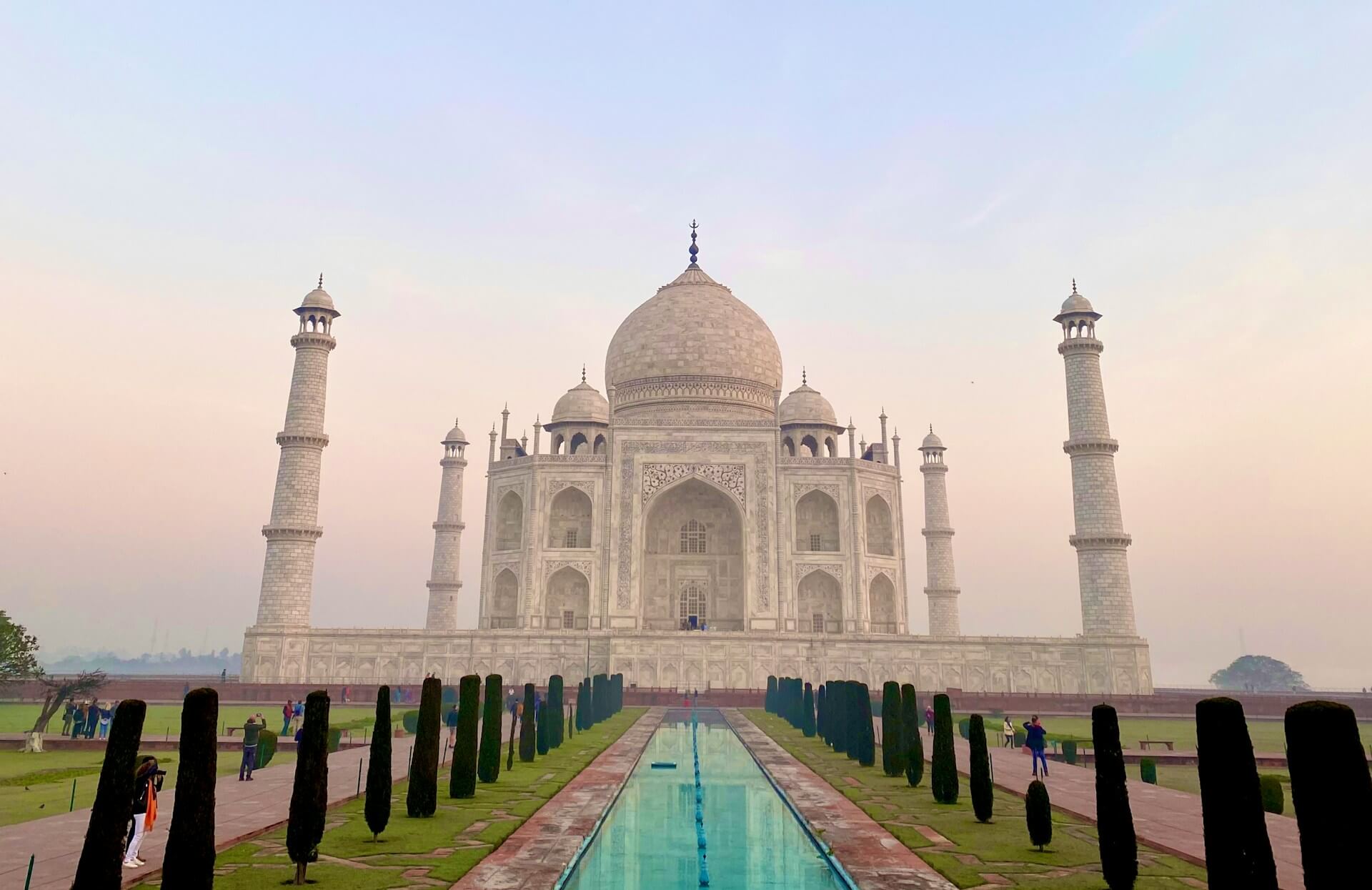


Take the Gatimaan Express from Hazrat Nizamuddin to Agra in the morning if the schedule works for your trip. Check the current timetable before booking, as train schedules can change.
If you want to use this train, book it early, especially during the busy travel season. But the question first-timers keep circling back to: how do you use 14 days well without overcrowding the schedule?
This 14-day India itinerary for first-time visitors combines Delhi, Agra, Jaipur and Udaipur with several relaxed days in Goa, giving you a mix of historic sights, Rajasthan’s forts and palaces, and time on the coast.
Quick Answer: 14-Day India Itinerary
This 14-day itinerary breaks down as:
- Days 1–2: Delhi — arrival, Old Delhi and New Delhi
- Day 3: Delhi → Agra — travel to Agra and Agra sightseeing
- Day 4: Agra → Jaipur — Taj Mahal at sunrise, Agra Fort and Fatehpur Sikri
- Days 5–6: Jaipur — Amber Fort, City Palace, Hawa Mahal and markets
- Day 7: Jaipur → Udaipur — travel day
- Days 8: Udaipur — City Palace, Lake Pichola and old-city sights
- Day 9: Udaipur → Goa — final Udaipur sights and flight to Goa
- Days 10–14: Goa — beaches, heritage, relaxation and departure
It deliberately splits the trip into two contrasting halves: cultural sightseeing across North India, followed by genuine downtime on the coast. This keeps the route varied without trying to squeeze a third major region into the same two weeks.
Why This Route Works for First-Time Visitors
When planning a two-week trip to India, it’s tempting to add another major destination, such as Kerala, Varanasi or the Himalayas, to the Golden Triangle and Rajasthan.
In practice, that usually means rushing through North India just to fit everything in, leaving less time to actually enjoy the places you came to see.
Instead, this route divides the trip into two very different experiences: historic cities, forts and palaces in North India, followed by a slower stretch of beach time in Goa.
The change of pace is intentional. After several days of sightseeing, Goa gives you time to slow down rather than ending the trip with another packed schedule.
For first-time visitors, this gives you a manageable introduction to North India without trying to cover the entire country in two weeks.
The 14-Day Itinerary at a Glance
Day | Location | Focus |
1 | Delhi | Arrival and settling in |
2 | Delhi | Old Delhi and New Delhi |
3 | Delhi → Agra | Travel and Agra sightseeing |
4 | Agra → Jaipur | Taj Mahal, Agra Fort and Fatehpur Sikri |
5 | Jaipur | Amber Fort and City Palace |
6 | Jaipur | Hawa Mahal, Jantar Mantar and markets |
7 | Jaipur → Udaipur | Travel day |
8 | Udaipur | City Palace and Lake Pichola |
9 | Udaipur → Goa | Final Udaipur sights and flight to Goa |
10 | North Goa | Beach and relaxation |
11 | North Goa | Beaches, markets and sunset |
12 | Old Goa / Panaji | Churches and Portuguese heritage |
13 | South Goa | Quiet beaches and downtime |
14 | Goa | Final morning and departure |
Days 1–2: Delhi
Day 1: Arrival in Delhi
Arrive in Delhi, check into your hotel and give yourself time to settle in after the journey. If you arrive early and feel up to it, take a relaxed walk around your neighborhood or enjoy your first Indian meal nearby. There is no need to pack the first day with sightseeing.
Day 2: Old Delhi and New Delhi
Spend the morning exploring Old Delhi, including the Red Fort, Jama Masjid and Chandni Chowk. In the afternoon, see some of New Delhi, such as India Gate, with a drive past the ceremonial avenues around Rajpath.
Two focused days in Delhi are enough to get a feel for the capital without making the start of your India trip too rushed.
Day 3: Delhi to Agra
Morning in Delhi
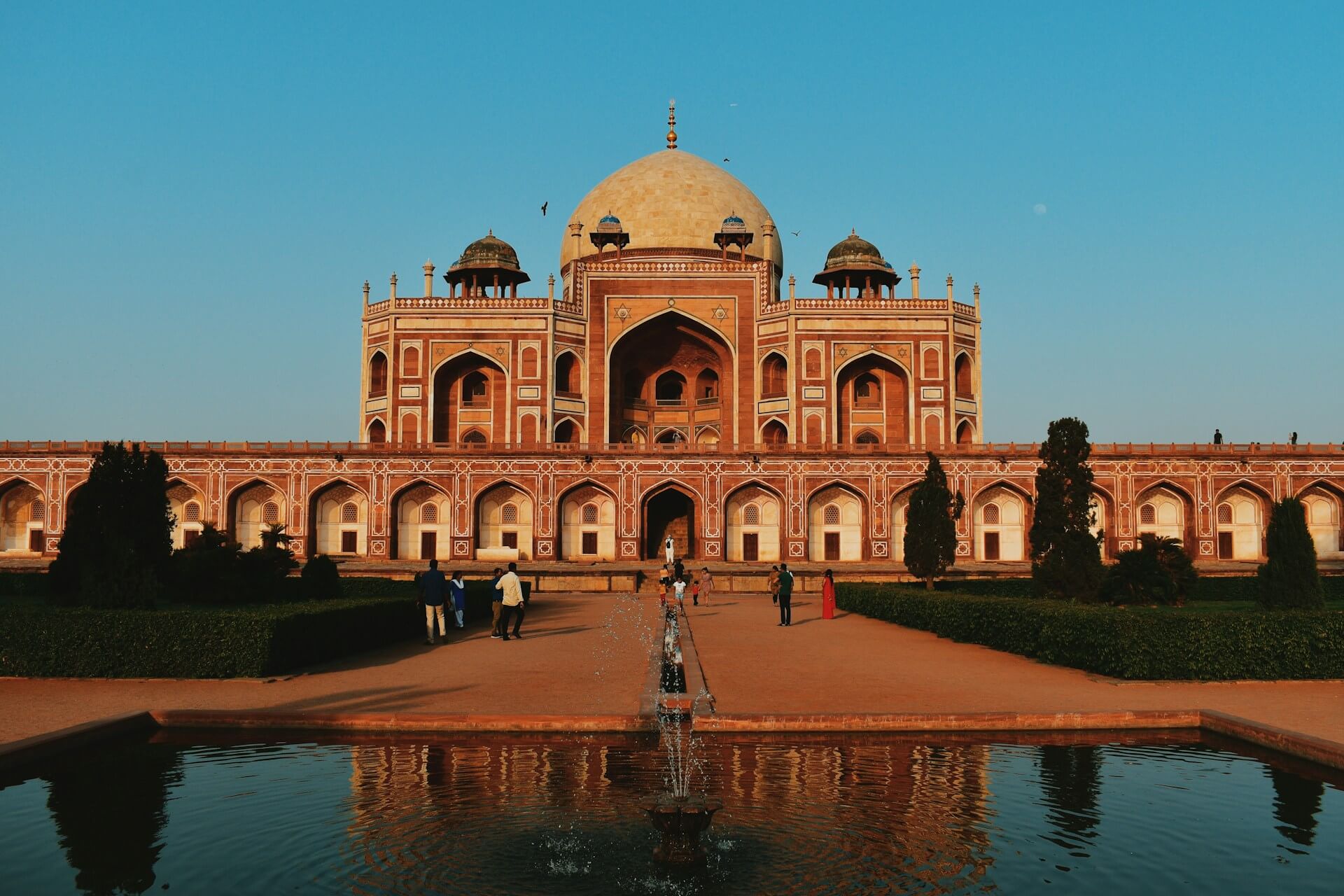
If you missed one of Delhi’s major sights on Day 2, use the morning to visit Humayun’s Tomb or Qutub Minar before leaving for Agra.
Delhi to Agra by Train
Take the Gatimaan Express to Agra in the early afternoon if the schedule works for your trip. If you want to use this train, book it early, especially during the busy travel season.
Once you arrive in Agra, check into your hotel and spend the remaining afternoon exploring Agra Fort or relaxing before an early night.
Day 4: Agra to Jaipur
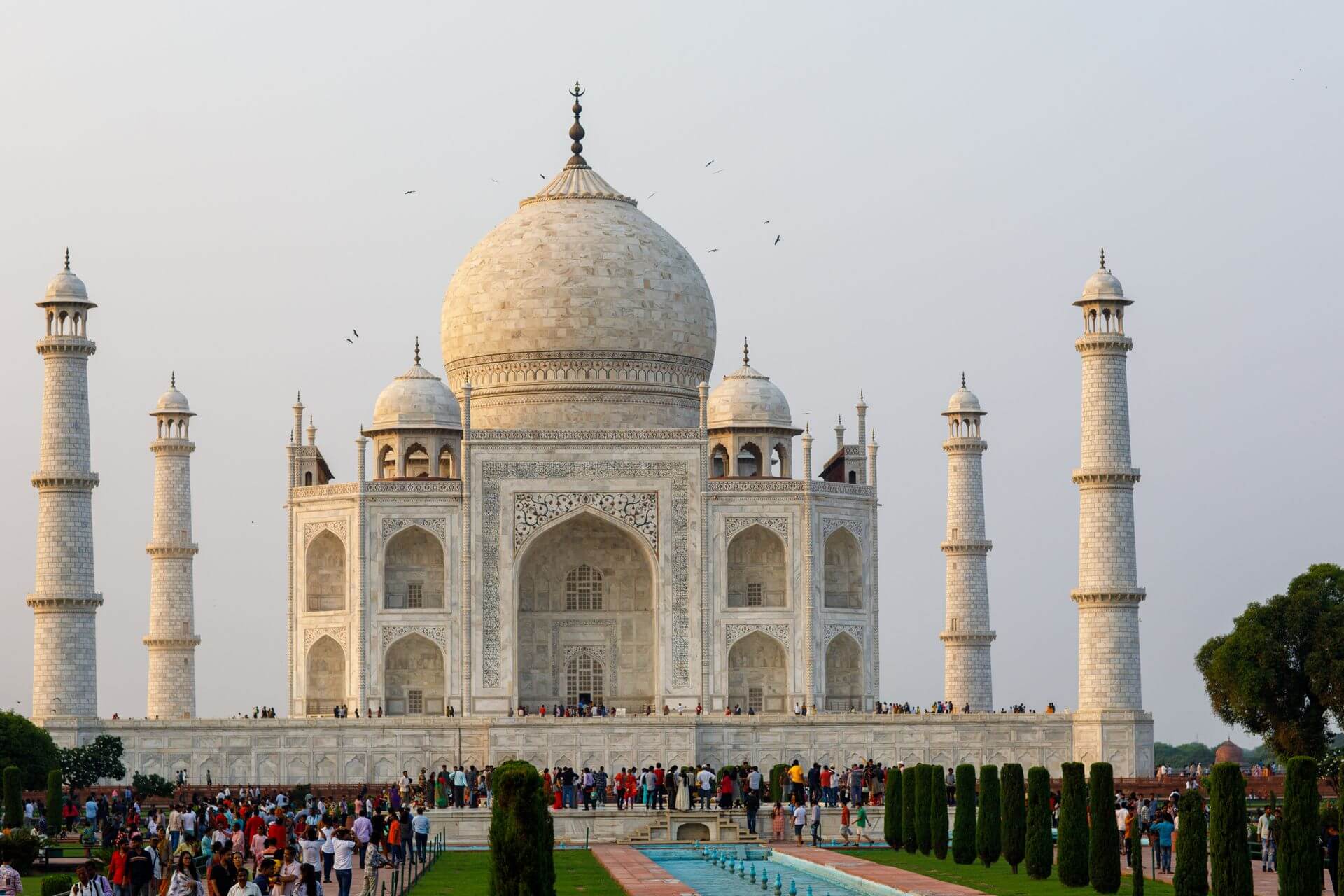
Taj Mahal at Sunrise
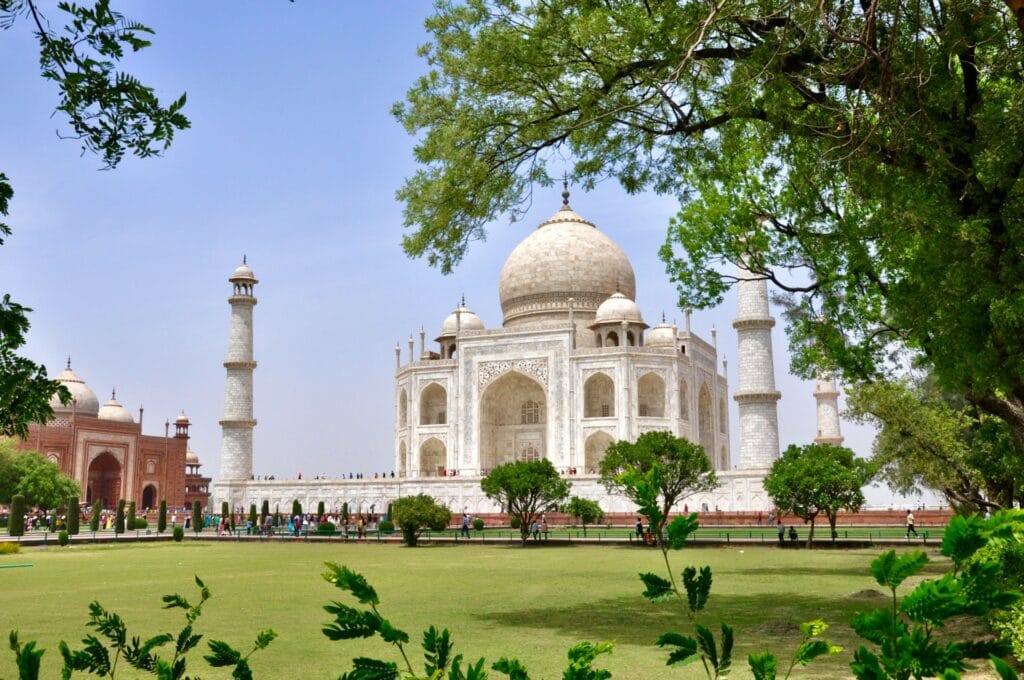
Start the day early with a sunrise visit to the Taj Mahal. Afterward, return for breakfast and check out of your hotel. If you did not visit Agra Fort the previous day, you can see it before leaving Agra.
Agra to Jaipur via Fatehpur Sikri
Drive from Agra to Jaipur and stop at Fatehpur Sikri along the way. The remarkably well-preserved Mughal-era city makes a worthwhile break from the journey and gives you another glimpse into India’s history.
Continue to Jaipur in the late afternoon or evening and check into your hotel.
Days 5–6: Jaipur
Day 5: Amber Fort and City Palace
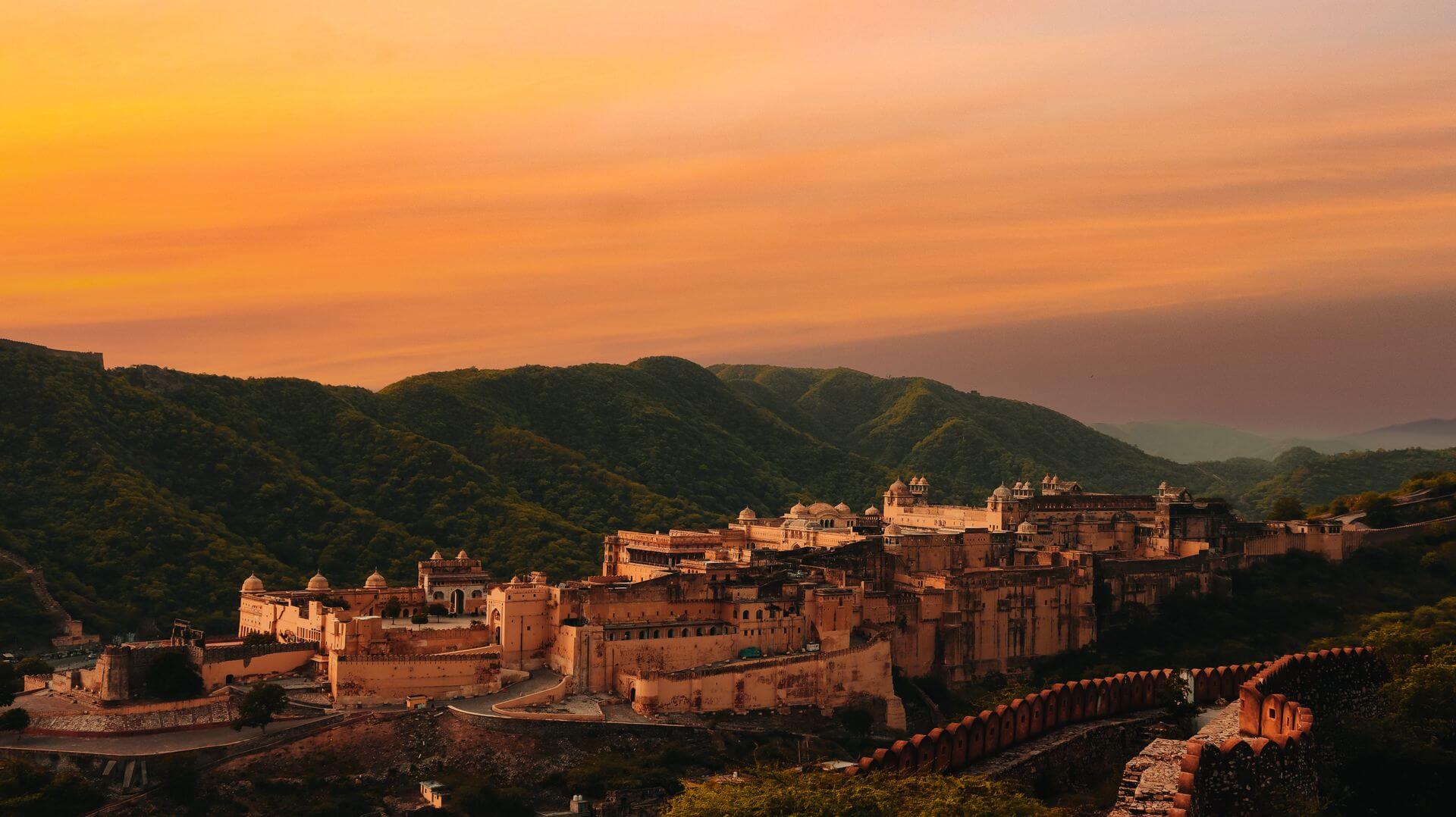
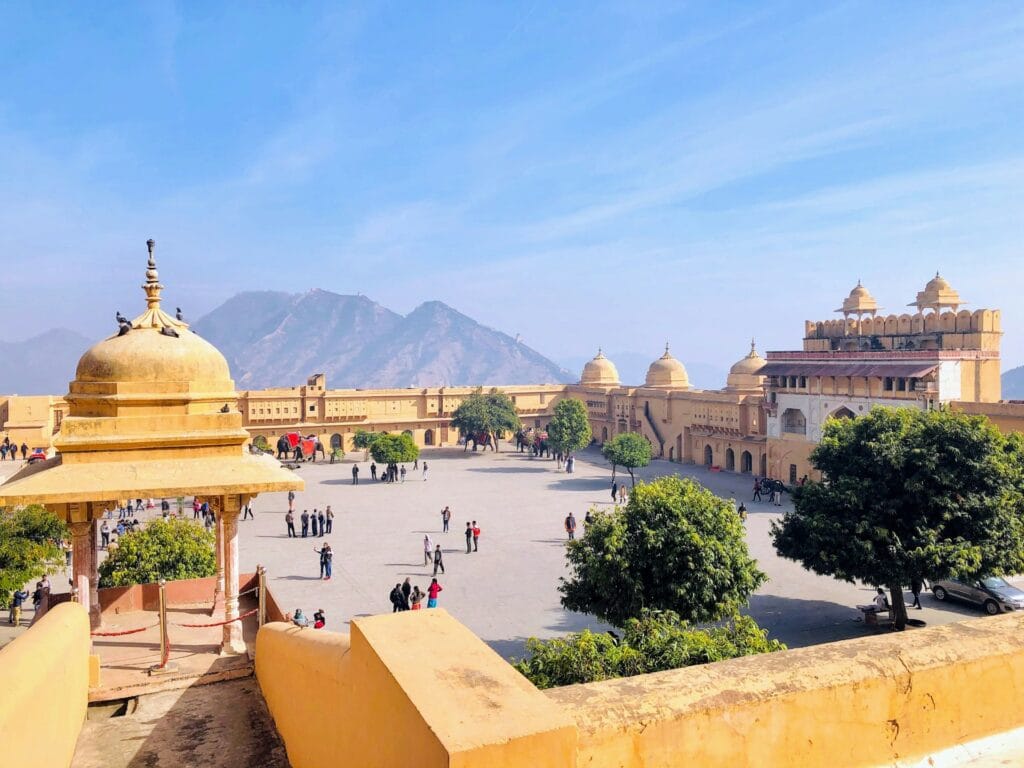
Start with Amber Fort, one of Jaipur’s most impressive historic sights. Going early helps you avoid the strongest afternoon heat and larger crowds.
After Amber Fort, return toward the city and visit the City Palace. Keep the evening relatively relaxed after a full day of sightseeing.
Day 6: Hawa Mahal, Jantar Mantar and Jaipur Markets
Visit Hawa Mahal and Jantar Mantar in the morning before spending part of the afternoon exploring Jaipur’s markets.
This is a good day to shop for textiles, handicrafts, jewelry or block-printed fabrics, but leave some time open rather than filling every hour with sightseeing. You can use the afternoon to rest or take a short excursion before the journey to Udaipur.
Day 7: Jaipur to Udaipur
By Flight or Road
You can travel from Jaipur to Udaipur by a short flight or by road. The flight saves considerable time, while the road journey can be a better choice if you want to see more of Rajasthan along the way.
If you choose the road, consider stopping in Pushkar rather than treating the entire journey as a simple transfer.
Once you arrive in Udaipur, keep the evening easy. A walk through the old city or dinner at a rooftop restaurant overlooking Lake Pichola is enough for your first night.
Days 8–9: Udaipur
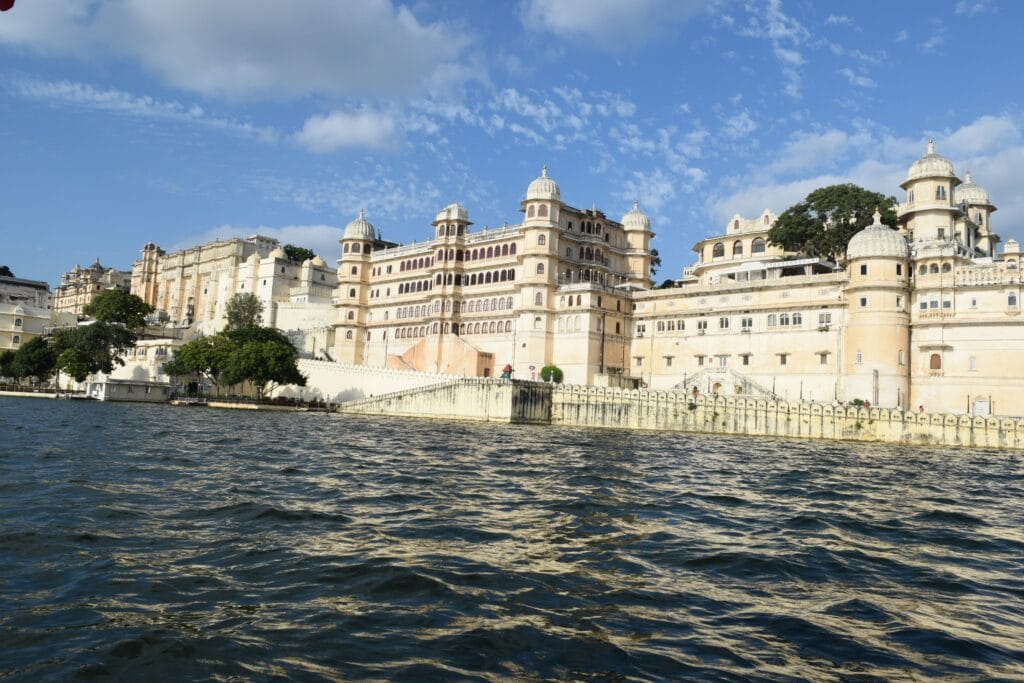
Day 8: City Palace and Lake Pichola
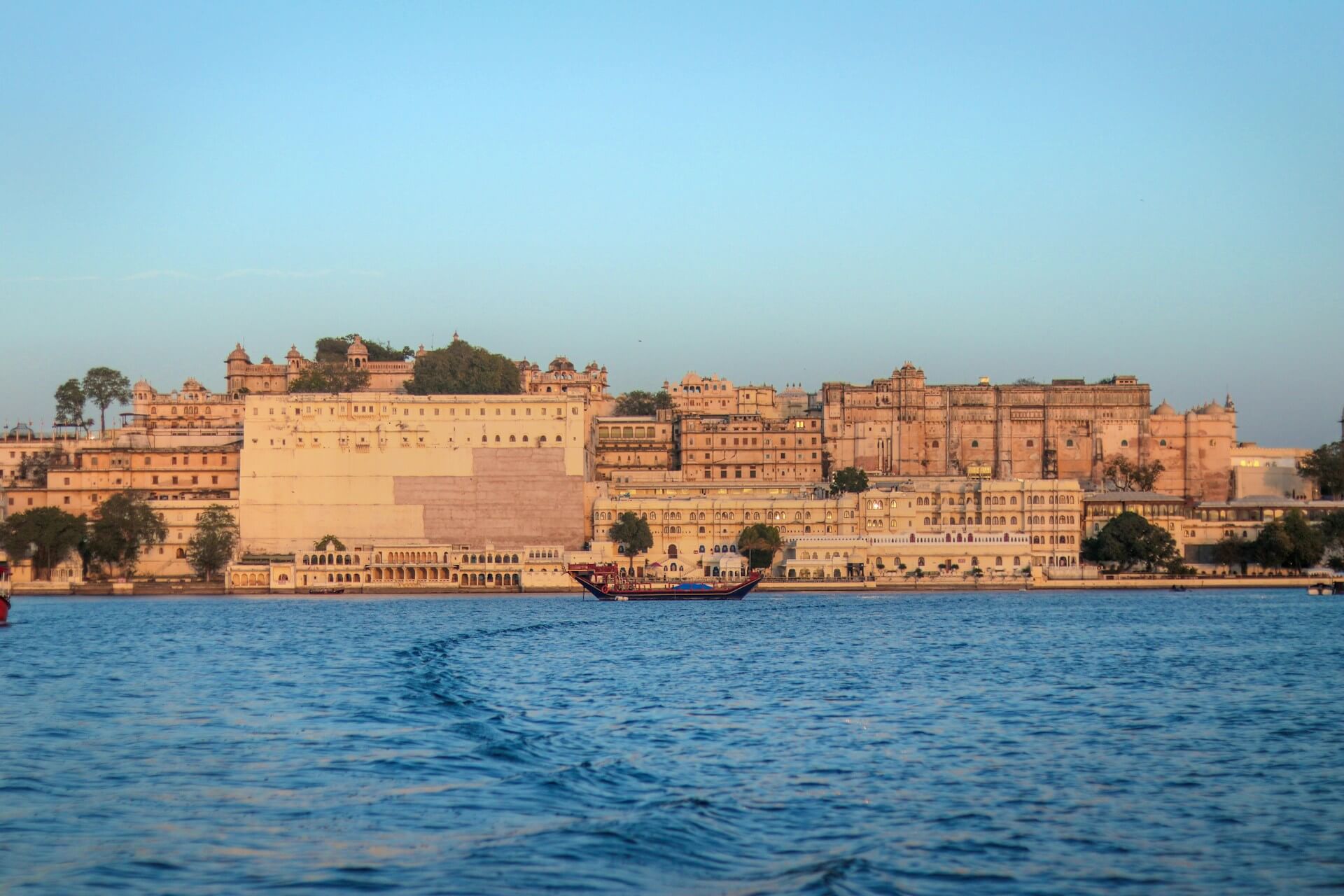
Spend the morning exploring Udaipur’s City Palace, then take a boat ride on Lake Pichola in the afternoon.
Leave the evening open for a relaxed dinner or a walk through Udaipur’s old city. After several busy sightseeing days, Udaipur is a good place to slow the pace.
Day 9: Udaipur Morning and Travel to Goa
Use the morning to visit Jagdish Temple and Saheliyon Ki Bari. If your flight schedule allows, you can also visit Monsoon Palace, but don’t try to fit everything in if you have a long travel day ahead.
Later, fly from Udaipur to Goa. Direct flights can be limited, so many travelers will need to connect through another Indian city, often Mumbai or Delhi.
If possible, choose a flight that gets you to Goa by early or mid-afternoon. That gives you enough time to check into your accommodation and enjoy your first evening on the coast.
Days 10–11: North Goa
Day 10: Your First Full Day in Goa
After nine days of sightseeing and travel, keep your first full Goa day easy.
Check in, find lunch near your accommodation and spend the afternoon at the beach. If you are staying around Candolim or Calangute, you will have plenty of restaurants and other options nearby.
In the evening, take a relaxed walk along the beach, have dinner at a beach shack or restaurant, and get an early night if you are still recovering from the pace of Rajasthan.
Day 11: Beaches and North Goa
Spend the morning exploring a quieter North Goa beach such as Ashwem or Morjim if you are staying around the busier Calangute or Baga area.
If your visit falls on a Wednesday, you can explore Anjuna’s flea market. Otherwise, use the afternoon for more beach time.
For sunset, head toward Vagator or Chapora Fort if you want a coastal viewpoint before dinner.
Day 12: Old Goa and Panaji
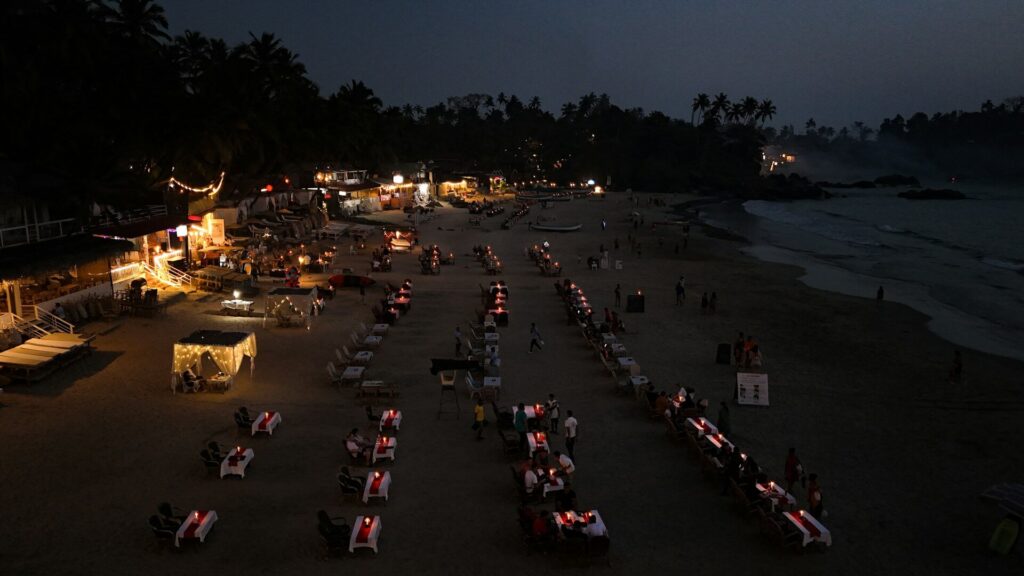
Morning: Old Goa
Take a break from the beach and explore Old Goa’s historic churches, including the Basilica of Bom Jesus, which is associated with the remains of St. Francis Xavier.
After several days around Goa’s beaches, Old Goa and Panaji give you a completely different side of the state — its Portuguese-era history, churches and old neighborhoods.
Afternoon: Panaji and Fontainhas
Continue to Panaji, Goa’s capital, and explore Fontainhas, known for its narrow streets and colorful Portuguese-era houses.
Have lunch near the Mandovi River, then spend a slower afternoon walking through Panaji’s old neighborhoods.
In the evening, return to your beach base for dinner or stay in Panaji if you prefer its restaurants and city atmosphere.
Day 13: South Goa

A Slow Beach Day
Keep Day 13 deliberately slow. Head toward South Goa and spend the morning around Palolem or Agonda, both known for a quieter atmosphere than the busier North Goa beach areas.
Keep the afternoon free. Swim, read, take a nap, enjoy a long lunch or join a short boat trip if you want an activity. Finish the day with a final beach dinner and, if possible, a sunset by the sea.
Day 14: Departure from Goa
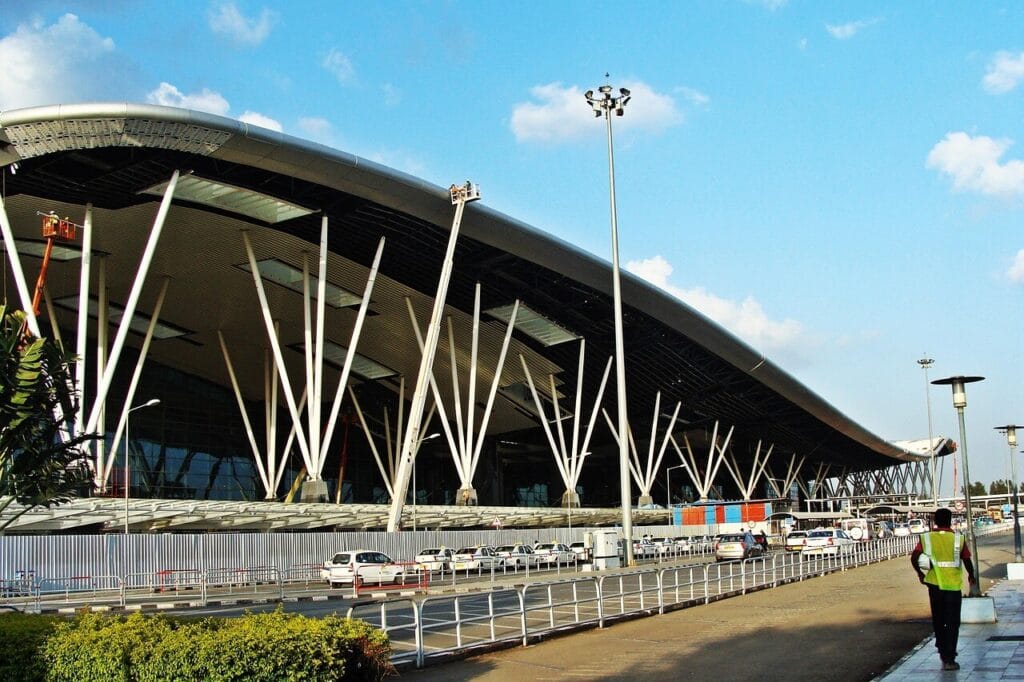
Final Morning
If your flight is later in the day, enjoy one last breakfast by the beach or take a short morning walk before checking out.
Goa Airport
Goa has two airports: Dabolim Airport and Manohar International Airport (Mopa). Check which airport your flight uses before arranging your final transfer, especially if you are staying in North or South Goa.
If you are connecting to an international flight through Mumbai or Delhi, leave enough time between flights to allow for delays and airport transfers.
How to Adjust This Itinerary
If you’d rather swap Goa for Kerala: the North India days stay identical; replace the Goa leg with Kochi, the Kerala backwaters, and a hill station like Munnar for a greener, more backwater-focused closing week instead of a beach-focused one.
If you have 21 days instead of 14: add Varanasi between Jaipur and Udaipur, or extend the Goa leg by 2–3 days and add a short Hampi side trip, a well-preserved ruined city a few hours from Goa.
If you’re traveling with kids: compress Delhi to 2 days (as this itinerary already does) but consider extending Goa to 6 days rather than 5, since children generally do better with a longer, less structured beach stretch than more city days.
If you’re on a tighter budget: use the road route via Pushkar for the Jaipur–Udaipur leg instead of flying, and choose more budget-friendly Goa accommodation in Candolim or Anjuna rather than South Goa’s pricier boutique properties.
Practical Information
When to Book
For October to March travel, book your Jaipur and Udaipur hotels around 2–3 months ahead if possible. Goa accommodation may require even more advance planning during the busiest period, especially from December 20 to January 5.
How Much Does a 14-Day India Trip Cost?
Your total cost depends heavily on your accommodation, transport and how much private travel you use.
- Backpacker: around $500–750 USD
- Mid-range: around $1,300–2,000 USD
- Comfort/private driver + Goa resort: around $2,600–4,000 USD
These figures exclude international flights and can vary considerably depending on the season and your travel style.
What to Pack
This itinerary covers two very different climates. Rajasthan can have cool mornings and warmer afternoons during the winter months, while Goa is warmer and more humid.
Pack layers and comfortable walking clothes for Delhi and Rajasthan, then lighter clothing and beachwear for Goa. A lightweight layer is particularly useful for early-morning sightseeing around the Taj Mahal.
Useful Apps for India
A few apps can make the trip easier:
A reliable translation app can also be useful when communicating outside major tourist areas
- IRCTC Rail Connect for checking and booking Indian train journeys, including the Gatimaan Express when available for your dates
- Google Maps for navigation and downloading offline maps
- MakeMyTrip or Cleartrip for comparing domestic flights and transport
- A reliable translation app for communicating outside major tourist areas
IRCTC Rail Connect for checking and booking train journeys, including the Gatimaan Express when available for your dates.
Common Mistakes Travelers Make

Cutting Delhi to make more room for Goa, then rushing it anyway. Two focused days in Delhi work better than three rushed ones — resist compressing it further just to add extra Goa time.
Booking a same-day connection into Goa with no buffer. Udaipur–Goa almost always involves a connection; a tight layover risks losing your first Goa evening entirely if anything runs late.
Treating Goa as an afterthought in the planning process. Goa gets several days in this itinerary for a reason. If you reduce it to two or three rushed days, the final part of the trip can feel just as hectic as the first.
Packing only for Rajasthan’s climate. Travelers who pack solely for North India’s cooler, drier conditions often arrive in Goa without appropriate beachwear or lighter fabrics for the humidity.
Not confirming which Goa airport your flight uses. Dabolim and Mopa serve different parts of Goa, and assuming the wrong one can mean a longer transfer than expected on arrival or departure day.
Final Tips for Your 14-Day India Trip
A 14-day India itinerary is long enough to experience Delhi, Agra, Jaipur and Udaipur without rushing through every stop, while still leaving several slower days to enjoy Goa.
The contrast works well: the first part of the trip is filled with historic sights, forts and palaces, while the final days give you time to relax by the coast.
The key is not to keep adding destinations simply because you have two weeks. Give yourself enough time to enjoy each place, keep the longer travel days manageable, and let Goa be the slower finish to the trip.
Before you book, check your visa requirements, confirm your domestic flights and choose accommodation in each destination. Then pack for both sides of the journey — comfortable layers for North India and lighter clothing for Goa.
Frequently Asked Questions About a 14-Day India Itinerary
Is 14 days enough for a first trip to India?
Yes. Two weeks is enough for a good first taste of India if you focus on a manageable route. This itinerary covers Delhi, Agra, Jaipur, Udaipur and Goa without trying to add too many regions.
What is a good 14-day India itinerary for first-time visitors?
For first-time visitors, a good option is Delhi, Agra, Jaipur, Udaipur and Goa. This route combines major historical sights with Rajasthan’s forts and palaces, followed by several slower days on the coast.
How many days should I spend in Delhi on a first trip to India?
Two full days is a good starting point. You can cover major sights in Old and New Delhi without spending so much time in the capital that the rest of your itinerary becomes rushed.
How many days do you need for the Golden Triangle in India?
Around 5–6 days gives you enough time for Delhi, Agra and Jaipur at a comfortable pace. If you have 14 days, adding Udaipur and Goa gives the trip more variety without making the itinerary too crowded.
Is Udaipur worth adding to a 14-day India itinerary?
Yes, especially if you want a slower contrast to Delhi, Agra and Jaipur. Udaipur’s lakes, City Palace and old city make it a natural addition to a Rajasthan-focused itinerary.
Should I visit Goa at the end of my India trip?
Yes, if you want to finish with some downtime. After several days of sightseeing in North India and Rajasthan, Goa gives you time for beaches, relaxed meals and a slower pace before flying home.
How do I travel from Udaipur to Goa?
Flying is usually the most practical option because of the distance. Depending on the available schedule, you may need to connect through another Indian city such as Mumbai or Delhi.
Is it better to visit North Goa or South Goa?
Choose North Goa if you want more restaurants, nightlife, markets and activity. Choose South Goa if you prefer quieter beaches and a more relaxed atmosphere. You can also experience both during a longer Goa stay.
What is the best time for this 14-day India itinerary?
October to March is generally the most comfortable period for this route, particularly for sightseeing in Delhi, Agra, Jaipur and Rajasthan. Goa is also popular during these months, although December and early January are especially busy.
How much does a 14-day trip to India cost?
A rough budget is $500–750 for backpackers, $1,300–2,000 for mid-range travel, and $2,600–4,000 for a more comfortable trip with private transport and a Goa resort, excluding international flights.
Images: Unsplash
