
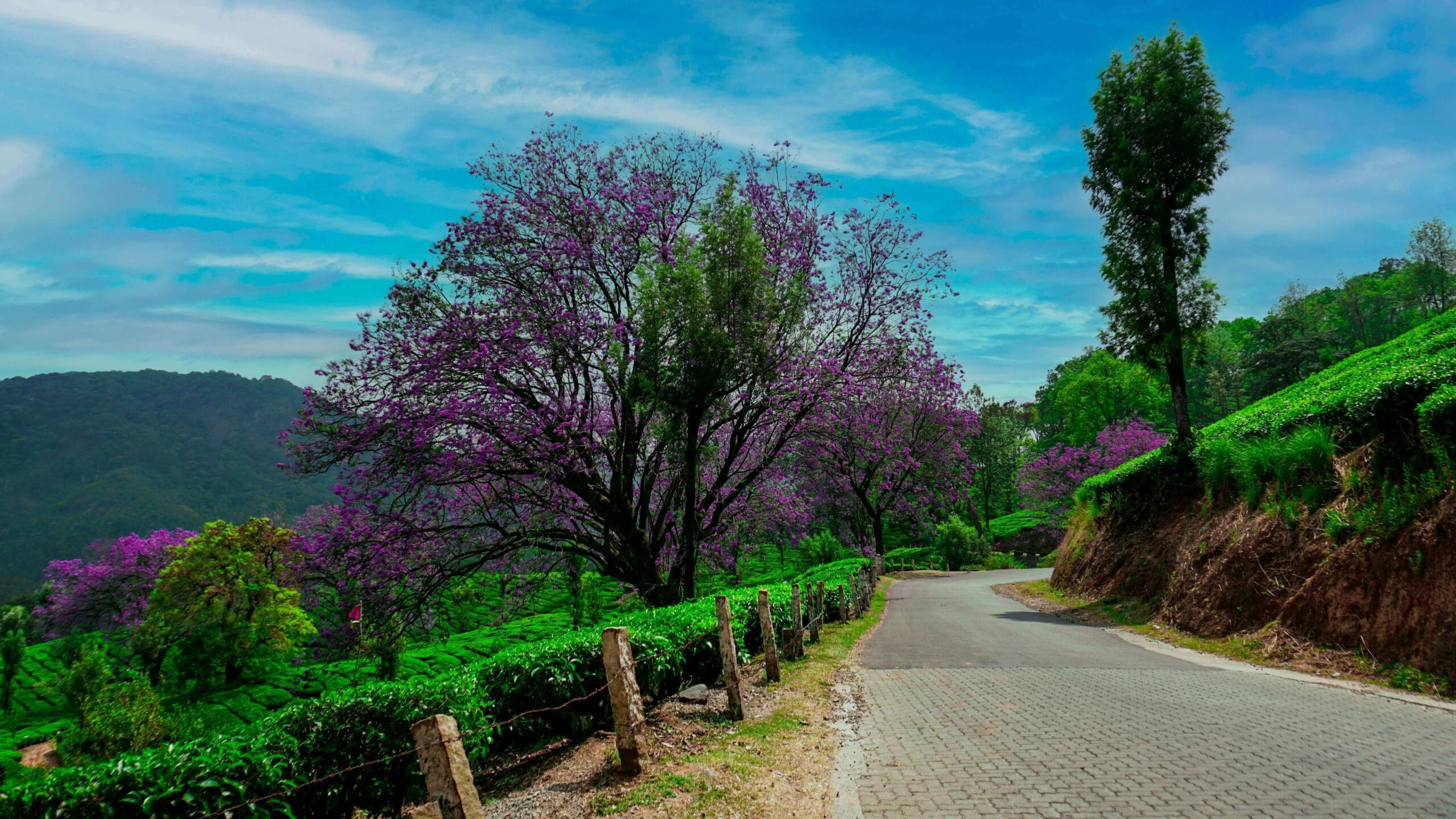


India hits you all at once. The scale of it, the noise, the color, the sheer number of people moving in every direction and suddenly you realize: getting from one place to another here is an adventure in itself.
For first-time visitors and even seasoned travelers, figuring out how to travel around India efficiently can feel genuinely overwhelming.
The country spans 3.3 million square kilometers, has over a billion people on the move, and offers a dizzying mix of transport options from bullet-fast domestic flights to century-old railways to overcrowded local buses that somehow always get you there.
Here’s the good news: once you understand the system, getting around India becomes one of the most rewarding parts of the journey.
You just need to know what to use, when, and how to book it without pulling your hair out. This guide breaks it all down practically, honestly, and without the fluff.
Overview of Transportation in India: Know Your Options
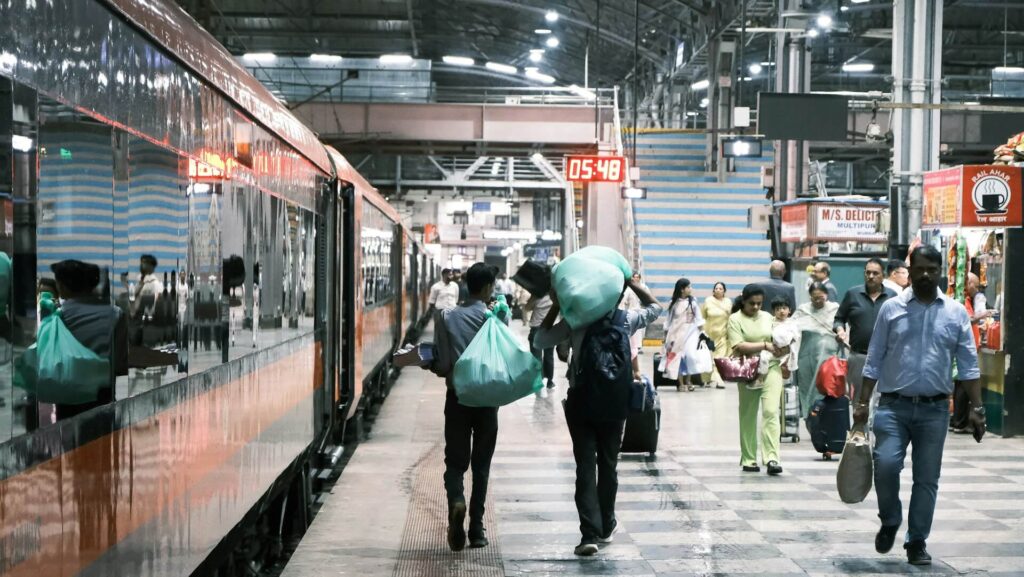
Before diving into the details, here’s a quick lay of the land. India’s transport ecosystem is massive and layered, offering something for every type of traveler.
The major options:
- Indian Railways – The backbone of long-distance travel, covering almost every corner of the country
- Domestic flights – Fast and increasingly affordable, especially for distances over 600–700 km
- Long-distance buses – Flexible, often cheaper than trains, and useful where rail doesn’t reach
- Local city transport – Auto-rickshaws, metros, app-based cabs (Ola/Uber), and local buses
The rule of thumb:
- Under 200 km → Bus or train (short haul)
- 200–600 km → Train is usually ideal
- 600 km+ → Seriously consider flying
- Within a city → Auto-rickshaw, metro, or Ola/Uber
Now let’s go deeper into each one.
How to Travel Around India by Train (Indian Railways Guide)
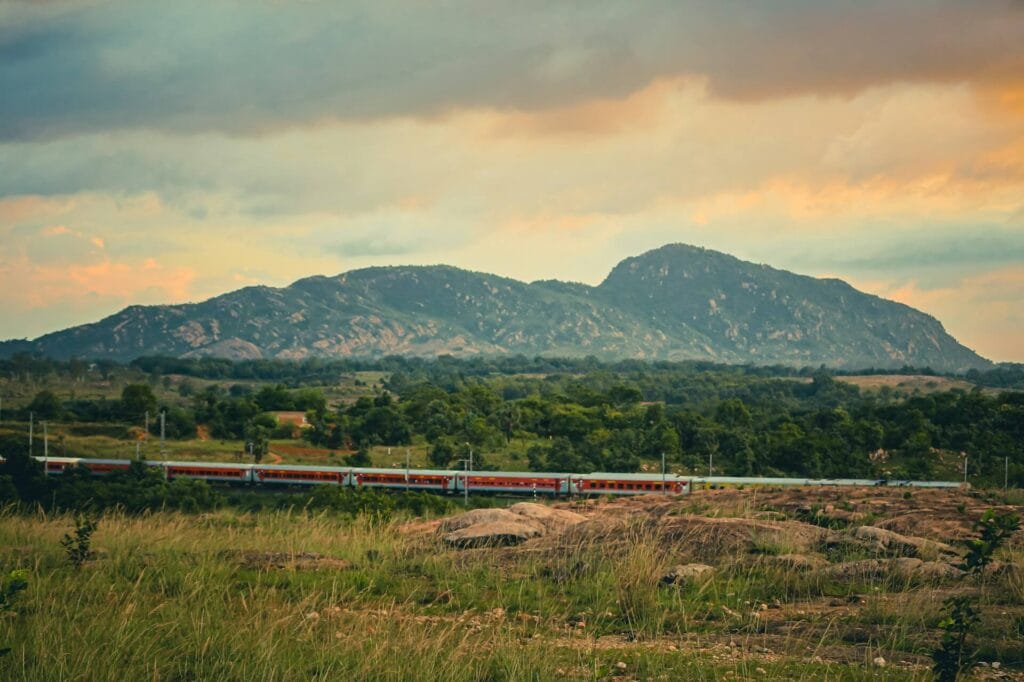
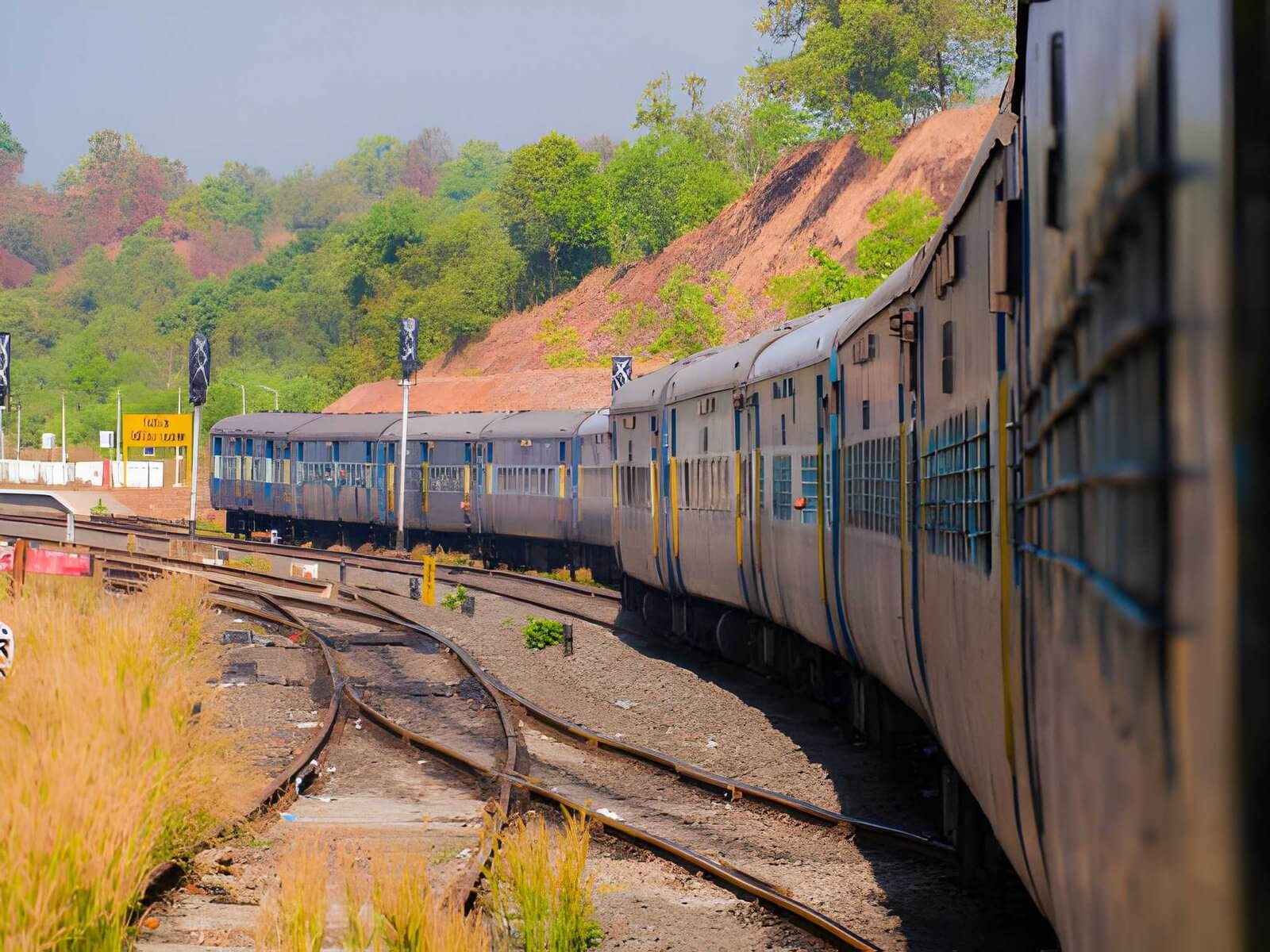
If there’s one way to truly experience India, it’s by train. Indian Railways is one of the largest rail networks in the world—over 68,000 km of track, more than 13,000 trains daily, and billions of passengers every year. Yes, billions.
Trains connect virtually every major city and town. They’re scenic, social, and genuinely central to how India moves.
For travelers, they’re also one of the most budget-friendly ways to cover long distances overnight, meaning you save on accommodation while you travel.
Types of Train Classes (And What They Actually Mean)
Understanding train classes is non-negotiable if you’re booking in India. Here’s a plain-English breakdown:
- General (Unreserved) – The cheapest option. No seat reservation, which means it can get extremely crowded. Fine for very short distances, not ideal for overnight journeys.
- Sleeper Class (SL) – The most popular class among budget travelers and locals. Affordable, has berths for sleeping, no AC. Expect it to be noisy and warm in summer, but it’s functional and gives you the full Indian train experience.
- AC 3-Tier (3A) – Three-level berths with air conditioning and a curtain for modest privacy. A sweet spot between comfort and price—great for overnight journeys.
- AC 2-Tier (2A) – Two-level berths, wider, more privacy, and better bedding. Noticeably more comfortable, priced accordingly.
- AC First Class (1A) – Private cabins with lockable doors. Expensive by Indian standards, but still cheaper than flying for some routes.
- Chair Car (CC) – Reserved seating (no sleeping berths), usually on daytime express trains. Good for medium-distance routes.
For most international travelers, AC 3-Tier is the sweet spot—comfortable enough, not too expensive, and comes with bedding included.
How to Book Train Tickets in India
This is where people get tripped up. Here’s what you need to know:
IRCTC (Indian Railway Catering and Tourism Corporation) is the official booking platform. You’ll need to create an account, which requires a mobile number and email verification. It’s a bit clunky but works once set up.
Alternatively, apps like Ixigo, Confirmtkt, and MakeMyTrip make the process much smoother and let you track trains, check PNR status, and set fare alerts.
Foreign tourists can also book through the IRCTC Tourist Quota—a reserved pool of seats set aside specifically for international visitors. If regular tickets are sold out, this is worth checking.
Pro tips for train booking:
- Book 60–90 days in advance. Popular routes sell out fast, especially around festivals and school holidays.
- Understand the waitlist system. WL (Waitlist) and RAC (Reservation Against Cancellation) tickets are common. WL tickets sometimes get confirmed as cancellations come in—track your PNR status closer to the travel date.
- Tatkal quota is for last-minute bookings (opens 1–2 days before travel) and costs extra, but it’s a lifesaver when you’re stuck.
Pros and Cons of Train Travel in India
Pros:
- Covers almost everywhere
- Often has overnight options (save on hotel costs)
- Great way to see the countryside
- Generally safe and reliable
- Affordable, especially in Sleeper and AC 3-Tier
Cons:
- Delays are common—always plan buffer time
- Booking can be confusing for first-timers
- Popular routes book up weeks in advance
- Long journeys can be exhausting in lower classes
For many travelers, trains are the most authentic way to travel around India while staying within budget.
How to Travel Around India by Flight (Domestic Airlines Guide)
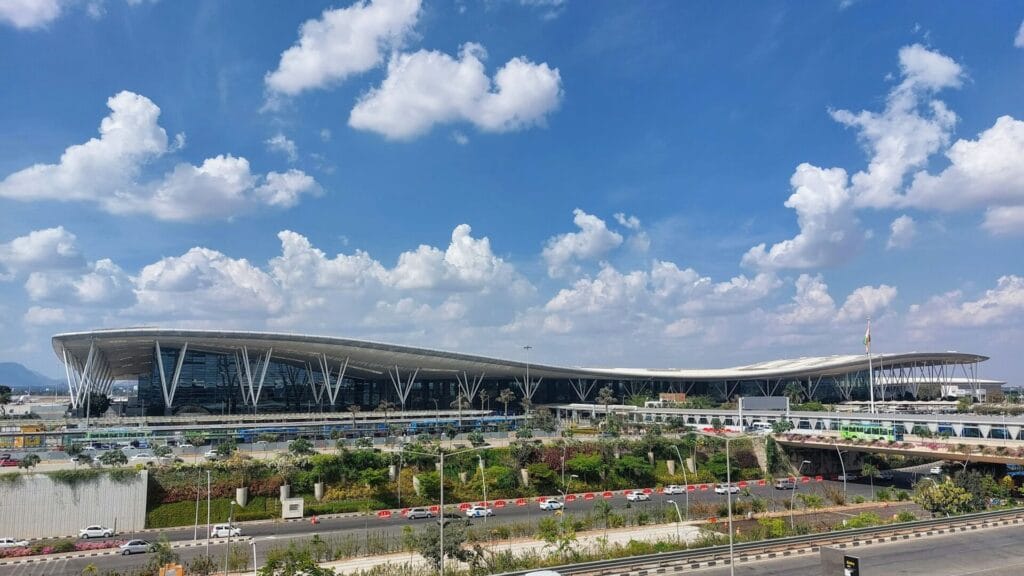
India’s domestic aviation market has exploded over the past decade. Low-cost carriers like IndiGo, Air India Express, SpiceJet, and Akasa Air have made flying genuinely competitive with train travel on long-distance routes.
If you’re covering a distance like Delhi to Kochi, Chennai to Leh, or Mumbai to Varanasi, a 2-hour flight versus a 24–36 hour train journey is often worth considering, especially when budget airline fares can dip as low as ₹1,500–₹3,000 ($18–$36 USD) if booked early.
When Does Flying Actually Make Sense?
- When the train journey would take more than 15–18 hours
- When you have limited time and covering multiple cities
- During peak season when train tickets are sold out
- When the price difference isn’t large enough to justify a day lost in transit
Tips for Getting Cheap Domestic Flights in India
- Book early, but also watch for sales. Airlines in India frequently run flash sales, especially IndiGo and SpiceJet. Booking 6–8 weeks in advance usually gets you decent fares.
- Use comparison tools. Google Flights, Skyscanner, and MakeMyTrip are all effective for tracking prices. Set fare alerts and be flexible with travel dates by a day or two—prices can vary dramatically.
- Travel light. Most budget airlines in India charge extra for checked luggage. If you can manage with cabin baggage only, you’ll save money on almost every route.
- Check secondary airports. Delhi has two terminals (T1 and T3), and Mumbai’s domestic and international terminals can be different. Confirm where you’re landing before booking onward transport.
Pros and Cons of Flying in India
Pros:
- Huge time saving on long routes
- Budget carriers are often surprisingly affordable
- Rapidly expanding network—more routes than ever
Cons:
- Hidden fees (luggage, seat selection) can inflate costs
- Airports can be chaotic; allow plenty of time
- Doesn’t offer the travel experience that trains do
- Environmental footprint
If you’re short on time, flying is often the fastest way to travel around India across long distances.
How to Travel Around India by Bus (Complete Guide)
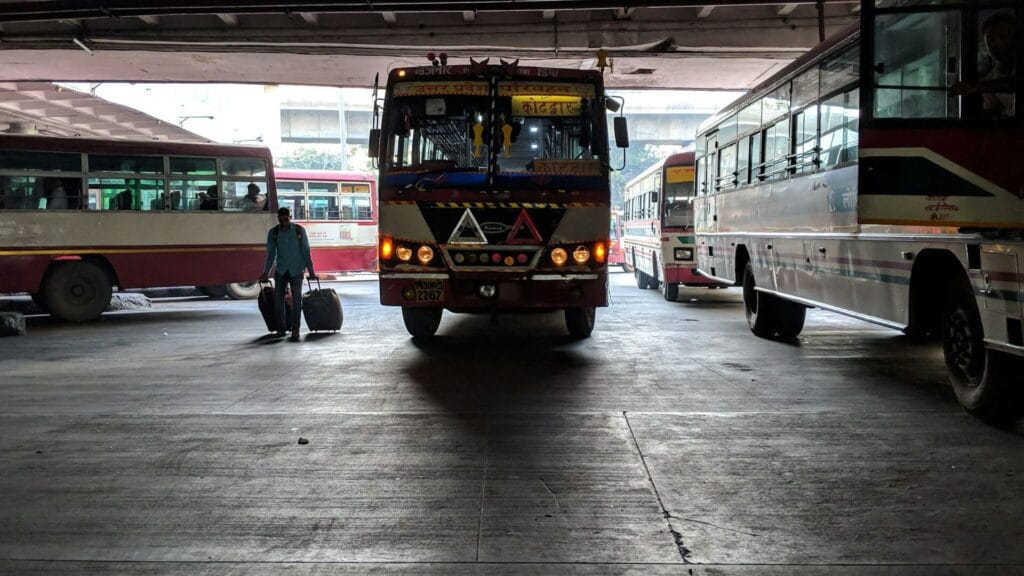
Buses don’t get enough credit. They’re often the most direct, most frequent, and sometimes the cheapest way to travel between cities and towns—especially in regions where train connectivity isn’t great.
Types of Buses You’ll Encounter
- Government buses – Run by state transport corporations (like KSRTC, MSRTC, UPSRTC). Generally reliable, cheap, and widely available. Comfort levels vary by state and route.
- Private sleeper buses – A game-changer for overnight travel. Many routes between major cities (like Bangalore to Goa, or Delhi to Manali) are served by air-conditioned sleeper buses with semi-private berths.
- Volvo AC buses – Premium private buses with proper reclining seats, AC, and sometimes charging points. Comfortable for 5–8 hour journeys.
- Local state buses – Basic, very cheap, and often crowded. Fine if you’re on a tight budget and short route.
When to Choose the Bus
Buses really shine on:
- Routes not well served by rail (like many Himalayan hill routes)
- Medium distances of 100–400 km
- Overnight journeys where sleeper buses are available
- Day trips between nearby towns
Booking tips: For private and sleeper buses, RedBus is the most reliable aggregator in India. You can compare operators, check ratings, pick seats, and book in minutes. For government buses, you’ll often need to book at the state bus terminal or check the respective state transport website.
Pros and Cons of Bus Travel in India
Pros:
- Often cheaper than trains for many routes
- Flexible—more frequency than trains on some routes
- Overnight options save accommodation costs
- Reaches places trains don’t
Cons:
- Road quality can make long journeys uncomfortable
- Mountain routes can be slow and winding
- Less predictable timing (traffic-dependent)
- Not all buses are created equal—do your research on operators
Buses are a flexible and often underrated way to travel around India, especially in regions where trains don’t reach.
How to Travel Around India in Cities (Local Transport Guide)
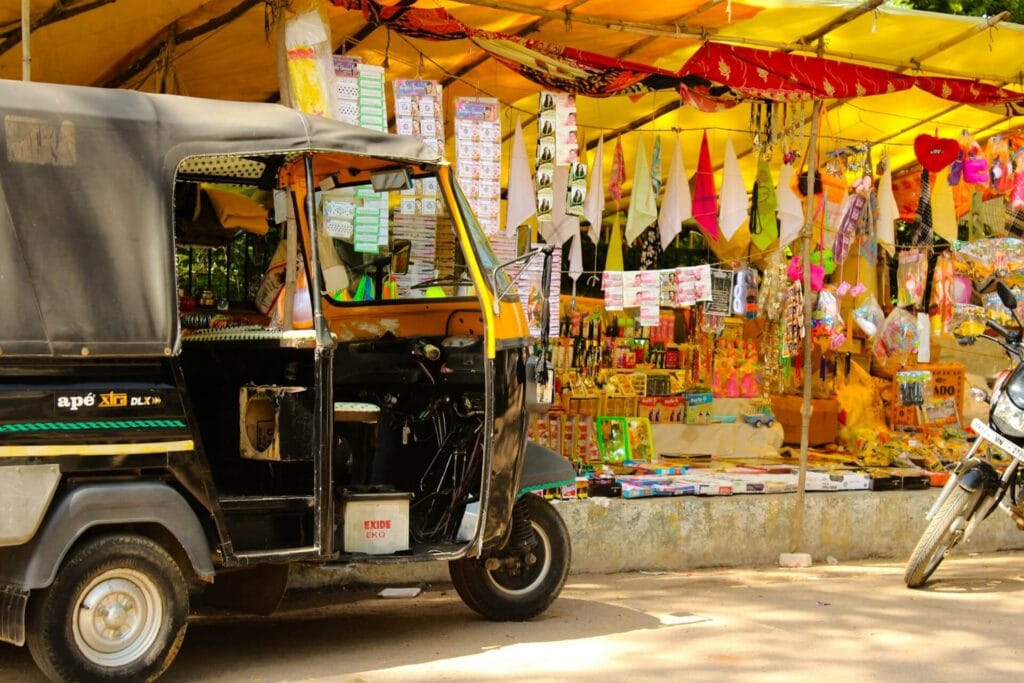
Once you’ve arrived at your destination, a whole new transport puzzle begins. Indian cities are chaotic, colorful, and sometimes maddening to navigate—but they’re full of options.
Auto-Rickshaws and Cycle Rickshaws
The humble auto-rickshaw (tuk-tuk) is the quintessential Indian city vehicle. They’re everywhere, they’re fast through traffic, and they’re cheap. Expect to negotiate the fare before you get in—especially in cities without meters or where drivers prefer not to use them.
Tips:
- Insist on the meter in cities like Delhi and Mumbai where it’s mandatory
- In smaller cities, agree on a price upfront—know the rough fare beforehand (ask your hotel)
- Don’t be afraid to walk away; another auto is always around the corner
Cycle rickshaws are popular in older parts of cities like Varanasi, Jaipur, and Old Delhi. They’re slower but great for narrow lanes and short hops.
App-Based Taxis: Ola and Uber
Both Ola and Uber operate extensively across Indian cities, and they’re genuinely convenient. Fixed fares, GPS tracking, and cashless payment make them the easiest option for tourists who want to avoid fare negotiations.
Use Ola or Uber when:
- You’re traveling with luggage
- You need to go further across a city
- You’re arriving at an airport or station late at night
- You want transparency on pricing
One local tip: auto mode on Ola is often cheaper than full cabs and still gives you a meter-based auto with app tracking.
Metro Systems in Major Cities
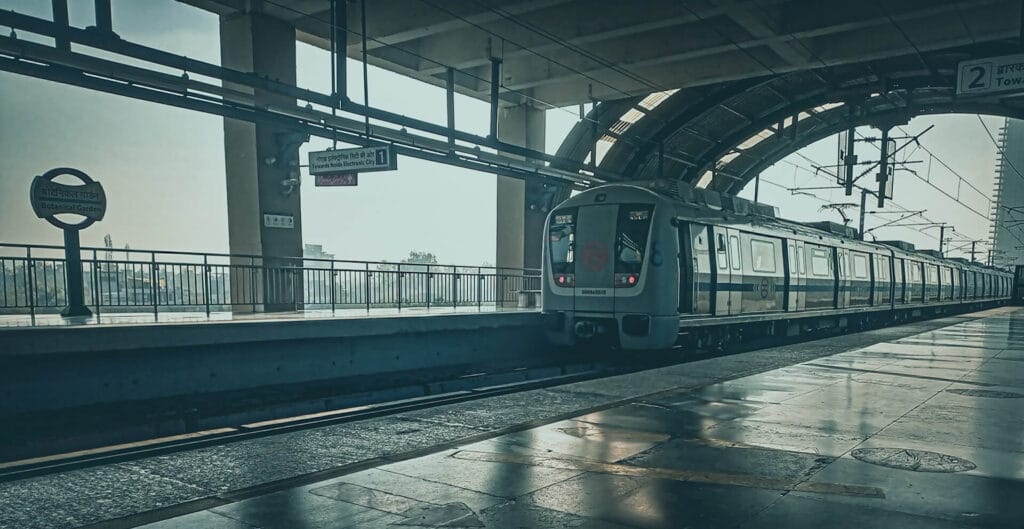
India’s urban metro network has expanded massively over the past decade. Delhi, Mumbai, Bangalore, Chennai, Hyderabad, Kolkata, Kochi, and several other cities now have operational metro lines – more are under construction.
Metros are the fastest and most reliable way to navigate congested city centers. They’re air-conditioned, safe, affordable, and increasingly well-connected.
Buy a token or get a metro card if you’re staying more than a couple of days in a city—it saves time at the counter. Most metros now accept contactless payment too.
Local City Buses
Cheap and comprehensive, but confusing without local knowledge. Google Maps does a reasonable job mapping local bus routes in major cities now, so it’s more accessible than it used to be.
Great for budget travelers who have time and patience to figure out the system. Understanding local transport is essential if you want to travel around India smoothly within cities.
Best Apps & Websites for Booking Travel in India
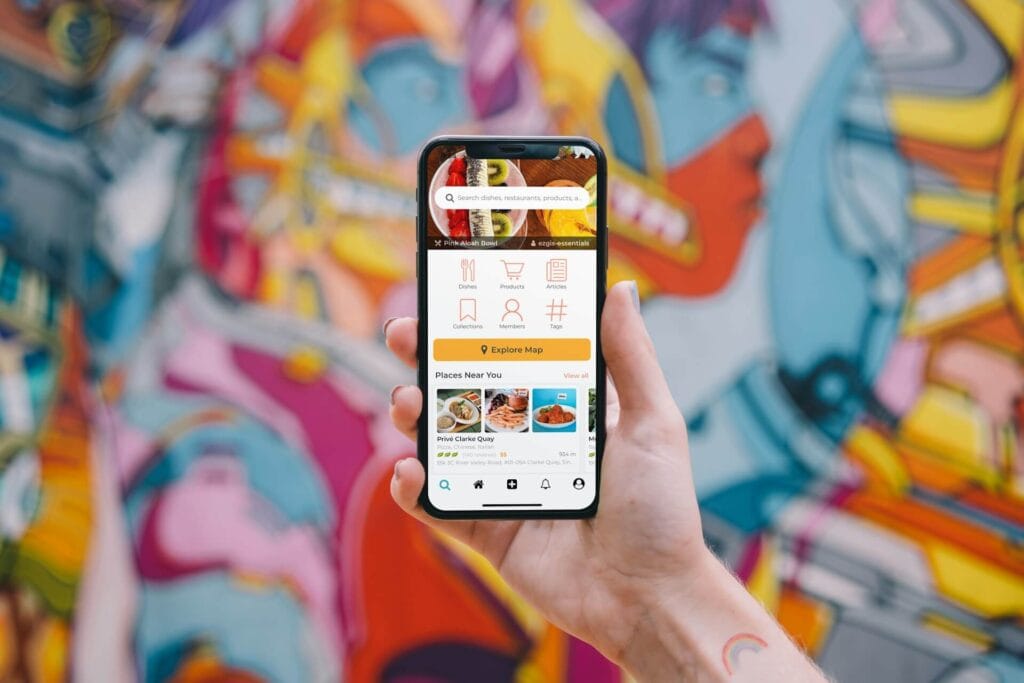
Traveling in India becomes significantly easier once you have the right apps on your phone. While you can book tickets offline, using reliable platforms saves time, avoids confusion, and gives you better control over pricing and availability, especially during busy seasons.
The most useful apps and websites:
- IRCTC Rail Connect – The official platform for booking train tickets. Slightly clunky at first, but essential for Indian Railways reservations.
- RedBus – The easiest way to compare and book private and government buses across India.
- MakeMyTrip – Useful for flights, hotels, and sometimes trains; good for comparing prices in one place.
- Google Maps – Indispensable for planning routes, checking travel time, and navigating cities.
A simple rule: stick to trusted platforms and avoid random agents or unofficial booking sites—you’ll save both money and headaches.
Cost of Traveling Around India
One of the biggest advantages of traveling in India is flexibility—you can do it on almost any budget. Costs vary widely depending on comfort level, distance, and how early you book, but here’s a realistic idea of what to expect.
Typical transport costs:
- Train (Sleeper Class): ₹300–₹800
- Train (AC classes): ₹1000–₹2500
- Domestic flights: ₹1500–₹6000 (if booked early)
- Buses (AC/Sleeper): ₹500–₹2000
Rough daily travel budget:
- Budget traveler: ₹1000–₹2000
- Mid-range traveler: ₹2500–₹6000
If you plan well—especially with trains and overnight journeys—India can be incredibly affordable without sacrificing too much comfort.
Choosing the Best Transport Option in India: Practical Scenarios
Sometimes the best way to understand your options is through real examples.
The budget backpacker: You’re on ₹1,500/day and crossing from Jaipur to Varanasi (about 650 km). A Sleeper Class train ticket might cost ₹350–₹500. It’ll take 11–14 hours, you’ll sleep on it, and you’ll arrive early morning. Perfect.
The time-pressed business traveler: Delhi to Bangalore. 2,100 km. A train would take 30–40 hours. A flight takes under 3 hours and might cost ₹3,500–₹5,000 booked in advance. The math is obvious.
The weekend explorer: Mumbai to Goa, roughly 600 km. You could take the Konkan Railway—one of India’s most scenic routes—overnight in 3AC. Or take a sleeper bus. Both are great. Flying is fast but you miss the scenery and usually costs more when you factor in the airport hassle.
Short city hop: Getting across Jaipur’s old city. Take an auto-rickshaw, negotiate firmly, enjoy the chaos. Or book an Ola if you’d rather skip the negotiation.
Common Mistakes Travelers Make Getting Around India
Learning from others’ mistakes is underrated. Here are the biggest ones:
- Not booking trains in advance. Especially for AC classes during peak season (October–March), tickets disappear weeks out. Don’t leave it to the last minute.
- Misjudging travel time vs. distance. India is big, and Indian roads aren’t German autobahns. 200 km by road can take 5–6 hours. Always check the actual journey duration, not just the distance.
- Choosing the wrong class. Booking General class for a 12-hour journey to save money is rarely worth it. The extra few hundred rupees for Sleeper or AC 3-Tier makes a real difference.
- Overpaying for local transport. Tourist prices for auto-rickshaws can be 2–3x the local rate. Ask your accommodation what a fair fare is before you step outside.
- Ignoring schedules and connections. Indian trains run on Indian time. Connecting from one train to another with a 30-minute window is risky. Give yourself at least 2–3 hours between connections.
- Relying on one booking platform. Prices and availability vary. Cross-check across IRCTC, MakeMyTrip, Ixigo, and Google Flights.
Safety Tips & Travel Scams to Avoid
India is generally safe for travelers, but like any busy destination, it helps to stay aware—especially when dealing with transport. A little caution goes a long way in avoiding unnecessary stress.
Keep these basics in mind:
- Always confirm auto-rickshaw fares before starting (or insist on the meter where available)
- Avoid unofficial ticket agents, especially near railway stations
- Use trusted apps for bookings instead of random websites
- Be cautious with late-night arrivals—pre-book your ride if possible
- Keep valuables secure in crowded places like trains and stations
Most issues are easy to avoid with a bit of awareness, and once you get used to the system, getting around feels much smoother.
Practical Travel Tips for Getting Around India
A few lessons that take most travelers a trip or two to learn:
- Always keep buffer time. Trains delay, traffic happens, monsoon floods roads. Build margin into every plan.
- Overnight travel is your friend. A 12-hour overnight train covers distance while you sleep, saving both time and accommodation costs.
- Keep small bills and coins handy. Auto-rickshaw drivers rarely have change, and local vendors often can’t break large notes. A stash of ₹10, ₹20, and ₹50 notes saves daily friction.
- Download offline maps. Google Maps works well in India, but download offline maps for areas where connectivity might be patchy—like hill stations and rural routes.
- Use verified platforms. Stick to official apps and well-known aggregators. Avoid buying train tickets from unauthorized agents charging inflated “booking fees.”
- Stay flexible. The best travel moments in India often happen when plans shift. Miss a train and end up in an unexpected tea house conversation. Embrace it.
Packing Smart for Traveling Around India

How you pack can make a bigger difference than you expect—especially when you’re hopping between trains, buses, and taxis.
A few practical tips:
- Travel light, especially for train and bus journeys
- Keep valuables and essentials in a small daypack
- Carry a power bank for long travel days
- Keep tickets, ID, and important documents easily accessible
Simple, but it saves a lot of hassle when you’re constantly on the move.
Best Time to Travel in India (From a Transport Perspective)
When you travel affects how smoothly you get around.
October to March is peak tourist season weather is best across most of India, but trains and flights fill up fast. Book accommodation and transport well in advance.
April to June is hot in most of the country, but transport is more available. Hill stations get crowded as Indians escape the heat—Shimla, Mussoorie, and Darjeeling routes book up.
July to September (Monsoon) brings train delays, road closures (especially in the Himalayas and northeast), and flight disruptions. Schedules are less reliable. If you’re traveling during monsoon, always have a backup plan and expect some rescheduling.
Winter fog (December–January) is a serious issue in North India. Trains through Delhi, Agra, and the Indo-Gangetic plains face regular delays due to low visibility. Add an extra buffer of 2–4 hours for any morning trains or connecting journeys during this period.
Final Thoughts: Getting Around India Is Part of the Adventure
Once you understand how to travel around India, the entire country becomes much easier to explore. From trains and flights to buses and local transport, each option plays a role in helping you move efficiently across this vast and diverse country.
India is not a country you breeze through. It demands patience, a little flexibility, and a willingness to embrace unpredictability.
But that’s exactly where the magic lives in the chai served through a train window at 3 am, in the chatter of an auto-rickshaw driver who doubles as an unofficial city guide, in arriving somewhere you almost didn’t reach.
Once you understand the transport system trains for the long hauls, flights when time matters, buses where rail doesn’t go, and apps for navigating cities traveling around India stops being overwhelming and starts being genuinely exciting.
The key is to plan with intention, book ahead where it matters, and stay loose enough to let the journey surprise you.
FAQs about Travel Around India
What’s the easiest way to travel around India for first-time visitors?
The easiest way to travel around India for first-time visitors is by using a mix of trains for long distances, flights for routes over 600 km, and local transport like autos or app-based taxis within cities.
How do I book train tickets in India as a foreign traveler?
Use IRCTC’s official website or apps like Ixigo and MakeMyTrip. Foreign tourists can also use the IRCTC Tourist Quota for reserved seats.
Which train class is best for overnight journeys in India?
AC 3-Tier (3A) is a popular balance of comfort, privacy, and affordability for overnight travel. Sleeper Class is cheaper but noisier, while AC 2-Tier offers more comfort.
When should I choose a flight over a train in India?
Flights are best for journeys over 600–700 km, when time is limited, or during peak travel seasons when trains are fully booked.
Are long-distance buses in India safe and comfortable?
Yes, especially private sleeper buses and Volvo AC buses. Government buses are reliable but vary in comfort depending on the state and route.
How do I get around Indian cities safely?
Use app-based taxis (Ola/Uber) for transparency, insist on metered fares for auto-rickshaws, and avoid unofficial transport near stations.
What apps should I use to plan transport in India?
IRCTC Rail Connect for trains, RedBus for buses, MakeMyTrip or ClearTrip for flights, and Google Maps for city navigation.
What’s the typical cost of traveling around India?
Sleeper train: ₹300–₹800, AC 3-Tier: ₹1000–₹2500, domestic flights: ₹1500–₹6000, AC/sleeper buses: ₹500–₹2000. Daily budgets range from ₹1000–₹6000 depending on travel style.
Which months are best for traveling around India?
October–March offers pleasant weather, but book transport early. Avoid monsoon months (July–September) for hill stations and North India fog in December–January.
What are common mistakes tourists make while traveling in India?
Not booking trains early, underestimating travel time, choosing unsuitable classes, overpaying for local transport, and relying on a single booking platform.
Can I use ride-sharing apps like Ola or Uber in smaller Indian cities?
They operate mainly in major cities; in smaller towns, rely on auto-rickshaws or local taxis. Always check availability before planning.
How do I save money on domestic flights in India?
Book 6–8 weeks in advance, watch for airline flash sales, compare prices on Google Flights/Skyscanner, and travel light to avoid luggage fees.
Is it safe to travel alone by train or bus in India?
Generally yes, especially in AC classes or private buses. Keep belongings secure, avoid overnight travel in unreserved trains, and stay aware in crowded stations.
What should I pack for traveling around India?
Travel light, keep a daypack for essentials, carry small bills for local transport, and bring a power bank for long journeys.
How do I handle unexpected delays in India’s transport system?
Always build buffer time, check live train/flight status via apps, stay flexible, and have offline maps for navigation in rural areas or hill stations.
Images: Unsplash
