

Planning a trip to India and wondering how much it costs to travel in India? You’re in the right place.
India offers something unique for every kind of traveler, whether you’re backpacking on a tight budget or enjoying luxury experiences.
You can travel here on almost any budget, from backpacker-friendly to luxury experiences. Let’s break down the real India travel costs so you can plan your adventure confidently, without surprises along the way.
What makes India an affordable destination?
India gets the top spot when it comes to budget-friendly travel destinations. Your cash, whether dollars, euros, or pounds, goes a whole lot further here compared to most Western countries.
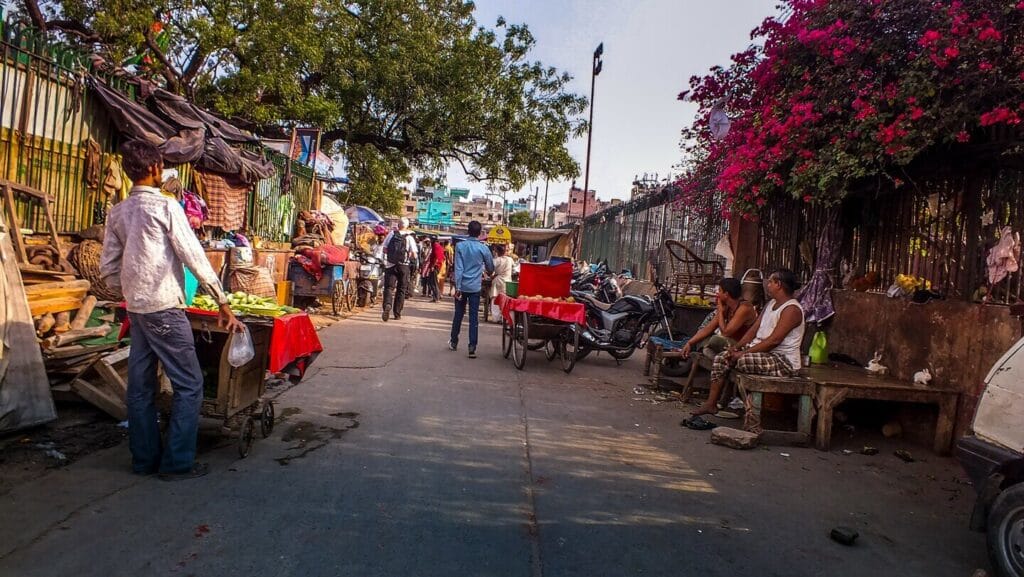
A meal that would be expensive ($20) in New York can be enjoyed for as little as $3 in Delhi—that’s right—$3. Low costs do not mean poor quality. India offers fine choices for low or high budgets.
How Much Does It Cost to Travel in India Per Day?
Budget Travelers ($25-$40 per day)
If you’re on a backpacking adventure or determined to keep your expenses down to the bare minimum, then India is perfect for you.
You can find a hostel or basic guesthouse for about $5-12 a night—and they’ll usually be spotlessly clean, with the added bonus of a chance to meet other travelers.
For food, expect to pay around $5-10 per day—$5-10 gets you all the delicious street food and meals you can handle at local restaurants, where the locals actually eat.
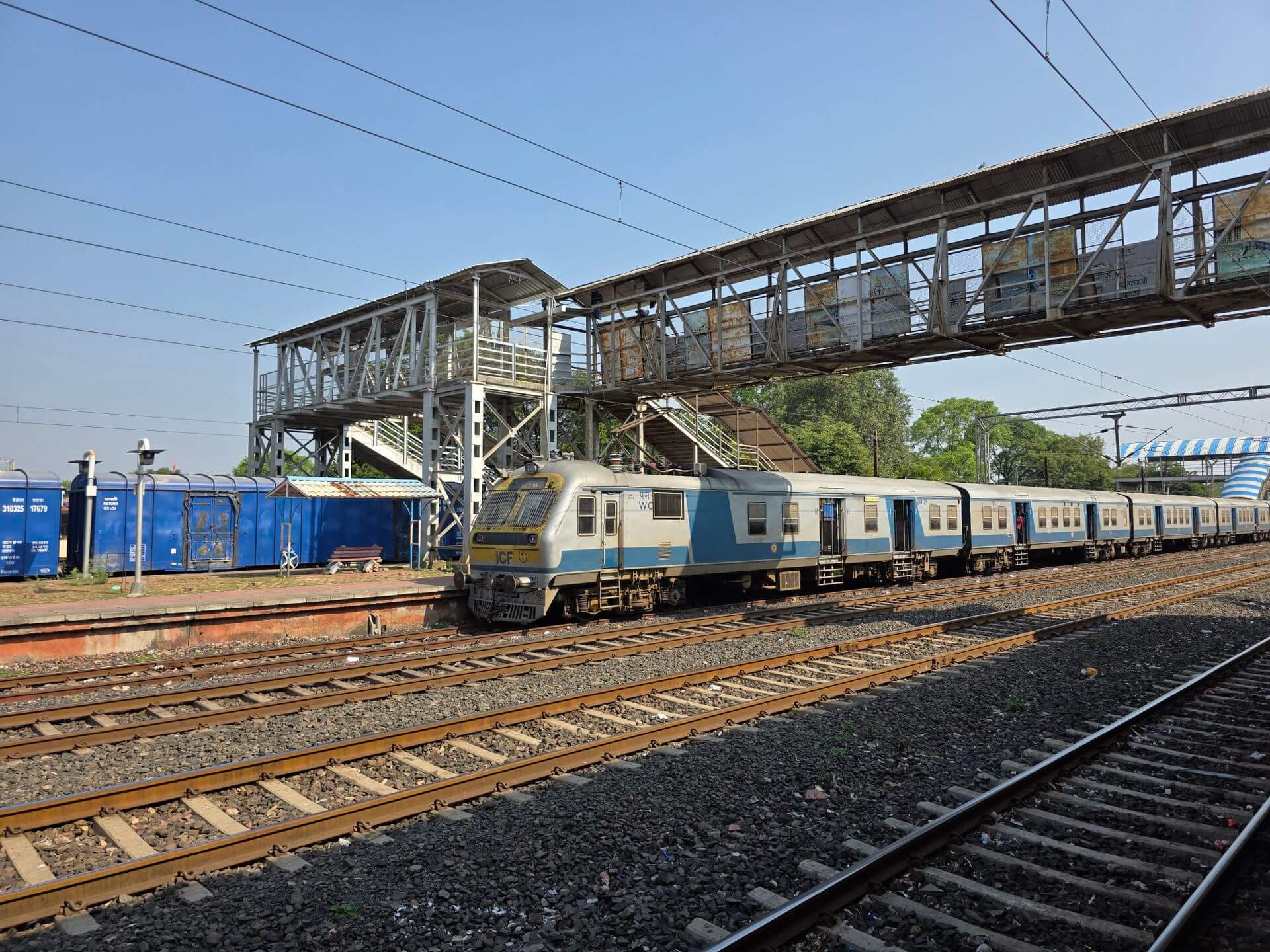
Then there are the public buses and trains, which are so much cheaper than any tourist taxi—prices start from around $3 and go up to around $8 depending on how far you’re going.
Finally, most temples are free to enter, and entry fees at cheaper places to visit are super low, so you can see the sights for the price of a few bucks a day.
- Accommodation: cheap hostels and local lodgings ($5-$15 a night)
- Food: street food and local eateries ($5-$10 for the day)
- Transport: public buses and trains (from $3 to $8)
- Activities: temples are free, walking tours, and low-cost entry fees ($5-$10)
Mid-Range Travelers ($50-$100 a day)
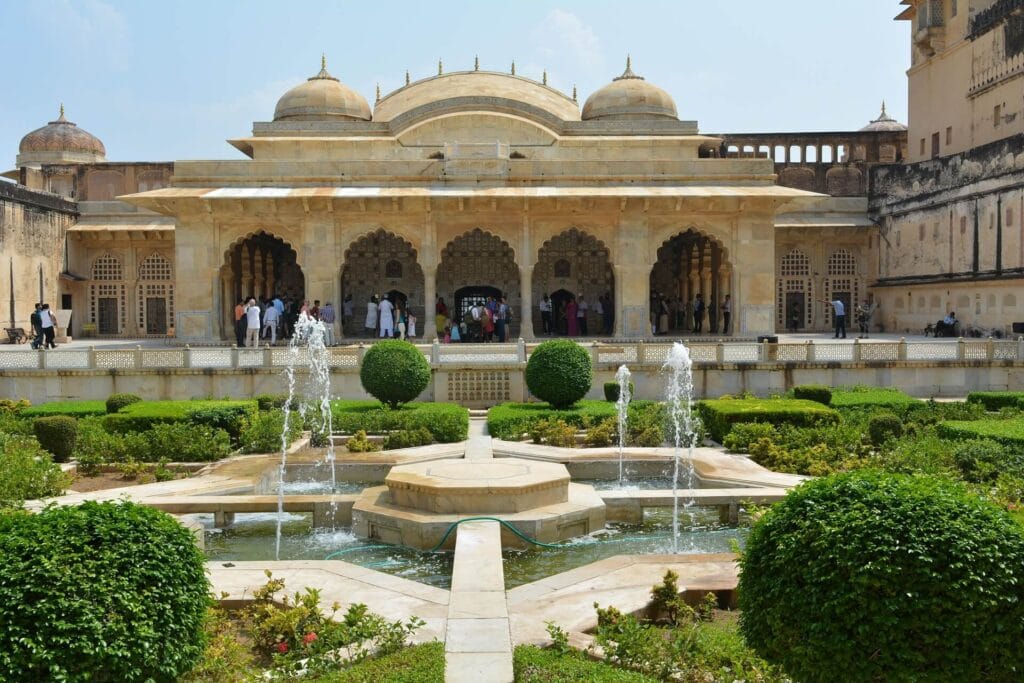
This is probably the best option for you if you want to travel in comfort without totally overspending.
A 3-star hotel or a charming homestay will set you back $20–$40 per night and often comes with the perks of hot showers and AC.
You can pick up some tasty local grub or a nice coffee or two for $15–$25 a day—you might even be able to splurge on a rooftop meal a couple of times.
To get around in style, you’ll be looking at $15–$30 a day for trains, taxis, and the occasional domestic flight. You’ll also have the cash to see the sights and experience the local culture without having to constantly check the prices.
- Accommodation: Expect to pay around $20–$40 a night for a 3-star place or a nice homestay.
- Food: Mix of local restaurants and a few nice cafes for $15–$25 a day.
- Transportation: Trains, taxis, and the occasional domestic flight for $15–$30 a day.
- Activities: You should be able to afford the local attractions and some guided tours without too much trouble, around $15–$25 a day.
Luxury Travelers ($150+ per day)

If you’re after a seriously top-end experience in India, then be prepared for prices to blow your budget out the window.
Heritage hotels and the best 5-star places will set you back $80–$300+ per night, and the service will be top-notch.
Fine dining—even just at the hotel or some fancy cafes—will cost you $40–$80 a day, and it’ll be up to the high standards you’d expect from top restaurants.
Getting around in style will cost you $50–$100 a day, too, which means you can splash out on business class flights and whatever else takes your fancy.
And with prices ranging from $40 to $100 for the premium tourist stuff like spa treatments and private tours, you’ll be getting the full Indian experience—with all the crowds left behind.
- Accommodation: You’ll find your heritage hotels and 5-star places for $80–$300+ per night.
- Food: Treat yourself to some fine dining and hotel restaurants for $40–$80 a day.
- Transport: Have a private driver and business class flights on tap for $50–$100 a day.
- Activities: Get the best India has to offer—exclusive experiences and spa treatments for $40–$100 a day.
India Travel Costs: What Do You Really Need to Know About Money?
Having a daily budget is a great start, but understanding where all your cash goes is what will really keep you in the loop when you’re on the road. Planning a trip to India, though, is a real pain because prices keep shifting.
From one minute to the next, you’re spending practically nothing, and the next you’re wondering where all that extra cash has gone.
It just is what it is; you can’t avoid overspending in India because it can be pricey. You’re just going overboard because you have no idea which areas to prioritize.
When you get a grip on what’s going out of your wallet, that’s when you start to feel confident enough to really explore, to be able to change your mind whenever the mood takes you.
Accommodation: Your Comfort vs. Your Freedom
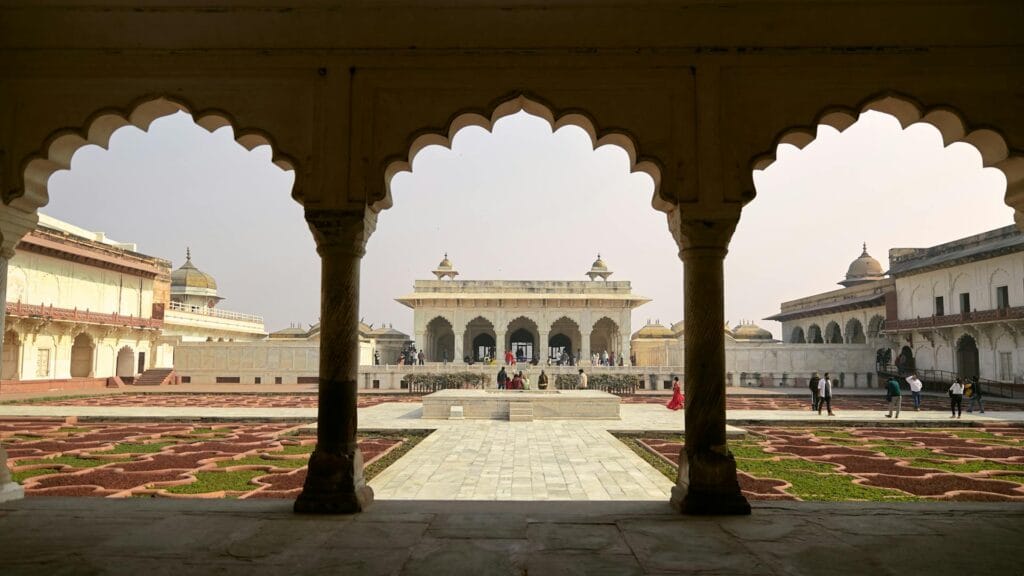
For most of us, accommodation is the biggest money-suck. It’s not because India is costly; it’s because what counts as ‘comfortable’ is totally different for everyone.
Some days you’ll need air conditioning, a room to yourself, and some peace; other days you’re delighted just finding a decent spot to sleep somewhere near all the action.
What really blindsides countless visitors is just how different the deals can be from one place to the next. What feels overpriced in Mumbai might be a bargain in a smaller town.
Staying put for a while can bring the nightly price right down, and booking direct with the guesthouse can land you some nice little extras like a free breakfast to get you going or some laundry service to save you a trip.
The key isn’t just to find the cheapest place but to find one that’ll give you a good night’s sleep without costing an arm and a leg.
Food: Eating Well Without Thinking About Money
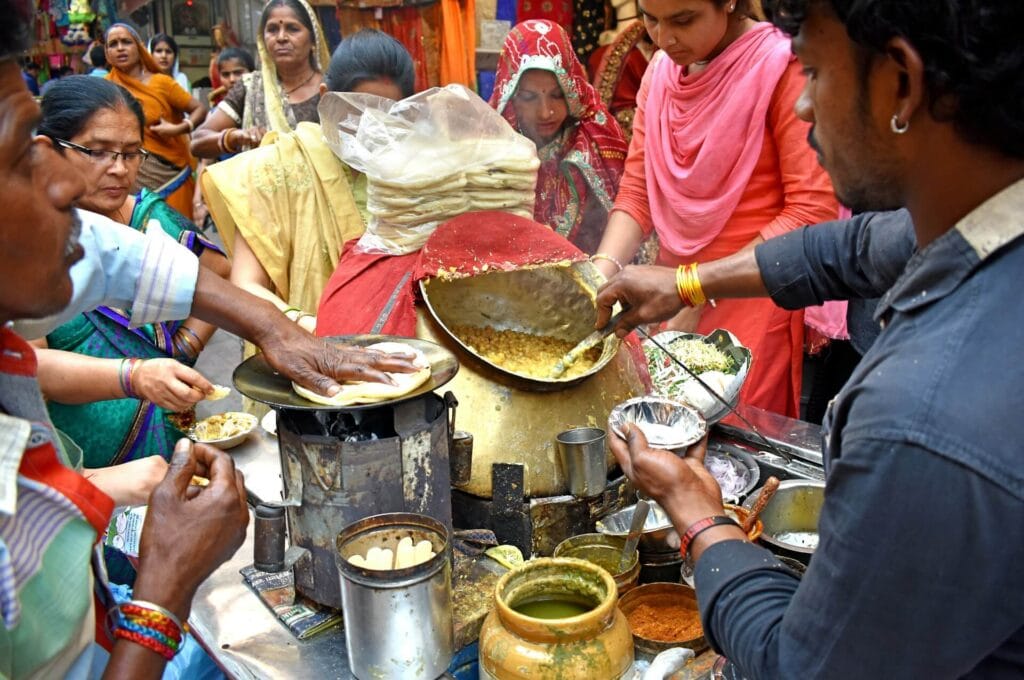
For many travelers in India, getting to this point comes as a huge relief. It’s there that many people first get to relax and not stress about every single meal.
You quickly come to realize that you don’t need to have a budget in mind for every single meal you eat. Good food is just about everywhere.
Eating like the locals isn’t just saving money; it’s also often a safer, fresher, more enjoyable experience than those restaurants that cater to tourists.
You eat like locals, and before you know it, your food costs are naturally lowered just by behaving as you would at home.
Even when you do choose to splurge on some nice food at a café, or have dinner in a fancy rooftop restaurant, or even eat at the hotel’s restaurant, it won’t feel like it’s breaking the bank.
Food in India becomes a pleasure, not a chore, and that freedom is definitely one of the best things about visiting India.
Transportation: Choosing Time, Comfort, or Cost
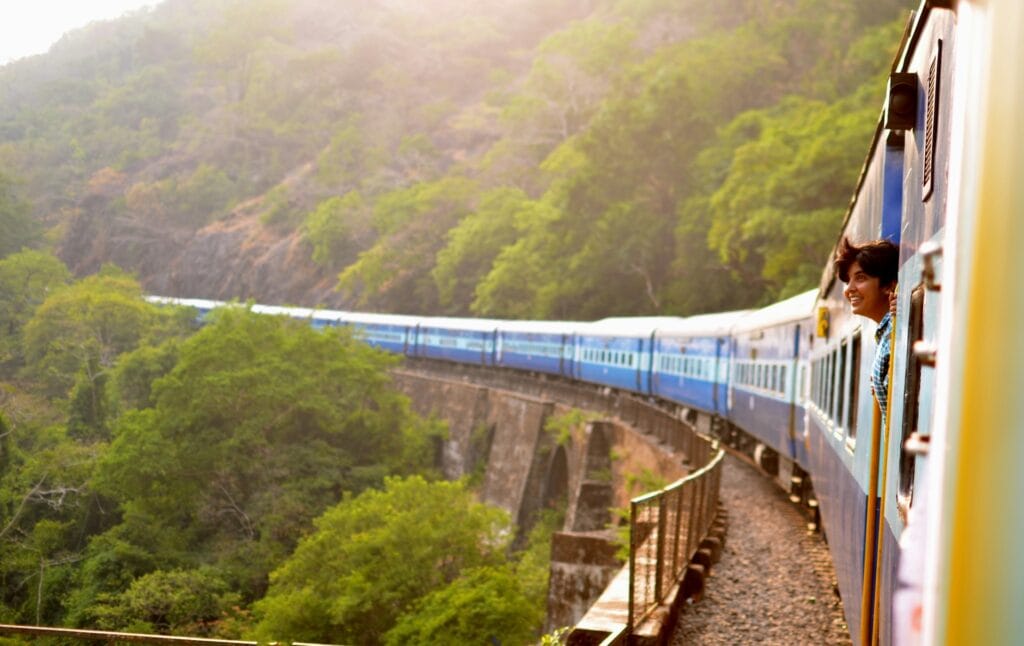
Transportation in India isn’t about finding the “cheapest” option; it’s about choosing what matters to you on that day.
Sometimes you’ll happily trade comfort for adventure on a train or local bus. Other times, avoiding heat, crowds, or long journeys is worth paying a little more.
What eases most travelers’ anxiety is knowing that affordable options always exist.
Even last-minute plans usually have budget-friendly solutions, whether it’s public transport, app-based taxis, or shared rides. Once you understand this, moving around India stops feeling stressful and starts feeling flexible.
Sightseeing & Experiences: When Paying Feels Worth It
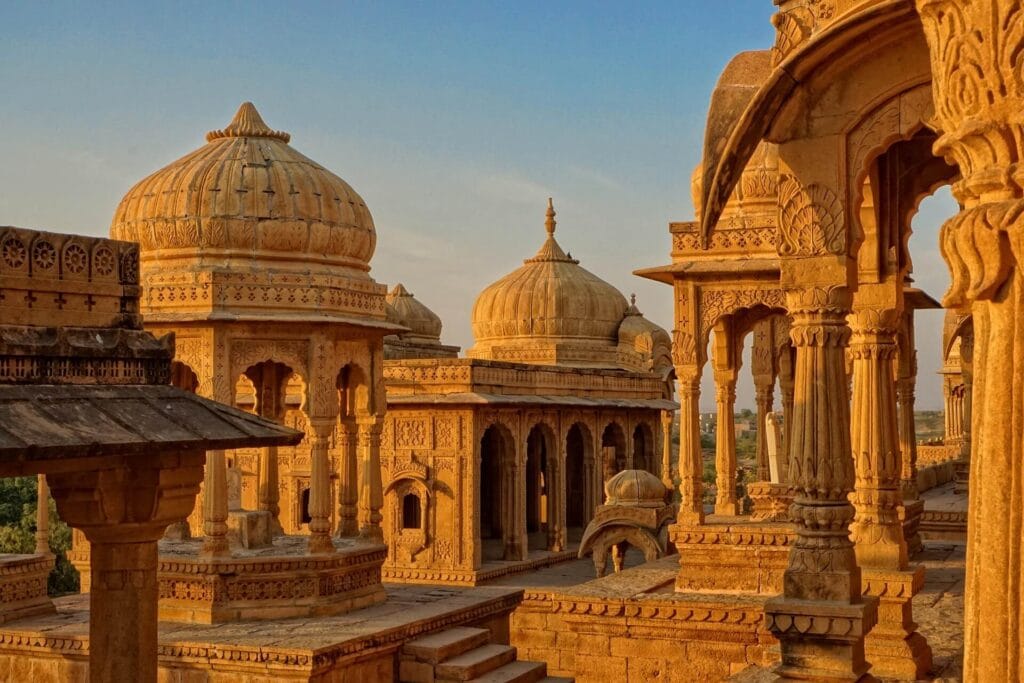
One of India’s most delightful surprises is how many memorable experiences cost absolutely nothing.
Wandering through temples, observing rituals, exploring markets, or simply watching everyday life unfold often becomes the most rewarding part of a trip, all without a ticket price.
Paid attractions and experiences here are chosen more thoughtfully. You opt for them because they genuinely excite you, not simply because they’re the only option.
Whether it’s a historical monument, a yoga class, or an adventure activity, you’re rarely pressured to spend money.
This balance gives travelers the freedom to occasionally splurge without guilt, knowing that the most cherished moments don’t always come with a price tag.
The Real Takeaway: Traveling India on Your Own Terms
India doesn’t demand you live on a tight budget; it loves people who think on their feet.
When you get a handle on where the money tends to go, you stop worrying about day-to-day expenses and start choosing the activities and adventures that actually lift you up.
Some days you’ll barely spend a coin. On other days, every extra rupee will seem worth it. And that’s perfectly okay.
The real beauty of traveling in India isn’t that it’s super cheap (although that helps); it’s the freedom to do things your own way: to adjust, adapt, and travel in a style that feels right to you.
FAQs About India Travel Costs
Is India cheap for tourists?
Yes, India is one of the most affordable countries for tourists, especially for food, transportation, and budget accommodation.
How much money do you need per day in India?
Most travelers spend between $50 to $80 per day in India, covering accommodation, food, transport, and basic activities. For a deeper dive into budgeting and planning, be sure to check out our first time travel guide to India.
Is India expensive compared to Southeast Asia?
India is often cheaper than Southeast Asia for food and transport, but accommodation costs are similar in popular tourist areas.
How much cash should I carry per day in India?
Carrying $10 to $20 in cash per day is usually enough, as digital payments are widely accepted in cities and tourist regions.
Are tourist prices much higher than local prices in India?
Yes, some attractions and taxis charge higher prices for tourists, but daily expenses like food and transport remain affordable.
Can you travel comfortably in India on a fixed budget?
Yes, India is ideal for fixed-budget travel because accommodation, food, and transport options exist at every price level.
Do travel costs increase during festivals or peak season in India?
Yes, travel costs increase during peak season and major festivals, mainly due to higher accommodation prices and limited availability.
What is the biggest daily expense when traveling in India?
Accommodation is usually the largest daily expense, especially in major cities and popular tourist destinations.
Can you travel in India on $30 a day?
Yes, it’s possible to travel in India on $30 a day by staying in budget guesthouses, eating local food, and using public transport.
Image Source: Pixabay
