



You’re finalizing your India travel plans. Flights booked, visa in progress, hotels shortlisted. Then someone in a travel forum mentions travel insurance and suddenly you’re reading five conflicting answers.
One website says travel insurance is mandatory for an India visa. Another says it’s completely optional. A third says you only need it for certain visa types.
A fourth says the Indian government doesn’t require it at all. You start wondering if you’ve been doing something wrong – or if you’re about to.
Then a different set of questions surfaces:
One of the most common questions travelers ask is: “Is travel insurance required for India?” The short answer is no for most tourist visas – but whether you should travel without it is a completely different question.
What happens if I get food poisoning in Rajasthan? What if I break a bone on a trek in Himachal Pradesh? What does emergency treatment actually cost in India as a foreigner? What if my flight gets cancelled mid-trip?
Here’s the real question most travelers eventually land on:
How necessary is travel insurance for India, and what risks do I actually face if I skip it?
This guide gives you the honest answer — what’s legally required, what’s genuinely risky, and a clear decision framework based on your travel style.

Do You Need Travel Insurance for India? Quick Answer
Travel insurance is not legally required for India tourist visas or eVisas. However, traveling in India without it carries real financial and medical risk.
India’s healthcare system is excellent in cities but costly for foreigners at private hospitals – and public hospitals are rarely appropriate for tourists requiring serious treatment.
For any trip beyond a short urban visit, travel insurance covering medical emergencies and evacuation is strongly recommended.
Is Travel Insurance Mandatory for India Visa?

No, travel insurance is not mandatory for India tourist visas or eVisas. The Indian government does not require proof of insurance as part of the visa application.
However, some specific visa categories – including medical visas or visas issued through certain embassies – may ask for insurance documentation. Always check requirements specific to your nationality and visa type.
Before applying, check our complete India Tourist Visa Documents Required checklist to avoid missing important paperwork.
This is where most of the online confusion comes from.
Some travel websites – often those selling insurance – state that travel insurance is “required” for India. This is misleading for most travelers. The standard India e-Visa and tourist visa application does not ask for insurance documentation.
Where insurance does come up in visa contexts:
- Some consulates for certain nationalities include insurance as a supporting document recommendation (not a hard requirement)
- Medical visa applicants typically need documented insurance or proof of financial capacity
- Some specific bilateral visa arrangements may have different conditions
The practical conclusion: Check your specific visa type and your nationality’s requirements on the official Indian Visa Online portal or through your nearest Indian embassy. Don’t rely on third-party websites for this confirmation.
Visa rules and insurance recommendations can change, so always verify requirements through the official Indian Visa Online portal or your nearest Indian embassy before departure.
Can You Enter India Without Travel Insurance?

No. Indian border control does not check for travel insurance at entry. You will not be turned away at Delhi airport for lacking an insurance policy.
No immigration officer will ask for it. There is no electronic check against insurance databases.
This is different from countries like Cuba, Ecuador, or most Schengen visa countries – where proof of insurance is genuinely required for entry.
The gap between “not required” and “not needed” matters here. Not needing insurance to enter India is very different from not needing it to travel safely in India. These are separate questions with different answers.
Why Travel Insurance for India Is Important

India is a genuinely exciting, rewarding place to travel. It’s also one of the more unpredictable travel environments in the world for things going wrong. That’s not a reason to avoid going. It’s a reason to go prepared.
Planning your first trip to India? Read our complete First Time Travel Guide to India before you go.
Why the risk profile is real:
Health situations are common. India’s water, food hygiene, and climate conditions mean stomach illnesses, dehydration, and infections are genuinely more frequent for travelers than in most Western countries. Most cases are mild. Some are not.
Road accidents: A serious risk for travelers using taxis, buses, auto-rickshaws, and motorbikes.
Adventure activities carry injury risk. Trekking in the Himalayas, wildlife safaris, water sports in Goa, camel rides in Rajasthan these are popular tourist activities where accidents happen.
Theft, loss, and trip disruption. Bag snatching in crowded areas, lost luggage, flight cancellations, natural disasters closing roads or airports — India’s travel environment creates more opportunity for these events than many destinations.
Medical evacuation costs are high. If you’re seriously injured in a remote area and need air evacuation to a city hospital or repatriation to your home country – the cost runs into tens of thousands of dollars.
If you’re considering renting a vehicle, read Can Foreigners Drive in India? License Rules, IDP Requirements & Safety Tips before deciding whether to self-drive or hire a driver.
What Does Travel Insurance Cover in India?
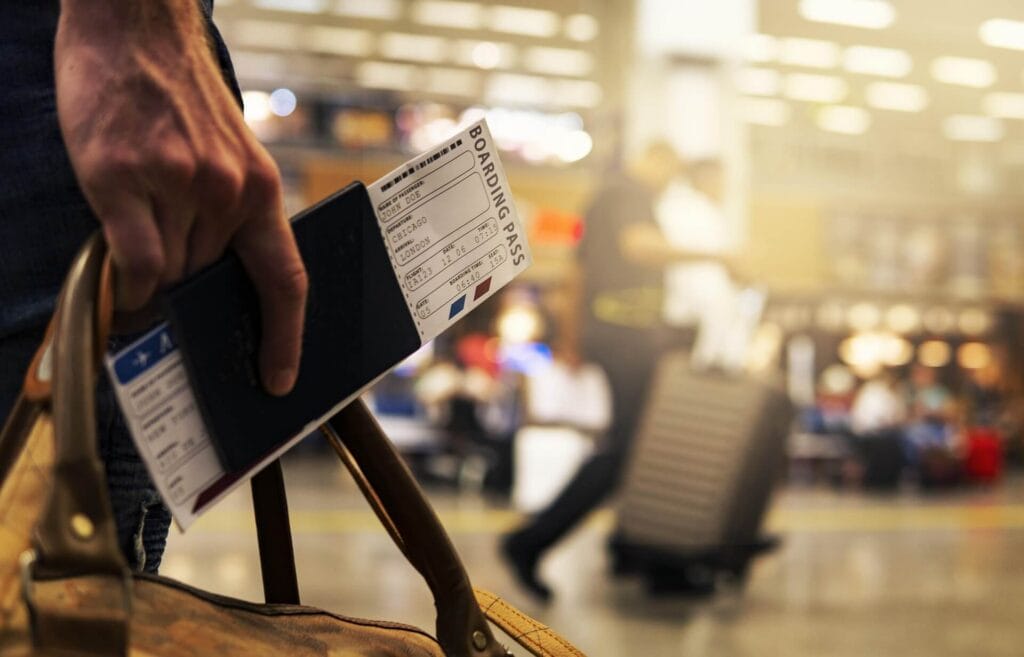
Travel insurance isn’t one thing – it’s a bundle of protections. Understanding what you’re buying matters as much as whether to buy it.
Medical coverage: Hospital stays, emergency treatment, surgery, doctor consultations, prescription medication. The most important coverage for India.
Emergency evacuation: Air ambulance or medical evacuation from remote locations to appropriate medical facilities, or repatriation to your home country. This is where costs become truly catastrophic without insurance.
Trip cancellation and interruption: If you have to cancel before travel or cut your trip short due to illness, family emergency, or certain other covered events, you can recover prepaid costs.
Baggage and personal effects: Covers theft or loss of luggage, camera equipment, electronics – with limits per item.
Travel delays: Compensation for significant flight delays causing missed connections, additional hotel nights, or other costs.
Personal liability: If you accidentally injure someone or damage property, liability coverage protects you.
What insurance typically does NOT cover:
- Pre-existing medical conditions (unless specifically declared and covered)
- Accidents while riding motorbikes without appropriate license
- Extreme adventure activities (some policies exclude these unless upgraded)
- Self-inflicted situations
- Travel to restricted or government-advisory areas
If you’re still planning your itinerary, our First Time Travel Guide to India helps you avoid common booking mistakes before departure.
Medical Costs in India Without Travel Insurance

India has a bifurcated healthcare system. This is the most important thing to understand.
Public hospitals: Low-cost or free for Indian citizens. For foreign tourists, these facilities are often overcrowded, under-resourced, and not equipped to deliver the standard of care most Western travelers expect.
In genuine emergencies, stabilization may happen here – but serious treatment usually requires transfer.
Private hospitals: India’s private hospital sector – including chains like Apollo, Fortis, and Max – is world-class. These hospitals have trained specialists, modern equipment, and English-speaking staff.
They also charge at private rates. And for foreigners without insurance, those rates are charged upfront or against a deposit.
What treatment costs look like:
Situation | Approximate Cost (Private Hospital) |
Emergency room consultation | $50–$150 USD |
One night hospital stay | $100–$500 USD |
Appendix surgery | $1,500–$5,000 USD |
Broken bone with surgery | $2,000–$8,000 USD |
Serious road accident (ICU stay) | $5,000–$30,000+ USD |
Air ambulance evacuation | $15,000–$50,000+ USD |
Medical repatriation to home country | $20,000–$100,000+ USD |
These are approximate ranges. Costs vary significantly by city, hospital, severity, and treatment required.
The financial reality: A traveler who visits a private hospital for a serious condition in India and has no insurance will be asked to pay a deposit – sometimes equivalent to several thousand dollars – before treatment begins in non-life-threatening situations.
In emergencies, treatment is provided, but the billing that follows can be financially devastating.
If you’re arriving for the first time, our India Airport Arrival Guide explains how to get connected, withdraw cash, and reach your hotel smoothly after landing.
What Happens If You Travel to India Without Insurance?

Traveling to India without insurance means you personally cover all medical costs, which can reach tens of thousands of dollars for serious conditions.
India’s private hospitals require upfront payment or deposits from uninsured foreign patients. A single serious incident can result in significant debt or an inability to access quality care.
Scenario 1 — Moderate food poisoning: You need IV fluids and a two-day hospital stay in a private clinic. Without insurance, cost might be $200–$600 USD. Manageable but inconvenient.
Scenario 2 — Motorbike accident in Goa: Broken arm, emergency room, X-ray, cast, follow-up consultation. Without insurance: $800–$2,000 USD, depending on complexity.
Scenario 3 — Trekking accident in Himachal Pradesh: Serious leg fracture at altitude. Helicopter evacuation to Delhi hospital, surgery, week-long stay, physiotherapy. Without insurance: $15,000–$40,000 USD.
Scenario 4 — Serious illness requiring repatriation: You develop a severe condition requiring specialized treatment only available at home. Medical repatriation flight with medical escort: $30,000–$80,000 USD.
Scenarios 1 and 2 are manageable for many travelers. Scenarios 3 and 4 are where costs can become financially devastating without insurance.
Situation | With Travel Insurance | Without Travel Insurance |
Emergency hospital visit | Mostly covered by insurer | Pay full amount yourself |
Medical evacuation | Covered up to policy limit | Can cost $20,000–$50,000+ |
Flight cancellation | Eligible reimbursement | Personal financial loss |
Lost baggage | Compensation available | Replacement cost paid by traveler |
Road accident treatment | Emergency care support | Large upfront deposits possible |
Trip interruption | Covered under policy terms | No reimbursement |
Risk Levels for Different Types of Travelers in India

Not all trips to India carry the same risk profile. Here’s an honest breakdown:
Urban-only short trips (Delhi, Mumbai, Bangalore, major cities): Lower exposure to remote medical emergency scenarios. Excellent private hospitals accessible quickly. Moderate risk — insurance still recommended, but evacuation scenarios are less likely.
Multi-city historical tourism (Rajasthan, Kerala, Tamil Nadu circuits): Mix of urban and semi-rural environments. Road travel between destinations increases accident exposure. Recommended strongly.
Adventure and trekking (Himalayas, Western Ghats, Spiti, Ladakh): High evacuation risk, altitude illness exposure, remote locations with limited medical infrastructure. Insurance is not optional here — it’s genuinely essential.
Budget backpacker travel (long trip, local transport, remote areas): Prolonged exposure, higher activity range, less predictable itinerary. More scenarios where something can go wrong. Strong recommendation.
Luxury travel (high-end hotels, private tours, city-focused): Lower physical risk, better immediate access to resources, but medical costs and evacuation still apply. Insurance cost is minor relative to trip cost.
Solo female travel: Standard medical and accident coverage plus personal safety considerations. Also consider whether policy covers personal assault-related medical costs.
Budget Travel vs Luxury Travel: Insurance Needs

A common assumption: “I’m traveling cheap, so insurance would be too expensive.”
The math doesn’t support this. Budget travelers actually have higher exposure in some ways — more road travel on local transport, more remote destinations, less buffer to absorb unexpected costs.
Travel insurance for a two-week India trip typically costs $40–$150 USD depending on coverage level, your age, and your home country. For a trip budget of $1,500–$3,000, that’s 2–5% of your total spend to eliminate catastrophic financial risk.
Luxury travelers sometimes assume their credit card travel insurance is sufficient. Worth checking: most card policies have lower medical limits ($25,000–$50,000) and often exclude adventure activities, pre-existing conditions, and full evacuation costs.
Most Common Travel Emergencies Tourists Face in India
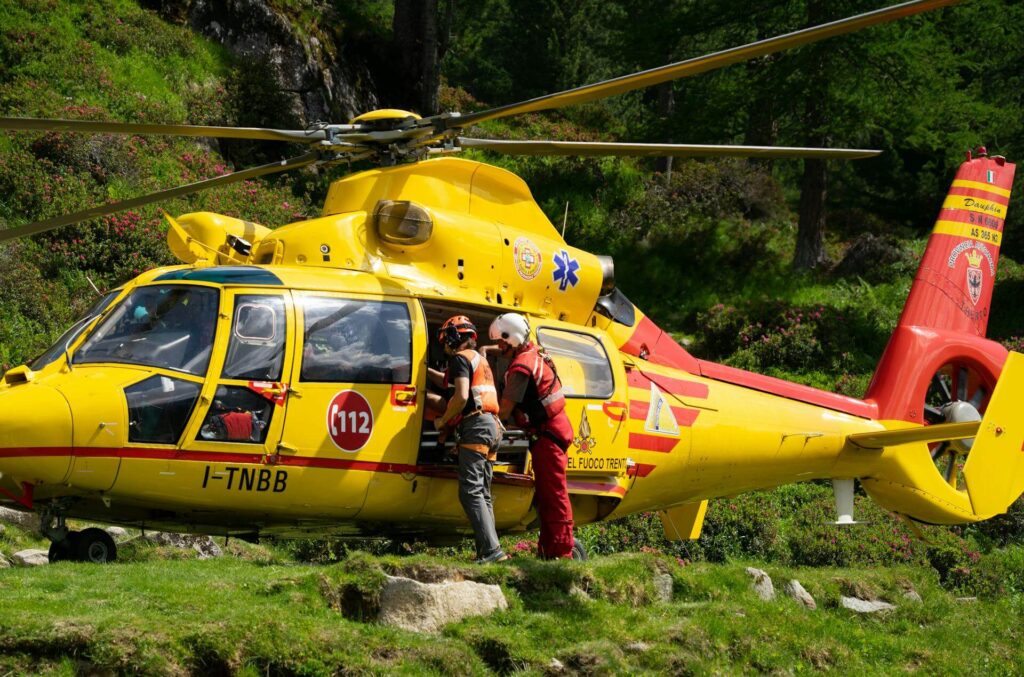
Gastrointestinal illness: Very common. Most cases resolve with rest and oral rehydration. A small percentage require hospital treatment.
Travel with oral rehydration salts and know the nearest private clinic at each destination.
Heat exhaustion and dehydration: Especially May–June and in desert regions. Can escalate quickly. Preventable with preparation but treatable at hospitals.
Road accidents: The most statistically significant serious-injury risk for tourists. Happens across all transport types – cars, buses, auto-rickshaws, motorbikes.
Altitude sickness: Relevant for travel to Ladakh, Spiti, high Himalayan treks. Can be life-threatening if not managed correctly. Evacuation may be required.
Water-related illness: Beyond gastro – leptospirosis from flood exposure, contaminated water sources in rural areas.
Theft and robbery: Bag snatching and phone theft in crowded tourist areas. Rarely violent, usually opportunistic. Insurance covers replacements.
Natural events: Flooding during monsoon, landslides on mountain routes, cyclones in coastal areas. Travel disruption insurance covers costs from these events.
Choosing the right season can significantly reduce weather-related health risks. See Best Time to Visit India before planning your itinerary.
Is India Safe Without Travel Insurance? Reality Explained
India is safe to visit without travel insurance in the sense that insurance is not required for entry. But “safe” and “financially protected” are different things.
The real risk isn’t being denied entry – it’s facing a $20,000 hospital bill or an emergency evacuation with no coverage.
For trips involving adventure activities, remote areas, or extended travel, the uninsured risk is genuinely significant. India is not uniquely dangerous. Millions of tourists visit safely every year.
But travel in India involves more variables – road conditions, food hygiene standards, climate extremes, remote destinations, and infrastructure gaps – than travel to more controlled tourist environments.
How Much Travel Insurance Coverage Do You Need for India?
Minimum recommended coverage:
- Medical expenses: $100,000 USD minimum (higher for adventure or remote travel)
- Emergency evacuation: $250,000–$500,000 USD
- Trip cancellation: value of prepaid, non-refundable trip costs
- Baggage loss: $1,500–$3,000 USD (check per-item limits)
For adventure travel and trekking: Confirm that your policy explicitly covers the activities you’re doing.
Many standard policies exclude mountaineering above certain altitudes, motorbiking, paragliding, and similar activities. Add-on adventure activity coverage is available from most providers.
Check your existing coverage first: Some home country health insurance policies cover emergency treatment abroad — call and confirm the specifics.
Some premium credit cards include travel insurance — check the actual limits and exclusions, not just the marketing material.
When You Might Skip Travel Insurance (Rare Cases)
There are situations where the calculation changes:
You have comprehensive health coverage that explicitly covers international medical care and evacuation. Some countries’ national health systems, military coverage, or premium private policies extend internationally. Verify in writing before assuming.
You’re taking a very short trip (1–3 days) to a major Indian city for a specific purpose and your exposure to risk scenarios is genuinely limited.
The financial risk is truly manageable for you. If a $30,000 hospital bill would not be financially catastrophic, and you’re traveling in low-risk circumstances, the calculus is different. This applies to very few travelers.
For most people taking a standard India trip of a week or more, none of these exceptions apply.
Best Travel Insurance Strategy for India Trips
STEP 1 – Assess Your Travel Type Honestly
Adventure trekking in Himachal Pradesh and a five-star hotel circuit in Rajasthan require different coverage levels. Be honest about your planned activities. Check whether those activities are explicitly covered in any policy you consider.
STEP 2 – Understand Your Real Medical Risk Exposure
Calculate how much a serious incident could cost. Not a cold — a road accident requiring surgery, a week in hospital, and possible evacuation.
For many India trips, serious medical emergencies can cost far more than the price of travel insurance itself.
STEP 3 – Check Existing Coverage Before Buying
Contact your health insurer, check your credit card benefits, and verify any travel coverage through your employer or memberships. Document what’s covered and — critically — what isn’t. Gaps are where supplemental insurance fills in.
STEP 4 – Evaluate Your Risk Tolerance
How financially exposed would you be in a worst-case scenario? If the answer is “severely,” insurance is the clear choice. If you have substantial emergency funds and are taking a low-activity urban trip, the decision involves more personal judgment.
STEP 5 – Choose Minimum Coverage That Matters Most
If cost is a constraint, prioritize in this order: medical emergency coverage, emergency evacuation, trip cancellation. Baggage coverage is useful but secondary. Medical and evacuation coverage is what prevents financial catastrophe.
STEP 6 – Confirm Adventure and Remote Coverage
If your trip includes trekking above 4,000 meters, motorbiking, water sports, or extended time in remote areas — confirm coverage explicitly with the insurer before purchasing. “Adventure sports” coverage is not universal.
STEP 7 – Make Coverage Accessible on Arrival
Don’t just buy insurance and file the policy. Save the policy number, the 24-hour emergency number, and your coverage summary somewhere accessible offline – phone screenshot, printed copy in your luggage, emailed to yourself.
Having mobile data immediately after arrival makes emergencies much easier to manage. Here’s how to get a SIM card in India as a tourist.
Do this / Avoid this:
Do This | Avoid This |
Buy insurance that covers medical emergency and evacuation | Buying the cheapest policy without checking coverage limits |
Verify adventure activities are explicitly covered | Assuming “travel insurance” automatically covers trekking or motorbiking |
Save emergency contact number offline | Storing your insurance details only in your email inbox |
Check your credit card travel insurance limits before relying on it | Assuming premium card coverage is sufficient without reading the terms |
Disclose pre-existing conditions when purchasing | Hiding conditions and expecting claims to be paid |
Buy insurance before your trip departure | Trying to purchase after something has already gone wrong |
Confirm whether your home health policy covers India | Buying duplicate coverage you don’t need |
Final Decision Checklist for Travelers

Before purchasing insurance:
- Confirmed travel insurance is not mandatory for your specific India visa type
- Checked existing health insurance for international emergency coverage
- Checked credit card travel insurance limits and exclusions
- Identified your planned activities (trekking, motorbiking, water sports)
- Calculated the value of prepaid, non-refundable trip costs
Minimum coverage confirmed:
- Medical expenses: $100,000 USD minimum
- Emergency evacuation: $250,000 USD minimum
- Pre-existing conditions disclosed and covered (if applicable)
- Adventure activities explicitly covered (if applicable)
- Trip cancellation: matches prepaid trip costs
Before departure:
- Policy number and insurer emergency contact saved offline
- Coverage summary stored accessibly (screenshot + printed copy)
- Family member or emergency contact given policy details
- Nearest private hospitals noted for each destination
Should You Buy Travel Insurance Before Visiting India?
For most travelers, yes. Travel insurance is not legally required for India. But it protects you from financial risks that can quickly become serious problems.
This includes hospital treatment, emergency evacuation, trip cancellations, and unexpected travel disruptions.
If your trip includes trekking, motorbiking, remote destinations, or multiple cities, travel insurance for India is strongly recommended.
Even for shorter city trips, medical and evacuation coverage can help you avoid major financial stress if something unexpected happens.
Conclusion
The legal answer is simple: travel insurance is not required to enter India or obtain a standard tourist visa.
So, is travel insurance required for India? Legally, no. Practically, for most travelers, it’s one of the smartest protections you can buy before your trip.
India is a country where the gap between “something going wrong” and “something going catastrophically wrong financially” is bridged by one thing: whether you have appropriate medical and evacuation coverage.
A mild stomach illness costs you $100 and two unpleasant days. A road accident with surgery and a week in a private hospital costs you $10,000–$30,000.
A helicopter evacuation from a Himalayan trek costs you $20,000–$50,000. These aren’t extreme edge cases – they’re scenarios that happen to tourists in India every year.
Travel insurance for a two-week India trip costs less than one night in a decent hotel. India is absolutely worth visiting – with the right preparation.
Just make sure the preparation includes knowing that if something does go wrong, you’re not managing it alone from a hospital bed.
Insurance requirements and medical costs change. Verify current visa insurance requirements through official government sources and confirm coverage details directly with your insurance provider before travel.
If you’re planning your entire trip, also read our guides on India Tourist Visa Documents Required, India eSIM for Tourists, Best Apps for Traveling in India etc.
FAQs about Travel Insurance in India
Is travel insurance required for India?
No. Travel insurance is not legally required for most India tourist visas or eVisas. Travelers can enter India without proof of insurance, although medical and emergency coverage is strongly recommended.
Do I need travel insurance for India?
Most travelers should strongly consider it. India has excellent private hospitals, but treatment for foreign tourists can become expensive without insurance – especially for accidents, hospitalization, or emergency evacuation.
Does India tourist visa insurance exist?
There is no separate mandatory “India tourist visa insurance” requirement for standard tourist visas. However, some travelers choose India trip insurance policies specifically designed for medical emergencies and travel disruptions in India.
Can I enter India without travel insurance?
Yes. Indian immigration authorities do not normally ask tourists for proof of travel insurance at the airport or border entry points.
What does travel insurance for India usually cover?
Most policies cover emergency medical treatment, hospitalization, emergency evacuation, trip cancellation, baggage loss, travel delays, and personal liability. Coverage depends on the insurer and policy type.
How much travel medical insurance do I need for India?
A minimum of $100,000 USD in medical coverage and at least $250,000 USD in emergency evacuation coverage is commonly recommended for India travel.
Is travel insurance worth it for India?
For most travelers, yes. A single hospital stay, surgery, or emergency evacuation can cost far more than the price of an insurance policy.
Does travel insurance cover trekking in India?
Only if the policy specifically includes trekking or adventure activity coverage. Many standard plans exclude high-altitude trekking, mountaineering, and motorbiking unless additional coverage is purchased.
What happens if I get sick in India without insurance?
You are personally responsible for all medical expenses. Private hospitals may require upfront payment or deposits before non-emergency treatment.
Which travelers need travel insurance for India the most?
Travel insurance is especially important for backpackers, trekkers, solo travelers, long-term travelers, and anyone visiting remote areas such as Ladakh, Himachal Pradesh, Spiti Valley, or the Himalayas.
Images: Unsplash
