


Planning your first trip to India can feel completely overwhelming. If you’re still in the early planning stages, start with our First Time Travel Guide to India covering visas, safety, budgeting, transport, and travel preparation.
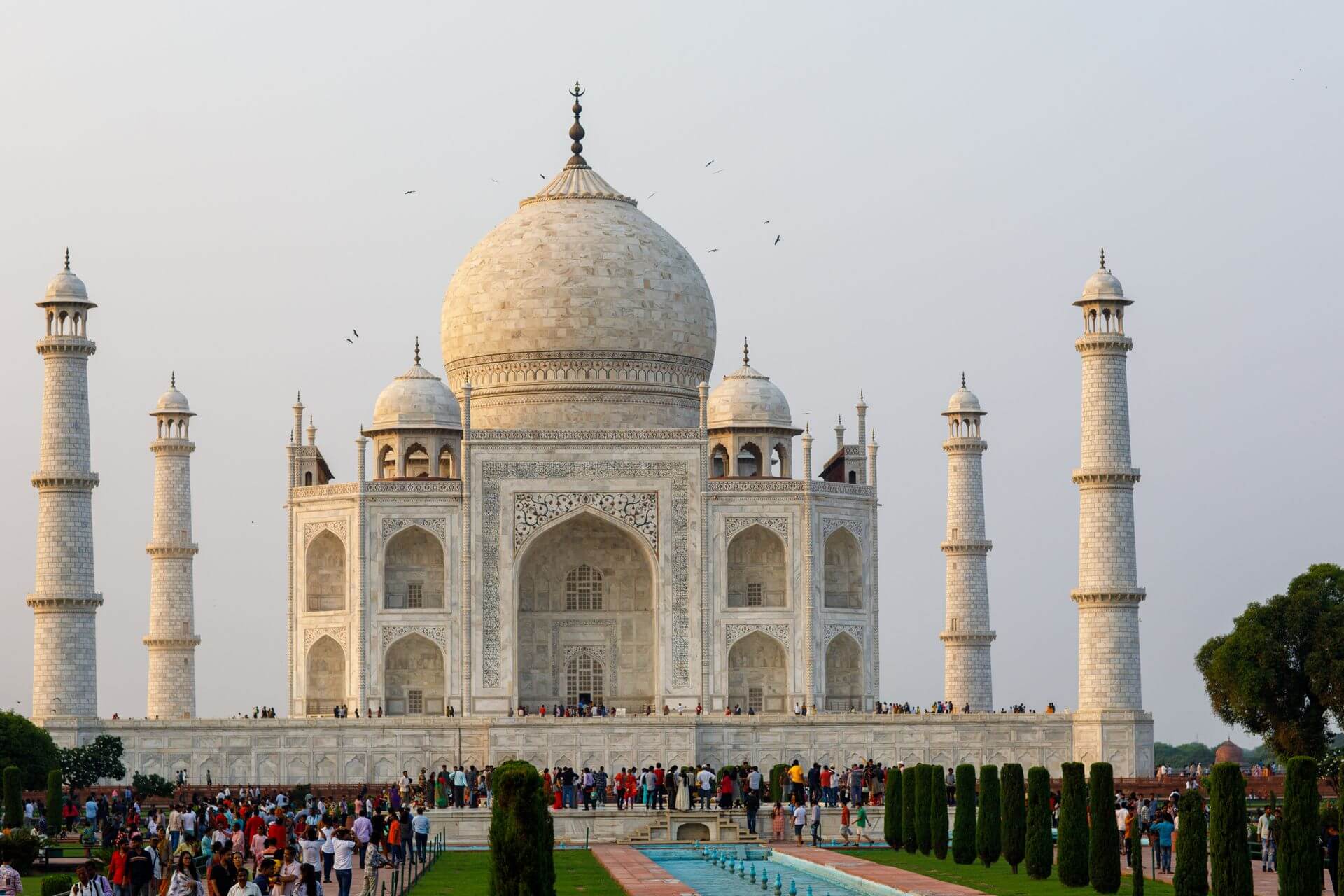
The country is vast, diverse, and packed with incredible destinations. Trying to fit the Taj Mahal, Kerala’s backwaters, Himalayan monasteries, and Goa’s beaches into two weeks often leads to common itinerary mistakes.
The truth is that most first-time travelers make the same planning mistakes. They try to see too much, underestimate distances, ignore seasonal differences, or overbook their entire schedule. The result is exhaustion instead of enjoyment.
This guide breaks down the most common India travel itinerary mistakes first-time travelers make — and more importantly, shows you exactly how to avoid them so you can actually enjoy your trip instead of feeling stressed and overwhelmed.
Common India Travel Itinerary Mistakes First-Time Travelers Make
Mistake 1: Trying to see too much into too little time
The Mistake
Hands down, this is the biggest blip on the radar for a lot of first-time travelers. You’ve got two weeks and think “I’ll just whizz around Delhi, Agra, Jaipur, Varanasi, Goa, Kerala, Mumbai and sneak in the Himalayas, because I’ve come all this way, right?” Wrong.
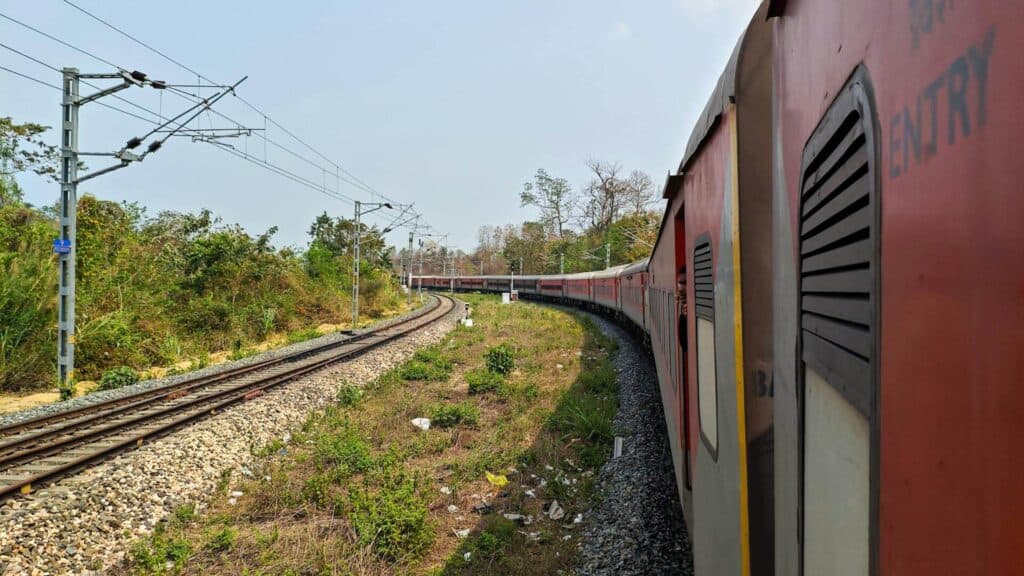
Because in reality, you’ll probably end up spending more time stuck on trains and in airports, than actually having experiences in the places you visit.
You’ll spend more time in airports and train stations than enjoying the destinations themselves. By the end of the trip, the journey may feel rushed rather than memorable.
The Solution
Focus on one region, at most two. If you’ve got two weeks then you can either do North India (the Golden Triangle plus Rajasthan) or South India (Kerala and Tamil Nadu) or maybe the Northeast – but don’t try to do all three. Trust us.
If you’re unsure how to structure your route, this 7 Day India Itinerary for First-Time Travelers provides a practical example of a balanced first trip.
A realistic two-week itinerary might look something like this:
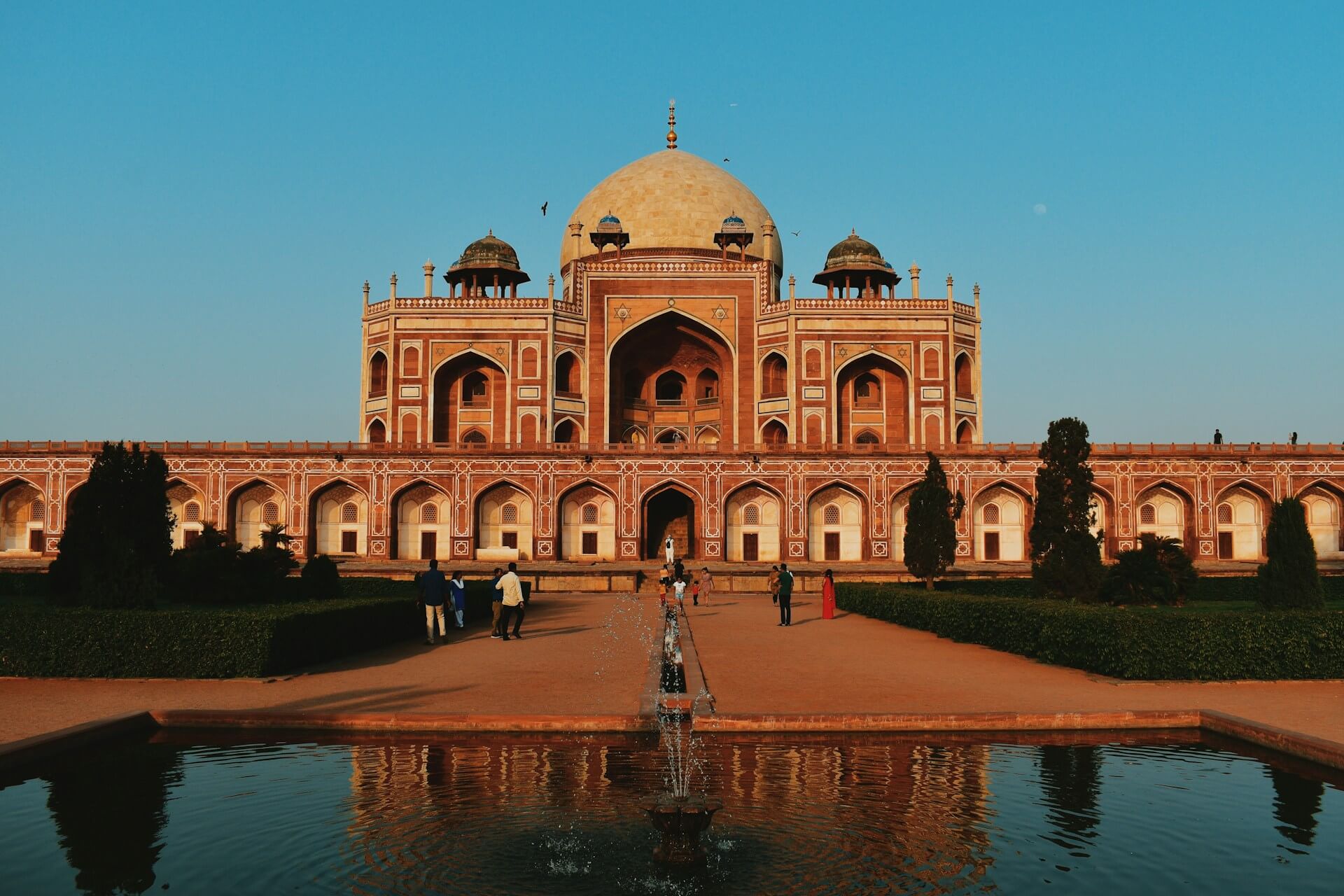
- Delhi (3 days)
- Agra (2 days)
- Jaipur (3 days)
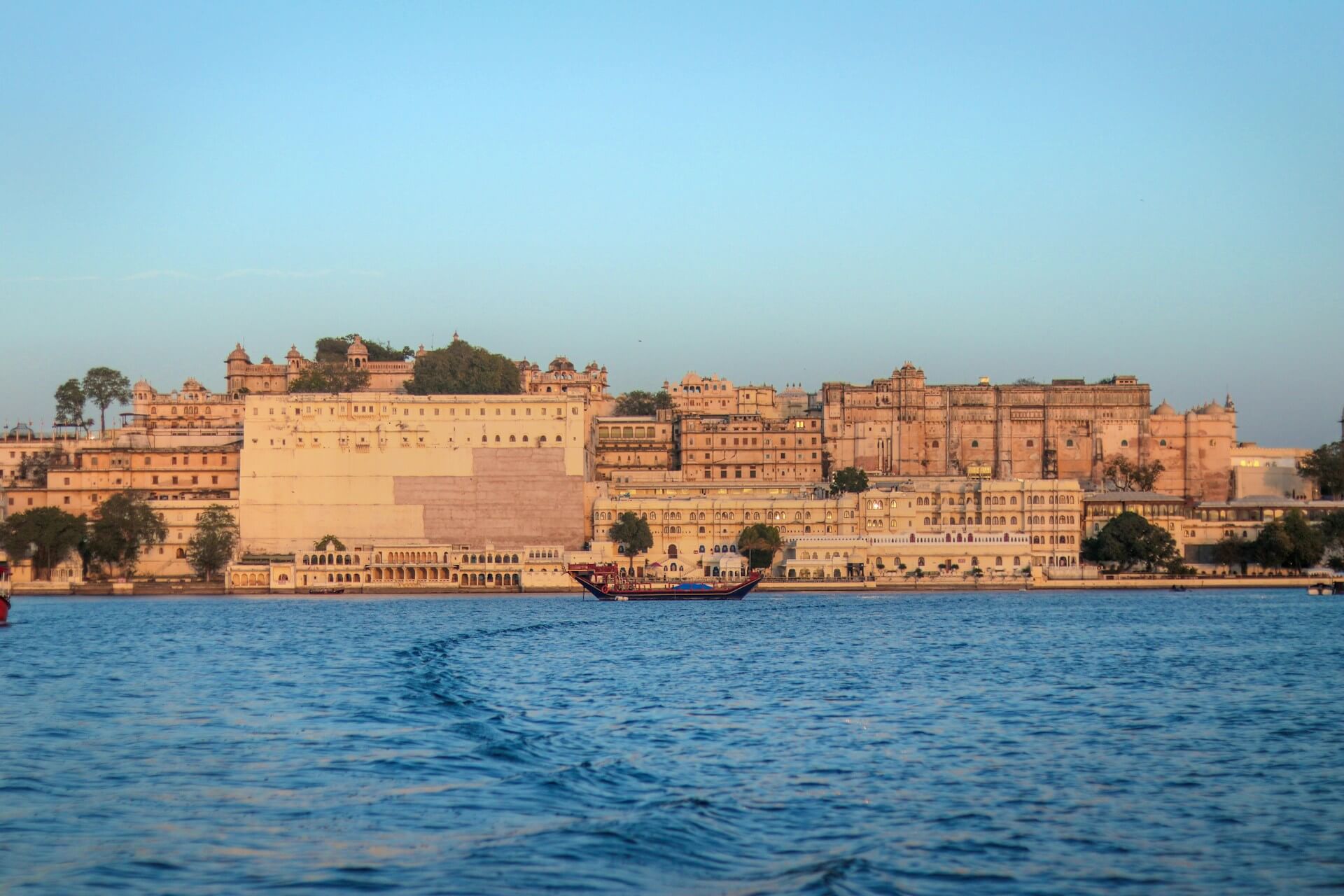
- Udaipur or Jodhpur (3 days)
- Back to Delhi (just in case you get delayed)
This will actually give you enough time to get under the skin of each place, eat all the local food, talk to some locals, get lost in markets and – fingers crossed – remember the trip.
Mistake 2: Not taking travel distances seriously

The Mistake
You look at a map and think “oh Delhi to Varanasi can’t be that far” and maybe you think “oh a few hours at most”?
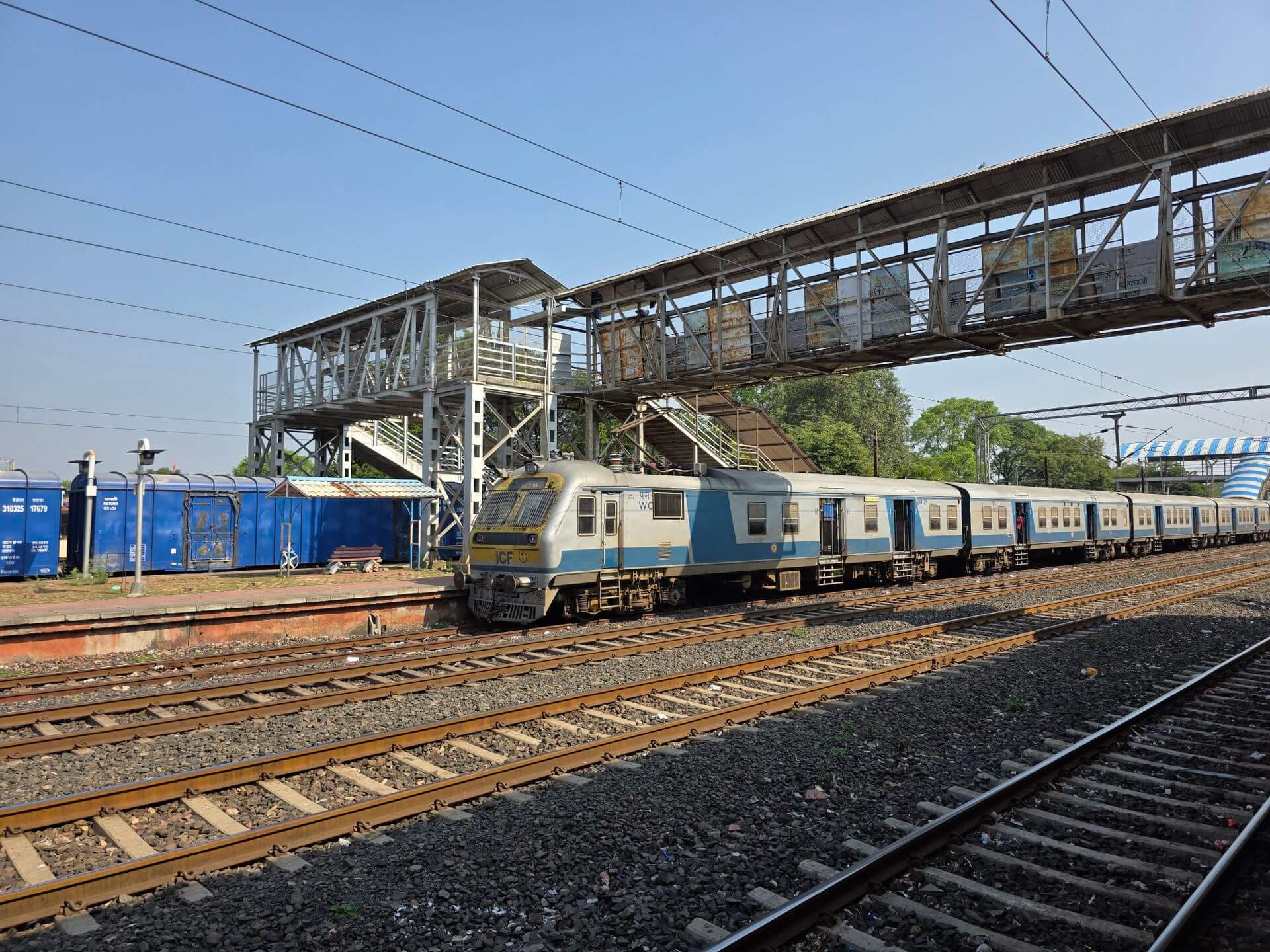
In reality, Delhi to Varanasi is around 800 km away. The train journey can take 12–18 hours, while flights require additional airport transfer time.
First timers always reckon they can rush from one place to another in India. They book a hotel in Jaipur for the night they arrive and think they’ll be there by 7 o’clock.
Then the train is late by three hours and they don’t get in till 10 PM, all frazzled and fed up.
The Solution
Do some real research on travel times before you book anything. Google maps is a good place to start, and the IRCTC website will give you an idea of what the train schedule’s actually like.
Practical tips:
- Build in some buffer days between big moves, just in case things go wrong or you just need a lie in
- If you can, book an overnight train – it saves you time and you don’t have to find a hotel
- Don’t plan any big activities for the day you arrive – take your time to get settled
- Assume that trains will probably be 1-2 hours late and plan your day accordingly
If the distance is more than 500 km then seriously consider flying, if your budget can stretch to it – it’s worth the extra cash for the time saved
Mistake 3: Ignoring Seasons, Festivals, and Holidays
The Mistake
When you go to Rajasthan in May and the mercury reaches 45 °C (113 °F) – or go to Goa in the monsoon, where rain is falling every day – or reach Varanasi during Diwali without a hotel booking, pray that everything is sold at three times the normal price.
First-time travelers can find themselves in a world of trouble if they haven’t bothered to do some basic homework about when to travel and whether any major festivals are going to clash with their travel dates.
Obviously the consequences could be a bit disastrous – either it’s going to be a real struggle with the weather, prices skyrocketing or worse – they’ll miss out on all this fantastic culture they’ve never even heard of.
The Solution
Before booking flights or hotels, research the best time to visit India and check major festivals that may affect prices and availability.
Well, for some of the most popular areas – here are some basic guidelines to keep in mind:
- North India (Delhi, Rajasthan, Agra) is best visited between October to March – the weather is a little more comfortable at that time
- South India (Kerala, Tamil Nadu) is best from November to February – when temperatures are slightly cooler.
- Goa is a special case – it is at its best from November to March, when the monsoon is over and the weather is nice.
- The Himalayas are at their best from April to June and September to October – this is when the weather is most pleasant
- The Northeast is best from October to April – when the weather is most settled and pleasant.
Major festivals to know about:
- Diwali (October-November) is a real challenge – book everything months in advance as it is completely overcrowded – and prices will skyrocket.
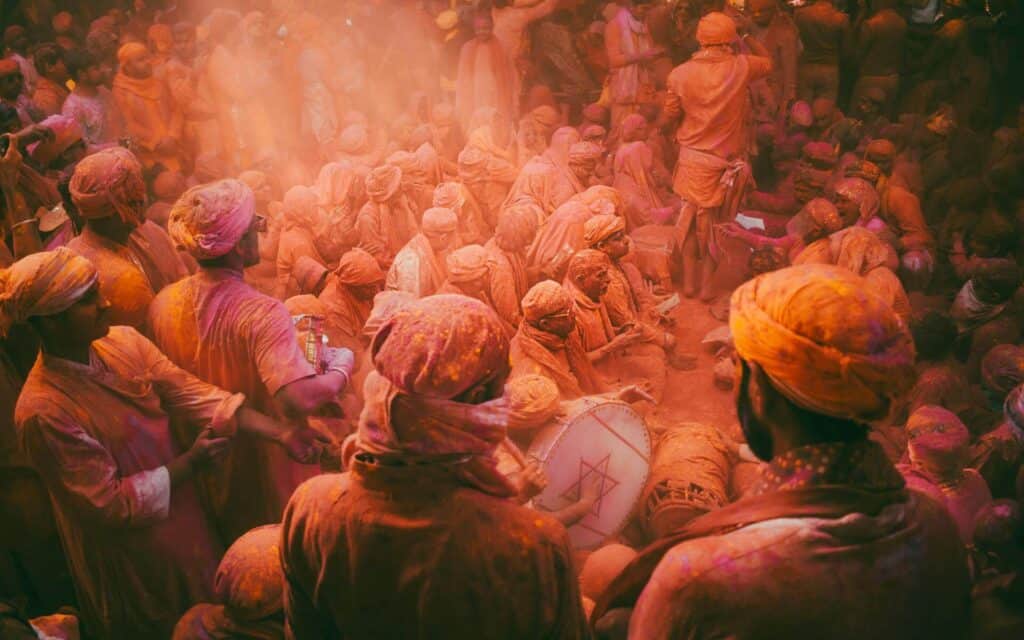
- Holi (February–March) is a wonderful cultural experience – but be prepared for chaos – just book in advance.
- Durga Puja (September-October) in Kolkata is completely packed with people.
- Christmas and New Year – expect prices to triple in some of the more popular destinations like Goa.
Mistake 4: Forgetting to Make Room for Rest Days
The Mistake
Your daily plan looks something like this:
- Day 1 – Red Fort and Chandni Chowk,
- Day 2 – Qutub Minar and Humayun’s Tomb,
- Day 3 – a trip to Agra,
- Day 4 – Taj Mahal and Agra Fort, then
- Day 5 – off to Jaipur. And so on – every single day crammed with something or other.
India is incredibly stimulating. The crowds, noise, heat, and cultural differences can leave even experienced travelers feeling exhausted after several days of sightseeing.
If you don’t factor in some downtime, you’ll be running on empty by day five and spending the rest of your trip too knackered to get the most out of anything.
The Solution
Make sure to build in at least one proper rest day every week. By that I mean, have a day where you can just do whatever you bloody well like – sleep in, potter around without any particular goal in mind, hang out in a cafe for hours or just chill in your hotel room if that’s what you feel like.
Rest day ideas:
- Sleep in and have a lazy breakfast
- Get a massage or book in a spa treatment
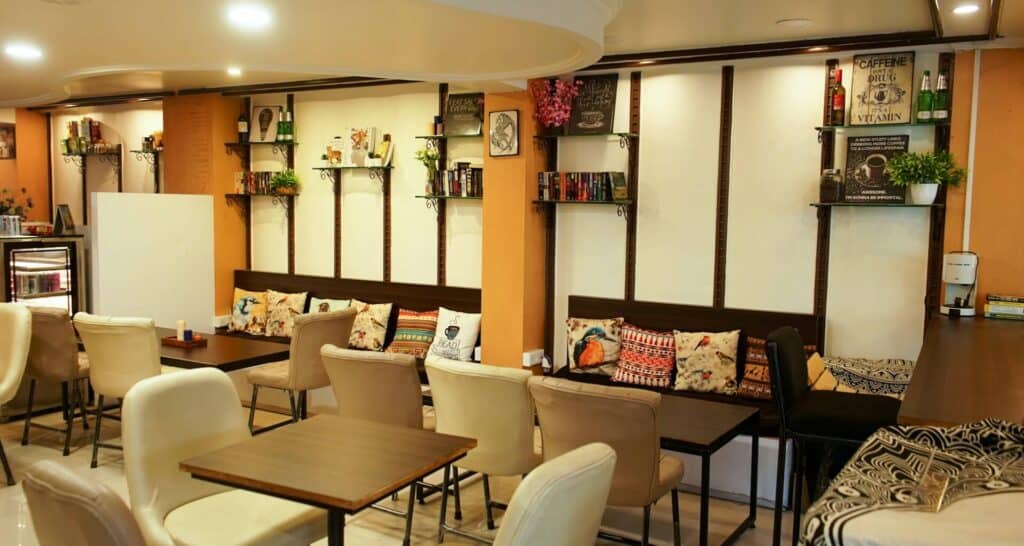
- Spend a few hours lazing in an air conditioned cafe with a good book
- Swap sightseeing for a cooking class or yoga session
- Just wander around a local neighbourhood without any agenda or plan
- Do some laundry and get some of life’s other niggling tasks out of the way
These down days usually turn out to be some of the highlights of your trip because by that point you’re relaxed enough to actually notice the little things and connect with the people you meet.
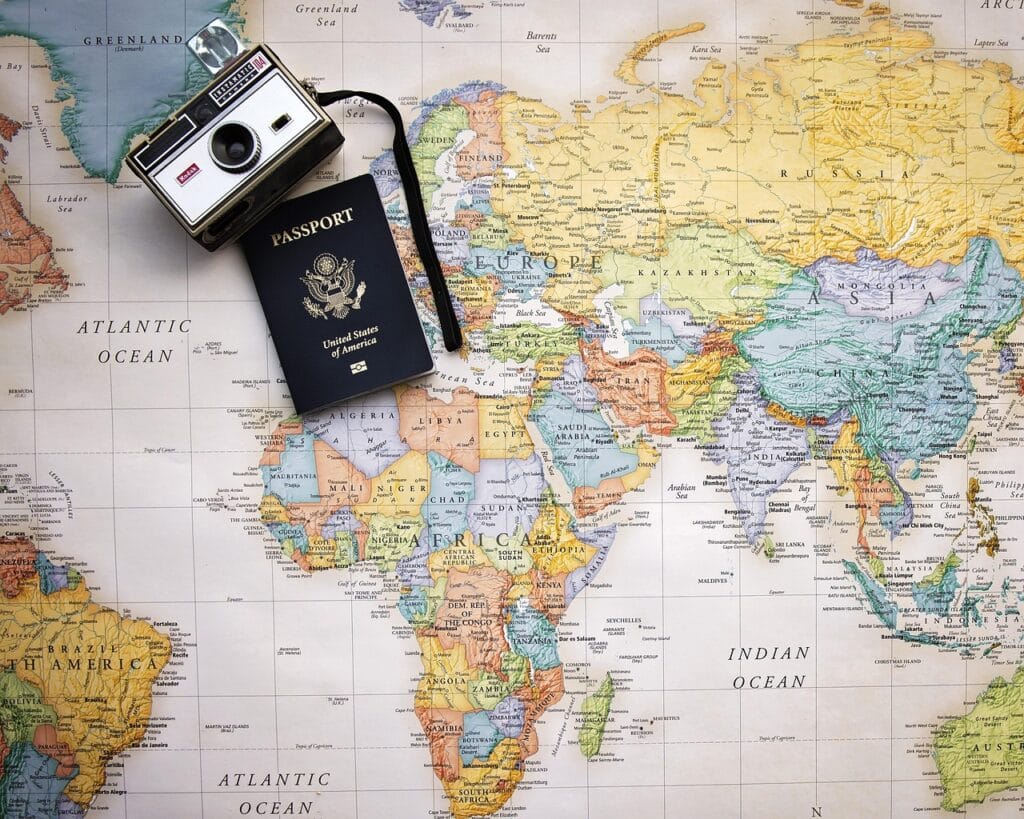
Mistake 5: Booking Everything in Advance
The Mistake
You’ve gone whole hog and booked every last hotel room, train ticket, and day out before you’ve even set foot in the country.
Then you meet some fellow travelers who are absolutely gushing about some hidden gem you’d never even heard of – but of course you can’t go there because you’ve already paid for all those other hotels.
And let’s say you get to Delhi and it’s a total disaster – you’re stuck there for three days instead of one because you already booked it.
Having your entire itinerary set in stone takes all the fun out of travel. I mean, India especially is a place where you want to be able to roll with the punches and take things as they come.
The Solution
Book the first few nights in one place, and sort out the long-distance transport between big cities, but then leave the rest a bit up in the air.
That way you still get some structure in your day but you’re not stuck to the plan rigidly. Make sure your India tourist visa is approved before making large non-refundable bookings.
So what should you be book in advance:
- The first 2-3 nights in a place
- Long-distance trains tickets (if you can get them – 30 to 60 days in advance is a good rule of thumb)
- Flights between places if you spot a good deal
- Accommodation in a place for major festivals or holidays when it’s going to be in huge demand
As for the rest – it’s almost always better to book:
- Most hotels (you can usually get a better deal by booking just a day or two in advance)
- Local transport and things to do (just turn up and you’ll find plenty of options)
- Places you stumble across as you travely
Mistake 6: Only Visiting Tourist Hotspots
The Mistake
Your Itinerary is – Delhi, Agra, Jaipur and Goa – all those places you see on every other tourist’s travel plans.
Don’t get me wrong, these destinations are a must see, but if thats all you ever see, you’re missing the point of India’s incredible diversity.
The Golden Triangle can start to feel like every other soulless tourist trail – touts on every corner, prices that are just a little bit higher than one would expect, and a sea of other tourists everywhere you look, its overwhelming.
Some of India’s most knock-your-socks off experiences are actually to be found in the places that most first time visitors tend to steer clear of.
The Solution
Mixing in some of the big name sights with a few off the beaten path gems make all the difference. If you’re doing the Golden Triangle throw Udaipur or Pushkar into the mix.
And if you’re heading to Kerala, ditch the crowds in Alleppey and try driving on over to Kumarakom or Kollam instead
Some of the places that fly right under the radar that you really should check out are:
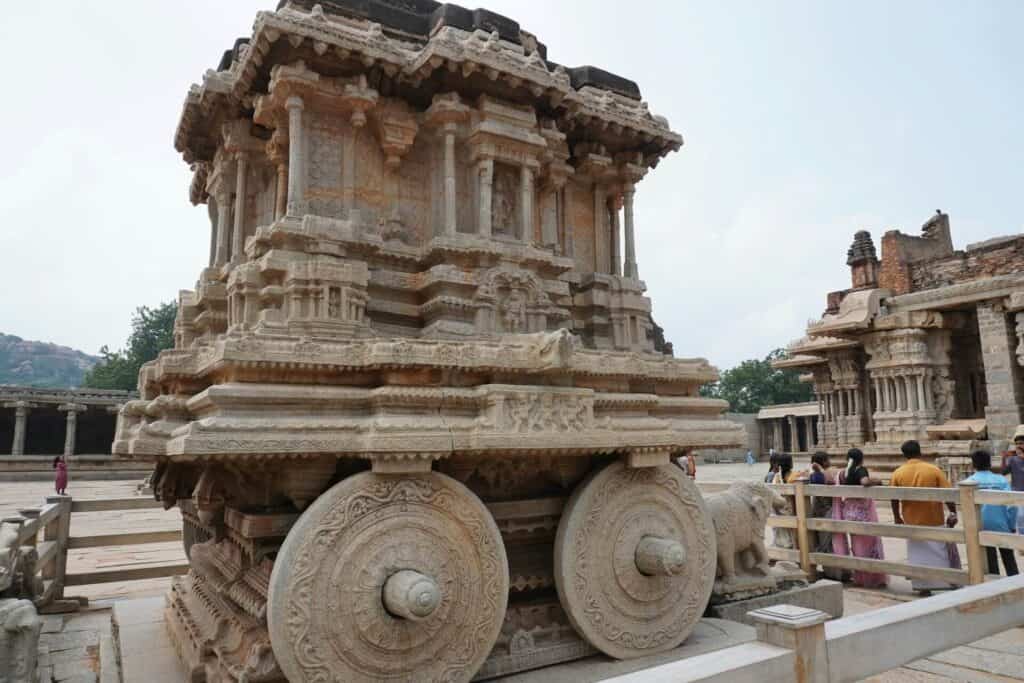
- Hampi in Karnataka : its just utterly surreal – ancient ruins, and landscapes to match
- Rishikesh in Uttarakhand : this is the place that yoga pilgrims flock to, for good reason – the views of the Himalayas are pretty special too
- Pushkar in Rajasthan : a lovely, laid-back little town on a sacred lake with a vibe that is just that – laid back
- Kochi in Kerala : colonial era charm, laid back vibes by the water – its pretty cool if you ask me
- Orchha in Madhya Pradesh : temples and palaces with barely a soul in sight – you can have them all to yourself
- Mcleod Ganj in Himachal Pradesh : famous for its Tibetan culture, stunning mountain views that will blow your mind
- Majuli in Assam : the worlds largest island – with a culture all its own, and all the peace and quiet you could wish for
Mistake 7: Not researching local customs and dress codes
The Mistake
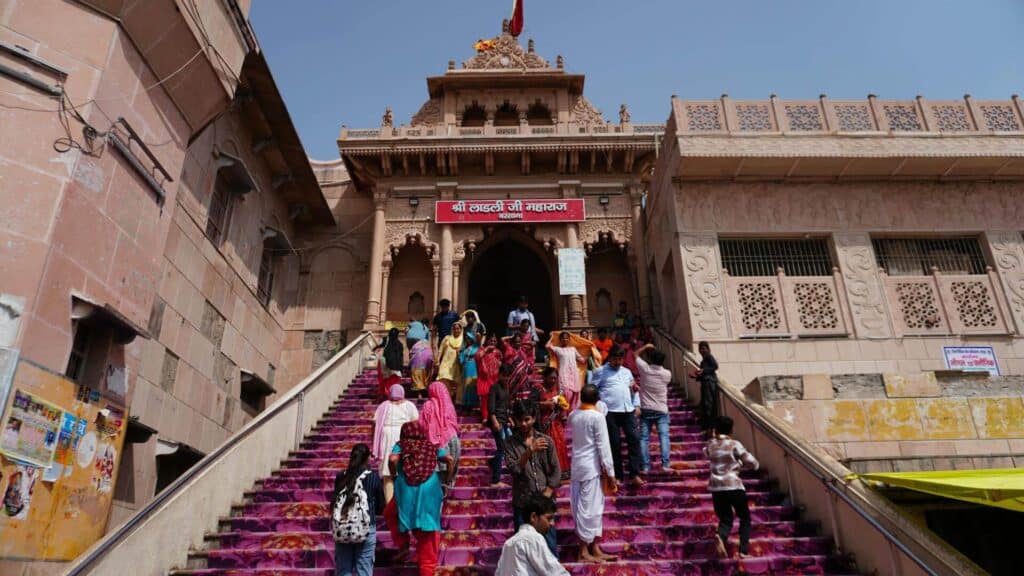
You show up at a temple in shorts and a tank top one day and get turned away at the entrance – a pretty humbling experience – or put on shoes at a holy site only to offend the people around you, because you just didn’t do your homework.
Or plan to visit a temple during a festival and not realise that women arent even allowed to be there thats just asking for trouble.
India has a crazy diverse set of cultural & religious norms – what’s absolutely fine in Goa wont get you very far in Varanasi, and what flies in Mumbai is a definite no-no in rural Rajasthan.
The Solution
Do your basic research on the dress code and local customs for each place on your travels. If you have even the slightest doubt, play it safe and dress a bit more on the conservative side.
General guidelines to keep in mind:
- Temples & other religious sites : cover up – shoulders & knees need to be covered, and shoes need to come off
- Mosques: Women need to cover up their hair, and everyone needs to take off their shoes
- Gurudwaras (those Sikh temples): just throw a scarf or bandana on your head to show respect
- If youre heading into a really conservative area – play it safe and avoid shorts, tank tops, or any clothing that might give the wrong impression
- And if you’re heading to the beach – a bit more relaxed is fine, but that still dont be tempted to go as wild as you would on your typical Western beach day
Good idea to carry a lightweight scarf or shawl with you – that can be lifesaver on a hot day when you need to cover up.
Mistake 8: Ignoring Health Preparations
The Mistake
You rock up without even so much as a travel insurance policy in place, havent even checked out which vaccinations you might need & decide to take a chance on tap water, on the basis that bottled water is a bit of a waste.
Three days later, you’re a basket case & stuck in your hotel room for half your trip. Health issues can totally trash your whole trip. The good news is, lots of them are stoppable with a bit of basic prep.
The Solution
Get to a travel doctor at least 6 weeks before you head off. Get yourself some comprehensive travel insurance for India that covers medical emergencies, cancellations, and unexpected disruptions.
Health preparation checklist:
- Get the necessary vaccinations: Hepatitis A and Typhoid’s a good place to start; check in with your doc to see if there are any others you need
- Sort out comprehensive travel insurance that’ll cover any medical mishaps
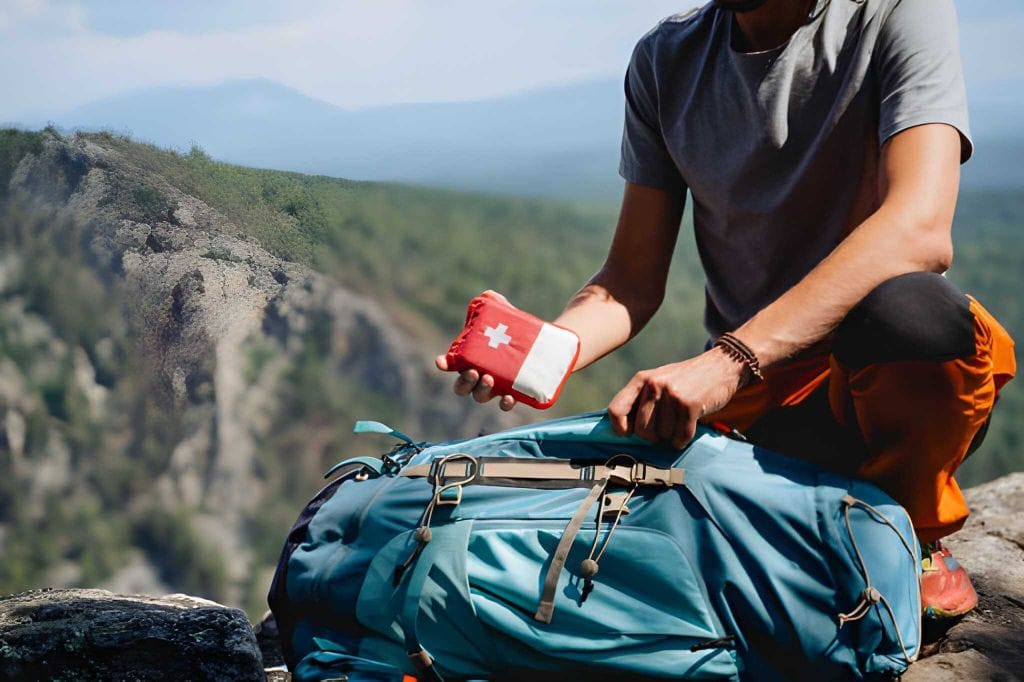
- Pack a basic first aid kit with some diarrhoea meds, rehydration salts, and a few bandaids to save yourself the trouble
- Keep some hand sanitizer handy and use it whenever you remember to
- Only drink bottled water – make sure the seal is still intact – you can always do your bit for the environment when you get back home
- Ease yourself into eating street food a bit – don’t go for broke on day one
- Carry some toilet paper and wet wipes with you wherever you go because you never know when you might need it.
Mistake 9: Not Leaving Room for Spontaneity

The Mistake
Your whole itinerary is planned out to the minute – 9 AM: Red Fort, 12 PM: Lunch, 2 PM: Qutub Minar, 5 PM: Go shopping.
With a plan this rigid you’re never going to be able to take an invitation from a local to come over for dinner, never mind pop into that street you passed that looks like it might be worth a look, or budge your plans if something awesome turns up.
Some of the best parts of travel are the ones that are completely unplanned – the chats, the discoveries, the wonderful little surprises – none of that fits into some minute-by-minute schedule.
The Solution
Come up with a rough plan but leave loads of room to change it up whenever you fancy.
Know what the top things are you want to see & do in each place, but don’t try to cram in too much – leave space for just mooching around, following people’s recommendations or just doing nothing.
How to plan without locking yourself into a schedule:
- Figure out 2 or 3 things per destination that you really don’t want to miss & prioritise those
- Have afternoons or evenings free for just winging it & seeing where the day takes you
- Don’t book stuff more than a couple of days in advance unless you really have to
- If you’re not enjoying a place you can always bail early – you don’t have to stick to your plan
- If you’re having the time of your life somewhere, then just stay a bit longer – who’s to say when you should leave ?
Mistake 10: Underestimating the Depth of the Cultural in India
The Mistake
You’ve probably been to a few different places while traveling and you kinda assume that India will be pretty similar – you think you’ll be able to handle whatever comes your way.
But then you get to India and it just hits you – the crowds are like nowhere else, the poverty’s overwhelming, it’s chaotic, it’s loud, it’s pungent – and it’s all just a huge shock.
Lots of first time visitors really don’t mentally prepare for just how different and intense India can be and that leads to all sorts of problems .You end up stressed out, on edge, and sometimes even end up cutting your trip short.
The Solution
Go in with realistic expectations. India is incredible but its not going to be like home – and that’s what makes it so special.
Mental Preparation Tips:
- Read travel blogs and watch YouTube videos to get a sense of what to expect
- Get your head around the fact that delays, chaos and general discomfort are all just going to be part of the experience
- Practice a bit of patience and flexibility before you even set off,so you can roll with the punches
- Don’t judge India on the first day – give yourself a few days to get your bearings before you start worrying about whether you like it or not
- Start in places that are a bit more geared towards tourists – Jaipur, Goa and Kochi are all good places to begin – before you head off into the more intense cities like Delhi or Varanasi
- Keep telling yourself that just because things are different it doesn’t mean they are wrong – it just means they’re different
Plan Ahead & Smartly, Travel Better Places in India
These India travel itinerary mistakes are ridiculously common and pretty easily avoided, but you need to put some thought into it & leave a little room for things to go slightly awry.
Don’t try to cram your entire trip into a tightly packed schedule – focus on a few places and actually experience them properly. Throw in some rest days – you’re going to need them anyway.
Research travel times & seasons beforehand – that helps. And be open to just going with the flow sometimes. India is a place that really rewards the people that take a chill pill, are flexible and set their expectations at a level that’s realistic.
I mean, yes it’s a tough trip – things will inevitably go wrong, trains will be late, your plans will change and at times you’ll feel completely overwhelmed. But it’s those moments that make the whole thing so unforgettable.
The people who end up having the best time in India aren’t the ones with the perfect itineraries – that’s just not how it works.
No, the ones that do best are the ones who plan enough to not fall into the big mistakes, but still leave enough room to actually enjoy the chaos.
Now that you know which traps to avoid, you can start planning your India trip with a bit more confidence. Take it easy & don’t overfill your schedule – after all, this is your trip.
Once you’ve avoided these common mistakes, you can start building your own itinerary using our 7 Day India Itinerary for First-Time Travelers as a starting point.
Let it work for you, rather than trying to fit it into some preconceived idea that you found somewhere on the internet. India’s waiting for you. Just plan with a bit of sense, have a more relaxed attitude and get ready for the time of your life.
FAQs About Planning Your First Trip to India
How do I plan my first trip to India without feeling overwhelmed?
Keep it simple! Choose 3-4 cities in one region and avoid cramming too much in. Add some extra time for travel delays, and be sure to schedule at least one rest day each week.
What are common mistakes when planning a trip to India?
The main mistakes are overloading your itinerary, not allowing enough travel time, ignoring the weather, and skipping rest days. Keep your plans flexible!
Is two weeks enough for a trip to India?
Yes! Two weeks is plenty if you stick to one region. For example, you can explore the Golden Triangle or Kerala. Don’t try to cover too much.
What’s the best region to visit in India for first-timers?
The Golden Triangle (Delhi, Agra, Jaipur) is perfect for first-timers. If you want something slower and more relaxing, Kerala is a great choice.
How far in advance should I book my trip to India?
Book your first few nights and long-distance transport ahead of time, especially during busy seasons. But don’t lock in your whole trip—keep some flexibility for changes.
When is the best time to visit India?
October to March is ideal. North India is best in winter, while South India is perfect from November to February.
How many cities should I visit in two weeks?
Stick to 3-4 cities in 10-14 days. It’s tempting to visit more, but overpacking your schedule can lead to burnout.
Is India hard to travel in for first-timers?
It can feel intense at first, especially with crowds and traffic. But with a flexible attitude and realistic plans, you’ll adjust quickly.
Should I add rest days to my itinerary?
Yes! Make sure to include at least one rest day a week. India can be busy, and having some downtime helps you recharge.
What should I avoid as a first-time traveler in India?
Avoid rushing through your schedule, underestimating travel times, ignoring local customs, and drinking tap water. A little research and planning can prevent most mistakes.
How do I get around in India?
For long distances, use trains or flights. In cities, taxis, rickshaws, and rideshare apps (like Uber or Ola) are convenient options.
Is it safe to travel alone in India?
Yes, but stay aware of your surroundings. Stick to popular areas, travel during daylight, and follow local customs for a safe trip.
Do I need a visa to visit India?
Yes, most travelers need a visa. You can apply online for an e-Visa or at your local Indian embassy.
How should I dress in India?
Dress modestly, especially in temples or rural areas. Light, breathable clothes are best for the heat, but avoid revealing outfits in more conservative areas.
What currency do I need in India?
You’ll need Indian Rupees (INR). It’s good to have some cash, especially in smaller towns, but credit cards are widely accepted in cities.
Images: Pexels
