



Planning your first trip to India? This 7-day India itinerary will guide you through Delhi, Agra, Jaipur, and more with route, budget, and travel tips. With so much to see – from the Himalayas to beaches, deserts to temples – it can be hard to know where to start.
The real challenge is choosing the right places especially if you only have 7 to 10 days. This guide will help you pick the best destinations based on your time, interests, and travel style.
Quick Answer: How to Choose Places for a 7–10 Day India Trip
The best way to plan a 7–10 day trip to India is to choose one region – such as the Golden Triangle, Kerala, or Rajasthan and avoid traveling long distances between multiple regions.
Focus on 2–3 cities maximum, plan realistic travel time, and match your destinations with the season. This helps you avoid a rushed trip and enjoy India more deeply.
Why Knowing How to Choose the Best Places to Visit in India Matters
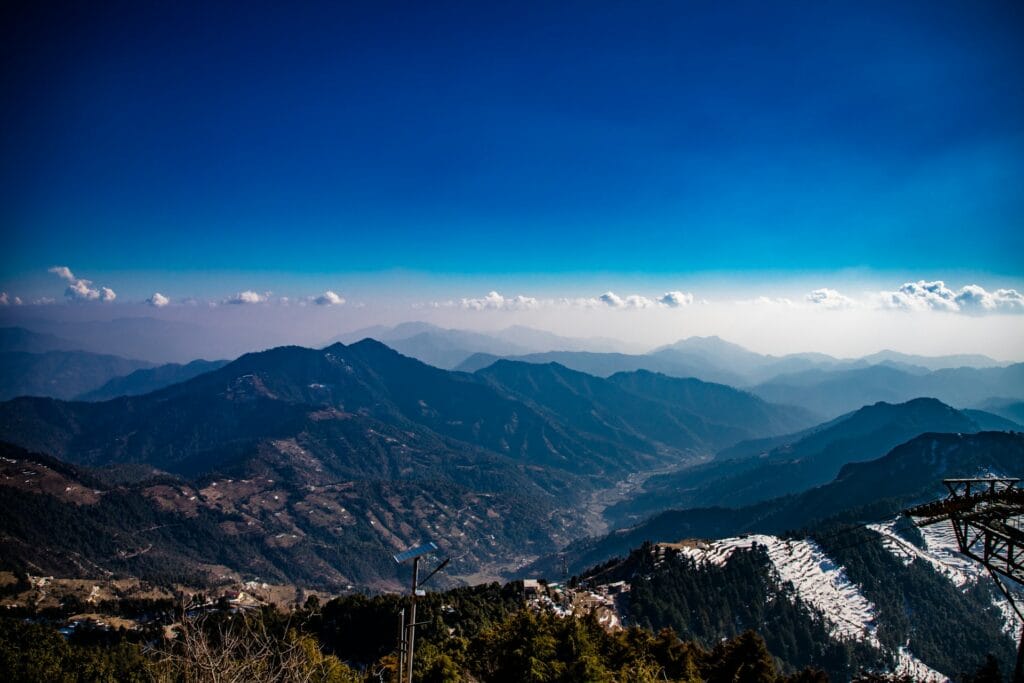
Planning a trip to India can feel overwhelming. Not in a bad way- it’s more like having too many choices and not knowing where to start. India is huge, both in size and diversity.
Ancient temples sit beside modern megacities. Snow-capped Himalayan peaks rise just a few hundred kilometers from sun-scorched deserts.
Tropical backwaters wind their way through jungle-draped southern states while medieval forts loom over the arid northwest. When you have three or four weeks to travel India, the overwhelming scale eventually becomes manageable.
You can slow down, breathe, take a detour, change your mind. If you only have 7 to 10 days, your planning matters a lot. The wrong choices can make your trip feel rushed and tiring.
When planning a short trip, understanding how to choose the best places to visit in India is more important than trying to see every famous landmark. Focus on fewer destinations to truly experience them.
It is about understanding your own travel style, reading the geography honestly, accepting the constraints that time imposes, and building a journey with actual breathing room in it. This guide will help you choose the right route step by step.
India Trip Planning at a Glance (First-Time Travelers)
This India trip planning guide will help you build a realistic and enjoyable route.
- Best for first-time visitors: Golden Triangle (Delhi, Agra, Jaipur)
- Best for nature & relaxation: Kerala
- Best for culture & forts: Rajasthan
- Best for mountains: Manali (Himachal Pradesh)
Tip: Stick to ONE region for a 7–10 day trip.
Key Factors in How to Choose the Best Places to Visit in India
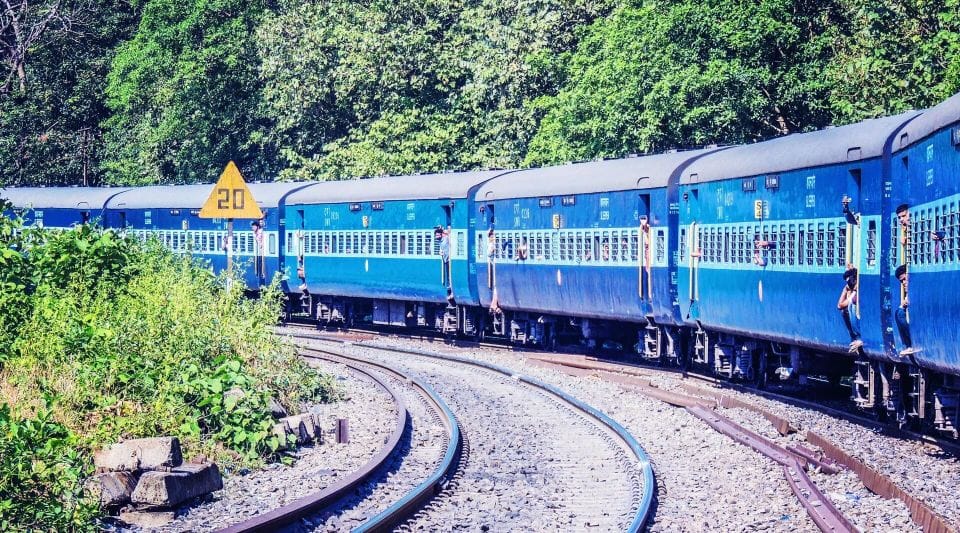
Travel Distance and the Illusion of “Just a Short Hop”
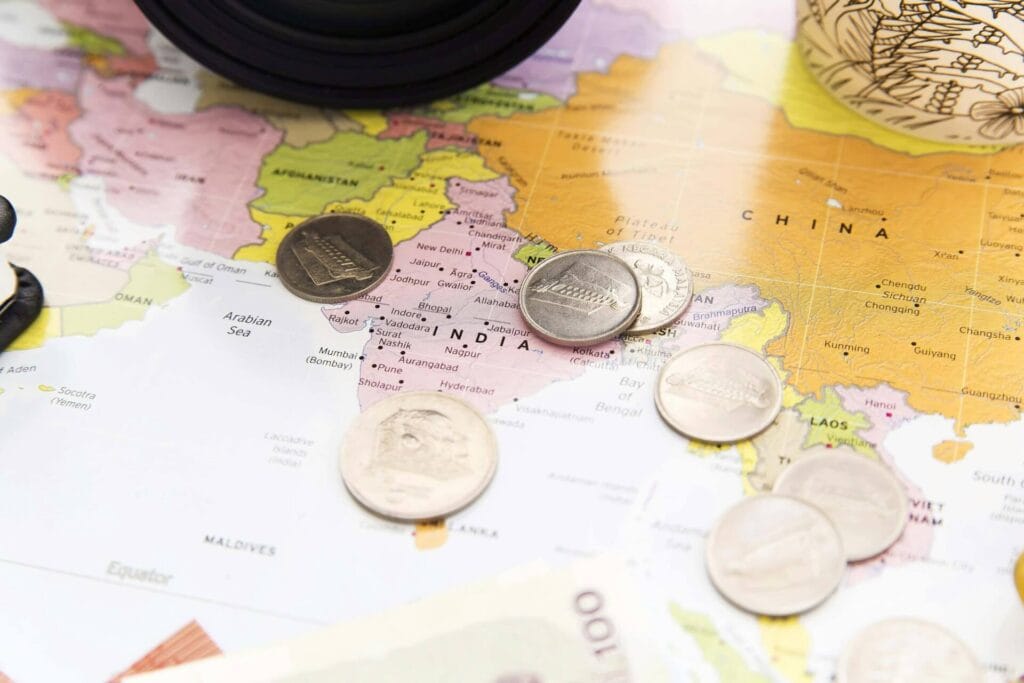
One of the most common mistakes first-time visitors make is looking at India on a map and underestimating distances.
India is a vast country. Even though transport infrastructure is good, travel between cities takes more time than most visitors expect.
Consider this: the distance between Delhi in the north and Kochi in the south is roughly 2,700 kilometers. Even if you fly, you are looking at a 3-hour flight, plus time to get to the airport, check in, wait, land, collect luggage, and travel to your hotel.
A journey that looks short on the map can take a full day. And India has no shortage of those deceptively long journeys.
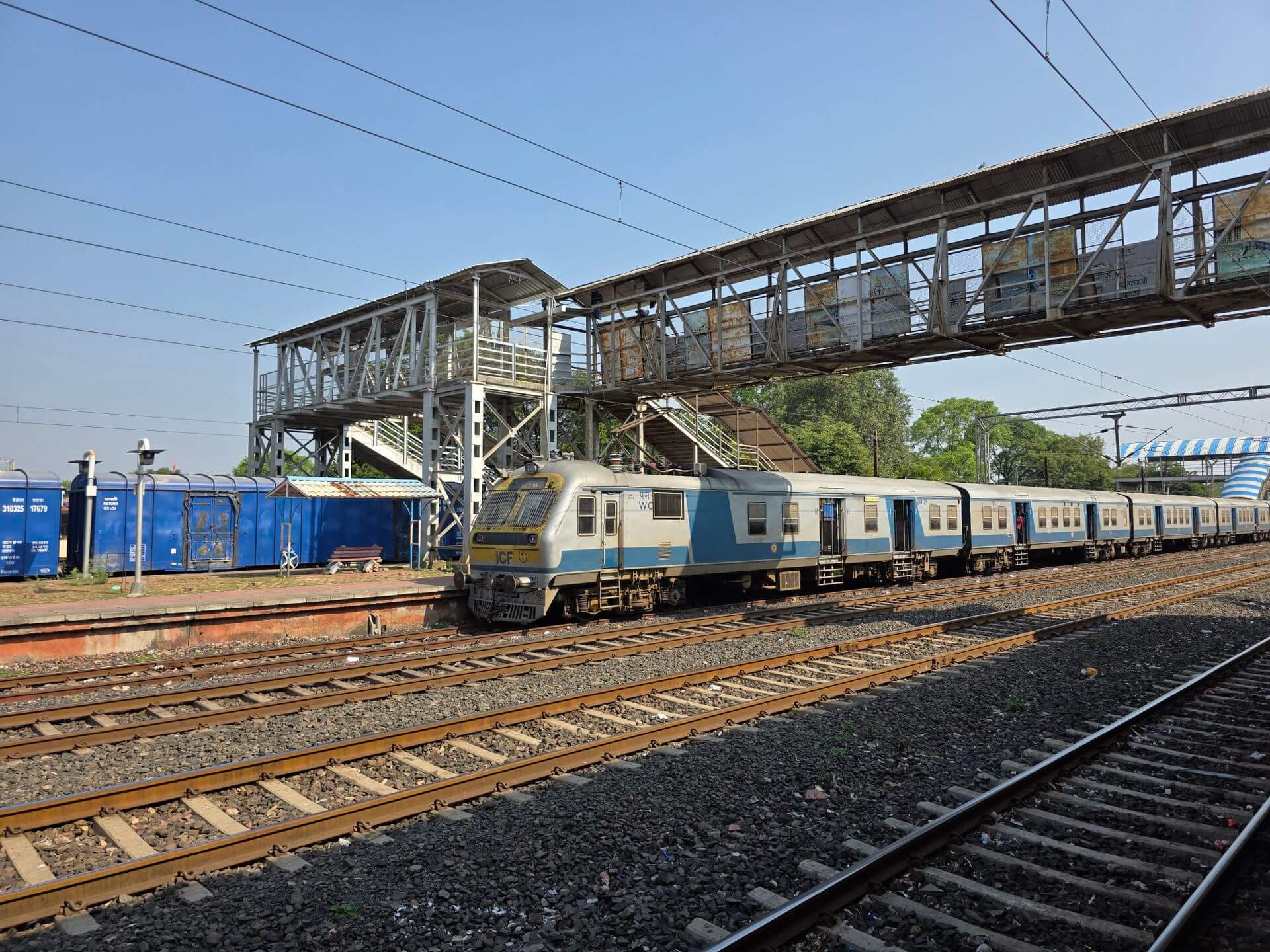
Trains, which are among the most beloved ways to travel through India, are wonderful — but they are slow. The famous overnight train from Delhi to Jaipur takes around 4 to 6 hours.
Traveling from Jaipur to Mumbai by train can take 18 hours or more. This isn’t unusual – it’s just how travel works in India. Factor them honestly into your plan.
When choosing India destinations for a 7–10 day trip, a reliable rule is this: every destination you add to your itinerary costs you more than just the time it takes to travel there. It also takes extra effort – packing, moving, and adjusting to a new place each time. Keep your destinations clustered in one region whenever possible.
Choose Based on Your Travel Style
Before choosing destinations, be clear about what you want:
- History & architecture → Delhi, Agra, Rajasthan
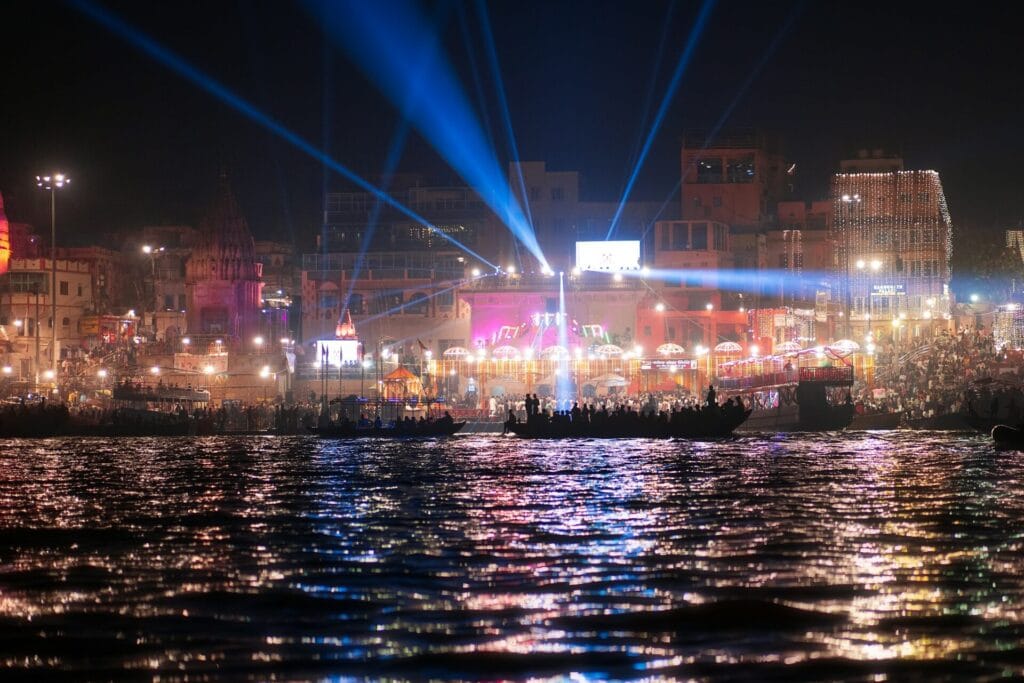
- Spiritual experiences → Varanasi
- Wildlife & nature → Ranthambore, Kerala
- Beaches & relaxation → Goa, Varkala
- Mountains & cool weather → Manali, Himachal Pradesh
There’s no wrong choice – just pick what excites you most and enjoy travelling.
Season: India’s Climate Is Not Uniform
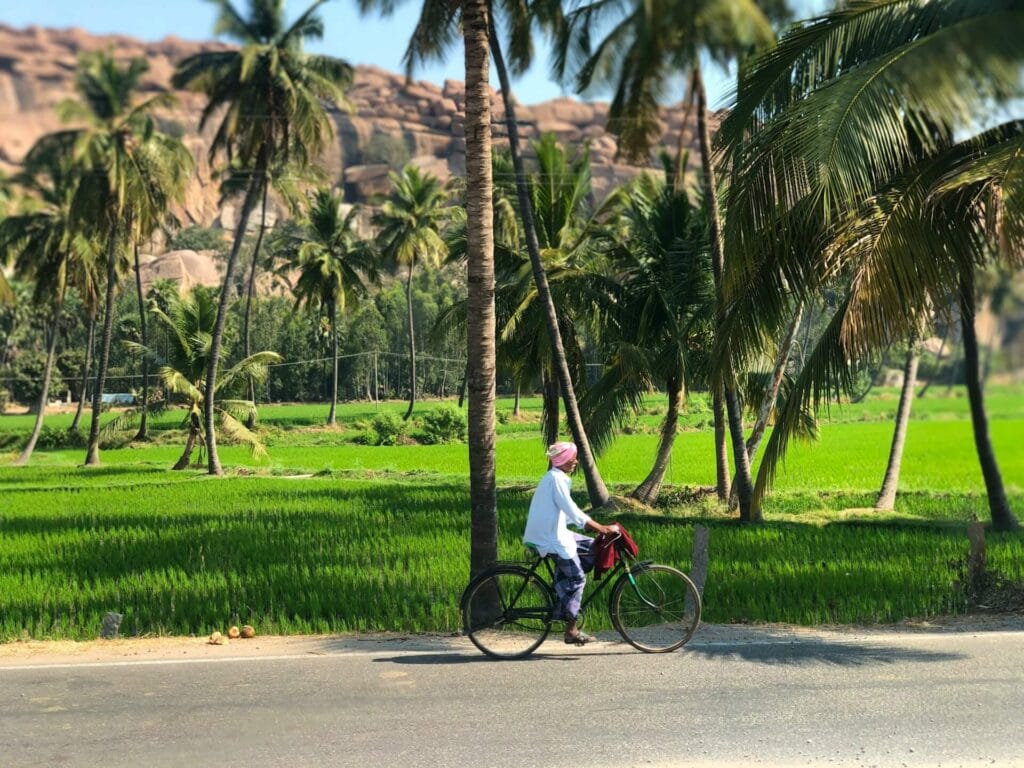
This is something many travelers ignore in planning an India trip. Unlike many countries where one or two climate zones define the national weather pattern, India spans multiple climate zones, and the seasons behave very differently across the country.
The monsoon season, which runs roughly from June through September, brings the southwest of the country Kerala, Goa, Maharashtra its heaviest rainfall first, before moving northward.
During peak monsoon, Kerala can receive very heavy rain, and while the landscape becomes lush and extraordinarily green, travel can be disrupted and some outdoor experiences become impractical.
Rajasthan, on the other hand, is best avoided in the deep summer months of May and June, when temperatures in cities like Jaisalmer and Jodhpur can exceed 45 degrees Celsius.
The best time to visit Rajasthan is October to March, when days are warm but manageable and evenings are cool.
The Himalayan regions, including Manali and Leh in Ladakh, are effectively inaccessible by road during the winter months when mountain passes close under heavy snowfall.
The window for Ladakh is roughly June through September. Manali is accessible for more of the year but most pleasant from April through October.
Kerala is beautiful almost year-round, with February through April being particularly lovely dry, warm, and lush from the recent monsoon.
Before you commit to any India destinations for a 7–10 day trip, check the season honestly for each region you are considering. A mismatch between your travel dates and the regional climate can undermine even the best-designed itinerary.
Transport Time: Budget It Generously
Indian transport systems are more reliable than their reputation sometimes suggests, but they need extra buffer time that many travelers don’t plan for.
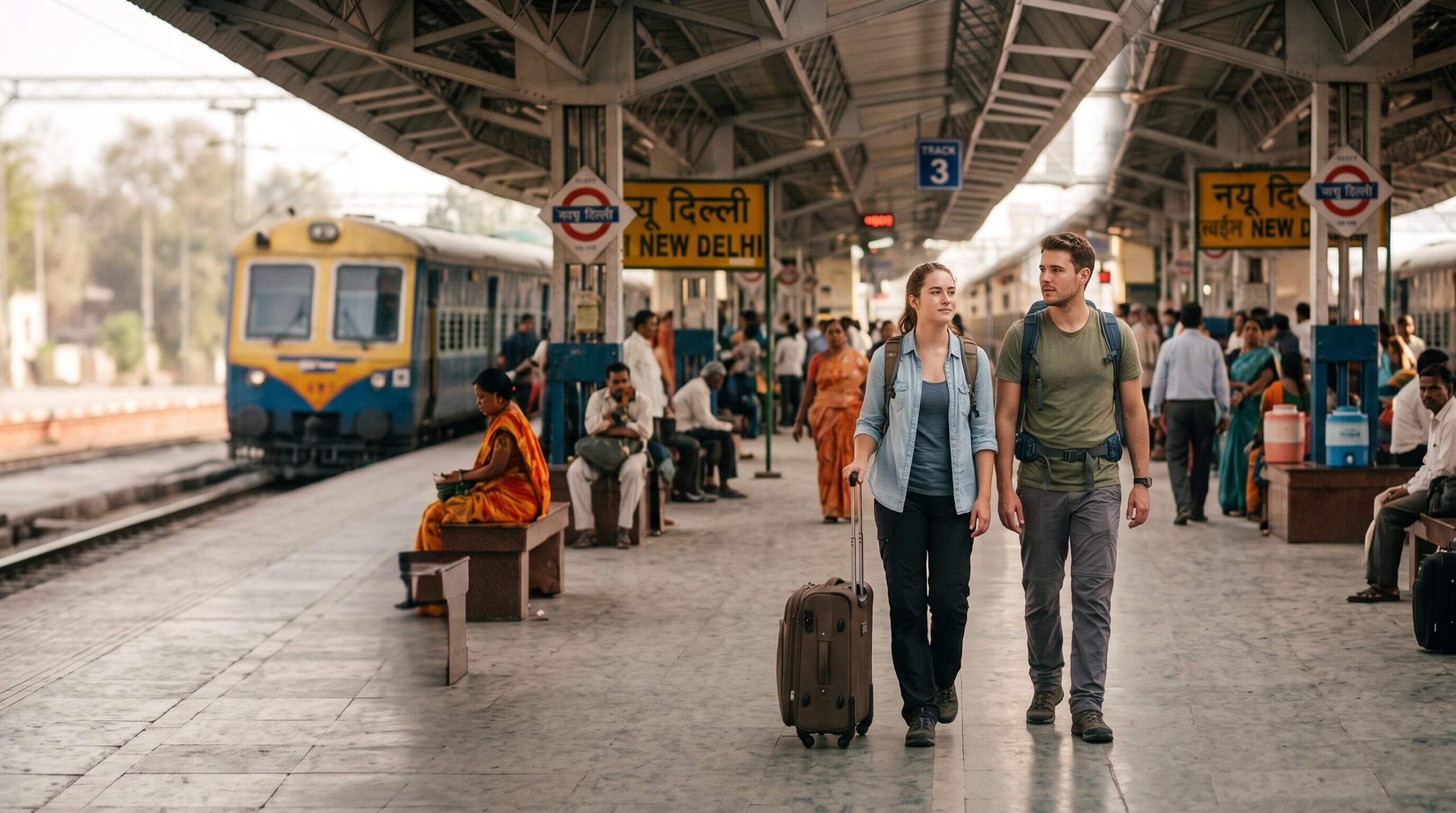
Domestic flights within India are generally efficient, but airports like Delhi’s Indira Gandhi International are large and busy, and the recommendation is to arrive at least 2 hours before a domestic flight.
Trains run on their own schedules and delays of 30 minutes to 2 hours are common enough that you should never book a train that arrives just in time for your next commitment.
Road travel — whether by private car, taxi, or local bus is an experience unto itself in India. Traffic can be heavy and unpredictable. A journey that should take 2 hours by road can take 4 or 5 during peak hours or when roadwork is underway.
Build half a day of buffer time into your itinerary wherever possible. Travelers who enjoy India the most take things slowly. They sit in chai shops, watch daily life, and don’t worry about missing a few sights.
Best Regions for a Short India Trip
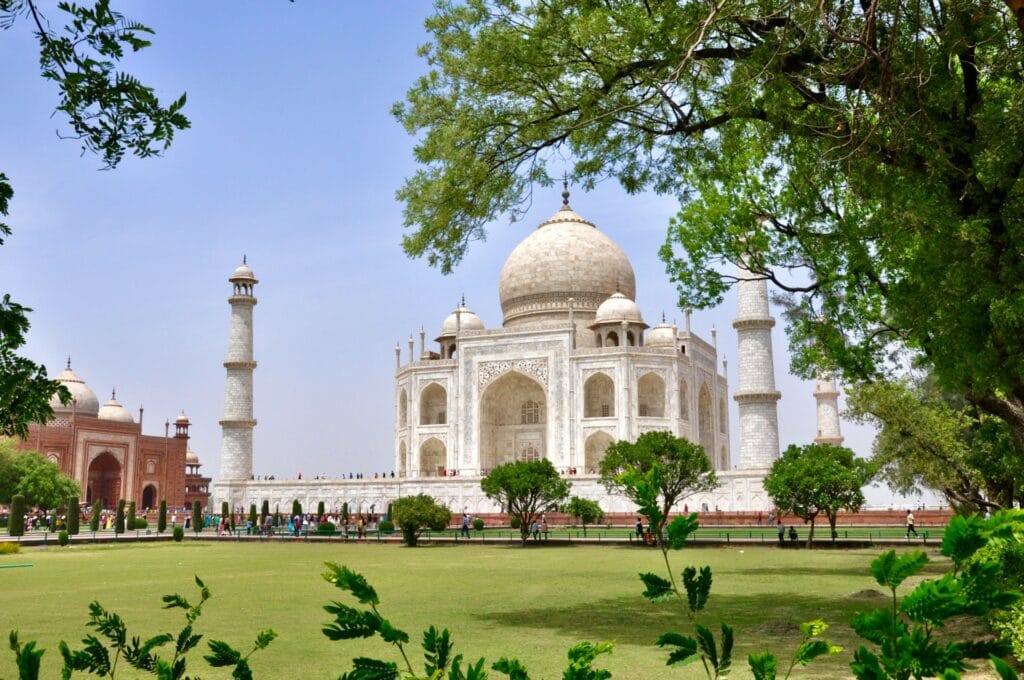
The Golden Triangle: Delhi, Agra, and Jaipur
The Golden Triangle is the most popular travel route in India for good reason it concentrates three remarkable cities within a manageable geographic triangle that makes logistics relatively straightforward.
Delhi, Agra, and Jaipur sit within roughly 250 kilometers of each other, connected by roads and trains that visitors have been navigating for decades.
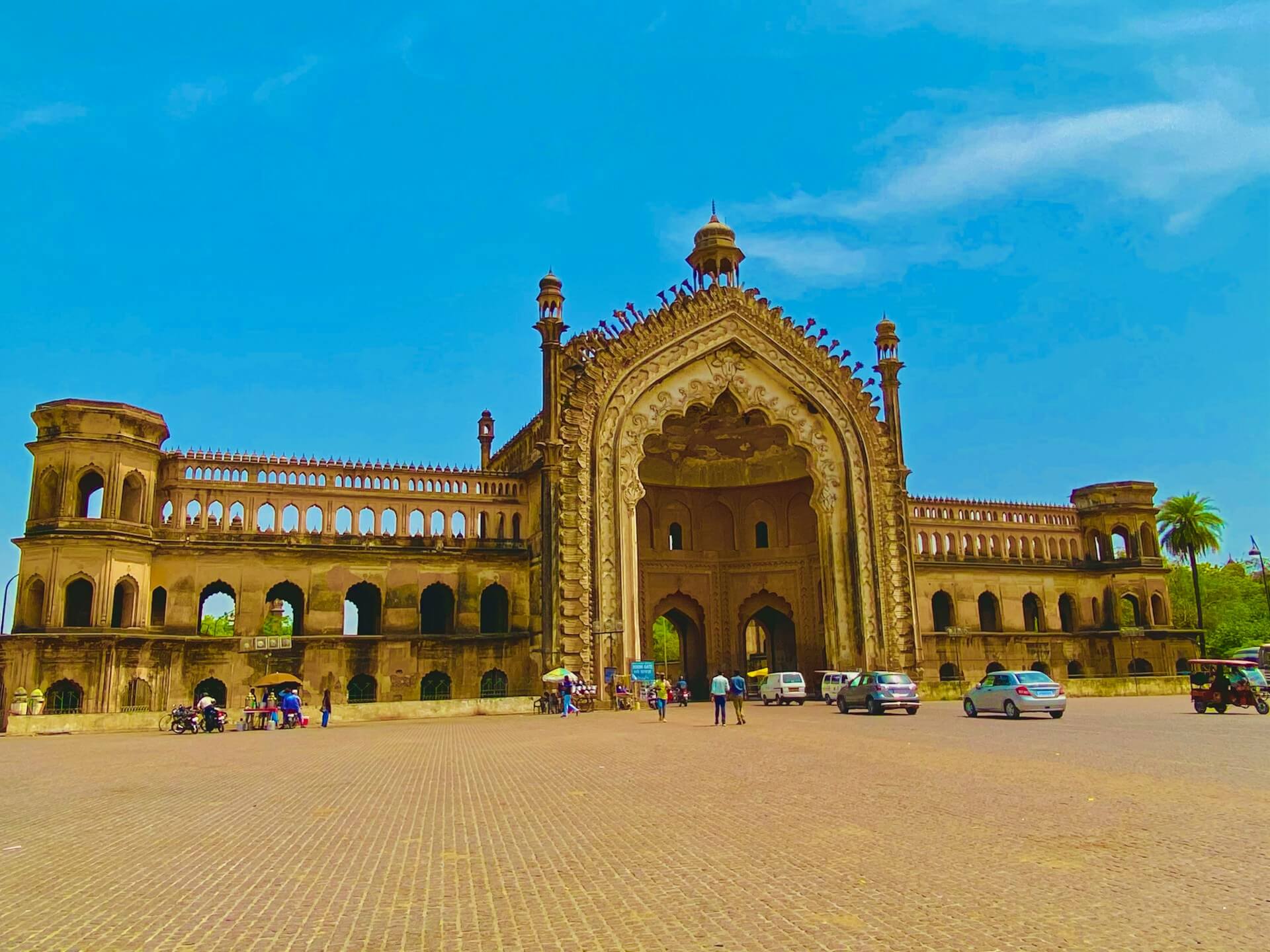
Delhi alone could absorb three or four days of serious exploration. Old Delhi with its labyrinthine lanes around the Jama Masjid, the sensory overload of Chandni Chowk, the massive walls of the Red Fort is one of the most exciting parts of the city.
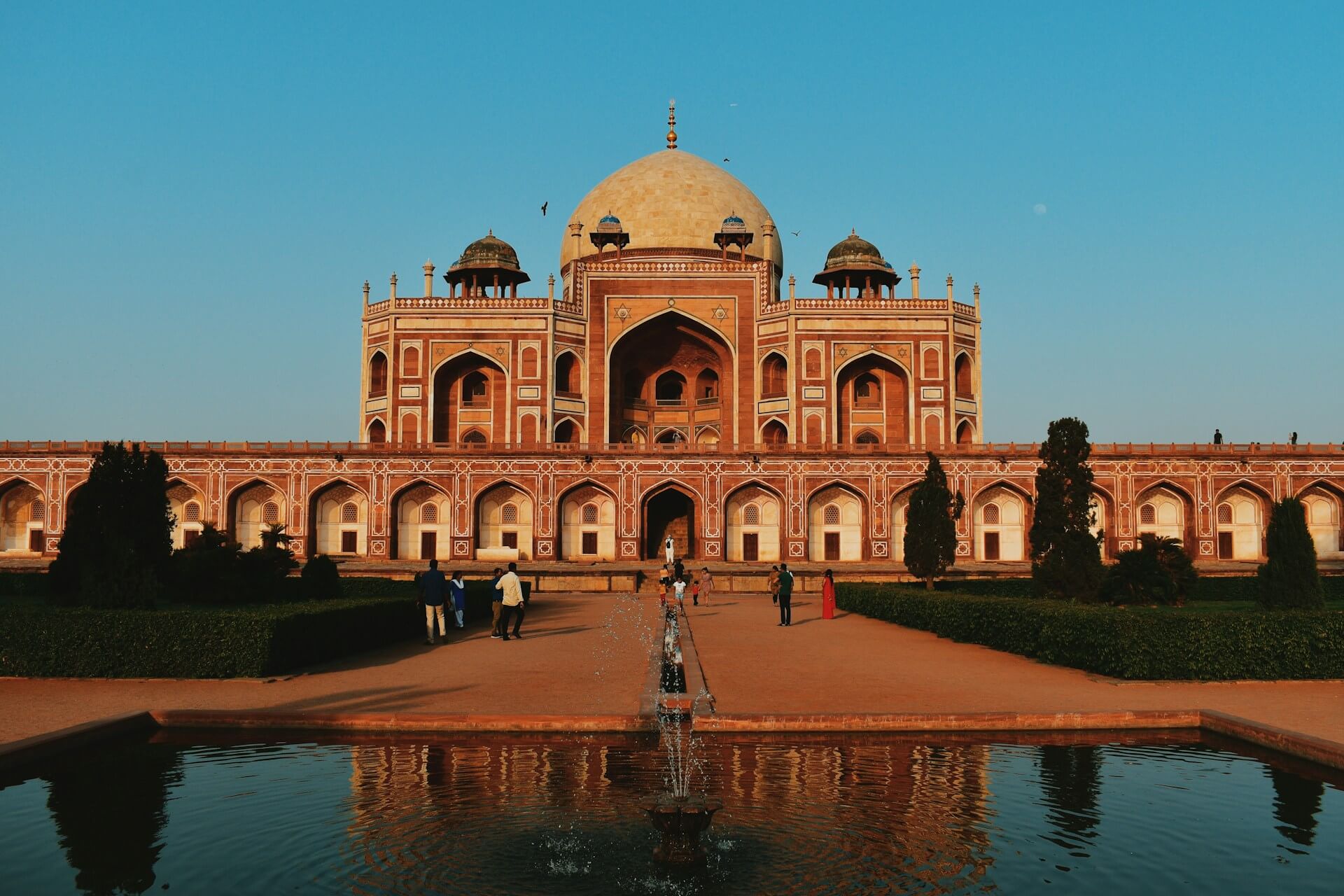
New Delhi, laid out by Edwin Lutyens in the colonial era, offers a very different face: wide boulevards, the India Gate memorial, Humayun’s Tomb rising peacefully from its formal gardens.
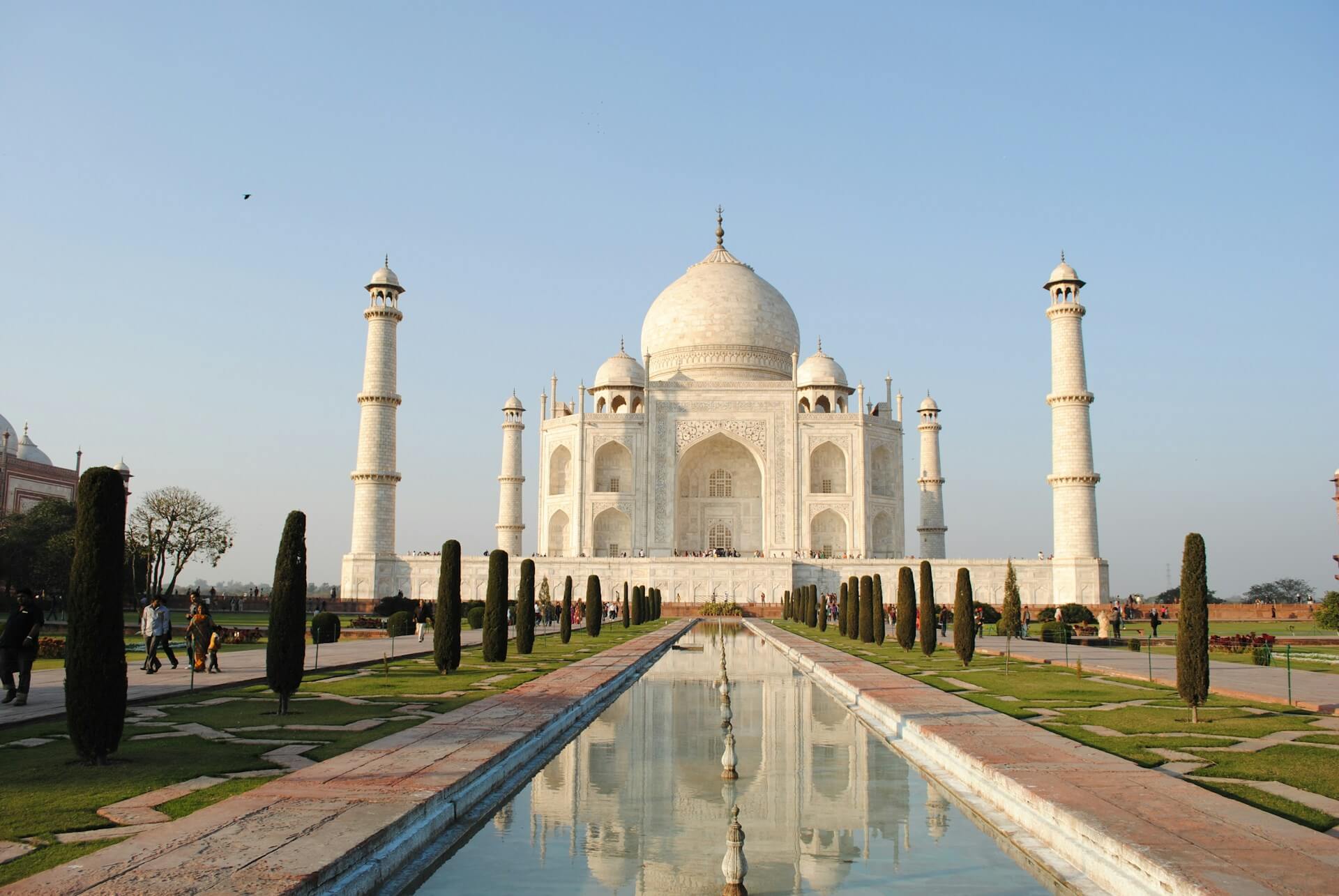
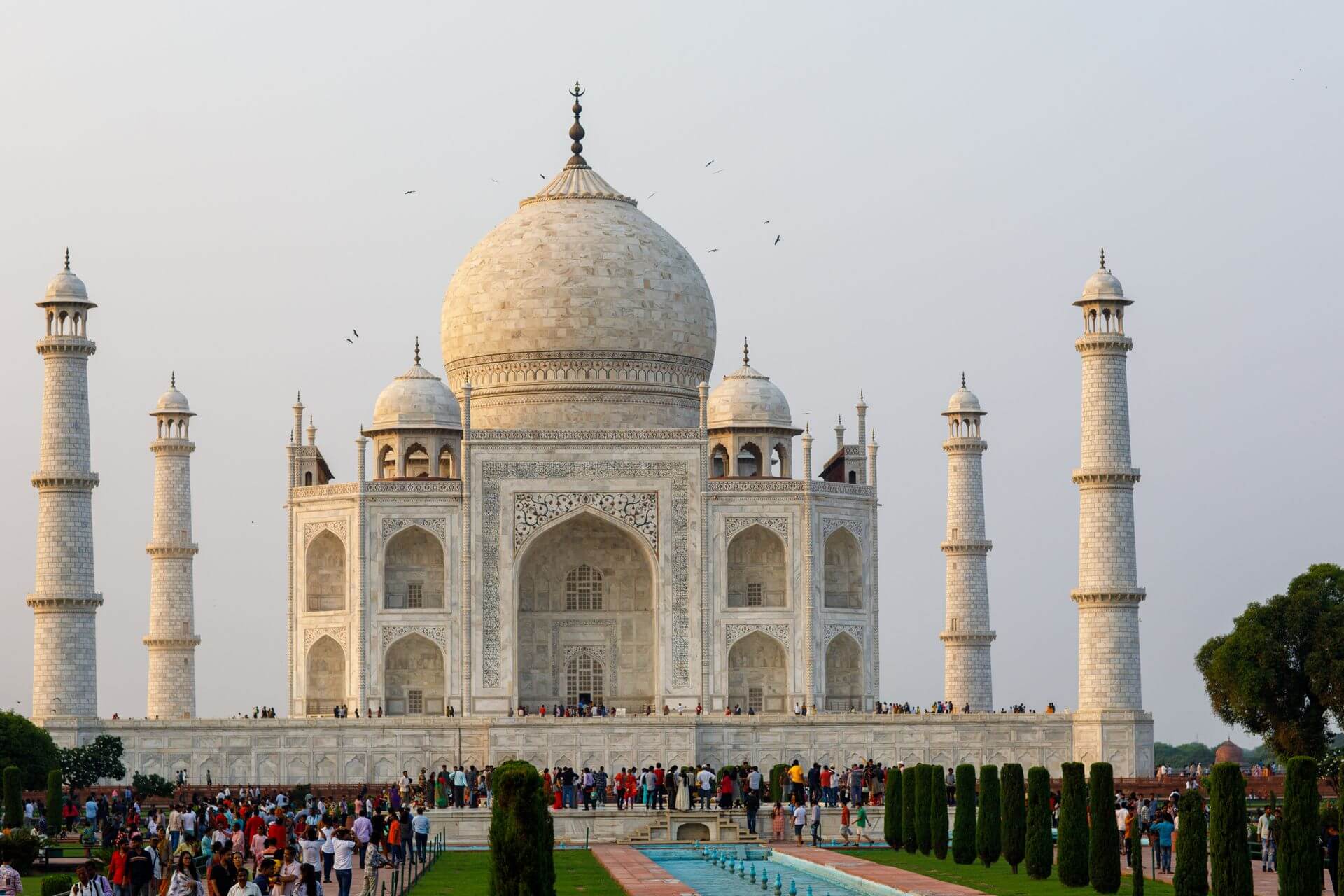
Agra needs only one to two days, but those days are memorable. The Taj Mahal is one of those rare monuments that actually exceeds its reputation.
See it at sunrise if at all possible the early light on the white marble is extraordinary, and the crowds are thinner. Beyond the Taj, Agra Fort is genuinely impressive and far less visited than it deserves to be.
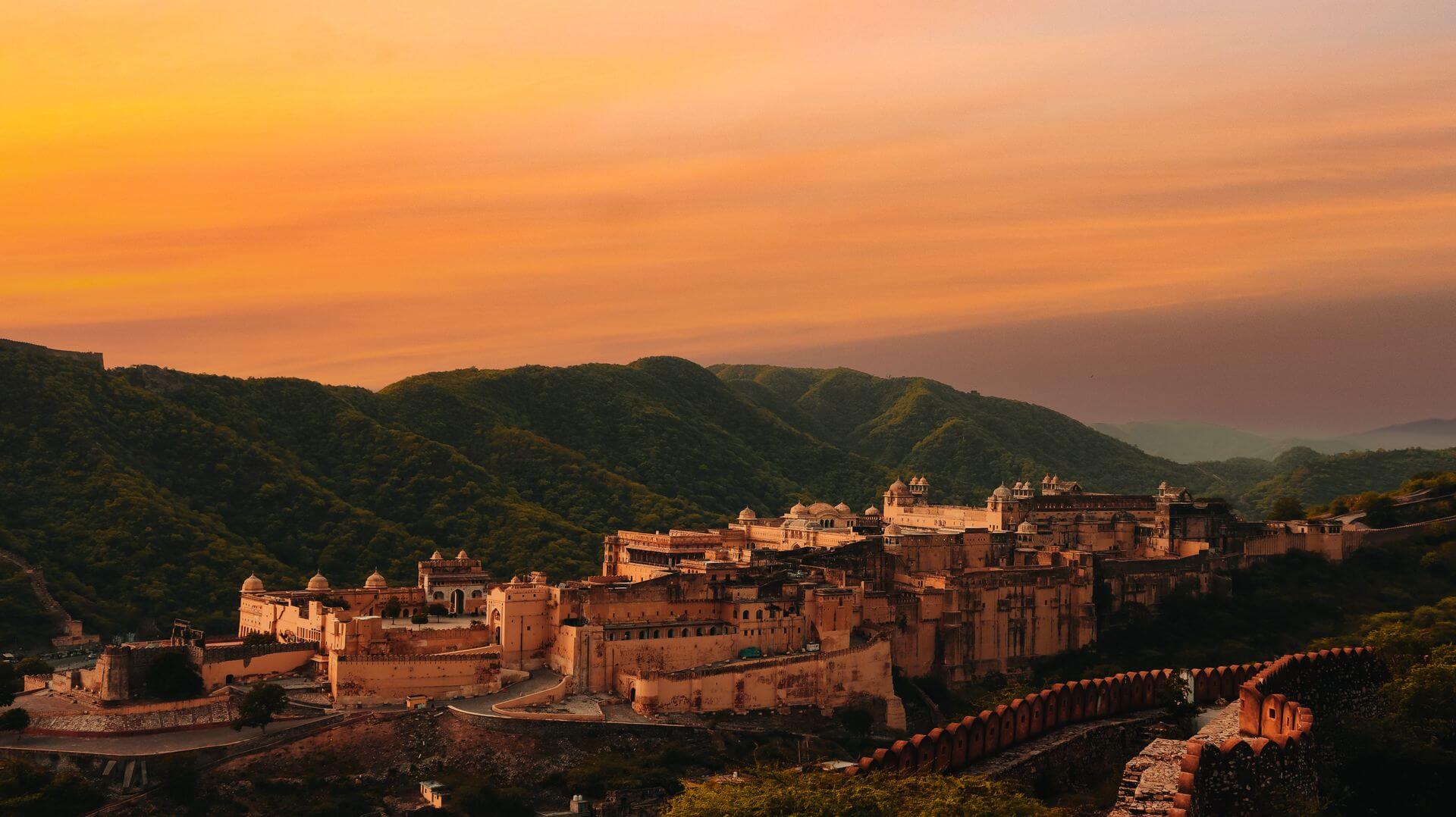
Jaipur, the Pink City, brings you into Rajasthan’s orbit the hilltop Amber Fort, the extraordinary Hawa Mahal (Palace of Winds), the vibrant textile and jewelry markets of the old city.
Two to three days here is ideal. The Golden Triangle is the right choice for first-time visitors who want a broad, confident introduction to northern India’s Mughal and Rajput heritage without the logistical complexity of more ambitious itineraries.
Kerala: The Quiet, Green South
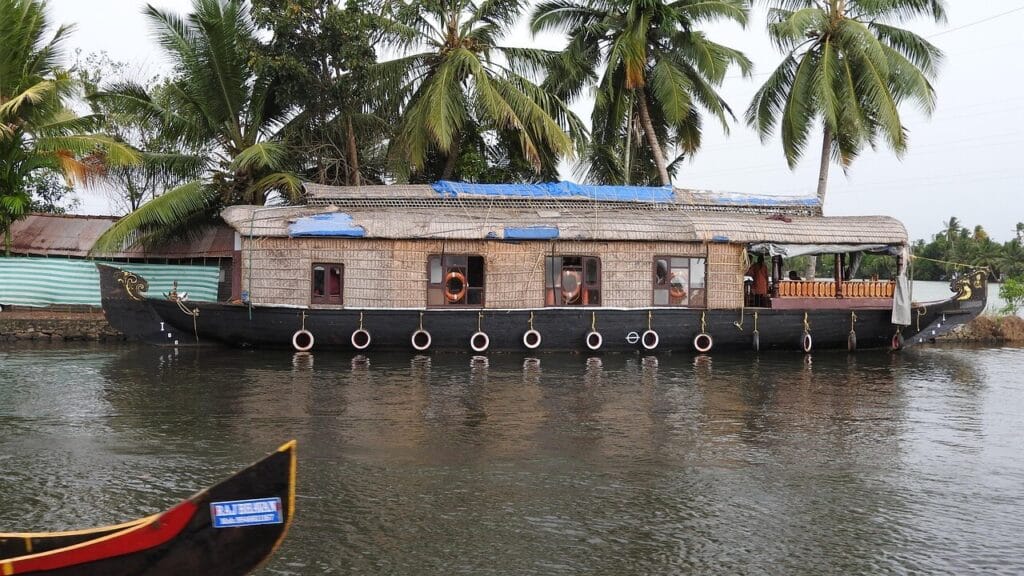
Kerala is the gentler face of India — lush, unhurried, and profoundly different in texture from the dramatic, dusty north. For travelers who find the density and intensity of cities like Delhi overwhelming, Kerala can feel like a revelation.
The backwaters — a network of lagoons, lakes, rivers, and canals that runs parallel to the coast — are best experienced from a houseboat.
Spending a night or two drifting slowly through the narrow waterways, watching fisher birds stand motionless in the shallows and farmers tend their paddy fields from the banks, is one of the most peaceful travel experiences in Asia.
Kochi (Cochin) is Kerala’s most cosmopolitan city, carrying the layered history of Portuguese, Dutch, and British colonial presence alongside its ancient Hindu and Jewish communities.
Fort Kochi, the oldest part of the city, is wonderfully walkable — fishing nets strung over the harbor, spice warehouses, tiny galleries, and excellent seafood restaurants.
Munnar, in the high ranges of the Western Ghats, offers something completely different: cool temperatures, dramatic tea plantations carpeting steep hillsides, and waterfalls tumbling through the forest.
It makes an excellent contrast to the coastal lowlands. Kerala is ideal for travelers seeking nature, culture, cuisine, and peace – and it works beautifully as a standalone destination for 7 to 10 days without needing to combine it with anywhere else.
Rajasthan: Forts, Deserts, and Living History
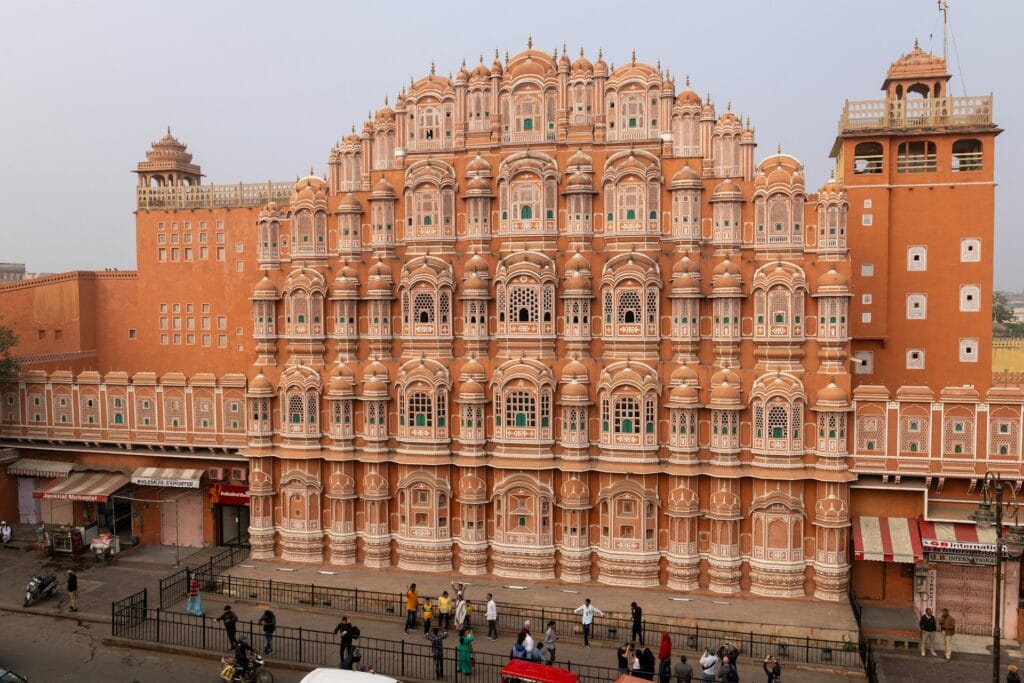
Few places in the world can match Rajasthan visually. This land has extraordinary fortresses that seem to grow from the rocky hilltops they sit on.
It also has palaces built by warrior-kings, who valued both battle and beauty. The desert landscapes are stunning, with camel caravans moving slowly across amber dunes at dusk.
Jaipur anchors the eastern edge of Rajasthan. Moving west, Jodhpur, the Blue City, is filled with indigo-painted houses cascading down the hillside.
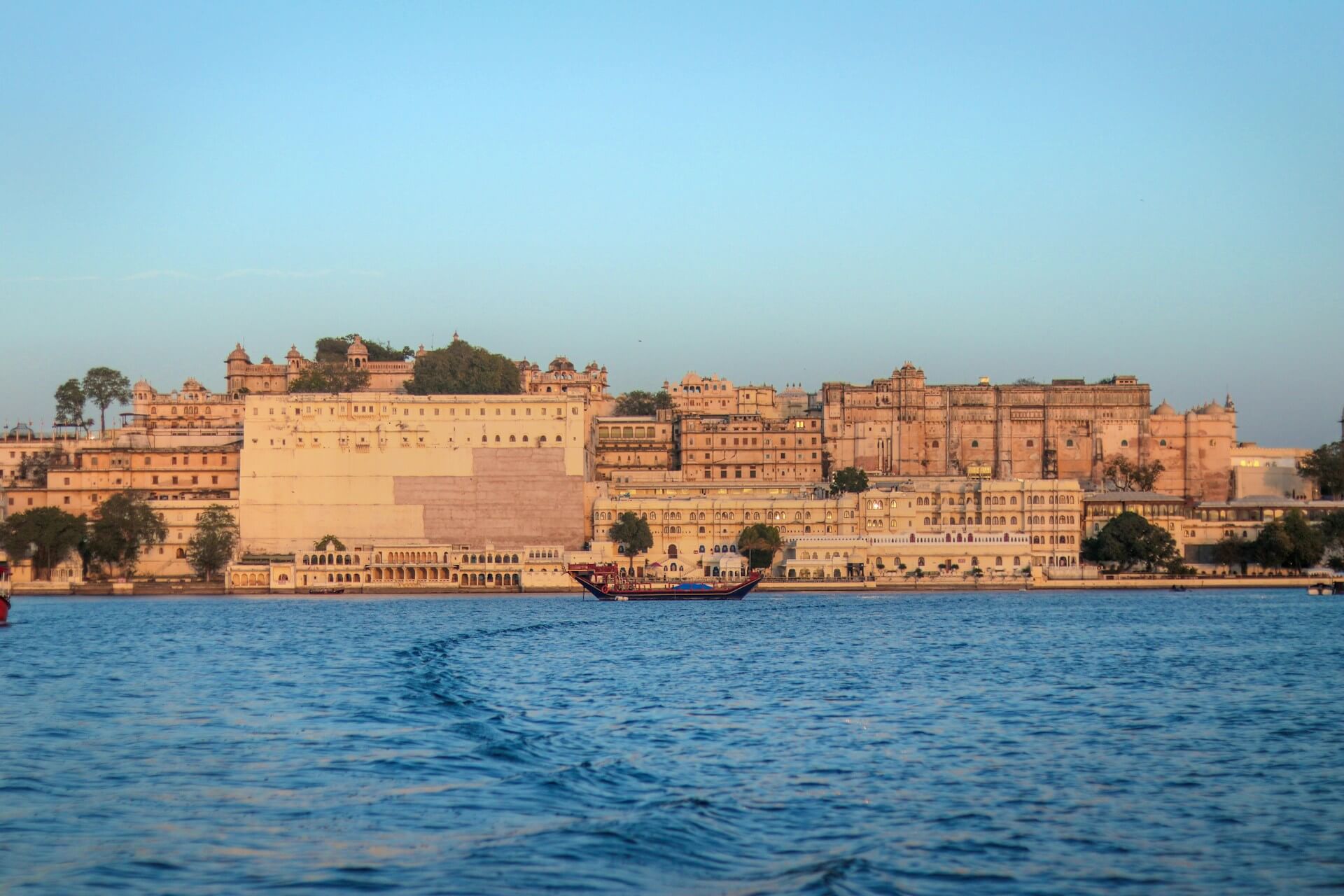
The massive walls of Mehrangarh Fort make it one of the most impressive structures in India. Udaipur sits around a shimmering lake and is crowned by the Lake Palace Hotel, which seems to float on the water.
It is one of the most romantic cities in Asia. Jaisalmer, in the far western Thar Desert, has a living medieval fort where families have lived for centuries.
It has narrow lanes, carved havelis, and quiet nights. Rajasthan is best explored slowly. Rushing to visit every city causes fatigue and turns the forts into a blur.
A focused circuit – like Jaipur, Jodhpur, and Udaipur, without Jaisalmer – gives a richer experience than trying to see everything.
The Himalayan Region: Heights and Horizons
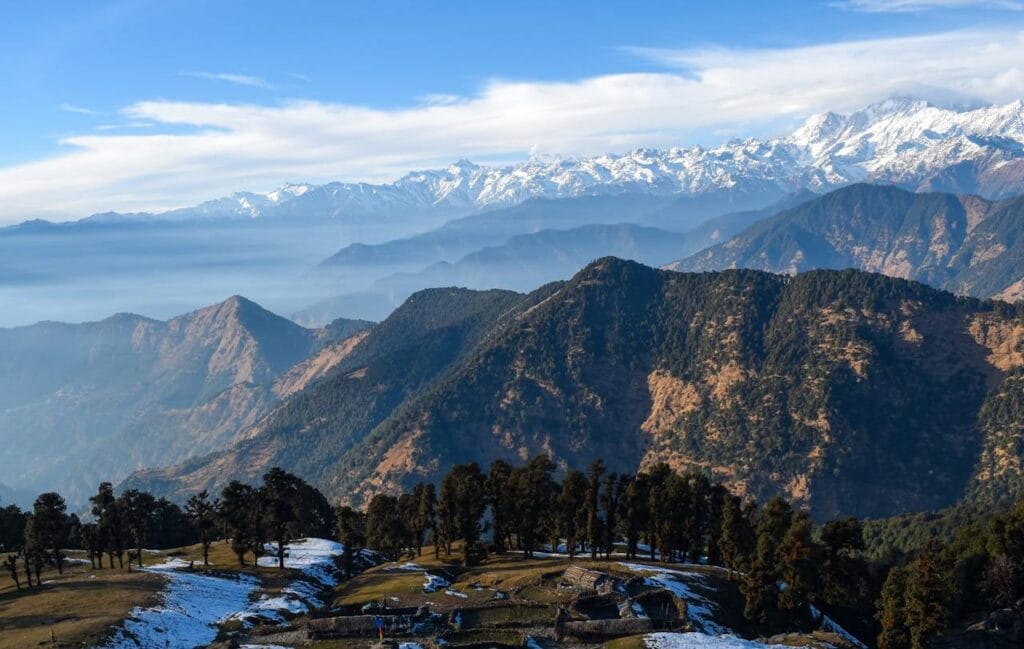
The Himalayan regions of India are seriously beautiful, but they require the most careful planning of any destination on this list, particularly given the time constraints of a 7 to 10 day trip.
Manali, in the Kullu Valley of Himachal Pradesh, is the most accessible Himalayan destination from Delhi — reachable by an overnight bus or a short flight to Bhuntar followed by a road journey.
The town itself sits at around 2,050 meters and the surrounding peaks soar well beyond 5,000 meters. In season, the scenery is spectacular and the temperature is a welcome relief from the plains.
Ladakh – centered on the remote high-altitude city of Leh – is arguably the most dramatic landscape in India, a stark, Buddhist, high-desert world where ancient monasteries cling to clifftops above turquoise rivers.
However, the altitude (Leh sits at 3,500 meters) requires acclimatization time, which eats meaningfully into a short trip.
It is worth it for those who prioritize extraordinary landscape above almost all other considerations – but go in knowing that your first two days will be largely devoted to rest and acclimatization.
For most travelers working with 7 to 10 days, Manali and the Kullu Valley represent the more practical Himalayan choice. Ladakh is better suited to a dedicated trip of two weeks or more.
Sample 7 – 10 Day Travel Combinations
Combination 1: Classic Golden Triangle (7 Days)
- Day 1–2: Arrive Delhi. Old Delhi exploration – Red Fort, Jama Masjid, Chandni Chowk. Rest and recover from jet lag.
- Day 3: New Delhi – India Gate, Humayun’s Tomb, Qutb Minar.
- Day 4: Train to Agra (approximately 2 hours by Gatimaan Express). Taj Mahal at sunrise, Agra Fort in the afternoon.
- Day 5–6: Travel to Jaipur (approximately 4 hours by road or train from Agra). Amber Fort, Hawa Mahal, City Palace, evening in the markets.
- Day 7: Return to Delhi by train. Departure.
Combination 2: Kerala Deep Dive (8 Days)
- Day 1–2: Arrive Kochi. Fort Kochi walking tour, spice markets, Kathakali performance in the evening.
- Day 3–4: Travel to Munnar (approximately 4 hours by road). Tea plantation visits, Eravikulam National Park, Attukad Waterfalls.
- Day 5–6: Travel to Alleppey (Alappuzha) — board a houseboat for an overnight journey through the backwaters.
- Day 7: Arrive Varkala or Kovalam for beach time.
- Day 8: Return to Kochi for departure flight.
Combination 3: Rajasthan Focus (10 Days)
- Day 1: Arrive Delhi, overnight at airport hotel.
- Day 2: Fly to Jaipur. Check in and evening walk in the Pink City.
- Day 3: Amber Fort, Hawa Mahal, Jantar Mantar observatory.
- Day 4: Train or road to Jodhpur (5–6 hours). Check in, evening at Mehrangarh Fort.
- Day 5: Mehrangarh Fort deep visit, blue city walk, clock tower market.
- Day 6: Travel to Udaipur (approximately 5 hours). Evening at Lake Pichola.
- Day 7–8: Udaipur — City Palace, boat on the lake, Jagdish Temple, Saheliyon ki Bari gardens.
- Day 9: Road to Ranakpur Jain Temples (en route back toward Jodhpur or Jaipur for flight).
- Day 10: Fly home from Jodhpur or Jaipur.
Combination 4: Delhi + Varanasi (7 Days)
- Day 1–2: Delhi – Old and New Delhi highlights.
- Day 3: Fly to Varanasi (approximately 1.5 hours). Arrive, check in near the ghats.
- Day 4: Morning boat ride on the Ganges at sunrise. Day exploring the ghats and the old city lanes.
- Day 5: Sarnath day trip (the site where the Buddha first taught, just 10 km from Varanasi). Evening Ganga Aarti ceremony.
- Day 6: Additional ghat exploration. Silk weaving workshops. Optional day trip to Ramnagar Fort.
- Day 7: Fly home from Varanasi or return to Delhi for international connection.
Common Mistakes in Choosing the Best Places to Visit in India
Packing in Too Many Cities
The single most common mistake. Travelers see a list of famous Indian destinations – Delhi, Jaipur, Agra, Varanasi, Mumbai, Goa, Kerala, Leh – and attempt to connect as many as possible in a single trip.
The result is that they spend more time in airports and on trains than they do in the places themselves. Each new city arrives before the last one has been properly absorbed. India needs time and attention.
It rewards the traveler who sits by the river for an hour, who takes the long way through the market, who accepts an invitation to tea from a shopkeeper and ends up talking for forty-five minutes. You cannot do that if you are always rushing to the next place.
Underestimating Jet Lag Recovery
India is a significant time zone shift for travelers coming from Europe, the Americas, or Australia.
Building no recovery time into the first day or two of an itinerary is a mistake that leaves travelers exhausted and irritable during what should be the most exciting days of their journey.
Arrive, sleep, eat gently, walk slowly. The monuments will still be there tomorrow.
Choosing Destinations That Don’t Match the Season
As discussed above, going to Rajasthan in June or trying to do the Ladakh circuit in December will result in either extreme physical discomfort or logistical impossibility.
India’s seasonal variations are dramatic and should be respected, not ignored in favor of a schedule that fits better at home.
Not Building in Buffer Days
Every seasoned traveler in India has a story about a flight delayed by fog in Delhi (a regular winter occurrence), a train that arrived four hours late, or a road blocked by a festival procession that nobody anticipated.
Building no buffer into your schedule means that when the inevitable disruption arrives, it cascades through your entire itinerary. Add at least one loosely structured day – a day with nothing critical planned – somewhere in the middle of your trip.
Skipping Smaller Experiences for Famous Landmarks
India’s famous landmarks — the Taj Mahal, Red Fort, and Amber Fort – are spectacular. They should not be missed. But travelers who are most transformed often do more than see landmarks.
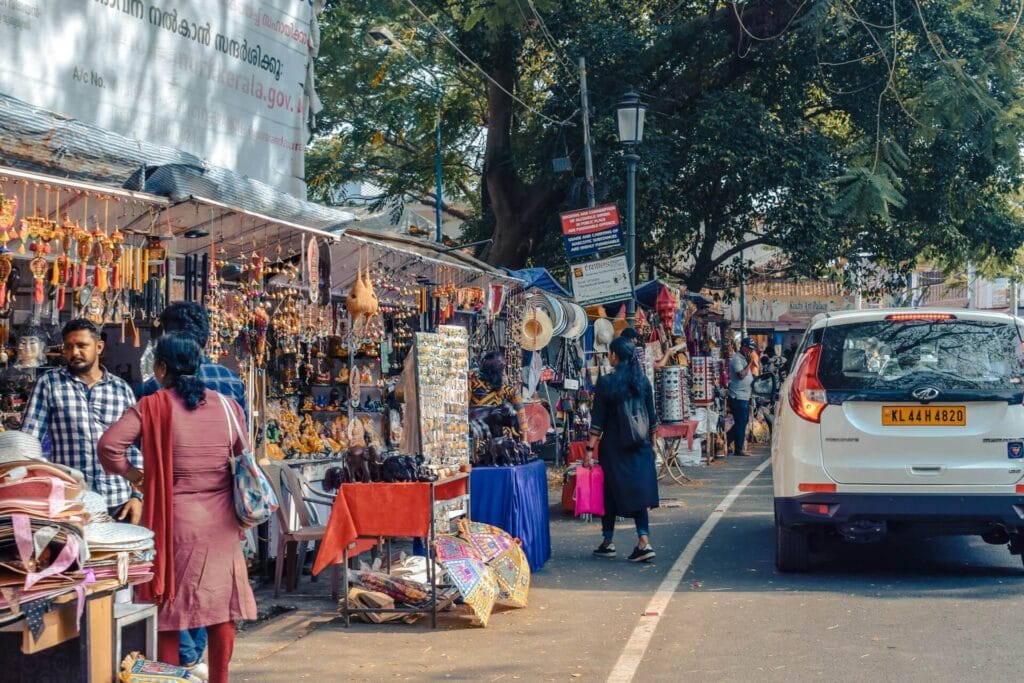
They spend time on the unplanned. They might chat with a chai stall owner. Or follow a local family through a temple ritual. Or watch artisans work in a craft workshop.
These experiences cost nothing. They only need a willingness to slow down. Such moments don’t fit on a rushed itinerary.
Trying to Mix Regions Too Aggressively
Combining Rajasthan with Kerala in 7 days sounds appealing in theory — you get the north and the south, the desert and the backwaters.
In practice, the travel time between these regions (a flight of at least 3 hours, plus full days of transit) consumes so much of your limited time that you experience neither region deeply.
Far better to commit fully to one region and know it well than to glance at two and understand neither.
Conclusion: Choose Depth Over Distance
You won’t see all of India in one trip—and that’s perfectly fine. The best India itinerary for first-time travelers focuses on one region, a few meaningful experiences, and enough time to enjoy each place without rushing.
If you plan your route carefully, match destinations with the season, and keep your itinerary simple, your first trip to India will be far more rewarding.
India is not a checklist destination—it’s an experience. Slow down, explore deeply, and let the journey unfold naturally. A well-planned India itinerary is not about seeing everything—it is about experiencing a few places deeply.
FAQs about Best Places to Visit in India
What are the best places to visit in India for a 7–10 day trip?
If you have 7 to 10 days, the best places are the Golden Triangle, Rajasthan, Kerala backwaters, or the Himalayan region like Manali. Pick one region to explore deeply instead of rushing through many cities.
How should I plan a first-time trip to India?
For a first-time trip, focus on one region, check the best season, and plan realistic travel time between cities. Avoid cramming too many destinations into a short trip.
What is the best time to visit India?
The best time depends on where you go. October to March is ideal for Rajasthan, February to April for Kerala, and June to September for Ladakh.
How many days do I need for a Golden Triangle trip?
You can explore the Golden Triangle—Delhi, Agra, Jaipur—in 5 to 7 days. This gives you time to see landmarks without feeling rushed.
Which regions in India are best for history and architecture?
North India is perfect for history and architecture. Visit Rajasthan and the Delhi–Agra corridor for forts, palaces, and Mughal monuments.
Where can I see wildlife in India?
For wildlife, go to Ranthambore National Park in Rajasthan to spot tigers or visit Kerala’s Periyar Wildlife Sanctuary for elephants and birds.
What are the top beaches to visit in India?
Goa, Varkala, and Kovalam are top beaches in India. You’ll find relaxation, water sports, and beautiful coastal scenery.
How can I experience local culture in India?
Experience culture by visiting markets, watching temple rituals, exploring small towns, or chatting with locals over tea or at craft workshops.
How should I travel between cities in India?
Use flights for long distances, trains for scenic journeys, and cars for regional travel. Always plan extra time for delays, traffic, or busy airports.
What mistakes should first-time travelers avoid in India?
Common mistakes include visiting too many cities, ignoring seasonal weather, skipping buffer days, and rushing through famous landmarks without enjoying local life.
Images: Unsplash
