
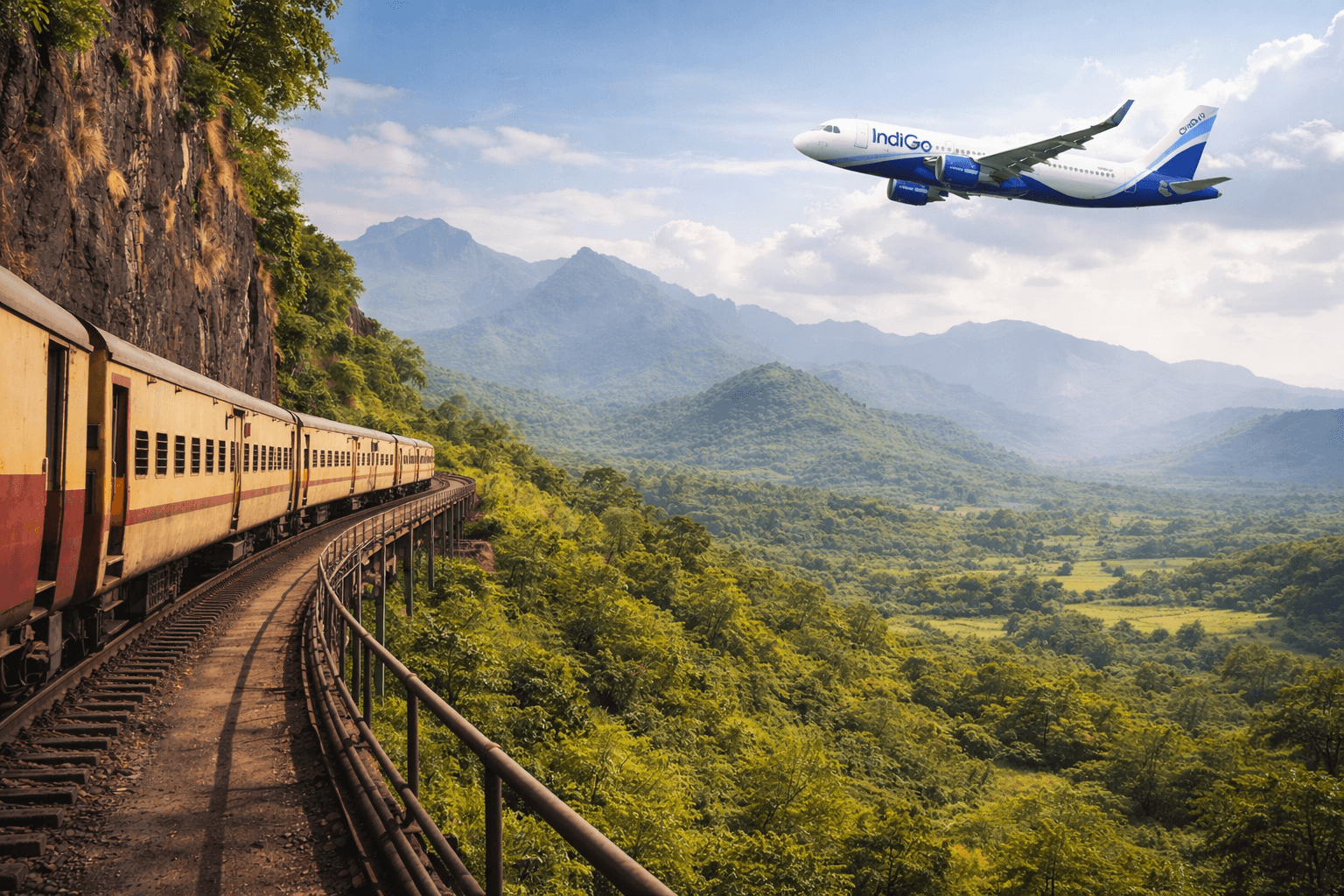

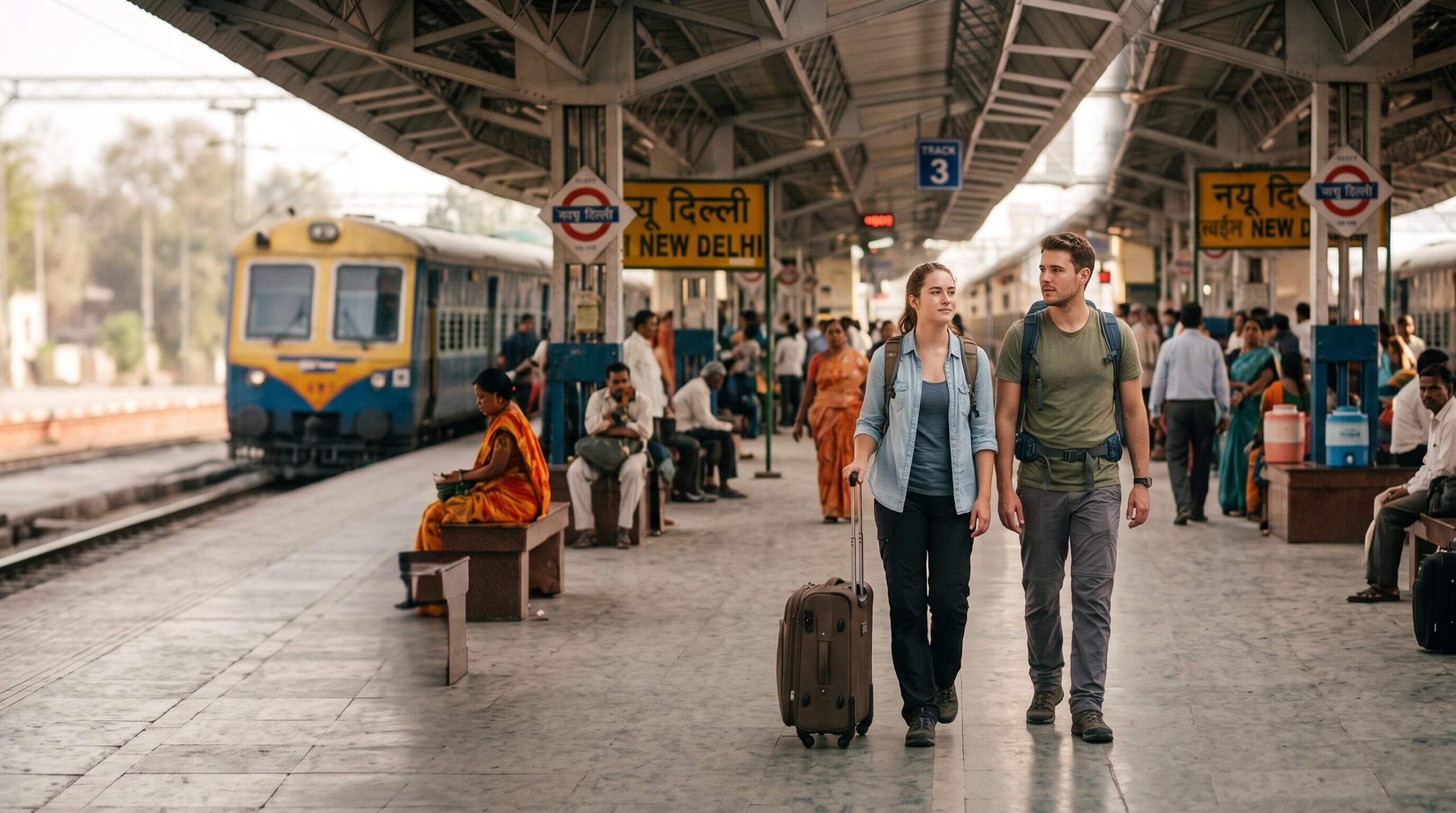


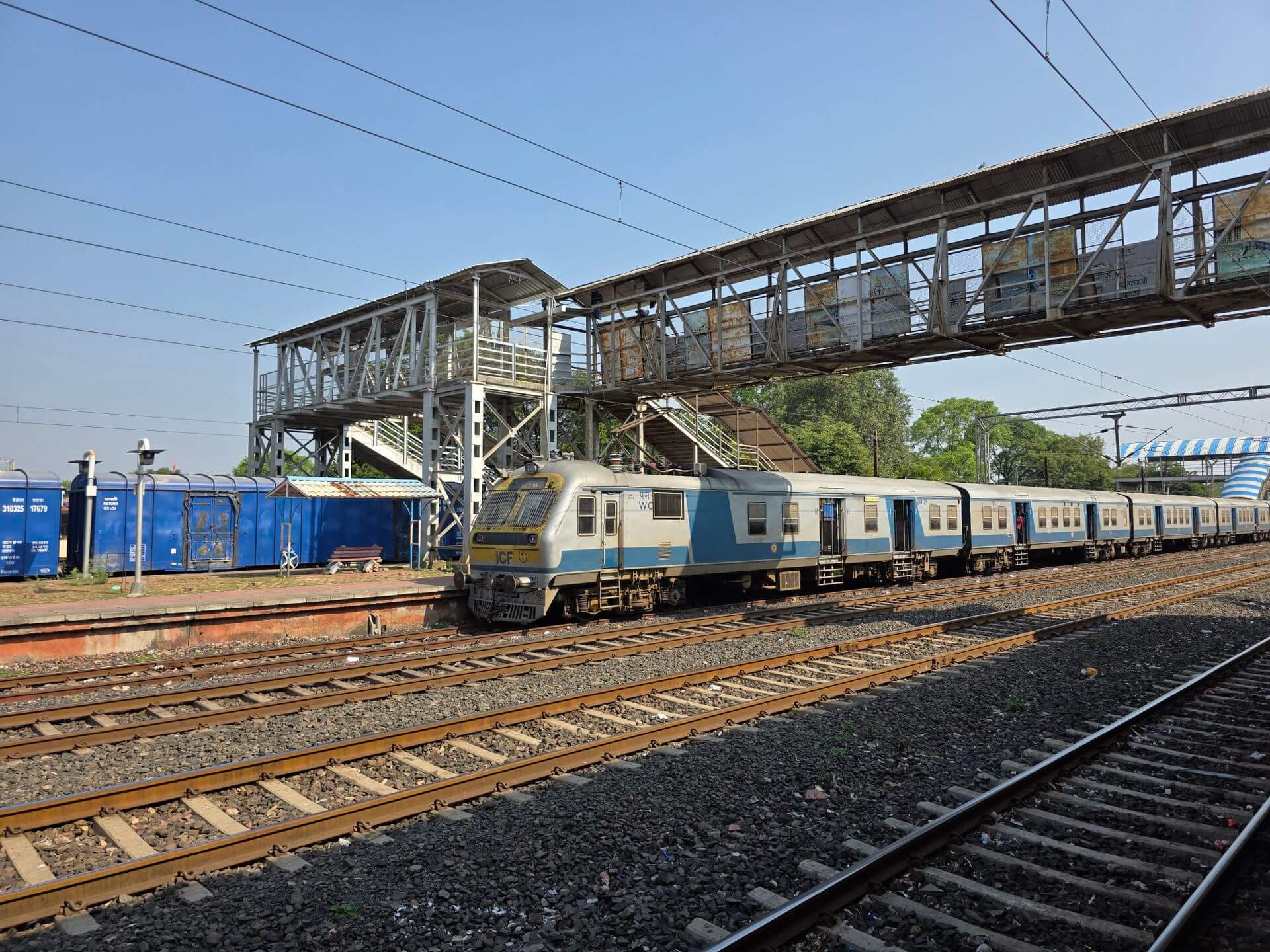
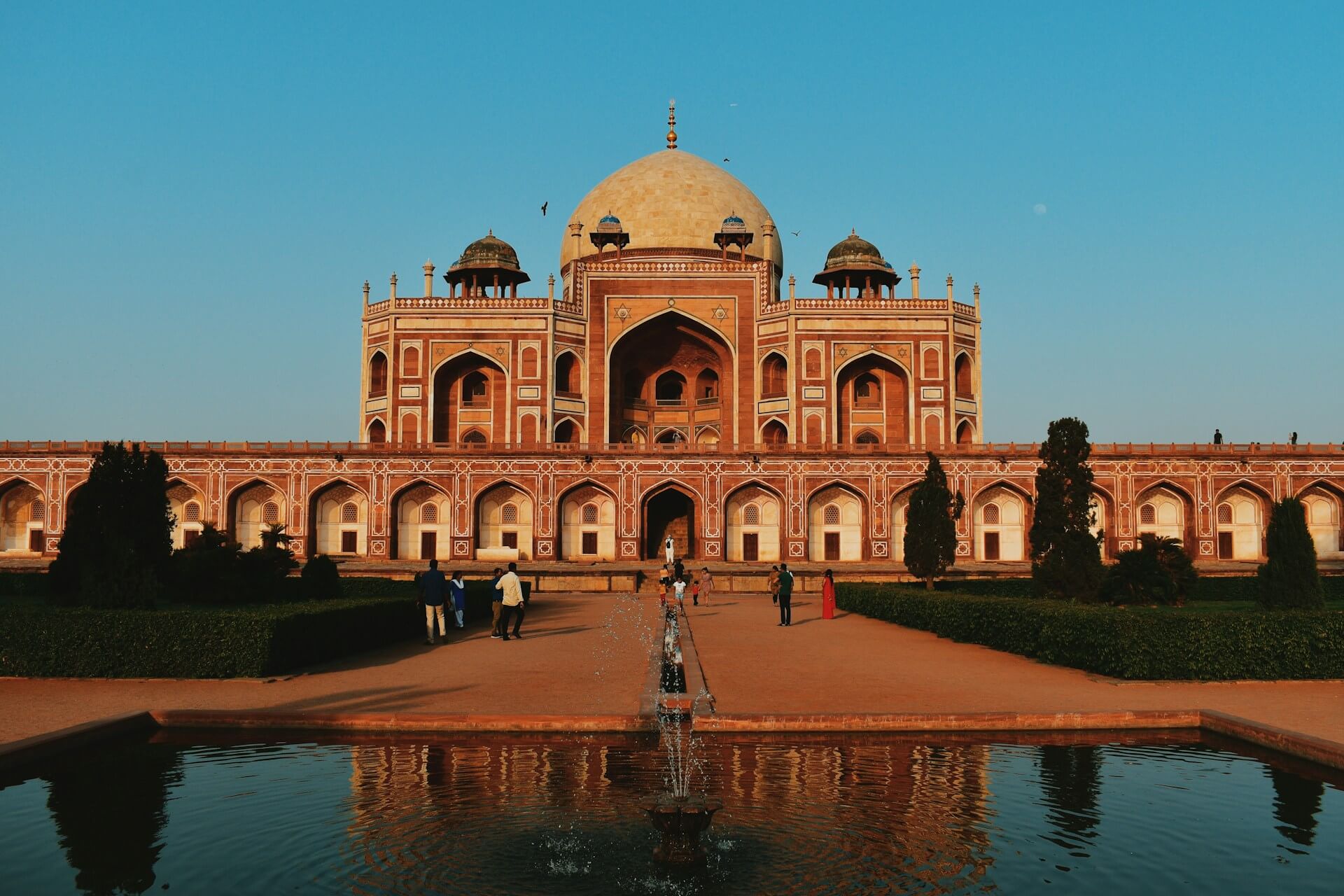
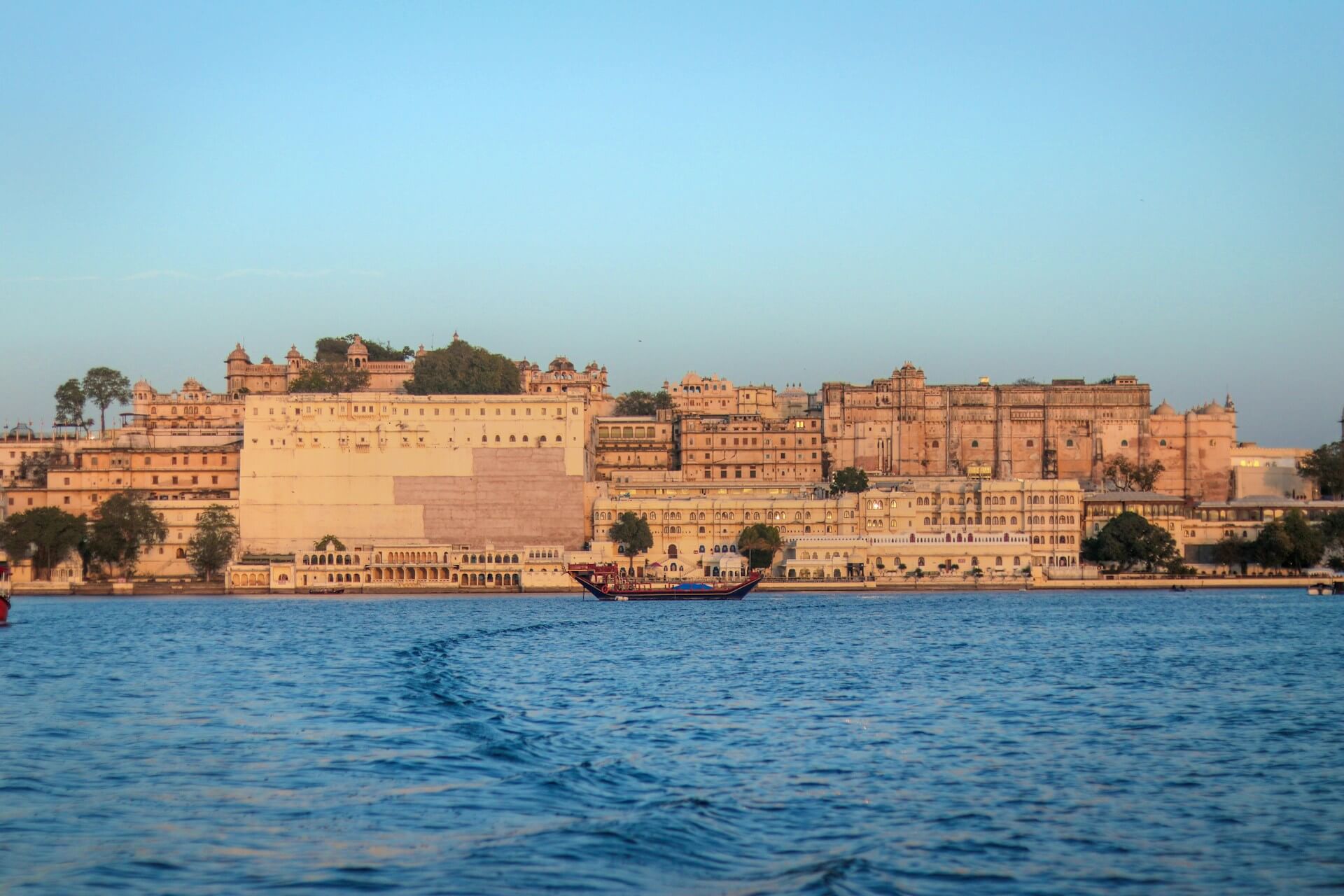

Every first-time visitor to India eventually faces the same decision: train vs flight in India for travel. On the surface, it might seem like a simple choice between two transport options, but the question quickly becomes more complex.
When planning transportation in India, most travelers compare Indian Railways vs domestic flights in India to decide the best way to travel between cities.
From cost to travel time, comfort, and the overall experience, the right choice between train vs flight in India depends heavily on your route, budget, and travel preferences.
Understanding when to choose one over the other is essential for making the most of your trip. This guide doesn’t declare one option universally better – train vs flight in India depends on your journey specifics.
Both trains and flights play an important role in a well-rounded India travel itinerary. To help you make the right decision every time, we provide a practical framework based on your route, budget, schedule, and travel preferences.
Planning your first trip to India? Check out our First-Time Travel Guide to India, where we cover everything from essential tips and itineraries to visa requirements and safety advice – all the information you need to kickstart your journey.
Quick Answers
- Train or Flight in India?
- Short Distance (under 600 km): Trains are often better — cheaper, more convenient (no airport hassle), and more scenic.
- Long Distance (over 800 km): Flights are practical for saving time, even with the higher cost.
- Which is Cheaper — Train or Flight?
- Trains are much cheaper, especially for shorter trips.
- Example: Delhi to Mumbai (Third AC train): ₹800-₹1,200
- Budget flight on the same route: ₹2,500-₹4,500 (plus baggage/airport fees)
- Which is Faster for Long Distances?
- Flights win on raw travel time, but don’t forget to factor in check-in, security, baggage, and transfers.
- Example: Delhi to Chennai by air: ~2 hours vs. 28-33 hours by train.
- Are Trains Comfortable in India?
- Third/Second AC: Comfortable, air-conditioned, with bedding.
- Sleeper Class: Basic, best for budget travelers who can handle non-AC conditions.
This quick comparison helps you choose the best way to travel in India based on distance, budget, and time.
The Honest Overview
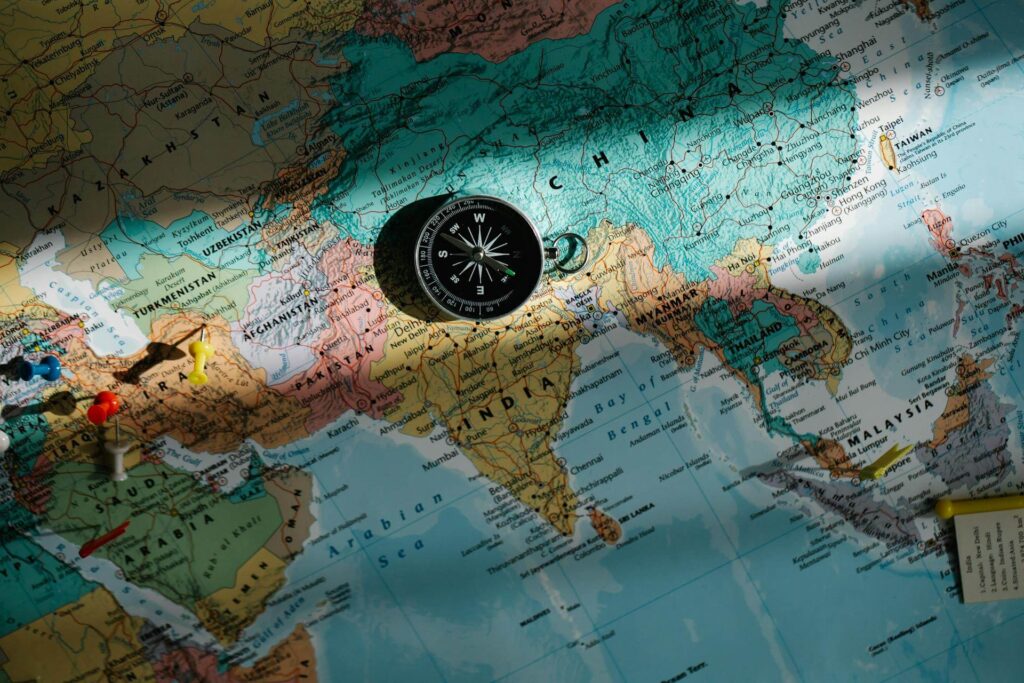
India is a vast country, and no single transport mode works for every journey. The train network covers over 13,000 routes and connects virtually every destination worth visiting.
Domestic aviation has expanded dramatically in recent years, with budget carriers making flights accessible at prices that would have seemed impossible a decade ago.
The decision usually comes down to this: trains reward travelers who have time and want to experience India from the ground up.
Flights reward travelers who are time-poor, covering enormous distances, or connecting two major cities with limited days.
Getting this decision right for each leg of your journey is one of the most impactful planning choices you’ll make. Today, domestic flights in India connect major cities quickly, making them a key part of modern India travel itineraries.
Cost Comparison: Train vs Flight in India

When comparing Indian Railways vs flights cost, trains remain the most budget-friendly option for most routes.
Route | Train (Third AC) | Budget Flight | Additional Costs (Flight) | Total Cost (Flight) |
Delhi to Mumbai | ₹800–₹1,200 (Third AC) | ₹2,500–₹4,500 | Baggage fees: ₹500–₹1,500, Taxi: ₹600–₹1,200 | ₹3,600–₹7,200 |
Mumbai to Goa | ₹500–₹900 | ₹2,500 | Baggage fees: ₹500–₹1,500, Airport transfer: ₹600–₹1,000 | ₹3,600–₹5,400 |
Delhi to Varanasi | ₹1,000–₹2,000 (Second AC) | ₹2,500–₹5,000 | Baggage fees: ₹500–₹1,500, Taxi: ₹500–₹1,000 | ₹3,500–₹7,500 |
Bengaluru to Kerala | ₹800–₹1,400 (Second AC) | ₹2,500–₹4,500 | Baggage fees: ₹500–₹1,500, Taxi: ₹600–₹1,200 | ₹3,600–₹6,200 |
Delhi to Chennai | ₹1,500–₹2,500 (Third AC) | ₹2,500–₹6,500 | Baggage fees: ₹500–₹1,500, Taxi: ₹600–₹1,200 | ₹3,600–₹8,200 |
Mumbai to Kolkata | ₹1,500–₹2,500 (Third AC) | ₹3,000–₹5,500 | Baggage fees: ₹500–₹1,500, Taxi: ₹600–₹1,200 | ₹4,100–₹7,200 |
Time Comparison: Which Actually Saves More Time?
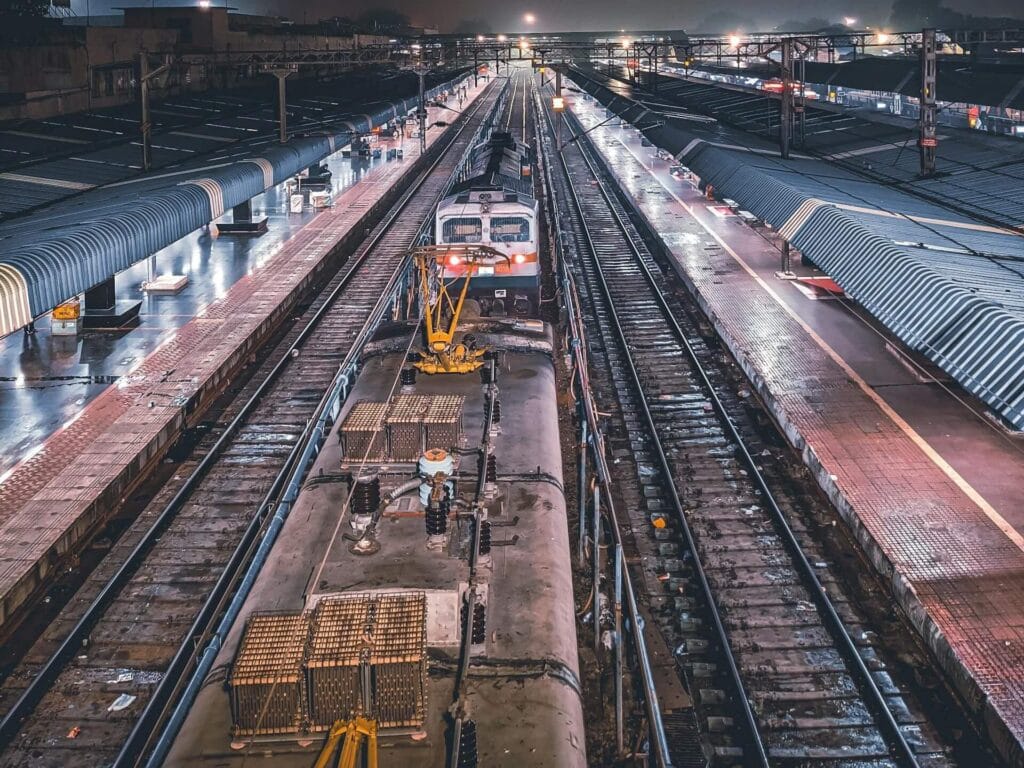
If you’re planning an India itinerary with limited time, flights can significantly reduce travel fatigue on long routes.
Route | Train (Approx Travel Time) | Flight (Approx Flight Time) | Airport Procedures (Flight) | Total Time (Flight) | Total Time (Train) |
Delhi to Jaipur | 4–5 hours | 1 hour | Security, check-in, baggage claim: 2-3 hours | 3-4 hours | 4–5 hours |
Delhi to Chennai | 28–32 hours | 2 hours | Security, check-in, baggage claim, transfer: 3-4 hours | 5-6 hours | 28–32 hours |
Mumbai to Goa | 8–10 hours (overnight) | 1.5 hours | Security, check-in, baggage claim, transfer: 2-3 hours | 3.5-4.5 hours | 8–10 hours |
Bengaluru to Kerala | 8–10 hours | 1.5–2 hours | Security, check-in, baggage claim, transfer: 2-3 hours | 3.5-5 hours | 8–9 hours |
Delhi to Varanasi | 12–15 hours (overnight) | 1.5 hours | Security, check-in, baggage claim, transfer: 2-3 hours | 3.5-4.5 hours | 12–15 hours |
Mumbai to Kolkata | 22–24 hours (overnight) | 2 hours | Security, check-in, baggage claim, transfer: 3-4 hours | 5-6 hours | 22–24 hours |
Comfort and Travel Experience
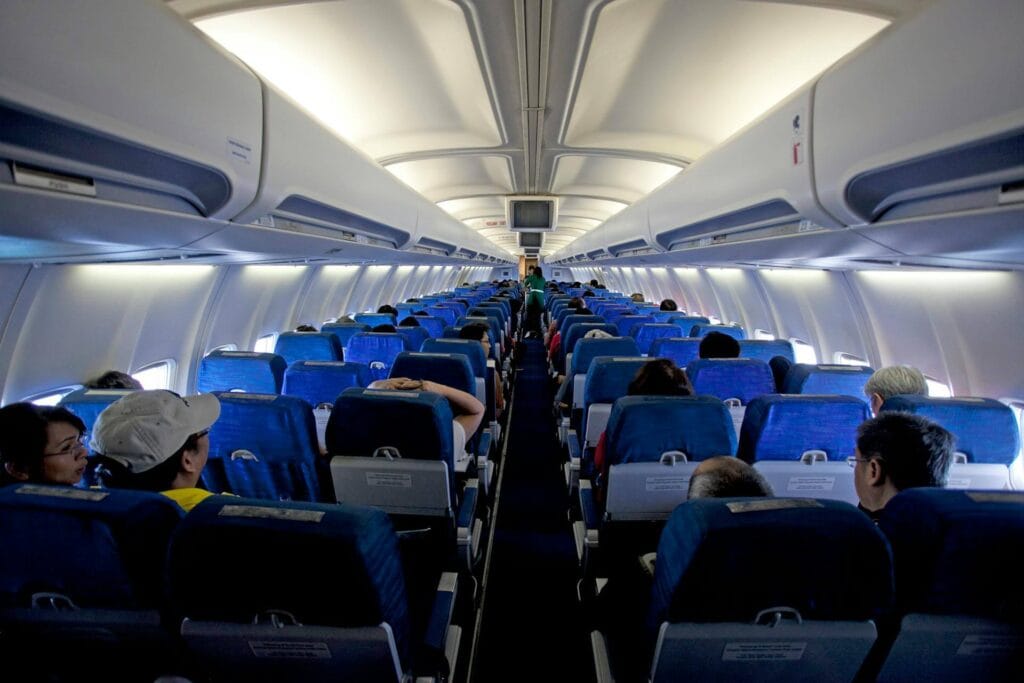
Comfort is often the most subjective factor when comparing train vs flight in India. However, many travelers find that trains often win in ways that may not be obvious until you’ve experienced both modes of travel.
On a train in Third AC, you have a berth wide enough to lie flat, bedding is provided, the temperature is controlled, and there’s space for your luggage underneath.
For many visitors, train travel in India for tourists is a unique cultural experience, especially in AC classes like Third AC and Second AC.
You can walk to the pantry car, buy tea from vendors at stations, look out the window at whatever part of India you’re passing through, and have the kind of spontaneous conversations with fellow travelers that rarely happen on planes.
There’s a particular pleasure to waking up on an Indian overnight train as the sun rises over a landscape you couldn’t have seen from 35,000 feet.
Domestic flights in India are functional rather than comfortable. Budget carrier seats are narrow, legroom is tight, the flight is usually too short for a meal, and the experience from gate to gate is designed for efficiency rather than enjoyment.
It gets you there, but it doesn’t add anything to the trip. For many travelers, that’s fine — comfort on a two-hour flight is a minor concern.
But if you’re choosing between a 14-hour overnight train in Third AC and a flight for the same journey, the train often delivers a more comfortable actual rest.
The experience argument flips when Sleeper Class enters the discussion. Sleeper is cheap, fan-cooled, and crowded – not miserable, but not comfortable in the same way as AC classes.
In summer heat across much of India, an hour on a budget flight beats eight hours in a non-AC carriage without much argument.
Convenience and Accessibility

Booking a domestic flight in India is genuinely easy. Google Flights, Skyscanner, MakeMyTrip – search, compare, pay, done. International cards work reliably on most airline booking platforms, and the entire process takes five minutes.
Flight schedules are predictable and departure times are fixed. Train booking through IRCTC is more involved, particularly for foreign travelers navigating the platform for the first time.
Account registration requires a mobile number (ideally an Indian one), the payment gateway can be temperamental with international cards, and understanding classes, quotas, and waitlists takes some initial learning.
Third-party platforms like Cleartrip or Trainman simplify this considerably, but there’s still more friction than booking a flight. Railway stations in India are centrally located in almost every city – often right in the heart of the urban area.
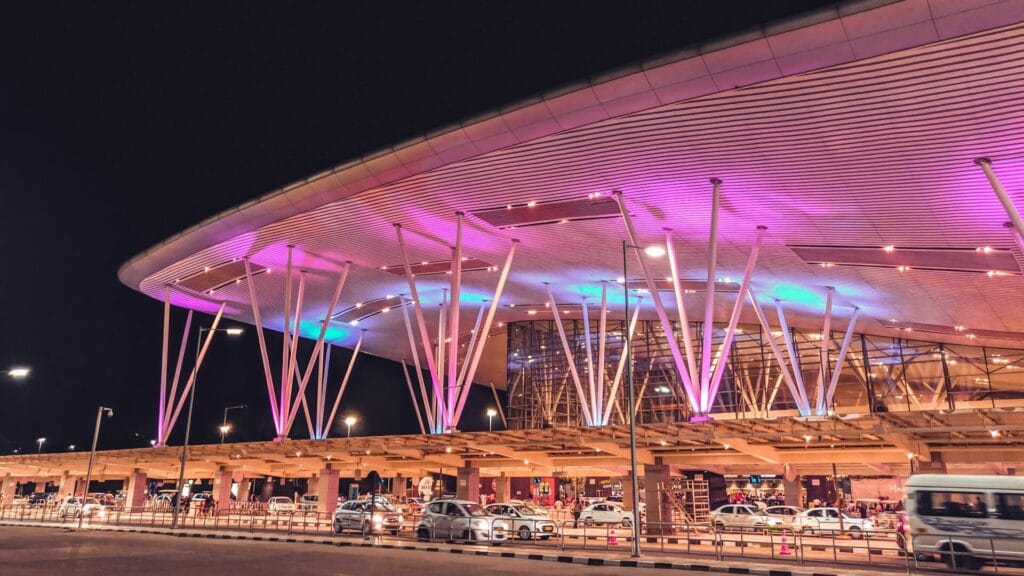
Airports are typically 30 to 60 kilometres outside city centres. This location difference has a practical impact on your total travel time and budget that often isn’t factored in when people compare the two modes.
The Distance Rule: What to Take and When
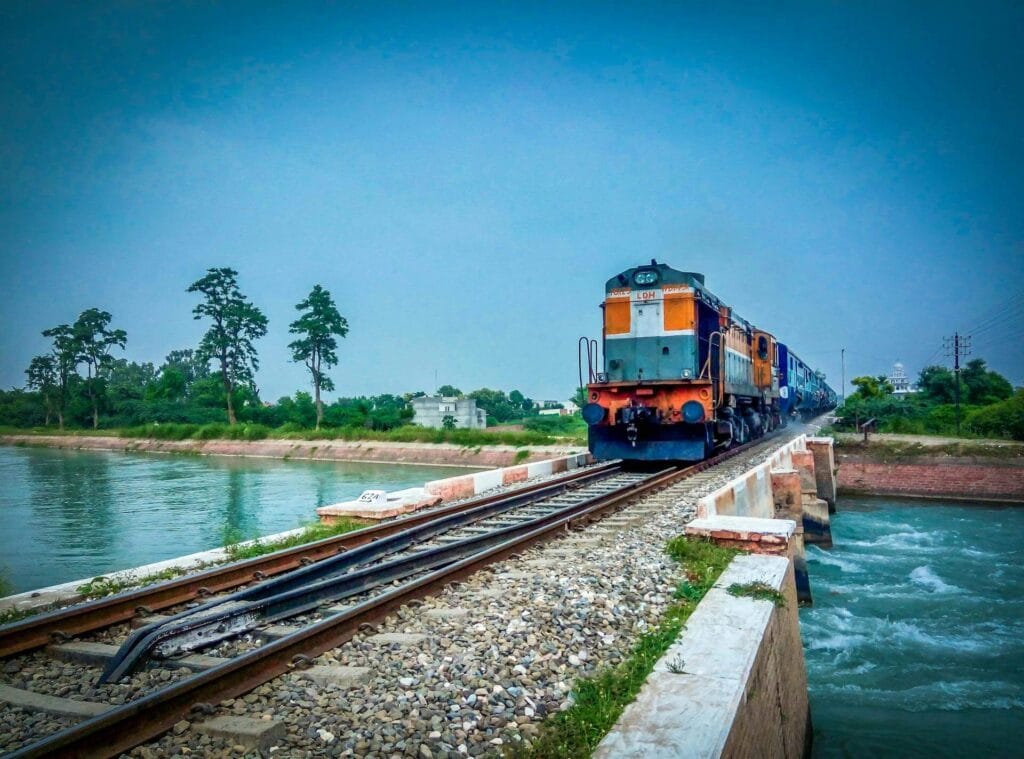
Choosing the best transport in India for tourists often depends on distance, which makes this rule especially useful.
For distances under 300 kilometres, trains are almost always the better choice. The time saved by flying is minimal once you account for airport procedures and transfers, the cost difference is substantial, and the train experience is often more pleasant.
Delhi to Agra, Bengaluru to Mysuru, Mumbai to Pune – all of these are classic train routes where flying would be inefficient.
Between 300 and 800 kilometres, the decision depends on what you’re prioritising. If budget and experience matter more than time, a train – particularly an overnight one – is still the stronger choice.
If you’re short on days and the route has good flight connections, flying can make sense, particularly if you find a competitive fare.
Mumbai to Goa sits in this middle band and is well served by both; the overnight Konkan Railway train is a travel classic, but a 1.5-hour flight is genuinely useful if you’re time-pressed.
Over 800 kilometres, flights deserve serious consideration. Journeys of this length by train take 20 to 35 hours or more. If you have the time and the overnight train option is available, it’s still a worthwhile experience.
But if you’re trying to cover large distances efficiently across a two-week trip, flying makes rational sense and keeps your itinerary from being consumed by transit.
Real Scenarios: Train or Flight?
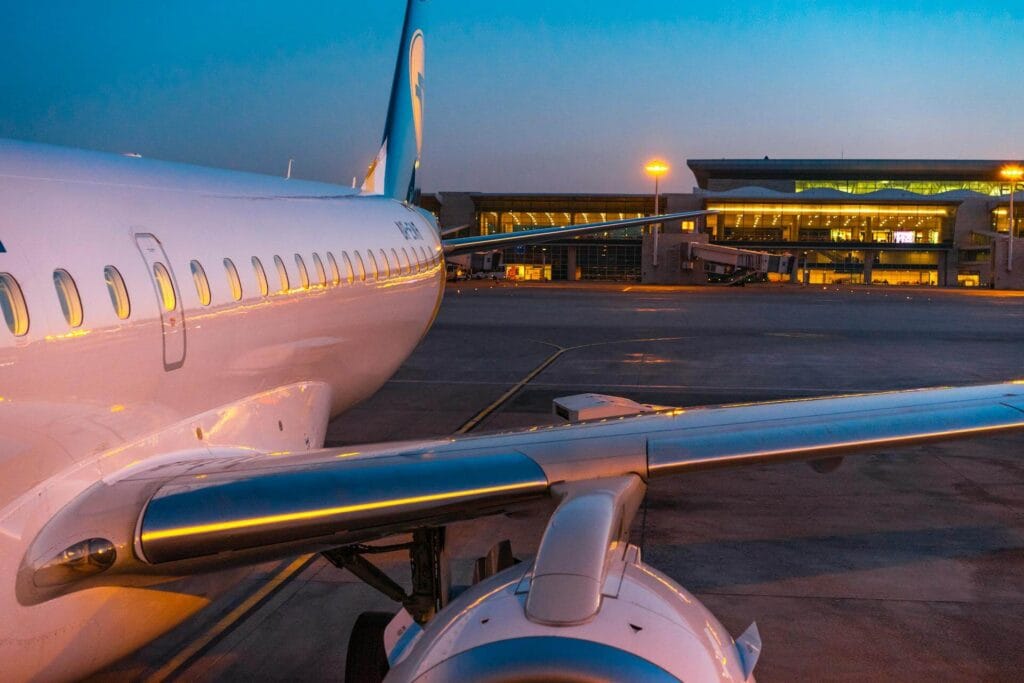
Delhi to Agra (230km): Take the train – specifically the Gatimaan Express or the Shatabdi. Fast, affordable, drops you close to the Taj Mahal. Flying here is genuinely unnecessary and logistically awkward.
Mumbai to Goa (600km): Depends on your priorities. The overnight Konkan Railway train is one of India’s most scenic journeys – coastal views, fresh air through the windows, waking up in Goa.
If you want the experience, take the train. If you’ve only got a few days and want to maximize time in Goa, a 1.5-hour flight is reasonable.
Delhi to Varanasi (800km): This is a borderline case. Several overnight trains run this route in 12 to 15 hours, arriving in the morning ready for a full day. It’s a manageable overnight journey and significantly cheaper than flying.
Most travelers who do it don’t regret it. That said, if you’re pressed for time, a 1.5-hour flight is available.
Bengaluru to Kerala (Kochi, 550km): The train through the Western Ghats is genuinely beautiful – one of those routes where the journey is as memorable as the destination.
It takes around eight to nine hours but winds through mountains, tea estates, and misty valleys. If you have the time, this one is worth doing by train at least once.
Pros and Cons of Trains in India
Pros of Trains in India:
- Cheaper, especially for shorter journeys.
- Central station locations, often closer to city centers.
- Scenic routes offering unique views of the countryside.
- Overnight travel saves accommodation costs.
- Social and immersive experience with fellow travelers.
Cons of Trains in India:
- Booking can be complicated, especially for foreign travelers.
- Delays are common and sometimes significant.
- Lower classes (like Sleeper Class) can be uncomfortable.
- Long-distance trains can take 20-35 hours.
Pros and Cons of Flights in India
Pros of Flights in India:
- Fast, especially for long distances.
- Fixed schedules and generally easy booking.
- More comfortable for short-haul flights.
- Ideal for time-constrained travelers.
- Convenient for cross-country trips (large distances).
Cons of Flights in India:
- More expensive than trains, especially when you factor in baggage fees and airport transfers.
- Airports are usually located far from city centers.
- Not as immersive or scenic as train journeys.
- Budget airlines often have cramped seating.
- Delays can occur, especially during peak seasons.
Common Mistakes First-Time Travelers Make

Many first-time visitors underestimate how transport in India for tourists works, especially when comparing trains and flights. Choosing a flight for a short journey is probably the most common and easily avoided error.
Plenty of first-time visitors to India book a flight from Delhi to Jaipur or Bengaluru to Mysuru because it seems faster – and then spend four hours dealing with airport procedures for a journey the train does in five hours from a central station.
Booking trains too late is the mirror mistake. Indian trains on popular routes sell out weeks in advance.
Travelers who decide to “sort out trains once they arrive” regularly find themselves scrambling for Tatkal tickets at premium prices or resorting to buses when they’d planned something more comfortable.
Ignoring total travel time rather than just flight duration leads to itineraries that look efficient on paper but feel rushed in practice. A 90-minute flight that takes four hours door-to-door doesn’t save as much time as it appears.
And underestimating the comfort difference between train classes leads to long, uncomfortable journeys that could easily have been more pleasant for a modest extra cost.
Safety Considerations
Both trains and domestic flights in India are safe modes of transport.
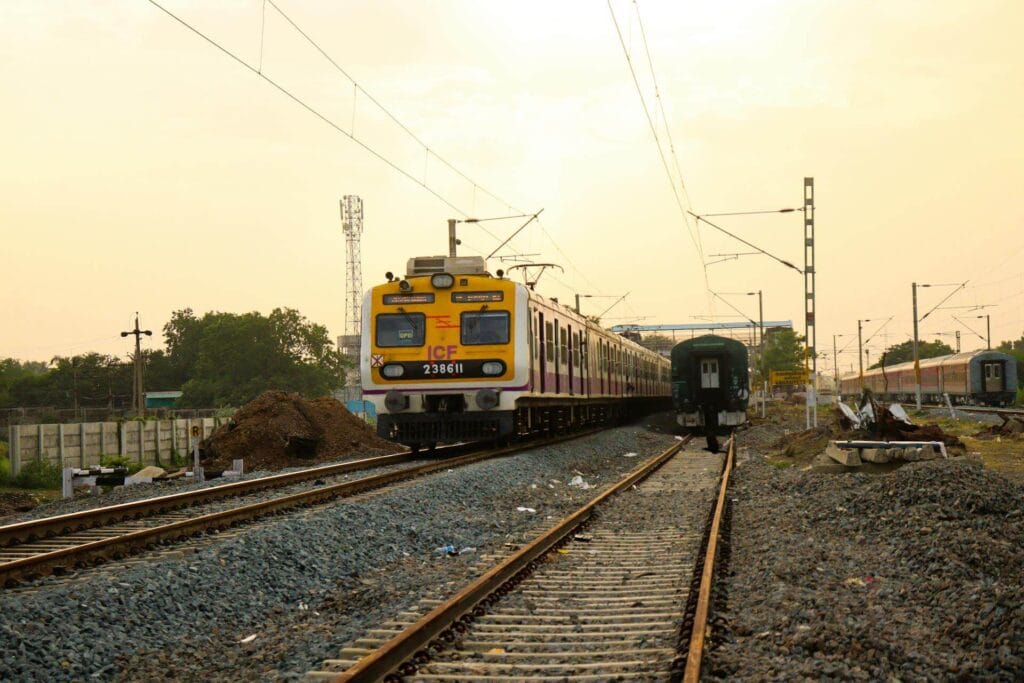
Indian Railways handles billions of journeys annually, and while incidents occasionally make international news, the statistical safety record of train travel in India is reasonable and improving.
Domestic aviation in India operates to international safety standards and has a strong safety record overall.
For personal security on trains, basic precautions go a long way: lock your luggage to the rack with the chain provided, keep valuables in a small bag that stays with you, and stay aware of your surroundings at busy stations.
On flights, standard international travel advice applies – keep documents and valuables in your carry-on.
Budget Guide by Traveler Type
Traveler Type | Preferred Travel Mode | Typical Budget per Journey | Key Considerations |
Budget Travelers | Trains (Sleeper/Third AC) | ₹500–₹1,200 | – Focus on low cost – Overnight trains save on lodging |
Mid-Range Travelers | Second AC (overnight) + Flights | ₹1,500–₹4,000 | – Comfort + affordability – Use trains for short trips, flights for long |
Comfort-Focused Travelers | Flights + Premium Trains | ₹3,000–₹8,000 | – Prioritize comfort – Flights for long distances, premium train classes |
Luxury Travelers | Flights (Business/First Class) | ₹8,000–₹20,000+ | – Time-sensitive – Premium services for both trains and flights |
Practical Tips for Choosing the Right Option
When your journey is under six hours by train, the train almost always wins on total value. When the train takes more than 20 hours and you have less than two weeks in the country, flying becomes rational.
When budget is tight and you’re not in a hurry, an overnight train is almost always the smartest choice.
When you’re traveling during peak festival season and haven’t booked in advance, check flight availability first – trains often have no confirmed berths, while flights may still have seats.
One hybrid approach experienced India travelers use: fly into a major hub, then use trains to explore the surrounding region before flying out from a different city.
It combines the efficiency of aviation for the big geographic jumps with the intimacy and affordability of trains for the overland exploration. This works particularly well for first-time visitors who want to cover a lot of ground without being overwhelmed.
Final Thoughts
The train versus flight debate in India doesn’t have a single correct answer – it has a correct answer for each specific journey, and developing the instinct to recognize which is which is one of the most useful skills you can bring to planning an India trip.
Use trains when you have the time, when the journey is under 800 kilometres, when you’re traveling overnight, and when you want to experience the country rather than fly over it.
Use flights when distances are genuinely vast, when your schedule is tight, and when the time saved justifies the extra cost and convenience trade-offs.
Both trains and flights have their place in a well-planned India itinerary. Trains show you the landscapes, while flights cover long distances quickly.
To make the most of your trip, plan your journey carefully, book trains early, monitor flight prices, and choose based on your priorities. Whether you opt for train or flight in India depends on the specifics of each leg of your trip.
Ultimately, choosing between Indian Railways vs flights in India comes down to your travel style, budget, and how much time you have.
FAQs about Train vs Flight in India
What is better for short trips in India, train or flight?
For short trips under 600 km in India, trains are usually a better option. They are cheaper, more convenient, and offer a scenic travel experience without the hassle of airport procedures.
Is it cheaper to travel by train or flight in India?
Trains are significantly cheaper than flights in India, especially for shorter routes. For example, a Third AC train ticket costs ₹800–₹1,200, while a budget flight can range from ₹2,500–₹4,500 for the same route.
How long does it take to travel from Delhi to Chennai by train vs flight?
A flight from Delhi to Chennai takes around 2 hours, while a train journey can take 28–33 hours. However, consider additional time for check-in and transfers when flying.
Are trains in India comfortable for tourists?
Yes, trains like Third AC and Second AC offer comfortable, air-conditioned cabins with bedding, making them ideal for overnight journeys. Sleeper class is more basic, suitable for budget travelers.
Which is faster, train or flight in India for long distances?
Flights are faster in terms of raw travel time for long distances, but when you factor in the time spent on airport check-ins, security, and transfers, trains can sometimes be a more time-efficient option.
What are the pros of traveling by train in India?
Trains in India offer affordability, central station locations, scenic routes, and the benefit of overnight travel to save on accommodation costs. They also offer an immersive social experience.
Can you save money by taking an overnight train in India?
Yes, overnight trains are an excellent way for budget travelers to save on accommodation costs. A Third AC train from Delhi to Mumbai, for example, combines both transport and lodging.
Are flights or trains better for long journeys in India?
For distances over 800 km, flights are often the better choice due to time constraints, especially if you’re on a tight schedule. However, trains can offer a unique experience on long journeys.
How do I book a train ticket in India?
Booking train tickets in India can be done through the official IRCTC website or third-party platforms like Cleartrip or makemytrip.
Is it safe to travel by train in India?
Yes, train travel in India is generally safe. While occasional delays or incidents can happen, basic precautions such as securing your luggage and staying alert at stations ensure a safe experience.
Images: Pexels
