


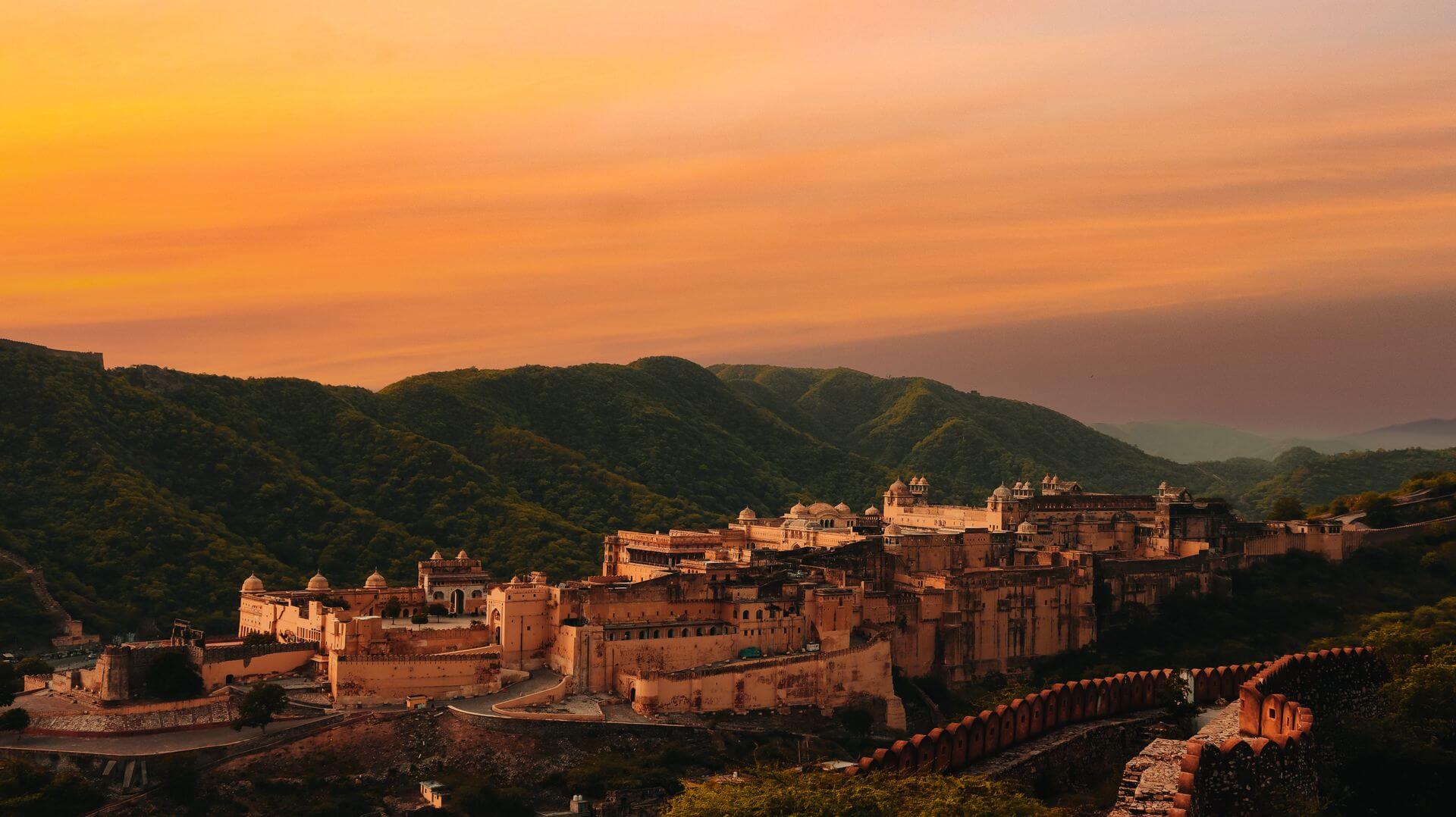
India isn’t a country you simply visit. It’s a country you feel. You hear it in the temple bells at sunrise. You smell it in a roadside chai stall bubbling with cardamom.
You see it in a grandmother drawing rangoli patterns outside her doorway at dawn. For first-time travelers, India can feel overwhelming—too many colors, too many voices, too many choices.
But here’s the truth: the best way to understand India is to step into its daily rhythm. Not through a tour bus window, but through its festivals, kitchens, temples, markets, and handcrafted traditions.
This guide to cultural experiences in India for first-time travelers isn’t just a list of things to do in India for first-time travelers—it’s a doorway to authentic Indian experiences.
Whether you’re drawn to Indian traditions and rituals, immersive travel experiences, or simply want to eat something unforgettable, these seven experiences will transform your trip from sightseeing to soul-seeing.
It also introduces you to cultural tourism in India, where every experience tells a deeper story about the country.
Ready to plan your journey? Start with our First-Time Travel Guide to India, then explore Best Places to Visit in India for your itinerary.
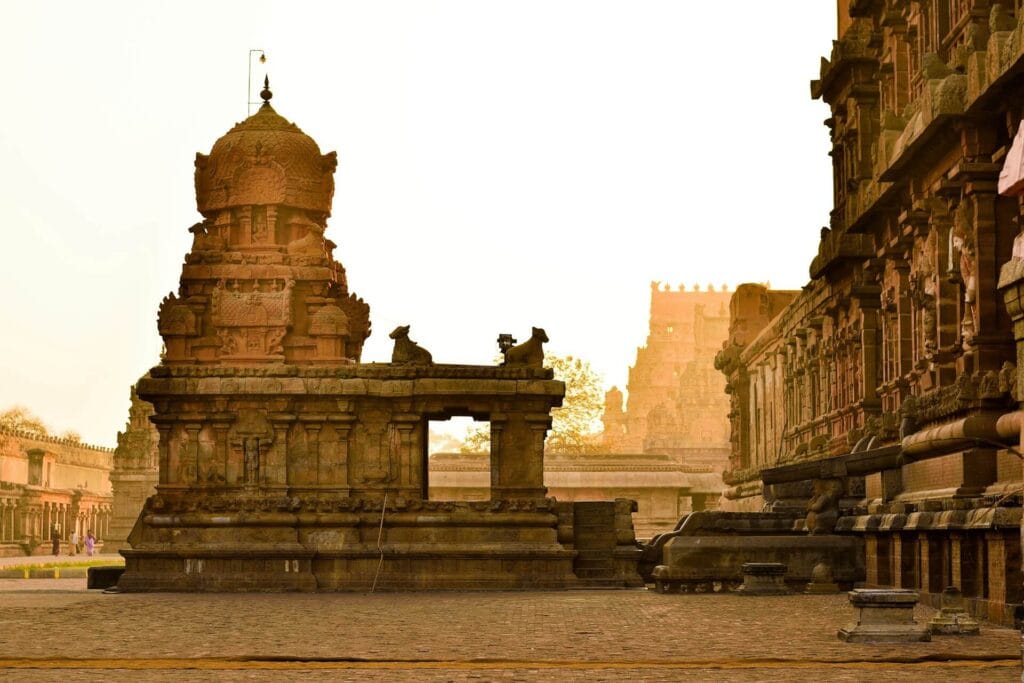
Why Cultural Experiences in India Matter for First-Time Travelers
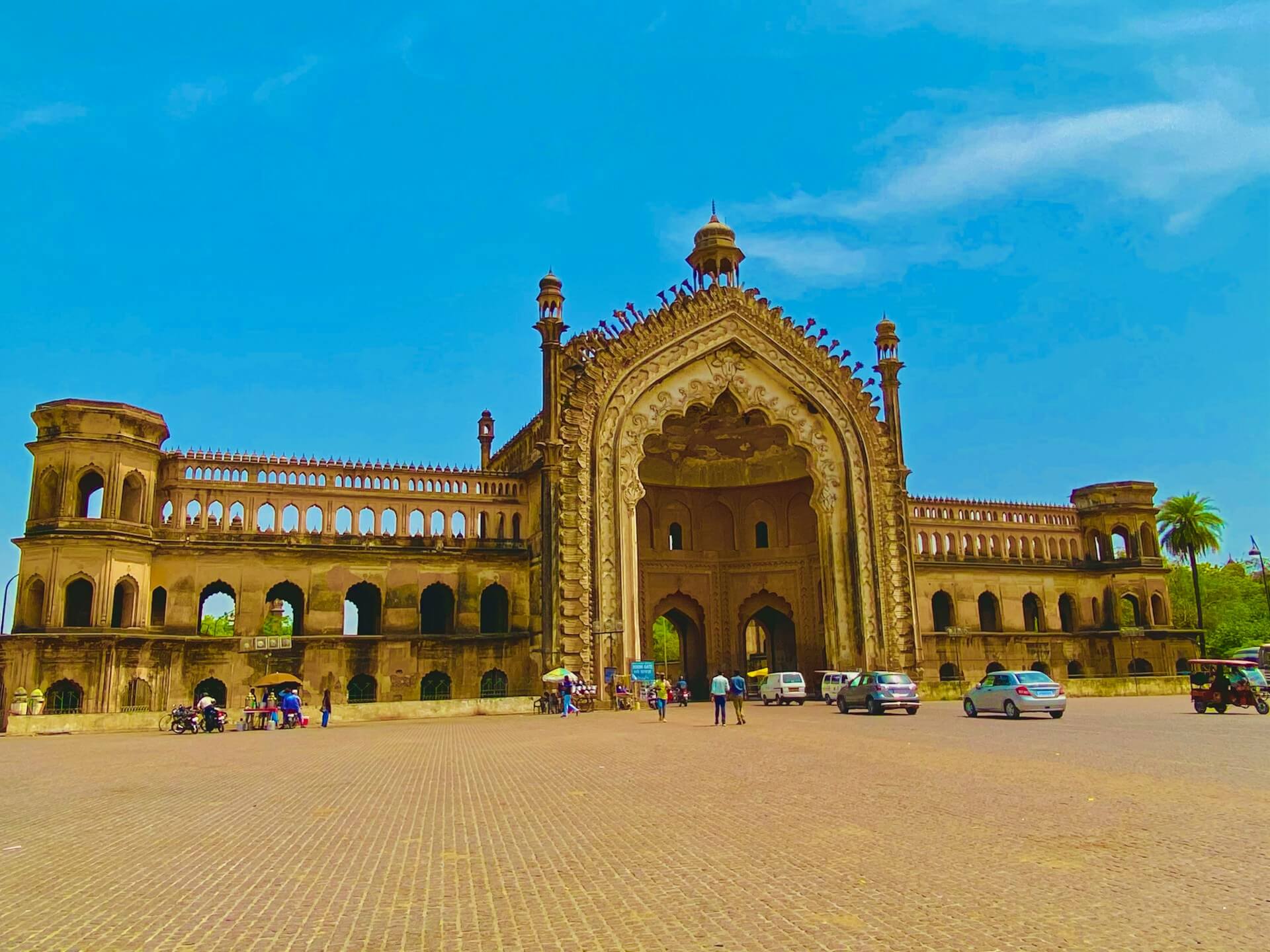
Most beginners arrive in India with a famous-landmarks list: Taj Mahal, Jaipur forts, Goa beaches. Those are beautiful—but they only show you the postcard.
Culture is where India truly lives. For many visitors, these authentic Indian experiences become the most memorable part of their journey.
One afternoon with a potter in Rajasthan or one dawn aarti in Varanasi will teach you more about India than a dozen monuments. These are the kinds of authentic Indian experiences that stay with travelers long after they return home.
Cultural travel also slows you down, helps you connect with locals, and makes your memories stick for years.
If you’re still mapping out your route, pair this article with our First-Time Travel Guide to India for practical planning.
Participate in Indian Festivals (A Must-Have Cultural Experience)
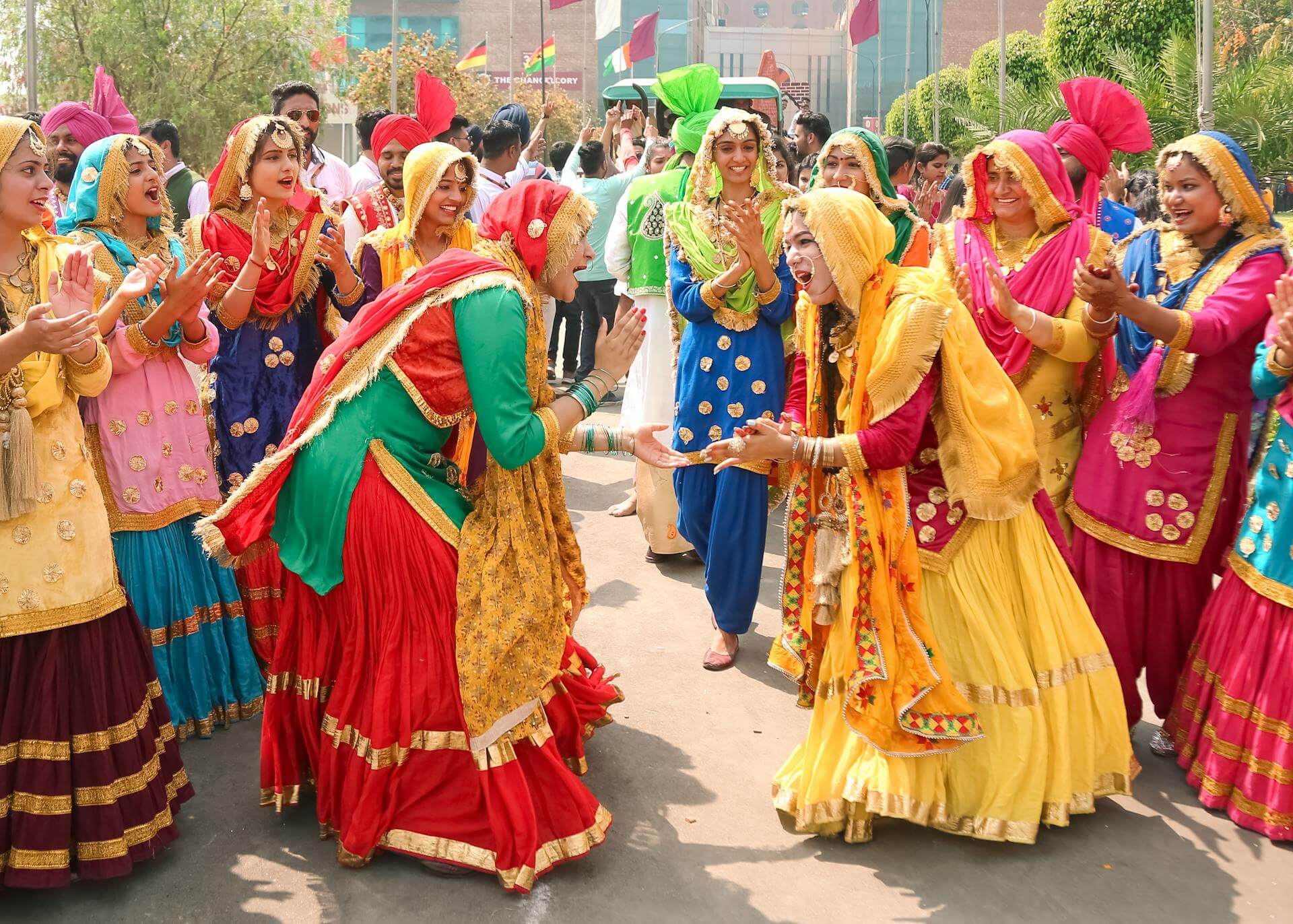
India celebrates hundreds of festivals every year—religious, seasonal, regional, and tribal. Each one carries centuries of story, music, and meaning.
For first-time visitors, festivals are among the most exciting things to do in India for first-time travelers.
Festivals Every First-Timer Should Consider
- Holi (March): The festival of colors. Expect clouds of pink and green powder, loud dhol drums, and strangers smearing your cheeks with gulal. Head to Mathura, Vrindavan, or Jaipur for the most authentic celebration.
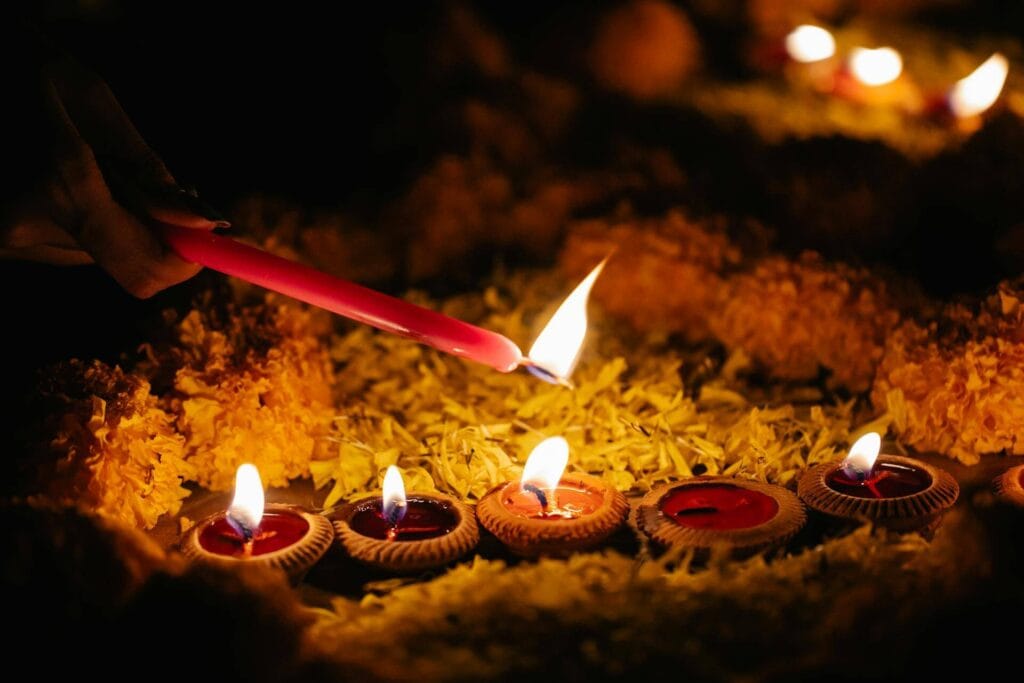
- Diwali (October–November): The festival of lights. During Diwali in Jaipur, every haveli is outlined in oil lamps, rooftops explode with fireworks, and sweet shops sell boxes of kaju katli until midnight.
- Durga Puja (September–October): Kolkata turns into an open-air art gallery. Giant pandals (temporary temples) showcase artistic Durga idols, while the air smells of incense and street-side kathi rolls.
- Onam (Kerala, August–September): Flower carpets, boat races, and a 26-dish vegetarian feast called sadya served on banana leaves.
- Pushkar Camel Fair (Rajasthan, November): Folk music, camel races, and turbaned traders gathering at one of India’s most colorful cultural events.
Quick Tips for Festival First-Timers
- Always check the festival calendar—dates shift each year.
- Dress modestly, especially at temple-based events.
- Ask before taking photos of people mid-ritual.
- Carry wet wipes, a change of clothes (Holi!), and patience for crowds.
Are Indian festivals suitable for first-time tourists? Yes. Most major festivals are welcoming to visitors, especially in tourist hubs like Jaipur, Varanasi, Kochi, and Udaipur.
Join smaller community celebrations, stay with a local host, or book a certified cultural guide for a safer, deeper experience.
Try Regional Indian Food (A True Cultural Experience)
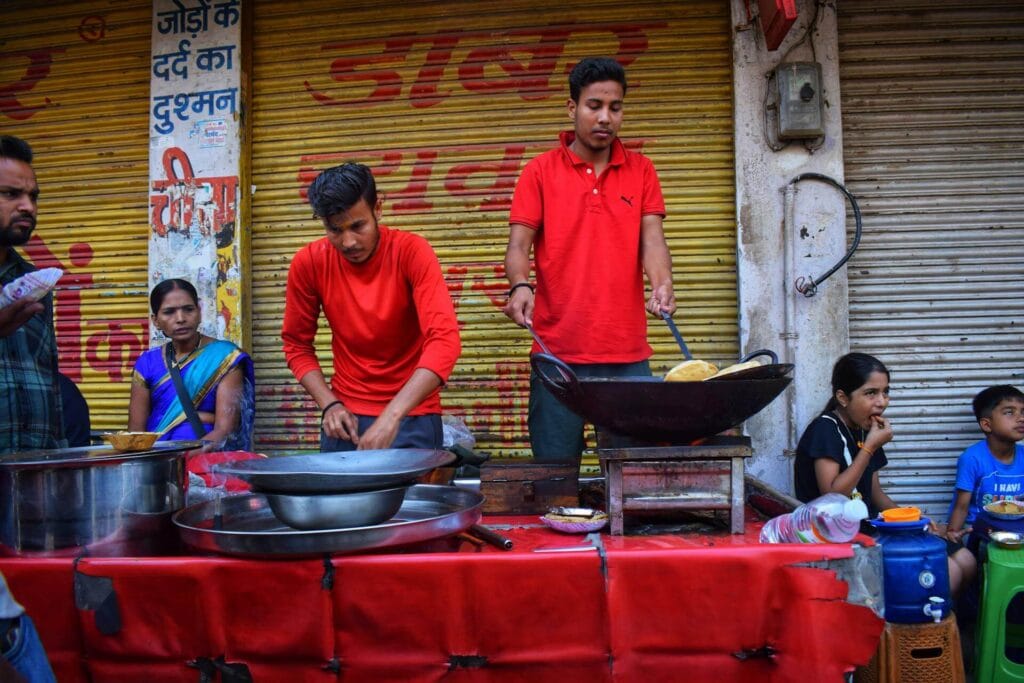
If you think Indian food means butter chicken and naan, you’re missing 90% of the story. Exploring regional cuisine is one of the most delicious ways to enjoy authentic Indian experiences.
India has 28 states, and each one has its own spice palette, cooking method, and food philosophy. Culinary tourism in India is one of the richest ways to understand its culture—because every dish is a story of geography, religion, migration, and family.
Regional Flavors Worth Tasting
- South Indian Thali: In Tamil Nadu, a banana-leaf meal might include rice, sambar, rasam, poriyal, curd, and payasam. Eating with your right hand is part of the ritual.
- Rajasthani Dal Baati Churma: Hearty, ghee-soaked, and built for desert life. Try it at a village dhaba near Jodhpur.
- Bengali Fish Curry: Mustard-based, tangy, and paired with steaming rice. Kolkata is the heartland.
- Kashmiri Wazwan: A royal multi-course meal with rogan josh, yakhni, and gushtaba.
- Street Food in Delhi & Mumbai: Golgappa, chaat, vada pav, pav bhaji, and kulfi—eaten while standing, laughing, and dodging scooters.
- Goan Fish Thali: Coconut, kokum, and chilli flavors shaped by Portuguese influence.
- Northeast Cuisine: Bamboo shoot curries, smoked pork, and fermented greens from Nagaland or Meghalaya.
Beginner Food Tips
- Start with vegetarian dishes—they’re usually the safest introduction.
- Eat street food only at busy, high-turnover stalls.
- Drink bottled or filtered water.
- Book a cooking class—Jaipur, Udaipur, and Kochi have excellent ones run by home cooks.
Experience Spiritual Practices in India (Yoga, Temples & Aarti)
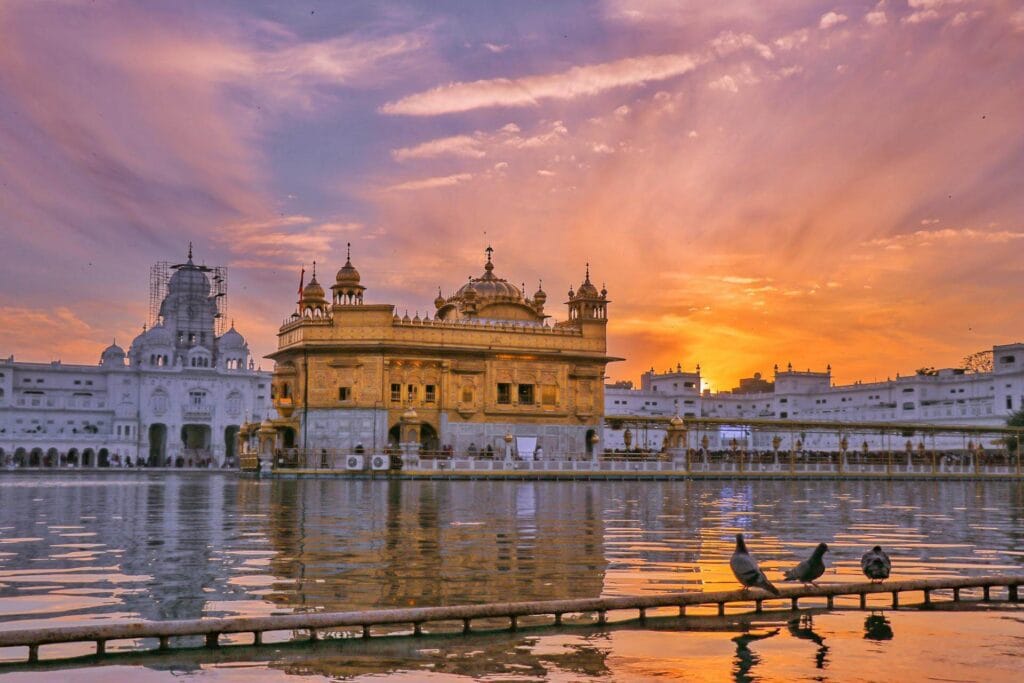
Spiritual travel in India isn’t reserved for monks or yogis. It’s a key part of cultural tourism in India and offers a deeper connection beyond sightseeing.
First-time travelers can participate respectfully and still walk away changed.
Beginner-Friendly Spiritual Experiences
- Morning Yoga in Rishikesh: Sitting cross-legged on the banks of the Ganga, you’ll hear chants, birds, and river currents all at once. Parmarth Niketan and Sivananda Ashram welcome beginners.
- Ganga Aarti in Varanasi: Each evening at Dashashwamedh Ghat, priests swirl giant fire lamps, bells ring, and conch shells echo across the river. Sit on a boat for the best view.
- Meditation in Bodh Gaya: Where the Buddha attained enlightenment. Silent retreats are offered for all experience levels.
- Temple Visits in Tamil Nadu: The Meenakshi Temple in Madurai is a jaw-dropping maze of carved gopurams and flower markets.
- Golden Temple, Amritsar: Sit by the sacred pool at night, then eat at the langar—a free community meal shared with 50,000 people a day.
Respectful Participation Tips
- Remove shoes before entering temples.
- Cover shoulders and knees.
- Don’t photograph inside sanctums.
- When in doubt, follow what the locals do—or simply ask.
Stay in Heritage Homes or Local Homestays in India
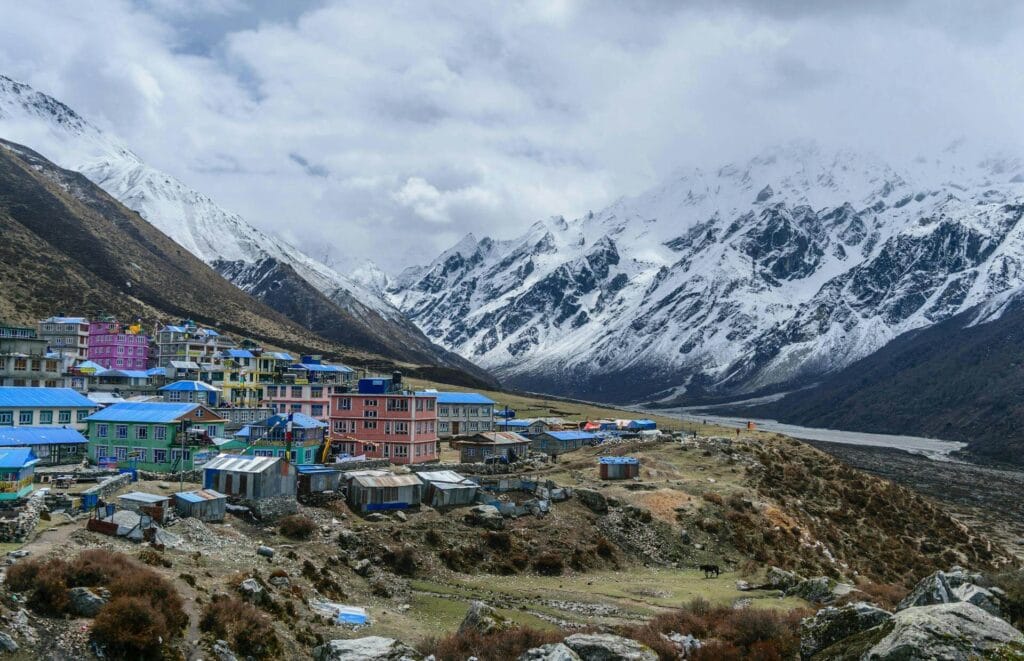
Skip chain hotels for at least a few nights – staying local is one of the best ways to experience authentic Indian culture.
India’s heritage havelis and village homestays are where culture happens informally—over chai, home-cooked dinners, and family stories.
Unique Stays to Try
- Havelis in Rajasthan: Restored 200-year-old merchant houses in Jaipur, Bundi, or Jaisalmer. Expect painted ceilings, jharokhas (balconies), and rooftop dinners.
- Kerala Backwater Homestays: Stay with a fishing family in Alleppey. Wake to the sound of oars slicing through still water and breakfast on puttu and banana.
- Himalayan Village Stays: In Spiti, Kumaon, or Sikkim, you’ll sleep in wood-and-stone homes, help cook momos, and walk with shepherds.
- Tea Estate Bungalows: In Munnar or Darjeeling, colonial-era planters’ homes offer silent mornings and endless green views.
These stays are perfect for experiencing both village and city life in India—places where traditions haven’t been polished for tourists.
For destination inspiration, explore our guide on Best Places to Visit in India.
Watch Traditional Indian Dance and Music Performances
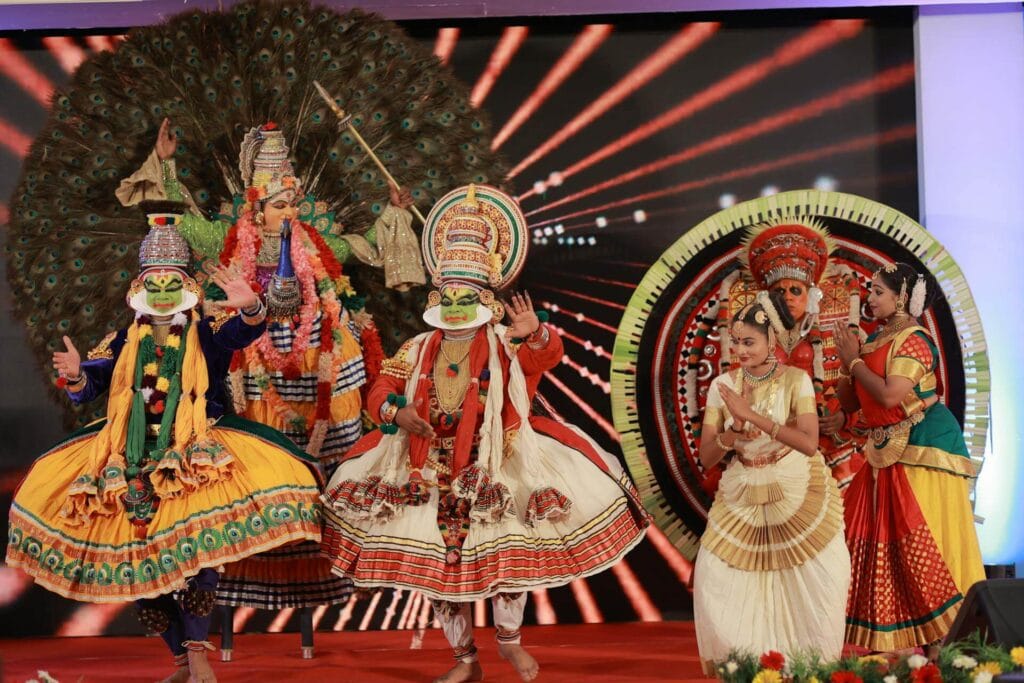
India’s performing arts are living museums. Every dance tells a myth; every raga follows a time of day.
Performances Worth Seeing
- Kathakali (Kerala): Dancers paint their faces green and red, wear 20-kilo costumes, and act out stories from the Mahabharata using only their eyes and hands.
- Bharatanatyam (Tamil Nadu): Elegant temple dance with rhythmic footwork and expressive storytelling.
- Odissi (Odisha): Fluid, sculptural movements that look like carvings brought to life.
- Kathak (North India): Quick spins, ankle bells, and Mughal-era grace.
- Manganiyar Folk Music (Rajasthan): Desert musicians whose ancestral songs date back centuries.
- Baul Music (West Bengal): Wandering minstrels singing about love, god, and freedom.
Catch performances at cultural centers like Kalakshetra in Chennai, Kerala Kathakali Centre in Kochi, or during village festivals in Rajasthan.
Short, one-hour tourist shows are perfect for beginners—you’ll get an introduction without needing deep background knowledge.
Join Cultural Workshops in India (Cooking, Pottery & Crafts)
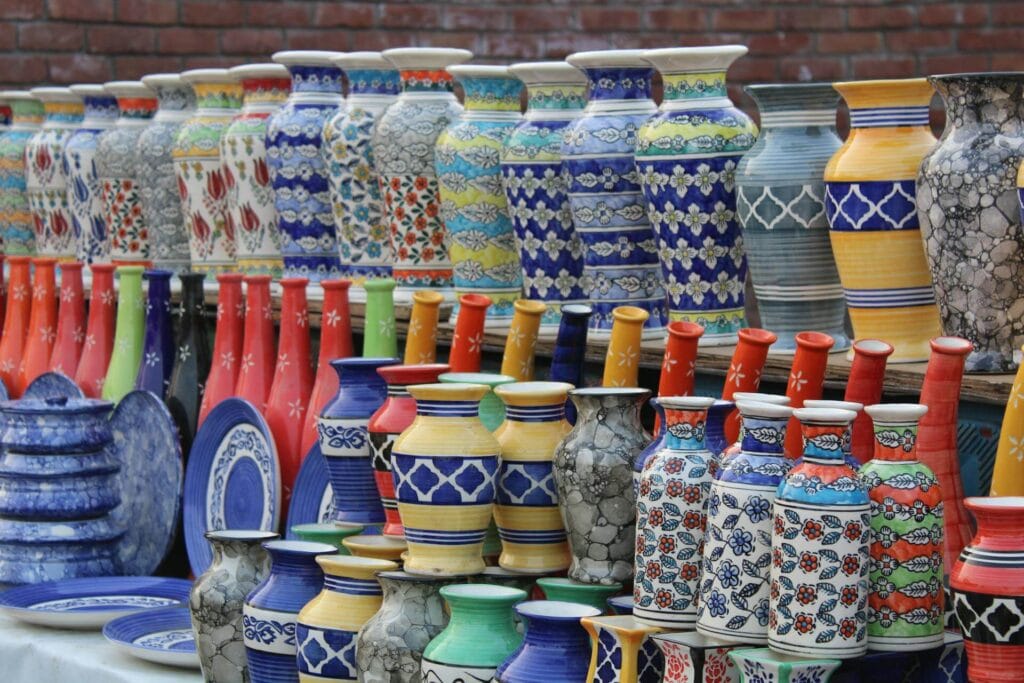
Nothing teaches culture like working with your hands. Across India, artisans open their small workshops to travelers who want to learn – even for a few hours.
These interactive cultural activities support local livelihoods and give you a skill (and souvenir) you’ll actually remember.
Hands-On Experiences to Try
- Block Printing in Jaipur or Bagru: Dip wooden blocks into natural dyes and stamp your own fabric.
- Pottery in Auroville or Khurja: Learn the wheel from a family that’s been shaping clay for generations.
- Blue Pottery Workshops (Jaipur): A Persian-influenced craft unique to Rajasthan.
- Pashmina Weaving in Kashmir: Watch artisans hand-spin threads finer than hair.
- Madhubani Painting in Bihar: Learn geometric folk art painted traditionally on mud walls.
- Cooking Classes: Grind masalas in Udaipur, roll dosas in Kerala, or make momos in Darjeeling with a local chef.
Most workshops cost between ₹800–₹3000 and last 2–4 hours. Book directly when possible—it puts money into the artisan’s hands, not a middleman’s.
Explore Local Markets and Street Culture in India
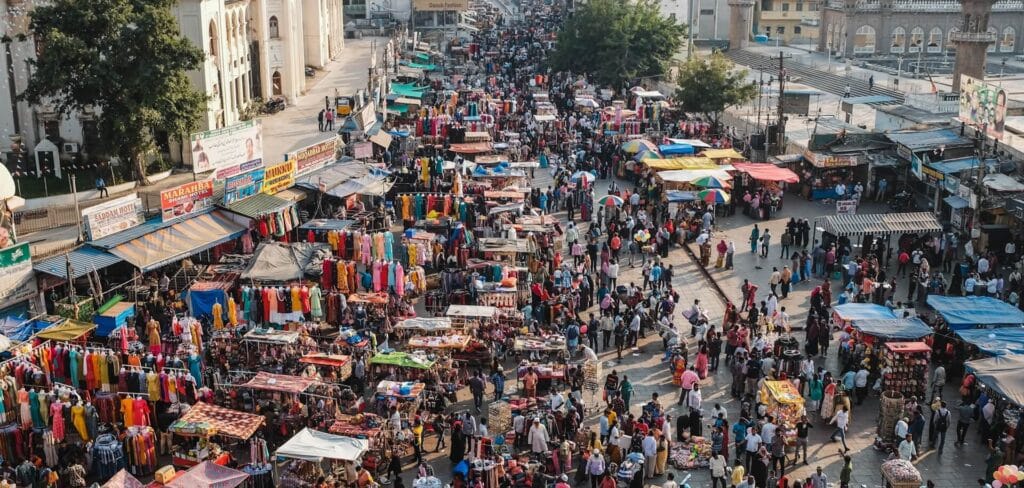
For many travelers, exploring markets is one of the most unforgettable things to do in India for first-time travelers.
Walking through a bazaar is a full sensory experience—marigold garlands, frying jalebis, bangles clinking, cows wandering, and shopkeepers shouting prices.
Markets First-Timers Shouldn’t Miss
- Johari Bazaar, Jaipur: Gemstones, silver, and hand-embroidered textiles.
- Chandni Chowk, Delhi: Spices, parathas, bridal fabrics, and narrow lanes older than most countries.
- Colaba Causeway, Mumbai: Silver jewelry, leather, and street fashion.
- Laad Bazaar, Hyderabad: Famous for lac bangles and pearls.
- Varanasi Silk Markets: Banarasi saris woven with real gold threads.
- Commercial Street, Bengaluru: A younger, trendier mix of traditional and modern.
- Mapusa Market, Goa: Local produce, cashews, and Portuguese-style sausages.
Smart Shopping Tips
- Bargain politely—start at 50% of the asking price.
- Carry small cash notes.
- Keep valuables close in crowded lanes.
- Eat at the busiest food stall; locals know best.
Can beginners safely participate in local traditions? Absolutely.
Most cultural experiences in India are warm and welcoming to first-time travelers.
Stick to well-known neighborhoods, travel with a certified local guide when needed, learn a few polite Hindi phrases like namaste and dhanyavaad, and always respect local customs.
Hidden Cultural Experiences in India Most Tourists Miss
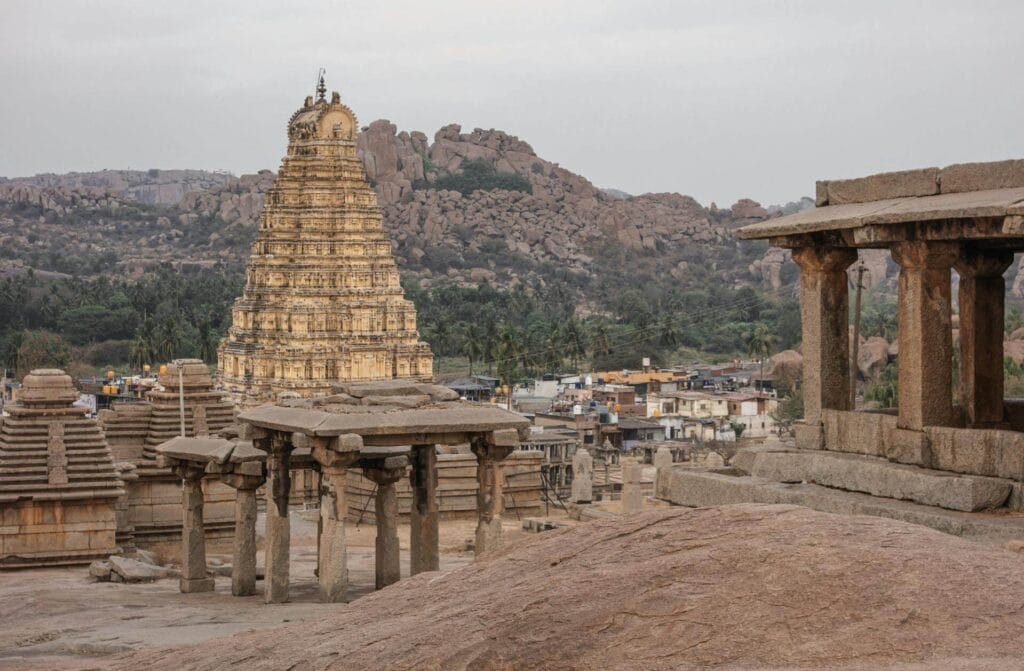
Want to go deeper than the usual itinerary and discover authentic Indian experiences? Try these lesser-known cultural experiences:
- Hampi’s Moonlit Ruins (Karnataka): Ancient stone temples under a full moon feel otherworldly.
- Majuli Island (Assam): The world’s largest river island, home to Vaishnav monasteries and mask-making artists.
- Ziro Valley (Arunachal Pradesh): Apatani tribal culture and a world-class indie music festival.
- Chettinad Villages (Tamil Nadu): Mansions, spicy cuisine, and antique markets.
- Khajuraho Dance Festival (February): Classical dance performed against 1000-year-old temples.
Travel Tips for First-Time Cultural Travelers in India
- Travel slow. Don’t try to cover 10 cities in 14 days. Pick 3–4 and go deep.
- Learn a few words. “Namaste,” “shukriya,” and “kitne ka hai?” (how much?) go a long way.
- Dress thoughtfully. Loose cotton clothes, scarves, and covered shoulders make temple visits easier.
- Keep a journal. India delivers sensory overload; writing helps you process it.
- Hire certified local guides. Especially in spiritual towns like Varanasi, Rishikesh, or Madurai.
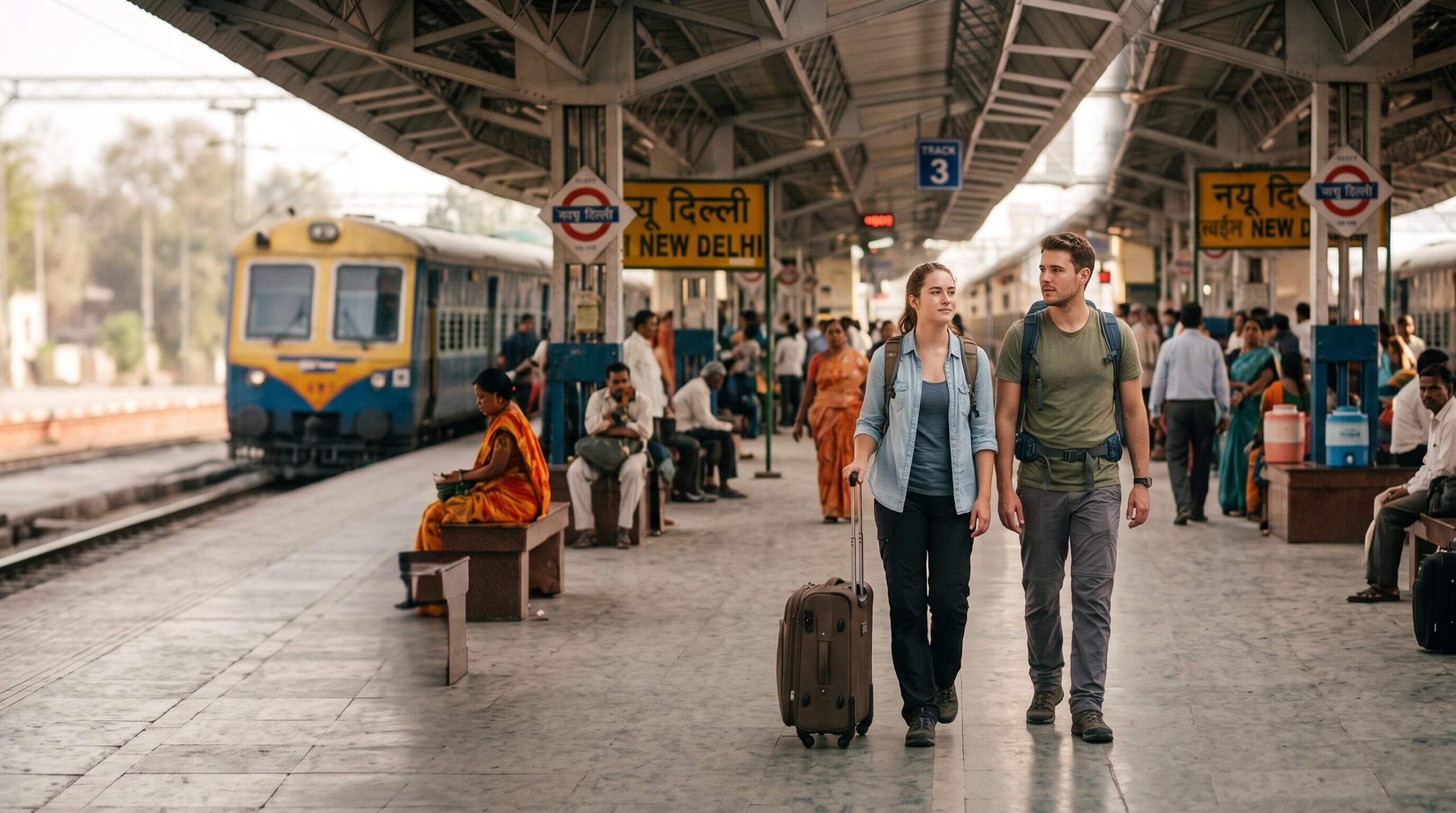
- Plan transport in advance. Our guide on How to Travel Around India breaks down trains, flights, and local transport.
Conclusion: Why Cultural Experiences Make India Unforgettable
India doesn’t reveal itself in a single visit. It unfolds slowly—one chai, one prayer, one conversation at a time.
The most meaningful cultural experiences in India for first-time travelers aren’t just activities—they are authentic Indian experiences that stay with you for life.
They’re in the small moments: a shopkeeper teaching you to tie a turban, a grandmother insisting you eat one more roti, a stranger guiding you through a temple you thought you were lost in.
Come with curiosity, not a checklist. Be patient when things don’t run on time. Say yes to the invitation for tea. Ask questions. Take pictures with your eyes before your camera.
And keep a journal. Years from now, you won’t remember every monument—but you’ll remember the way the Ganga looked at 5 a.m., the way turmeric smelled on your fingers after a cooking class, and the way a festival crowd welcomed you like family.
That’s why cultural tourism in India continues to inspire travelers from around the world.
FAQs About Cultural Experiences in India for First-Time Travelers
What are the best cultural experiences in India for first-time travelers?
The best cultural experiences include attending festivals like Holi or Diwali, trying regional food, visiting temples, exploring local markets, and staying in homestays.
Is India safe for first-time travelers exploring cultural activities?
Yes, India is generally safe for tourists. Stick to popular areas, follow local customs, and consider hiring certified guides for deeper cultural experiences.
What should I wear during cultural experiences in India?
Wear modest clothing that covers shoulders and knees, especially when visiting temples or rural areas. Lightweight cotton clothes are ideal.
Can tourists participate in Indian festivals?
Yes, most Indian festivals are open and welcoming to tourists. Just be respectful of traditions and ask before taking photos.
What is the best time to experience Indian culture?
October to March is ideal due to pleasant weather and major festivals like Diwali, Durga Puja, and Holi.
Are cultural experiences in India expensive?
No, many experiences like visiting markets, temples, and festivals are free or low-cost. Workshops and guided experiences may cost extra.
How can I experience authentic Indian culture?
Stay with local families, eat regional food, attend festivals, and explore markets instead of only visiting tourist attractions.
Do I need a guide for cultural experiences in India?
Not always, but a local guide can help you understand traditions, avoid confusion, and enhance your experience.
What are some unique cultural things to do in India?
You can try cooking classes, pottery workshops, yoga sessions in Rishikesh, or attend traditional dance performances.
How many days are enough to explore cultural experiences in India?
A 10–14 day trip covering 3–4 regions allows you to experience India’s culture without feeling rushed.
Images: Pexels
