
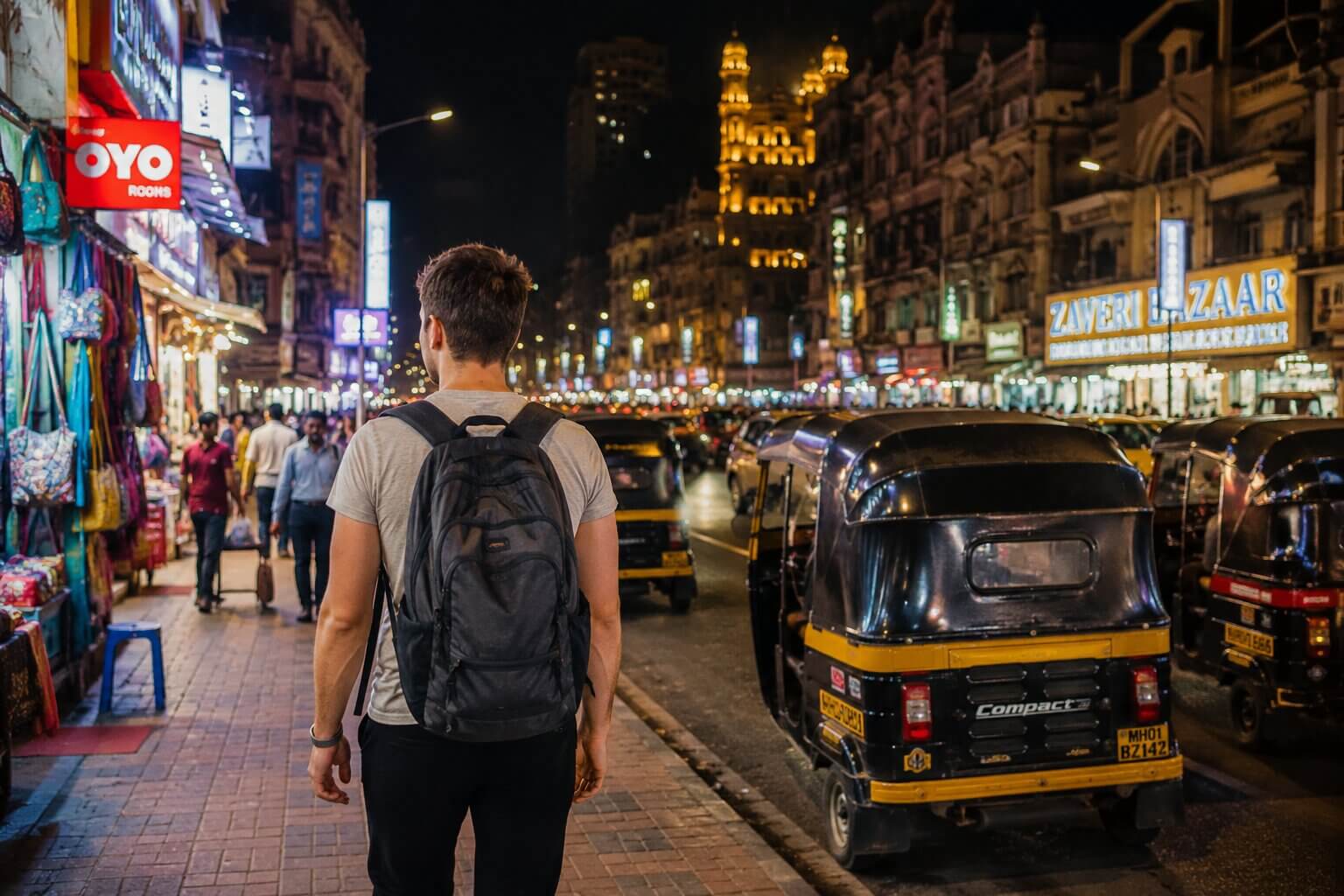


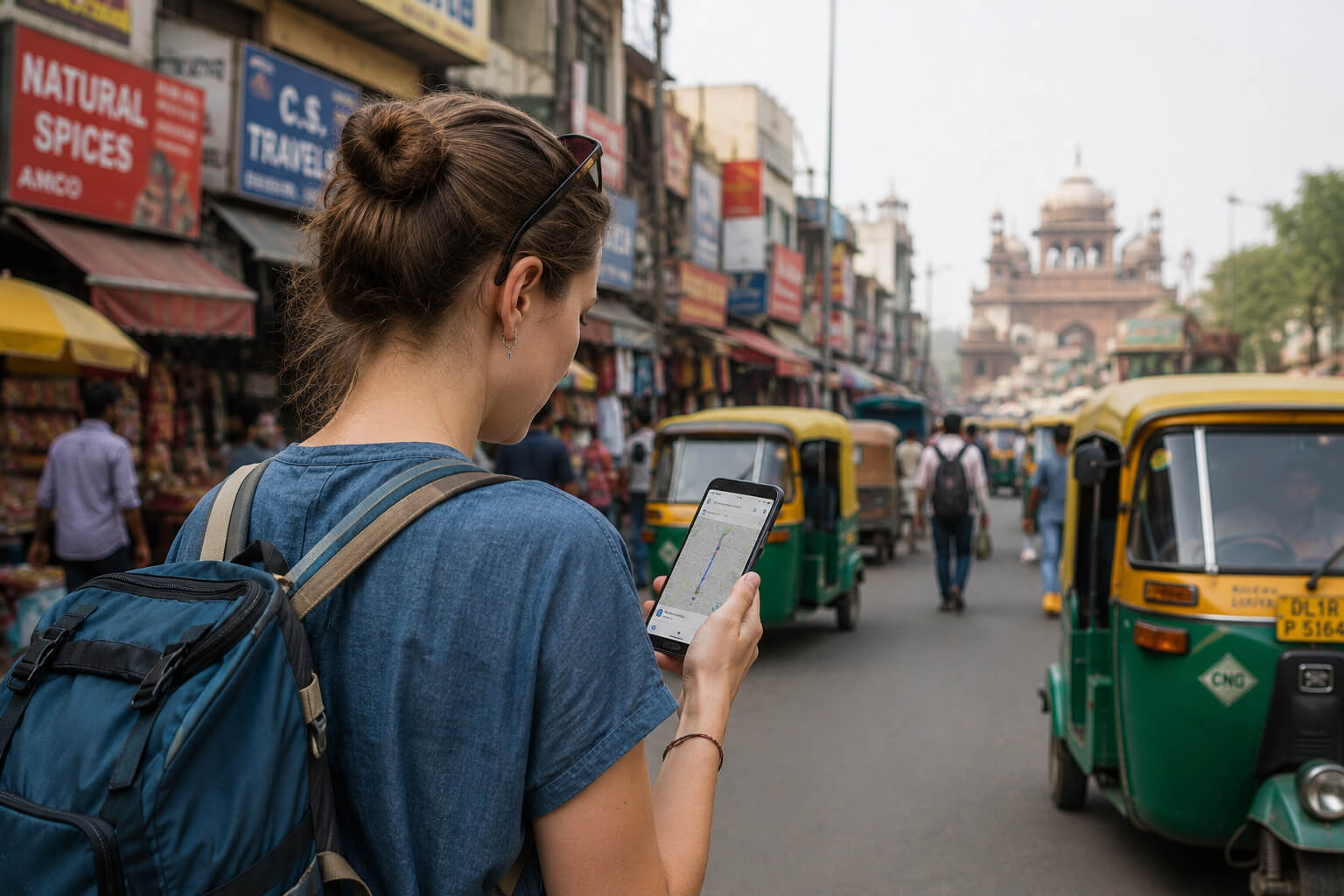
You’ve spent the day exploring temples, markets, or palaces. The sun sets. You’re tired, hungry, and ready to get back to your hotel — but it’s now 9pm and the streets look different than they did at noon.
The crowds are thinner. The lighting is dimmer. Stray dogs are out. You see fewer families and more groups of men. Your phone has directions, but the neighborhood suddenly feels less familiar than it did in daylight.
A moment of doubt surfaces: Is this actually safe?
You search online. The answers you find are extreme. One person says India at night is a no-go zone for tourists. Another says they traveled alone at midnight without issue.
Many visitors searching “Is India Safe to Travel Right Now?” are actually trying to answer a more specific question: what happens after dark.
Concerns about India travel safety often become more noticeable at night, when unfamiliar streets, transportation choices, and changing crowds can make travelers feel uncertain.
Here’s the question most travelers eventually ask: How can tourists safely explore India at night without unnecessary fear or risky mistakes?
This guide gives you the honest answer. Not “India is perfectly safe” — that’s not true. Not “avoid India at night entirely” — that’s overcautious.
The real answer is somewhere practical: with awareness, smart choices, and local knowledge, travelers can and do move around India after dark safely.
Quick Answer
India is generally safe to travel right now for most tourists, especially in well-traveled cities and tourist areas. Safety depends on location, awareness, and travel choices.
Most risks involve scams, petty theft, and transportation issues rather than serious crime. At night, using trusted transport like Uber or Ola, staying in well-reviewed hotels, and avoiding isolated areas significantly improves safety.
Solo female travelers can travel safely but should take extra precautions, especially after dark.
What Tourists Should Know About Night Safety in India
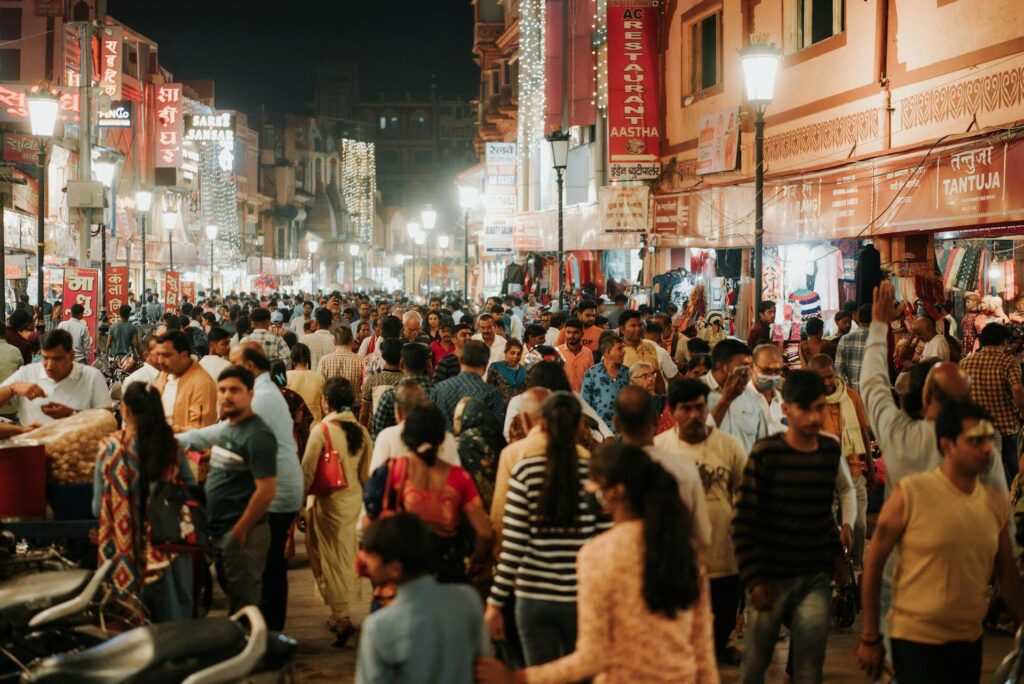
For most visitors, concerns about tourist safety in India are less about violent crime and more about scams, transportation issues, and navigating unfamiliar environments after dark.
Night safety in India isn’t fundamentally different from night safety in many travel destinations – but the variables are different.
The key differences:
- Street lighting is inconsistent across cities and neighborhoods
- 24-hour police presence is lower in many areas
- Informal taxi networks operate alongside app-based services
- Street crowds thin dramatically after a certain hour, making solo travelers more visible
- Petty crime (phone snatching, bag theft) is more common at night than day
- Nightlife areas attract opportunistic small crimes
- Transport availability is excellent in cities but coordination takes planning in smaller areas
What doesn’t happen as often as travelers fear:
- Random violence against tourists
- Muggings at gunpoint
- Kidnapping or trafficking
- Organized crime targeting foreigners
These are the dramatic scenarios that show up in online safety discussions but are genuinely uncommon.
The far more probable issues are: pickpocketing, being taken on a deliberately longer taxi route, being approached for money, or being targeted by scams that prey on tired or distracted travelers.
Is India Safe for Solo Female Travelers at Night?

Questions about solo travel in India safety are among the most common concerns female travelers have before visiting, especially those planning to explore cities independently.
India requires additional awareness for solo female travelers at night, but it’s not unsafe. The primary risks are harassment (unsolicited comments, unwanted attention), persistent vendors, or people attempting minor scams.
Serious violent crime against foreign female tourists is rare, but the persistent low-level attention from strangers is genuinely more frequent than solo male travelers experience. Smart preparation and awareness significantly reduce discomfort.
Female travelers have legitimate additional considerations. This needs to be stated clearly without exaggerating the actual risk.
More Common Experiences
- Unsolicited comments (“Hello, where are you from?”)
- Persistent vendors who don’t accept “no” the first time
- Staring and lingering attention in public spaces, especially from groups of men
- People trying to chat or connect in ways that feel like pressure
- Taxi drivers trying to add extra stops or charging more
- Occasional crude comments (rare from educated, middle-class Indian men; more common in certain tourist-heavy areas)
Less Common But More Serious Risks
- Serious assaults
- Robbery or mugging
- Organized crime
The practical reality: A solo female traveler in India will encounter more unwanted attention and minor social friction than in many Western countries.
This is manageable with preparation, clear boundaries, and not being alone. It’s not fun, but it’s not dangerous in the violent sense.
Safety priorities for solo female travelers at night:
- Avoid being the only woman in a taxi with only a male driver — if feeling uncomfortable, get out
- Stay in well-reviewed hotels in tourist-friendly neighborhoods
- Don’t walk alone on isolated streets at any hour
- Dress to blend in rather than standing out (covered shoulders and knees reduces attention)
- Carry a fake wedding ring if that helps you feel more comfortable
- Share your location with a trusted person when traveling
- Trust your instincts — if something feels off, leave
Safe vs Risky Situations Tourists Should Understand
Not all nighttime situations in India carry the same risk. Here’s what actually matters:
Generally safe situations:
- Using Uber or Ola to your hotel
- Walking in busy tourist areas with people around (Colaba in Mumbai, Connaught Place in Delhi, areas with restaurants and bars open)
- Taking a prepaid taxi from an airport or train station
- Eating at restaurants or hotels
- Being in your hotel or guesthouse
- Using well-lit main roads with visible foot traffic
Moderate-risk situations:
- Walking on side streets even in safe neighborhoods after dark
- Using a local taxi without confirming the price first
- Being out after midnight even in tourist areas
- Using ATMs at night (do it during the day when possible)
- Carrying large amounts of visible cash or expensive jewelry
- Being alone in unfamiliar areas
Higher-risk situations:
- Walking alone on deserted streets at any hour
- Wandering into areas known for crime or far from tourist routes
- Accepting transport from strangers
- Being visibly drunk or incapacitated in public
- Traveling on local buses late at night (safer during day)
- Displaying expensive gear, cameras, or large amounts of cash
The honest framework: Most tourist areas in India at night are safe for alert travelers using basic precautions. The risk increases dramatically once you leave established routes and tourist neighborhoods.
Best Indian Cities for Safe Night Travel
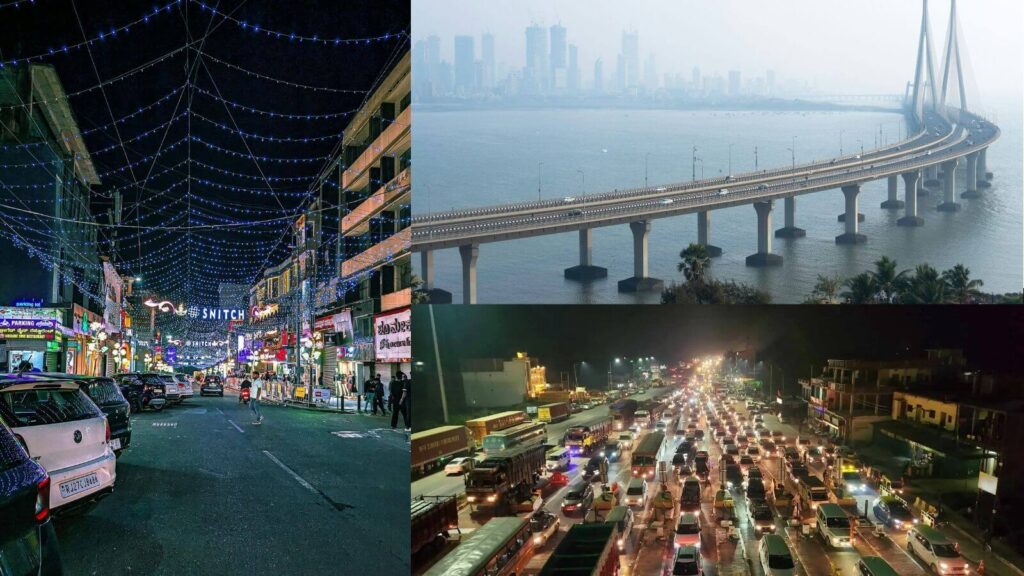
Not all Indian cities have the same night safety profile. For travelers researching the safest places for tourists in India, larger cities with established tourism infrastructure generally offer the most predictable nighttime experience.
Safest for night travel: Delhi — Heavy police and security presence, especially in tourist areas like Connaught Place and Chandni Chowk. Well-lit neighborhoods. Uber and Ola work reliably.
Mumbai — Highly urbanized and cosmopolitan. Tourist areas like South Mumbai (Colaba, Fort, Marine Drive) are well-lit and bustling until late. Neighborhoods like Bandra and Worli are vibrant with nightlife. Generally confident night navigation.
Bangalore — Modern infrastructure, good street lighting in many areas, young urban population accustomed to travelers. Tech hubs like Indiranagar and Koramangala have nightlife and restaurants open late.
Goa — Tourist-oriented infrastructure, police presence focused on tourist safety, beach areas and beach shacks operate late. Anjuna, Calangute, and Colva are designed for evening tourism.
Jaipur — City Palace area and central tourist zones are reasonably safe, well-lit, and managed. More chaotic than major metros but manageable.
Moderate caution: Kolkata — Culturally vibrant but historically less reliable street lighting and police presence than Delhi or Mumbai. Stick to main areas.
Lucknow, Chandigarh, Pune — Generally fine but less infrastructure and experience with large numbers of foreign tourists. Stick to main roads and tourist-recommended areas.
Requires more caution: Smaller cities and towns — Infrastructure and lighting are less consistent. Night travel outside of main areas should be avoided. Plan to settle in hotels earlier or arrange transport in advance.
Places Tourists Should Avoid at Night in India
Avoid entirely at night:
- Deserted side streets, alleys, or areas away from main roads — no matter the city or neighborhood
- Areas where you’re the only foreigner visible and attention from groups of men is persistent
- Remote train stations or bus terminals after the last major departure
- Areas known for drug markets (recognizable by clusters of men loitering, visual transaction activity)
- Certain red-light district areas (easily identifiable by visible sex work activity — just leave these areas)
- Industrial zones or commercial areas that are dead after work hours
Avoid if alone:
- Beaches and water-front areas outside of explicitly tourist-managed zones after dark (Goa and Kerala are exceptions in certain beach shack areas)
- Empty parks or garden areas
- Unlit residential neighborhoods
Approach with care:
- Large markets and bazaars at night — pickpocketing increases, crowds can be chaotic
- Very crowded nightlife areas during peak hours — easier for phone snatchers to work
- Areas where alcohol is being consumed visibly and heavily by groups of men
The pattern you’ll notice: anywhere isolated, unlit, or away from people you trust. These are the areas to simply avoid.
The good news is that tourist areas, main roads, neighborhoods with restaurants and shops open, and areas with visible foot traffic are generally safe.
Uber, Taxi & Transportation Safety in India at Night
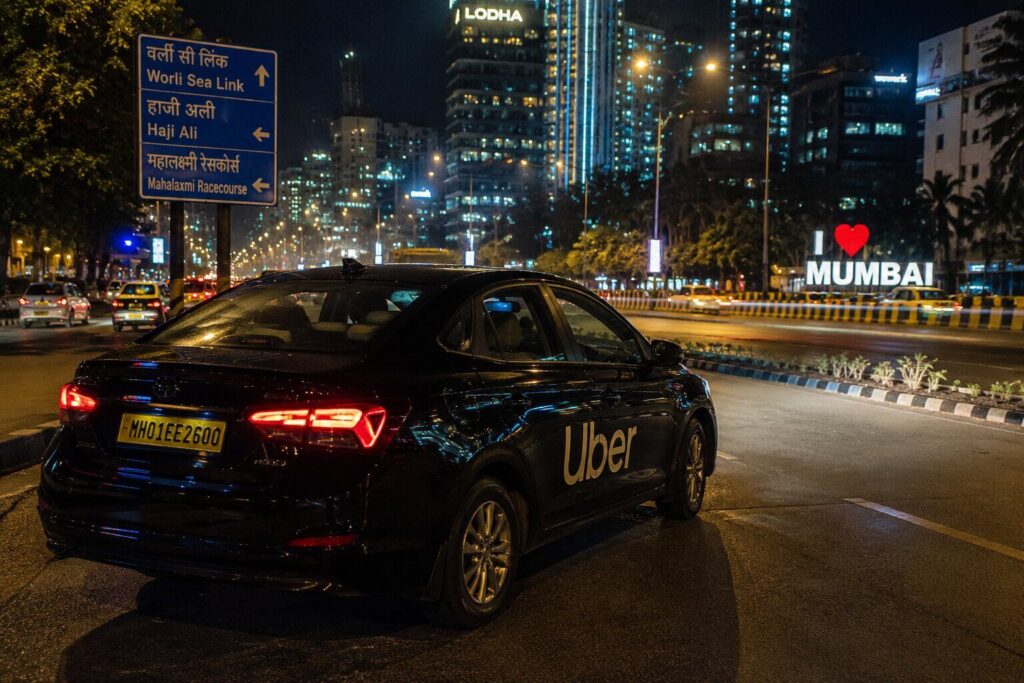
This is where most travelers have genuine questions – and legitimate concerns. Using trusted ride-sharing services is one of the most practical India travel precautions visitors can take after dark.
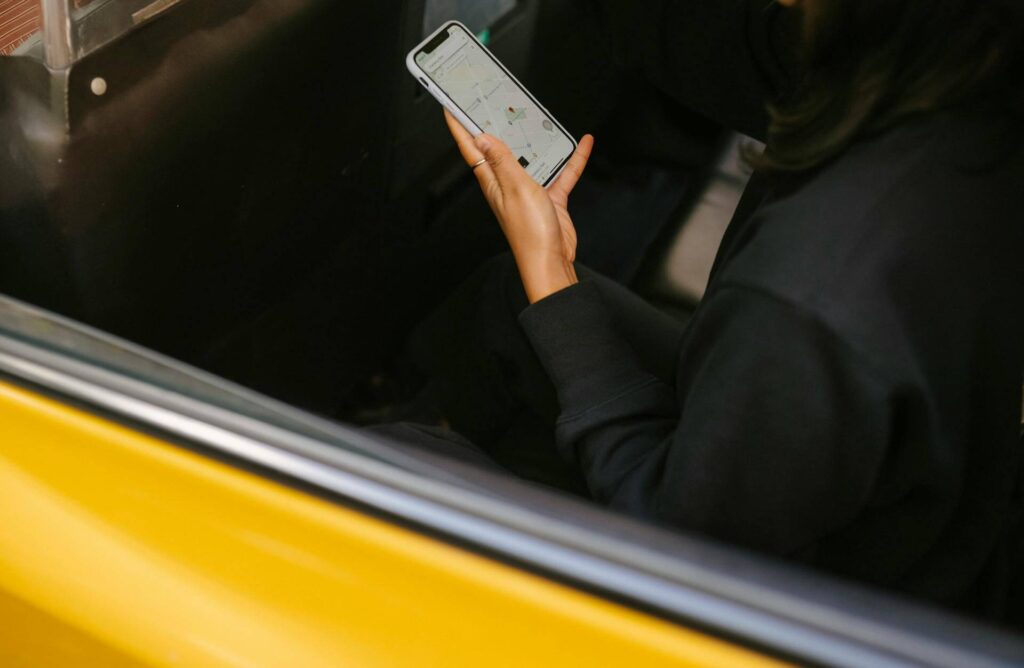
Uber and Ola: Both work reliably in major cities at night. The driver details are visible, you’re tracked, and there’s accountability. For night travel in cities where these apps operate, use them.
Safety practices with app-based rides:
- Share your live location with a trusted person
- Confirm the driver’s photo, name, and license plate before getting in
- Sit in the back seat
- If something feels wrong — wrong car, driver behavior, route deviations — get out at a public place
- Don’t put your destination in as obvious as it might seem you’re alone at your destination
Local (non-app) taxis: Available at airports, train stations, and can be hailed on streets. Riskier because no accountability mechanism exists.
Safety practices if using local taxis:
- Use prepaid taxi counters at airports and train stations
- Confirm the fare before getting in (never agree to “negotiated” fares at night)
- Sit in the back
- Take a photo of the license plate with your phone
- Keep your hotel address written down (don’t just show it on your phone)
- If the driver takes a very different route than expected, ask directly and stay aware of your location.
Avoid:
- Hailing random taxis on streets at night as a solo female traveler
- Sharing a taxi with strangers
- Accepting offers of transport from people you don’t know
- Showing large amounts of cash or expensive items in taxis
Auto-rickshaws at night: Three-wheeled, open-sided. Generally safe in well-lit areas with foot traffic. Risky in empty areas. Use app-based auto (available through Uber and Ola) rather than flagging one at night.
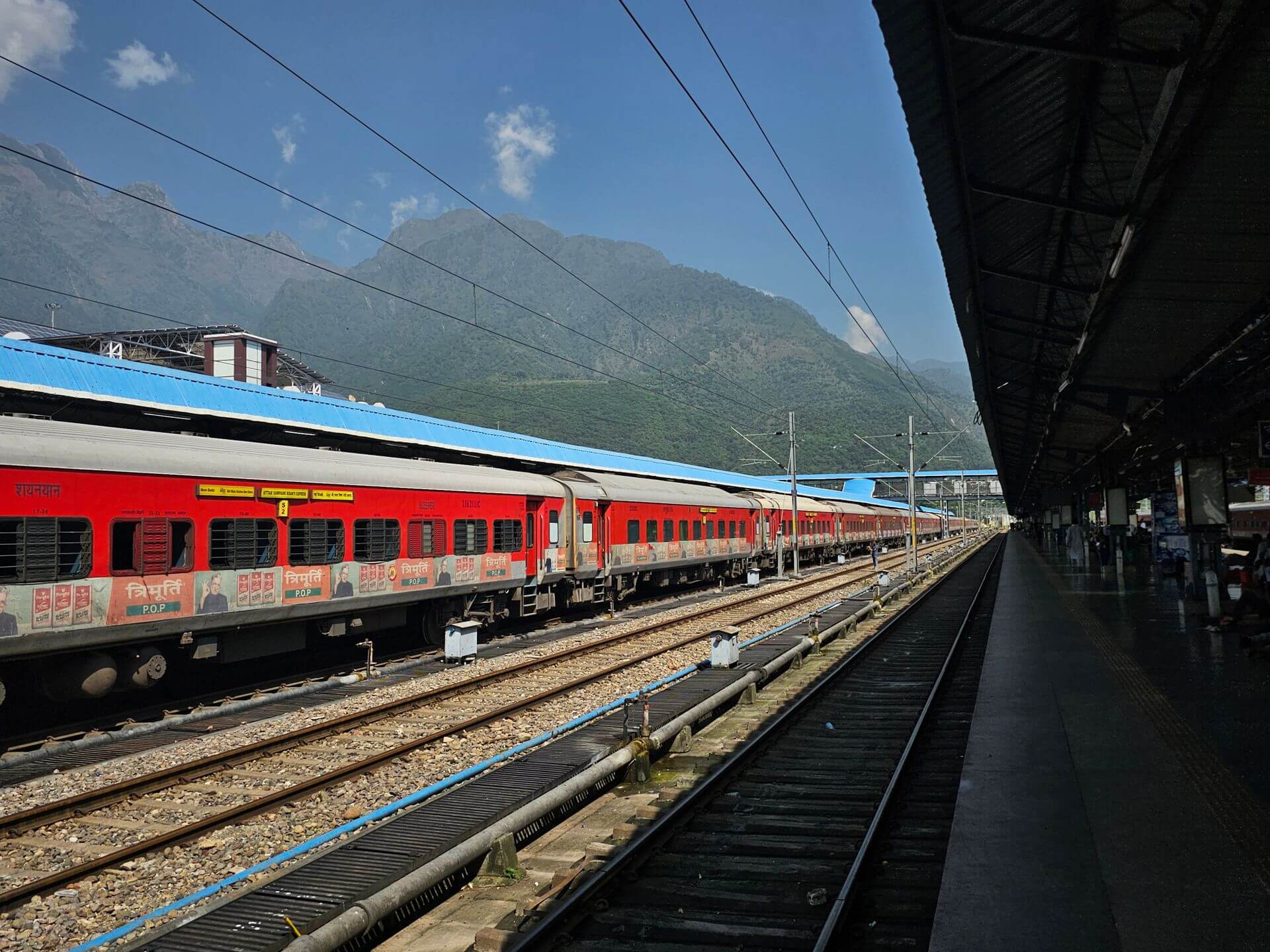
Trains at night: Indian trains operate safely — you’re in a group, staff is present, traveling is common. The risk is petty theft (keep valuables secure) not violent crime. Book sleeper cars where possible for better monitoring.
Can Tourists Walk Around at Night in India?
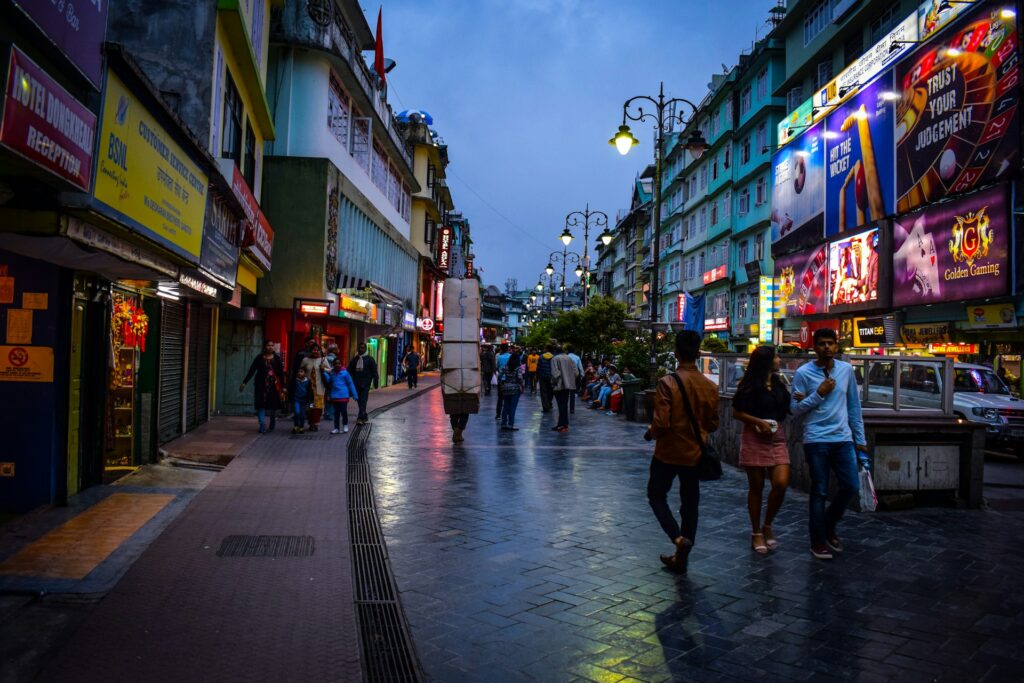
Yes, with context. Many travelers asking “Is India safe for tourists?” are really trying to understand whether walking after dark is a reasonable option.
Walking at night is safe in tourist areas with foot traffic, adequate lighting, and people around. Walking at night is unsafe on deserted streets or in unfamiliar neighborhoods.
Safe walking situations:
- Main roads in city centers with restaurants and shops still open
- Tourist-heavy areas with people around
- Well-lit neighborhoods with visible foot traffic
- Walking in groups rather than alone
When to avoid walking:
- After the area has emptied out for the night (this happens at different hours in different neighborhoods)
- Alone, especially as a female traveler
- In neighborhoods you don’t know
- On dimly lit side streets
Practical approach: Walk to your destination if it’s nearby on a main road in daylight or early evening. As it gets later, switch to a ride app. This is the balance that makes sense.
Common Tourist Scams at Night (and How to Avoid Them)
Common tourist scams at night include: overcharging for rides or food, being taken on deliberately longer taxi routes, being offered “deals” on jewelry or drugs, fake police interactions, and distraction-based theft.
The best prevention is awareness, confirming prices beforehand, using trusted services, not being visibly intoxicated, and following your instincts about what feels off.
Fortunately, most reported tourist scams in India involve overcharging, misleading offers, or distraction techniques rather than serious criminal activity.
Taxi overcharging: Driver adds stops you didn’t request or takes a much longer route. Prevention: use Uber/Ola where price is fixed, or confirm the fare before getting in a local taxi.
Nightlife overcharging: Beer costs ₹150 on the menu, but the bill says ₹500 because you allegedly ordered expensive bottles or premium spirits you didn’t.
Prevention: look at the menu price before ordering, confirm charges before paying.
Jewelry and gem scams: You’re approached with an “incredible deal” on jewelry or gems. This is a setup for high-pressure sales, fake goods, or theft.
Prevention: don’t engage with street vendors offering deals, don’t go to “family businesses” they recommend.
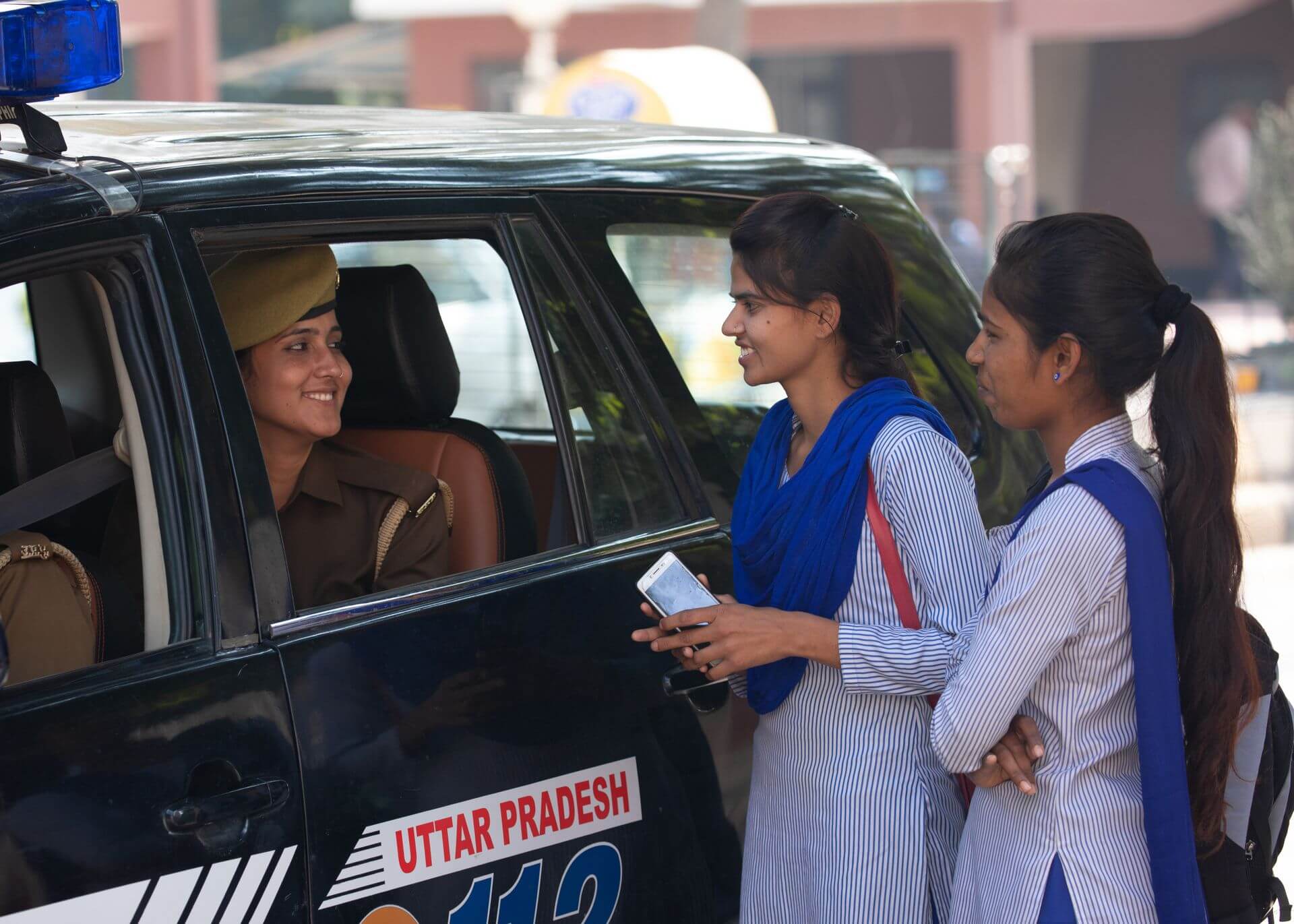
Fake police: Someone claiming to be police stops you for some infraction and asks for money or to check your bag. Real police have identification (ask to see it) and will take you to a station, not handle things on the street.
Prevention: ask for identification, refuse on-the-street payments, go to a police station if genuinely needed.
Distraction theft: While attention is on a fake argument, spill, or commotion, a partner steals phones, bags, or wallets from tourists.
Prevention: keep bags zipped and in front of you in crowds, don’t put your phone on tables at outdoor venues, keep valuables in secure pockets.
Drink spiking: Very rare with tourists (rare for anyone), but alcohol is significantly stronger in India than many Western countries. What feels like two drinks may hit much harder.
Prevention: pace yourself, stick to known venues, don’t leave drinks unattended.
Hotel Safety Tips for Travelers in India

Your accommodation is your base. Making it safe and secure matters more than you’d think.
When choosing a hotel or guesthouse:
- Book through established platforms (Booking.com, Agoda, Google Hotels) with reviews
- Read recent reviews specifically for safety comments
- Choose hotels in tourist-friendly neighborhoods when possible
- Choose hotels with 24-hour reception and staff present
- Avoid the very cheapest guesthouses — you get what you pay for in terms of security
Once you’ve checked in:
- Keep your room locked, always
- Use the safe for passports, extra cash, and valuables
- Know where the emergency exits and fire extinguishers are
- Keep your hotel’s address and phone number written down
- Ask the front desk about safe areas before you go out
- Use the hotel’s restaurant or nearby established restaurants rather than unfamiliar food stalls, especially late at night
When leaving your room:
- Don’t advertise that you’re a tourist (don’t wear expensive gear or lots of jewelry)
- Carry only the cash and cards you expect to need for the evening
- Make sure your phone is charged and you know how you’ll get back to your hotel
How to Stay Safe During India Nightlife Experiences

Nightlife in India exists — especially in Mumbai, Bangalore, Goa, and Delhi. Enjoying it safely is possible.
Safe nightlife practices:
- Go to established bars and clubs in known nightlife areas (Bandra in Mumbai, Koramangala in Bangalore, club zones in Goa)
- Go with friends or other travelers – avoid going alone to clubs or bars
- Keep your drink in sight and pace your alcohol consumption
- Know the area well enough to find your way out
- Have a taxi or Uber app ready before you’re drunk
- Don’t accept drinks from strangers
- Keep your phone charged and know your hotel address
- Share your location with a trusted person while you’re out
Specific to Goa nightlife: Goa’s beach shack culture operates late, is generally tourist-friendly, but theft is common at larger events. Keep valuables away from the beach, don’t leave bags unattended, watch your phone.
What to avoid:
- Getting heavily intoxicated — it impairs judgment and makes you a target
- Accepting drugs or alcohol from people you don’t know
- Wandering from the main nightlife areas into residential or industrial zones
- Going to nightlife areas alone, especially as a female traveler
- Using drugs (legal consequences in India are severe, and quality/safety are unknown)
Do This / Avoid This:
Do This | Avoid This |
Use Uber or Ola at night in cities | Flag random taxis on the street late at night |
Plan your evening route before dark | Wandering unfamiliar areas looking for food after dark |
Keep valuables in your hotel safe | Carrying large amounts of cash or displaying expensive gear |
Share your location with a trusted person | Keeping your location completely private when traveling alone |
Confirm taxi fares before getting in | Accepting “negotiated” fares without agreeing on price first |
Read your travel insurance policy before renting | Discovering your policy excludes India driving after an accident |
Stay on main, well-lit roads | Taking shortcuts through dark side streets |
Use ATMs during daylight | Using ATMs late at night alone |
Ask your hotel about safe areas | Assuming any neighborhood is safe without asking locals |
Quick Night Safety Checklist
Before heading out at night:
- Phone charged and offline maps available
- Hotel address saved
- Transportation planned in advance
- Valuables secured
- Staying on well-lit, busy routes
- Trusted contact knows your plans
Conclusion
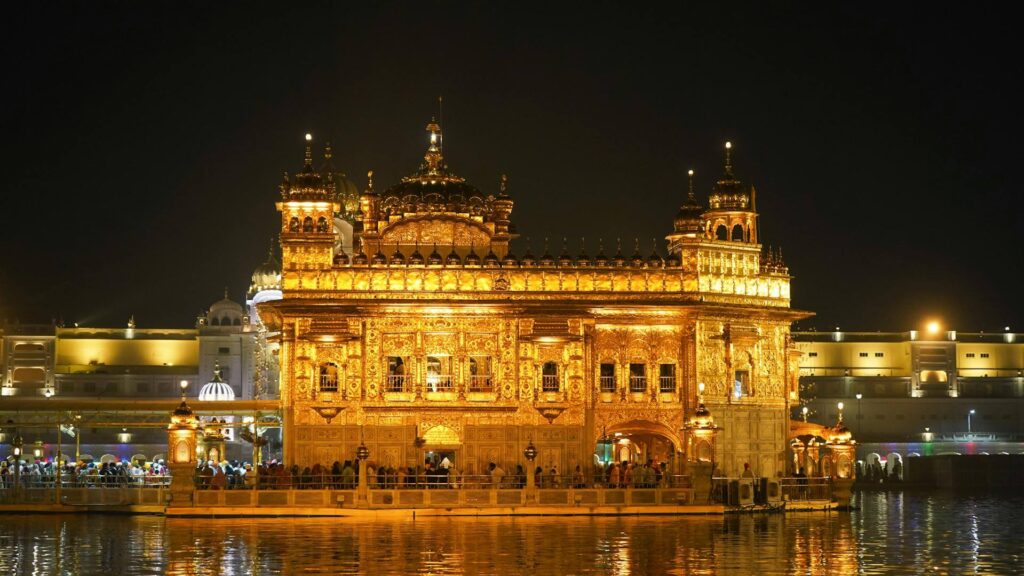
For most tourists, yes. While every destination has risks, most visitors experience India safely when they use common-sense precautions and stay aware of their surroundings.
India at night isn’t inherently unsafe – it’s just different from daytime India, and it requires awareness that many travelers haven’t yet developed.
The travelers who move around India confidently at night aren’t reckless. They’re prepared. They use appropriate transport, they know where they’re going, they understand what’s a real risk and what’s just unfamiliar.
Solo female travelers face legitimate additional awareness needs — not because India is uniquely dangerous, but because unwanted attention is a real factor. That’s manageable with practical strategies, not by avoiding India.
The bottom line: India at night is generally safe when you use basic precautions, stay aware, use trusted transport, and avoid isolated areas.
Know your destination. Keep your phone charged. Trust your instincts. Move around with purpose.
Those habits make travel safer almost anywhere in the world. In India, they simply matter a little more after dark.
Safety situations change. Always check current local conditions and seek advice from your hotel or local tourism offices about specific neighborhoods before travel.
FAQs about India Safety Travel Guide
Is India safe to travel right now in 2026?
Yes, India is generally safe to travel right now for most tourists. Millions of visitors explore the country each year without serious issues. Safety depends on the city, neighborhood, and how carefully you travel, especially at night.
Is India safe for tourists at night?
India is safe for tourists at night in busy, well-lit, and tourist-friendly areas. Risks increase in isolated streets or unfamiliar neighborhoods, so using trusted transport like Uber or Ola is recommended after dark.
Is India safe for solo female travelers?
Yes, solo female travelers can travel safely in India, but should take extra precautions such as avoiding isolated areas at night, using trusted transport, and staying in well-reviewed accommodations.
What are the biggest safety risks for tourists in India?
The most common risks are petty theft, scams, overcharging, and occasional unwanted attention in crowded or unfamiliar areas. Serious violent crime against tourists is rare.
Can tourists walk around India at night?
Yes, but only in safe, well-lit, and populated areas. Walking alone in isolated streets or unfamiliar neighborhoods at night is not recommended.
Are Uber and Ola safe in India at night?
Yes, Uber and Ola are generally safe in most Indian cities at night. They offer tracking, driver details, and fare transparency, making them one of the safest transport options for tourists.
Which cities in India are safest for tourists?
Cities like Delhi, Mumbai, Bangalore, Goa, and Jaipur are generally considered safer for tourists due to better infrastructure, tourism presence, and reliable transport options.
What should I avoid doing in India at night?
Avoid isolated areas, unlicensed taxis, carrying valuables openly, and accepting offers from strangers. Always plan your transport before it gets late.
Is public transport safe in India at night?
Public transport is safer during the day. At night, it is better to use app-based taxis or arranged transport, especially for tourists unfamiliar with the area.
How can I stay safe in India as a tourist?
Stay in well-reviewed accommodations, use trusted transport, avoid isolated areas at night, keep your belongings secure, and always be aware of your surroundings.
Images: Pexels
