


Planning a trip to India is exciting, but one question catches almost every traveler: how far in advance should you plan an India trip? Should you book flights today, wait a few weeks, or start planning months ahead?
The answer depends on when you’re visiting India, where you’re going, and how you plan to travel. A winter trip through Rajasthan needs a very different planning timeline than a monsoon getaway in Kerala.
Book too late for December in Rajasthan and you’ll pay double for hotels – or find your first-choice heritage property fully booked.
Book too early for a monsoon-season trip to Kerala and you might be locking in dates before you know if the weather will even cooperate.
This guide breaks down exactly when to handle each part of your trip to India – flights, visa, hotels, trains, and seasonal timing – so you’re not guessing.
Table of Contents showQuick Answer
For most travelers, planning a trip to India 3–6 months in advance offers the best balance of lower flight prices, better hotel availability, and enough time to arrange your visa and train bookings.
- 3–6 months out: Book international flights, especially for October–March travel
- 1 month out: Apply for your e-Visa (processes in 3–5 business days, but don’t cut it close)
- 2–4 months out: Book hotels in high-demand cities (Jaipur, Udaipur, Agra) for peak season
- When IRCTC opens the window: Book long-distance trains exactly 120 days before travel
- Year-round: Avoid planning Rajasthan or Delhi trips for June–August unless you can handle 40°C+ heat
If you’re traveling during Diwali, Christmas/New Year, or a major festival, push every one of these timelines earlier by 4–6 weeks.
India Trip Planning Timeline: When to Book Flights, Hotels, Visa & Trains
Here’s the complete picture, organized by how far out you are from departure.
Timeframe | What to do |
6+ months before | Decide on travel dates, check festival calendar, start watching flight prices |
3–6 months before | Book international flights, confirm your route (single city vs. multi-city) |
2–4 months before | Book hotels in popular tourist circuits, especially for Nov–Feb travel |
4–6 weeks before | Apply for your Indian e-Visa |
120 days before each train date | Book domestic trains via IRCTC the moment the window opens |
2–4 weeks before | Book internal flights, arrange airport transfers, buy travel insurance |
1–2 weeks before | Download offline maps, install IRCTC and payment apps, confirm SIM/eSIM plan |
Now let’s go through each piece in detail.
When to Book Flights to India
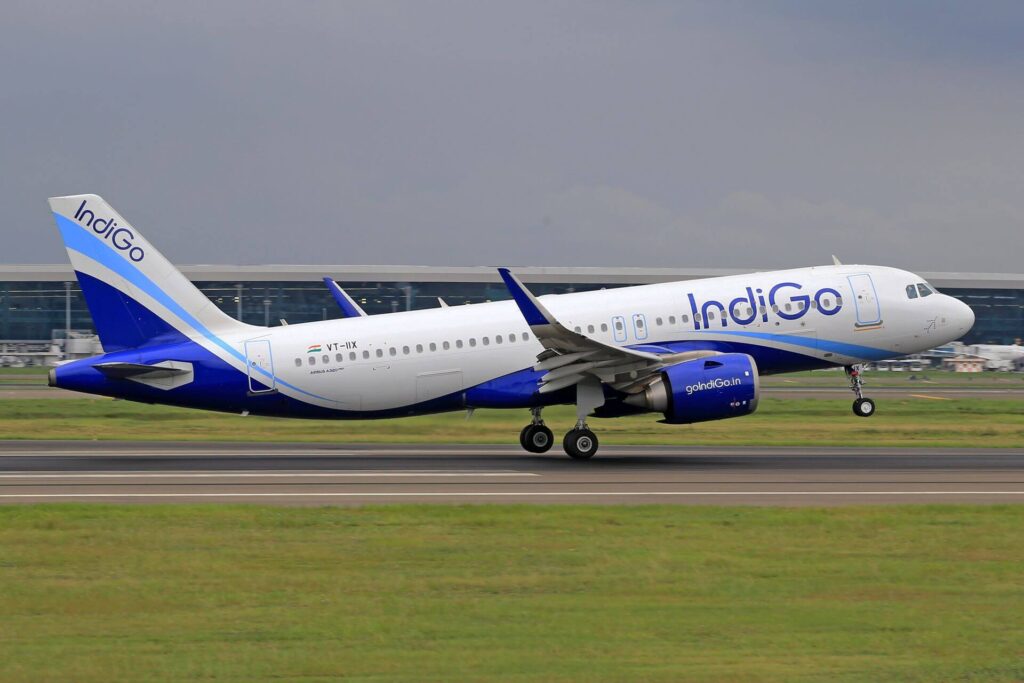
International flights: If you’re wondering when to book flights to India, 3–6 months before departure is usually the sweet spot, especially for travel between October and March.
Airlines to major hubs like Delhi, Mumbai, and Bengaluru tend to release competitive fares 4–5 months out, then prices climb steadily as the date approaches.
Off-season travel (April–September): You have more flexibility. Fares stay relatively stable, and you can often find good deals 6–8 weeks out. The exception is if you’re flying through a layover city during its own peak season.
Domestic flights within India: For domestic flights in India, wait until your itinerary is finalized before booking.
In most cases, reserving flights 2–4 weeks ahead offers a good balance between price and flexibility. A common mistake: booking domestic India flights the same day as your international ticket, months in advance.
Your India travel itinerary often changes as you research destinations, so it’s best to book domestic flights only after your route is finalized.
Visa Timeline for India
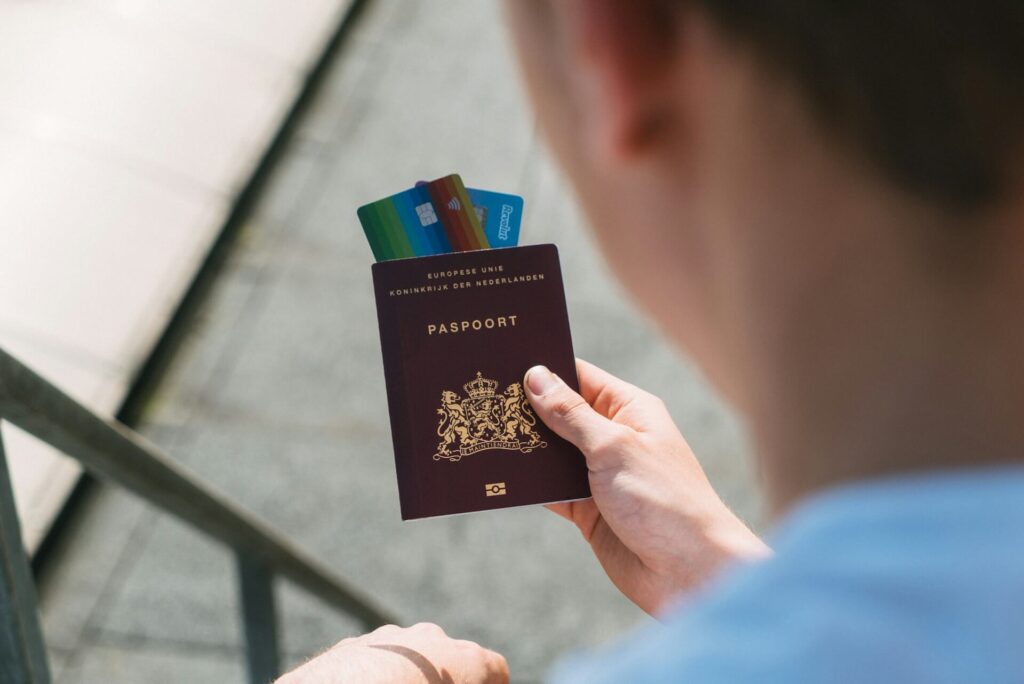
Most visitors from the US, UK, Canada, Australia, and many European countries can apply for an India e-Visa, making the visa process much simpler than applying through an embassy.
How far in advance to apply:
- Apply no earlier than 120 days before your arrival date (the e-Visa system won’t accept applications further out than this)
- Apply no later than 4 business days before travel — but don’t cut it this close
- The ideal time: apply 4–6 weeks before departure
Processing time: Most India e-Visas are approved within 3–5 business days, although processing can take slightly longer during busy travel periods.
E-Visa types:
Type | Validity | Best for |
e-Tourist Visa (30 days) | Double entry | Short trips |
e-Tourist Visa (1 year) | Multiple entry | Trips with a side visit to Nepal or Sri Lanka |
e-Tourist Visa (5 years) | Multiple entry | Frequent visitors |
Applications go through the official portal at indianvisaonline.gov.in. Be cautious of third-party sites that charge extra “service fees” for something you can do yourself in about 20 minutes.
Hotel Booking Timeline
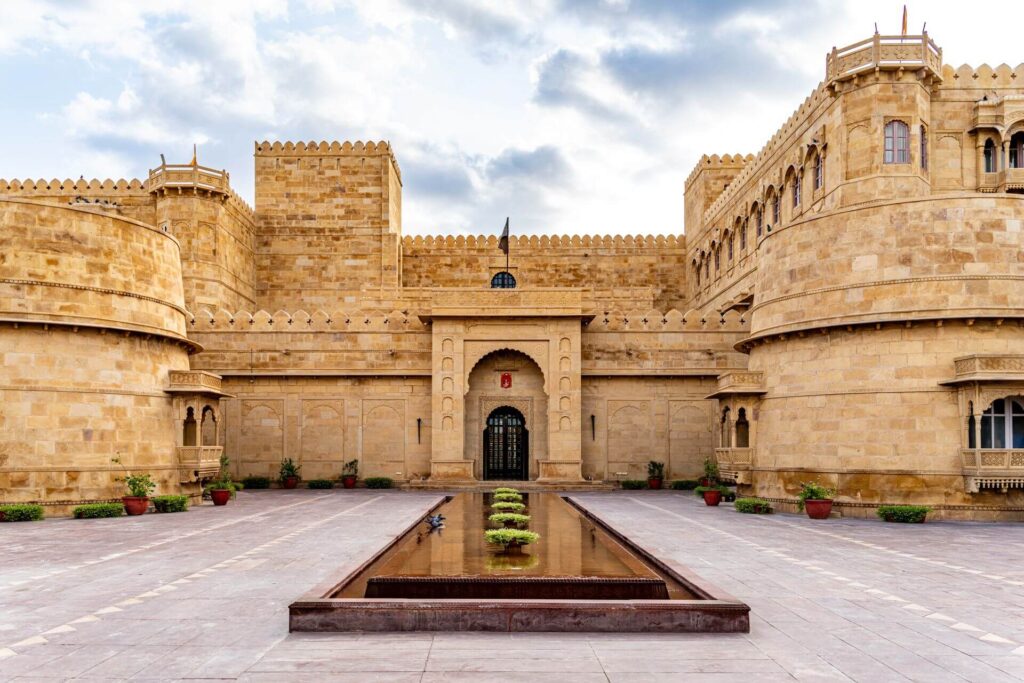
When to book hotels in India depends almost entirely on your destination and travel season. Some places sell out months ahead, while others still have good availability a few weeks before arrival.
Golden Triangle (Delhi, Agra, Jaipur): Book 2–3 months ahead for October–March travel.
Well-reviewed heritage hotels and havelis in Jaipur and Udaipur sell out early for this window, especially over Diwali and Christmas/New Year.
Kerala backwaters and beaches: Book 6–8 weeks ahead for the November–February peak. Houseboat availability on popular routes (Alleppey, Kumarakom) fill up quickly during this period.
Goa: Book 2–3 months ahead if traveling December 20 to January 5 — this window sees the highest demand and prices of the year. Outside that window, 3–4 weeks is usually enough.
Himalayan regions (Ladakh, Himachal, Uttarakhand): These have a short accessible season (roughly May–October for Ladakh). Book 2–3 months ahead, particularly for guesthouses in Leh during July–August.
Smaller cities and off-the-beaten-path destinations: 2–3 weeks is typically fine, since demand is lower and cancellation policies are usually flexible.
A practical tip: book refundable rates where possible, especially for hotels booked far in advance.
Plans shift, and India’s tourism board and most major booking platforms (Booking.com, MakeMyTrip, Agoda) offer free cancellation options on the majority of listings.
Train Booking Timeline
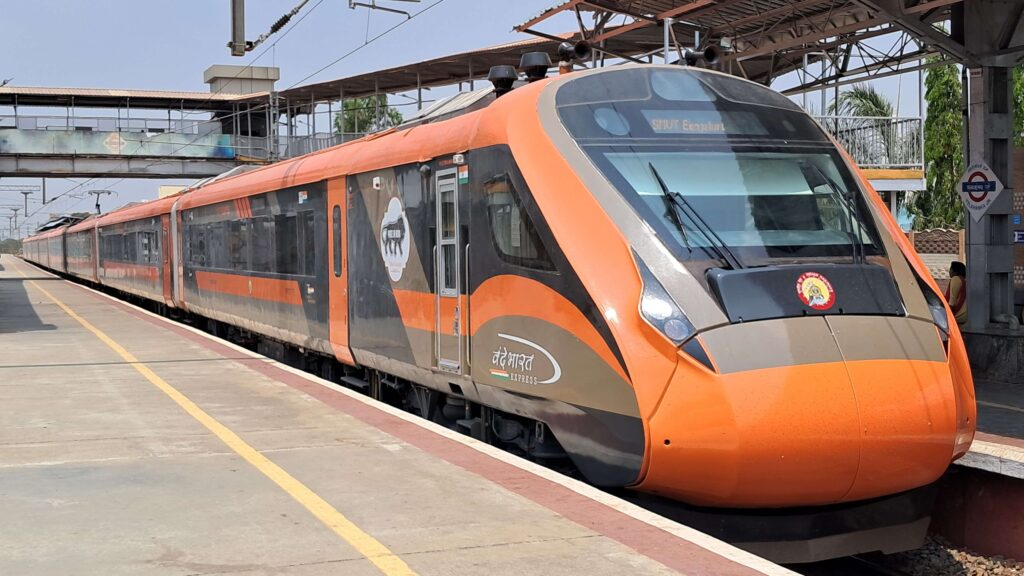
Train travel in India is different from booking trains in many other countries. If you’re traveling on popular routes, timing matters more than almost anything else.
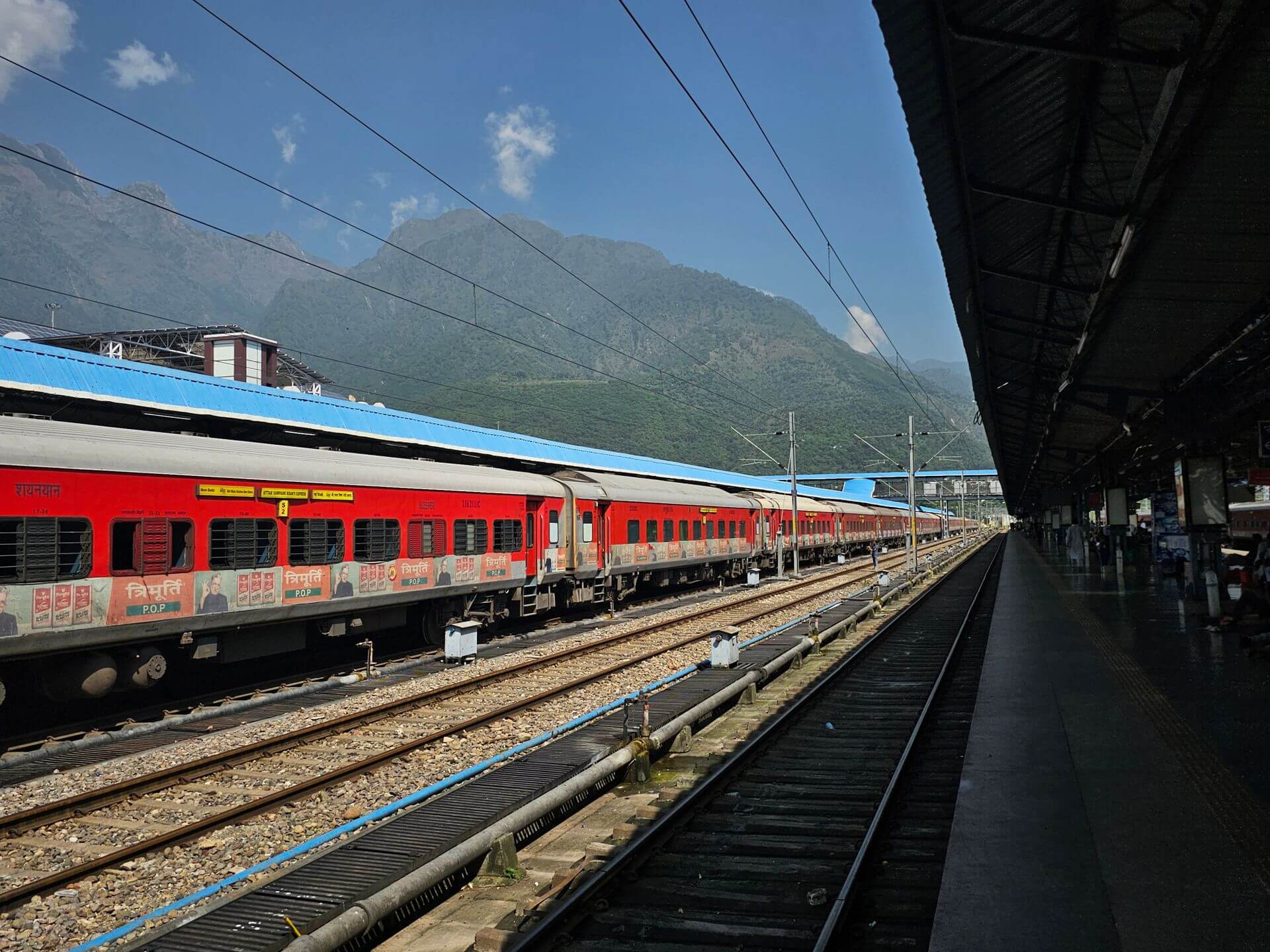
Indian Railways normally opens ticket bookings 120 days before travel through the IRCTC reservation system. Popular trains can sell out surprisingly quickly, especially during holidays and festivals.
How to book:
- Create an account on IRCTC (irctc.co.in) or the IRCTC Rail Connect app well before you need it
- Verify your account with an Indian or international phone number (this step alone can take a day or two, so do it early)
- Mark your exact travel date and set a reminder for exactly 120 days before
- Book the moment the window opens if you’re traveling on a popular route (Delhi–Agra, Mumbai–Goa, any route during festival season)
Tatkal booking: If you missed the 120-day window, Tatkal tickets open 1 day before travel (10 AM for AC classes, 11 AM for non-AC) with a premium charge. This is a backup, not a plan.
Luxury and heritage trains (Palace on Wheels, Maharajas’ Express, Deccan Odyssey) run on fixed seasonal schedules and should be booked 4–6 months in advance — these have far fewer seats and a dedicated following of repeat travelers.
Seasonal Planning: When You Go Changes Everything
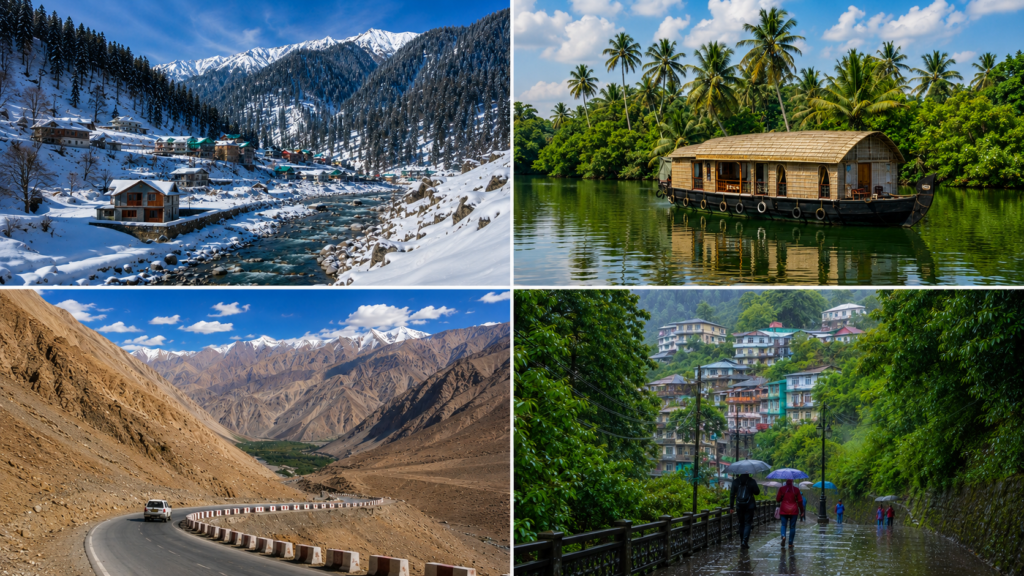
One reason planning a trip to India can be confusing is that the country’s weather changes dramatically from one region to another. The best time to visit India depends entirely on where you’re going.
North India (Delhi, Agra, Rajasthan, Punjab): Best from October to March. Summers (April–June) are extremely hot, often exceeding 40°C (104°F).
South India (Kerala, Tamil Nadu, Karnataka): Best from November to February. Slightly less extreme heat than the north, but humidity rises fast after February.
Himalayan regions: Accessible May to October only. Many high-altitude routes and passes close completely in winter.
Monsoon season (June–September): Most of the country sees heavy rain, though Kerala’s backwaters and Himachal’s hill stations have their own appeal during this window – just plan for disruptions to outdoor activities and some road closures.
Festival season crunch: Diwali (October/November) and the Christmas–New Year window are the two most competitive booking periods of the year across flights, trains, and hotels.
If your trip overlaps with either, move every deadline in this guide 4–6 weeks earlier.
Essential India Trip Planning Checklist
Documents to prepare before booking anything:
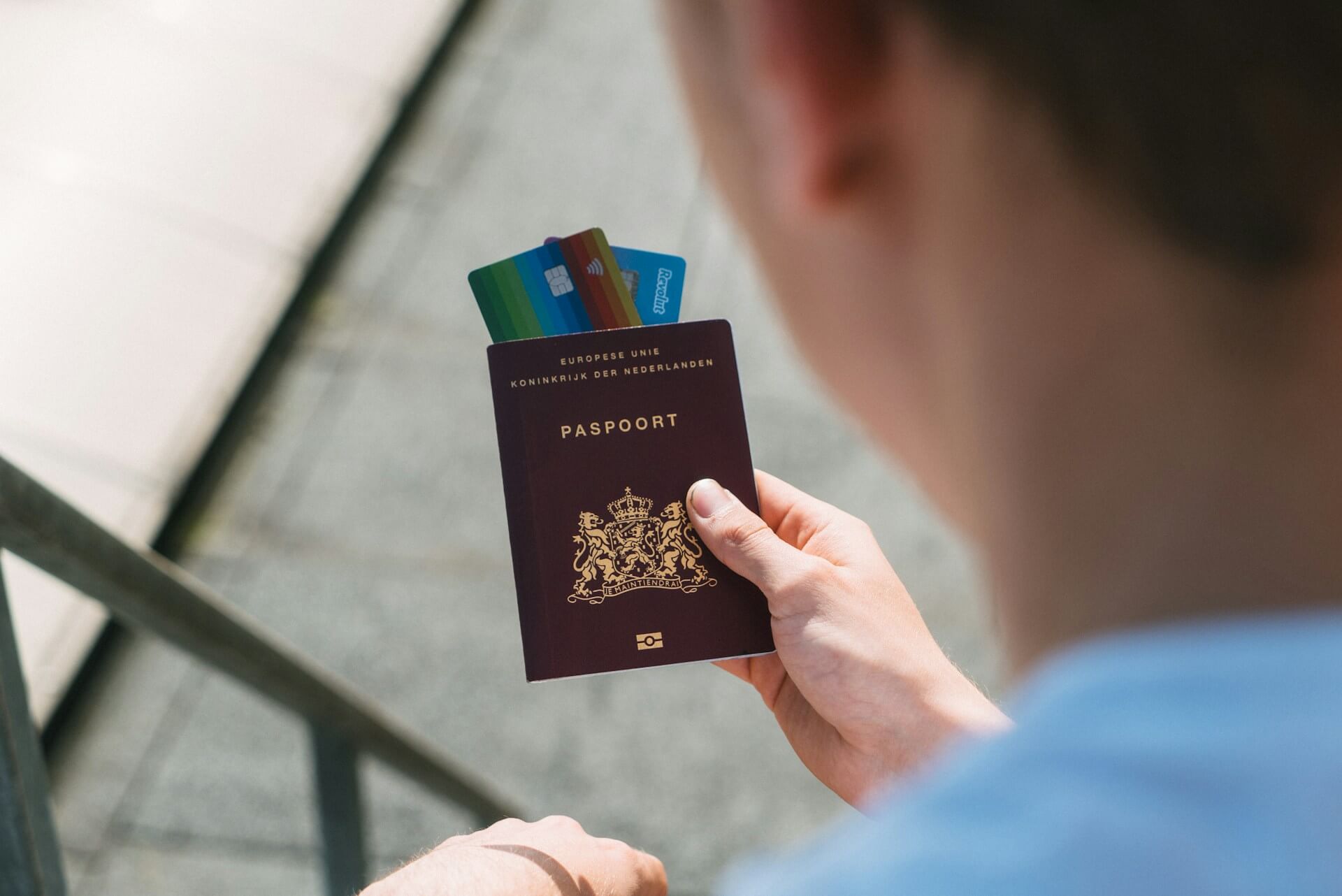
- Passport valid for 6+ months beyond your travel dates, with at least 2 blank pages
- Passport-style photo (digital, for the e-Visa application)
- Return or onward flight confirmation (sometimes requested at immigration)
- Proof of accommodation for your first few nights
Apps worth installing before you go:
- IRCTC Rail Connect (train booking)
- MakeMyTrip or Cleartrip (flights, hotels, and trains in one place)
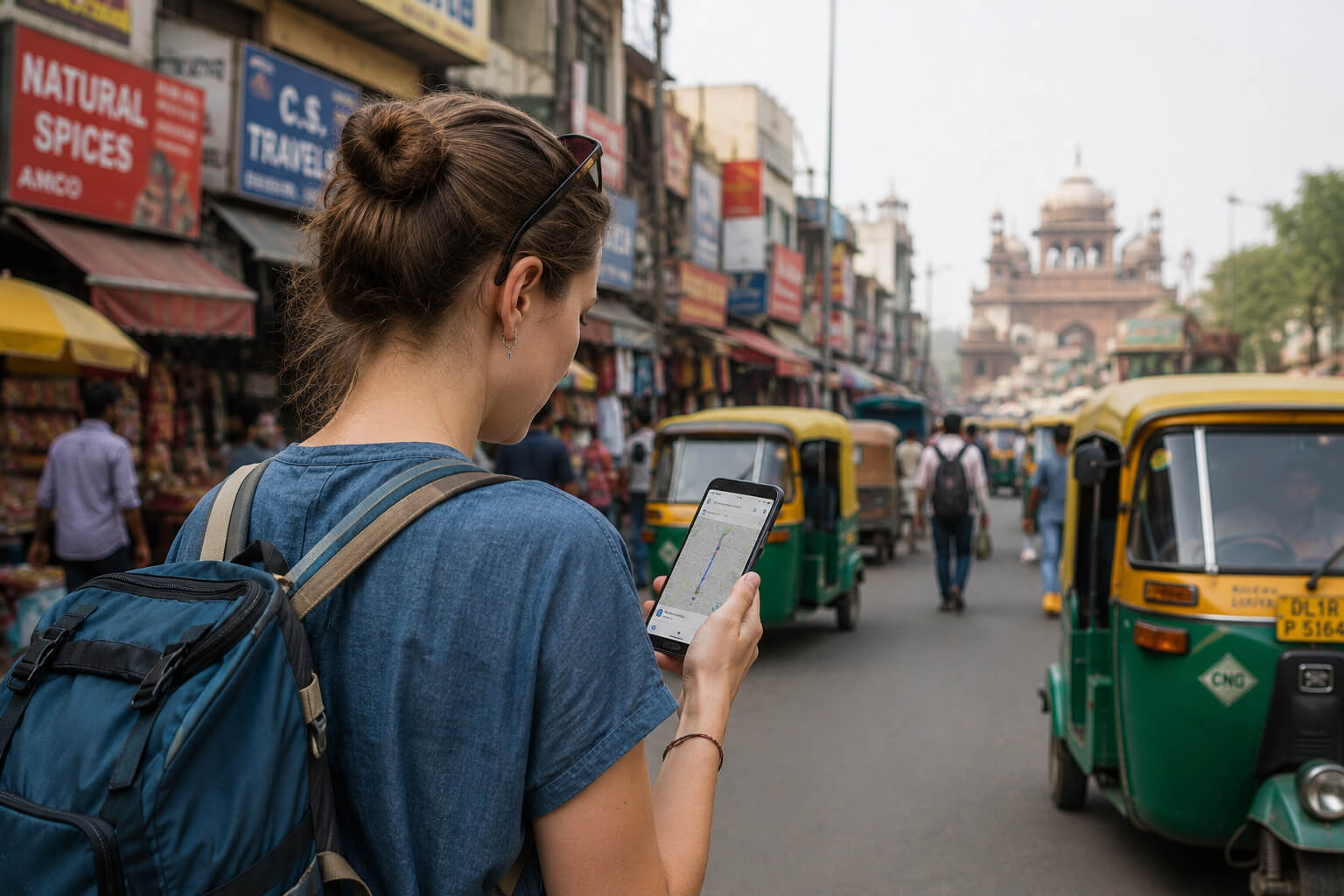
- Google Maps (download offline regions in advance)
- Google Pay or a similar UPI-compatible app if you plan to use local digital payments
Typical costs to budget for advance bookings:
- e-Visa fee: roughly $10–80 USD depending on visa type and duration
- Domestic flights: $40–120 USD one-way depending on route and how early you book
- Train tickets (AC 2-tier, long distance): $15–40 USD depending on distance
Common Mistakes Travelers Make
Applying for the e-Visa too early. The system caps applications at 120 days before arrival — if you try earlier, it will simply reject the application.
Assuming train tickets work like flights. Many first-time visitors expect to book a train a week before travel, the way they would in Europe or the US. On popular routes, tickets are gone within days of the 120-day window opening.
Booking non-refundable hotels months in advance. Itineraries shift as you learn more about distances and travel times between Indian cities. Refundable rates cost slightly more but save you from losing money on a plan that changes.
Ignoring festival dates. A Diwali or Holi trip needs everything booked earlier than this guide’s standard timelines – accommodation in tourist cities can be fully booked 2–3 months out.
Trying to squeeze too many destinations into one itinerary. India is much larger than many first-time visitors expect, and travel between cities often takes longer than Google Maps suggests.
India Trip Planning: Final Thoughts
After planning multiple trips across India, one pattern is always the same: flights and trains reward early planning, while hotels are much easier to adjust later.
If you’re still wondering how far in advance to plan an India trip, the safest approach is to start planning about 3–6 months before departure.
That gives you enough time to book international flights, apply for your India e-Visa, reserve popular hotels, and secure train tickets when reservations open.
Once those essentials are in place, you can relax and focus on planning the experiences that make your trip memorable.
Get those four pieces locked at the right time, and the rest of your India vacation – the parts that actually make it memorable – can stay flexible.
FAQs about India Trip Planning
How far in advance can I apply for an Indian e-Visa?
You can apply for an Indian e-Visa up to 120 days before your arrival date. Although applications are accepted as late as 4 business days before travel, applying 4–6 weeks ahead gives you a comfortable buffer.
Can I book Indian trains from outside India before I arrive?
Yes. You can book Indian train tickets from outside India through IRCTC. Create and verify your account before the 120-day booking window opens to avoid last-minute delays.
Is it cheaper to book India flights early or last minute?
Booking flights to India 3–6 months in advance is usually cheaper, especially for travel between October and March. Domestic flights within India are often cheapest 4–8 weeks before departure.
How early should I book hotels for the Taj Mahal or Jaipur?
Book hotels in Agra and Jaipur 2–3 months in advance for travel between October and March. If you’re visiting during Diwali or Christmas, book even earlier.
Do I need to book everything before I land in India?
No. Book your flights, visa, key train journeys, and peak-season hotels in advance. You can usually arrange smaller hotels and local transport after you arrive.
What’s the best time of year to visit India?
October to March is the best time to visit most of India, including Delhi, Agra, and Rajasthan. Himalayan destinations are generally best between May and October.
How long does an Indian e-Visa take to process?
Most Indian e-Visas are approved within 3–5 business days. During busy travel periods, processing may take up to a week, so apply a few weeks before departure.
Can I extend my trip once I’m in India if my visa allows it?
It depends on your visa type. Check your Indian e-Visa conditions before changing your travel plans, as overstaying or breaking visa rules can lead to penalties.
Is Tatkal booking a reliable backup?
Tatkal booking is a useful backup but not guaranteed. Tickets go on sale one day before travel and often sell out within minutes on popular routes.
Should I book a private driver instead of trains?
Many first-time visitors choose a private driver, especially for the Golden Triangle. It costs more than trains but offers greater flexibility and avoids train booking deadlines.
What happens if I need to change my India trip dates?
Flexible bookings make date changes much easier. Refundable hotels are the safest option, while flight and train change policies vary by provider.
Do festivals like Holi or the Pushkar Camel Fair need special planning?
Yes. Major festivals increase demand for flights, hotels, and trains. If your trip overlaps with Holi, Diwali, or the Pushkar Camel Fair, book at least three months ahead.
Images: Pexels
