







Tourist police in India help international visitors navigate problems such as scams, lost passports, theft, and language barriers.
Tourism police exist in many of India’s major visitor destinations specifically to help foreign and domestic tourists access local assistance more easily.
Visitor assistance services are supported through state police departments and India’s tourism authorities, although availability varies by destination.
They are often the first point of contact for common travel problems such as scams, lost documents, language barriers, or uncertainty about what to do next.
This guide explains what tourist police in India actually do, where to find them, when to contact them, and what else to have in place so that getting help in India is straightforward rather than stressful.
Information in this guide is based on official Indian government resources, police department guidance, and practical travel procedures commonly followed by international visitors.
What Is Tourist Police in India?
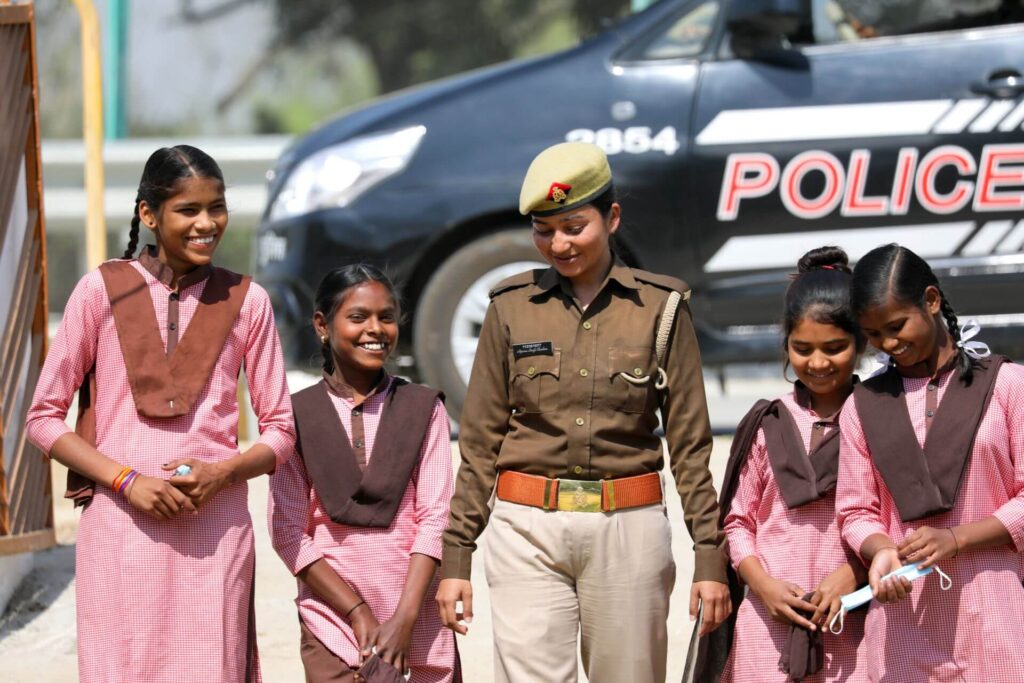
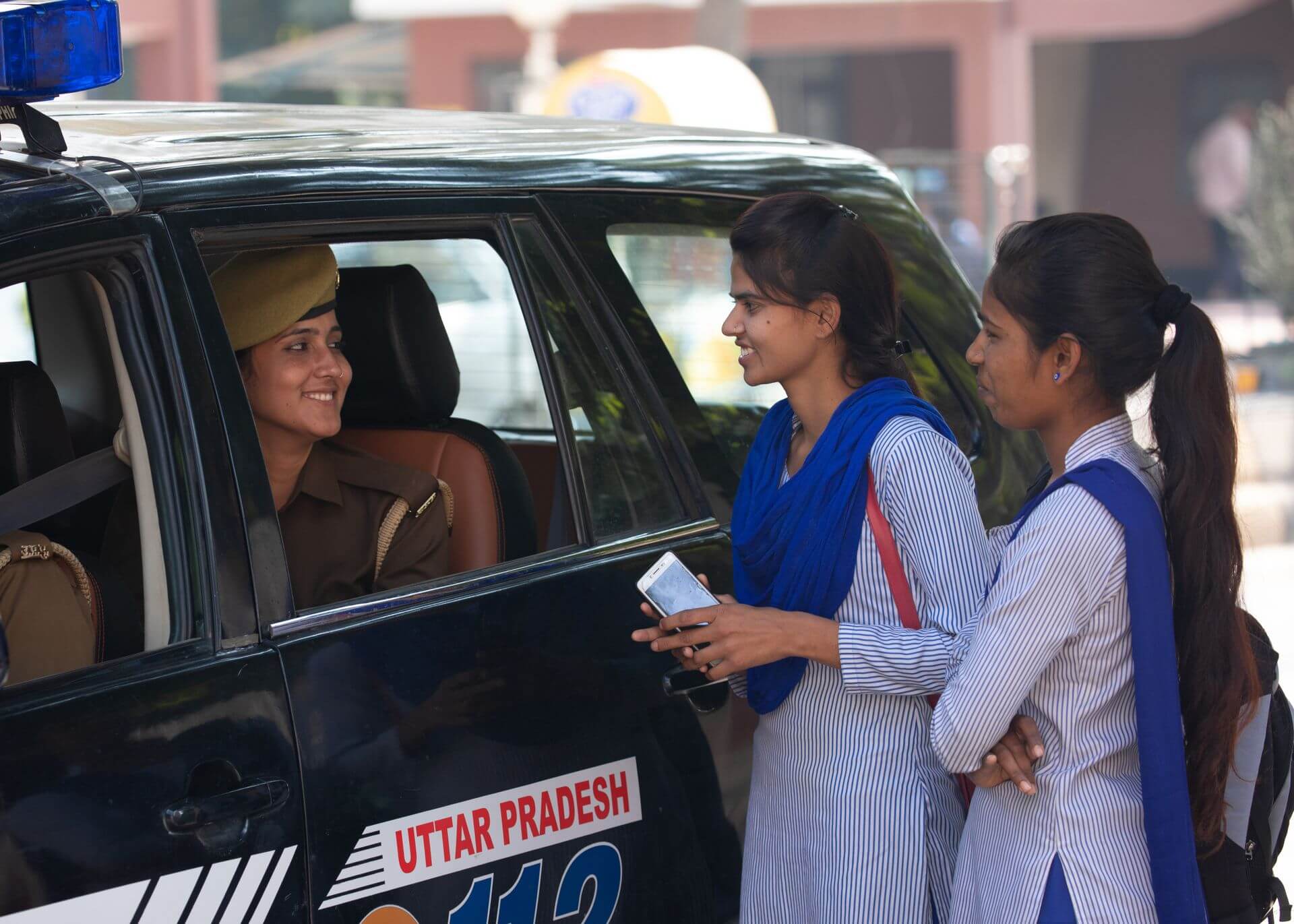
Tourist police are specialized units within India’s law enforcement and tourism infrastructure, established to assist international and domestic visitors in major tourist destinations.
Unlike regular police, tourist police focus on helping visitors, providing guidance, and connecting them with the right authorities.
What Can Tourist Police Help With?
- Lost or stolen passports and travel documents: They can explain the reporting process and direct you to the correct authorities.
- Theft and petty crime: They can assist with reporting stolen belongings, especially in popular tourist areas, and explain how to obtain the documents needed for insurance claims.
- Tourist scams: They can help with issues involving fake guides, overcharging, fraudulent ticket sellers, unauthorized tour operators, or other common scams targeting visitors.
- Directions and local guidance: If you’re lost or unsure where to go, tourist police can provide directions, recommend the appropriate office or service, and help you navigate unfamiliar areas.
- Language and communication barriers: In many popular destinations, officers can help bridge communication gaps between visitors and local authorities or service providers.
- Safety concerns: If you’re experiencing harassment, unwanted attention, or feel unsafe, tourist police can advise you on the safest course of action and connect you with the appropriate authorities.
- Referrals to other services: When needed, they can direct you to hospitals, embassies, consulates, transportation services, or other government agencies that can provide further assistance.
Is Tourist Police Available Everywhere in India?
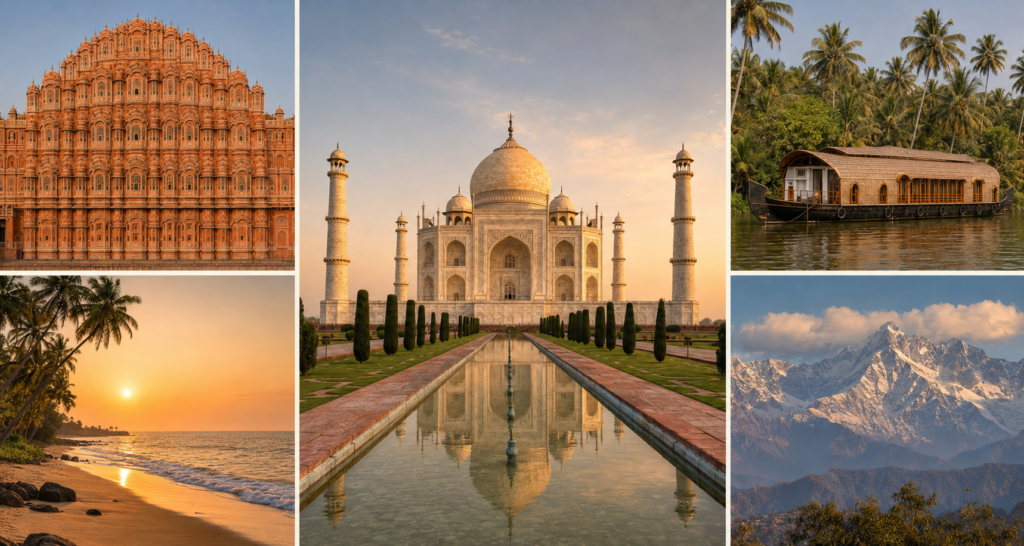
Tourist assistance officers are not available in every city. Their presence varies by state, with major attractions offering much better visitor support than smaller towns.
Popular tourist cities usually have better-developed tourist support systems than smaller towns.
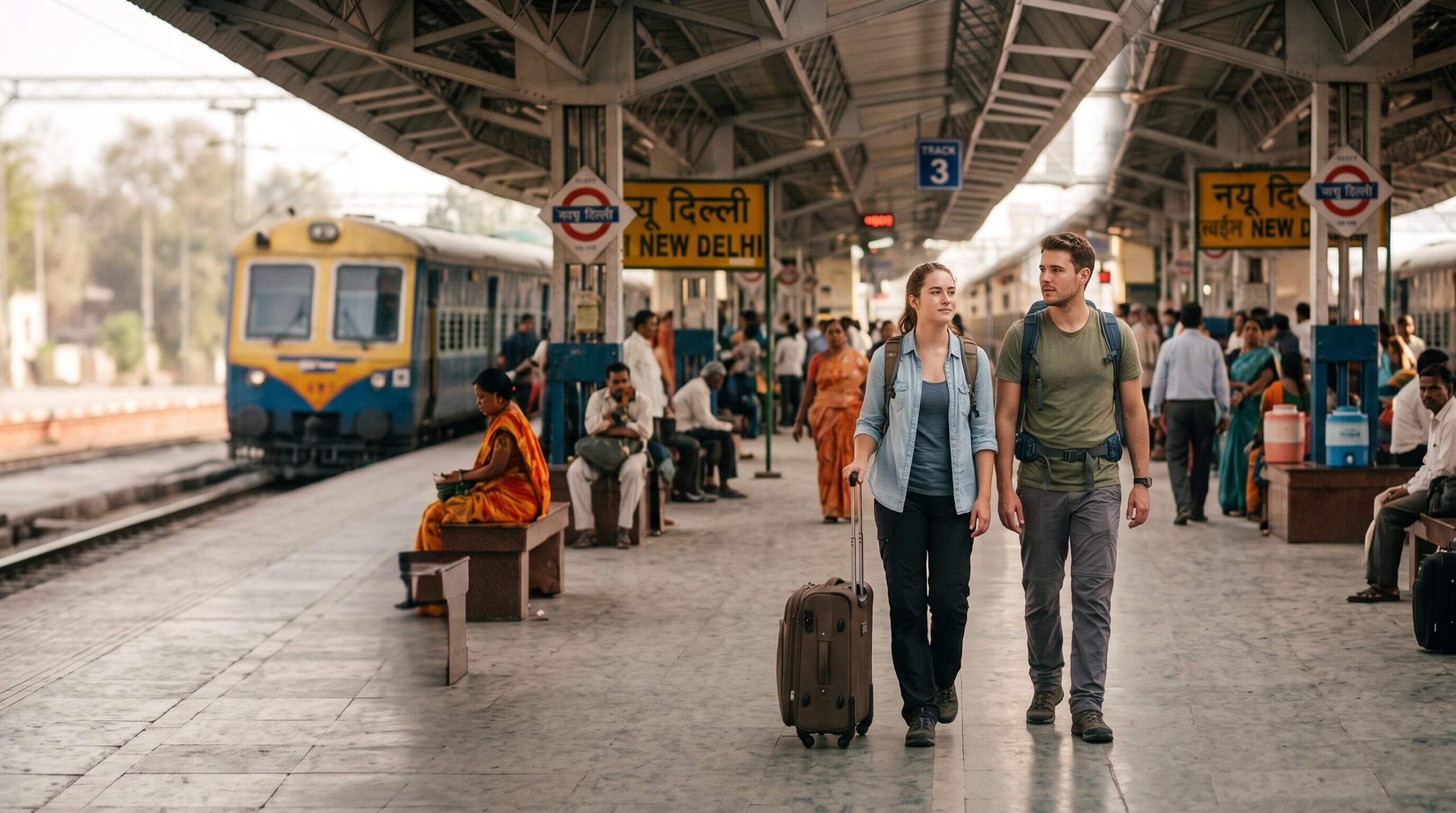
Delhi has one of India’s best-developed tourist police networks, especially around major attractions and transport hubs.
Rajasthan has invested significantly in tourism police across its major destinations.
Cities like Jaipur, Udaipur, Jodhpur, and Jaisalmer all have tourism police presence given their status as top international tourism destinations.
The Rajasthan Police’s tourism assistance units are among the more developed in the country.
Goa has a strong tourist police network because it receives millions of international beach visitors every year.
The Goa Tourism Police handle a wide range of visitor issues, from beach harassment to accommodation disputes and document theft.
Kerala has developed tourism-focused assistance systems in major destinations such as Kochi, Munnar, and Alleppey. Tourist information and assistance are available at major entry points and popular destinations.
Agra receives enormous international visitor numbers due to the Taj Mahal and has corresponding tourism police infrastructure at and around the major monuments.
Mumbai has tourist assistance available through its police system given its status as a major international gateway, though the city’s scale means that dedicated tourist units are concentrated in key visitor areas rather than distributed across the city.
In destinations not listed here, particularly smaller towns, hill stations, and rural areas, regular police stations are the appropriate contact point.
Hotel staff in these areas are usually the most practical first contact for guidance on where to go.
Tourist Police vs Regular Police in India
Understanding which authority handles which situation saves significant time and frustration.
Situation | Tourist Police | Regular Police |
Lost passport | Explain the process and direct you to the right police station | Register the FIR and handle the official complaint |
Tourist scam | Provide guidance and assist with complaints | Investigate if an official complaint is filed |
Language barrier | Help with communication where possible | Assistance depends on the officer and location |
Directions or local guidance | Yes | Limited |
Immediate emergency | Guide you to emergency services | Respond to emergencies |
Insurance claim | Explain the FIR process | Issue the FIR required for insurance |
Tourism police are primarily for assistance and guidance. Regular police stations handle official complaints, investigations, and the FIR (First Information Report) documentation that is required for insurance claims and embassy procedures.
Tourist police mainly provide guidance, while regular police handle FIRs, investigations, and official complaints.
When Should Foreign Tourists Contact Tourist Police?
Problem | First Step | Next Step |
Lost passport or documents | Inform your hotel and secure copies of your documents | File an FIR and contact your embassy |
Tourist scam | Keep receipts, screenshots, and payment records | Contact tourist police or local police |
Theft or stolen belongings | Block cards if needed and record details | File an FIR for insurance and official records |
Harassment or safety concerns | Move to a busy public place | Contact tourist police or call 112 |
Language difficulties | Use translation tools or ask hotel staff | Contact tourist police if official help is needed |
Accommodation fraud | Collect booking and payment evidence | Contact tourist police or regular police |
Lost Passport or Important Documents
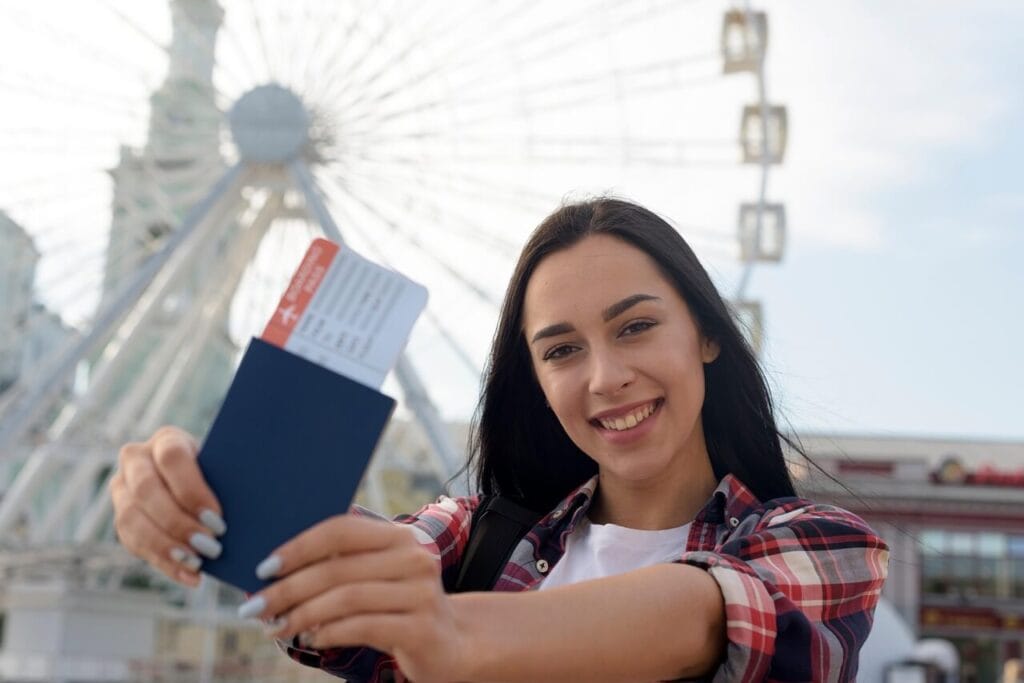
Losing your passport in India is a stressful situation with a clear process attached to it. Contact your hotel first: front desk staff have usually encountered this situation before and can guide you efficiently.
The required steps are: report the loss to the nearest police station and obtain an FIR (First Information Report). This document is essential for your embassy and for any insurance claim.
Then contact your embassy or consulate’s emergency line to begin the emergency travel document process.
If you are unsure how to locate your country’s embassy or consulate, the Ministry of External Affairs provides information on diplomatic missions in India.
Tourism police can assist by helping you locate the right police station, accompanying you if language is a barrier, and explaining the FIR process.
Keep several photocopies or secure digital copies of your passport before traveling. This can speed up replacement procedures.
They can also help contact your embassy if you do not have the number readily available.
Travel Scams
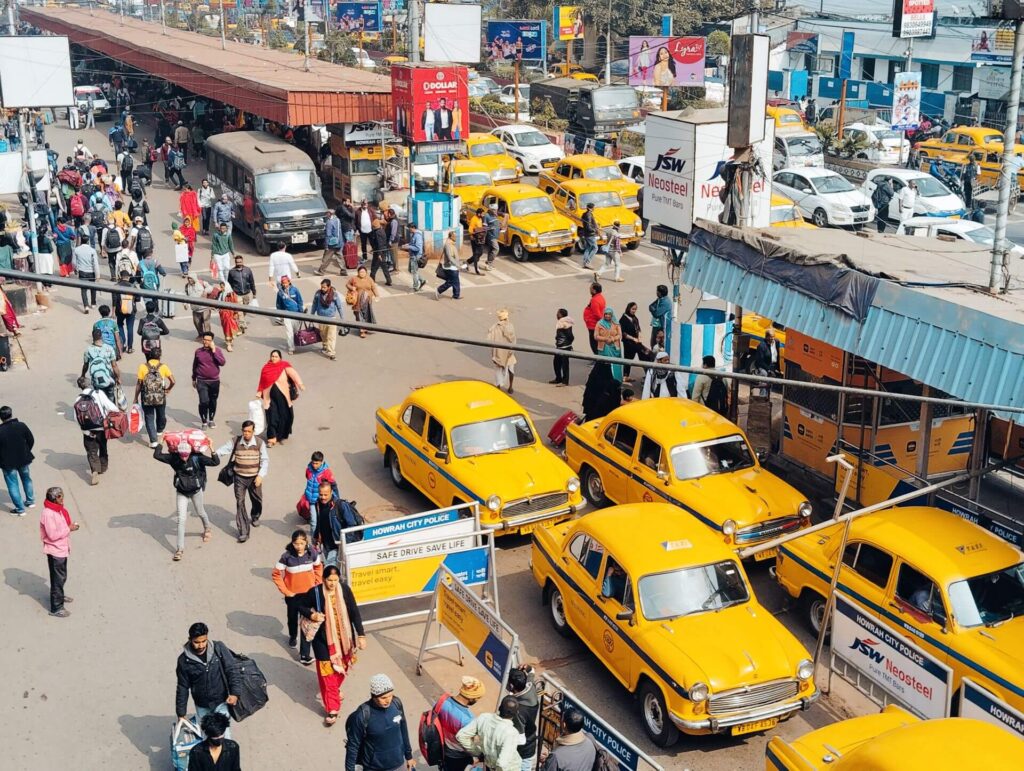
India’s tourist areas attract a range of scam operators: fake guides at major monuments, taxi drivers with creative pricing, commission-based touts steering visitors to overpriced shops, and fake ticket sellers outside popular attractions.
If you have been overcharged, misled, or subjected to a clear scam, tourist police are the appropriate first contact.
They can help you understand your options, file a complaint if appropriate, and in some cases mediate disputes with local operators.
For a full understanding of how common tourist scams operate and how to recognize them before they happen, the guide on common travel scams in India covers this in detail.
Harassment or Safety Concerns
If you experience unwanted and persistent attention, feel followed, or encounter a situation that feels threatening, the immediate priority is to move to a public, busy, staffed location: a hotel lobby, a restaurant, a shop, or a monument entrance.
Once you are in a safe environment, contact tourist police or ask nearby staff to call for assistance. Do not remain in isolated or quiet areas trying to manage a persistent situation alone.
Moving toward people and visibility resolves most situations far more effectively than trying to handle them quietly.
Accommodation Problems
Not every hotel complaint warrants police involvement. A noisy room, disappointing facilities, or a billing dispute that can be addressed directly with management does not require police assistance.
Police involvement makes sense when a problem involves fraud, for example, if a property charged your card for a booking that was not honored or significantly misrepresented, serious safety concerns within the property, or any situation involving illegal activity.
Language Problems
Tourist police in major destinations often have officers who can communicate in English, although the level of fluency varies by location.
They may be able to help with basic communication between travelers and local authorities or service providers. For everyday language barriers, simple tools are usually more practical than relying on police assistance.
Download Google Translate with the Hindi language pack before your trip so it works offline. Keep your hotel address saved in both English and the local script to show taxi drivers or vendors.
It’s also a good idea to save important bookings and documents as screenshots in case you don’t have internet access.
How to Find Tourist Police in India

Before You Travel
Research the tourist police or tourism assistance contact for each major city on your itinerary before you leave home. Save the India Tourist Helpline number (1363) in your phone.
This number is specifically for international visitors and can direct you to appropriate local assistance regardless of where you are in the country. Note the address and direct phone number of your hotel in each city.
In a problem situation, your hotel is almost always the fastest first contact. Save offline maps for each destination in case mobile data is unavailable.
During Your Trip
Ask your hotel. Hotel front desk staff are consistently the most practical first point of contact for any problem situation.
They know the local area, speak English, have relationships with local authorities, and have usually helped previous guests through similar situations.
Before searching independently, ask reception where to go and whether they can help you get there.
Use maps to search. Searching “tourist police” or “police station” plus your city name in Google Maps will show nearby options.
In major tourist destinations, dedicated tourist police posts are sometimes marked. In other areas, the nearest police station is the appropriate result.
Contact the Tourist Helpline. The India Tourist Helpline at 1363 is available for international visitors and can provide guidance on the appropriate local contact for your specific situation, regardless of which city you are in.
You can also find the latest tourist assistance information on the official Incredible India Help & Support page.
Emergency Numbers Foreign Tourists Should Save
Service | Number | When to Use |
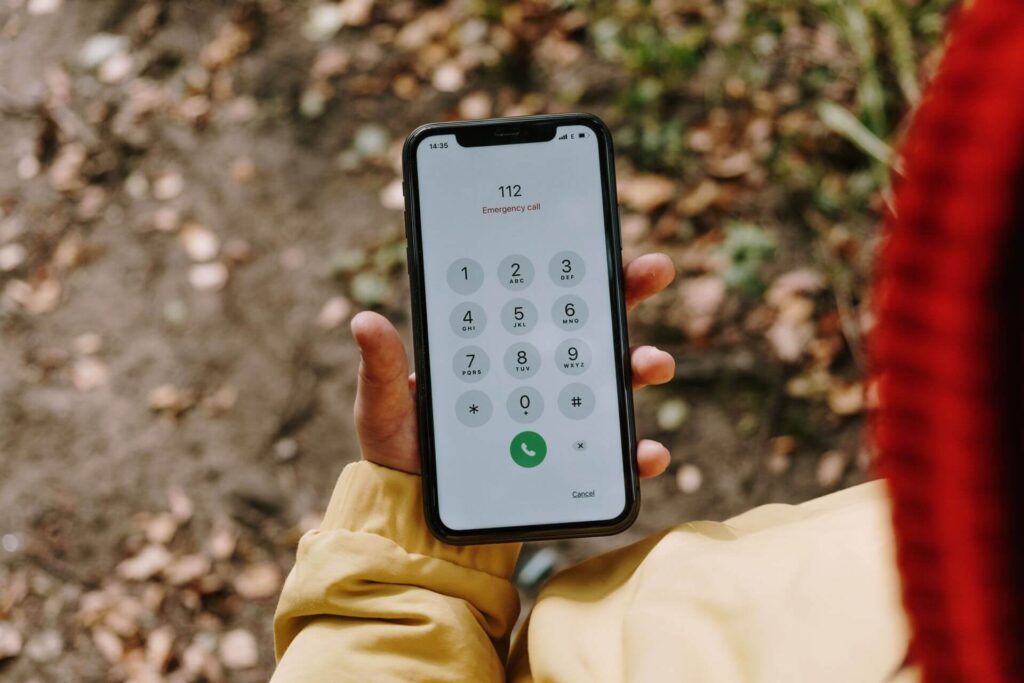
National Emergency | 112 | Any police, fire, or medical emergency |
Police | 100 | Police assistance (where available) |
Ambulance | 102 / 108 | Medical emergencies |
Tourist Helpline | 1363 | Tourist assistance and guidance |
Women's Helpline | 181 | Women needing support or assistance |
Save all of these before you arrive in India, not when you need them. You can also verify emergency contacts through the official National Emergency Response Support System (112) website.
For a complete guide to emergency numbers, safety apps, and how to use them effectively, the emergency numbers for tourists in India guide covers preparation and response in full.
Information to Keep Ready When Asking for Help
Being organized when you approach any authority speeds up the process significantly. Prepare the following before you travel and keep it accessible throughout your trip:
- Photocopy of your passport photo page (kept separately from your actual passport)
- Visa details including entry date and visa type
- Hotel address in each city, written in English and local script
- Travel insurance policy number and 24-hour emergency line
- Emergency contact at home who knows your general itinerary
- Booking confirmations for flights, trains, and accommodation
- Photos or screenshots of important documents stored in a secure cloud folder
When approaching tourist police or a regular police station, having clear information about what happened, where, and when is more useful than a lengthy narrative.
Being able to show evidence, whether a screenshot of a booking, a photo of a receipt, or a record of a transaction, makes the process significantly faster.
How Foreigners Report a Problem to Police in India
Step 1: Explain clearly and factually. State what happened, where it happened, and when. Keep the account factual and specific. If a scam was involved, explain the sequence of events from first contact to the point where the problem became apparent.
Step 2: Provide whatever evidence you have. Photos, receipts, booking confirmations, screenshots of conversations, and any written records all help establish the facts of the situation. Even partial evidence is better than none.
Step 3: Request an FIR (First Information Report). For any theft, scam, or loss of documents, an FIR is the official record of your complaint.
This document is required for insurance claims and embassy procedures. Ask specifically for a copy of the FIR with its reference number before you leave the station.
Step 4: Keep a record of who you spoke to. Note the officer’s name and the police station’s name and address. This information is useful for follow-up and for your insurance documentation.
Does Tourist Police in India Speak English?
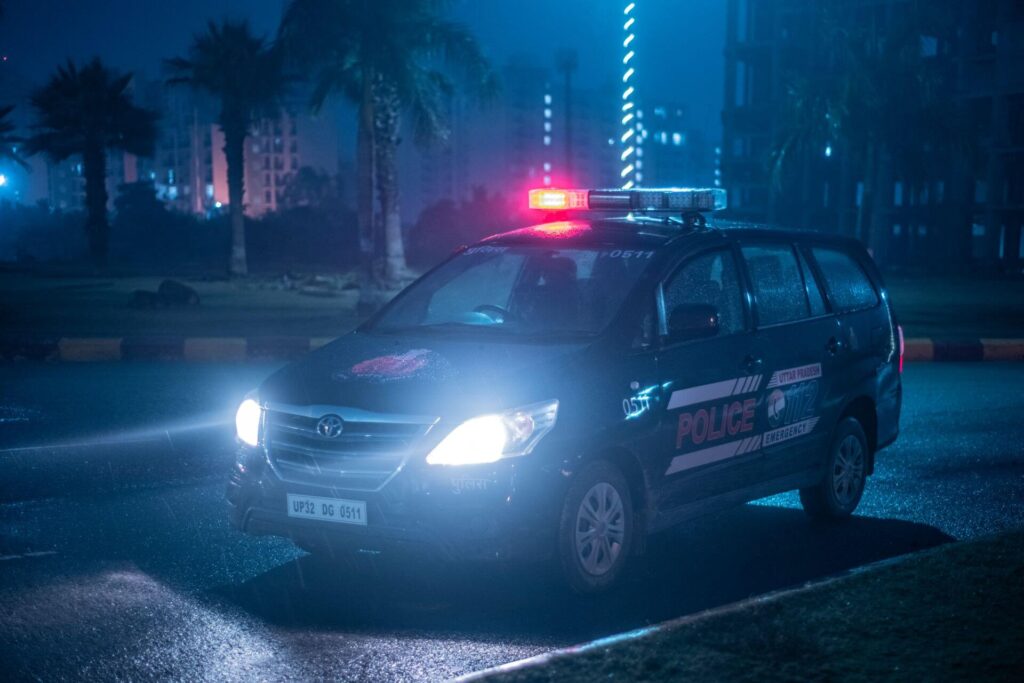
In popular travel destinations, yes, usually at a functional level. Tourist police in Delhi, Jaipur, Goa, Agra, and Kerala tourist areas are typically selected in part for communication ability with international visitors.
The quality of English communication varies between individual officers and between cities. In smaller towns and at regular police stations away from tourist circuits, English proficiency may be limited.
Practical ways to manage language gaps: keep your hotel address written in local script alongside English.
Download Google Translate with the Hindi language pack offline, which allows you to type text and show the screen to the person you are trying to communicate with.
Keep important information saved offline, including hotel details, bookings, and document copies.
Tourist Police in Popular Indian Destinations
Delhi has one of India’s more developed tourist assistance systems given its volume of international visitors. The Delhi Police Tourist Unit operates in key visitor areas and at major attractions.
For visitors arriving at Indira Gandhi International Airport, tourist assistance is available within the terminal.
Rajasthan cities have invested in tourist assistance infrastructure commensurate with their importance as international tourism destinations.
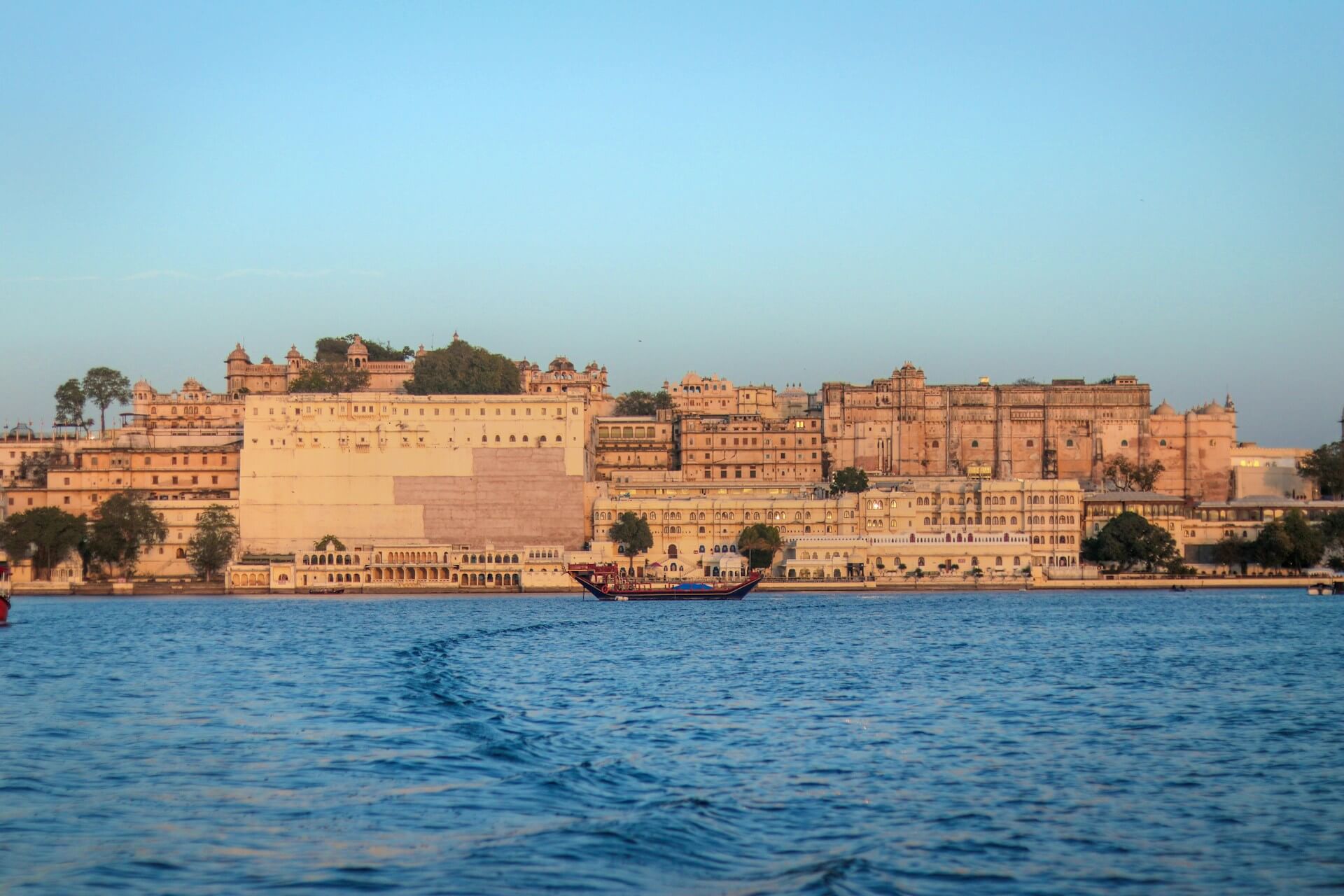
In Jaipur, tourist police are present at major sites including Amber Fort, Hawa Mahal, and the City Palace area. In Udaipur and Jaisalmer, tourist assistance is available through police presence at key visitor areas.
Rajasthan’s tourism department also operates complaint mechanisms for visitors who have experienced problems with local operators.
Goa handles a significant volume of international beach tourists and has corresponding tourist police infrastructure.
The Goa Tourism Police handle beach area safety, accommodation disputes, and document theft cases regularly. Panaji, the state capital, has the main tourism office where complaints can be registered.
Kerala has built a reputation as one of India’s more tourist-friendly states, with tourism infrastructure in Fort Kochi, Munnar, Alleppey, and other key destinations.
The Kerala Tourism helpline provides a first point of contact for visitor issues.
Agra receives enormous international day-tripper traffic from Delhi and dedicated tourist police presence at and around the Taj Mahal complex reflects this.
Scam operations targeting tourists are particularly active in Agra given the concentration of day visitors, and tourist police at the monument have experience with the specific scam patterns common to the area.
What Tourist Police Cannot Do
Setting realistic expectations prevents frustration when you do need assistance. Tourist police cannot guarantee the recovery of stolen property.
Filing a report creates a record and is necessary for insurance purposes, but Indian police solve relatively few petty theft cases.
Report the theft, obtain the FIR, and focus on replacing lost documents or securing your belongings. A lost passport requires embassy involvement to issue a replacement document.
Tourist police can assist you in getting to this step but cannot complete it for you. They cannot resolve every disagreement.
A pricing dispute at a market or a service quality complaint at a restaurant is not a police matter.
Tourist police can sometimes mediate, but approaching a police station with a complaint about a restaurant’s food quality is not an appropriate use of the service and is unlikely to produce useful results.
They cannot ignore legal procedures. If your situation requires an FIR or involves legal complexity, the formal process applies regardless of the circumstances. Tourist police work within the legal system, not around it.
Common Mistakes Tourists Make When Seeking Help

Waiting too long to report. The longer you wait after an incident, the harder it becomes to establish facts, locate evidence, and identify witnesses. Report problems promptly, particularly when an FIR is likely to be needed for insurance or embassy purposes.
Not keeping evidence. A receipt showing an agreed price, a screenshot of a booking confirmation, a photo taken before an item went missing: these are the difference between a credible complaint and one that cannot be substantiated.
Build the habit of keeping records of transactions and agreements throughout your trip.
Not knowing their location. In a problem situation, being able to tell someone clearly where you are is fundamental.
Keep your hotel address accessible at all times, enable location sharing with a trusted contact on longer trips, and have offline maps downloaded so your GPS location is always visible even without data connectivity.
Understanding how Tourist Police in India work before your trip can make dealing with unexpected situations much less stressful.
While most visitors never need their assistance, knowing where to find help, when to contact tourist police, and how they work alongside local police gives you added confidence throughout your journey.
Combined with travel insurance, copies of important documents, and basic safety precautions, you’ll be well prepared to enjoy your trip to India.
Frequently Asked Questions About Tourist Police in India
What is tourist police in India?
Tourist police in India are specialized police units that help travelers with issues such as scams, lost documents, theft, safety concerns, and communication problems. They guide visitors and connect them with the right authorities when needed.
Can foreigners contact tourist police in India?
Yes, foreign tourists can contact tourist police in India for help with travel-related problems. They can assist with scams, lost passports, language barriers, and directing visitors to the correct services.
Is tourist police available in every city in India?
No, tourist police are not available in every Indian city. They are mainly found in major tourist destinations, while smaller towns usually rely on regular police stations.
What number can tourists call for help in India?
Tourists can call 112 in India for emergency police, medical, or fire assistance. The India Tourist Helpline (1363) provides tourist-related guidance.
Can tourist police help with a lost passport in India?
Yes, tourist police can help guide you after losing your passport in India. They can assist with the FIR process and direct you to your embassy or consulate.
Do tourist police in India speak English?
Tourist police in major destinations often speak English, but the level varies by location. Translation apps and hotel staff can help if communication is difficult.
What can tourist police help with in India?
Tourist police can help with scams, theft complaints, lost documents, safety concerns, and visitor guidance. They can also connect travelers with other services when required.
Should I contact tourist police or regular police in India?
Contact tourist police for guidance and regular police for official complaints, investigations, and FIR registration. Many situations involve both services.
What should I do if I get scammed in India?
Keep evidence such as receipts, messages, or payment records and contact tourist police or local police. Reporting the issue quickly can make the process easier.
How can tourists prepare for emergencies in India?
Save emergency numbers, keep passport copies, store hotel details offline, and have travel insurance before your trip. Preparation makes getting help faster if something goes wrong.
Images: Pexels
