




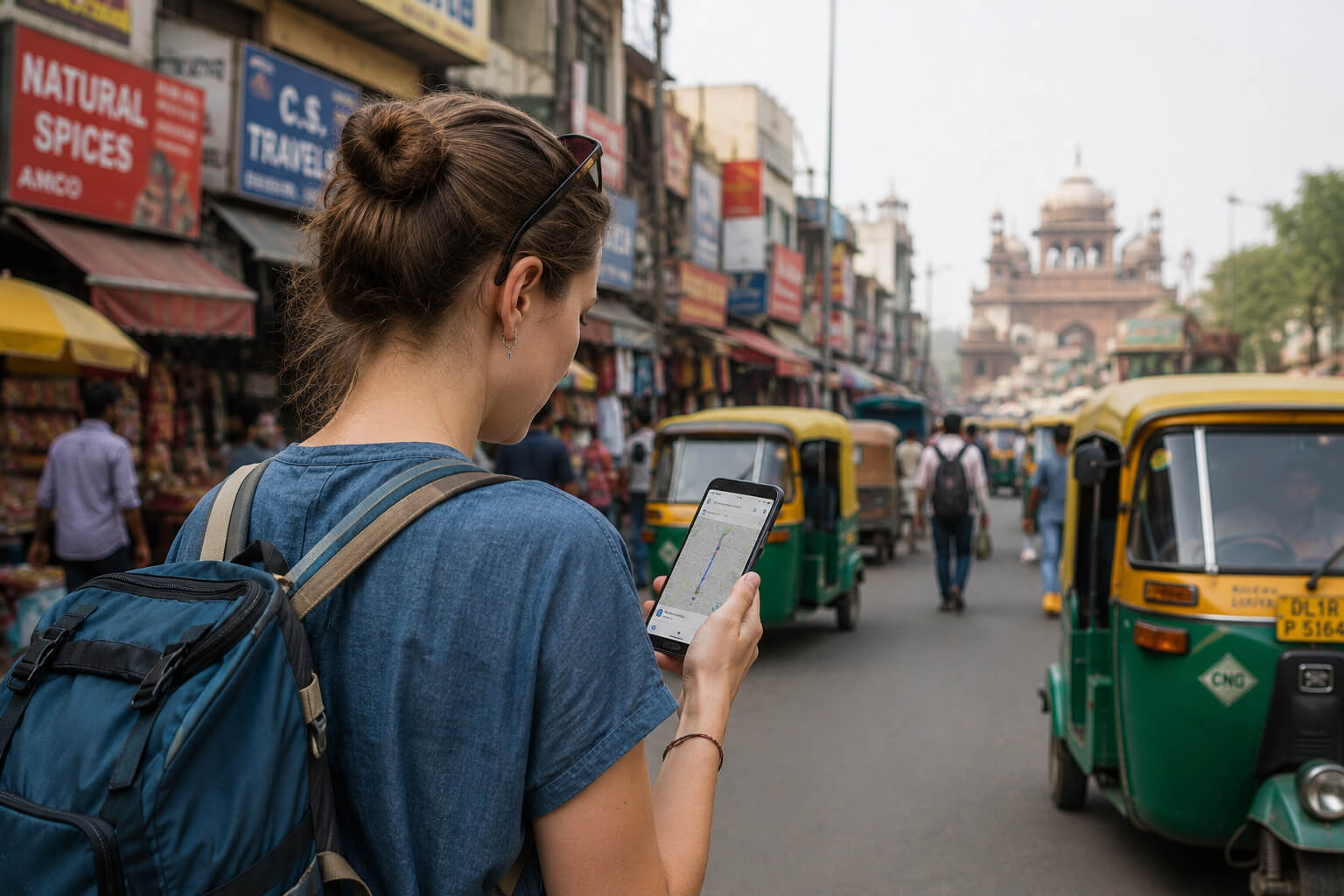
Your wallet is gone. You notice it between the spice market and the auto-rickshaw stand. Now you are in a crowded bazaar in Jaipur with no cash, no cards, and only 30% battery left.
Or it is 11 PM and you are in your hotel room in Varanasi feeling seriously unwell. You do not know the nearest hospital.
You do not know if the hotel receptionist speaks enough English to help. You do not know who to call. These situations happen to travelers in every country.
The difference between a quick resolution and a real crisis is simple: knowing what to do and who to contact in advance.
Knowing the right emergency numbers for tourists in India and having a few essential safety apps installed can turn a stressful situation into a manageable one.
Medical issues, lost passports, theft, or transport problems all become easier to handle with preparation. It helps you get assistance quickly and confidently.
This guide gives you that. Every number, app, and step is organized so you can act immediately instead of searching during a crisis.
India has a nationwide emergency system. But many travelers don’t know which number to call in each situation.
Save these emergency contacts before your trip. It helps you respond faster and avoid confusion in emergencies.
Emergency Numbers in India Every Tourist Must Know
Save these before you arrive. Do not rely on being able to search for them when you need them.
112: National Emergency Number
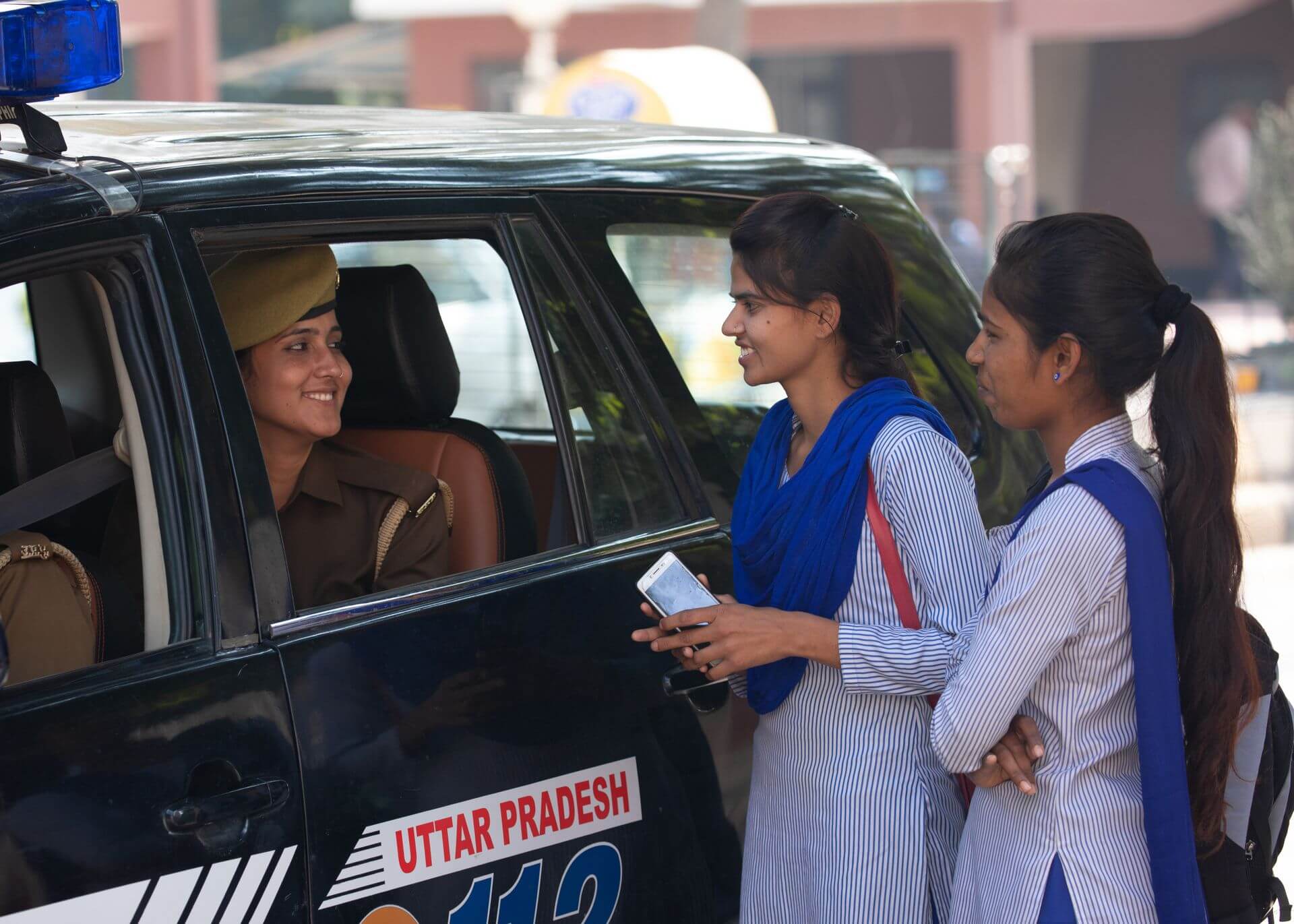
This is India’s single unified emergency number, equivalent to 911 in the US or 999 in the UK. Calling 112 connects you to a response center that can dispatch police, ambulance, or fire services.
It works across all states and on any mobile network, including when you have no SIM credit. If you remember only one number from this article, make it 112.
100: Police
The direct police helpline. Use this specifically for crimes in progress, theft, assault, or situations where you need police presence rather than medical or fire response.
101: Fire Emergency
For fire-related emergencies. Less commonly needed by tourists but worth having.
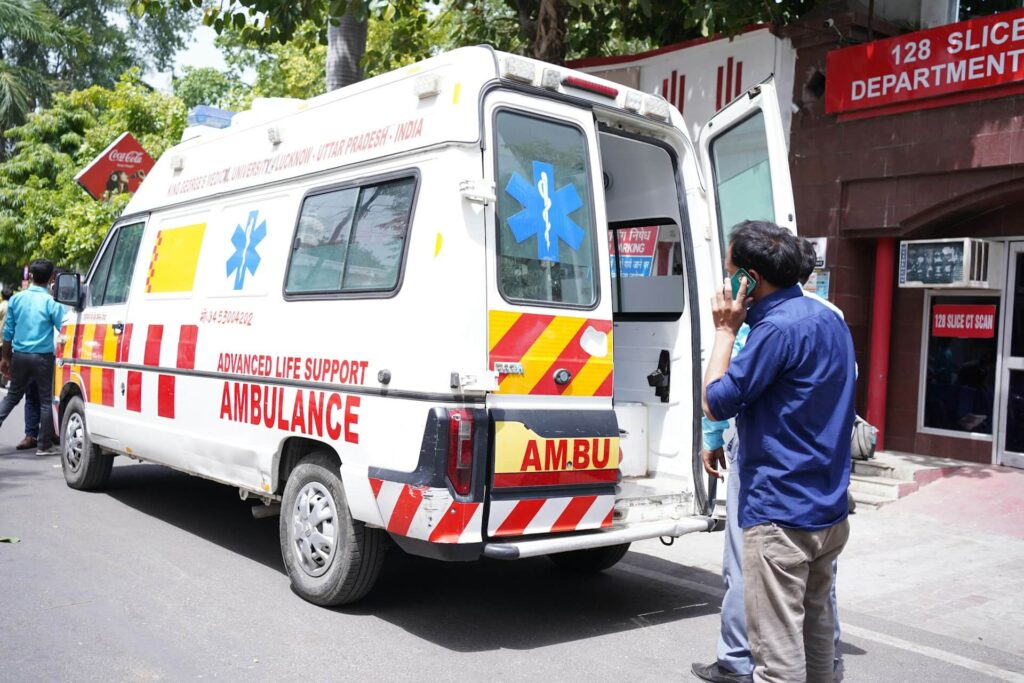
102: Ambulance
Government ambulance service. Response times vary significantly by city and region. In major cities like Delhi, Mumbai, and Bengaluru, response is reasonably fast.
In smaller towns or rural areas, private hospitals often have faster ambulance services. If you are in a major city, 102 works. If you are in a smaller town, ask your hotel for the nearest private hospital number on arrival.
108: Emergency Medical Services
An alternative ambulance number that operates in most Indian states. In some states, 108 is the primary ambulance number rather than 102. Save both.
1363 or 1800-11-1363: India Tourism Helpline
This is a tourist-specific helpline run by the Ministry of Tourism. It handles complaints, assistance, and guidance for international visitors. Staff speak multiple languages.
This is the number to call if you need assistance that is tourist-specific, such as being cheated by a tour operator or needing guidance on what to do after a non-violent incident.
181: Women’s Helpline
Available in most Indian states. For women in distress, uncomfortable situations, or safety emergencies. Staffed by trained responders who can coordinate police assistance.
1091: Women in Distress (Delhi)
Delhi-specific helpline for women in unsafe situations. If you are in Delhi, save this in addition to 181.
1098: Child Helpline
Relevant for families traveling with children or anyone who encounters a situation involving a child in distress.
What to Do Immediately in a Travel Emergency in India
The first two minutes of any emergency determine how the next two hours go. Here is the framework.
Step 1: Stop and breathe
Panic produces bad decisions. Pause for 10 seconds before acting. Separate what actually happened from what you fear might happen.
Step 2: Get to a safe physical location
If you are on a street, move to the inside of a shop, a hotel lobby, a restaurant, or any enclosed space with other people.
If you are at a train station or airport, find the staffed help desk or security booth. Do not stand in the middle of a crowd when you are already disoriented.
Step 3: Call the right number
Medical situation: 102 or 108. Crime or theft: 100. General emergency: 112. Tourist-specific issue: 1363. Use the table above. If your phone is at low battery, make this call first before anything else.
Step 4: Contact your hotel
Your hotel is your most immediately accessible support system in India. The front desk can call a local doctor, contact police, help you communicate in the local language, and coordinate transport. If you are not near your hotel, call them.
Step 5: Inform your embassy if the situation requires it
Lost passport, arrest, serious medical emergency, or any situation involving legal proceedings requires embassy contact. More on this below.
Step 6: Contact your travel insurance provider
Do this early, not after the situation has resolved. Insurance companies have 24-hour emergency lines and can coordinate medical care, arrange emergency cash transfers, and advise on next steps.
Acting early gives them more options to help you.
Best Safety Apps for Tourists in India
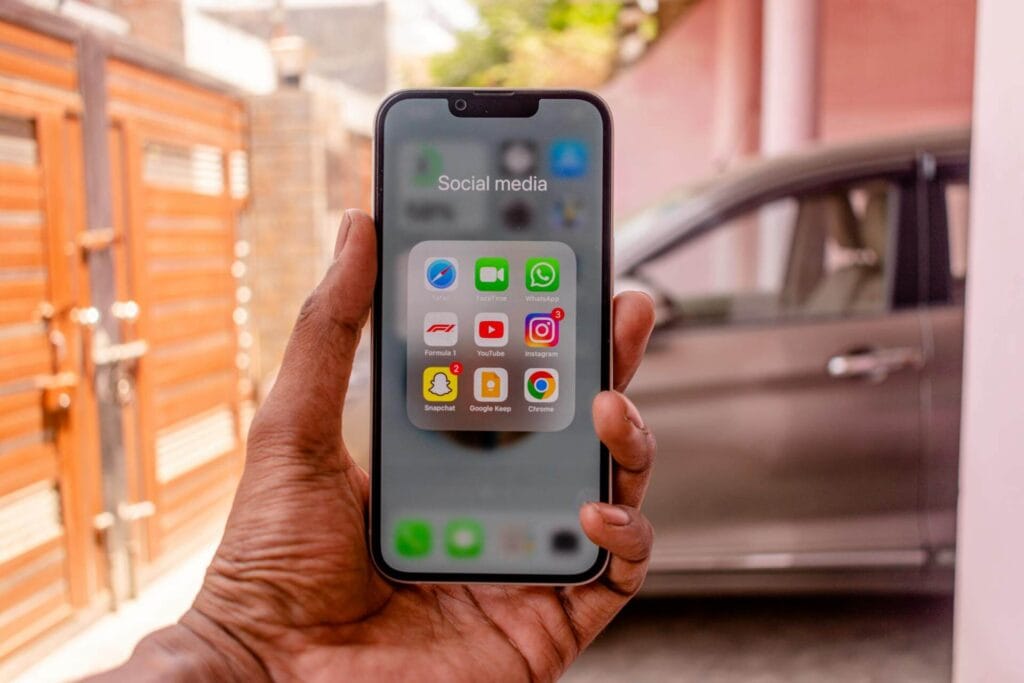
Google Maps (offline maps downloaded)
This is your most important app in India. Download offline maps for every region you are visiting before you arrive.
If you lose data connectivity or run out of mobile data, offline maps still show your location via GPS and display downloaded roads, landmarks, and saved places. Knowing where you are is the foundation of every other decision in an emergency.
Uber or Ola
Both apps show you the driver’s name, vehicle registration, and route in real time. Both have an in-app emergency button that contacts local emergency services and shares your location.
If you feel unsafe during a ride, use the in-app SOS button instead of calling externally. Both apps also allow you to share your live trip with a contact.
Already on most international travelers’ phones. The live location sharing feature lets you share your real-time GPS location with any contact for up to eight hours.
Use this proactively: share your live location with a trusted contact at home every morning. If you can’t communicate, they can still see your location.
Google Translate (offline language pack downloaded)
Download the Hindi language pack offline before arrival.
In a medical or police situation, being able to type what you need and show the screen to someone is often faster and more accurate than relying on spoken communication.
The camera translation feature also reads signs and written text in real time.
NREGS / mPassport Seva
If your passport is lost or stolen, the mPassport Seva app from the Indian government allows you to track passport-related services and find the nearest Passport Seva Kendra.
Your embassy will also guide you through this process, but having the app means you can start gathering information immediately.
First Aid by Red Cross
The Red Cross First Aid app works entirely offline and provides step-by-step guidance for medical emergencies including choking, allergic reactions, heart issues, and injuries.
In a medical situation before professional help arrives, this app gives you clear, actionable steps.
TripWhistle Global SOS
Shows emergency numbers for over 190 countries including India, organized by type of emergency. Useful as a reference if you cannot remember specific numbers and cannot access the internet.
How to Use Smartphone SOS and Emergency Features
Both Android and iPhone have built-in emergency features that most travelers never set up. Do this before you leave home.
iPhone Emergency SOS
Press and hold the side button and either volume button simultaneously. A slider appears. Drag the Emergency SOS slider to call emergency services.
Your phone will also send your location to your emergency contacts automatically if you have set them up in the Health app under Medical ID.
To set up emergency contacts: open the Health app, tap your profile photo, tap Medical ID, add your emergency contacts. This information is accessible from the lock screen without unlocking your phone.
Android Emergency SOS
On most Android phones, rapidly press the power button five times to trigger an emergency SOS call. The exact method varies slightly by manufacturer.
On Samsung phones, go to Settings, then Advanced Features, then SOS Messages, and enable it. This sends your location and a distress message to your saved emergency contacts.
Lock screen medical information
Both iPhone and Android allow you to display medical information on the lock screen that emergency responders can access without unlocking the phone. Include blood type, allergies, and any critical medications. Set this up before you travel.
Live location sharing
On WhatsApp: open a conversation, tap the attachment icon, select Location, then Share Live Location. Choose the duration (15 minutes, 1 hour, or 8 hours). Share this with a trusted contact at home every day while traveling.
On Google Maps: tap your profile photo, select Location Sharing, then Share Location. You can share with any Google contact for a set period or indefinitely.
Embassy Support for Tourists in India

Your embassy is a resource, not a last resort. Contact them early when a situation involves legal, documentation, or serious medical issues.
When to contact your embassy:
- Lost or stolen passport
- Arrest or detention by authorities
- Serious medical emergency requiring repatriation
- Death of a traveling companion
- Situations involving legal proceedings
What your embassy can do:
Issue an emergency travel document to replace a lost passport. Provide a list of local lawyers if you face legal issues. Contact family on your behalf.
Assist with emergency funds if you have been robbed and have no access to money (this is usually a loan arrangement, not a grant). Monitor your welfare if you are hospitalized.
What your embassy cannot do:
Get you out of legitimate legal trouble. Pay your bills. Intervene in disputes with hotels, tour operators, or businesses.
Finding your embassy contact quickly:
Search “[your country] embassy in India” before you travel and save the emergency consular number in your phone.
Most embassies have a 24-hour emergency line separate from their main office number. Save both. The main office number will not help you at 2 AM.
Major embassy locations in India: most are in New Delhi, with consulates in Mumbai, Chennai, Kolkata, and Hyderabad. If you are in a city without an embassy presence, the New Delhi emergency line is your contact point.
Common Emergency Situations and What to Do

Lost passport or wallet
Do not panic. A lost passport is a problem with a process, not a permanent crisis. Immediately go to your hotel and tell the front desk.
They have dealt with this before and can help you communicate with local police. File a police report (FIR) at the nearest police station.
You will need this document for both your embassy and your insurance claim. The Tourist Helpline (1363) can assist if you have difficulty at the police station.
Contact your embassy. They will guide you through the emergency travel document process. This typically takes one to three working days.
Contact your bank immediately to freeze cards. Most international banks have 24-hour international lines. Have this number saved before you travel.
Medical emergency at night
Call 102 or 108 for ambulance. Simultaneously call your hotel front desk. Ask them to call the nearest private hospital’s emergency line, which is often faster than the government ambulance service in smaller cities.
Have your travel insurance emergency number saved separately from your policy documents. Call them immediately after calling for medical help.
They can pre-authorize treatment at specific hospitals, which speeds up admission and removes the payment-upfront requirement at many private hospitals.
Getting separated from your group
Agree on a meeting point before you enter any crowded area, market, station, or tourist site. The entrance is almost always the best choice.
If separated, stay where you are rather than moving. Call or message your group. If your phone is dead, ask a shop owner or station staff to help you make a call.
Tourist police booths exist at major tourist sites and railway stations specifically for situations like this.
Phone theft on public transport
Report to the nearest police station for an FIR. You need this for insurance. Contact your carrier immediately to block the SIM.
Change passwords for email, banking, and travel apps from another device as soon as possible. If your phone had Google Find My Device or Apple Find My enabled, use another device to log in and remotely wipe it.
Do this before changing passwords to prevent a thief from receiving password reset codes.
How Travel Insurance Helps in Emergencies

Travel insurance is not optional for India travel. Medical care at private hospitals in India is affordable by Western standards but can still run into tens of thousands of rupees for a serious situation.
Emergency repatriation can cost several lakh rupees without coverage.
What good travel insurance covers:
Medical treatment including hospitalization and surgery. Emergency evacuation to a better-equipped facility or back to your home country.
Theft and loss of belongings including passport replacement costs. Trip cancellation and interruption. Personal liability.
The most important thing to know about using it:
Call the insurance emergency line before you commit to a hospital or treatment plan if possible.
Pre-authorization from your insurer means the hospital bills them directly rather than requiring you to pay upfront and claim later.
In a real emergency, get treatment first and call afterward. But for anything that allows a few minutes, the call first approach saves significant hassle.
Keep digital copies of your policy documents in your email and in cloud storage, not only on your phone.
If your phone is lost or stolen, you still need access to your policy number and the emergency contact line.
Building a Personal Emergency Plan Before Traveling
This takes about thirty minutes and covers the majority of situations you might encounter.
Save the following offline on your phone:
- All emergency numbers from the table above
- Your embassy’s 24-hour emergency consular line
- Your travel insurance emergency line and policy number
- Your hotel’s direct phone number for each city you are visiting
- A trusted contact at home who knows your itinerary
Keep the following as physical copies in your bag:
- Passport photo page (separate from your actual passport)
- Travel insurance policy number and emergency line
- Your home country emergency contact details
- The address of your accommodation in each city, written in both English and the local script if possible
Install before departure:
- Google Maps with offline maps downloaded for your destinations
- WhatsApp with live location sharing tested
- Google Translate with Hindi offline pack
- Red Cross First Aid app
- Your ride-hailing apps of choice (Uber and Ola)
Set up on your phone:
- Emergency contacts in your phone’s health or medical ID section
- Lock screen medical information
- Emergency SOS feature enabled and tested
- Live location sharing with a trusted contact confirmed working
What are emergency numbers for tourists in India? The primary emergency number in India is 112, which covers police, ambulance, and fire services.
Police can also be reached at 100, ambulance at 102 or 108. The Tourist Helpline is 1363. Women’s helpline is 181. Save all of these offline before arrival as they work even without mobile data credit.
What should I do in an emergency while traveling in India? Move to a safe location first. Call 112 for any emergency or the specific service number for your situation.
Contact your hotel for immediate local support. Inform your embassy for passport loss, arrest, or serious medical emergencies. Call your travel insurance emergency line early. Share your location with a trusted contact throughout.
Which safety apps are useful for tourists in India? Google Maps with offline maps downloaded, WhatsApp for live location sharing, Uber or Ola for tracked transport with in-app SOS, Google Translate with Hindi offline pack.
The Red Cross First Aid app for offline medical guidance. Set up your phone’s built-in emergency SOS feature before you arrive.
Tourist Safety Tips in India
Most trips to India are completed without any serious issues, but a few basic precautions can significantly improve your safety.
Keep your phone charged, avoid displaying large amounts of cash in crowded areas, use registered taxis or ride-hailing apps, and share your itinerary with a trusted contact.
These simple tourist safety tips in India help reduce risk and make it easier to get assistance if an emergency occurs.
Final Emergency Checklist
Before travel
- Emergency numbers saved offline on phone
- Embassy 24-hour emergency consular line saved
- Travel insurance emergency line and policy number saved
- Offline maps downloaded for all destinations
- Google Translate Hindi pack downloaded
- Red Cross First Aid app installed
- Emergency SOS feature set up on phone
- Lock screen medical information added
- Live location sharing tested with trusted contact at home
- Physical copies of passport, insurance, and key numbers in bag
On arrival in India
- Confirm hotel’s direct phone number is saved
- Note nearest hospital to your accommodation
- Check that local SIM or roaming is working for calls
- Share itinerary with trusted contact at home
During daily travel
- Share live location with trusted contact before long journeys
- Keep phone charged above 30 percent before going out
- Know the meeting point before entering any crowded area
- Keep insurance and embassy numbers accessible, not buried in documents
In an emergency
- Move to a safe location
- Call 112 or the specific relevant number
- Call hotel for immediate local support
- Call insurance emergency line early
- Contact embassy if passport, legal, or serious medical issue
- File police FIR for any theft or crime before leaving the area
By saving these emergency numbers for tourists in India, installing reliable safety apps, and preparing a personal emergency plan before departure, you can travel with greater confidence.
A few minutes of preparation today can make a major difference if you ever need emergency assistance while traveling in India.
Emergencies during travel are stressful precisely because they happen in unfamiliar environments where your normal support systems are not available.
The preparation above does not prevent emergencies. It means that when one happens, you spend the first two minutes acting rather than searching, and that difference almost always determines how quickly and cleanly the situation resolves.
FAQs about Emergency Numbers and Safety Apps for Tourists
What emergency number should tourists call in India?
Tourists should call 112 for any emergency in India. It is the national emergency number and can connect you with police, ambulance, or fire services. If you remember only one emergency contact during your trip, make it 112.
What should I do if I lose my passport in India?
Report the loss to the nearest police station and obtain an FIR (First Information Report). Then contact your embassy or consulate to apply for an emergency travel document. Keeping passport copies and travel insurance details can make the process faster.
Can foreign tourists use emergency services in India?
Yes. Foreign tourists can access the same emergency services as local residents. You can call 112 for emergencies, 100 for police assistance, and 102 or 108 for ambulance services anywhere in India.
What is the tourist helpline number in India?
The India Tourist Helpline is available at 1363 or 1800-11-1363. It provides assistance to domestic and international travelers, including help with travel-related complaints, guidance, and emergency support.
What should I do if my phone is stolen while traveling in India?
Block your SIM card immediately through your mobile provider and file a police report. If tracking features such as Find My iPhone or Find My Device are enabled, use another device to lock or erase the phone remotely.
Which safety apps should tourists download before visiting India?
Useful safety apps include Google Maps with offline maps, WhatsApp for location sharing, Google Translate with offline language packs, and ride-hailing apps such as Uber and Ola. These apps can help with navigation, communication, and transportation during emergencies.
What should I do if I need medical help at night in India?
Call 102 or 108 for ambulance services and contact your hotel reception for local assistance. Many hotels can recommend nearby hospitals or arrange transportation. If you have travel insurance, contact the emergency assistance line as soon as possible.
How can solo travelers stay safe in India?
Keep emergency contacts saved on your phone, use trusted transportation services, share your live location with a trusted contact, and avoid isolated areas late at night. A charged phone and offline maps are also useful safety tools.
Does travel insurance cover emergencies in India?
Most travel insurance policies cover medical emergencies, hospitalization, evacuation, theft, and trip interruptions. Check your policy before travel and save the insurer’s emergency assistance number so you can get support quickly when needed.
Do emergency numbers in India work without mobile data?
Yes. Emergency numbers such as 112 can be called without mobile data because they use the cellular network rather than the internet. However, keeping your phone charged and maintaining an active connection is always recommended while traveling.
How can tourists prepare for emergencies before traveling in India?
Before arriving, save emergency numbers for tourists in India, download offline maps, set up emergency contacts on your phone, and keep copies of your passport and travel insurance details. These simple steps can make handling a travel emergency much easier.
Images: Unsplash
