



You’re standing in front of your suitcase, staring at a sundress or a pair of shorts, wondering if it’s actually going to be a problem.
It’s a fair question – knowing what to wear in India as a tourist can be confusing because India doesn’t have one single dress code.
What works at a Goa beach resort may not be suitable for a Delhi temple visit, and what feels comfortable in Mumbai’s heat may not be enough for a chilly evening in Rajasthan.
This guide breaks down exactly what to wear in India by traveler type, setting, and season, so you’re not packing on guesswork or over-worrying about a non-issue.
Planning your India wardrobe is less about following strict rules and more about choosing clothes that keep you comfortable while respecting local customs.
Table of Contents showQuick Answer
If you only take one thing from this guide:
- Choose loose, lightweight, breathable clothing that covers your shoulders and knees – this is the safest choice for most places in India, including cities, markets, and religious sites.
- Pack one modest, fully-covering outfit specifically for temples, mosques, and gurdwaras
- Save shorts, tank tops, and swimwear for beach towns and resort pools, not city streets or rural areas
- Add a warm layer for winter mornings in North India and a rain shell for monsoon season
- A light scarf solves more problems than almost any other single item — shoulders, head coverings, sun, and AC-chilled trains
Why Dress Codes Matter More in India Than Many Destinations
This isn’t about strict laws or a formal tourist dress code in India. For most foreigners visiting India, it is mainly about respecting local customs, feeling comfortable, and avoiding unwanted attention in more traditional areas.
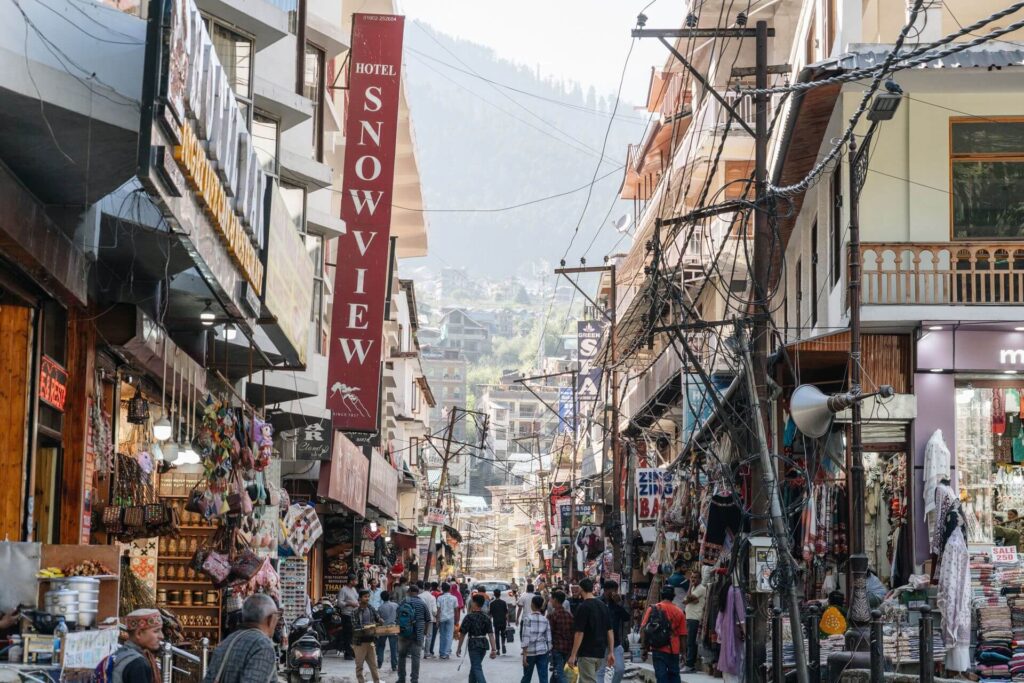
Most cities are more relaxed than rural areas and small towns. Major hotel districts, upscale restaurants, and tourist hubs in Delhi, Mumbai, or Bengaluru see international dress daily and won’t blink at it.
Step outside those areas, and modest clothing can help you blend in, attract less attention, and feel more comfortable during your day.
What Men Should Wear in India

Men generally have more flexibility than women, but a few guidelines still matter.
Everyday city and travel wear:
- Lightweight cotton or linen shirts (short or long sleeve) that are comfortable in India’s weather
- Cotton or linen trousers are ideal for everyday sightseeing
- Knee-length shorts are generally fine in casual tourist areas and beach destinations
- Closed-toe shoes for walking, sandals for casual days
What to avoid:
- Sleeveless tops or tank tops outside beaches and gym settings
- Very short shorts in cities and temples
- Flashy, expensive-looking watches or jewelry, which can draw unwanted attention in crowded areas
For temples and religious sites: long trousers and a shirt with sleeves, ideally covering to at least the elbow. Many sites require removing shoes before entering, so slip-on footwear saves time.
What Women Should Wear in India
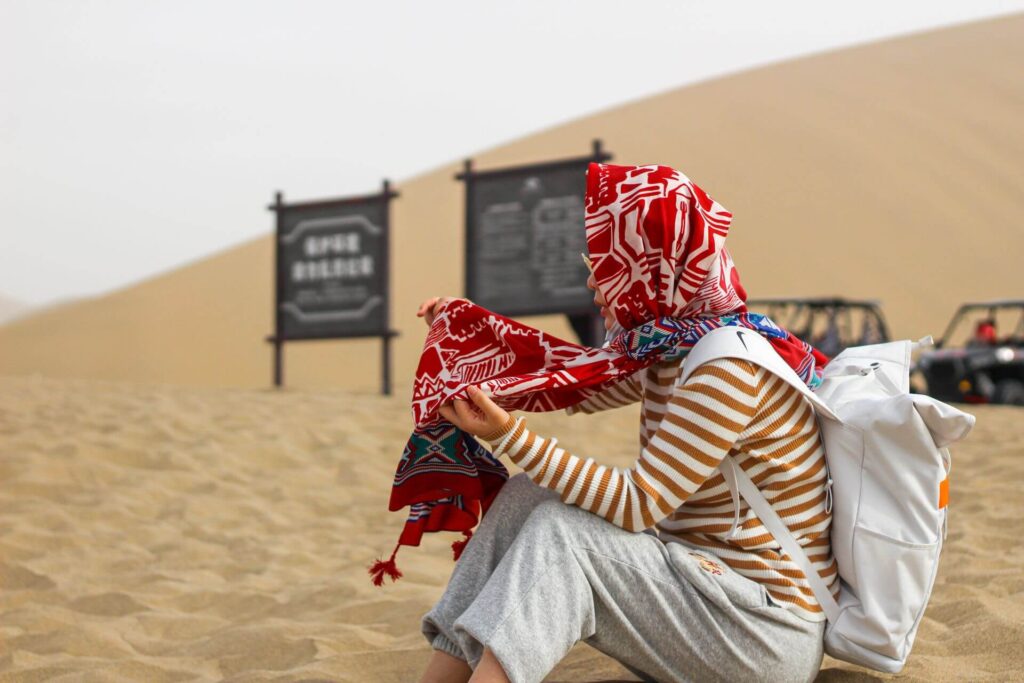
This is one of the most common questions from first-time female travelers visiting India.
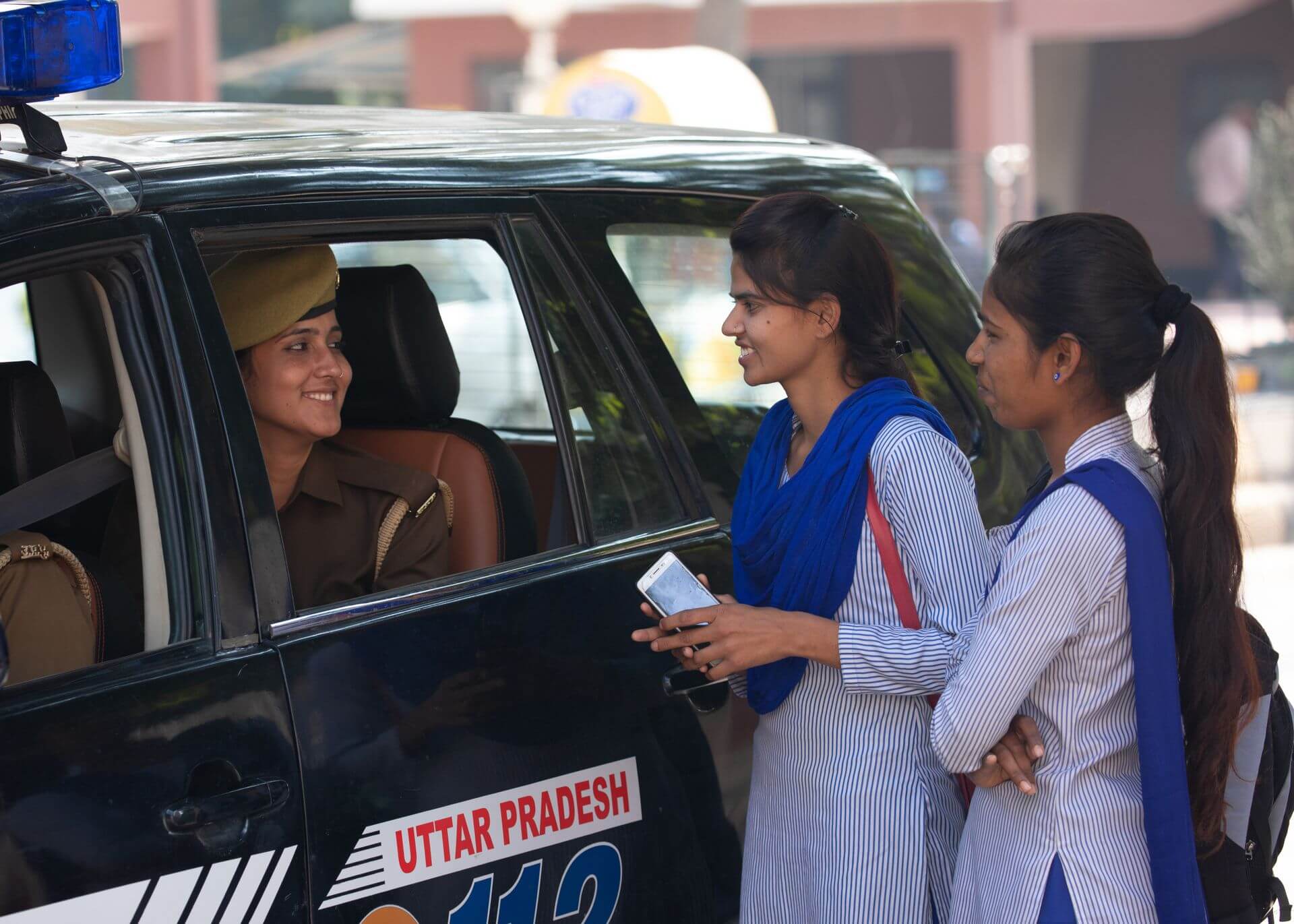
While many Western-style clothes are acceptable, choosing comfortable and modest outfits can make sightseeing easier, especially in smaller towns, markets, and religious places.
Everyday city and travel wear:
- Loose-fitting tops that cover the shoulders, paired with comfortable trousers, long skirts, or maxi dresses
- A scarf or dupatta (a light, wide scarf) — worn loosely around the shoulders, useful for temples and for the strong AC on trains and buses
- Closed-toe shoes for walking; sandals are fine in most everyday settings
What tends to reduce unwanted attention:
- Avoiding tight-fitting clothing, low necklines, and very short hemlines in cities, markets, and rural areas
- Choosing loose kurtas (a long, simple tunic) or maxi dresses — widely available and inexpensive to buy locally once you arrive, and they blend in comfortably
What to avoid outside beach resorts:
- Sleeveless tops, short shorts, and short skirts in cities, temples, and rural towns
- Sheer or very fitted fabrics in hot, humid climates — beyond the attention factor, they’re also less comfortable
For temples, mosques, and gurdwaras: shoulders and knees fully covered, and a head covering for Sikh gurdwaras specifically. Many sites provide a scarf or wrap at the entrance if you arrive without one, but it’s more comfortable to bring your own.
What to Wear at Temples, Mosques, and Religious Sites
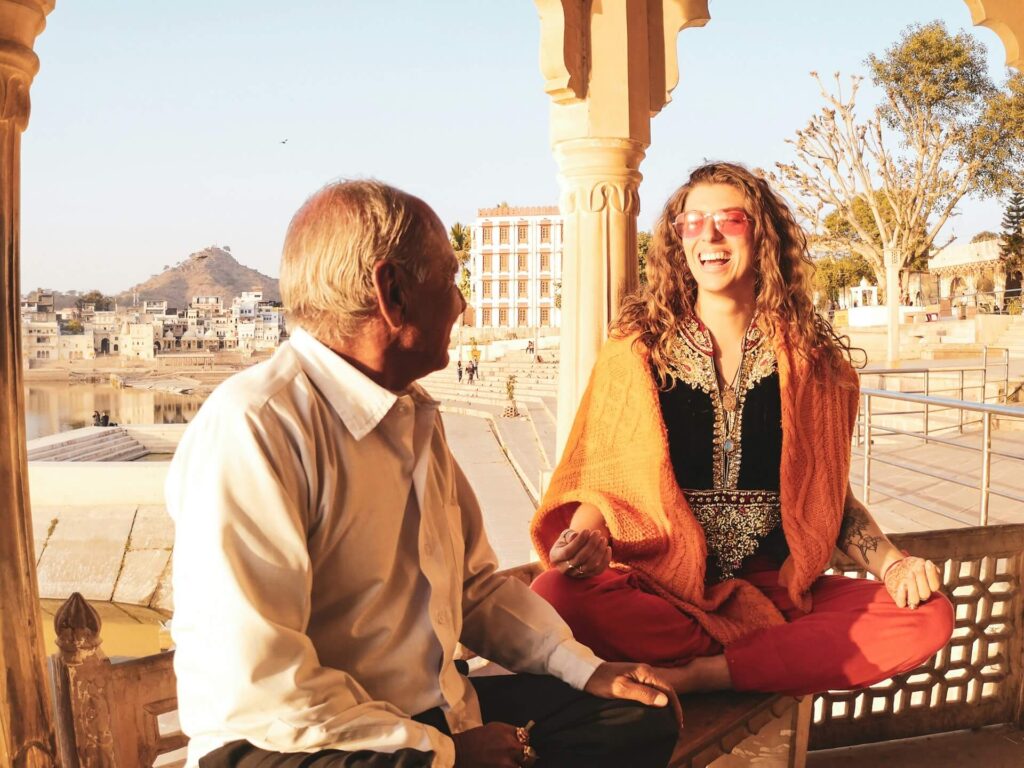
Religious places in India usually have the clearest clothing expectations. Visitors are generally expected to dress modestly, covering shoulders and knees before entering temples, mosques, and gurdwaras.
General temple rules:
- Shoulders and knees covered
- Shoes removed before entering (carry a small bag for your shoes, or leave them at a designated counter)
- Avoid leather items at some Jain and a few Hindu temples — check signage or ask staff if unsure
A practical tip: carry a lightweight scarf in your daypack every day, even on days you’re not planning to visit a temple.
Plans change, and a scarf takes seconds to wrap over shoulders or hair if you end up somewhere unplanned.
What to Wear in Indian Cities
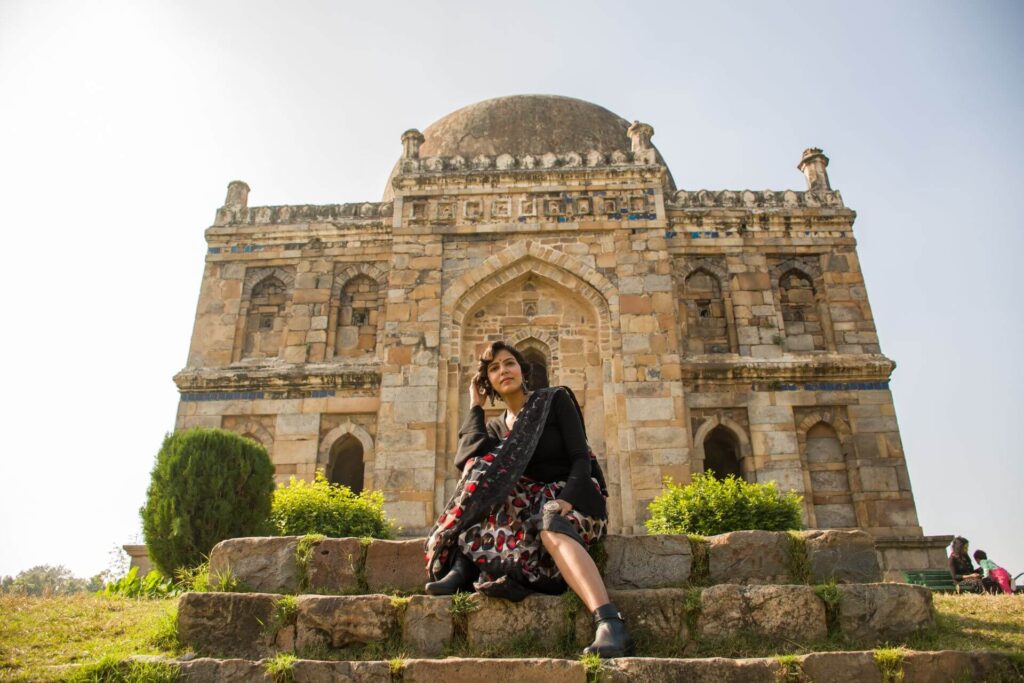
City dress codes vary by neighborhood more than by city name. A five-star hotel district in Mumbai has a different unspoken dress code than a market street in Old Delhi.
Business and upscale settings (Delhi, Mumbai, Bengaluru): Smart casual works well — collared shirts, trousers or knee-length dresses, closed shoes. Business travelers can expect similar norms to other major Asian business hubs.
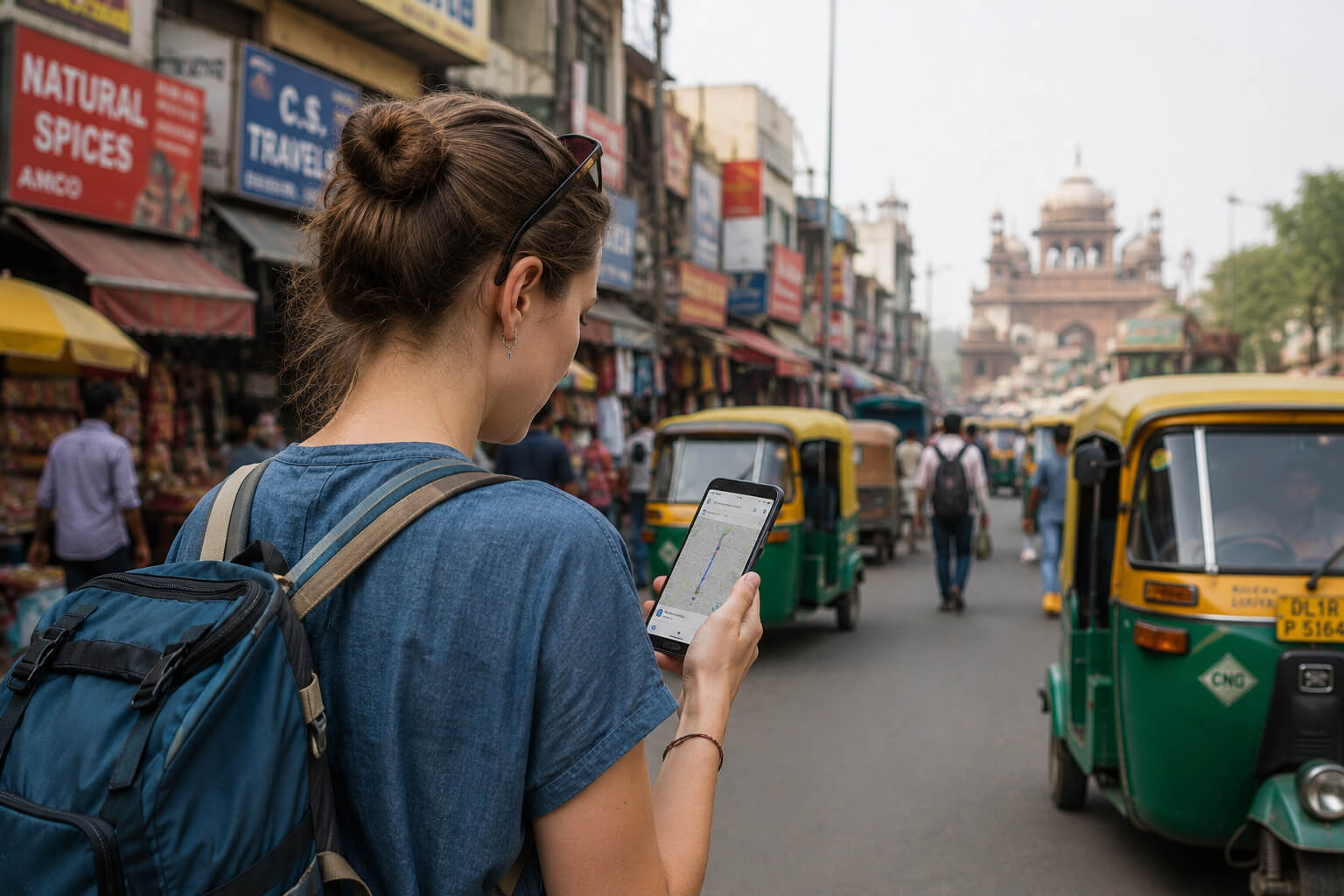
Markets, old city areas, and everyday sightseeing: Loose, modest, breathable clothing is the most comfortable choice for walking tours, markets, and everyday sightseeing in Indian cities.
This is where covering shoulders and avoiding very short hemlines genuinely reduces stares and unwanted comments.
Nightlife and upscale restaurants: More flexibility here — Western-style evening wear is common and unremarkable in cities’ nightlife districts.
A common mistake: assuming that because a city looks modern and cosmopolitan in photos, the whole city dresses that way.
Most Indian cities have both cosmopolitan pockets and much more traditional, conservative neighborhoods within a short distance of each other.
What to Wear at Indian Beaches
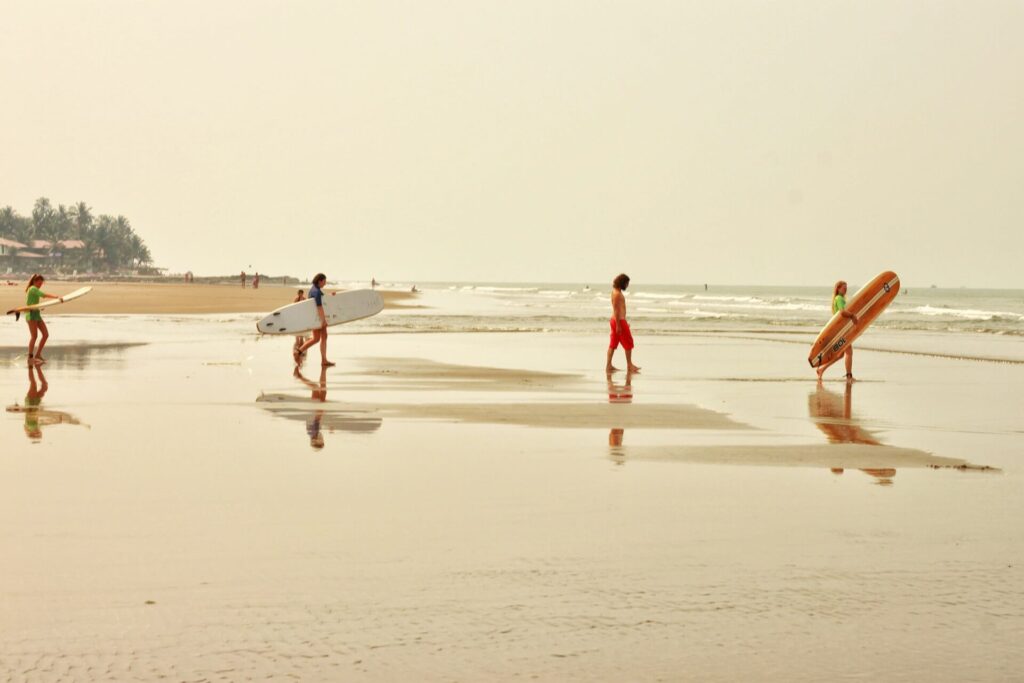
Goa, Kerala’s beaches, and parts of Puducherry and Gokarna are the main exceptions to India’s general modesty norms — but even here, context matters.
On the sand at resort and tourist beaches (Goa’s Baga, Calangute, Anjuna): Standard swimwear is fine and common among both Indian and international visitors.
When leaving the beach area for restaurants, markets, or nearby towns, cover up with a sarong, shorts, or a lightweight dress. Beachwear is common on the sand but less common on local streets.
Quieter, more local beaches: More conservative dress is appreciated. A rash guard or one-piece with a cover-up is a comfortable middle ground that still works for swimming.
Kerala backwaters and houseboats: Casual, breathable clothing works well; swimwear isn’t necessary unless your specific stop includes a beach or pool.
Dressing for India’s Seasons
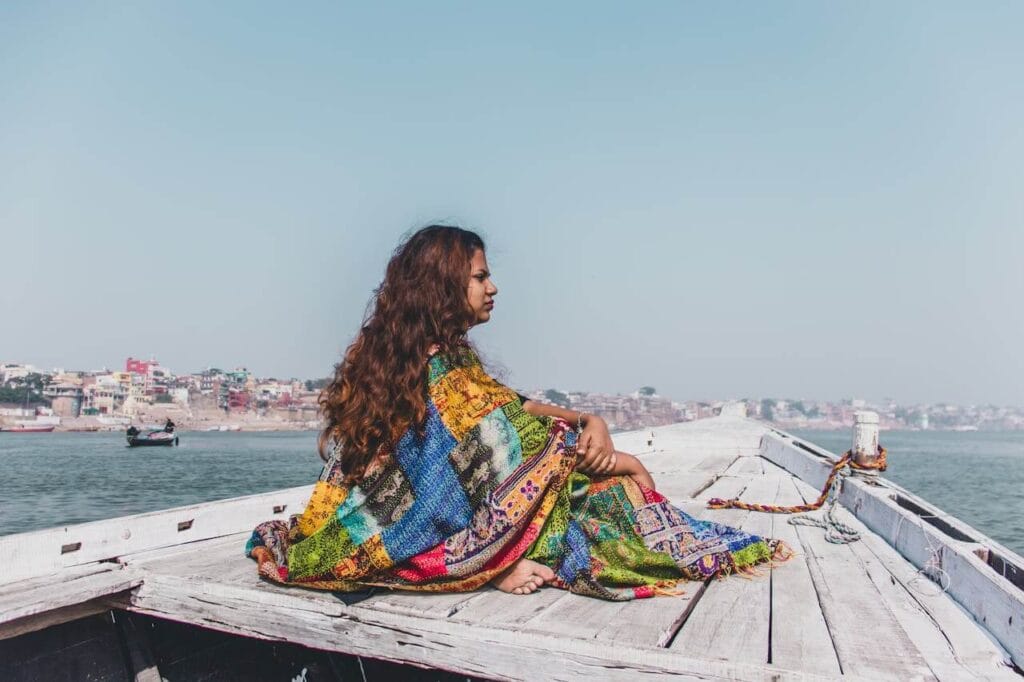
What you wear changes as much by season as by setting — India’s climate varies dramatically across the year and across regions.
Winter (November–February), North India: Days can be pleasantly warm, but mornings and evenings in Delhi, Agra, and Rajasthan often drop to 5–10°C.
Pack a warm jacket or layered clothing rather than only a light sweater, especially if you are visiting Delhi, Agra, or Rajasthan in December or January.
Summer (April–June), North and Central India: Temperatures regularly exceed 40°C (104°F) in cities like Delhi and Jaipur.
Loose, light-colored cotton or linen clothing is the best choice for India’s summer heat because these fabrics stay more comfortable during long sightseeing days.
Monsoon (June–September): Humid, with heavy rain across most regions. Quick-dry fabrics handle this far better than cotton, which stays damp. A compact rain shell or umbrella is worth carrying daily during this window.
Himalayan regions (Ladakh, Himachal, Uttarakhand), May–October: Layer for cold mornings and nights even in the accessible summer season — thermal base layers, a windproof jacket, and sturdy closed shoes.
South India (Kerala, Tamil Nadu) year-round: Warm and humid most of the year, with less seasonal swing than the north. Lightweight cotton works nearly every month.
Practical Information
What to buy once you’re in India: Loose kurtas, cotton scarves, and comfortable sandals are easy to find in Indian markets and make practical additions to your travel wardrobe.
Many travelers buy a few local outfits after arriving rather than packing everything from home. It is often cheaper and makes a practical addition to your India trip packing list.
Where to find modest clothing quickly: Fabindia and local market stalls in most tourist cities sell ready-made kurtas and scarves at reasonable prices, useful if you land underprepared or need an extra layer.
Laundry: Widely available and inexpensive at guesthouses and hotels, which means you don’t need to overpack — a week’s worth of clothing is enough for most trip lengths.
Common Mistakes Travelers Make

Packing only synthetic, tight-fitting travel or gym clothes is a common mistake. These fabrics can feel uncomfortable in India’s heat and may not be the most practical choice for temples, markets, and long sightseeing days.
Wearing beachwear into town. Even in Goa, walking through markets or restaurants in just a swimsuit draws more attention than travelers expect.
Forgetting a head covering for gurdwaras. Unlike temples, Sikh gurdwaras require a head covering for every visitor — a scarf handles this easily if you have one ready.
Assuming one packing list works for the whole trip. A multi-city India itinerary spanning Rajasthan’s winter chill, Delhi’s dry heat, and Kerala’s humidity needs different clothing for each leg, not one uniform packing list.
Underestimating how cold North Indian winter mornings get. Travelers packing only for “sunny India” are often surprised by how cold Delhi and Rajasthan feel at dawn in December and January.
What to Wear in India: Final Packing Tips
When deciding what to wear in India, the best approach is simple: pack loose, breathable, and comfortable clothing that covers your shoulders and knees.
This style works well for most cities, temples, markets, and everyday travel experiences across the country.
Pack that as your baseline, add a warm layer or rain shell for your specific season, and save the shorts and swimwear for the beach towns where they actually belong.
FAQs About What to Wear in India for Tourists
Can women wear leggings or yoga pants in India?
Yes, women can wear leggings or yoga pants in India, especially when paired with a longer top, kurta, or tunic that covers the hips. This combination is comfortable and common among travelers in many cities.
Is it disrespectful for tourists to wear Indian clothing like a sari or kurta?
No, tourists wearing Indian clothing such as a kurta or sari is generally seen as a respectful interest in local culture. Many visitors buy traditional clothes in India because they are comfortable, affordable, and practical for travel.
Do I need to cover my head at every temple in India?
No, most Hindu temples in India do not require tourists to cover their heads, but shoulders and knees should usually be covered. Head coverings are mainly required at Sikh gurdwaras and some mosques.
What should men wear to a wedding in India?
Men attending an Indian wedding can wear smart traditional or formal clothing, such as a kurta pajama, sherwani, or a collared shirt with trousers. Colorful clothing is usually welcomed, especially for festive events.
Is it okay to wear shorts in Delhi or Mumbai?
Yes, knee-length shorts are generally acceptable for men in casual areas of Delhi and Mumbai, especially tourist districts. For women, loose trousers, skirts, or longer dresses are often more comfortable for everyday sightseeing.
What shoes are best for sightseeing in India?
Comfortable walking shoes with good support are best for sightseeing in India, especially for cities, forts, and uneven temple areas. Slip-on sandals are also useful because many religious sites require removing shoes before entry.
Can I wear a bikini at Goa’s beaches?
Yes, bikinis are common at many tourist beaches and resorts in Goa. However, it is better to cover up with a dress, sarong, or shorts when leaving the beach area for restaurants or local markets.
Do businesses and offices in India expect Western formal wear?
Yes, most professional workplaces in major Indian cities follow international business dress standards. Formal shirts, trousers, blazers, and smart business attire are common in offices.
How should I dress for a visit to the Taj Mahal?
Wear comfortable, modest clothing that covers your shoulders and knees when visiting the Taj Mahal. Comfortable walking shoes or easy-to-remove footwear are recommended because you may need to walk long distances and remove shoes in certain areas.
Is sleeveless clothing acceptable anywhere in India?
Yes, sleeveless clothing is generally acceptable in places like resorts, beaches, upscale hotels, and nightlife areas. However, covering shoulders is recommended when visiting temples, rural areas, or conservative neighborhoods.
What is the most useful clothing item to pack for India?
A lightweight scarf or dupatta is one of the most useful things to pack for India. It can cover your shoulders, work as a head covering, protect you from the sun, and keep you warm in air-conditioned transport.
Should I pack different clothes for North and South India?
Yes, you should pack differently if your India trip includes both regions. North India can have cold winters and extreme summer temperatures, while South India is warmer and more humid throughout the year.
What should tourists wear in India?
Tourists should wear lightweight, breathable clothing that covers the shoulders and knees for most places in India. Loose cotton or linen clothes are comfortable for cities, temples, markets, and long sightseeing days.
What clothes should I pack for a trip to India?
Pack lightweight cotton or linen clothes, comfortable walking shoes, a scarf, a rain layer during monsoon season, and a warm jacket if visiting North India in winter. Your clothing choices should match the region and season you are traveling in.
What is the dress code for temples in India?
The general temple dress code in India is modest clothing that covers the shoulders and knees, with shoes removed before entering. Some temples may have additional rules, such as restrictions on leather items.
Images: Pexels
