



Choosing the best India travel routes for first-time visitors can be surprisingly difficult when every part of the country offers something different.
Should you go for the classic Golden Triangle, or is that “too touristy”? Is Kerala or Rajasthan better for a first trip to India? And is a wildlife safari in India worth adding to a first trip?
This guide ranks and compares the best India travel routes for first-time visitors — what each one actually involves, how difficult it is for a beginner, who it suits, and what to expect from cost and pacing on each.
Route Comparison at a Glance
Route | Ideal duration | Difficulty | Best season | Best for |
Golden Triangle | 5–7 days | Easy | Oct–Mar | First-time sightseeing |
Golden Triangle + Rajasthan | 10–12 days | Easy–Moderate | Oct–Mar | History, forts and culture |
Kerala / South India | 7–10 days | Easy | Nov–Feb | Nature and a slower pace |
Goa | 3–5 days | Easy | Nov–Feb | Beaches and relaxation |
Varanasi | 2–3 days | Moderate | Oct–Mar | Spiritual and cultural experiences |
Amritsar / Punjab | 2–3 days | Easy | Oct–Mar | Sikh heritage and history |
Himalayas / hill stations | 7–10 days | Moderate–Advanced | May–Oct | Mountains and trekking |
Wildlife safari | 5–7 days | Moderate | Oct–Apr | Tigers and wildlife |
The Golden Triangle (Delhi – Agra – Jaipur)
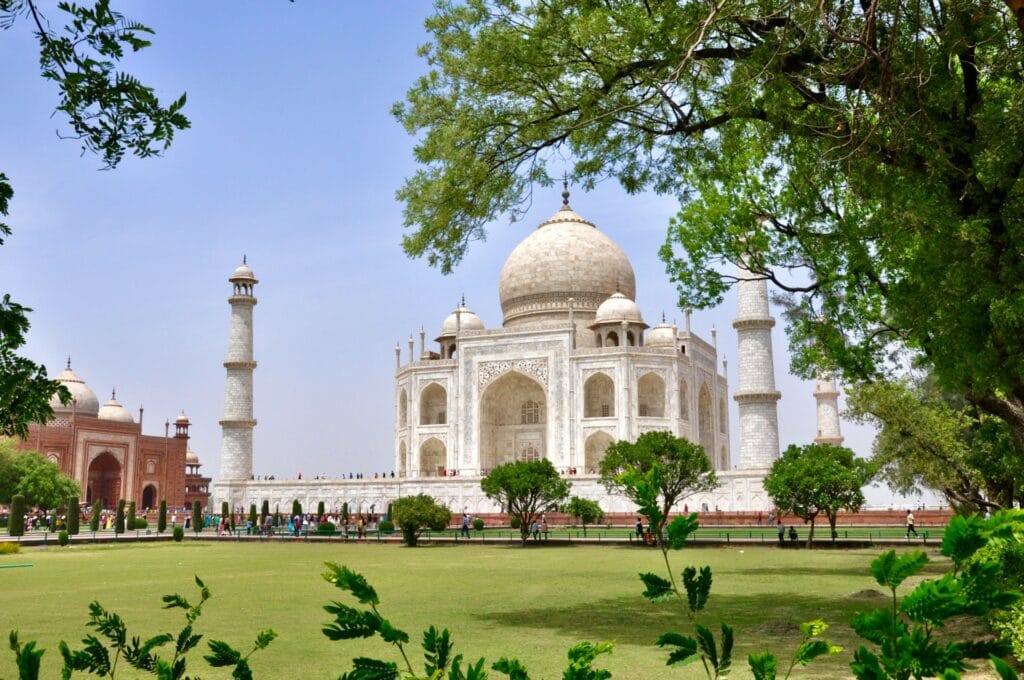
For most first-time travelers, the Golden Triangle is the easiest place to start because the route is straightforward and covers several of India’s most famous sights.
What makes it work for beginners: the three cities form a natural triangle, each 4–6 hours apart by road or a short train ride, with well-developed tourist infrastructure at every stop.
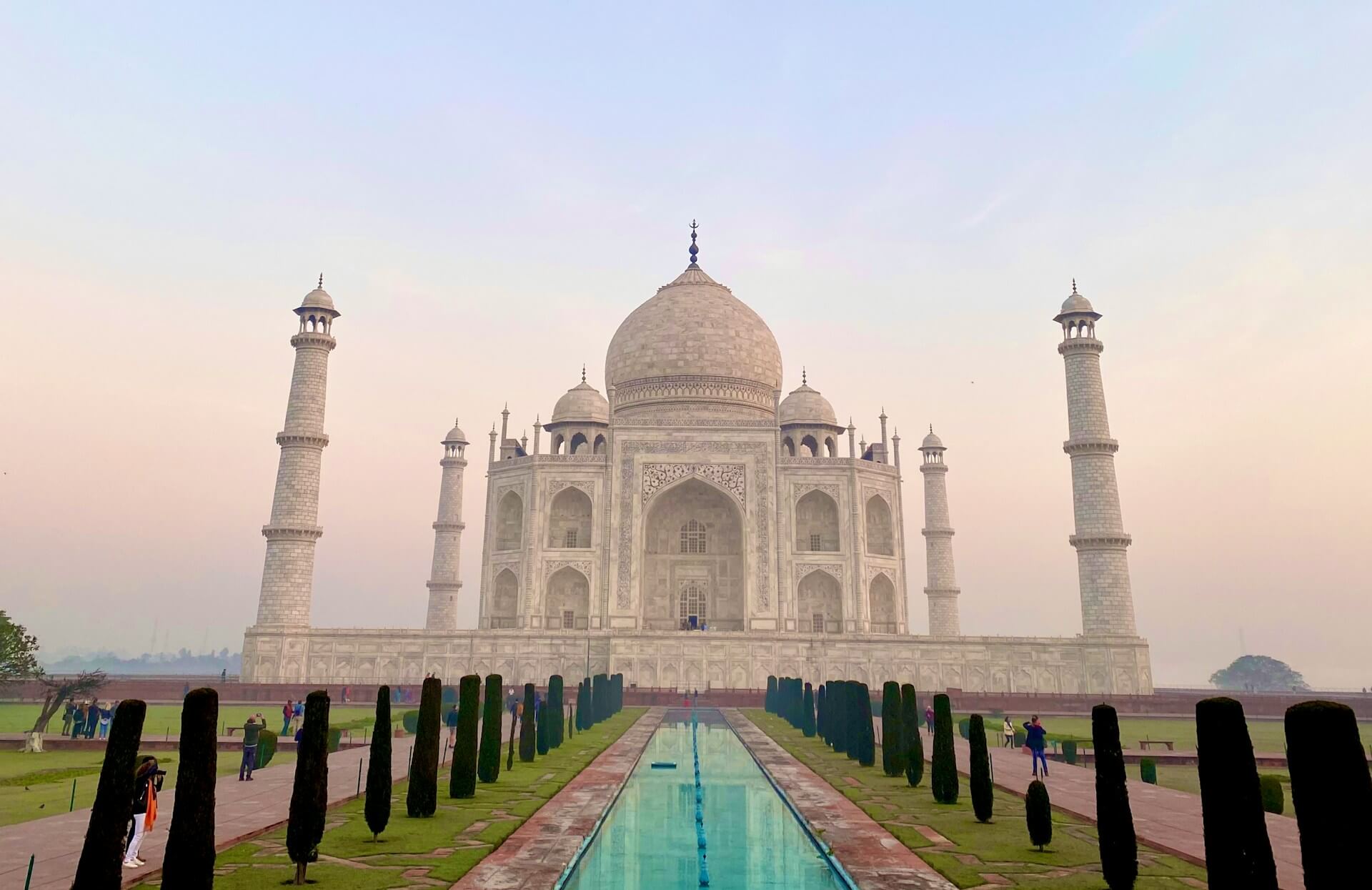
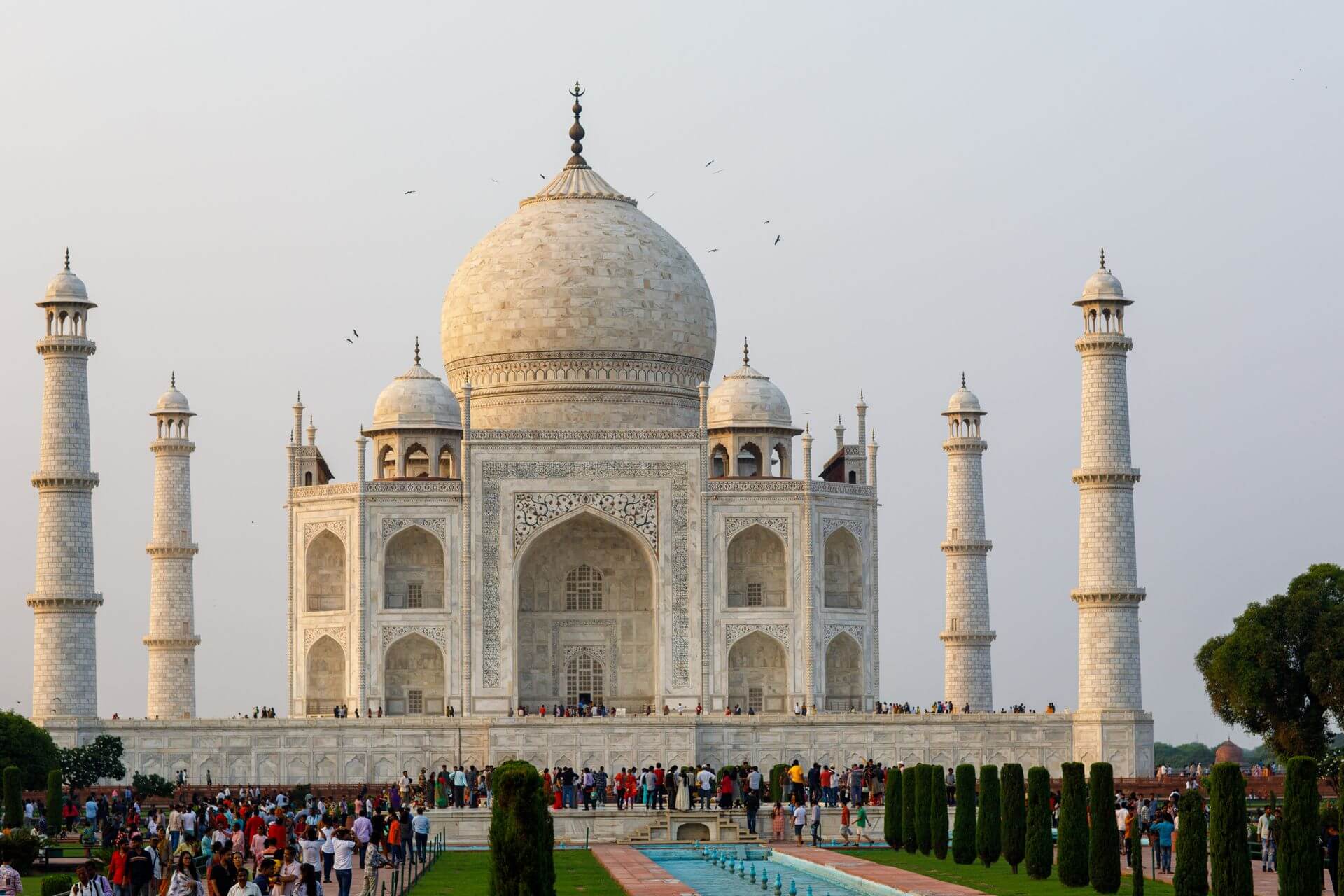
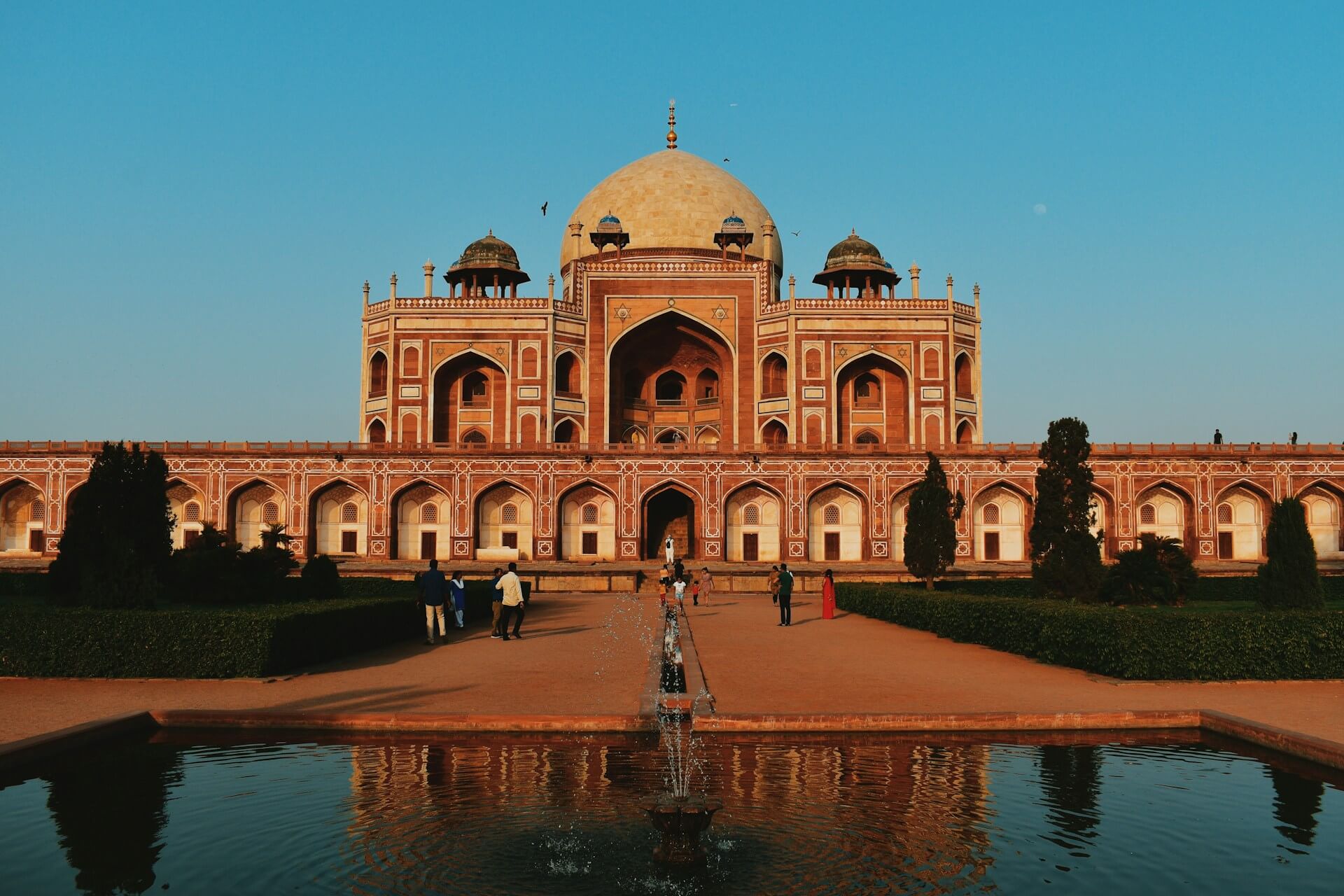
You get a good introduction to India – Delhi’s mix of Mughal and modern history, the Taj Mahal in Agra, and Jaipur’s forts and palaces – without having to deal with complicated travel arrangements.
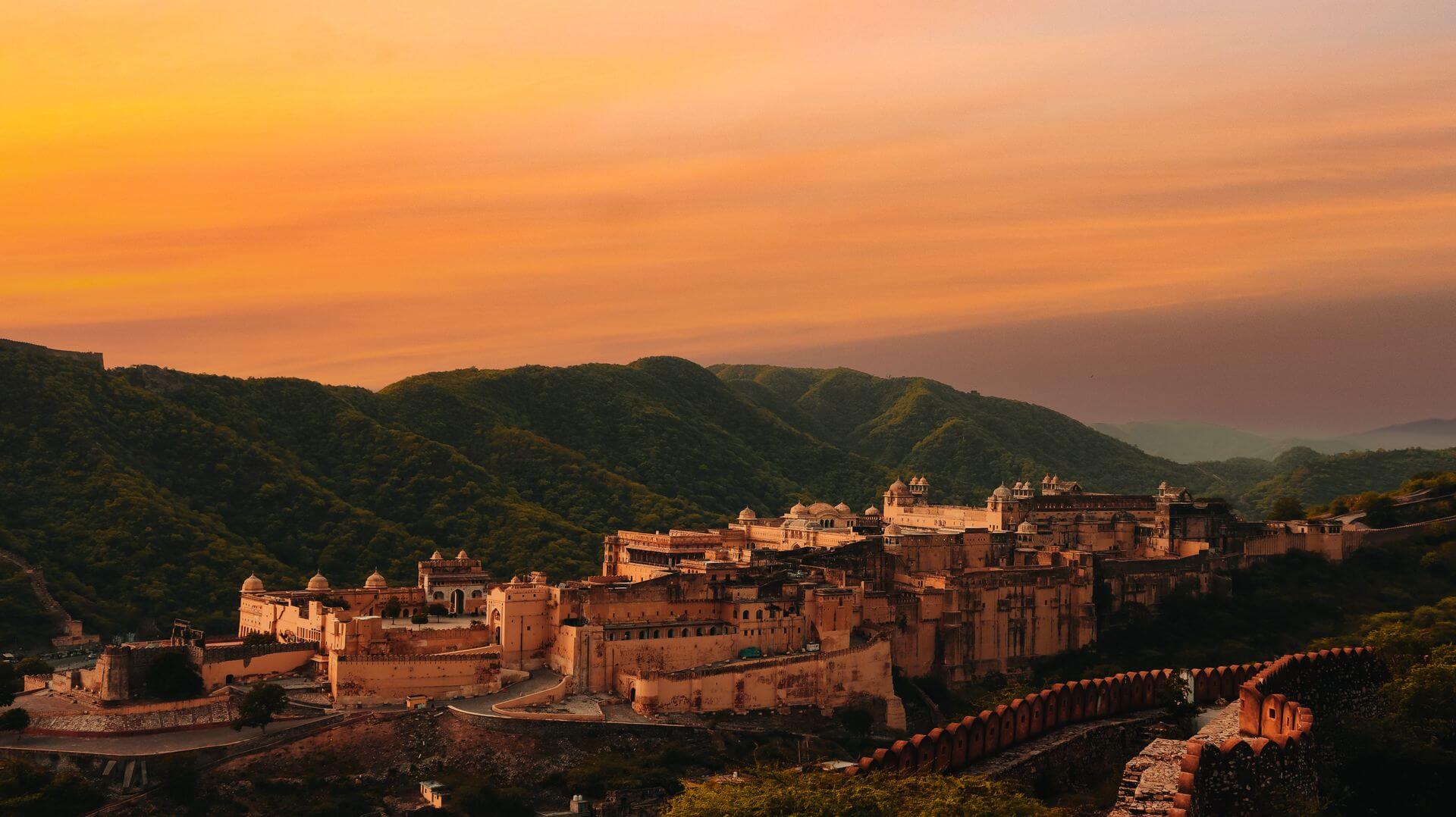
Standout experiences: the Taj Mahal at sunrise, Amber Fort’s elephant or jeep ascent, Old Delhi’s spice markets and street food, Jaipur’s City Palace and Hawa Mahal.
Consider another route if: you’ve already visited India and want something less mainstream. The Golden Triangle is a classic introduction, not a hidden-gem itinerary.
Golden Triangle + Rajasthan Extension
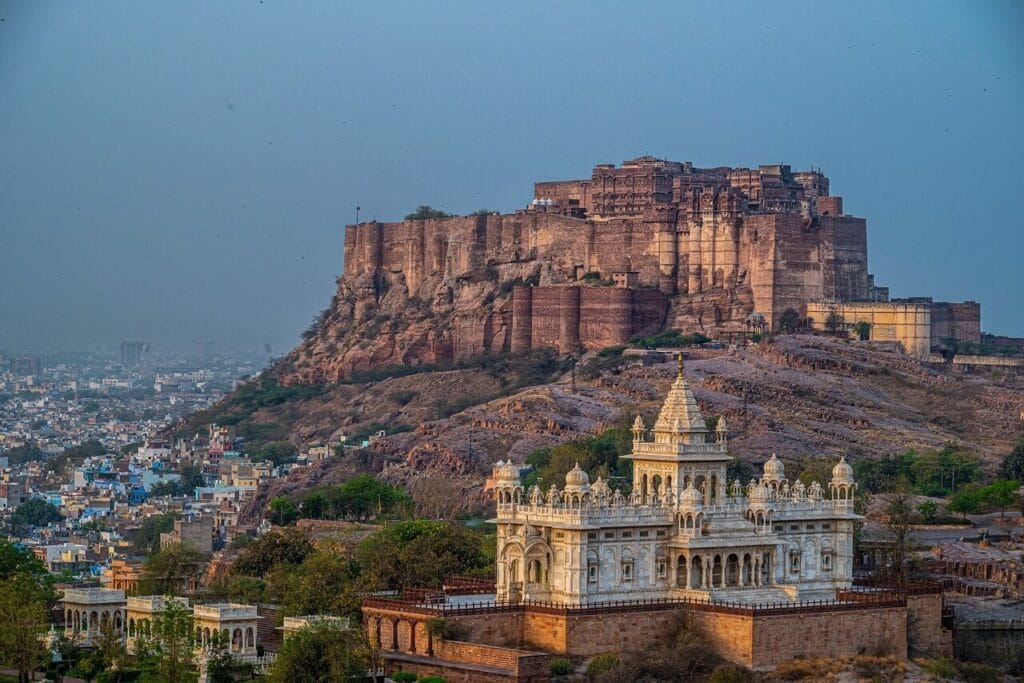
Adding Udaipur, Jodhpur, or Pushkar gives you a much fuller Rajasthan itinerary without making the trip dramatically harder to organize.
What makes it work for beginners: Rajasthan has one of India’s most established tourist circuits, with plenty of hotels, experienced drivers, and services geared toward international visitors.
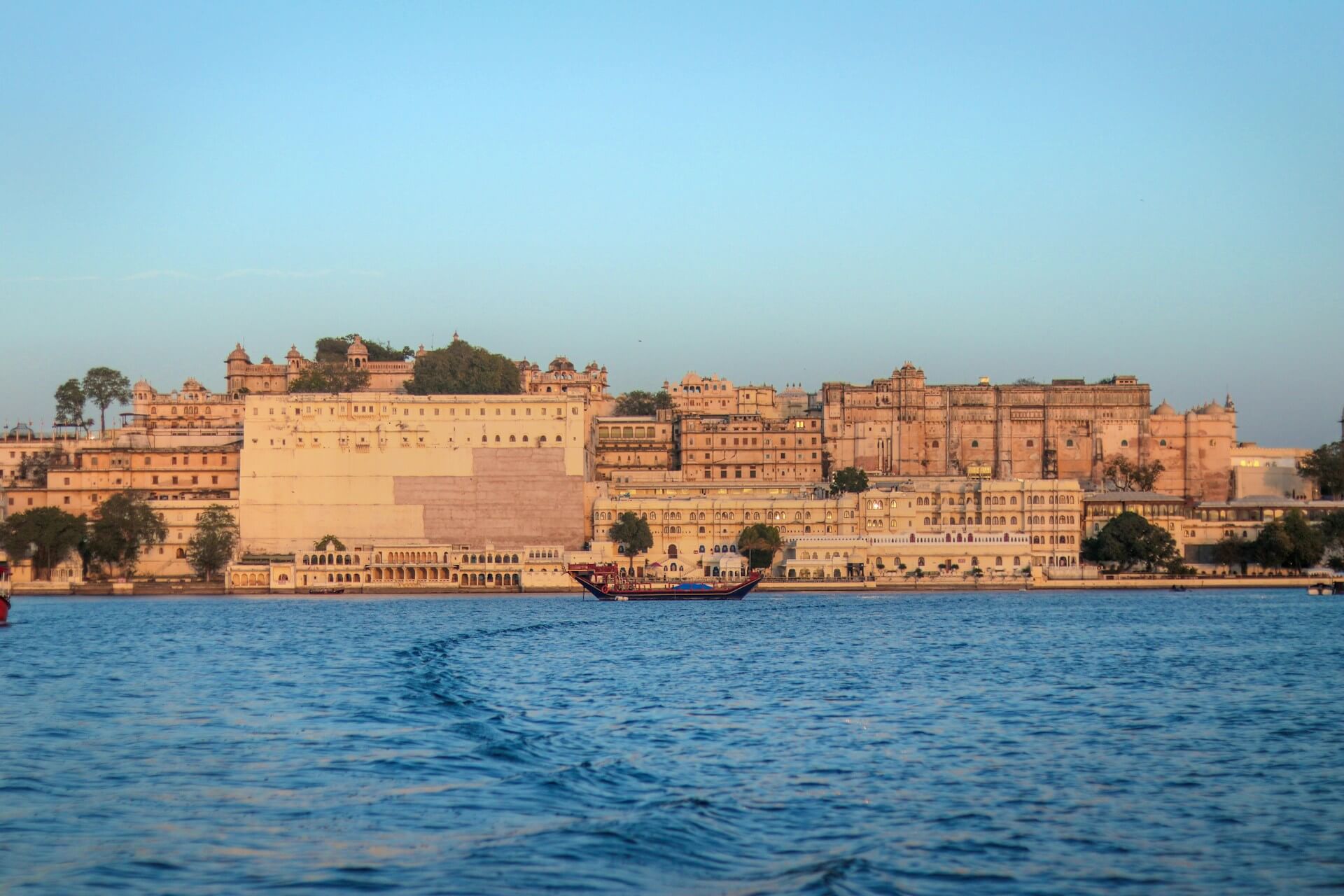
Standout experiences: Udaipur’s Lake Pichola and City Palace, Jodhpur’s blue-washed old city beneath Mehrangarh Fort, Pushkar’s holy lake and camel-country atmosphere.
Skip this if: you’re traveling in the North Indian summer (April–June), when Rajasthan’s desert heat becomes genuinely difficult, even for travelers used to hot climates.
Kerala and South India
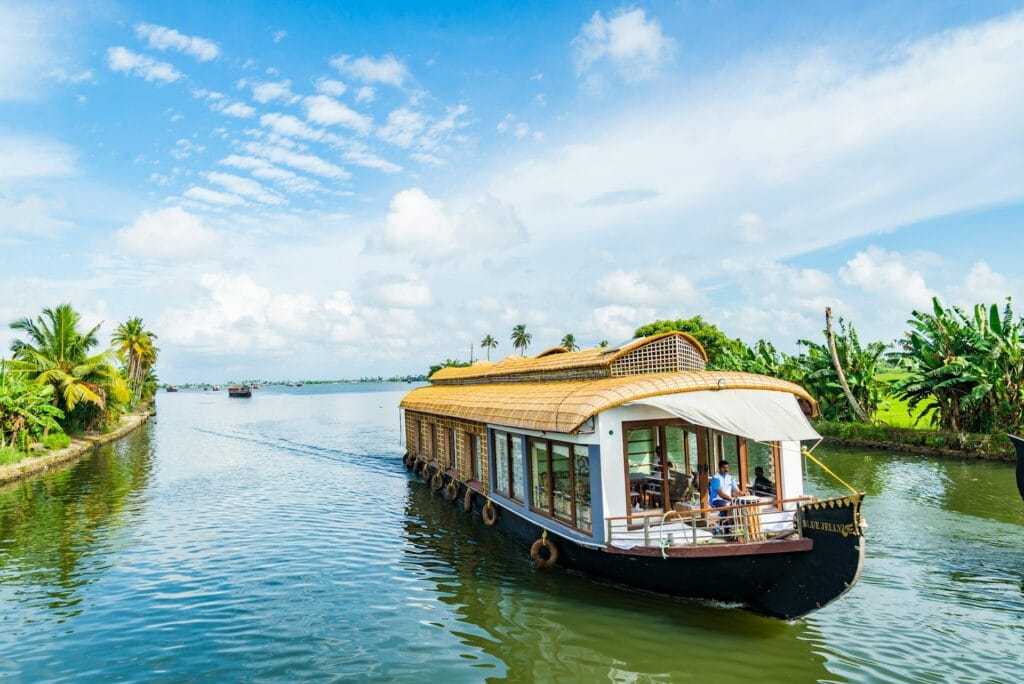
A different kind of India entirely — green, humid, slower-paced, and built around backwaters rather than forts and deserts.
What makes it work for beginners: South India is relatively easy to travel through, English is widely spoken in tourist areas, and the pace can feel gentler than a fort-and-palace-heavy North India itinerary.
Standout experiences: a houseboat stay on the Alleppey or Kumarakom backwaters, Fort Kochi’s colonial architecture and Chinese fishing nets, tea plantations around Munnar.
Skip this if: you specifically want the classic “postcard India” imagery of forts, camels, and deserts — that’s a North India experience, not a South India one.
For travelers wondering where to go in India for a relaxed first trip, Kerala is one of the strongest choices.
Goa
Goa works best as a closing chapter to another route rather than a standalone first India trip. On its own, it gives you a much narrower view of India than a route that combines several regions.
What makes it work for beginners: it’s relaxed, beach-focused, and requires almost no cultural adjustment compared to the rest of the country — a good decompression stop before flying home.
Standout experiences: North Goa’s beach towns and nightlife (Baga, Anjuna, Vagator), South Goa’s quieter beaches, Portuguese colonial architecture in Old Goa and Panaji.
Skip this if: you’re building a tight first-time itinerary and need to choose between Goa and a genuinely India-specific experience like Rajasthan or Varanasi — prioritize the latter first.
Varanasi Spiritual Circuit
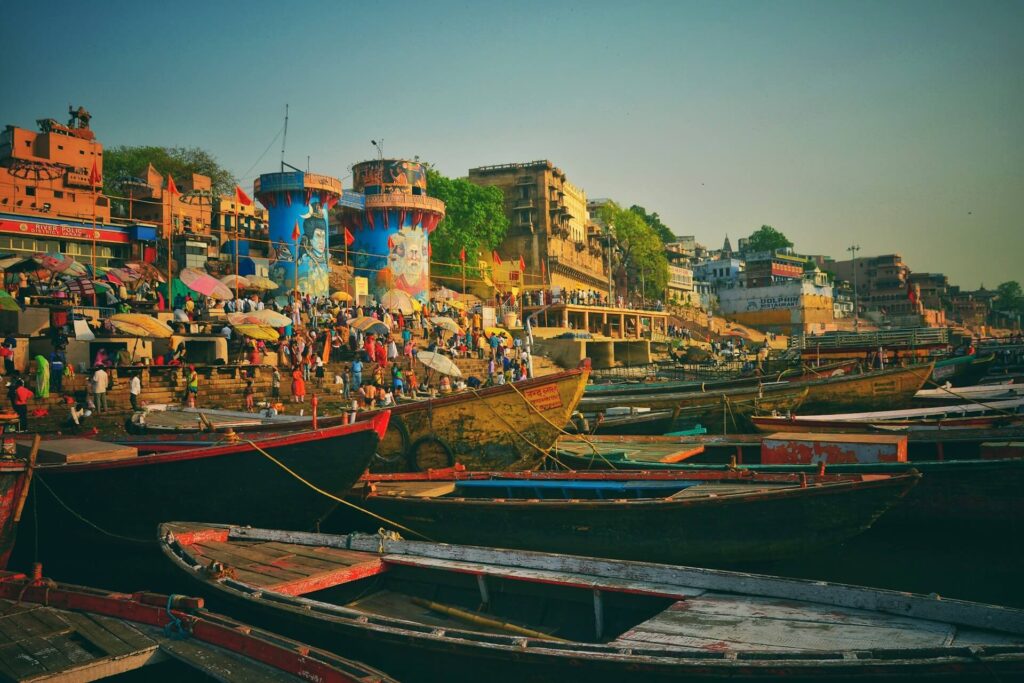
Varanasi can be one of the most memorable additions to a North India itinerary, but it is also more intense than the Golden Triangle.
What makes it more demanding: Varanasi is crowded, sensory-heavy, and confronts visitors directly with cremation rituals along the ghats, which some travelers find profoundly moving and others find overwhelming.
Standout experiences: a dawn boat ride along the Ganges, the evening Ganga Aarti ceremony, the narrow lanes of the old city.
Skip this if: you’re traveling with young children, or you know from experience that intense, crowded environments genuinely stress you out rather than energize you — this is a route better suited to travelers who actively want that intensity.
Amritsar and Punjab
A shorter, often-overlooked add-on that pairs surprisingly well with a North India route, centered on the Golden Temple.
What makes it work for beginners: Amritsar is compact, welcoming to visitors of all backgrounds (the Golden Temple’s community kitchen feeds thousands of visitors daily, regardless of religion), and easy to add as a 2–3 day extension from Delhi.
Standout experiences: the Golden Temple at night, when it’s lit and reflected in its surrounding pool, and the Wagah Border ceremony between India and Pakistan.
Skip this if: your itinerary is already tight — this is a genuinely worthwhile add-on, not an essential one for a first trip.
Himalayan and Hill Station Routes
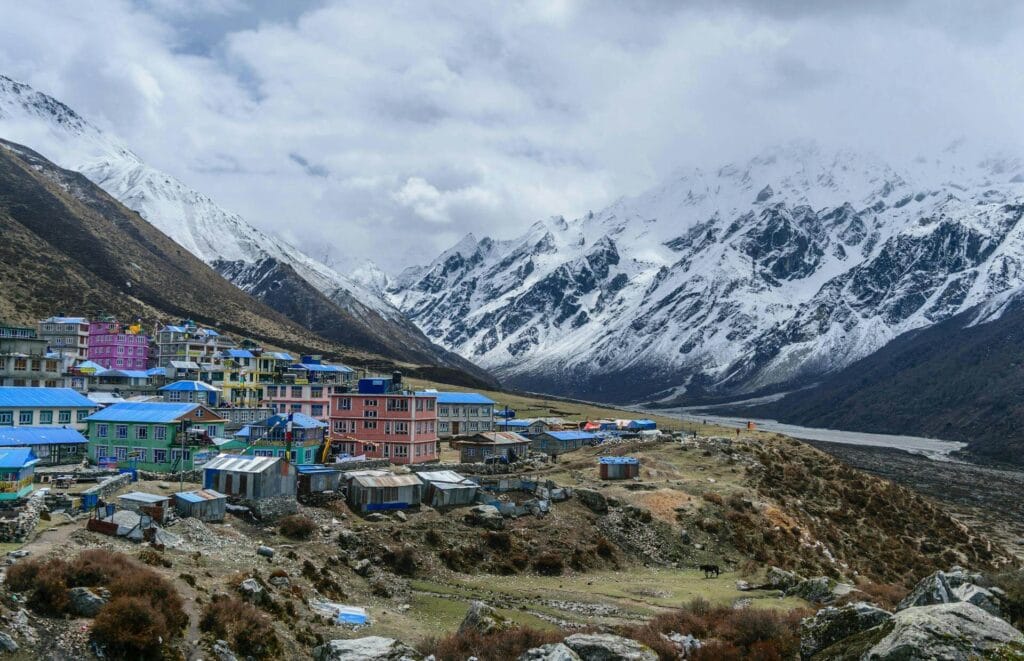
Ladakh, Himachal Pradesh, and Uttarakhand offer some of India’s most dramatic scenery, but the main challenges are altitude, travel time, and seasonal access.
What makes it more demanding: high-altitude regions like Ladakh require acclimatization days to avoid altitude sickness, the accessible season is short (roughly May–October), and travel times between mountain towns are slower and less predictable than in the plains.
Standout experiences: Ladakh’s Buddhist monasteries and high-altitude lakes, Himachal’s hill stations and trekking routes, Rishikesh’s yoga and adventure sports scene in Uttarakhand.
If this is your first trip to India and you have less than two weeks, I’d save the Himalayas for another visit.
Wildlife Safari Circuit
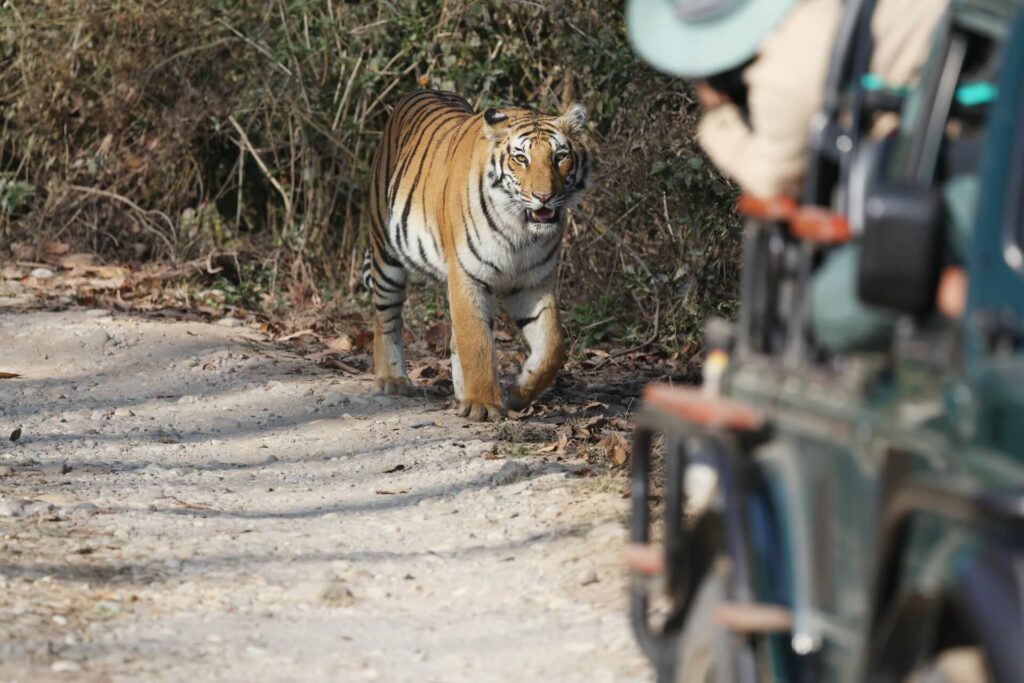
India’s tiger reserves, including Ranthambore, Bandhavgarh, and Kanha, offer an excellent chance to see wildlife in the wild, especially if tigers are high on your list.
What makes it more demanding: safari permits are limited and need to be booked well ahead, park zones and timing require some research to maximize sighting chances, and the parks themselves are less centrally located than the Golden Triangle cities.
Standout experiences: a genuine tiger sighting in Ranthambore or Bandhavgarh, dawn safari drives through dry deciduous forest, birdlife alongside the big cats.
Consider another route if: you’re not willing to book safari permits months in advance or accept that a tiger sighting is never guaranteed. The safari can still be worthwhile for the landscapes, birds, and overall experience.
How to Choose the Right Route for You
If you’re still deciding where to go in India for your first trip, start with what you most want to experience.
If you’re drawn to | Best-fit route |
Classic forts, palaces, and history | Golden Triangle + Rajasthan |
Spirituality and religious intensity | Varanasi (add-on) or Amritsar |
Relaxation and beaches | Goa or Kerala |
Nature and slower pacing | Kerala backwaters |
Mountains and trekking | Himalayas (best as a second trip) |
Wildlife | Safari circuit, paired with the Golden Triangle |
A mix of culture and downtime | Golden Triangle + Goa |
A first trip with a little of everything | Golden Triangle + Rajasthan |
Planning Your First India Trip
Getting between routes: Domestic flights connect the major regional hubs efficiently — Delhi to Kochi (South India), Delhi to Goa, or Delhi to Jaipur if you’re skipping the road/rail Golden Triangle route.
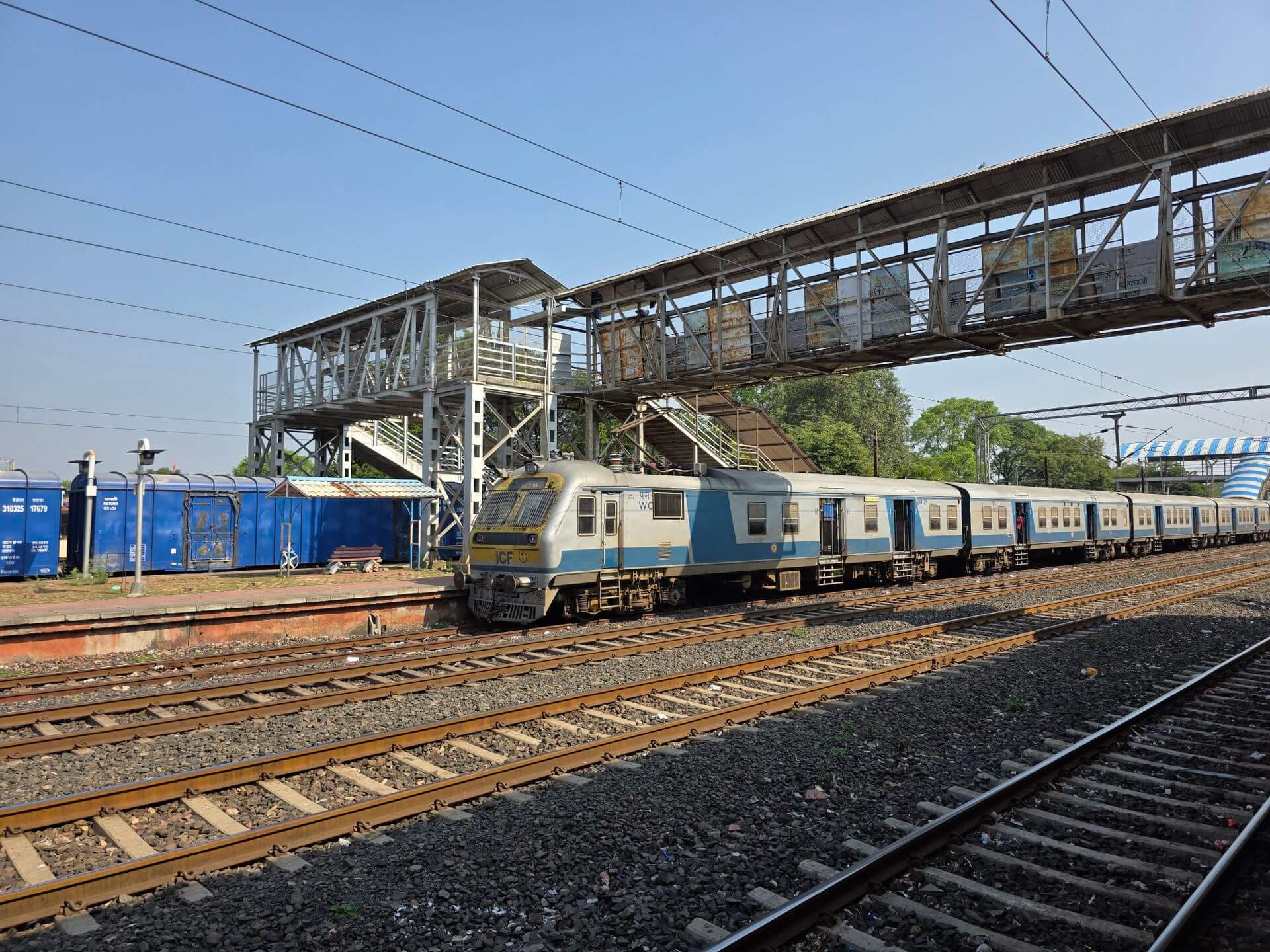
Trains work best for short, well-connected hops like Delhi–Agra–Jaipur.
How Much Does a 7-Day India Trip Cost?
Route | Approximate 7-day budget (mid-range) |
Golden Triangle | $700–1,200 USD |
Kerala / South India | $600–1,000 USD |
Goa | $500–900 USD |
Wildlife safari circuit | $900–1,500 USD (permits add cost) |
Booking timing: Golden Triangle hotels and Rajasthan heritage properties fill up 2–3 months ahead for peak season (October–March).
Safari permits for popular reserves like Ranthambore should be booked as early as possible, ideally 2–3 months out.
This is one of the biggest differences between planning a Golden Triangle itinerary and planning an India wildlife trip.
Common First-Time India Travel Mistakes
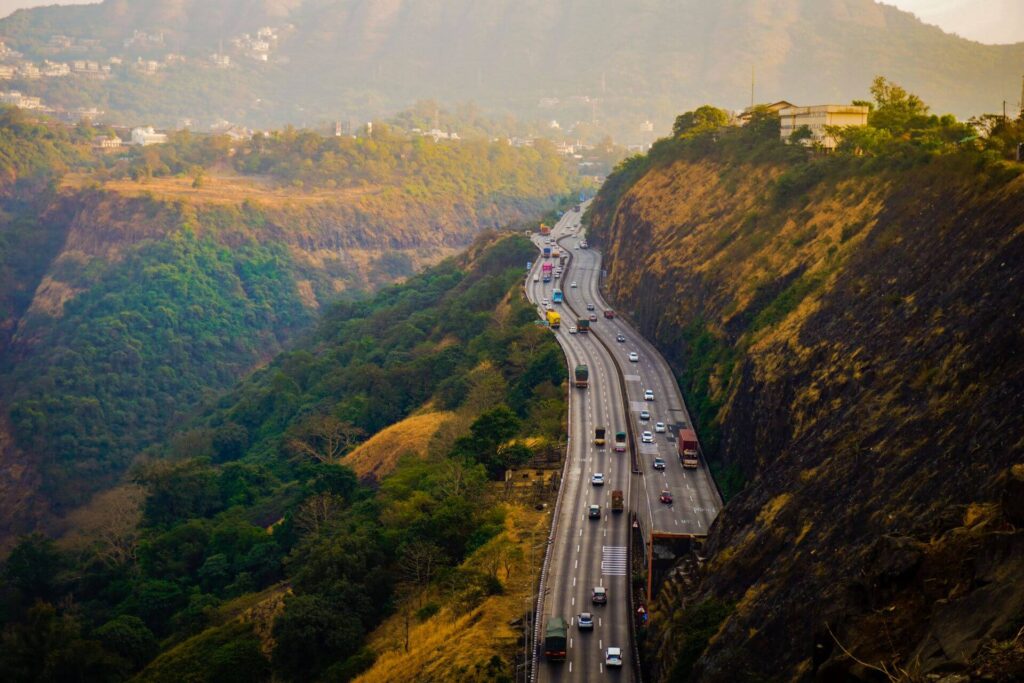
Picking a route based on photos alone. A route that photographs beautifully, like the Himalayas or a tiger safari, isn’t automatically the easiest or most rewarding choice for a first trip. Choose based on your travel style and experience, not just the photos.
Trying to combine too many route types. Attempting Golden Triangle, Kerala, and the Himalayas in one 2-week trip usually means shortchanging all three rather than doing any of them well.
Underestimating Varanasi’s intensity. Travelers sometimes add it to a route expecting something similar to Jaipur or Agra, when it’s a genuinely different, more sensory-heavy experience.
Skipping advance planning for safari routes. Unlike the Golden Triangle, wildlife circuits need permits and zone bookings arranged well ahead — this isn’t a route you can improvise on short notice.
Choosing Goa as a primary route instead of an add-on. First-timers sometimes build an entire trip around Goa, then realize afterward that they missed some of the historical and cultural experiences that make other parts of India so distinctive.
So, Which India Route Should You Choose?
There’s no single best India itinerary for everyone. The right route depends on how much time you have, what you want to see, and how comfortable you are with India’s pace and intensity.
For most first-time visitors, the Golden Triangle is still the easiest introduction. Kerala may suit you better if you want a slower trip, Rajasthan if you love history and architecture, and a safari if wildlife is the main reason you’re coming to India.
The best India travel routes for first-time visitors are ultimately the ones that match the kind of experience you want—not simply the places that look best in photos.
Common Questions About Planning Your First India Trip
What is the best India travel route for first-time visitors?
For most first-time visitors, the Golden Triangle—Delhi, Agra and Jaipur—is the easiest India travel route to start with. It combines major historical sights with relatively straightforward transport and plenty of tourist infrastructure.
How many days do you need for a first trip to India?
Seven to 10 days is a good starting point for a first trip to India. With a week, focus on one region such as the Golden Triangle; with 10–14 days, you can add Rajasthan, Varanasi, Kerala or another destination.
Is the Golden Triangle good for a first trip to India?
Yes, the Golden Triangle is one of the best India itineraries for first-time travelers. Delhi, Agra and Jaipur offer a mix of history, architecture, food and culture without requiring complicated travel arrangements.
Is North India or South India better for a first trip?
North India is usually better for a first trip if you want famous historical sights, while South India is a better fit for beaches, backwaters, food, nature and a slower pace.
Is Kerala a good destination for first-time visitors to India?
Yes, Kerala is an excellent choice for a first trip if you prefer a slower and more relaxed experience. The backwaters, beaches, tea plantations and food make it very different from the classic North India route.
Should I visit Varanasi on my first trip to India?
Varanasi is worth adding if you want a more intense cultural and spiritual experience. It is best treated as an addition to a North India itinerary rather than the entire focus of a first trip.
Is Rajasthan worth visiting on a first trip to India?
Yes, Rajasthan is one of the best choices for a first India trip if you enjoy history, forts, palaces and colorful cities.
What is the best India itinerary for a 7-day trip?
The Golden Triangle is one of the best choices for a 7-day India itinerary. A typical route covers Delhi, Agra and Jaipur, giving you a good introduction to North India without trying to cover too much ground.
Images: Unsplash
