




Planning your first trip to India can feel both thrilling and overwhelming. This vast country is unlike any other, with a unique blend of ancient history, modern culture, and vibrant street life.
From stunning monuments to peaceful temples, your first visit will be a once-in-a-lifetime experience – but knowing where to start is key.
If you’re planning your very first visit, start with our First Time Travel Guide to India for visa requirements, safety tips, budgeting advice, connectivity, and travel planning essentials.
Browse the best guided tours and experiences across India here: Check availability
You’ll find stunning ancient monuments and fabulous palaces, rubbing shoulders with vibrant markets and peaceful temples.
And let’s be honest, your first trip to India is a real game-changer, but figuring out where to start can be a right old nightmare.
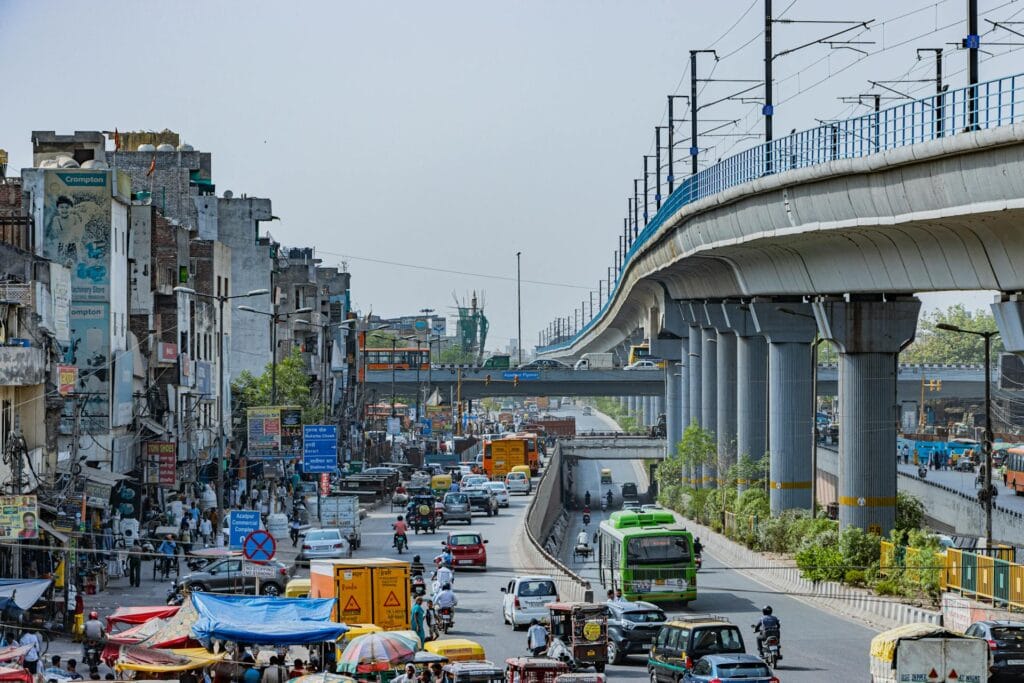
India boasts a rich history spanning thousands of years, with its diverse cultures, vibrant street life, and delicious cuisine creating a sensory overload.
Whether you’re exploring ancient temples, bustling markets, or learning about the royal heritage, India offerssomething for every type of traveler.
But cheer up, first-time visitor – if you only have a week, don’t panic – we’ve put together a special 7 day India itinerary for first time travelers, focusing on the celebrated Golden Triangle of Delhi, Agra, and Jaipur – the most popular and probably the easiest place to get around in India, which is exactly what you need when you’re starting.
In 7 short days, you’ll get to see all the must-see sights, get a taste of the local culture, have a glimpse of the royal heritage, and get a real feel for what life is like in India without feeling unnecessarily rushed.
Why This 7 Day India Itinerary is Perfect for First-Time Travelers
Deciding where to go in India as a first-timer can be pretty overwhelming—the country is huge and breathtakingly complex.
This itinerary focuses on the Golden Triangle, a tried-and-tested route through Delhi, Agra, and Jaipur, but you also have the option to extend it with a visit to the spiritual hub of Varanasi.
This trip is perfect for several reasons:
- India’s must-see cities like Agra, Delhi, and Varanasi are all on the itinerary (although you won’t be able to fit them all in).
- You get a great mix of history, culture, and local life.
- It’s a 7-day tour so that you can fit it into your busy schedule.
- You’ll be ticking off all the top India attractions on your bucket list.
- You get to see some of the Mughal and Rajput architecture that India is famous for.
- You’ll also get the chance to connect with your spiritual side along the banks of the Ganges.
By the end of the week, you’ll get to see India as it used to be—the old, the royal, and the spiritual—all in one thrilling package.
Day 1 – Arrival in Delhi – Getting to Know Old and New Delhi
Morning: Arrival and Rest—Adjust to the Time Zone
Most of the international flights land at Indira Gandhi International Airport, so you’re pretty likely to be landing in Delhi.
Once you’ve sorted out your immigration and checked into your hotel, take some time to kick back and relax – let’s be honest, jet lag is a real challenge, and you don’t want to overdo it on your first day.
If you’re arriving in India for the first time, this airport arrival guide for tourists explains immigration, transport options, SIM cards, and what to expect after landing.
Klook.comGlimpsing India’s Capital in the Morning
Start your Delhi exploration with these iconic landmarks:
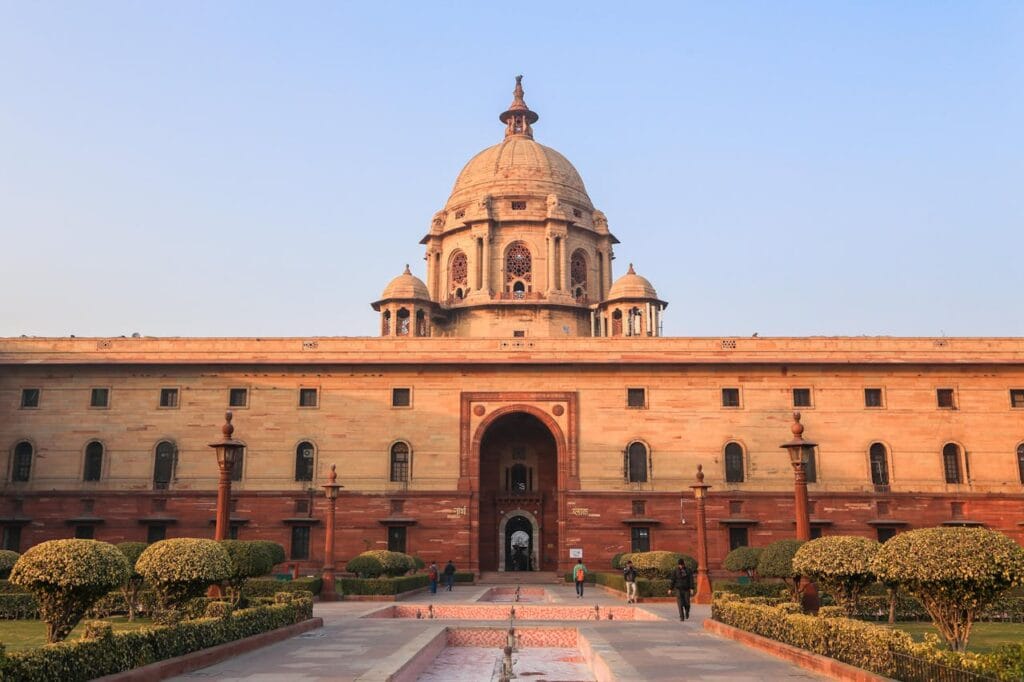
- Rashtrapati Bhavan (official residence of the President of India),
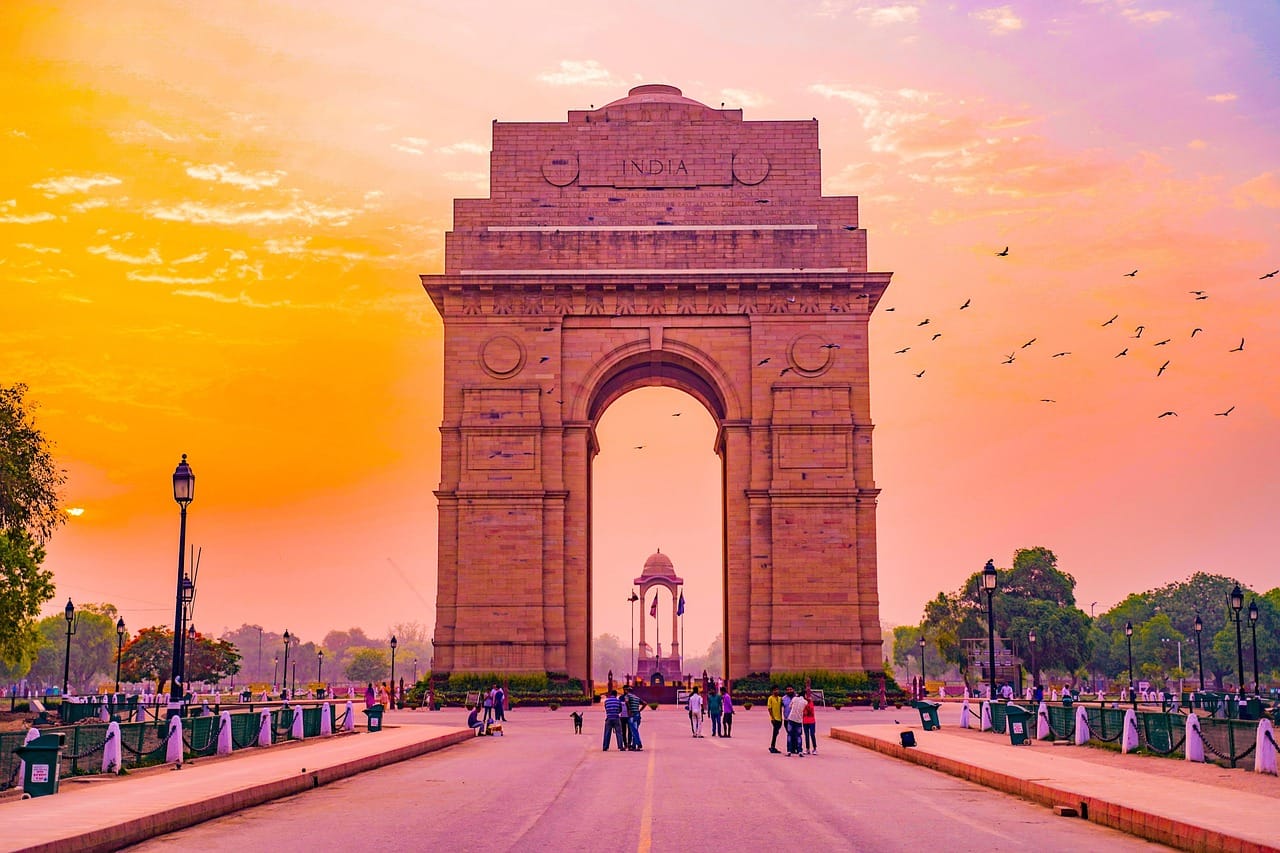
- India Gate, and Parliament House.
These colonial-era structures highlight India’s blend of ancient history and modern governance.
Later in the afternoon: Exploring the Heart of Old Delhi
Start your Old Delhi adventure here, which, let’s be honest, is where the real heartbeat of India’s history lies.
You shouldn’t miss:
- Jama Masjid – one of India’s biggest mosques
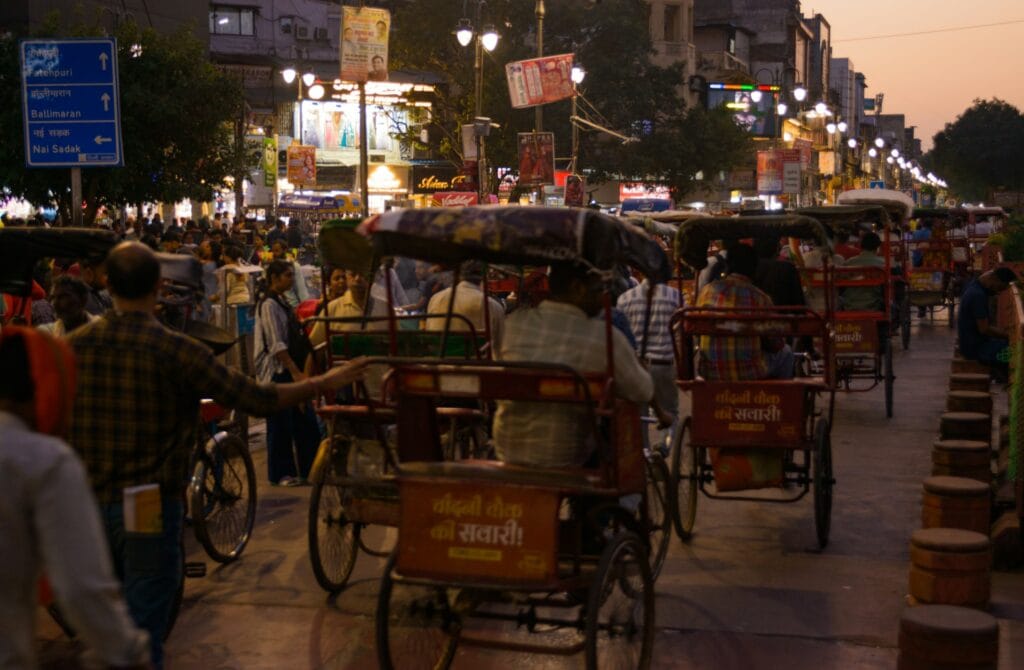
- Chandni Chowk – famous for its spices, street food, and markets (Visit Paratha Wali Gali and Khari Baoli Spice Market to sample Indian street food.)
- A rickshaw ride is a local experience you simply won’t want to miss
In the evening, consider the India Gate and Connaught Place
Head to India Gate when it’s all lit up in the evening – it’s a real sight to behold and a war memorial.
Take a stroll around the old colonial Connaught Place – it’s full of cafés, bookshops, and restaurants – make sure you try some Butter Chicken, Dal Makhani, fresh Naan, and a cup of Masala Chai if you haven’t eaten enough street food yet.
Digital payments are accepted in many cafés and restaurants, although it’s still useful to carry some cash while exploring markets.
Day 2: Old Delhi & New Delhi – History, Culture & Spirituality
Morning: Discover Delhi’s Historical Gems
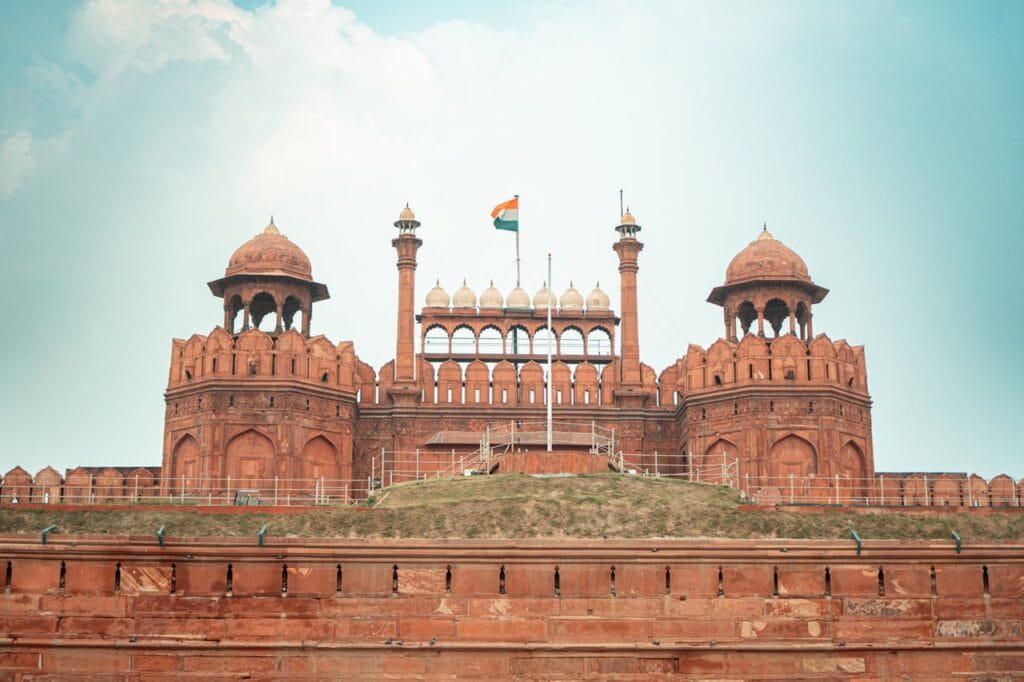
- Red Fort – A UNESCO World Heritage Site, represents the pinnacle of Mughal architecture and a must-see for history lovers. Its imposing walls, built from red sandstone, reflect the rich Mughal heritage of India.
- Raj Ghat— This is where Mahatma Gandhi is remembered.
Afternoon: New Delhi – What’s New?
- Qutub Minar – the world’s tallest brick minaret.
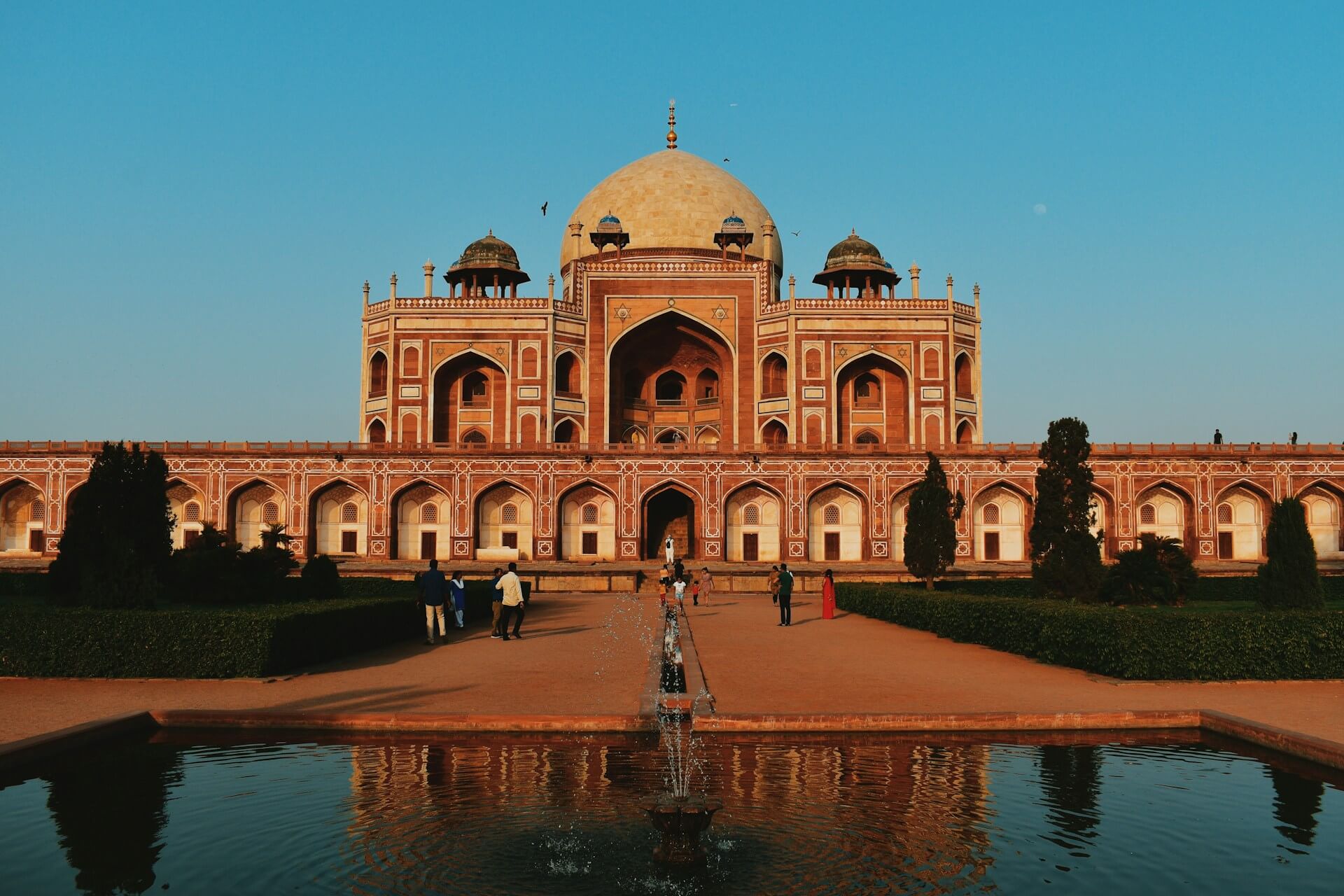
- Humayun’s Tomb – that one actually inspired the building of the Taj Mahal.
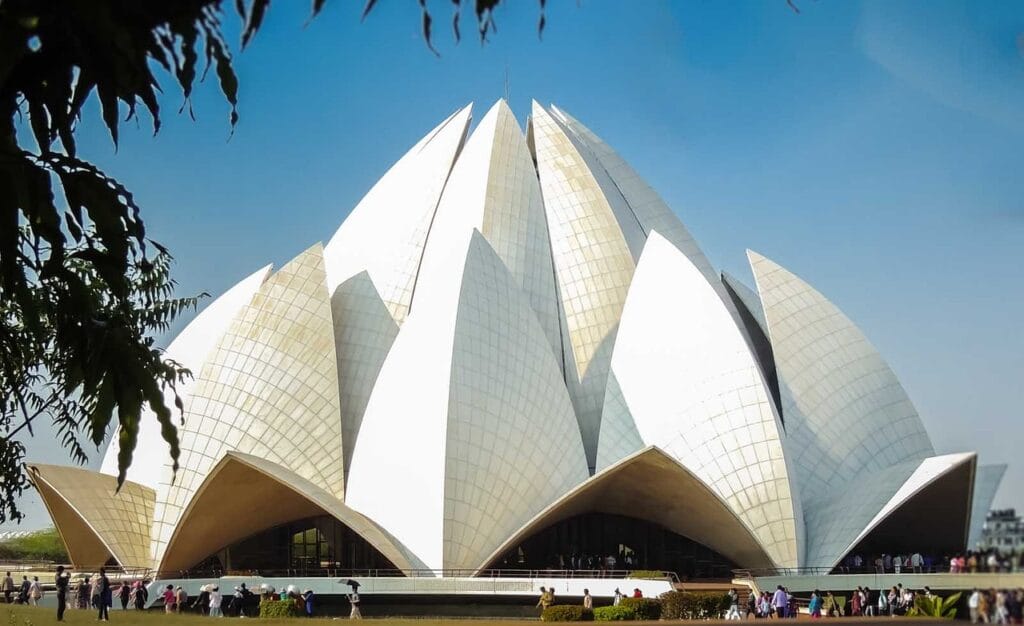
- The Lotus Temple – It’s a pretty peaceful place – welcoming anyone of any religion to visit.
Later on: Dinner with a Difference
Enjoy a traditional Indian dinner or stick around to watch some local music & dance – it’s back to your hotel for a bit of a rest – Delhi can be a tiring place.
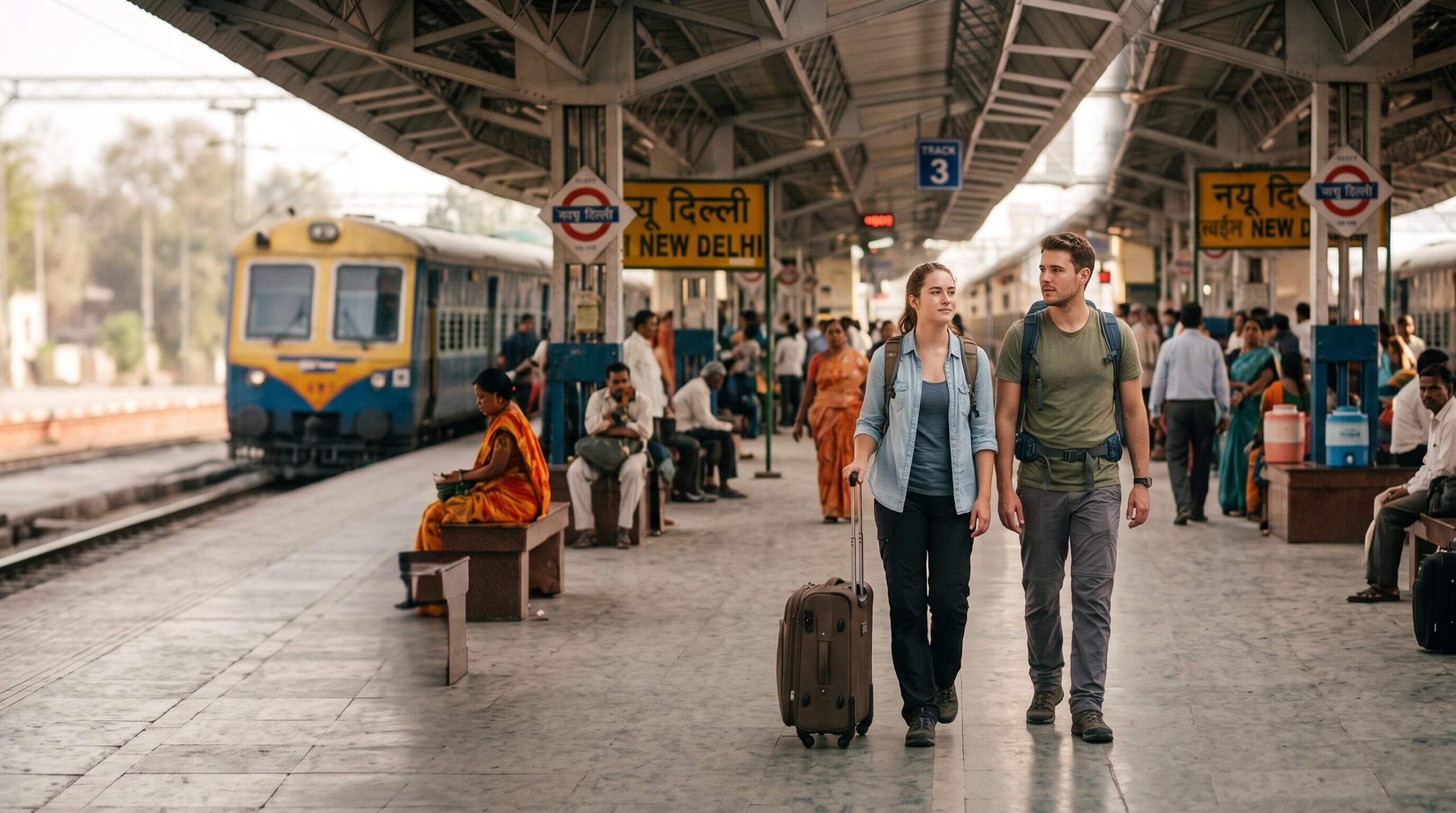
Book Delhi → Agra trains at least 2 weeks in advance via IRCTC or private operators to avoid sold-out tickets. Navigation apps and train booking apps make getting around much easier during this itinerary.
Klook.comDay 3 – Delhi to Agra, the City of Eternal Love
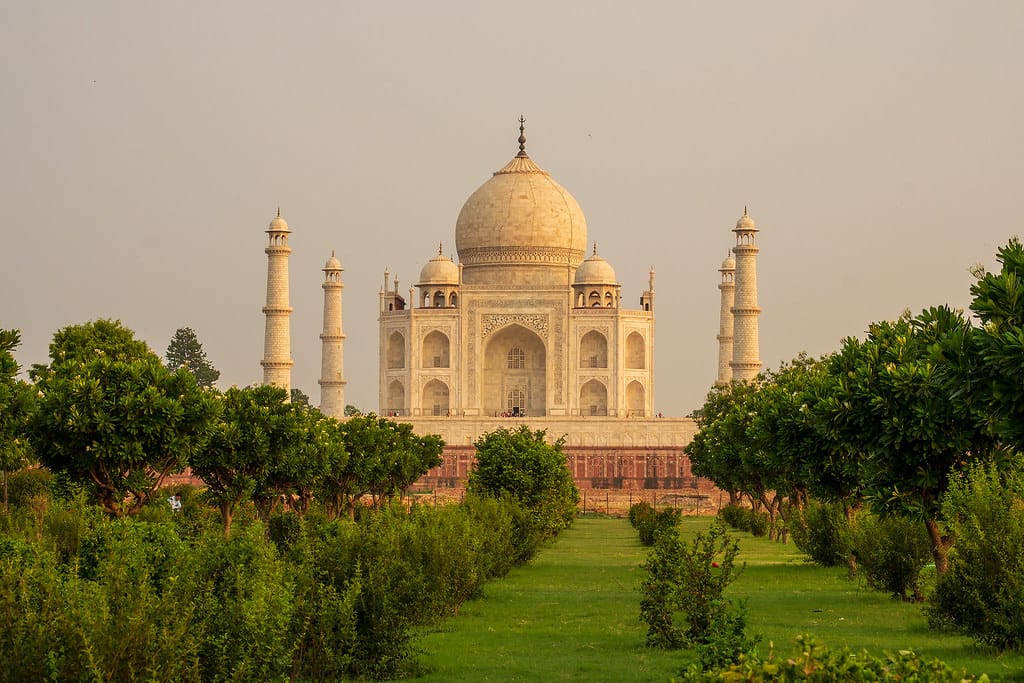
Before heading to the Taj Mahal, don’t miss the Agra Fort, another stunning example of Mughal architecture that tells the story of India’s Mughal empire. It offers a unique insight into the royal history of the Mughal emperors.
Have an early breakfast and get underway from Delhi to Agra, a 3–4-hour trip by car or train (approximately 230 km).
If you’re planning to rent a car and drive yourself instead of taking trains or hiring a driver, make sure you understand India’s driving rules first.
Just sit back and watch the countryside roll by as you make your way to one of India’s most love-struck cities.
Arrival in Agra in the Afternoon
- Get to your hotel and take a little time to unwind after the journey.
- You can either grab lunch or take a stroll around the streets.
Afternoon: Agra Fort – A Piece of Mughal History
Agra Fort: Explore this red sandstone fortress, once the residence of Mughal emperors. It offers fascinating insights into Mughal history, including the rise and fall of Shah Jahan, the emperor who built the Taj Mahal.
Take in the views of the fort and, if you’re lucky, you might catch a glimpse of the Taj Mahal in the distance. It’s a taste of what’s to come tomorrow.
Twilight in Agra: Mehtab Bagh
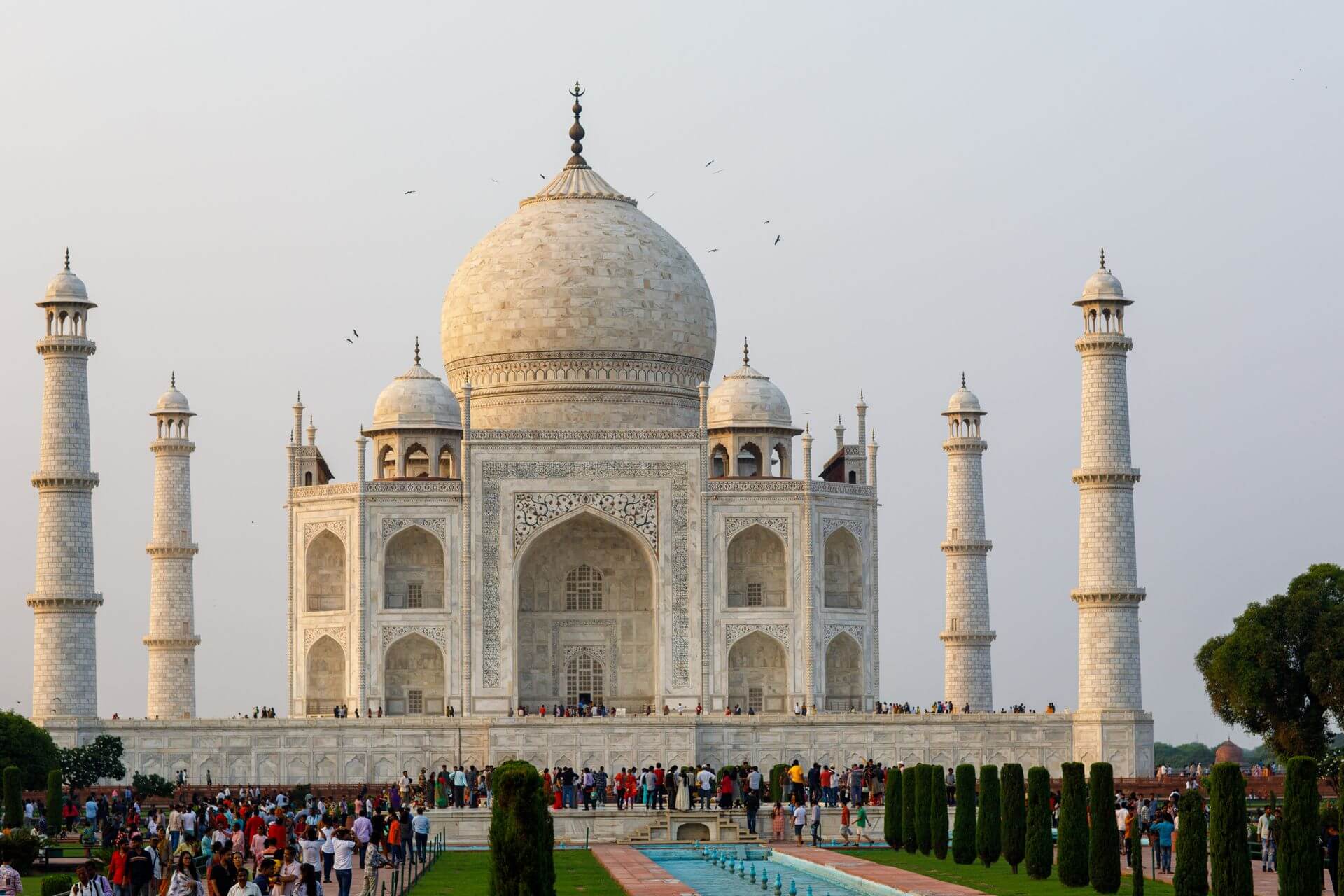
As the day starts to wind down, get to Mehtab Bagh – a peaceful little spot by the Yamuna River. Watch the sun go down over the Taj from a distance and watch the marble glow as the light changes from gold to a soft pink.
It’s a moment that’s just begging to be captured. If you have time, then check out the Mohabbat-e-Taj Show – a live show that tells the love story behind the Taj Mahal in a super dramatic way.
By the time the sun finally dips below the horizon, you’ll know why Agra is the city of eternal love, where love is written into every stone.
Early Morning: Witnessing the Taj Mahal at Dawn
You know mornings can be tough, but trust us when we say it’s worth getting up early – the Taj Mahal at sunrise is like a different world altogether. The air is crisper, the light is softer, and you’re bound to avoid the chaos of people with cameras everywhere.
As the sun crept up in the sky, the Taj’s marble seemed to change from a pale grey hue to a warm, apricot colour, and finally to a brilliant white.
Shah Jahan built it for his wife, Mumtaz Mahal – it’s more than a monument though; it’s a love story, a huge loss, and a testament to the incredible skill of the craftsmen who made it. Take your time and soak it all in as you stroll and absorb the atmosphere.
- After Agra, it’s onto Jaipur (roughly 4 to 5 hours in the car).
- En Route: Finding Fatehpur Sikri
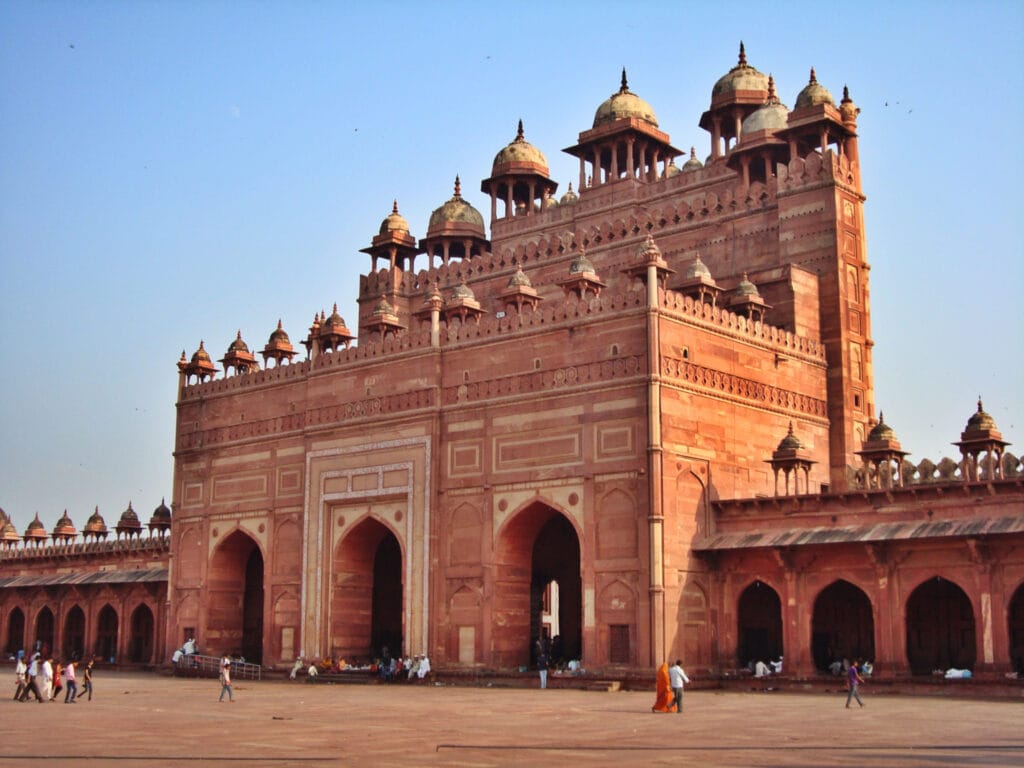
As we make our way to Jaipur, we’ll take a break at one of Northern India’s best-kept secrets – Fatehpur Sikri.
Fatehpur Sikri is a perfectly preserved Mughal city that once served as the capital of the Mughal empire. However, it was abandoned, leaving behind a historic urban complex that tells the story of India’s imperial past.
Evening: Arriving in Jaipur
Eventually, we’ll arrive in Jaipur, Rajasthan’s capital, famously known as the Pink City. ATMs are widely available in Jaipur, but knowing withdrawal limits and fees beforehand can save money.
Get settled into your hotel, grab a bite to eat, and get some rest – tomorrow promises to be a day packed with royal heritage and loads of culture.
Day 5: Jaipur – The Palaces & The Culture
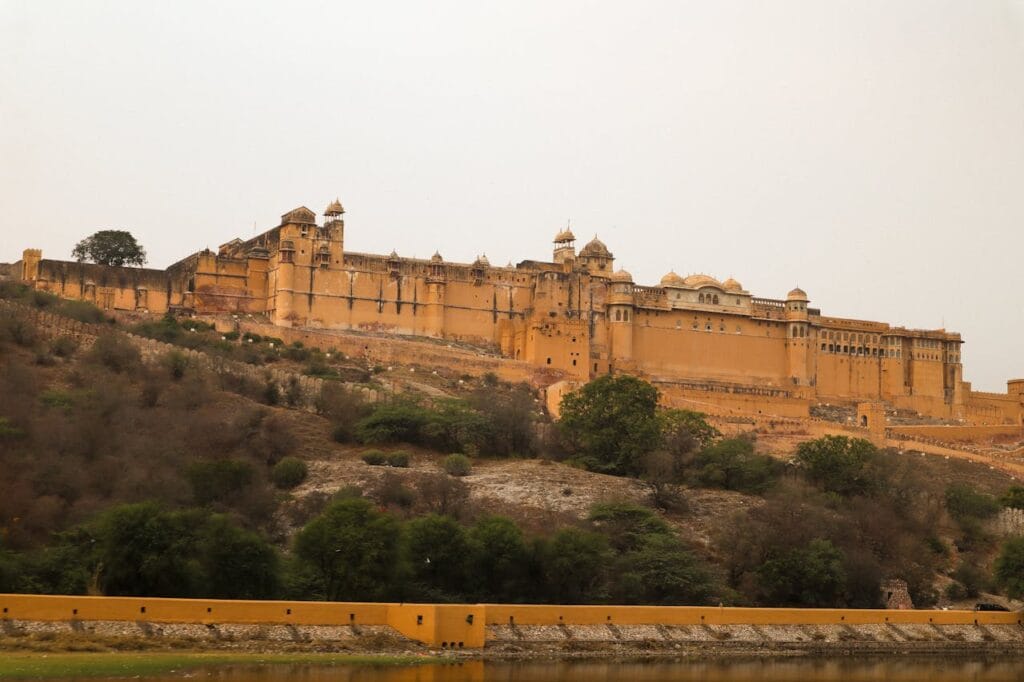
Morning: Up at Amber Fort
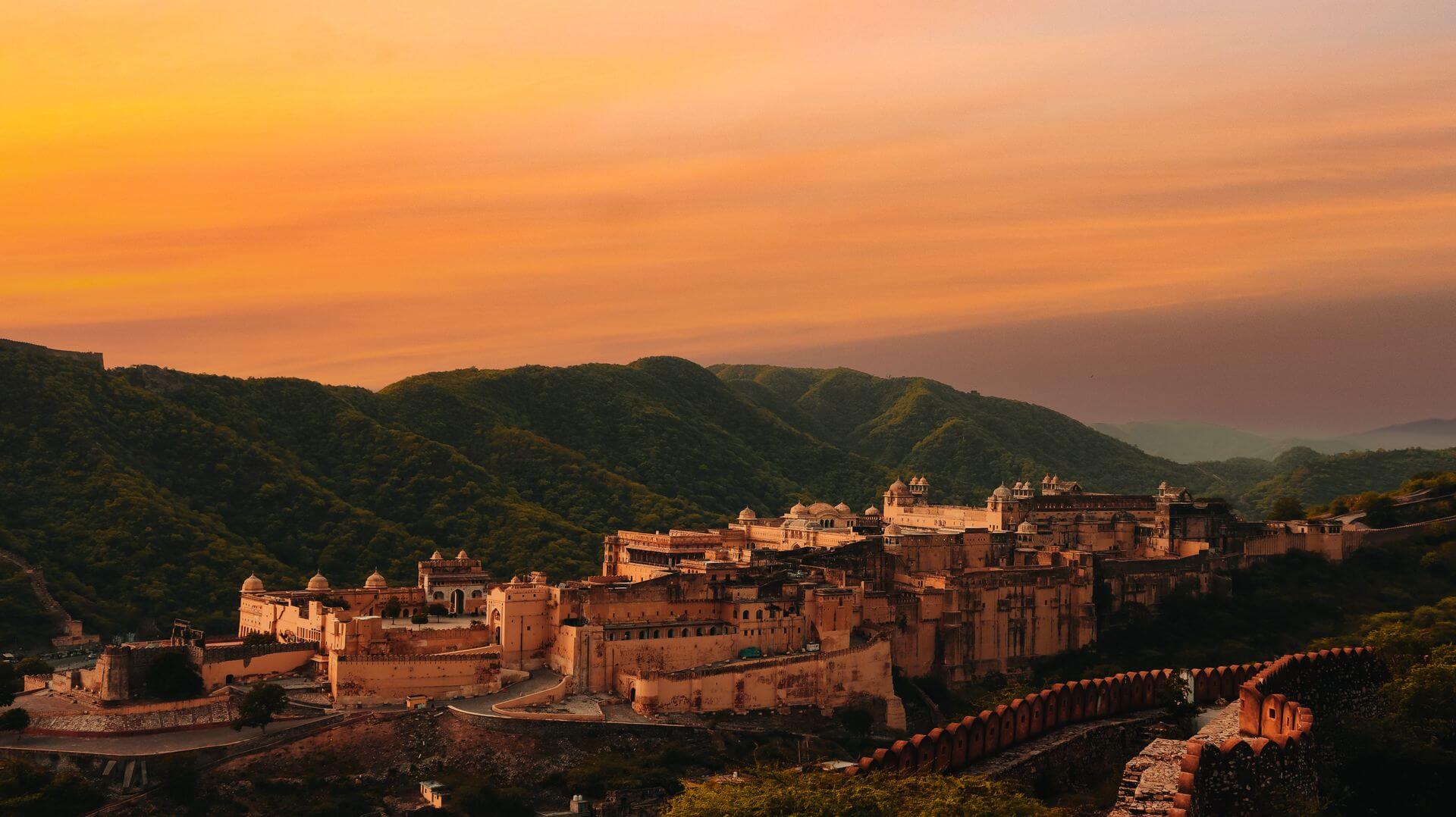
Amber Fort sits on a hill above Maota Lake, offers stunning views of Jaipur and is an unmissable sight in the Pink City.
Explore the Sheesh Mahal, a palace built entirely of mirrors. If you’re in Jaipur, it’s a must-see.
Some of the bits to check out include:
- The Sheesh Mahal – a palace made entirely out of mirrors, imagine that!
- The grand royal courtyards and their beautiful floors will make you feel like royalty.
- Mind-blowing.
Afternoon: Palace & Observatory combo
Next up, we’ve got the heart of Jaipur with two top attractions lined up for you.
- City Palace: The City Palace is a real treat – a mix of Mughal & Rajasthani architecture – and it’s still the royal family’s home in Jaipur to this day. Some of it has been turned into museums, which give you a real insight into the royal way of life – think costumes & art.
- Jantar Mantar: This UNESCO World Heritage spot is an absolute must for any star-gazers out there – it’s an astronomical observatory with these massive stone instruments – you can track the stars, measure time; it’s just loads of fun.
Evening: Hawa Mahal & the Local Markets
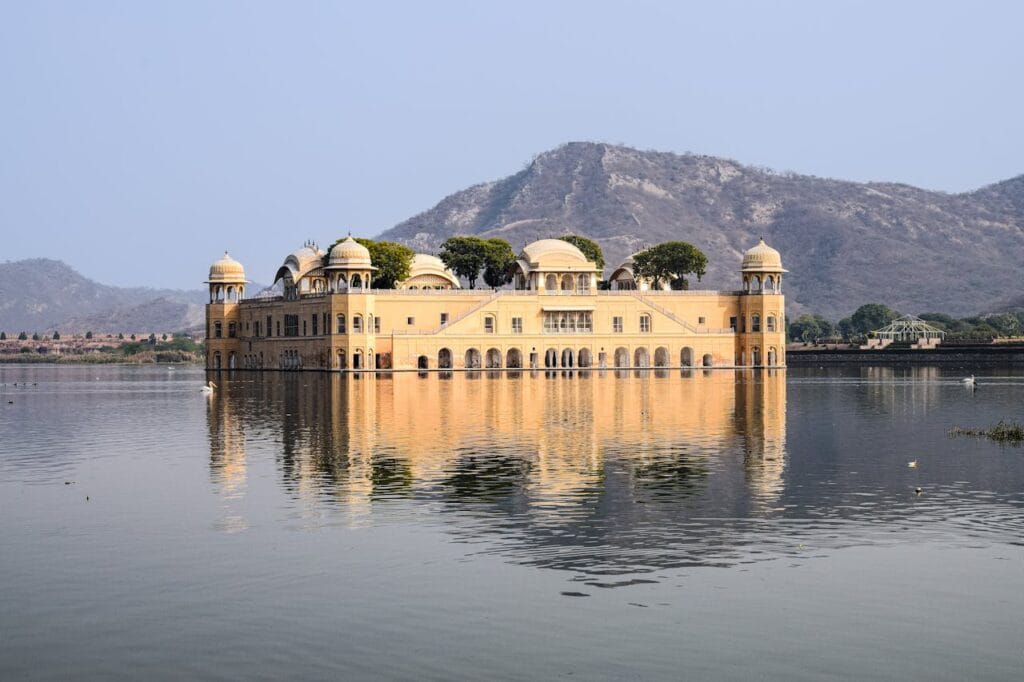
Get to the iconic Hawa Mahal just as the sun is setting – it really is a sight to behold. That honeycomb facade was all made, so the royal ladies could snoop on street life without being seen.
Finish the day off by getting lost in Jaipur’s bustling bazaars; you might find:
- Handmade jewellery to make your friends green with envy.
- Textiles in all the most gorgeous colours are made using different techniques.
- Blue pottery, leather goods and all sorts of local souvenirs – just what you need to take a bit of Jaipur home with you.
To round off the day, grab a proper Rajasthani dinner – and who knows, you might even get some local music & dance to go with it – it’s a great way to really feel the pulse of the place.
Day 6: Varanasi – the Heart That Beats for India’s Soul
A Day That’ll Leave You Changed Long After You Leave Varanasi Behind
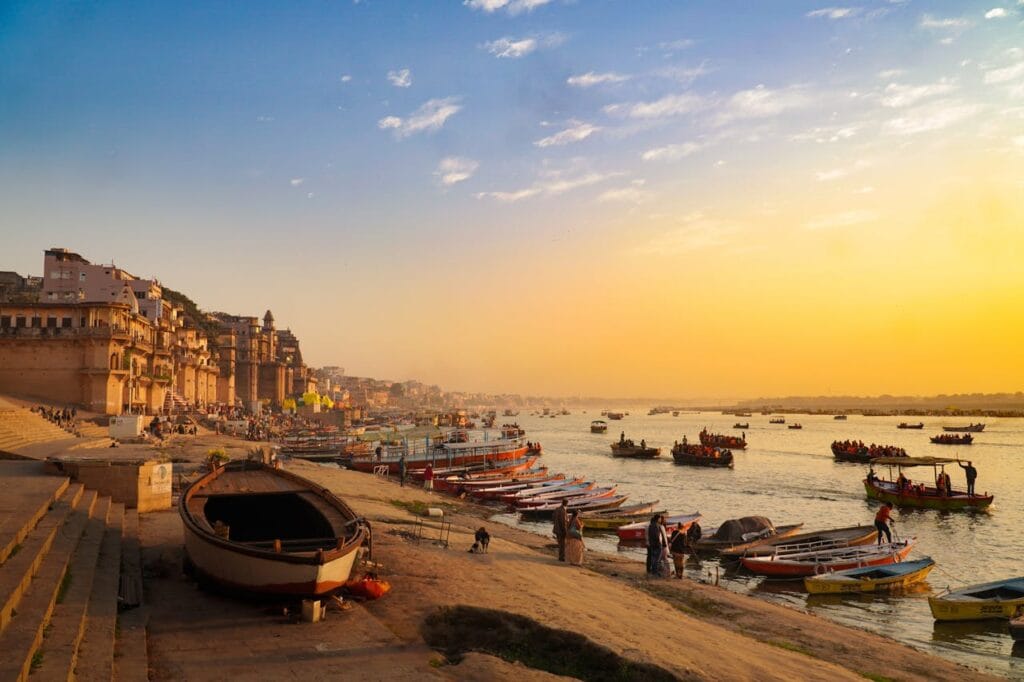
If you’re after an experience that goes way beyond ‘look, see and click’, start Day 6 by catching an early morning flight to Varanasi – one of the world’s oldest continuously living cities and one that has the power to move you to your core.
Morning: Sunrise Boat Ride on the River Ganges
Experience Varanasi at dawn with a sunrise boat ride on the Ganges. Witness morning rituals and the spiritual significance of the river as the city wakes up.
During this magical hour, you can look forward to:
- Watching morning prayers being offered up by the river’s edge
- Hearing the deep resonance of temple bells rumbling through the mist
- Feeling the soft chanting carried on the water
- Witnessing funeral rituals being carried out with such dignity and calm, right alongside the bustle of everyday life
Here, life and death hang in the balance – but not in a sad, serious way – more an acceptance of just how precious every moment is. For many travellers, this single hour becomes the one part of their journey they’ll never forget.
Morning: The Kashi Vishwanath Temple & the Narrow Lanes
First up, visit the Kashi Vishwanath Temple – one of the most revered sites in Hinduism. The energy in the air is electric – intense, raw and deeply spiritual.
Next, wander through the ancient alleys of Varanasi. These narrow lanes aren’t some sort of carefully constructed tourist spectacle – they’re the real deal.
These are places where prayers are whispered, incense wafts through the air and spirituality is woven seamlessly into everyday life. In Varanasi, faith isn’t some sort of performance for of visitors. It’s a way of life.
If you’re new to Varanasi, a guided walk is definitely worth considering – it will help you understand the rituals and make your way around the old city with a bit more ease.
Staying connected is especially useful in cities like Varanasi, so many travelers choose either a local SIM card or an India eSIM before arrival.
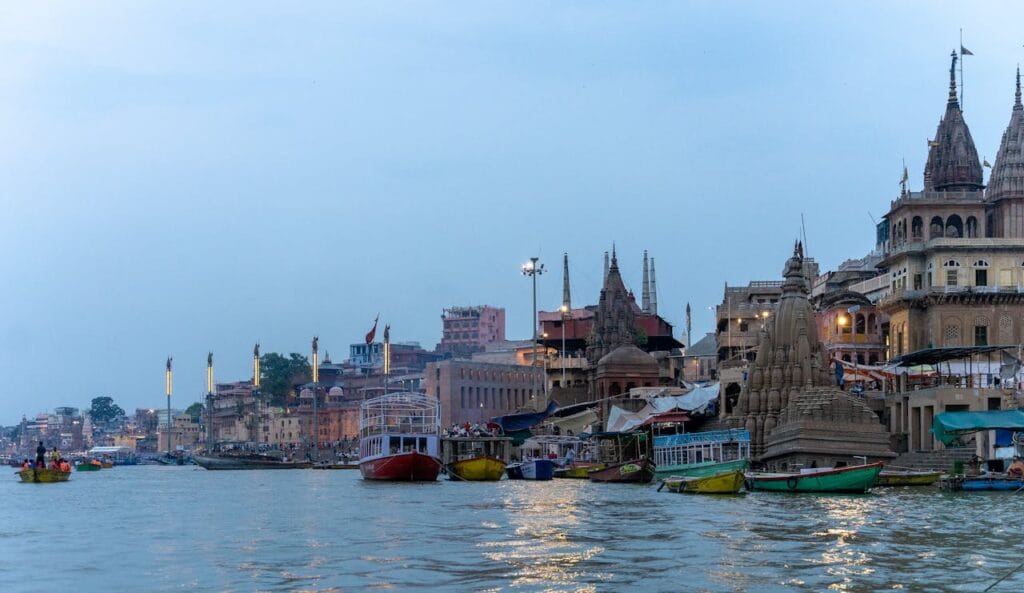
Sunset: Ganga Aarti Ceremony
As the sun sets, head back to the river for the Ganga Aarti ceremony. Priests line the ghats, moving in perfect time as the fire lamps flicker in the darkening sky.
- Thousands of people gather.
- The crowd becomes completely silent.
- The river reflects the flames and the prayers.
- You don’t need to understand the ceremony – you just need to feel it and let it seep deep into your bones.
Why Varanasi Leaves a Lasting Mark on You
Varanasi doesn’t blow you away with its grandeur—it humbles you and makes you see the world differently.
Many travellers leave with a deeper understanding of what life is all about, what it means to lose something precious and how to find acceptance in the midst of it all.
It’s not always easy, but it’s honest. For thousands of people, it’s the most meaningful day they’ve ever had in India. If what you’re after is something that stays with you for the rest of your life, then Varanasi is the place to go.
Local guides at Varanasi ghats are licensed and provide insights into rituals that you won’t get on your own.
Day 7: Wrapping Up in Delhi Before We Say Goodbye
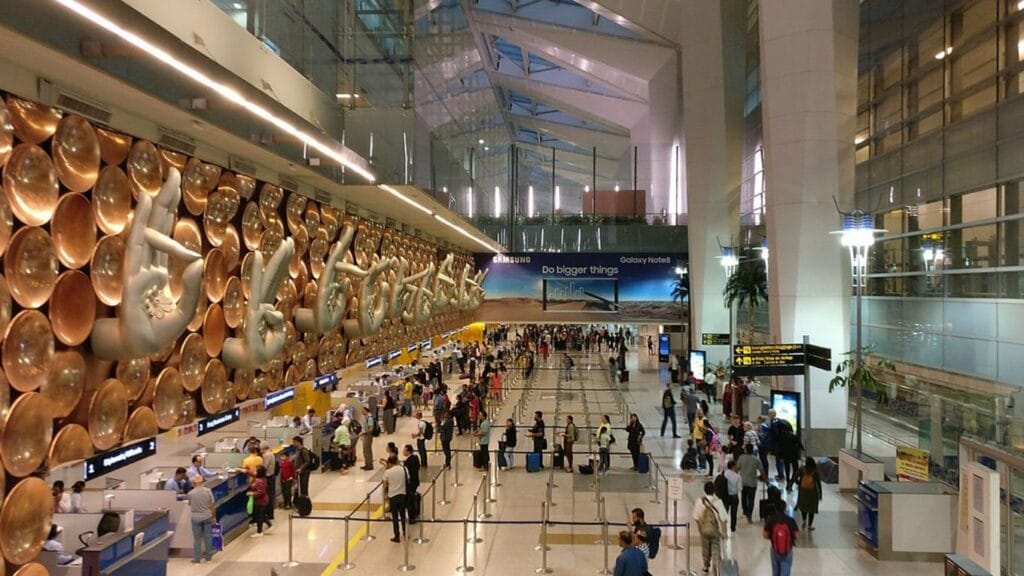
Enjoy a relaxed breakfast, taking a moment to reflect on the experiences you’ve had over the past week. Depending on your flight time, you may have some leisure time for last-minute shopping in Delhi.
Catch a short flight back to Delhi, where you can unwind and reflect on your journey. Delhi is the ideal place to relax before heading home or catching your next flight to another Indian destination.
Depending on when you need to be off the plane and onto your next flight or heading home, you can pick one of the following options:
- Do a bit of last-minute souvenir shopping or find someone a gift to bring back as a memento.
- Grab a coffee and sit back at a café to enjoy the chance to slow down a little.
- Head to the airport and get straight to your connecting flight.
Rush is the last thing on our minds for this last day. We want you to take a moment to unwind, reflect on all the wonderful things you’ve seen and experienced over the past week – and then maybe start daydreaming about where you’d like to go next in India.
A 7 Day India Itinerary for First-Time Visitors is not about ticking landmarks off a list. It is about standing before the Taj Mahal at sunrise and feeling time pause.
It is about hearing temple bells echo across the Ganges. It is about bargaining in Jaipur’s markets and laughing with strangers who become friends.
India is layered, imperfect, intense, and deeply human. When you leave after seven days, you will carry more than photographs.
You will carry stories, colours, spices in your suitcase, and something quieter in your heart. India is a country that rewards both curiosity and preparation.
By following this 7-day itinerary and practical tips, you can explore the Golden Triangle with ease, soaking in the vibrant culture, historical sites, and unforgettable experiences that make India so unique.
FAQs: 7-Day India Itinerary for First Time Travelers
Is 7 days enough for India?
Yes, 7 days is ideal for the Golden Triangle. Adding Varanasi is possible, but it makes the itinerary fast-paced.
Is India safe for first-time tourists?
Yes, especially in major tourist cities. Use common travel precautions. Read our complete safety guide inside the First Time Travel Guide to India.
Do I need a guide for monuments?
Hiring a licensed guide enhances understanding of historical sites like the Taj Mahal and Amber Fort.
What currency is used in India?
Indian Rupee (INR). Credit cards are accepted in cities, but carry some cash for markets.
Can vegetarians find food easily in India?
Absolutely. India offers one of the richest vegetarian cuisines in the world.
Which cities can I visit in 7 days in India?
Most 7-day itineraries focus on Delhi → Agra → Jaipur, with Varanasi added as an optional extension for travelers seeking a spiritual experience.
What is the best time for a 7-Day India Itinerary?
The ideal travel season is October to March, when temperatures are moderate and sightseeing is comfortable. Avoid monsoon months (June–September), as heavy rains can disrupt travel and outdoor activities.
Image Credit: Pexels
