
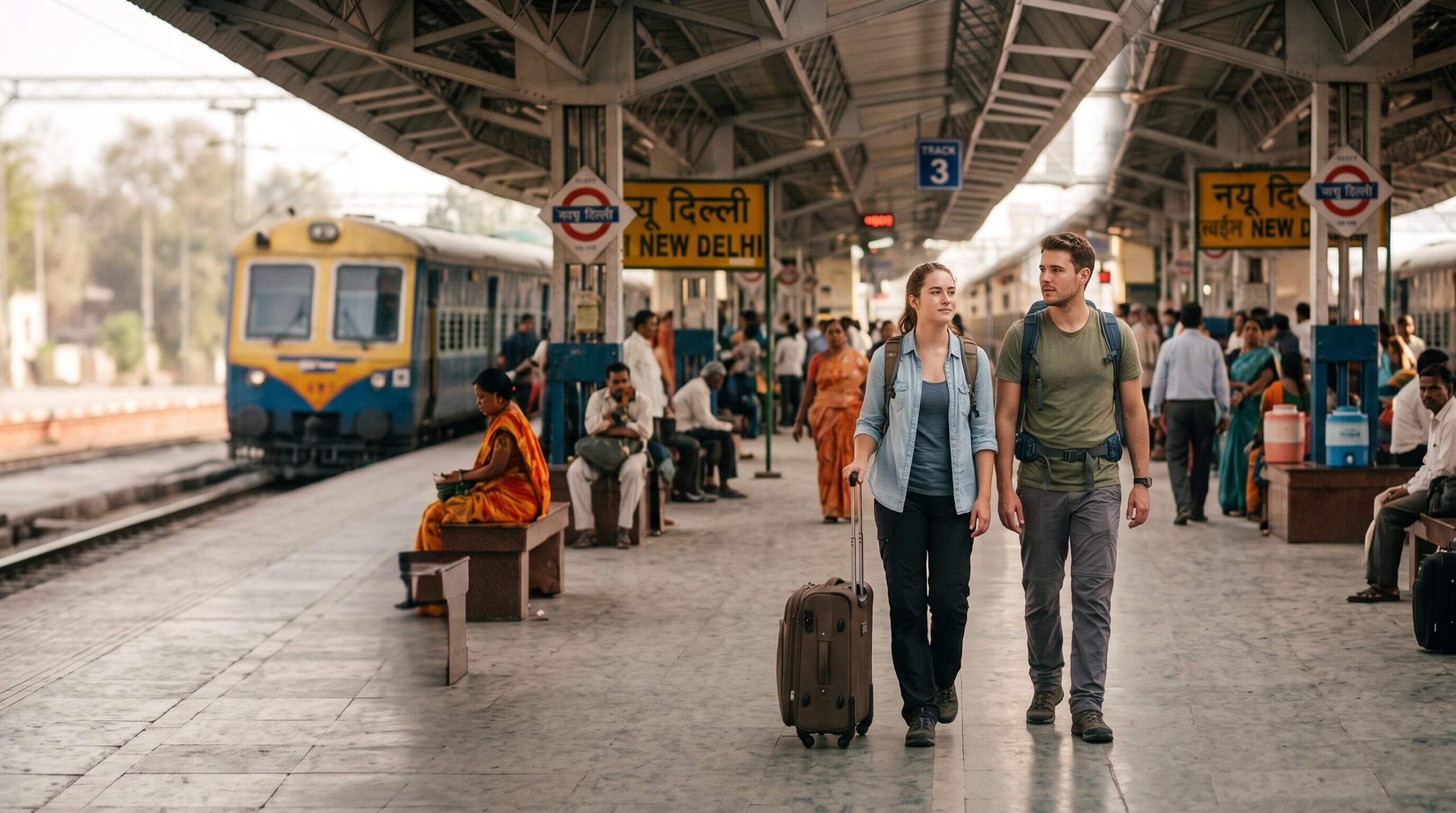




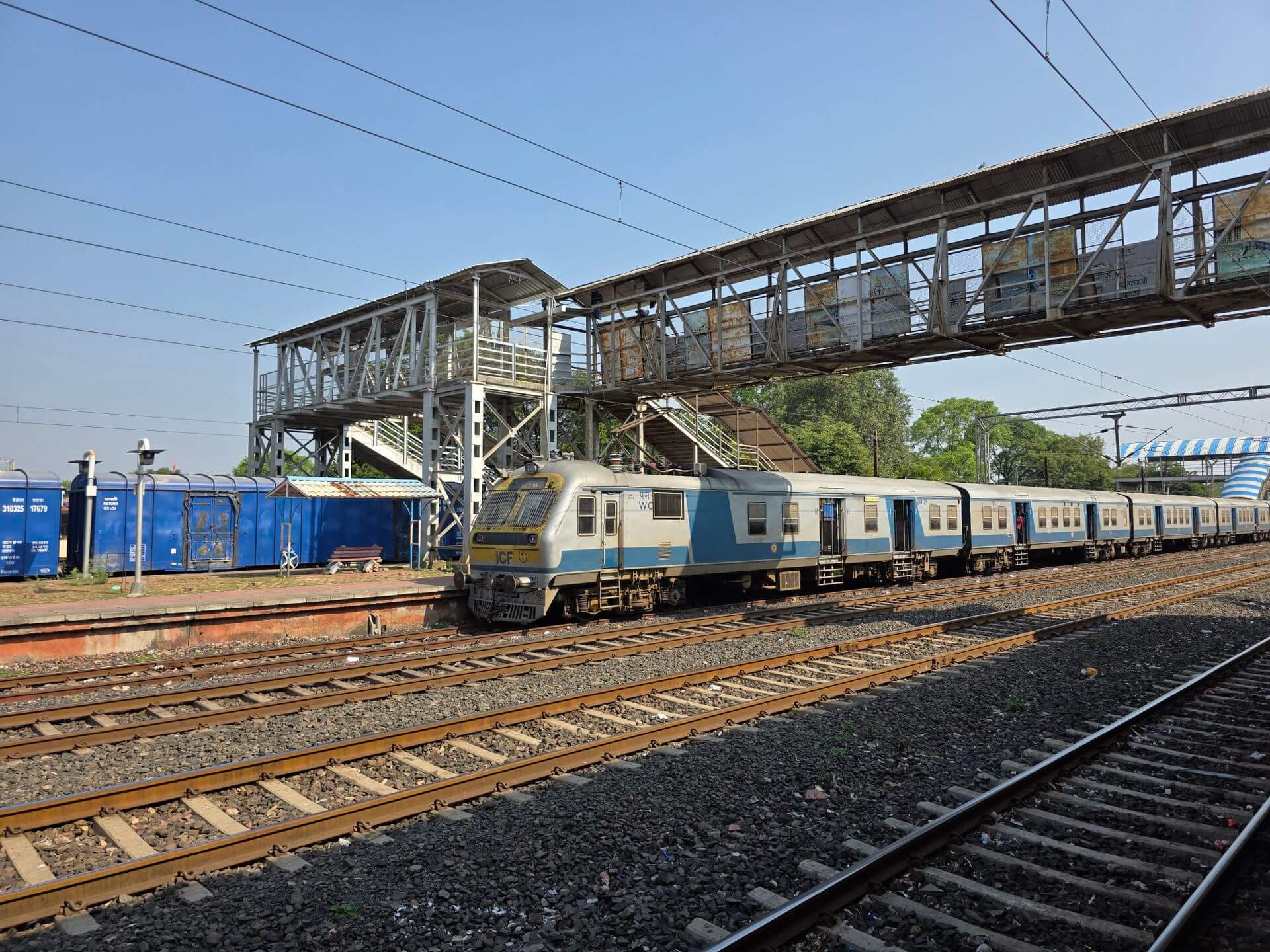




Getting from one place to another is where a lot of small, avoidable problems can happen on an India trip.
Transport safety in India is less about avoiding public transport and more about knowing how local trains, buses, taxis, auto-rickshaws, and roads work differently from what many international visitors are used to.
This guide focuses specifically on getting around India safely: what to watch for on trains, at railway stations, on buses, in taxis and auto-rickshaws, and when using ride-hailing services or Indian roads.
It also links to more detailed guides covering the booking and practical side of each transport option.
The Real Transport Risks Tourists Face
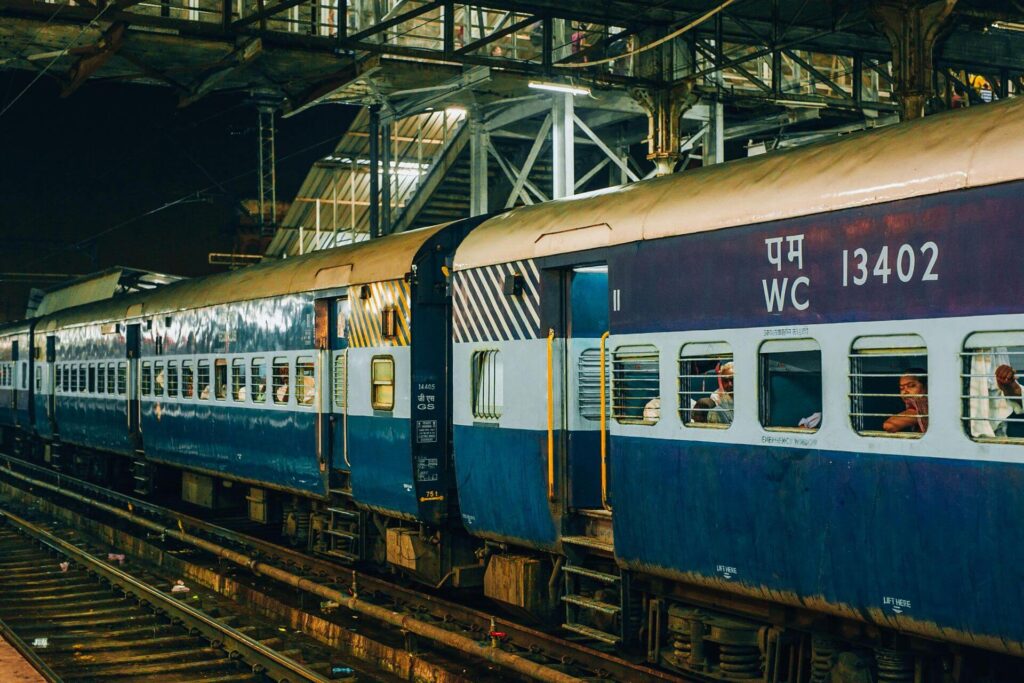
For tourists, the more common transport problems in India are overcharging, scams, crowded stations, and road traffic rather than serious crime.
A tourist is much more likely to be quoted an inflated rickshaw fare than to face serious trouble on public transport.
Road traffic is the bigger everyday safety concern, since driving habits, road conditions, and pedestrian right-of-way can differ considerably from what many Western visitors are used to.
The pattern worth knowing: Choose the most verifiable option available: book trains through official channels, use app-based rides when practical, and choose licensed or clearly identified transport operators.
Trains
Train travel in India is a practical and widely used way to get around the country, but a few simple precautions are worth taking, especially on crowded platforms and overnight journeys.
- Secure your luggage to the berth or another fixed point with a cable or chain lock on overnight journeys, particularly if you plan to sleep.
- Keep valuables on your person or under your pillow rather than in an overhead bag.
- Be cautious if someone claiming to be railway staff asks you for money outside a normal ticketing or official railway process.
- Confirm your coach and seat number before boarding, since crowded platforms can make it easy to board the wrong coach in a rush.
Railway Stations
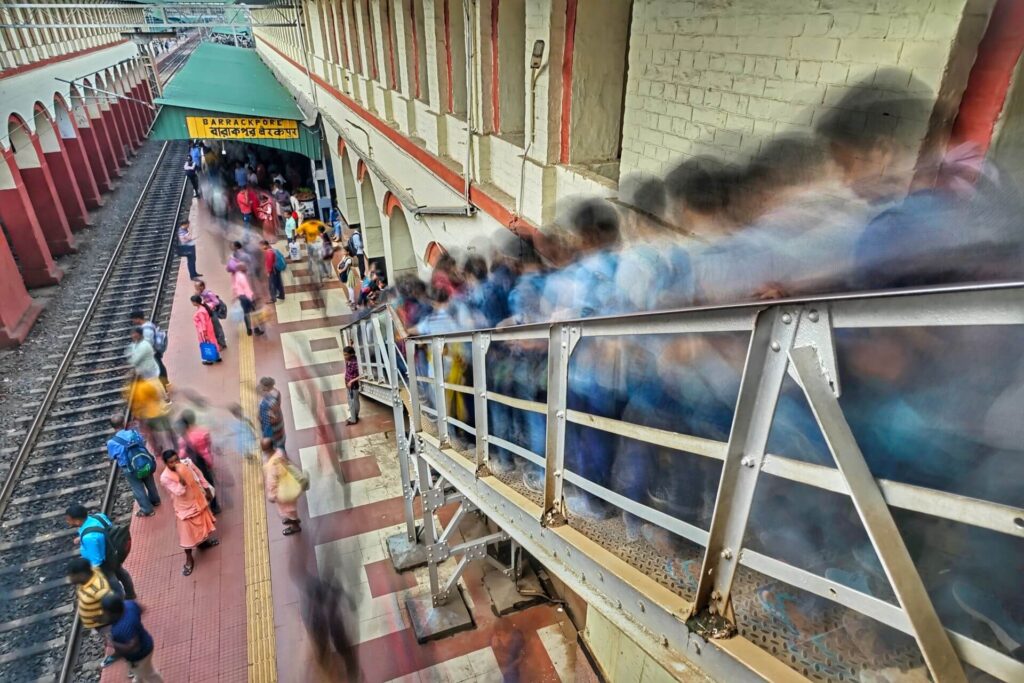
Indian railway stations can be crowded and confusing, so tourists should pay extra attention to their belongings and be cautious about unsolicited help.
- Keep bags zipped and in front of you, especially in crowded waiting areas and on platforms
- Be cautious of unsolicited “helpers” who offer to carry your bags, find your platform, or arrange transport. They may simply expect a tip, but some approaches can also lead to unofficial travel services or inflated prices.
- Use an official prepaid taxi or auto-rickshaw counter where available, rather than accepting rides from drivers who approach you first.
Buses
Government-run buses can be a practical option for shorter routes, while private buses vary considerably in comfort, driving standards, and overall service, particularly on long-distance and overnight journeys.
- Check recent reviews for the specific bus operator and vehicle type before booking a long-distance or overnight bus.
- Keep your bag with you rather than stored in an under-bus compartment when possible, particularly for valuables
- Confirm the departure point in advance — some private bus “stations” are informal pickup spots rather than a fixed terminal, which can cause confusion if you’re not expecting it
Domestic Flights
Domestic flights in India are usually the quickest option for covering long distances, particularly when traveling between regions that are far apart by road or rail.
- Book directly with the airline or through a well-known travel booking platform, rather than an unfamiliar third-party website offering an unusually low fare.
- Allow extra time at busy airports, especially during peak travel periods, because security and check-in lines can take longer than expected.
- Keep a printed or downloaded copy of your booking confirmation in case of connectivity issues at check-in
Taxis
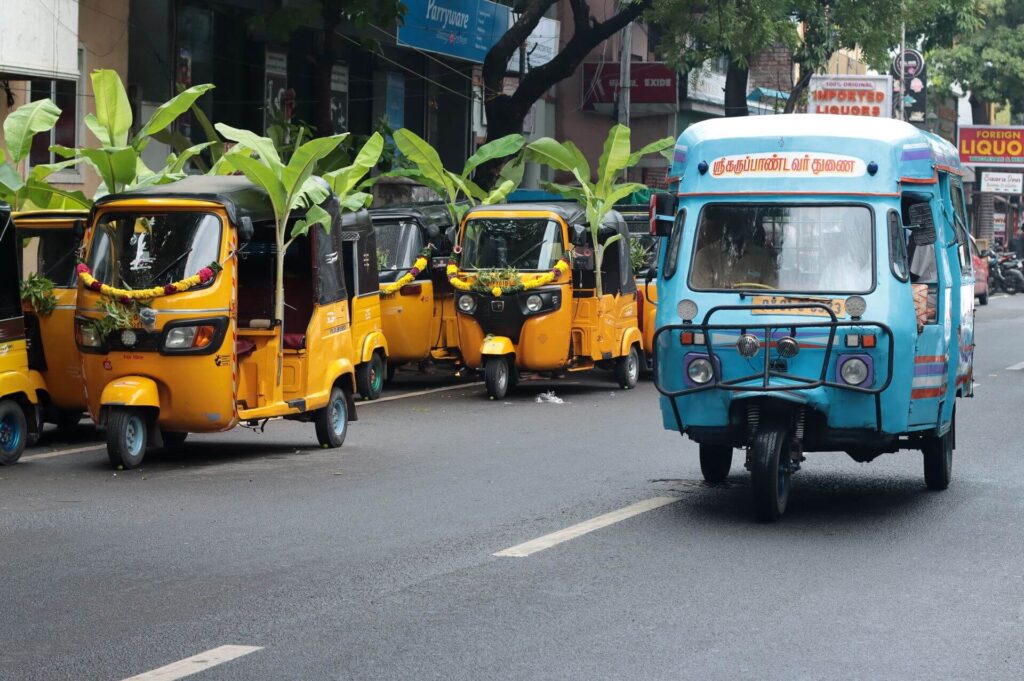
Traditional taxis in India can vary in reliability, with fare disputes and unclear pricing being more common concerns than serious safety problems.
- Use prepaid taxi counters at airports and major stations, where the fare is fixed in advance
- If using a street-hailed taxi, confirm the fare (or insist on the meter) before starting the journey, not after arriving
- Note the vehicle’s license plate and driver details when possible, especially for longer journeys.
Ride-Hailing Apps
App-based ride-hailing services such as Uber and Ola are widely available in many Indian cities and give tourists useful features such as driver details, trip tracking, and digital fare information.
- Confirm the vehicle and driver details match the app before getting in
- Share your trip details or live location with someone you trust when the app provides the option.
- Wait for your ride in a well-lit, visible pickup area, particularly when traveling at night or from a busy airport or railway station.
Auto-Rickshaws
Auto-rickshaws are one of the most common ways to travel short distances in Indian cities, although tourists may sometimes encounter fare disputes or drivers who quote higher prices.
- Agree on a fare before starting the ride if the meter isn’t used or available
- For late-night journeys, an app-based ride can be a more convenient and verifiable option than finding a rickshaw on the street.
- Be cautious if a driver suggests an unexpected stop at a shop or other business; politely restate your destination if you do not want to stop.
Walking Near Busy Roads
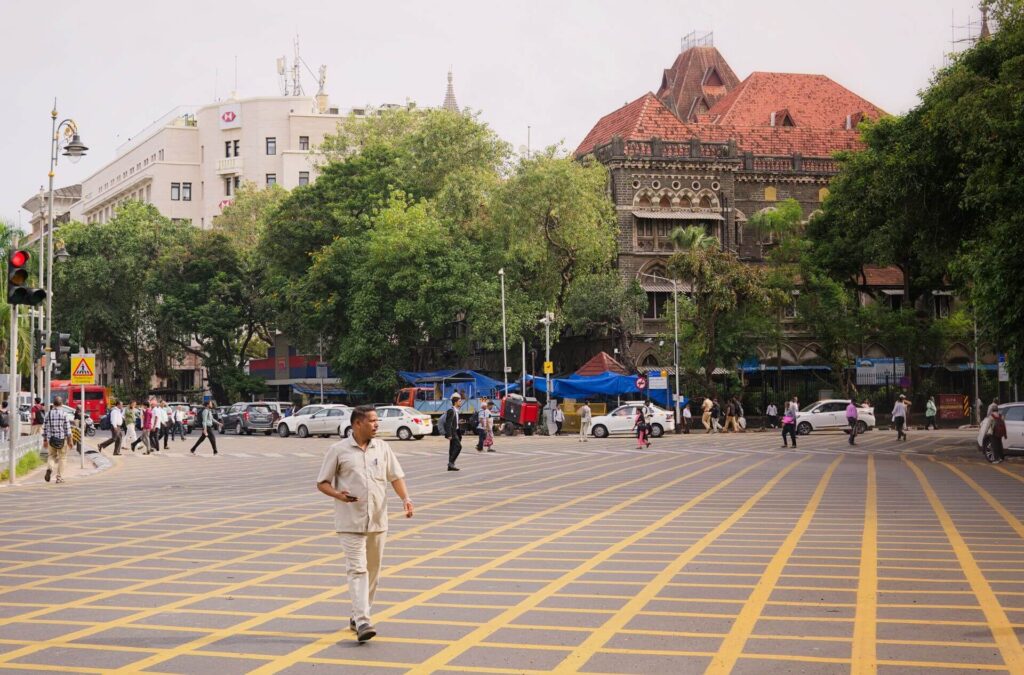
Road traffic is one of the most important everyday safety considerations for tourists in India. Traffic patterns, road conditions, and pedestrian right-of-way can differ considerably from what visitors may be used to at home.
- Use marked pedestrian crossings where available. If you’re unsure how to cross a particularly busy road, wait and follow the movement of local pedestrians rather than stepping into traffic alone.
- Look in multiple directions repeatedly, even on streets that appear to be one-way, since vehicles (particularly motorbikes) don’t always follow expected traffic flow
- Be extra cautious near bus and rickshaw stands, where vehicles pull in and out unpredictably
Night Transportation
Traveling around India at night calls for a little more planning, mainly because visibility is lower and transport options can be harder to verify late in the evening.
- If you arrive at an airport or railway station late at night, arrange your pickup in advance rather than trying to negotiate with drivers after midnight.
- Stick to app-based rides over street-hailed vehicles after dark
- If you’re arriving somewhere unfamiliar at night, having your accommodation’s exact address and a saved offline map reduces the chance of confusion with a driver
Luggage Security
Luggage theft is not something most travelers will experience, but crowded railway stations and overnight journeys are good reasons to take basic precautions.
- Use a cable lock to secure bags to fixed points on overnight trains and buses
- Keep passports, cash, and electronics in a bag that stays with you at all times, not in checked or under-vehicle storage
- Consider a slash-resistant bag strap for crowded areas such as markets and train platforms, where keeping your bag secure can be more difficult.
Tickets and Reservations
Using official booking channels is one of the simplest ways to avoid transport scams and unnecessary markups in India.
- Book trains through IRCTC directly, not third-party sites charging unnecessary markups
- For buses and domestic flights, stick to recognized booking platforms or the operator’s own site
- Keep digital and, when practical, printed copies of your booking confirmations in case you have connectivity problems or need to show your ticket offline.
Avoiding Transport Scams
Knowing the common transport scams in advance makes them much easier to recognize and avoid.
One common pattern is this: someone near a railway station claims your train has been cancelled, delayed, or moved to another platform, then offers to help by directing you to a supposed “government tourism office” that turns out to be a private travel agency selling overpriced tours or packages.
The fix: verify any claim about your train or booking through the official IRCTC website/app, your ticket details, or the station’s information displays rather than relying on an unsolicited stranger.
For the broader pattern of tourist scams beyond transport, see “Common Scams in India and How to Avoid Them.“
Choosing Legitimate Services
A simple way to judge whether a transport service is legitimate is to ask whether the price, operator, and booking process can be verified before you travel.
- Official counters, recognized apps, and direct airline or railway bookings are usually easier to verify and can reduce the risk of scams.
- Unmarked vehicles, unsolicited “special deals,” and anyone approaching you first at a station or airport warrant more scrutiny
- When in doubt, ask your hotel to arrange or verify a transport option rather than deciding on the spot
What to Do When Something Goes Wrong
If you’re overcharged or scammed: In most fare disputes, the safest response is to stay calm, avoid confrontation, and walk away if you can. If you’ve already agreed to a fare, use your best judgment rather than turning a minor dispute into a larger problem.
If your luggage is stolen: report the theft to railway police at a station or to the local police as soon as practical. Keep a copy of the report if you need it for a travel-insurance claim.
If you feel unsafe in a vehicle: ask to be let out at the next safe, populated location rather than waiting until your original destination.
If you’re involved in a traffic accident: prioritize immediate safety and medical attention first, then involve local police for any necessary documentation.
Emergency Help
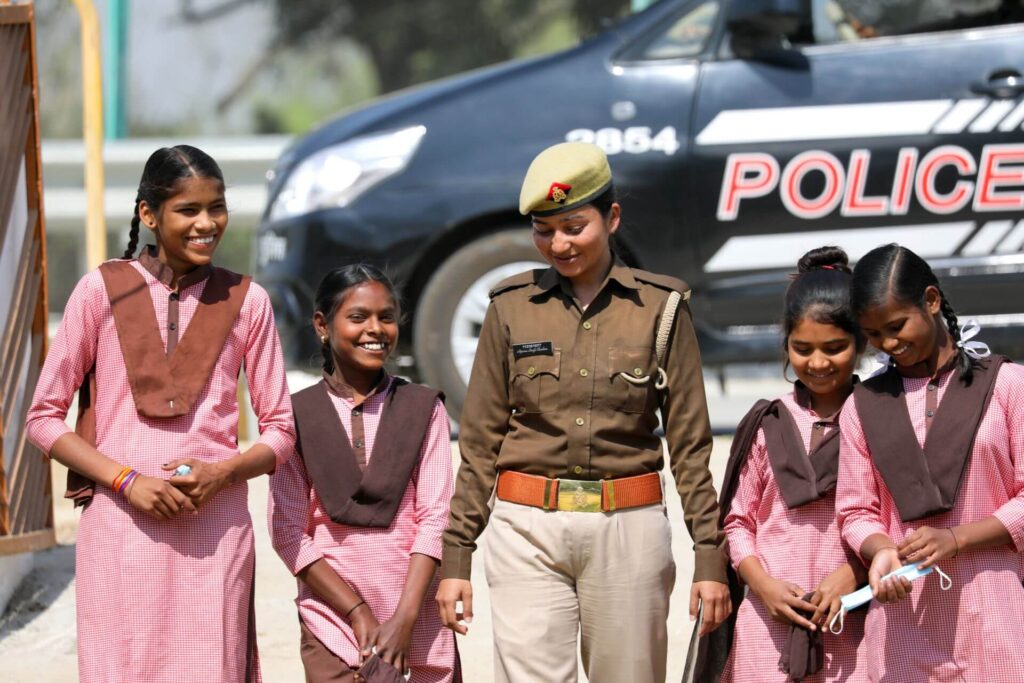
112 is India’s unified emergency number, reachable by call, SMS, or the “112 India” app, and connects to police, fire, or medical response as needed. Major train stations also have dedicated railway police, generally a faster point of contact than general police for a station-specific issue.
For the complete list of emergency numbers and broader crisis guidance, see our “India Safety Guide for First-Time Travelers.”
Safety Checklist
- IRCTC account set up in advance for train bookings
- Ride-hailing apps downloaded and set up before arrival
- Cable lock packed for overnight trains and buses
- Prepaid taxi counters identified at arrival airports/stations
- Emergency number (112) saved in your phone
- Save your hotel or accommodation address in English and, where possible, the local script so you can show it to drivers.
Conclusion
Transport safety in India comes down to a few consistent habits: book through official channels, use verifiable services such as app-based rides, secure your luggage on overnight journeys, and treat unsolicited help near stations and airports with healthy skepticism.
None of this requires constant vigilance – it’s mostly about defaulting to the more verifiable option whenever one is available.
For deeper detail on booking specific transport modes, the guides linked throughout this article cover trains, ride-hailing, rickshaws, and flights individually.
FAQs About Transport Safety in India
Is public transport safe for tourists in India?
Yes, public transport in India is generally safe for tourists. The main things to watch for are crowded stations, traffic, overcharging, scams, and petty theft.
Are trains safe for tourists in India?
Yes, trains are generally safe for tourists. On overnight journeys, secure your luggage and keep valuables close to you.
Is it safe to travel by train at night in India?
Yes, overnight train travel is common and generally safe. Secure your bags, keep valuables with you, and confirm your coach and berth before boarding.
Is Uber safe to use in India?
Yes, Uber is widely used in many Indian cities and is a convenient option for tourists. Check the driver and vehicle details against the app before getting in.
Is Ola safe for tourists in India?
Yes, Ola is widely used in Indian cities and can be a practical way to get around. Always confirm the driver and vehicle details before starting the trip.
Are auto-rickshaws safe for tourists in India?
Yes, auto-rickshaws are commonly used for short trips in Indian cities. Agree on the fare beforehand or use a meter or app where available.
What is the safest way to travel around India?
There is no single safest option for every journey, but booked trains, reputable airlines, app-based rides, and official prepaid taxis are good choices because they are easier to verify.
How can tourists avoid taxi scams in India?
Use prepaid taxis or reputable ride-hailing apps when possible. For street-hailed taxis, confirm the fare or meter before the journey starts.
What are the most common transport scams in India?
Common scams include inflated taxi or rickshaw fares, unsolicited “helpers” at railway stations, and false claims about cancelled trains or changed platforms. Always verify unexpected information through official channels.
Is it safe to travel by bus in India?
Yes, bus travel is common in India, but safety and comfort vary between operators. Check recent reviews before booking a long-distance or overnight private bus.
Are domestic flights in India safe for tourists?
Yes, domestic flights are generally a safe and convenient way to travel long distances in India. Book through the airline or a reputable travel platform and allow extra time at busy airports.
Is it safe to walk near roads in India?
Walking near roads in India requires extra caution because traffic can be unpredictable. Use marked crossings when available and watch carefully for motorcycles and other vehicles.
Is it safe to travel around India at night?
It can be safe, but planning your transport in advance is a good idea. For late arrivals, arrange your pickup beforehand and consider using an app-based ride.
What should I do if my luggage is stolen in India?
Report the theft to railway police or local police as soon as practical. Keep a copy of the report if you need it for a travel-insurance claim.
What should I do if I feel unsafe in a taxi in India?
Ask the driver to stop at the next safe, populated location and get out if you can do so safely. If you’re using a ride-hailing app, use its available safety features.
What is the emergency number for tourists in India?
India’s unified emergency number is 112 for police, fire, or medical assistance. Save it on your phone before traveling.
Should tourists rent a car and drive themselves in India?
Self-driving is generally not the easiest option for first-time visitors. Busy traffic, road conditions, and different driving practices can make using trains, flights, taxis, or a hired driver easier.
Is it safe for foreigners to use public transport in India?
Yes, foreigners can use public transport in India safely with basic precautions. Trains, buses, metros, taxis, and auto-rickshaws are widely used, but tourists should take extra care with luggage, fares, traffic, and unsolicited help.
Images: Pexels
