


If you’re wondering, “Is India safe for tourists?” the short answer is yes — but the level of risk depends on where you go, how you travel, and what kind of trip you’re planning.
India is generally manageable for tourists who take sensible precautions. The most common problems are usually scams, traffic, petty theft, stomach illness, and unwanted attention rather than serious violent crime.
This guide explains what tourists should realistically expect, which parts of India require more caution, how safety differs between destinations, and when you should take extra precautions.
Before traveling to India, check the latest government travel advisory for your destination, local weather or disruption alerts, and any current health recommendations. Conditions can change, particularly in remote or politically sensitive areas.
Is India Safe for Tourists?
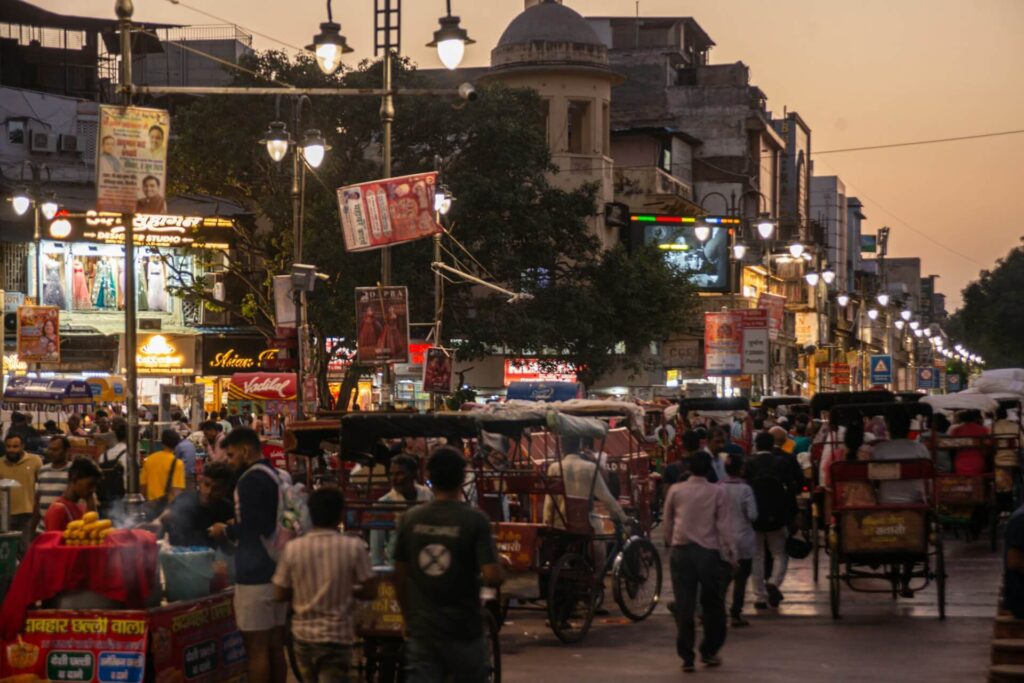
Yes, India is generally safe for tourists, but safety varies considerably by destination and travel style.
A short trip through major tourist destinations is very different from traveling independently through remote areas.
Most visitors are more likely to encounter practical problems such as scams, traffic, petty theft, stomach illness, or unwanted attention than serious violent crime.
That doesn’t mean every destination or situation carries the same level of risk. Large cities, popular tourist areas, remote regions, border areas, and places affected by local unrest can have very different conditions.
For that reason, it’s more useful to ask where in India you are going and how you plan to travel than to treat the whole country as one safety category.
What actually shifts the odds for an individual traveler:
- Which cities and regions are on your itinerary
- Whether you stick to established tourist infrastructure or go further off the beaten path
- How you handle transport, money, and unsolicited “help” from strangers
- Whether you’re traveling solo, especially as a woman, at night, or in unfamiliar areas
Is India Safe for Different Types of Travelers?
India can feel very different depending on how you travel. A first-time tourist staying in established hotels will have a different experience from a solo backpacker traveling by local bus through remote areas.
First-time travelers
India is generally manageable for first-time visitors who plan their accommodation, transportation, and major activities in advance. Popular tourist routes also have plenty of services familiar to international travelers.
Solo travelers
Independent travel is common, but solo travelers should be more careful about transportation, accommodation, unfamiliar areas, and late-night travel.
Solo female travelers
Women can travel independently in India, but unwanted attention and harassment are concerns worth taking seriously. Choosing reputable accommodation, using reliable transportation, and avoiding isolated situations can reduce unnecessary risk.
Families traveling with children
Families should pay particular attention to traffic, food and water hygiene, heat, and the pace of their itinerary. Allowing extra time between destinations can make travel much easier.
Older travelers
Older visitors may want to plan around heat, long journeys, uneven walking surfaces, and access to suitable medical facilities, particularly when visiting several destinations on one trip.
Is India Safe in Different Cities and Regions?
Destination | What tourists should know |
Delhi | Traffic, scams, crowded areas and late-night travel |
Mumbai | Generally easy for tourists, but normal big-city precautions apply |
Goa | Tourist-friendly, with extra caution around nightlife and alcohol |
Jaipur | Established tourist infrastructure; scams and overcharging are common |
Agra | Major tourist destination; watch for touts and aggressive sellers |
Varanasi | Crowded and intense; take care around ghats and busy lanes |
Kerala | Popular with tourists and generally easy to navigate |
Ladakh | Altitude and remote roads are bigger concerns than ordinary street crime |
Remote/border areas | Check current local conditions before traveling |
Which Places in India Require More Caution?
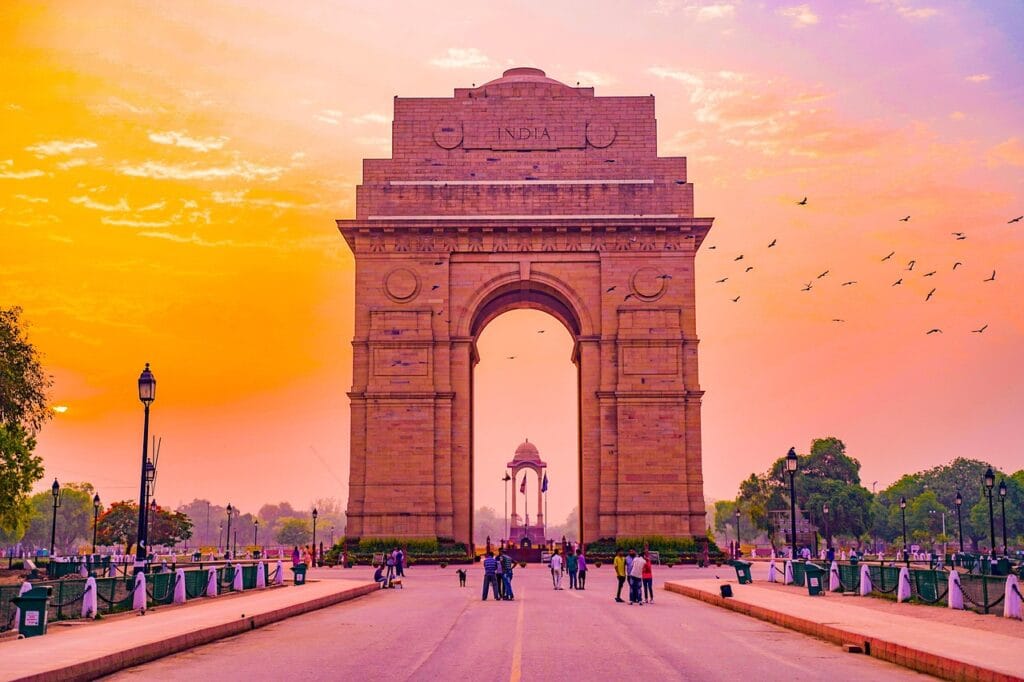
The level of preparation you need depends partly on where you are going. Popular tourist destinations generally have better access to hotels, transportation, pharmacies, hospitals, and other services.
Remote areas can be more challenging because help may be farther away and transport options may be limited. Extra research is particularly important if your itinerary includes:
- Remote Himalayan areas
- Border regions
- Areas experiencing local protests or unrest
- Very isolated rural destinations
- Long road journeys through unfamiliar regions
- High-altitude destinations such as Ladakh
Before traveling to less-touristed areas, check current local conditions and transportation options rather than relying only on general advice about India.
What About Crime, Terrorism, and Civil Unrest in India?
Serious violent crime against tourists is not the everyday experience for most visitors, but travelers should still pay attention to local conditions.
Terrorism and civil unrest are not uniform risks across India and can be concentrated in particular areas. Protests, strikes, or local disturbances can also disrupt travel in particular cities or regions.
If your itinerary includes an area with current security concerns, check your government’s latest travel advisory and local news before you go.
Avoid demonstrations and follow instructions from local authorities if conditions change.
Where the Real Risks Are – and Where They’re Overblown
Concern | How common it actually is | Reality check |
Scams and overcharging | Very common | Mostly financial, rarely dangerous |
Traffic accidents | Common | A bigger real risk than most tourists expect |
Food/water illness | Common | Usually manageable with basic precautions |
Petty theft | Moderately common | Concentrated in crowded tourist areas |
Harassment | Moderately common, especially toward women | Reduced significantly by situational awareness |
Violent crime against tourists | Uncommon | Lower than many tourists assume before arriving |
Terrorism/civil unrest | Rare, geographically concentrated | Worth checking current travel advisories for your specific route |
The main takeaway is that most tourists are more likely to deal with scams, traffic, or an upset stomach than serious violent crime.
Are Tourist Scams Common in India?
Yes. Scams, overcharging, unofficial guides, transportation-related scams, and commission-based shopping are among the more common problems tourists encounter.
The patterns are fairly consistent: unofficial “helpers” near train stations claiming your train is cancelled, taxi drivers insisting the meter is broken, and commission-based shopping detours in Jaipur and Agra specifically.
None of these are dangerous in the physical sense – the cost is usually financial and the fix is usually just walking away — but they’re common enough that expecting them removes most of their sting.
Is Public Transportation Safe in India?
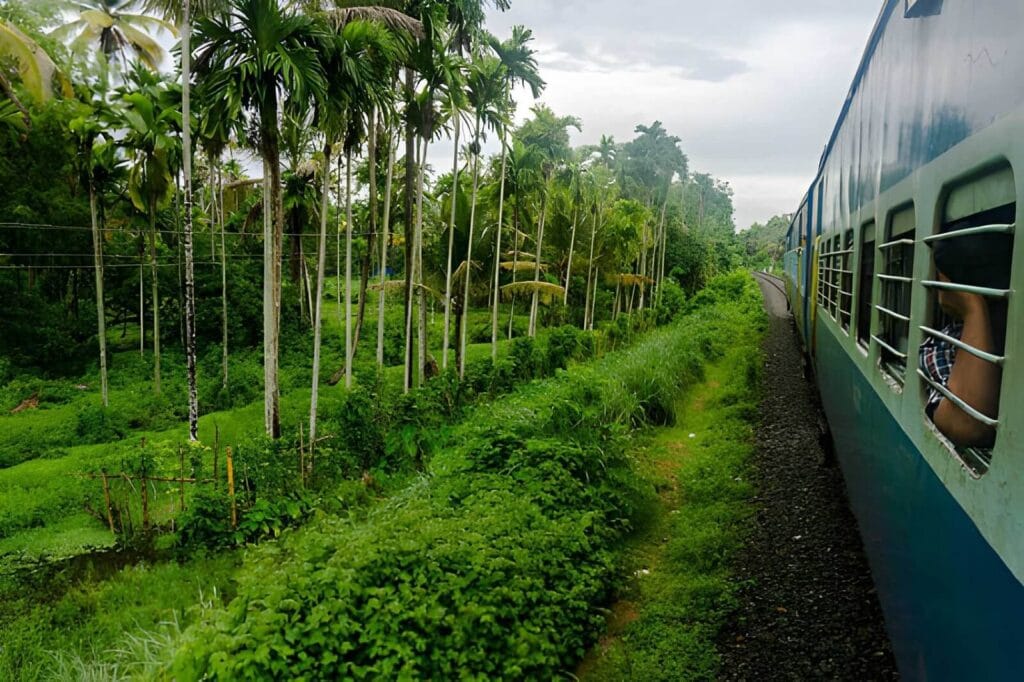
This depends heavily on which mode of transport you mean. Trains are widely used by tourists and locals and can be a practical way to travel around India.
App-based taxis (Uber and Ola both operate widely) are a safe, verifiable option with tracked routes and driver information.
Street-hailed auto-rickshaws and taxis are usually fine during the day but carry more uncertainty at night, mainly around fare disputes rather than actual danger.
Self-driving is the one mode most safety guides genuinely discourage for first-time visitors, given how different Indian traffic patterns are from what most international drivers are used to.
Are Crowded Places Safe in India?
Crowds create two main safety concerns: pickpocketing and crowd crushes. Pickpocketing is more common in busy markets, railway stations, and festivals.
Crowd crushes are rare but can happen at very large gatherings, such as the Kumbh Mela. For most tourists, the simple rule is to keep your bag zipped and in front of you in crowded places.
If a gathering feels too crowded or poorly managed, step back and find a safer area.
Is It Safe to Travel at Night in India?
Traveling at night can require more caution than traveling during the day, especially in unfamiliar areas.
The practical adjustment is simple: use app-based transport after dark and arrange airport or station pickups in advance for late arrivals.
Avoid walking alone through poorly lit or empty areas. The location and situation matter more than the exact time on the clock.
Is India Safe for Solo Female Travelers?
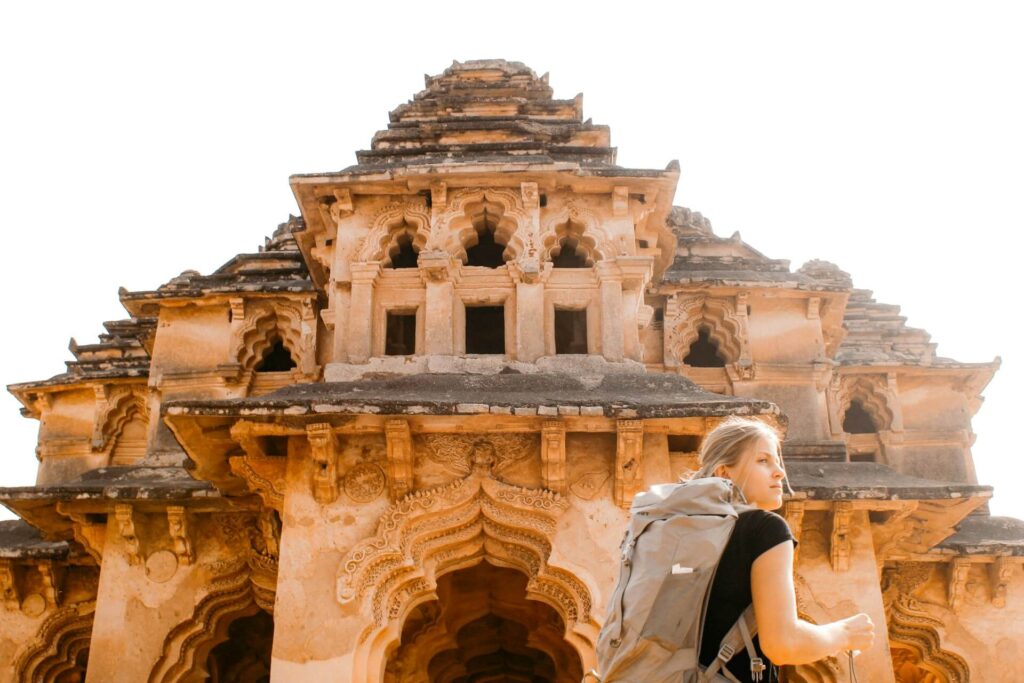
Solo female travel in India is possible and common, particularly on established tourist routes. However, it requires more situational awareness than some travelers may be used to.
Unwanted attention and harassment are concerns worth preparing for, particularly in crowded places and when traveling alone at night.
Is Food and Water Safe in India?
Food and water in India can be safe for tourists if you follow a few basic precautions.
Drink sealed bottled water or water from a reliable filtration system, choose freshly cooked food, and be cautious with raw foods or salads when you are unsure about the water source.
Street food isn’t automatically unsafe. Busy stalls with high turnover can be a reasonable choice because food is more likely to be freshly prepared.
Health Considerations Beyond Food and Water
Major Indian cities have private hospitals and clinics that treat international patients, although the quality and services can vary.
Before traveling, check the recommended vaccinations with a travel clinic and consider travel insurance with adequate medical coverage.
If you’re visiting remote or high-altitude areas, make sure your policy also covers medical evacuation and pack a basic health kit for common issues such as stomach upset.
Money and Digital Safety
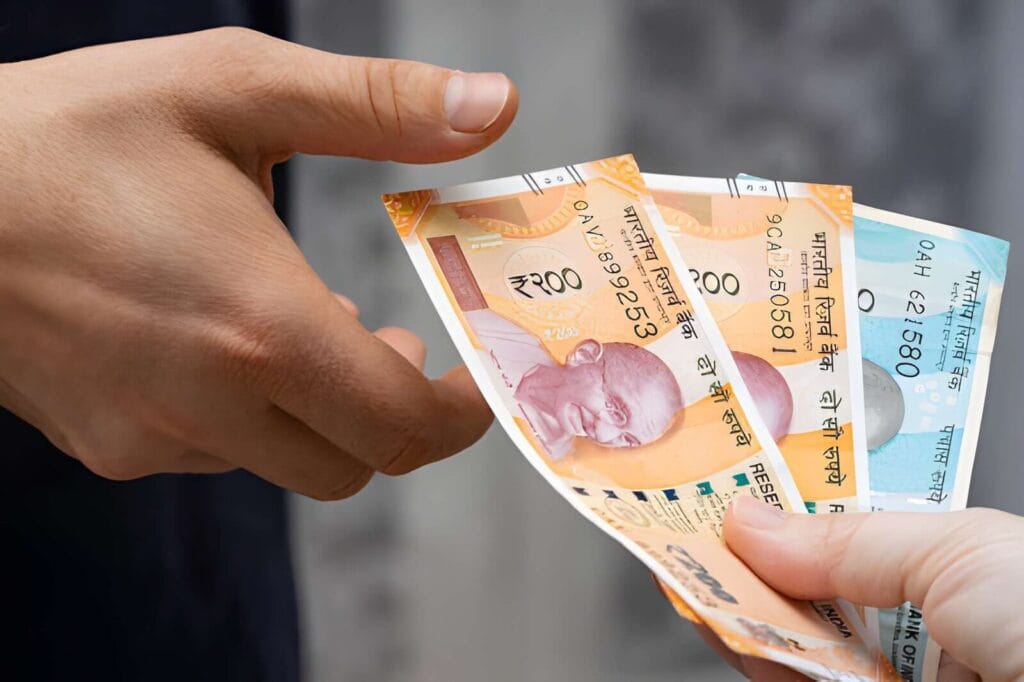
Money safety in India is mostly about avoiding common payment problems. Let your bank know you’re traveling, use ATMs inside banks, malls, or hotels, and keep a backup card separate from your main wallet.
For digital safety, avoid using public Wi-Fi for banking and other sensitive accounts. Getting a local SIM or eSIM can also help with navigation, ride-hailing, and staying connected if you need assistance.
When Should You Reconsider or Change Your Travel Plans?
General advice about India cannot replace checking current conditions for your specific destination.
Consider changing your plans if your route is affected by serious civil unrest, natural disasters, major transportation disruptions, or a government travel advisory recommending against travel to that area.
You may also want to adjust an itinerary if extreme heat, flooding, poor road conditions, or high-altitude conditions make a particular journey unsuitable for your experience level.
The safest approach is to check current conditions shortly before departure and again during your trip if you are traveling between different regions.
When Should Tourists Actually Seek Help?
Most negative experiences tourists have in India — a scam, an overcharge, a bout of food poisoning — don’t require outside intervention beyond your own good judgment. A few situations genuinely warrant contacting authorities or your embassy without hesitation:
- Theft of your passport or a significant amount of money
- Any situation involving harassment or assault
- A medical emergency beyond what a pharmacy or basic care can handle
- Feeling unsafe in your accommodation or a specific ongoing situation
112 is India’s unified emergency number, reachable by call, SMS, or the 112 India” app, and it’s worth saving before you need it rather than searching for it under stress.
Conclusion

So, is India safe for tourists? For most travelers, yes – but India rewards preparation.
The biggest everyday concerns are usually scams, traffic, food and water illness, petty theft, and unwanted attention rather than serious violent crime.
Where you go matters, too. Popular tourist destinations generally have more infrastructure and services, while remote or politically sensitive areas may require more research and caution.
Before your trip, check current travel advisories, research your destinations, choose reliable transportation and accommodation, and save important emergency contacts.
India isn’t risk-free, but sensible preparation can make your trip safer, easier, and much less stressful.
FAQ About India Safety for Tourists
Is India safe for tourists?
Yes, India is generally safe for most tourists. The most common concerns are scams, traffic, petty theft, food-related illness, and unwanted attention.
Is India safe to travel for first-time visitors?
Yes. First-time visitors can travel safely by using reputable transportation, staying in well-reviewed accommodation, protecting their belongings, and taking extra care in crowded or unfamiliar areas.
Is India safe for foreigners?
India welcomes millions of foreign visitors each year. Most trips are trouble-free, but foreign tourists should be aware of scams, traffic, food and water safety, and local customs.
What are the biggest safety risks for tourists in India?
The main risks include tourist scams, road and traffic accidents, stomach illness, petty theft, and harassment. The level of risk can vary between cities and regions.
Is India safe at night?
India can be safe at night, but travelers should take extra care in unfamiliar or poorly lit areas. Use reliable transportation and avoid isolated places when traveling after dark.
Is public transportation safe in India?
Yes, public transportation is widely used and can be safe for tourists. Trains and reputable app-based taxis are practical options, while travelers should take extra care with luggage and unofficial transport providers.
How can tourists avoid scams in India?
Confirm prices before paying, use reputable transport and booking services, and be cautious of unsolicited help. Take particular care around railway stations, airports, and major tourist attractions.
Is India safe for solo female travelers?
Solo female travel in India is possible, but it requires careful planning and extra situational awareness. Choose well-reviewed accommodation, use reputable transportation, and take extra care when traveling alone at night.
What is the emergency number for tourists in India?
112 is India’s unified emergency number for police, fire, and medical emergencies. Save it on your phone before traveling.
Is India safe for first-time travelers?
Yes. India is generally manageable for first-time travelers who plan their accommodation and transportation in advance, protect their belongings, and take extra care in crowded or unfamiliar areas.
Images: Unsplash
