


You’ve read the headlines, heard stories from other travelers, and now you’re wondering: Is India safe for first-time travelers?
For most travelers, the answer is yes. India can be a safe and incredibly rewarding destination, but a little preparation goes a long way – especially if it’s your first trip.
This India safety guide for first-time travelers covers the practical risks worth knowing about, from scams and traffic to food, health, transportation, and solo travel.
Is India Safe for Tourists?
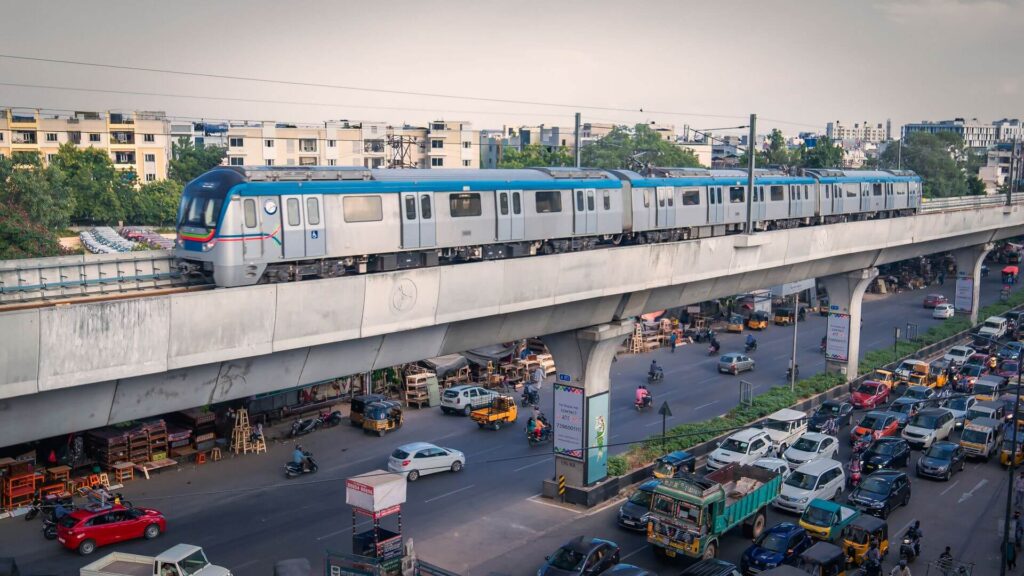
Millions of international visitors travel to India each year, and most trips are completed without a serious incident.
For most visitors, the bigger concerns are everyday travel problems – scams, traffic, stomach bugs, petty theft, and unwanted attention – rather than serious violent crime.
That said, safety can vary considerably depending on where you go, how you travel, and what time of year you visit.
Popular destinations such as Delhi, Agra, Jaipur, Goa, and Kerala see large numbers of international visitors and have plenty of hotels, transport options, and tourist services.
If you’re heading to a remote or less-touristed area, research local conditions and transportation before you go.
The risks you’re most likely to encounter are:
- Scams and overcharging
- Traffic accidents and road safety
- Food- and water-related illness
- Petty theft (pickpocketing, bag snatching)
- Harassment and unwanted attention
- Serious crime against tourists
Personal Safety Basics
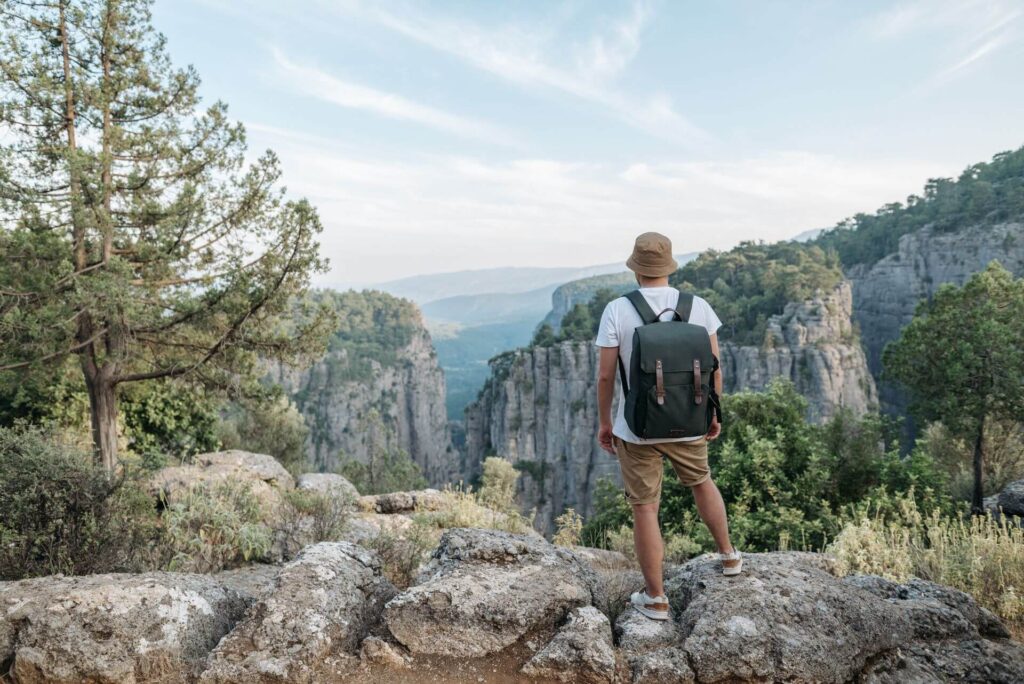
The basics are the same as anywhere else: keep an eye on your belongings, stay aware of your surroundings, and avoid situations that don’t feel right. A few India-specific habits can make things easier.
- Keep valuables split between a money belt, a daypack, and your hotel safe, rather than carrying everything in one place
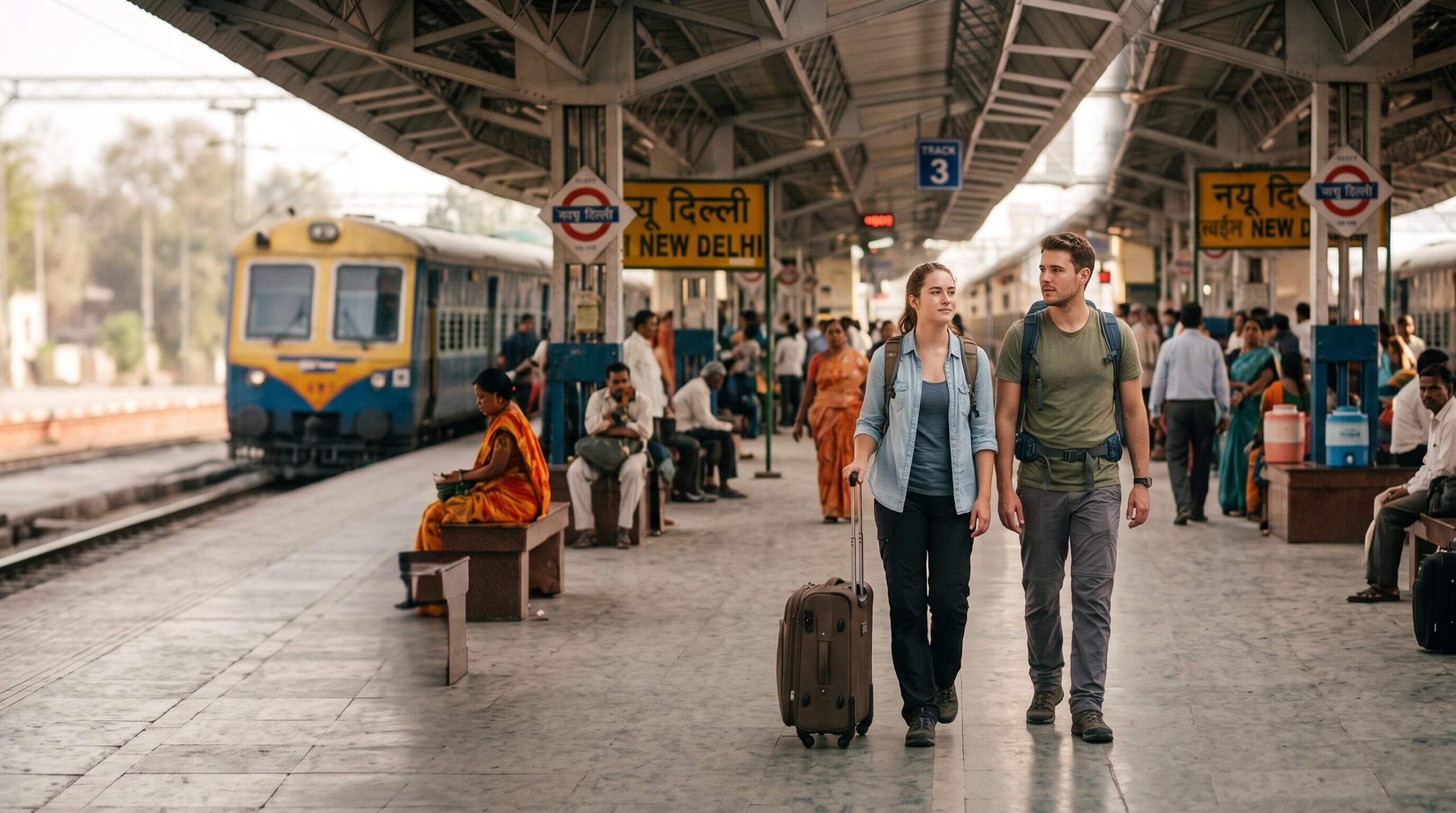
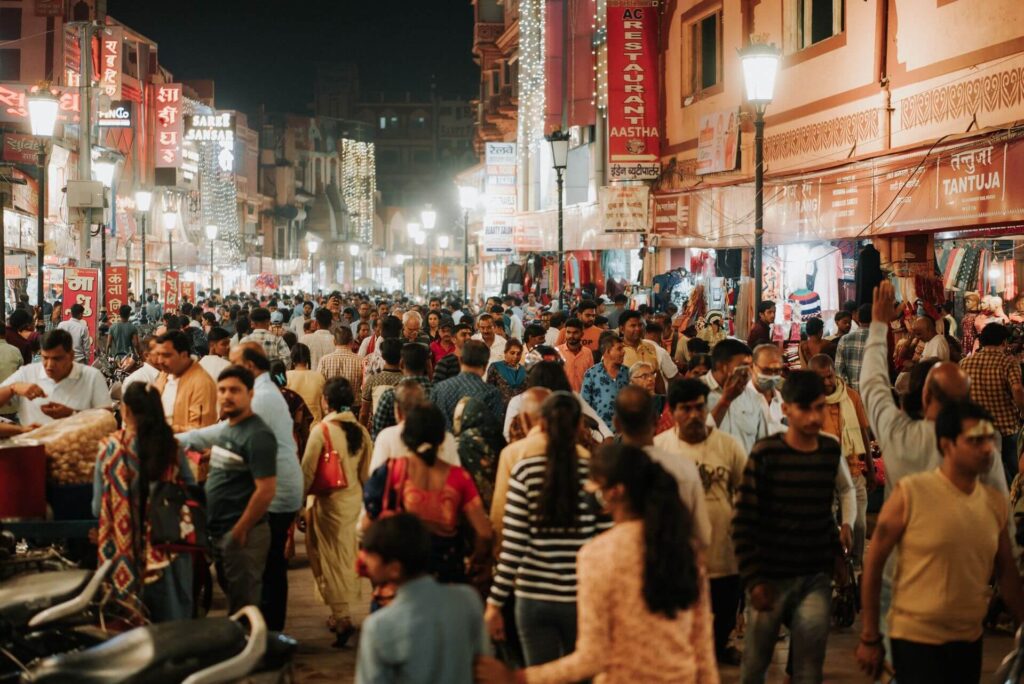
- Stay alert in crowded areas (train stations, markets, festivals), where pickpocketing is more common than aggressive crime
- Keep your passport and extra cash somewhere secure, such as a hotel safe when appropriate.
- Carry a secure copy of your passport details when sightseeing rather than taking the original everywhere unless you need it.
- Be friendly, but don’t feel pressured to accept unsolicited help, invitations, or offers—especially around stations, airports, and major tourist attractions.
Quick checklist:
- Passport copy saved offline and emailed to yourself
- Valuables split across at least two locations
- Emergency contacts saved in your phone, not just online
Common Risks First-Time Visitors Should Know About
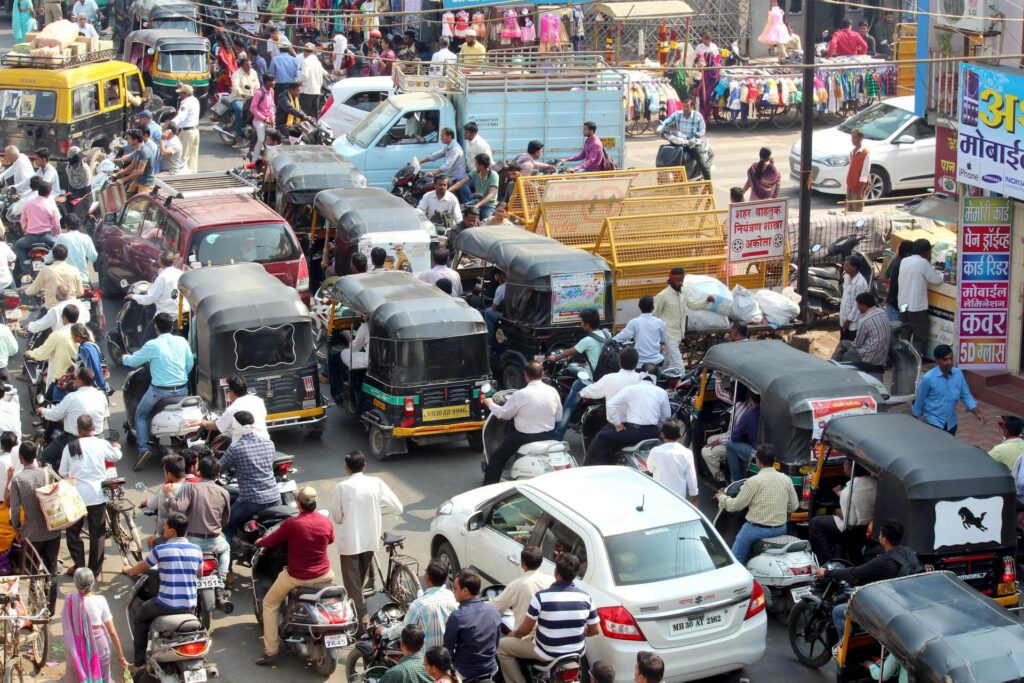
Crime isn’t the only thing to think about. For first-time visitors, everyday hazards such as traffic, extreme heat, animals, and altitude can be just as important.
Traffic: Traffic in India can be chaotic, particularly in busy cities, and road behavior may be very different from what you’re used to.
Heat and dehydration: North India can become extremely hot from April through June. Carry water, avoid prolonged midday exposure, and plan outdoor sightseeing for cooler parts of the day.
Animal encounters: Animal bites and scratches can carry a risk of rabies, so avoid approaching or feeding unfamiliar animals.
Altitude, for Himalayan trips: If your itinerary includes Ladakh or high-altitude Himachal, altitude sickness is a genuine planning consideration, separate from general safety.
Scams and Tourist Traps
Scams are one of the most common problems travelers encounter in India and are generally a bigger concern than serious crime.
The patterns worth knowing:
- Unofficial “helpers” at train stations claiming your train is cancelled and redirecting you to a private travel agency
- Taxi and auto-rickshaw drivers refusing the meter or claiming it’s broken
- Gem, jewelry, and “export scheme” scams targeting tourists
- Overcharging at unmarked shops that pay commissions to drivers who bring tourists in
Common tourist scams in India can be surprisingly convincing, particularly when someone approaches you with an urgent problem or an offer that seems unusually helpful.
How to avoid these scams: book transport and major purchases through your hotel or a verified app, confirm prices before starting a ride or transaction, and be skeptical of unsolicited “helpful” strangers near train stations and tourist sites.
Transportation Safety
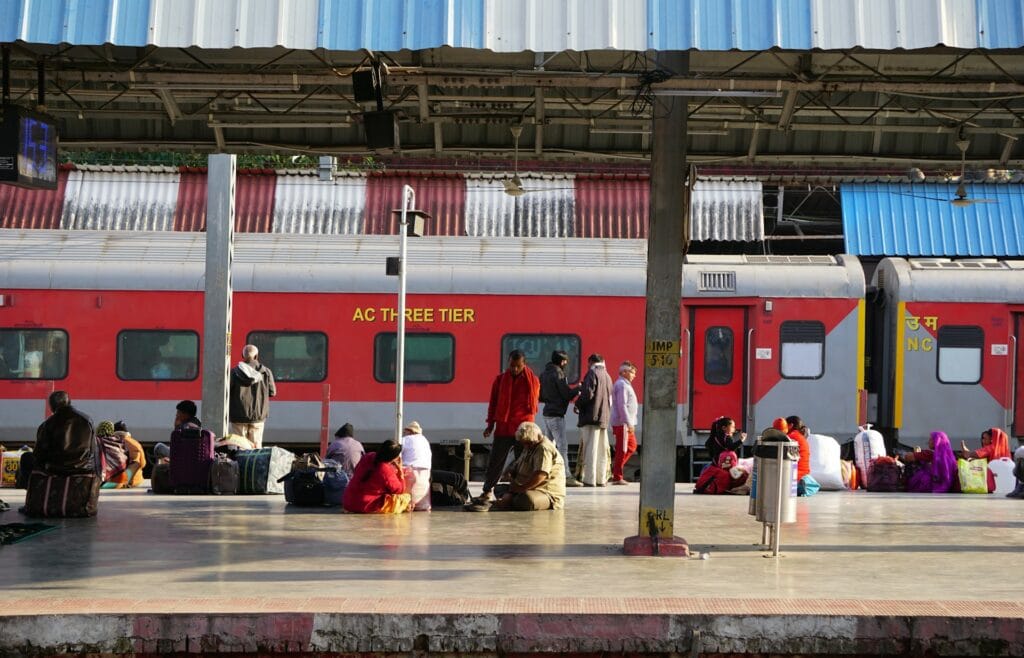
Choosing the right type of transportation can make a big difference to your experience in India, especially if it’s your first visit.
Trains: India’s rail network is a practical and generally safe option for tourists, though keep bags secured (chained to your berth on overnight trains) and be cautious of unofficial helpers at stations.
Taxis and auto-rickshaws: Use reputable app-based ride services or official prepaid taxi counters at airports rather than unmarked vehicles, especially late at night.
Buses: Bus quality varies considerably by operator and route. For longer or overnight journeys, check recent reviews and choose a reputable operator rather than booking solely on price.
Self-driving: Not recommended for most first-time visitors. Traffic can be unpredictable, roads vary widely in condition, and driving habits may be very different from what you’re used to.
Accommodation Safety
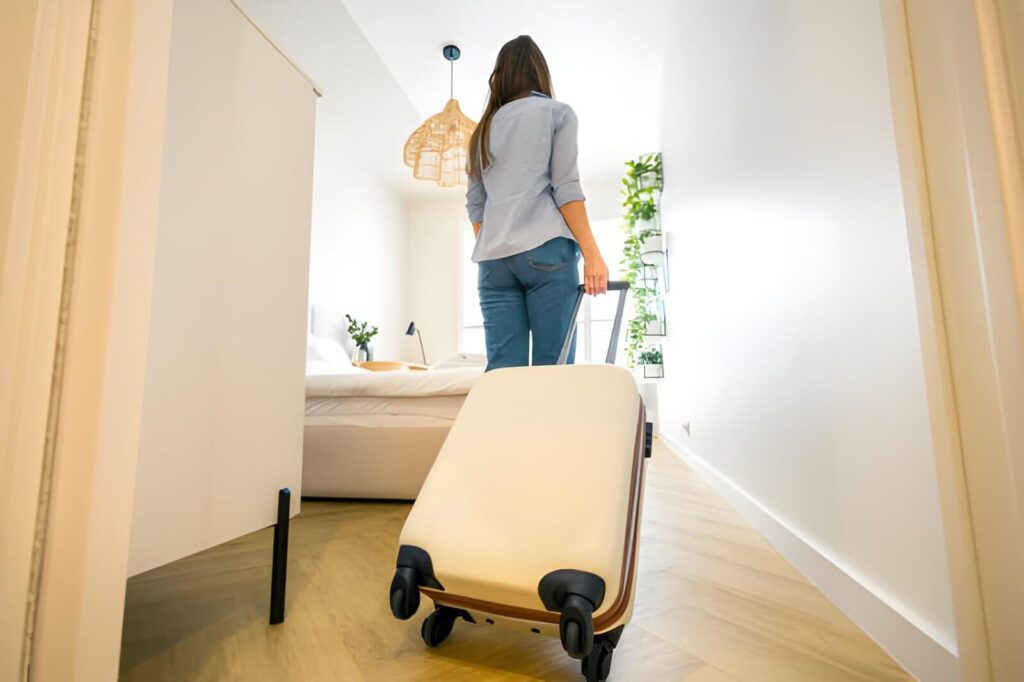
Most hotel and guesthouse stays in India are uneventful, but a few checks are worth doing whether you’re staying in a budget guesthouse or a higher-end hotel.
- Check recent reviews specifically for safety mentions, not just cleanliness or comfort
- Confirm the room has a working lock, and consider a portable door lock for extra peace of mind at budget guesthouses
- Keep your hotel’s address written down in English and, where useful, the local script. It can help if you need to show a taxi driver or your phone runs out of battery.
- If you’re traveling alone, a well-reviewed hostel with female-only rooms or a hotel in a busy, well-connected area can provide some extra peace of mind.
Food and Water Safety
Stomach problems are common among travelers to India, so it’s worth taking a few simple food and water precautions instead of assuming you’ll be fine.
- Drink sealed bottled water or water from a reliable filtration system, and check that the bottle seal is intact before drinking.
- Freshly cooked food from a busy stall is generally a better choice than food that has been sitting out for a long time.
- Avoid raw, unpeeled produce and salads from unclear water sources when eating out
- Pack oral rehydration salts and any usual over-the-counter medicines you may need in case of diarrhea or dehydration.
Health and Medical Safety
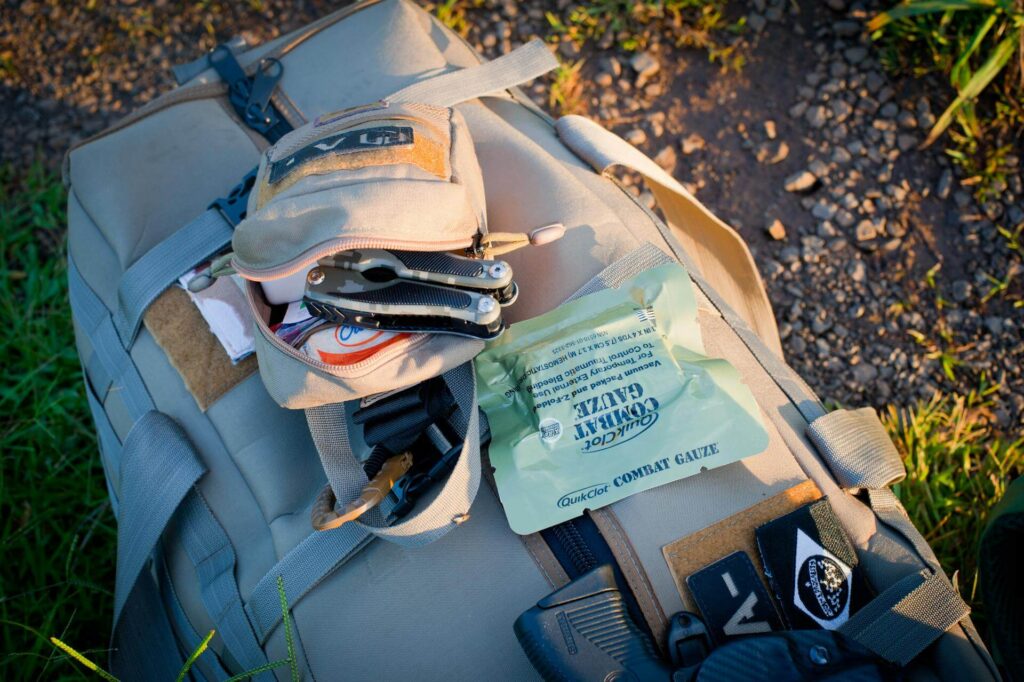
Major Indian cities have many private hospitals and clinics, including facilities that treat international patients. Quality and services can vary, so research healthcare options before your trip.
- Check the latest vaccination and health recommendations with a travel clinic several weeks before your trip.
- Buy travel insurance with adequate medical coverage, including evacuation, before you leave home
- Pack a basic travel health kit and any personal prescriptions in original packaging
- Know where you can get medical care in the cities you’ll be visiting.
Is India Safe for Women and Solo Travelers?

Solo female travel in India is possible, but it benefits from thoughtful planning and extra situational awareness. Avoid isolated train compartments or taxi situations late at night.
On trains and metros where women-only compartments are available, consider using them if you feel more comfortable.
Practical habits that help:
- In more conservative areas, dressing modestly can help you blend in and respect local customs.
- Trust discomfort early — leaving an uncomfortable situation before it escalates is always the right call
- Share your live location with someone at home during longer travel days
Night Travel
Traveling at night requires a little more planning than traveling during the day, particularly if you’re unfamiliar with the area.
- Prefer app-based rides over street-hailed taxis or auto-rickshaws at night
- Avoid walking through unfamiliar or poorly lit areas alone after dark, even in cities you’ve grown comfortable in
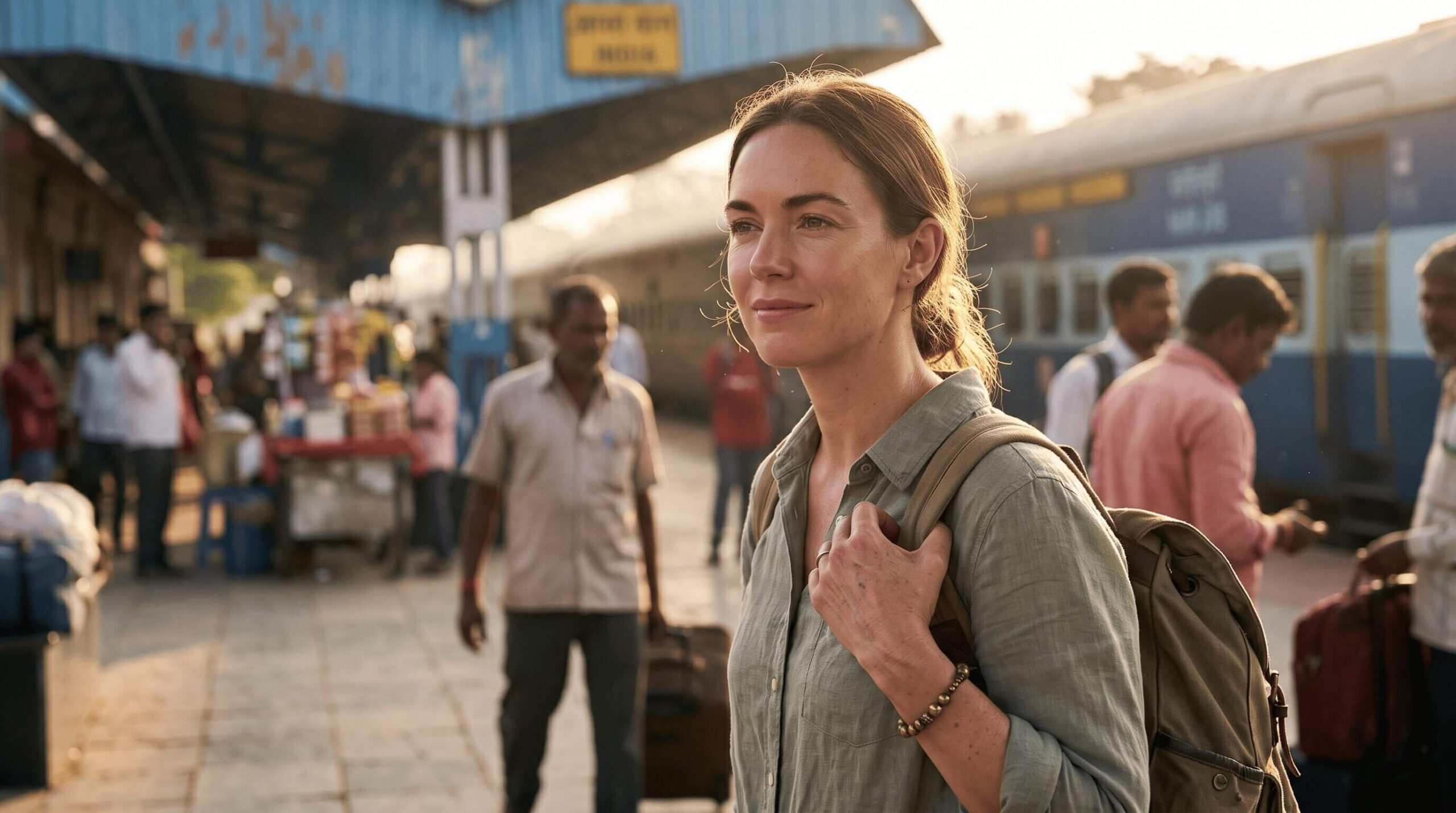
- If arriving by overnight train or late flight, arrange transport in advance rather than negotiating with drivers at the station or airport at 2 AM
- Busy, well-known areas can be manageable after dark with normal precautions, but conditions vary by neighborhood.
Money and Payment Safety
Handling money safely in India is straightforward once you know the basics.
- Check with your bank before traveling to make sure your cards will work in India and that you know how to contact them if a transaction is blocked.
- Use ATMs attached to bank branches or inside malls and hotels rather than standalone street ATMs
- UPI is widely used in urban India, but foreign visitors may need a compatible app and payment setup. Don’t rely on UPI alone – carry some cash and a backup card.
- Keep small denominations on hand for markets, tips, and rickshaws, since vendors often can’t break large notes
Quick checklist:
- Bank notified of travel dates
- Backup card stored separately from primary wallet
- Small cash denominations for daily use
Phone and Digital Safety
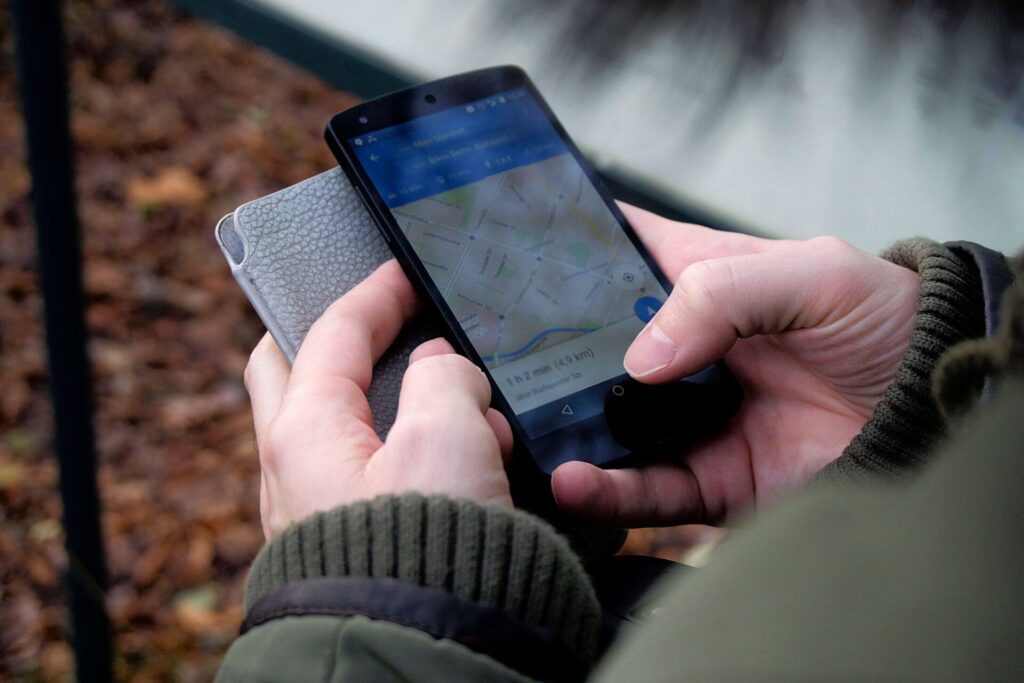
Staying connected safely matters both for navigation and for genuine emergency preparedness.
- Get a local SIM or eSIM soon after arrival for reliable data and easier ride-hailing/navigation
- Avoid logging into banking or other sensitive accounts on unsecured public Wi-Fi. Use your mobile data or a trusted network whenever possible.
- Save offline maps for each city before you need them, in case of patchy connectivity
Emergency Numbers and Getting Help from Authorities
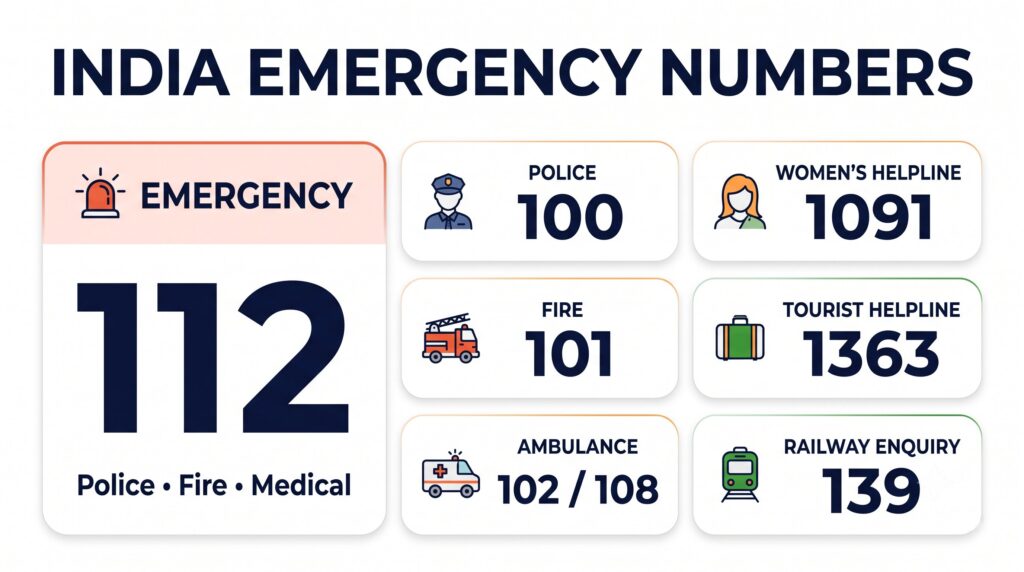
Save these before you travel, not after you need them.
Service | Number |
Emergency | 112 |
Police (direct) | 100 |
Fire | 101 |
Ambulance | 102 / 108 |
Women’s helpline | 1091 |
Tourist helpline (Ministry of Tourism, 24/7, multilingual) | 1363 or 1800-11-1363 |
Railway enquiry | 139 |
112 is India’s unified emergency number for police, fire, and medical emergencies. Save it on your phone before your trip.
If you need police assistance as a tourist: most major tourist areas have dedicated tourist police units, generally more accustomed to assisting foreign visitors than a standard local station. Ask your hotel for the nearest one if you’re not sure.
What to Do If Something Goes Wrong
Even with good preparation, things occasionally go sideways. Here’s the general response sequence for the most common issues.
If you’re robbed or pickpocketed: file a police report immediately (needed for insurance claims), and contact your embassy if your passport was taken.
If your passport is lost or stolen: Report the loss to the local police and contact your country’s embassy or consulate for instructions on getting a replacement or emergency travel document.
If you’re scammed: Report serious scams to the local police or tourist police and keep any receipts, messages, or other evidence. If you paid by card, contact your bank or card provider as soon as possible.
If you have a medical emergency: Call 112 for an emergency and ask your hotel or local contact to help you reach an appropriate hospital or medical facility. In major cities, private hospitals may offer facilities and services that are familiar to international travelers.
If you feel unsafe in your accommodation or a specific situation: leave and relocate — most cities have enough hotel options that this is a realistic option, and it’s always worth the cost and inconvenience compared to staying somewhere that feels wrong.
Final Thoughts
So, is India safe for first-time travelers? For most visitors, yes—but the best trips are the ones where you arrive prepared.
Keep an eye on your belongings, be cautious with unsolicited offers, use reputable transport, take food and water precautions, and plan ahead for heat, health, and late-night travel.
If you’re traveling solo, especially as a woman, give yourself a little more planning time and trust your instincts when something doesn’t feel right.
India can be busy, unpredictable, and very different from what you’re used to, but that doesn’t mean you can’t travel safely.
Before you leave, save the emergency numbers, check the latest health advice, and read the more detailed guides on scams, transportation, food and water, and solo travel that apply to your itinerary.
FAQs
Is India safe for first-time travelers?
Yes, India is generally safe for most first-time travelers. The main concerns are scams, traffic, petty theft, food-related illness, and unwanted attention.
What should first-time travelers know before visiting India?
First-time visitors should prepare for busy traffic, crowded places, tourist scams, different food and water conditions, and varying local customs. Choosing reputable accommodation and transportation can make the trip easier.
What are the most common safety risks in India?
The most common risks include scams, traffic accidents, stomach illness, petty theft, and harassment. Safety conditions can vary considerably between destinations.
Is India safe for solo female travelers?
Yes, solo female travel in India is possible, but it requires careful planning and extra situational awareness. Choose well-reviewed accommodation, use reputable transportation, and take extra care at night.
Is it safe to travel around India by train?
Yes, train travel is generally safe and practical for tourists. Keep your valuables secure and be cautious of unsolicited help at railway stations.
Is India safe at night?
It can be, but travelers should take extra care after dark, particularly in unfamiliar areas. Use reliable transportation and avoid isolated or poorly lit places.
How can I avoid tourist scams in India?
Confirm prices before paying, use reputable transportation and booking services, and be cautious of unsolicited offers or assistance. Take extra care around railway stations, airports, and major tourist attractions.
Is street food safe for tourists in India?
Yes, street food can be safe when you choose busy stalls and freshly cooked food. Avoid food that has been sitting out for a long time and use safe drinking water.
What is the emergency number for tourists in India?
India’s unified emergency number is 112 for police, fire, and medical emergencies. Save it on your phone before your trip.
What should I do if I lose my passport in India?
Report the loss or theft to the local police and contact your country’s embassy or consulate as soon as possible. They can explain the process for getting a replacement or emergency travel document.
Images: Pexels
