
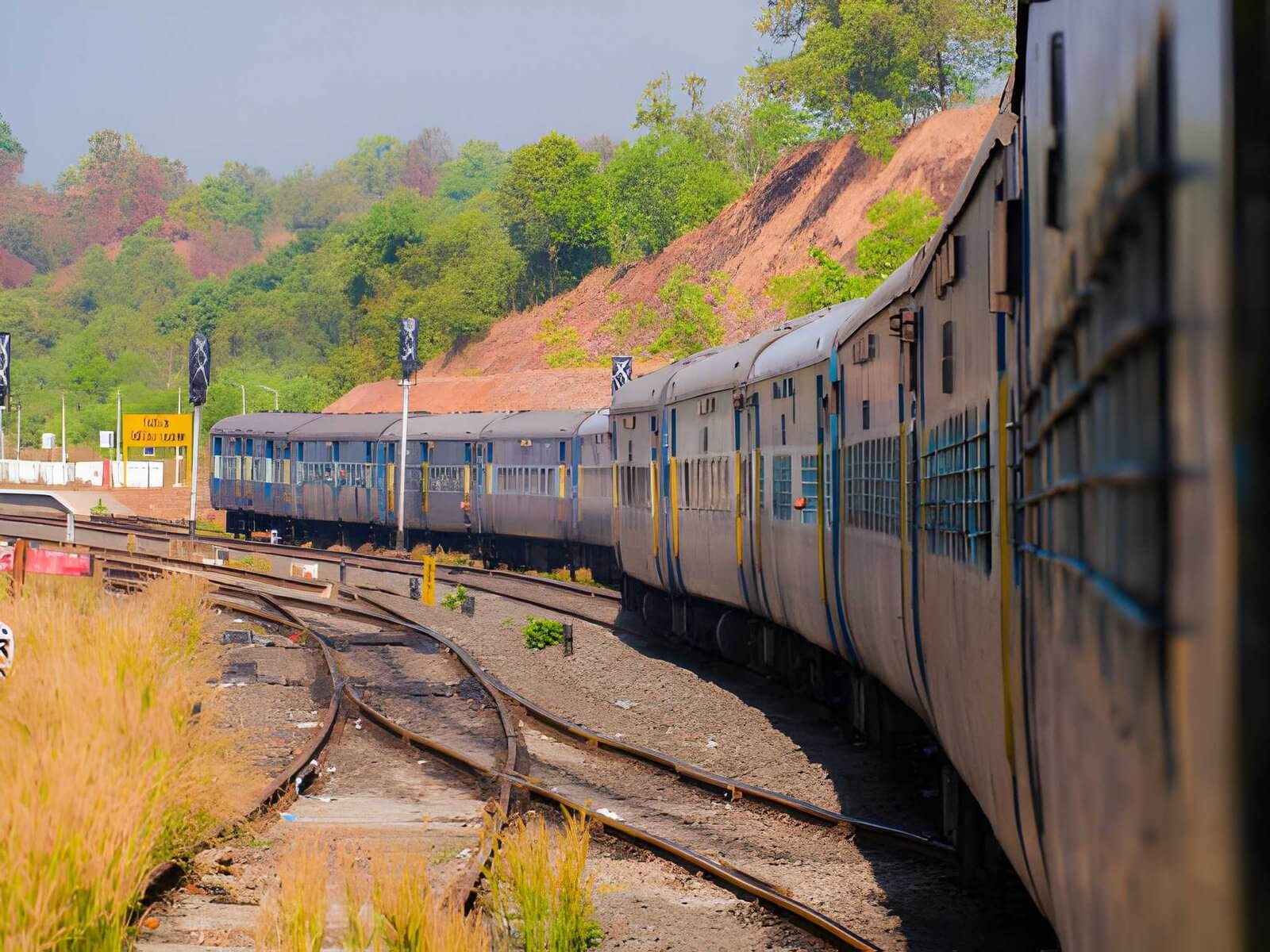
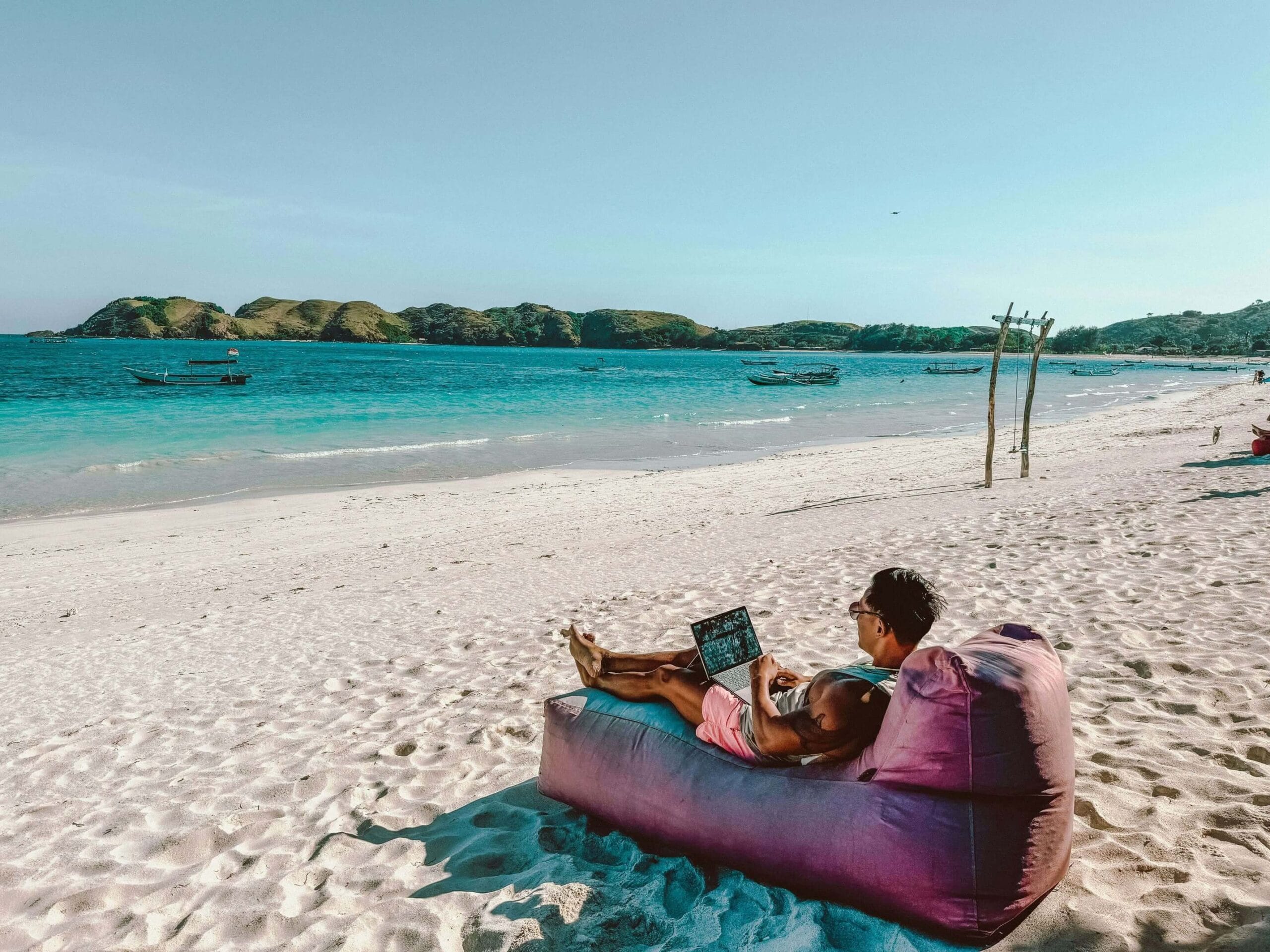

India is a vast country with climates ranging from tropical beaches to high-altitude mountains. Traveling here requires planning by season, as weather and festivals can completely change your experience across different regions.
Understanding the best places to visit in India by season is key, especially for first-time travelers looking for comfortable weather and unforgettable experiences.
The same destination can feel completely different depending on when you arrive from perfect winter weather in Rajasthan to heavy monsoon rains in Kerala.
Get the timing right, and India rewards you with incredible landscapes, vibrant festivals, and unforgettable experiences.
This guide to the Best Places to Visit in India by Season helps you understand where to go in India in winter, summer, and monsoon based on weather, festivals, and travel conditions.
If you’re planning your first trip, choosing destinations by season can make or break your experience.
Best Places to Visit in India by Season (Quick Guide)
Winter (November to February)
- Rajasthan, Gujarat, Tamil Nadu, Kerala
- Best weather + peak travel season
Summer (March to June)
- Himachal Pradesh, Uttarakhand, Northeast India
- Ideal for mountains and hill stations
Monsoon (July to September)
- Coorg, Kerala, Western Ghats, Mandu
- Lush landscapes + fewer crowds
Understanding India’s Travel Seasons
If you’re wondering about the best time to visit India by season, the key is to match your destinations with regional weather patterns rather than trying to cover everything in one trip.
Winter (November to February) is peak travel season across most of India and the best time for first-time visitors to plan their trip.
Temperatures are comfortable across the plains, Rajasthan, and South India. The Himalayas receive snow but lower-altitude northern destinations remain accessible and crisp.
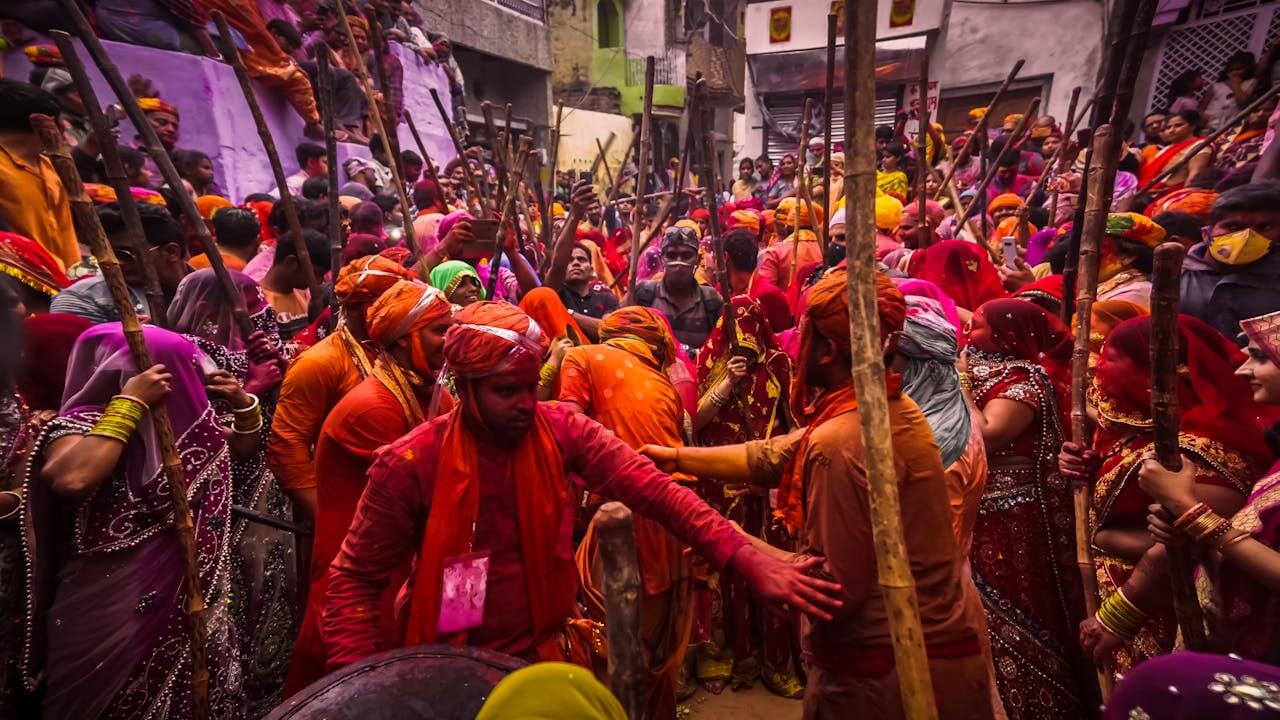
This is when India’s most famous festivals including major cultural celebrations in Rajasthan and temple festivals in Tamil Nadu take place. Crowds are highest and prices are at their peak during December and January.
Summer (March to June) divides India sharply. The plains Delhi, Rajasthan, Madhya Pradesh, and most of central India, become extremely hot, with temperatures in Rajasthan regularly exceeding 45°C by May.
At the same time, India’s hill stations and Himalayan valleys enter their best season.
Shimla, Manali, Darjeeling, and dozens of quieter mountain destinations are at their most accessible and beautiful from April to June. Summer is the time to go up, not stay down.
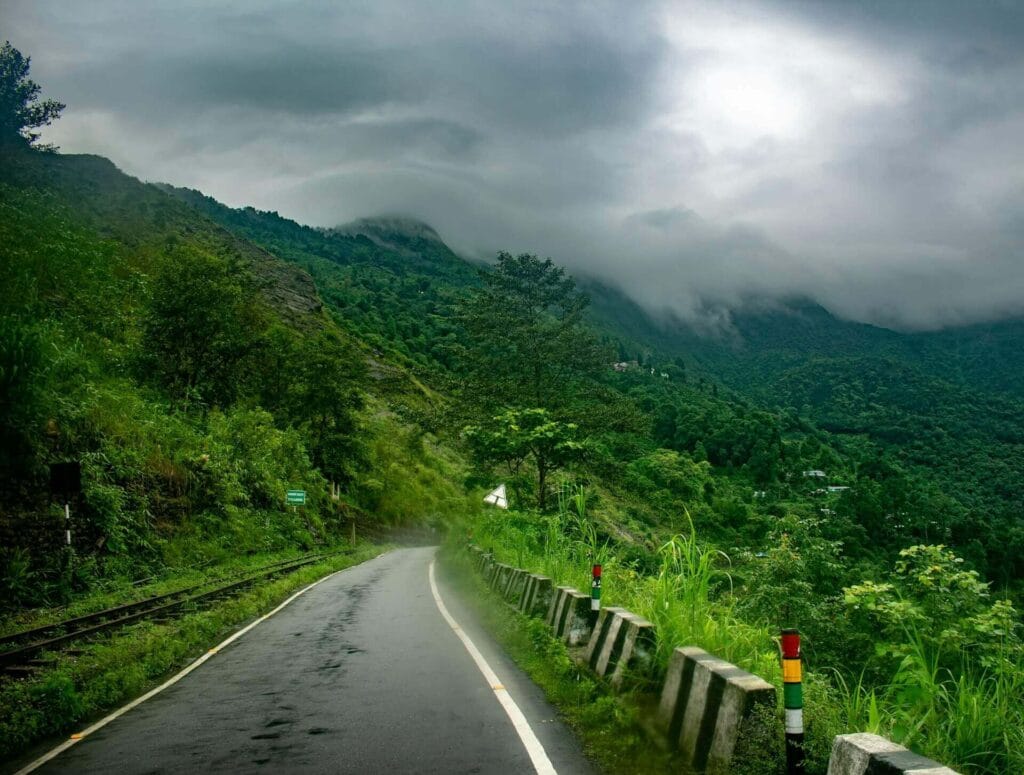
Monsoon (July to September) transforms the country in ways that are genuinely spectacular in the right places.
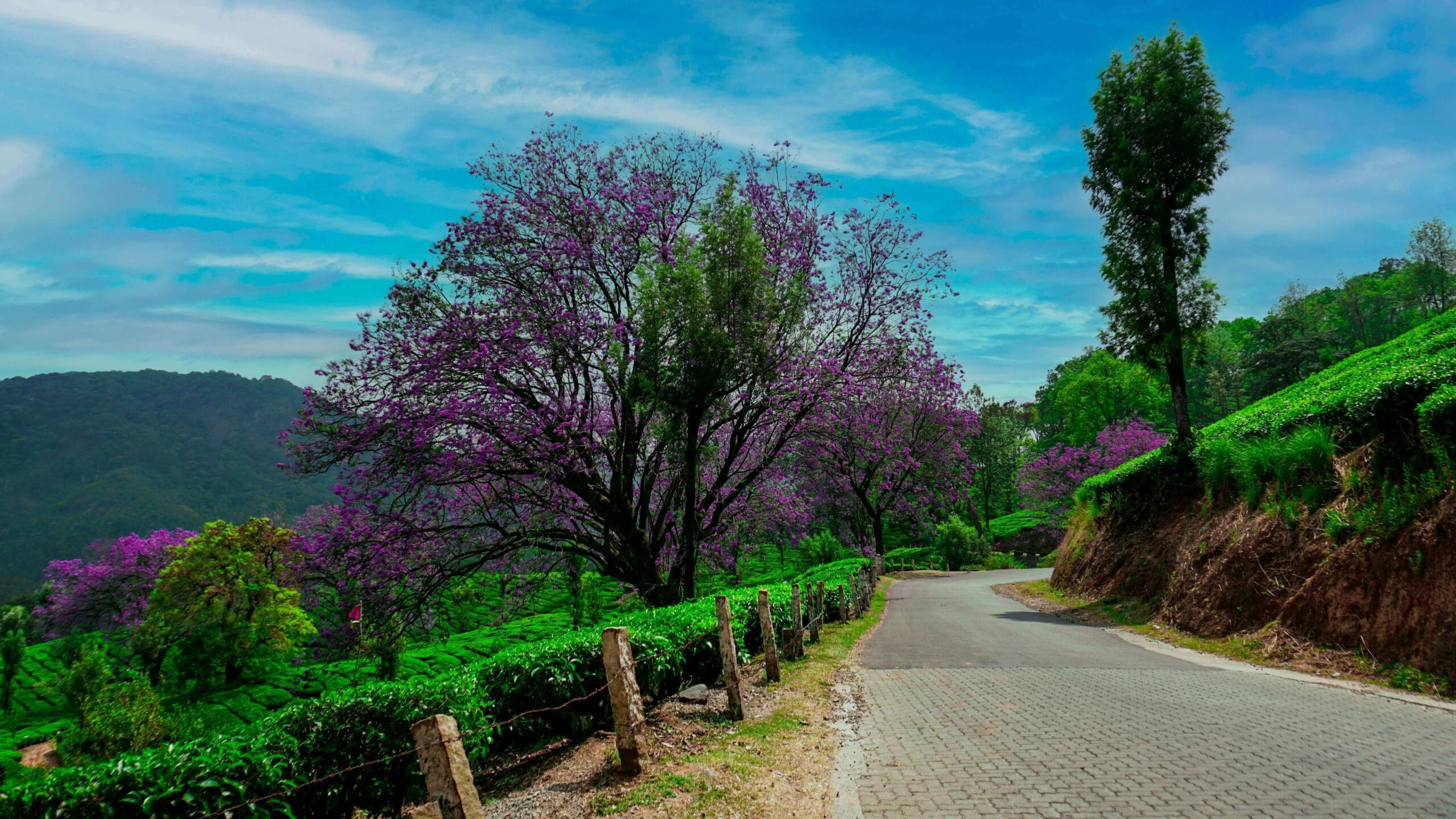
The Western Ghats, Kerala, Coorg, and Rajasthan’s lake districts come alive with greenery, waterfalls, and dramatic skies. The same season makes certain mountain roads dangerous and some coastal areas inaccessible.
Monsoon travel rewards flexibility and punishes rigid itineraries. Prices drop significantly and crowds thin out making it one of the most interesting seasons for experienced travelers willing to adapt.
Best Places to Visit in Winter (November to February)
These are some of the best winter destinations in India for first-time travelers, offering comfortable weather and rich cultural experiences.
Rann of Kutch, Gujarat – Winter Salt Desert & Rann Utsav Festival
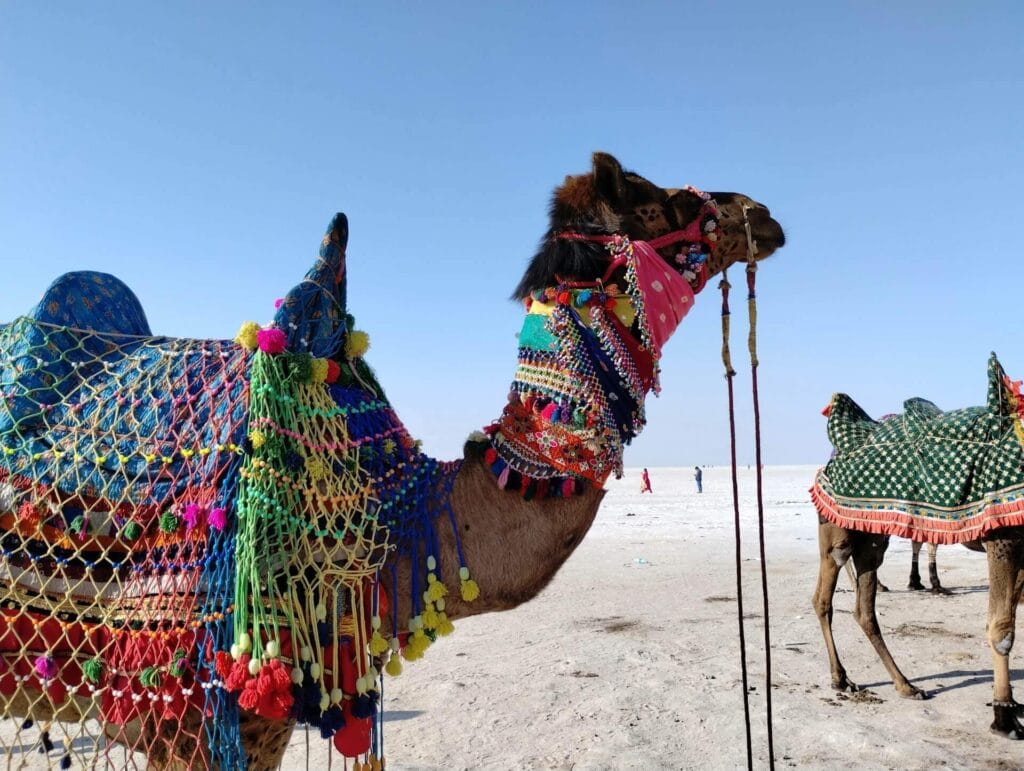
The Great Rann of Kutch is one of the world’s largest salt deserts – a vast, flat expanse of white salt flats that stretches to the horizon in every direction.
In winter, when the monsoon flooding has receded and the ground has dried, the Rann becomes accessible and the government runs the Rann Utsav festival (November to February), setting up a tented city on the edge of the desert complete with cultural performances, craft markets, and camel safaris.
Weather
- Cool and dry (15–25°C), cold nights in the open desert
Travel experience
- Full moon views on salt flats
- Rann Utsav festival with tents, music, and cultural shows
- Camel safaris and local village interactions
- Photography opportunities at sunrise and sunset
Cultural highlights
- Traditional embroidery villages around Bhuj
- Local craft markets and artisan interactions
- Folk performances during Rann Utsav
- Learn about Kutch handicrafts like Bandhani and leatherwork
- Experience local cuisine, including regional snacks and sweets
How to reach
- Nearest airport: Bhuj
- 85 km drive to Dhordo (main entry point)
Best for
- First-time visitors
- Unique landscapes + cultural experiences
Gir National Park, Gujarat — The Last Wild Lions in Asia
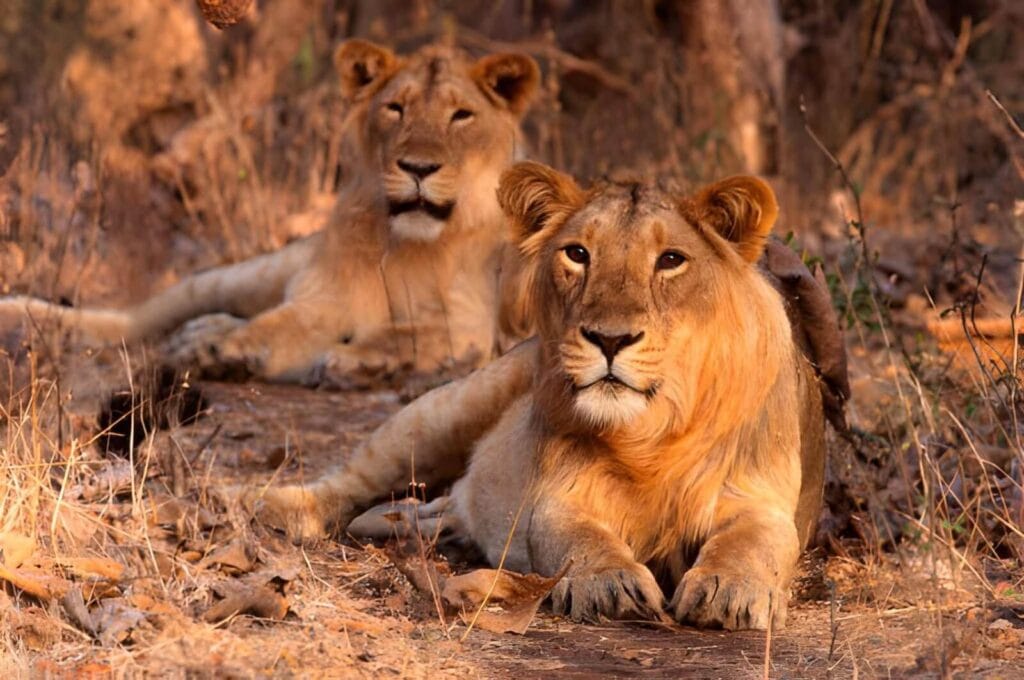
Gir Forest National Park in Gujarat is the only place in the world outside Africa where you can see wild lions. The Asiatic lion population here has recovered remarkably over the past few decades and safaris now offer genuinely good sighting rates.
Unlike the crowded national parks of East Africa, Gir’s visitor numbers remain manageable and the safari experience feels personal and unhurried.
Weather
- Cool mornings (12–18°C)
- Pleasant afternoons (~25°C)
Travel experience
- Jeep safaris with high chances of lion sightings
- Less crowded compared to African safaris
- Good for relaxed wildlife viewing
- Birdwatching and spotting other wildlife like leopards and antelopes
- Evening or sunrise safaris for immersive nature photography
Cultural highlights
- Sidi tribal community with African roots
- Unique local music and traditions
- Local storytelling and folklore about wildlife
- Learn about forest conservation efforts
- Try traditional Gujarati village cuisine near the park
How to reach
- Nearest airport: Rajkot (160 km)
- Nearest rail: Junagadh (60 km)
Best for
- Wildlife lovers
- Rare safari experiences
Tranquebar (Tharangambadi), Tamil Nadu — A Danish Colonial Town Nobody Visits
Tranquebar is a tiny coastal town in Tamil Nadu that was a Danish colonial trading post from 1620 to 1845.
The remains of that history – a seafront fort, a Danish church still in active use, colonial-era bungalows, and a town grid laid out by European planners sit alongside a working Tamil fishing village in a combination that feels surreal and quietly wonderful.
The beach is clean, the town is almost entirely free of tourist infrastructure, and you’re likely to be one of very few international visitors.
Weather
- Warm and pleasant (22–30°C)
- Low humidity in winter
Travel experience
- Quiet coastal town with minimal crowds
- Colonial buildings + peaceful beaches
- Ideal for slow travel
- Kayaking or beach walks along the seashore
- Interaction with local fishermen and village life
Cultural highlights
- Danish fort and historic churches
- Ziegenbalg Museum
- Local fishing village life
- Explore small colonial-era streets and architecture
- Attend local temple rituals or seasonal festivals
How to reach
- Nearest rail: Kumbakonam (55 km)
Best for
- History lovers
- Offbeat coastal travel
Pushkar, Rajasthan — Beyond the Famous Camel Fair
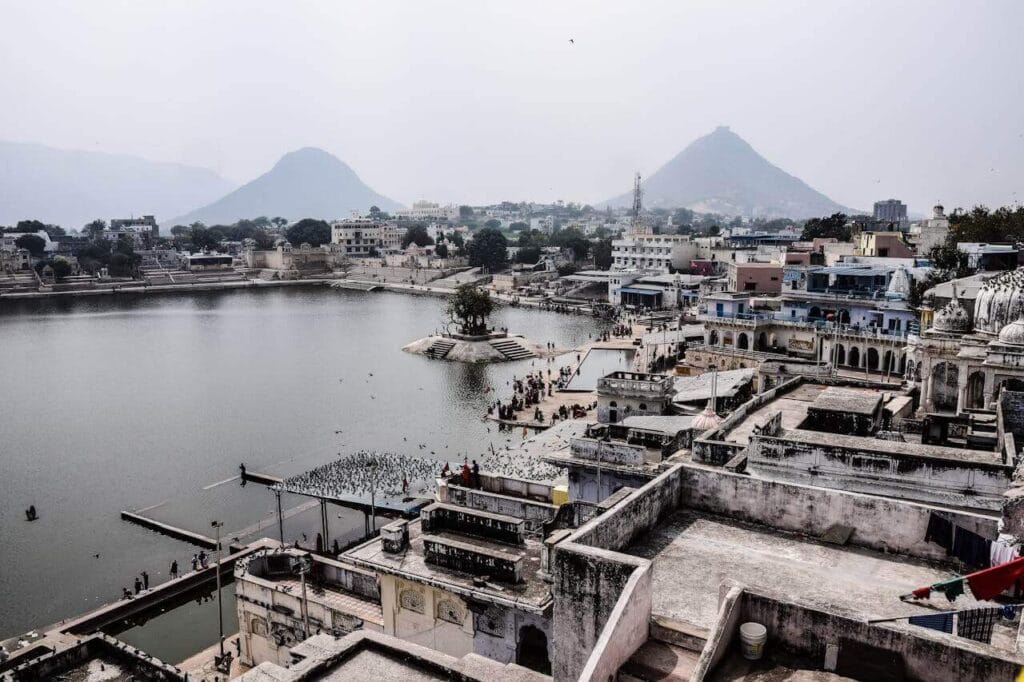
Most people who know Pushkar associate it with the November Camel Fair – and the fair is extraordinary, worth planning a trip around if you can time it.
But Pushkar outside of fair season is a different proposition: a small holy lake town surrounded by desert hills, with a remarkably calm atmosphere for Rajasthan and a main street of guesthouses, rooftop cafes, and small temples that invites you to stay longer than you planned.
The ghats around the sacred Pushkar Lake are peaceful in the early mornings and the light over the Aravalli hills at dusk is exceptional.
Weather
- Pleasant days (15–25°C)
- Cool nights
Travel experience
- Relaxed desert town vibe
- Walkable streets with cafes and temples
- Less crowded than Jaipur or Jodhpur
- Sunrise walks along Pushkar Lake
- Camel rides outside festival season for offbeat adventure
Cultural highlights
- Pushkar Lake ghats
- Brahma Temple
- Camel Fair (November)
- Local crafts and souvenir shopping
- Attend evening aarti rituals by the lake
How to reach
- Nearest Railway Station: Ajmer (14 km)
Best for
- First-time Rajasthan visitors
- Cultural + spiritual travel
Chettinad, Tamil Nadu — Mansions, Spices, and a Cuisine Unlike Any Other
Chettinad is the ancestral homeland of the Nattukotai Chettiars, a merchant community that built enormous labyrinthine mansions in the 19th and early 20th centuries, filled with Burmese teak, Belgian glass, Italian marble, and handmade tiles using wealth accumulated from trading across Southeast Asia.
The result is a cluster of towns in Tamil Nadu containing some of the most extraordinary domestic architecture in Asia – most of it quietly decaying and absolutely spellbinding.
Weather
- Warm but comfortable (22–30°C)
Travel experience
- Explore large heritage mansions
- Quiet towns with rich history
- Slow-paced travel
- Cooking classes or local food tastings
- Visit spice plantations and small artisanal shops
Cultural highlights
- Chettinad cuisine (spicy and flavorful)
- Antique markets
- Traditional architecture
- Experience local festivals in town squares
- Meet craftsmen behind handmade tiles and wooden carvings
How to reach
- Nearest rail: Karaikudi
- Nearest airport: Madurai
Best for
- Food lovers
- Architecture enthusiasts
Best Places to Visit in Summer (March to June)
If you’re visiting between March and June, these are the best places to visit in India in summer, especially for cooler weather in the mountains.
Tirthan Valley, Himachal Pradesh — An Untouched River Valley
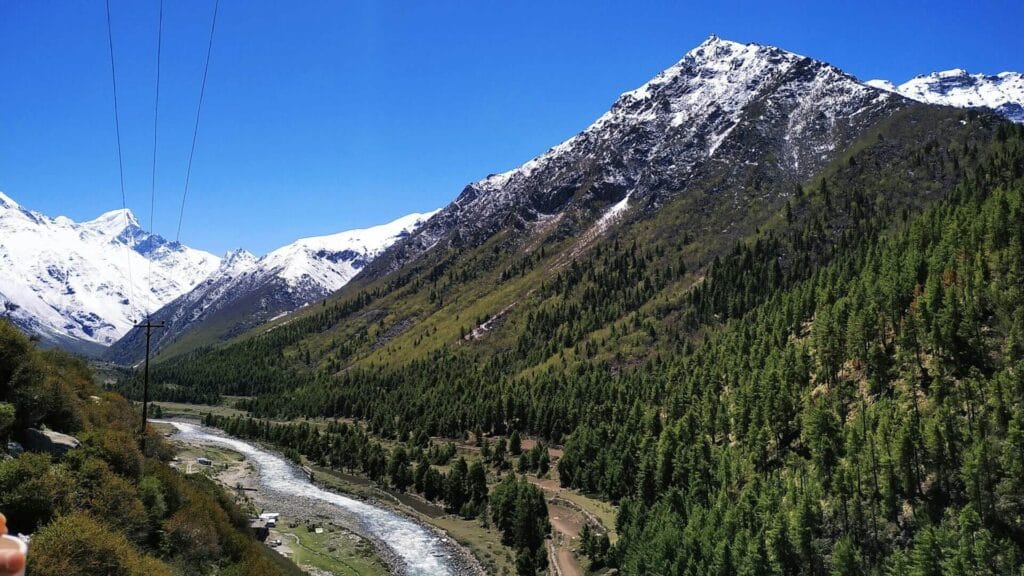
Tirthan Valley runs along the Tirthan River in the Kullu district of Himachal Pradesh, bordering the Great Himalayan National Park, a UNESCO World Heritage Site.
It’s a valley of apple orchards, trout-filled rivers, wooden village houses, and forest trails that see almost no foot traffic. There are no large hotels, no tour bus stops, and no souvenir shops.
What there is: pristine river, exceptional trout fishing, outstanding birdwatching, and one of the most restorative mountain atmospheres in Himachal.
Weather
- Mild days (15–25°C)
- Cool evenings
Travel experience
- Peaceful river valley
- Nature walks and trout fishing
- No heavy tourist crowds
- Camping by the river under the stars
- Mountain biking and birdwatching opportunities
Cultural highlights
- Traditional Himachali villages
- Local festivals and temple culture
- Participate in small village fairs
- Try local Himachali cuisine
- Learn about local handicrafts like wool weaving
How to reach
- Nearest airport: Bhuntar (50 km)
Best for
- Nature lovers
- Quiet Himalayan escape
Chopta, Uttarakhand — Meadows, Monasteries, and Mountain Silence
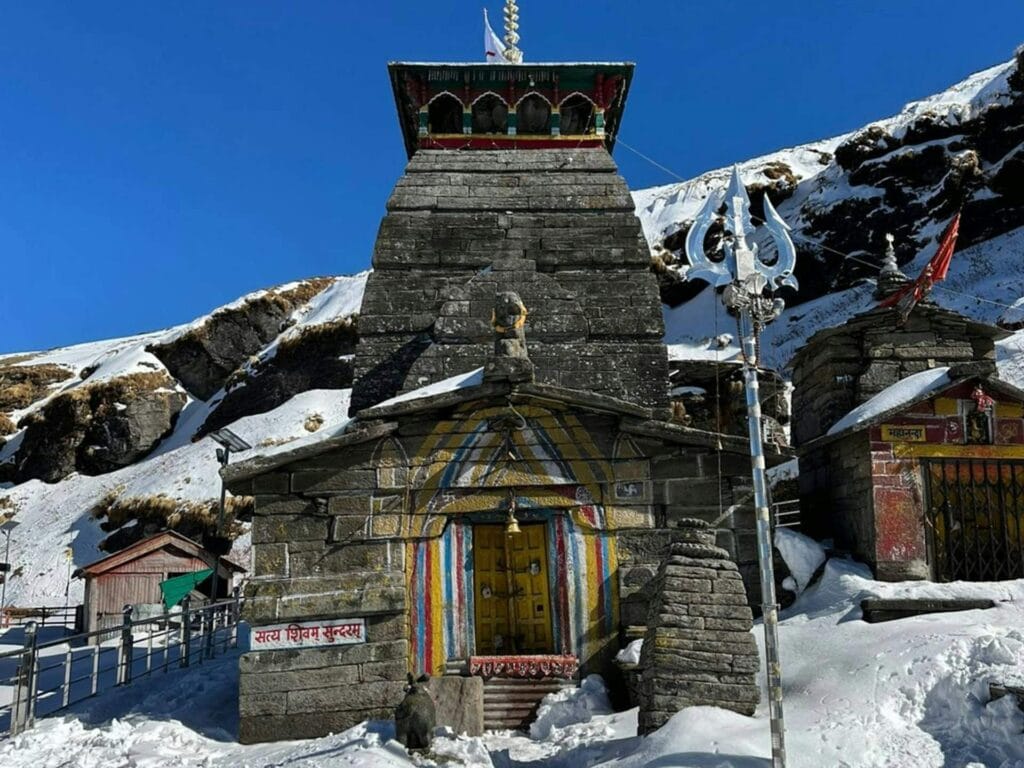
Chopta sits at around 2,700 metres in the Kedarnath Wildlife Sanctuary and remains one of the most underrated hill destinations in India.
The village itself is tiny a handful of guesthouses and dhabas along a quiet mountain road surrounded by high-altitude bugyals (meadows) and panoramic Himalayan views.
The trail to Tungnath, the highest Shiva temple in the world at 3,680 metres, starts here and is manageable for any visitor with reasonable fitness.
Weather
- Cool (10–20°C daytime)
- Snow visible in early season
Travel experience
- Scenic meadows and mountain views
- Trek to Tungnath temple
- Peaceful and uncrowded
- Camping or photography at sunrise
- Guided treks to nearby waterfalls and high-altitude meadows
Cultural highlights
- Tungnath Temple (highest Shiva temple)
- Local Garhwal culture
- Learn traditional shepherding practices
- Experience local mountain cuisine
- Interact with temple priests and villagers
How to reach
- Base: Rishikesh (200 km)
Best for
- Easy trekking
- Himalayan views without crowds
Dzukou Valley, Nagaland — Wildflowers at the Edge of the Known World
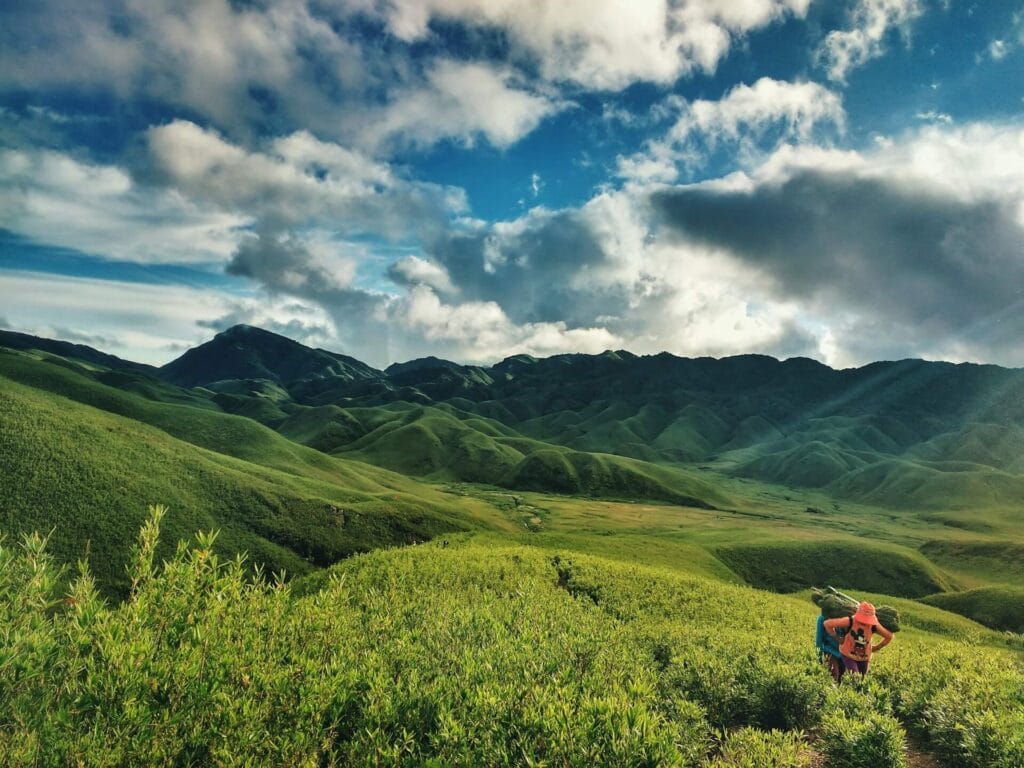
Dzukou Valley sits on the Nagaland-Manipur border at around 2,450 metres and is one of Northeast India’s most beautiful and least-visited places.
The valley floor is carpeted with seasonal wildflowers – most famously the Dzukou lily, which blooms only here surrounded by rolling green hills and clear mountain streams.
The trek from Viswema village takes 3–4 hours at a moderate pace and no technical skills are required.
Weather
- Pleasant (15–22°C)
- Best during pre-monsoon & early monsoon
Travel experience
- Valley covered in seasonal flowers
- Moderate trek (3–4 hours)
- Remote and untouched
- Camp under stars in the valley
- Trek photography for flora and wildlife
Cultural highlights
- Dzukou lily bloom
- Kohima War Cemetery nearby
- Explore Naga tribal villages
- Attend local music and dance performances
- Learn traditional weaving and handicrafts
How to reach
- Nearest airport: Dimapur
- Road to Kohima + trek
Best for
- Adventure travelers
- Northeast exploration
Spiti Valley, Himachal Pradesh — Tibet Without Leaving India
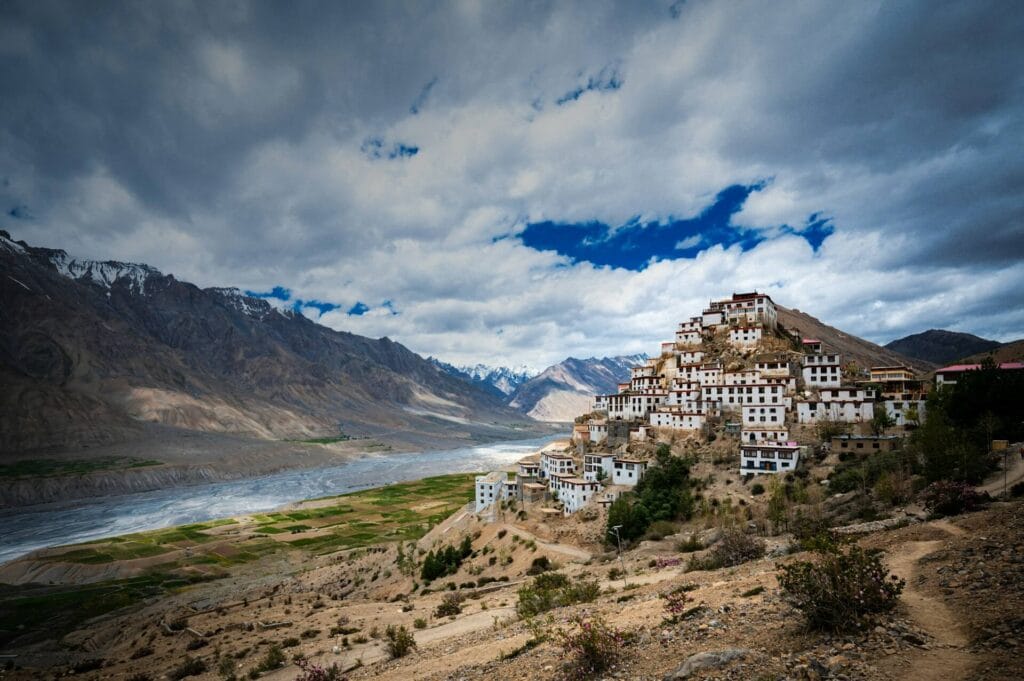
Spiti is a high-altitude cold desert valley in the far north of Himachal Pradesh, sitting between 3,500 and 4,500 metres.
The landscape looks more like Tibet or Mongolia than anything you’d expect to find in India, ancient Buddhist monasteries on cliffsides above blue rivers, flat-roofed villages, vast open skies, and a silence so complete it becomes its own kind of noise.
Summer (June to September) is the only accessible season and the only time to experience Spiti without risking road closures.
Weather
- Cool days (15–25°C)
- Cold nights (5–10°C)
Travel experience
- High-altitude desert landscape
- Remote villages and monasteries
- Stunning road journeys
- Mountain biking or jeep trips along remote routes
- Stargazing under pristine skies
Cultural highlights
- Ki Monastery
- Tabo Monastery
- Tibetan Buddhist culture
- Meet local monks and learn about rituals
- Experience traditional Spitian cuisine
How to reach
- Via Shimla or Manali (road trip)
Best for
- Adventure + photography
- Remote travel lovers
Best Places to Visit in Monsoon (July to September)
These destinations are ideal if you’re looking for where to travel in India during monsoon without letting the rain ruin your plans.
Coorg (Kodagu), Karnataka — The Western Ghats at Their Most Extravagant
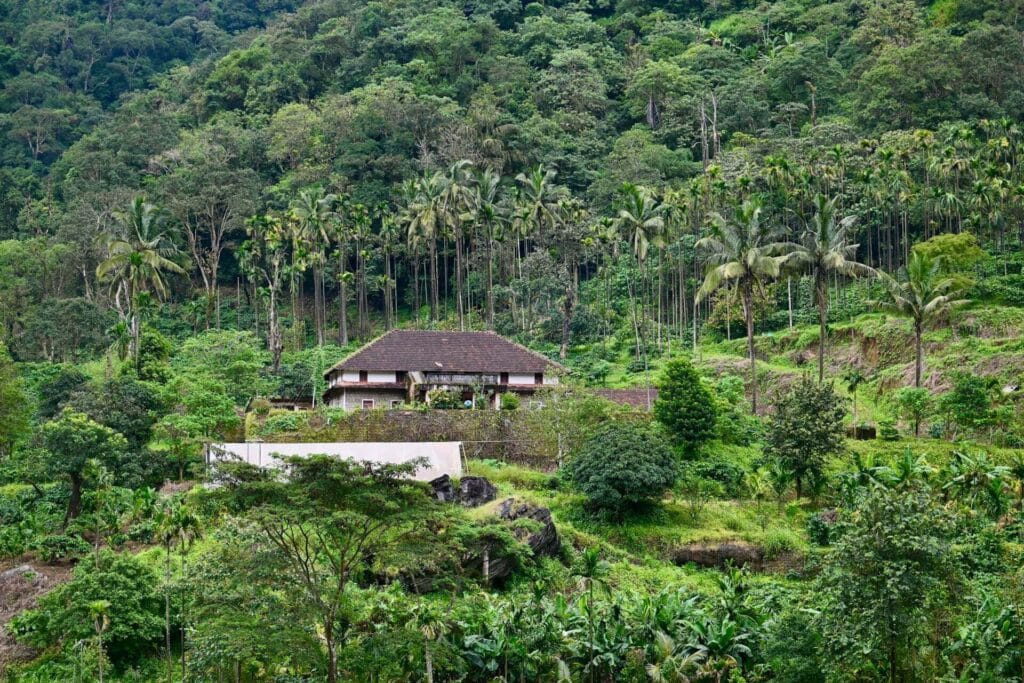
Coorg is a coffee and spice growing region in the Western Ghats of Karnataka, set at elevations between 900 and 1,800 metres.
In monsoon, Coorg becomes lush and green, with cascading waterfalls, misty valleys, and the scent of wet earth and cardamom, perfect for photographers.
Weather
- Heavy rainfall (July–September)
- Misty mornings
Travel experience
- Lush green coffee plantations
- Waterfalls and misty hills
- Relaxed homestay stays
- Trekking through rainforest trails
- Coffee plantation tours with tasting sessions
Cultural highlights
- Kodava culture
- Local cuisine (pandi curry)
- Attend local festivals during monsoon
- Learn traditional Kodava martial arts
- Experience folk dances and music
How to reach
- From Mysore (120 km) or Bangalore (250 km)
Best for
- Monsoon lovers
- Nature + slow travel
Mandu, Madhya Pradesh — Monsoon Turns Ruins Into Something Extraordinary
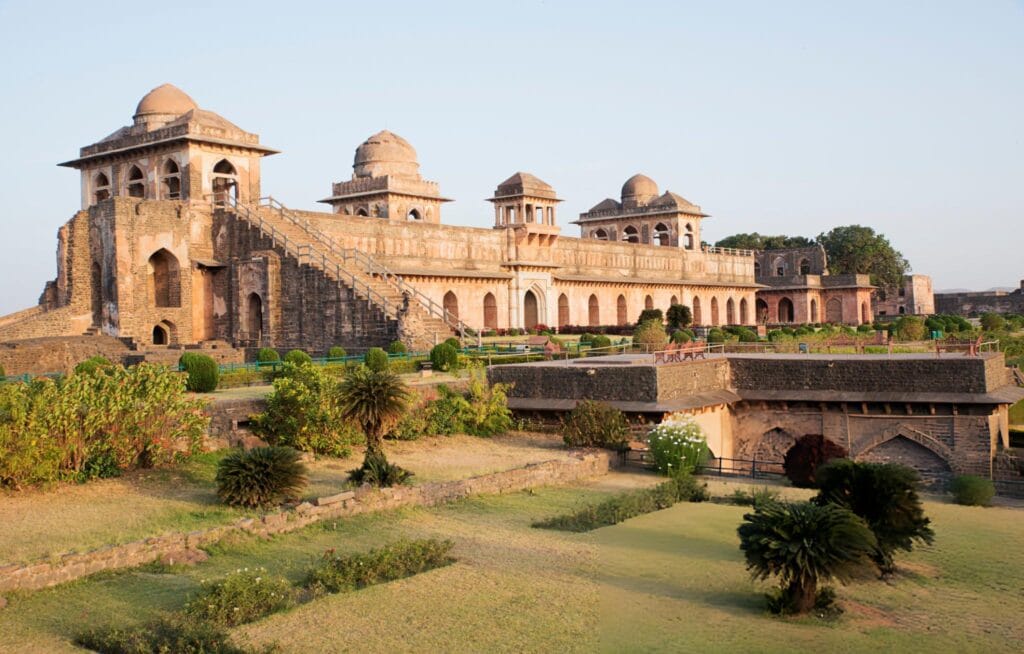
Mandu is a medieval Sultanate city on a plateau in Madhya Pradesh, containing some of the finest Islamic architecture in India, all of it largely unvisited.
In monsoon, Mandu becomes spectacular – green plateaus, blooming wildflowers, cascading waterfalls, and 500-year-old architecture create an unforgettable atmosphere.
Weather
- Rainy but pleasant
- Green landscapes
Travel experience
- Ruins surrounded by greenery
- Fewer tourists
- Dramatic monsoon views
- Sunset and sunrise photography of forts
- Walk through hidden gardens and palaces
Cultural highlights
- Jahaz Mahal
- Baz Bahadur & Roopmati story
- Local artisans making traditional crafts
- Explore medieval murals and inscriptions
- Experience local monsoon food specialties
How to reach
- From Indore (100 km)
Best for
- History lovers
- Offbeat monsoon travel
Majuli, Assam — River Life at Its Most Alive
Majuli, the world’s largest river island in the Brahmaputra, is beautiful year-round.
Post-monsoon (September–October) is special: the river swells silver-wide, wetlands fill with migratory birds, and the satras prepare for the peak cultural festival season in October–November.
Weather
- Post-monsoon best (Sept–Oct)
- Some rain possible
Travel experience
- River island life
- Scenic ferry ride
- Peaceful rural setting
- Paddle or boat along smaller rivers
- Interact with local farmers and artisans
Cultural highlights
- Satras (monasteries)
- Raas festival
- Mask-making traditions
- Learn local pottery and weaving crafts
- Attend music and dance programs during festivals
How to reach
- Jorhat → ferry to Majuli
Best for
- Cultural travelers
- Unique experiences
Hampi, Karnataka – The Boulder Landscape in Green
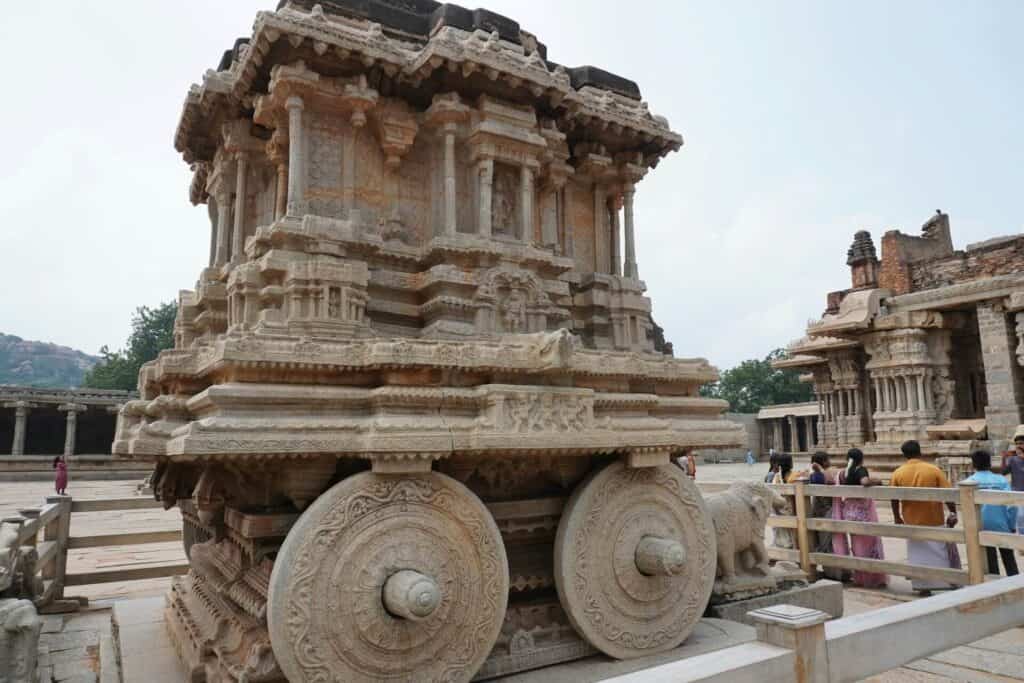
Hampi in winter is spectacular. Hampi in monsoon is completely transformed.
The brown and ochre boulders turn lush green, the Tungabhadra flows fast and powerful, and the medieval ruins gain a romantic, otherworldly feel under misty clouds. Visitor numbers drop, letting you enjoy UNESCO World Heritage temples almost to yourself.
Weather
- Moderate rain
- Cooler than summer
Travel experience
- Green landscapes + ruins
- Fewer crowds
- Scenic river views
- Cycling through ancient ruins
- Photography during misty monsoon mornings
Cultural highlights
- Vittala Temple
- Ancient ruins and temples
- Attend local music and craft workshops
- Explore traditional village life nearby
- Participate in monsoon cultural activities
How to reach
- Nearest Railway Station: Hosapete (13 km)
Best for
- History + photography
- Monsoon travelers
Month-by-Month Quick Guide
Here’s a fast reference to help you match your travel dates to the right destinations, making your India travel by month simple and efficient:
November — The Rann of Kutch festival opens, one of India’s most iconic winter travel destinations.
The Pushkar Camel Fair (early November) offers a unique cultural festival experience in Rajasthan, while Tamil Nadu and Goa enter their best season for first-time traveler India trips, marking the start of the peak seasonal tourism in India.
December — December is the peak tourist season in India. Goa, Rajasthan, Tamil Nadu, and Kerala offer their best weather and sightseeing opportunities. Offbeat destinations like Chettinad and Tranquebar are perfect for heritage travel India.
Cold in North India but clear skies make it ideal for South India sightseeing. The Bishnupur Mela in West Bengal highlights Indian festivals in December.
January — Peak season continues. Republic Day celebrations (26 January) bring cultural festivals across India. This month is ideal for wildlife safari India at Gir and Pench National Parks.
Historic and UNESCO sites like Hampi are in excellent condition for heritage and history travel India.
February — Crowds begin to thin slightly. South India enjoys excellent weather, making Kodaikanal and Coorg beautiful hill station India destinations.
Desert destinations in Rajasthan remain ideal for off-season travel India. February is one of the best months for first-time India itineraries.
March — Weather begins to warm on the plains. Last comfortable month for Rajasthan sightseeing.
Hill stations like Tirthan Valley and Chopta become accessible, offering a perfect Himalayan trekking India experience. Excellent for Hampi before the heat arrives, and ideal for adventure travel India.
April — Himalayan season fully opens. Spiti, Tirthan, and Chopta are excellent for high-altitude travel India, while plains destinations become hot.
Northeast India (Ziro, Dzukou) is at its spring best, offering nature travel India and seasonal festivals India.
May — Best month for Himachal Pradesh and Uttarakhand hill destinations. Rhododendrons bloom in the mountains, and it’s the last chance for wildlife safari India at Gir National Park before mid-June.
Ideal for summer travel India and exploring Himalayan summer destinations.
June — Monsoon arrives in Kerala (typically June 1) and moves north. Spiti’s season is still accessible, and Dzukou lily blooms in late June.
Mountain destinations remain clear before the monsoon reaches the Himalayas, perfect for nature-based travel India and monsoon trekking India.
July — Full monsoon. Coorg, Mandu, and the Western Ghats are at their lushest. Plains travel is not recommended. Spiti and Ladakh remain accessible via the Manali-Leh highway. Excellent for Western Ghats monsoon travel and adventure travel India.
August — Deep monsoon. Best for Coorg, Kerala, Majuli post-flooding, and Western Ghats. Hampi’s boulder landscape turns green, creating stunning monsoon photography India opportunities.
Ideal for eco-tourism India and exploring lush green landscapes India.
September — Monsoon eases. Post-monsoon landscapes everywhere are lush and dramatic. Majuli comes alive, and Northeast India enters its best season.
The Ziro Music Festival highlights cultural festivals India. Perfect for post-monsoon travel India and seasonal adventure travel.
October — One of the best travel months in India. Monsoon has fully retreated, landscapes are green, skies clear, and temperatures drop.
Diwali brings spectacular festival travel India experiences, while all destinations are accessible for scenic travel India and autumn travel India.
Travel Planning Tips by Season
Booking accommodation: For peak season (November to February), book accommodation at least 4–6 weeks in advance for popular destinations and 2–3 weeks for quieter ones.
Homestays in offbeat areas can often be arranged with shorter notice, but the best ones fill up quickly. For monsoon travel, booking is easier but confirm road access conditions with your accommodation before finalising.
Train bookings: Book Indian Railways tickets as far in advance as possible — the booking window opens 60 days before travel and popular routes in AC classes fill within hours of opening.
Use the IRCTC website or app. If trains are full, the tourist quota and Tatkal (last-minute premium) options are available as backup.
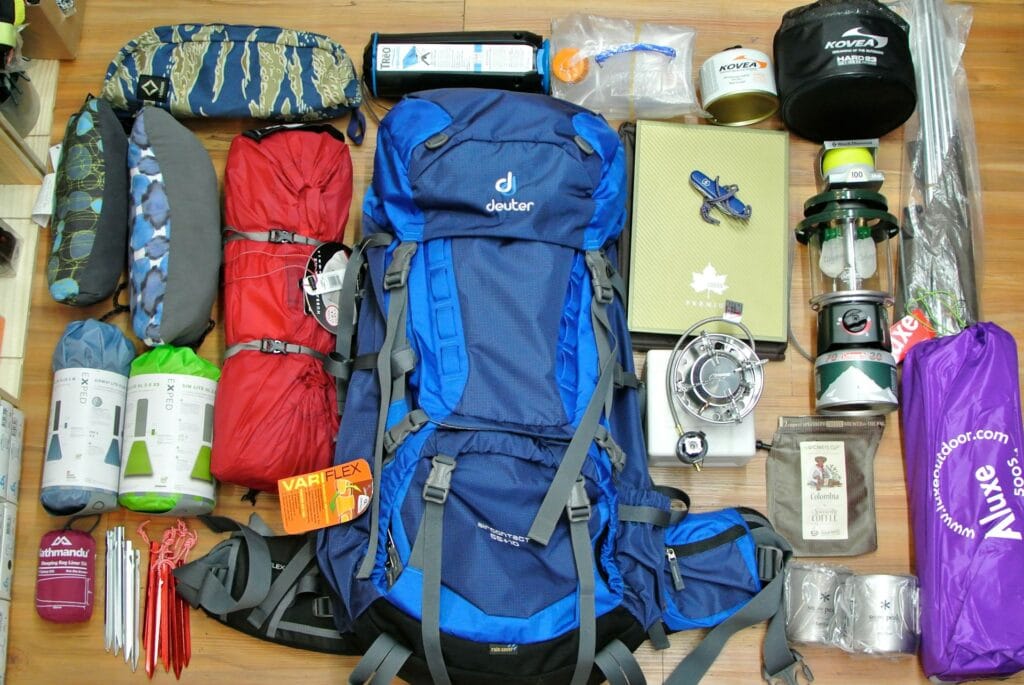
Packing by season: For winter, bring layers – India’s hill nights and desert nights are colder than many visitors expect. A good fleece, a light down jacket, and a waterproof layer cover most situations.
For summer mountains, the same layering principle applies with sun protection added. For monsoon, a compact umbrella and waterproof sandals (leather gets ruined by constant wet conditions) are more practical than a heavy rain jacket.
Crowd expectations: December, January, and the school holiday windows (April–May and October) are the busiest periods at major destinations.
If you’re traveling in peak season and want to avoid the worst crowds, prioritise early morning visits to famous sites, travel midweek rather than arriving Friday to Sunday, and choose accommodation outside the main market areas of popular towns.
Festival timing: India’s festival calendar is extraordinary and planning a trip around one or two significant events adds enormous depth to a first visit.
The Rann Utsav (November–February), Pushkar Camel Fair (November), Hornbill Festival in Nagaland (December), and Ziro Music Festival (September) are all events where timing your visit specifically around them is worthwhile and not overcomplicated to arrange.
Health and altitude: For any destination above 2,500 metres – Spiti, Chopta, Dzukou, Gurez – take altitude acclimatisation seriously.
Spend a night at an intermediate altitude before ascending, drink more water than usual, avoid alcohol for the first 24 hours at altitude, and descend if you develop severe symptoms.
Most of these destinations are easily accessed in stages that allow natural acclimatisation without any special preparation.
Conclusion: Match the Season to the Experience You Want
The best time to visit India depends on the region. Winter (November–February) is ideal for first-time travelers seeking pleasant weather and festivals.
For mountain escapes, summer (March–June) offers cool temperatures, while the monsoon (July–September) brings lush landscapes to Kerala, Coorg, and the Western Ghats. Match the season with your destinations to make the most of your India trip.
FAQs about Best Places to Visit in India by Season
What is the best time to visit India by season?
The best time to visit India by season is winter (November–February) for most first-time travelers. Winter offers pleasant weather, clear skies, and vibrant festivals across popular destinations like Rajasthan, Kerala, and Gujarat.
Where should I go in India in winter for the best experience?
The best winter destinations in India include Rajasthan, Gujarat, Kerala, and Tamil Nadu, offering comfortable weather, festivals, and easy travel conditions.
Which are the best places to visit in India in summer?
During summer (March to June), head to cooler regions like Himachal Pradesh, Uttarakhand, and Northeast India for mountain views and pleasant temperatures.
Is it a good idea to visit India during monsoon?
Yes, monsoon travel in India can be rewarding if you choose the right places like Coorg, Kerala, and the Western Ghats, which become lush and scenic.
What is the cheapest season to travel in India?
The monsoon season (July to September) is the cheapest time to travel in India, with lower hotel prices and fewer crowds in most destinations.
How do I plan an India trip based on seasons?
To plan effectively:
Winter → Visit plains and deserts
Summer → Go to mountains
Monsoon → Choose green landscapes like Western Ghats
Which month is best for traveling across India?
October and February are among the best months to travel across India due to good weather, fewer crowds, and wide destination options.
What are the best places to visit in India month-wise?
India offers different destinations each month:
January → Rajasthan, Gujarat
April → Himachal, Uttarakhand
August → Coorg, Kerala
October → Most regions
How many days are enough for a first trip to India?
A 10 to 14-day itinerary is ideal for first-time visitors to explore one region comfortably without rushing.
Why is choosing destinations by season important in India?
India has diverse climates, so traveling by season helps you avoid extreme weather and ensures a smoother, more enjoyable experience.
What are the best places to visit in India by season for first-time travelers?
The best places to visit in India by season include Rajasthan and Kerala in winter, Himachal Pradesh in summer, and Coorg or the Western Ghats during monsoon.
Images: Unsplash
