


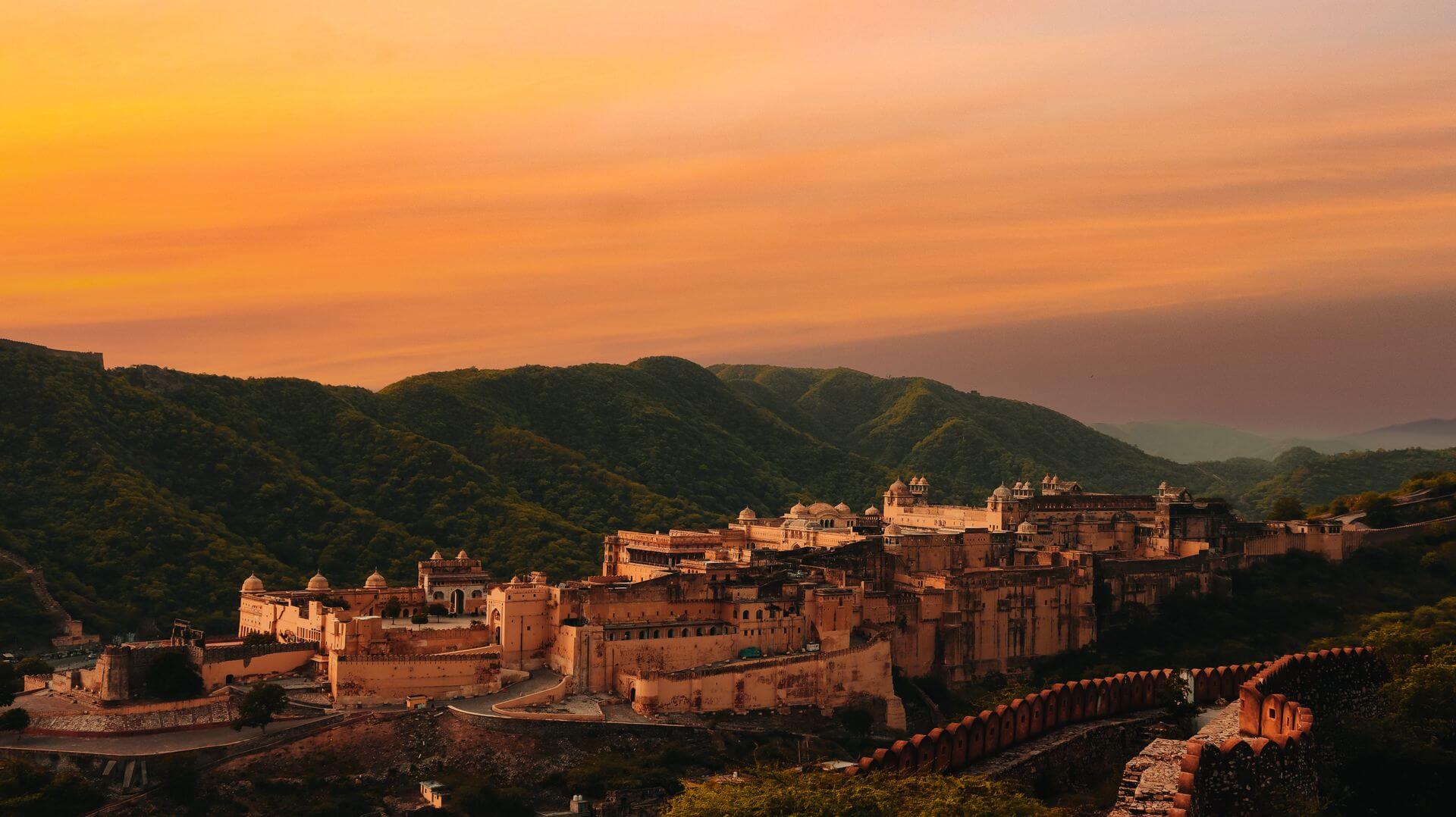
Are you planning to go on your first trip to India? An adventure awaits you that will leave a lasting impression and create memories that will stay with you for a lifetime.
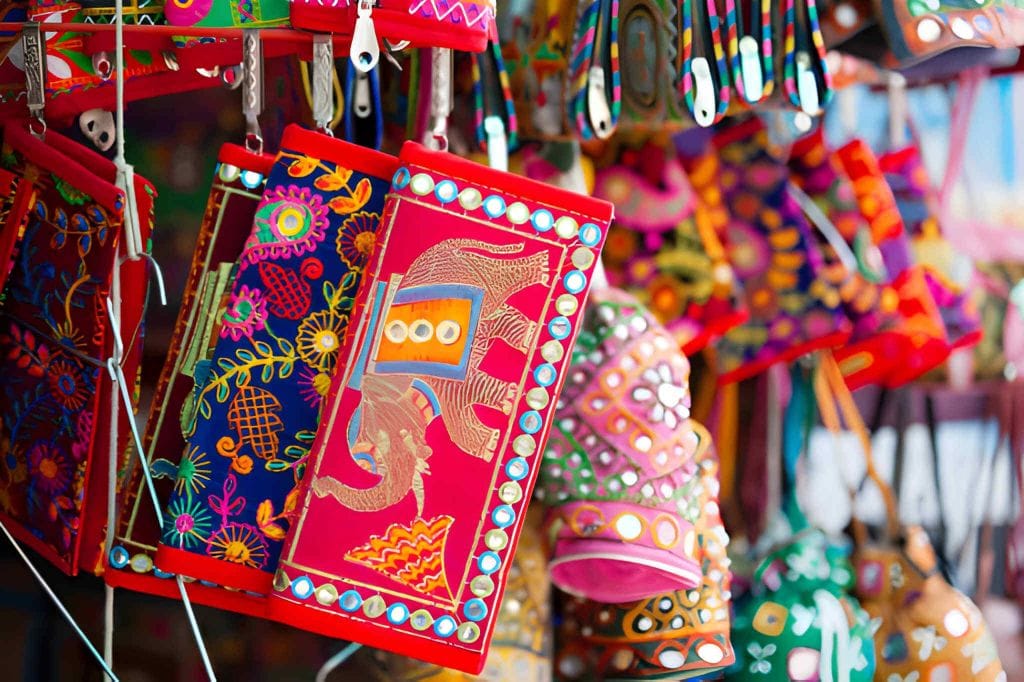
The colors are absolutely stunning, the food is incredible, it can sometimes feel a little overwhelming, but it’s that crazy, bustling chaos that you’ll fall in love with, and the people, well, the people are just something else!
India has this wonderful quality of making you feel like you’re returning home to your family, like you’ve known them your whole life. They are incredibly hospitable and kind. However, it can be a little intimidating at first, a proper culture shock.
You might have a million worries running through your mind, you may have heard some conflicting reports, and you’re probably wondering how to prevent your trip from being ruined.
Well, let me tell you, the good news is that it only takes a little common sense and some basic information, and you’ll have a fantastic time. I live in India and have been helping loads of people navigate this incredible country.
If this is your first visit to India, it’s important to be well-prepared. For a comprehensive guide covering visas, safety tips, cultural norms, and much more, check out our complete first time travel guide to India, which will help you feel confident throughout your trip.
So, whether you’re worried about getting sick, getting around, staying on the right side of local customs, or traveling solo, these practical tips will get you ready for a fantastic time in India.
Essential Health Safety Tips for First-Time Travelers to India
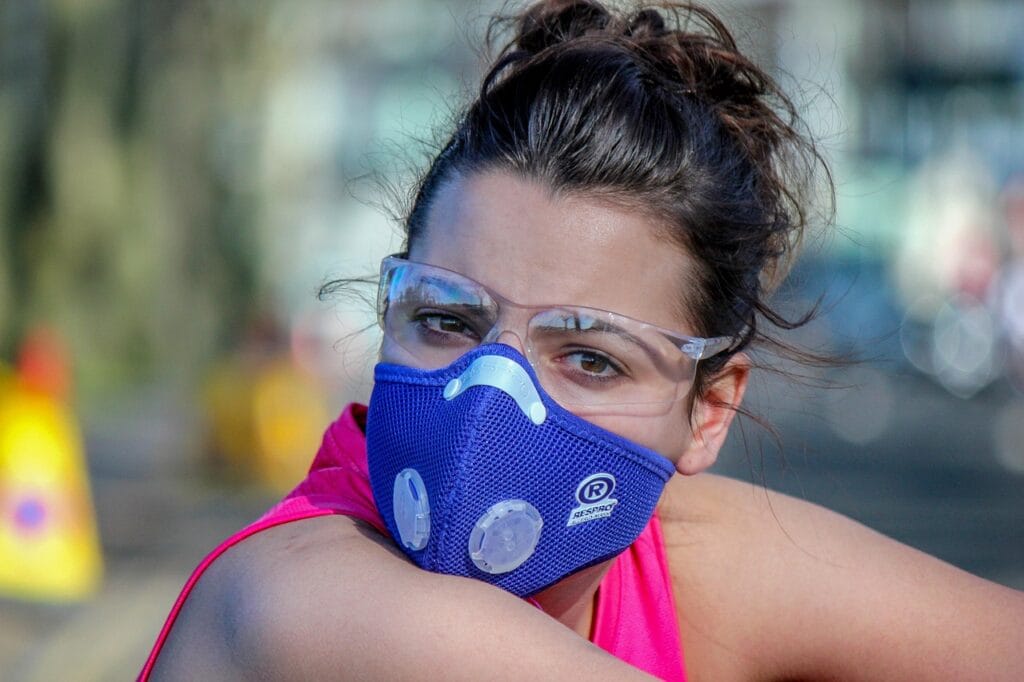
Your health absolutely needs to be your number one priority, even before you leave the house to get to the airport, let alone board the plane.
This is one of the most important safety tips for first-time travelers heading to India that you can’t afford to ignore. Visit a travel clinic at least two months before your trip, and get your vaccinations.
Don’t be surprised if you have to go back for several different doses at weekly intervals.
Essential vaccinations include:
- Hepatitis A and B (because you’ll be eating food and drinking water that you can’t guarantee is safe)
- Typhoid (it’s crucial for keeping yourself safe from contaminated food)
- Tetanus-diphtheria (you never know when you might get a cut or scrape, and this will give you some peace of mind, at least)
- Japanese Encephalitis—you only really need this if you are heading to rural areas during the monsoon season
- Rabies—if you’ll be hanging out in areas where you might get bitten by animals, this is basically non-negotiable
Do not, and I mean absolutely do not, skip this step because these diseases are all quite preventable with a few good vaccinations. A good travel insurance policy is also a total must.
Insurance that covers you in case of accidents, gets you to a hospital if needed, and protects against things like stolen bags or canceled trips is incredibly beneficial, and if something does go wrong, the cost won’t be as high as you might think.
Pack Your Medical Emergency Kit
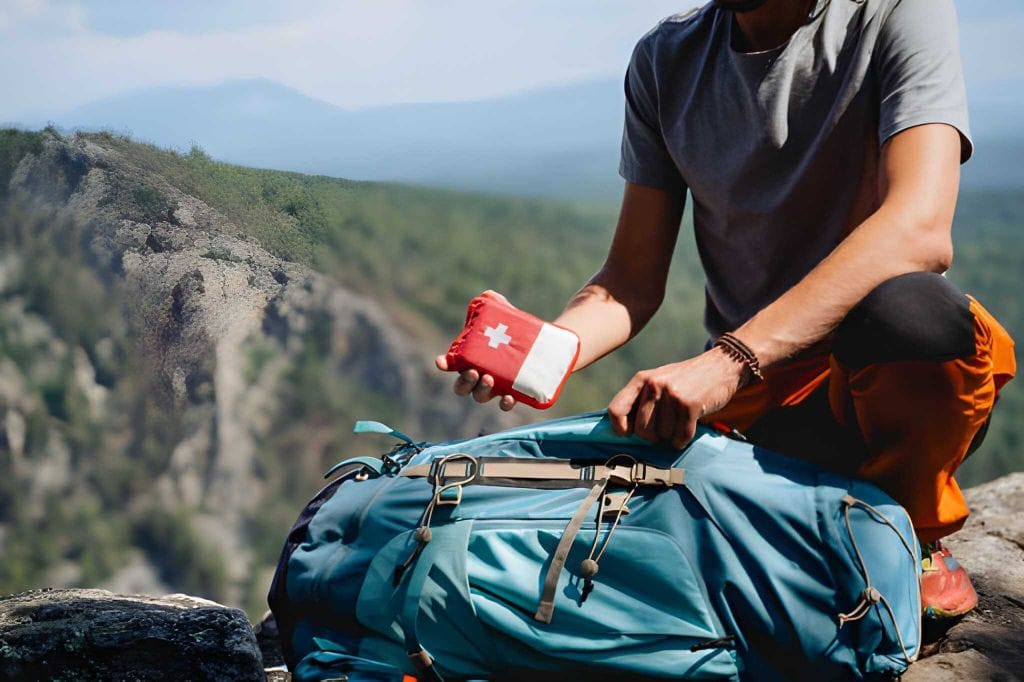
You can’t just turn up with a suitcase full of clothes and cameras; your travel medical kit is one of those little luxuries that can genuinely be a lifesaver if you end up having a bit of a health wobble.
Your medical kit should include:
- Anti-diarrheal medication (Imodium or similar)
- Oral rehydration salts (which are basically lifesavers if you get dehydrated)
- Some antihistamines for allergies or bites
- Some pain relief (ibuprofen & paracetamol are a must)
- An antiseptic cream and some bandages
- Any prescription medication you might need, with some extras just in case
- Some water purification tablets as a backup, just in case you can’t trust the tap water.
Pack some extra prescription meds if you think there might be a delay, and bring some water-purifying tablets just in case you end up somewhere where you can’t trust the tap water.
The Golden Rules of Water Safety in India
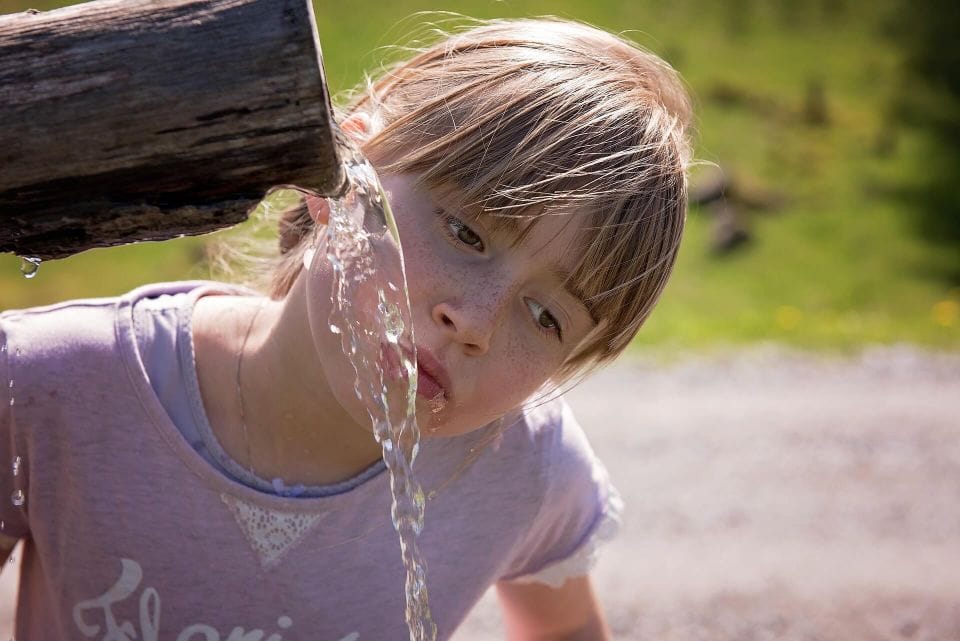
Let’s face it, water in India isn’t always the safest bet. No matter what the locals tell you, your body just isn’t used to the microbes in the local water.
It’s a fact of life that not drinking tap water while traveling is a major cause of illness, and it’s something that can be easily avoided.
The Water Safety Drill – stick to it:
- Don’t even think about drinking from the tap; always stick to sealed bottled water and check that the seal is still good.
- For the first week or so, use bottled water for brushing your teeth; you don’t want to risk it.
- Unless you’re really splurging at a fancy hotel, forget about ice in your drinks.
- When showering, keep your mouth shut.
- Get yourself a refillable water bottle and fill it up from sealed bottles. It’s not that challenging to stay safe.
Smart Food Choices That Keep You Healthy
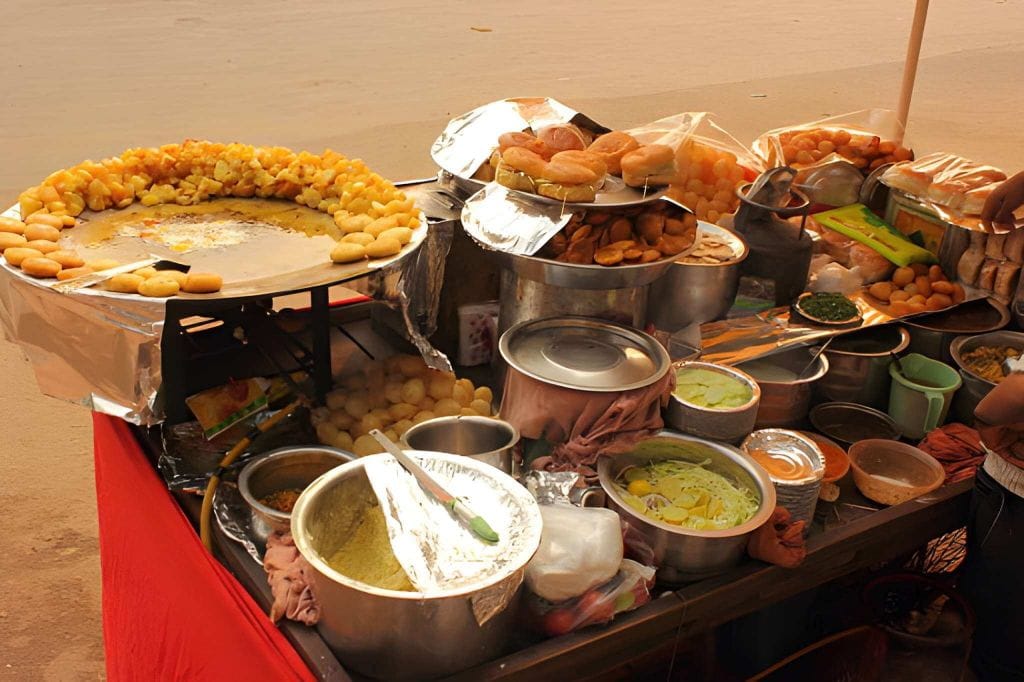
Indian food is one of the high points of visiting this remarkable country, but you need to be pretty strategic about where and what you eat, especially in those first few days.
Out of all the safety tips for first-time visitors to India, food safety should be right at the top of your list.
Safe Eating Guidelines:
- Pick places to eat that are usually busy and full of locals; that’s a good sign the food is fresh.
- Go for dishes that are cooked especially for you and served while they’re still hot.
- Wait a couple of days before indulging in street food; that way, your stomach has had a chance to get used to all the new things coming at it.
- Opt for street vendors that have a long line of people waiting, and make sure you can see how they cook.
- When you’re buying fruit, peel it yourself to avoid any pre-cut fruit that might not be as fresh.
- Avoid raw salads and anything that’s been sitting out at room temperature on buffet tables.
Street food is incredibly tempting, and honestly, some of the best food you’ll ever eat will probably come from street vendors. It all depends on timing and choosing the right place; give your stomach a few days to adjust before diving in.
If you do get sick, and plenty of people do get at least a bit of tummy trouble, don’t freak out. Just drink lots of water, eat plain food like rice and bananas, and take it easy.
Most of the time, your system sorts itself out in 24 to 48 hours. If things get worse or don’t get any better, get some medical help pretty quickly.
Transportation Safety Tips for Traveling in India
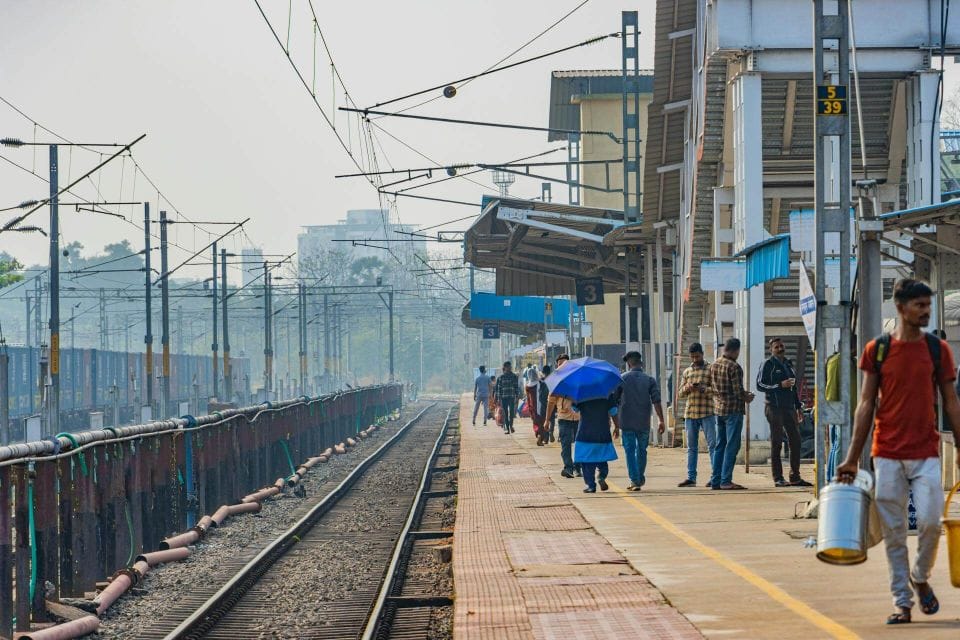
Indian traffic can be quite overwhelming for anyone accustomed to driving in a country where the roads are more organized.
Lanes are merely suggestions, horns blare constantly, and you’ll find vehicles of all shapes and sizes trying to share the same space; it’s, to say the least, a little chaotic.
Getting a handle on safe transportation is one of the key safety tips for first-time visitors to India. It’s a big country with a lot of ground to cover.
While the sheer chaos has its own weird sort of logic, and the locals seem to navigate it with ease, as a visitor it’s probably better to stick with having someone else do the driving.
Klook.comDealing with Taxis & Ride-Sharing Apps
Safe taxi practices:
- If you can, always try to use Uber or Ola (at least then your journey will get tracked automatically).
- If you need to get a taxi, book it through your hotel or get one from the airport, where you can pay upfront.
- Just be really wary of unmarked cabs or anyone trying to persuade you to get into one; it’s just not worth the risk.
- When you do get a taxi, sit in the back and keep the doors locked; a bit paranoid, but better safe than sorry.
- Make sure someone you trust knows where you are going and what your itinerary is.
- It’s worth getting your destination written down in the local language, too—just in case.
Booking an Auto-Rickshaw the Smart Way
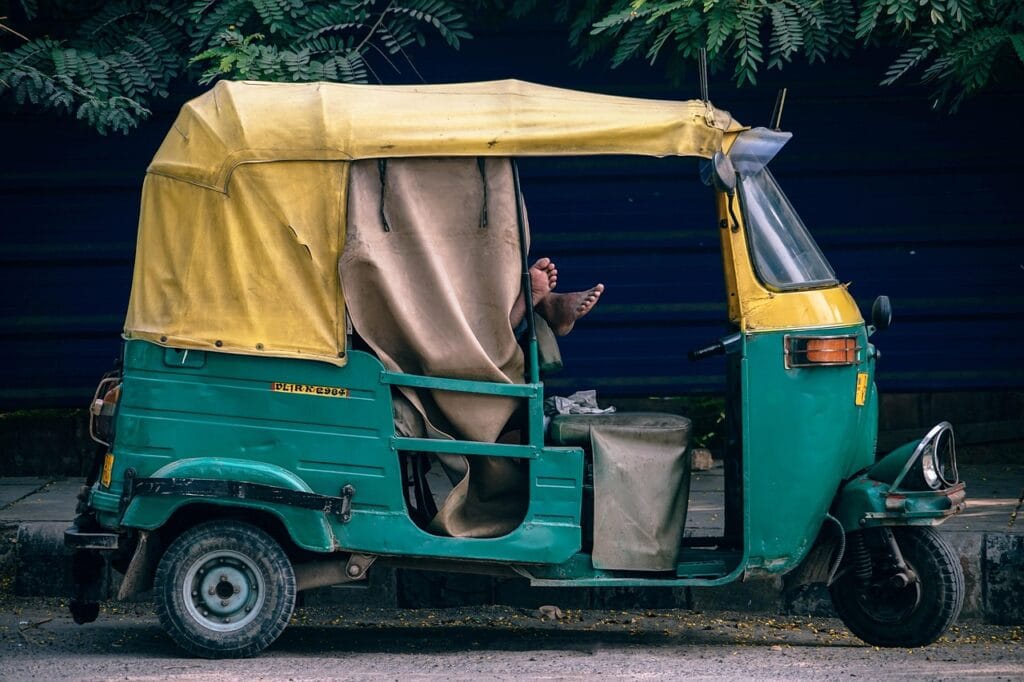
Auto-rickshaws are a total blast, giving you an authentic feel of the place, but to be honest, getting one can be a real challenge.
So, if you’re a first-time traveler to India, these transport tips will give you the confidence to tackle those rickshaw rides like a pro.
Auto-Rickshaw Safety Tips:
- Firstly, always make sure you agree on the fare before you even get in. Do not, under any circumstances, try to negotiate once the meter is running.
- Make sure the driver uses the meter; it’s a no-brainer, especially in the big cities; you get what you pay for.
- And it’s a good idea to have some small change ready with you; sometimes drivers literally have no change on them.
- Try to keep your bags on your lap where you can keep an eye on them.
- And listen to your instincts; if something just doesn’t feel right, don’t be afraid to bail and find another ride.
Indian Train Travel: Don’t Miss These Essential Safety Tips

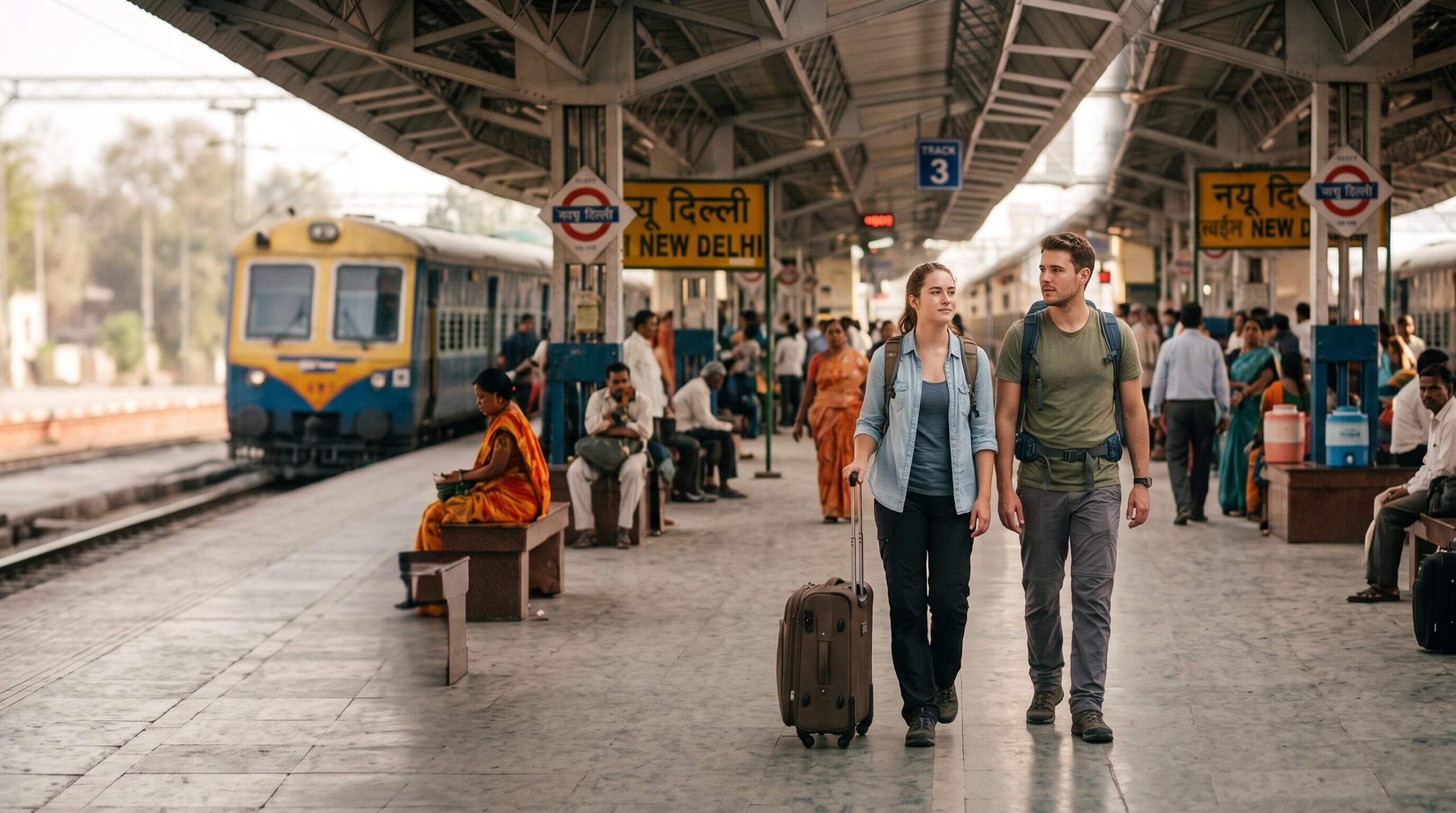
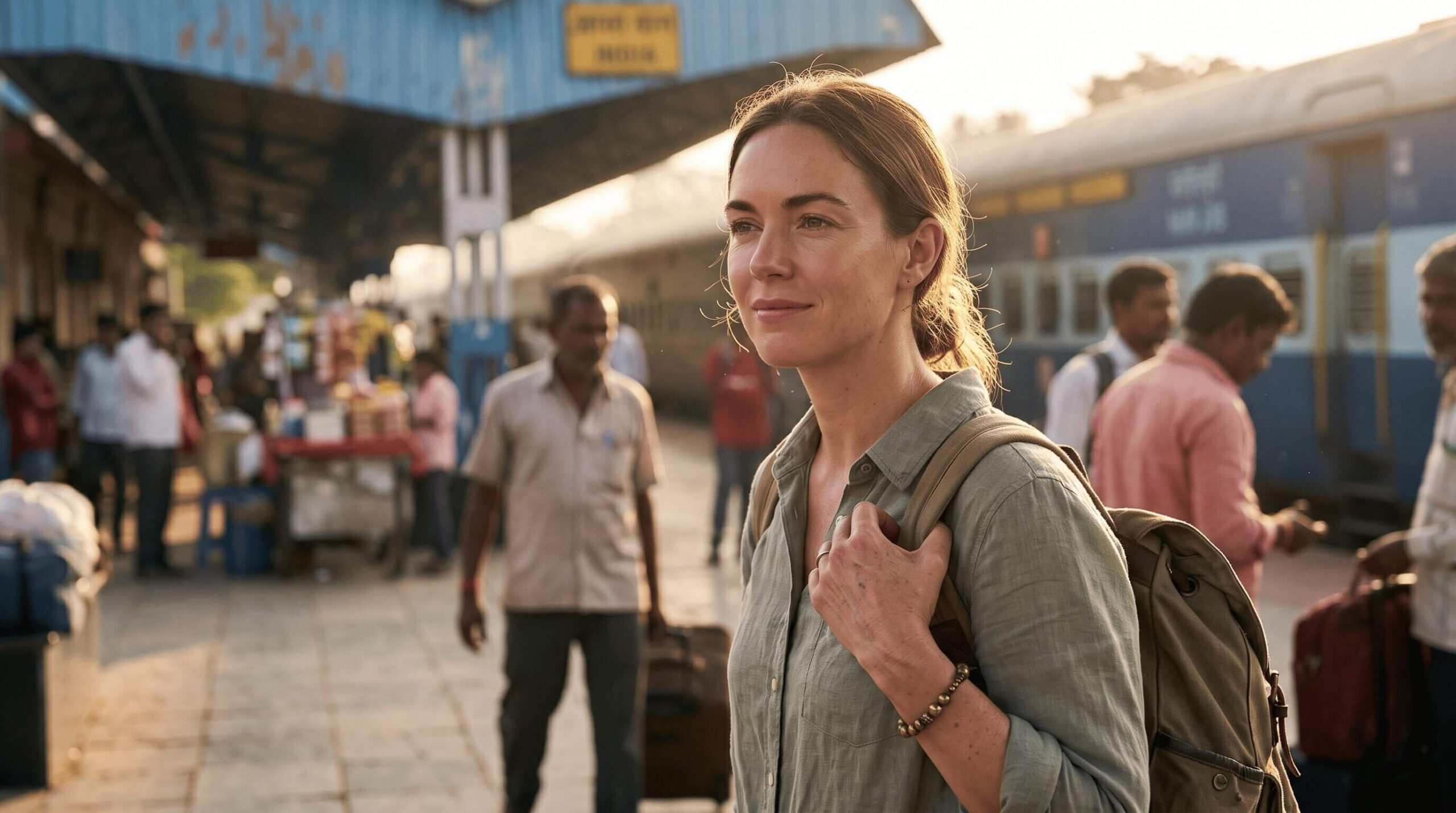
Trains in India are something else, so if you ever get the chance to ride one, make sure you do. But before you book, make sure to get your tickets through official channels—that means the IRCTC website or app, or get your hotel to sort it out for you.
And for first-time visitors to India, these train travel tips are a must-have for a smooth journey. While third-party booking sites do exist, you just can’t be too sure about them, so be sure to check their legitimacy.
Train Travel Essentials:
- Lock your luggage to the seat using a cable so it doesn’t get stolen on your journey.
- Keep your valuables in a money belt under your clothes; you never know what’s going to happen.
- At busy stations, be super cautious; there are many people around, and not all of them are there to help.
- Take your own water and snacks for long journeys; you never know when you’ll need a top-up.
- Download your tickets offline just in case you lose internet signal.
And if you’re a lady traveling on your own, it’s worth considering booking a ladies-only compartment—they are usually on the major routes and are a lot safer, quieter, and more comfortable than the other carriages.
Common travel scams in India
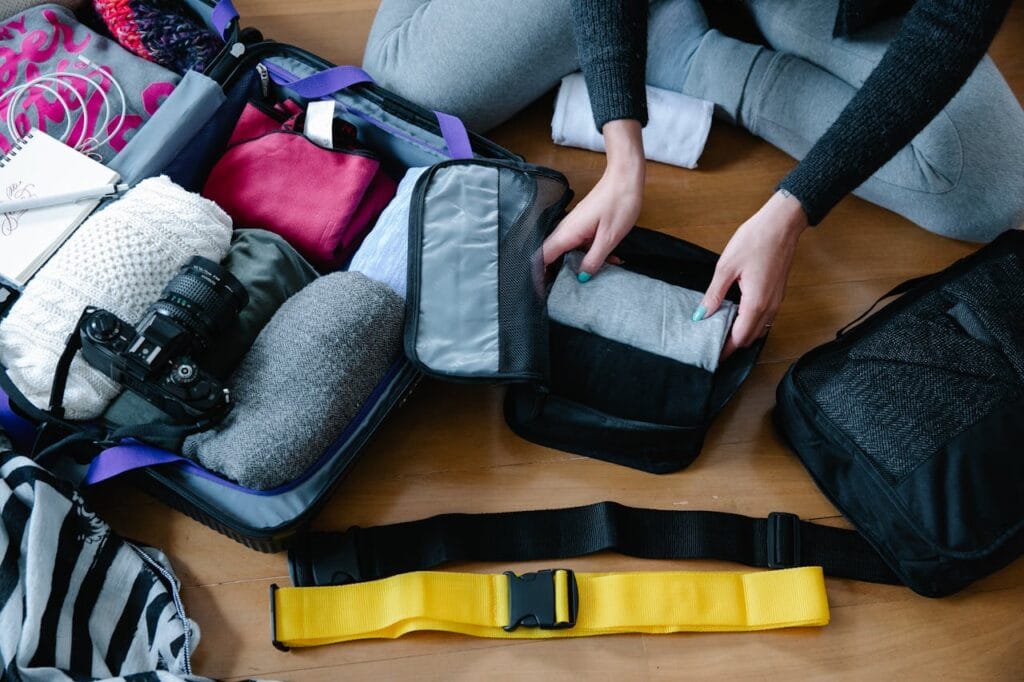
Theft is a problem in India, though it’s generally more of a hands-off rather than a violent kind. Tourists who put themselves in a position to be easily targeted are the ones most likely to have problems.
Here are some anti-theft safety tips for first-timers in India that should go a long way toward protecting your precious goods.
Essential anti-theft gear:
- A decent anti-theft bag that’s built with slash-proof material and has locking zippers that are so useful.
- A money belt—not a waist pack—to keep it safe, which you can wear under your clothes.
- A hotel safe where you can stash your passport and extra credit cards (you know, the usual suspects).
- Some small padlocks for hostels and your bags.
Make sure you take the time to copy your important documents, like your passport, visa, insurance policy, and credit cards.
Keep the copies somewhere safe, separate from the originals, and even better if you can email them to yourself; that way, you’ll have them accessible even if you’re on the go.
Smart behavior in crowded places:
- Keep your bag in front of you where you can keep an eye on it; it’s just simpler that way.
- Don’t be oblivious to people who seem to be lingering around you more than necessary.
- Stay on the lookout for distractions, the ‘spill,’ the ‘argument,’ the ‘lost child’—you know the kind of thing.
- Don’t go around flaunting your expensive camera or jewelry; leave it at home or keep it hidden.
- Just keep small amounts of cash on you in easy-to-reach places.
Recognize and Avoid Common Tourist Scams
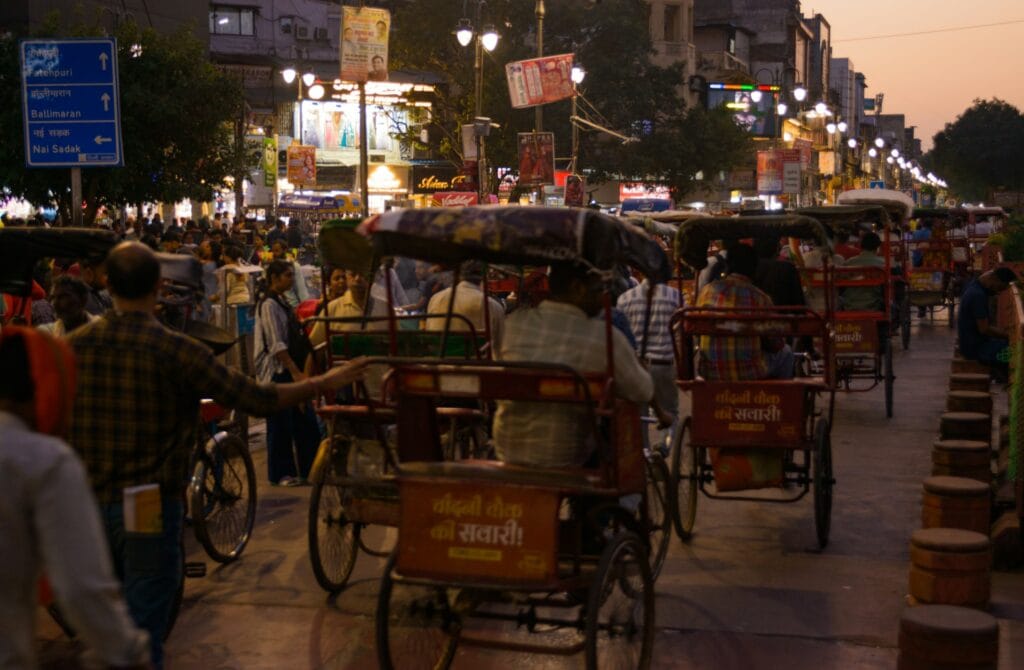
Traveling in India is a wild ride, but even the most adventurous tourists can fall victim to some scams.
Knowing what to look out for before you even arrive makes you a lot harder to take advantage of—and this is one of the most valuable things you can take away before your first trip.
Common Scams to Be on the Lookout For:
Closed Hotel Scam: You know the one; your taxi driver suddenly tells you that your hotel is closed, full, or on fire, or even more ‘conveniently,’ he tells you it’s in a dodgy part of town and will kindly take you to an alternative where he can rake in a nice commission.
No way! Get on the phone with your hotel, or even better, demand to be taken straight there despite what the driver says.
The Gem Scam: Some scoundrels have perfected this one—befriending you over a few days, then offering you a business deal that sounds too good to be true (and it is) to buy gems in India and sell them for a killing back home.
The thing is, the gems are complete rubbish. So stick to your guns and politely decline any business propositions from strangers, no matter how friendly they seem.
Fake Tourism Offices: Don’t be fooled by those ‘government-approved’ tourism offices; they’re not official government tourism offices. What they are is a bunch of private businesses that will rip you off with overpriced tours.
Do your research beforehand and book with someone you can trust, preferably with some decent reviews to back them up.
Photography Fees: If someone offers to take your photo—even a street performer or snake charmer—make it clear if you expect to be charged.
The same goes for anyone who wants to pose with you. Either agree on a price upfront or just say no, thanks.
Cultural dos and don’ts in India

How you dress and behave in India makes a huge difference in how people view and treat you, with serious implications for your comfort and safety.
Getting a handle on cultural norms isn’t just about being considerate—it’s also the key to having a trouble-free trip.
Dressing the Part in India
Honestly, modesty is the way to go in most of India, especially for women.
A few tips to keep in mind:
- When you’re out in public, try to keep your shoulders and knees covered.
- For your own comfort, go for loose, comfy clothes that don’t cling to your body; ditch the tight or eye-catching outfits.
- If you end up at a temple or gurdwara, a scarf or shawl to cover your head will be helpful.
- At homes and any places of worship, remember to kick off your shoes before you go in.
- Given the heat, lightweight, breathable fabrics are a must.
Dressing modestly isn’t just the right thing to do; it makes a big difference in how often you get stared at and how much unwanted attention you get, which in turn means a more pleasurable trip.
Some Social Manners to Go By
Some things that are as normal as breathing in your own country can actually be pretty off-putting in India.
Here are some important cultural norms to bear in mind:
- In public, you’ll be wise to keep your hands off your travel buddy—no hugging, cheek kissing, or holding hands.
- When eating or passing things around, use your right hand—your left is for personal hygiene.
- Don’t point your soles at people or at any places of worship—that’s just rude.
- If you see everyone else has kicked off their shoes, it’s a good bet you should too.
- Get permission before you snap a shot of a person, especially one of the women in your midst.
- Never photograph military areas or restricted locations.
Women’s Safety Tips for Traveling in India
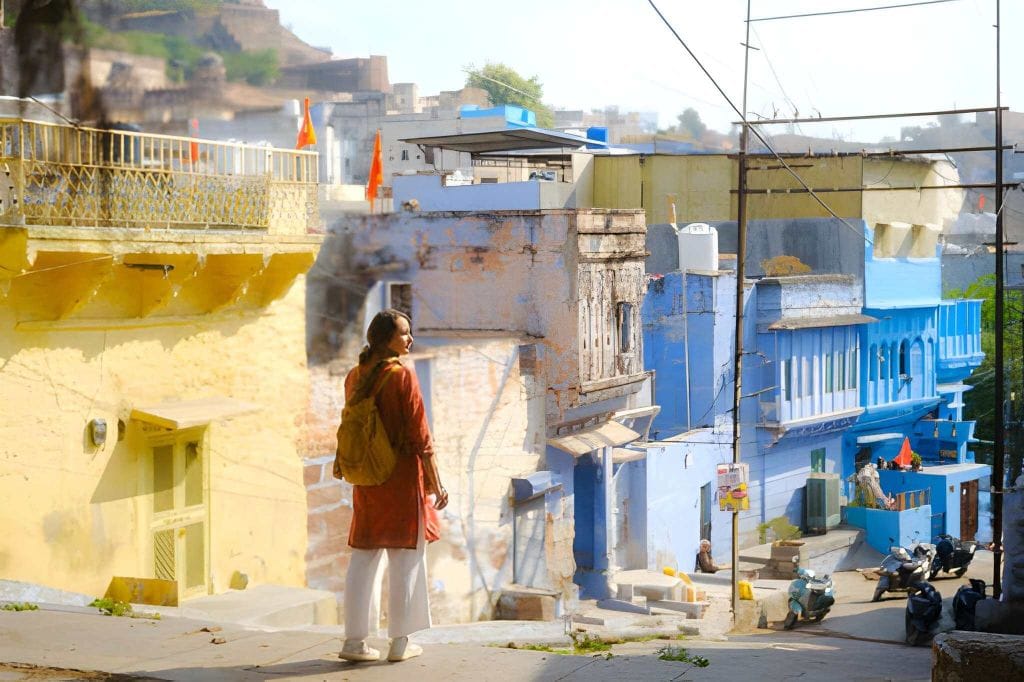
India is a top destination for women travelers, and that includes solo travelers, but at the same time, it can present a few challenges for women.
The good news is that with the right mindset and some planning, women can feel very confident and secure while exploring this incredible country.
Choosing Safe Places to Stay
Where you stay is a big part of feeling safe. This is one of the most important safety tips for first-time female travelers to India.
Before booking anywhere, check out these things:
- Is there a 24-hour reception on site?
- Are there decent lights at the entrance and in the hallways?
- Do the doors and windows have secure locks?
- Are the rooms on the upper floors? Ground-floor rooms are best avoided.
- Have other solo female travelers left any good reviews?
- Are there women-only hostels or female-run guesthouses?
- Would a homestay with a family be a good choice for a safer, local experience?
Getting Around Safely
How you get around is another way to reduce the risks and unwanted attention.
Practical safety strategies:
- Avoid going for a walk alone at night, especially in quieter areas; it just isn’t worth the risk.
- Stick to registered taxis, ride-share apps, or, if you’re at a hotel, use the transport service.
- Dressing in a way that shows respect for the local culture will help you blend in.
- Keep your phone charged and make sure you have some emergency contacts to hand.
- Walk with your head held high and look like you know where you’re going.
Dealing with Unwanted Attention
It’s worth remembering that staring is pretty common, and it’s not always because someone’s being rude. If you do find yourself in a situation where you feel harassed, don’t just ignore it.
If you do feel uncomfortable:
- Just ignore the staring or comments when you can; don’t let it get to you.
- If someone’s crossed a line and made you feel uncomfortable, be loud and firm and ask them to back off. Draw some attention to yourself and get out to a well-lit area right away.
- Don’t be afraid to ask for help from women you meet or shopkeepers; they’ll often be able to sort things out for you.
- Trust your instincts; if something feels off, just leave.
A Few Extra Safety Tips for Women Travelers
- Some of these things might seem like no-brainers, but they’re worth mentioning anyway.
- Join up with some women’s groups online before you set off.
- If you can, find a female guide to travel with.
- Try to book daytime trains for long journeys, they’re generally safer.
- Sitting near families or women on public transport will make you feel more at ease.
- Don’t accept food or drinks from strangers; it just isn’t worth the risk.
With a bit of planning, some common sense, and a healthy dose of confidence, women can have a remarkable time in India and stay safe while they’re doing it.
Emergency Preparation: Essential Safety Information

Among all safety tips for first-time travelers to India, knowing emergency contacts and healthcare options is absolutely critical.
Essential emergency contacts (save these now):
- National Emergency Number – 112
- Police – 112 or 100
- Fire – 101
- Ambulance – 102
- Disaster Management Services – 108
- Women’s Helpline – 1091
- Women’s Helpline (Domestic Violence) – 181
- AIDS Helpline – 1097
- Railway Enquiry – 139
- Senior Citizen Helpline – 1091
- Cyber Crime Helpline – 1930
Regional Safety Considerations in India
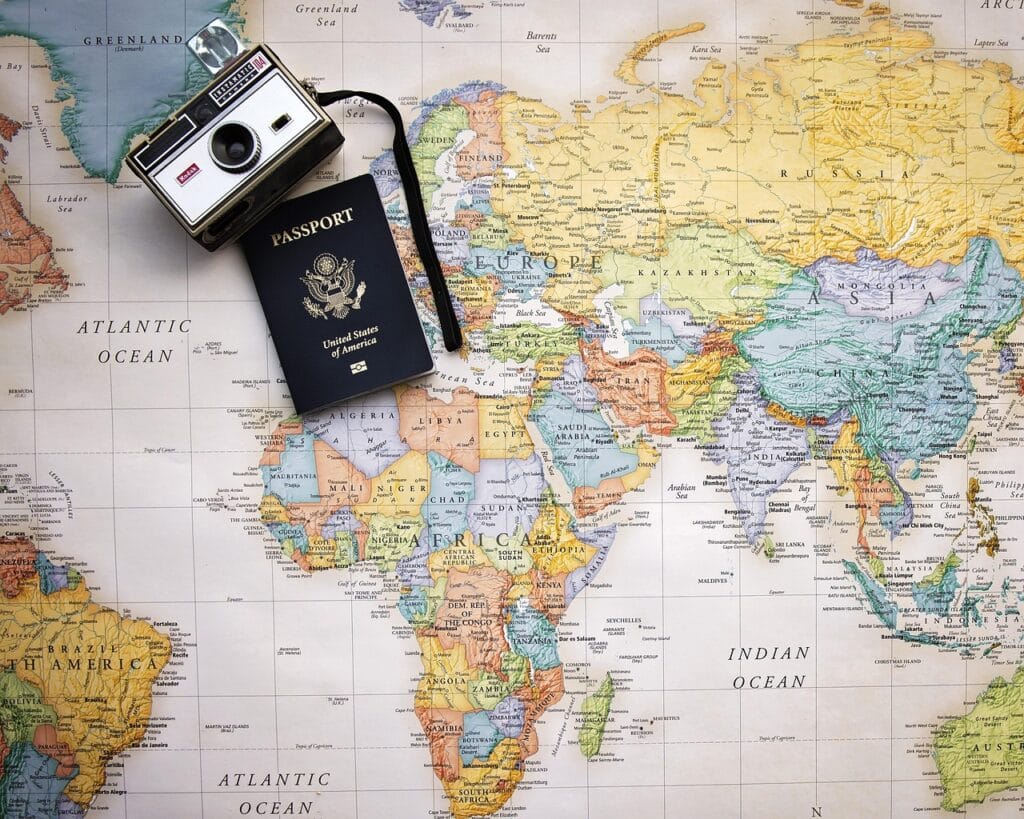
Every region of India has its own unique culture, climate, and set of safety concerns that first-time travelers need to be aware of. Understanding these regional safety tips will help you prepare for your time in India.
Northern India (Delhi, Rajasthan, Himachal Pradesh):
- Be on your toes in Delhi; tourist scams are rife, and you need to stay one step ahead.
- If you’re heading for the mountains, don’t forget to acclimatize to the high altitude.
- Winters can be downright bitter in this part of India. Be prepared with warm clothing.
- The good news is that tourist infrastructure is well-developed, making it relatively easy to get around.
Southern India (Kerala, Tamil Nadu, Karnataka):
- Compared to other places in India, this region is generally pretty relaxed and tourist-friendly.
- The tourist infrastructure is top-notch around here, too.
- If you’re planning to visit during the monsoon season (that’s June to September), be aware that flooding is a possibility.
- That said, if you’re heading into tourist areas, you’re likely to find plenty of people who speak English.
Western India (Goa, Mumbai, Gujarat):
- Goa is a great place to relax, but don’t get too careless; beach theft is a problem.
- In Mumbai, the busiest city in India, the main tourist areas are generally safe and secure.
- During festival season, though, it’s best to steer clear of the crowds.
Eastern India (West Bengal, Odisha):
- Kolkata might look a bit chaotic, but it’s actually quite safe.
- The cyclone season runs from May to June and from October to November. Make sure you’re not in the path of any storms.
- If you’re looking for an off-the-beaten-path experience, this is the place to come.
Never leave belongings unattended while swimming. Avoid political demonstrations and rallies wherever you are in the country.
Build a Safety Network While Traveling in India
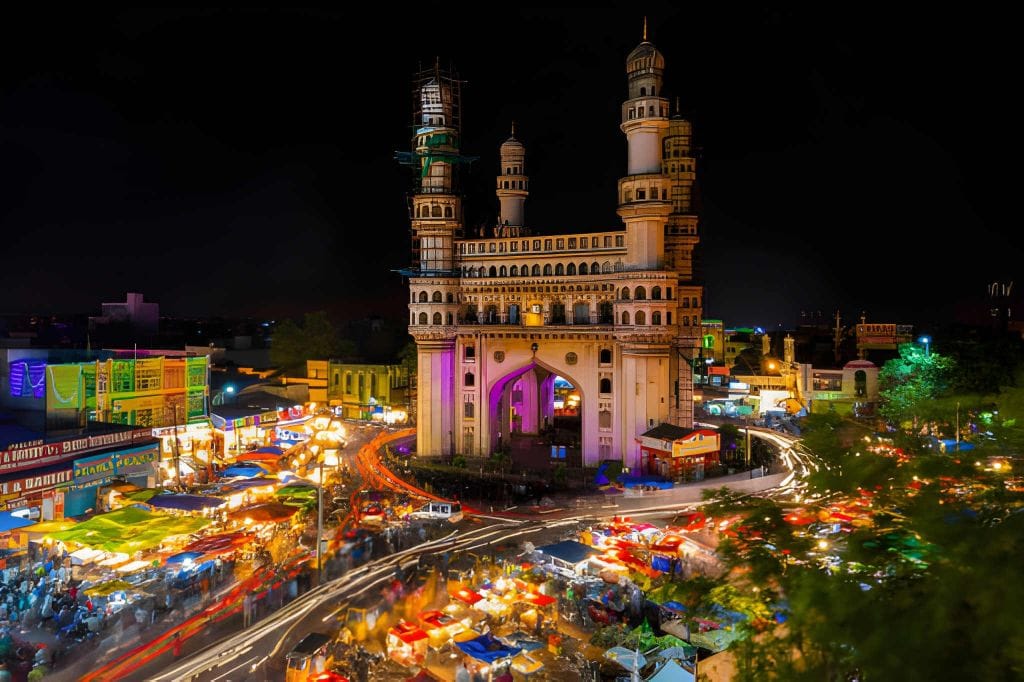
Other travelers are some of your best friends when you’re in India. You’ll make connections through hostels, group tours, or just joining online travel communities with like-minded people.
Don’t be afraid to join group activities when you arrive somewhere new; it’s a great way to meet people without going it alone right off the bat.
The staff at your hotel can also be a wealth of knowledge and a quick help when you need it not to mention they’re always happy to offer some helpful local advice if you ask.
When heading into unfamiliar or far-flung areas, try to stick with a trusted guide if you can, and if you want up-to-the-minute safety info, then join travel forums or download an app that’ll give you the lowdown.
Your Next Indian Adventure is Waiting
To be honest, when you first arrive in India, it can feel a bit overwhelming, but trust me, it’s also one of the most beautiful and unforgettable places you’ll ever visit.
Sure, there are safety concerns, but they shouldn’t stop you from going out there and giving it a go. Start off with the more popular routes like the Golden Triangle, Kerala, or Goa, places where travel is a lot easier.
As soon as you get a bit more confident, you can then start to venture out into the more remote areas. The overwhelming majority of travelers leave India with a ton of amazing memories and are left with a strong hankering to go back.
Final Tips to Travel Safely in India
The thing about India is that it can almost surprise you with its warmth and welcoming nature.
It’s the simple moments that stay with you forever: a cup of chai with a local, a bit of banter with a shopkeeper, or the friendly smile from a local as you pass by.
Book a place to stay first thing, do some research into your destinations, and be aware of what’s going on.
These tips aren’t meant to scare you off; it’s just about giving you the tools to have a safe and happy time in this astonishing country.
FAQs for Safety Tips for First-Time Travelers to India
What are the most important safety tips for first-time travelers to India?
First-time travelers should focus on health precautions, safe food and water habits, reliable transportation, cultural awareness, and protecting valuables. With basic planning and common sense, India is a safe and rewarding destination.
Is India safe for first-time travelers?
Yes, India is generally safe for first-time travelers who stay alert, follow local customs, avoid risky situations, and use trusted transport and accommodation. Millions of tourists visit India safely every year.
What health safety tips should first-time travelers follow in India?
Key health safety tips include getting recommended vaccinations, drinking only sealed bottled water, eating freshly cooked food, carrying a medical kit, and having comprehensive travel insurance.
How can first-time travelers avoid scams in India?
To avoid scams, book hotels and transport through trusted sources, be cautious of unsolicited offers, confirm prices upfront, and avoid unofficial tourism offices or “too good to be true” deals.
Are there specific safety tips for first-time women travelers in India?
Yes, women travelers should choose secure accommodation, dress modestly, avoid walking alone at night, use registered taxis or ride-share apps, and trust their instincts in uncomfortable situations.
What transportation safety tips should first-time travelers follow in India?
Use ride apps like Uber or Ola, pre-book trains through official websites, agree on fares before rides, keep belongings secure, and avoid unregistered taxis whenever possible.
What emergency numbers should first-time travelers save in India?
First-time travelers should save India’s national emergency number, 112, along with local police, ambulance services, and women’s helplines for quick access in emergencies.
How can first-time travelers stay culturally safe while visiting India?
Travelers can stay culturally safe by dressing modestly, respecting religious customs, asking permission before taking photos, using the right hand for eating, and being mindful of local social norms.
Image Credit: Pixabay
Safety First: Official Guidance
Before you make final plans, check the latest travel advisory from the U.S. Department of State, which offers up-to-date safety information and cautions for travelers heading to India.
