

India isn’t just a country – it’s an entire world packed into one subcontinent. With 28 states and over a billion people, you could start your morning in the Himalayas and end it on a tropical beach.
If you’re searching for the best places to visit in India for first-time travelers, you’re probably feeling a bit overwhelmed.
I’ve watched too many newcomers make the classic mistake: cramming their itinerary with everything and burning out fast, missing the magic happening right in front of them.
The truth is, India is a place that rewards those who take their time and opt for depth rather than a scattergun approach. This guide is a game-changer.
I’m sharing my favorite destinations that will give you that real India experience without overwhelming you with decent infrastructure, some seriously unforgettable experiences, and that perfect balance of culture shock and comfort.
Whether you’ve got ten days or a month ahead of you, these spots will let you fall in love with India the way it’s meant to be loved.
Why First-Time Travelers Need a Different Approach
India is a country that operates on its own rules. Traffic rules are more of a guideline than a hard and fast rule. Those “mild” spice levels that locals claim are actually pretty tame can have you grabbing for a glass of water fast.
And when they say there’s a “short delay”, be prepared for a 3-hour wait. You don’t need to dive headfirst into the chaos on your first visit. The following destinations are a good place to start:
- You can rely on getting a decent place to stay and transport options that work alright.
- In the tourist areas, English is commonly spoken, so you’ll be able to get by.
- The infrastructure for tourists is pretty well established at this point.
- You’ll get to experience the key attractions that make a flight halfway around the world worthwhile.
- You’ll get a good dose of sensory overload without going completely bonkers.
Think of this trip as a foundation for your Indian adventure, a place to learn the ropes, so to speak. Once you’ve got a feel for the place, you can always go back and explore the more remote parts next time around.
The Golden Triangle: Delhi, Agra, and Jaipur
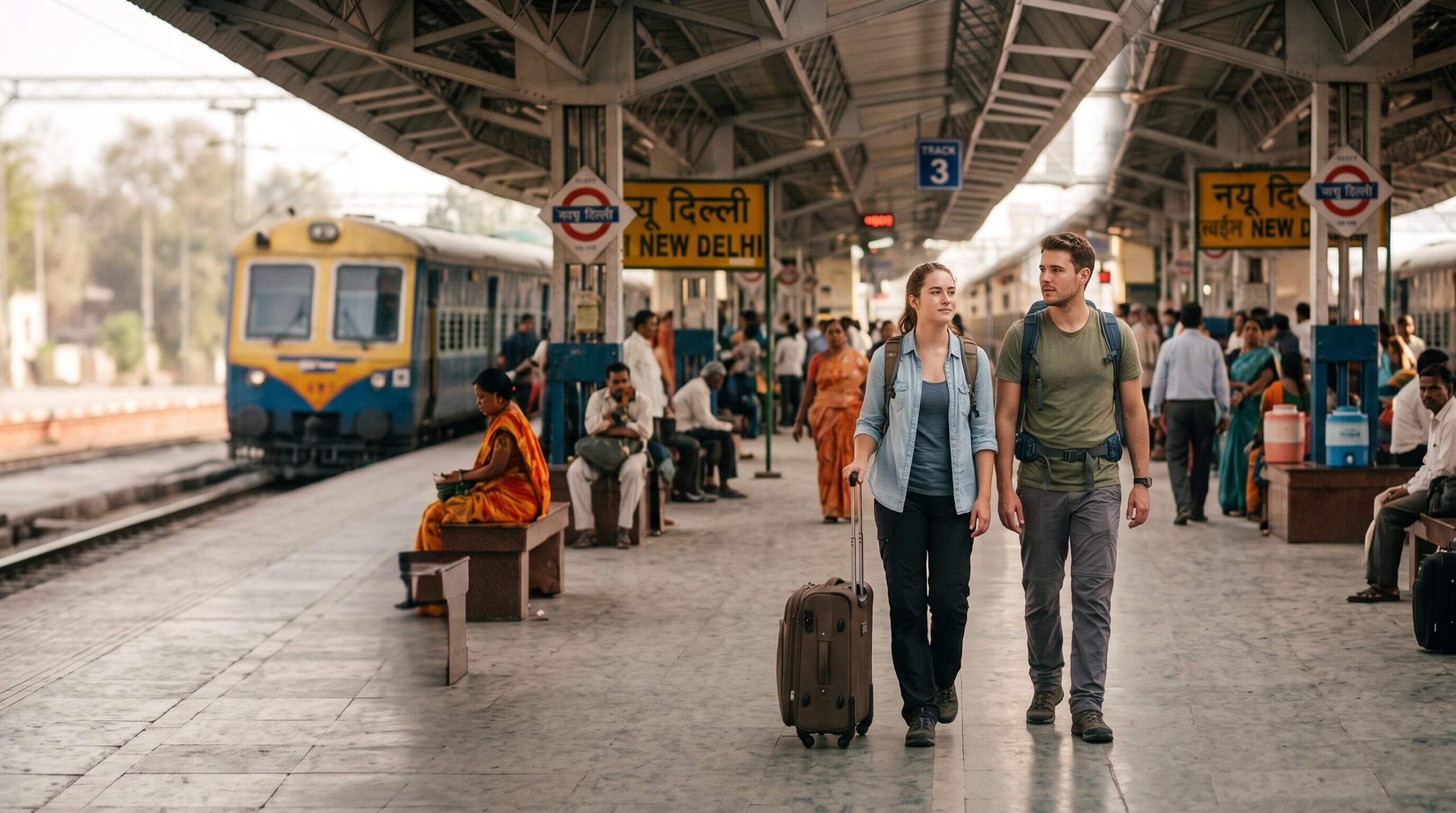
New Delhi: Your Gateway to India
Delhi slaps you in the face literally; from the moment you step out of the airport, the pungent smell of burning incense and diesel fumes hits you like a ton of bricks.
A city that’s over 1,000 years old, Delhi is actually two places that have just been smashed together, and that contrast is what makes the whole experience so mind-boggling.
Old Delhi is like stepping back in time. Ride a cycle rickshaw (try to get one for 100 to 150 rupees for 30 minutes – it’ll be an adventure) down the cramped lanes of Chandni Chowk, and you’ll end up passing spice markets where the same traders have been working for generations.
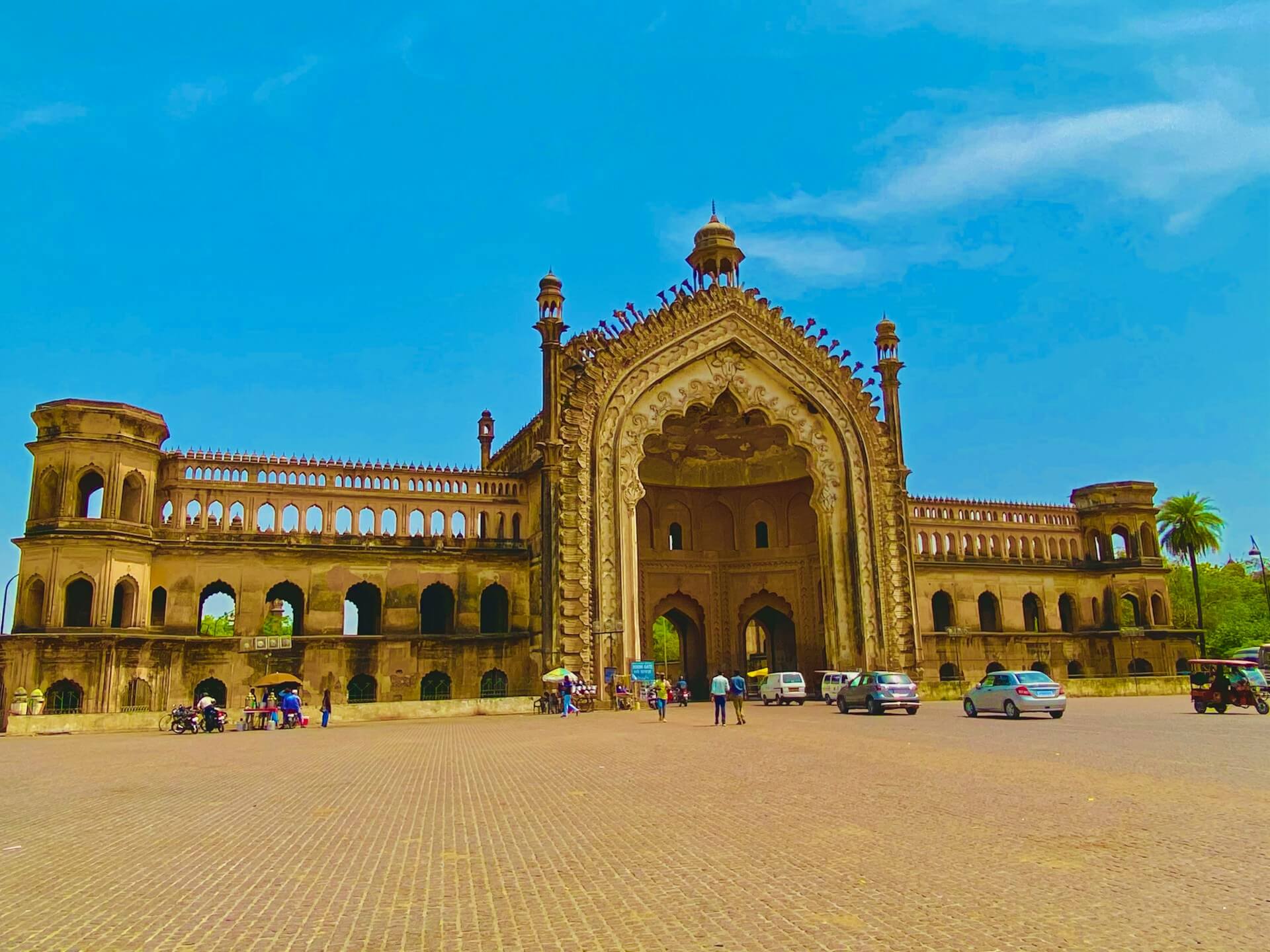
The Red Fort is right there as a reminder of the Mughal Empire’s power, and the Jama Masjid; India’s biggest mosque has some seriously worthwhile rooftop views if you can be bothered to climb.
New Delhi, on the other hand, shows you the face of modern India.
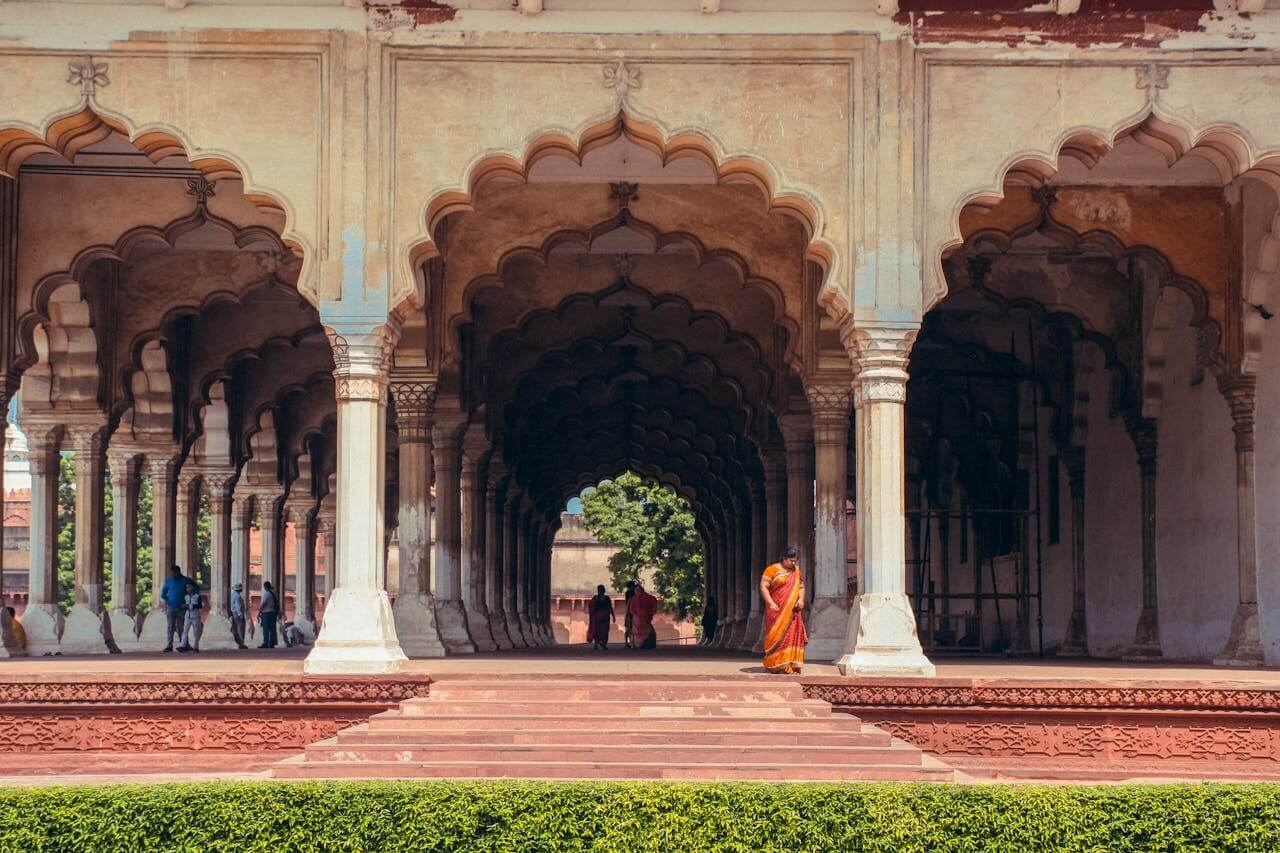
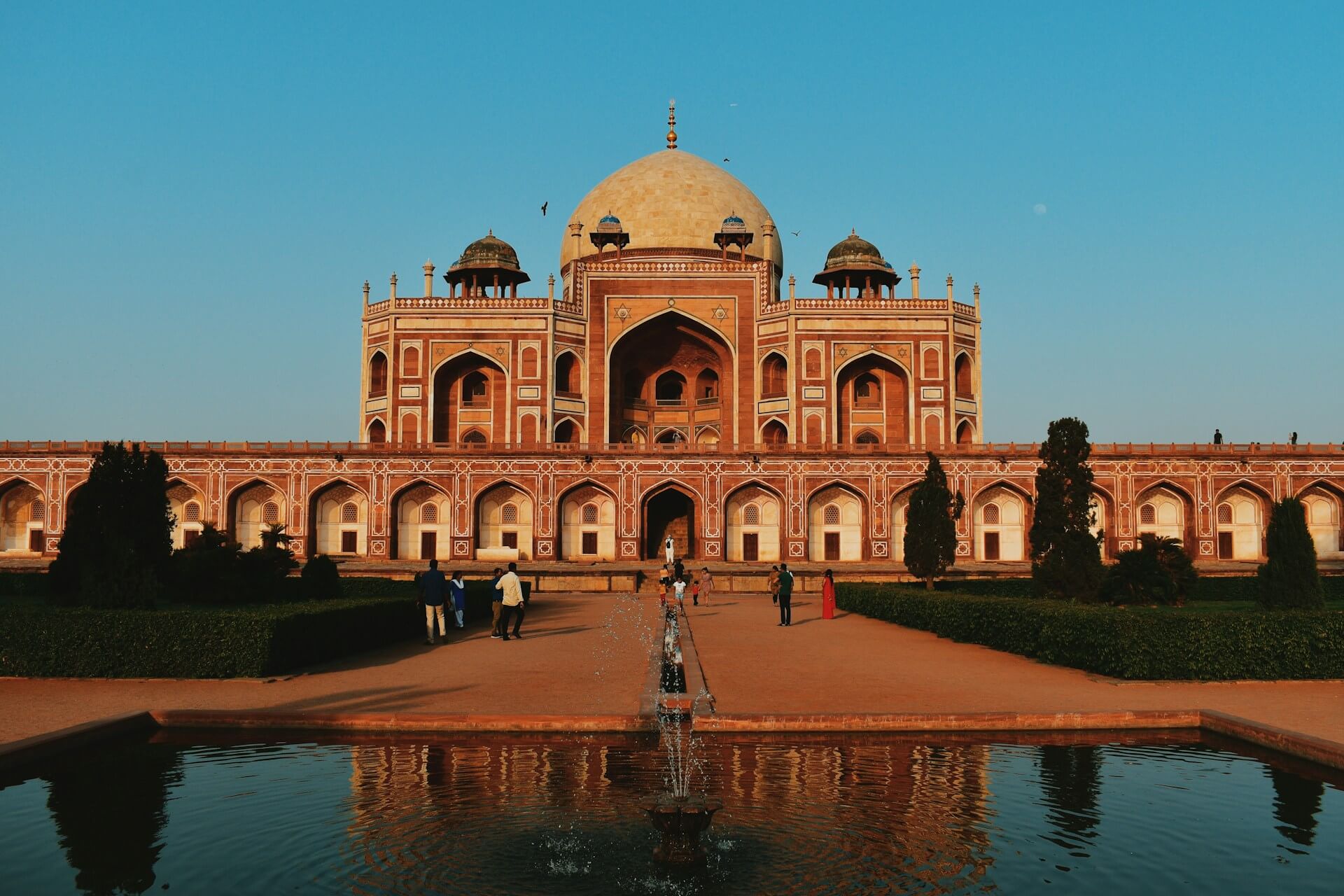
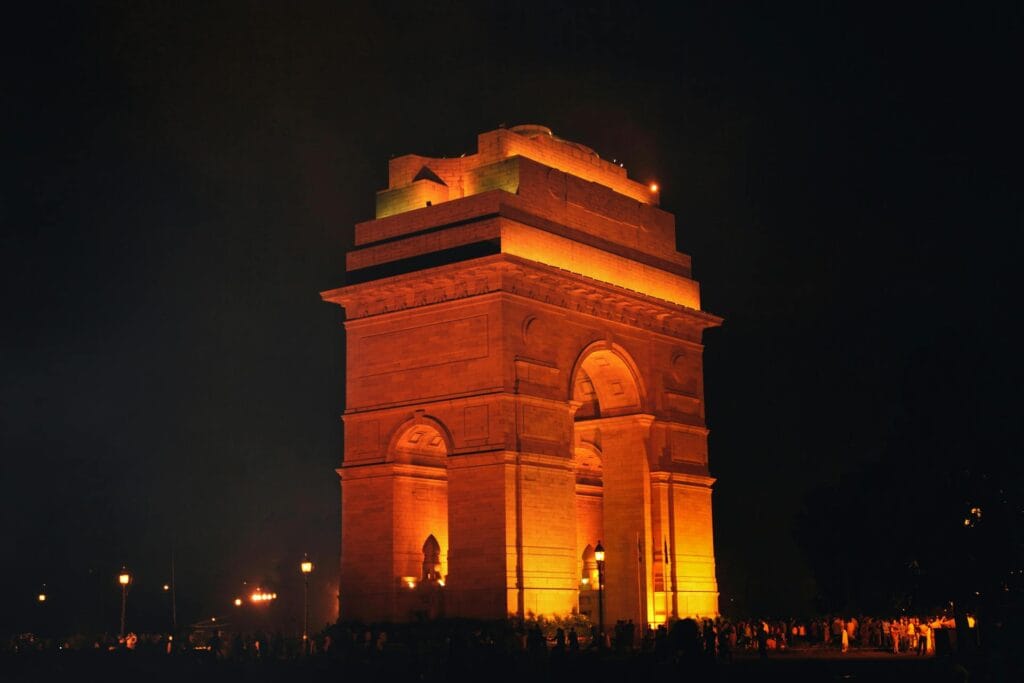
The India Gate war memorial is set in a nice, bright park where families picnic on Sundays, even when the heat is through the roof. Humayun’s Tomb gives you a sneak peek of Mughal architecture before you get to the actual Taj Mahal.
Budget reality check: Budget time – for starters, mid-range hotels usually run 2,000 to 4,000 rupees a night in safe areas like Paharganj or near Connaught Place.
A Metro Day Pass will get you almost anywhere for 200 bucks. Street food will cost you 50 rupees for a meal, while a sit-down restaurant will cost you 400 to 800 for a sit-down meal.
Common mistake: First-time visitors often skip Lodhi Gardens. This old park is actually a combination of 15th-century tombs and jogging paths. This is where you’ll see real Delhi residents living their lives, not just some touristy sights.
Agra: Beyond the Taj Mahal
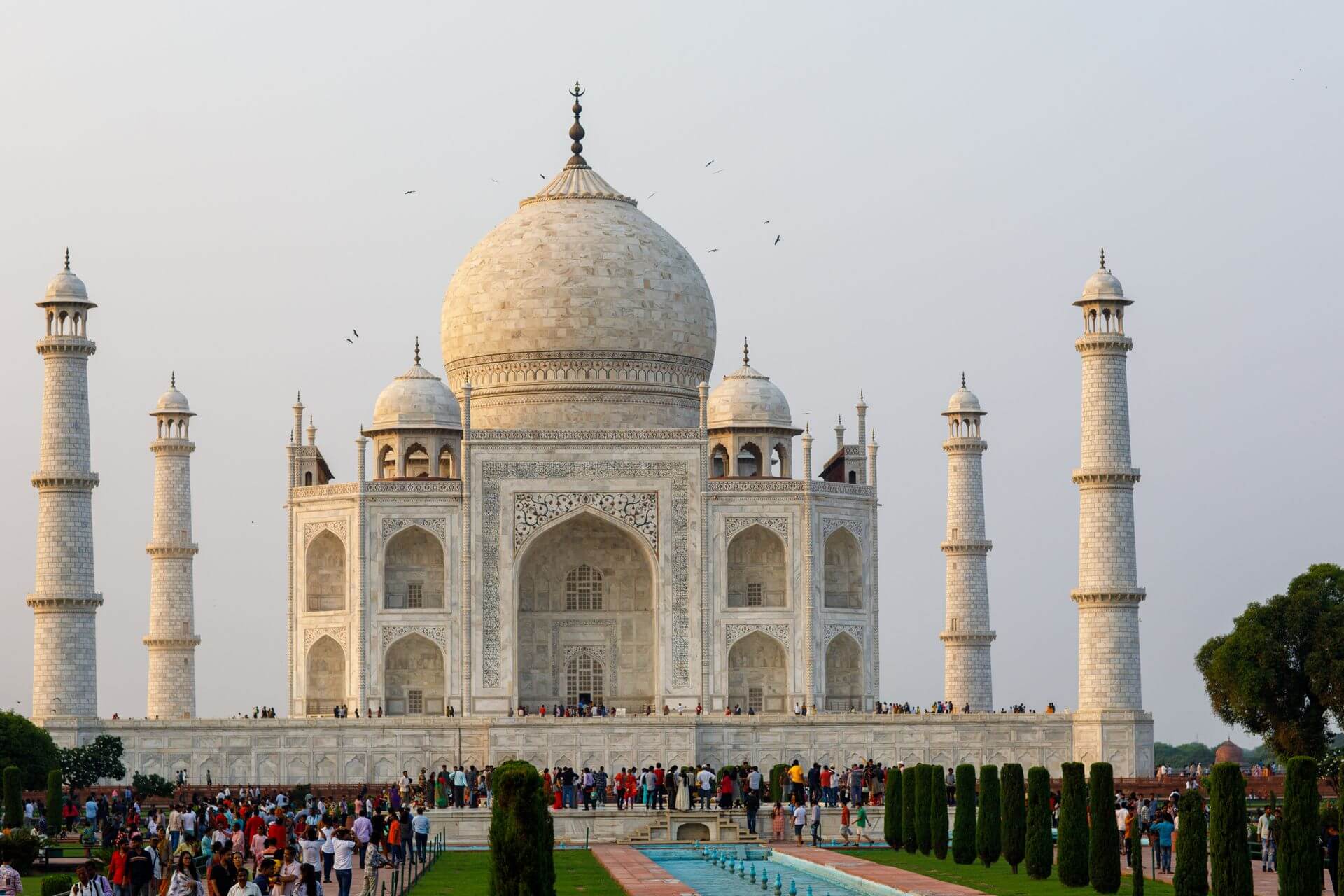
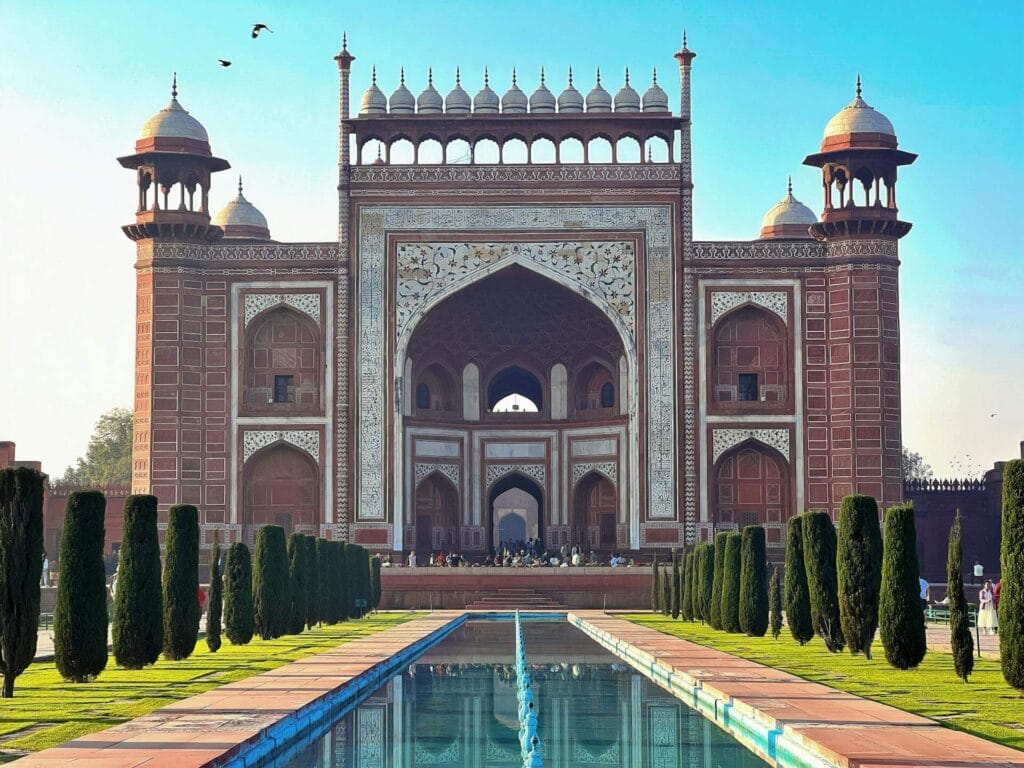
Many people come to Agra to see the Taj Mahal, and then they’re done. Don’t be one of them. The Taj is certainly worth all the hype – sunrise painting its white marble pink and gold makes the 5 AM wake-up call worth it.
But there’s so much more to Agra than that famous monument. The Agra Fort is a real gut-wrencher, the story of Shah Jahan, who built the Taj for his wife, then spent his last few years stuck in there, staring at her tomb across the river.
Fatehpur Sikri is a whole Mughal city just 40 kilometers away, an entire capital that was abandoned after just 14 years because of water shortages.
The red sandstone complex stands frozen in time, and you’ll often have huge sections to yourself.
Practical tips:
- Don’t bother with the main queue at the Taj; book your tickets online (₹1,100 for foreigners) and get in quickly.
- If you want to avoid the crowds, sunrise viewing (6–7 AM) is the way to go. You’ll miss the sunset chaos and get better light, too.
- If you’re serious about getting the most out of your visit, hire a local guide (₹500–1,000), and they can explain the symbolism behind every little detail.
- If you want to do this right, stay in Delhi or Jaipur and take a day trip to Agra. Agra town just isn’t as nice to stay in.
Jaipur: That Magical Pink City Experience
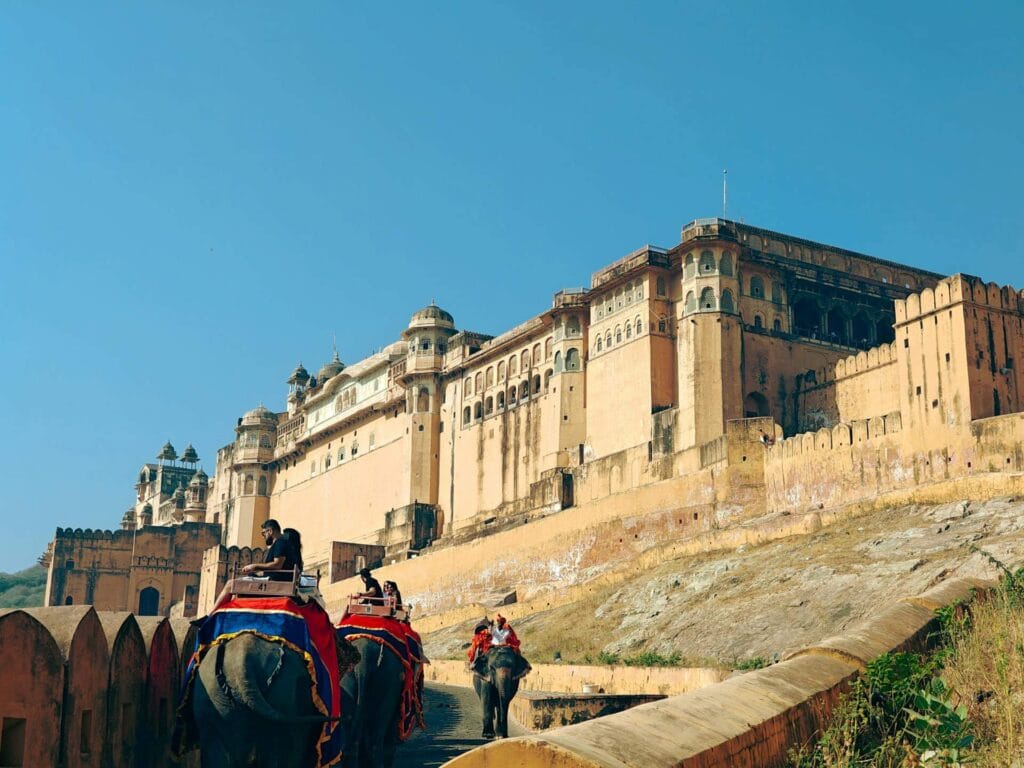
Jaipur is much easier to get around for first-timers than Old Delhi ever will be. The streets all follow a grid pattern, the pink buildings make all your Instagram snaps look perfect, and the palace culture is like something from a film.
The City Palace is still home to Jaipur’s royal family in one part, while the rest of it is open to the public to visit.
Jantar Mantar is this crazy old 18th-century observatory where the Indians were calculating eclipses and planets with freaky accuracy long before anyone else even thought of it.
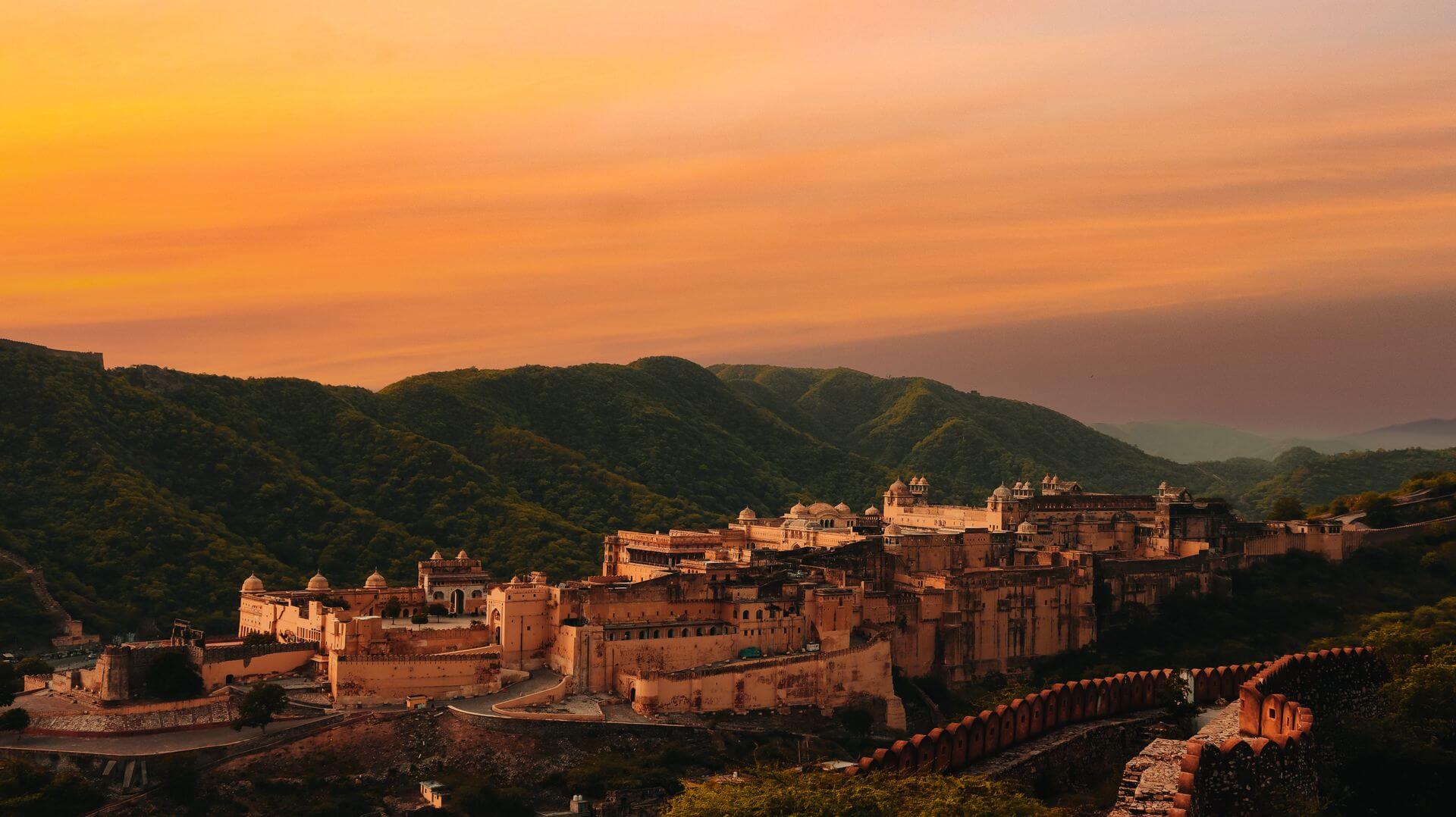
Amber Fort is a must-do, really early in the morning, before the heat and crowds start building up. You can ride an elephant up (₹1,100 – which personally I’ve never felt too comfortable with) or take a jeep (₹400 for 5 people).
The mirror work inside the Sheesh Mahal shining in the sunlight is almost like magic, though. The thing visitors seem to miss: the stepwells.
Panna Meena ka Kund and Chand Baori (just outside in Abhaneri) are these absolute masterpieces of architectural design that solve the water storage problem in seriously cool ways; they even make pretty great snaps.
Shopping the real deal: Jaipur is the craft capital of India; think textiles, jewelry, and blue pottery. Government emporia are a great place to get a sense of the prices before you hit the markets and the bazaars. Don’tbe afraid to start negotiating at 40% off the asking price.
Rajasthan’s Desert Gems
Udaipur: The City of Lakes and Romance
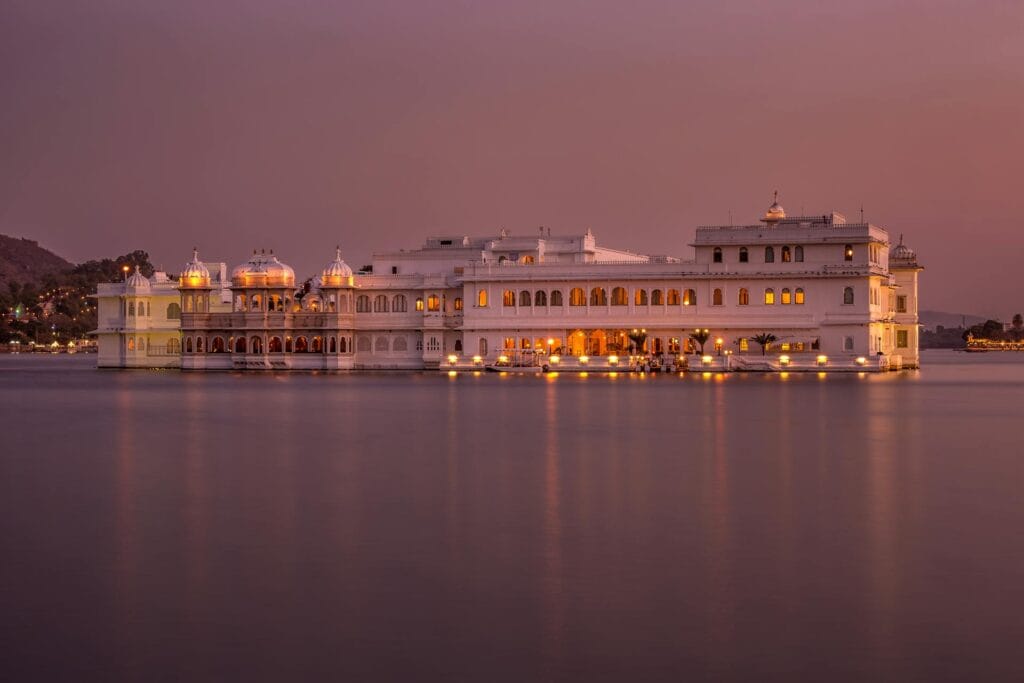
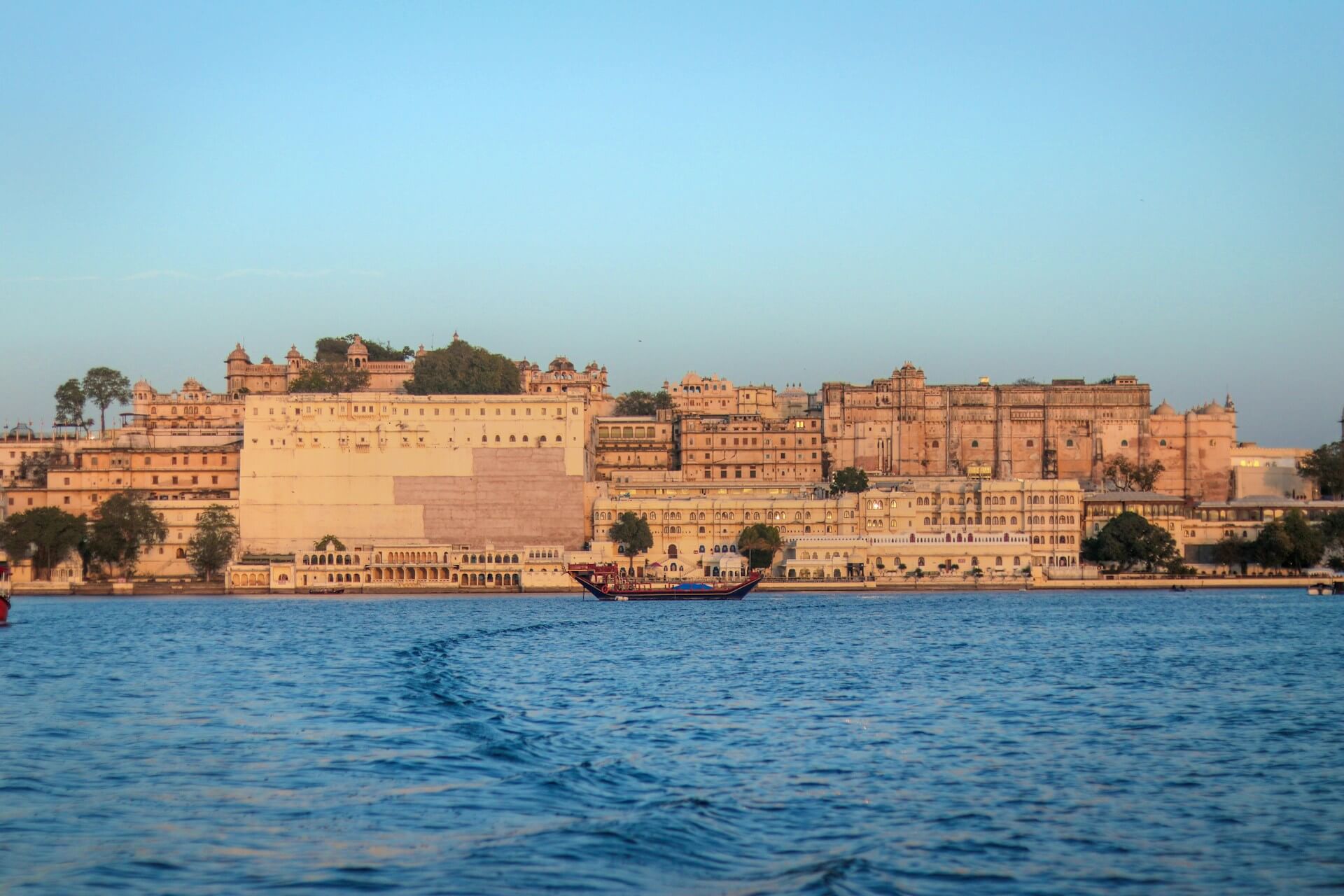
While Jaipur exudes royalty, Udaipur oozes romance – and for good reason. The city unfolds around artificial lakes with the magnificent Aravalli Hills towering in the backdrop, giving you a taste of India without the frenetic pace.
Take the picture-perfect Lake Pichola – its tranquil waters, glowing white palaces, and the dramatic hills around it make for a postcard-perfect view.
The City Palace spreads across the eastern shore with a wealth of courtyards, museums, and some of the most stunning views you can imagine.
Time your visit for sunset, and you’ll be treated to a golden light show that will take your breath away. A boat ride across the lake (between 500–700 rupees per person) will take you to the pretty little island of Jag Mandir.
And although the Lake Palace is now a luxury hotel, you can still treat yourself to a high tea or dinner there if you book ahead.
Hidden away in a hill just outside the city is the Monsoon Palace – its views from atop are so breathtaking that it’s little wonder why Maharaja Sajjan Singh chose this spot to build his summer retreat.
On a good sunset visit, you can see why he loved it so much – the views stretch as far as the eye can see.
Budget Breakdown: Udaipur has options to suit every pocket. Old city guesthouses start at about 1200 rupees a night. Mid-range heritage hotels are between 4,000 and 8,000 rupees.
If you really want to splurge, a night at a haveli with lake views is a luxury worth treating yourself to.
Jodhpur and Jaisalmer: Desert Escapes You Won’t Forget
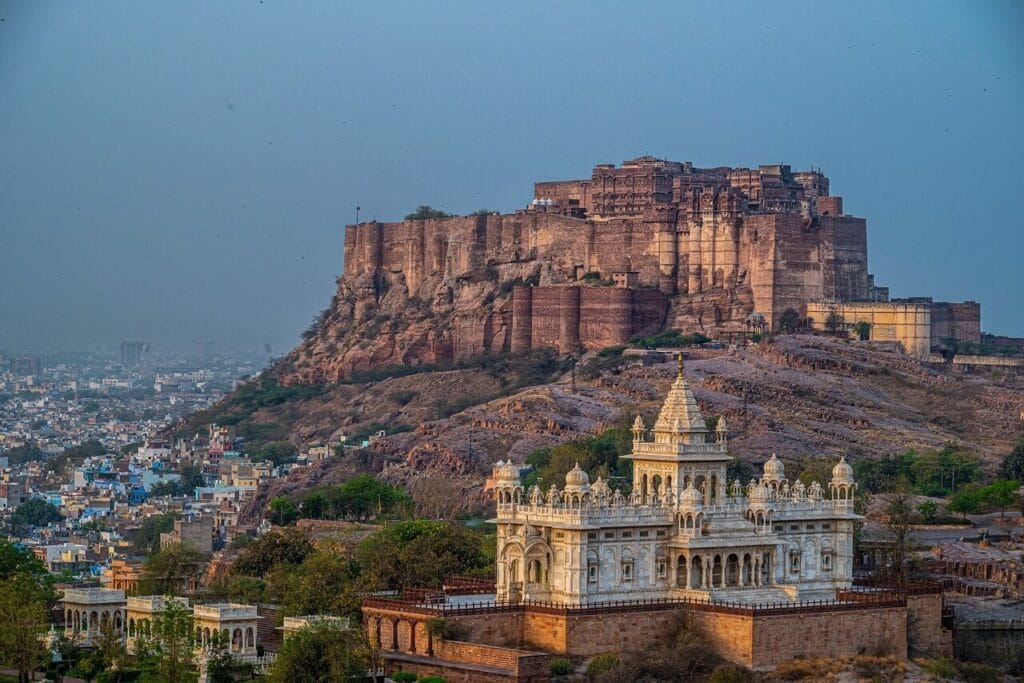
Jodhpur’s towering Mehrangarh Fort is impossible to miss as it stands out against the blue-painted sky of the “Blue City” from every vantage point.
The fort’s museum surpasses all the others in Rajasthan – for one, the exhibits are exceptionally well put together – and you get English audio guides as well.
Plus, those ancient ramparts give you simply breathtaking views of the old city houses below, which, by the way, are all painted a gorgeous shade of blue.
The clock tower market down below gets absolutely crowded, but that’s the whole point – it’s where you’ll find authentic Rajasthani culture.
Try to find that old, century-old shop near the clock tower and get a cup of the fantastic makhaniya lassi for 60 rupees – it’s thick enough that you don’t even need a straw to drink it.
Jaisalmer is literally right on the edge of Pakistan, perched at the very top of the Thar Desert – what you have here is a sandstone city carved out of the desert, straight out of a fairytale.
And nestled inside this living fort, you’ll find 3,000 residents living their lives inside 12th-century walls – one of the only remaining inhabited forts in the world. For a desert experience here, you can take a camel safari and set up camp in the dunes.
Forget about those pushy tour operators touting for business at the fort entrance – there are plenty of reputable companies that charge anywhere from 2,500 to 4,000 rupees per person for an overnight trip that includes a sunset camel ride, a proper meal of traditional food, and then sleeping under the stars.
Timing is everything here – during the summer months, it hits a scorching 45°C (113°F) – so do yourself a favor and visit between October and March when the days stay pretty comfortable and the nights are cool enough to even have a bonfire.
Kerala: Backwaters and Beach Culture
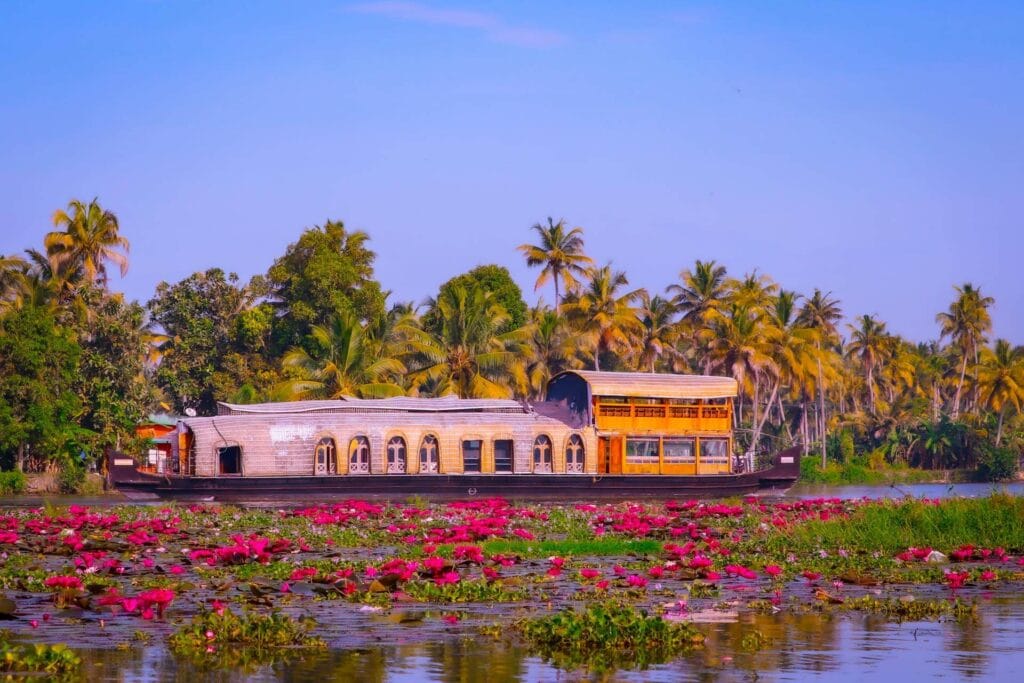
Kerala is a breath of fresh air after the intensity of North India. Everything here seems to run at half speed. The food scene is all about coconuts and freshly caught seafood, a welcome change from the rich curries you find up north.
And with literacy rates a whopping 95%, you can expect better roads, more reliable communications, and a general air of competence.
Kochi: A True Melting Place
Fort Kochi has it all – the rich history of India’s different cultures all packed into a bunch of walkable streets.
Head down to the harbor, and you’ll see the Chinese fishing nets still in use today (they were first introduced over 600 years ago), and the Dutch Palace and Jewish synagogue are a testament to the traders who settled here many centuries back.
Watching a Kathakali dance performance (₹500, 6 PM shows) is a highlight – and it’s all the more fun because the artists give you a show before the show starts; getting their elaborate makeup on and perfecting their facial expressions is almost as impressive as the dance itself (you can read the story even if you don’t speak the language).
Food: Kerala’s Syrian Christian cuisine is a must-try. Start your day with a plate of appam (fermented rice pancakes) accompanied by ishtu (a rich coconut milk stew).
For lunch, head to one of the beach shacks where fresh seafood gets grilled or fried, and you can buy a fish thali (₹250-400)—complete with rice, fish curry, fried fish, and a bunch of local vegetables.
Alleppey Backwaters
For many travelers, the houseboat trip really does paint Kerala in a pretty picture. These old rice barges, converted into comfortable homes on the water, cruise past palm trees and through villages where life is literally lived on the water.
Day trips on a houseboat (about 3,000 to 5,000 rupees for the whole boat and should have space for 2 to 4 people) can give you a taste of the place, but if you really want to experience it, spend the night (₹8,000 to twenty thousand, depending on the level of luxury).
You get to wake up to a beautiful mist rolling in from the water and have the bonus of seeing the toddy tappers making their way up palm trees.
But let’s get real for a second: houseboats can sometimes feel a little too touristy, and you end up totally cut off from local life. If you want to experience the real deal, try staying in a homestay in Kumbalangi or Champakulam villages.
You’ll be paying much less (₹1,500 to 3,000) and actually get to interact with local people rather than just the crew on the houseboat.
Varkala and Kovalam Beaches
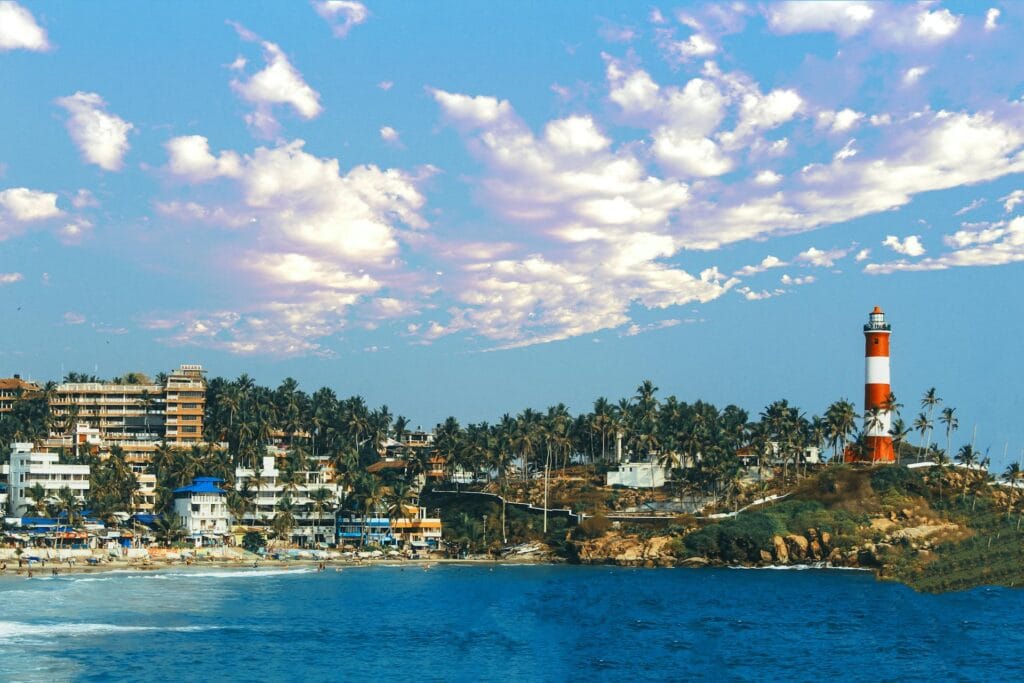
After a bit of cultural overload, Kerala has all you need for a beach recovery, if that’s what you’re after.
Varkala’s dramatic red cliffs just drop off straight into the Arabian Sea—and the North Cliff area seems to have just the right balance: a lively backpacker scene with some excellent restaurants and yoga schools thrown in.
Kovalam, on the other hand, is a bit more of a resort town—if you’re after a bit more comfort and a more chill swimming experience. Lighthouse Beach is a beautiful crescent of sand with some pretty views from the red and white striped lighthouse.
Ayurveda – Kerala is where it all began. Proper centers offer all manner of treatments and massages (from, say, 2,000 to 4,000 rupees) up to full-on panchakarma detox programs lasting up to a week.
Just make sure to do your research—it’s a bit of an industry, and not all providers are created equal.
Goa: More Than Just Beaches – A State That Will Surprise You
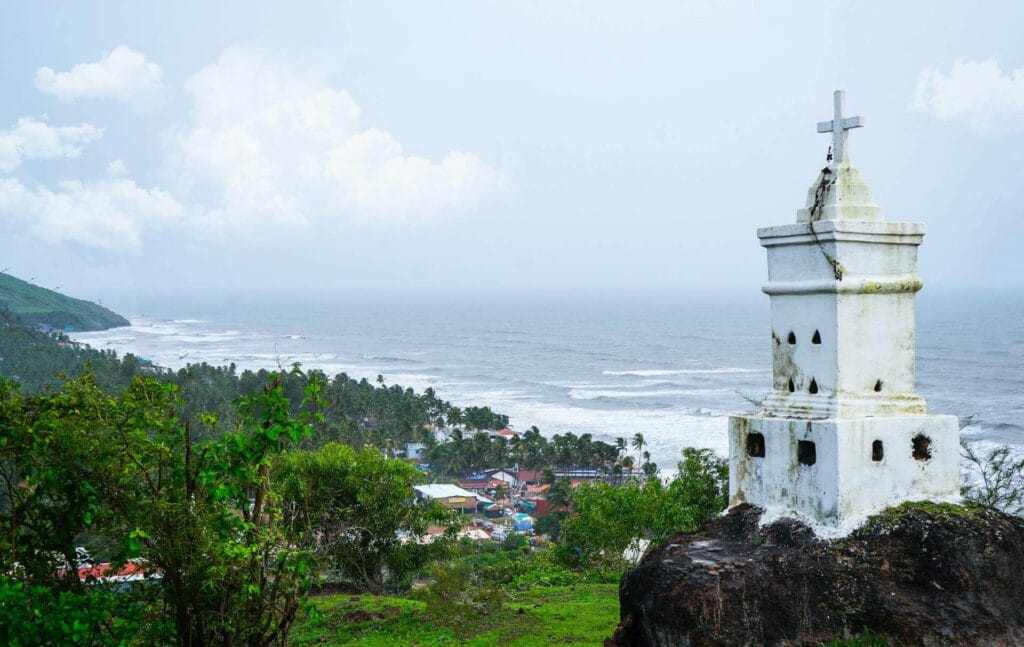
Most first-timers get it entirely wrong when it comes to Goa.
Sure, it’s got all the beaches you’d expect, but scratch beneath the surface and you’ll find a state that has been steeped in 450 years of Portuguese influence, all packed into a tiny 3,700 square kilometers of Indian territory. It’s a place that feels altogether different.
North Goa vs South Goa: Which One’s Right for You?
North Goa is where the party starts – think Anjuna, Vagator, and Arambol – with beach parties that go all night, hippy flea markets where you can pick up everything from Indian crafts to Tibetan trinkets, and the rhythms of Goa trance music drifting through the air.
You can get yourself a cold beer for ₹150 and feast on delicious Goan fish curry rice for just ₹300 at one of the local beach shacks. South Goa, on the other hand, takes things at a much slower pace.
If you’re after a real chill-out experience, then these beaches are the place to be – with hammocks strung between palm trees, yoga at sunrise, and villages that turn in at a respectable hour or so before bed.
Palolem’s stunning crescent bay can get pretty crowded in the peak season (November to February), while Agonda just stays quietly charming.
Don’t even get me started on Old Goa – it’s a former capital that hardly ever sees the crowds it deserves.
And yet it’s got some of the most incredible Baroque architecture in the whole of India, including the Basilica of Bom Jesus, where St. Francis Xavier’s body is laid to rest in a beautiful silver casket. That alone is worth dropping by for at least half a day.
Things get a bit more expensive in Goa than you might find elsewhere in India – it’s mainly down to all the tourists, but you can’t really blame the place for that.
Beach huts will set you back anywhere from ₹1,500 to ₹3,000 per night in peak season, while scooters (which are fairly essential if you want to get around and visit all the different beaches) cost about ₹300 to ₹500 a day.
Varanasi: The Spiritual Intensity
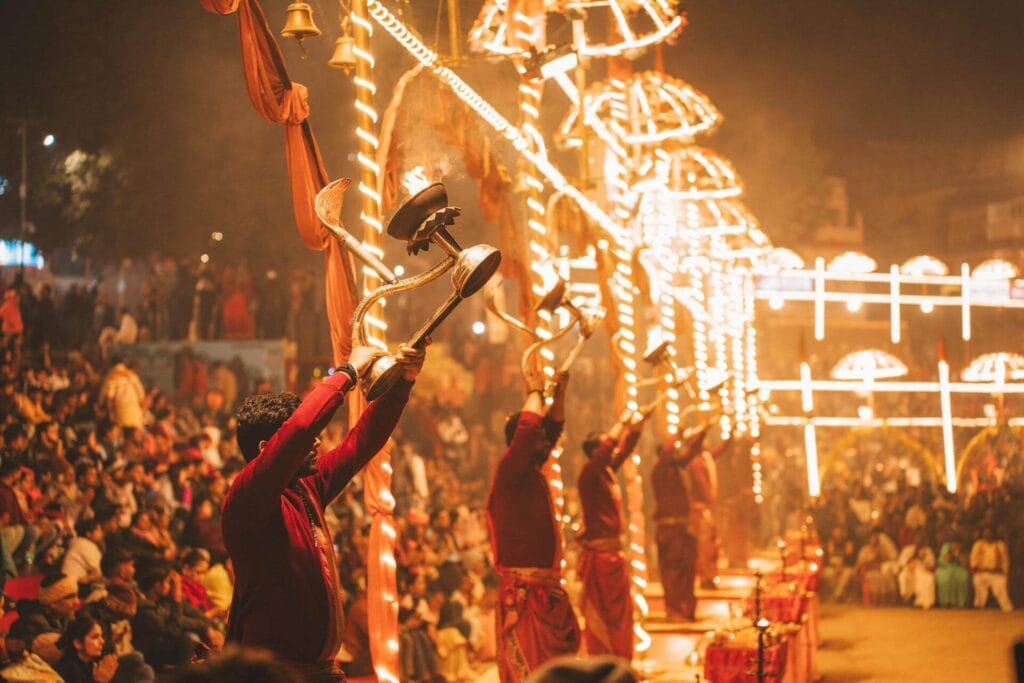
Varanasi doesn’t exactly ease you into things, with this 3000-year-old city right on the Ganges River – life and death are thrown together in your face – burning cremation ghats operate 24/7, and pilgrims bathe in the waters just meters away.
The sunrise boat trip (200 to 400 rupees for the boat – to be shared between passengers) shows the city slowly coming to life – yoga enthusiasts stretching out on ghats, priests performing ceremonies, and laundry being pounded against rocks.
The evening Ganga Aarti ceremony at Dashashwamedh Ghat is quite intense – synchronised fire offerings accompanied by the sound of bells and chanting.
Reality check: Be prepared to see people being cremated at Manikarnika Ghat – guides may be overly eager for tips, and tours will likely follow you around.
The narrow streets get quite flooded and murky during the monsoon, but on the other hand, you get to see faith in all its raw, unfiltered glory.
Where to Stay: Book a hotel in the Assi Ghat area rather than right on the doorstep of the main ghats. Your rooms will be cleaner (1500 to 4000 rupees), you’ll get a good night’s sleep without the sound of all-night temple music, and it’s still just a short rickshaw ride to the center of the action.
Sarnath is a few kilometers away, and it is a suitable option for a day trip. This is where the Buddha gave his first sermon – the peaceful stupas and museum are a welcome respite from Varanasi’s frenetic pace.
Mumbai: Economic City of India
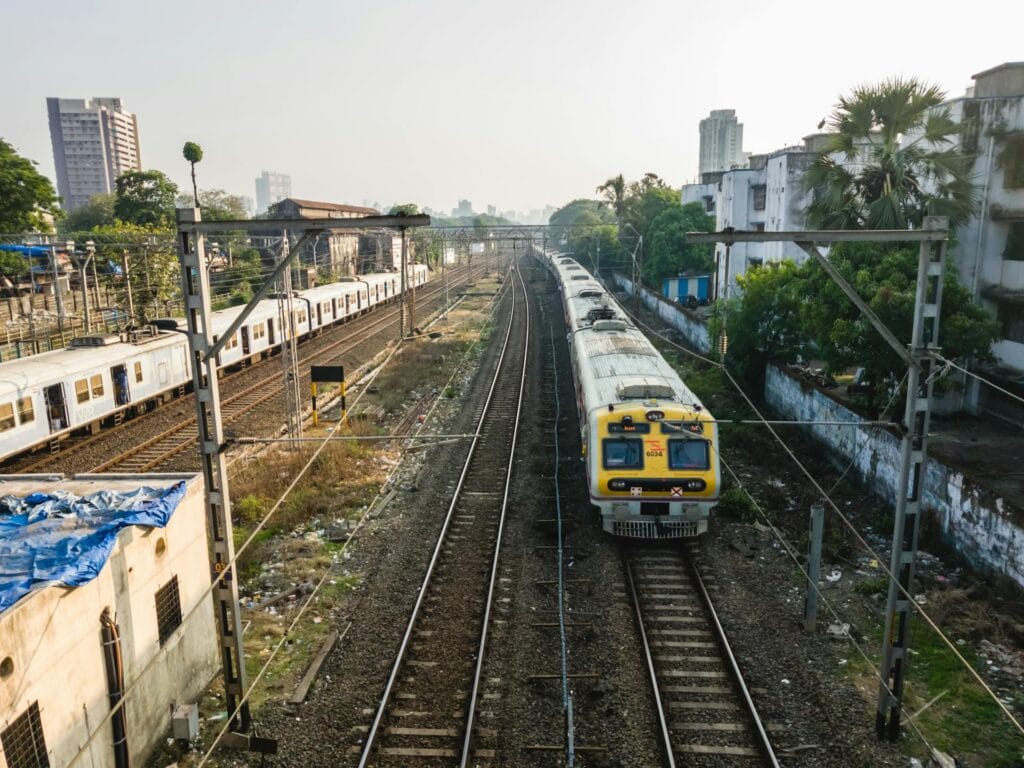
Mumbai is just its own thing – a whirlwind of chaos, ambition, and non-stop energy. India’s financial powerhouse also happens to be its movie-making heartland.
Bollywood churns out some 1,500+ movies every year. The Gateway of India stands proudly facing the harbor, a reminder that the last British troops finally departed in 1948.
Behind it, the Taj Mahal Palace hotel still sports some rather nasty bullet pockmarks from the 2008 terrorist attacks – a grim but telling sign of what Mumbai has been through.
Tours of Dharavi slum cause disagreement. Some people think these tours are wrong because they treat poverty like entertainment.
Others say the tours are actually good because local people run them and show how the 1 million residents have built successful businesses in recycling and baking that make millions of dollars.
If you want to take a tour, go with Reality Tours & Travel – they give their profits to local schools.
Food pilgrims – you need to have multiple meals of this stuff. Vada pav from any old street cart – 20 rupees for a spicy potato fritter sandwich.
Pav bhaji – that’s a mash of vegetables, fried in butter and served with even more butter on a slice of bread (100-150 rupees). Mohammed Ali Road during Ramadan is basically a year-round food festival.
Mumbai is a big place, so the trains get very crowded—7.5 million people a day use them. Don’t try to get on the commuter trains during rush hour – stick to taxis or Uber instead.
Otherwise, the seafront walk along Marine Drive is free, and you can get some top-class people-watching.
Rishikesh and Haridwar – The Himalayas’ foothills
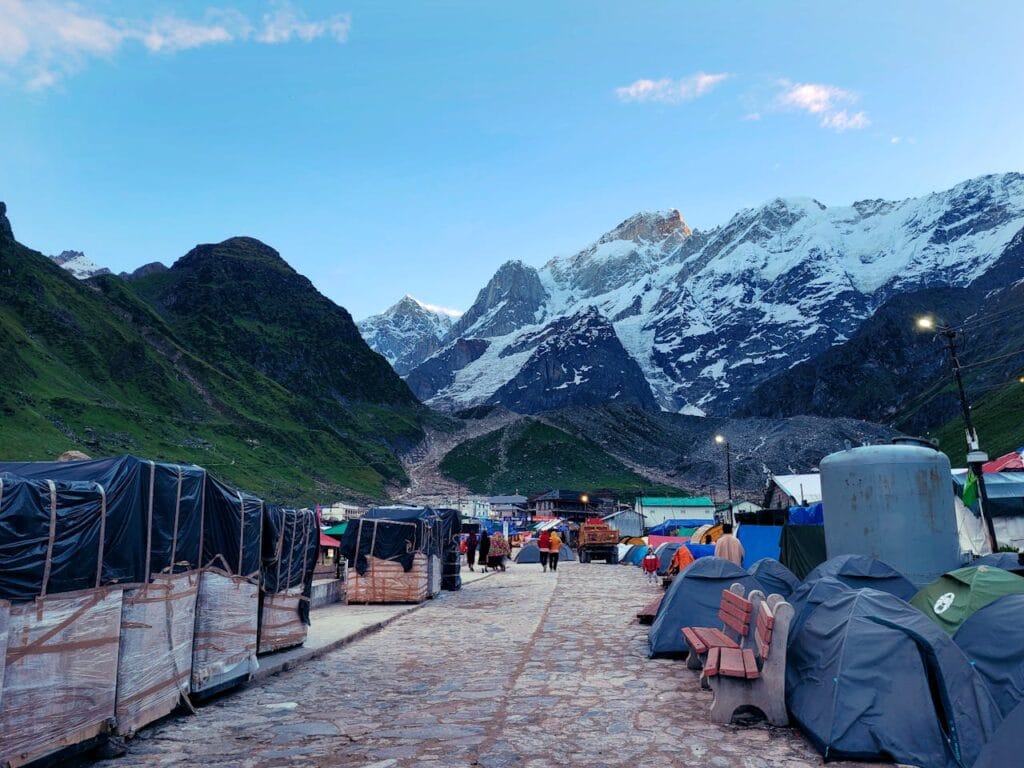
Where the Ganges bursts out of the Himalayas, you’ve got two cities here that deliver a spiritual experience without the heat of Varanasi.
Rishikesh is a magnet for yoga enthusiasts from all over the place – hundreds of schools and ashrams with drop-in classes (anywhere between 300 and 800 rupees) or month-long teacher training courses to get you certified.
The Beatles came to visit an ashram here back in 1968; it’s now abandoned, but it has a real vibe going on – loads of colorful graffiti covering the walls.
White-water rafting (anything from 500 to 2500 rupees) on the Ganges is an absolute blast – the rapids are pretty thrilling.
And then there are the two suspension bridges – Laxman Jhula & Ram Jhula – that go high above the water and connect one riverbank to the other; walk out over them for some of the best views and get a little thrill from the gentle swing underneath your feet.
Haridwar is an old-school Indian city – every evening, there’s the Ganga Aarti at Har Ki Pauri, and it’s a total spectacle – hundreds of pilgrims out on the river with leaf boats loaded up with flowers and candles, all floating off downstream – the river becomes a sort of flowing galaxy of light.
Weather-wise, summer is pretty hot with temperatures pushing above 40 degrees, and the monsoon season (July to September) is when the landslide risks on the mountain roads get a bit higher; it’s best to avoid it if you can.
October to November and February to April are perfect times to visit.
Common First-Timer Mistakes to Avoid
Mistake 1: Trying to do too much in too little time. You’re bound to wear yourself out trying to cram 6 or 7 major cities into a 10-day trip – Delhi, Agra, Jaipur, Varanasi, Kerala, and Goa all in one go. That’s not exactly what you signed up for, is it – namel,y to sit in airports and at bus stops instead of actually experiencing the place.
Mistake 2: Pre-booking your whole trip before arriving in India. Flexibility is key in India. That 14-day tour you pre-booked might get derailed by festivals, strikes, and bad weather. It’s a good idea to book the first few nights in a place and then just go with the flow.
Mistake 3: Not considering travel times. Between cities or even between stations within a city, Indian travel times are often far from what Google Maps says.
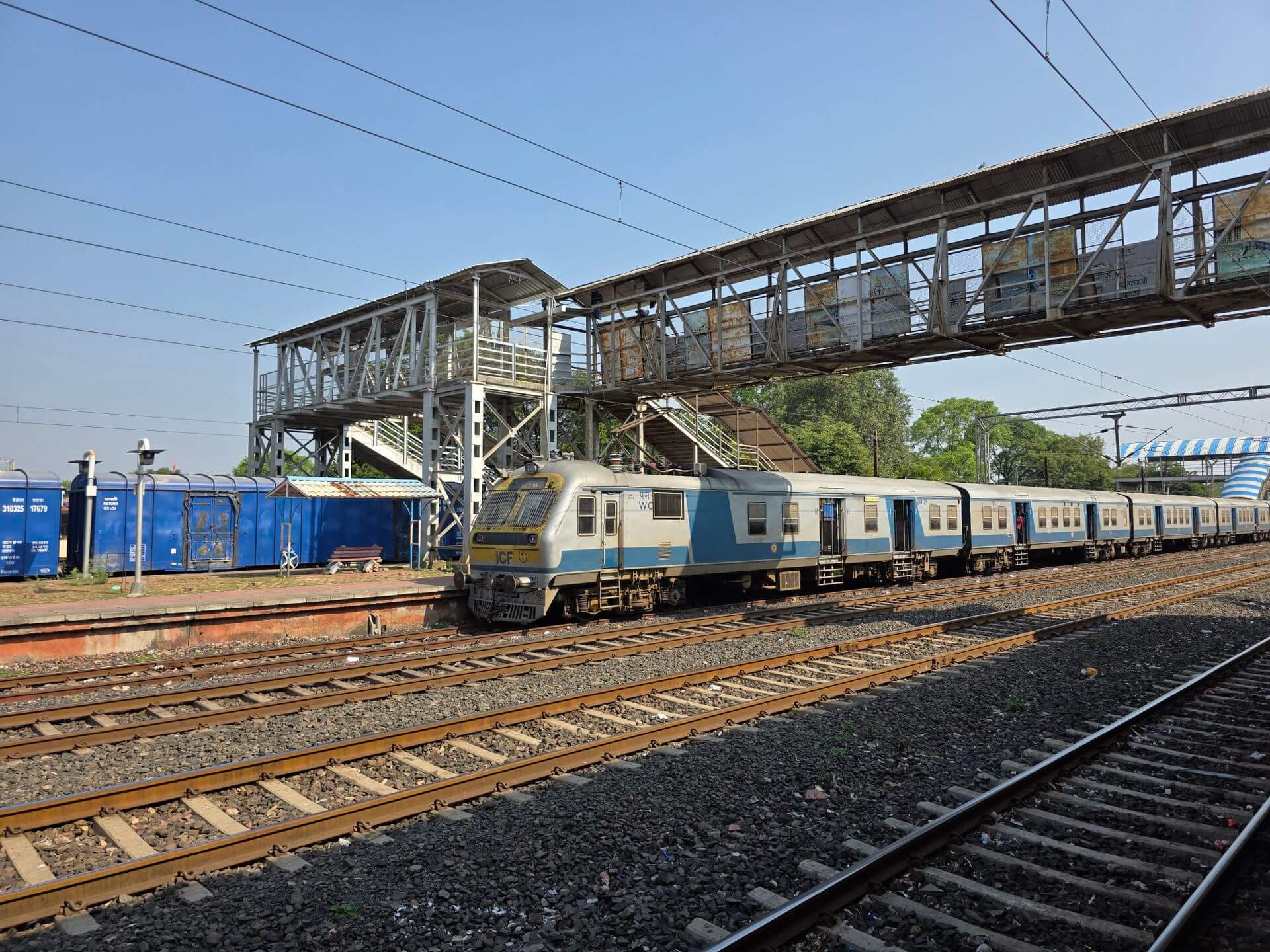
That 4-hour drive takes 7, and the train arrives 3 hours late – it’s not exactly a shock, but you need to plan your journey time with that in mind.
Mistake 4: Constantly converting everything to your home currency. The meal costs $8 – the hotel is only $15. I know it’s cheap by my standards. Just try to judge things on the value locally, not what you’re used to back home.
Mistake 5: Swallowing the whole “all restaurant food is safe, and street food is dodgy” line. There is no way that the safest food is always in a restaurant.
Look out for those busy street stalls where the food is cooked fresh right in front of you. You might just find that some of the best food in India costs under ₹50.
Mistake 6: Not keeping some small bills handy. Anyone who has ever used auto-rickshaws, small shops, and street vendors will know the problem with trying to pay with big notes – ₹500 and ₹2,000.
Keep some smaller denomination notes around for that exact reason.
Really ready to go?
India is not the easiest trip you’re ever going to take. Your hotel room might suddenly not have hot water one morning. The train might well leave two hours late.
And you can bet your boots you’ll get lost in some markets that feel like a maze. But you’ll also get to watch a sunrise over the Taj Mahal with birds flying overhead, circling the dome of this incredible wonder.
You’ll taste a curry that makes you truly understand why Indians just laugh at the Western attempts to recreate it. You’ll end up sitting in temples alongside all sorts of pilgrims who have made the long, hard journey on foot just to get a glimpse of the holy site.
And you’ll find friendly strangers who offer you a cup of chai just so they can practice their English and hear all about your life. The places I’ve mentioned above will give you the best of India without overwhelming you.
They’ve got the right infrastructure to help out first-timers, and they still deliver a truly authentic experience that’s worth all the hassle of a long flight and culture shock.
Start planning well in advance – getting the right visa can take ages, and the good hotels for peak season will already be booked months and months ahead, and train tickets sell out faster than you can say “chug chug.”
But do make sure to leave some room for spontaneity too. The best memories of your India trip usually come from those unplanned moments when you decide to say yes to an unexpected invitation.
Your first trip to India sets the tone for all the rest. Take it easy, keep an open mind, be prepared to get a bit chaotic, and remember that culture shock just means you’re far enough away from home that you can learn something new.
Really ready to start planning your Indian adventure now? Pick two or three of the places on the list that really speak to you, build in a bit of buffer time, and book that flight to India – it’s waiting for you.
For more in-depth travel advice and a complete guide for first-time travel guide to India, check out our first time travel guide to India, and get ready for an unforgettable journey.
FAQs about the Best Places to Visit in India
These FAQs are based on my travel experience across multiple regions of India and updated for 2026 travel conditions.
Is India good for first-time travelers?
Yes, India is a good destination for first-time travelers if you visit well-connected places and allow extra time for travel.
How long should a first trip to India be?
A first trip to India should be ten to fourteen days to see key highlights without rushing.
When is the best time to visit India for the first time?
The best time to visit India for the first time is from October to March, when the weather is cooler.
Is India safe for tourists in 2026?
Yes, India is generally safe for tourists in 2026, especially in popular destinations, if basic precautions are followed.
Should I book my whole India trip in advance?
No, it’s best to book the first few nights and major transport, then stay flexible during your trip.
Is street food safe for tourists in India?
Yes, street food in India can be safe if you eat at busy stalls where food is freshly cooked.
How much money do I need per day in India?
Most travellers need between ₹2,000 and ₹8,000 per day in India, depending on their travel style.
Can I travel independently in India without a tour?
Yes, independent travel in India is very doable using trains, flights, and ride-hailing apps.
Images: Pexels
