








Choosing safe hotels in India is one of the most important decisions first-time visitors make. Knowing how to choose safe hotels in India can help you avoid common accommodation problems and enjoy a smoother trip from the moment you arrive.
Yet many travelers spend far more time comparing hotel star ratings and prices than checking the neighborhood, reading recent reviews, or thinking about what happens if they arrive at 11 PM after a delayed flight.
That imbalance is where most accommodation problems start.
Choosing a hotel in India isn’t difficult. However, the factors that matter most are often different from those in many Western countries.
In many Indian cities, the neighborhood can have a bigger impact on your travel experience than the hotel’s star rating.
Recent reviews often tell you more than the overall score, while transport access affects every day of your trip, not just the first morning.
The right hotel for a solo female traveler in Varanasi may not be the right choice for a family visiting Goa.
Likewise, a higher room price doesn’t automatically mean a better stay. The best hotel is the one that matches your itinerary, budget, travel style, and safety needs.
This guide explains how to choose safe hotels in India, what to check before booking, and the common mistakes first-time travelers should avoid.
Quick Tips
- Check the hotel location on Google Maps.
- Read reviews from the last 3–6 months.
- Confirm 24-hour reception if arriving late.
- Stay near public transport.
- Compare safety, not just price.
Why Hotel Location Matters When Choosing a Safe Hotel in India
A four-star hotel on the outskirts of a city can easily create a worse travel experience than a simple two-star guesthouse in a central location.
If every attraction is a forty-minute drive away, you’ll spend far more time commuting than exploring.
In India, where traffic is unpredictable and distances are larger than they look on a map, this difference is more pronounced than in most destinations.
Your hotel’s location affects almost every part of your trip – from sightseeing and transport costs to how easy it is to find food after a long day.
If reaching the main attractions means a long and expensive commute every day, you’ll waste time, money, and energy. Those hours are better spent enjoying your trip.
The best location depends on the city you’re visiting.
Delhi
The difference between staying in Connaught Place or Paharganj and staying in a suburb on the southern edge of the city is not just distance.
It is access to the metro, proximity to the main tourist corridor, and the ability to use the city flexibly without coordinating transport for every move.
Aerocity near the airport works well for early departures and late arrivals but is essentially a transit zone, not a base for exploring Delhi.
Mumbai
The city’s geography means that distance from your main areas of interest is punishing.
Colaba in the south suits travelers focusing on the Gateway of India, historic buildings, and the main tourist circuit.
Bandra works for those wanting a more local neighborhood feel with good restaurant access. Staying near Juhu makes sense if you are specifically there for the beach.
Staying anywhere else without a specific reason adds significant commute time to every day.
Jaipur
The old city area puts you closest to the main bazaars and within easy reach of Hawa Mahal and City Palace. It is noisier and more chaotic.
The C-Scheme and MI Road area offers a more comfortable base with good access to both the old city and modern Jaipur.
Most heritage hotels sit outside the city walls, which is fine if you are comfortable organizing transport for each excursion.
Varanasi
The old city has an extraordinary atmosphere. However, its narrow lanes are often inaccessible to vehicles. If you’re carrying luggage, getting to your hotel can take more planning than you might expect.
Staying close to the ghats is the priority for most travelers, but confirm with the hotel how arrivals and departures actually work before booking.
Goa
North Goa around Anjuna, Vagator, and Calangute suits travelers who want beach access, nightlife, and a social scene. South Goa around Palolem and Agonda is quieter and more scenic.
Panaji, the state capital, works as a base for day trips to beaches without being on one. The choice here is driven almost entirely by what kind of Goa experience you want.
Kerala
The accommodation landscape in Kerala is different from the rest of India. Homestays and small guesthouses are the norm rather than the exception in many areas, particularly in Fort Kochi and the backwater regions.
This isn’t a compromise. In many parts of Kerala, well-reviewed homestays are among the best places to stay. They often provide a better overall experience than a typical mid-range hotel.
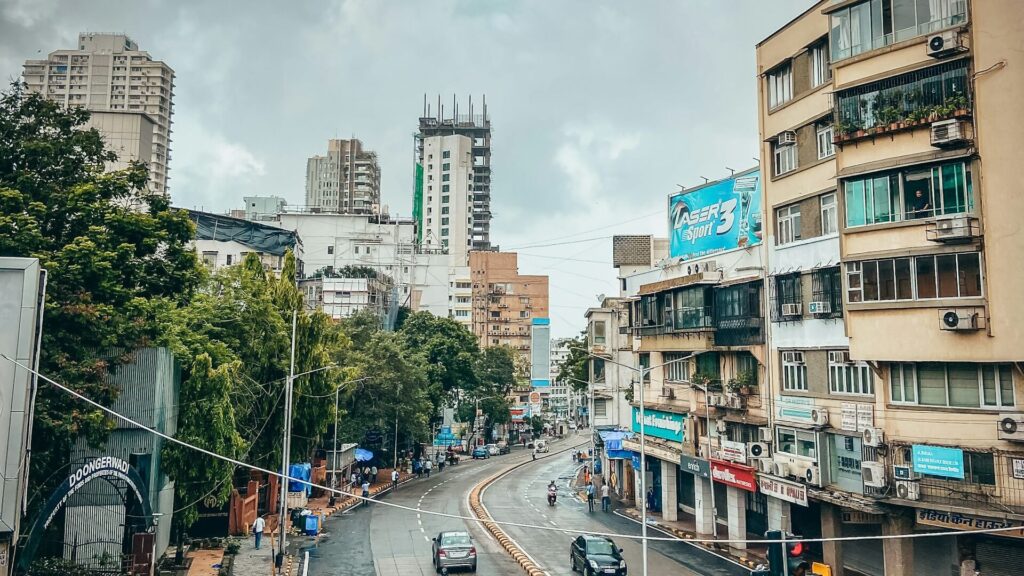
How to Check a Hotel Location Before Booking
Spend five minutes checking the location before you book. It can save you hours of inconvenience later.
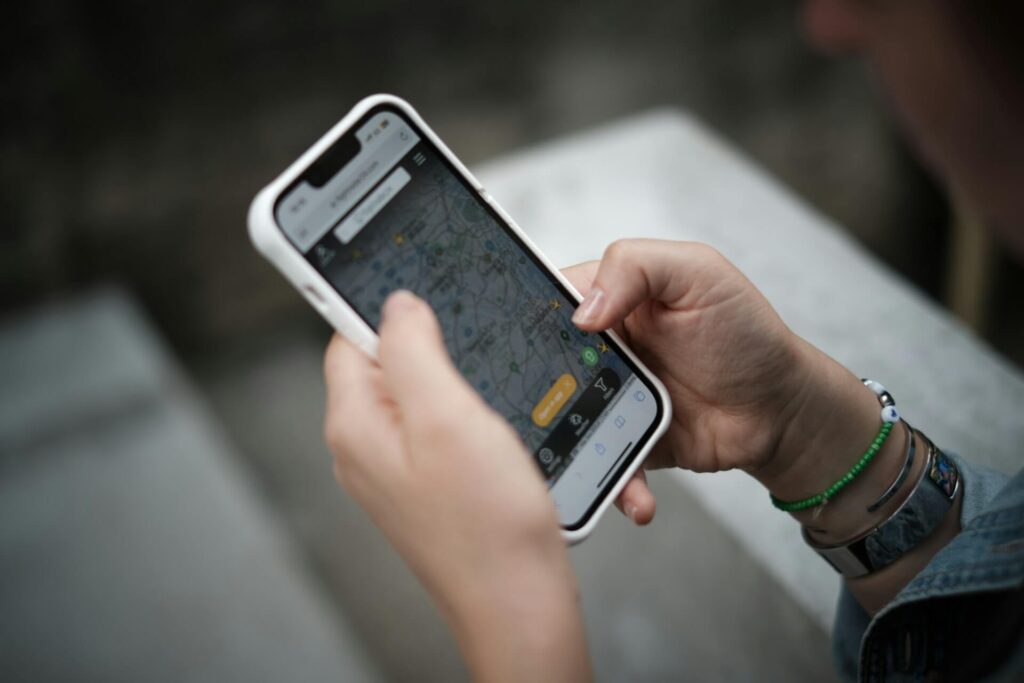
The Google Maps check: Pull up the hotel’s location on Google Maps and switch to Street View. Look at the actual street the hotel is on.
Is it an active commercial street with shops and restaurants? An industrial road? A quiet residential lane that looks fine at noon but might feel different at 10 PM?
Maps and photos on booking platforms are curated. Use Google Maps, Street View where available, photos, and recent guest reviews to understand the surroundings.
Check how far the nearest metro station, railway station, or main road is from the hotel. Easy access to transport makes exploring much simpler. Check what is within a ten-minute walk: restaurants, pharmacies, convenience stores.
In cities like Delhi and Mumbai, being able to walk to restaurants, pharmacies, or convenience stores can make your stay much easier, especially in the evening.
Check the distance from the airport or train station you are arriving at. A hotel that costs 500 rupees less per night but requires an additional 600 rupees of transport each way is not the cheaper option.
The surrounding area check: Look at the pins on Google Maps around your hotel. Are there restaurants, cafés, banks, and shops nearby? Or is it surrounded by blank map space?
Busy streets with shops, cafés, pharmacies, and restaurants can often provide more convenience and visibility, especially for travelers unfamiliar with the area.
A location with few nearby services may be less convenient, especially if you need food, transport, or medical facilities late in the day.
In cities like Delhi, certain routes from the railway station pass through areas that are less pleasant to navigate late at night with luggage. Knowing this in advance means you can plan a better arrival route rather than discovering it in the moment.
How to Read Hotel Reviews Before Booking
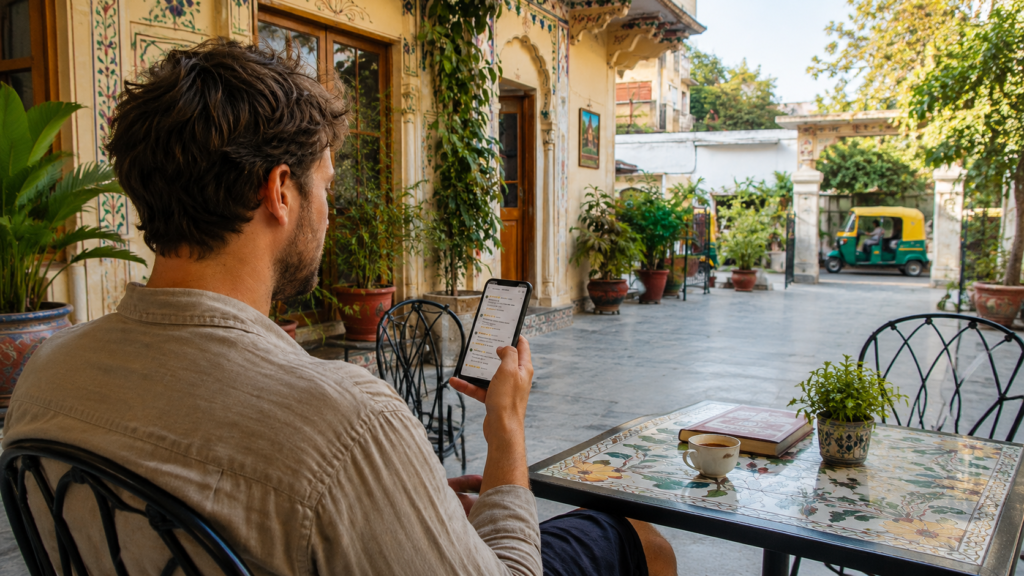
The overall star rating on a booking platform is the least useful piece of information on the page.
A hotel with an 8.2 rating based on reviews collected over five years may no longer reflect today’s experience. Management, staff, and service standards can all change over time.
Read recent reviews first. Filter for the last three to six months. Hotels can change quickly. New management, renovations, or staffing changes can affect the guest experience in just a few months.
New management changes everything: cleaning standards, staff attitude, maintenance responsiveness.
A hotel that was excellent two years ago and has recent reviews mentioning deteriorating standards is telling you something the overall score is not.
Instead of focusing on one bad review, look for the same complaint appearing repeatedly. That’s usually a stronger indicator of an ongoing issue.
One very negative review about a rude staff member may be an anomaly. Three reviews in the last two months mentioning the same staff member is a pattern.
Similarly, consistent positive comments about a particular aspect of the hotel are more reliable than a single five-star review.
What to specifically look for in reviews:
One of the strongest indicators of a good hotel is how the staff treat guests. Look for comments mentioning how staff treated guests, whether they were helpful in emergencies, and how they handled complaints.
Reviews mentioning staff who helped with transport, illness, or unexpected problems are a strong sign that the hotel genuinely looks after its guests.
Reviews mentioning unwelcome attention or dismissive responses to problems tell you the opposite.
Cleanliness comments are usually specific when they are bad. “Bathroom was not clean” or “sheets looked old” from multiple reviewers is a genuine signal.
Generic “the room was dirty” from a single reviewer may not be. Security mentions in reviews are particularly useful.
Solo travelers who mention feeling safe, having working door locks, and being able to store valuables tell you practical things about the physical security of the property.
Reviews mentioning broken locks, staff entering rooms without knocking, or items going missing are serious signals regardless of how many positive reviews surround them.
Location experience from other travelers is often more informative than the hotel’s own description.
Reviews that mention “easy walk to the old city” or “the auto stand right outside is convenient” give you real operating information.
Reviews mentioning “we were stranded with no transport nearby” or “the surrounding area felt uncomfortable at night” are worth weighing seriously.
Important Hotel Features to Check Before Booking in India

Once you’ve checked the location and reviews, a few practical hotel features can make your stay much smoother.
Twenty-four hour reception matters more in India than in some destinations because of how travel works here. Trains arrive at 3 AM. Flights are delayed. You get back later than expected from an evening out.
A front desk that closes at 10 PM can quickly become a problem if your train or flight is delayed. It’s much easier to choose a hotel with 24-hour reception. Confirm this before booking if arriving outside normal hours.
Secure room doors with working electronic locks or deadbolts and an interior latch are a basic standard that not every budget property meets.
This is worth checking in reviews rather than assuming. A door that can be locked from the inside with a bolt or chain is a significant comfort, particularly for solo travelers.
Reliable internet is no longer a luxury. You’ll likely rely on your phone for maps, ride-hailing apps, translation, bookings, and communication throughout your trip.
Slow or intermittent WiFi at the hotel means relying on mobile data for everything. This is manageable with an Indian SIM but worth knowing in advance.
Power cuts are less common in major Indian cities today, but they still happen in some smaller towns and rural areas.
If uninterrupted electricity is important to you, check whether the hotel has a backup generator. Most mid-range and upscale properties have generators.
Budget guesthouses may not. If you are in an area where power cuts are more frequent, particularly in smaller towns or rural areas, this is worth checking.
Luggage storage is useful for early arrivals before check-in time and late departures after checkout. Most hotels offer it, but confirming in advance on days when you have an afternoon flight is worth doing.
Types of Accommodation in India: Which One Should You Choose?
Accommodation Type | Best For | What To Check |
International chain hotels | First-time visitors wanting predictability | Location relative to sightseeing, transport access |
Boutique and heritage hotels | Culture and experience-focused travelers | Recent reviews, specific room quality, location |
Hostels | Backpackers, solo travelers, social atmosphere | Locker availability, female-only dorm option, 24-hour access |
Homestays | Local experience, longer stays, cultural immersion | Verified host profile, recent reviews, house rules |
Budget guesthouses | Cost-conscious travelers | Recent cleanliness reviews, location, door security |
Resorts | Families, beach travelers, wellness | Distance from other activities, whether isolation works for your style |
International chain hotels offer the most predictable experience: consistent standards, English-speaking staff, and established processes for handling problems.
They are often not in the most interesting or convenient locations. The trade-off is reliability for atmosphere. One thing India does exceptionally well is heritage hotels.
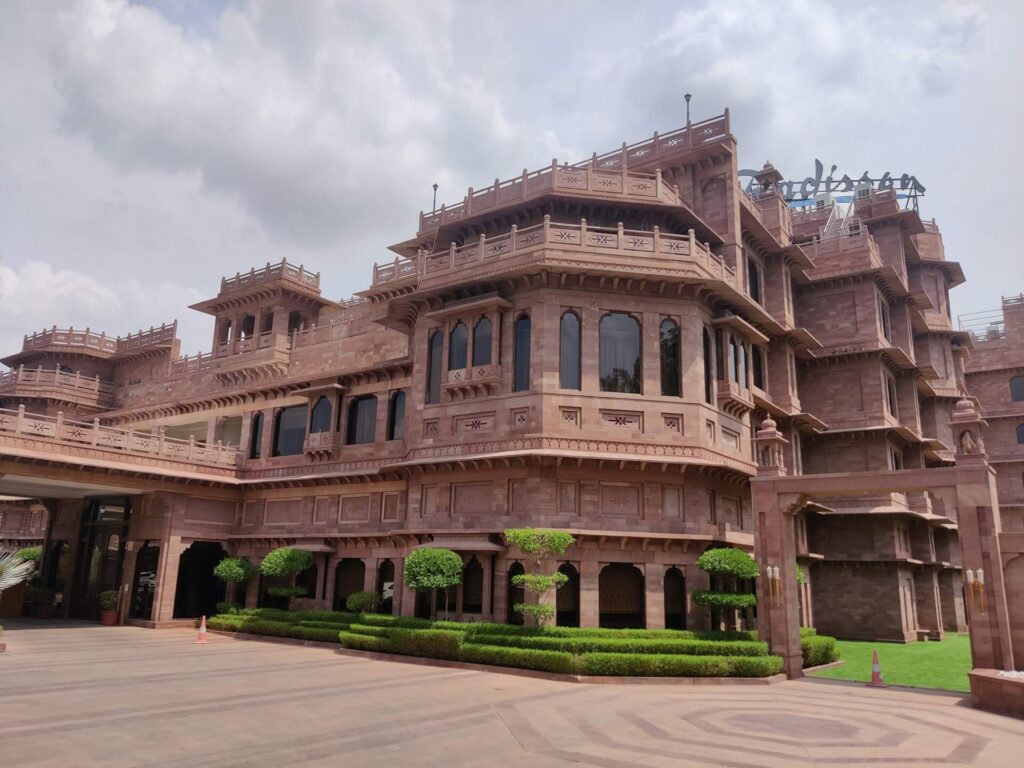
Staying in a converted fort, haveli, or palace can easily become one of the highlights of your visit. Quality and comfort vary more between properties, which is why recent reviews matter especially here.
Hostels in India’s main tourist destinations have developed significantly over the past decade.
Properties in Delhi, Goa, Jaipur, and Varanasi are specifically designed for international backpackers with good common areas, organized activities, and strong social environments.
Look for properties with individual lockers, female-only dorm options for solo female travelers, and recent positive reviews from travelers matching your profile.
Homestays work best for travelers staying in one place for several days. The experience of living with a local family, eating home-cooked food, and getting genuine local insight into an area is something no hotel can replicate.
Quality varies widely, which is why verified host profiles and recent reviews are essential rather than optional.
Safe Hotel Booking Tips for Solo Female Travelers in India
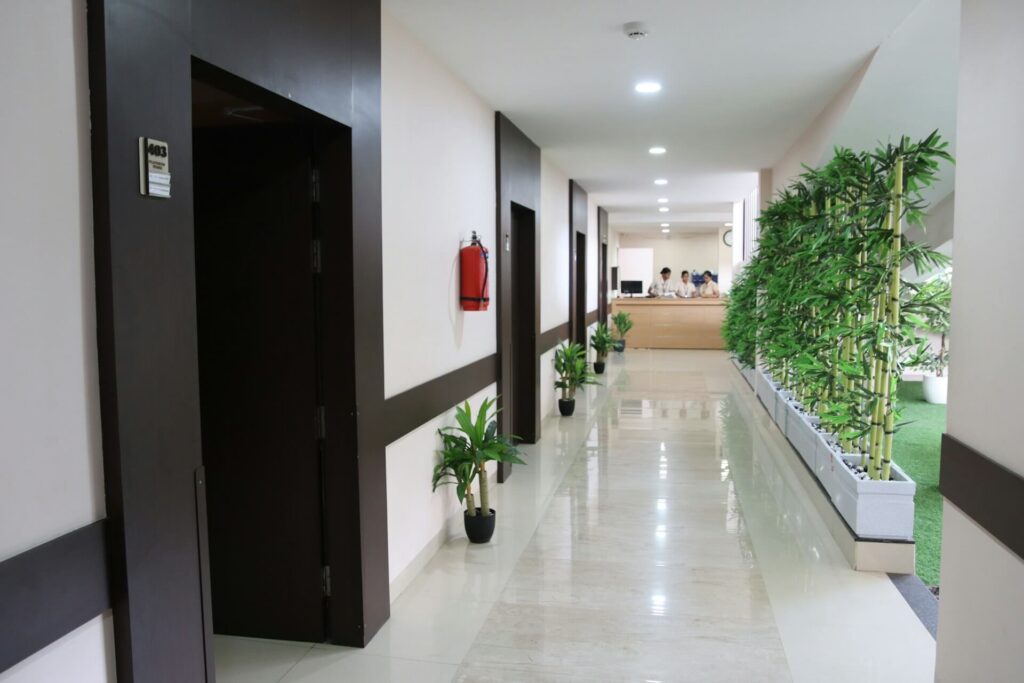
Solo female travelers benefit from applying a few additional filters to the standard hotel research process. Read reviews specifically from solo female travelers before booking.
These reviews surface details that general reviews typically do not: how staff treated a woman traveling alone, whether the neighborhood felt comfortable to walk through in the evening, whether reception was helpful or intrusive.
Most booking platforms allow you to filter reviews by traveler type. Look for comments about staff professionalism specifically.
Helpful, respectful, and appropriately boundaried staff behavior is a meaningful positive signal.
Reviews mentioning uncomfortable interactions with staff, even if the reviewer phrases it mildly, are worth taking seriously.
Reliable transport is especially important for solo female travelers. Being stranded in an area with limited transport late at night is much harder when you’re traveling alone.
Prioritize locations where app-based transport (Uber and Ola) is reliably available and where there are open businesses nearby in the evening.
There’s usually no need to mention that you’re traveling alone unless it’s necessary. Keeping details like your room number private is a sensible travel habit anywhere in the world.
For a broader picture of traveling independently as a woman in India, the guide on what female travelers should avoid in India covers the full range of situations and practical habits.
How to Identify a Bad Hotel Before Booking
Some warning signs are consistent enough that they are worth treating as automatic red flags.
If a hotel has been operating for years but has very few reviews, treat it as a warning sign. It may discourage reviews, or guests may simply have little positive to say.
Neither is reassuring. Only old reviews with nothing recent suggests the property may have changed significantly, or that current guests are not happy enough to leave positive feedback.
For a hotel with its last review from eighteen months ago, you have no reliable information about its current state.
Repeated complaints about the same issue usually point to a real problem. Pay particular attention to repeated concerns about staff behavior, cleanliness, or security.
A hotel that consistently receives complaints about the same thing over several months has not fixed the problem. Unclear or evasive communication before booking is a reliable signal.
If a hotel takes days to respond to a simple question about check-in time, or gives vague answers about facilities, that communication style will not improve after you have paid and arrived.
If a hotel is much cheaper than similar properties nearby, take a closer look before booking. Sometimes there’s a perfectly good reason – but sometimes the low price reflects issues that don’t appear in the listing.
India has genuinely affordable accommodation, but a property priced far below comparable hotels in the same area usually reflects a reason that is not immediately obvious from the listing.
What to Check After Checking Into Your Hotel Room

A quick check after arrival takes two minutes and identifies problems while you still have the energy and presence of mind to address them.
- Door lock works properly from the inside, including any deadbolt or interior chain
- Windows close and latch properly, particularly on ground floor or easily accessible rooms
- Bathroom is clean and the hot water actually works
- Air conditioning or fan functions
- Room location feels comfortable (not immediately adjacent to a loud mechanical area or kitchen)
- WiFi connects and works at usable speed
- Save the hotel’s direct phone number in your phone
- Emergency exit location identified (check the back of the door or ask at reception)
If something is wrong, report it before unpacking. Most hotels will either fix the issue promptly or offer to move you to a different room. The time to discover a broken lock is not at midnight.
Hotel Safety Tips for Popular Destinations in India

Delhi has a wide range of accommodation concentrated in several distinct areas. Connaught Place is central and metro-connected.
Paharganj near New Delhi Railway Station is the traditional backpacker zone: affordable and convenient for train connections but chaotic.
Aerocity near the airport is modern and quiet but essentially disconnected from the city. For first-time visitors who want to explore Delhi properly, a central location with metro access is worth paying slightly more for.
Mumbai rewards travelers who stay in or near their area of interest. The city is large and traffic is significant. Colaba is the natural base for first-time visitors wanting the main tourist circuit.
Bandra works well for those who want a neighborhood experience. The key principle: pick your area based on what you plan to do, not on which hotel is cheapest, because transport time is the real cost of a poor location decision in Mumbai.
Rajasthan cities including Jaipur, Udaipur, Jodhpur, and Jaisalmer have strong tourist infrastructure with accommodation at every budget level. The old city areas are the most atmospheric and convenient for sightseeing.
Heritage hotels outside the city center often require transport for every outing. However, many travelers find the unique experience well worth the extra travel time.
Varanasi requires specific consideration because of the old city’s physical layout.
The narrow lanes near the ghats are accessible only on foot, which means arrivals and departures require understanding exactly how to get luggage to and from the hotel.
Confirm this logistics question directly with the hotel before booking.
Goa has genuinely different accommodation environments in different areas. The choice between North Goa and South Goa is fundamentally a lifestyle choice: lively and connected versus quiet and scenic.
Neither is inherently safer or better. The right choice depends entirely on what you want from a Goa stay.
Kerala has some of India’s most distinctive accommodation options including houseboat stays on the backwaters and small family-run guesthouses in Fort Kochi.
These are often the most interesting places to stay in the state. A well-reviewed homestay in Fort Kochi with recent positive feedback frequently outperforms a mid-range hotel on every practical and experiential measure.
Common Hotel Booking Mistakes First-Time Travelers Make
Choosing only by price is the most frequent mistake, and it compounds. A hotel that saves 500 rupees per night but requires 600 rupees of transport each way for every excursion is more expensive than the better-located option.
Add the time cost of longer daily commutes and the stress of navigating unfamiliar transport while tired, and the cheap option becomes the costly one.
Ignoring recent reviews produces the second most common problem. A hotel’s overall rating accumulates over years. The last three months of reviews tell you what the hotel is actually like today. These are not the same thing.
Booking without checking location properly is usually a research shortcut that becomes a daily inconvenience.
Five minutes on Google Maps before booking can clarify whether the hotel is genuinely convenient or requires a twenty-minute auto-rickshaw ride to reach anything.
Arriving in a new city without the first night confirmed is a specific mistake worth calling out separately.
After a long flight or train journey, the last thing you want is to search for a hotel. Booking your first night in advance lets you arrive, check in, and rest without extra stress.
Book the first night in every city before you arrive, regardless of how flexible the rest of your itinerary is.
Safe Hotel Booking Checklist for India

Before Booking Your Hotel
If you’re short on time, use this checklist before confirming your booking. It summarizes the key things to verify so you can avoid common accommodation problems and choose a hotel that suits your trip.
Action | Why It Matters |
Check recent reviews (last 3–6 months) | Current management and standards |
Verify location on Google Maps | Transport access and surroundings |
Confirm 24-hour reception | Late arrivals and emergencies |
Read reviews from solo travelers if relevant | Staff behavior and specific safety signals |
Compare transport options nearby | Daily convenience throughout the trip |
Check distance from your arrival point | First-night logistics |
After Checking Into Your Hotel
Once you check in, spend two or three minutes inspecting your room before unpacking. A quick check now is much easier than dealing with a problem later, especially after a long day of travel.
Action | Why It Matters |
Test door lock from inside | Basic room security |
Verify location on Google Maps | Transport access and surroundings |
Check window latches | Ground floor and accessible rooms |
Save hotel’s direct phone number | Emergencies and assistance |
Note emergency exit location | Standard safety awareness |
Report any problems immediately | While staff can still address them |
Keep valuables in the room safe if available | Reduces risk during day trips |
Knowing how to choose safe hotels in India comes down to doing a little research before you book.
A well-located hotel with recent positive reviews, reliable security features, and easy access to transport will usually give you a better experience than a more expensive property in the wrong area.
Spending just a few extra minutes researching your hotel before booking can save hours of inconvenience during your trip.
A safe, well-located hotel makes exploring India easier, more comfortable, and far more enjoyable – especially if it’s your first visit.
Frequently Asked Questions About Choosing Safe Hotels in India
How do I choose a safe hotel in India for my first trip?
Choose accommodation based on your budget, travel purpose, location, safety, guest reviews, and available amenities. Comparing multiple options before booking helps you find the best value.
Is it better to book hotels in India online or after arriving?
Booking online in advance is usually the better option, especially during peak travel seasons. It gives you more choices, better prices, and time to compare reviews and facilities.
What should I check before booking a hotel in India?
Before booking, check the location, recent guest reviews, cancellation policy, cleanliness ratings, Wi-Fi availability, check-in timings, and whether the property offers the amenities you need.
How do I know if a hotel in India is safe?
Read recent guest reviews, check verified ratings, confirm the neighborhood, and look for security features such as 24-hour reception, CCTV, and secure room access.
What is the best area to stay in a city when visiting India?
The best area depends on your travel plans. Staying near major attractions, public transport, business districts, or airports can save time and make getting around easier.
Are budget hotels in India safe for international travelers?
Yes, many budget hotels offer clean, comfortable, and affordable stays. Reading recent reviews and checking photos can help you identify reliable options.
How far in advance should I book accommodation in India?
Booking two to six weeks in advance is ideal for most trips. During festivals, holidays, and peak tourist seasons, booking even earlier can help you secure better prices and availability.
What are the most common mistakes people make when booking accommodation?
Common mistakes include choosing a hotel based only on price, ignoring recent reviews, overlooking the exact location, and not reading the cancellation policy or additional fees.
Can I find family-friendly accommodation in India?
Yes. Many hotels, resorts, and serviced apartments cater to families with larger rooms, child-friendly facilities, complimentary breakfast, and convenient locations.
What should international travelers look for when booking hotels in India?
Start by setting your budget, choosing a convenient location, comparing verified reviews, checking amenities, and booking through a trusted platform that offers transparent pricing and flexible cancellation options.
Images: Unsplash
