

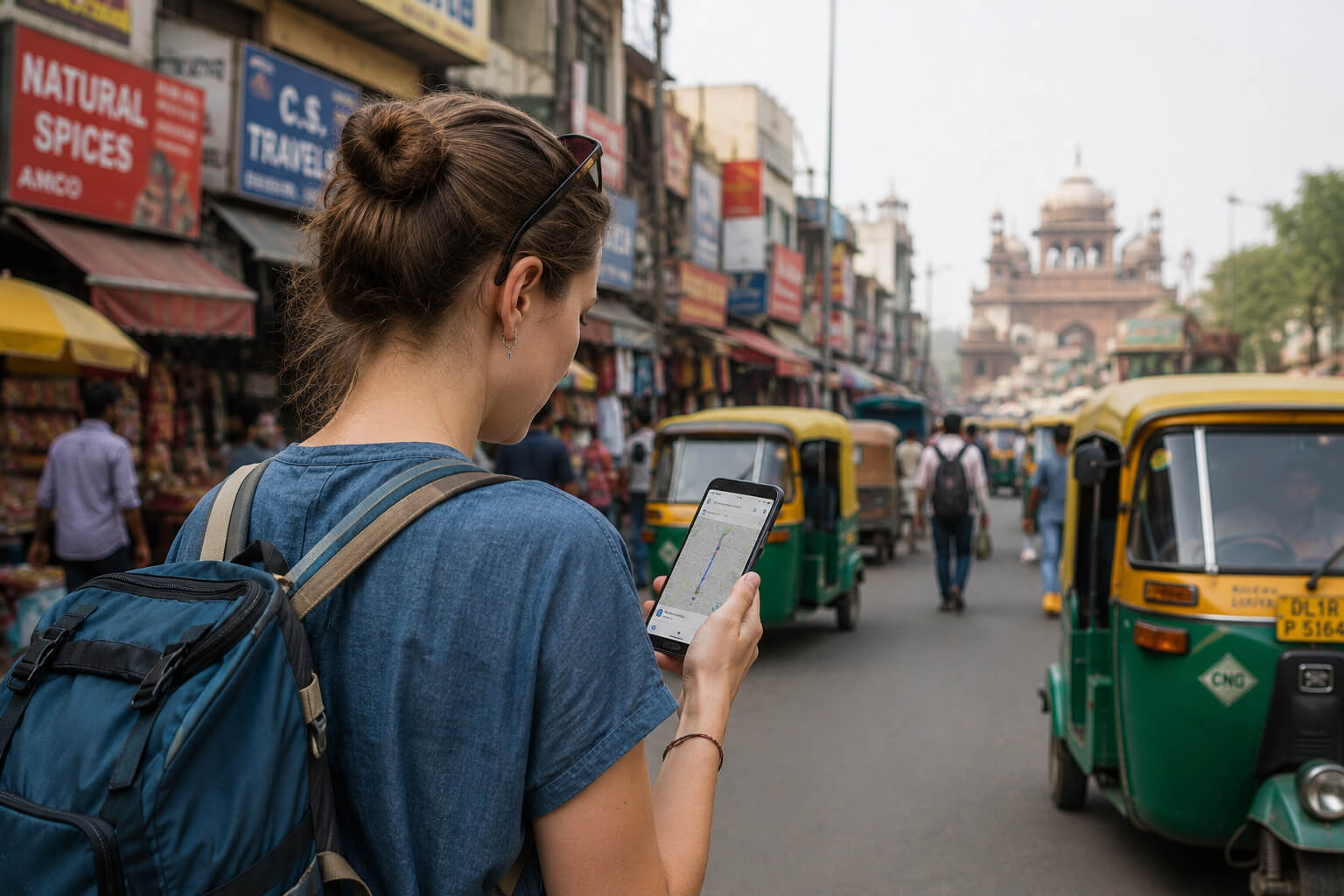
Wondering what to pack for India? This guide covers everything you need to pack for India, whether you’re visiting for two weeks or planning a longer trip.
You’ve got two weeks until your flight, and your suitcase is still empty. India isn’t like packing for a beach trip or a European city break. India’s climate changes dramatically between regions, and local dress expectations vary.
It’s often the small things – like oral rehydration salts, a universal plug adapter, and a luggage lock – that end up being the most useful once you arrive.
This India packing list covers clothing, toiletries, electronics, medicines, and travel documents, organized so you can build your suitcase in order instead of guessing.
Table of Contents showQuick Answer
If you’re looking for a quick India packing list, these are the essential items most travelers should bring.
- Clothing: Lightweight, loose-fitting, breathable fabrics that cover shoulders and knees — plus one modest outfit for temples and one warm layer for AC buses, trains, and hill regions
- Toiletries: Hand sanitizer, wet wipes, and toilet paper (not always provided), plus sunscreen and insect repellent
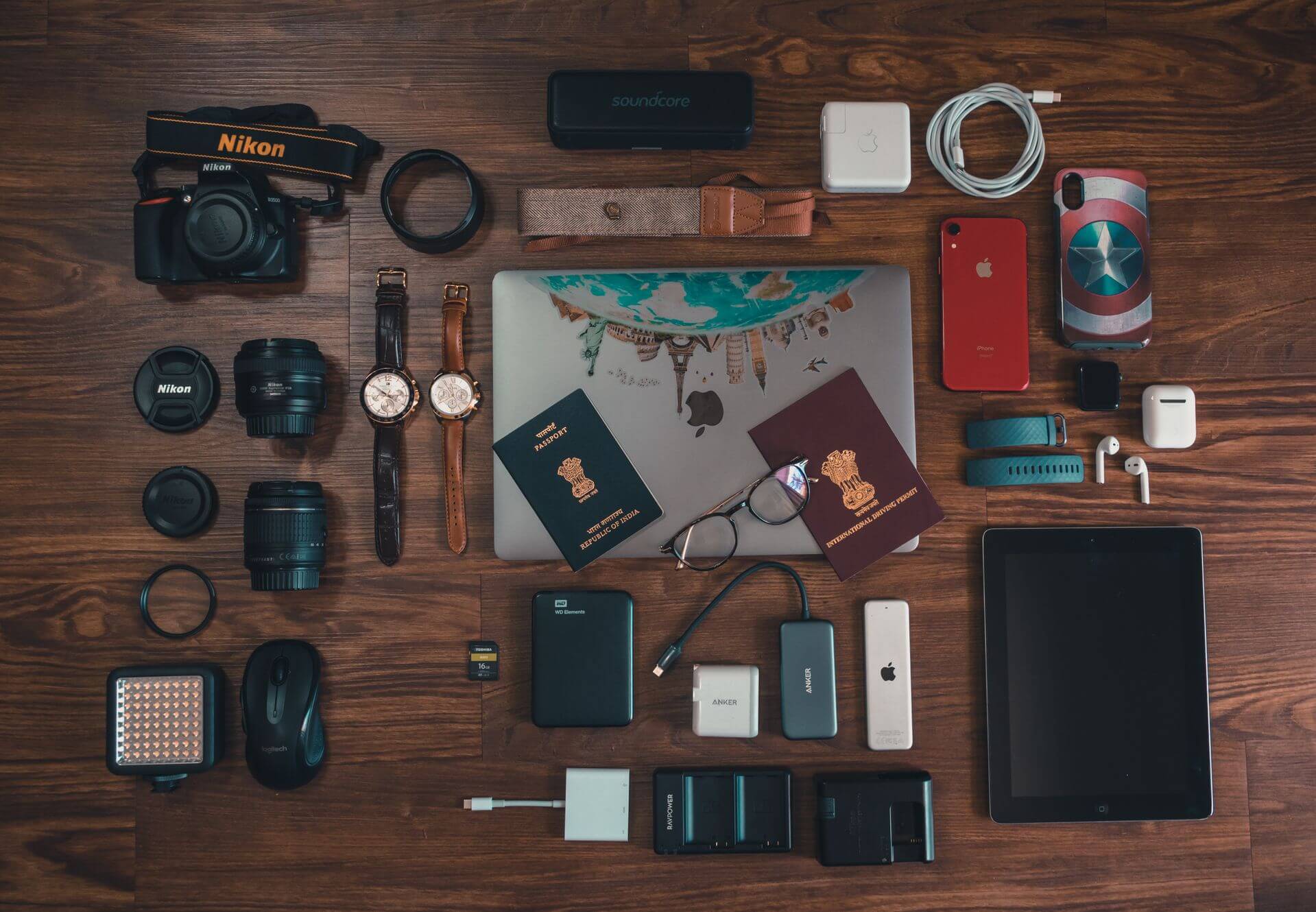
- Electronics: A universal plug adapter (India uses Type C/D/M sockets), a power bank, and an unlocked phone for a local SIM
- Medicines: A basic travel health kit plus any personal prescriptions in original packaging with a doctor’s note
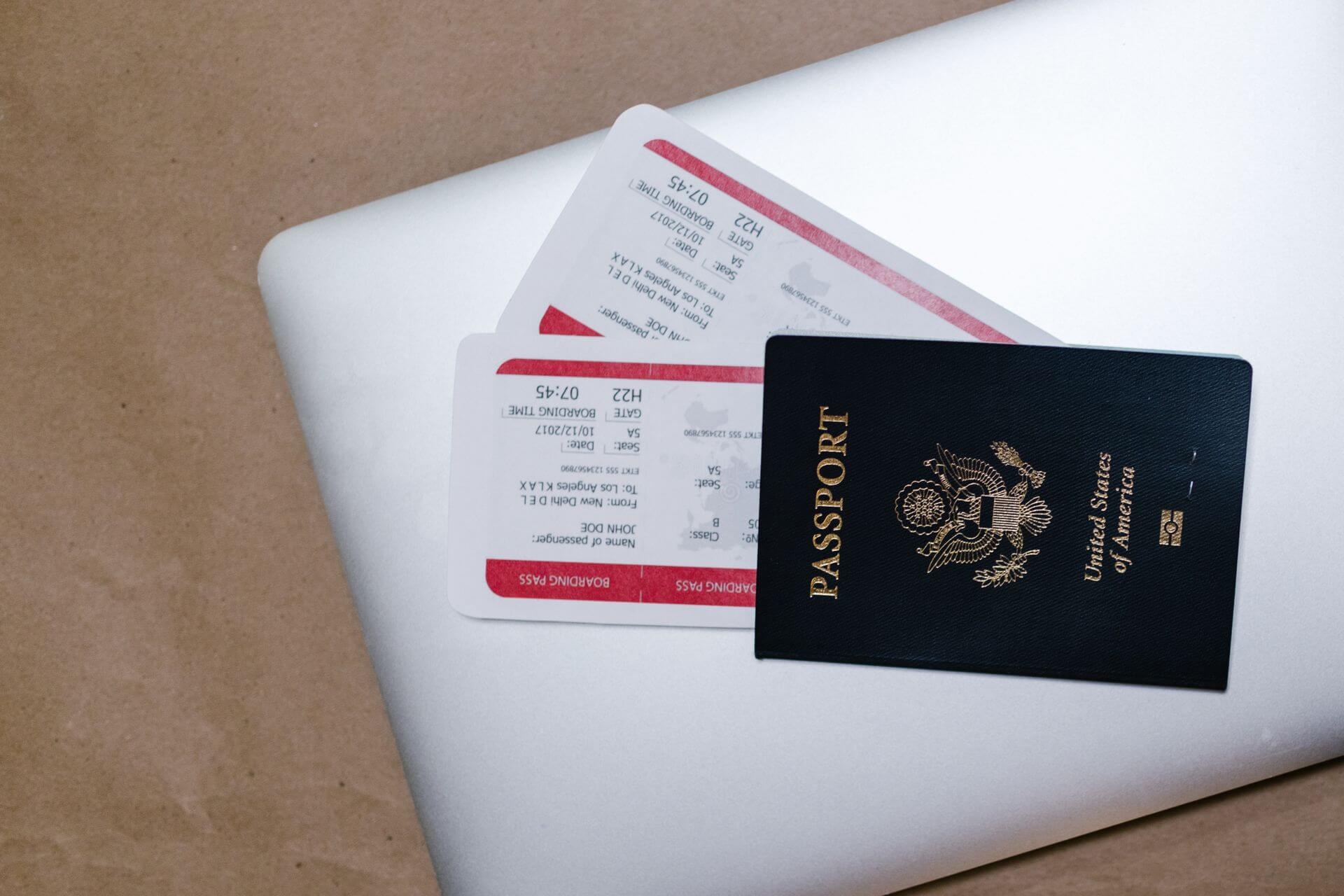
- Documents: Passport, printed visa confirmation, travel insurance details, and copies of everything stored separately from the originals
Now let’s go through each category in detail.
Clothing: What to Wear in India and What to Pack
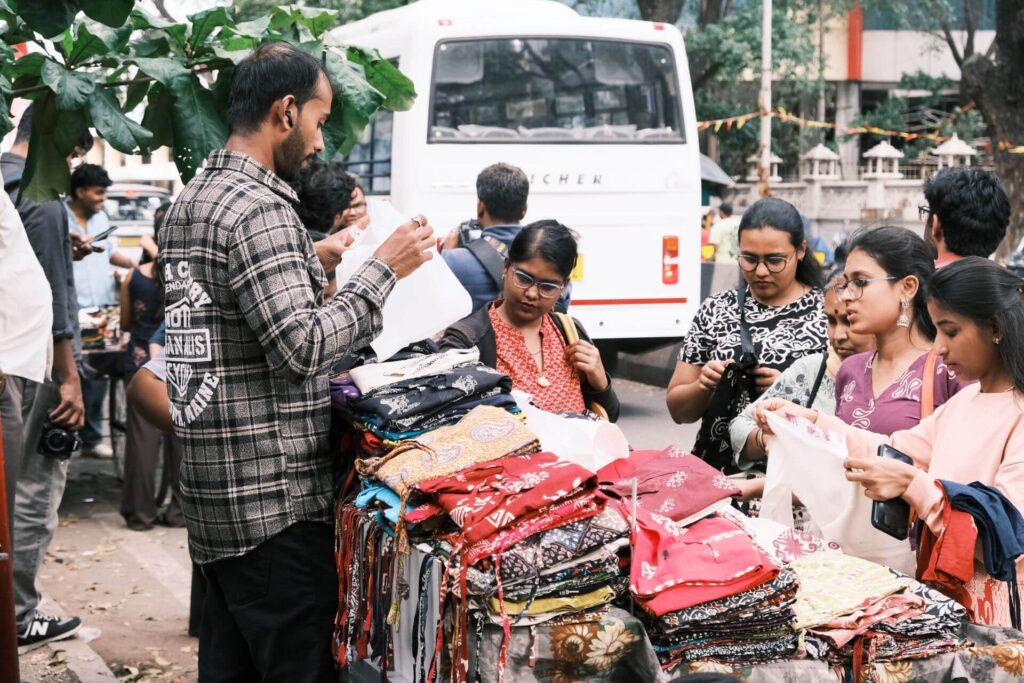
India’s climate ranges from Himalayan cold to tropical humidity, sometimes within the same trip.
What you pack for India depends on your itinerary, the time of year, and the regions you’ll visit, but a few clothing essentials work almost everywhere.
Dress modestly, especially outside beach towns and major hotel districts. Shoulders and knees covered is the safe default for both men and women, particularly at temples, mosques, and rural areas.
This isn’t just about local customs – dressing modestly can also help you feel more comfortable while traveling through different parts of India.
Prioritize breathable, natural fabrics. Cotton and linen handle heat and humidity far better than synthetic blends, which trap sweat in most of India’s climate.
Lightweight clothing that dries quickly is especially useful if you’re traveling during the monsoon or moving between different climates.
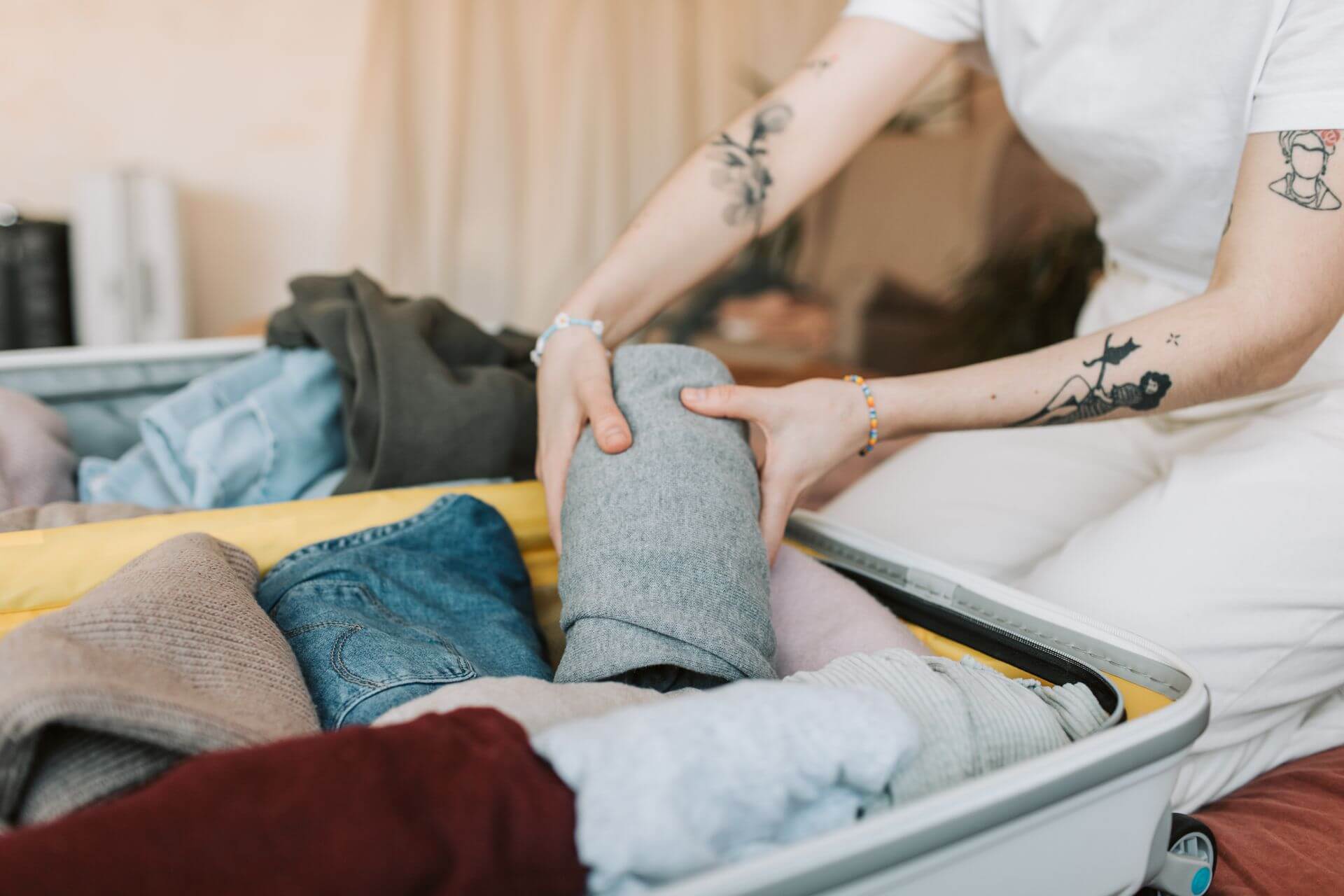
What to pack for a typical 2-week trip:

Item | Quantity | Notes |
Lightweight cotton tops | 5-6 | Loose fit, covers shoulders |
Loose trousers or long skirts | 3-4 | Avoid tight-fitting fabrics in heat |
One modest outfit | 1 | For temples, mosques, formal settings |
Light scarf or shawl | 1-2 | Covers shoulders/head at religious sites, also useful for AC trains |
Comfortable walking shoes | 1 pair | Closed-toe for city walking, temples with uneven floors |
Sandals or flip-flops | 1 pair | Many temples require removing shoes |
Light jacket or fleece | 1 | Overnight trains and buses run cold AC |
Swimwear | If relevant | Fine at beach resorts and pools; not for public use elsewhere |
If you’re traveling between multiple regions, pack clothing you can layer instead of bringing separate outfits for every destination.
Seasonal additions:
- Winter in North India (Nov–Feb): Nights in Delhi, Rajasthan, and Agra can drop to 5–10°C. Pack a warm layer — a jacket, not just a sweater.
- Himalayan trips (Ladakh, Himachal, Uttarakhand): Proper thermal layers, a windproof jacket, and sturdy hiking shoes.
- Monsoon season (Jun–Sep): A compact umbrella or rain shell, and quick-dry fabrics over cotton, which stays wet longer.
- Goa and beach destinations: Beachwear is fine on the sand, but cover up when walking through town.
A common mistake: packing mostly synthetic gym-style clothing because it seems “practical.” It traps heat and sweat far worse than cotton in India’s climate, and it doesn’t help with the modesty expectations of temples and rural towns.
Toiletries: What to Bring and What You Can Buy in India
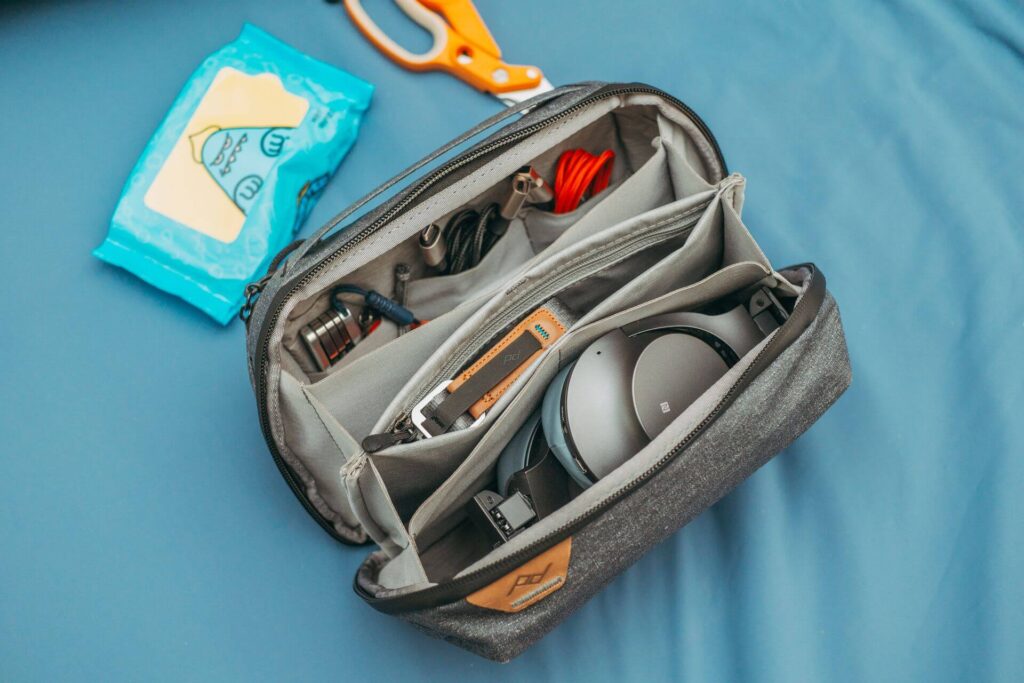
You don’t need to pack two weeks of every toiletry — most brands (including familiar international ones) are available in Indian cities. But a few items are worth bringing from home.
Bring these:
- Hand sanitizer and antibacterial wipes (not always available at street food stalls or public restrooms)
- Toilet paper or tissue packs — many public and even some hotel bathrooms don’t provide it
- Sunscreen (SPF 30+) — available locally but often pricier and less familiar in formulation
- Insect repellent with DEET, especially for evenings and monsoon-season travel
- A small quick-dry towel, useful for budget guesthouses that don’t always supply one
- Any specific skincare or cosmetic products you rely on, since matching your exact brand locally isn’t guaranteed
Buy locally if needed:
- Basic shampoo, soap, and toothpaste — widely available and inexpensive
- Bottled water — never drink tap water; bottled water is sold everywhere, including train platforms and airports
A note on menstrual products: International brands (tampons, menstrual cups) are less common outside major cities. Female travelers who use these should pack enough for the full trip.
Electronics: Travel Tech Essentials for India
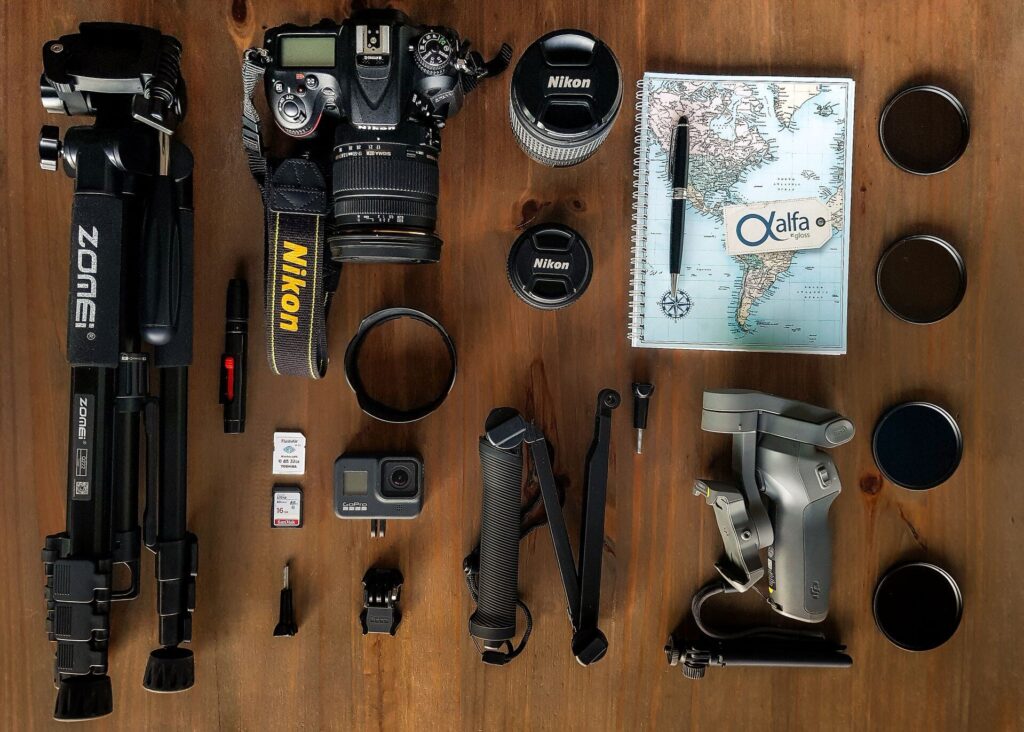
A universal travel adapter is one of the most useful electronics to pack for India because the country primarily uses Type C, D, and M sockets.
Power cuts happen, especially outside major cities, and long train journeys don’t always have working outlets at every seat.
Getting a local SIM card in India is affordable and makes navigation, ride-hailing, and staying connected much easier.
Your phone needs to be unlocked to accept it – check with your carrier before you leave if you’re not sure.
What to skip:
- Multiple hair styling tools — voltage mismatches cause real problems, and hotels above budget tier usually have hair dryers
- A laptop, unless you specifically need it for work — most digital nomads instead find a tablet plus phone covers 90% of needs and is lighter to carry through train stations and airports
Helpful tip: photograph your electronics’ serial numbers and pack a basic multi-USB charging cable before you go — one cable that charges phone, power bank, and camera saves real suitcase space.
Medicines: Travel Health Kit Essentials
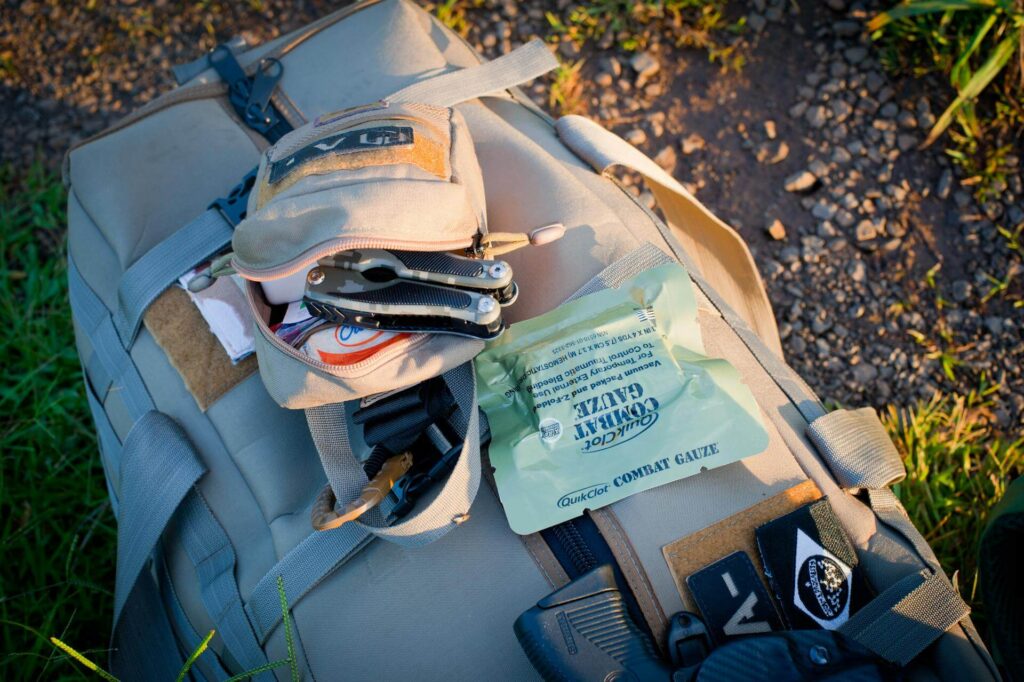
Most travelers only experience minor health issues, but a basic travel health kit is worth packing.
Core travel health kit:
- Oral rehydration salts (ORS) – one of the most useful items you can pack, for heat and any stomach issues
- Anti-diarrheal medication (loperamide) and a mild antacid
- Basic pain reliever (ibuprofen or paracetamol)
- Any prescription medications, in their original packaging, with enough supply for the full trip plus a few extra days
- A copy of prescriptions or a doctor’s note for any controlled or unusual medications, since customs can occasionally ask
Before you travel, also check:
- Whether your destination requires or recommends specific vaccines (this varies by region and season — a separate detailed guide covers this)
- Whether you need to start antimalarial medication before arrival, if traveling to a malaria-risk area
- Your travel insurance’s medical coverage details, and keep the policy number somewhere accessible, not just in your inbox
Frequent packing mistake: packing large quantities of over-the-counter medication that’s actually easy to find in India.
Pharmacies (chemists) are widespread in cities and sell most basic medications without issue – you don’t need a six-month supply of paracetamol.
Documents: What to Carry and How to Protect Them
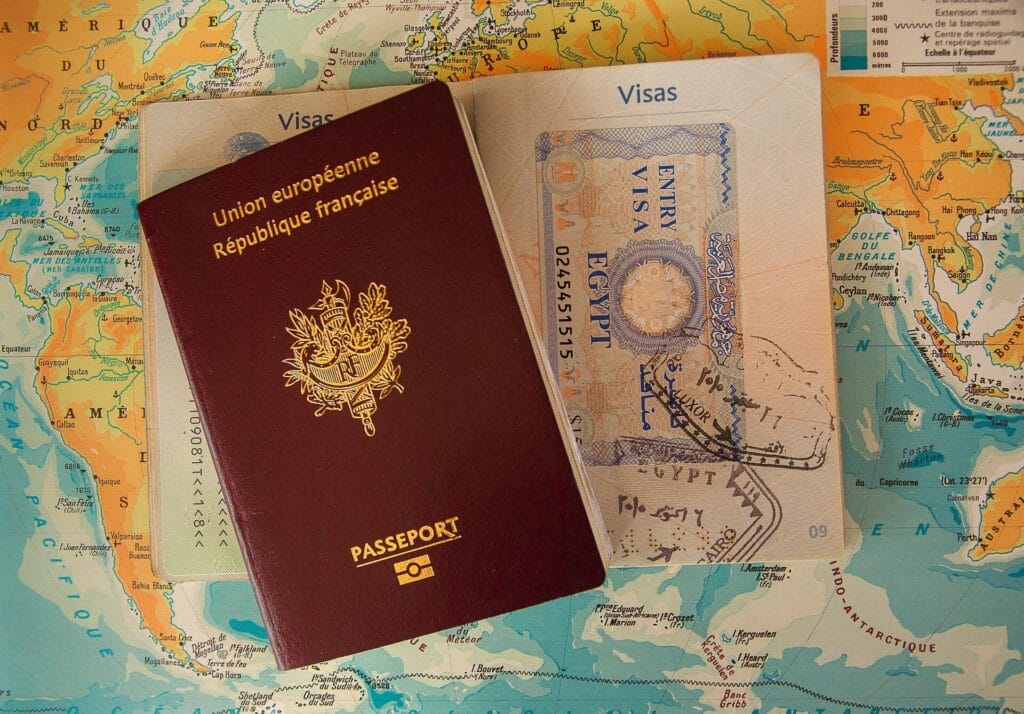
This is the category travelers most regret being careless with, since losing a passport or visa confirmation abroad creates real complications.
Carry these (physical and digital copies):
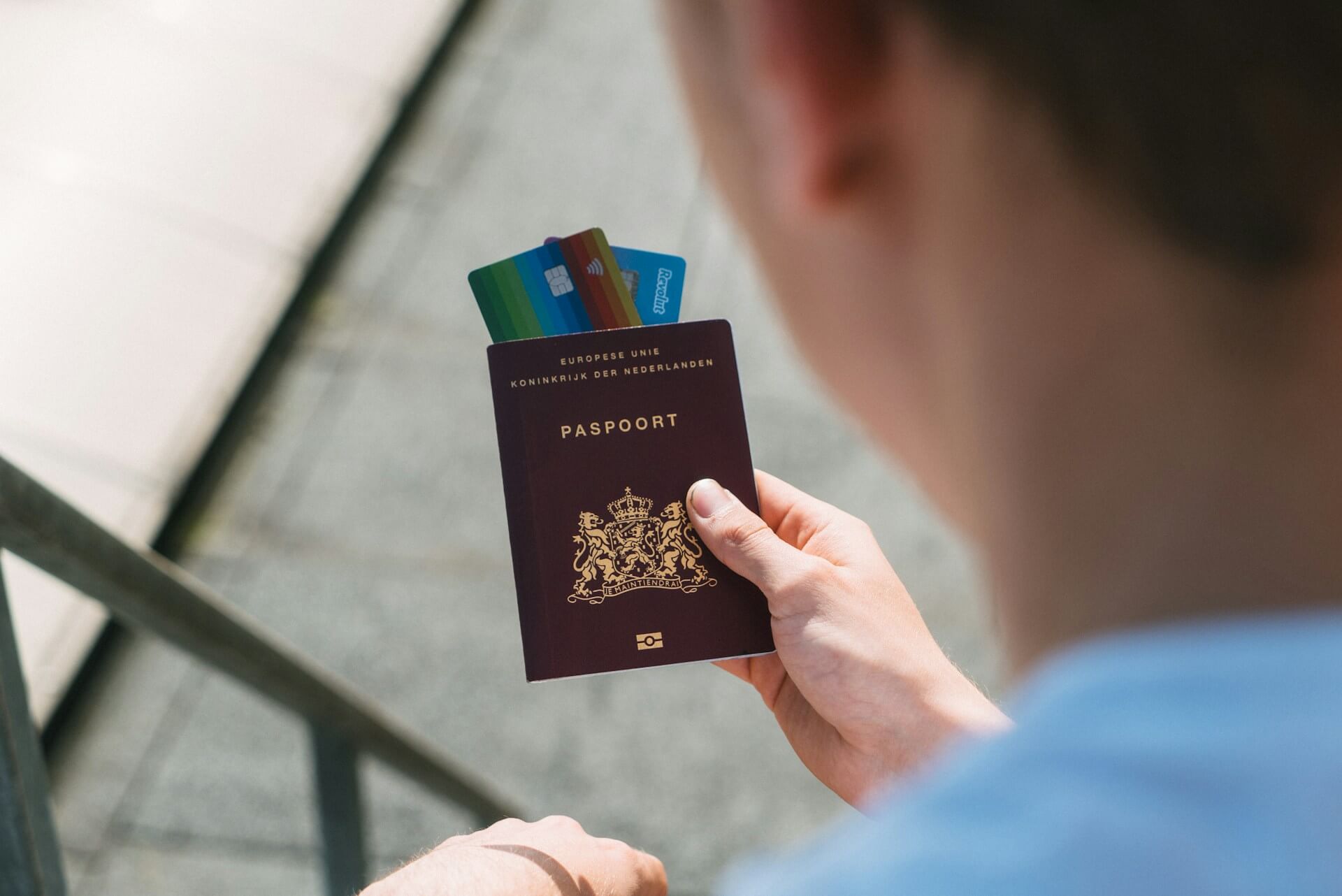
- Passport, valid 6+ months beyond your travel dates
- Printed e-Visa confirmation (some airlines and immigration desks still prefer a paper copy)
- Travel insurance policy details and emergency contact number
- Return or onward flight confirmation
- Hotel booking confirmations for at least your first few nights
- International driving permit, if you plan to rent a self-drive vehicle (uncommon for tourists, but relevant for some)
How to protect them:
- Photograph or scan every document and save copies to cloud storage you can access without wifi issues
- Email copies to yourself as a backup
- Keep physical copies in a separate bag from the originals, not the same daypack
- Leave one copy with a trusted contact at home
A note on money and cards: Notify your bank of India travel dates before you leave, and carry at least one backup card in a separate location from your primary wallet.
Digital payments (UPI apps like Google Pay) are widely used in India, but having cash on hand for smaller towns and cash-only vendors is still worth planning for.
Everything You Need to Pack for India: Quick Checklist

A simple pre-departure checklist:
- Passport valid 6+ months, with blank pages
- E-visa approved and printed
- Travel insurance purchased and details saved offline
- Prescriptions packed in original containers
- Universal plug adapter and power bank
- Phone confirmed unlocked for a local SIM
- Document copies saved to cloud and email
- Bank notified of travel dates
- Modest outfit packed for temple visits
- ORS and basic health kit packed
Approximate costs for pre-trip essentials (if buying new):
- Universal plug adapter: $8–15 USD
- Basic travel health kit: $20–40 USD
- Local SIM card (purchased in India): $5–10 USD for a data plan with calls
Common Mistakes Travelers Make
Overpacking clothing instead of planning to do laundry. Laundry services are inexpensive and widely available across India, so most travelers only need about a week’s worth of clothing.
Forgetting a modest outfit entirely. Even travelers focused on beach or nightlife destinations often end up visiting at least one temple or religious site, where shoulders and knees need to be covered.
Packing valuable jewelry. It draws unnecessary attention and adds a security concern with limited upside — leave expensive jewelry at home.
Assuming tap water is fine because the hotel is nice. Even upscale hotels generally recommend bottled or filtered water for drinking — check before assuming otherwise.
Not testing electronics’ voltage compatibility before the trip. A hair straightener or dryer rated for 120V only can be damaged or become a safety hazard on India’s 230V supply.
India Packing Checklist: Before You Go
Knowing what to pack for India isn’t about filling every inch of your suitcase – it’s about bringing the right essentials for your itinerary, the season, and the destinations you’ll visit.
By following this India packing checklist, you’ll avoid common packing mistakes, travel more comfortably, and spend less time replacing forgotten items once you arrive.
FAQs about India Packing Checklist
What should I pack for a trip to India?
Pack lightweight clothing, comfortable walking shoes, a universal travel adapter, a basic travel health kit, travel documents, sunscreen, insect repellent, and any prescription medications.
Do I need to cover my head when visiting temples in India?
Not always. Most Hindu temples only require modest clothing with covered shoulders and knees. Sikh gurdwaras require everyone to cover their head, so carrying a lightweight scarf is a simple solution.
Can I drink tap water in India?
No. Drink sealed bottled water or properly filtered water instead. Also avoid ice unless you’re sure it’s made from safe drinking water, and always check that bottled water seals are intact.
What plug adapter do I need for India?
India mainly uses Type C, D, and M sockets with a 230V power supply. A universal travel adapter that supports these plug types is the easiest option for most travelers.
Is it okay to wear shorts in India?
Yes, in beach destinations and resort areas. In cities, temples, and rural areas, lightweight trousers, long skirts, or dresses are generally a more comfortable and respectful choice.
How many clothes should I pack for a two-week trip to India?
About a week’s worth is usually enough. Laundry services are affordable and widely available across India, so you don’t need to pack clothes for every day of your trip.
What is the best clothing to pack for India?
Lightweight, breathable cotton or linen clothing is ideal for most parts of India. Loose-fitting clothes help you stay comfortable in the heat while respecting local dress customs.
Can I buy medicine in India if I forget something?
Yes. Most pharmacies sell common over-the-counter medicines. Bring prescription medications from home in their original packaging, as they may be harder to replace.
Do I need a special SIM card for India?
No. If your phone is unlocked, you can buy a local SIM card from Airtel, Jio, or Vodafone Idea using your passport and any required identification.
Is laundry available in India?
Yes. Laundry services are inexpensive and easy to find in most cities, towns, hotels, and guesthouses, making it easy to travel with fewer clothes.
What are the must-have items to pack for India?
Must-have items for India include breathable clothing, comfortable shoes, a universal adapter, travel documents, a basic health kit, sunscreen, and insect repellent.
What should women pack for India?
Women traveling to India should pack lightweight modest clothing, a scarf, comfortable walking shoes, personal toiletries, and any preferred menstrual products, as some international brands may be harder to find outside major cities.
Images: Pexels
