




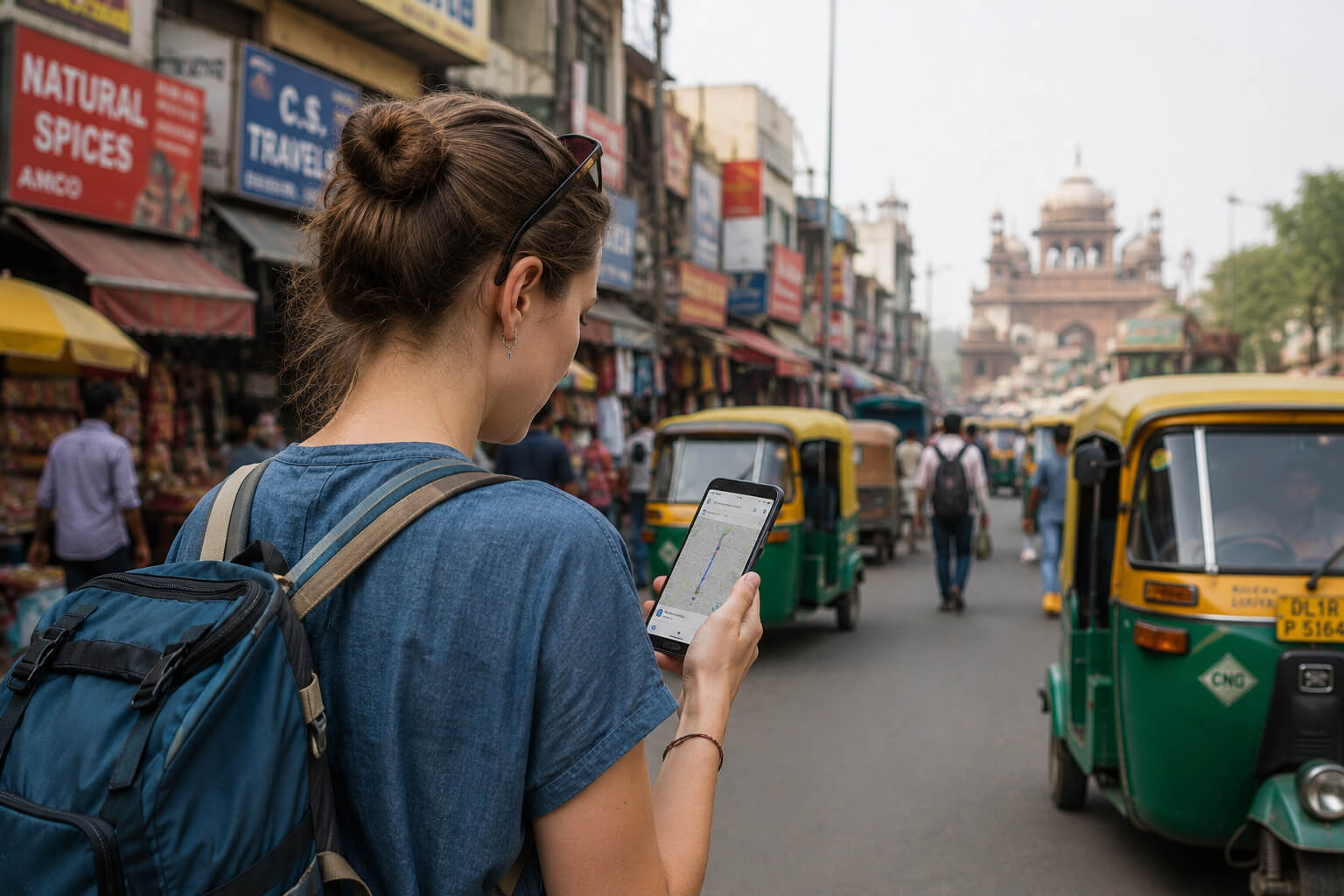
You’ve just landed in India. You switch off airplane mode, expecting your phone to connect – and nothing happens. No signal. No data. Google Maps won’t load.
You can’t book an Ola, can’t call your hotel, and can’t even figure out which exit to walk toward. Getting a local SIM card is the single most useful thing you can do within the first hour of landing.
If you’re planning your first trip, read my first time travel guide to India for a complete breakdown of visas, airport arrival, transport, payments, safety, apps, and essential travel tips for beginners.
This guide explains the best SIM providers, required documents, activation time, costs, and where tourists can buy a SIM card in India.
Table of Contents showQuick Answer: How to Get a SIM Card in India for Tourists
Tourists can get a prepaid SIM card in India from Airtel or Jio stores at airports or in cities.
You need:
- Passport
- Valid visa
- One passport photo
Cost: ₹300–₹450 for 28 days (data + calls)
Activation time: 2 to 24 hours
If you’re planning your first trip, make sure to check out my First Time Travel Guide to India, where I break down everything you need to know to travel smarter and make your journey across India much smoother and more enjoyable.
Why Tourists Need a SIM Card in India

India is not a country where you can comfortably navigate on hotel Wi-Fi alone. The moment you step outside your hotel, you need data.
For Google Maps to find your way through busy streets. For Ola and Uber to book every cab. For UPI payments at restaurants and shops that don’t take cards.
For WhatsApp to stay in touch with family. International roaming exists, but it’s expensive — often USD 10 to 15 per day for limited data.
A local Indian SIM gives you unlimited calls and 1.5 GB to 2 GB of daily data for an entire month, for less than USD 7.
Tourists can now use digital payments in many places – here’s my full guide on how foreign travelers can use UPI in India.
Types of SIM Cards Available for Tourists in India
Prepaid SIM Card
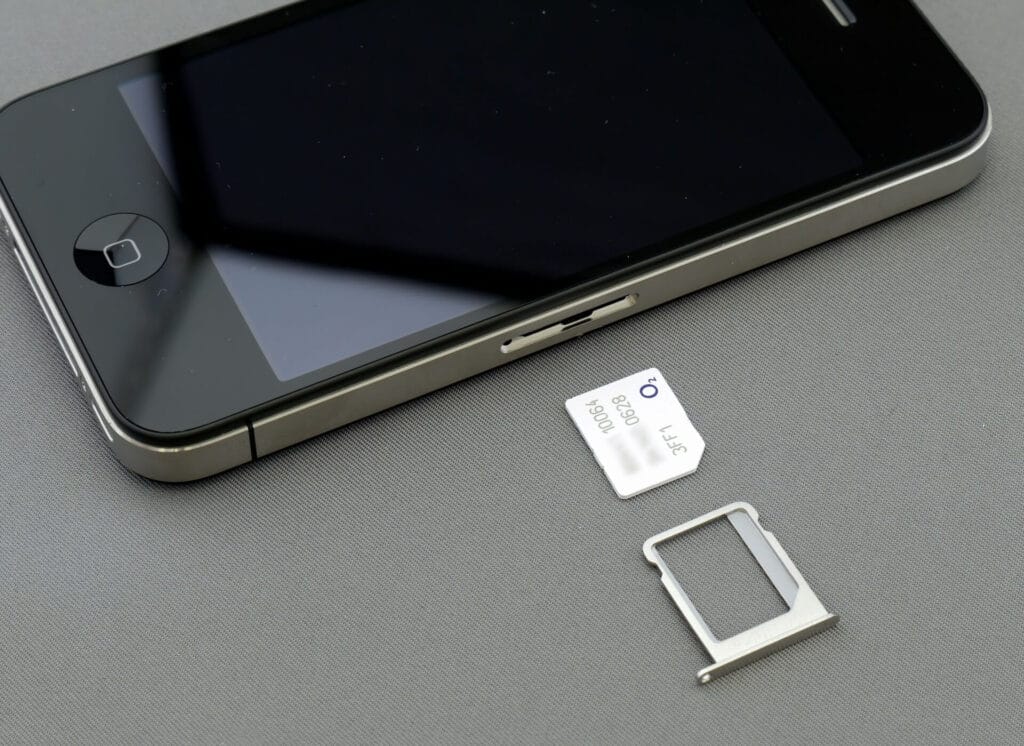
This is what 90% of tourists use. You buy the SIM, load it with a specific plan (called a recharge), and use it until the validity runs out.
No contracts, no monthly bills. When it runs out, you recharge again or leave it. Prepaid SIMs are available at airport kiosks, official telecom stores, and authorised retailers across every city in India.
Tourist SIM Card
Some providers – particularly Airtel – offer a specific Tourist SIM designed for international visitors.
These come pre-loaded with a data and calling plan, are valid for 30 days, and are activated faster than regular prepaid SIMs because they’re designed for short-stay visitors.
If you’re at the airport and an Airtel counter offers you a tourist SIM specifically, this is a legitimate product worth considering.
eSIM
An eSIM is a digital SIM that you activate on your phone without a physical card. Several Indian providers now support eSIM for tourists, including Airtel and Jio.
The requirement: your phone must support eSIM (most flagship phones from 2020 onward do — check your settings). We’ll cover this in more detail in the alternatives section.
International Roaming
International roaming works in India but is usually expensive compared to local prepaid plans. Most tourists save money by using an Indian SIM card instead.
Best SIM Card Providers in India for Tourists
Reliance Jio
Jio has the widest 4G network coverage in India — urban, semi-urban, and rural. It’s the most popular choice among both locals and tourists.
Data speeds are consistently good in cities, and the plans are among the cheapest available. The downside: Jio’s KYC process for foreigners can sometimes be slower than Airtel’s at certain locations, and customer support is primarily in Hindi.
Best for: Travelers going beyond major cities, budget-conscious tourists, anyone wanting maximum coverage.
Airtel
Airtel has the best network quality in premium urban areas — better call clarity and more consistent data speeds in dense city environments.
Their tourist SIM product is specifically designed for international visitors and often activates faster. Airtel is also more widely available at international airport kiosks and has more English-language customer support.
Best for: First-time travelers, those staying primarily in cities, anyone who values faster activation and easier support.
Vodafone Idea (Vi)
Vi has decent coverage in major cities but noticeably weaker service in smaller towns, hill stations, and rural areas. Their plans are competitively priced, but their network footprint doesn’t match Jio or Airtel.
Best for: Short stays in major metropolitan cities only. Not recommended if you’re traveling to Rajasthan villages, Himalayan regions, or remote destinations.
Quick Comparison
Provider | Network Coverage | Urban Speed | Tourist SIM | Best For |
Jio | Widest in India | Very Good | Standard Prepaid | Budget, wide travel |
Airtel | Excellent in cities | Excellent | Yes (dedicated) | First-timers, cities |
Vi | Good in metros only | Good | Standard Prepaid | Metro city stays |
Quick Pick:
- Choose Airtel if you want faster activation and strong city coverage
- Choose Jio if you’re traveling to smaller towns or rural areas
Documents Required for SIM Card in India (KYC Rules)
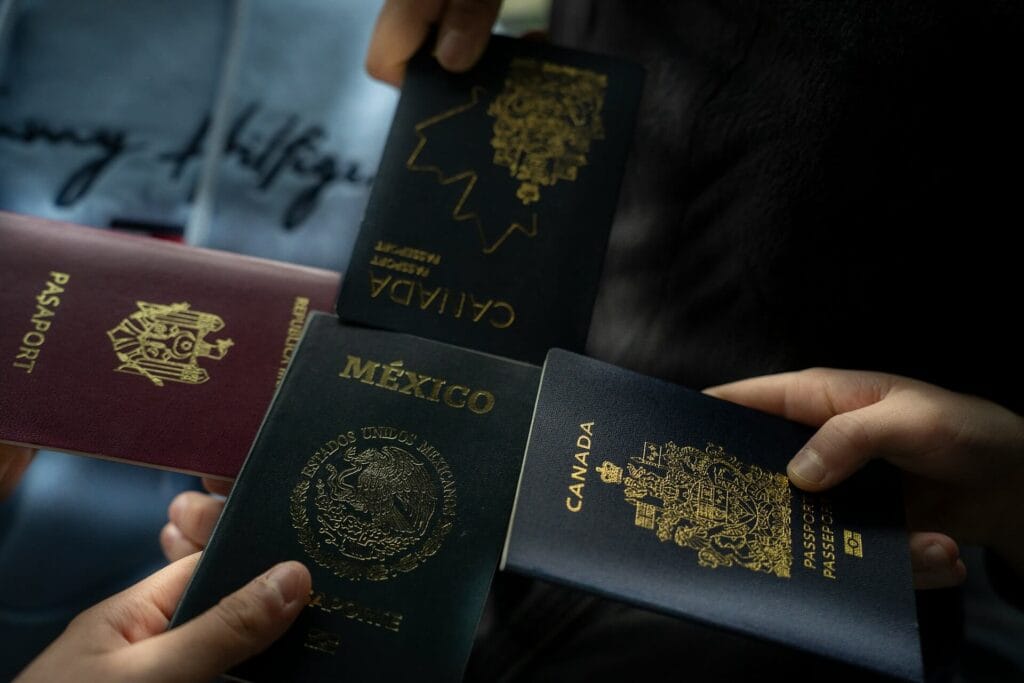
India’s telecom regulations require identity verification for every SIM purchase – including for tourists. This is called the KYC (Know Your Customer) process. It’s not optional, and no legitimate provider will sell you a SIM without it.
Here’s exactly what you need to carry:
Original Passport The actual physical document. Photocopies are not accepted for KYC.
Valid Indian Visa Your e-Visa approval printout or the visa stamp in your passport. The store needs to verify that you’re legally in India. A digital copy on your phone may be accepted at some counters, but a printout is safer.
One Passport-Sized Photograph A recent photo, ideally with a white background. Some airport and city stores have a photo printer on-site and can take your picture for a small fee (₹20–₹50). Carry one or two spare photos regardless — it saves time.
Indian Address (Hotel or Accommodation) You don’t need a permanent Indian address. Your hotel name and address is completely acceptable. Have it written down or accessible on your phone before you visit the store.
Our India Tourist Visa Documents Required Checklist explains the passport photo specifications and document formats in more detail.
Where to Buy a SIM Card in India
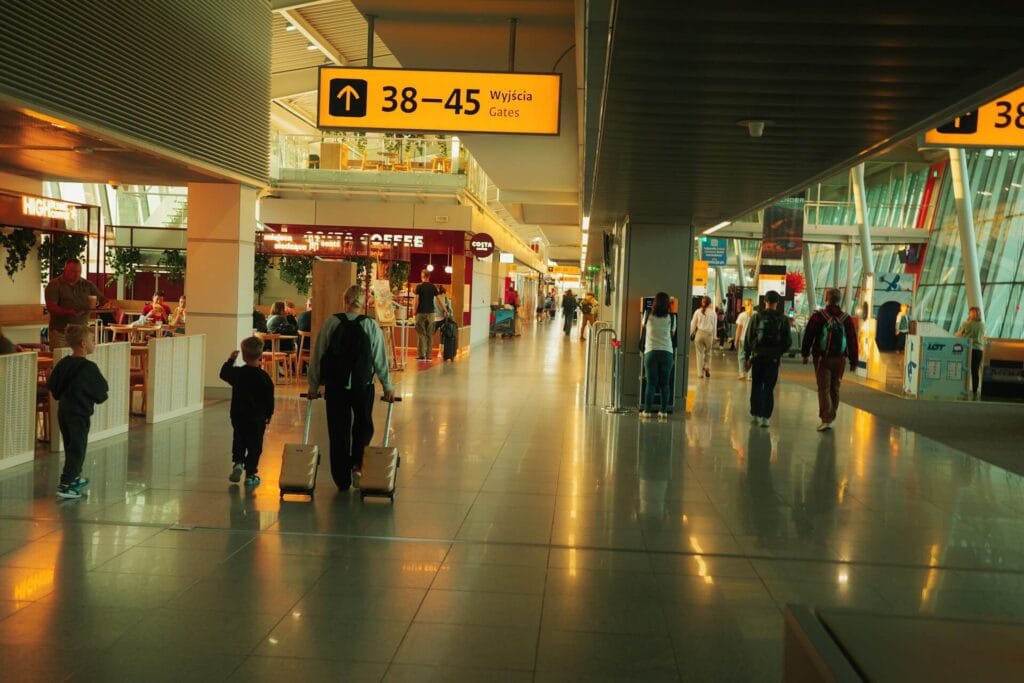
Airport Telecom Counters
Every major international airport in India — Delhi, Mumbai, Bengaluru, Chennai, Hyderabad, Kolkata, Goa — has official telecom kiosks in the arrivals hall, usually near the exit from Customs.
Pros: Convenient, staffed by people used to dealing with foreigners, often have English-speaking staff, tourist SIM products available.
Cons: Slightly higher prices than city stores. Activation at airport kiosks can also take several hours due to high volume of verifications.
Many hotels offer temporary Wi-Fi and you can visit a city store the next morning.
Official Telecom Stores in the City
Airtel, Jio, and Vi all have official branded stores in every Indian city. These are the most reliable places to buy a SIM outside the airport.
Staff at official stores are trained in the full KYC process, know how to handle foreign passports, and can troubleshoot activation issues on the spot. Plans are also slightly cheaper than airport counters.
Authorised Retailers and Local Shops
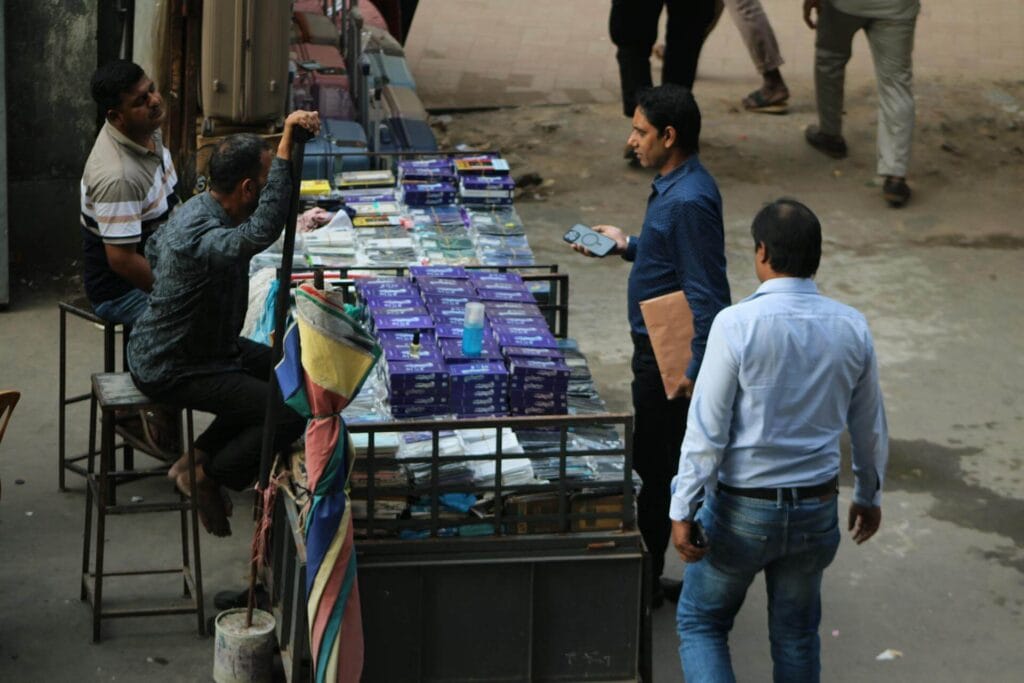
You’ll see small mobile phone shops and general stores selling SIM cards across every Indian street. Many are authorised retailers for Jio or Airtel.
These shops can sell you a SIM, but the process can be hit or miss. Some authorised retailers handle foreign passports regularly and do it smoothly. Others may not be familiar with the tourist KYC process and can cause delays or errors.
If you go this route, look for shops that display official telecom branding (Airtel, Jio, Vi banners) and confirm they’ve processed foreign passports before. Avoid street vendors selling SIMs with no official branding – these are not legitimate.
Step-by-Step Process to Get a SIM Card in India
Step 1: Choose Your Provider Based on where you’re traveling, choose Airtel (cities, first-timers) or Jio (wide coverage, budget). Go to their official airport kiosk or nearest city store.
Step 2: Tell the Staff You’re a Tourist Say specifically that you’re an international tourist needing a prepaid tourist SIM. This helps them direct you to the right product and process immediately.
Step 3: Choose Your Plan Staff will show you available plans. For most tourists, a plan with 1.5 GB to 2 GB daily data, unlimited calls, and 28-day validity is sufficient. Confirm the price, validity, and data limit before agreeing.
Step 4: Submit Your Documents Hand over your original passport, visa, and photograph. The staff will photocopy or scan the relevant pages, fill out a KYC form, and ask you to sign it.
Step 5: Pay for the Plan Pay the stated amount. Most stores accept cash (Indian Rupees) and many now accept cards or UPI. Get a receipt.
Step 6: Insert the SIM The staff will usually help you insert the SIM into your phone and confirm it’s seated correctly. Make sure the SIM tray is compatible — Indian SIMs are typically nano-SIM size, which fits most modern smartphones.
Step 7: Wait for Activation This is the part where patience is required. See the next section for realistic expectations.
Not sure how much cash you’ll need? Read our guide to Cash vs Card in India for Tourists.
How Long Does It Take to Activate a SIM Card in India?
SIM card activation in India usually takes 2 to 24 hours for tourists.
- Airtel tourist SIM: 1–4 hours
- Airtel/Jio stores: 2–8 hours
- In some cases: up to 24 hours
Delays happen due to KYC verification and high demand.
What to do while waiting:
- Use hotel or airport Wi-Fi
- Keep your phone on for verification calls
- Contact support if not active after 24 hours
Jio users may need to dial 1977 to complete activation.
SIM Card Cost and Data Plans in India
Here’s a realistic price guide for 2026:
Budget Plans (28–30 days)
Plan Type | Daily Data | Calls | Validity | Approx Cost |
Basic | 1 GB/day | Unlimited | 28 days | ₹199–₹239 |
Standard | 1.5 GB/day | Unlimited | 28 days | ₹299–₹349 |
Heavy | 2 GB/day | Unlimited | 28 days | ₹399–₹449 |
These all refer to the same process of getting a local prepaid SIM with KYC verification using your passport and visa. ₹300 to ₹450 (roughly USD 3.50 to USD 5.50) gets you a month of data and unlimited calls.
Compare that to international roaming at USD 10–15 per day. For trips shorter than 28 days, some providers offer 14-day plans at lower prices. Ask the store staff specifically for shorter-validity options.
First Recharge and Setup
Once your SIM is active, a few quick setup steps will make everything work smoothly.
Check your balance: Dial *121# (Airtel) or *333# (Jio) to confirm your plan is active and see your data balance.
Set up your APN (if data isn’t working): Go to your phone’s mobile network settings and check the APN (Access Point Name). For Airtel it’s “airtelgprs.com” and for Jio it’s “jionet.” Store staff can set this for you if needed.
Download key apps: Google Maps (for navigation), Ola and Uber (for taxis), Zomato or Swiggy (for food delivery), Google Pay or PhonePe (for UPI payments). These four apps cover 80% of your daily needs in India.
Save the customer care number: Airtel: 121. Jio: 198. Vi: 199. These work even before activation is complete.
I’ve also put together a complete list of the best apps for traveling in India including maps, taxis, food delivery, train booking, and safety apps.
Which SIM Card Is Best for Tourists in India?
For most first-time tourists, Airtel is the best SIM card in India. It offers excellent network quality in cities, has a dedicated tourist SIM product, and provides faster activation than competitors.
For travelers visiting rural areas, hill stations, or smaller towns, Jio is the better choice due to its wider 4G/ 5G coverage across India at slightly lower plan prices.
Common Problems Tourists Face – And How to Solve Them
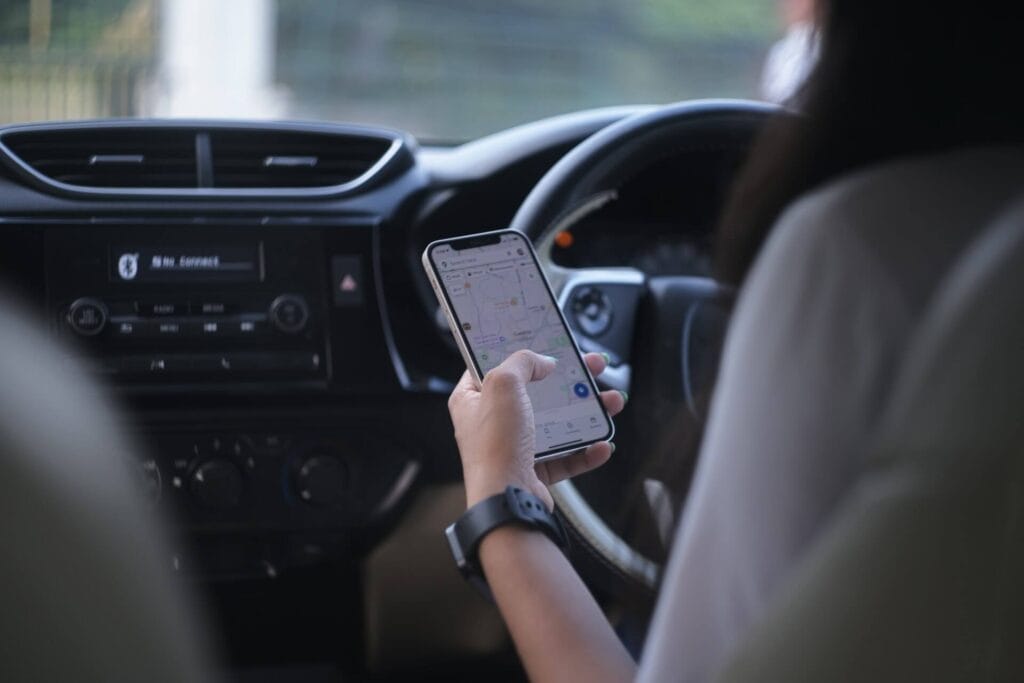
Problem: SIM not activating after several hours Solution: Call Jio (198) or Airtel (121) from any other phone. Give them your new SIM number. They can check the status and trigger manual activation. If you’re at a hotel, ask the front desk to assist with the call.
Problem: Data working but calls not connecting Solution: Check that VoLTE (Voice over LTE) is enabled in your phone settings. Some phones default to data-only mode when a new SIM is inserted.
Problem: Store says they can’t process a foreign passport Solution: Leave and find an official branded store. Smaller retailers sometimes lack the access or training to complete foreign KYC. Official Airtel or Jio stores are equipped to handle it.
Problem: Airport kiosk is closed on arrival Solution: Use your hotel Wi-Fi for the first night and visit an official city store the next morning.
Alternatively, connect to the airport’s free Wi-Fi (available at all major Indian airports) to contact your hotel and arrange pickup.
Safety Tips – Avoid SIM Card Scams
India’s official telecom process is safe and straightforward. Problems usually happen when travelers go outside official channels.
Only buy from official branded stores. Airtel stores have red branding. Jio stores have blue and black. Vi stores have red. If you’re at a random street stall with no official branding, walk away.
Never pay more than the stated plan price. If a vendor claims the “tourist SIM” costs ₹1,500 and includes special features, they’re inflating the price. Standard tourist-friendly plans cost ₹300 to ₹600. Know the going rate before you walk in.
Don’t hand over your passport and walk away. Stay present while your documents are being processed. Your passport should not leave your sight during this process.
Ignore airport touts. In the arrivals area, people may approach you offering SIM cards or “helping” you get connected. These are not official telecom staff. Official counters are fixed, clearly branded kiosks — not people walking up to you.
Alternatives to SIM Cards in India
eSIM
If your phone supports eSIM (iPhone XS and later, most Samsung Galaxy S-series from 2020 onward, Google Pixel 3 and later), you can activate an Indian eSIM before you land.
Airtel and Jio both offer eSIM for tourists. You purchase online, receive a QR code, scan it with your phone, and the plan activates – no physical card, no queues.
The catch: eSIM setup for foreign visitors still requires document submission, which some providers handle via email or WhatsApp before arrival.
Processing is not always instant. Check the provider’s current eSIM process on their official website before relying on it.
Portable Wi-Fi Device (MiFi)
A pocket Wi-Fi device connects to India’s mobile network and creates a personal Wi-Fi hotspot. You can connect multiple devices to it simultaneously.
These are available for rent at some major airports and online. Useful for groups or travelers who prefer not to swap SIM cards. The downside: an additional device to carry and charge, and you still need to manage data.
Hotel and Café Wi-Fi
Free Wi-Fi is widely available at hotels, cafés, and restaurants in Indian cities. It’s fine for browsing and messaging, but you can’t rely on it for navigation in transit, cab booking on the move, or payment apps. Think of it as a supplement, not a substitute.
Once you’re connected, you’ll also want to understand how money works in India before making purchases.
Mistakes to Avoid
Carrying only photocopies of your passport. The store cannot accept copies for KYC. Always carry the original.
Not carrying a passport photo. Some counters provide photos on-site; others don’t. One spare photo in your travel wallet takes up no space and saves significant time.
Assuming the SIM will activate instantly. Planning your first afternoon around having mobile data immediately is risky. Budget for up to 8 hours of activation time on Day 1.
Buying from unofficial sellers to save ₹50. The risk of a SIM that doesn’t activate, has incorrect details, or causes KYC issues later is not worth the savings.
Not checking eSIM compatibility before travel. If you want an eSIM, verify your phone model supports it and check the provider’s current process at least a week before your departure.
Pro Tips From Experienced India Travelers
Carry two passport photos in your travel wallet at all times. You’ll need them for the SIM, potentially for visa extensions, and at various tourist sites.
Ask for a local call test before leaving the store. Have the staff call your new number from their phone to confirm calls are working.
Screenshot your hotel address in Hindi before landing. If your phone has no data when you arrive and the driver doesn’t read English well, showing the address in the local script eliminates confusion entirely.
In smaller cities and towns, Jio almost always wins on coverage. If you’re heading to places like Spiti Valley, rural Rajasthan, or remote hill stations, Jio’s rural 4G footprint is significantly better than Airtel’s and far ahead of Vi’s.
Conclusion
Getting a SIM card in India as a tourist is not complicated – but knowing the process before you arrive makes all the difference between a smooth first hour and a stressful one.
Airtel or Jio, official store, bring your passport and a photo, choose a 28-day data plan for ₹300 to ₹450, and expect activation within a few hours.
That’s it. Once that SIM is active, everything else in India becomes easier – navigation, transport, payments, communication. It’s the one setup task that unlocks everything else.
FAQs about Get a SIM Card in India for Tourists
Can tourists buy a SIM card in India?
Yes, tourists can buy a prepaid SIM card in India from Airtel, Jio, or Vi stores using a passport, valid visa, and a passport-size photo.
Which SIM card is best for tourists in India?
Airtel is best for city travel and faster activation, while Jio is better for wider coverage in rural and remote areas.
How long does it take to activate a SIM card in India?
SIM activation usually takes 2 to 24 hours. Airport tourist SIMs may activate faster, while some Jio SIMs can take up to a day.
Can I get a SIM card at the airport in India?
Yes, most international airports in India have Airtel and Jio kiosks where tourists can buy SIM cards after arrival.
What documents are required for a SIM card in India?
You need your original passport, a valid Indian visa, and one passport-size photograph for KYC verification.
How much does a SIM card cost in India for tourists?
A prepaid tourist SIM in India typically costs ₹300 to ₹450 for 28 days, including data and unlimited calls.
Can I use eSIM in India as a tourist?
Yes, Airtel and Jio offer eSIM options for tourists, but your phone must support eSIM and require document verification.
Why is my SIM card not activating in India?
Delays usually happen due to KYC verification. If it takes more than 24 hours, contact customer care or revisit the store.
Can I use my international SIM card in India?
Yes, but international roaming is expensive. A local Indian SIM card is much cheaper and more reliable.
Do I need an Indian address to get a SIM card?
No permanent address is needed. You can use your hotel name and address for the KYC process.
Images: Unsplash
