





You’re repacking your suitcase the night before your flight, and a question pops up: can you actually bring your drone, that bottle of duty-free whisky, or the gift-wrapped electronics for a friend in Mumbai?
Getting this wrong doesn’t just mean an awkward conversation at the airport – it can mean confiscated items, a fine, or worse for a small number of genuinely prohibited things.
This guide explains India customs rules for travelers, including what you can bring duty-free, what items need to be declared, and what you should never pack when arriving in India.
Table of Contents showQuick Answer
For a smooth arrival through Indian customs:
- Know your India duty-free allowance — foreign tourists can bring goods worth up to ₹25,000 without paying customs duty.
- Declare anything above your allowance, including large amounts of cash, gold bars or coins, drones, and other restricted items.
- Choose the right channel — Green if you have nothing to declare, Red if you do
- Never pack narcotics, satellite phones, undeclared firearms, or counterfeit goods – these are not just customs issues; they can become serious legal problems.
- When unsure, declare it. Walking the Green Channel with something you should have declared is the mistake that turns a routine arrival into a real problem
How India Customs Works for International Travelers

India updated its baggage and customs rules under the Baggage Rules, 2026, which changed some allowances and requirements for international travelers.
The core system tourists need to understand hasn’t changed conceptually – you still get a duty-free allowance, you still choose between two exit channels, and you still need to declare anything unusual – but the specific limits were revised.
India Airport Customs Channels: Green Channel vs Red Channel
Customs Channel | Choose This Channel When | Examples |
Green Channel | You have nothing to declare and all your belongings are within the allowed duty-free limit | Personal clothes, your own laptop or camera, normal travel items, and permitted goods within the duty-free allowance |
Red Channel | You are carrying items that need to be declared, exceed the duty-free allowance, or require customs approval | Excess goods, gold, large amounts of cash, drones, restricted items, or anything requiring permission or documentation |
Choosing the Green Channel when you are carrying something that should be declared is not a shortcut. It can lead to penalties, confiscation, and additional customs checks.
India Duty-Free Allowance for International Travelers

Foreign tourists (non-Indian-origin visitors on a tourist visa) can bring in goods worth up to ₹25,000 (roughly $290 USD, though this shifts with the exchange rate) without paying duty.
This is separate from — and lower than — the allowance for Indian residents, NRIs, and OCI cardholders, who can bring in goods worth up to ₹75,000 under the same 2026 rules.
What counts toward this limit are new items in your baggage that you purchased abroad for personal use or as gifts.
It doesn’t apply to your own personal effects you’re traveling with (your existing phone, camera, or laptop you already own and are simply carrying, not importing).
One laptop per traveler (age 18+) is allowed duty-free separately from this general allowance, which matters for digital nomads and business travelers carrying a work laptop.
If your goods exceed the allowance, you declare the excess at the Red Channel and pay duty on the value above your limit.
Duty rates and calculation methods are periodically revised, so check the current rate on the official Central Board of Indirect Taxes and Customs site (cbic.gov.in) close to your travel date rather than relying on a fixed figure.
India Customs Currency Rules: How Much Cash Can You Bring?
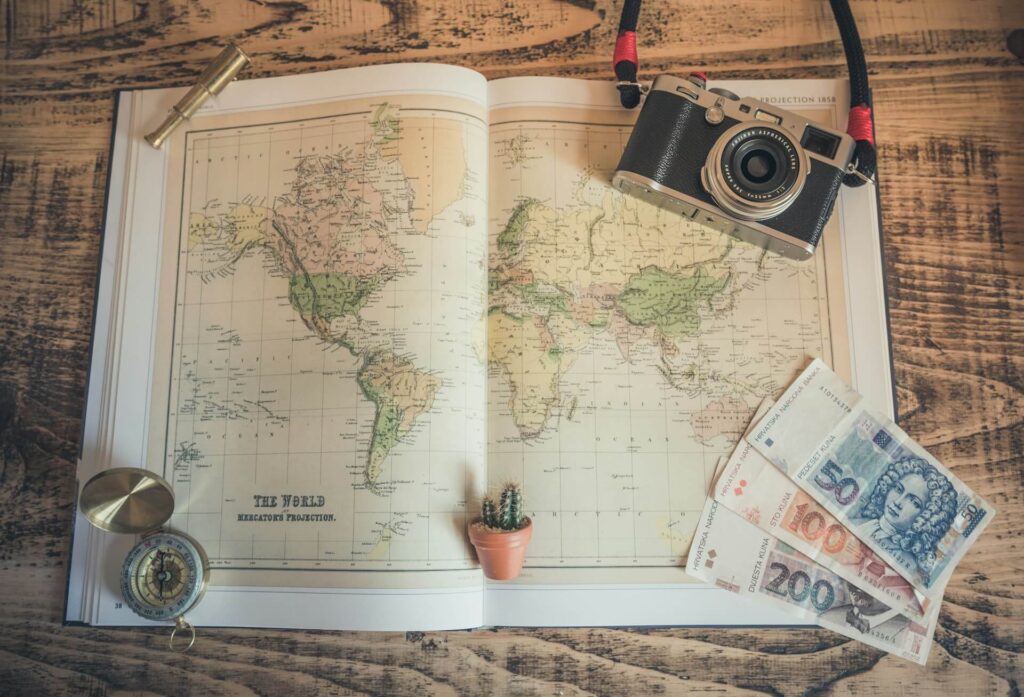
Currency limits catch out more travelers than almost any other customs rule, mainly because the rules differ for Indian rupees versus foreign currency.
Foreign currency (cash):
- No overall limit on how much you can bring into India
- You must declare it if you’re carrying more than $5,000 USD in cash, or more than $10,000 USD combined across cash and traveler’s cheques
Indian rupees:
- Tourists generally shouldn’t bring significant amounts of Indian currency into the country – this allowance is designed primarily for Indian residents, who are permitted to carry up to ₹25,000.
- If you’re departing India with leftover rupees, note that taking Indian currency out of the country is capped at ₹25,000 as well
Practical tip: if you’re carrying cash anywhere near these thresholds, declare it.
The declaration itself isn’t a problem – it’s the paperwork that protects you if you’re questioned about the amount, and it’s also what allows you to take an equivalent amount back out when you leave.
India Customs Gold and Jewelry Rules

Gold receives extra attention at Indian customs because the rules differ depending on whether you are a tourist, Indian resident, or returning NRI.
For most foreign tourists: gold bars, coins, or bullion are always dutiable, regardless of value, and should be declared at the Red Channel if you’re carrying any. This isn’t a category where the general duty-free allowance applies.
Jewelry allowances (40 grams for women, 20 grams for other passengers) exist mainly for Indian residents and NRIs who’ve been abroad for a year or more – not for short-term foreign tourists.
If you’re a tourist bringing personal jewelry you already own and plan to take home again, this is generally treated as a personal effect rather than an import, but leave anything genuinely valuable at home if you can, simply to avoid a slow conversation at the airport.
Restricted and Prohibited Items You Cannot Bring Into India
This is the section worth reading carefully, since the two categories carry very different consequences.
Prohibited items – banned outright, regardless of declaration:
- Narcotic drugs and psychotropic substances
- Pornographic or obscene material
- Counterfeit currency or counterfeit goods
- Maps or literature that depict India’s external boundaries incorrectly
- Certain wildlife products and ivory
Restricted items — allowed only with the right permit, license, or declaration:
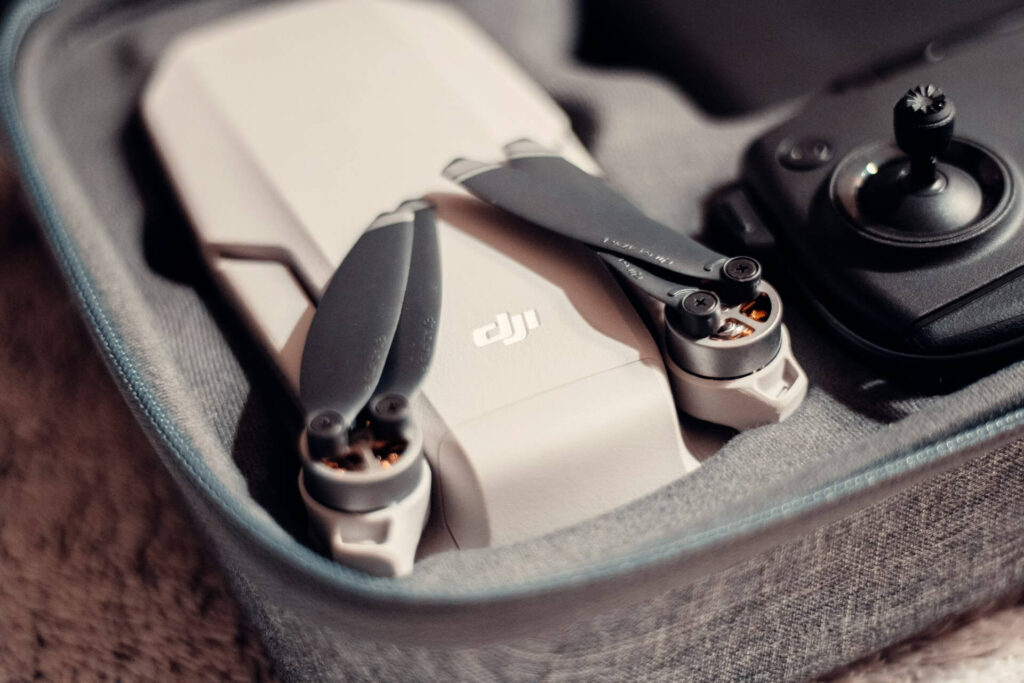
- Drones: require import clearance and should be declared at the Red Channel or through the ATITHI app before arrival.
- Consumer drones brought without prior approval are commonly stopped at Indian airports, so this is not an item you should pack without checking the rules first.
- Satellite phones: devices like Thuraya and Iridium handsets are illegal to bring into India under national telecom law. This one has no simple workaround – don’t pack a satellite phone for an India trip.
- Firearms and ammunition: require a license; undeclared firearms are treated as a serious offense, not a customs fee.
- Certain fresh foods: fresh fruit, vegetables, meat, and dairy products from most countries are restricted for agricultural biosecurity reasons.
- Antiques and cultural artifacts: items that appear old, religious, or historically significant may need clearance, particularly relevant if you’re planning to take something like this out of India rather than bring it in.
Bringing electronics into India: Personal devices such as cameras, laptops, and phones that you already own and use while traveling are generally not treated as dutiable imports, as long as they are not intended for sale or commercial use.
One laptop and one camera usually look like personal-use items, while five identical new phones may appear to be commercial imports.
India Customs Rules for Alcohol and Tobacco

Personal quantities of alcohol and tobacco are generally allowed within reasonable limits, but exact figures are periodically revised, so it’s worth checking the current allowance on the official customs site if you’re carrying more than a bottle or two purchased duty-free en route.
Carrying commercial quantities of either – more than a reasonable personal quantity – pushes you into dutiable or restricted territory.
Digital Declaration: The ATITHI App
India now offers digital customs declaration through the ATITHI app, allowing travelers to submit details before arrival.
The ATITHI app (Air Travellers’ Information and Facilitation) lets you file your customs declaration before you land, which speeds up clearance if you’re carrying anything dutiable, restricted, or above the currency threshold.
How it helps:
- Fill out your declaration before boarding or during your flight
- Arrive with your declaration already logged in the system
- Move through the Red Channel with less friction than filing paperwork on the spot
Using the app is optional if you have nothing to declare — Green Channel travelers can skip it entirely.
Important India Customs Information Before You Travel
Where to check the latest India customs rules: the Central Board of Indirect Taxes and Customs website (cbic.gov.in) publishes the current Baggage Rules and duty rates, which is the most reliable source if a specific figure in this guide has since been revised.
Airports with major international arrivals: Delhi (IGI), Mumbai (Chhatrapati Shivaji Maharaj), Bengaluru (Kempegowda), and Chennai are the busiest entry points and generally have the most experienced customs staff handling tourist declarations.
If your goods are detained: items held by customs (for example, an undeclared drone) can typically be retrieved when you leave the country, held in custody for a defined period – but this involves a process, not an instant fix, so it’s far simpler to avoid the situation by checking rules before you pack.
Emergency or dispute situations: if you have a genuine dispute with a customs assessment, ask for the officer’s supervisor or the customs helpdesk at the airport rather than arguing at the counter – most airports have a dedicated inquiry counter for this.
Common India Customs Mistakes Travelers Make

Many travelers search for “what can I bring into India” before flying because rules for electronics, gifts, alcohol, gold, and cash can be confusing. Checking these items before departure can help avoid delays at Indian airport customs.
Assuming duty-free shopping at your departure airport doesn’t count. It does – alcohol, electronics, and other goods bought duty-free abroad still count toward your Indian customs allowance when you land.
Packing a drone as a normal gadget. Travelers are often surprised that a consumer drone needs formal clearance — this is one of the most commonly confiscated items at Indian airports precisely because people don’t expect it to be restricted.
Carrying cash just under the threshold “to be safe” without realizing combined totals count. The $10,000 combined threshold includes traveler’s cheques added to cash, not just cash alone.
Choosing the Green Channel out of habit or embarrassment. Declaring something dutiable is a normal, low-friction process. Walking through Green with an undeclared item is the actual risk.
Bringing gold jewelry assuming the resident/NRI allowance applies to tourists. It generally doesn’t — those figures are calculated for people returning to India after living abroad, not short-term visitors.
Final Tips for Clearing India Customs Smoothly
India customs rules for travelers are designed to manage what enters the country, not to create problems for honest visitors.
The rules only become a real problem when something specific – a drone, a large amount of cash, gold, or a genuinely prohibited item – goes undeclared.
Check your bag against this guide before you fly, declare anything that fits the Red Channel categories, and the customs hall becomes exactly what it should be: a quick, uneventful step between your flight and the rest of your trip.
Customs rules and duty limits can change, so always check the latest information from Indian customs authorities before your trip, especially if you are carrying restricted items or high-value goods.
FAQs About India Customs Rules for Travelers
What is the duty-free allowance for tourists visiting India?
Foreign tourists can bring goods worth up to ₹25,000 into India without paying customs duty. This allowance applies to eligible goods and is separate from the higher allowance available to Indian residents and NRIs.
Can I bring my drone to India as a tourist?
Yes, but only with the required prior approval and import clearance. Consumer drones brought without arranging the necessary permissions may be detained at Indian customs, so check the latest drone requirements before traveling.
How much cash can I bring into India without declaring it?
You can bring up to $5,000 USD in cash without a declaration. If you carry more than $5,000 USD in cash, or more than $10,000 USD combined with traveler’s cheques, you must declare it to Indian customs.
Is it illegal to bring a satellite phone to India?
Yes. Satellite phones such as Thuraya and Iridium handsets are restricted under Indian telecom regulations, and they cannot simply be allowed by declaring them at customs.
What happens if I don’t declare something I should have?
You may face confiscation, penalties, or legal action depending on the item and circumstances. Carrying undeclared dutiable goods or restricted items through the Green Channel can create serious problems at Indian airport customs.
Can I bring gifts for friends or family in India?
Yes. Gifts are included in your general duty-free allowance, just like personal purchases. If the total value exceeds your permitted limit, you should declare the excess goods at the Red Channel.
Do I need to declare my personal laptop and camera in India?
Usually no. Personal devices that you already own and use while traveling, such as your laptop or camera, are generally not treated as imported goods. Customs mainly focuses on new items, commercial quantities, or goods intended for sale.
How much gold can I bring into India as a tourist?
Gold rules depend on your traveler status. Gold bars and coins are generally dutiable for foreign tourists, while certain jewelry allowances mainly apply to Indian residents and NRIs returning after spending extended time abroad.
Can I bring prescription medication into India?
Yes, in most cases, if it is for personal use. Carry medication in its original packaging and keep a prescription or doctor’s note available, especially for controlled medicines or larger quantities.
What should I do if Indian customs detains an item I brought by mistake?
Ask the customs officer about the storage and retrieval process. Many detained items can be collected when you leave India, but the process depends on the item and the reason it was held.
Is alcohol allowed in checked baggage arriving in India?
Yes, personal quantities of alcohol are generally allowed within the permitted limits. Because alcohol allowances can change, check the latest India customs rules before carrying larger quantities.
Do India customs rules apply the same way at land borders as at airports?
Not always. Customs allowances can vary depending on whether you enter India by air, sea, or land border. If you are entering through a land border with Nepal, Bhutan, or another neighboring country, check the rules for that specific entry point.
What items are not allowed to bring into India?
Items such as narcotics, counterfeit goods, certain wildlife products, firearms without permission, and other prohibited materials cannot be brought into India. Some restricted items may require special approval before arrival.
Do I need to use the Red Channel at Indian customs?
Use the Red Channel if you are carrying goods that need to be declared, restricted items, excess currency, gold, or anything above the duty-free allowance. If you are unsure, declaring the item is the safer option.
Can I bring food into India?
Some packaged foods may be allowed, but fresh fruits, vegetables, meat, dairy products, and certain agricultural items are restricted. Check the latest India customs rules before bringing food items into the country.
Images: Unsplash
