
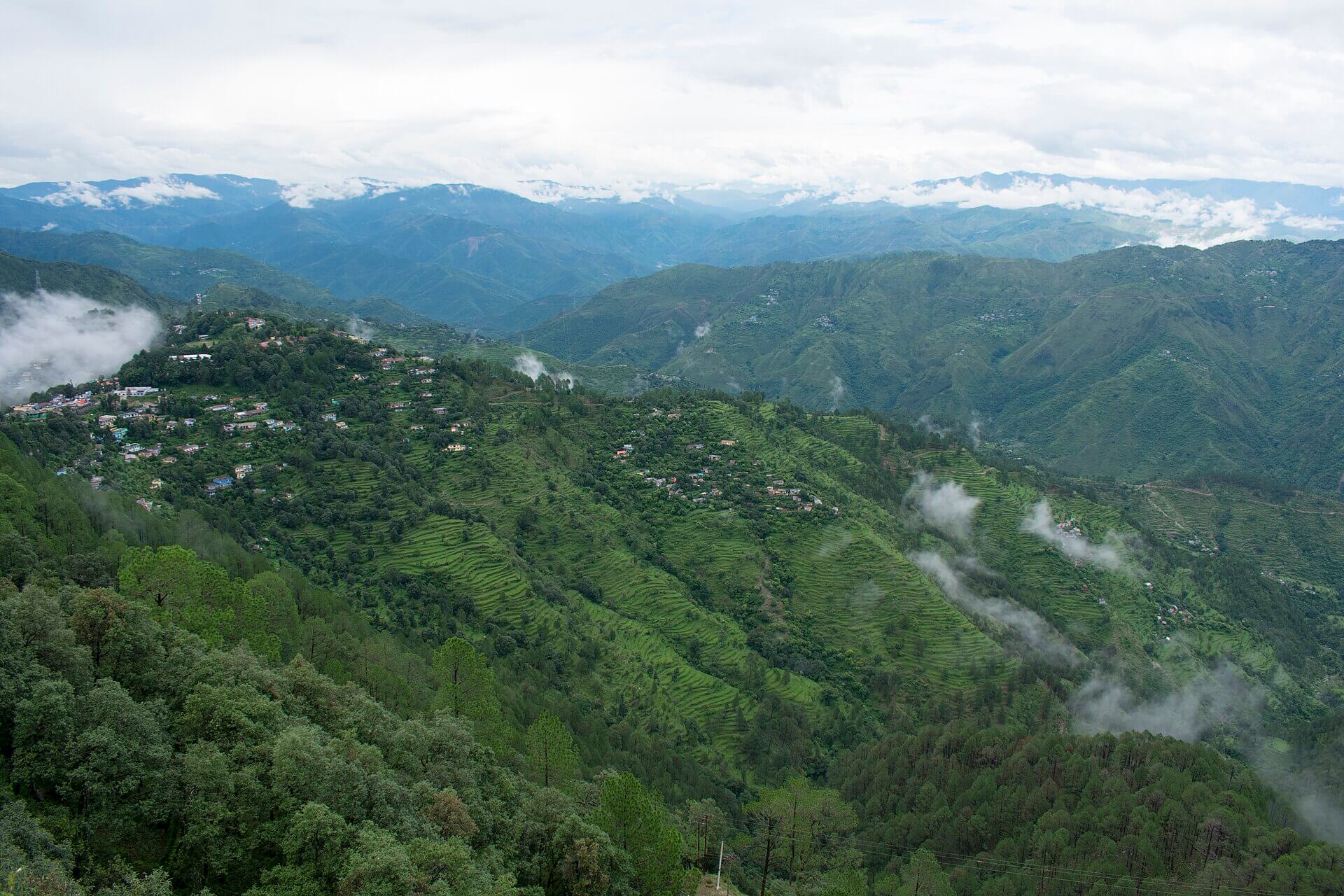
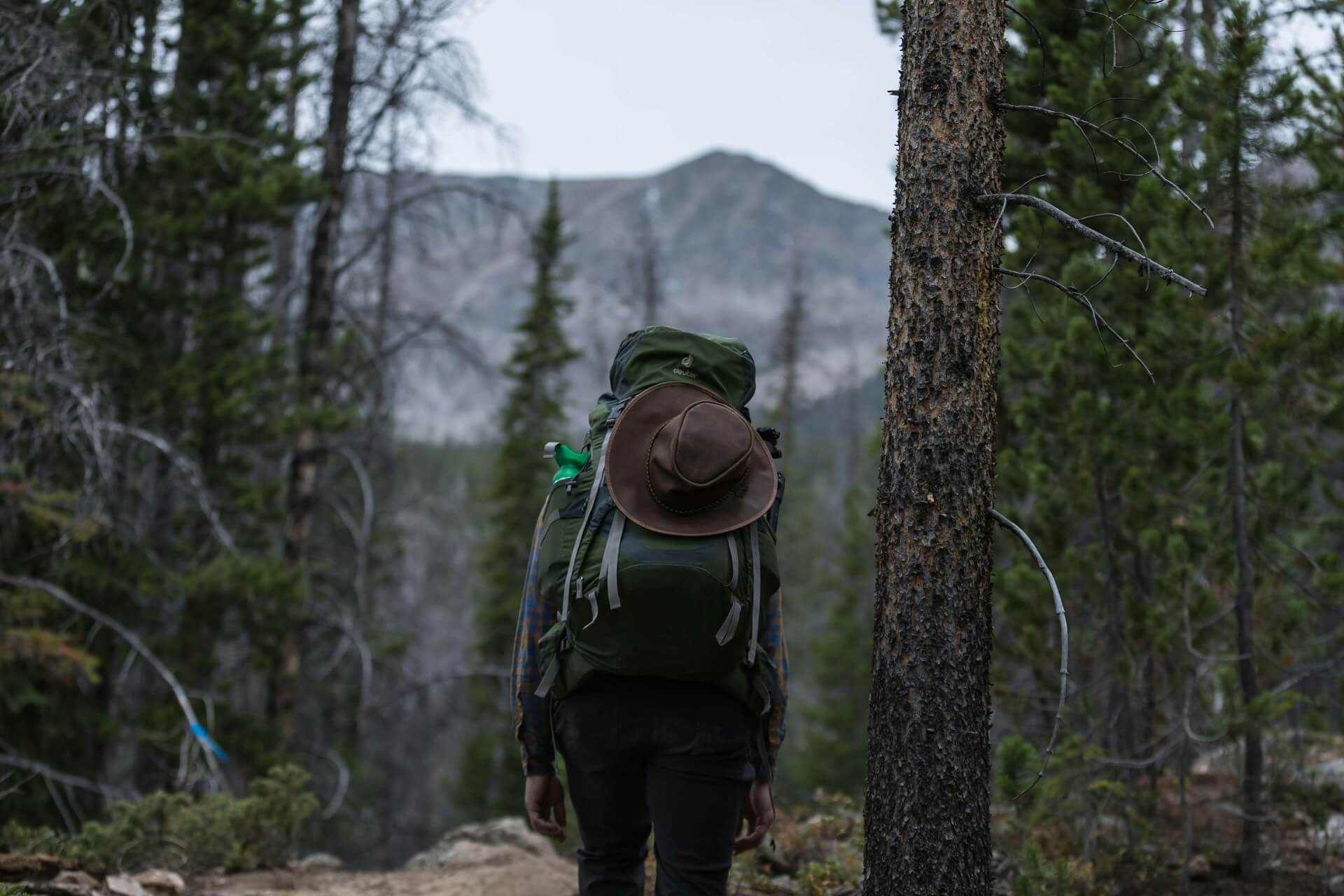
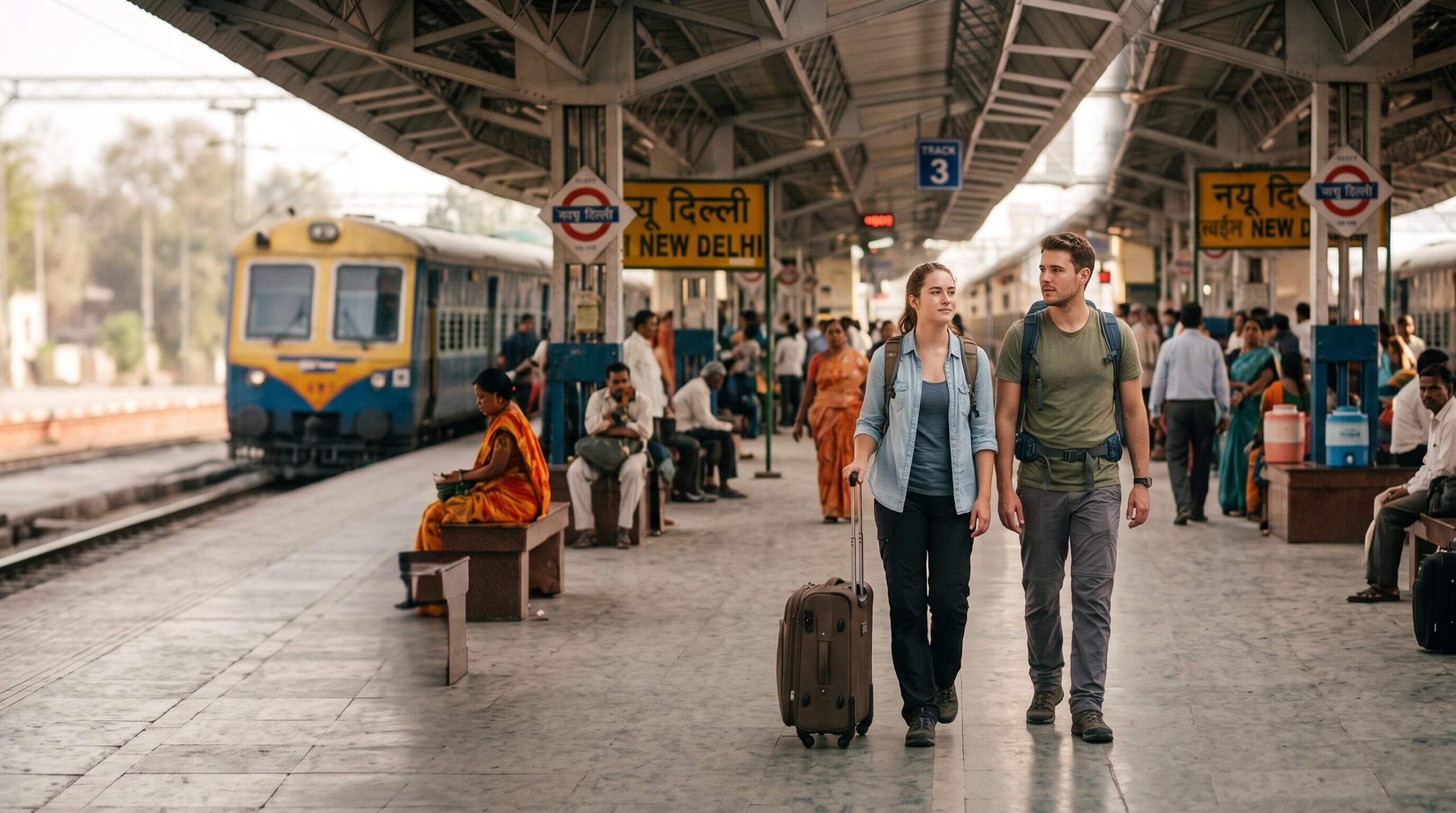
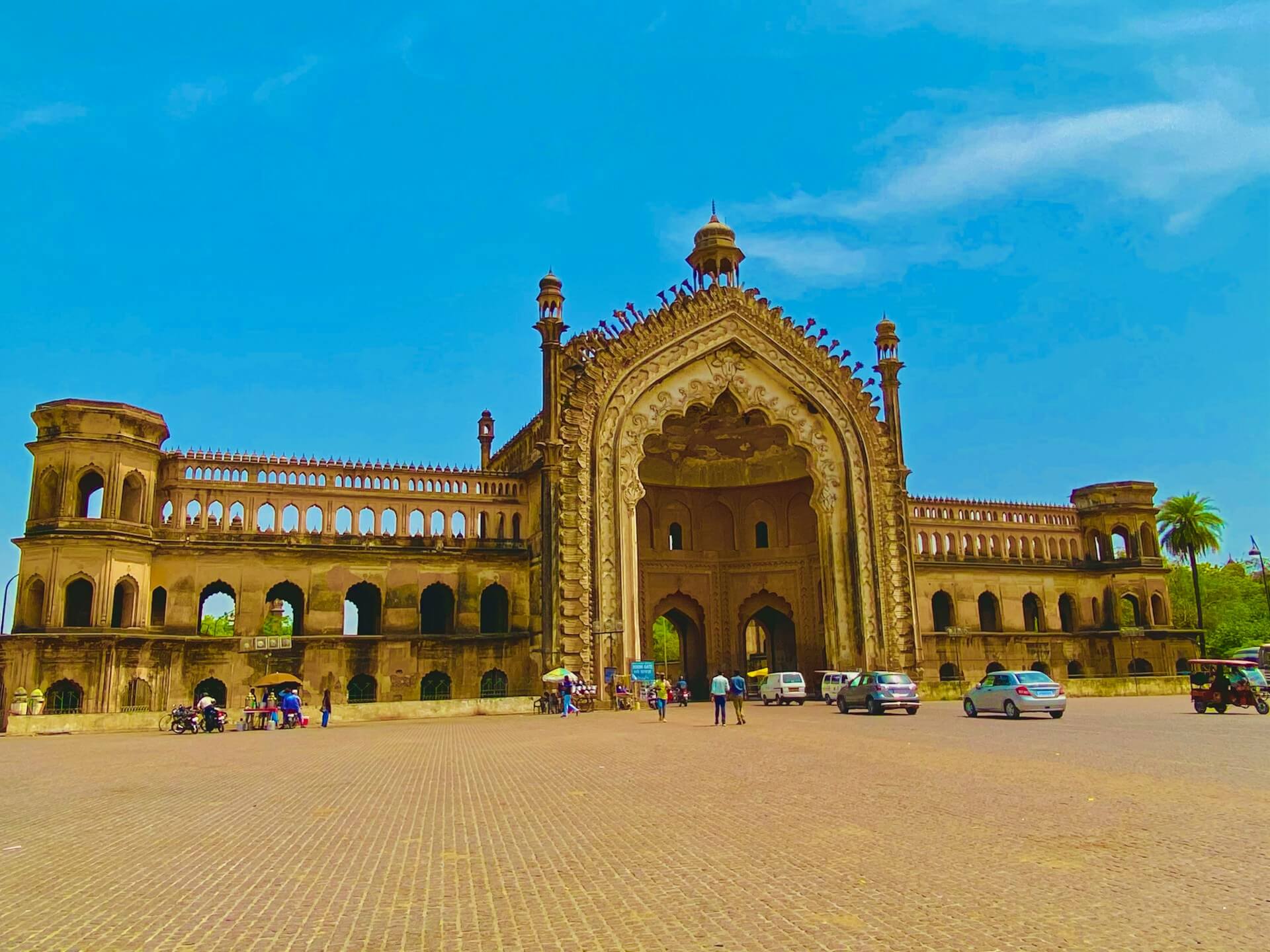

India’s famous hill stations are beautiful — but often overcrowded. For first-time visitors, exploring offbeat and quiet hill stations in India can feel much calmer than visiting busy places like Shimla or Manali.
This guide covers the best beginner friendly hill stations in India for first-time travelers, including less crowded hill stations in India and offbeat hill stations in India that offer a calm and hassle-free experience.
The good thing is that India has many hidden gems and small hill towns that are quieter, more relaxed, and ideal for first-time travelers.
If you’re searching for hill stations in India without crowd, these destinations are perfect for a peaceful and easy travel experience.
Beginner Friendly Hill Stations in India: Quiet Escapes for First-Time Travelers
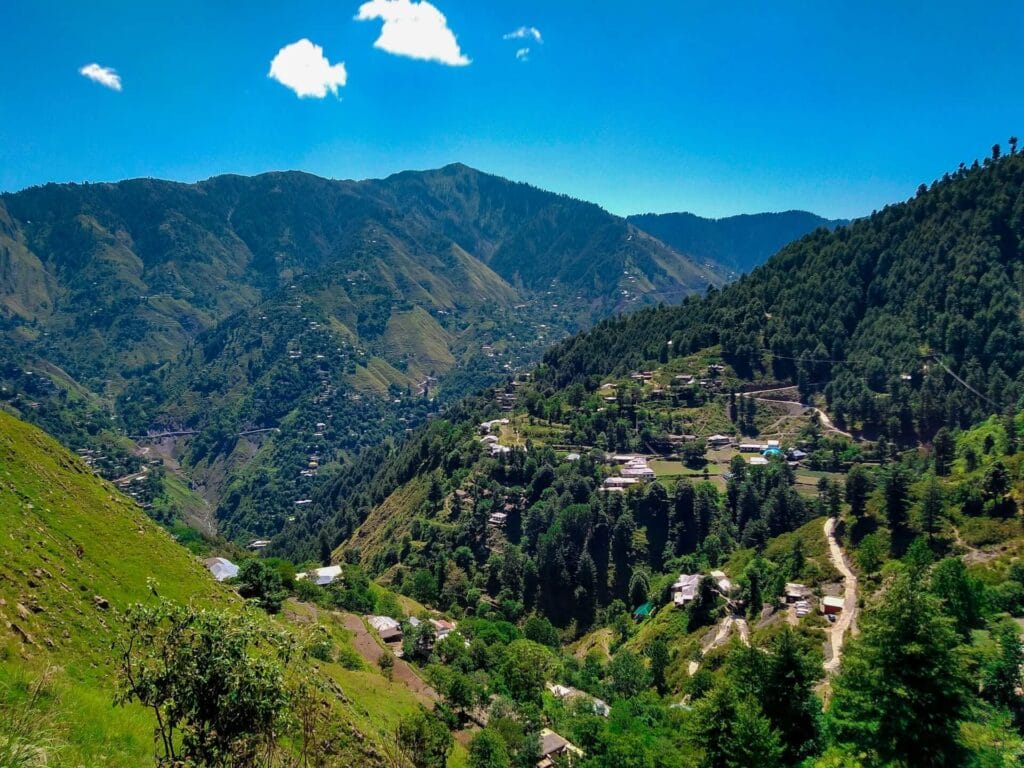
If you’re new to India, choosing a beginner-friendly hill station or offbeat mountain getaway can make your trip much easier and more enjoyable.
- Easier logistics: Fewer crowds at peaceful hill stations in India mean smoother travel logistics, better hotel availability, and less price gouging.
- More authentic experiences: In towns that aren’t dominated by tourism, you’ll find local chai shops, village markets, and genuine conversations with residents — not just vendors pitching to visitors.
- Breathing room to actually enjoy the mountains: In quieter places, you don’t have to rush viewpoints — you can actually sit there for a while without being pushed along.
- Better value: Off-the-beaten-path hill stations typically offer excellent homestays and guesthouses at genuinely reasonable prices. Your money goes further and the experience feels more personal.
- Lower stress: Simplified travel decisions, calmer roads, and locals who are genuinely pleased to see visitors rather than desensitised to tourist traffic — all of this makes a real difference to how a trip feels.
Top Beginner Friendly Hill Stations in India: Hidden Gems to Explore
These ten destinations have been selected specifically for their accessibility, calm atmosphere, and beginner-friendliness.
None of them require advanced trekking experience or rugged travel skills. All of them reward the visitor who takes the time to find them.
1. Lansdowne, Uttarakhand — A Quiet and Easy Hill Escape
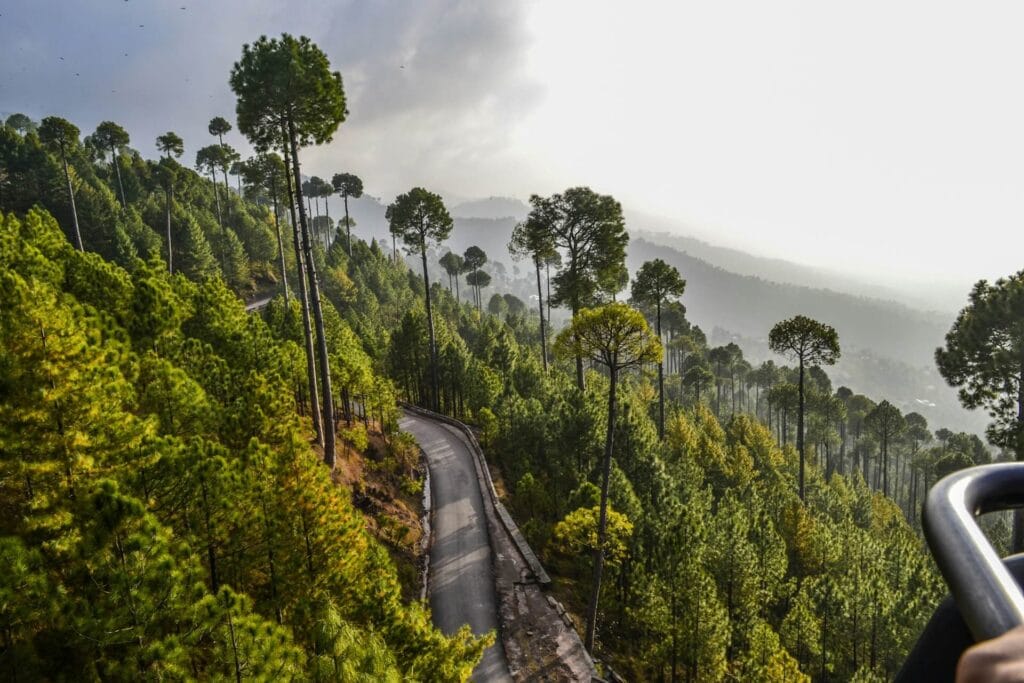
Lansdowne is one of the best less crowded hill stations in India, and a perfect choice for first-time travelers looking for a peaceful getaway near Delhi.
This small cantonment town is surrounded by oak and pine forests, and the overall pace is slow, with very little traffic or crowd. Getting here is straightforward.
Most people travel via Kotdwar and then drive up for about an hour. From Delhi, the journey takes around 5–6 hours, making it a convenient short trip.
There isn’t a long list of things to do, but that’s part of the appeal. You can walk to Tip-in-Top for views, visit the Garhwali Rifles Museum, or simply explore the quiet roads around town.
Early mornings and evenings are especially peaceful. Accommodation is mostly small guesthouses and heritage-style stays, which are affordable and comfortable.
One thing to keep in mind is that mobile network can be patchy and ATMs are limited, so it’s best to carry some cash and download maps in advance.
- Best time to visit: March to June and September to November. Avoid monsoon season (July–August) due to landslide risk on mountain roads.
- Daily budget: Around ₹1,500–2,500 per day including a comfortable guesthouse, meals, and local travel.
- Local experience: Visit the Garhwali Rifles Regimental Museum, walk the Tip-in-Top viewpoint at sunrise, and explore the Bhim Pakora rock balancing formation nearby.
- Accommodation style: Heritage guesthouses and small family-run hotels. Tarkeshwar Mahadev Camp nearby offers a forest-stay option.
2. Chikmagalur, Karnataka — Coffee, Mist, and Slow Mornings
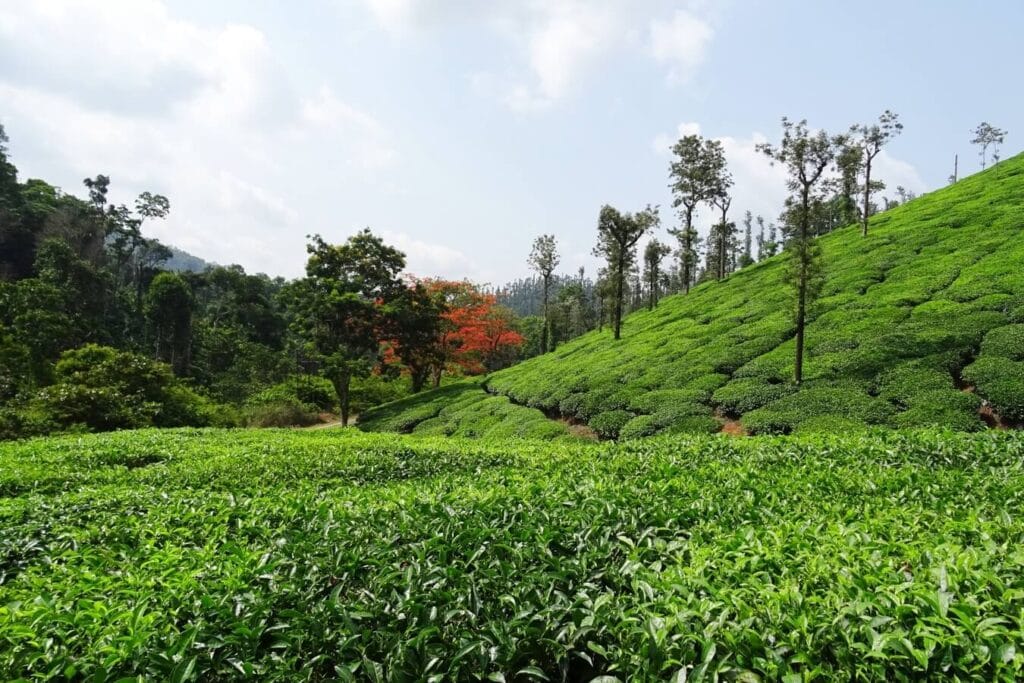
Chikmagalur is one of the peaceful Western Ghats hill stations that feels different from typical crowded destinations.
Rolling green hills covered in coffee plantations and misty mornings make it ideal for first-time travelers seeking calm mountain escapes.
It’s also one of the most popular hill stations near Bangalore that are less crowded, making it ideal for beginners. It’s about a 5–6 hour drive from Bangalore, and most visitors stay in plantation homestays.
These stays are a big part of the experience, you’re surrounded by nature without needing to travel far. The days here are delightfully simple.
You can stroll through the plantations, visit scenic viewpoints like Mullayanagiri or Baba Budangiri, or simply unwind while savoring a cup of freshly brewed coffee.
While it can get a bit crowded during the peak winter months, the atmosphere remains remarkably serene.
Accommodation options range from simple homestays to more luxurious estates set within the plantations, often including meal services.
Booking directly typically offers better value and ensures a more personalized, intimate experience.
- Best time to visit: September to February for cooler, clear weather. The post-monsoon period (September–October) is particularly lush.
- Daily budget: ₹2,000–4,000 per day for a plantation stay with meals included, which many properties offer.
- Local experience: Take a guided plantation walk, visit the Mullayanagiri peak (highest point in Karnataka), and stop at Baba Budangiri for a sunrise view over coffee estates.
- Accommodation style: Coffee plantation homestays and boutique eco-resorts.
- Practical tip: Book plantation stays directly rather than through aggregators — you’ll often get better rates and a more personal welcome.
3. Khajjiar, Himachal Pradesh — Best Experienced Early or Late
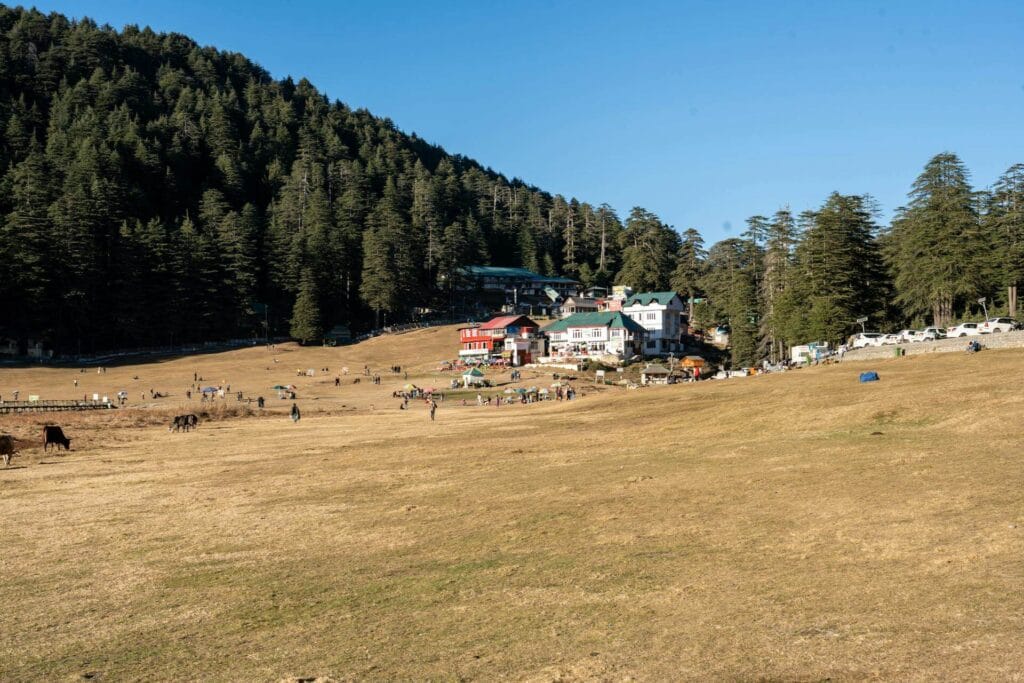
Khajjiar is a lesser-known, beginner friendly hill station in Himachal Pradesh, ideal for travelers seeking peaceful mountain meadows away from the crowds.
This scenic destination features an open meadow surrounded by tall deodar trees and a quaint lake at its center.
While many visit Khajjiar as a day trip from Dalhousie, staying overnight lets you experience the calm of early mornings and quiet evenings.
The journey usually involves traveling via Pathankot, followed by a scenic drive through Dalhousie. Simple activities like walking around the meadow, visiting the nearby temple, and exploring the forest provide a fulfilling mountain experience.
Accommodation in Khajjiar is basic but comfortable, whereas Dalhousie offers more variety. For a truly serene hill station experience, spending the night in Khajjiar itself is recommended.
- Best time to visit: April to June and September to November. December to February brings snow — beautiful but roads can close.
- Daily budget: ₹1,200–2,500 per day. Dalhousie offers more accommodation variety if you want to base yourself nearby.
- Local experience: Walk around the meadow at dusk, visit the Khajji Nag temple beside the lake, and look for the giant deodar cedars in the surrounding forest.
- Accommodation style: Small guesthouses in Khajjiar village or better-equipped hotels in Dalhousie with day trips out.
- Practical tip: Stay the night in Khajjiar rather than visiting as a day trip from Dalhousie.
4. Chopta, Uttarakhand — Simple Stay with Big Mountain Views
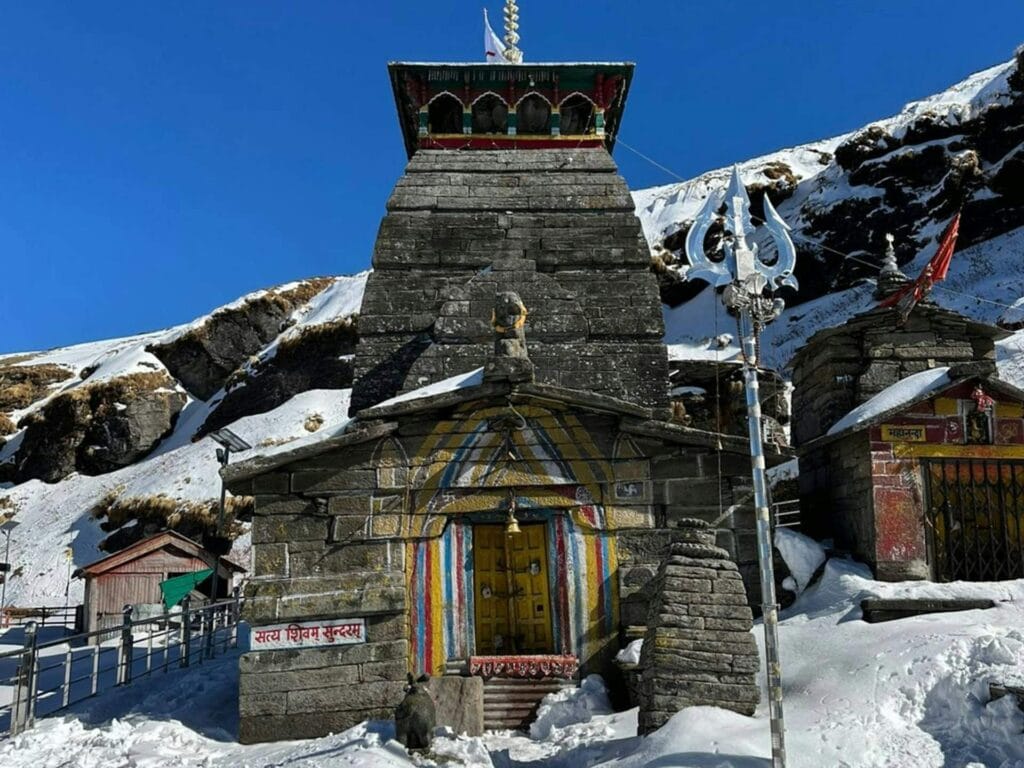
Chopta isn’t a typical hill station — it’s a quiet, beginner friendly hill station in Uttarakhand, with a few small guesthouses surrounded by peaceful meadows and panoramic Himalayan mountain views.
Most people come here for the Tungnath trek, but you don’t need to be a serious trekker. The trail is short, well-marked, and manageable for most people.
Even without trekking, the setting itself is worth the visit. Getting here usually involves travelling via Rishikesh or Haridwar, followed by a long mountain drive. It’s a good idea to break the journey at a lower altitude.
- Best time to visit: April to June and September to November. Winter (December to March) brings heavy snow and most guesthouses close.
- Daily budget: ₹1,000–2,000 per day. Accommodation is simple but good value.
- Local experience: Early morning walk to Tungnath, sunrise views from Chandrashila peak (a further 1.5 km above the temple), and evening bonfires at your guesthouse looking out over the valley.
- Accommodation style: Simple mountain guesthouses and tented camps. Nothing fancy, but warm, hospitable, and very well-priced.
- Practical tip: Before ascending to the heights of Chopta, spend a day in Rishikesh or Haridwar to acclimatize to the environment. If you ascend too quickly, you may experience a headache, even at an altitude of 2,700 meters.
5. Coorg (Kodagu), Karnataka — Comfortable Hills with Plantation Stays
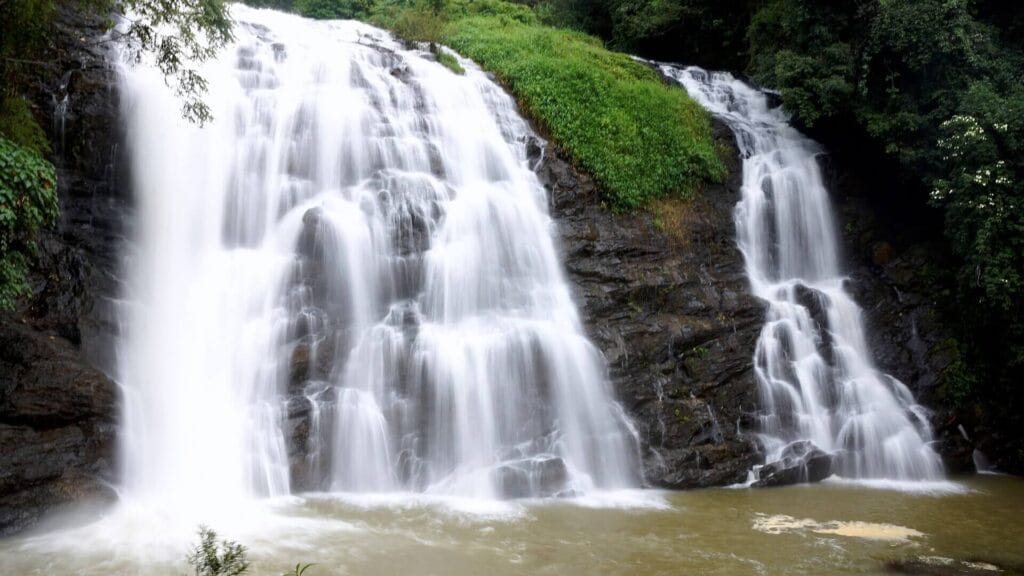
Coorg is one of the easiest beginner friendly hill stations in India’s Western Ghats to visit, offering comfortable plantation stays and lush, green surroundings ideal for first-time travelers seeking peaceful mountain escapes.
Coorg is among the most comfortable offbeat hill stations in India for beginners, especially for travelers coming from Bangalore or Mysore.
It’s well connected by road from Bangalore and Mysore, making it simple to reach. The best way to experience Coorg is by staying in a coffee estate rather than in busy towns like Madikeri.
Estate stays are quieter, surrounded by greenery, and often include home-style meals. Weekends can get busy in town areas, but nearby stays remain peaceful. Hiring a local driver can make travel easier on narrow roads.
- Best time to visit: October to March. Monsoon (June–September) is dramatic and beautiful but roads can be tricky.
- Daily budget: ₹2,500–5,000 per day for estate stays with meals, which is the ideal way to experience Coorg.
- Local experience: Visit the Abbey Falls, explore the Raja’s Seat viewpoint in Madikeri, try Kodava cuisine (pandi curry, kadambuttu rice dumplings), and do an early morning bird walk in the estate forests.
- Accommodation style: Coffee estate homestays and boutique eco-lodges. India’s best countryside accommodation can be found here.
- Practical tip: Hire a local driver for your days in Coorg rather than relying on ride apps. The roads are narrow and mountain driving skills matter.
6. Munsiyari, Uttarakhand — Quiet but a Long Journey
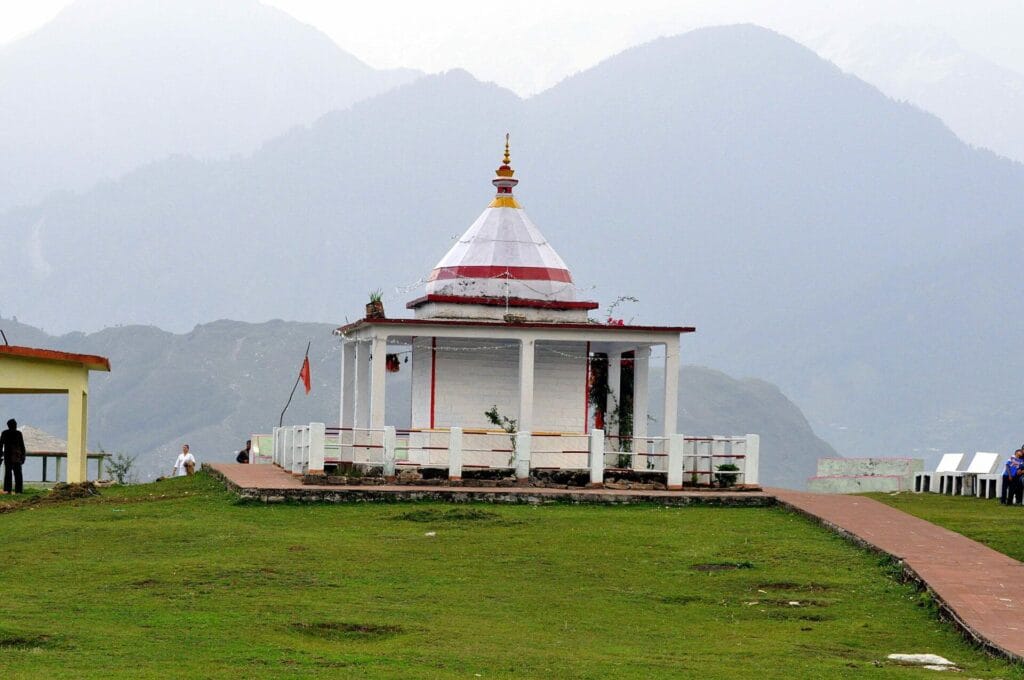
Munsiyari is a remote, beginner friendly hill station in Uttarakhand, perfect for travelers looking for peaceful Himalayan getaways far from crowded tourist spots.
Getting here takes time — usually a long drive from Kathgodam with a stop in Pithoragarh. Once you arrive, everything slows down. The town is small, with clear views of the Panchachuli peaks and very little tourist activity.
Days are simple — short walks, local market visits, and time spent enjoying the mountain views. It’s not a place with a packed itinerary, and that’s part of its appeal.
Accommodation is basic but comfortable, often with great views. If you don’t mind the long journey, Munsiyari offers a much quieter experience than most hill stations.
- Best time to visit: April to June for clear Himalayan views. October and November for post-monsoon freshness.
- Daily budget: ₹1,500–3,000 per day. Simple but comfortable guesthouses offer good value.
- Local experience: Visit the Tribal Heritage Museum, walk to Birthi Falls (35 km from town), explore the Thamri Kund lake, and spend a morning at the local market watching village life unfold.
- Practical tip: The road journey to Munsiyari is long but spectacular — break it with a night in Pithoragarh (100 km from Munsiyari) to avoid mountain road fatigue.
7. Sakleshpur, Karnataka — Easy Hills Close to the City
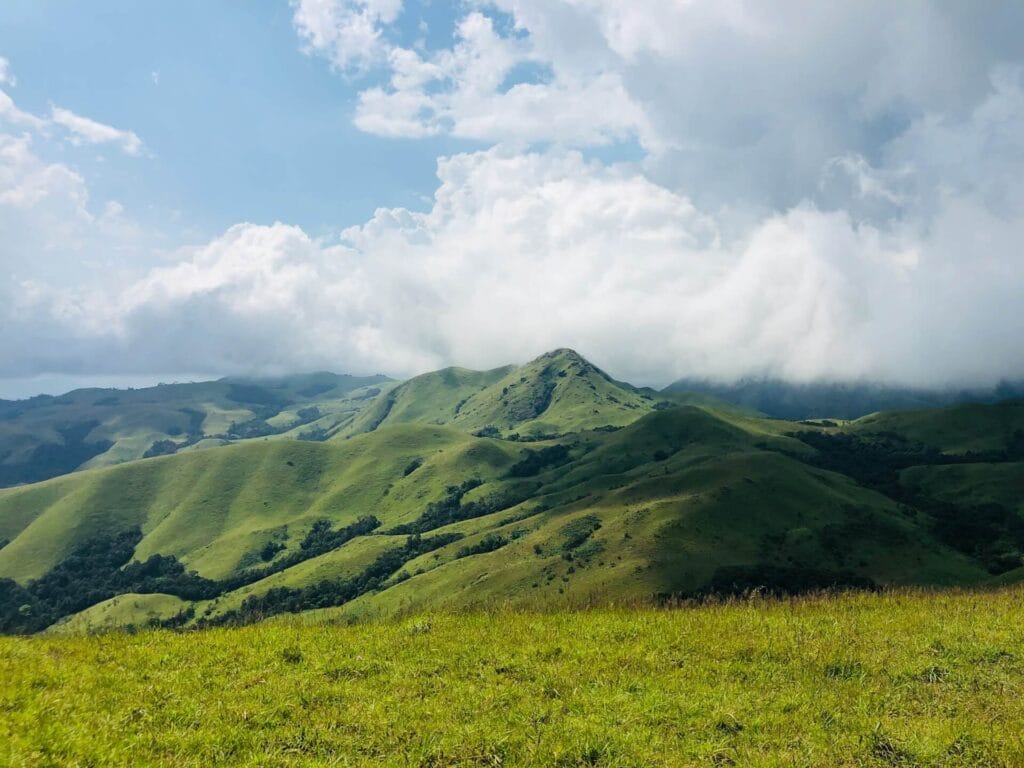
Sakleshpur is a quiet, beginner friendly hill station in Karnataka, just a short drive from Bangalore, offering peaceful coffee and spice plantations ideal for a relaxing mountain retreat.
The area is filled with coffee and pepper plantations, and most stays are located within these estates. Once you arrive, there’s not much need to travel around.
You can visit nearby spots like Manjarabad Fort or go for a short trek, but most people prefer to keep things slow and relaxed. Evenings are usually quiet.
Accommodation is mainly plantation homestays with meals included, offering good value. It’s a good option if you want a short, low-effort trip.
- Best time to visit: September to March. Avoid the heavy monsoon months (June–August).
- Daily budget: ₹1,800–3,500 per day. Plantation homestays are excellent value.
- Local experience: Take the scenic Sakleshpur-Kukke Subramanya trek (one of South India’s most beautiful walks), visit the Manjarabad fort ruins, and take the Hassan-Mangalore train through the Western Ghats.
- Practical tip: Book the Sakleshpur-Kukke trail with a licensed local guide. The trail passes through forest and a guide both keeps you safe and opens up the natural history of the region.
8. Tawang, Arunachal Pradesh — Remote and Culturally Unique
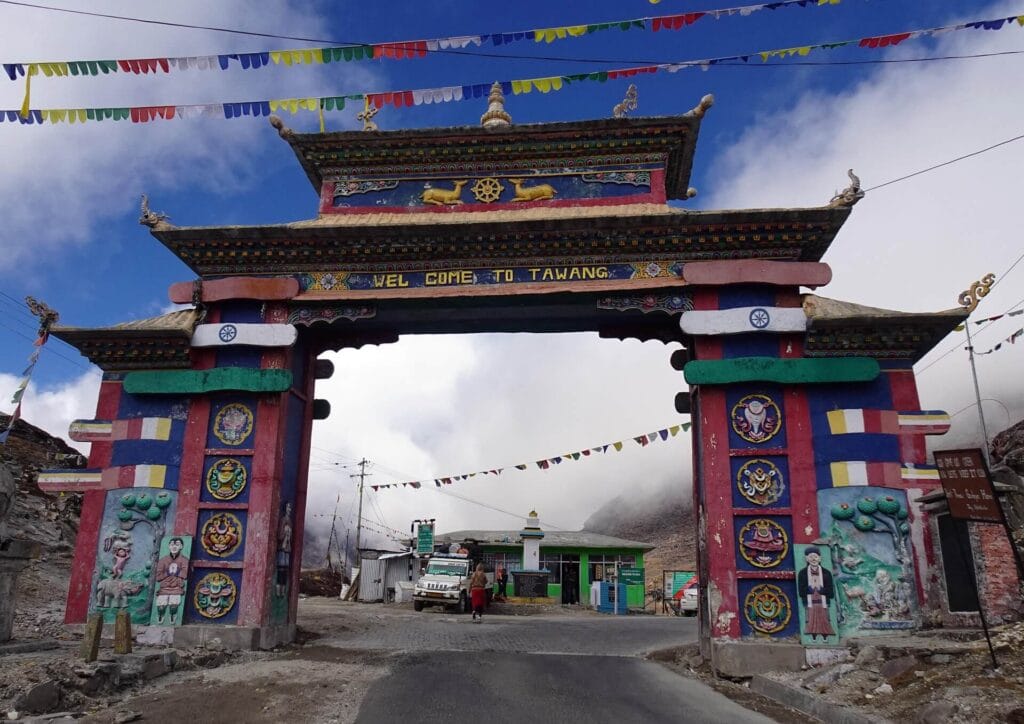
Tawang is a remote, beginner friendly hill station in Arunachal Pradesh, known for its stunning Himalayan scenery and rich local culture, offering first-time visitors a truly unique mountain experience away from crowds.
The journey from Guwahati is long and usually includes a stop in Dirang, along with crossing high mountain passes. Once you arrive, the landscape and culture feel completely different.
The monastery, high-altitude lakes, and surrounding mountains give the place a unique atmosphere. Travel requires some planning – permits are needed, and weather can affect routes.
Spending a night at a lower altitude helps with adjustment. It’s not the easiest destination, but it’s one of the most memorable.
- Important note: Foreign nationals require an Inner Line Permit (ILP) to visit Arunachal Pradesh. Apply online through the state government website before your trip — the process is straightforward and inexpensive.
- Best time to visit: March to October. Avoid winter (November to February) when Sela Pass can close due to heavy snow.
- Daily budget: ₹2,500–4,000 per day, including comfortable hotel accommodation.
- Local experience: Visit the Tawang Monastery at dawn before the tour groups arrive, walk to the Urgelling Monastery (birthplace of the sixth Dalai Lama), explore the Shonga-tser Lake, and try local Monpa cuisine.
- Accommodation style: Comfortable mid-range hotels and a small number of homestays. Several government-run tourist lodges offer reliable, clean accommodation.
- Practical tip: Spend a night in Dirang (midway between Tezpur and Tawang) to acclimatise before ascending to Tawang’s altitude.
9. Kodaikanal, Tamil Nadu — Better If You Time It Right
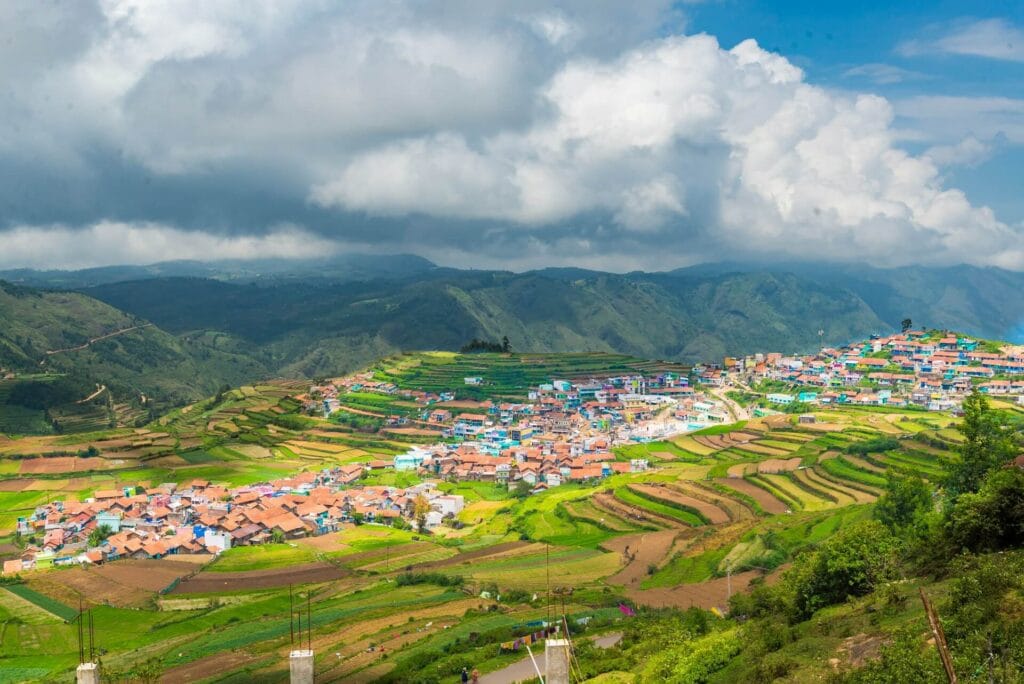
Kodaikanal is a peaceful, beginner friendly hill station in Tamil Nadu that can feel calm if you plan your visit carefully, offering quiet lakeside walks, forest trails, and scenic viewpoints for first-time mountain travelers.
The town is built around a lake, with quieter forest areas extending outward. It’s accessible via Madurai or Kodai Road, followed by a drive uphill.
The journey is straightforward. Mornings are the best time to explore places like Coaker’s Walk and Pillar Rocks before crowds arrive.
Staying away from the main market area also makes a big difference. If you avoid peak summer months, Kodaikanal offers a good balance of accessibility and a relaxed atmosphere.
- Best time to visit: October to March for clear skies and cool weather. February is particularly lovely — wildflowers on the grasslands and very few crowds.
- Daily budget: ₹1,800–3,500 per day depending on accommodation choice.
- Accommodation style: Everything from colonial-era bungalow conversions to cosy family guesthouses on the quieter lanes away from the lake. Avoid hotels right on the main market road if you want a calm stay.
- Practical tip: Kodaikanal’s most famous viewpoints are at their best before 8am. Most domestic tourists arrive by late morning, so an early start — even just by 30 minutes — makes an enormous difference to what you experience.
10. Mahabaleshwar, Maharashtra — Best If You Avoid Peak Time
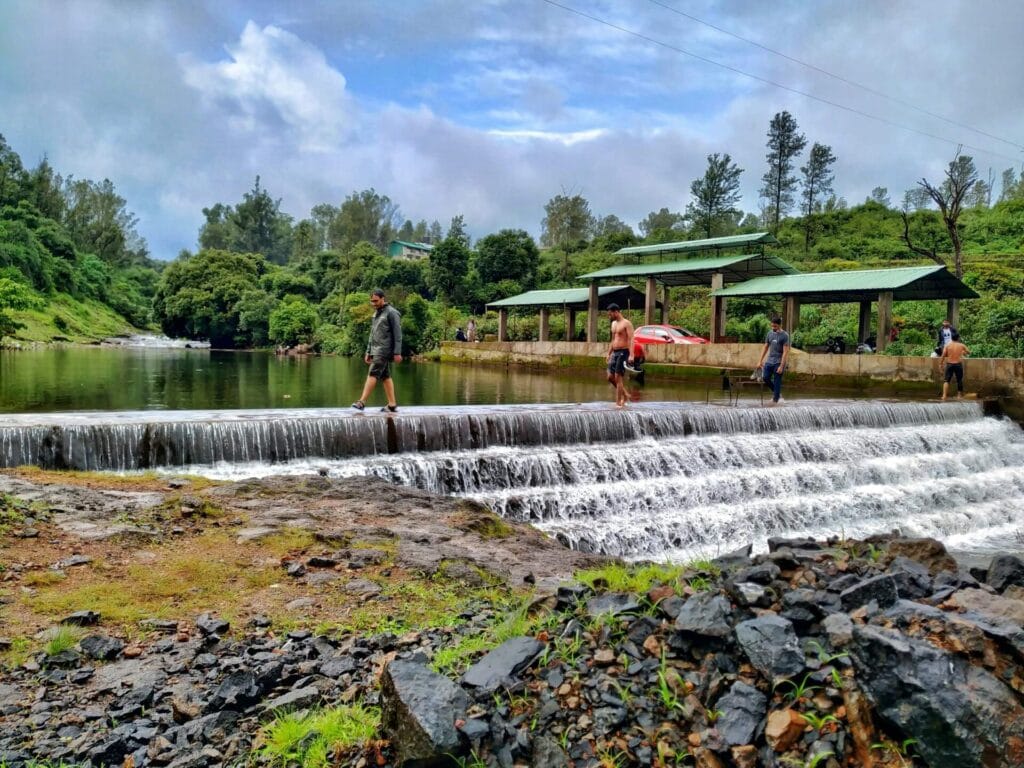
Mahabaleshwar is a beginner friendly hill station in Maharashtra near Pune and Mumbai, offering serene strawberry farms, forested viewpoints, and peaceful valley views, especially enjoyable for travelers avoiding peak tourist periods.
Peak holiday periods can feel crowded, while weekdays and off-season months are noticeably calmer. The region is known for its viewpoints, forested stretches, and strawberry farms.
Mornings are the best time to head out, especially before day visitors arrive.
Some of the better experiences include visiting Lingmala Waterfall (especially after the monsoon), spending time around Venna Lake early in the day, and stopping at small roadside stalls for fresh strawberries.
For quieter views, Bombay Point at sunset is usually less crowded. Many travellers choose to stay in Panchgani instead of the main town, as it’s more peaceful while still being close to most attractions.
- Best time to visit: September to November (post-monsoon, lush and fresh) and January to March (clear, cool, and uncrowded).
- Daily budget: ₹2,000–4,000 per day. Prices spike sharply during peak season — another reason to visit off-peak.
- Accommodation style: Large resort hotels, smaller family guesthouses, and a handful of excellent boutique properties in the quieter Panchgani area (12 km away), which makes a calmer base for day trips into Mahabaleshwar.
- Practical tip: Base yourself in Panchgani rather than Mahabaleshwar town. It’s quieter, slightly lower in altitude (so warmer evenings), and gives you the best of both destinations without the noise of the main market area.
How to Avoid Crowds in Hill Stations in India
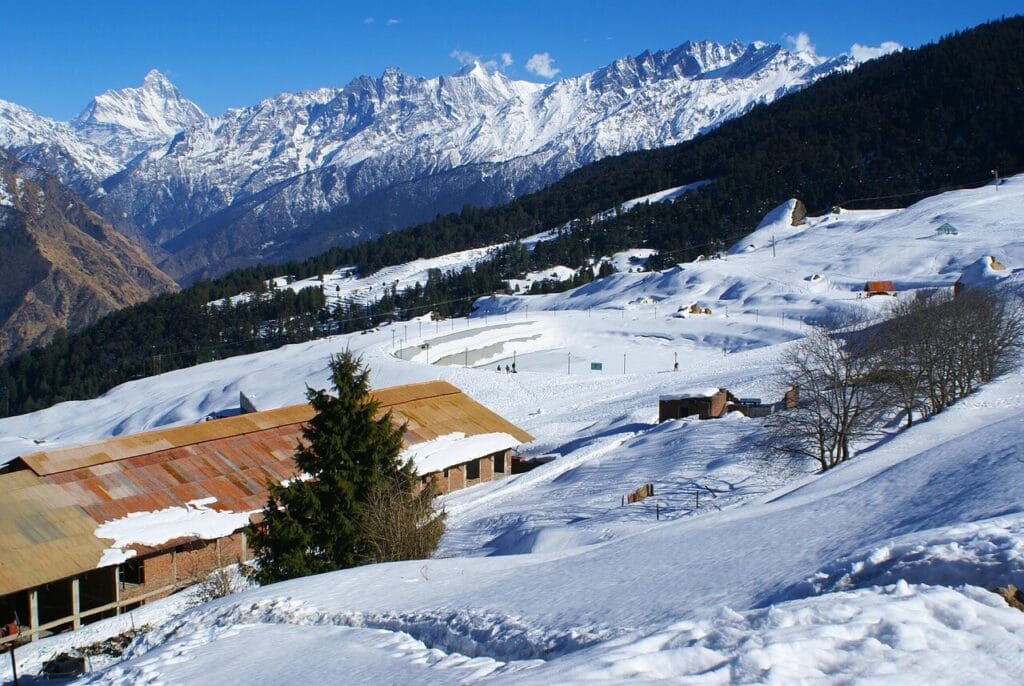
Even the most less crowded hill stations in India can get busy at certain times, but smart planning can help you avoid crowds completely.
- Travel midweek: Hill stations fill up on Friday evenings. Arrive on a Tuesday or Wednesday and leave before Friday for fewer crowds, more available accommodation, and a calmer journey.
- Avoid Indian public holidays: Long weekends like Republic Day, Independence Day, Diwali, and Holi see heavy travel. Check the holiday calendar before booking.
- Visit during shoulder seasons: The weeks before or after peak season often offer good weather with far fewer visitors. In North India, late March and early October are ideal.
- Stay in nearby villages: Booking accommodation 5–10 km outside the main town gives quieter surroundings, better views, and easy access to town for meals.
- Seek alternative viewpoints: Popular spots are crowded, but locals can recommend less-visited locations for the same scenic views.
- Visit popular sites early: Arriving at a waterfall, monastery, or viewpoint at opening time (around 7–8 am) often means solitude before day-trippers arrive.
Practical Travel Tips for Visiting Beginner Friendly Hill Stations in India
Getting There: Transport Tips
- Most hill stations are accessed by road from the nearest railway station or airport.
- Trains are safe and comfortable for long distance in India. AC classes (2AC or 3AC) are affordable and reliable. Book through the IRCTC website or android app in advance.
- For mountain roads:
- Shared jeeps: Cheapest local option.
- Private taxis: Comfortable, flexible, best for first-time international visitors.
- State buses: Cheap but slow.
Booking Accommodation
- Smaller homestays and guesthouses often offer better experiences than large hotels.
- Platforms like Airbnb, MakeMyTrip, or direct property booking work well.
- WhatsApp is widely used; messaging properties directly can give better rates and a clearer idea of what to expect.
Packing for Mountain Weather
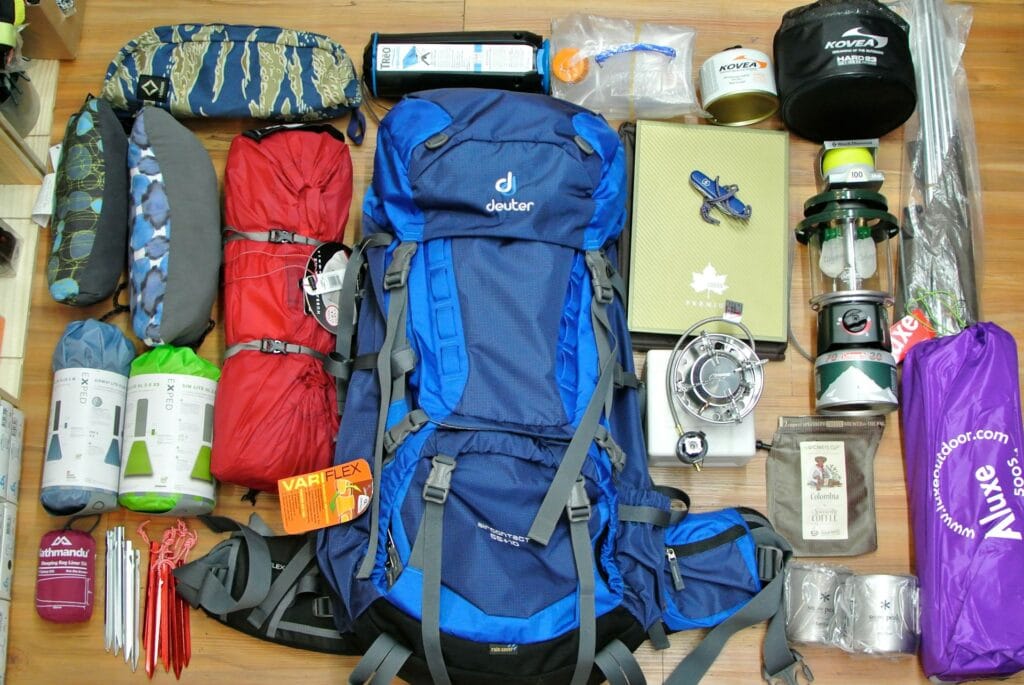
- Mountains can be cold even when days are warm. Pack:
- A down or fleece layer
- A waterproof jacket
- Layered clothing instead of thick single items
- Comfortable walking shoes with ankle support
- At altitudes above 2,000 m, take sun protection seriously.
Managing Altitude
- Most stations listed are between 1,000–2,200 m; altitude sickness is uncommon.
- For higher destinations (like Tawang, 3,048 m):
- Spend a night at an intermediate altitude
- Drink plenty of water
- Avoid alcohol for the first 24 hours
- Descend if severe headaches, dizziness, or shortness of breath occur
- Diamox (acetazolamide) is available at Indian pharmacies, but consult a doctor before use.
Common Mistakes First-Time Visitors Make
- Underestimating journey times: Mountain roads in India are slow. A 100 km journey on a hill road can take 4 hours. Always build in buffer time.
- Not checking road conditions: Landslide warnings are serious in monsoon season. Check local news or ask your accommodation before travelling on mountain roads after heavy rain.
- Relying entirely on data: Mobile connectivity can disappear on mountain roads. Download offline Google Maps for your destination before leaving the city.
- Arriving without local cash: Many smaller hill stations have limited ATM options and few places accept cards. Carry enough rupees before you head up the mountain.
- Overpacking an itinerary: The best thing about a quiet hill station is having nothing scheduled. Resist the urge to fill every hour – the whole point is to slow down.
Sample Itinerary for Beginner Friendly Hill Stations in India

This itinerary is based on a first-time visitor flying into Bangalore and exploring the calmer Western Ghats hill region. It’s designed for comfort and discovery, with no rushed connections.
Day 1 — Arrive in Bangalore and rest Fly into Kempegowda International Airport. Don’t try to reach the hills on your arrival day. Check into a Bangalore hotel, acclimatise, eat well, and organise your onward transport.
Day 2 — Travel to Chikmagalur and settle in Early morning departure by road (5–6 hours to Chikmagalur). Check into your plantation stay. Afternoon walk through the estate. Evening by the fire with a cup of estate-grown coffee.
Day 3 — Chikmagalur exploration day Sunrise walk to a nearby viewpoint (your host can suggest the best local spots). Visit the Mullayanagiri range in the morning. Return to the estate for lunch. Afternoon guided plantation tour. Slow evening.
Day 4 — Travel to Coorg and settle in Morning drive to Coorg via the scenic route (3–4 hours). Check into your Coorg estate. Afternoon visit to Abbey Falls. Evening at leisure.
Day 5 — Coorg and return to Bangalore Early morning walk on the estate. Visit Raja’s Seat for panoramic valley views. Light lunch in Madikeri. Afternoon drive back to Bangalore (4–5 hours) for onward travel.
Total driving time across five days is manageable, the destinations complement each other, and the pace allows genuine rest.
Adjust the destinations to your preferred region — a similar structure works equally well for a North India circuit through Lansdowne and Chopta from Delhi.
The Mountains Are Waiting — Discover Quieter, Beginner Friendly Hill Stations in India
India’s hill stations are popular for a reason, but the most memorable mountain experiences aren’t always in the crowded, well-known destinations.
This guide highlights beginner friendly hill stations in India that are calm, accessible, and perfect for first-time travelers seeking a relaxed mountain escape.
By choosing quieter spots, you can enjoy fresh air, peaceful views, and authentic local experiences – from sipping chai with a guesthouse host to watching the sunrise over untouched valleys.
Small travel choices make a big difference: when you go matters just as much as where you go.
Whether it’s wandering through misty coffee plantations in Chikmagalur, walking serene meadows in Khajjiar, or soaking in forested views in Lansdowne, these less crowded hill stations in India let you experience the mountains at your own pace.
You’ve just taken the first step toward a calmer, more enjoyable Himalayan or Western Ghats adventure.
For more tips, check out our guides on first-time travel in India, mountain packing essentials, and responsible travel in India’s hill regions.
For more help, explore our guides on first-time travel in India, what to pack for hill stations in India, and how to plan a hassle-free trip in India.
FAQs about Beginner Friendly Hill Stations in India
What are some beginner friendly hill stations in India for first-time travelers?
Lansdowne, Chikmagalur, Khajjiar, Chopta, Coorg, Munsiyari, Sakleshpur, Tawang, Kodaikanal, and Mahabaleshwar are great options for beginners, offering calm environments, easy access, and minimal trekking.
When is the best time to visit beginner friendly hill stations in India?
Most are best visited between March–June and September–November to avoid heavy rains and peak tourist crowds. Some, like Kodaikanal or Coorg, are enjoyable even in the post-monsoon months.
How can I avoid crowds at popular hill stations?
Travel midweek, avoid long Indian holidays, stay in nearby villages instead of town centers, and visit viewpoints early in the morning.
Are beginner friendly hill stations in India expensive?
Not necessarily. Many smaller hill stations like Khajjiar or Lansdowne have affordable guesthouses and homestays, making them budget-friendly for first-time travelers.
Do I need trekking experience to visit these hill stations?
No. Most beginner friendly hill stations in India are easy to explore without trekking experience. Trails like Chopta’s Tungnath trek are short and manageable.
What kind of accommodation can I expect at beginner friendly hill stations?
Options range from small guesthouses, heritage stays, and family-run homestays to boutique eco-resorts and coffee plantation stays, depending on the location.
Are these hill stations suitable for families with kids?
Yes. Most beginner friendly hill stations have gentle trails, peaceful surroundings, and family-friendly accommodations, making them perfect for kids and first-time visitors.
How do I reach these beginner friendly hill stations in India?
Most are accessible by road from nearby cities. Some also have nearby airports or train stations, followed by a short drive up the mountain. Shared jeeps, taxis, and buses are common options.
Is mobile connectivity reliable at these hill stations?
Connectivity can be patchy in smaller or remote hill stations like Munsiyari or Khajjiar. It’s recommended to download offline maps and carry cash for emergencies.
What should I pack for beginner friendly hill stations in India?
Pack layered clothing, a waterproof jacket, sturdy walking shoes, and sun protection. Even in summer, mornings and evenings can be chilly in the mountains.
Are these hill stations safe for solo travelers?
Yes. They are generally safe, especially during the daytime. Stick to well-populated areas, avoid risky trails alone, and keep emergency contacts handy.
Can I combine multiple beginner friendly hill stations in one trip?
Absolutely. Many travelers plan multi-destination trips, such as Chikmagalur and Coorg in Karnataka or Lansdowne and Chopta in Uttarakhand, depending on your region and travel pace.
Images: Pexels
