

India is one of the cheapest places to travel in the world, and if you’re looking for the cheapest way to travel in India, you’ve come to the right place.
With the right planning, you can explore this incredible country on a budget of under $15 a day – and trust me, it’s totally doable.
Whether you’re a frugal backpacker trying to save every penny or a nervous traveler on your first trip, knowing how to travel cheap in India will make your journey unforgettable.
The cheapest way to travel in India isn’t just about skimping on the basics – it’s about finding ways to get deeper into the heart of this vibrant and diverse country without draining your wallet.
If you want to get around India on the cheap, you’ll need to ditch taxis, crash with other travellers at hostels, eat from street food stalls (which are often way better than you imagine, and understand where to find the best deals when you need them.
Below we’ve got the lowdown on how to live that good life on a shoestring tips on cheap travel, affordable relaxation spots, some tasty street eats that won’t break the bank, and even some experiences that cost next to nothing. Because let’s get real – weve got some tips that actually work.
Cheapest Transportation Options in India – How Not to spend more money
Transportation in India is where you’ll either save a small fortune or blow your budget. Pick the right option, and you can travel right across the country for less than what you’d fork out for a flight back home.
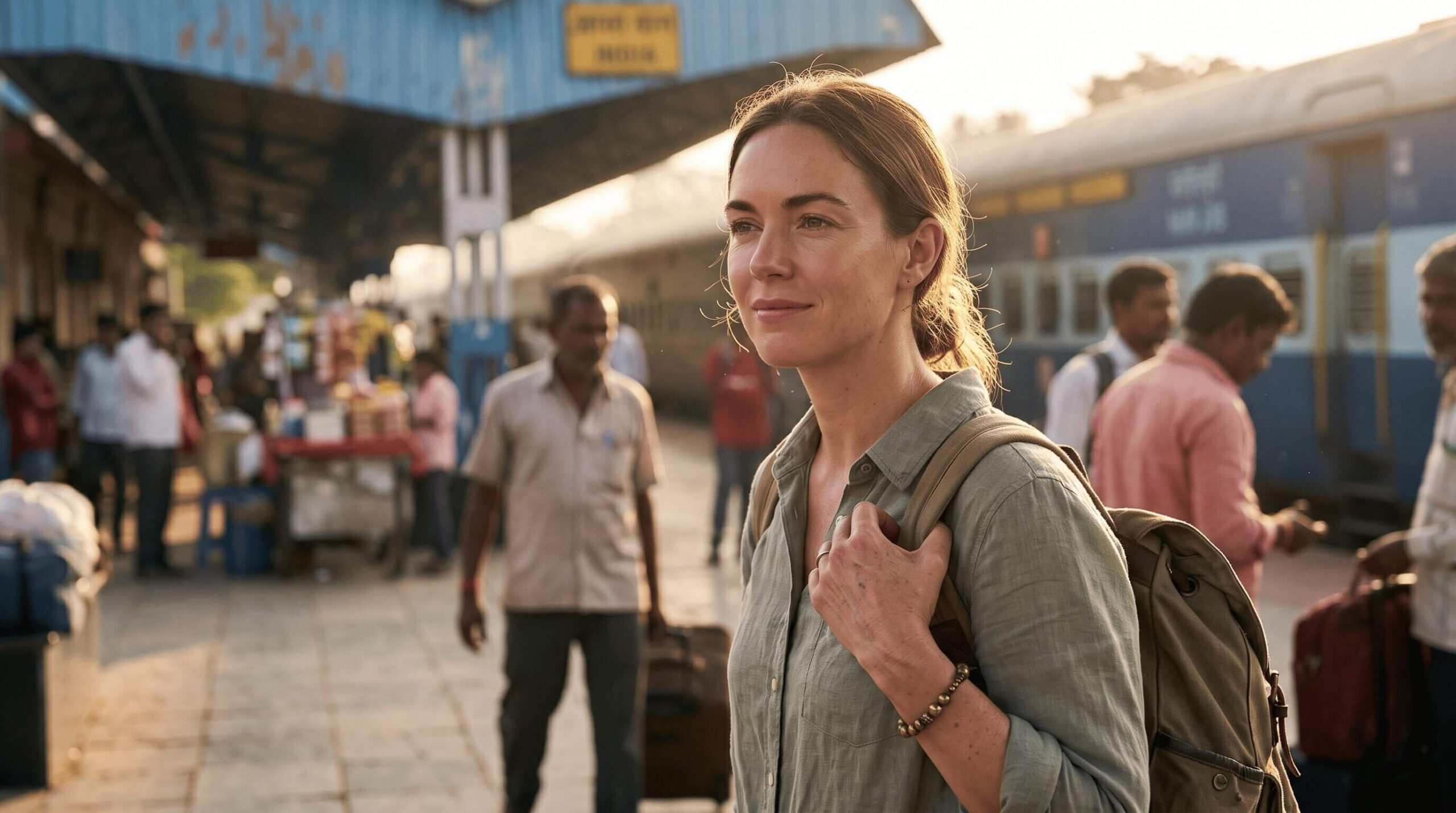
Trains : Budget Travel in India Basically Starts Here
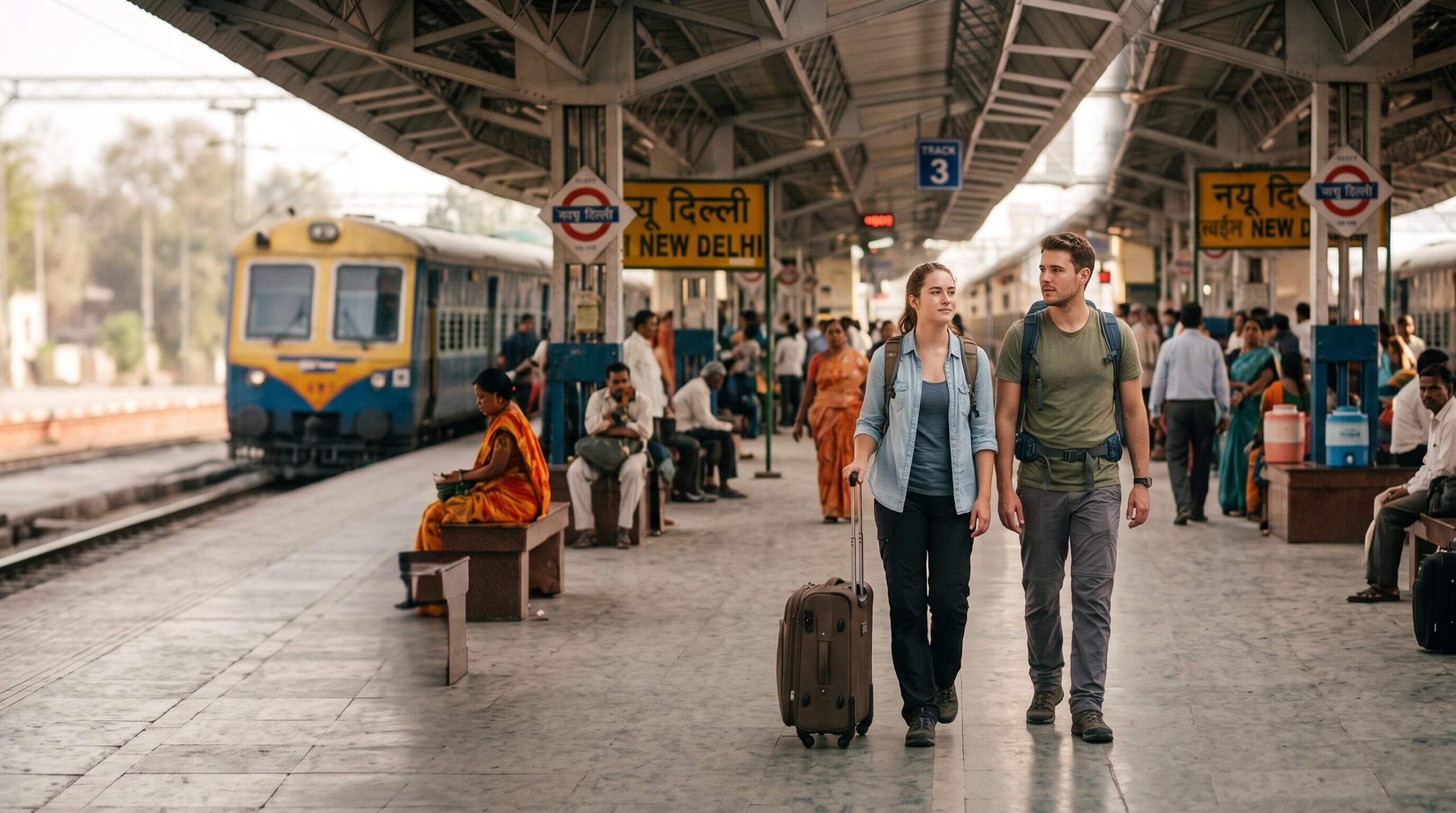
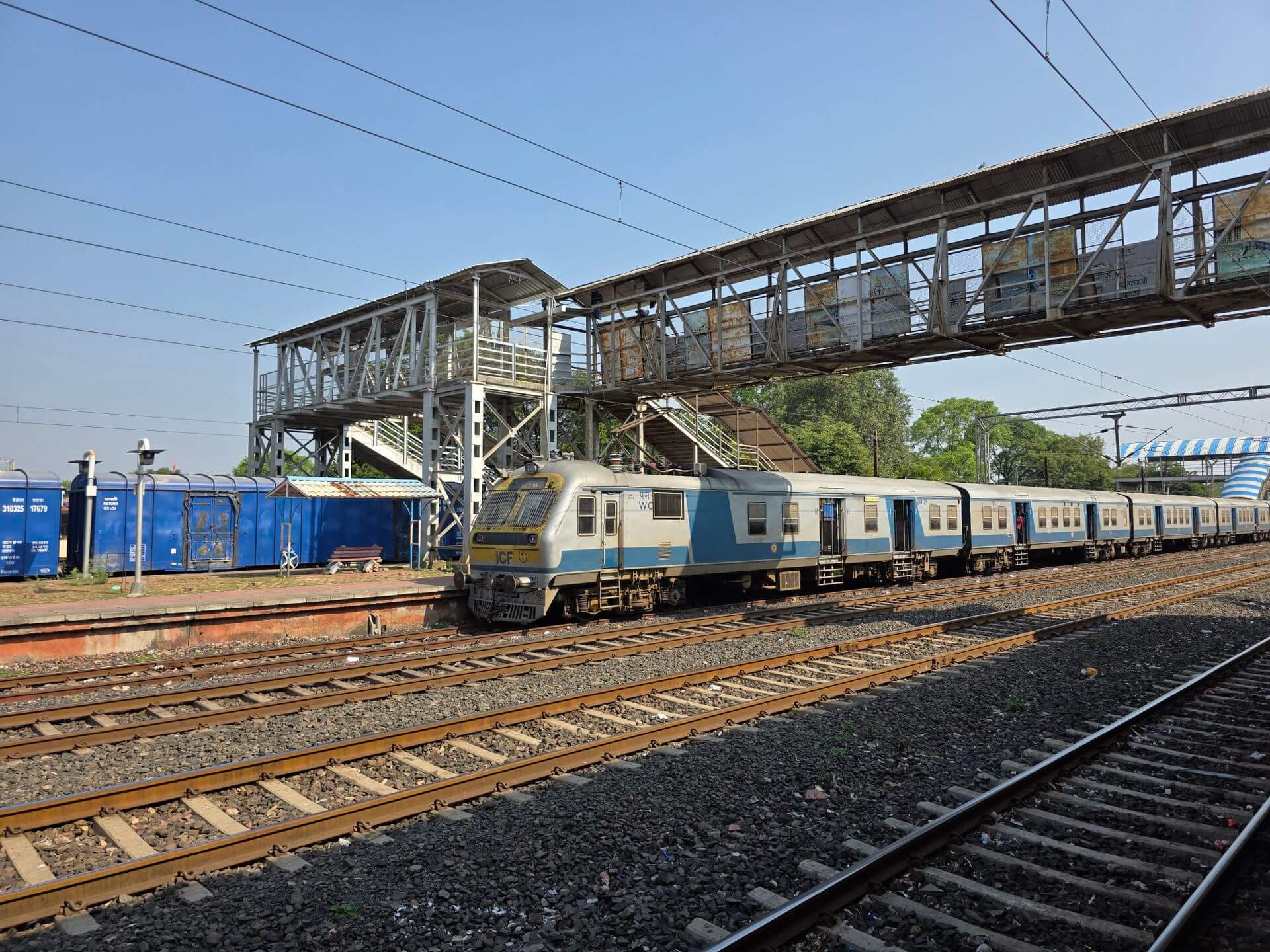
Indian Railways makes budget travel in India so much easier – it’s around 65000+ kilometres of track crisscrossing the country and for a good reason: it’s not just cheap, but it’s a experience in itself.
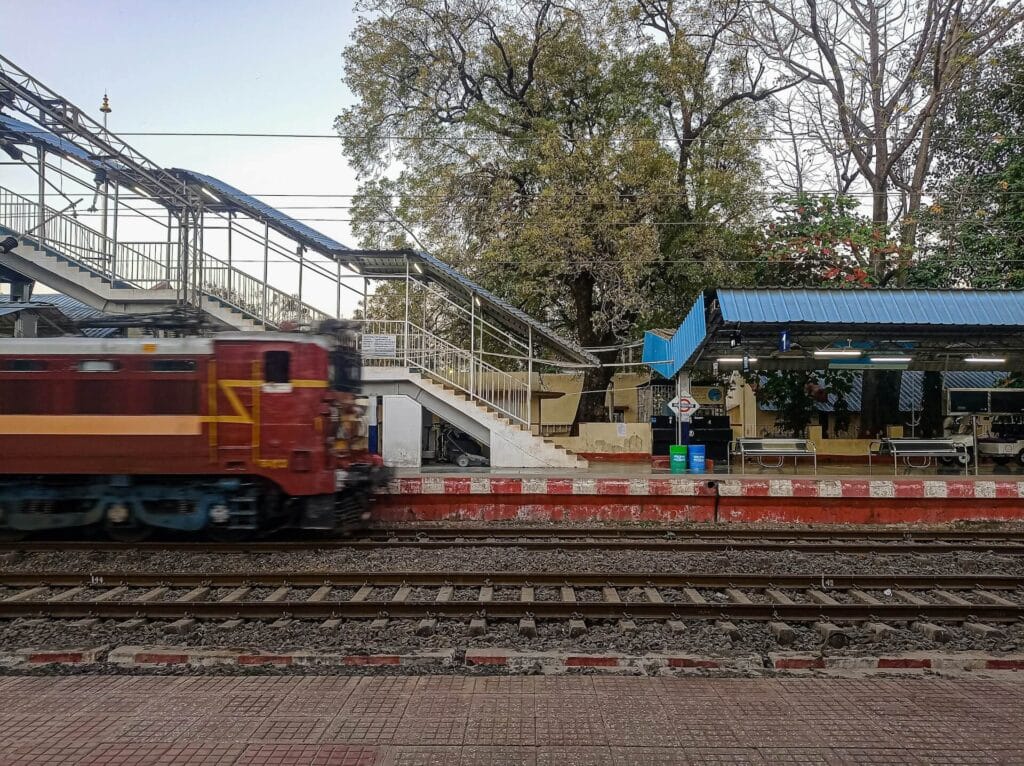
Sleeper Class (SL) : When You Can’t Even Afford that!
This is the real cheapest option, especially for long-haul travel. You get a bunk bed in an open carriage that is well ventilated with nothing more than a fan – there’s no air con.
For example, a Delhi to Goa journey that goes overnight will cost you anything from ₹500 to ₹800- maybe about $6 to $10.
It’s not exactly luxury accommodation, but you get to save the cost of a night’s accommodation in a hotel. It’s in the sleeper class though that I have met some of the most interesting people I’ve met in all of India.
Second Sitting (2S) : Daytime travel on the cheap
For shorter trips during the day, second sitting is the way to go. It’s even cheaper than that – sometimes you can get away with travelling for a few hours for as little as ₹50-200, which is about $0.60-$2.40.
You’ll be squished into a basic bench seat, and it’s probably going to be crowded, but hey, it’s the real India at rock bottom prices.
Third AC (3AC) : If you can’t afford third AC you probably can’t afford much else
If you want the luxury of air con without having to spend a fortune, third AC is the way to go. It’s about 1.5-2 x the price of sleeper class, but still very affordable.
For example, a Delhi to Mumbai journey will cost you about ₹1200-1500, that’s about $14-$18.
Booking Tips:
- Book through the IRCTC website or app (official Indian Railways booking platform, and you’ll find the best options)
- Book 30–60 days in advance, and you’ll find the best availability on all the popular routes
- If trains are fully booked, check the waitlist – people often cancel, and you might just get in
- Tatkal tickets (emergency quota) open 24 hours before departure, but be warned – they cost a bit more
- And if you’re feeling brave – the general class is ridiculously cheap, but its unreserved, crowded and only for short distances
Buses: Great for Routes Trains Don’t Cover
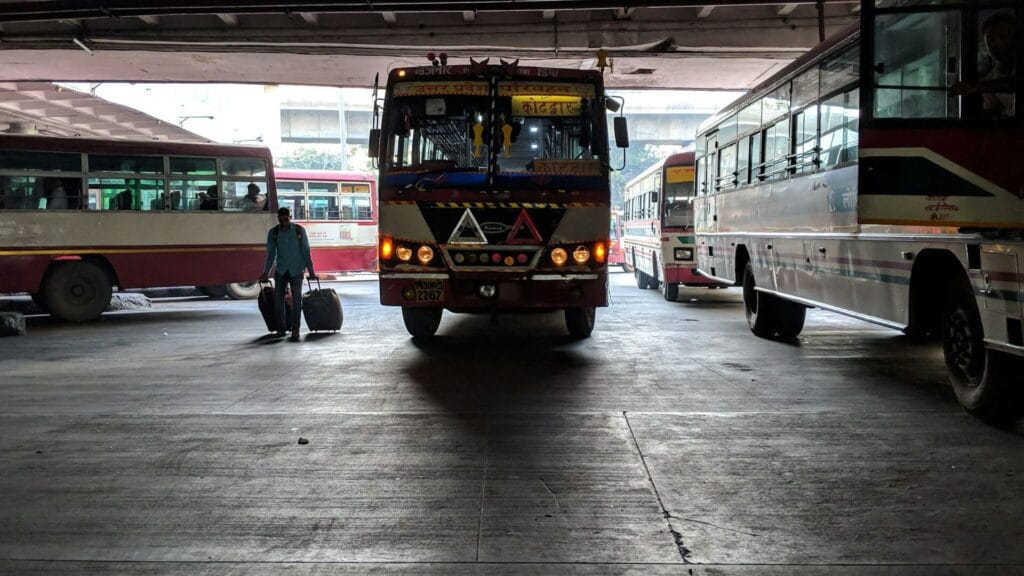
Government buses – where else can you get a decent ride from one place to another without breaking the bank – and quite literally, at times? When it comes to getting to places that trains just can’t or won’t go to, state-run bus services are the way to go.
Take those up in Karnataka (KSRTC), Maharashtra (MSRTC), and Andhra Pradesh (APSRTC) – they do a pretty fair job of keeping their buses rolling with reliable and super affordable services.
Short Trips in Non-AC Buses: Short trips in non-air-condition government buses will cost you around a measly ₹1-2 per kilometre.
It’s not exactly a luxurious experience, but hey, for a 6-hour trip you’ll be lucky to pay more than ₹200-400 ( roughly $2.40-4.80). Not exactly a holiday but it’s a ride home nonetheless.
Sleeper and Semi-sleeper Buses are a Game Changer: If you’ve got a longer trip ahead, sleeper buses with bunk beds are your best bet.
These will cost anywhere between ₹600-1,200 ($7-14) depending on the route – and private operators like VRL & SRS do an impressive job of running clean buses that run on time.
Booking on a Bus: If you want a spot on a bus, try RedBus or the state transport websites – but get your tickets in 2 days in advance if you can for overnight buses, that way you’ll have a better chance of bagging a seat.
Local Transport in Cities
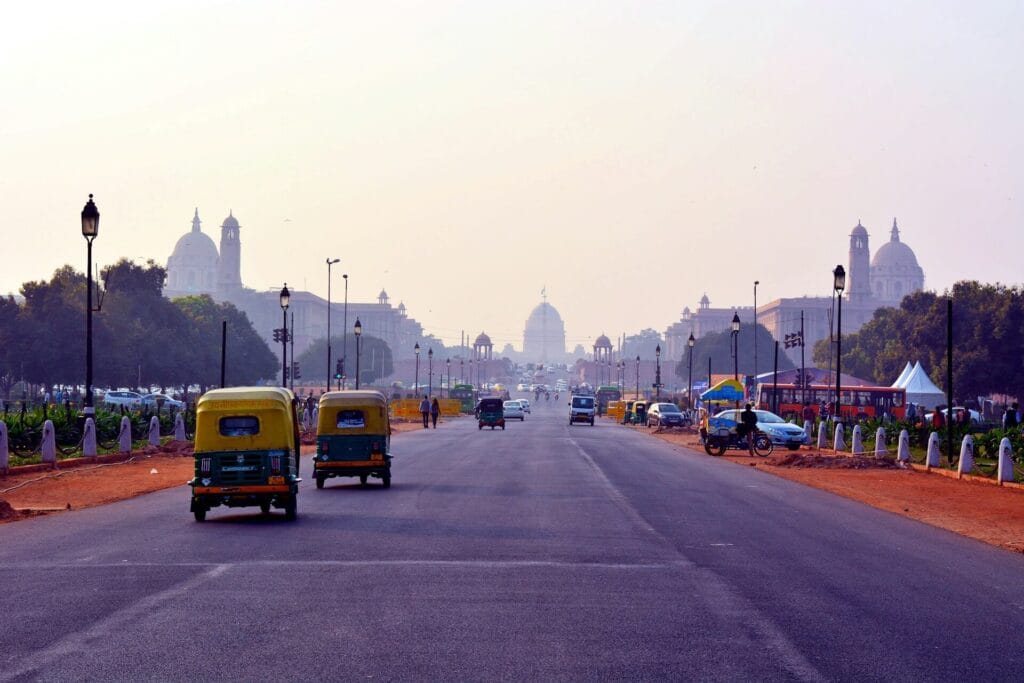
Metro: Delhi and Mumbai’s got excellent, modern Metro systems, and other big cities have got themselves ones too.
The prices are ridiculously low – a single journey usually costs between ₹10 – ₹50 (so 12 cents to 60 cents). They’re fast, reliable, and air-conditioned to boot.
City Buses: If you need to hop on a local bus, that’ll only set you back about ₹5-20 (6 cents to 24 cents) per ride. Just be aware that they get pretty packed during morning rush hour though.
Auto-Rickshaws: For short little trips, auto-rickshaws work out at about ₹30-150 (36 cents to 1.80) a go. Make sure to get them to put the meter on, or go through Ola or Uber’s auto-services so you know exactly how much you’re getting charged.
Shared Autos & Tempos: In smaller towns, shared autos do a set route and charge about ₹5-10 per person. Just ask a local which route they take.
Bicycle Rentals: Loads of cities now have bike rental schemes available, and you can usually get a bike for a day for ₹50-100 (60 cents to 1.20) – it’s the cheapest way to get around and pretty good for the environment too.
Renting Motorbikes and Scooters in India
When you find yourself in tourist hotspots like Goa, Pondicherry, Rajasthan or even Himachal Pradesh, you’ll probably find that renting a scooter or bike is an intelligent way to get around – and it won’t hurt your wallet much either.
In these places you can pick up a scooter for a pretty reasonable ₹300-600 per day (yep, that’s $3.60-7.20) and a bike for ₹500-1,000 (or around $6-12 per day).
Petrol’s very cheap in India (about ₹100 a liter, roughly $1.20) so you won’t have to worry about eating into your travel budget, and one tank usually do you for several days of easy travel.
Just be sure to take some snaps of any existing scratches or dings at the rental place – just in case! And don’t forget to get yourself a helmet when you’re out on the road.
When to Get a Flight
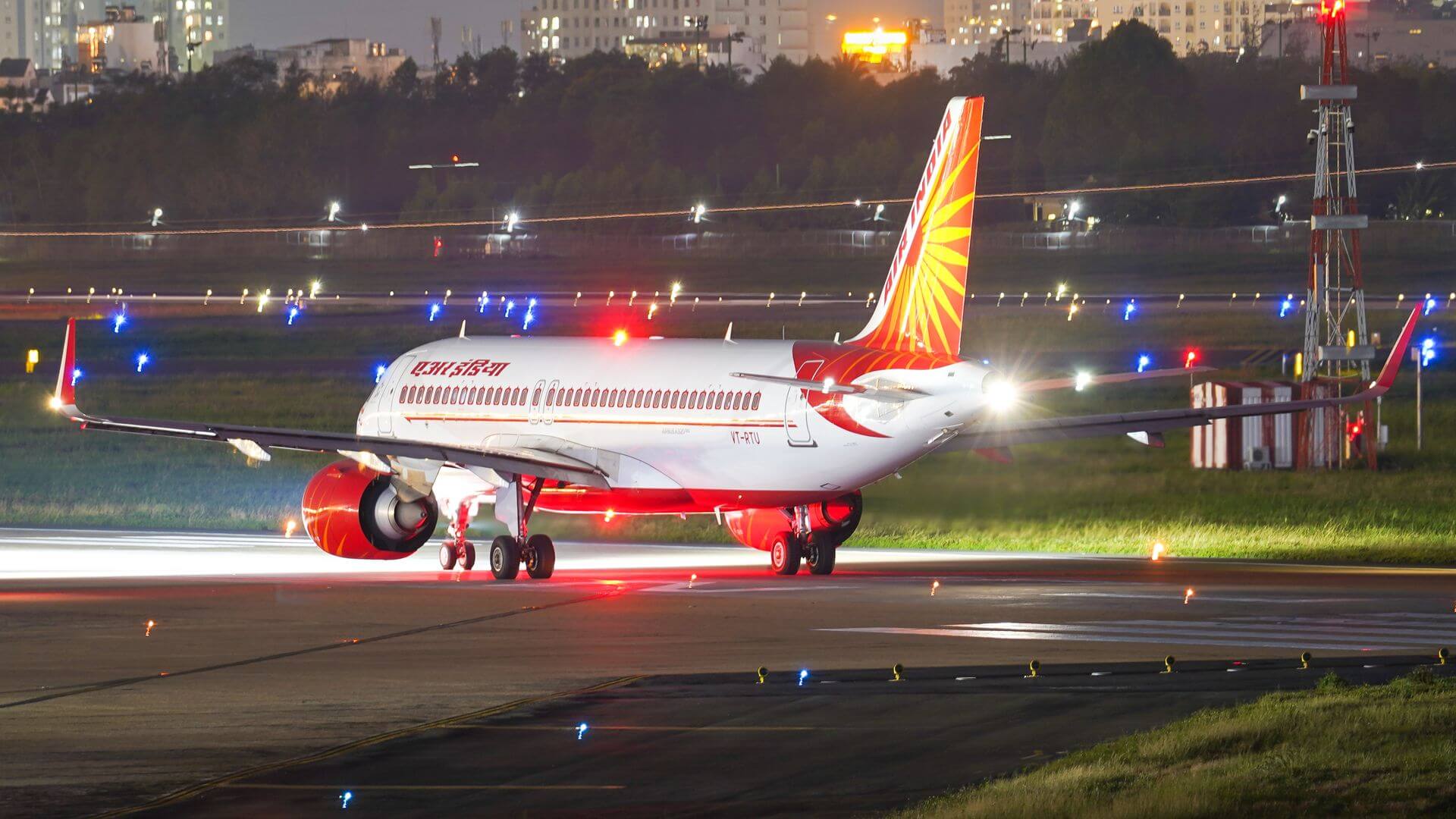
If time’s of the essence, or you just don’t fancy a long car ride, then budget airlines like IndiGo, Spice Jet or Air India are always offering some pretty sweet deals – short flights for really low prices, like ₹2,000-3,000 ($24-36 one way) on shorter routes.
Even cheaper than an AC train when you factor in the travel time. So its really worth booking your flight way in advance – I mean 2–3 months ahead of time is ideal – and try to fly on weekdays if you can, you’ll get the best deals that way.
And don’t forget to sign up for those airline newsletters so you can get in on any flash sales that come along.
Cheapest Accommodation Options in India
Where you decide to crash can make or break your budget whilst travelling in India.
Fortunately for you, the subcontinent has almost every type of accommodation on offer, from five star luxury to sleeping on the streets for free – and many options in between.
Hostels – the Best Option for Budget Backpackers
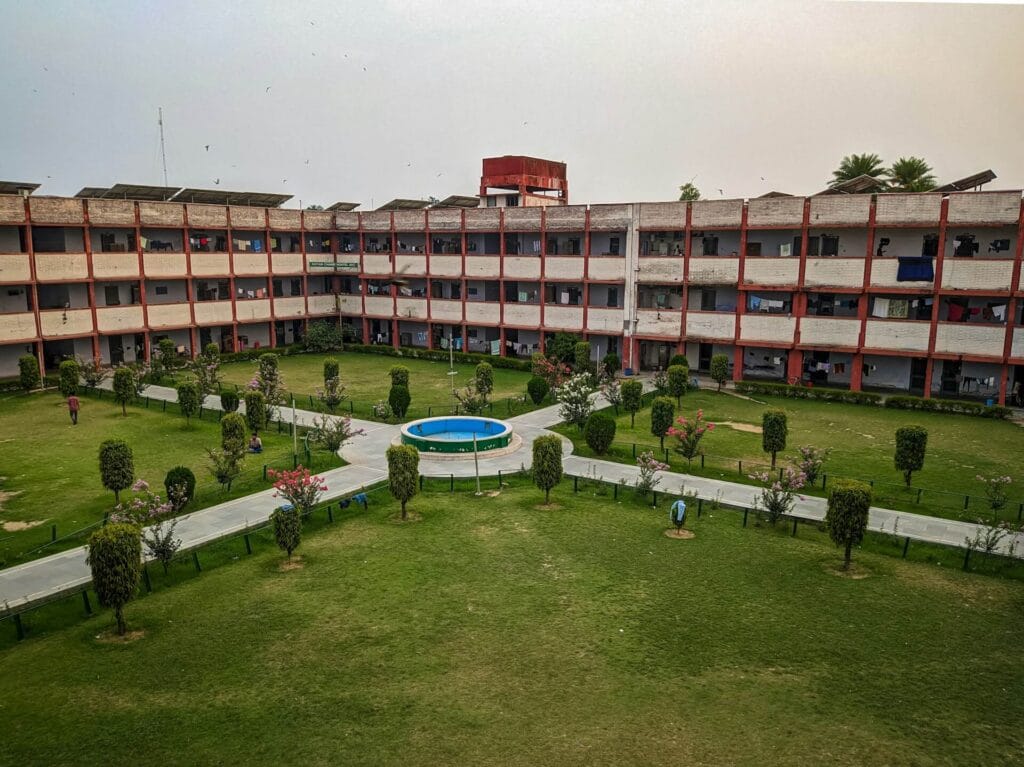
You can’t go far in any tourist area or major city in India without stumbling upon a hostel. Dorm beds are dirt cheap, generally falling in the bracket of ₹300-800 per night, which is about $3.60 – $9.60 American dollars.
We’ve even found some hostels in some of India’s smaller towns that cost as little as ₹200 a night, which is just $2.40. What you get for your hard-earned cash is a bunk bed in a dorm, shared bathrooms, and usually a common kitchen where you can cook your own meals.
Plus, many hostels have social spaces where you can meet other like-minded travelers and make some new friends. Some hostels even offer a free breakfast or have a café on site with reasonably priced meals.
The best platforms to use to find a decent hostel are Hostelworld, Booking.com and of course, Zostel (India’s largest hostel chain).
Do make sure to read up on recent reviews to try to avoid any places that have been left to run down a bit or have some pretty bad management.
Budget Guesthouses and Hotels – A More Private Option
If sharing a dorm with a bunch of strangers isn’t really your thing, then you can always look for a budget guesthouse which offers a private room for a relatively low price of ₹500-1,200 per night, which works out to be about $6-14 USD.
It’s always best to look out for guesthouses that are run by locals rather than a big hotel chain, they’re not only cheaper, but you also get a more authentic experience as well.
If you’re willing to venture a bit off the beaten track, then you should be able to find all sorts of family-run guesthouses in smaller towns and villages that charge as little as ₹300-500 per night, or roughly $3.60-6 USD.
These little gems often offer a home cooked meal for a small extra fee which is always a bonus.
Homestays: Budget Meets Authenticity
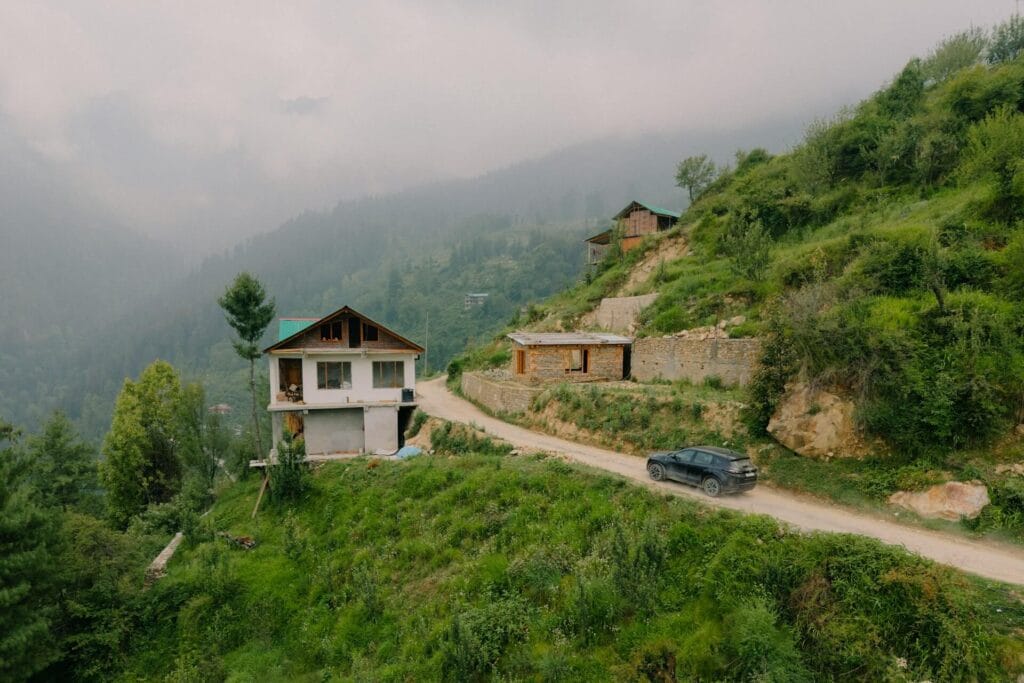
Homestays in Kerala, Himachal Pradesh, Rajasthan & the Northeast – they really are a top pick.
You get to stay with local families, get home cooked meals & often end up saving a pretty penny – on average ₹800-1500 ($9.60-18) per night including breakfast & dinner.
The locals who are hosting you, they tend to know the area inside out, they can help plan your travels, and you get a genuinely authentic experience – that’s something you just won’t find at a hotel.
CouchSurfing – Getting a Free Place to Stay
Couchsurfing.com is a website which links up travellers with locals who will give you a free place to stay. You sleep on their couch (or spare room) and in return, you get to share your stories and culture with them.
It’s completely free but – being a decent house guest & helping out with a few things like washing up, bringing a small gift or cooking something from back home is always appreciated.
It’s best suited to social people who like meeting new people.
A word of caution – choose hosts with loads of good feedback & look out for the verified badges on their profiles. If something just feels off – trust your instincts & look for another host.
Ashrams and Monasteries
Centres like Rishikesh, Varanasi & Dharamshala are full of ashrams & monasteries which offer accommodation at a very low fee or by donation (₹200-500 or $2.40-6 per night).
Generally, you have to stick to the ashram/monastery schedule – early morning meditation & veggie meals are just about a must – but if you’re into yoga, meditation or all that sort of thing it’s a really great budget option, and you get a lot of depth.
Train Sleepers – best way to save on accommodation
This one’s a bit of a hack, but it works: you can book an overnight train as a way to save on accommodation.
For example, a sleeper class ticket from Mumbai to Goa costs ₹600 ($7) & you get to sleep on the train while you’re there. That’s basically a ticket & a night stay all rolled into one, and it’s still cheaper than most hostel beds.
Eating Cheap in India: A Food Lovers Paradise
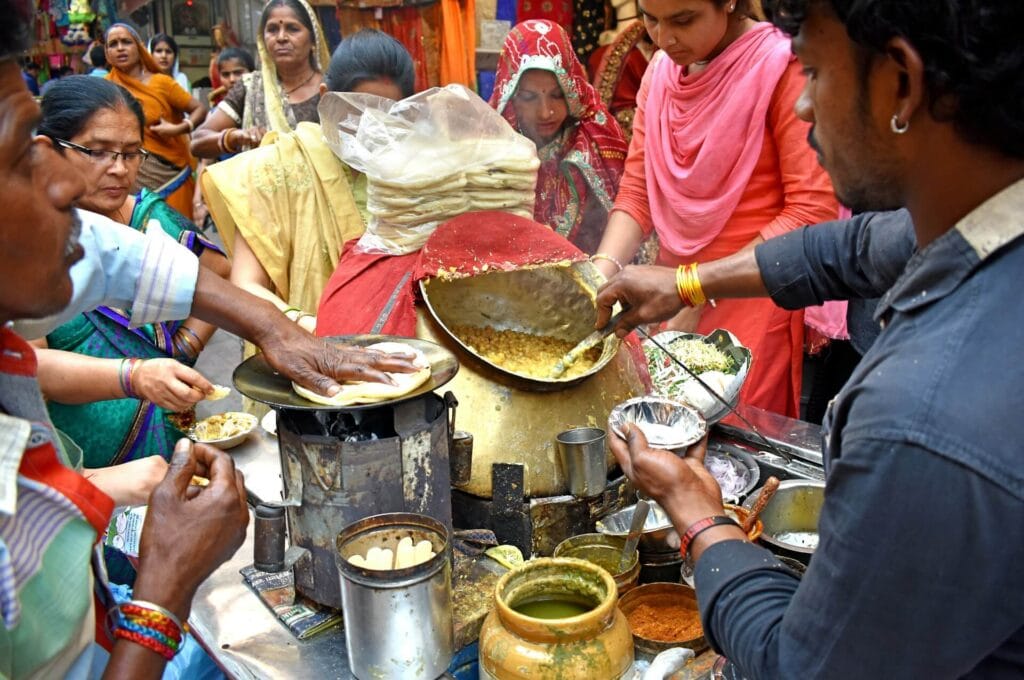
Indians take their food very seriously and India has heaps of mouth-watering grub at prices so low it’s almost unbelievable.
But you have to be willing to eat where the locals do to get the best of it. That’s our style anyway – we like to save a buck or two while still having a blast.
Street Food: Where India Really Hits the Spot
Street food is the most exciting thing going on in India – That is to say, It’s where the country really shines.
You can get a proper meal that’ll fill you right up from a roadside food stall for as little as $0.24 – or a buck and twenty if you’re looking to splash out a bit.
Some of our Budget Fave Street Foods are:
- Vada pav (Mumbai’s take on the humble spiced potato sandwich): ₹30-80
- Samosas (fried pastry filled with goodness): ₹20-40
- Pani Puri/Golgappa (crispy little water balls): ₹20-40 for a plate
- Chole Bhature (chickpea curry served with fried bread): ₹40-100
- Dosa (a South Indian crêpe that’s truly versatile): ₹80-150
- Paratha (stuffed flatbread): ₹50-80
Safety tip: Go to busy stalls where the food is freshly prepared, and if you see locals waiting in line, the food is fresh and safe to eat – just make sure you avoid stalls where all the food has been left unsold for hours.
Local Restaurants & Dhabas – a taste of the real India
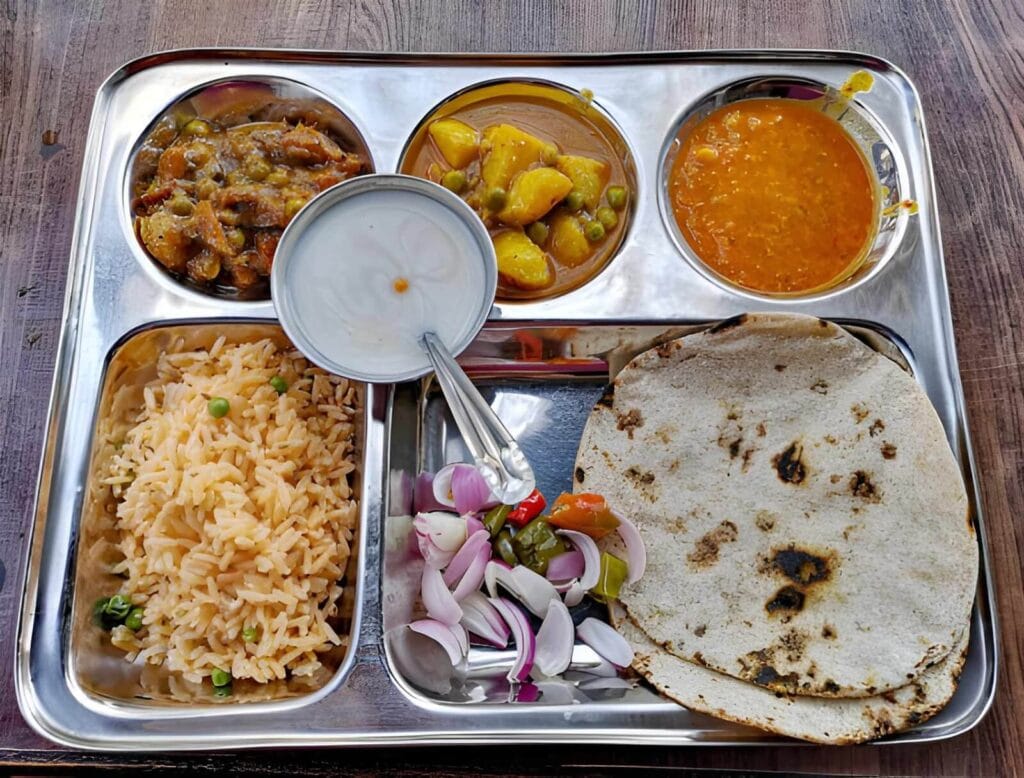
Dhabas – those little gems you’ll find on the side of the road, whether in the city or out in the countryside – are basically roadside restaurants that dish up massive helpings of proper home-style Indian grub for prices that’ll put a big smile on your face.
Thali Meals – a friend to budget travellers: You know the thing that really helps out the price-conscious traveller? Thali meals.
A thali is more or less a plate piled high with the lot – rice, a bit of bread (roti or chapati – it doesn’t matter, either’s fine), a side of dal (that lentils, for those who don’t know), a couple of veg curries, a dollop of yogurt & if you’re feeling flush – a sweet treat to round everything off.
And the best bit? In most places it’s all you can eat – just keep refilling that plate until you’re stuffed to the brim. The cost? Pocket money – 80–200 rupees, which is just a couple of quid, and will keep you going for hours.
Individual dishes: If you’d rather just pick one thing from the menu, individual dishes like dal fry, veg curry or a bit of paneer are 60–150 rupees each & you can pair them up with a side of rice or bread for the same price.
Non veg options like chicken curry or a nice biryani will set you back a bit more – around 120–250 rupees.
Chai and Snacks
Chai (tea) is India’s social lubricant and costs ₹10-20 ($0.12-0.24) per cup at roadside stalls. Pair it with biscuits or pakoras (fried snacks) for ₹20-40, and you have a satisfying break for less than 50 cents.
Water: Stay Hydrated Without Spending Much
Buy a reusable water bottle and refill it. Many hotels, hostels, and restaurants provide filtered water for free. A large 1-liter bottle costs ₹20 ($0.24) if you need to buy, but refilling is smarter and eco-friendly.
Enjoying India Without spending too much
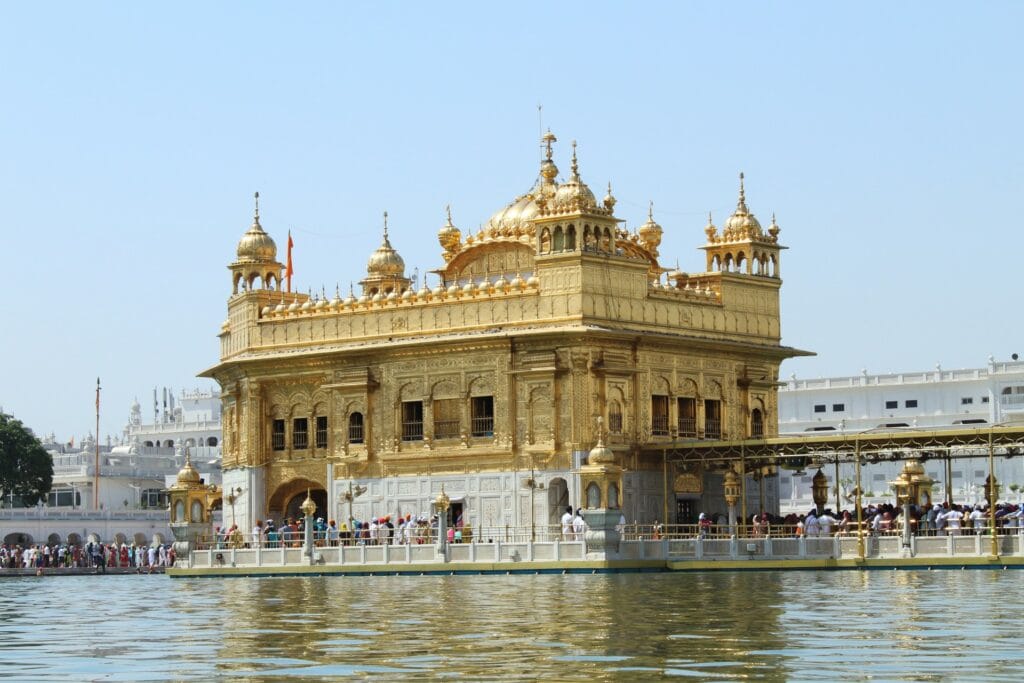
India’s most special experiences often don’t come with a price tag attached. In fact, some of the most unforgettable moments in life are the ones you get for free.
Free Attractions
Temples and religious sites: Most temples, gurdwaras and mosques are open to the public without charge. Even the Golden Temple in Amritsar goes one step further by offering free meals to all who visit.
Other big temples like Meenakshi, Tirupati and a whole host of others ask for nothing in return.thing.
Markets & Bazaars: Just wandering around in places like Chandni Chowk in Delhi, Crawford Market in Mumbai or Johari Bazaar in Jaipur is completely free, and you’ll be able to soak up the atmosphere.
Beaches: Goa, Pondicherry, Kerala and all the other coastal towns have beaches that are 100% free & open to the public. Just bring some snacks to avoid having to fork out loads for overpriced beach food stalls.
Parks and gardens: Public parks are usually free or have a small entry fee (₹10-30). If you’re in Delhi, try Lodhi Gardens, Bangalore has Cubbon Park, and Mumbai has Marine Drive; all of these are perfect for relaxing without spending a fortune.
Low-Cost Activities
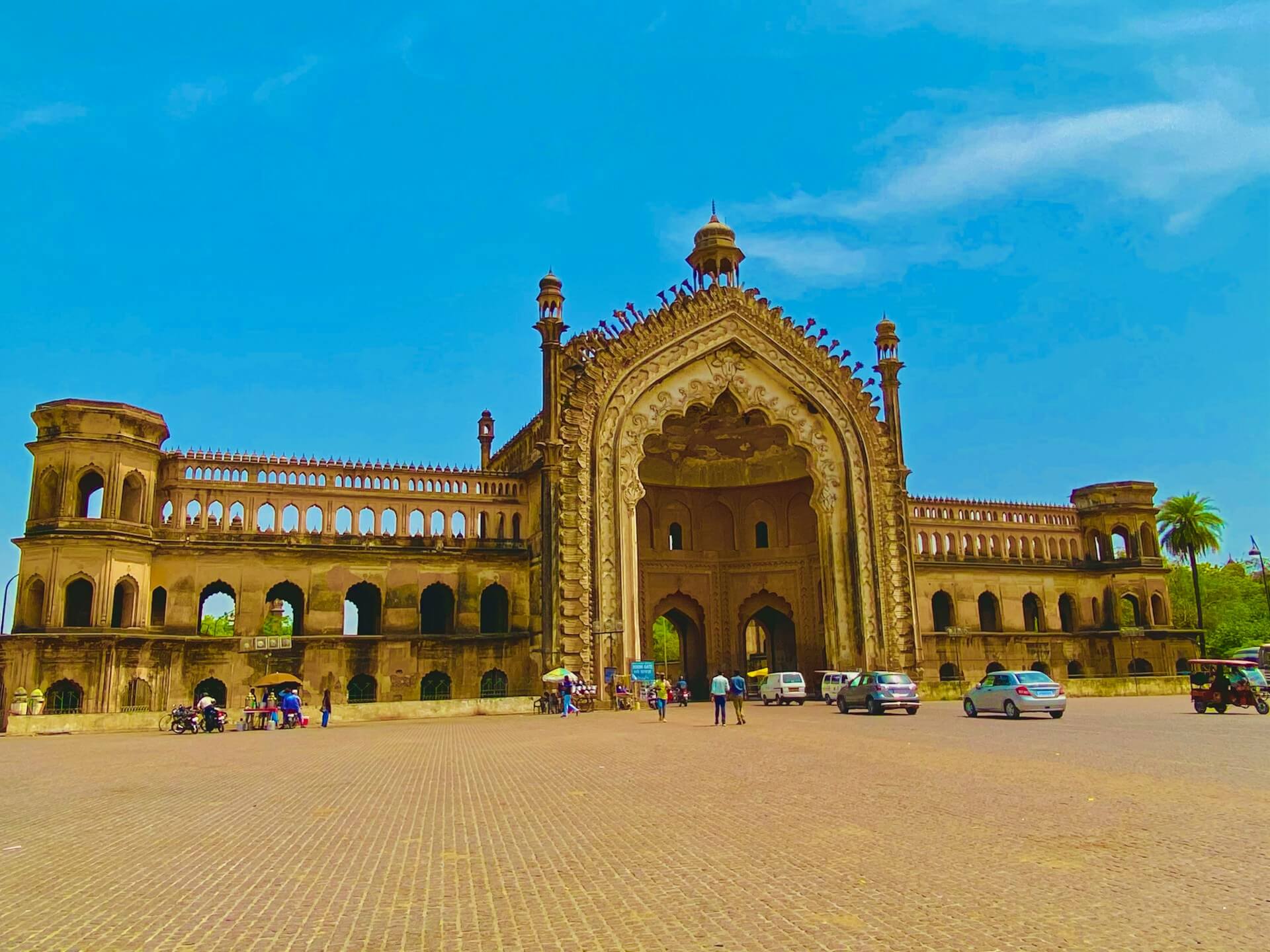
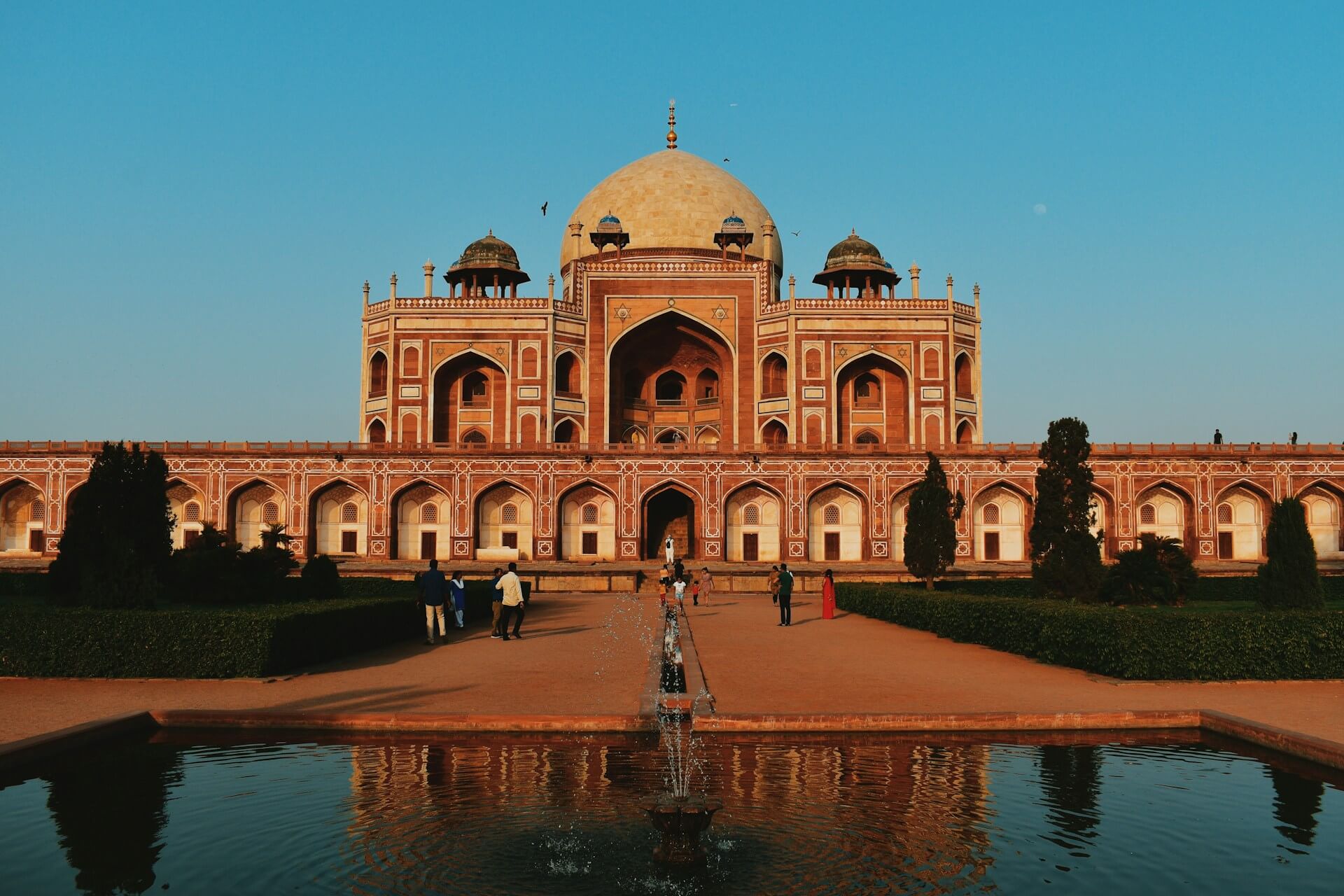
Historical Monuments: You can visit incredible places like the Red Fort , the Qutub Minar & the Hampi ruins without breaking the bank – entry fees for Indians are a tenner to fifty rupees and for foreigners between a hundred to six hundred rupees ($1.20 to $7.20.
Trekking: Himachal Pradesh, Uttarakhand, & the Western Ghats have got some trekking routes which are almost free, other than the cost of getting to the starting point, & permits are a small ask – anything from 100 to 500 rupees.
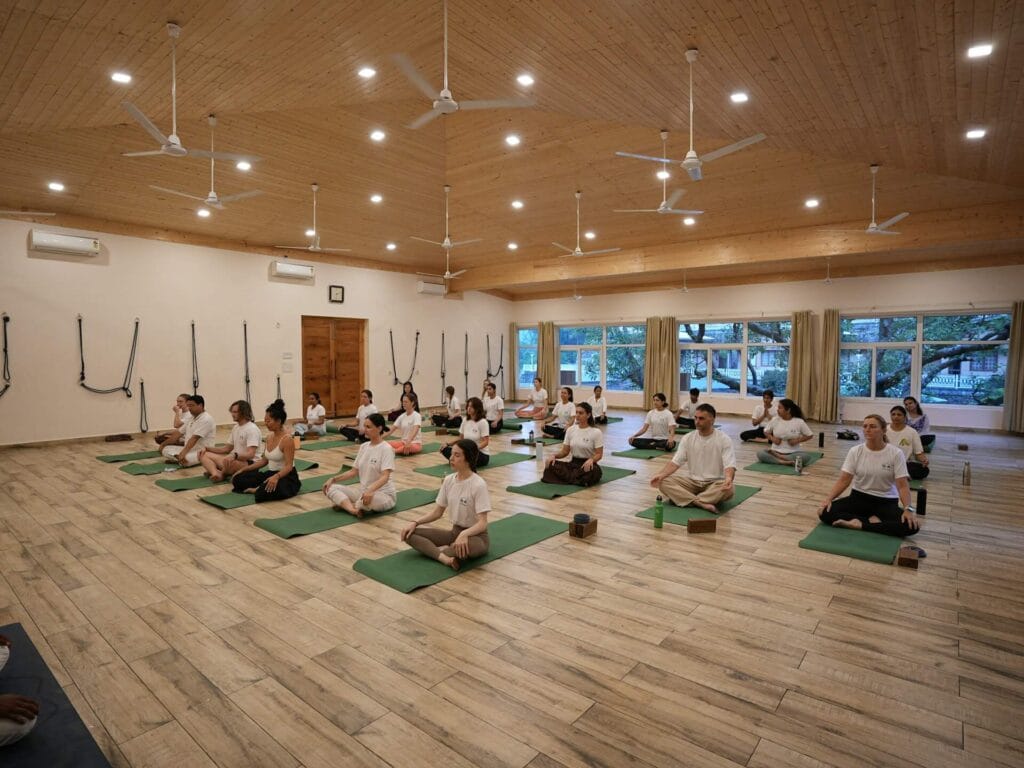
Yoga and meditation: Rishikesh, Varanasi & loads of other places have got yoga classes for free or by donation, even paid classes are a pretty affordable ₹200 – ₹500 ($2.40 to $6).
Free walking tours: Major towns have got free walking tours where all you do is tip the chap or lass at the end of the tour. These are an absolute must if you want to learn about the place you’re in & its history & culture.
Avoid Tourist Traps
It’s best to avoid overpriced tourist shows, expensive camel rides, and those pesky touts near monuments.
Real experiences are those that don’t cost a fortune, like watching the sunset over the Ganges, hiking some mountain trails, or simply sitting and having tea with a local.
Additional Money-Saving Tips For India
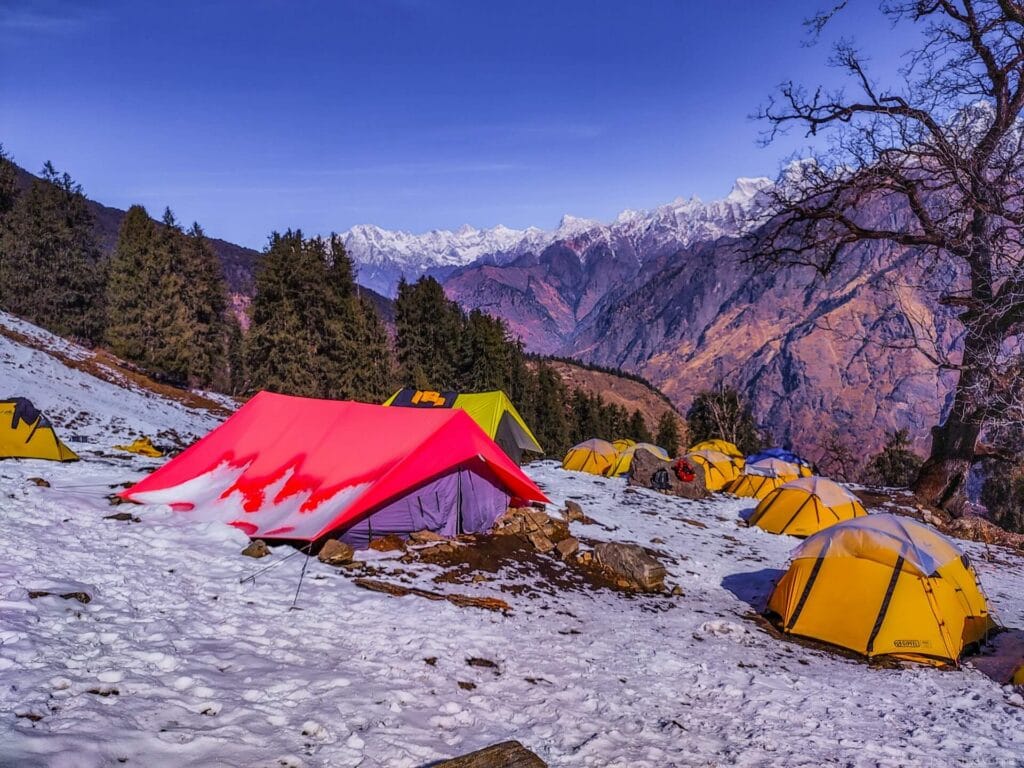
Travel slowly: don’t be in such a rush to move from one city to another every other day, that adds up in transport costs, and you’re also missing out on excellent deals on accommodations if you stay a bit longer.
Negotiate but be reasonable – in markets, with rickshaw drivers & at guesthouses where the rates are negotiable, just be polite and don’t make unreasonable offers – that 50 rupee ($0.60) difference to you might mean the world to them.
Travel off-season: Visit during shoulder season (March-April or September-October) is when you’ll get the best prices and the least number of tourists. Just clear of the peak season (December-February) and major holidays – those are the times prices really high.
Use local SIM cards: A local SIM with data costs ₹200-500 ($2.40-6) for a month and saves you from expensive roaming fees. You can book transport, check maps, and research without Wi-Fi dependence.
Carry a water bottle and snacks: You should also carry a refillable water bottle & some snack with you – they just jack up the prices in tourist areas, so having your own will save you some cash & keep you happy.
Withdraw larger amounts from ATMs: Try to withdraw a bit more than you need – every withdrawal costs 100-200 rupee ($1.20-$2.40) in fees, so if you can get your money out in one goes you’ll save a bit.
Join group tours for expensive activities: If you really want to go on one of those desert safari’s or a houseboat tour for instance, see if you can find a group tour or meet up with other travelers at a hostel or through a website – it’ll split the costs for you.
Sample Daily Budget for India
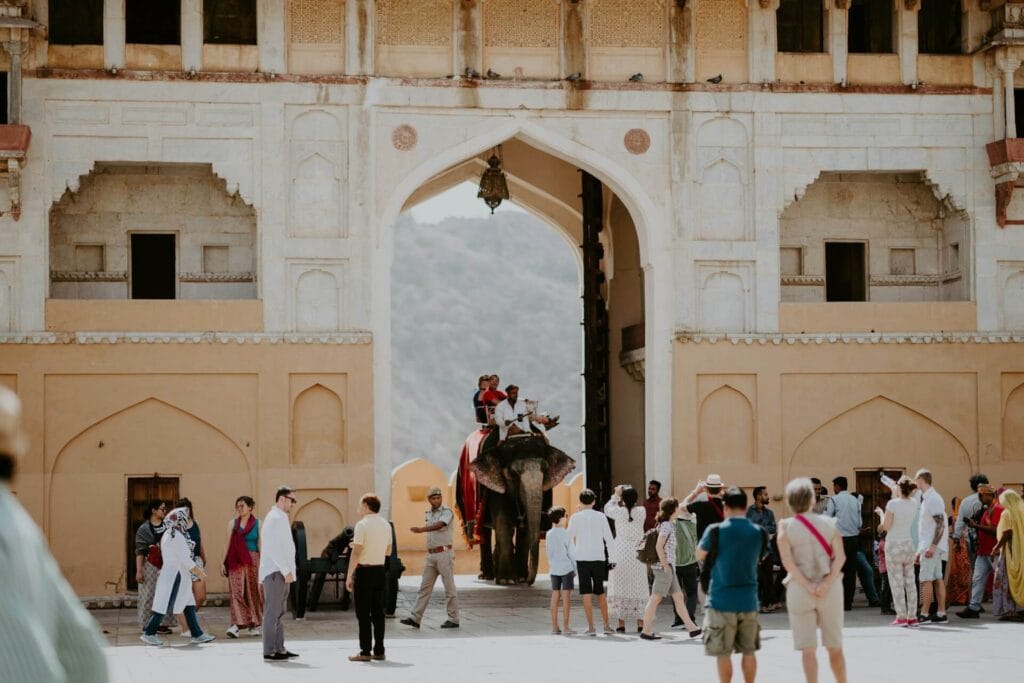
Here’s a look at a super realistic daily budget that lets you travel the cheapest way across India:
Ultra-Budget (₹500-800 / $6-10 per day):
- Accommodation: You can either crash on a friend’s couch through couch-surfing or find some super cheap hostels – think ₹0 to ₹300 a night
- Food: Eat on the streets or cook your own meals & snacks – that’ll cost you anything from ₹200 to ₹300
- Transport: Buses & autos – the local kind that isn’t so pricey – ₹100 to ₹200 a day
- Activities: Free or super cheap stuff – that’s anything up to ₹100
Comfortable Budget (₹1,000-1,500 / $12-18 per day):
- Accommodation: You’ll be happy with a hostel dorm or a budget guesthouse – think ₹400 to ₹600 a night
- Food: Mix of street food and eating at some moderately priced restaurants – that’ll be ₹300 to ₹500
- Transport: Trains buses, and the occasional auto – ₹200 to ₹300 a day
- Activities: Some paid attractions – think ₹100 to ₹200
These budgets don’t include the cost of trains or buses between cities , but they do include all the costs of living each day. When you’re on travel days, you’ll also need to throw in the cost of that train ticket
India Rewards the Budget Travelers
India is one of those places where you don’t need to spend a fortune to see the best bits. Actually, it’s when you travel smart and like the locals that you can really experience this incredible country without spending too much money.
Use the trains & buses instead of taking flights , stay at hostels or homestays, eat street food & thalis, and go for the free experiences. You can discover this wonderful country for less than you’d spend on a week’s trip back home.
I’ve personally spent months traveling across India for a daily budget of ₹800 to ₹1,200 – and had some real experiences that beat what many people get from spending five times that much.
It all comes down to being local, being flexible & understanding that the real magic of India – the people, the culture, the complete chaos – is priceless.
India is a great place to try budget travel because it’s not just possible, it’s the best way to see the real India – to see the bits that the tourists never get to experience.
You’ll be eating where the locals eat, traveling like they travel, and seeing all the off the beaten path stuff that your average tourist never even gets near. So … Book that train ticket and get going on your India adventure!
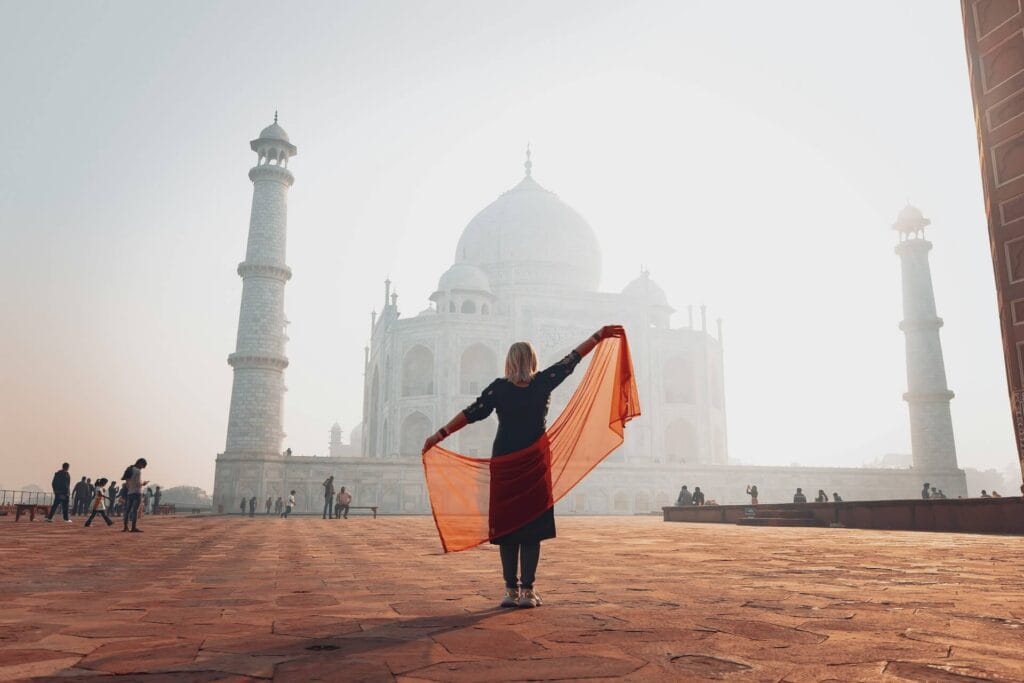
Ready to plan your trip? Start with our first time travel guide to India for a complete overview.
FAQs for Budget Travel in India
What is the cheapest way to travel across India?
The cheapest way to travel in India is by train, especially Sleeper Class or Second Sitting, with fares starting as low as ₹50. Local buses are also very affordable, costing ₹1-2 per kilometer.
How much does it cost to travel on a budget in India per day?
You can travel in India on a budget for around ₹500-800 per day, covering accommodation, food, and transport. A comfortable budget would range from ₹1,000-1,500 daily.
Is street food safe to eat in India?
Yes, street food is safe if you choose busy stalls where locals eat. Opt for freshly made items like samosas or vada pav for a safer, budget-friendly meal.
What is the cheapest way to stay in India?
The cheapest stays in India are hostels (₹300-800), guesthouses (₹500-1,200), and ashrams or CouchSurfing (free). These options are ideal for budget travelers.
How do I book budget trains in India?
Book budget-friendly train tickets via the IRCTC website or app. Booking 30–60 days in advance ensures the best deals. You can also check the waitlist for last-minute availability.
Are buses a practical option for traveling in India?
Yes, government-run buses are affordable, with fares as low as ₹1-2 per kilometre for short trips. Sleeper buses for long journeys cost ₹600-1,200.
What are the best places for budget accommodation in India?
Hostels, guesthouses, and homestays are excellent budget options. Expect prices ranging from ₹300 for hostels to ₹1,500 for homestays with meals.
How can I save money on food while traveling in India?
Save on food by eating at street food stalls or local dhabas. Meals like thalis cost ₹80-200, and hostels often offer kitchen facilities to cook your own meals.
When is the best time to visit India on a budget?
Visit India during the off seasons (March-April or September-October) for lower prices on accommodation and travel, with fewer tourists.
Can I travel across India without a lot of money?
Yes, you can travel across India on a budget of ₹500-800 per day by using cheap transport, staying in hostels or homestays, and eating at local food stalls.
Images: Unsplash
