



You step out of your hotel in Delhi or Jaipur and the smell hits you before you see the stall. Samosas frying in oil. A pot of dal simmering over a gas flame.
Someone flipping roti on an iron tawa. Fifteen people are already eating standing up, and every plate looks better than the last. Then comes the hesitation.
Is this safe? Will I spend tomorrow sick in my room? Should I just go back to the hotel restaurant?
This is the moment that separates travelers who eat well in India from those who play it too safe and miss the best food on the trip, or too reckless and pay for it the next morning.
The answer is not to avoid street food. It is to understand what actually causes illness and what does not. Most food poisoning in India is not random bad luck.
It comes from specific, identifiable situations that you can learn to spot.
If you’re wondering how to avoid food poisoning in India without missing out on the country’s incredible street food culture, the key is understanding freshness, water hygiene, food handling practices, and vendor turnover rather than avoiding street food altogether.
Is Street Food in India Safe for Tourists?
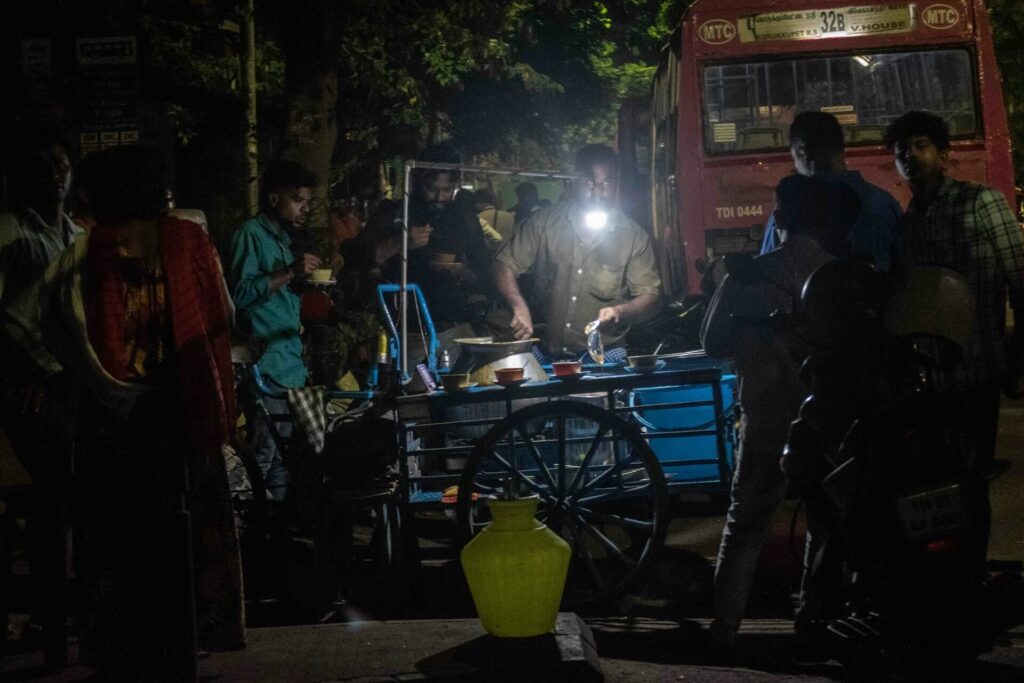
Street food in India is safe for tourists when it is freshly cooked at high heat, served at a busy stall with visible turnover, and eaten immediately.
The cause of most traveler illness is not street food as a category but specific conditions: pre-made food sitting out, water contamination in sauces or ice, and unfamiliar combinations eaten too early in the trip.
Millions of tourists eat Indian street food without incident every year.
What Causes Food Poisoning in India? (Real Reasons Explained)
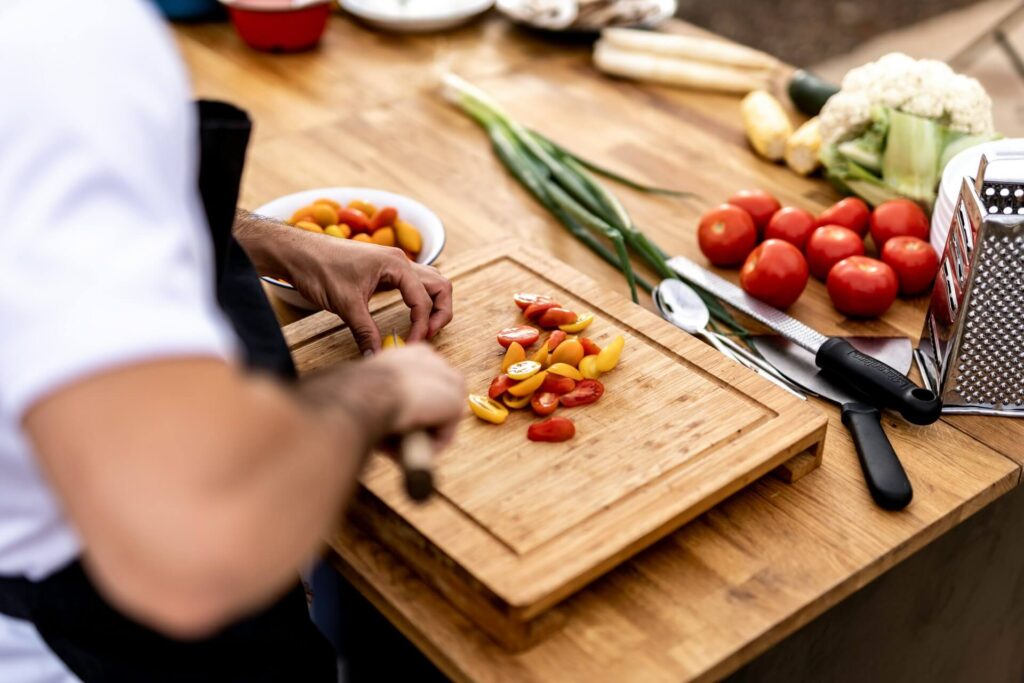
Most people assume that street food automatically means risk. The reality is more specific than that.
Many cases that travelers describe as “Delhi Belly” or traveler’s diarrhea are linked to contaminated water, poor food hygiene, or sudden dietary changes rather than Indian food itself.
Understanding the difference helps you make better decisions while traveling.
Contaminated water in the food chain
This is the leading cause of traveler illness in India, and it hides in unexpected places. Chutneys and sauces made with tap water. Salads washed under a tap.
Ice in drinks. Water used to rinse plates at a busy stall. The food itself can be fine and the water in the preparation is the problem.
Food sitting at room temperature
India is hot. In 35-degree heat, cooked food left uncovered for two or three hours starts developing bacterial growth at a rate most travelers do not account for.
Pre-cooked curries sitting in open pots, snacks made hours ago and left on display, rice that was cooked in the morning and is being served in the evening: these are the real risks.
Reheated food
Food that has been cooked, cooled, and reheated multiple times concentrates risk. A fresh pot of dal cooked that morning is safe. The same dal being scooped from a pot that has been on low heat since the previous day is not.
Unfamiliar oil and spice combinations
This is not food poisoning in the clinical sense but it produces similar symptoms. Your digestive system handles the fats, spices, and preparation methods it is used to.
Indian cooking uses combinations of spices, oil types, and cooking techniques that are genuinely unfamiliar to most Western digestive systems.
In the first few days, this alone can cause discomfort that has nothing to do with contamination.
Cross-contamination from unclean surfaces and utensils
A stall that cooks good food but uses the same cloth to wipe the cutting board, the serving spoon, and the counter is introducing bacteria through the back door.
Visible cleanliness of the working surface matters as much as the quality of the ingredients.
Safe vs Risky Street Food in India
Generally safe:
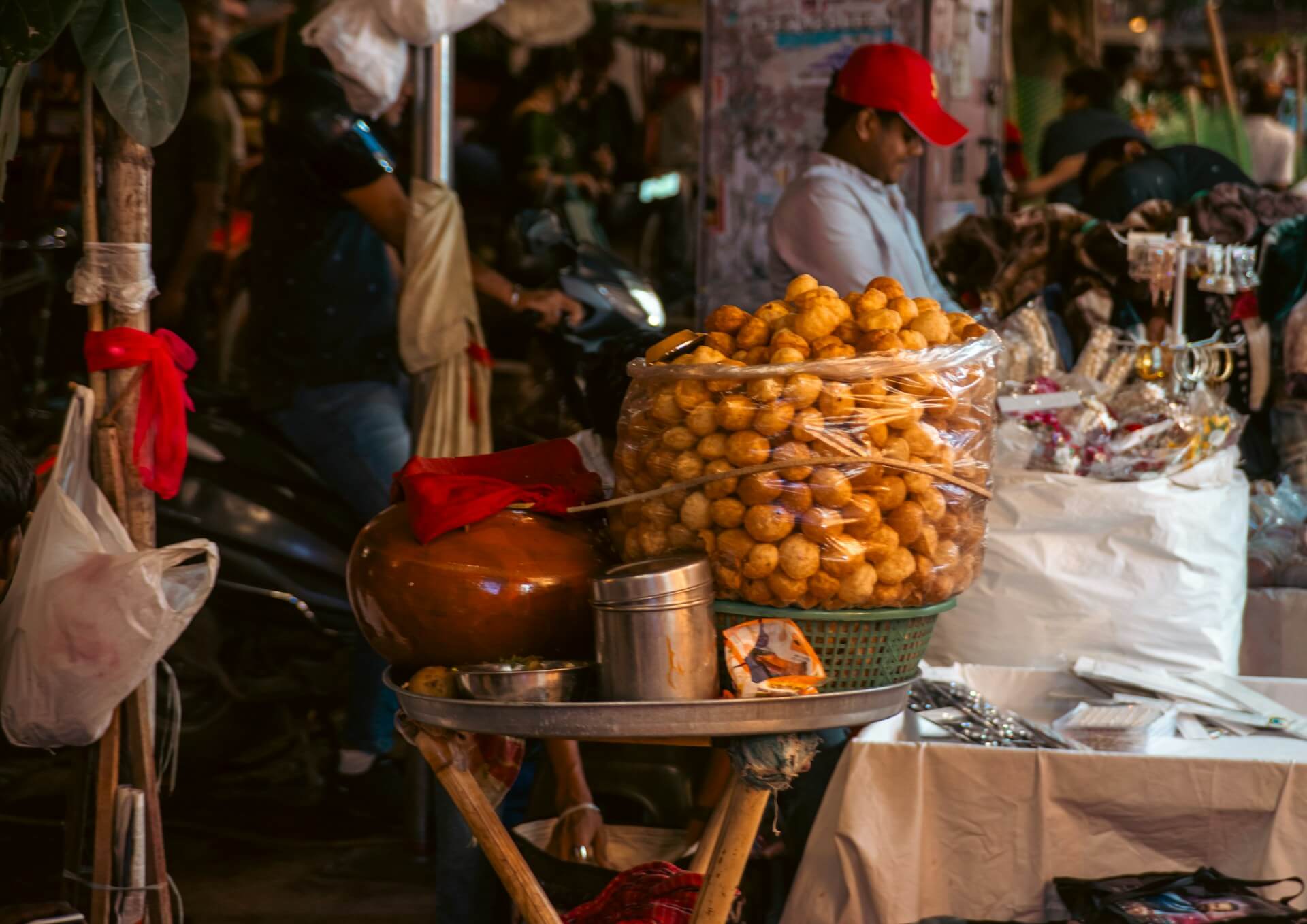
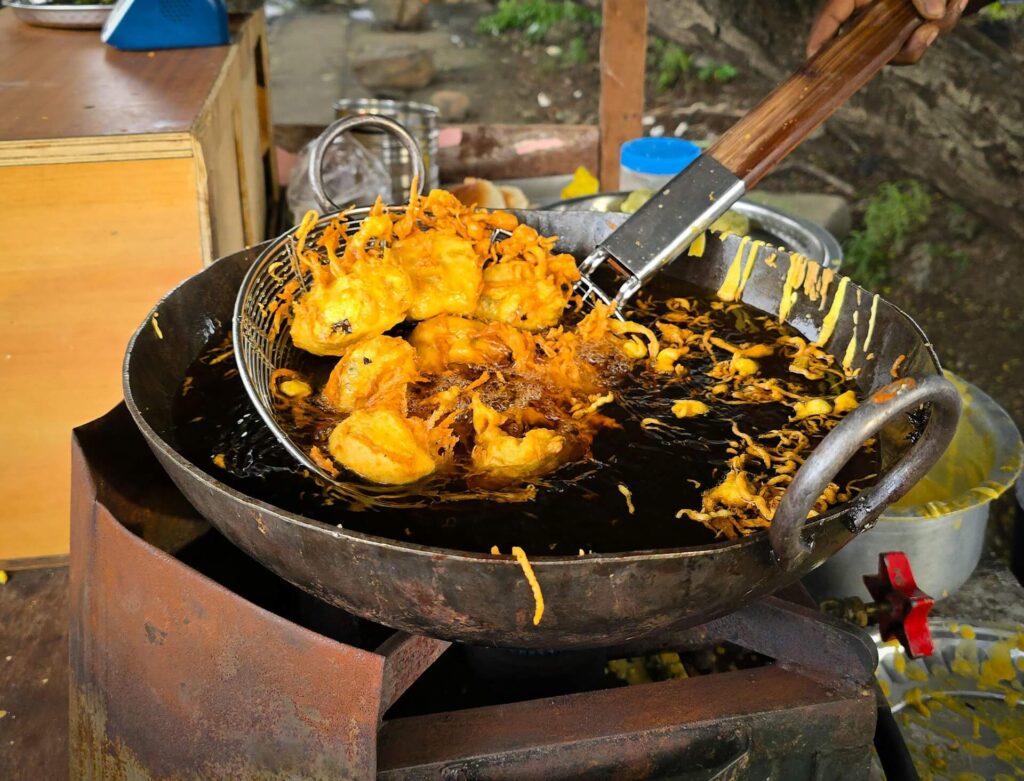
Freshly fried foods cooked in front of you. The oil temperature kills bacteria. Samosas, pakoras, puri, and bhajis that go directly from the oil to your plate carry very low contamination risk.
Boiled and grilled items made to order. Corn on the cob from a roadside coal grill. Egg dishes cooked fresh. Momos steamed to order. The cooking process is the safety mechanism.
Dry snacks with sealed packaging. Roasted nuts, packaged biscuits, and sealed snack bags are safe regardless of where you buy them.
Chai and hot beverages. The water is boiled. The milk is usually boiled. Chai from a street stall is one of the safest things you can consume in India.
Higher risk:
Pre-cut fruit on display. Melon, papaya, and pineapple cut hours ago and left uncovered in the heat have been exposed to flies, dust, and ambient bacteria.
Buy whole fruit and peel it yourself. Raw chutneys and fresh sauces. The green coriander chutney and tamarind sauce served with chaat are made with water and uncooked ingredients.
At a high-turnover stall where these are made fresh multiple times a day, the risk is lower. At a quiet stall where the same bowl has been sitting since morning, it is higher.
Uncovered salads and raw vegetables. Cucumber, onion, and tomato served as a side are typically rinsed in tap water. In the first week particularly, these are worth skipping.
Curd and dairy at unknown quality levels. Fresh yogurt and lassi at a reputable shop or busy restaurant are usually fine. Curd sitting in an unlabeled container at a small stall in the heat is less predictable.
Food safety depends more on vendor practices than the city itself, but first-time visitors may find the following guidelines useful.
City | Good Beginner Street Foods | Extra Caution With |
Delhi | Fresh samosas, chole bhature, hot chai | Chaat with multiple raw chutneys at quiet stalls |
Jaipur | Kachori, mirchi vada, fresh lassi from busy shops | Pre-cut fruit in tourist areas |
Mumbai | Vada pav, pav bhaji cooked fresh | Ice-based drinks from roadside vendors |
Kolkata | Kathi rolls, fresh fried snacks | Seafood sitting unrefrigerated |
Varanasi | Kachori sabzi, hot jalebi | Raw salads and uncovered foods near crowded ghats |
How to Identify Safe Street Food Vendors
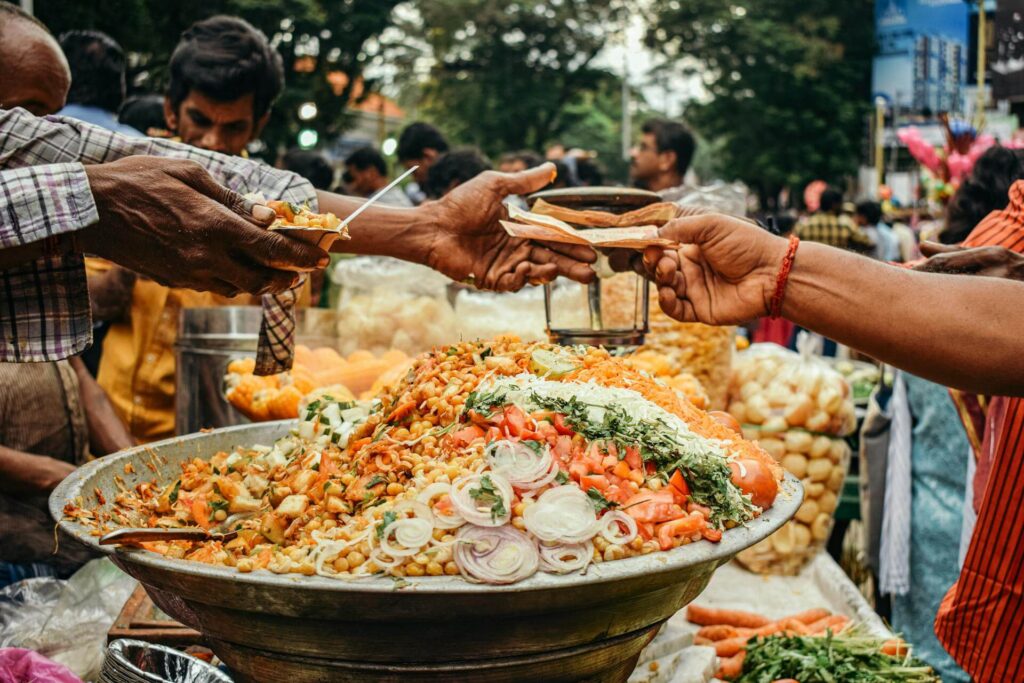
The most useful skill you can develop in India is reading a food stall before you eat from it. It takes about thirty seconds once you know what to look for.
Turnover is the single best indicator
One pattern many experienced travelers notice is that the busiest stall is often safer than the cleanest-looking empty stall.
High turnover usually means fresher ingredients, hotter food, and less time for bacteria to multiply.
A stall with fifteen people eating at any given time is making and selling food constantly. Nothing is sitting. The oil is hot and fresh because it is being used continuously.
A quiet stall with pre-made food on display is the opposite: things have been sitting, the oil may have been used all day without changing, and the cooking surface has seen less heat recently.
Eat where locals are eating in quantity. Not just one or two people, but a genuine crowd. Local people know which stalls are good and which have made people sick. Their presence is a real-time quality signal.
Watch the cooking process
If you can see the food being made in front of you, you have direct evidence of the temperature and the freshness. A stall where everything is cooked to order is lower risk than one where you are served from a pre-made container.
Oil color and smell
Fresh frying oil is pale yellow or golden. Oil that has been used all day turns dark brown, smells slightly burnt, and produces a different kind of fried food.
Deeply colored oil in a frying pot is a sign that the oil has not been changed recently. This does not guarantee illness but it is a marker of how carefully the stall is being maintained.
Surface cleanliness
The working surface does not need to be spotless. It needs to look like someone cares about it.
A vendor who wipes down the surface between customers, uses separate utensils for raw and cooked food, and handles money with one hand and food with another is paying attention to hygiene.
One who uses a single grey cloth for everything and handles food immediately after handling money is not.
Queue behavior
At a popular stall, watch how the vendor handles the rush. Someone who keeps the cooking area organized, replaces oil regularly, and maintains a system under pressure is running the stall professionally. Chaos in the kitchen during a rush is a different signal.
Water Safety and Hidden Risks in Indian Food

Water is the hidden variable in most food safety decisions in India. In many cases of foodborne illness among tourists, water contamination is the root cause rather than the cooked food itself.
This is why experienced travelers often pay as much attention to drinks, sauces, and raw ingredients as they do to the main dish. The food can be cooked perfectly and then a splash of tap water goes into the chutney.
The stall can be clean and then the plates are rinsed in unfiltered water before your food goes on them. You can choose the right dish and then add ice from an unknown source.
The practical rules are simple. Avoid ice at street stalls and budget eateries. Skip raw sauces and chutneys at any stall that does not have visible, high turnover.
Do not eat pre-washed raw vegetables at places where you would not drink the tap water. At established restaurants and mid-range or upscale properties, ice and sauces are usually made with filtered water.
The risk drops significantly at that level. The cleanest version of Indian street food is hot, dry, and freshly cooked.
Every step away from that, meaning raw ingredients, water-based condiments, cold preparations, adds a variable you cannot fully assess from the outside.
If you’re unsure about drinking water safety, bottled water quality, or filtered water systems, see our complete guide to safe drinking water in India.
How to Eat Street Food Safely (First 3 Days Rule)
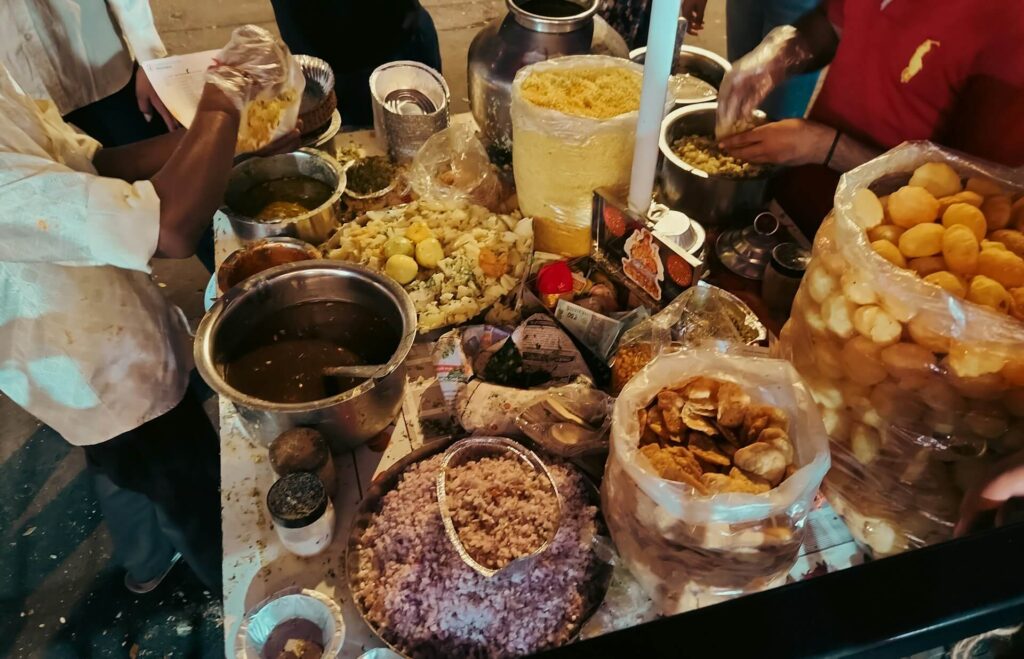
The first two to three days are the adjustment phase
Your digestive system is encountering new bacteria, new spice combinations, new oils, and a new food environment. It does not mean you eat bland food for three days.
It means you start with simpler, freshly cooked items rather than the most complex or adventurous options on day one. A samosa, a plate of dal with roti, or a simple egg dish on day one is sensible.
Chaat with multiple chutneys, raw ingredients, and unknown water at an unfamiliar stall on day one is a gamble.
Eat where you can see the cooking
The most reliable safety check in Indian street food is visibility. If you can watch the food being made, you can assess the temperature, the freshness, and the hygiene in real time.
Stalls where everything happens behind a counter or inside a kitchen require you to trust what you cannot see.
Do not mix too many new things at once
Trying five new dishes, a new drink, a new sauce, and a new dessert in one meal makes it impossible to identify what caused a problem if one develops.
In the first week, give your gut time to adjust to one or two new things at a meal rather than a full experiment.
Eat at peak hours
The safest time to eat at any street stall is when it is busiest. Lunch hour at a popular stall means everything was cooked recently. The same stall at 4 PM, serving food that was made at noon, is a different situation.
Breakfast vs Lunch vs Dinner: Safety Differences
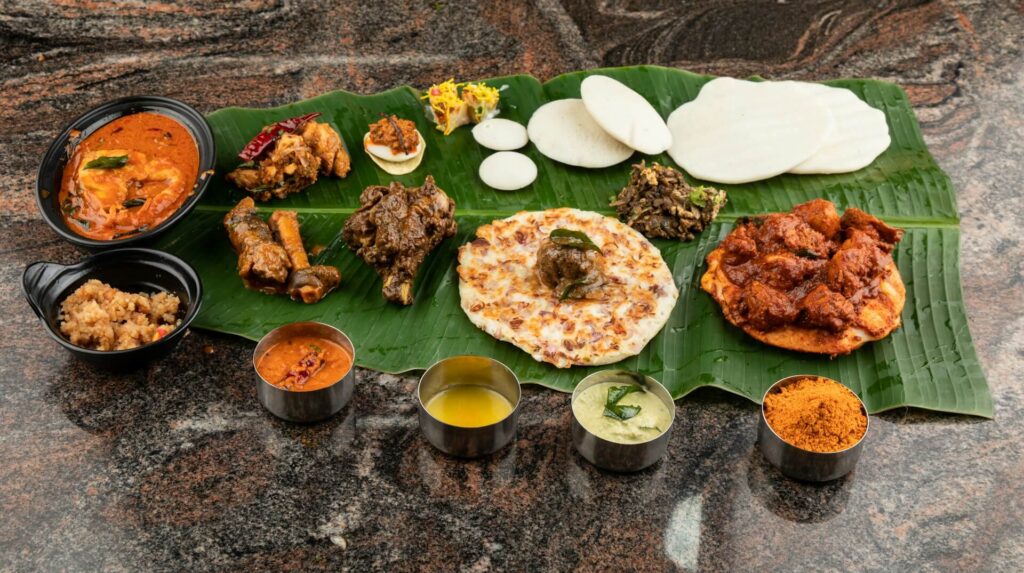
Breakfast is arguably the safest meal at street stalls. Most vendors start fresh in the morning. Oil is new. Ingredients were purchased that day.
Preparation happens in front of you. Idli, dosa, poha, and paratha stalls at breakfast are among the lowest-risk street food experiences in India.
Lunch at a busy stall is also reliable. Peak-hour demand means high turnover and freshly made food. A packed lunch counter where plates are being cleared and refilled continuously is a good sign.
Dinner requires more attention. By evening, some stalls have been running for eight to ten hours. Pre-cooked items that were made in the afternoon are now several hours old.
The oil in the frying pot has been in use all day. A stall that looks exactly the same at dinner as it did at lunch may be serving food that has been sitting since midday.
This does not mean avoiding dinner street food. It means being more selective. Freshly cooked items made to order are still safe at any hour. Pre-made food sitting under a heat lamp since 2 PM is not.
Hotel Food vs Street Food: The Honest Comparison
Hotel food is not automatically safer than street food. A buffet at a budget hotel where food has been sitting in warming trays for two hours is a higher risk than a freshly fried samosa from a busy street stall.
What hotel restaurants control is the water source and the surface cleanliness. The water used in cooking, washing, and sauces is usually filtered.
The kitchen meets some level of hygiene standard. These factors matter. What hotel food does not control for is freshness of individual dishes or preparation time.
A large buffet at a mid-range hotel that turns over quickly is relatively safe. A small spread at a quiet budget hotel restaurant that has been sitting since the previous hour is not better than good street food.
The practical approach most experienced travelers use is: eat hotel food for the first couple of days while adjusting, move to established local restaurants and high-turnover street stalls from day three onwards, and apply the same freshness and turnover logic everywhere regardless of category.
What to Do If You Get Food Poisoning
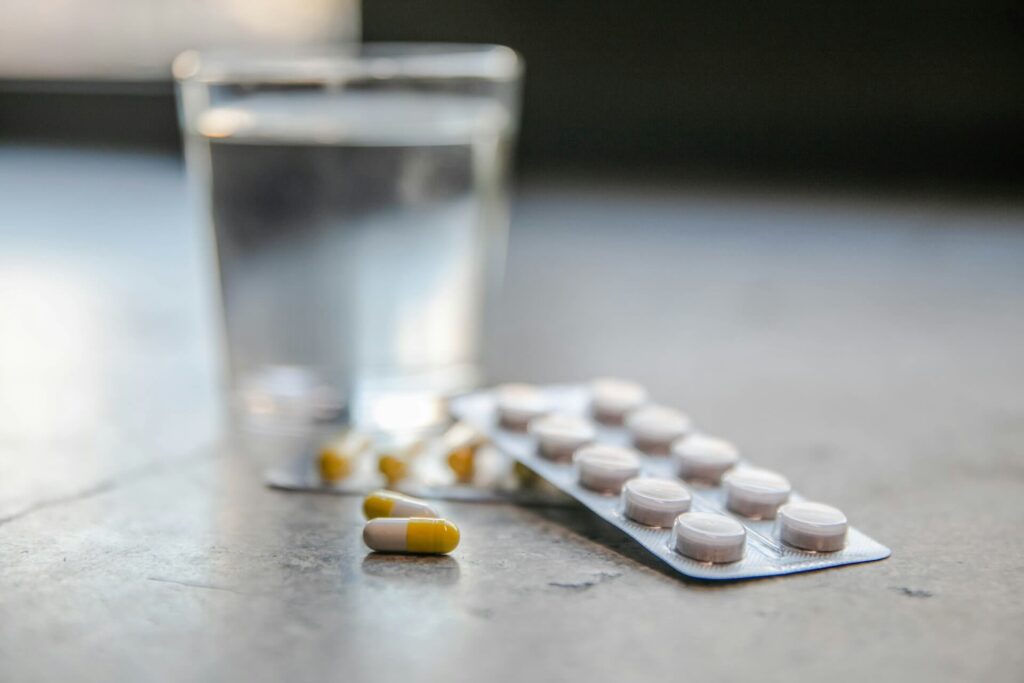
Start oral rehydration salts immediately. ORS packets are available at every pharmacy in India for almost nothing. Mix one packet into clean bottled water and drink it in small sips consistently.
Dehydration is what makes food poisoning significantly worse, and it moves fast in Indian heat. Eat plain food while recovering. Plain white rice, banana, plain roti, and boiled potato are easy on the stomach.
Avoid spicy food, dairy, and anything rich or oily until you feel fully normal. Use loperamide (sold as Imodium or generic equivalents at Indian pharmacies) only if you need to travel or function.
It slows the symptoms but does not treat the underlying infection. Rest is more effective than medication for mild cases.
See a doctor if: symptoms do not improve after 72 hours, there is blood in the stool, your fever goes above 38.5 degrees, or you cannot keep any liquid down.
Apollo, Fortis, and Max Healthcare are reputable hospital chains in major Indian cities. Your hotel can recommend a local doctor.
Real-Life Scenarios
Choosing between two stalls at a Delhi street food market
You are at a busy market and there are two chaat stalls side by side. One has a queue of ten people and the vendor is assembling plates as fast as he can.
The other has two customers and three plates of pre-made chaat sitting on the counter. Choose the first one. The queue means the food is being made continuously.
The pre-made plates at the second stall have been sitting in the heat for an unknown amount of time.
Ordering at a small local restaurant
You sit down at a local dhaba. The menu has twenty items. You ask what is freshly made today. The waiter says dal, roti, and egg curry.
You order those rather than the mutton curry that has likely been in a pot since the morning. At smaller restaurants, asking what is made fresh that day is not unusual and often gets you a better meal anyway.
First exposure to a very spicy dish
A local recommends a dish that turns out to be significantly hotter than anything you have eaten before. You eat half and feel the heat immediately.
This is not food poisoning. Capsaicin causes digestive discomfort, sometimes significantly, without any contamination involved.
Drink water, eat plain rice alongside, and build up to the hotter dishes over several days rather than accepting every spice-level recommendation at face value in week one.
Eating at a tourist-area restaurant vs a local neighborhood spot
Tourist-area restaurants in Jaipur, Agra, and Varanasi often serve heavily adapted versions of Indian food designed for foreign palates, with blander spices and more familiar presentation.
They are not automatically safer or better than local spots. A busy neighborhood restaurant two streets off the tourist trail with local workers eating lunch is often fresher, cheaper, and more representative of actual Indian food.
Final Street Food Safety Checklist for India

Before eating
- Assess turnover: is the stall busy right now?
- Can you see the food being cooked in front of you?
- Does the oil look fresh and pale rather than dark brown?
- Is the working surface being maintained?
While choosing a food stall
- More customers means more recent cooking
- Pre-made food on display is higher risk than made-to-order
- Raw sauces and chutneys: only at very busy, high-turnover stalls
- Skip pre-cut fruit and uncovered raw vegetables
During street food eating
- Eat immediately while the food is hot
- Skip ice if you are unsure of the source
- Do not mix too many new dishes in one meal, especially in the first week
First three days in India
- Start with freshly cooked, simpler items: fried snacks, dal, roti, eggs
- Avoid raw preparations, complex chaat, and heavily sauced dishes until day three or four
- Eat at meal peak hours when turnover is highest
- Use bottled water for everything including brushing teeth
If you feel sick
- Start ORS immediately, small sips consistently
- Eat plain rice, banana, plain roti
- Rest and avoid new foods until fully recovered
- See a doctor if fever is above 38.5 degrees, there is blood in stool, or symptoms continue beyond 72 hours
Indian street food is genuinely some of the best food in the world. The goal of every decision in this guide is to let you eat more of it, not less.
The travelers who get sick are almost always the ones who ignored a visible signal, relaxed their habits at the wrong moment, or moved too fast in the first few days.
The ones who eat well across a full trip are the ones who paid attention to what was in front of them. Knowing how to avoid food poisoning in India is not about avoiding local food.
It is about recognizing the signs of safe food preparation, understanding water-related risks, and choosing vendors with strong turnover and hygiene practices.
Follow those principles and you can enjoy Indian street food with far more confidence.
FAQs about How to Avoid Food Poisoning in India
Is street food in India safe for tourists?
Yes. Street food in India is generally safe when it is cooked fresh, served hot, and bought from busy stalls with high customer turnover. Most tourist illnesses are linked to contaminated water or food left sitting out for long periods.
How can tourists avoid food poisoning in India?
Choose freshly cooked food, drink sealed bottled water, avoid ice from unknown sources, and eat at busy food stalls. During your first few days in India, introduce new foods gradually rather than trying everything at once.
What causes food poisoning in India for travelers?
The most common causes are contaminated water, improperly stored food, poor food hygiene, and cross-contamination during preparation. Traveler’s diarrhea is often linked to these factors rather than Indian food itself.
What foods should tourists avoid in India?
Avoid pre-cut fruit, uncovered salads, raw vegetables washed in tap water, and food that has been sitting at room temperature for hours. Freshly cooked hot food is usually the safer choice.
What is Delhi Belly?
Delhi Belly is a common term for traveler’s diarrhea or digestive upset experienced by some visitors to India. It is usually caused by contaminated water, foodborne bacteria, or sudden dietary changes rather than spicy food alone.
Is Indian tap water safe to drink?
Most tourists should avoid drinking tap water in India. Use sealed bottled water or properly filtered water instead, and be cautious with ice, raw chutneys, and salads that may contain untreated water.
How do I know if a street food stall is safe?
Look for a busy stall with a steady queue, visible food preparation, and freshly cooked food. High customer turnover is often one of the strongest signs of good food quality and freshness.
Is hotel food safer than street food in India?
Not necessarily. Freshly cooked food from a busy street stall can be safer than food sitting for hours in a hotel buffet. Freshness, hygiene, and water quality matter more than where the food is served.
What should I do if I get food poisoning in India?
Start drinking oral rehydration solution (ORS) to prevent dehydration and eat bland foods such as rice, bananas, and plain roti. Seek medical care if symptoms are severe or last longer than 72 hours.
Can foreigners enjoy Indian street food without getting sick?
Yes. Millions of tourists enjoy Indian street food every year without problems. Choosing freshly prepared food, avoiding risky water sources, and paying attention to hygiene significantly reduce the risk of illness.
Images: Unsplash
