

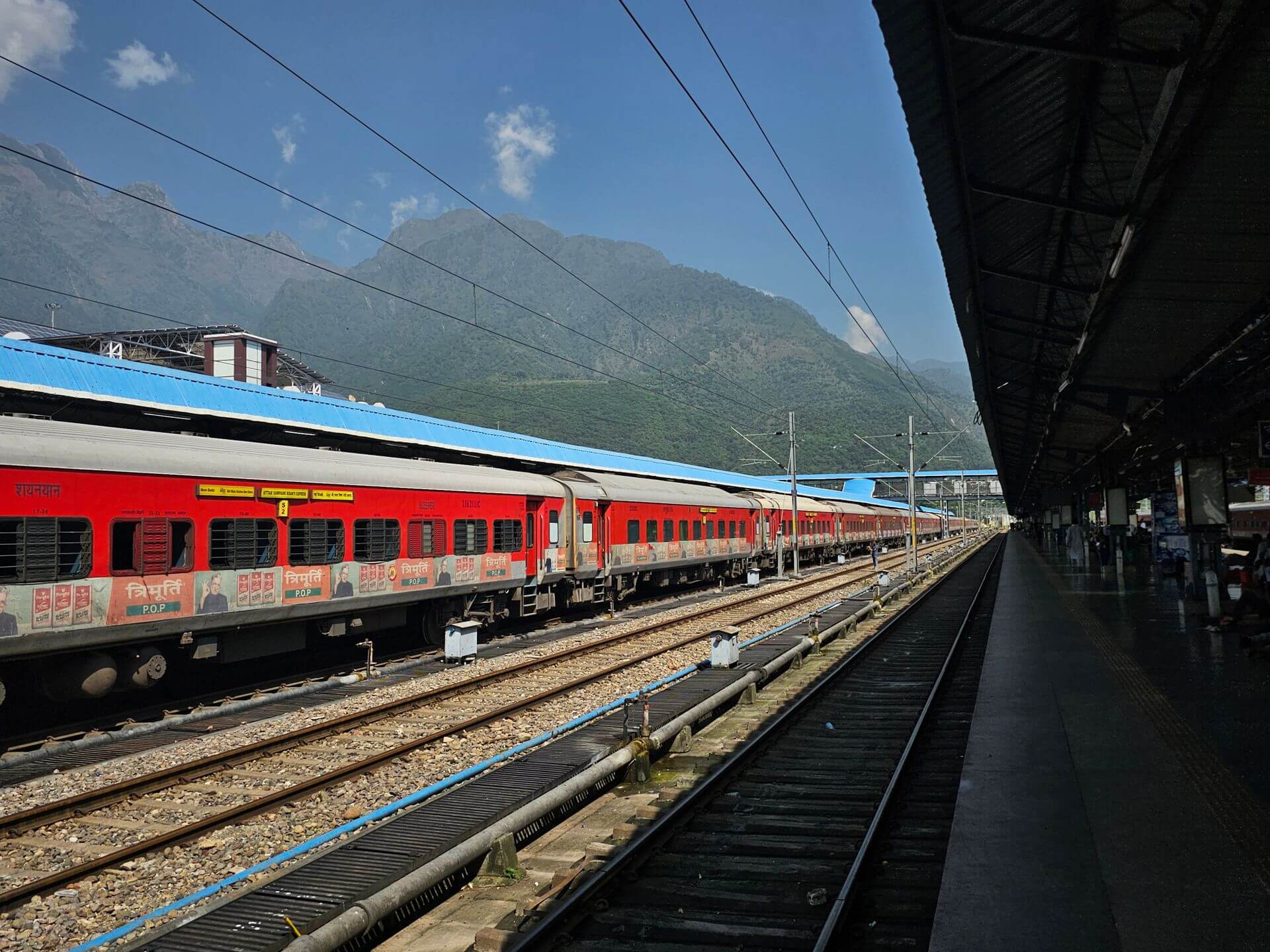
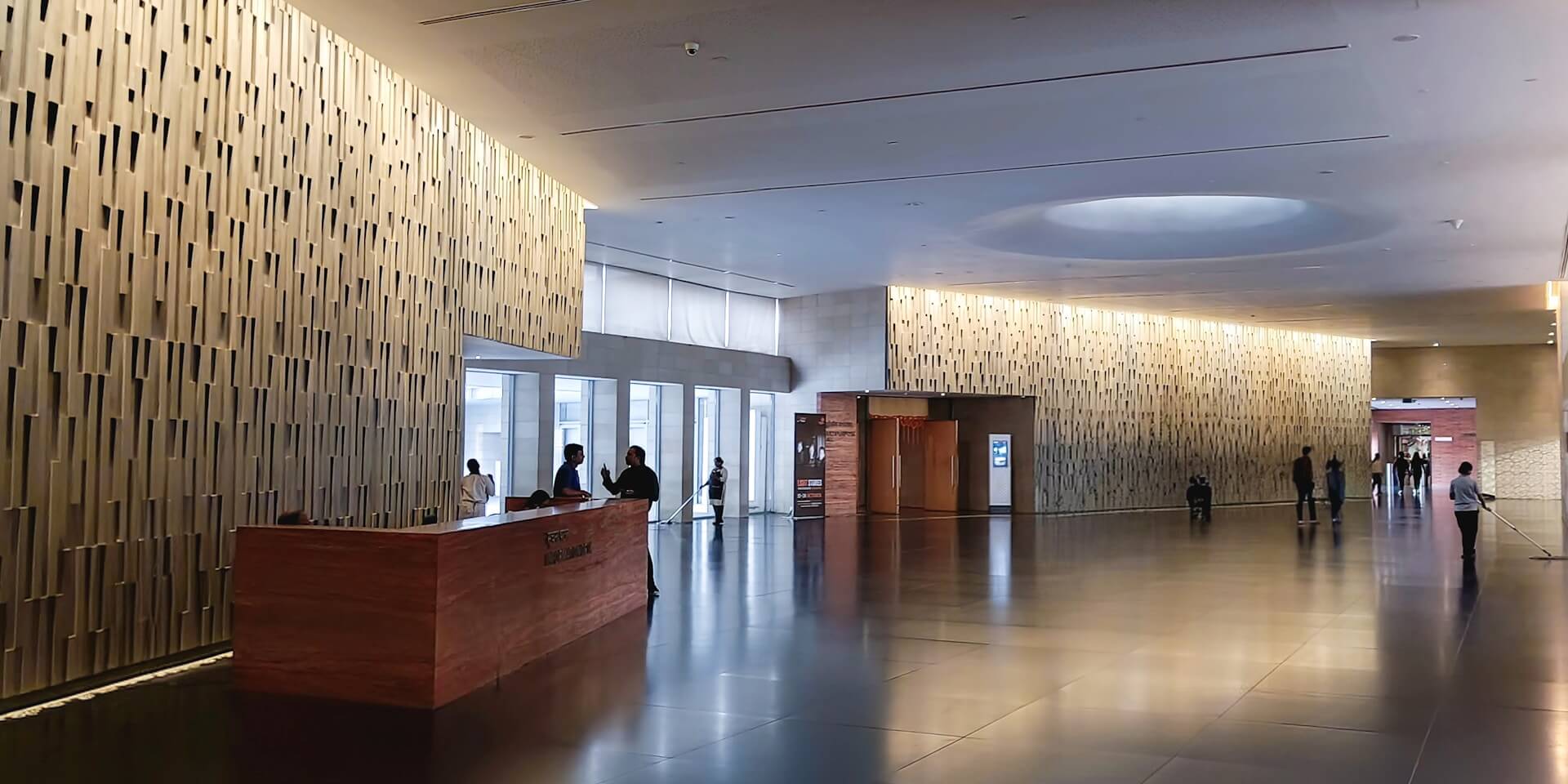
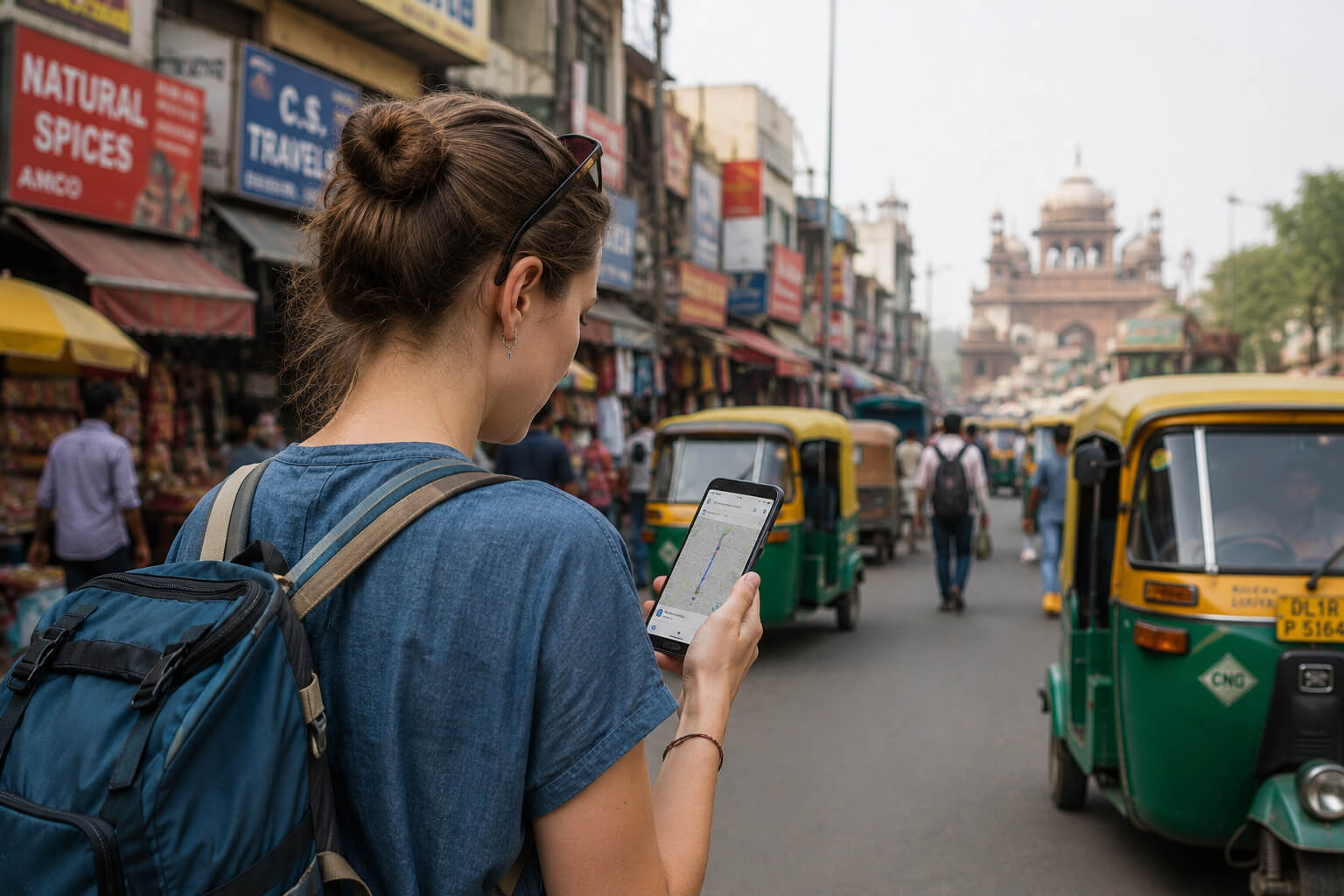
You step off the train at New Delhi Railway Station. Thousands of people are moving in every direction. Vendors are calling out. Families are dragging luggage.
Somewhere ahead, a group of women in office clothes are walking with the kind of quiet confidence that only comes from doing this every single day.
Understanding public transport safety for women in India can make the difference between feeling overwhelmed and traveling confidently.
If you’re wondering how to stay safe on public transport as a woman in India, the good news is that millions of women use metros, trains, and buses every day without problems.
Knowing which transport options are safest and how to use the protections available makes a huge difference.
Whether you’re a solo female traveler using the Delhi Metro, taking an overnight train, or boarding a bus between cities, knowing which options are safest and how the system works makes travel significantly easier.
You wonder: Can I actually do this on my own? The answer is yes. But it helps to know what you are walking into.
Public transport in India is not the danger zone many travelers imagine. Millions of women use metros, trains, and buses every single day without incident.
The system has real protections built in. What it does not have is obvious signage explaining all of them to a first-time visitor. That is what this guide is for.
Many of the same principles that help women stay safe also apply to anyone wondering how to stay safe on public transport in India, whether you’re a visitor, commuter, or first-time traveler.
Table of Contents showIs Public Transport Safe for Women in India?
Yes, public transport in India is generally safe for women, especially on metro systems, AC train coaches, and major intercity routes. Most major cities provide women-only coaches, reserved seating, CCTV surveillance, and security staff.
Risks are higher on crowded local buses, empty platforms, and during late-night travel, but choosing the right transport option significantly reduces those risks.
Which Public Transport Options Are Safest for Women?
Safest Public Transport Options for Women in India
- Metro Rail – safest overall due to women-only coaches, CCTV, and station security.
- AC Train Coaches (2A/3A) – best for long-distance and overnight travel.
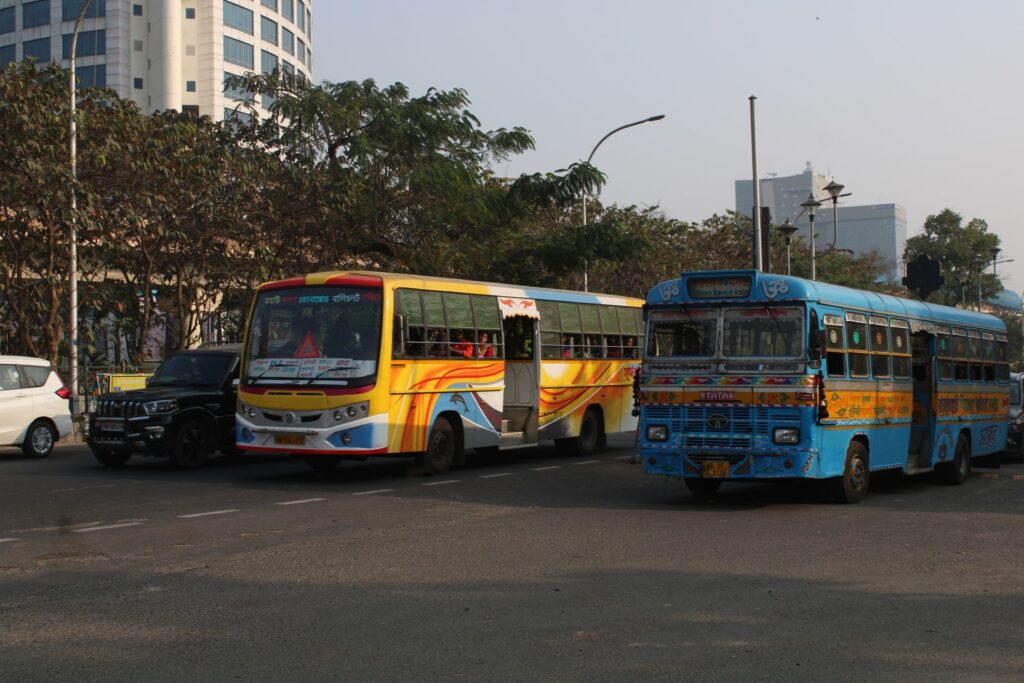
- State Government Buses – generally safe on major daytime routes.
- City and Local Buses – less consistent and best used for short journeys.
- General Train Coaches – least comfortable and least recommended for solo women travelers.
Not all public transport in India carries the same level of comfort or safety. Here is the realistic ranking:
Metro rail is the safest option, full stop. Systems in Delhi, Mumbai, Bengaluru, Hyderabad, Chennai, Kochi, and Kolkata all have dedicated women-only coaches, CCTV, staffed stations, and established complaint mechanisms.
The environment is structured and monitored. Indian Railways long-distance trains in AC coaches come second.
The AC 2-Tier (2A) and AC 3-Tier (3A) compartments are enclosed, have berth bookings, and carry a more mixed demographic that includes families and business travelers.
There is a ladies compartment on most trains, and booking a berth means someone cannot simply sit next to you. State government buses on major intercity routes are workable but less comfortable. Seats vary.
Crowding happens. Reserved seating for women exists on many routes but is not always enforced. City and local buses are the most inconsistent. Some have women-only sections up front.
Enforcement depends entirely on the route, the driver, and other passengers. Avoid these for longer journeys if you have alternatives.
Metro vs Train vs Bus: What Female Travelers Should Know
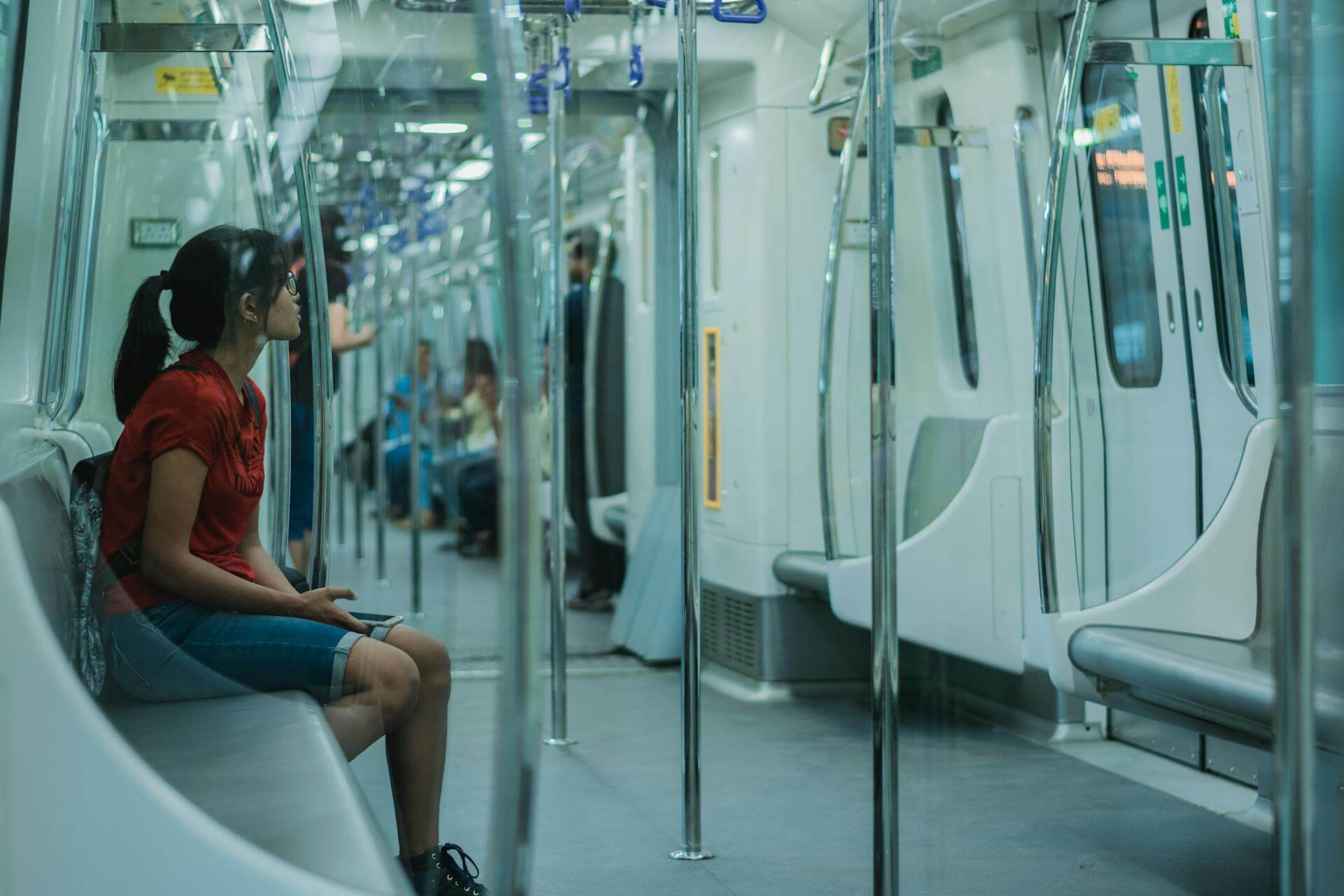
The metro is fast, air-conditioned, and has clear rules. You board the women-only coach at the front, avoid the rush, and you are done.
It is the closest thing to a no-stress public transport experience in India. Long-distance trains require more planning but offer something the metro does not: privacy during overnight journeys.
A booked berth in an AC coach gives you a defined space. You lock your bags to the fixture under the seat, you know your destination, and no one has any reason to bother you.
Buses require the most active management. You need to know where to sit, when to speak up, and when to simply get off and find another vehicle.
For city sightseeing they are fine. For getting somewhere after 8 PM, they are not the right call.
Using the Delhi Metro and Other Metro Systems Safely
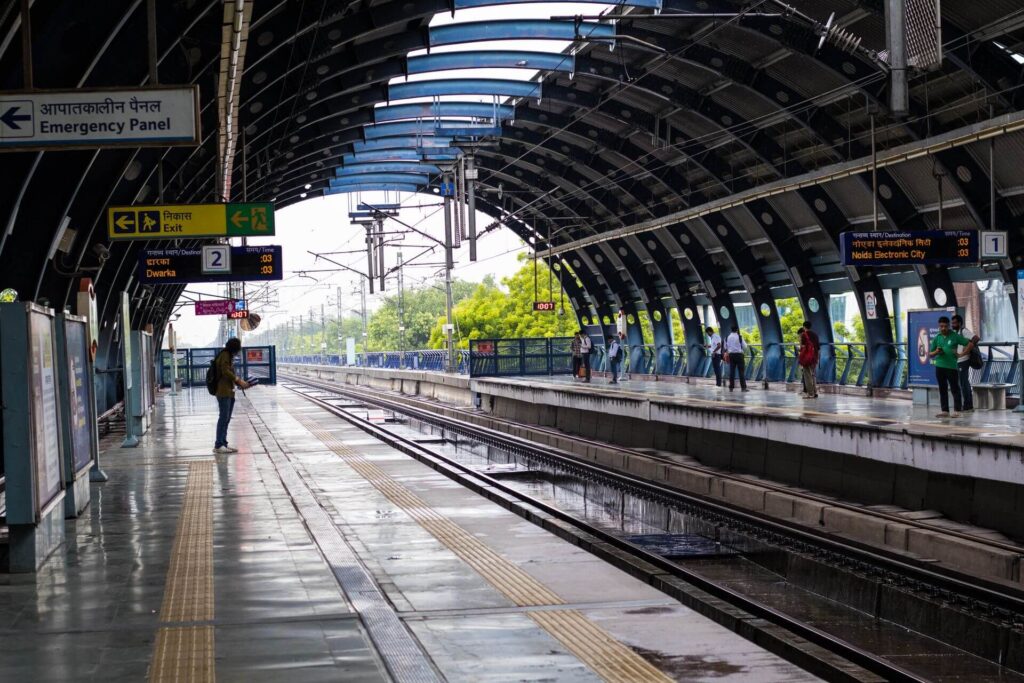
If it’s your first day in Delhi, the Metro will probably feel far more organized than you expected. Stations are clearly marked, security checks are routine, and women-only coaches are easy to find.
A few things to know:
The women-only coach rule is enforced. Men found in it can be fined. You do not need to politely ask someone to leave. Station staff are there for exactly this situation.
Buy a token or a Metro card at the station. The card saves you queuing time and works across the whole network.
Avoid the general coaches during peak hours if you are uncomfortable in crowds. The women-only coach may have a queue, but it moves fast and the ride is better.
Metro systems in Bengaluru, Hyderabad, Mumbai, and Kochi operate on similar principles.
The women-only coach location varies by city but is always marked at the platform. Look for floor markings or the sign at the station entrance.
Women’s Coaches and Reserved Spaces Explained
Every major metro in India has at least one women-only coach per train. On Indian Railways, there is a ladies compartment in the Sleeper Class section of most trains.
This is a separate physical compartment, not just a section of seats. It is locked into the train booking system and shows up as “Ladies” on the coach number chart.
On long-distance trains, women traveling alone can also book a lower berth in a Ladies Quota under the Indian Railways reservation system.
This quota is specifically held for solo women travelers. It is worth knowing about before you book, because it gives you better berth placement and often better coach neighbors.
On buses, the first few rows are traditionally reserved for women. This is cultural convention more than enforced policy on most routes. Sit there anyway. Most male passengers will not challenge it.
Train Travel Safety Tips for Women in India
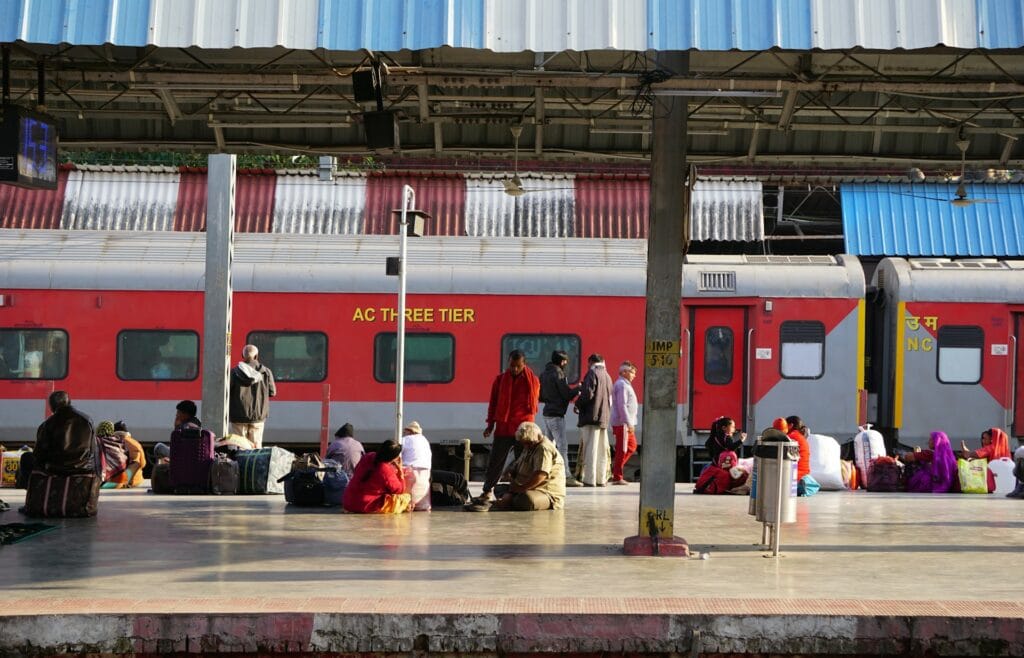
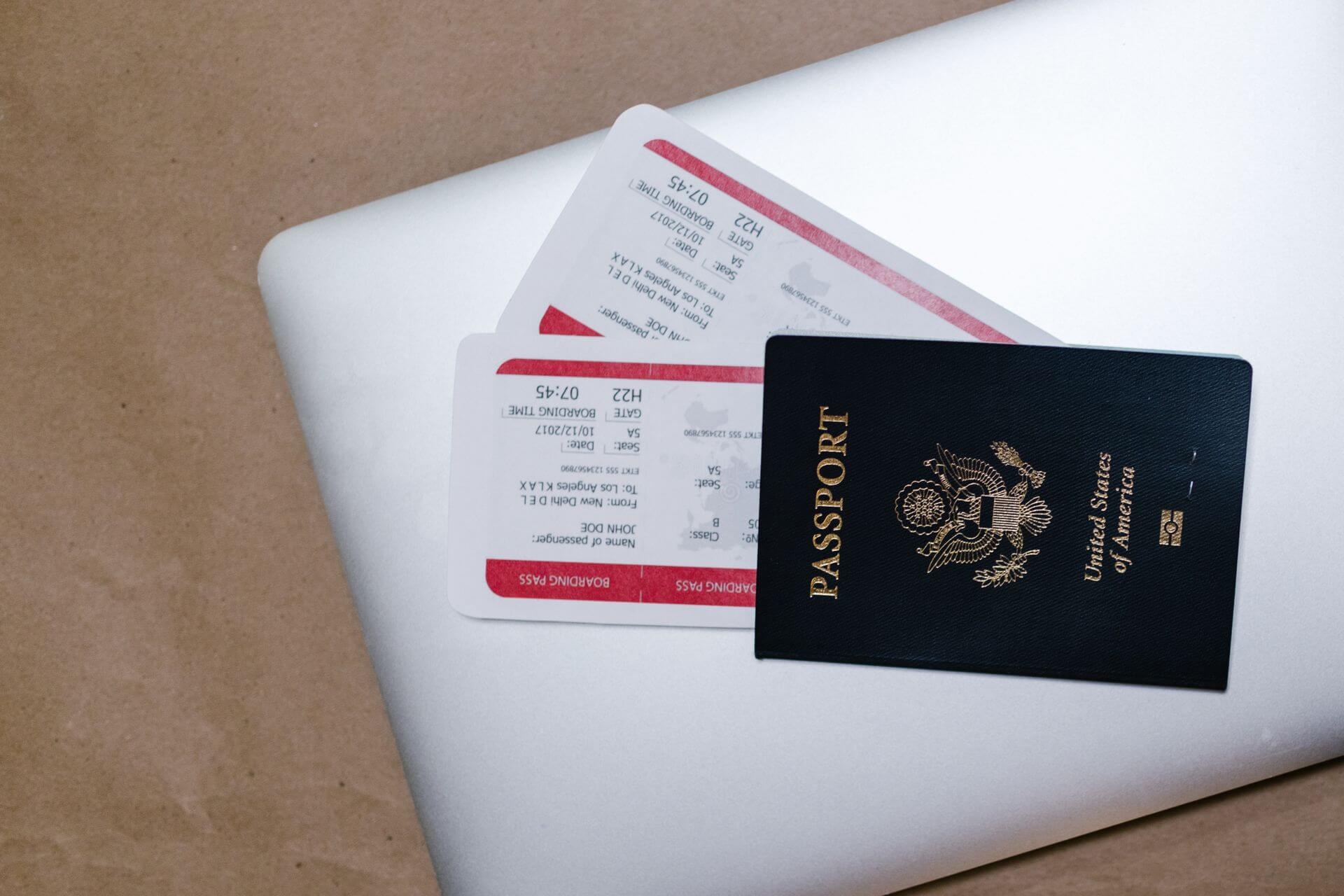
Book in advance whenever possible. A confirmed berth in AC 3-Tier or AC 2-Tier costs more than Sleeper Class but gives you a defined, enclosed space.
Walk-up tickets and general coaches are where most problems happen. Arrive at the station early enough to check the coach position chart.
Every major Indian railway station has a board showing where each coach stops on the platform. Find your coach number and wait at that spot. Do not wander.
Keep your phone charged before you board. Long-distance trains can be 10 to 20 hours. Download maps offline. Save the national railway helpline number: 139.
During the journey, lock your bags to the luggage fixture under the lower berth. Keep your valuables on you. Pull the curtain on your berth at night if your coach has one.
If someone is making you uncomfortable, tell the Train Ticket Examiner (TTE). They walk the train regularly. You are not making a big deal out of nothing. This is part of their job.
How to Choose the Right Seat, Coach, and Compartment
On metro systems: board the women-only coach. Every time. There is no advantage to the general coach that outweighs the comfort of a reserved space.
On long-distance trains: book AC 3-Tier minimum for overnight journeys. Request a side-lower berth through Indian Railways IRCTC if you want more privacy with less foot traffic.
Avoid the seats near the doors of sleeper coaches for overnight travel. On buses: sit at the front, in the rows designated for women. Middle and back are louder, more crowded, and harder to exit quickly.
On local shared transport like auto-rickshaws: always agree on the fare before you get in, or insist on the meter. This is not about safety from other passengers but from overcharging and detours.
Government buses are fine for daytime travel between tourist towns. They are slow, sometimes crowded, and the windows are open. Carry a light scarf you can use as a layer against dust and air conditioning.
Shared jeeps and vans on hill routes in places like Himachal Pradesh, Uttarakhand, or the Northeast fill up before they leave. You will sit very close to strangers.
Ask at the guesthouse or hotel which shared jeep operators are regular and reliable. Other travelers or local women are your best source of information here.
For city buses, having a screenshot of your route or offline maps makes a big difference. Know which stop you need before you board. Standing at the front near the driver is a reliable strategy on unfamiliar routes.
How to Handle Unwanted Attention During a Journey
The most common issue female travelers report on public transport in India is unwanted staring rather than direct harassment.
While it can feel uncomfortable, it is usually curiosity rather than a sign of escalation. A direct look back, followed by looking away, ends most of it. Eye contact signals that you noticed and are not unsettled by it.
If someone speaks to you and you do not want to engage, a simple “no, thank you” in English or a firm shake of the head followed by looking at your phone or out the window is enough.
You do not owe anyone a conversation. If physical contact happens, whether accidental or not, saying loudly and clearly “please don’t do that” or “don’t touch me” in English works.
Bystanders in Indian public transport do intervene when an incident becomes visible. Silence gives persistent harassers more room to operate. Noise does not.
If the situation is not resolving, move. Change your seat. Walk to a different part of the coach. Move toward a group of women if one is nearby. On a train, go to the TTE. On a metro, go to the station staff.
What Female Travelers Should Expect on Indian Public Transport
Expect crowds. Especially on weekday mornings and evenings in cities. Rush hour on the Delhi Metro between 8 and 10 AM is dense.
The women-only coach is busier during peak hours but still less aggressive than the general coaches. Expect noise. Indian public transport is not quiet.
People talk, vendors move through train coaches, announcements play on loop. Expect staring, particularly if you look visibly foreign.
It is almost always curiosity, not hostility. The longer you travel, the less you notice it. Expect helpful strangers.
When you look confused at a ticket machine or a platform map, someone will offer to help. Most of the time that help is genuine. Accept it with thanks and verify what they tell you on your own.
What to Wear on Public Transport in India

There is no single right answer, but the practical reality is that covering your shoulders and knees makes the day easier in most parts of India.
You will attract less attention, blend more with local women, and avoid having to think about it.
Many solo female travelers find that dressing similarly to local commuters helps them blend in and attract less attention, especially when using crowded buses and trains.
Light cotton or linen in neutral tones works for most of the country and most of the year. A scarf or dupatta is useful for covering up in temples, on crowded buses, or when you simply want to feel less conspicuous.
This is not about modesty as a moral value. It is about reducing friction on a long travel day. Wear what you want when you are settled somewhere.
On transit days, practical and understated gives you more mental bandwidth for navigating the system.
Safety Tips for Early Morning and Late-Night Travel
Before 6 AM and after 9 PM are when the calculus changes. Early morning train departures are common in India.
If you need to be at a railway station before sunrise, stay as close to the main concourse as possible. Sit in lit, visible areas near other travelers.
Do not wander down empty platforms alone. Metro systems in most Indian cities stop running between 11 PM and midnight.
If your plan involves getting back after midnight, figure out your return route before you go out. A pre-booked cab or auto-rickshaw through a reliable app is better than trying to find transport on the street at 1 AM.
Night buses exist and are used widely. If you must take one, book a berth on a government operator rather than an unknown private sleeper bus.
Sit near the front. The general principle: reduce exposure at night, not movement. India after dark is not uniformly dangerous, but the support systems that make daytime travel manageable are thinner.
Public Transport Red Flags Women Should Never Ignore
An empty women-only coach at peak hour that men have started filling. That is a coach where the rule is not being enforced. Move to the next one when the train stops, or go to station staff.
A train or bus that deviates noticeably from its expected route with no announcement. Ask another passenger. Get off at the next stop and reassess.
Someone who repositions themselves every time you move. Not paranoia, pattern recognition. Change your location entirely. If it continues, get off and get into a public part of the station or stop.
A station or bus terminal that has emptied out suddenly. Find the staffed area or exit to the street. Anyone who insists you need their help to buy a ticket, find your platform, or make a decision.
Official staff wear uniforms and will direct you to the right counter. Strangers who attach themselves to you and steer you toward a specific cab, hotel, or service are almost never acting in your interest.
Common Mistakes Female Travelers Make
Booking the cheapest train ticket without checking the coach type. General coaches have no reserved seating, no separation, and no comfort.
AC coaches cost more but the gap in experience is significant. Skipping the women-only metro coach because it looks like extra steps. It is not. It is two meters further down the platform.
Assuming that because nothing bad has happened in three days, it will not happen on day four. Complacency on a crowded night bus is where most uncomfortable situations start.
Not saving the railway helpline or local emergency number. Save 139 (Indian Railways), 112 (national emergency), and the number for the state women’s helpline before you travel.
Waiting too long to remove yourself from a situation because it feels rude. Move first. Explain later if at all.
Apps, Helplines, and Safety Resources
Before a long journey, it is worth checking official railway and metro information rather than relying entirely on social media or travel forums. Route changes, coach positions, and safety services are updated regularly through official channels.
- IRCTC Rail Connect: book and manage train tickets, check PNR status, find TTE contact for your journey.
- Delhi Metro Rail Corporation app: fare calculator, route planner, real-time train information.
- Google Maps: works well in Indian cities and has public transport layers that show metro, bus, and train options.
- Namma Metro app (Bengaluru), Mumbai Metro One app, and Hyderabad Metro Rail app: city-specific metro information.
Emergency numbers to save:
- 112: national emergency number
- 139: Indian Railways helpline
- 181: women’s helpline (available in most states)
- 1091: women in distress (Delhi Police)
Best Public Transport Strategy for Women Travelers in India
This is the framework that covers most situations you will encounter.
Choosing transport
Use the metro wherever it exists. For intercity travel, book a confirmed berth on a long-distance train in AC 3-Tier or above.
Use state government buses for daytime travel on well-traveled routes. Avoid unbooked general train coaches and unknown private overnight buses.
Selecting the safest coach
On the metro: women-only coach, always. On long-distance trains: book through IRCTC, use the Ladies Quota for solo travel, request a lower or side-lower berth. On buses: front rows, reserved for women.
Where to wait
At railway stations: near the main concourse or platform waiting rooms, not at the far ends of platforms. At metro stations: in lit areas near other passengers. At bus stops: near other women or families.
Where to sit
Near the door in the women-only metro coach, so you can exit easily. Lower berth on trains, away from the coach door. Front section of buses.
How to respond to uncomfortable situations
Staring: brief direct look, then disengage. Unwanted conversation: firm, brief refusal, then ignore. Physical contact: say it loudly, move immediately. Persistent issue: find station staff, TTE, or move to a group of other women.
When to change seats
Immediately, not after seeing what happens next. If something feels wrong, act on it. You are not obligated to give anyone the benefit of the doubt on a crowded train.
How to seek help
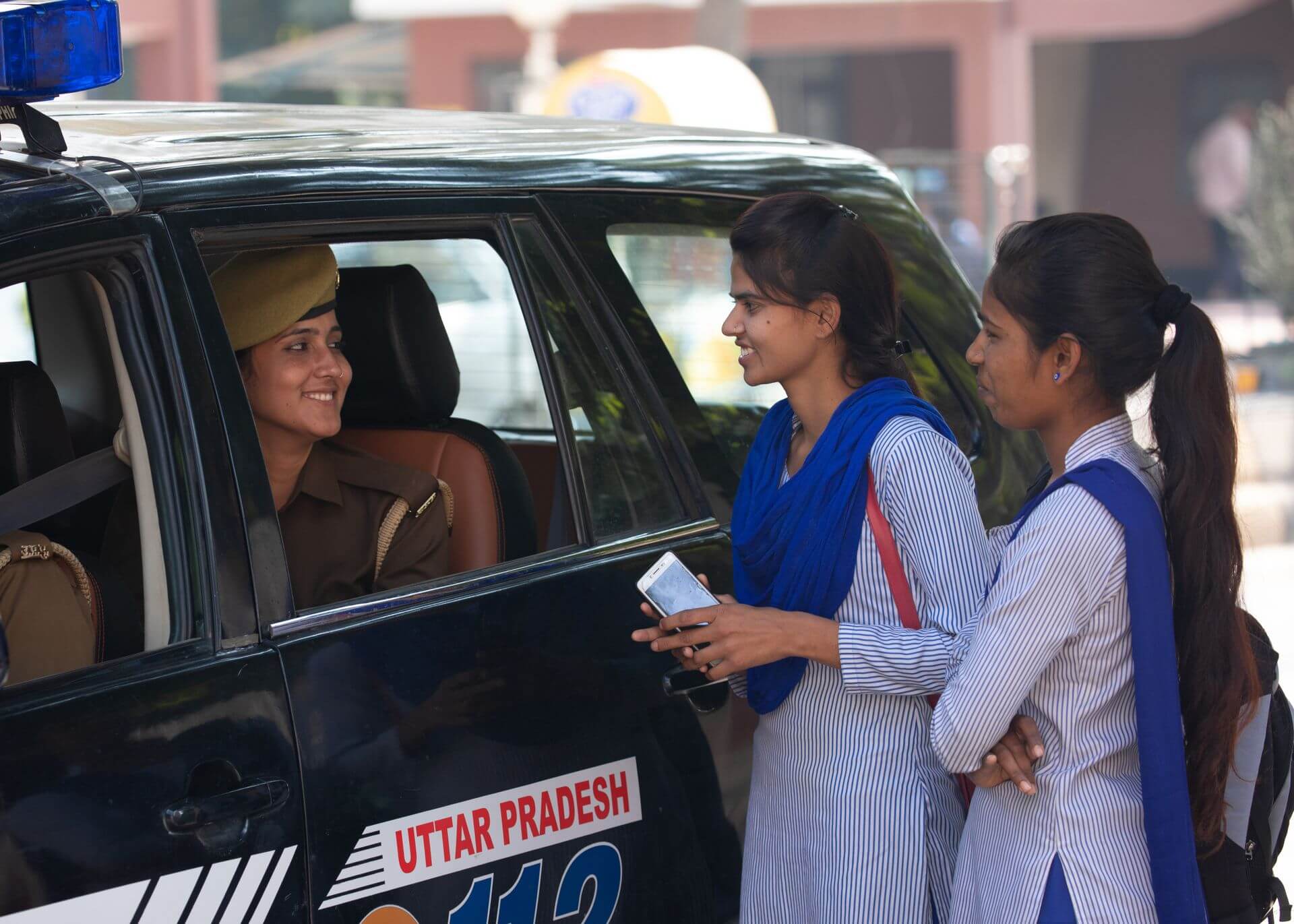
On metros: go to the station staff booth or press the intercom. On trains: find the TTE or use the Railway helpline at 139. At stations: look for the RPF (Railway Protection Force) post or the women’s help desk.
DO THIS
Book in advance on Indian Railways through IRCTC. Use the women-only coach on all metro systems. Keep your phone charged and offline maps downloaded. Save emergency numbers before you travel. Move early when something feels off.
AVOID THIS
General coaches on overnight trains. Unknown private overnight buses. Waiting alone on empty platforms late at night. Accepting help from strangers who approach you unprompted at stations.
Transport | Safety Level | Best For | Watch Out For |
Metro | High | City travel, airports | Rush hour crowds in general coach |
AC Train (2A/3A) | High | Intercity, overnight | Booking in advance required |
Sleeper Train (SL) | Medium | Budget travel | General crowds, less separation |
State Bus (intercity) | Medium | Daytime routes | Inconsistent women’s seating |
City/ Local Bus | Lower | Short hops | Limited enforcement, crowding |
General Train Coach | Lower | Avoid if possible | No reserved seating, no separation |
Confidence Checklist Before Every Journey
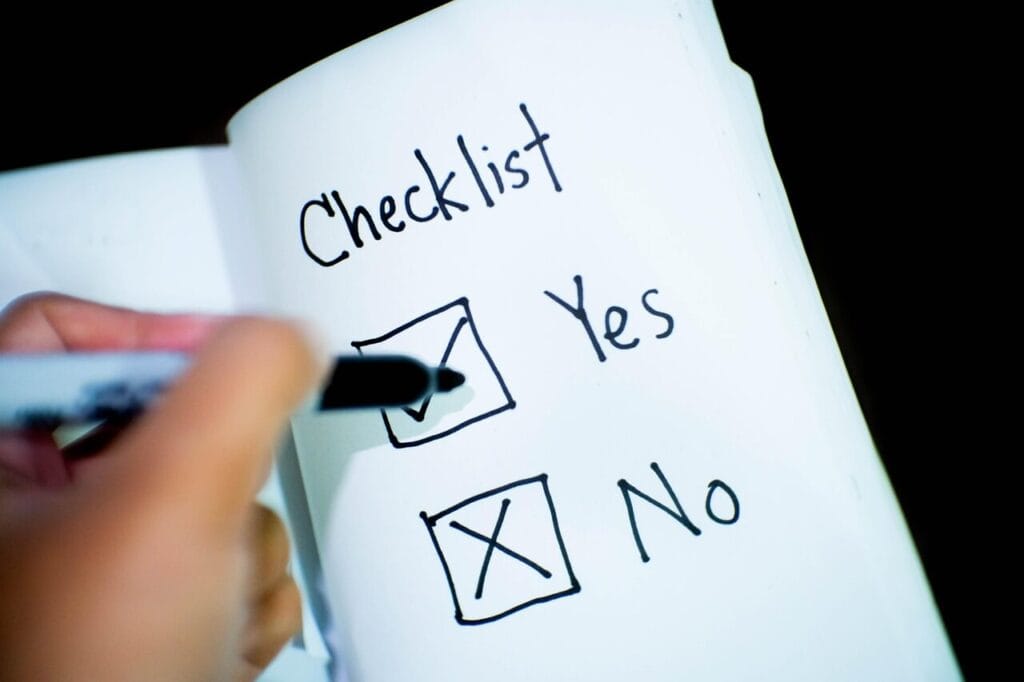
Before you leave:
- Ticket or e-ticket confirmed and saved offline
- IRCTC PNR or metro route downloaded on phone
- Emergency numbers saved: 112, 139, 181
- Phone charged to at least 70%
- Know your platform number or metro line color
On the platform or at the stop:
- Located the women-only coach position or women’s waiting area
- Identified the TTE counter or staff booth
On the train, metro, or bus:
- Seated in the correct section
- Bags secured or kept close
- Phone accessible but not displayed
During the journey:
- Know your stop in advance and set an alarm if it is overnight
The Honest Picture
The reality of public transport safety for women in India is far more positive than many first-time travelers expect.
India’s metro systems, railways, and public transport networks move millions of women every day without incident.
What makes the difference is knowing how to use them. You do not need to be fearless. You need to be prepared. That is what you now are.
For most visitors, the safest approach is simple: use metro systems whenever possible, choose reserved train accommodation for longer journeys, and rely on official transport services rather than unverified alternatives.
Public transport safety for women in India is less about being fearless and more about understanding how the system works and using the protections already built into it.
Whether you’re looking for advice on how to stay safe on public transport as a woman or simply how to stay safe on public transport in India, preparation and awareness will take you much further than worry.
How to Stay Safe on Public Transport in India
Whether you’re traveling as a woman, a tourist, or a daily commuter, the basic public transport safety rules are similar.
Use official transport services, avoid empty platforms late at night, keep valuables secure, and choose reserved seating whenever possible.
Metro systems are usually the safest option, while overnight travel is best done in reserved train accommodation rather than unreserved coaches.
Frequently Asked Questions About Public Transport Safety in India
Is public transport safe for women in India?
Yes. Public transport in India is generally safe for women, especially on metro systems, AC train coaches, and major intercity routes. Women-only coaches, reserved seating, CCTV monitoring, and security staff make these options safer than many first-time travelers expect.
Which public transport option is safest for women in India?
Metro systems are usually the safest public transport option for women in India. Most metros offer women-only coaches, CCTV surveillance, security screening, and staffed stations, creating a more controlled travel environment.
Is the Delhi Metro safe for solo female travelers?
Yes. The Delhi Metro is considered one of the safest ways for solo female travelers to get around the city. Women-only coaches, station security, CCTV cameras, and regular staff presence help maintain safety.
Which train class is safest for women traveling alone in India?
AC 3-Tier (3A) and AC 2-Tier (2A) are generally the safest train classes for women traveling alone. They offer reserved berths, better security, and a more comfortable environment than general or unreserved coaches.
Are women-only coaches available on Indian trains?
Yes. Most metro systems have women-only coaches, and many Indian Railways trains include a ladies compartment. Women traveling alone may also qualify for Ladies Quota reservations on certain routes.
Is it safe for women to travel on overnight trains in India?
Yes, if you book a confirmed berth in a reserved coach. AC coaches are usually the safest choice because they provide assigned sleeping spaces, better security, and fewer unauthorized passengers.
Are buses safe for women in India?
Government-operated buses on major daytime routes are generally safe for women. However, comfort and safety standards vary more than on metros and trains, especially on local routes and late-night services.
What emergency number should women save before traveling in India?
Save 112 for emergencies, 139 for Indian Railways assistance, and 181 for women’s helpline services in many states. Having these numbers available can help you get assistance quickly if needed.
What should women do if they feel uncomfortable on public transport?
Move away from the situation immediately, change seats if possible, and seek help from staff. On trains, contact the TTE or call 139. On metro systems, approach station staff or use emergency assistance points.
Can foreign women safely use public transport in India?
Yes. Many foreign women use India’s metro systems, trains, and buses without problems. Choosing reserved transport options and using women-only facilities where available makes travel more comfortable and predictable.
How can I stay safe on public transport in India?
To stay safe on public transport in India, use official transport services, avoid isolated areas late at night, keep emergency numbers saved, and choose reserved or monitored transport whenever possible. Planning your route in advance and staying aware of your surroundings can also make travel easier.
Images: Pexels
