
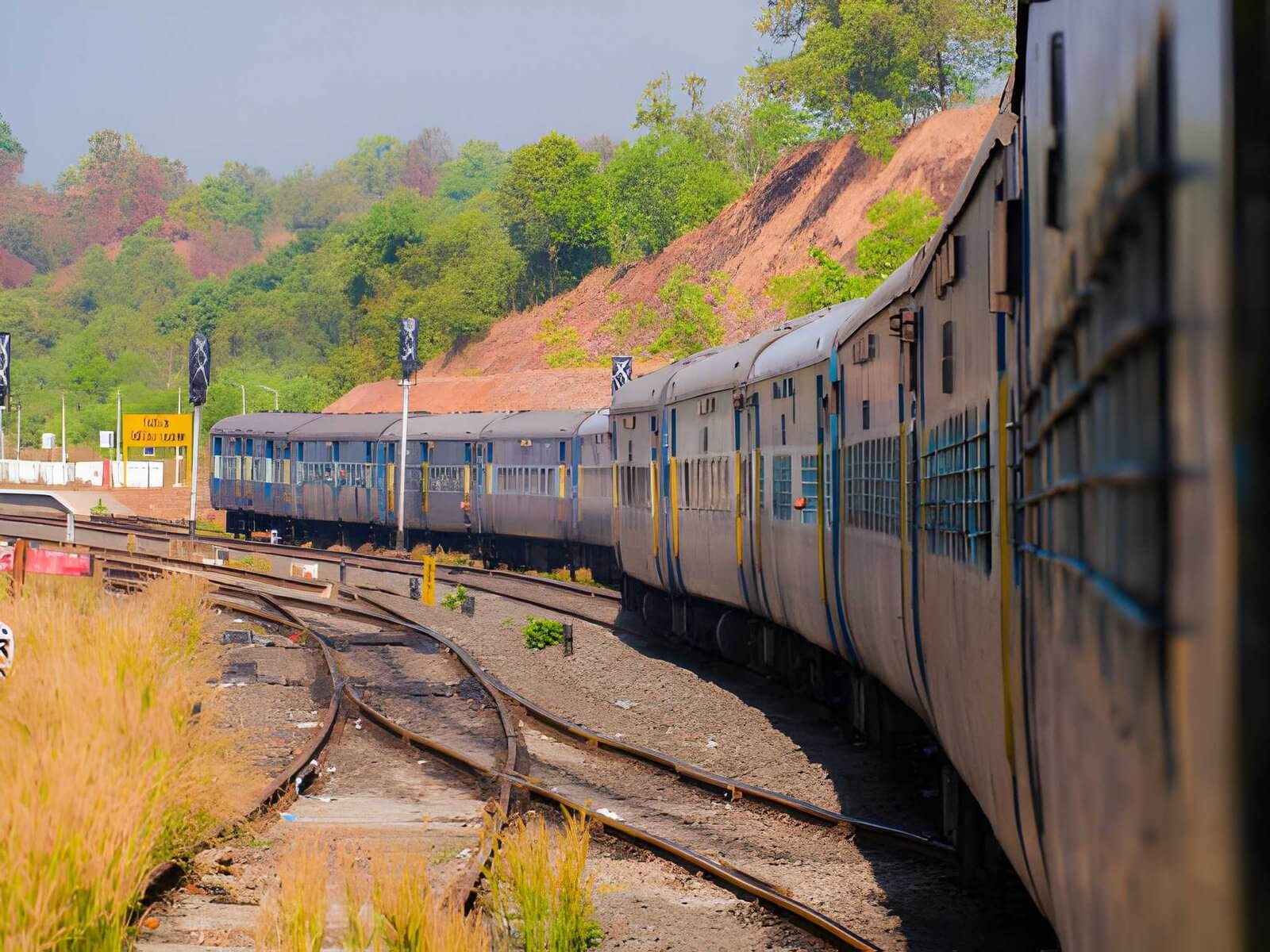
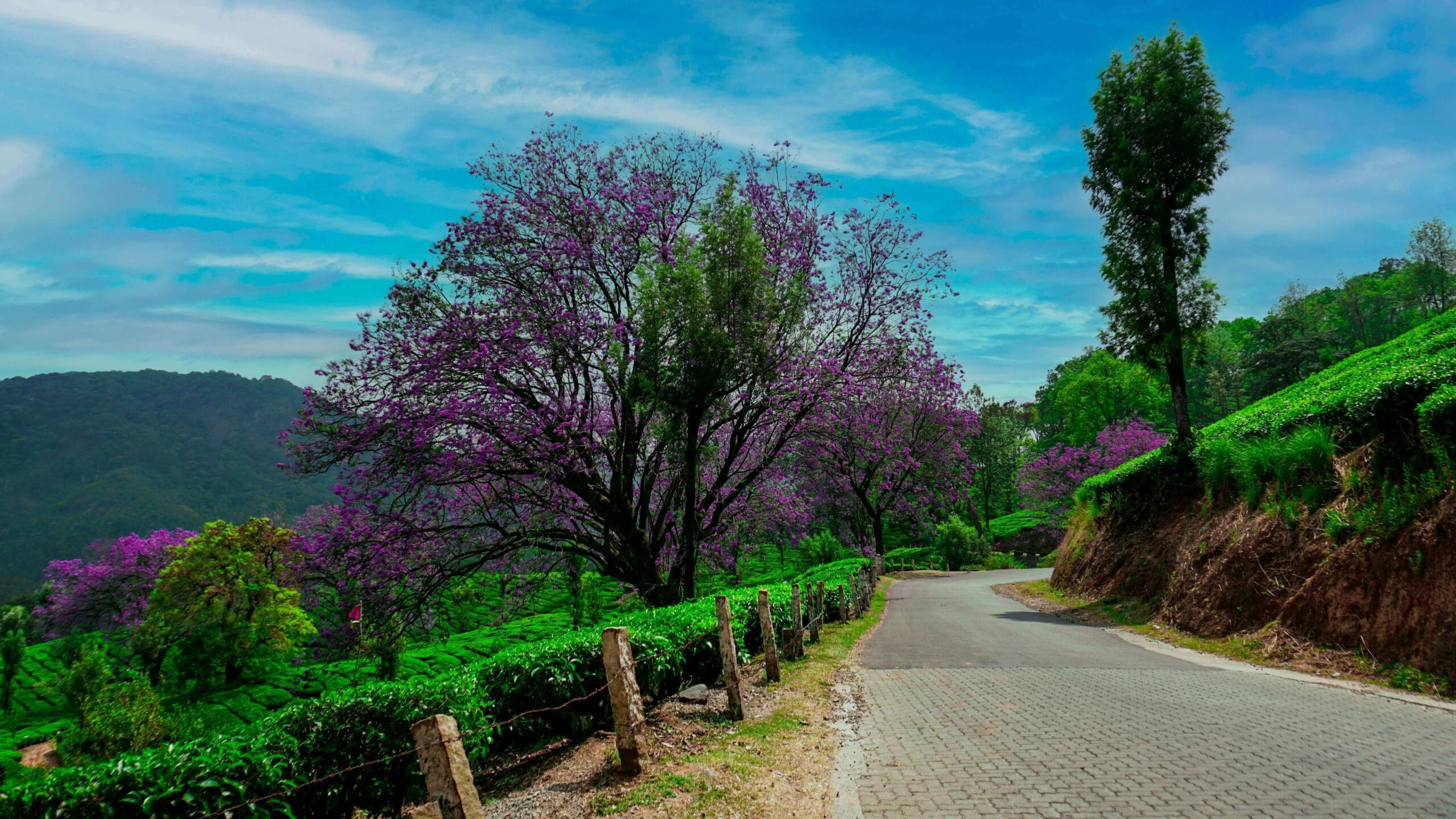


India often surprises you when you least expect it. Not always in famous cities, but in quieter places where travel is more relaxed and less crowded. For first-time visitors, it’s tempting to follow popular routes.
But the best trips usually mix well-known spots with lesser-known destinations. The places below are perfect for that balance — easy to reach, not overwhelming, and memorable in a more personal way.
This guide covers some of the best offbeat destinations in India for first-time travelers who want to explore beyond the usual tourist route. These are hidden gems in India that offer a more personal and less crowded travel experience.
Best Offbeat Destinations in India for First-Time Travelers
If you’re looking for less crowded places in India or non-touristy places in India, these destinations offer the perfect mix of culture, nature, and comfort for beginners.
Hampi, Karnataka — A Lost Empire in Stone
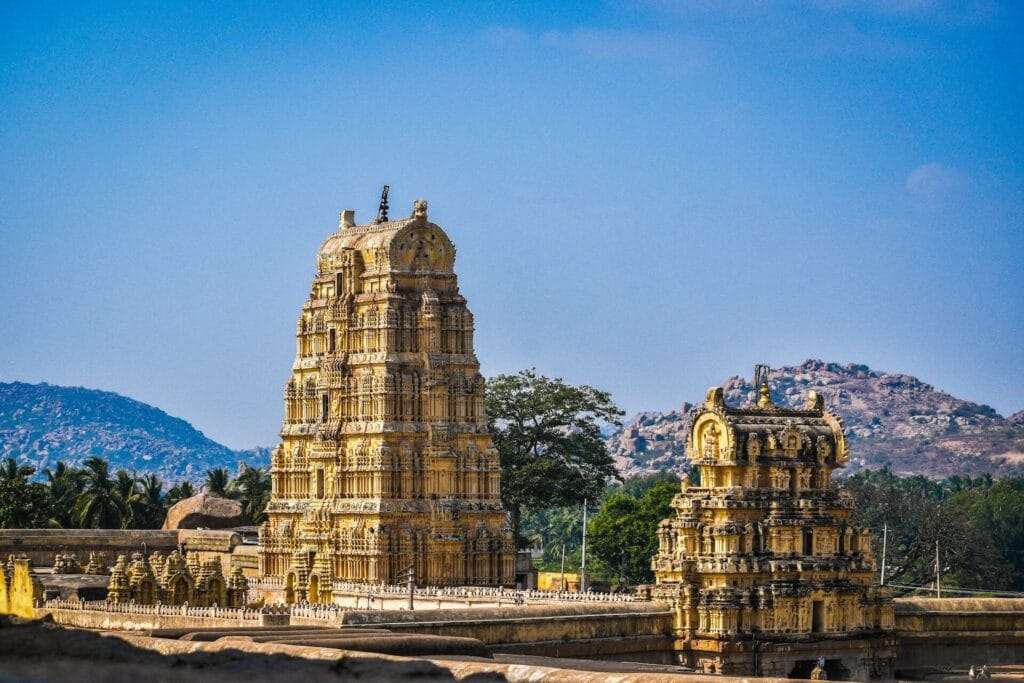
Hampi is one of those places that doesn’t immediately register as real when you arrive.
A vast expanse of ancient ruins stretches across a surreal landscape of giant boulders and quiet riverbanks, where temples, market streets, and royal structures from a once-powerful empire still stand in varying states of preservation.
It’s visually dramatic in a way that photographs rarely capture properly. Hampi looks massive at first, but it’s surprisingly easy to explore once you’re there.
The main sites are clearly laid out, transport between them is easy to arrange, and there’s a relaxed rhythm to exploring. So, you never feel rushed.
At the same time, its location outside the usual tourist circuits means it avoids the heavy crowds you might expect from a place of this significance.
How to Reach Hampi
- Nearest railway station: Hosapete (13 km)
- Direct trains available from Bangalore (~8 hours)
- Local transport like autos and buses are easily available
Best Time to Visit Hampi
October to February offers the most pleasant weather for exploring ruins and walking around. Summers (March to May) are extremely hot and should be avoided.
Things to Do in Hampi
- Watch sunrise from Matanga Hill
- Visit Vittala Temple early morning
- Take a coracle ride on the Tungabhadra River
- Explore Virupapur Gadde village
Daily Budget for Hampi
₹1,500–2,500 per day depending on accommodation and food choices.
Ziro Valley, Arunachal Pradesh — A Different Rhythm of Life
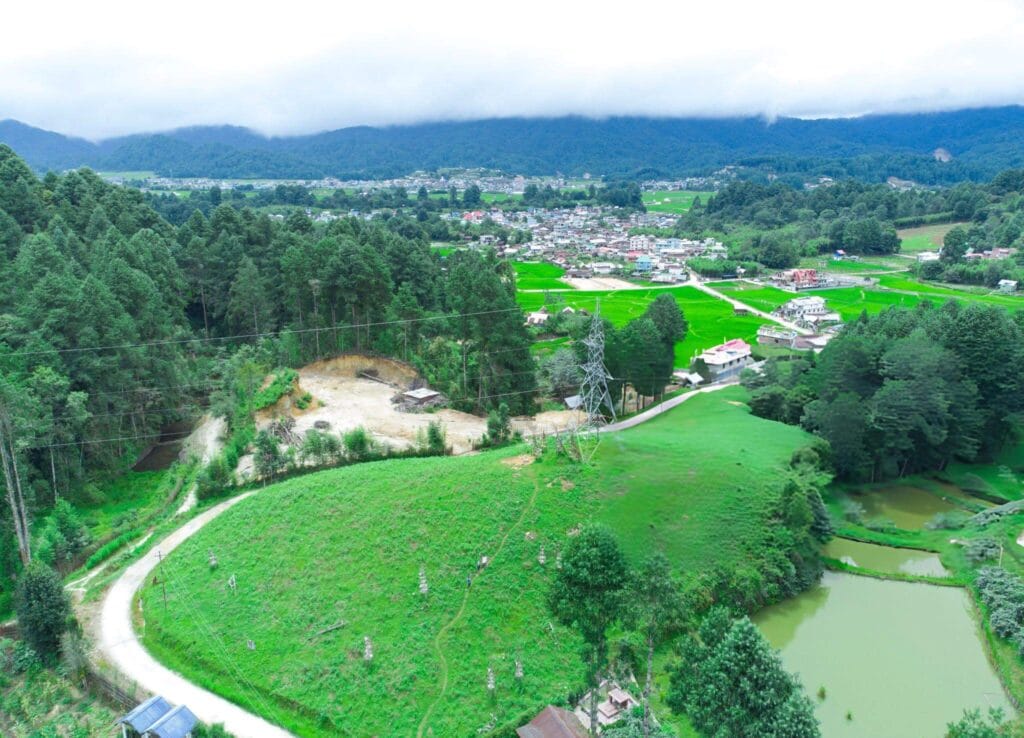
Ziro Valley shows a side of India that remains largely untouched by the usual pace of travel.
Set among pine-covered hills and neatly cultivated rice fields, it’s home to the Apatani community, whose traditions and daily life continue with a quiet consistency that gives the valley its distinctive character.
Although it sits in a remote part of Northeast India, getting there is far less complicated than it sounds if planned in advance.
The journey combines air, rail, and road travel, but each step is predictable, and the final approach into the valley is part of what makes arriving here feel so rewarding.
A permit is required, though the process is straightforward and well-established. Ziro isn’t about ticking off attractions, but the overall experience of being there.
Days unfold slowly, often shaped by simple activities — walking through villages, observing farming practices, or sitting down for long conversations in homestays that form the backbone of accommodation here.
It’s comfortable without feeling overly commercial, and welcoming in a way that feels genuine. The best times to visit are spring and post-monsoon, when the landscape is at its most vibrant.
If you happen to arrive during the Ziro Music Festival, the valley takes on an entirely different energy without losing its core identity. Ziro Valley is among the most peaceful and non-touristy places in India.
How to Reach Ziro Valley (Arunachal Pradesh)
- Nearest airport: Lilabari (~100 km)
- Nearest railway station: Naharlagun (~170 km)
- Taxis and shared vehicles available to Ziro
- Inner Line Permit (ILP) required for entry
Best Time to Visit Ziro Valley
March to May and September to November are ideal. The Ziro Music Festival in September is a great time to visit.
Things to Do in Ziro Valley
- Walk through Apatani villages
- Visit local weekly markets
- Stay in traditional homestays
- Explore pine forests
Daily Budget for Ziro Valley
₹1,200–2,500 per day. Homestays often include meals.
Majuli, Assam — Where the River Sets the Pace
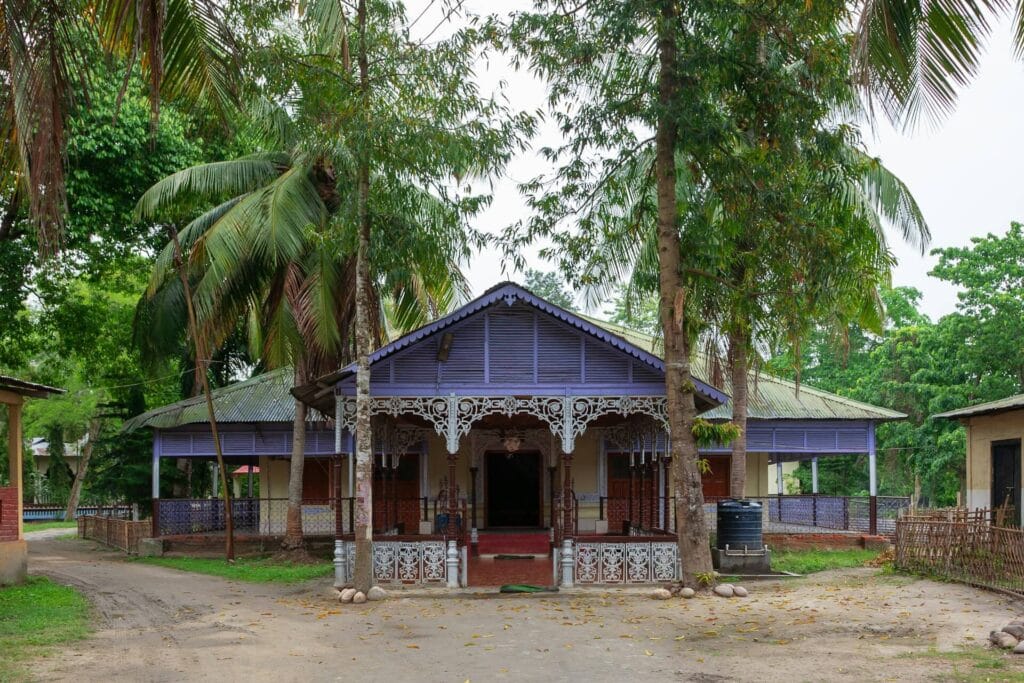
Majuli introduces itself gently, beginning with a ferry crossing across the Brahmaputra that immediately signals a shift in pace. As the mainland fades behind you immediately notice a slower rhythm of life.
The island itself is expansive yet quiet, defined by wetlands, small villages, and a strong cultural tradition rooted in its centuries-old satras.
Despite its size and significance, Majuli remains one of the least crowded destinations of its kind, largely because getting there requires that final ferry journey — just enough of a barrier to keep casual tourism away.
Once on the island getting around is simple, usually by bicycle or scooter, and distances feel manageable rather than overwhelming.
Accommodation is modest but comfortable, often in homestays where meals and conversations are shared as part of the experience.
The cultural life of the island — particularly its dance, theatre, and mask-making traditions — adds depth without feeling staged for visitors. Majuli remains one of the most unexplored places in India.
How to Reach Majuli Island
- Reach Jorhat by flight or train
- 30-minute taxi ride to Nimati Ghat
- 1-hour ferry ride to Majuli Island
Best Time to Visit Majuli
October to March offers pleasant weather. Monsoon season brings flooding and limited accessibility.
Things to Do in Majuli
- Visit Kamalabari and Auniati satras
- Watch Sattriya dance performances
- Cycle through villages
- Meet traditional mask makers
Daily Budget for Majuli
₹1,000–2,000 per day. Homestays with meals are common.
Mandu, Madhya Pradesh — A Kingdom Left to the Wind
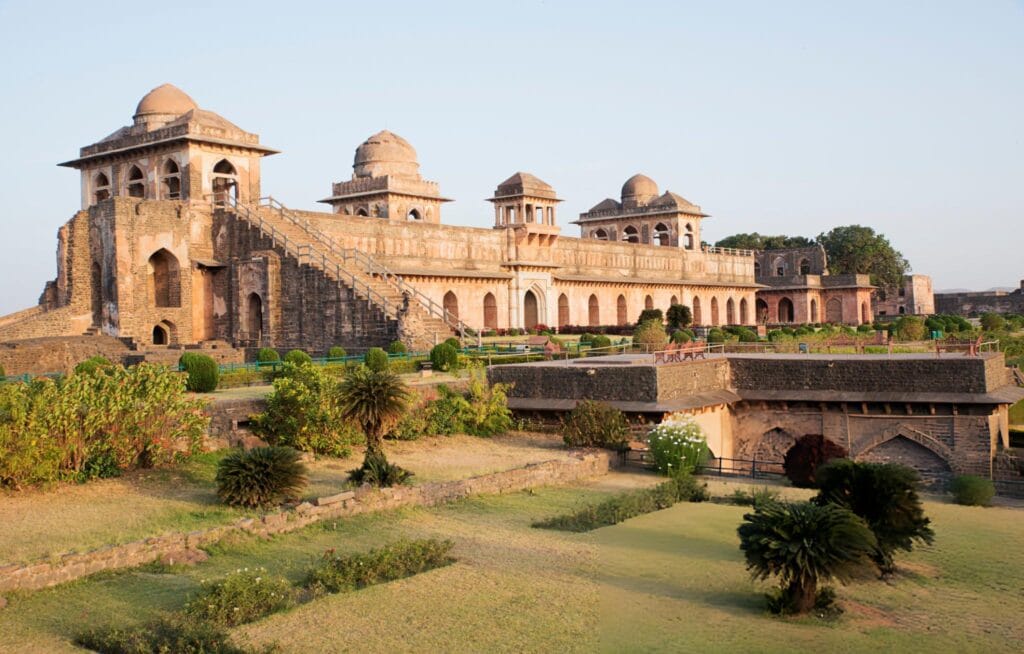
Mandu feels like a place that history forgot to crowd. Spread across a plateau overlooking the Narmada plains, its palaces, mosques, and pavilions stand quietly amid open landscapes, often with barely another visitor in sight.
Mandu is especially easy for first-time travelers because everything is close together. Reached comfortably from Indore, the site can be explored over a couple of days without complicated logistics.
Once there, moving between monuments is straightforward, and the absence of heavy tourism gives you the freedom to experience the space at your own pace.
The atmosphere changes dramatically with the seasons. During the monsoon, the entire plateau turns lush and green, with mist and water adding a sense of drama to the ruins.
In winter, the weather becomes cooler and clearer, making long walks more comfortable. Mandu rewards those who take their time.
Early mornings and late afternoons, when the light softens and the crowds are nearly nonexistent, bring out the quiet grandeur that defines the place. Mandu is perfect if you’re searching for less crowded places in India.
How to Reach Mandu from Indore
- Nearest airport: Indore (100 km)
- 2–3 hour drive by bus or taxi from Indore
- Regular road connectivity makes it easy to access
Best Time to Visit Mandu
July to September (monsoon) for lush greenery or October to February for cooler weather.
Things to Do in Mandu
- Explore historical ruins at sunrise
- Walk along the plateau edges
- Visit during monsoon for dramatic views
- Enjoy quiet palace exploration
Daily Budget for Mandu
₹1,200–2,000 per day.
Gokarna, Karnataka — The Beach Town That Obeyed Its Own Rules
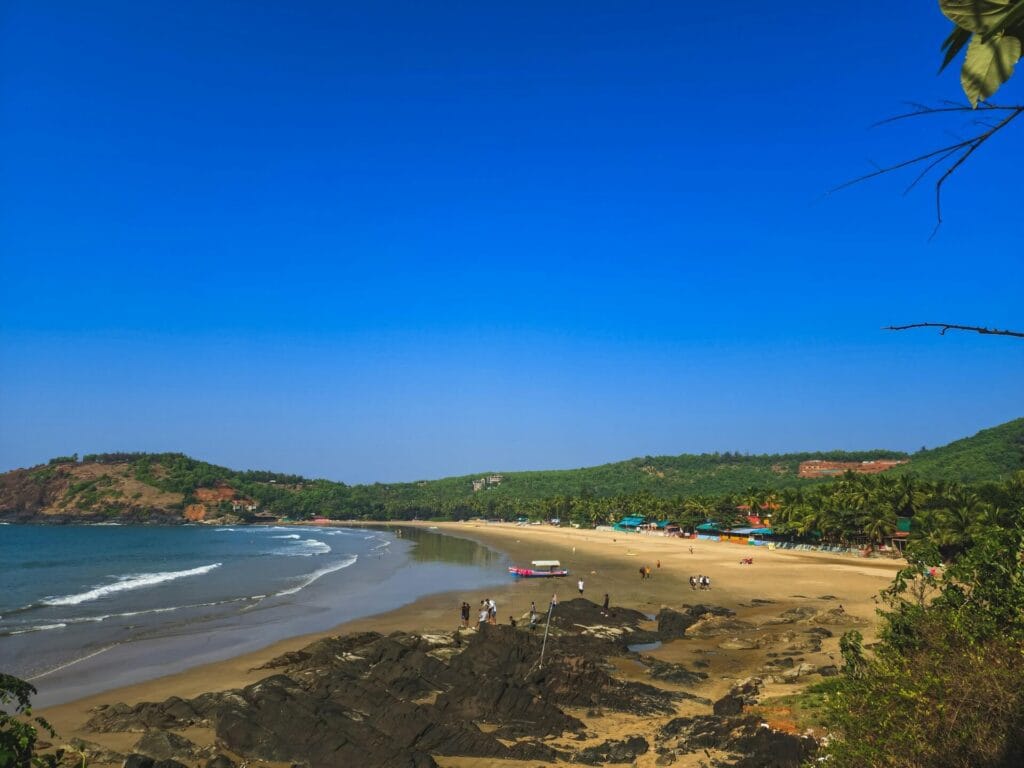
Gokarna gives you a quieter alternative to India’s western coastline. One that feels far less commercial and far more rooted in its local identity.
While it shares the same Arabian Sea views as Goa, the experience here is shaped by smaller beaches, walking trails, and a town that still functions primarily as a pilgrimage center.
Getting to Gokarna is relatively simple via rail connections or short journeys from Goa, yet the extra effort involved in reaching its beaches helps maintain a calmer atmosphere.
The layout encourages exploration on foot, with cliff paths linking stretches of coastline that remain pleasantly uncrowded.
Accommodation ranges from simple guesthouses to comfortable stays, all without the overwhelming density of larger beach destinations.
The result is a place where you can enjoy the coast without constantly navigating crowds or noise. The best months fall between October and March, when the weather is stable and the sea is calm.
Time here is best spent moving slowly — walking between beaches, watching sunsets, and letting the quieter rhythm of the town set the pace. Gokarna is a great alternative tourist place in India to Goa.
How to Reach Gokarna (Karnataka)
- Nearest railway station: Gokarna Road (10 km)
- Well connected to Goa and Bangalore by train
- Autos and taxis available from the station
Best Time to Visit Gokarna
October to March offers calm seas and pleasant weather. Monsoon season sees heavy rain and rough seas.
Things to Do in Gokarna
- Walk between Om Beach and Half Moon Beach
- Enjoy sunset cliff trails
- Attend temple aarti
- Take a boat ride to Paradise Beach
Daily Budget for Gokarna
₹1,500–3,000 per day.
Orchha, Madhya Pradesh — Stillness by the River
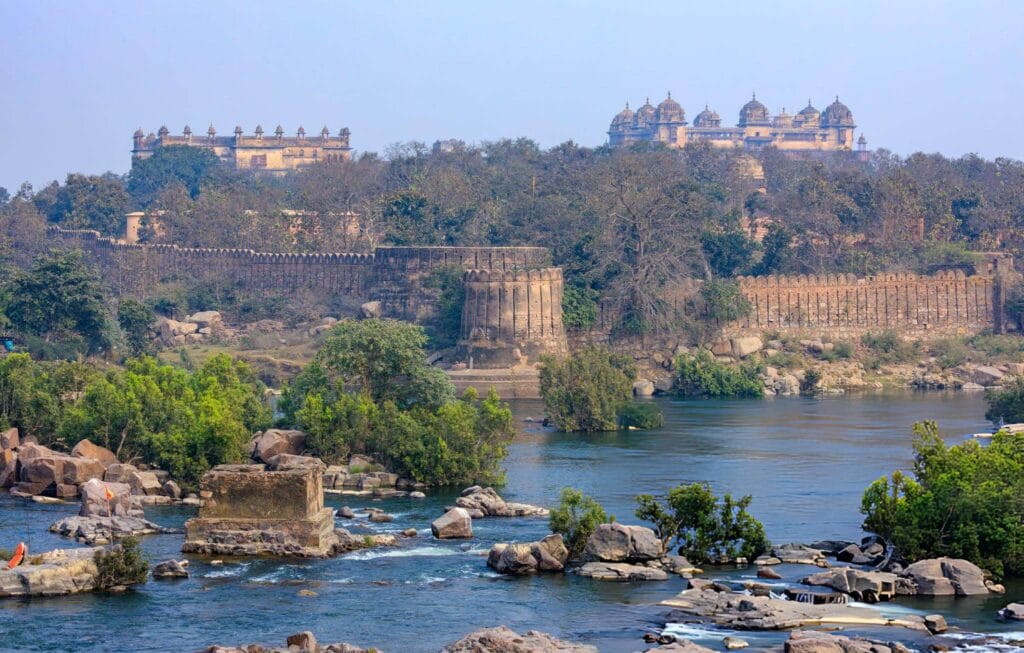
Orchha carries a sense of stillness that’s increasingly rare. Its palaces and temples rise above the Betwa River with an almost cinematic presence, yet the town itself remains small, walkable, and largely untouched by the urgency of tourism.
Easily reached from Jhansi, Orchha fits naturally into a Central India route without adding complexity.
Once there, distances are short, and the experience becomes less about logistics and more about observation — the details of architecture, the rhythm of temple rituals, and the quiet flow of river life.
Orchha naturally slows you down once you arrive. There’s no pressure to move quickly between sights, and the relatively low visitor numbers mean you can explore without interruption.
Spending a couple of nights here allows the place to reveal itself gradually, especially during early morning walks or evening ceremonies that bring a subtle sense of continuity between past and present.
Orchha is one of the most peaceful places to visit in India.
How to Reach Orchha from Jhansi
- Nearest railway station: Jhansi (16 km)
- Easy access by taxi or auto-rickshaw
- Jhansi is well connected to major Indian cities
Best Time to Visit Orchha
October to March is ideal. Summers are extremely hot.
Things to Do in Orchha
- Attend Ram Raja Temple ceremony
- Watch sunrise at Betwa River
- Explore cenotaphs
- Visit Raja Mahal interiors
Daily Budget for Orchha
₹1,200–2,500 per day.
Spiti Valley, Himachal Pradesh — Vast, Remote, and Worth the Journey
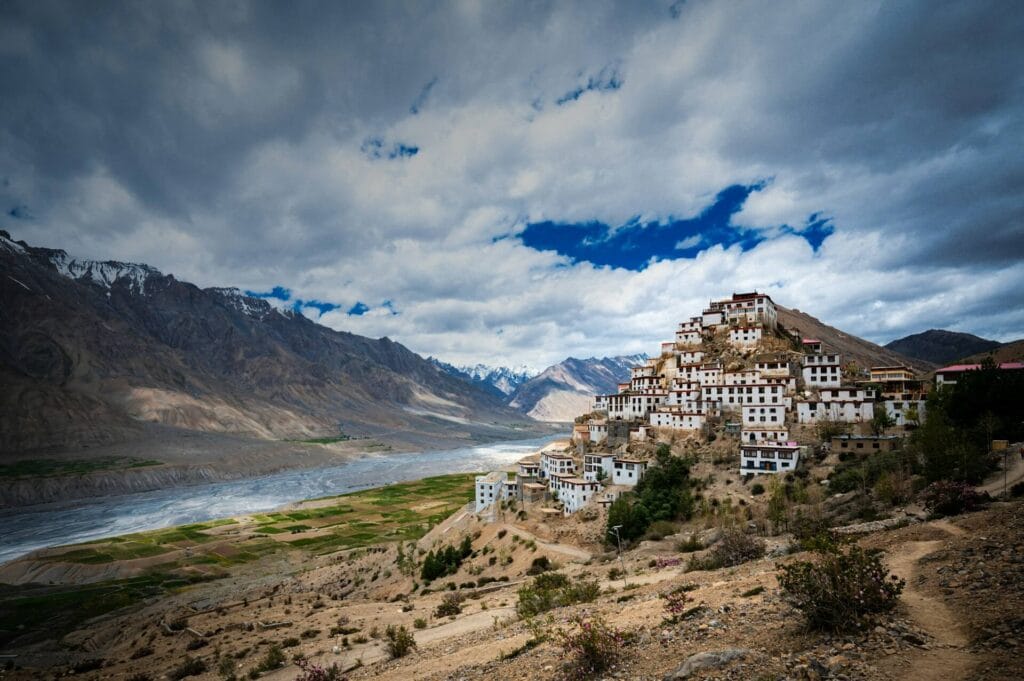
Spiti Valley demands more time and patience than most destinations on this list, but it offers something equally rare in return — a landscape that’s completely removed from everyday life.
The journey itself is part of the experience, typically approached in stages to allow for acclimatization. While the altitude requires some care, the route is well-traveled during the summer months, and accommodation in key villages is reliable and welcoming.
Spiti is all about vast landscapes and complete silence. Monasteries perched on hillsides, wide-open valleys, and stark mountain terrain create an environment that feels closer to Tibet than to the rest of India.
Travel is limited to the warmer months, generally between June and October. Within that window, taking things slowly is essential both for comfort and for fully absorbing the landscape.
Spiti is ideal for those interested in slow travel destinations in India.
How to Reach Spiti Valley via Shimla
- Start your journey from Shimla
- Travel by road to Kaza over 2–3 days
- Shared taxis and buses are available along the route
Best Time to Visit Spiti Valley
June to October is the only accessible period. Winters are extremely harsh and roads are closed.
Things to Do in Spiti Valley
- Visit Key Monastery
- Stay in Langza village
- Explore fossils
- Enjoy stargazing
Daily Budget for Spiti Valley
₹1,500–3,000 per day.
Chettinad, Tamil Nadu — Layers of Culture and Craft
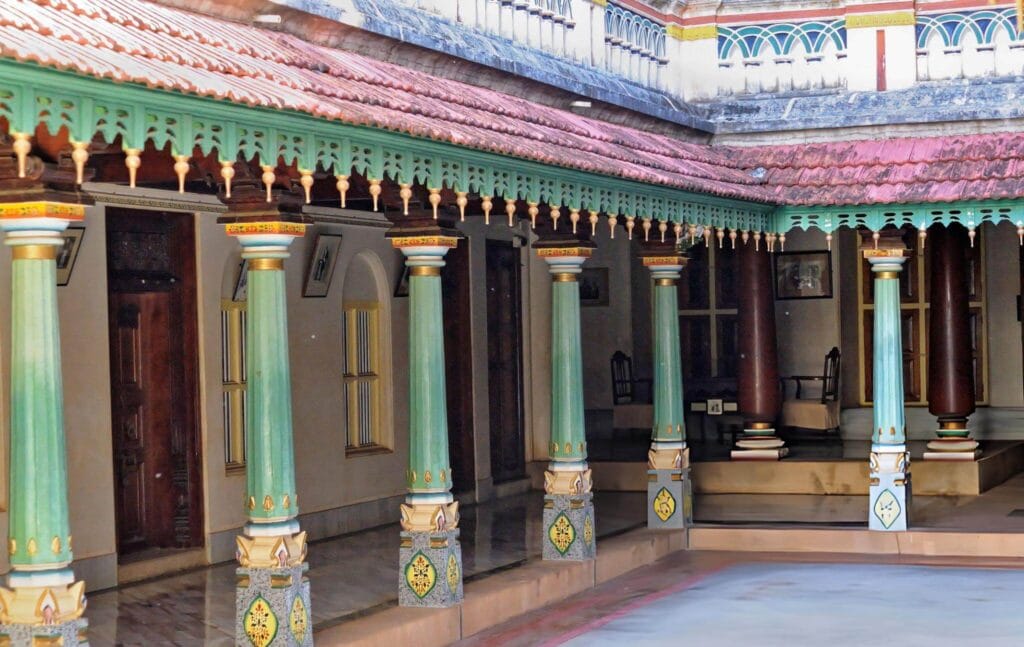
Chettinad stands out more for its details than its size. Its grand mansions, built by merchant families over a century ago, stand as intricate examples of design and craftsmanship, often hidden behind modest exteriors.
Reaching the region via Madurai is straightforward, and once there, exploring the towns and villages is simple with local transport. What stands out is how little the experience feels shaped for tourism — much of what you see remains part of everyday life.
Food plays a central role here, with Chettinad cuisine offering depth and complexity that reflects the region’s history of trade and cultural exchange.
A stay in a restored heritage home adds another layer to the experience, turning a visit into something more immersive than a standard stop.
Chettinad offers a rich cultural travel experience in India.
How to Reach Chettinad (Tamil Nadu)
- Nearest city: Madurai (90 km)
- Take a train or drive to Karaikudi
- Good road connectivity from major Tamil Nadu cities
Best Time to Visit Chettinad
October to March is best. Summers are very hot.
Things to Do in Chettinad
- Stay in heritage mansions
- Try Chettinad cooking experiences
- Explore old mansions
- Visit antique markets
Daily Budget for Chettinad
₹2,000–5,000 per day.
Dzukou Valley, Nagaland — One of Northeast India’s Most Beautiful Secrets
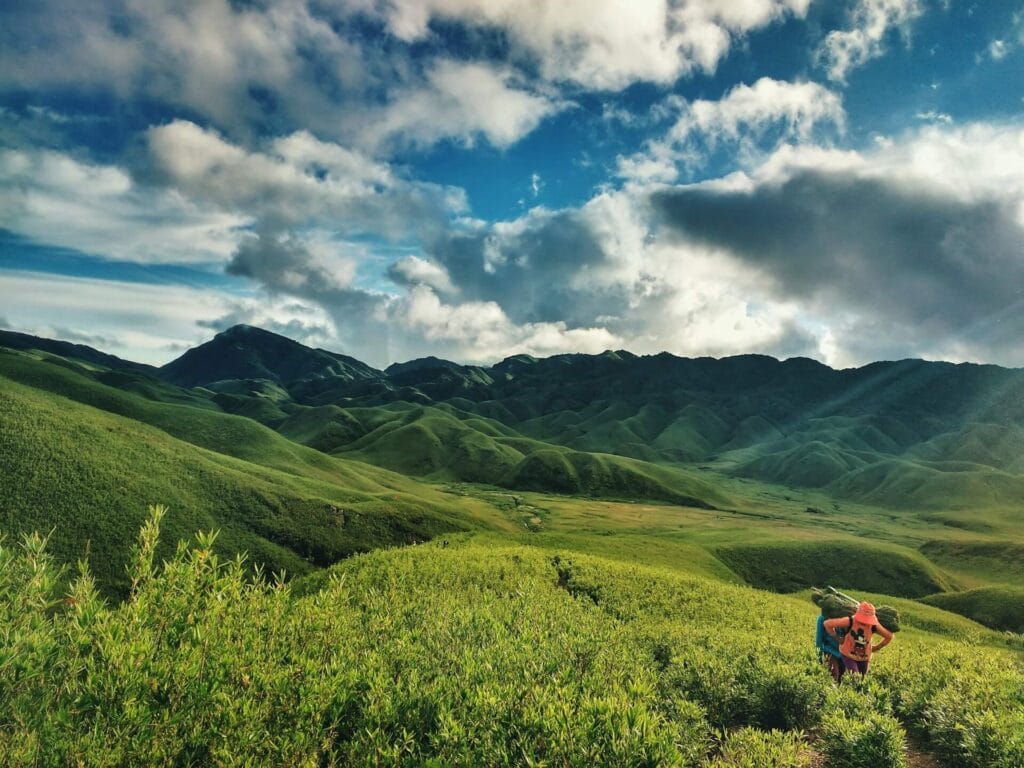
Dzukou Valley is the kind of place that reveals itself gradually, reached after a moderate trek that filters out large numbers of visitors.
The path is accessible without technical skills, but just demanding enough to keep the valley uncrowded. Once inside, the landscape opens into rolling green hills and seasonal blooms that stretch across the horizon.
The simplicity of the setting is part of its appeal — there’s very little infrastructure, and that’s exactly what preserves its character.
Reaching the starting point via Dimapur and Kohima is straightforward with planning, and permits can be arranged in advance.
Spending a night in the valley allows you to experience it at its quietest, particularly at sunrise. Dzukou Valley is one of the most hidden gems in India.
How to Reach Dzukou Valley from Kohima
- Nearest airport: Dimapur
- 3-hour drive to Kohima
- Trek to Dzukou Valley from Viswema village
- Protected Area Permit (PAP) may be required
Best Time to Visit Dzukou Valley
June to September for greenery and flowers, November to January for misty and frosty views.
Things to Do in Dzukou Valley
- Trek into the valley
- Stay in basic camps
- Watch sunrise views
- See seasonal flower blooms
Daily Budget for Dzukou Valley
₹1,500–2,500 per day.
Dholavira, Gujarat — An Ancient City at the Edge of the Rann
Dholavira doesn’t announce itself loudly. There are no crowds gathering at the entrance, no long queues, no sense of urgency. Instead, what you find is space — vast, open, and quiet — surrounding the remains of a city that existed over 4,500 years ago as part of the Indus Valley Civilisation.
Visiting Dholavira isn’t about ticking off monuments and more about absorbing scale and ingenuity.
The city was carefully planned, with sophisticated water conservation systems, reservoirs, and clearly defined urban zones that still make sense even today.
It’s one of the few archaeological sites in India where you can truly imagine how a civilization functioned, rather than just observe what’s left of it.
Reaching Dholavira requires a deliberate journey across the stark landscapes of the Rann of Kutch, usually from Bhuj.
The drive itself is part of the experience, long stretches of open land, salt flats, and a sense of increasing remoteness that makes arrival feel earned rather than incidental.
Despite this, the logistics are straightforward, and the on-site infrastructure, including pathways and a museum, makes exploration easy even for first-time visitors.
Dholavira is among the most fascinating historical places in India without crowds.
How to Reach Dholavira from Bhuj
- Nearest airport: Bhuj (250 km)
- 5–6 hour road journey to Dholavira
- Private taxis are the most convenient option
Best Time to Visit Dholavira
October to March offers comfortable weather. Combine with Rann Utsav season.
Things to Do in Dholavira
- Explore Indus Valley ruins
- Visit the site museum
- Walk through ancient water systems
- Watch sunset over the Rann
Daily Budget for Dholavira
₹1,200–2,000 per day.
Gurez Valley, Kashmir — A Himalayan Valley Where Few Travelers Venture
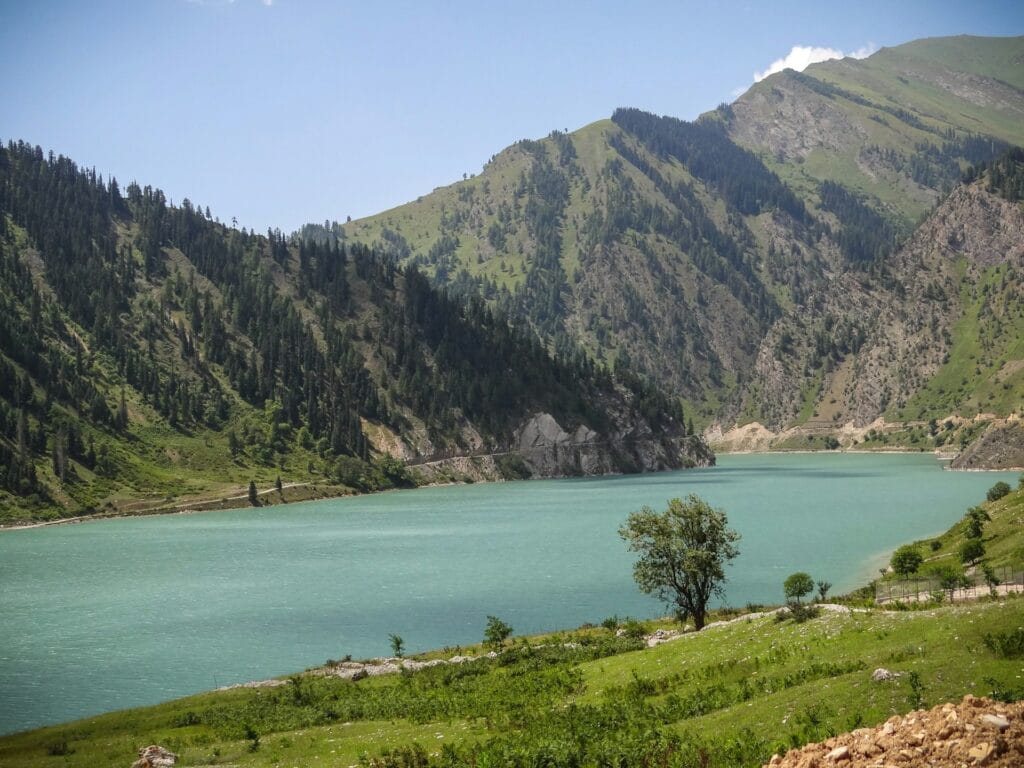
Gurez Valley shows a side of Kashmir that is noticeably different from its more familiar destinations.
Set beyond a high mountain pass and reached after a long but striking drive from Srinagar, the valley opens into wide expanses of green, with the Kishanganga River running steadily through it and small villages scattered along its course.
What defines Gurez is not just its scenery, but its sense of distance — both physical and cultural.
The Dard community that lives here maintains traditions and ways of life that feel distinct from the rest of the region, giving the valley a unique identity that goes beyond its natural beauty.
Gurez is one of the most remote and unexplored places in India.
How to Reach Gurez Valley from Srinagar
- Fly to Srinagar
- Drive to Dawar via Razdan Pass
- The journey takes around 8–10 hours
Best Time to Visit Gurez Valley
June to September only. The valley is inaccessible in winter.
Things to Do in Gurez Valley
- Walk through Dard villages
- Enjoy river views
- Try trout fishing
- Explore remote landscapes
Daily Budget for Gurez Valley
₹1,500–2,500 per day.
Patan, Gujarat — A City of Stepwells and Thousand-Year-Old Craft
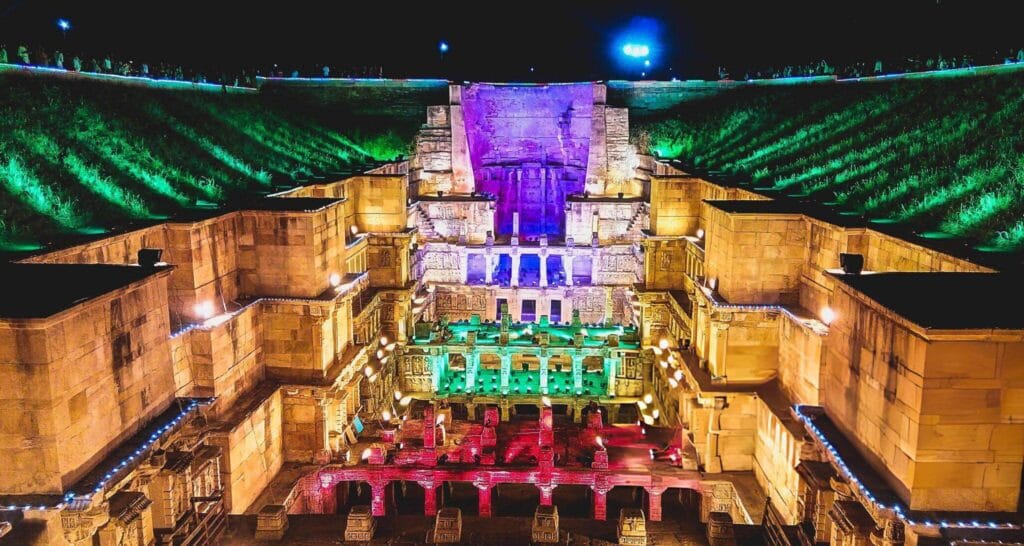
Patan doesn’t overwhelm you at first glance. It feels like a small, functional town — until you step into Rani Ki Vav and realize you’re standing inside one of the most intricate architectural works in India.
The stepwell descends several levels underground, each layer revealing increasingly detailed carvings that cover nearly every surface.
The experience stands out not just because of the craftsmanship, but the way the structure unfolds gradually as you move downward, drawing you deeper into both space and history.
Reaching Patan from Ahmedabad is simple, making it one of the most accessible destinations on this list. Yet despite this convenience, it remains relatively uncrowded, often visited briefly rather than explored in depth.
Staying longer allows you to go beyond the stepwell and discover the town’s living traditions. Among these, the Patola silk weaving process stands out for its complexity and precision.
Watching artisans at work offers a rare glimpse into a craft that has been preserved through generations with remarkable consistency.
Patan is a great example of a less crowded heritage destination in India.
How to Reach Patan from Ahmedabad
- Located 120 km from Ahmedabad
- 2–3 hour journey by road or train
- Easily accessible for a day trip
Best Time to Visit Patan
October to March is ideal for sightseeing.
Things to Do in Patan
- Explore Rani Ki Vav
- Visit Patola silk workshops
- Walk around Sahastralinga Talav
- Combine with Modhera Sun Temple
Daily Budget for Patan
₹1,500–2,500 per day.
Tirthan Valley, Himachal Pradesh — A River Valley That Tourism Has Barely Touched
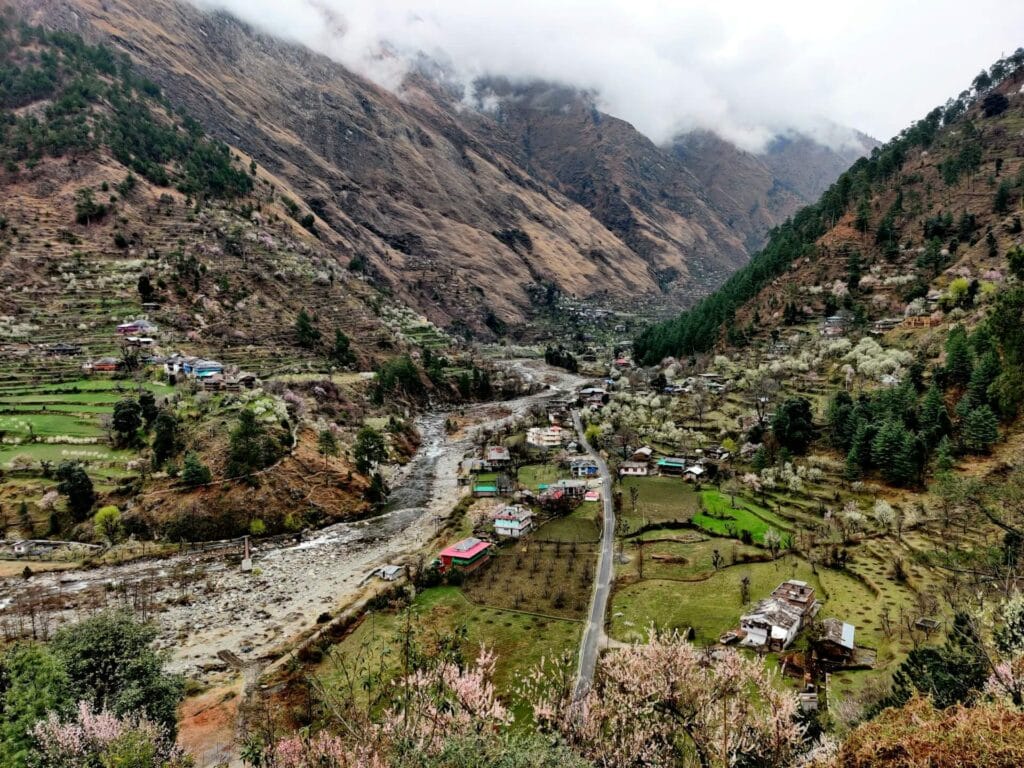
Tirthan Valley doesn’t try to impress you with dramatic statements. Instead, it grows on you slowly through the sound of a river running clear and constant, through small wooden homes set against forested slopes, and through a pace of life that feels entirely unforced.
Located in Himachal Pradesh but just far enough from the usual tourist routes, the valley has managed to retain a sense of quiet that many other mountain destinations have lost.
Getting here involves traveling via Kullu or Bhuntar and then continuing by road into the valley, a journey that is straightforward but just distant enough to discourage heavy traffic.
Tirthan works well for first-time travelers because staying here is simple and comfortable. Homestays are the norm, offering comfort, local food, and a level of personal connection that larger hotels rarely provide.
Days don’t require strict planning; they unfold naturally through short walks, riverside time, or simply sitting and observing.
Tirthan Valley is one of the best quiet travel destinations in India for first-time visitors.
How to Reach Tirthan Valley (Himachal Pradesh)
- Nearest airport: Bhuntar (50 km)
- Taxis and shared transport available from Kullu/Bhuntar
- Well connected by road
Best Time to Visit Patan
October to March is ideal for sightseeing.
Things to Do in Patan
- Explore Rani Ki Vav
- Visit Patola silk workshops
- Walk around Sahastralinga Talav
- Combine with Modhera Sun Temple
Daily Budget for Patan
₹1,500–2,500 per day.
Bishnupur, West Bengal — Temple Terracotta Art in a Quiet Market Town
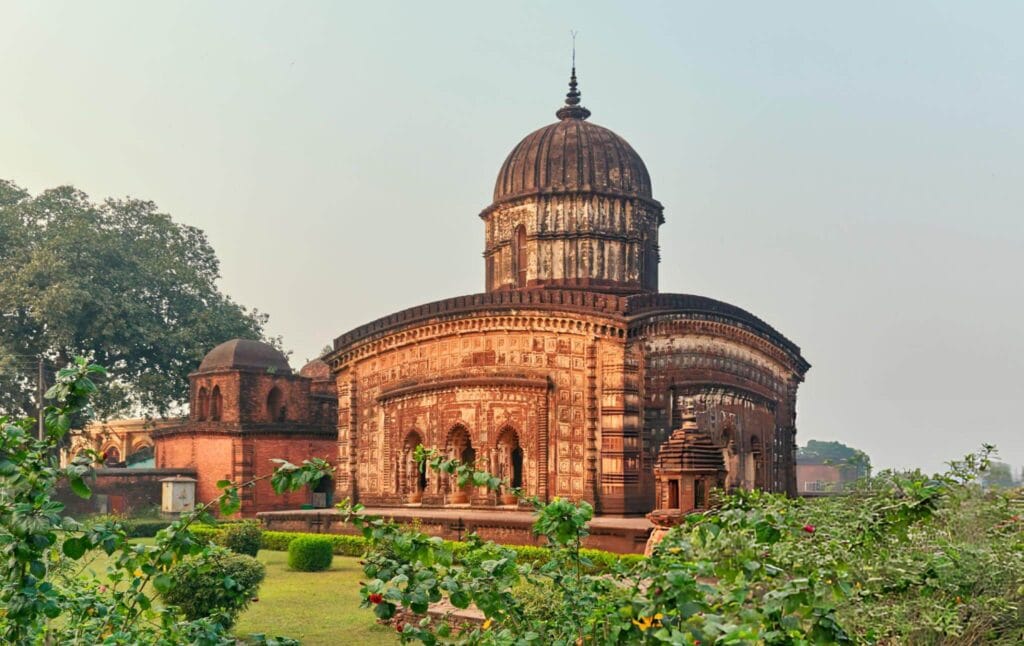
Bishnupur carries its history in texture rather than scale.
Its temples, built entirely from terracotta, are covered in detailed carvings that depict scenes from epics, mythology, and everyday life, giving each structure a narrative quality that reveals itself the longer you look.
The town is easily accessible from Kolkata, making it one of the simpler destinations to include in a broader itinerary.
Yet despite this, it remains relatively quiet, visited more by those with a specific interest than by casual travelers. Walking through Bishnupur is unhurried.
The temples are spread across the town in a way that encourages slow exploration, and the absence of large crowds allows you to notice details that might otherwise be missed.
Beyond the architecture, the town continues to sustain its traditional crafts, including silk weaving and metalwork.
These aren’t staged demonstrations, but active parts of local life, adding depth to what might otherwise feel like a purely historical visit.
Bishnupur is one of the most underrated cultural destinations in India.
How to Reach Bishnupur from Kolkata
- 4–5 hour train journey from Kolkata
- Regular trains available
- Easy and convenient access
Best Time to Visit Bishnupur
October to March is ideal. The Bishnupur Mela in December is worth visiting.
Things to Do in Bishnupur
- Explore terracotta temples
- Visit silk weaving units
- See Dokra craft workshops
- Attend local music events
Daily Budget for Bishnupur
₹1,000–2,000 per day.
Murudeshwar and the Coastal Karnataka Belt — Temples, Sea, and Almost Nobody Around
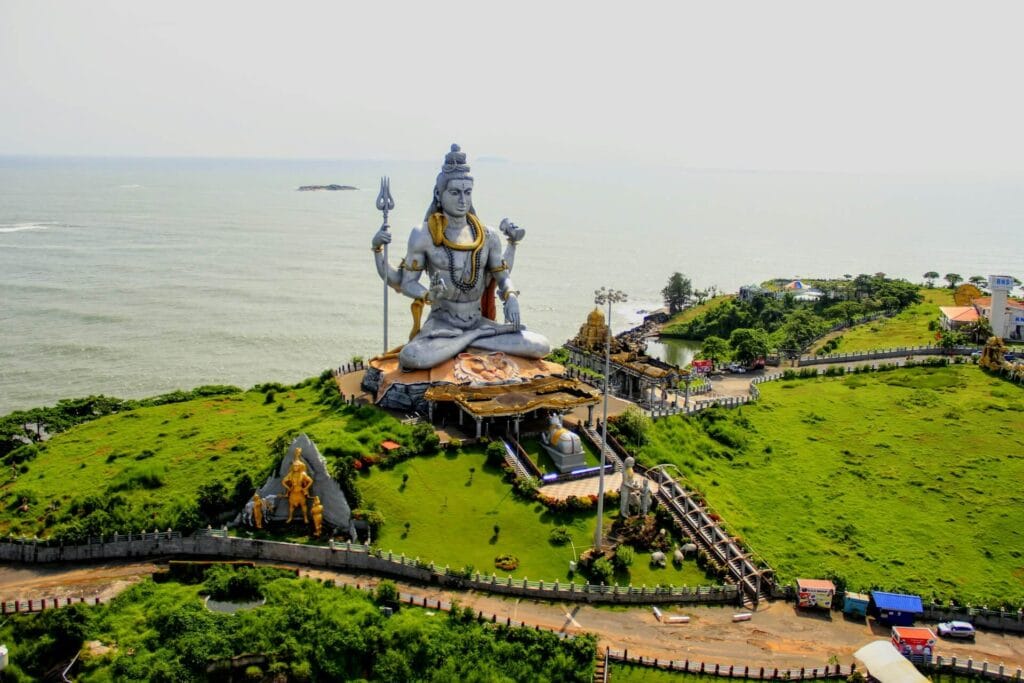
Murudeshwar sits along a stretch of coastline that many travelers pass through without stopping, which is why it stays uncrowded.
Positioned on the Konkan Railway line, it’s easy to reach, yet it retains a sense of space and calm that’s increasingly rare along India’s western coast.
The town itself is shaped around its temple and shoreline, but the real appeal extends beyond it.
The surrounding coastline offers long, open beaches, small fishing communities, and stretches of road where the sea and backwaters run side by side, creating landscapes that feel both unusual and quietly striking.
This region is perfect for those looking for less crowded beach destinations in India.
How to Reach Murudeshwar (Karnataka)
- Direct railway station on the Konkan Railway line
- Nearest airport: Mangalore (160 km)
- Well connected by train from Goa and Bangalore
Best Time to Visit Murudeshwar
October to March offers the best weather. Monsoon brings heavy rain and rough seas.
Things to Do in Murudeshwar
Visit the Shiva statue and temple
Enjoy beach sunrise views
Drive to Maravanthe Beach
Try local seafood
Daily Budget for Murudeshwar
₹1,500–2,500 per day.
Practical Tips for Visiting Offbeat Destinations in India

Traveling to offbeat destinations in India needs a bit more planning, but the experience is far more rewarding.
Plan transport in advance, but build in flexibility. For lesser-known destinations, train bookings matter more than for popular routes — seats on convenient trains fill up weeks ahead, especially in AC classes.
Book your main train journeys on IRCTC as early as possible, but leave your local in-destination transport flexible. Shared jeeps, local buses, and auto-rickshaws are easy to arrange on the day once you’ve arrived.
Homestays beat hotels in quieter destinations. In most of the places on this list, the best accommodation is a family homestay or a small guesthouse run by someone who genuinely knows the area.
These hosts are often your most valuable travel resource — they can tell you which viewpoint to visit at dawn, which restaurant actually uses fresh ingredients, and which path through the fields leads somewhere interesting.
Large hotels in offbeat destinations are often impersonal and oddly more expensive for what they offer.
Sort out connectivity before you leave the city. Mobile data is reasonably reliable in most of these destinations but can be patchy in remoter valleys and smaller villages. Download offline Google Maps for every destination before you leave your main city base.
Also download your train tickets, accommodation confirmations, and any permit documents — PDFs you can access without data are worth their weight in gold when connectivity drops.
Check permit requirements well in advance. Several destinations on this list require special permits for foreign nationals. Arunachal Pradesh (Ziro) requires an Inner Line Permit.
Nagaland (Dzukou Valley) requires a Protected Area Permit. These processes are straightforward but take a few days. Research current requirements through official Indian government sources before booking anything.
Time your visit around the Indian school holiday calendar. Indian domestic tourism moves in waves tied to school holidays and national long weekends.
Diwali, Holi, and the October school break generate significant domestic travel surges even to offbeat destinations. Traveling in the weeks between these peaks gives you consistently quieter conditions.
Carry cash. ATMs in smaller towns do exist but are not always reliable. Arrive with enough rupees to cover 2–3 days of expenses, as machines can run empty on weekends or during festival periods.
UPI payments are increasingly accepted at small vendors, but don’t count on card machines in offbeat areas.
These tips are especially useful if you’re exploring non-touristy places in India for the first time.
Common Mistakes Travelers Make When Visiting Offbeat Destinations
Trying to cover too many places in too little time. Offbeat destinations reward slowness.
The instinct to see as many places as possible usually backfires in destinations like Majuli or Tirthan Valley, where the real value comes from spending two or three days absorbing the atmosphere rather than ticking boxes and moving on.
Build in at least two nights at each destination ideally three.
Underestimating Indian distances. Looking at a map of India and estimating journey times based on European or American road standards will consistently mislead you.
A 200 km journey in a hilly or rural area of India commonly takes 5–7 hours. Build significantly more buffer time into your itinerary than seems necessary.
Ignoring seasonal road conditions. Several destinations on this list — Spiti, Gurez Valley, Dzukou Valley — have roads that are genuinely impassable or dangerous in certain seasons.
Monsoon landslides, winter snowfall, and post-flood road damage are real constraints. Check current conditions with your accommodation before committing to a travel date.
Expecting Western-standard infrastructure. Offbeat India is remarkable precisely because it hasn’t been smoothed into global tourist uniformity.
The roads will be bumpier, the hot water less reliable, the WiFi more intermittent. Going in with calibrated expectations rather than treating every infrastructure quirk as a problem transforms the experience significantly.
Not engaging with local hosts. The biggest missed opportunity most visitors have at offbeat destinations is treating their guesthouse as simply a place to sleep.
The person running your homestay in Ziro or your heritage guesthouse in Orchha knows things about their home that no travel guide has published.
Ask questions, accept suggestions, and be genuinely curious. The conversations that result are often the most memorable part of the trip.
Conclusion: Why Quieter India Is Often the Best India
If you include even one of these places in your trip, you’ll notice the difference immediately. The pace slows down, the crowds thin out, and the experience becomes a lot more personal. That’s often where India feels the most memorable.
If you’re looking for less crowded places in India or planning a trip focused on slow travel in India, starting with even one destination from this list can make your trip feel much more real.
For more guidance on planning your first trip to India, explore our practical India travel planning guides, budget breakdowns by region, and safety tips for independent travelers.
FAQs of Top Offbeat Destinations in India
What are the best offbeat places in India for first-time travelers?
Some of the best offbeat places in India include Hampi, Ziro Valley, Majuli, Orchha, Gokarna, and Tirthan Valley. These destinations are less crowded, easy to explore, and ideal for beginners.
Are offbeat destinations in India safe for tourists?
Yes, most offbeat destinations in India are safe for tourists if you plan properly. Choose well-connected places, book trusted accommodations, and check local travel conditions in advance.
Which offbeat places in India are easiest to reach?
Hampi, Orchha, Gokarna, and Patan are among the easiest offbeat destinations in India due to good train and road connectivity.
What is the best time to visit offbeat destinations in India?
The best time to visit most offbeat places in India is between October and March. However, mountain regions like Spiti Valley and Gurez Valley are best visited from June to September.
Do I need permits for offbeat destinations in India?
Some regions require permits. For example, Ziro Valley requires an Inner Line Permit (ILP), and parts of Nagaland like Dzukou Valley may require a Protected Area Permit (PAP).
How much does it cost to travel to offbeat places in India?
Traveling to offbeat destinations in India typically costs between ₹1,000 to ₹3,000 per day, including accommodation, food, and local transport.
Are homestays better than hotels in offbeat destinations?
Yes, homestays are often better in offbeat destinations as they offer local food, cultural experiences, and better value compared to hotels.
How many days should I spend in one offbeat destination?
It’s best to spend at least 2–3 days in each destination to fully experience the place without rushing.
Which offbeat places in India are best for couples?
Gokarna, Tirthan Valley, and Ziro Valley are great offbeat destinations for couples looking for peaceful and scenic experiences.
Is internet available in offbeat destinations in India?
Internet is available in most offbeat places but can be unreliable in remote regions like Spiti Valley or Gurez Valley. It’s best to download offline maps and documents.
What are common mistakes to avoid when visiting offbeat places in India?
Common mistakes include trying to cover too many places quickly, underestimating travel time, ignoring seasonal road conditions, and expecting luxury-level infrastructure in remote areas.
Images: Unsplash
