




Traveling in India as a woman can bring up some worries , but with some proper preparation, you’re good to go for a safe and truly unforgettable adventure.
Having spent a lot of time exploring India myself and chatted with heaps of female travelers who’ve been all over the country from bustling Delhi to tranquil Kerala’s backwaters – the verdict is India’s a really rewarding destination for women travelers when you know what you’re getting into.
Women safety tips for traveling in India should be a priority, and while safety is a real concern, it’s crucial to approach it with thought and awareness.
Don’t let fear stop you from experiencing one of the most beautiful and diverse countries in the world.
This guide puts together all the practical advice from women who’ve been there done that, along with the official recommendations from the Indian government and local authorities.
What you’ll find here are some real-world tips that actually work – not just some dry theoretical stuff.
Whether you’re planning your first big solo adventure to India, or you’re a seasoned traveller just looking to brush up on your safety knowledge, these women safety tips for travelling in India should help you navigate the country with total confidence.
Understanding the Reality of Solo Female Travel in India

Female travellers in india really do face a heap of challenges. Staring is basically an everyday thing, regardless of how you choose to dress – and unfortunately, that can happen anywhere.
Harassment is quite common on the streets – especially in the bigger cities. It’s always good to be aware of this, if you know what I mean.
But, let’s not paint all of India with the same brush – there’s a lot of other stuff going on too. Millions of women do get around this country without any major incidents.
They visit the same places everyday, you want to see (markets, temples etc). The tourist areas tend to be a fair bit safer than the rest & have seen a lot of foreign visitors so are generally more up for it.
The southern and northeastern parts of the country are often especially super welcoming to solo female travellers.
The key really is just a bit of preparation, some awareness & trusting your instincts. You don’t need to be walking around in a state of constant fear, but you do need to be smart about it.
How to Stay Safe in Public Spaces

Dress sensibly for the Region
Dressing modestly is about showing some respect for local ways of doing things, and not about letting the rules get the better of you – its about giving a bit of a nod to how things are done in that particular place, and not drawing any more attention to yourself than you need to.
In most of India, for example, it’s a good idea to cover your shoulders and knees, and generally loose clothes are going to be easier to wear than tight ones.
Of course, a place like Goa is going to be a lot more relaxed about what you can and can’t wear, while somewhere like Mumbai or Bangalore will probably see a mix of Western and Indian styles on the go.
And then there are the smaller towns and places of worship where you’ll need to be even more covered up. A good rule of thumb is to take your cue from the local women and follow their lead.
Carry a scarf or shawl – they’re handy, and can be used in a million different ways.
You can wear it round your head in temples, or over your shoulders when you’re in a more conservative area, or even just as a emergency blanket if you get stuck on a cold train.
Dealing with Crowds
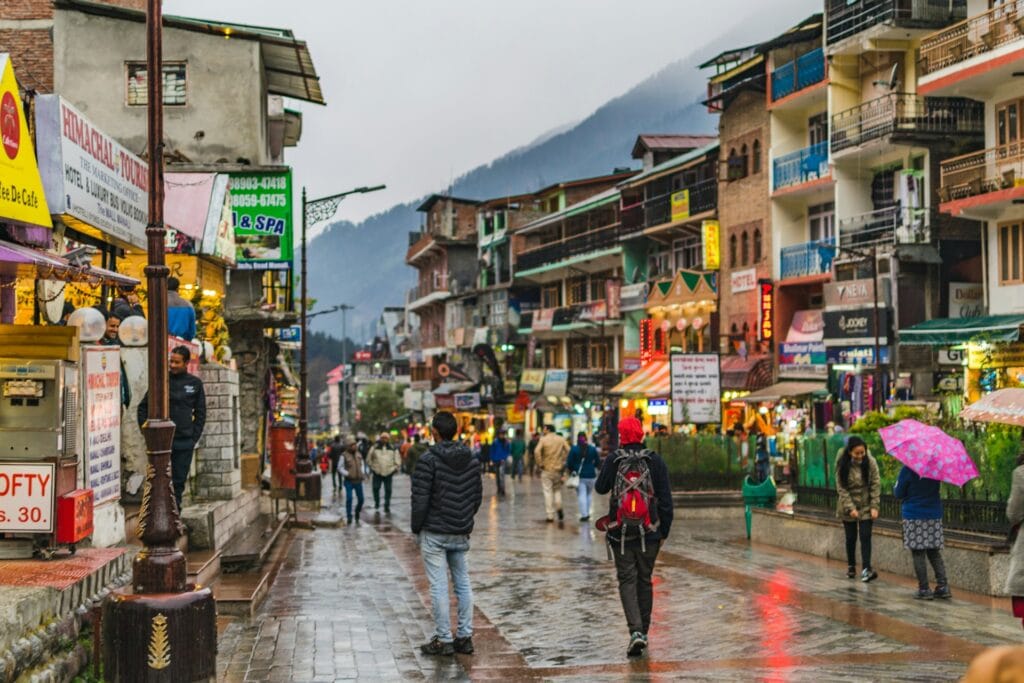
Markets, street festivals and public transport can get absolutely rammed – and sometimes that can create a bit of a problem with people getting a bit too- up close and personal.
Stay alert when you’re in a crowd. If someone does get too familiar, let everyone know. Just shout out “chodo” (if you can remember the word !) or “dur raho” – and the locals will generally have your back.
And when you are in a crowded space, keep your bag in front of you – a cross body bag is probably easier to carry than a backpack, and you’re less likely to get it snatched off you.
Of course, for the really important stuff – money, passport and so on – a money belt under your clothes is the way to go.
Avoid Isolated Areas, Especially After Dark
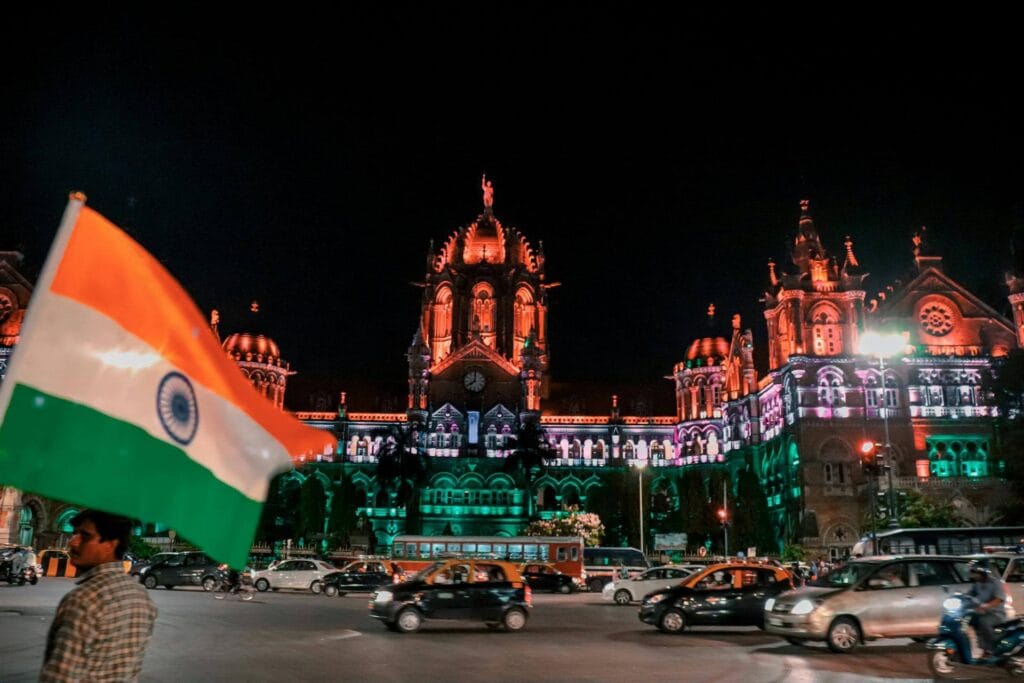
It’s plain common sense that this one applies just about anywhere in the world but its still worth making the effort to remind people.
Don’t go for a stroll alone in some dodgy or poorly lit area when night’s drawing in – instead opt for main streets, places that are well-lit, and areas that are bustling with other people.
If you find yourself out and about late at night, consider calling a taxi from a reputable company or just jump on a ridehailing app – walking just isn’t worth the risk.
If you do find yourself having to walk, try to stay in touch with someone and just look like you know where your going, confident and like you have a purpose.
But don’t go wandering around looking like you’re completely lost or have no idea where you are – that just makes you a softer target for anyone who might have bad intentions.
Use Women-Only Facilities
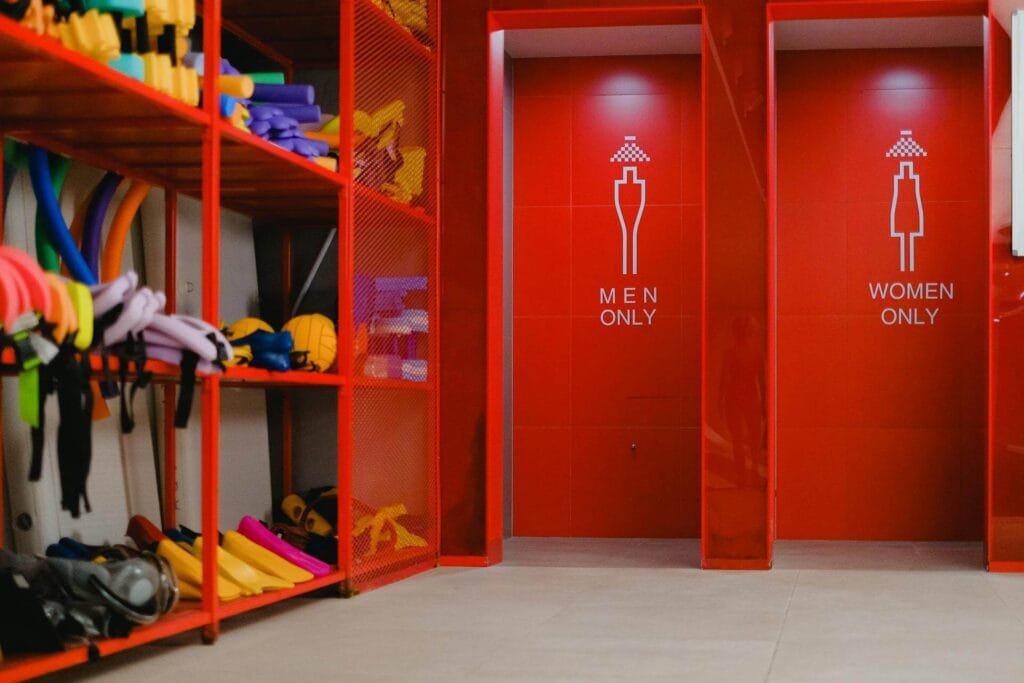
A lot of public places in India have Women-only areas set up, so why not take advantage of them ?
Shopping malls, pretty much any tourist attraction and most big restaurants will have separate restrooms for women – and that’s just the start.
Train stations often have waiting rooms just for women too. These facilities are generally cleaner and safer , as you’d expect, so if you see one make a point of using it.
Transportation Safety for Women Travelers
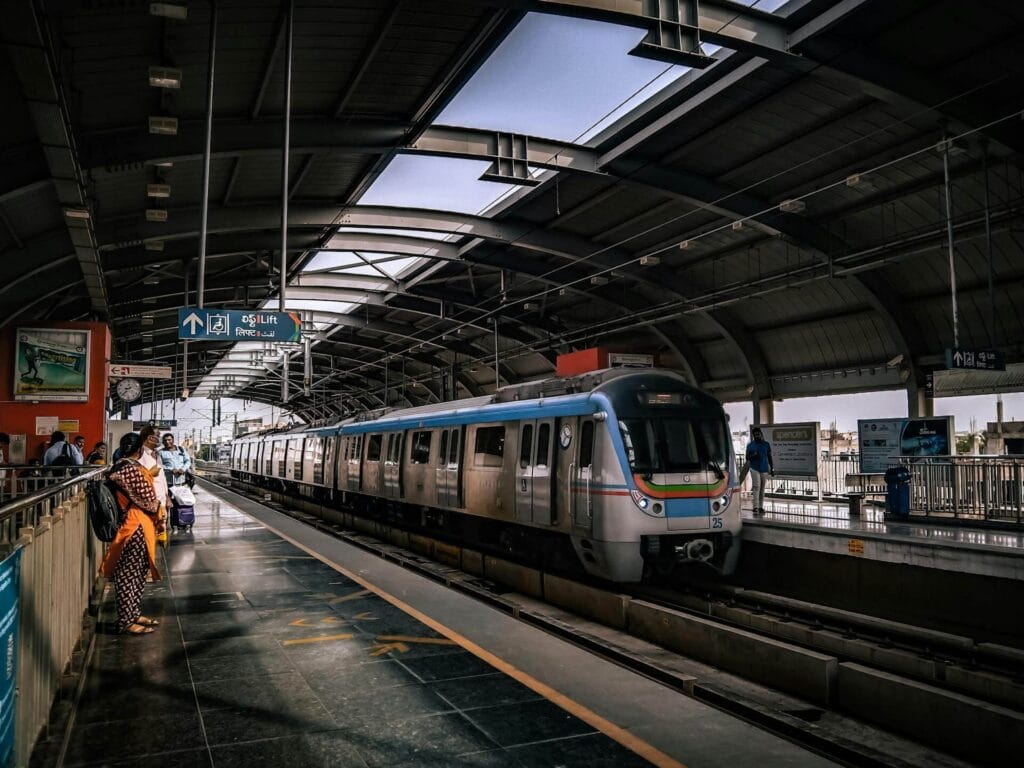
Getting around safely is definitely one of the biggest concerns for women traveling around India – being able to get to your destination without any issues is pretty much a top priority.
Here’s the lowdown on how to use different transport options without worrying too much.
Trains and Metro
Indian Railways and the metro systems in cities like Delhi, Mumbai, Bangalore and Kolkata all have ladies only carriages.
These are separate areas on the train just for women and are usually pretty easy to spot. When you can, make the most of these ladies only carriages.
When you’re checking into an overnight train, try getting a seat in the ladies only carriage or go for lower side berths if you’re on your own. The ladies only carriage is a whole carriage just to yourself.
Side lower berths are near the corridor where the train staff go by and other passengers have to walk past – that feels a heck of a lot safer than being stuck in a upper berth all by yourself in the middle of the carriage.
Keep your bags close to you and use the locks that the train staff provide so you can secure your bags properly.
Don’t even think about accepting food or drinks from strangers on the train – there have been cases of people being drugged, though thankfully these are rare.
Taxis and Ride Apps

Uber and Ola are pretty widely available and are normally safer than any old taxi you might flag down on the street. These apps have some useful safety features built right in:
- GPS tracking so someone can track your route in real time.
- Get information about the driver and their license plate so you know who your driver is.
- An emergency SOS button that alerts authorities.
- The option to share your trip information with a few trusted friends or family.
- A ride verification code so you know you’re getting in the right car.
Always check the license plate before you get in and the driver’s photo and don’t be afraid to sit in the back seat – it’s always better to be safe than sorry.
Keep your phone handy and have some one’s number on speed dial just in case. In some areas you can even use women only taxi services.
In Chennai you have ‘She Cabs’, in Jaipur you have ‘Pink Autos’, and similar services in other cities just employ female drivers and are just for women.
They’re designed specifically to make women feel more at ease when they are traveling on their own.
Night Travel Precautions
Try and avoid traveling alone at night if you can – but if you have to, use an app like Uber or Ola instead of just flagging down some random taxi.
If you’re taking an auto-rickshaw then agree on the fare before you get in and consider sharing your exact location with someone.
If you are going on a long distance bus trip late at night try and use a reputable operator with some good reviews – there are lots available.
Some buses even have curtains on the windows so you can have some peace and quiet. Try and get a lower berth, they’re generally safer than upper ones.
Auto-Rickshaws
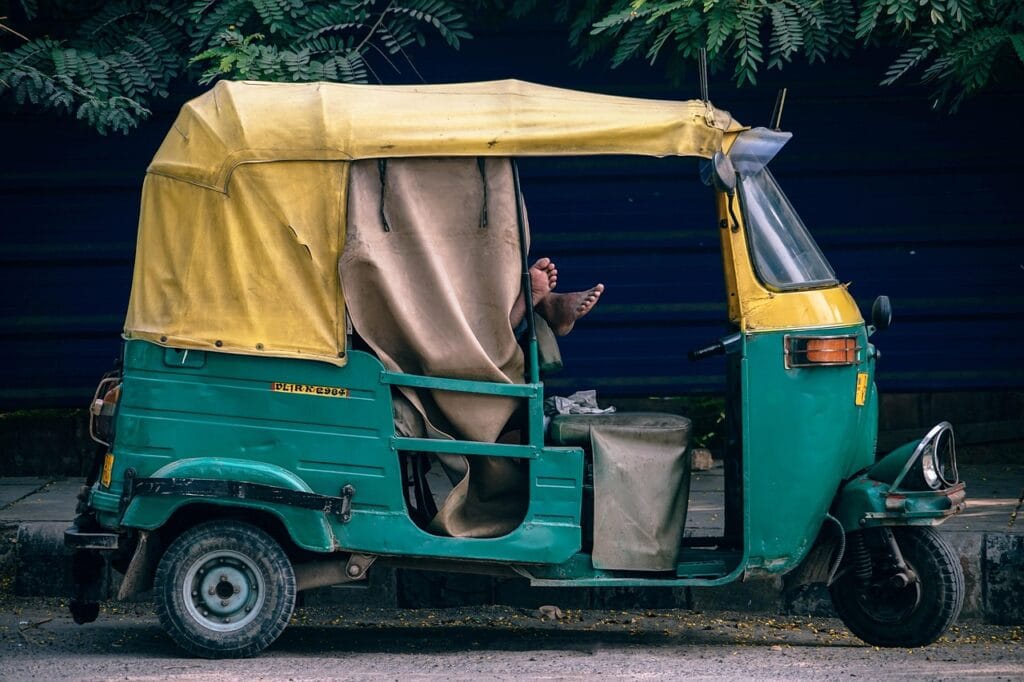
Auto-rickshaws are a great way to get around but you do have to be careful. Always agree on the fare before you start your journey – or make sure the driver uses the meter.
In some cities the meter is the standard way, in others you have to negotiate the price.
Don’t even think about sharing an auto with some one you don’t know – even if the driver says you can save some money. Try and sit behind the driver instead of right next to him.
Keep your phone out and pretend to be texting some one – that way people will know you are expected somewhere and that you’re not alone.
Choosing Safe Accommodation

Research Before You Book
Choose accommodations with positive reviews from other female travellers. Booking.com, Hostelworld, and Airbnb allow you to filter reviews by solitary female travellers.
Read recent reviews carefully, looking for remarks related to safety, location, and how staff treats female customers. Location is more important than you might think.
A hotel in a calm residential location may appear peaceful, but it may be lonely at night. Central sites near major roadways, metro stations, or tourist destinations are often safer, even if slightly noisier.
Hotel Security Features to Look For
When booking, prioritize places with:
- 24-hour reception or security
- CCTV cameras in common areas
- Secure entry systems (key cards, locked main doors at night)
- Well-lit corridors and entrances
- Rooms with working locks, peepholes, and safety features
Room Safety Practices
When you check in, give your room a quick once over & check that all the locks on your door and windows are working properly – if anything doesn’t seem right, speak up & ask to change rooms right away.
Make use of the peephole before letting anyone new into your room. Also, whenever the hotel staff come knocking, take a second to double check their identity with the front desk.
Keep any valuables you’ve got in the safe if the room’s got one, be that for peace of mind or to save yourself the hassle of losing them.
If there is a safe, and you can’t use it, stash important documents , some extra cash and your electronic bits & bobs in your luggage – locked up tight of course thats the idea.
When you pop out & about, leave a light on or maybe just the TV on to make it look like you’re still in the room. Ground floor rooms are pretty handy but frankly a bit less secure.
Generally you’ll be safer on a higher floor, but not so high up that you’d be stuck in an emergency – you know a window might not be your best bet for a quick exit.
Rooms right next to the elevator or stairs are a better bet than those right at the end of the longest corridors.
Emergency Preparedness and Government Resources
Essential Emergency Numbers
Save these numbers in your phone before you arrive:
- 112: National emergency number (police, ambulance, fire)
- 1091: Women’s helpline
- 100: Police
- 102: Ambulance
- 181: Women in distress helpline (some states)
- Your country’s embassy or consulate number
The government’s Himmat app (available in Delhi) and similar apps in other states provide quick access to emergency services with location tracking.
Travel Insurance
Get yourself a solid travel insurance policy that not only protects you against the unexpected like medical emergencies or theft but also gives you some peace of mind in case you need to cancel a trip or and get evacuated at the last minute.
World Nomads and SafetyWing are often considered the best in the business – and two of the few options that offer decent coverage for India.
Before you set off , make sure you have copies of your insurance documents both on a physical and digital format – you’d be surprised how often theft can happen and how fast you can lose access to your digital files.
And if you do need to contact your insurer in a pinch – find out how you can reach them – some providers even go to the trouble of putting in 24/7 emergency hotlines.
Stay Connected
Let someone back home know where you’re headed – share your itinerary with your family or a friend – and make sure to keep them updated on any changes to your plans – even if you do have a plan B it’s always good to let someone know what you’re up to.
With something as simple as WhatsApp or Google Maps location sharing you can make sure someone at least has a rough idea of where you are.
Get yourself a local SIM card as soon as you arrive – Airtel, Vodafone and Jio are three of the most reliable networks to be on.
Being able to stay connected can be a lifesaver – you’ll be able to call for help in an emergency, navigate unfamiliar places with a map and even sort out your transportation.
Government Safety Initiatives
The Indian government has implemented several measures to improve safety for women:
- Tourist police stations in major destinations
- Women’s help desks at airports and railway stations
- CCTV surveillance in public areas and transport
- Women-only police stations in several states
- Increased penalties for crimes against women
- Mandatory background checks for taxi and ride-hailing drivers

Under the Surface of Cultural Understanding
India is a country where the lines of public decency are generally drawn a lot tighter than in the West.
Go easy on the PDA : public displays of affection such as hand holding and kissing are pretty much frowned on in public places – even if you’re a married couple.
Stick to mushy moments at home. When visiting temples and other sacred sites, take note: you might need to cover up your head, take off your shoes or dress a lot more modestly.
Some temples go so far as to bar women during their period – its’ a cultural thing, not actually the law, but be aware and avoid any awkwardness by showing some respect.
Drinking In Public
It’s actually against the law in many states to drink in public, and in most places outside of the really big cities its’ just plain unpopular.
If you do want to have a drink, do it in a bar or restaurant that’s got a liquor license, or in the safety of your own hotel room. And please for the love of all things good don’t walk around with an open container.
If you do decide to drink in India though – and you probably should, but just to be clear – be super careful. There’s a risk that drinks can be spiked if you leave them unattended.
So try to stick to places you can really trust, go out with people who aren’t strangers to you, and don’t go overboard. The last thing you want to do is get caught out in public, looking pretty drunk.
Interacting with Locals
Indians as a whole are generally super friendly and will go out of their way to help you out. Families especially can be amazingly generous with their time and energy to tourists who get lost.
That said, do be a bit careful about accepting invitations from people you’ve just met – especially if its from a bloke. If someone makes you feel even remotely uncomfortable though, it’s perfectly fine to just firmly say no.
If eye contact is too hard to maintain, a quick ‘no thanks’ usually does the trick. And if they carry on regardless – well – being a bit blunt is sometimes the least worst option when it comes to looking after your own safety.
Traveling solo as a woman can also bring its own set of issues. You’ll probably get asked some pretty nosy questions: “where’s your husband?” “why are you traveling on your own?” – like it’s any of their business.
The truth is, you don’t owe anyone your life story. A simple “I’m meeting up with friends” or even a bit of bling ( wedding rings can be really useful) and you’re less likely to get pestered.
Additional Practical Safety Tips from Experienced Travelers
Join Women Travel Groups
Online communities like ‘Girls Love Travel India’ on Facebook connect women travelers. You can find travel buddies, get current safety updates for specific cities, and ask questions to people who’ve been there recently.
Trust Your Instincts
If a situation ever feels off, and it probably does, don’t doubt your gut feeling. Remove yourself from such an awkward situation immediately, whether the atmosphere is okay or seems strange. It’s not worth risking your safety just to make others feel bad.
Learn Basic Hindi Phrases
Knowing a few words helps immensely:
- “Mujhe akele chod do” (leave me alone)
- “Dur raho” (stay away)
- “Madad karo” (help)
- “Police bulao” (call the police)
- “Nahi” (no – use firmly)
Dealing with Stares in Photgraphy
Staring is a pretty common phenomenon in India – it’s not always a bad thing. People are often just curious about foreigners and that can be part of the culture.
Still though, it can make you feel pretty uncomfortable and get this creeping feeling like you’re being watched. If someone snaps a pic of you without asking first, just ask them to delete it and they’ll usually do the right thing.
And if groups of blokes come up to you asking for a photo, don’t be afraid to just say no. A firm “no photos, please” does the trick 90% of the time.
And by the way, a good pair of shades can be pretty handy for avoiding direct eye contact with all the curious onlookers.
Money & Valuables – Take Care of Yourself
If you’re planning to look at all flashy with your fancy camera, designer jewelry or a big wad of cash, you might want to think again.
Big displays of wealth can be a red flag – you don’t want to attract unwanted attention. Stick to using a money belt or a secret pocket to stash your passport and the bulk of your cash.
There’s no need to carry all your cash on you all day – take what you need for the day and stash the rest in a safe place.
And – just to be safe – make sure you’ve got digital copies of all your important documents (passport, visa, insurance etc) squirreled away in cloud storage and also cc yourself on an email so you can get to them easily if your originals go missing.
Region Specific Safety Considerations
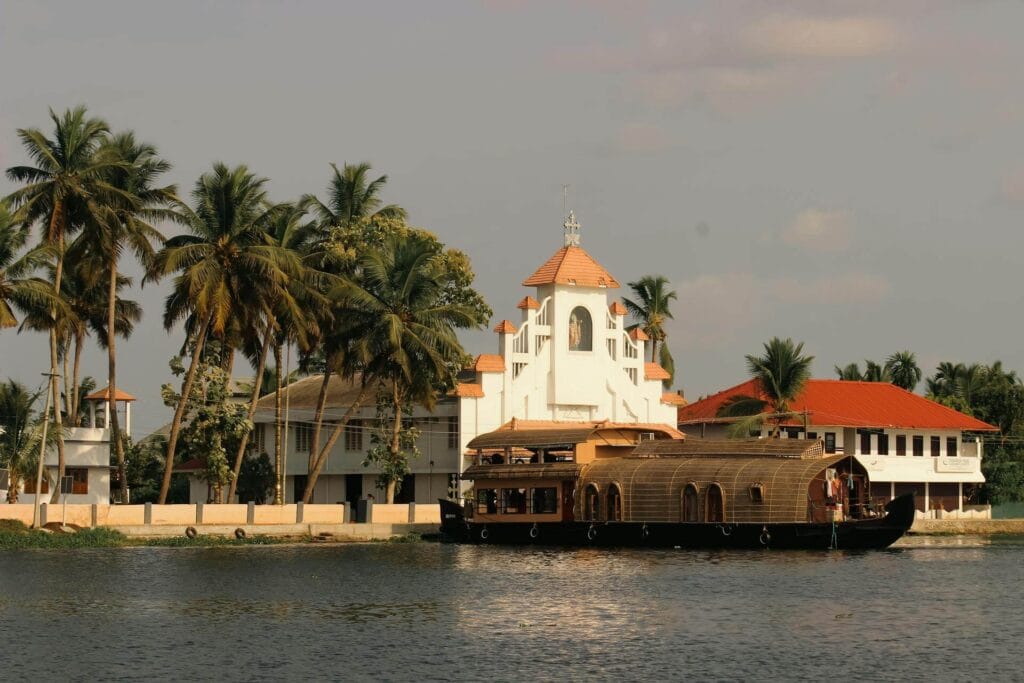
Safety experiences in India really do vary wildly from one region to another – let that sink in before you travel.
South India (Kerala, Tamil Nadu, Karnataka): Generally speaking all the guides say that this part of the country is pretty safe for women travellers , though of course you’re likely to want to dress a bit more modestly when you’re outside the cities – but the locals are usually pretty warm & welcoming.
Don’t miss out on the lovely backwaters in Kerala or the temples in Tamil Nadu, which are generally pretty safe.
North India (Delhi, Rajasthan, Uttar Pradesh): Sadly though there are a lot of women who have had some pretty scary experiences here – especially in Delhi. So yes, it does pay to be extra careful here.
Stick to the tourist areas, get your transportation from a trusted place, & try to steer clear of any places that are off the beaten track. And yet, despite all that, millions of women visit the Golden Triangle (Delhi-Agra-Jaipur) every year without a single problem.
Northeast India (Meghalaya, Sikkim, Assam): Most of the time this part of the country gets overlooked, but the thing is, it’s actually pretty safe & welcoming – the culture here is pretty unique from mainland India, it feels a bit more like Southeast Asia than India – a lot less staring, way more relaxed dress codes.
Goa: It’s a bit of a mixed bag in Goa – the tourists love it, yes, but you do have to be a bit on the lookout for harassment, especially during the peak season.
Just take normal precautions – stick to the well populated areas at night, and you’ll do fine.
Mumbai & Bangalore: These are the two cities where women have a lot more freedom, where western dress is pretty standard – generally speaking the cities are a lot safer than some of the smaller places, but of course you still need to take normal city precautions.
Conclusion: Travel India Safely and Confidently

Traveling in India as a woman calls for a bit of awareness , you know some prep and just using your head – but honestly it’s do able and bloody brilliant.
All sorts of women take on India alone every year and not only do they manage – they even have experiences that change their lives.
The women’s safety tips for traveling in India included in this guide – they come straight from people’s real life experiences and official advice.
Just stick to them, trust your gut , and dont let fear stop you from checking out this incredible country. Remember – just because you’re being prepared it dont mean your being paranoid.
99% of the time the people you’ll meet are just lovely and genuinely keen to help , fellow travelers become like second family , and the sheer beauty of the place, its variety and culture – it all makes the few bumps along the road well worth it.
For a well-rounded approach to planning your first trip to India, including additional safety and travel tips, check out our first time travel guide to India.
FAQs about Women Safety Tips for Traveling in India
Is India safe for solo female travelers?
India can be safe for solo women travelers if you stay alert, plan ahead, and use trusted transport apps. Stick to tourist-friendly areas, avoid isolated places at night, and follow basic safety tips.
What are the safest places in India for women travelers?
South India (Kerala, Tamil Nadu) and Northeast India (Meghalaya, Sikkim) are safer for women. Cities like Mumbai and Bangalore are also popular and generally safer for solo female travelers.
What should women wear in India for safety?
Dress modestly—cover shoulders and knees—and wear loose clothes. Carry a scarf or shawl for extra coverage in temples or conservative areas.
How can women stay safe on public transport in India?
Use women-only train compartments and taxis from trusted apps (Uber, Ola). Avoid accepting food or drinks from strangers, and share your location with someone.
Are Uber and Ola safe for women in India?
Yes, Uber and Ola are safer options with GPS tracking, driver details, and SOS features. Always verify car details before getting in.
What emergency numbers should female travelers save in India?
112 – National emergency
1091 – Women’s helpline
100 – Police
102 – Ambulance
Is it safe for women to travel alone at night in India?
Avoid walking alone at night, especially in isolated areas. Use ride-hailing apps like Uber or Ola for safer transport.
How should women deal with staring in India?
Staring is common but harmless. If uncomfortable, use phrases like “Dur raho” (stay away), and move to more crowded areas if needed.
What should women look for in safe accommodation in India?
Choose hotels with good reviews, secure locks, 24-hour reception, and CCTV. Stay in central locations near tourist spots.
What are the best safety tips for solo female travelers in India?
Dress modestly, avoid isolated areas at night, use trusted transport, keep valuables hidden, and always trust your instincts.
Images: Pexels
