


Planning a trip and wondering about the 7 day India trip cost? This guide explains how much money you’ll need for accommodation, food, transportation, and activities during a week in India.
Budgeting is one of the most common questions first-time visitors have before planning their trip. I’ve seen backpackers stretch $200 across an entire week, while others drop $1,000+ on the same timeframe.
Both had remarkable trips—they just traveled differently. Whether you’re traveling on a shoestring budget or looking for a more comfortable experience, you’ll find realistic estimates to help you plan.
I’ve traveled across several cities in India, including Delhi, Jaipur, and Udaipur, and one thing that surprised me was how flexible the budget can be.
On some days I spent less than ₹1,000 using local transport and street food, while other days included guided tours and nicer restaurants that cost significantly more.
Quick Answer: 7-Day India Trip Cost
The 7 day India trip cost depends mainly on your travel style. The table below shows a quick estimate of how much you might spend during a one-week trip.
Travel Style | Total Cost (7 Days) | Daily Budget |
Budget Traveler | ₹12,300 – ₹29,800 ($148 – $358) | ₹1,700 – ₹4,200 |
Mid-Range Traveler | ₹39,400 – ₹85,300 ($473 – $1,024) | ₹5,600 – ₹12,000 |
Luxury Traveler | ₹1,19,500 – ₹2,99,000+ ($1,434 – $3,588+) | ₹17,000+ |
The cost of a 7-day India trip depends largely on your travel style. Budget travelers can explore India very cheaply by staying in hostels, eating local food, and using public transportation.
Mid-range travelers usually spend more on comfortable hotels and guided tours, while luxury travelers prefer upscale resorts, private drivers, and premium experiences.
Understanding Your Travel Style
Before we dive into the numbers, it helps to identify which type of traveler you are. Your travel style will determine your budget more than anything else.
Budget Traveler: You’re comfortable staying in hostels or basic guesthouses, eating street food and local restaurants, using public transportation, and seeking out free or low-cost activities. You don’t mind roughing it a bit to save money.
Mid-Range Traveler: You want a balance between comfort and cost.
You prefer private rooms in decent hotels or homestays, eat at a mix of local and nicer restaurants, use a combination of public transport and occasional taxis, and don’t mind paying for worthwhile experiences.
Luxury Traveler: Comfort is your priority. You stay in upscale hotels or resorts, dine at quality restaurants, hire private drivers, and book guided tours and premium experiences without worrying too much about price.
7-Day India Trip Cost Breakdown
Let’s break down the major expense categories for a week-long trip to India. All prices are approximate and based on typical costs in popular tourist destinations like Delhi, Jaipur, Goa, Mumbai, and similar cities.
Accommodation Costs
Where you sleep will likely be your biggest expense or your biggest savings, depending on your choices.
Accommodation Type | Cost per Night | Weekly Cost (7 Days) |
Budget (Hostels / Guesthouses) | ₹500 – ₹1,500 | ₹3,500 – ₹10,500 |
Mid-Range (3★ Hotels / Homestays) | ₹2,000 – ₹4,500 | ₹14,000 – ₹31,500 |
Luxury (4★–5★ Hotels / Resorts) | ₹5,000 – ₹15,000+ | ₹35,000 – ₹105,000+ |
Accommodation usually makes up the largest portion of the 7 day India trip cost, especially for travelers choosing mid-range or luxury hotels.
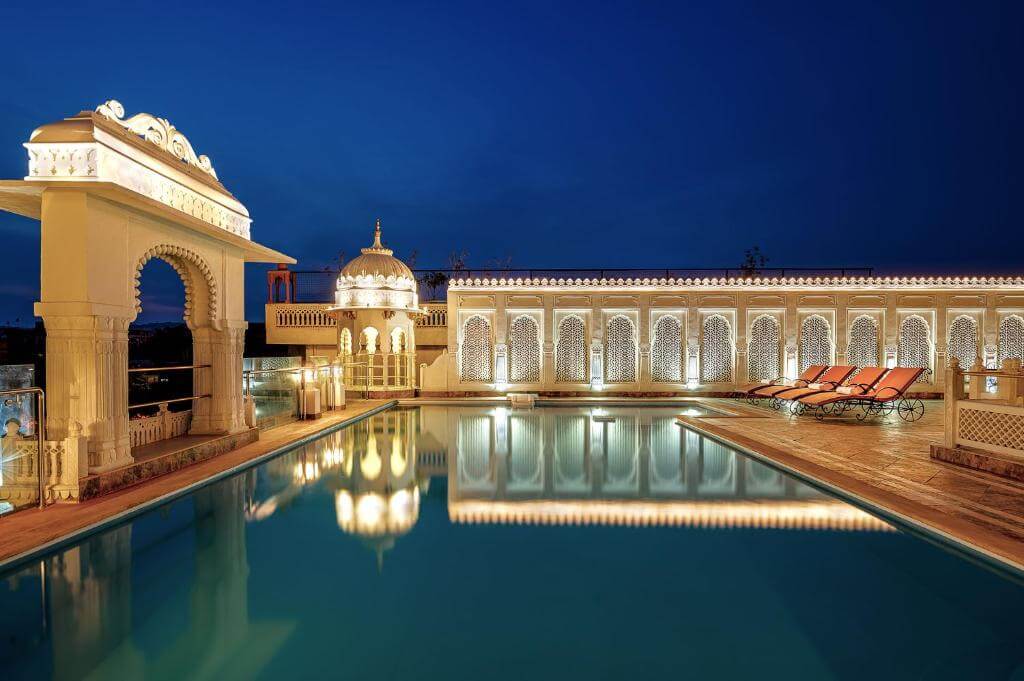
Luxury travelers can enjoy heritage hotels, beach resorts, and five-star properties across popular destinations like Delhi, Jaipur, Goa, and Mumbai.
Food Costs
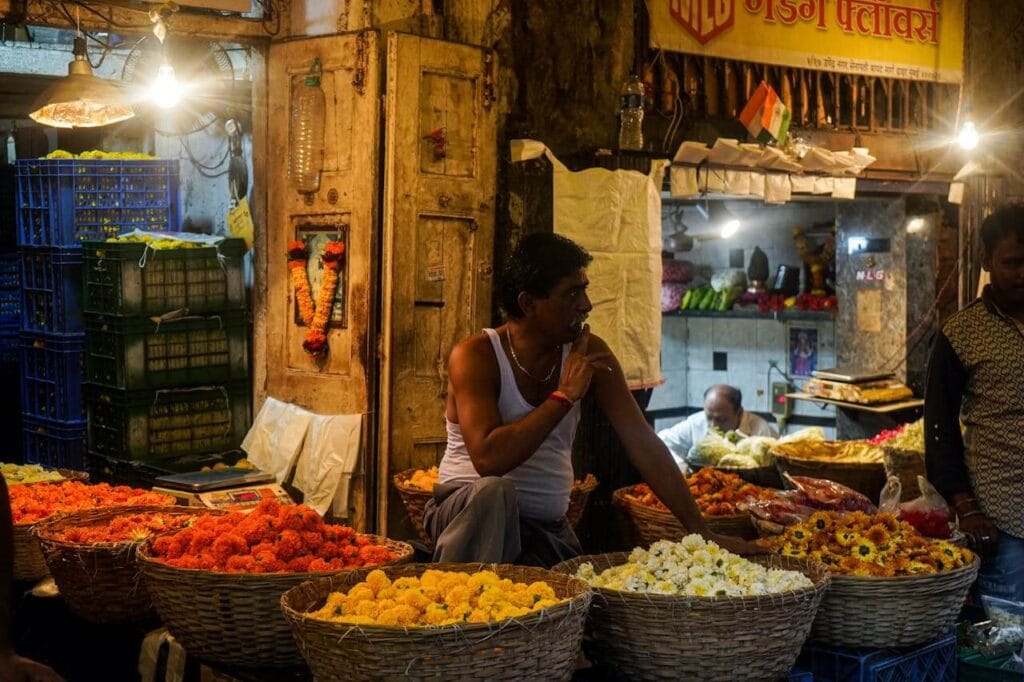
Food in India is very affordable, especially if you eat where locals eat. This is one area where you can save significant money without sacrificing quality.
Travel Style | Cost per Meal | Daily Cost | Weekly Cost |
Budget | ₹100 – ₹300 | ₹400 – ₹900 | ₹2,800 – ₹6,300 |
Mid-Range | ₹400 – ₹800 | ₹1,200 – ₹2,400 | ₹8,400 – ₹16,800 |
Luxury | ₹1,500+ | ₹4,500+ | ₹31,500+ |
Street food, local dhabas, and small restaurants offer delicious meals for just a few hundred rupees. Travelers who prefer cafés, rooftop restaurants, or hotel dining may spend more, but there are great options for every budget.
During a trip to Delhi, I regularly ate simple street meals near Connaught Place for around ₹120–₹150. One evening meal from a small local dhaba cost less than ₹200 but was easily one of the most memorable meals of the trip.
Transportation Costs
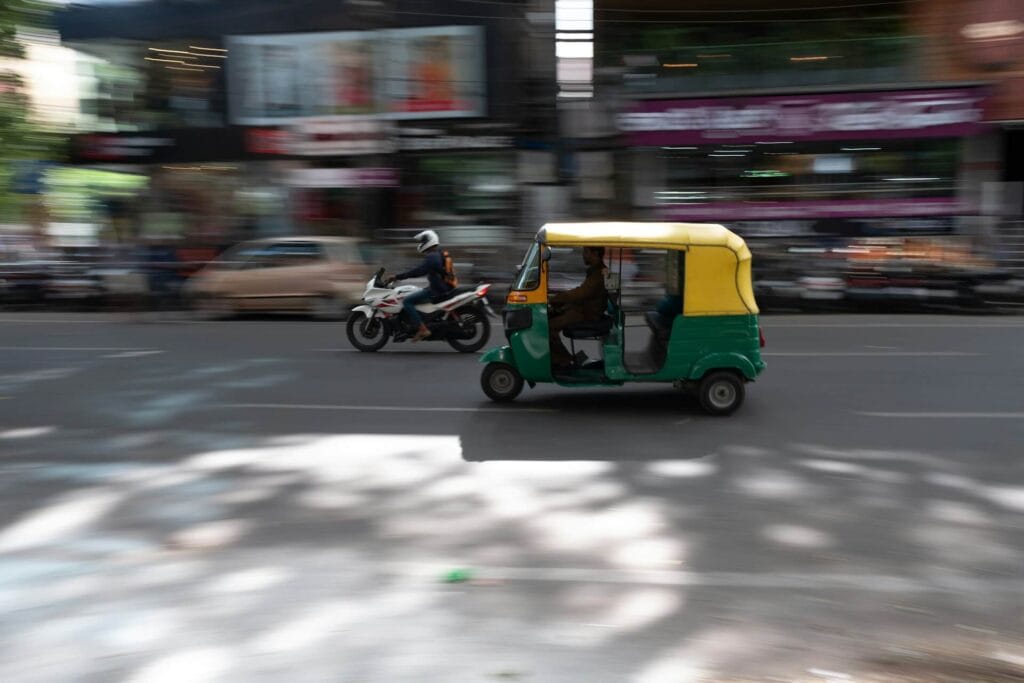
Getting around India varies widely in cost depending on your mode of transport and how much you’re willing to plan ahead.
Transport Type | Typical Cost |
Metro / Local Bus | ₹10 – ₹50 |
Auto Rickshaw | ₹30 – ₹150 |
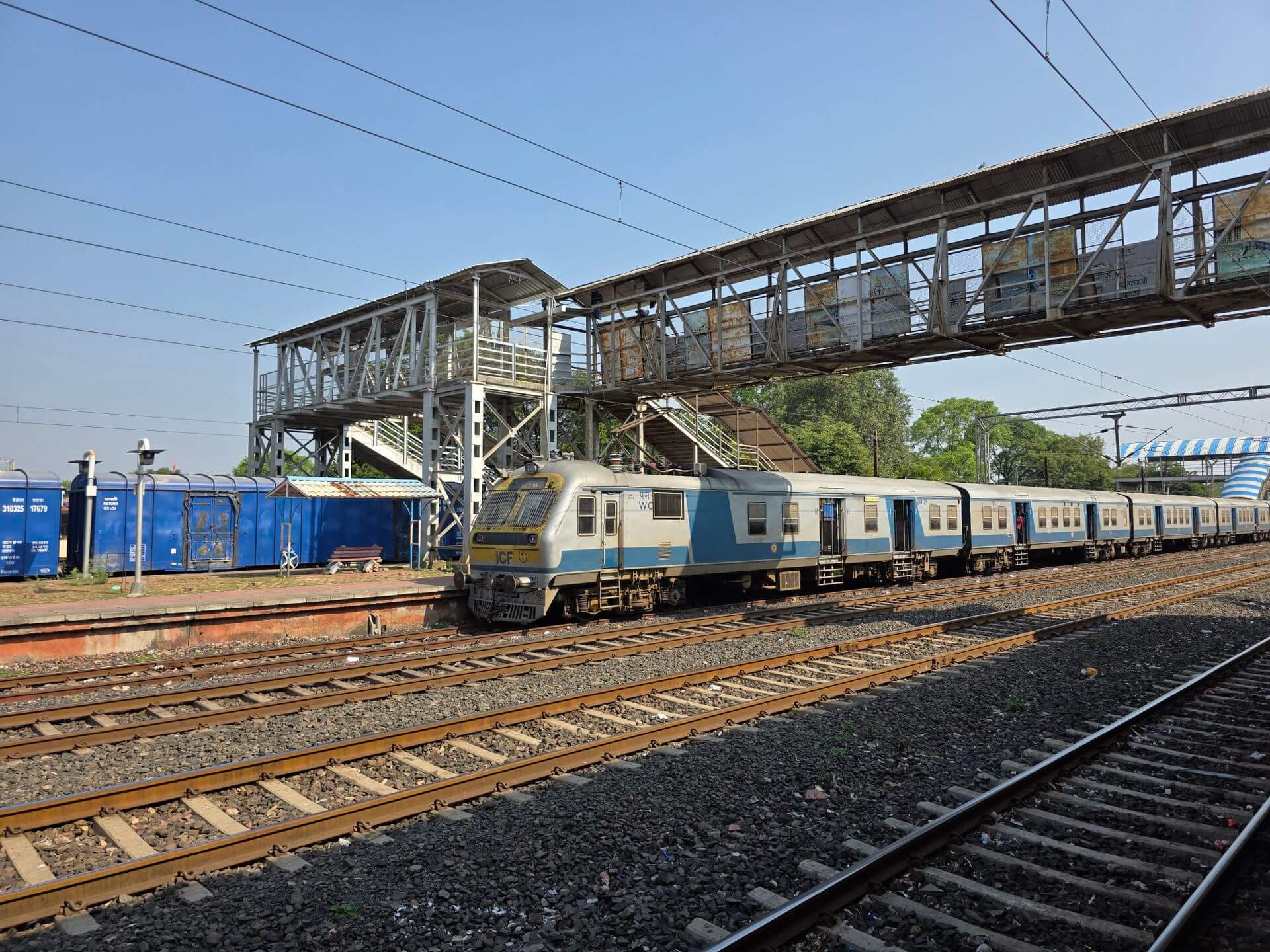
Sleeper Train | ₹300 – ₹1,200 |
AC Train | ₹800 – ₹2,000 |
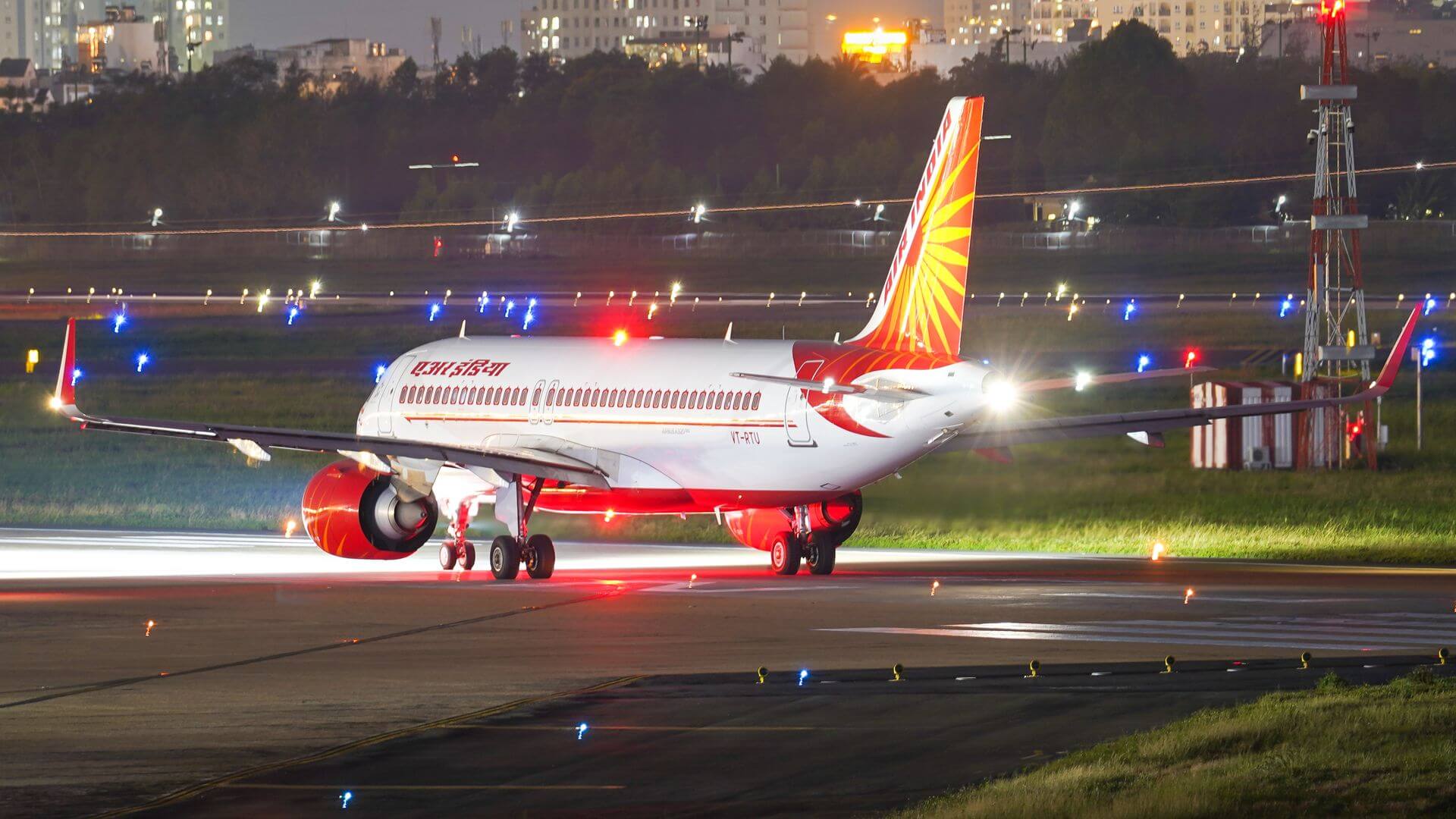
Domestic Flight | ₹2,500 – ₹5,000 |
Transportation in India is surprisingly affordable, especially if you use trains and public transport.
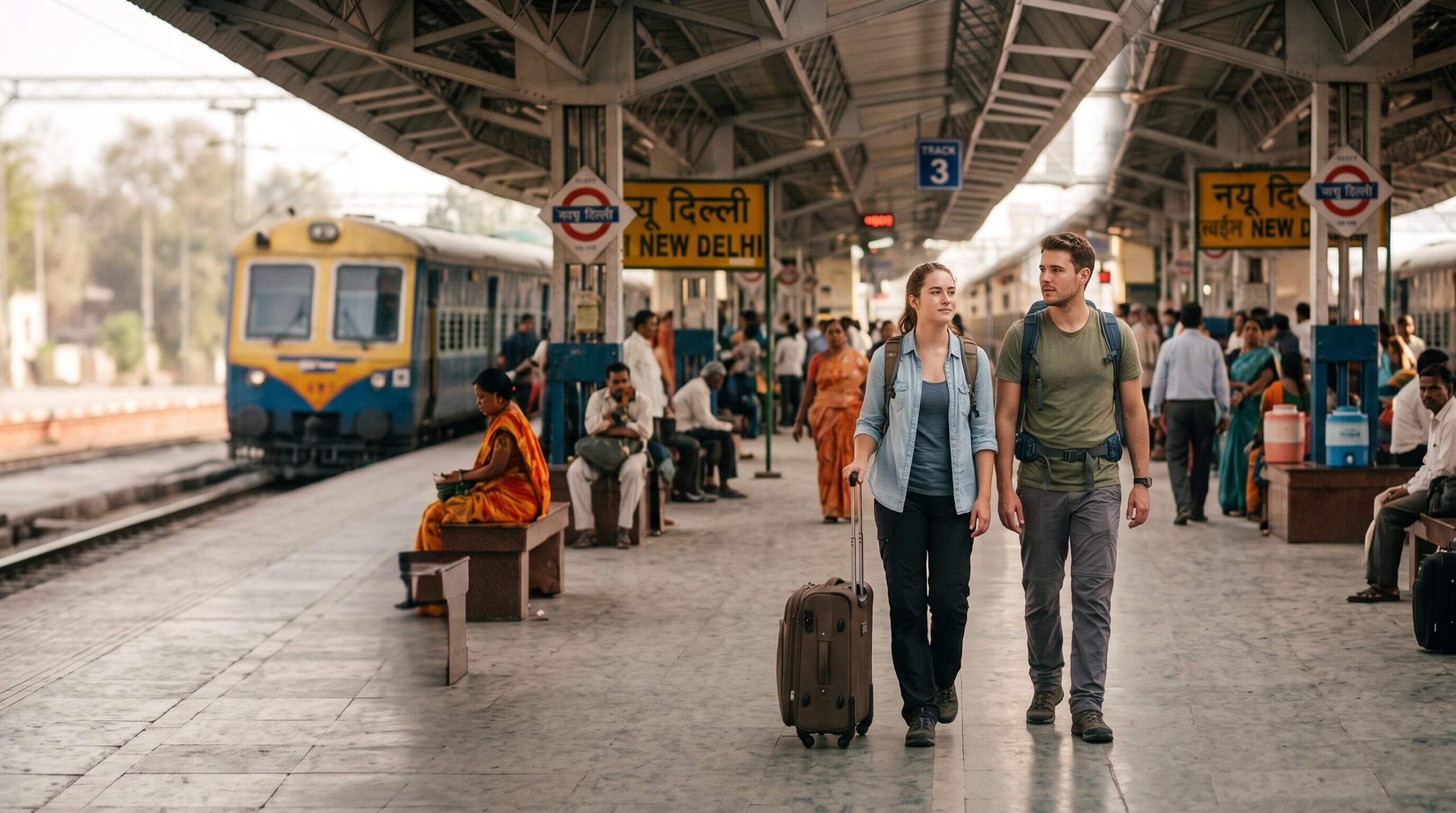
Cities like Delhi, Bangalore, and Mumbai have modern metro systems, while long-distance trains connect most major tourist destinations. Budget airlines also make it easy to travel between cities quickly.
On my first trip between Delhi and Jaipur, I booked a sleeper train through Indian Railways for about ₹500. The journey took around 5 hours and was one of the cheapest ways to travel between cities.
Activities and Sightseeing Costs
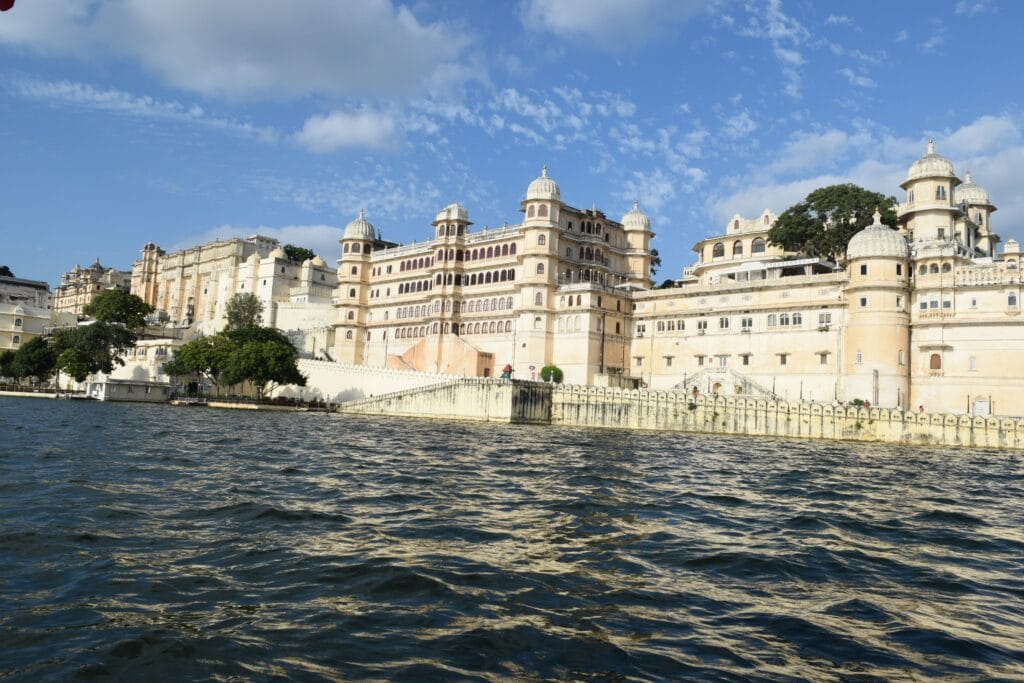
Popular attractions and tours can increase the 7 day India trip cost, particularly if you book guided experiences.
Activities in India can be extremely cheap or surprisingly expensive, depending on what you choose to do. There’s a huge range of free and paid experiences available.
Activity | Average Cost |
Monument Entry | ₹100 – ₹500 |
Museum Entry | ₹50 – ₹300 |
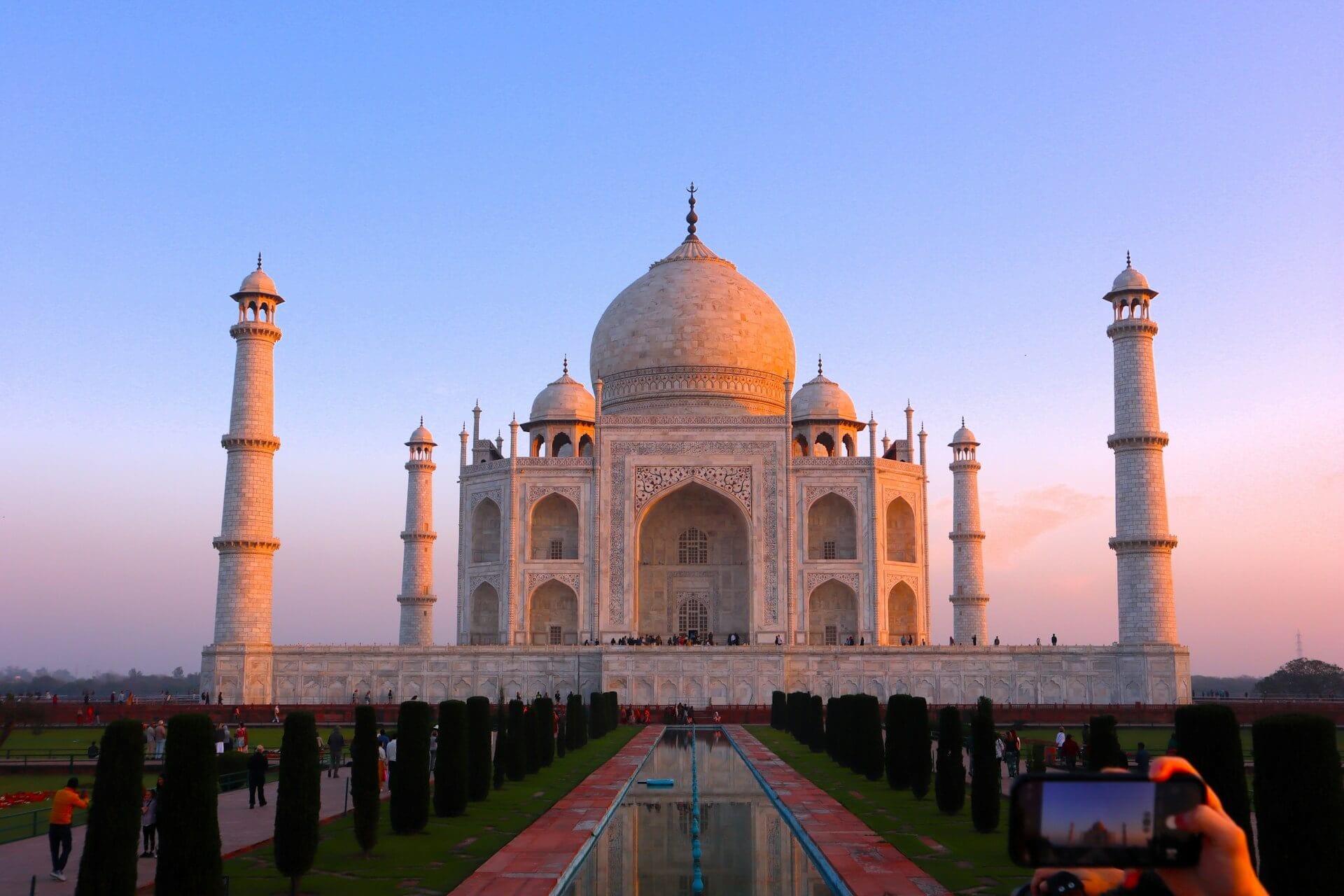
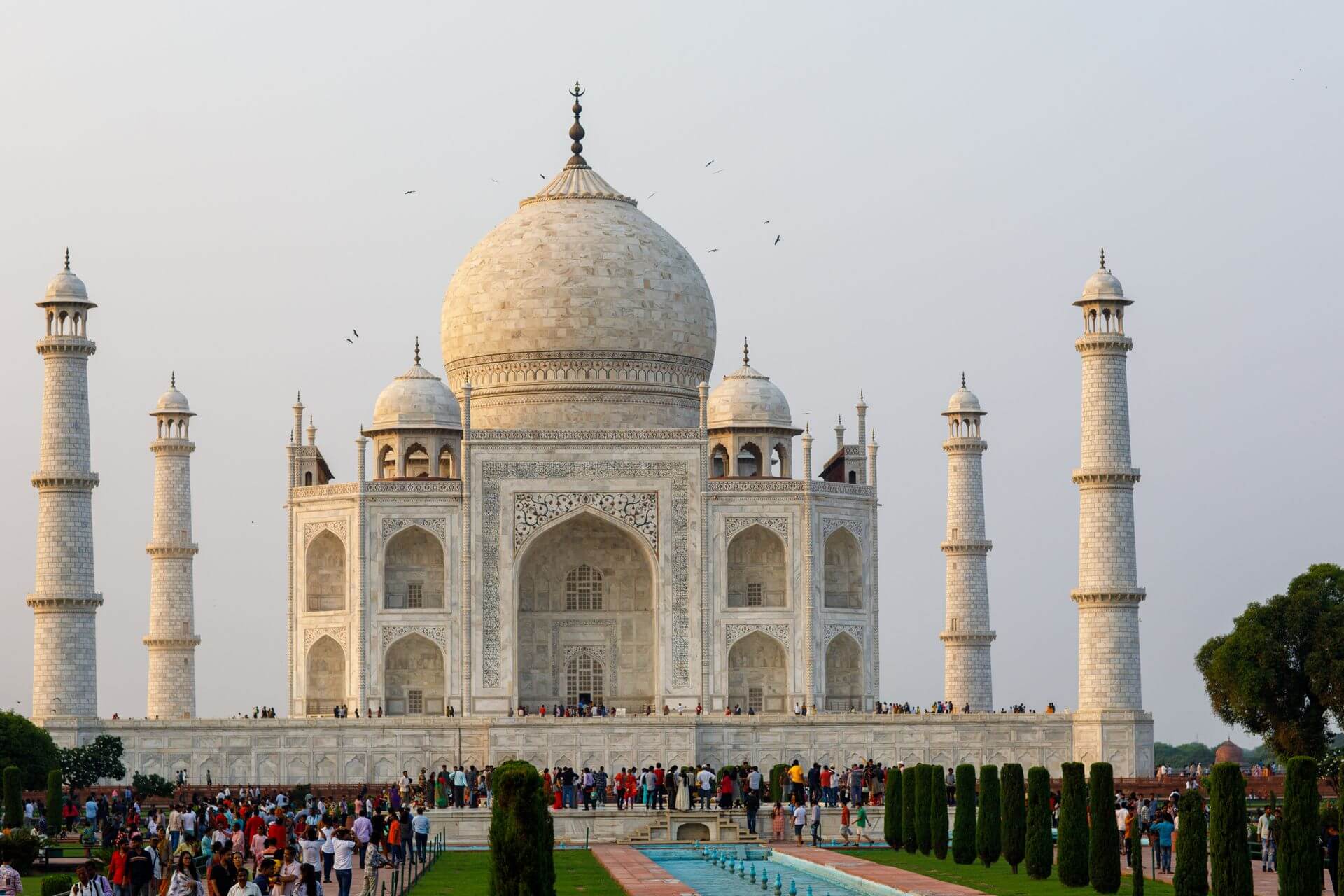
Taj Mahal Entry | ₹1,100 |
Guided Tour | ₹1,500 – ₹3,000 |
Cooking Class | ₹1,000 – ₹2,500 |
Hot Air Balloon Ride | ₹10,000 – ₹15,000 |
Sightseeing costs in India vary depending on the type of experience you choose. Many temples, markets, and beaches are completely free to visit, while famous monuments like the Taj Mahal have higher entry fees.
Guided tours, cultural experiences, and adventure activities can add to your budget but often make the trip more memorable.
Visiting the Taj Mahal was one of the highlights of the trip. Arriving early in the morning helped avoid the biggest crowds and made the experience much more enjoyable.
Miscellaneous Expenses
Expense | Typical Cost |
Local SIM Card | ₹300 – ₹500 |
Bottled Water | ₹20 – ₹100 per day |
Souvenirs | ₹1,000 – ₹5,000 |
Tips | ₹500 – ₹2,000 |
Emergency Buffer | ₹1,000 – ₹3,000 |
Small daily expenses can add up during a week-long trip in India. Things like bottled water, tips, local SIM cards, and souvenirs are easy to forget when planning a travel budget.
Setting aside a small miscellaneous fund helps cover these costs without affecting the rest of your trip.
Total Budget for a 7-Day India Trip
Now let’s add it all up. Here’s what you can expect to spend on a week-long trip to India based on your travel style:
Category | Budget | Mid-Range | Luxury |
Accommodation | ₹3,500–₹10,500 | ₹14,000–₹31,500 | ₹35,000–₹105,000+ |
Food | ₹2,800–₹6,300 | ₹8,400–₹16,800 | ₹31,500–₹84,000+ |
Transportation | ₹2,000–₹5,000 | ₹7,000–₹15,000 | ₹25,000–₹50,000+ |
Activities | ₹1,000–₹3,000 | ₹5,000–₹12,000 | ₹20,000–₹50,000+ |
Miscellaneous | ₹3,000–₹5,000 | ₹5,000–₹10,000 | ₹8,000–₹10,000 |
Total | ₹12k–₹30k | ₹39k–₹85k | ₹1.2L+ |
Budget travelers can explore multiple cities for a surprisingly low cost, while mid-range travelers enjoy comfortable hotels and guided experiences.
Luxury travelers often spend more on premium hotels, private drivers, and exclusive activities.
Tips to Save Money on Your India Trip
Want to stretch your budget further? Here are some practical ways to save money without missing out on great experiences.
Book Accommodation in Advance
Booking your stays a week or two ahead can save 20–30% compared to walk-in rates, especially during peak season. Compare prices on booking platforms and check hotel websites for direct discounts.
Eat Where the Locals Eat
Eating at local eateries and street stalls is the easiest way to save money. A meal at a tourist restaurant can cost ₹100-₹200, compared to ₹400-₹600.
Use Public Transportation
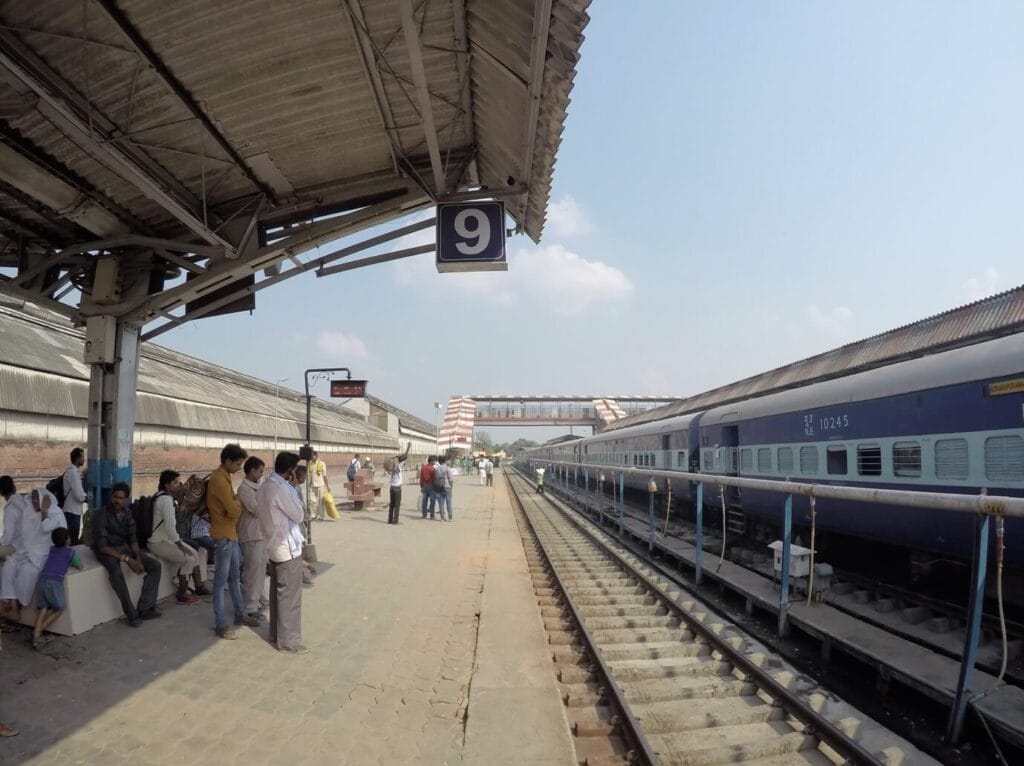
The train, bus, and metro systems in India are very cheap. Overnight trains can also replace hotel stays, helping you save on accommodation costs.
Travel During Off-Season
Visit India during the seasons, such as March-April or September-October. Hotels are cheaper, crowds are smaller, and activities are often cheaper.
Avoid major holidays like Diwali, Christmas, and New Year’s, as prices tend to rise during these times.
Negotiate Respectfully
Bargaining is common in markets and with auto-rickshaw drivers. Start around 50–60% of the initial price and meet somewhere in the middle. For auto-rickshaws, always agree on the fare before getting in.
Take Advantage of Free Attractions
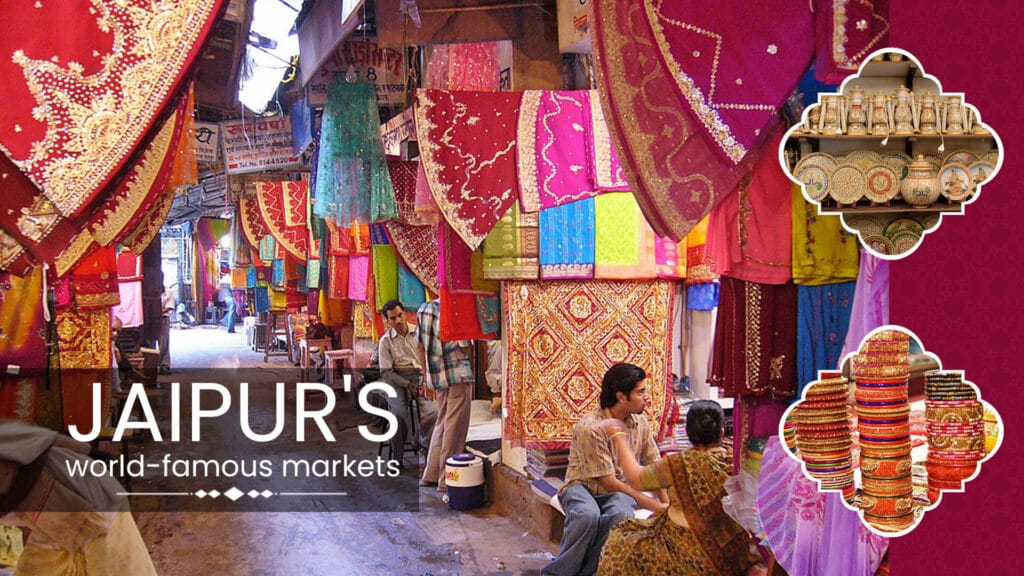
Many of India’s best experiences are free. Temples, markets, beaches, and parks have no entry fees. Visiting areas like Old Delhi or Fort Kochi is free and offers a wonderful cultural experience.
Carry a Reusable Water Bottle
Buy one large bottle of water and refill it from filtered water sources at hotels or restaurants. This saves money and reduces plastic waste. Many accommodations have filtered water available for guests.
Common Budget Mistakes to Avoid
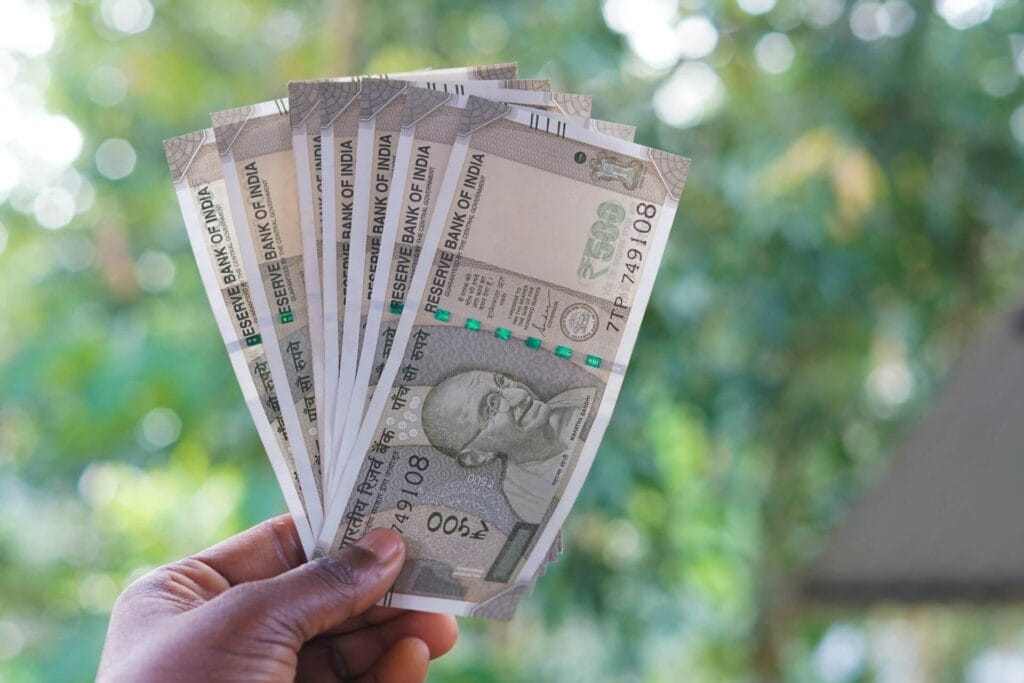
Here are a few money mistakes I’ve seen travelers make (and made myself) that can blow your budget:
Not Carrying Enough Cash
Although many places accept cards, street vendors and small shops often require cash. ATMs are readily available, but always carry cash for a few days’ worth of expenses.
Paying Tourist Prices
Tourists sometimes pay 3–4× the local price for taxis or rickshaws. Always confirm the fare before starting the ride.
Booking Last-Minute During Peak Season
Going to Goa during Christmas week without a reservation? Even if you find one, you’ll likely pay three times the normal rate. Plan ahead during popular travel times.
Over-Relying on Taxis
Using taxis everywhere can quickly increase your travel budget. Public transport like metros and buses are far cheaper.
Skipping Travel Insurance
Travel insurance may seem unnecessary, but even a small medical issue can become expensive without coverage. A week of coverage costs around $20-$30 and can save you thousands.
Sample 7-Day Budget Breakdowns
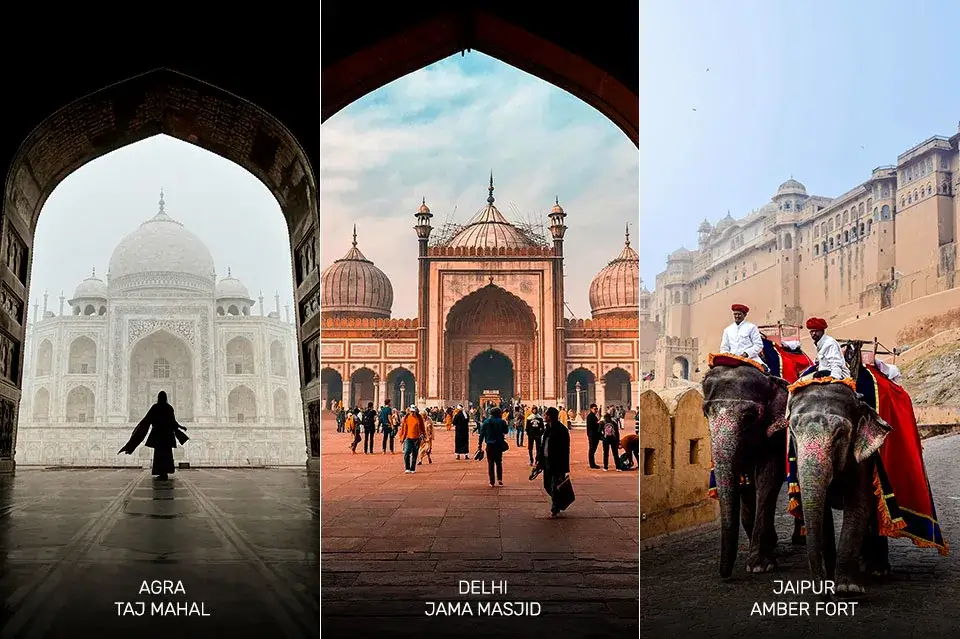
To make this even more concrete, here are two sample 7-day itineraries with daily budget breakdowns.
Budget Backpacker: Golden Triangle Route
Expense | Estimated Cost |
Accommodation | ₹4,200 |
Food | ₹3,500 |
Transportation | ₹2,500 |
Activities | ₹2,000 |
Miscellaneous | ₹1,800 |
Total | ₹14,000 |
Route: Delhi (2 days) → Agra (2 days) → Jaipur (3 days)
You’ll stay in hostel dorms for ₹500-800 per night, eat street food and local restaurant meals for ₹400-600 daily, and use overnight trains between cities with metros and buses for local transport.
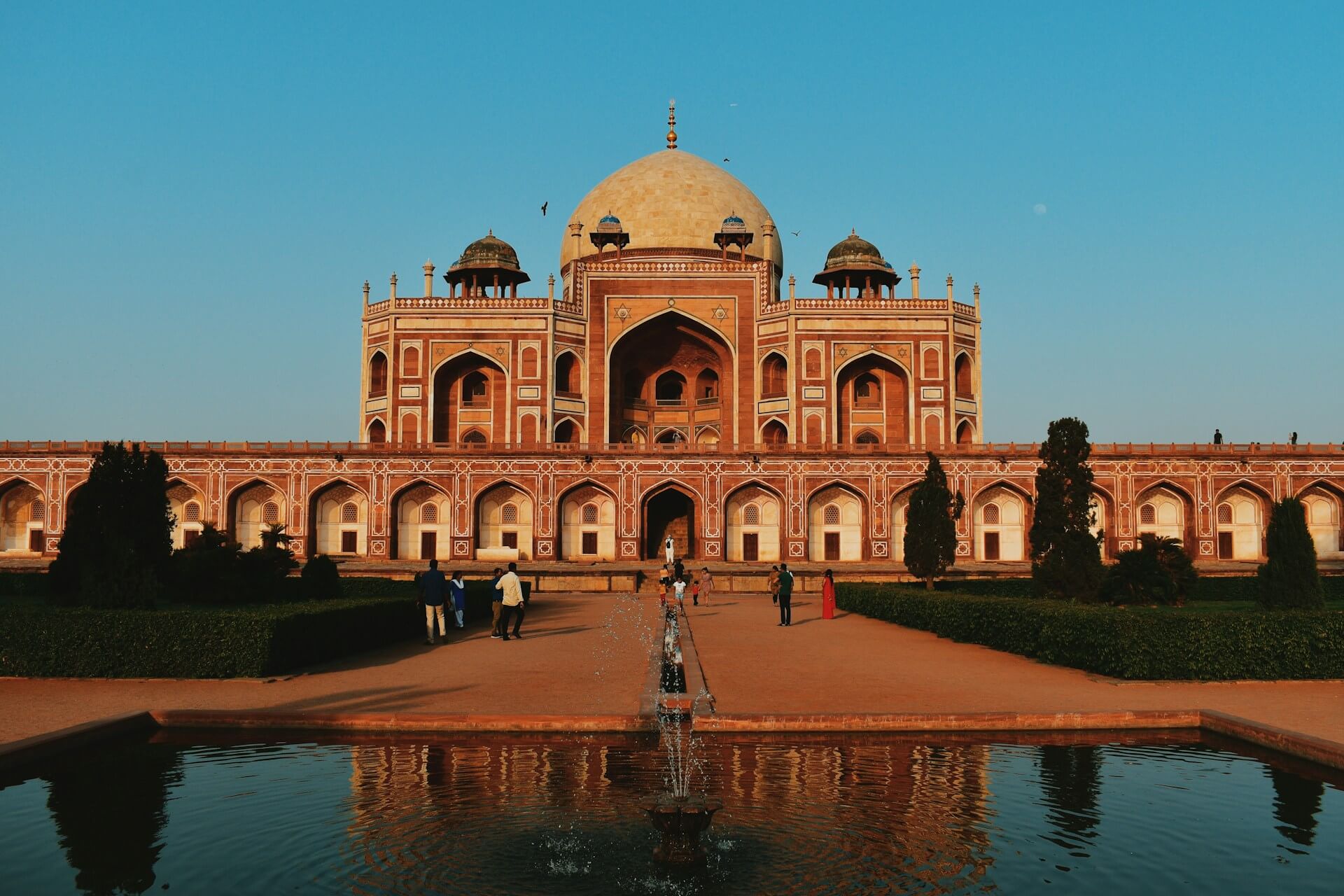
Your activities include the Taj Mahal, Amber Fort, Red Fort, free walking tours, and market exploration.
Mid-Range Traveler: Rajasthan Explorer
Expense | Estimated Cost |
Accommodation | ₹18,000 |
Food | ₹10,000 |
Transportation | ₹8,000 |
Activities | ₹6,000 |
Miscellaneous | ₹3,000 |
Total | ₹45,000 |
Route: Jaipur (2 days) → Udaipur (2 days) → Jodhpur (3 days)
You’ll stay in 3-star hotels or boutique guesthouses for ₹2,500-4,000 per night, enjoy a mix of local restaurants and nicer dining for ₹1,200-2,000 daily, and use AC trains with some flights and occasional private cars for day trips.
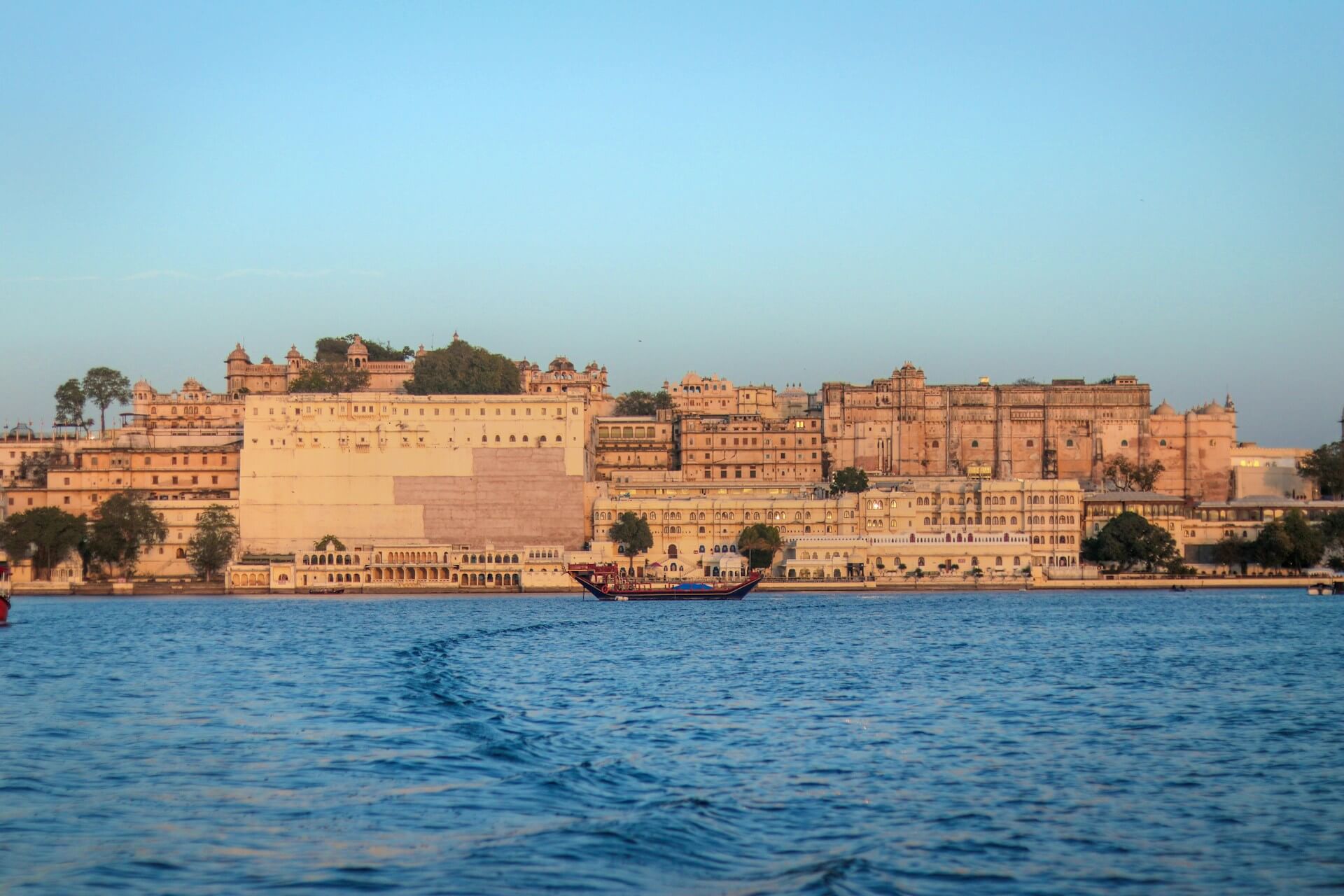
Activities include palace tours, cooking classes, guided city walks, and boat rides. One thing I noticed while traveling around India is that daily costs can vary a lot depending on the city and travel style.
Busy tourist destinations like Goa or Mumbai tend to be more expensive, while smaller cities and towns are often much cheaper.
Planning Your 7-Day India Trip
In the end, the 7 day India trip cost can range from a budget backpacking adventure to a luxury experience, depending on how you travel.
So, how much money do you need for a 7-day India trip cost? The honest answer is it depends on how you want to travel.
You could do it for under $200 as a budget backpacker, spend $500-1,000 for a comfortable mid-range experience, or go all out with $1,500+ for luxury travel.
The beauty of India is that it works for almost every budget. Whether you’re a student stretching every rupee or a traveler looking for comfort and style, you can still have an unforgettable trip.
The key is to be realistic about your travel style and plan your budget around it. Decide which category fits you best, estimate your daily costs, and add a 15–20% buffer for unexpected expenses.
India often surprises travelers—sometimes with amazing bargains and sometimes with unexpected costs. Keeping a little flexibility in your budget makes the trip much easier.
Now it’s time to start planning your 7-day India adventure. Once you understand the possible costs, you can travel with confidence and enjoy the experience without worrying about money.
No matter what you spend, the memories, culture, and experiences you gain in India will stay with you long after the trip ends.
I write travel guides based on research and personal travel observations across popular destinations in India including Delhi, Jaipur, and Udaipur.
My goal is to provide practical budgeting tips to help travelers plan affordable trips.
FAQs About the Cost of a 7-Day India Trip
How much money do you need for a 7-day India trip?
Budget travelers spend $200–$400, mid-range $500–$1,000, and luxury $1,500+. Costs depend on hotels, transport, and activities.
What is the average daily travel cost in India?
Most travelers spend $30–$150 per day. Budget travelers spend $25–$40, mid-range $70–$120, including accommodation, food, and transport.
Is $500 enough for a week in India?
Yes! $500 can cover a comfortable 7-day trip with budget hotels, local food, and public transport.
Is India cheap for tourists?
Yes, food, transport, and attractions are very affordable compared to many countries.
What are the biggest expenses during a 7-day India trip?
Hotels, intercity transport, and entrance fees usually take the largest part of your budget.
How much should I budget for food in India per day?
Budget travelers spend $5–$10/day, mid-range $15–$25/day. Eating at local restaurants or street stalls is cheaper.
What is the cheapest way to travel around India?
Trains and long-distance buses are the most affordable ways to get around.
Do tourists need to carry cash in India?
Yes, carry some rupees. Small shops, street vendors, and local transport often prefer cash.
When is the cheapest time to travel to India?
Off-season months, March–April and September–October, have lower prices and fewer crowds.
How can I reduce my 7-day India trip budget?
Stay in guesthouses, eat local food, use public transport, and book early.
What is the average 7 day India trip cost?
₹12,000–₹85,000 depending on hotels, food, transport, and sightseeing choices.
Images: Unsplash
