



Landing in India for the first time can make something as simple as withdrawing cash from an ATM feel confusing.
Will your foreign debit or credit card work? Which ATMs are safe to use? And how high are ATM fees in India for foreign tourists?
If you’re searching for how to use ATM in India for foreign tourists, you’re not alone. Most travelers also want to know how to avoid ATM fees in India and whether they might get charged hidden conversion fees or blocked cards.
Foreign travelers often face issues like foreign transaction fees, currency conversion charges, ATM withdrawal limits in India, and ATM skimming risks if they use unsafe machines.
The good news is that most Visa and Mastercard cards work at major Indian bank ATMs.
But the real challenge isn’t access – it’s avoiding unnecessary charges like Dynamic Currency Conversion (DCC), foreign transaction fees, and multiple withdrawal fees.
This guide explains exactly how to use ATMs in India safely, which banks to trust, how ATM fees in India work for foreigners, and how to avoid ATM fees when traveling in India.
Quick Answer
Most foreign debit and credit cards work at major Indian ATMs. To reduce fees, use bank-operated ATMs, withdraw larger amounts, and always decline Dynamic Currency Conversion (DCC).
If this is your first time visiting India, my First-Time Travel Guide to India covers everything from airports and SIM cards to transport, money, and common mistakes.
Important ATM Terms in India (For Foreign Travelers)
Before using ATMs in India, understand these important banking terms:
- Foreign transaction fee (charged by your home bank for international withdrawals)
- Currency conversion fee (extra cost when converting INR to your home currency)
- Dynamic Currency Conversion (DCC) (ATM conversion option — usually more expensive)
- International debit card ATM India usage (Visa and Mastercard cards accepted at most ATMs)
- ATM withdrawal limit in India for tourists (varies by bank and card type)
- Bank ATM charges in India (₹20–₹250 per transaction depending on ATM)
- ATM skimming in India safety tips (fraud protection at unsafe or fake machines)
Understanding these terms will help you avoid hidden charges and use ATMs in India more safely.
ATM Fees in India for Foreign Tourists Explained
Foreign tourists using ATMs in India often face multiple charges including foreign transaction fees, currency conversion fees, and ATM operator fees.
Most international debit cards and credit cards also apply additional charges depending on your home bank policies.
Understanding these ATM fees in India for foreign tourists helps you reduce unnecessary withdrawal costs and choose better ATM locations.
How to Avoid ATM Fees in India
Fee Type | Who Charges It | Typical Amount |
ATM Operator Fee (India) | Indian bank running the ATM | ₹20–₹250 per transaction |
Foreign Transaction Fee | Your home bank | 1%–3% of withdrawal amount |
Currency Conversion Fee | Your home bank | 1%–3% (sometimes bundled) |
Dynamic Currency Conversion (DCC) | ATM operator (optional, avoidable) | 3%–7% above market rate |
Card Replacement Fee (if blocked) | Your home bank | Varies - can be costly abroad |
The real cost of one ATM withdrawal: On a ₹10,000 withdrawal (~$120 USD), a traveler using a standard bank card might pay ₹200 in local fees plus 3% in home bank fees — roughly ₹500 total. Doesn’t sound huge, but it adds up fast if you withdraw ₹3,000 at a time five times a week.
Can Foreign Tourists Use ATMs in India?
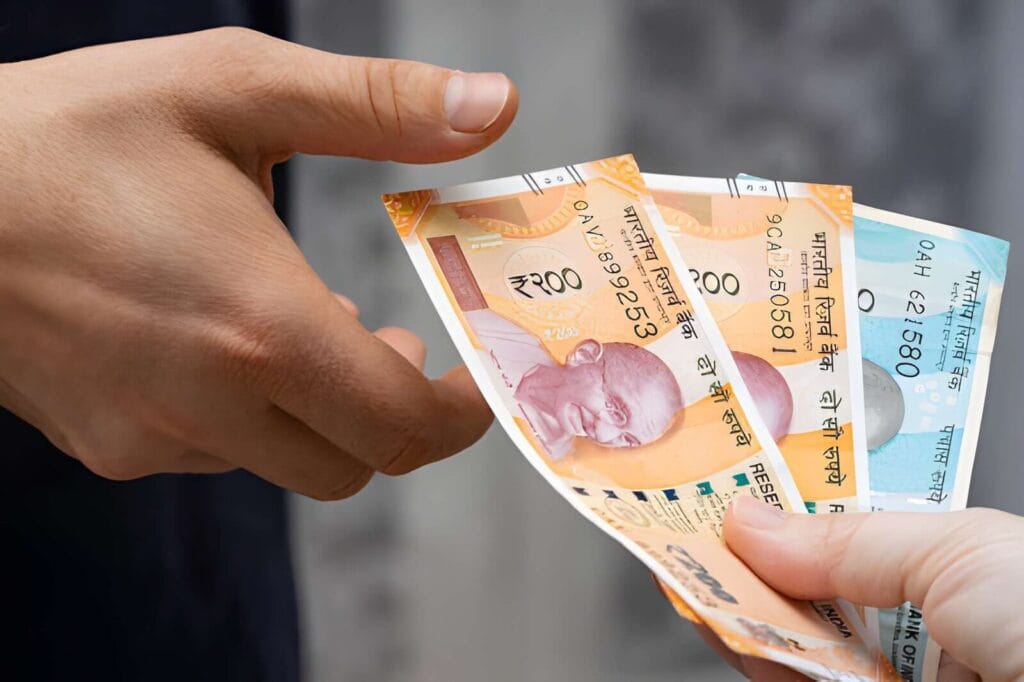
Yes. Foreign debit and credit cards work at most ATMs in India that display Visa, Mastercard, Cirrus, or Maestro logos. Both Visa and Mastercard networks are widely accepted.
American Express cards have more limited ATM access. Inform your home bank about your travel dates before departure to prevent your card from being automatically blocked for suspicious foreign activity.
A few practical realities:
Cards that work well: Visa and Mastercard debit/credit cards — including cards from US, UK, EU, Australian, and most Asian banks — work reliably at major Indian bank ATMs.
Cards with limited access: American Express has a smaller ATM network in India. Discover cards are hit-or-miss. If either is your primary card, carry a Visa or Mastercard as backup.
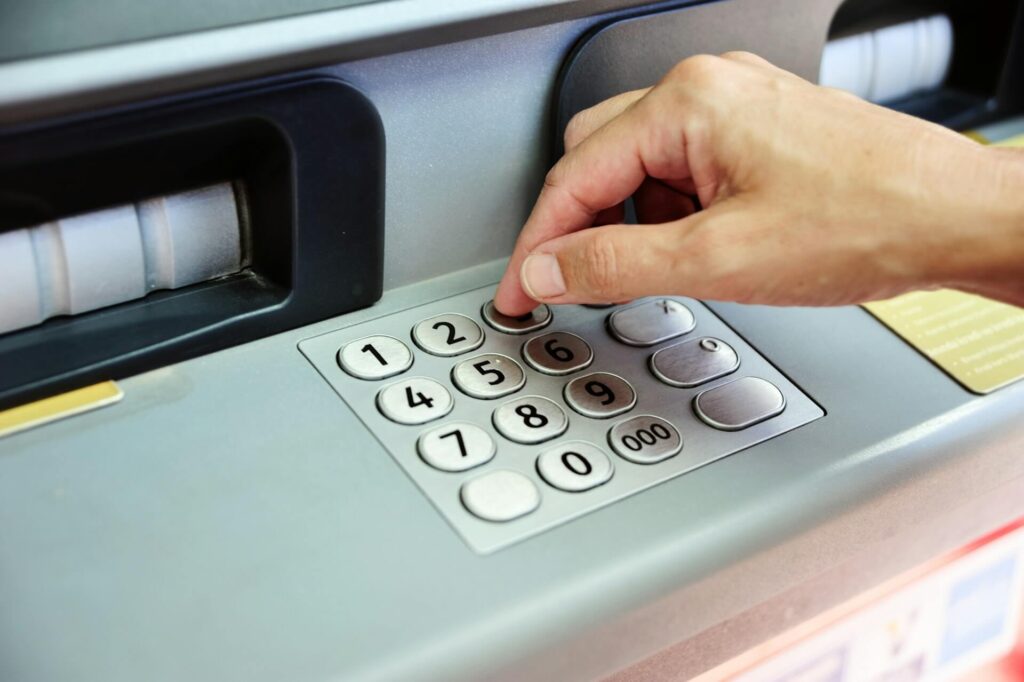
PIN requirement: India’s ATMs require a 4-digit PIN. If your card uses a 6-digit PIN, contact your bank before traveling — some machines won’t accept longer PINs without reconfiguration.
Inform your bank before traveling. This is not optional advice. Banks flag foreign withdrawals as potentially fraudulent and block cards automatically. One phone call before your trip saves you from standing at an ATM in Delhi at midnight with a blocked card.
ATM Fees for Foreign Tourists (Bank Charges Explained)
Two separate sets of fees hit you on every withdrawal. Most travelers only know about one of them.
Set 1 — Fees charged by the Indian ATM operator: Indian banks are permitted to charge foreign cardholders a per-transaction fee. This ranges from ₹20 at some public sector banks to ₹250 at some private and independent ATM operators. The fee is displayed on screen before you confirm — read it.
Set 2 — Fees charged by your home bank: Your own bank almost certainly charges:
- A foreign transaction fee (typically 1%–3% of the amount withdrawn)
- A flat international ATM withdrawal fee ($2–$5 USD equivalent is common)
- Possibly a currency conversion margin on top
These fees don’t appear on the Indian ATM screen. They show up on your home bank statement.
What this means in practice: A traveler withdrawing ₹5,000 (~$60) at a private ATM might pay ₹200 in local fees plus $3–4 from their home bank. That’s roughly 7–10% in fees on a small withdrawal. Withdraw larger amounts less often to keep the percentage low.
Some travel-specific bank accounts (Wise, Revolut, Charles Schwab in the US, Starling in the UK) significantly reduce or eliminate these fees. Worth setting one up before traveling.
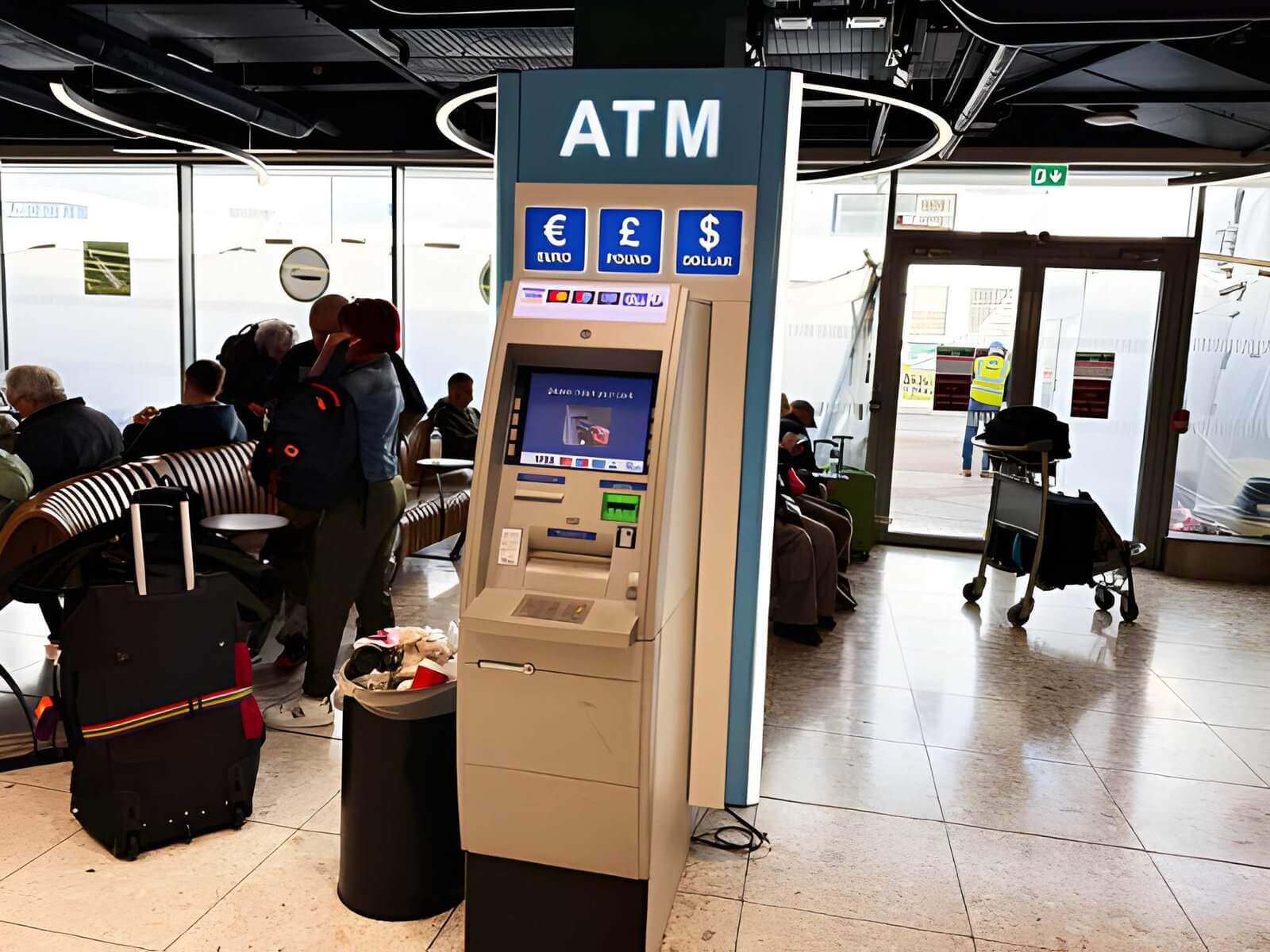
Using Airport ATMs in India: What Tourists Should Know
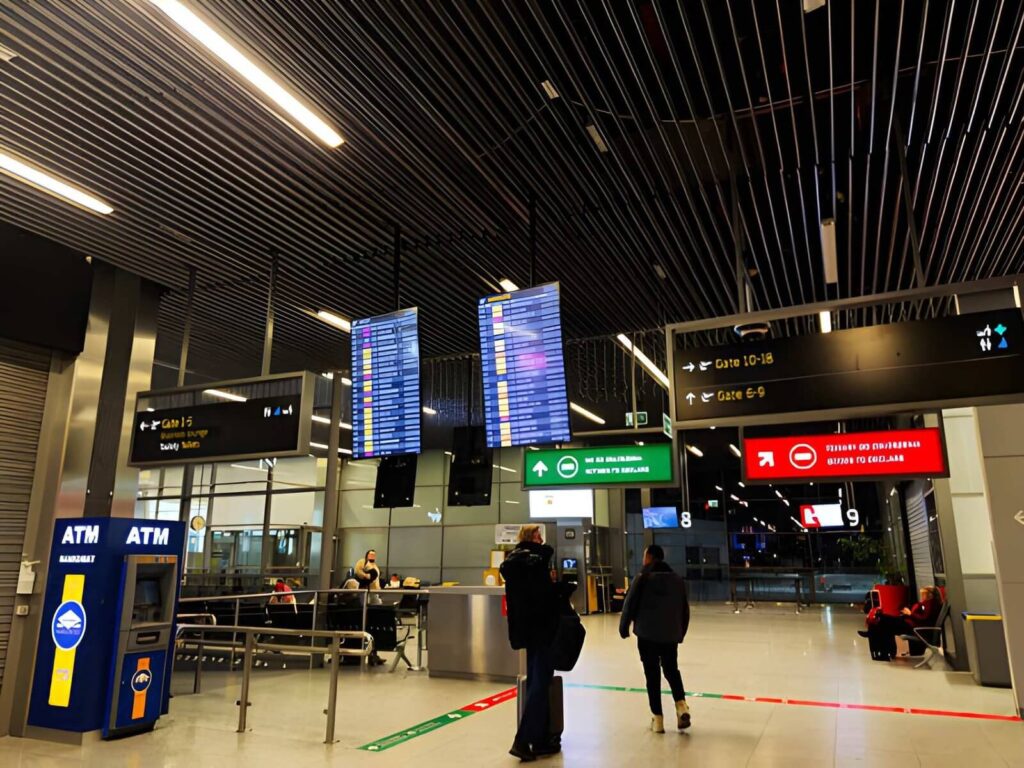
Airport ATMs are convenient — sometimes too convenient.
What works in your favor at airport ATMs:
- They’re available immediately on arrival
- Major bank ATMs (SBI, HDFC, ICICI) at major airports are reliable and secure
- The machines are maintained and rarely out of service
What doesn’t:
- Airport ATM operator fees are often on the higher end
- The airport environment — new country, fatigue, unfamiliar currency — is exactly where DCC traps catch travelers off-guard
- Long queues at international terminals, especially during peak arrival hours
The smart airport ATM move: Withdraw just enough for immediate needs. ₹3,000–₹5,000 covers a taxi, a meal, and a SIM card for most cities. Then do your main withdrawal at a bank ATM in the city, where fees may be lower and you’re less rushed.
Do not exchange currency at the airport counter. The rates are poor. ATM withdrawals — even with fees — typically give you a better effective exchange rate than airport money changers.
Best Bank ATMs in India for International Debit Cards (Visa & Mastercard)
Not all ATMs in India are equal for foreign cardholders. Here’s the practical breakdown:
Most reliable for foreign cards:
- SBI (State Bank of India) — Widest network, good acceptance rate for foreign cards, relatively lower operator fees
- HDFC Bank — Reliable, widely available in cities and towns
- ICICI Bank — Good acceptance, common in urban areas
- Axis Bank — Solid performance with foreign cards
- Citibank (where still present) — Historically very foreign-card friendly
More caution warranted:
- White-label / standalone ATMs (small machines not branded to a major bank) — Higher fees, less reliable, and more associated with skimming incidents
- ATMs inside small shops or petrol stations in remote areas — Limited cash availability, less reliable connectivity
Rule of thumb: Use ATMs attached to or inside bank branches during banking hours when possible. Staff are nearby, the machine is likely monitored, and if something goes wrong you have immediate recourse.
Visa and Mastercard ATM Acceptance in India
Visa and Mastercard ATM acceptance in India is very high, especially at major banks such as SBI, HDFC, ICICI, and Axis Bank. Most international debit cards work without issues at these ATMs, making cash withdrawals easy for foreign tourists.
ATM Withdrawal Limits in India for Tourists (Daily Limits & Rules)
Two limits apply simultaneously — and the lower one wins.
- The Indian ATM’s per-transaction limit: Most Indian ATMs allow between ₹10,000 and ₹20,000 per transaction. Some machines at major bank branches allow up to ₹40,000 per transaction for certain cards.
- Your home bank’s daily international withdrawal limit: Your home bank sets a daily cap on how much you can withdraw abroad. This varies widely — some banks cap it at $200–$300 USD equivalent per day.
- Log into your banking app or call your bank to check your limit before traveling. Many banks let you temporarily raise it.
- Practical implication: If your home bank limits you to $300/day and you need ₹30,000 for a longer journey, plan ahead. You may need to split it across two days or adjust your limit in advance.
ATM Skimming and Safety Tips in India
ATM skimming in India is a risk when using standalone or poorly maintained machines. To stay safe, always use bank-operated ATMs, avoid isolated machines, and cover your PIN when entering it.
These ATM safety tips are especially important for foreign tourists using international debit cards in India.
Dynamic Currency Conversion (DCC) in India ATMs Explained
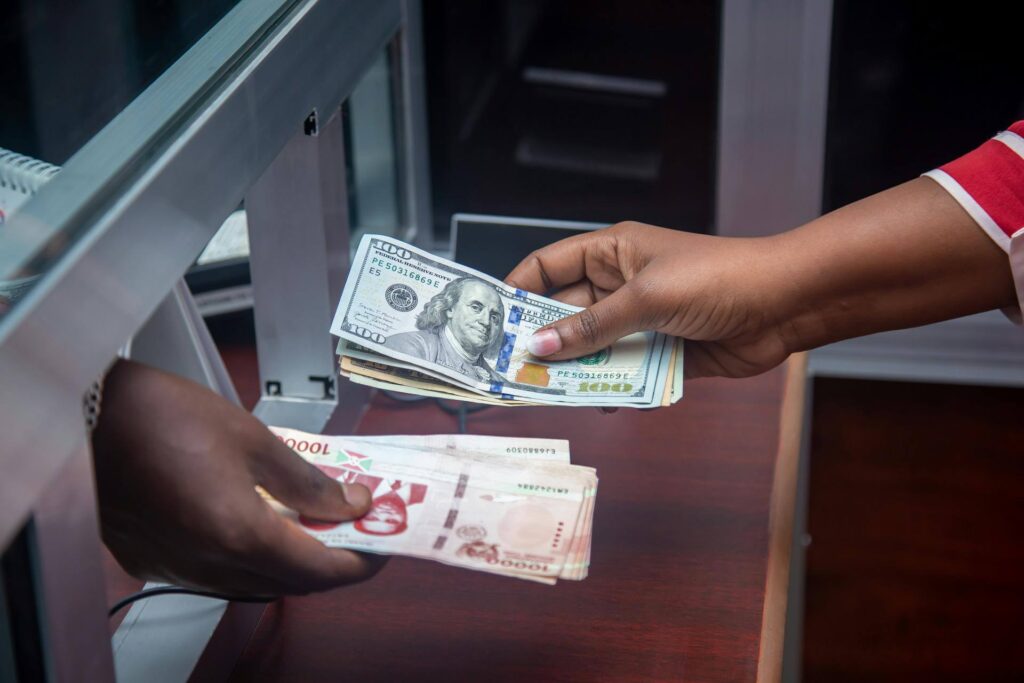
This is the most important section in this guide for avoiding unnecessary costs.
Dynamic Currency Conversion (DCC) is when an Indian ATM offers to convert your withdrawal into your home currency at that moment — showing you the amount in dollars, euros, or pounds instead of rupees.
Always decline this offer and choose to pay in rupees. DCC rates are 3%–7% worse than the rate your home bank applies, meaning you lose money every time you accept.
Best Travel Cards for ATM Withdrawals in India
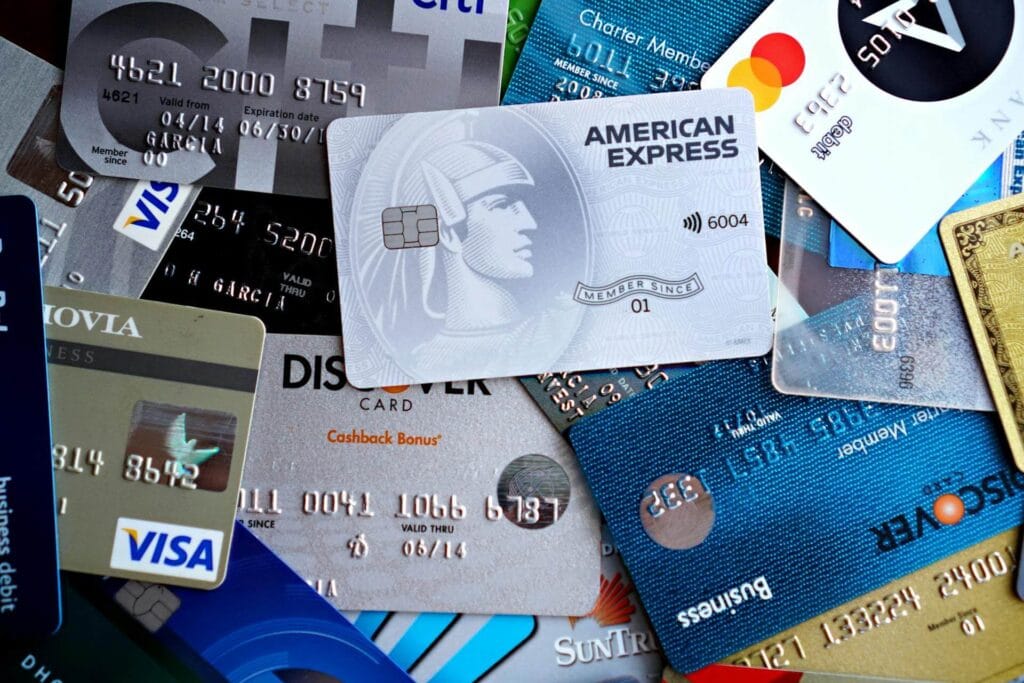
Some international travel cards offer lower foreign transaction fees and better exchange rates than standard debit cards.
Travelers from the US, UK, Europe, and Australia often use cards like Wise, Revolut, Charles Schwab, or Starling to reduce international ATM withdrawal charges while traveling in India.
Before your trip, compare:
- Foreign transaction fees
- International ATM withdrawal fees
- Exchange rate markups
- Daily withdrawal limits
- Emergency card replacement options
Using a travel-friendly debit card can significantly reduce the total cost of withdrawing Indian rupees during your trip.
Here’s what the DCC screen looks like in practice:
You’ve entered your PIN and amount. A screen appears:
“Would you like to complete this transaction in USD at a guaranteed rate of [X]? Or continue in INR?”
It sounds helpful — you can see exactly what you’re paying in your home currency. But the “guaranteed rate” the ATM is offering is significantly worse than the interbank rate your card would otherwise use.
Always select “Continue in INR” or “Decline conversion.”
The phrasing varies by machine:
- “Pay in local currency” ✅
- “Pay in INR” ✅
- “Accept conversion” ❌
- “Pay in [your home currency]” ❌
If the machine defaults to DCC and doesn’t give you a clear opt-out, cancel the transaction and try a different ATM.
Tips for Foreign Tourists to Avoid Hidden ATM Fees in India
Beyond DCC, a few other fee traps catch travelers off-guard:
Inactivity during the transaction: If you take too long reading screens at an airport ATM, some machines time out and charge a partial fee. Move through the screens with purpose.
Multiple failed attempts: Some banks charge a fee if a transaction is declined — even if you get no cash. This is rare but happens. If your card is declined, don’t immediately retry three more times. Call your bank first.
Declining balance notifications: Some travelers use credit cards for ATM withdrawals without realizing they’re paying a cash advance fee plus high interest from day one — with no grace period. Check whether your credit card charges cash advance fees before using it at ATMs.
Small withdrawal traps: Withdrawing ₹2,000 five times costs you five sets of fees. Withdrawing ₹10,000 once costs you one set. The math strongly favors larger, less frequent withdrawals — unless you have a fee-free travel card.
Should Tourists Use Cash or Cards in India?
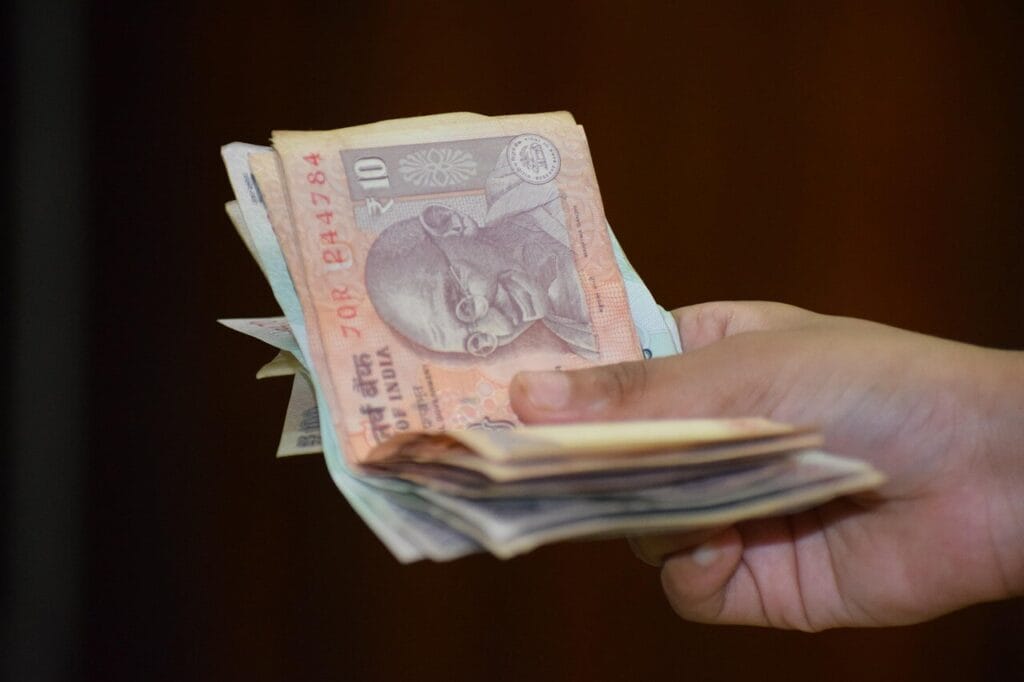
India has changed rapidly. The digital payment ecosystem is now enormous.
Where cards are widely accepted:
- Upscale hotels and restaurants
- Branded retail stores
- Larger supermarkets
- Major tourist attractions
- Airline and train ticket counters
Where cash is still necessary:
- Local auto-rickshaws and taxis (outside app-based services)
- Street food and local markets
- Smaller towns and rural areas
- Religious sites, temples, mosques
- Local transport like buses and ferries
- Tips and small services
UPI (Unified Payments Interface): India’s domestic digital payment system is fast, free, and almost universal among locals. Foreign tourists generally cannot access UPI with foreign bank accounts, though this is slowly changing.
Don’t count on it as your primary payment method.
Practical split: Keep a combination of both. Use your card where it’s accepted to reduce cash dependency. Keep ₹2,000–₹5,000 in cash for daily local spending, transport, and places that don’t accept cards.
Are Indian ATMs Safe for Foreign Tourists?
Most ATMs at major Indian banks in cities are safe. The main risks are card skimming at poorly maintained standalone ATMs, shoulder surfing in crowded locations, and distraction-based scams near tourist areas.
Use ATMs inside bank branches or well-lit public areas, cover the keypad when entering your PIN, and avoid ATMs that look tampered with or have loose parts around the card slot.
Specific risks to know:
Card skimming: A device is attached to the card reader that copies your card data. Check for anything loose, misaligned, or sticky around the card slot before inserting your card. If something feels wrong, use a different machine.
Shoulder surfing: Someone stands close and watches you enter your PIN. Always cover the keypad with your other hand, regardless of how unnecessary it feels.
Distraction scams: Someone nearby drops something, asks for help, or creates confusion at the moment you’re handling cash. Don’t interact with strangers while actively withdrawing money.
“Helpful stranger” scams: A person near the ATM offers to help you use the machine — sometimes claiming your card isn’t working. Never hand your card to anyone, ever, under any circumstances.
Fake ATMs: Rare, but reported in some tourist-heavy areas. Only use machines belonging to recognizable bank brands.
Common ATM Problems for Foreign Tourists in India
Card declined despite funds being available: Your home bank’s fraud system blocked the transaction. Call your bank immediately using the international number on the back of your card. This is the most common ATM problem travelers face.
ATM dispenses no cash but transaction shows as complete: This happens occasionally. Don’t panic. The Indian bank is required to reverse the charge within a set period (usually 5–7 business days).
Take a photo of the error screen if possible. Contact your home bank and file a dispute if the money isn’t returned.
ATM keeps your card: Machines retain cards when a PIN is entered incorrectly too many times, or occasionally due to a mechanical fault. Contact the bank branch immediately if this happens during banking hours.
Outside hours, call your home bank to report the card as retained (not stolen — different process) and block it as a precaution.
Machine runs out of cash: Common around public holidays, festivals (Diwali, Holi), and in smaller towns. Have a backup ATM location in mind, especially before long journeys.
What to Do If an ATM Keeps Your Card
Stay calm. Here’s the immediate sequence:
- Note the exact ATM location — bank name, branch address, machine ID (usually printed on the machine)
- If inside banking hours: Go directly to the branch counter and explain. They can often retrieve it
- If outside banking hours: Call your home bank immediately and report the card as retained. Request a block and ask about card replacement options
- File a written record: Note the time, ATM location, and what happened — useful for your bank’s investigation
- Use your backup card — which you should have stored separately in your luggage or hotel safe
This is why carrying two cards on separate networks (one Visa, one Mastercard) is a genuine safety net, not overcaution.
Best Times and Places to Withdraw Cash in India
Best times:
- During bank branch opening hours (typically 10am–4pm weekdays)
- Midweek (Tuesday–Thursday) — fewer queues, ATMs more likely to be stocked
- Avoiding festival periods when ATMs drain quickly and replenishment is slower
Best locations:
- ATMs inside or directly outside bank branches
- ATMs in hotel lobbies (often high-end hotel brands maintain them with better oversight)
- Airports — reliable but pricier in fees
- Shopping malls with branded bank ATMs
Avoid:
- Standalone ATMs in dark or isolated areas at night
- ATMs with signs of physical tampering
- Machines with out-of-service notes left permanently attached
How Much Cash Should Travelers Carry in India?
This depends heavily on your travel style and destinations, but here’s a realistic framework:
- Budget traveler (hostels, local food, public transport): ₹2,000–₹3,000 per day
- Mid-range traveler (guesthouses, restaurants, mix of transport): ₹3,000–₹6,000 per day
- Higher-end traveler (boutique hotels, taxis, tourist activities): ₹6,000–₹15,000+ per day
- Emergency cash reserve: Always carry a minimum of ₹2,000–₹3,000 set aside and not touched unless genuinely needed. This covers unexpected taxi rides, medical costs, or situations where ATMs are unavailable.
- For longer journeys (overnight trains, remote areas, hill stations): Withdraw before you leave a city. ATMs in smaller towns are often unreliable, frequently empty, and less likely to accept foreign cards consistently.
Safety Tips for Handling Cash and Cards
Separate your money:
- Keep daily spending cash in an accessible pocket
- Keep your main cash reserve in a secure travel pouch worn under clothing
- Keep one backup card in your luggage at the hotel — never all cards together
At the ATM:
- Always cover the keypad when entering your PIN
- Collect your cash, card, and receipt before stepping away
- Don’t count cash at the machine — do it discreetly away from the ATM
In public:
- Avoid displaying large amounts of cash
- In crowded places (markets, festivals), use a zipped inner pocket
- Be particularly careful on overnight trains — keep valuables on your person or locked in luggage
At your hotel:
- Use the in-room safe if available for backup cards and extra cash
- Don’t leave cards lying on the desk when the room is being cleaned
Best ATM Strategy for Foreigners Traveling in India
Follow this sequence. It works whether you’re landing in Mumbai or arriving in a smaller city mid-trip.
STEP 1 – Withdraw a Small Amount at the Airport
Collect ₹3,000–₹5,000 at an airport ATM from a recognized bank (SBI, HDFC, ICICI). This covers your immediate needs: transport, food, SIM card. Don’t try to solve your entire cash situation at the airport — fees are higher and you’re more fatigued.
STEP 2 – Use Trusted Bank ATMs in Cities
Once settled, find a branch-attached ATM from a major bank. Do your main withdrawal here. Withdraw ₹10,000–₹20,000 depending on how long you’ll be in the city, rather than small amounts repeatedly.
STEP 3 – Always Decline Dynamic Currency Conversion
Every single time an ATM asks whether you want to pay in your home currency — decline. Select INR. This is non-negotiable. The cost of accepting DCC across a two-week trip can easily add up to $30–$50 in pure unnecessary fees.
STEP 4 – Withdraw Larger Amounts Less Frequently
Every withdrawal triggers a full set of fees. Withdrawing ₹15,000 once costs far less proportionally than ₹5,000 three times. Calculate how much you need for 3–4 days and withdraw accordingly. Balance this against carrying large cash in higher-risk areas.
STEP 5 – Carry Two Cards on Separate Networks
One Visa, one Mastercard. Store them separately — one in your day bag, one secured in your luggage or hotel safe. If one is blocked, lost, or retained by an ATM, you have immediate access to the other.
STEP 6 – Keep an Emergency Cash Reserve
Maintain ₹2,000–₹3,000 separately at all times — in a different pocket, wallet, or travel pouch from your main cash. This covers genuine emergencies: transport breakdown, medical situation, ATM failure before a long journey.
STEP 7 – Use Cards and Digital Payments Where Possible
Every time you pay by card at a restaurant or hotel, you’re saving cash for situations where it’s truly needed and reducing withdrawal frequency. In cities, most mid-range and upmarket establishments accept cards without issue.
Do this / Avoid this:
Do This | Avoid This |
Notify your home bank before traveling | Discovering your card is blocked at an Indian ATM at midnight |
Withdraw from branch-attached bank ATMs | Using standalone or unmarked ATMs in isolated spots |
Always decline DCC — always pay in INR | Clicking “yes” to the conversion offer to see the familiar currency |
Withdraw larger amounts less often | Withdrawing small amounts repeatedly and paying multiple fee sets |
Carry two cards on separate networks | Carrying only one card with no backup |
Cover your PIN every time | Typing PIN openly in crowded locations |
Check for tampering before inserting your card | Ignoring a loose card reader or sticky keypad |
Keep emergency cash reserve separate | Spending your last rupees before finding the next ATM |
Store backup card at hotel in safe | Keeping all cards together in your wallet |
By following these tips, foreigners can avoid ATM fees when traveling in India while staying safe and minimizing hidden costs.
Final ATM & Money Handling Checklist for Travelers
Before leaving home:
- Notify home bank of travel dates and India destination
- Check your daily international ATM withdrawal limit
- Ask about international withdrawal fees — consider a travel card if high
- Confirm your card PIN works as a 4-digit code
- Pack two cards on different networks (Visa + Mastercard)
- Note your bank’s international contact number (not just the local number)
On arrival:
- Withdraw small amount (₹3,000–₹5,000) at airport — use recognized bank ATM
- Decline Dynamic Currency Conversion — select INR
- Get a SIM card so you have mobile data for banking apps and maps
During your trip:
- Withdraw from branch-attached ATMs in larger amounts, less frequently
- Decline DCC on every transaction — every single one
- Check for card reader tampering before inserting your card
- Cover keypad when entering PIN
- Keep emergency cash reserve (₹2,000–₹3,000) separate at all times
- Withdraw extra cash before entering smaller towns or remote areas
- Store backup card in hotel safe, not in your wallet
If something goes wrong:
- Card declined → Call your bank’s international number before retrying multiple times
- ATM retains card → Report to branch immediately or call home bank to block
- Cash dispensed incorrectly → Photograph error screen, contact home bank to dispute
- Card lost or stolen → Call home bank immediately to block, use backup card
Conclusion
Learning how to use ATM in India for foreign tourists becomes simple once you understand the system behind ATM fees in India and currency conversion charges.
To avoid ATM fees in India, always withdraw from trusted bank ATMs, take out larger amounts less frequently, and always decline Dynamic Currency Conversion (DCC) by choosing to pay in INR.
India is increasingly card-friendly, but cash is still essential for transport, markets, street food, and smaller towns. A smart mix of cash, cards, and safe ATM usage will help you avoid unnecessary charges and travel confidently.
Before your trip, always check your home bank’s international fees and withdrawal limits, as ATM policies in India can change.
FAQs about ATM Fees in India for Foreigners
Can foreigners use ATMs in India?
Yes. Foreigners can use most ATMs in India if they have Visa, Mastercard, or Maestro debit or credit cards. These cards are widely accepted at major bank ATMs such as SBI, HDFC, ICICI, and Axis Bank across cities and tourist areas.
What ATM fees do foreign travelers pay in India?
Foreign travelers usually pay two types of fees. First is a local ATM operator fee in India, which ranges from ₹20 to ₹250 per transaction. Second is charges from your home bank, including foreign transaction fees, currency conversion fees, or international withdrawal fees.
What is Dynamic Currency Conversion (DCC) at Indian ATMs?
Dynamic Currency Conversion (DCC) is an option that shows your withdrawal amount in your home currency instead of Indian rupees. It is better to always decline DCC because it usually includes a hidden markup and a worse exchange rate than your bank.
Should I accept DCC at Indian ATMs?
No. You should always choose to pay in Indian rupees (INR). Declining DCC usually results in a better exchange rate and lower overall withdrawal cost.
Which ATMs are best for foreign cards in India?
The most reliable ATMs for foreign cards in India are from major banks such as State Bank of India (SBI), HDFC Bank, ICICI Bank, and Axis Bank. These ATMs are widely available and generally have better acceptance rates for international cards.
How much cash should tourists withdraw in India?
Tourists should withdraw around ₹10,000 to ₹20,000 per transaction when possible. Larger withdrawals reduce the number of transactions, which helps minimize ATM fees and bank charges.
Are airport ATMs in India safe for foreigners?
Yes, airport ATMs in India are generally safe to use. However, they may charge higher fees, so it is better to withdraw only a small amount for immediate needs like transport, food, or SIM cards.
Do I need to inform my bank before traveling to India?
Yes. Informing your bank before travel helps prevent your card from being blocked due to fraud protection systems that may flag international ATM transactions as suspicious.
Why is my foreign card not working at an Indian ATM?
A foreign card may not work due to fraud protection blocks, incorrect PIN format, daily withdrawal limits, or temporary ATM network issues. Contact your bank before attempting multiple withdrawals.
What should I do if an ATM keeps my card in India?
If an ATM keeps your card, contact the bank branch immediately if it is open. If not, call your home bank to block the card and request a replacement. Always keep a backup card when traveling.
Can tourists use Visa and Mastercard in India?
Yes. Visa and Mastercard are widely accepted at Indian ATMs, hotels, restaurants, and shops. They are the most reliable international card networks for withdrawing cash in India.
Should tourists carry cash or cards in India?
Tourists should carry both. Cards are useful in cities, hotels, and larger establishments, while cash is needed for local transport, street food, markets, small towns, and rural areas.
What is the safest way to withdraw cash in India?
The safest way is to use ATMs attached to major bank branches such as SBI, HDFC, ICICI, or Axis Bank during daytime hours. Always avoid isolated ATMs and check for tampering before using the machine.
Is it safe to use ATMs in India as a tourist?
Yes, ATMs in India are generally safe when used correctly. Stick to bank-operated ATMs, cover your PIN while entering it, and avoid machines that look damaged or suspicious.
Can I use credit cards at ATMs in India?
Yes, but credit card withdrawals are treated as cash advances. This means higher fees and immediate interest charges may apply, depending on your bank’s policy.
How can I reduce ATM fees in India?
You can reduce ATM fees by using bank-operated ATMs, withdrawing larger amounts less frequently, avoiding multiple withdrawals, and always declining Dynamic Currency Conversion (DCC) at the ATM.
Images: Unsplash
