

One of the biggest worries first-time visitors bring to India is the language barrier. You’ve probably heard stories about chaotic cities, confusing signs, and conversations that go nowhere.
It’s a fair concern — India has over 20 officially recognized languages and hundreds of regional dialects.
But here’s what those stories miss: English is widely spoken in urban India. In the right cities, you can travel comfortably without knowing any Hindi.
The key is knowing where to go first. Not every city offers the same experience for English-speaking travelers, and choosing wisely at the start of your trip makes an enormous difference.
This guide walks you through the best English-speaking cities in India for tourists, what to realistically expect, and how to make your first trip as smooth as possible.
What Are the Best English-Speaking Cities in India?
For a quick answer: Bengaluru, Mumbai, Delhi, Chennai, Hyderabad, Pune, and Kochi are the most English-friendly cities in India for first-time travelers. English is widely spoken in hotels, restaurants, transport hubs, and tourist areas in all of these cities. Bengaluru and Mumbai tend to rank highest for overall ease of communication.
Is English Widely Spoken in India?
English is one of India’s two official languages at the national level, alongside Hindi. In practice, this means English is widely used in business, education, government, and the tech industry.
In major urban centres, you’ll find English on road signs, menus, metro displays, and ATM screens. Most people working in hospitality, retail, and tourism in these cities speak functional to fluent English.
That said, it’s worth setting realistic expectations. Step outside the major cities into smaller towns or rural areas, and English proficiency drops sharply.
Even within cities, a shop owner in a local market may have limited English compared to a hotel receptionist or a tech worker in a co-working space. Communication in urban and rural India is very different.
The honest takeaway: you can travel comfortably in India’s major cities using only English. It just requires choosing the right destinations and having a few practical tools handy.
How These Cities Were Selected
We selected these cities based on five key factors:
- How widely English is spoken in daily life
- Tourism infrastructure
- Safety for first-time visitors
- Ease of transport (public and app-based)
- Overall experience for non-local language speakers”
Best English-Speaking Cities in India for First-Time Travelers
Bengaluru — India’s Most English-Friendly City
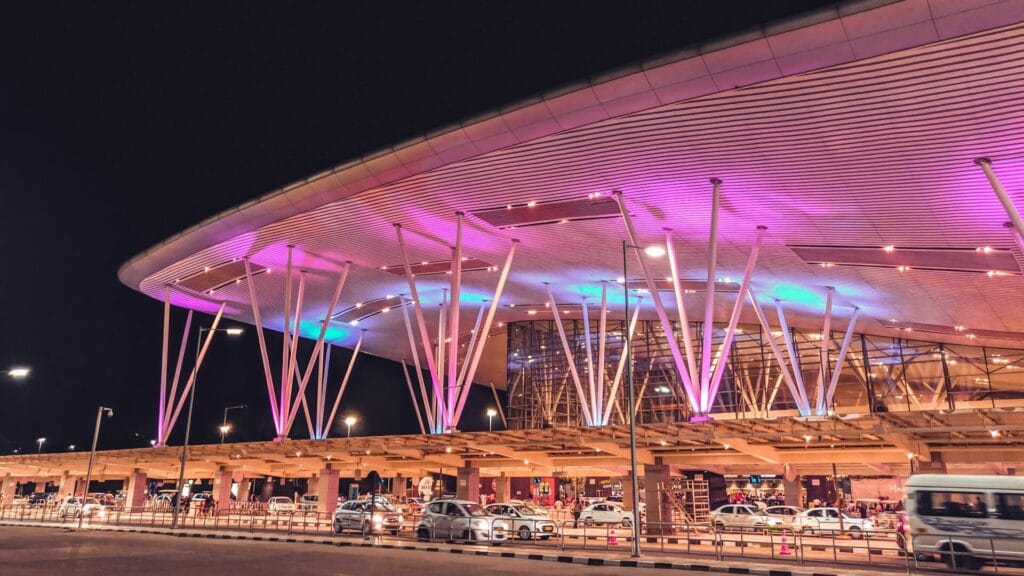
Bengaluru, often called Bangalore, has a strong case for being the single easiest city in India for English-speaking travelers.
As the country’s technology capital, it’s home to a massive population of educated professionals, many of whom use English as their primary working language.
In some neighborhoods, you can spend the whole day speaking only English without any issues.
The city’s café culture, international restaurant scene, and well-developed hospitality industry mean that most people you interact with as a traveler — hotel staff, Uber drivers, baristas, tour operators — speak confident, fluent English.
Street signs and transport information are bilingual, and the metro system is well-signed in English throughout.
Imagine landing in Bengaluru for the first time, heading to Indiranagar, and spending a day hopping between specialty coffee shops, bookstores, and restaurants where the staff recommend dishes, explain the menu, and make conversation with ease.
That’s a genuinely common experience here — it doesn’t feel like an effort.
For attractions, Bengaluru offers Lalbagh Botanical Garden, the historic Bangalore Palace, the vibrant neighborhoods of Koramangala and Indiranagar, and excellent access to day trips into Karnataka.
It’s also a well-connected flight hub, making it a sensible first stop before heading elsewhere.
The main drawback is traffic — Bengaluru’s congestion is legendary, and getting across the city during peak hours takes patience. Use the metro wherever it reaches, and rely on Ola or Uber for the rest.
Mumbai — Maximum City, Minimum Language Barrier
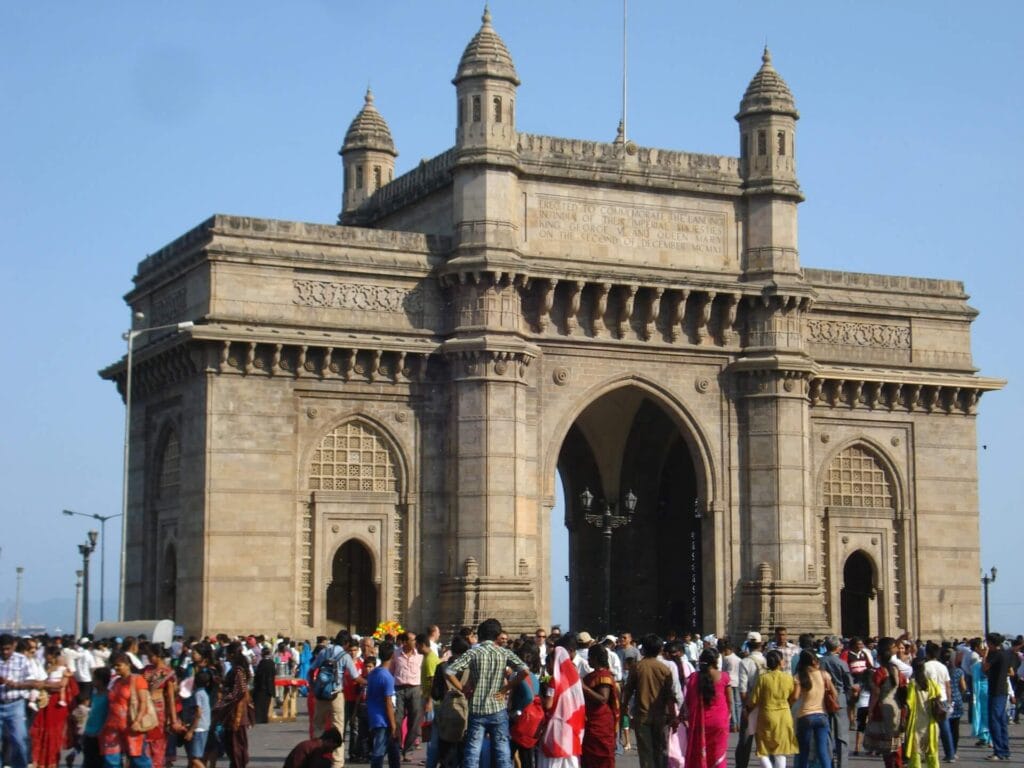
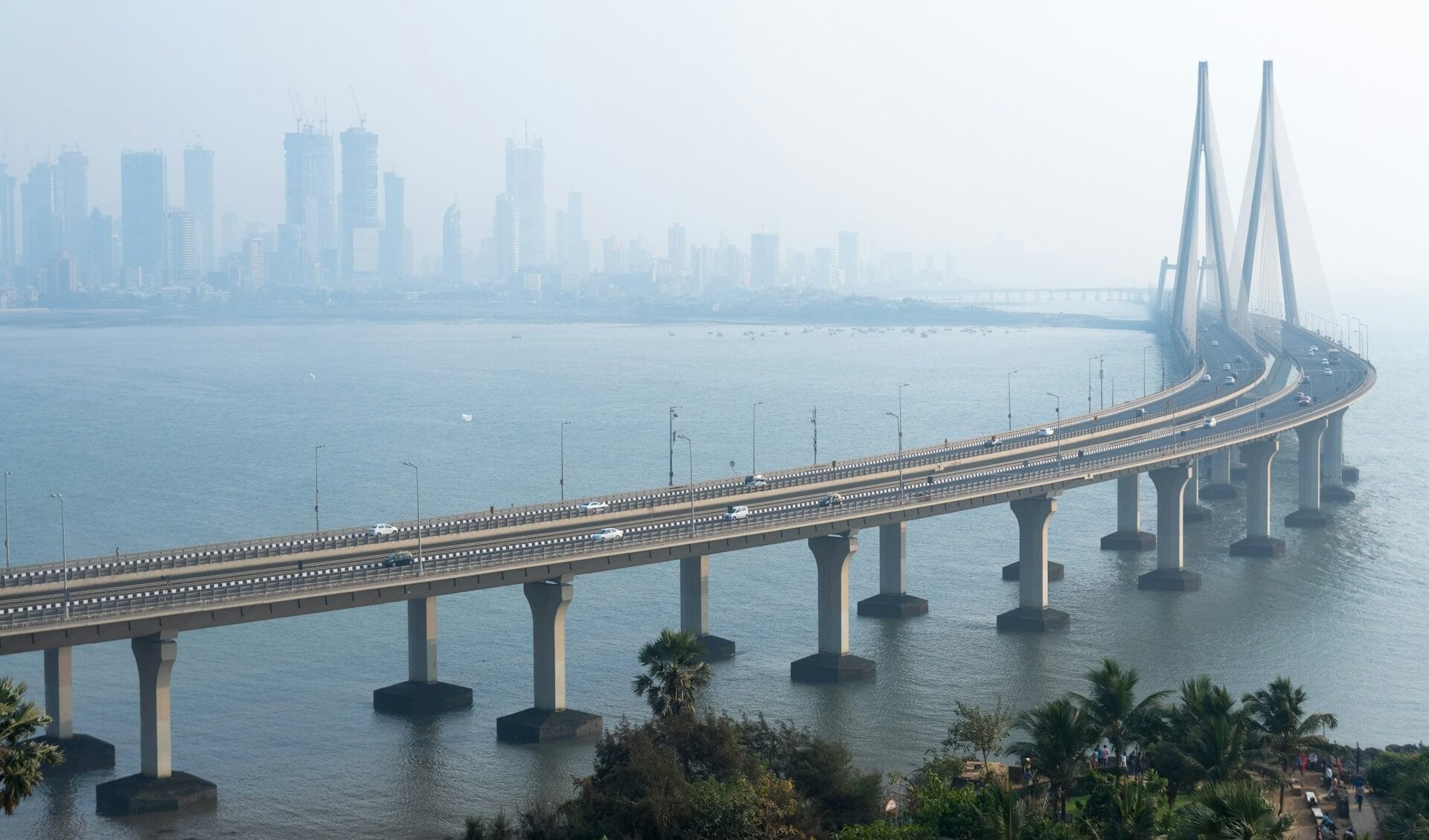
Mumbai is chaotic, loud, and overwhelming—but for English-speaking travelers, communication is rarely a problem.
As India’s financial and entertainment capital, Mumbai has always been cosmopolitan. English here isn’t just functional — it’s woven into the city’s identity.
In neighborhoods like Bandra, Colaba, and Lower Parel, you’ll find menus, staff, signage, and casual conversation all operating comfortably in English.
The city’s historic ties to British India, combined with a thriving media and finance industry, mean that English fluency runs deep across professional and service sectors.
Mumbai also has one of the better public transport networks in India once you get used to it. The suburban rail system, while crowded, is clearly marked.
The metro is expanding rapidly. And for tourists who prefer not to navigate public transit, Ola and Uber work reliably across the city.
Attractions like the Gateway of India, the Dharavi neighborhood, the Elephanta Caves, Juhu Beach, and the buzzing street food scene of Mohammed Ali Road are all easily navigable for English-speaking visitors.
Most guided tours and cultural experiences are offered in English as standard. Mumbai can feel intense for first-time India travelers because of its density and pace.
But if you’re prepared for that, it offers one of the richest urban travel experiences on the continent, with communication ease that rarely lets you down.
Delhi — Vast, Complex, and More Accessible Than It Looks
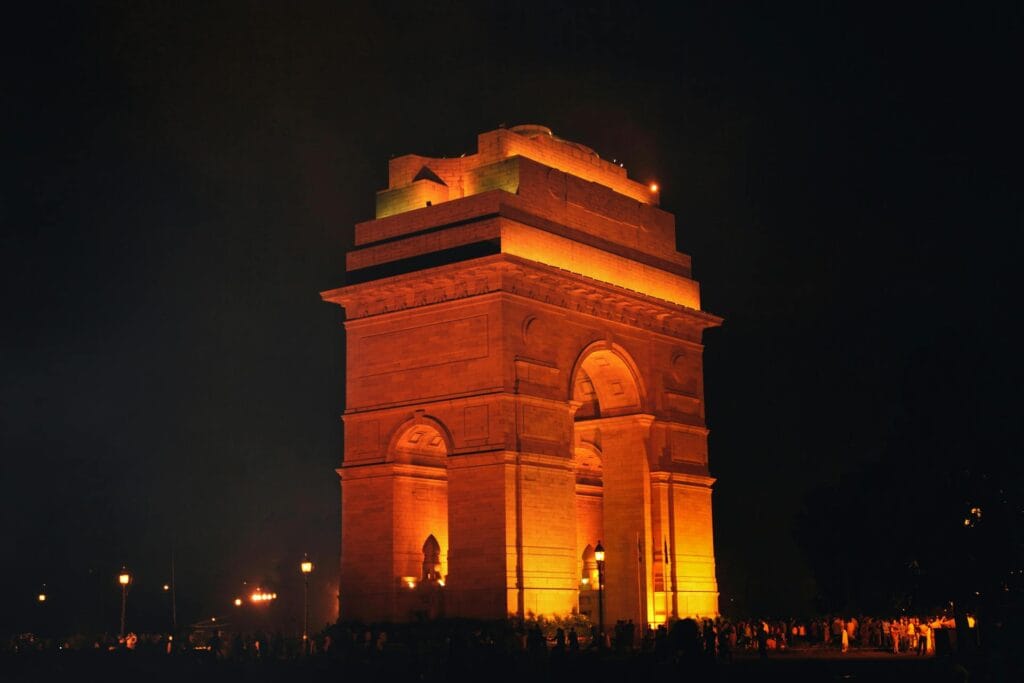
Delhi intimidates a lot of first-time visitors, and it’s true that navigating it requires more preparation than some other cities on this list.
But English is widely spoken in Delhi’s tourist areas, hotels, and transport hubs. The Delhi Metro is one of the best in Asia — fully English-signed, well-maintained, air-conditioned, and connecting most major attractions efficiently.
The app-based taxi system works well, and areas like Connaught Place, Hauz Khas Village, and Karol Bagh are full of restaurants, cafes, and shops where English is spoken confidently.
In the older parts of Delhi — Chandni Chowk, Paharganj — English is less universal, though you’ll still find it wherever tourism creates demand for it.
The key for Delhi is to use the metro as your spine and plan your days around it. When you do that, the city opens up in a way that feels genuinely manageable.
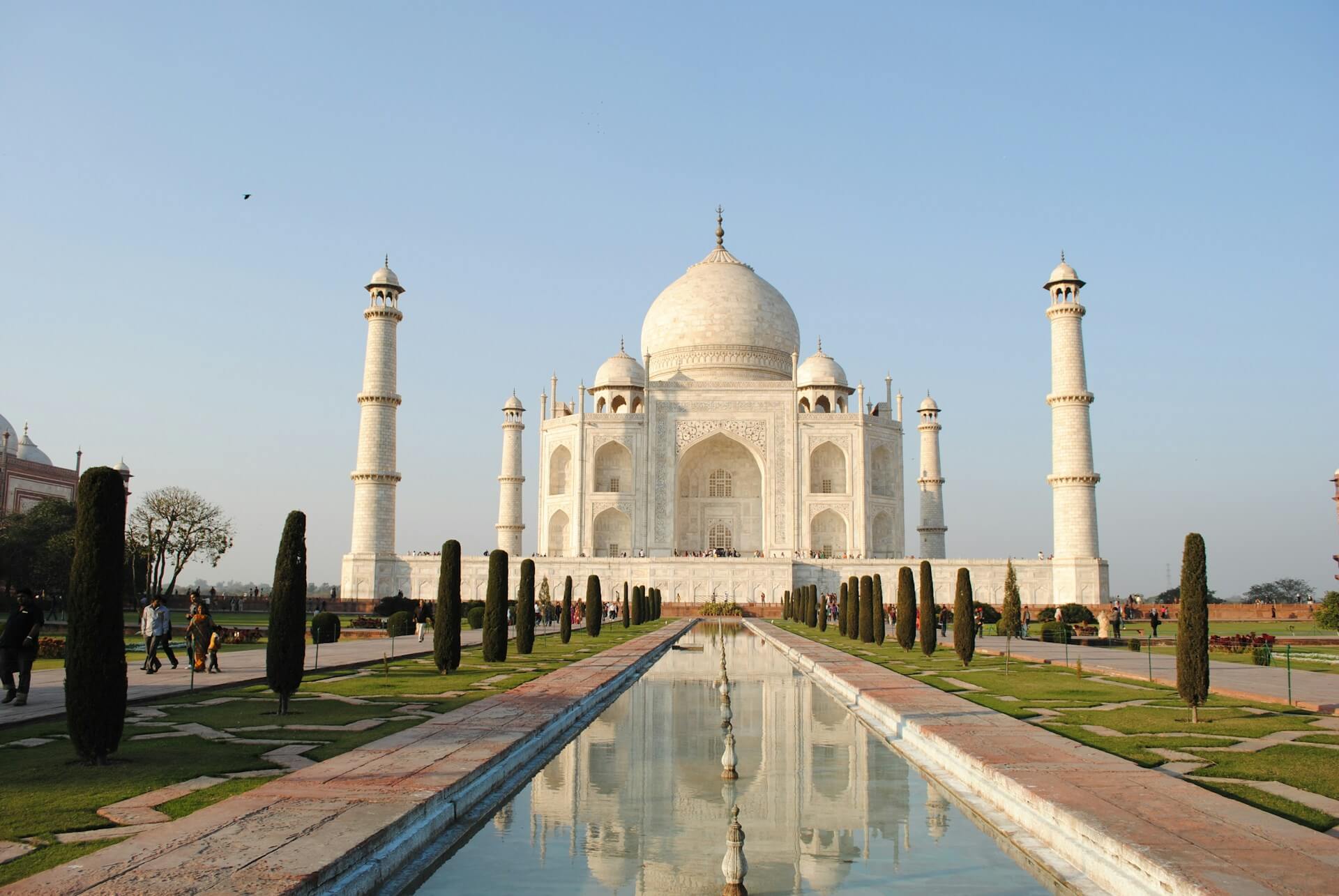
Delhi is also the logical starting point for the Golden Triangle route — Delhi, Agra, and Jaipur — which is the most visited tourist circuit in India and has strong English infrastructure throughout.
If you’re planning to do the Taj Mahal as part of your trip, starting in Delhi makes practical sense.
Chennai — South India’s Underrated Gateway
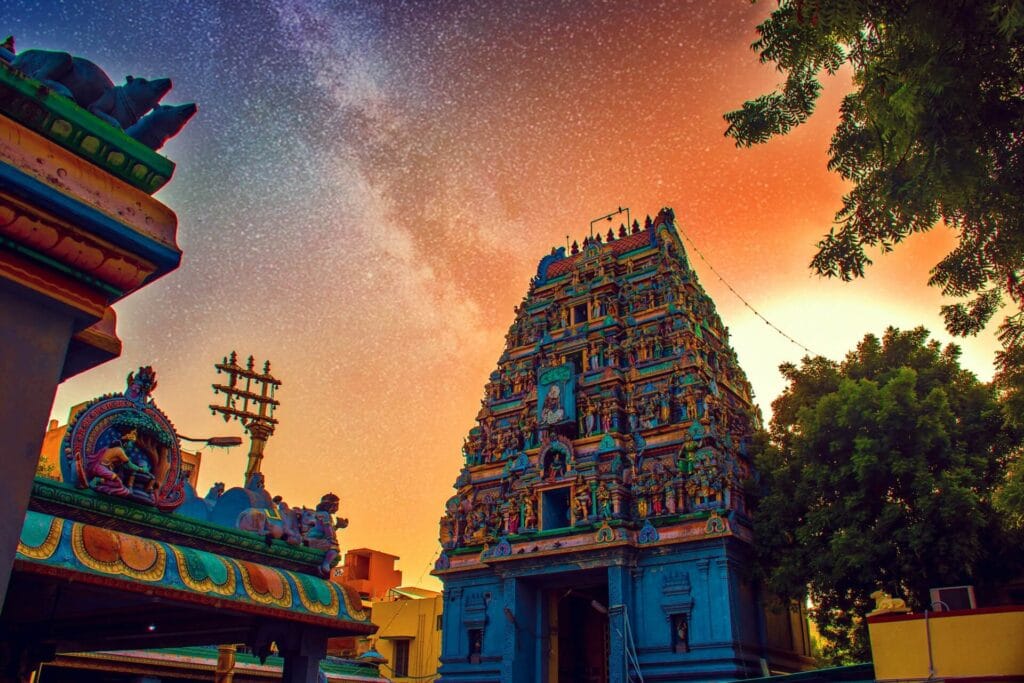
Chennai surprises many travelers. It’s not always listed as English-friendly, but in reality, it works well for English speakers.
Chennai has a large educated professional population, strong colonial-era English influence, and a thriving IT sector that keeps English communication active across business and hospitality.
What’s different here is the local language context. Tamil is deeply important to Chennai’s identity, and most locals will prefer Tamil in informal settings.
But in hotels, restaurants, tourist sites, and transport apps, English works reliably. The city’s airport, metro, and major shopping areas are well-signed in English, and hospitality staff across mid-range and upscale accommodation speak it fluently.
Chennai is the best entry point for exploring South India — a region that often gets overlooked in favor of the north but offers some of India’s most spectacular temples, coastline, and cuisine.
From Chennai, you’re well-positioned for trips to Mahabalipuram, Pondicherry, and further into Tamil Nadu.
The traveler who chooses Chennai tends to be more culturally curious and less concerned with nightlife or trendy café scenes.
The city rewards that kind of traveler with deep history, incredible food, and a pace that feels less frantic than Mumbai or Delhi.
Hyderabad — Old City Soul, Modern English Confidence
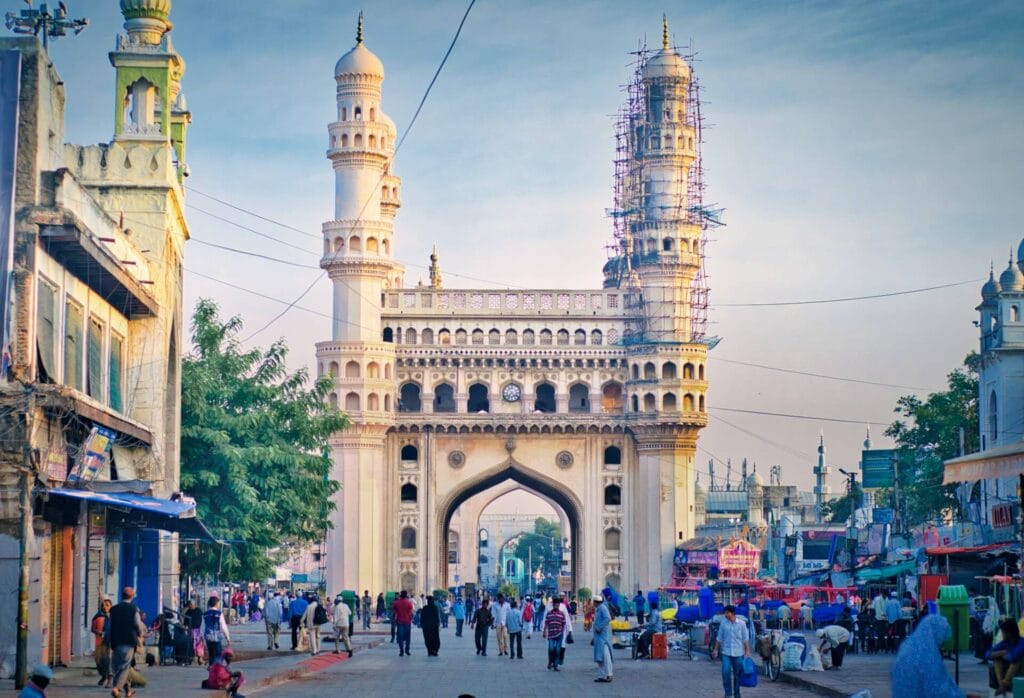
Hyderabad surprises most travelers in a good way.
It has the warmth and history of the Deccan region combined with the infrastructure and English proficiency that comes from being a major IT hub — home to the campuses of Microsoft, Google, Amazon, and dozens of other global companies.
In areas like Banjara Hills, Jubilee Hills, and HITEC City, English is the default language of daily professional life.
The city’s hospitality scene is well-developed, and tourists navigating the older parts of Hyderabad — the Charminar area, Laad Bazaar, the Golconda Fort — will find enough English to get by, particularly with app-based transport handling most logistics.
Hyderabad is also one of the more affordable major cities on this list, with excellent food (the biryani alone justifies the trip), manageable traffic compared to Mumbai or Bengaluru, and a mix of Mughal-era heritage and modern urban energy that makes it genuinely compelling.
For first-time visitors who want historical depth alongside communication ease, it’s a strong choice.
Pune — Relaxed, Educated, and Traveler-Friendly
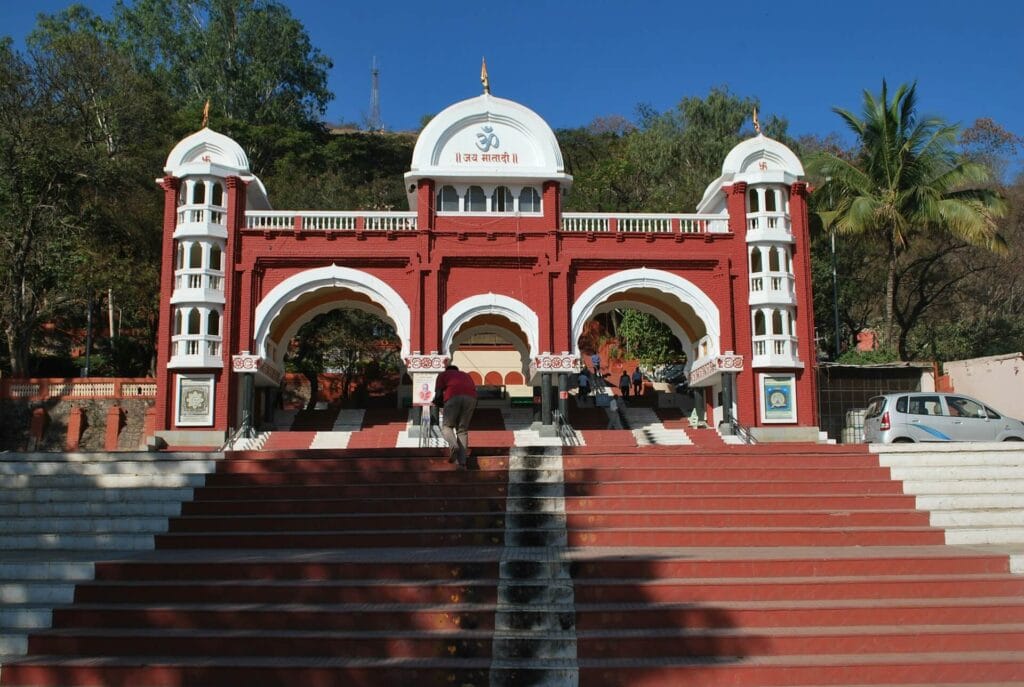
Pune sits about three hours from Mumbai and has a character entirely its own. It’s a university city, home to some of India’s most prestigious colleges, which means it has a young, educated, and largely English-speaking population.
The city’s café culture, creative neighborhoods, and relatively relaxed pace make it particularly appealing to solo travelers and those who want a gentler introduction to urban India.
Areas like Koregaon Park, Camp, and Aundh are filled with restaurants, co-working spaces, and bookshops where English-language conversation is entirely normal.
Getting around using Ola or Uber is straightforward, and the city’s smaller scale compared to Mumbai makes it far less overwhelming.
Pune doesn’t have the marquee attractions of Delhi or Mumbai, but it offers a genuinely livable, navigable city experience — which is sometimes exactly what a first-time visitor needs before heading into more complex territory.
Kochi — Kerala’s Most Accessible City
Kochi is arguably the most charming city on this list, and for travelers heading to Kerala, it’s the perfect starting point.
The city has a remarkable layered history — Portuguese, Dutch, and British influences have all left their mark — and English has been spoken here for centuries as a result.
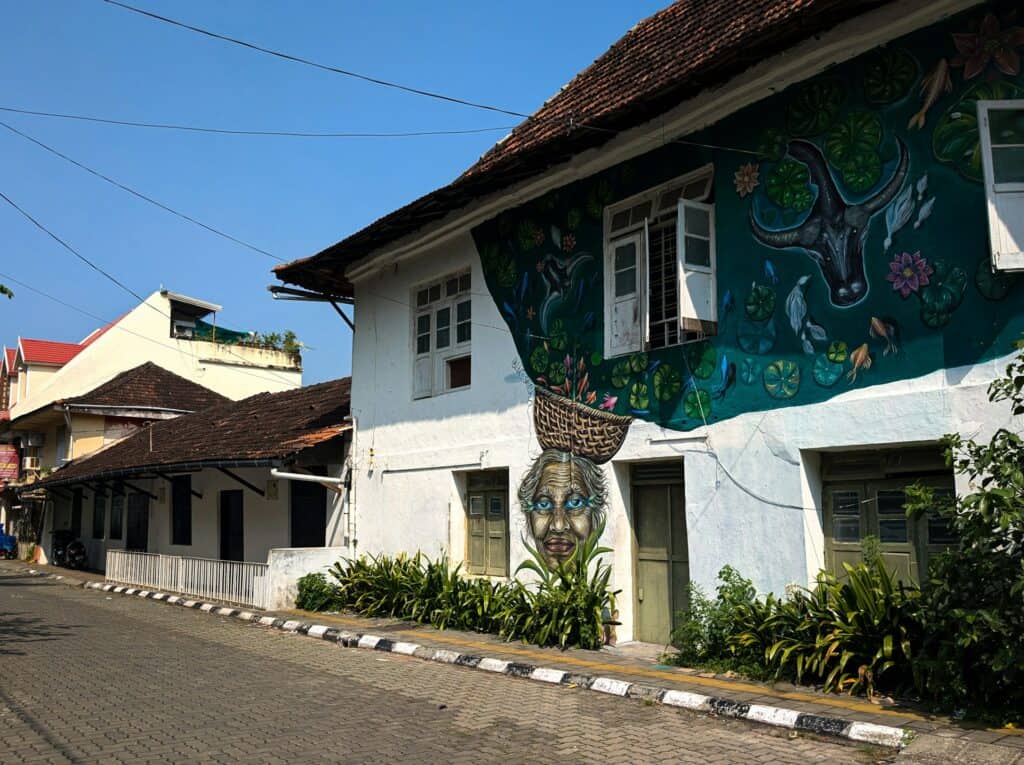
Fort Kochi, the historic peninsula that most tourists gravitate toward, is entirely walkable, thoroughly English-friendly, and home to some of the best boutique accommodation and cafes in South India.
Travelers regularly describe it as feeling like a gentler, more manageable entry point into India’s complexity.
The broader city is also well-served by app taxis and the recently opened Kochi Metro, which is clean, efficient, and English-signed.
From Kochi, you’re ideally placed to explore Kerala’s backwaters, hill stations, and spice plantations — all of which have strong English-language tourism infrastructure in place.
City Comparison at a Glance
City | English Proficiency | Ease for Beginners | Budget Level | Best For |
Bangalore | Very High | Excellent | Mid-range | Tech travelers, café culture |
Mumbai | Very High | Good | Mid to High | First-timers, culture, food |
Delhi | High | Good with planning | Budget-friendly | History, Golden Triangle |
Chennai | High | Good | Budget-friendly | South India exploration |
Hyderabad | High | Very Good | Budget-friendly | History, food, IT hub |
Pune | High | Excellent | Budget-friendly | Solo travel, slow travel |
Kochi | High | Excellent | Budget-friendly | Heritage, Kerala gateway |
Which City Should You Choose?
- Solo travelers: Start with Bengaluru or Kochi
- Budget travelers: Choose Hyderabad, Pune, or Chennai
- Luxury travelers: Mumbai is the best option
- Culture lovers: Delhi or Chennai offer deeper experiences
Can You Travel in India Using Only English?
Yes — with the right city choices and a few practical tools, you can travel across urban India entirely in English.
Hotels, restaurants, app-based taxis, airports, metro systems, and tourist sites in major cities all operate comfortably in English.
The challenge arises in rural areas, local markets, and smaller towns where Hindi or regional languages dominate. For a first trip focused on cities, English is entirely sufficient.
Tips for Traveling in India Without Knowing Local Languages
One of the most useful tools is Google Translate’s camera feature. It can read local text in real time. Download it before you travel and use it freely.
For getting around, Ola and Uber remove nearly all language-related friction from transport. You type your destination, the driver navigates, and you arrive — no negotiation required.
In cities with metro systems, use them as your primary transport; they’re English-signed and straightforward to navigate.
In local markets or street food situations where someone doesn’t speak much English, pointing, numbers, and a smile go a long way.
Most Indian vendors dealing with tourists have developed a universal language of gestures and written prices that works across language gaps.
Booking accommodation, tours, and transport through apps and platforms in advance — rather than arranging things on the street — significantly reduces the situations where language barriers create problems.
The more you can plan digitally before you arrive, the smoother your experience will be.
Common Mistakes First-Time Travelers Make
The most common mistake is starting a first India trip in a rural or remote area before establishing a baseline of comfort in a major city.
Small towns can be wonderful, but they’re better appreciated after you’ve found your footing in urban India first. Another common mistake is overestimating the language barrier in big cities.
Many first-timers are pleasantly surprised to discover that communication in Bengaluru or Mumbai is far easier than they’d anticipated. Anxiety about language often dissolves within the first day.
Not downloading the right apps before landing is another easily avoided problem. IRCTC for trains, Ola and Uber for taxis, and Google Maps with offline maps for navigation — have all of these set up and tested before your flight lands.
Finally, avoid planning your itinerary too rigidly. India has a way of presenting unexpected detours — a festival, a conversation, a recommendation from another traveler — and the visitors who leave room for those moments almost always have better trips than those who don’t.
Best Apps for Communication and Travel in India
Google Translate with the camera feature is essential for navigating regional language text. Google Maps covers most urban areas well, but download offline maps for any areas where data coverage might be inconsistent.
For transport, Ola and Uber are your city travel backbone. For train bookings, Cleartrip or Trainman are easier than the official IRCTC app for first-time users.
For accommodation, Booking.com and Airbnb both have strong India coverage and English-language support.
Best Time to Visit These Cities
October through February is the most comfortable window for visiting all the cities in this guide.
Temperatures are manageable, rainfall is minimal in most regions, and traveling is simply easier — fewer weather-related delays, less heat fatigue, and more pleasant conditions for walking and exploring.
Summer (March to June) is possible but challenging in northern cities like Delhi, where temperatures regularly exceed 40°C. Chennai and coastal cities are humid year-round but particularly intense in summer.
Bengaluru, Pune, and Kochi have more moderate climates that remain tolerable into the shoulder seasons. The monsoon (June to September) brings heavy rain to many of these cities and can disrupt travel, particularly in Kerala.
That said, Kochi and Kerala in the light monsoon months have a certain beauty to them, and if you don’t mind occasional rain, it’s a quieter and more affordable time to travel.
Final Thoughts
India is one of the most extraordinary travel destinations in the world, and the language barrier while real in some contexts is far less of an obstacle in its major cities than most first-time visitors expect.
The cities in this guide were chosen because they offer genuine ease of communication alongside compelling reasons to visit, and between them, they cover a huge range of travel styles, budgets, and interests.
Start with one of these cities, get your bearings, and let the experience build from there. India rewards travelers who stay curious, patient, and flexible.
With the right starting point and a handful of useful apps, you’ll find that getting around, communicating, and genuinely connecting with this country is more accessible than any pre-trip anxiety suggested.
Plan your route, pick your city, and travel with confidence. India is waiting and it speaks your language more than you think.
FAQs about English-Speaking Cities in India
Is English enough to travel in India for first-time tourists?
Yes, in major Indian cities like Mumbai, Delhi, Bengaluru, and Kochi, English is widely spoken, making travel easier for international visitors.
Which Indian cities are best for English-speaking travelers?
Top English-friendly cities in India include Bengaluru, Mumbai, Delhi, Chennai, Hyderabad, Pune, and Kochi for tourists visiting India for the first time.
Can foreigners travel in India without knowing Hindi?
Yes, foreigners can comfortably travel in India’s urban areas using English in hotels, restaurants, airports, and tourist attractions.
Which city is easiest for first-time visitors in India?
Bengaluru and Kochi are the easiest for first-time visitors, offering English-friendly services, safe neighborhoods, and reliable transport.
Many drivers in major cities understand English, especially app-based taxis like Uber and Ola, making city travel smooth for tourists.
Is it safe for English-speaking tourists to travel in India?
Yes, major Indian cities are generally safe. Stick to tourist areas, use apps for transport, and follow standard safety tips.
What are beginner-friendly cities to visit in India?
Bengaluru, Mumbai, Delhi, Kochi, and Pune are beginner-friendly, offering English support, organized transport, and accessible tourist attractions.
How can I travel in India without knowing local languages?
Use Google Maps, MappleMyIndia, Google Translate, and Uber/Ola. Stick to cities with high English usage to avoid language barriers.
Is English widely spoken in Indian hotels and restaurants?
Yes, most hotels, restaurants, and tourist areas in major cities have English-speaking staff and signage for easy navigation.
What language challenges do travelers face in India?
Minor challenges include regional accents, limited English in markets, and communication gaps in rural towns outside tourist areas.
Images: Unsplash
