
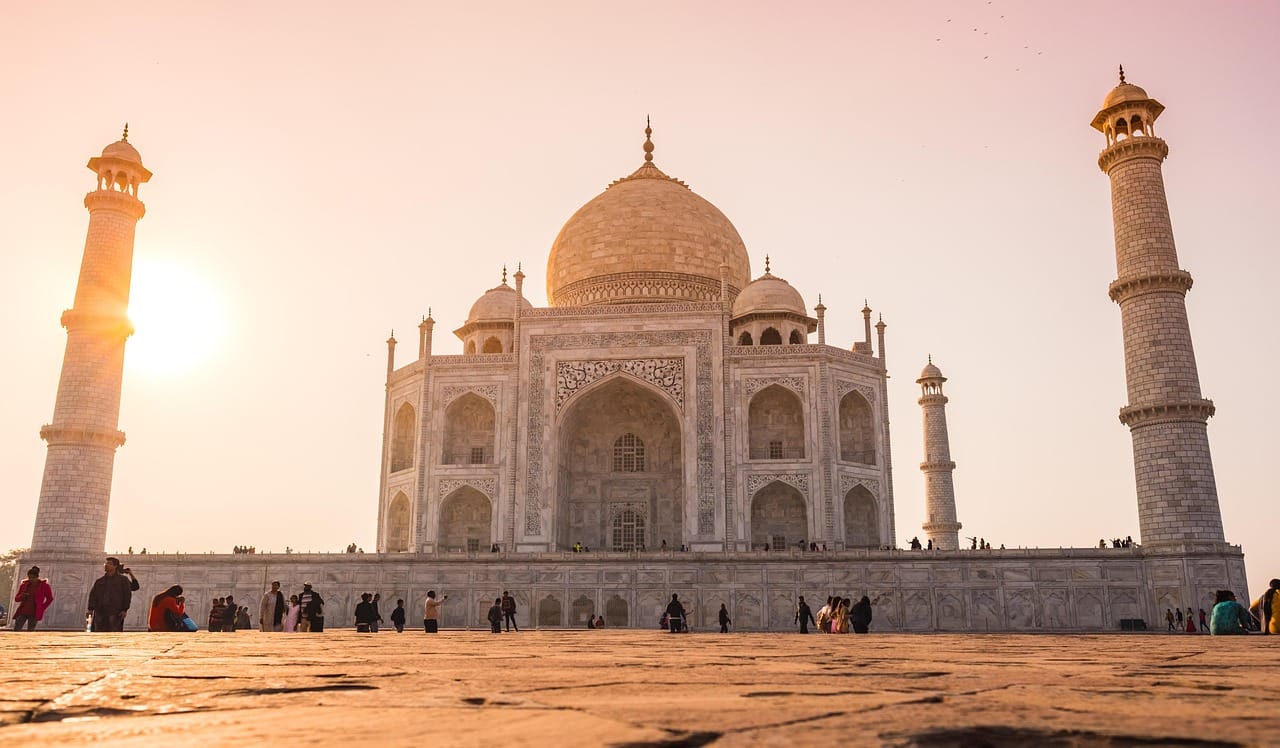
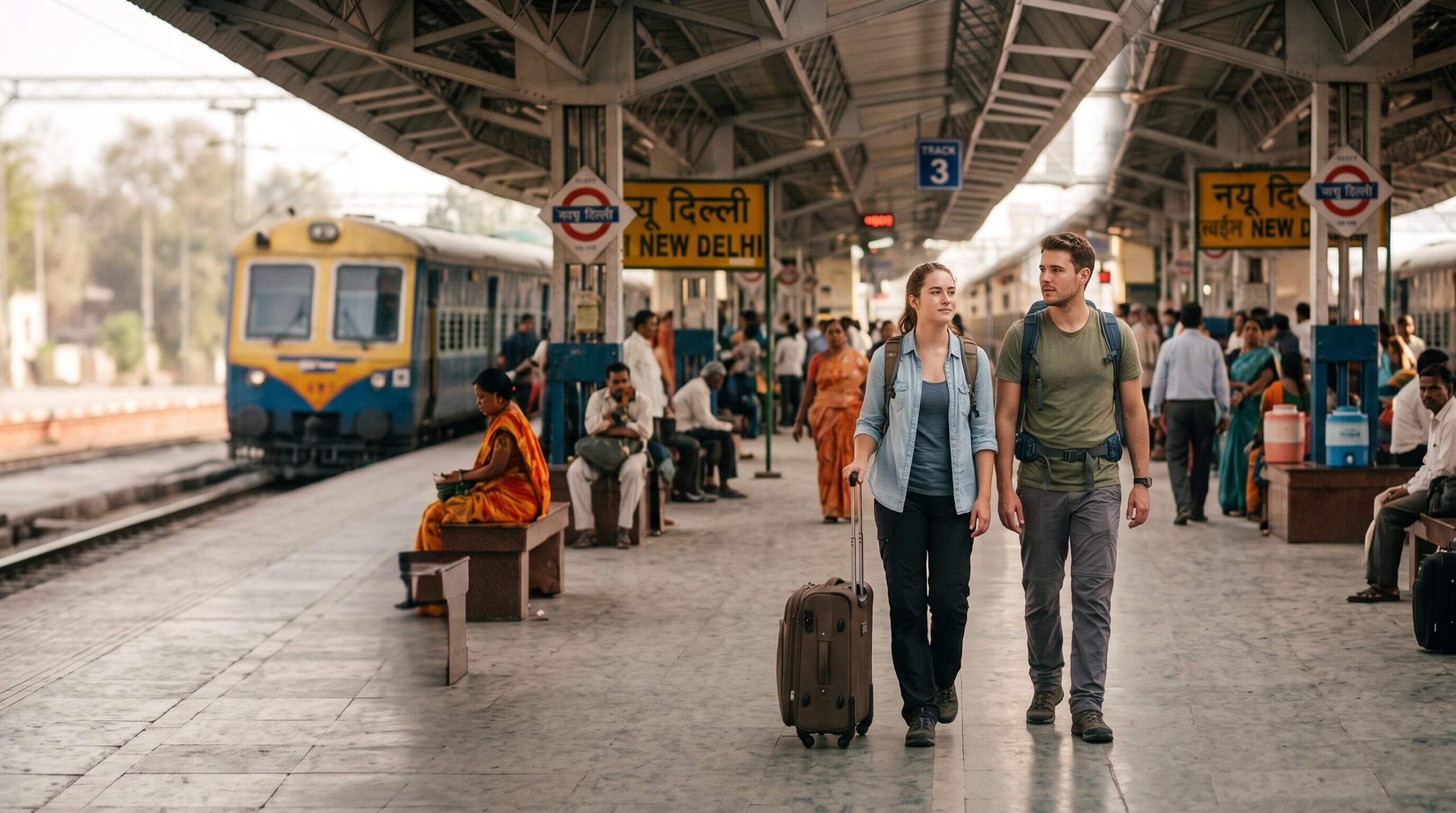
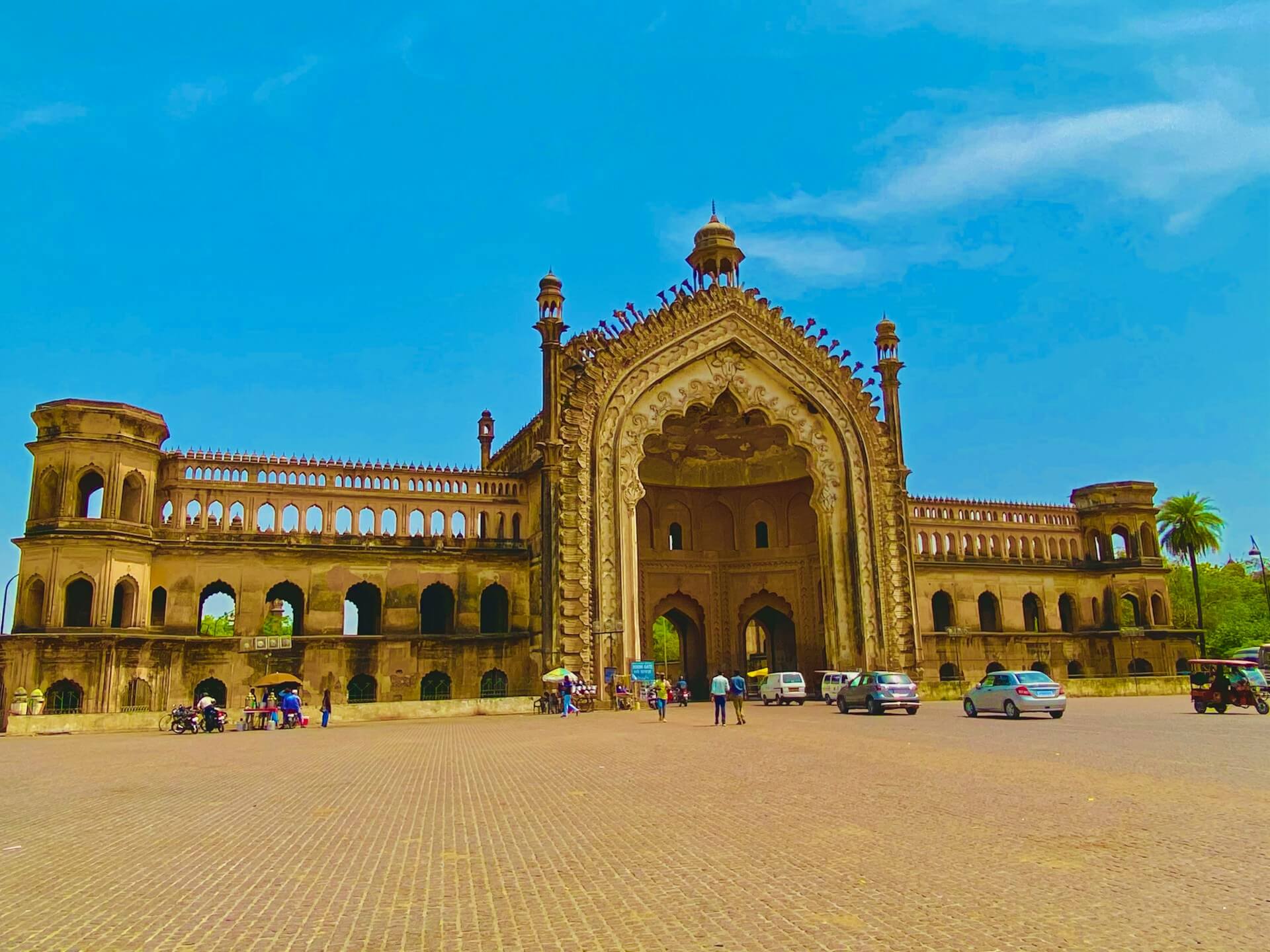
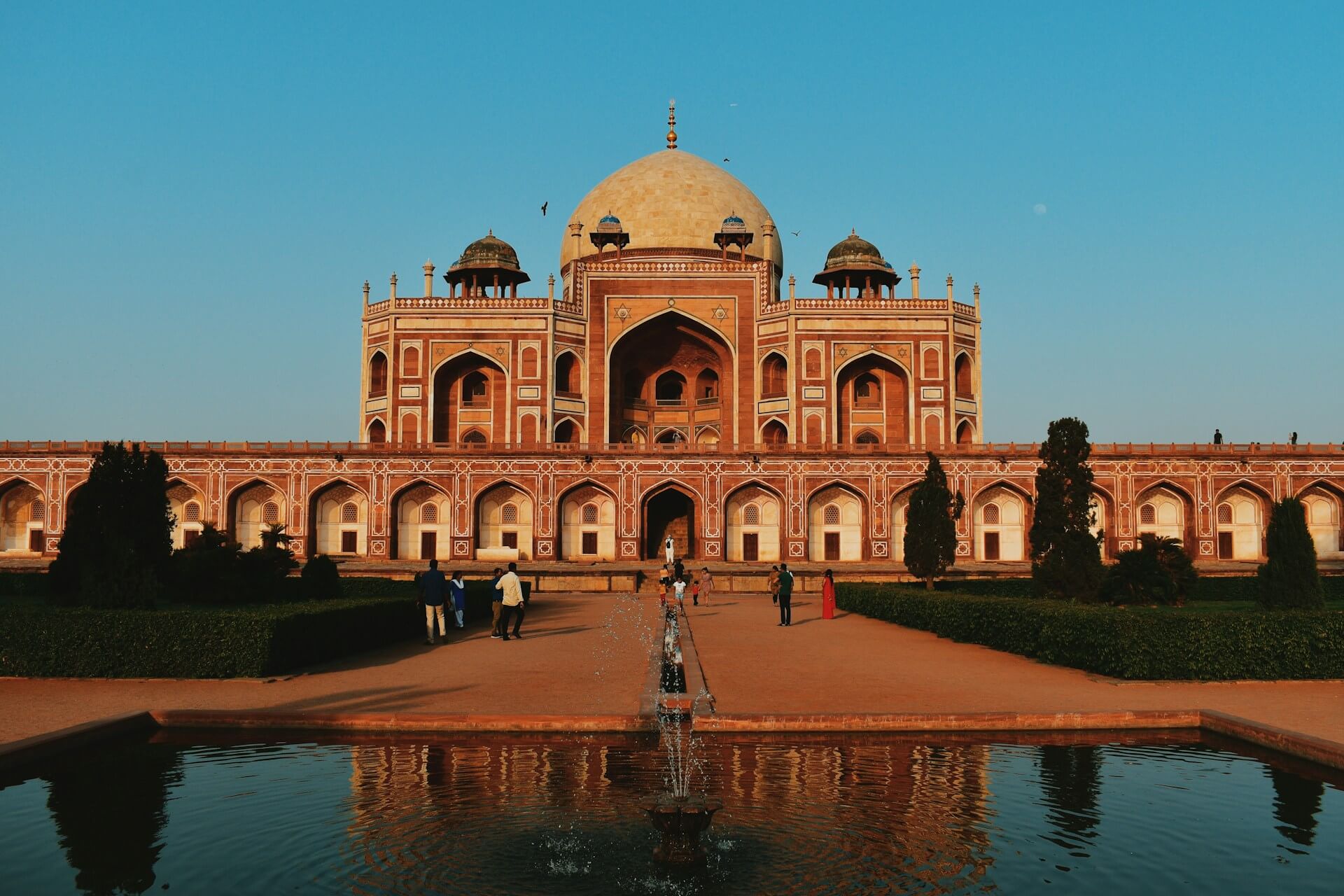
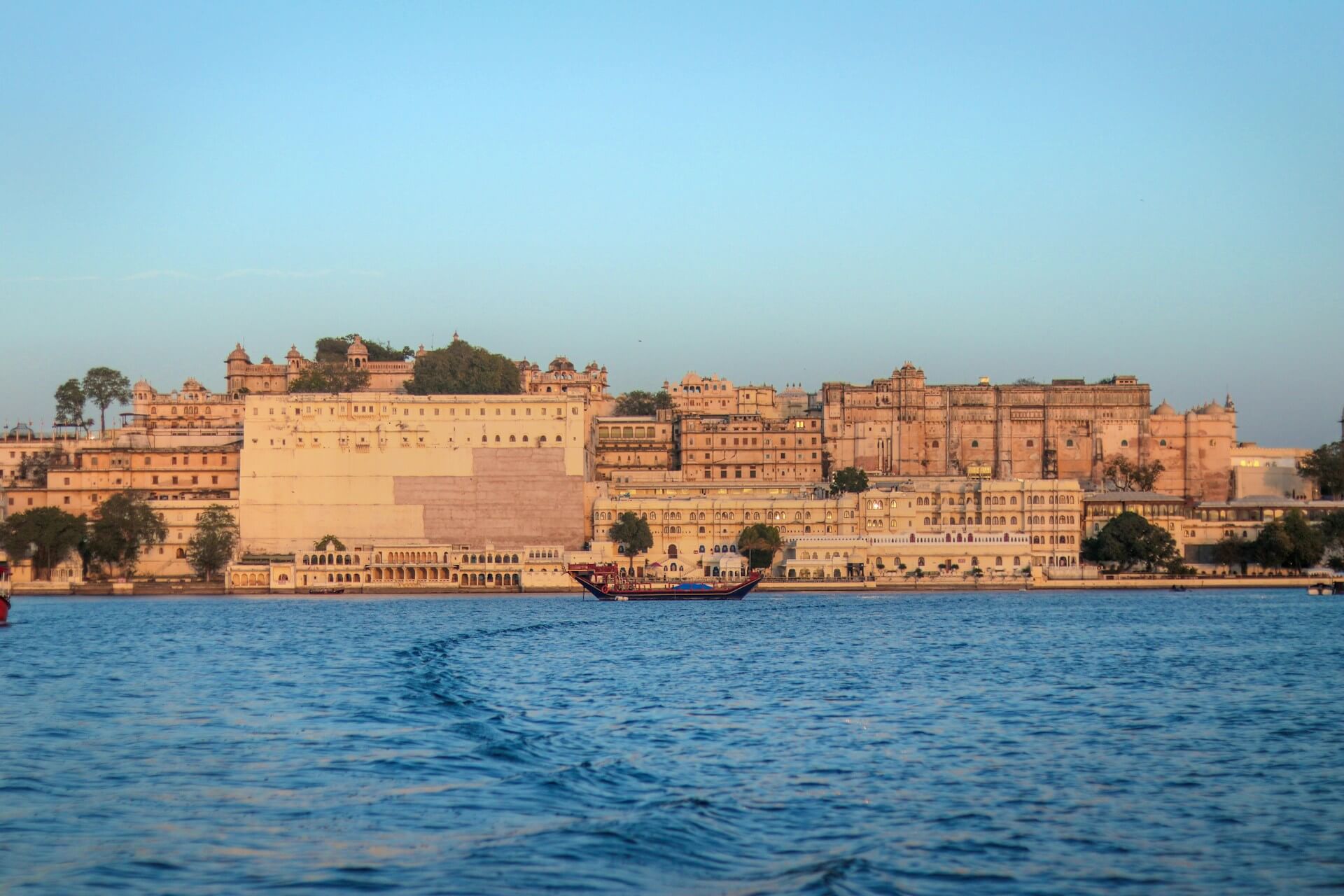
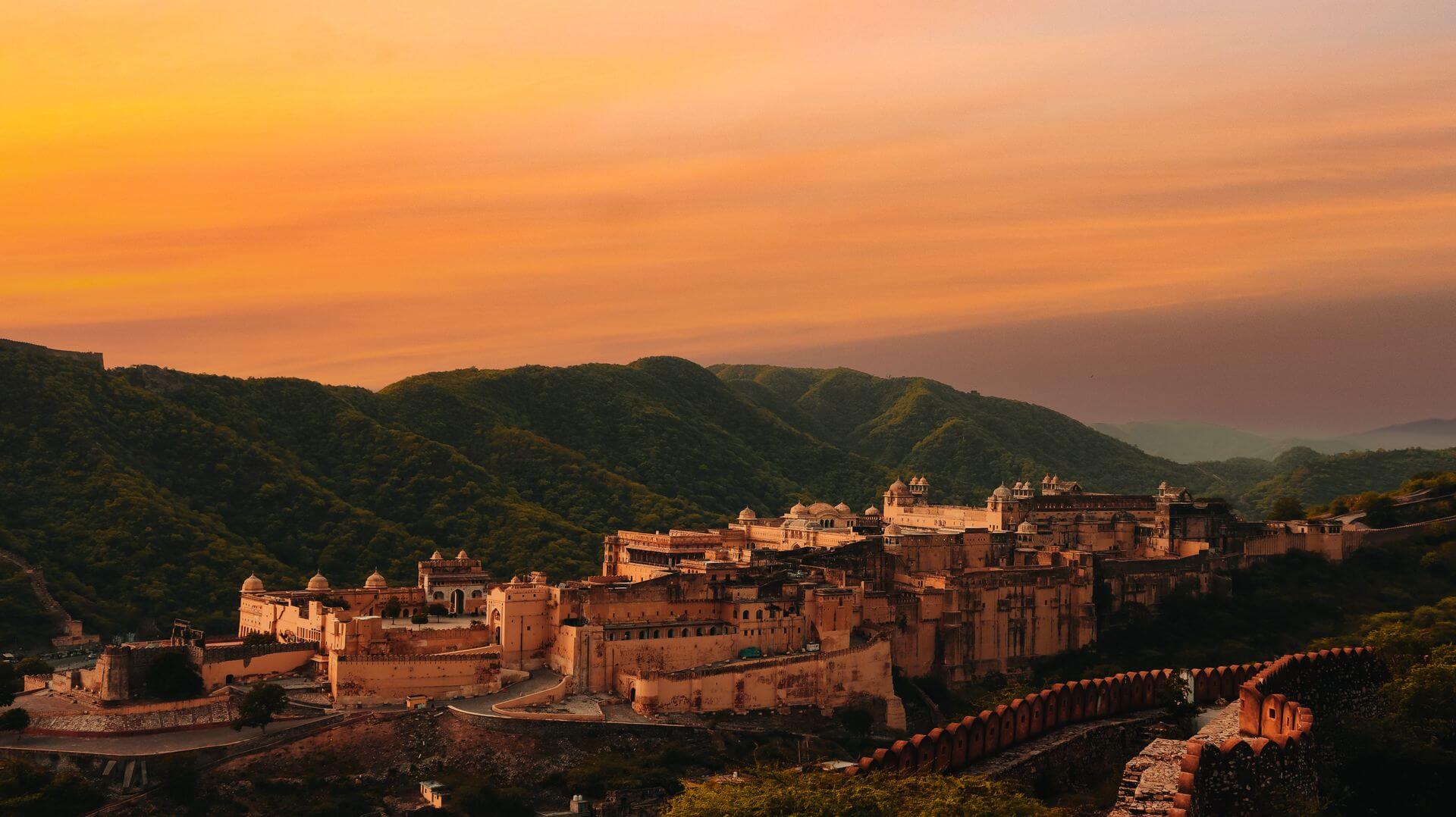
If you’re planning your first trip to India, one thing I always stress to international travelers is this: the best time to visit India for first-time travelers really does come down to choosing the right season.
If this is your first visit, you may also want to read our complete First Time Travel Guide to India, where we explain visas, safety, budgeting, and travel planning in detail.
I lived in India and I’ve seen just how differently the same city can change depending on the month you choose to go. Whether it’s the heat of summer or the chill of winter, the weather has a massive impact on your experience here.
In India, a good day means being able to walk comfortably without melting in the sun, knowing you can get anywhere without getting stuck in crowds, and having the energy to enjoy the sights and sounds around you – that makes a huge difference.
India is a vast country with significant variations in weather, so choosing the right time to visit is no small matter; it can make or break your entire trip.
Let’s understand this a little better. I want to give you some sound advice, not just some vague travel tips for first-time travelers.
Why October to March Is the Best Time to Visit India
For most first-time foreign tourists visiting India, the period from October to March is perhaps the easiest and most convenient time to travel.
During this time, the weather is generally quite pleasant throughout most of the country, excluding some of the more remote areas – nothing extreme or unusual.
You avoid the scorching heat and the unpredictability of the monsoon season. This makes a huge difference when it comes to sightseeing, traveling by train, and simply being out and about all day – it’s simply much more enjoyable.
In most popular destinations, daytime temperatures typically range between 50°F and 85°F (approximately 10°C to 30°C).
This is ideal, as it allows you to comfortably explore historical sites, wander through markets, and stroll around cities without feeling exhausted.
If you want to experience India at a relaxed pace, this is probably the best time to visit. If you’re looking for a smooth introduction to India, I’ve got to say that it’s probably your best time.
Before booking your trip, make sure you understand the India tourist visa process and application timelines.
Understanding India’s Seasons – From a Local’s Point of View
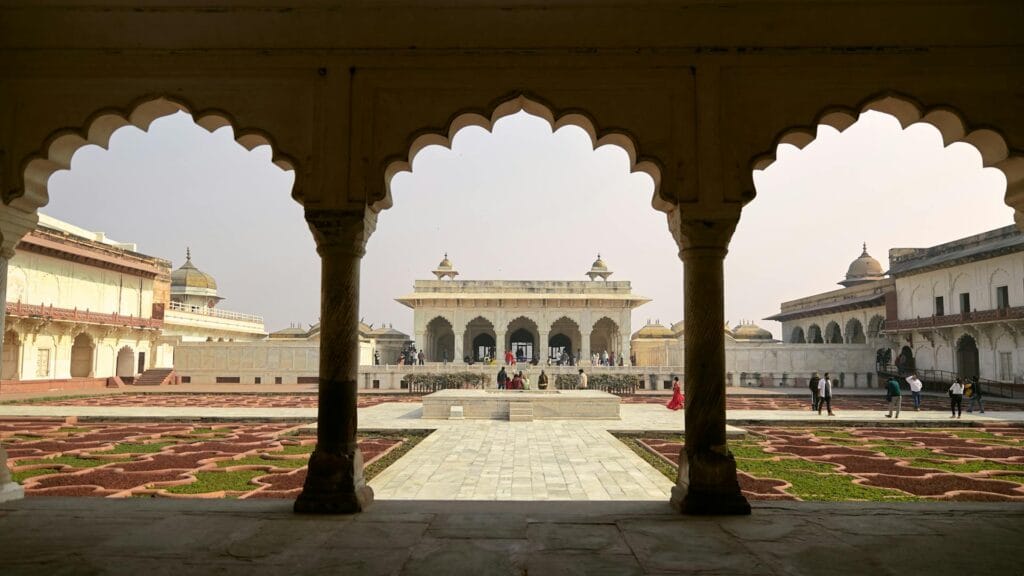
India doesn’t experience the same weather anywhere at the same time. Travelers really need to think in seasons rather than just the one ‘Indian Monsoon’ everyone always talks about.
To make things a bit easier, there are basically three main seasons you should get to grips with.
Winter (Nov to Feb): Perfect for First-Timers
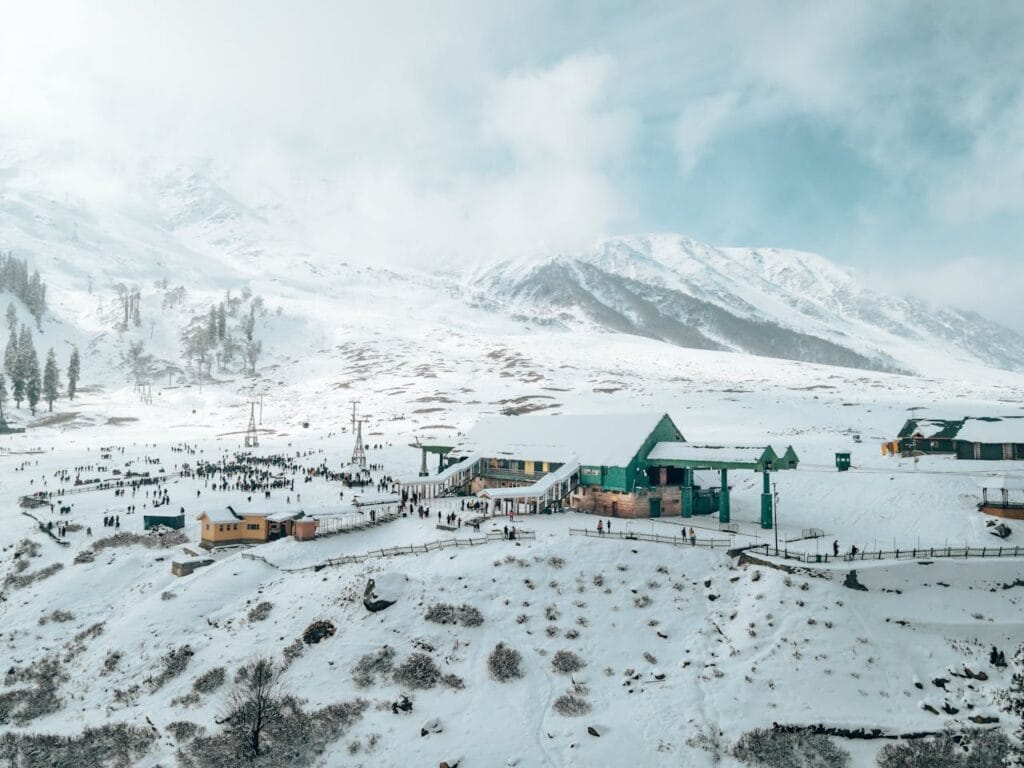
It’s no wonder winters are peak tourist season—and people just keep coming back for more. In the north of India, places like Delhi, Agra, Jaipur, and Varanasi become a lot more bearable.
You can almost forget about the heat and just enjoy the days—even the mornings and evenings can be chilly, especially up in the hills, but a light jacket sorts that right out.
In South India, meanwhile, winter feels more like warm weather than cold weather. First Time TravelPlaces like Goa, Kerala & coastal Karnataka have beach weather – the sun’s out & humidity is low – no wonder people love heading to the beaches and backwater trips at this time of year.
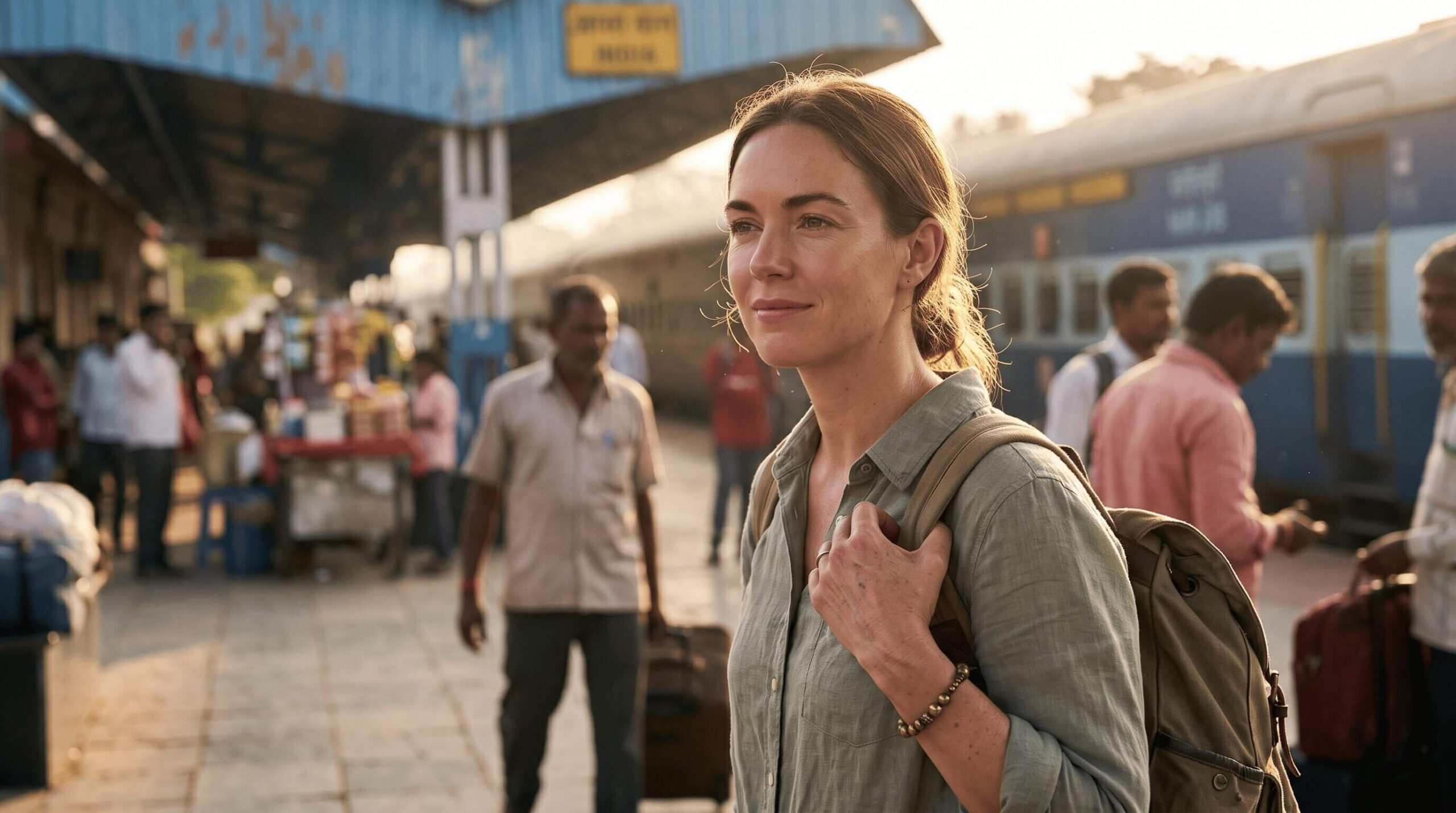
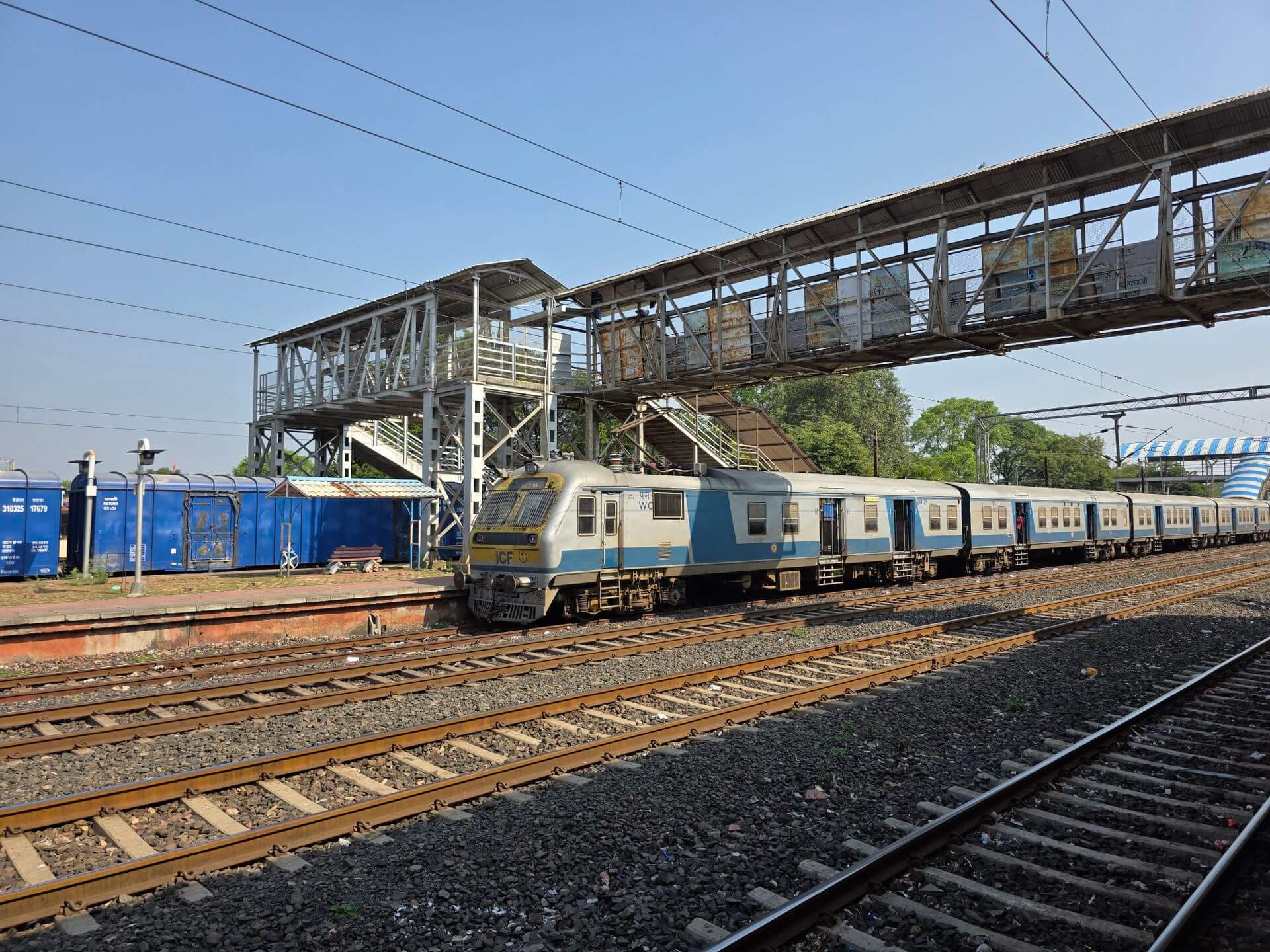
As far as locals are concerned, this is when travel logistics actually start to make sense – trains run smoothly, roads aren’t too bad, and most attractions are open for business.
Summer (March to June): Heat, Hills & Fewer Crowds
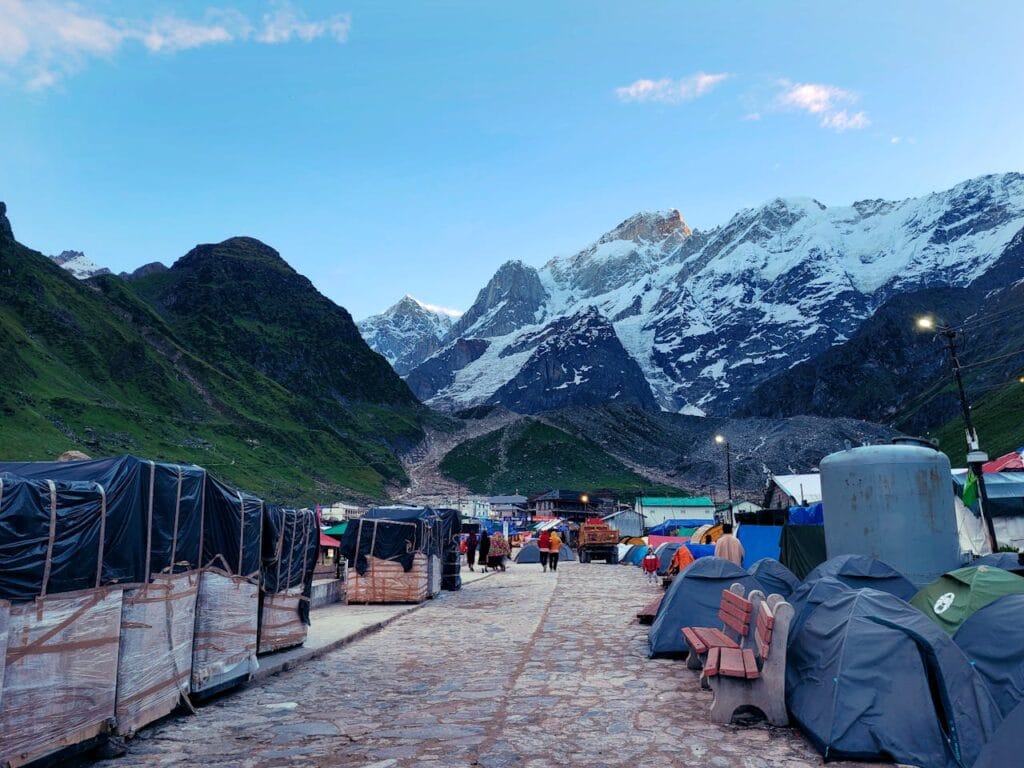
Summer can be a real challenge in India, particularly for first-time visitors who aren’t exactly built for high heat.
Cities like Delhi, Agra, and a lot of Rajasthan – forget standing out in the midday sun with temperatures easily climbing over 104°F (40°C).
Afternoon sightseeing can be downright exhausting, so you’ll need to plan your days carefully – getting up early and making time for regular breaks to cool off.
But summer isn’t all bad news. For those looking to explore the mountains, this is actually a great time to go. Places like Shimla and Manali, plus high altitude areas like Ladakh, are perfect for a summer visit.
Roads open up after winter has cleared the snow from them, and the weather in the hills is lovely.
If your focus is on the Himalayas, then summer might actually be the best time to go, but if city life is what you are after, then a first visit during this time may not be ideal.
Monsoon (July to September): A Beautiful but Unpredictable Time
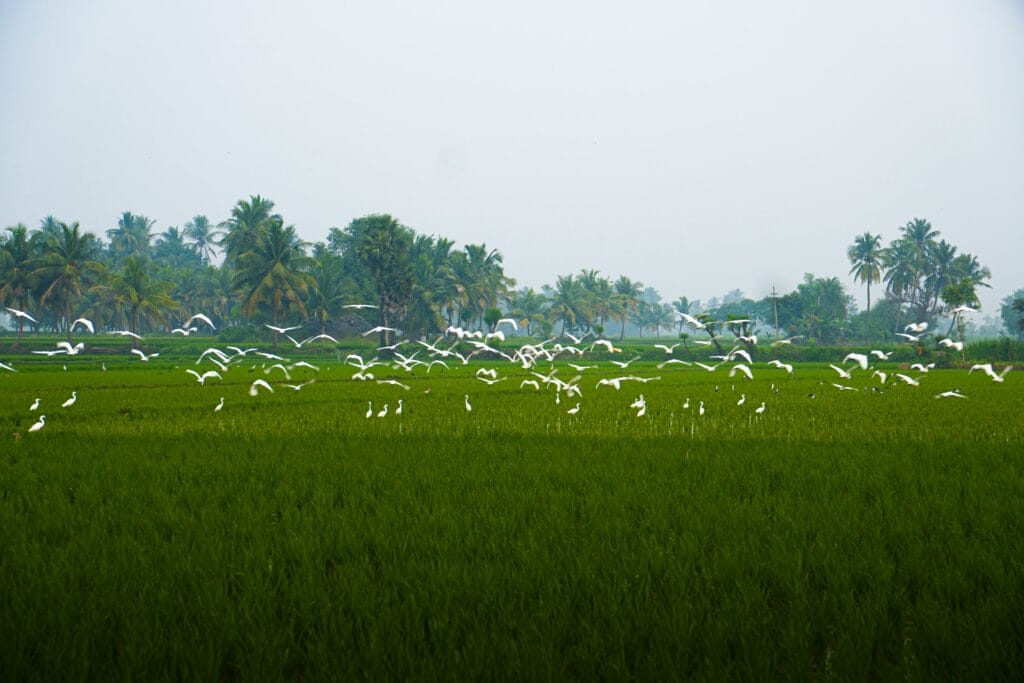
The monsoon season blows in with a dramatic effect on the landscape. The countryside suddenly springs to life as it turns a lush green, waterfalls start roaring, and regions like Kerala and the Western Ghats are nothing short of stunning.
Still, heavy downpours can really cause disruptions to travel plans. Roads get washed out, trains run late, and the humidity is sky-high in many areas. For a first-timer trying to get around, this is just not the most straightforward time.
Traveling during the monsoon can be rewarding if you are prepared to be flexible with your plans – travel schedules are often disrupted during the monsoon season.
Love nature or are looking for a wellness retreat – the rain can actually create some truly stunning scenery. Prefer a slower pace of travel – the pace of travel is generally more relaxed at this time.
But, honestly, if you are not specifically looking to experience the monsoon season, it is probably best to postpone your trip to another time.
Best Time to Visit India – By Region
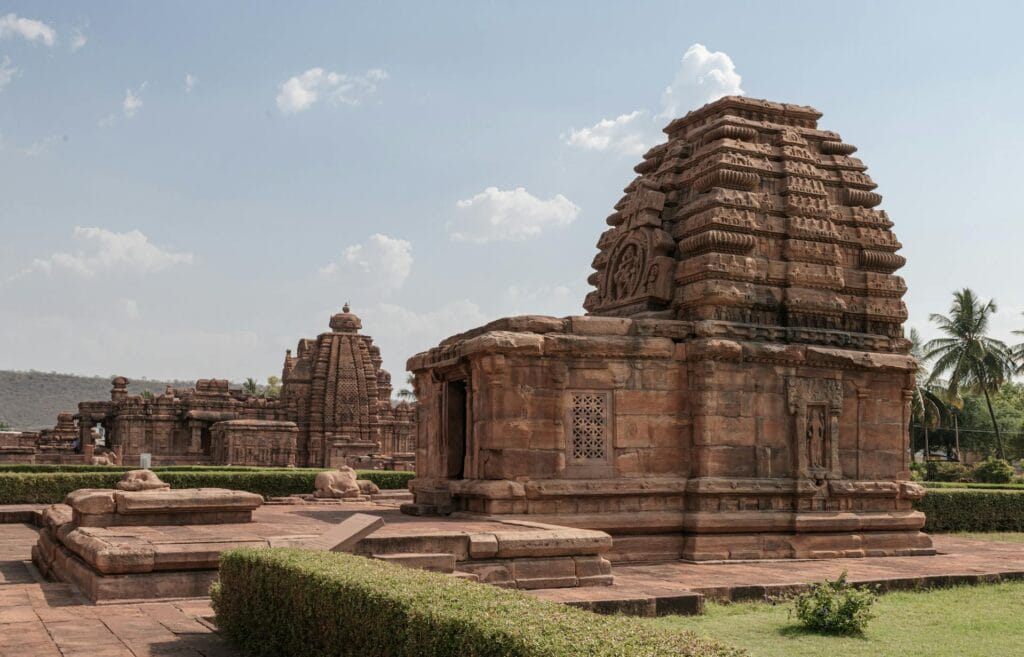
When planning a trip to India, it is worth noting the country is split into different regions that experience a variety of weather patterns – each one playing a big part in deciding where to go & when.
North India (Delhi, Agra, Rajasthan, Varanasi)
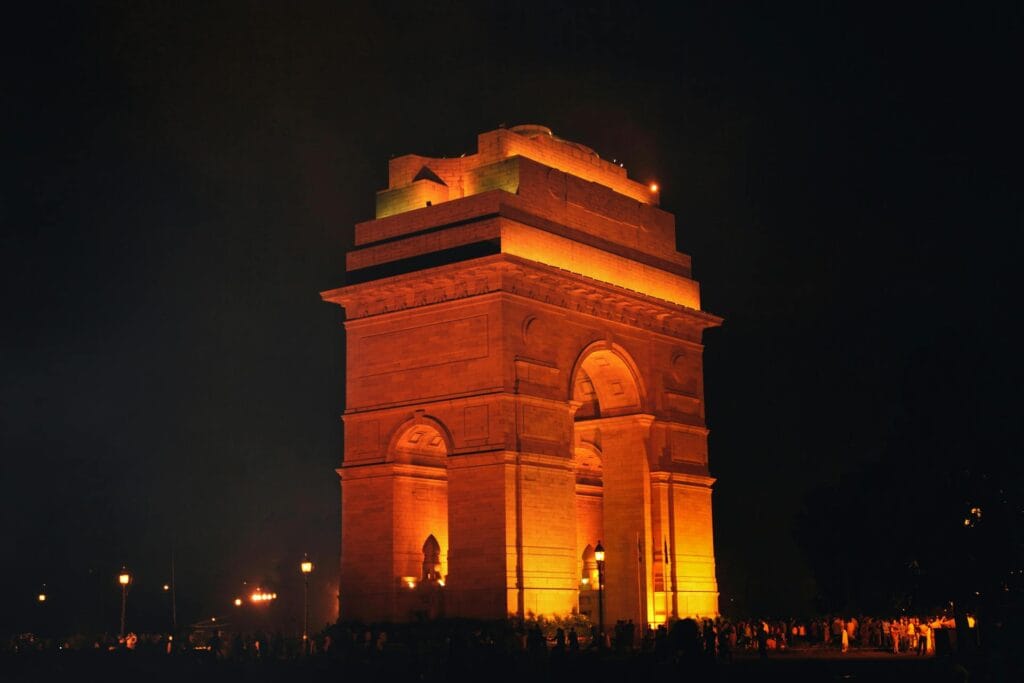
The best time to visit North India is from November to February – it is the perfect time for a comfortable trip, allowing you to walk & sight see with ease.
You see, the summers get ridiculously hot in those areas; even the locals try to stay indoors during the peak heat of the day – it is just not worth venturing out. Winters make all the monuments & old cities feel all the more enjoyable.
South India (Kerala, Goa, Tamil Nadu, Karnataka)
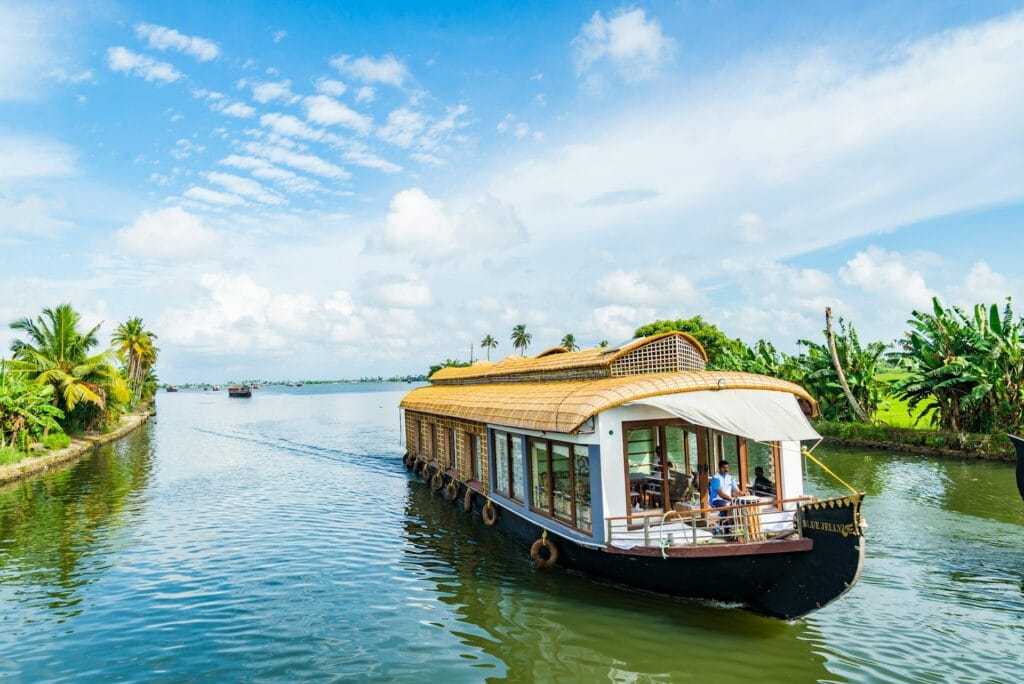
If you’re planning a trip to South India, the months of December to February are ideal. The region is warm year-round, but the humidity is lower during these winter months.
The weather is quite pleasant at this time—perfect for relaxing on the beach, visiting temples, and traveling from city to city by motorcycle.
Himalayas & Northeast India
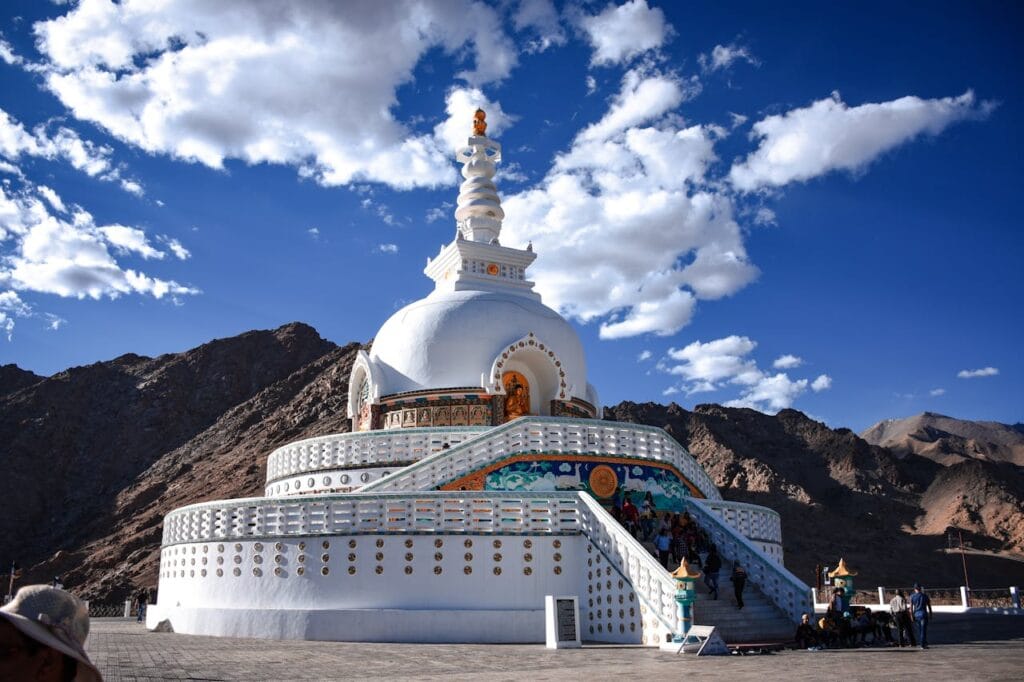
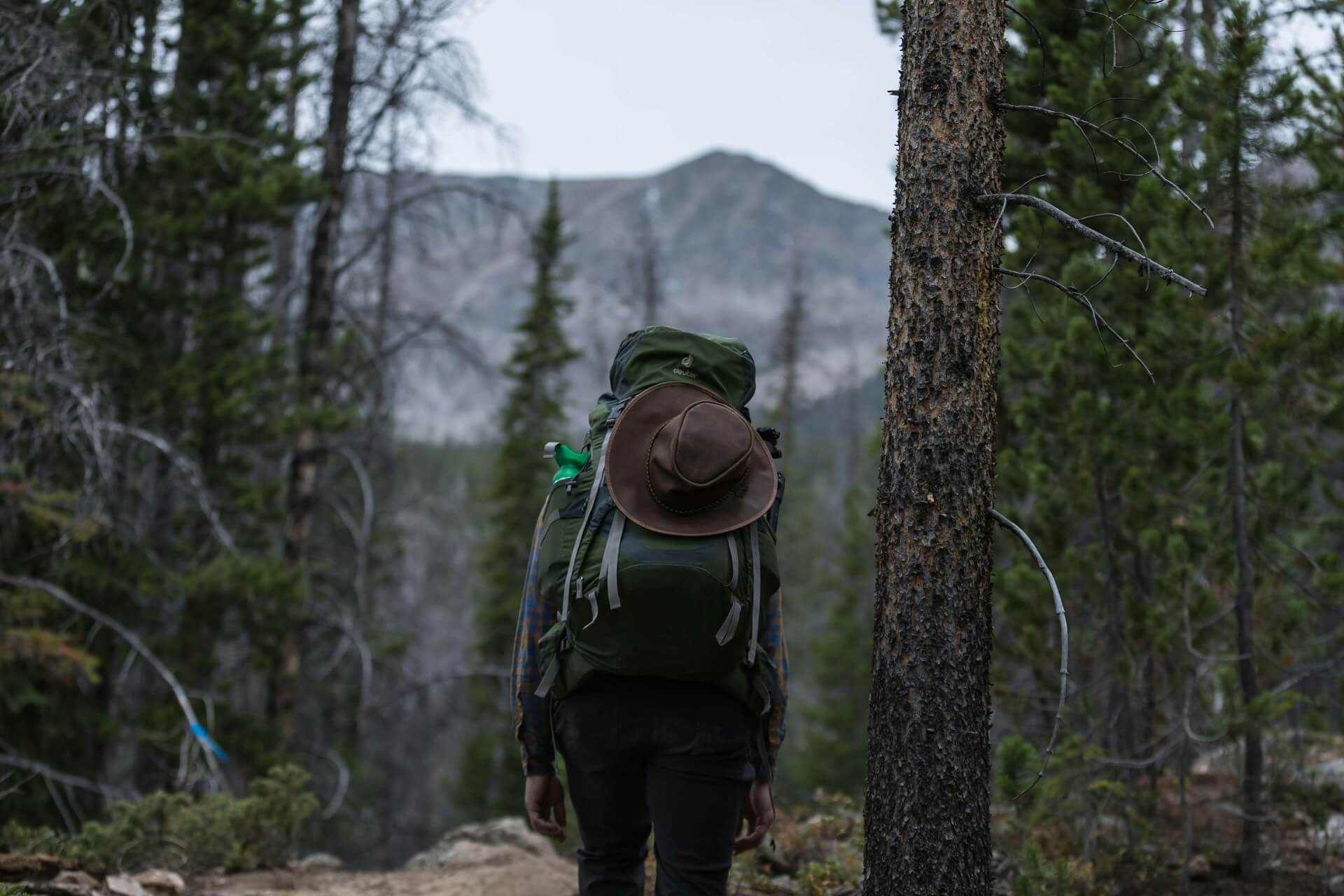
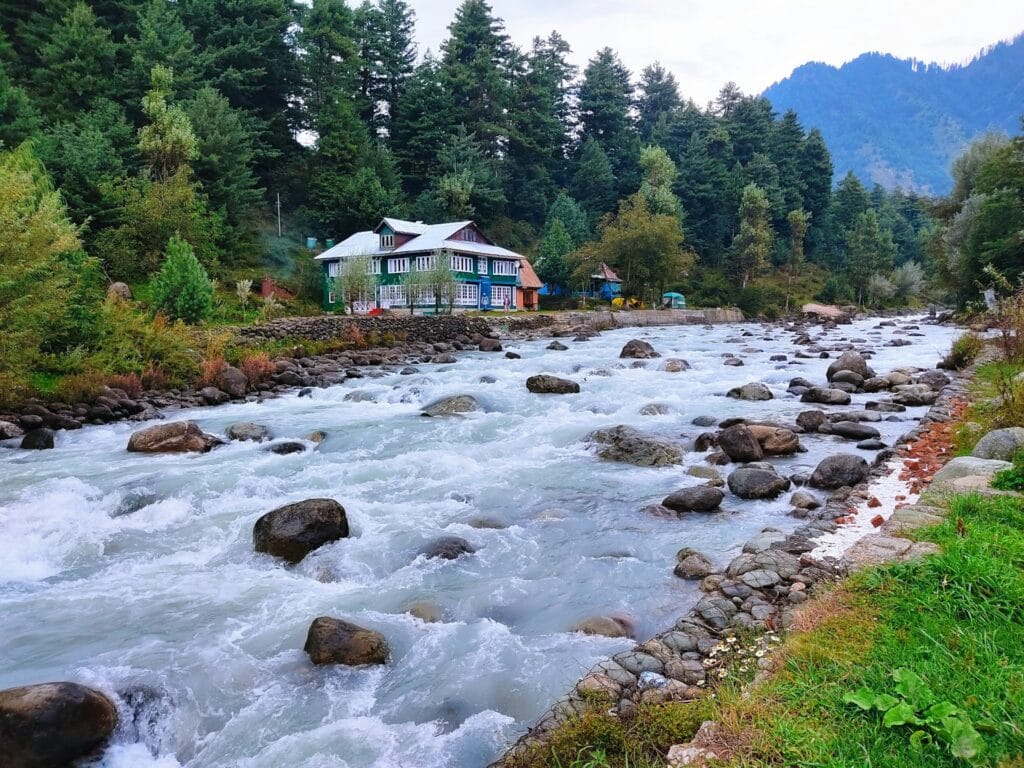
Trekking in the high-altitude regions of the Himalayas and Northeast India is truly enjoyable only between May and October. Places like Kashmir are accessible only after the snow melts – usually from June onwards.
The summer and early autumn months make these regions incredibly beautiful, making them perfect for trekking and exploring stunning landscapes.
Planning Your Trip Around Indian Festivals
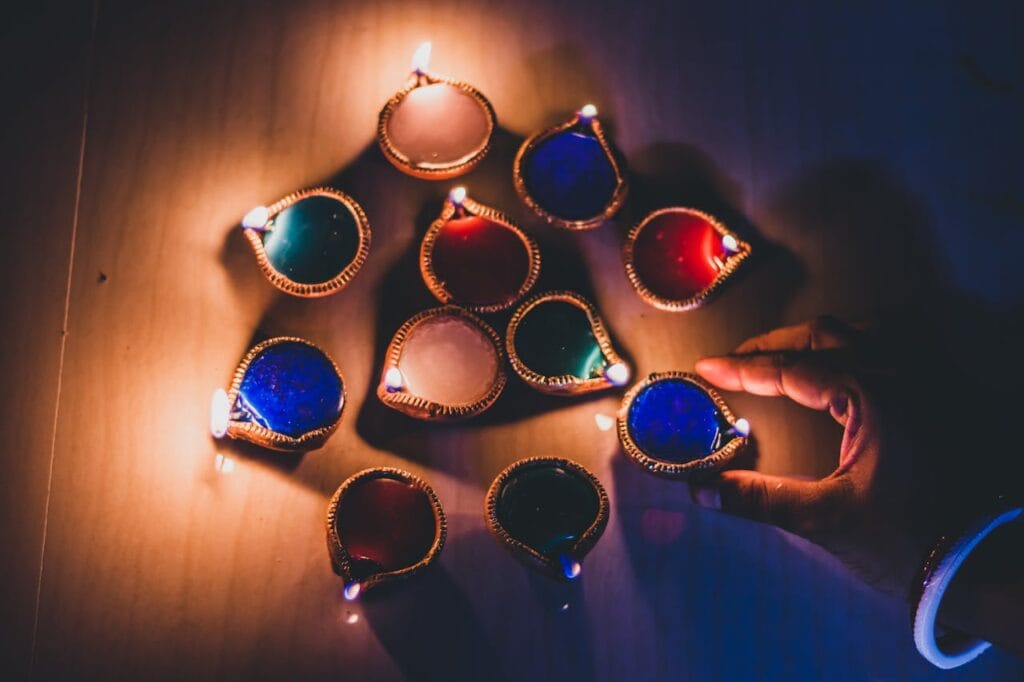
India’s festival calendar is one of the many reasons why you should plan your trip for the right time of year. For example, Diwali usually falls in October or November and puts the entire country in party mode.
You’ll see fireworks everywhere and, frankly, the food is one of the best parts. Holi in March, the famous festival of colors, is incredibly fun – be prepared for piles of colorful powder everywhere.
Knowing when to time your trip around a major festival can add another layer of interest to your travels, but – let’s get straight to the point – accommodation prices skyrocket, and availability becomes very limited, so be sure to book well in advance.
My Honest Recommendation for First-Time Travelers
If you want your first trip to India to be exciting rather than utterly draining, aim to travel between late October and early March.
The best bits of the year are really November and February – perfect weather, fewer absolute nightmares of crowds, and travel days are a lot easier.
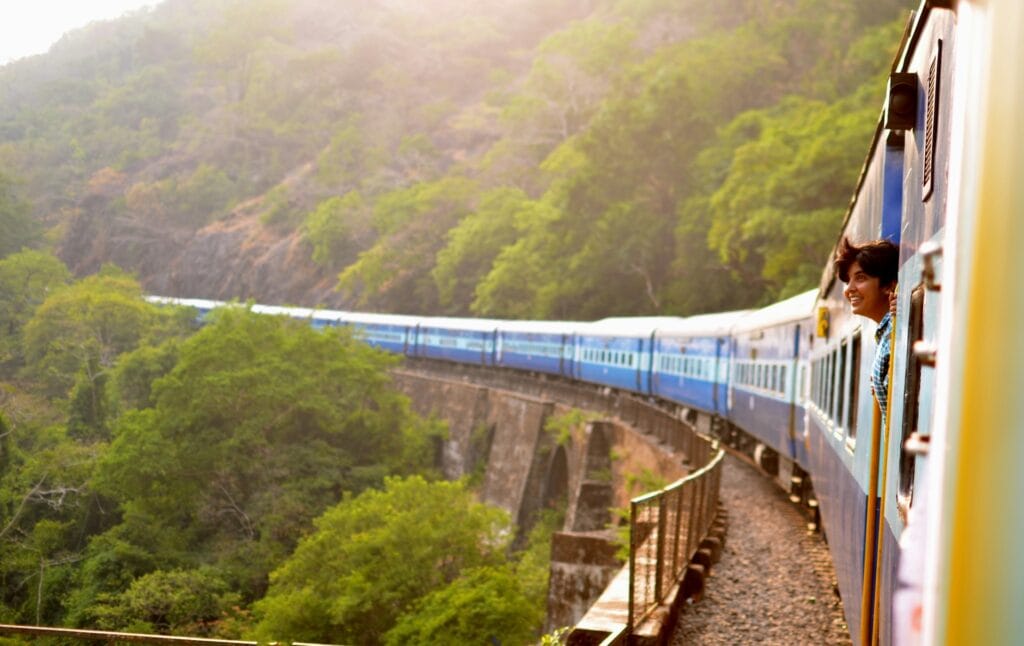
A classic first trip to India still works for a reason – it mixes up culture, history, and all sorts of other stuff:
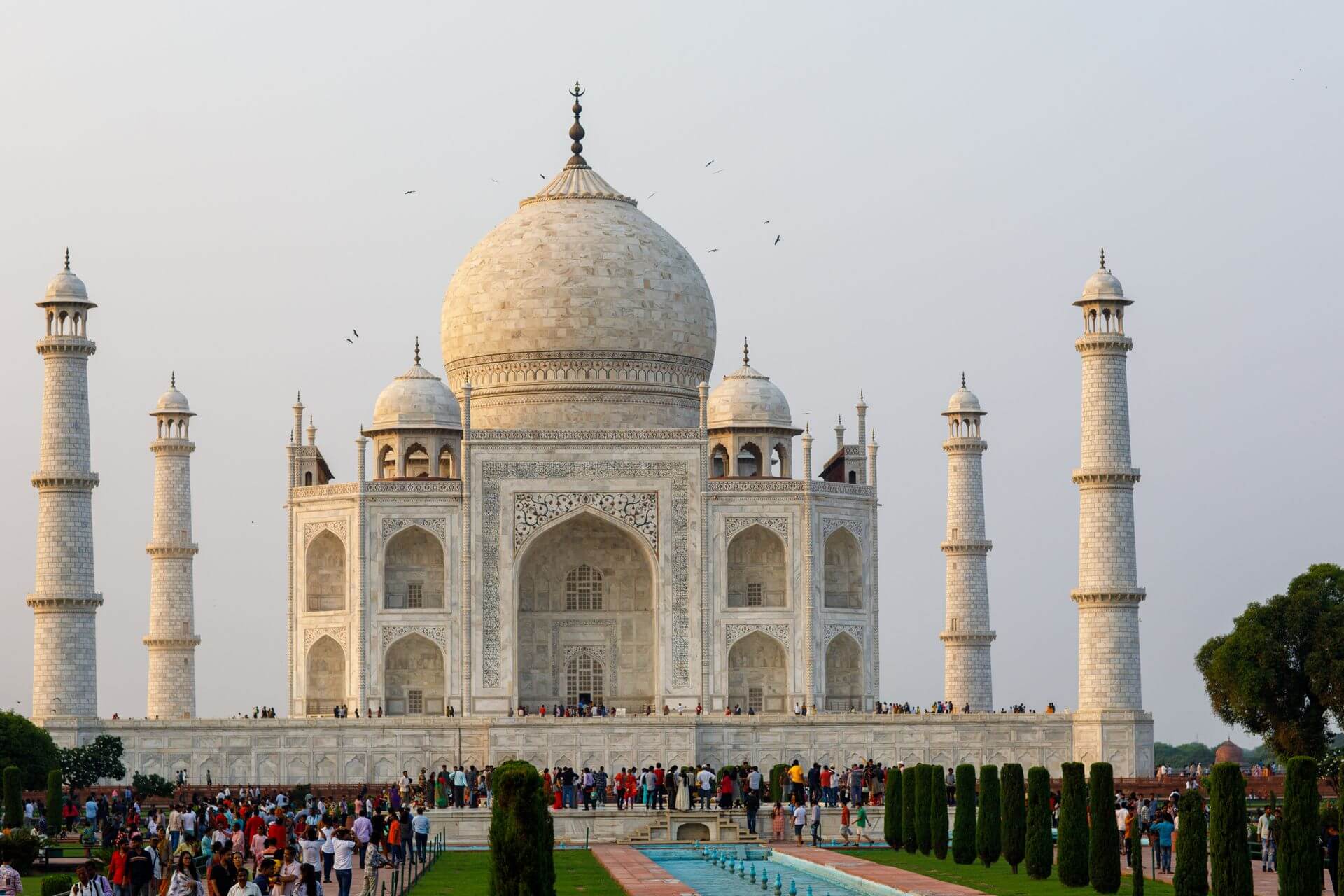
Many first-time visitors begin with Delhi, Agra, and Jaipur because they offer a balanced mix of history, culture, and architecture. Our 7 Day India Itinerary for First-Time Travelers shows how to experience all three cities in a single trip.
It gives you a taste of the best bits of India without overwhelming you – a little bit of everything.
Travel Tips for Choosing the Best Time to Visit India
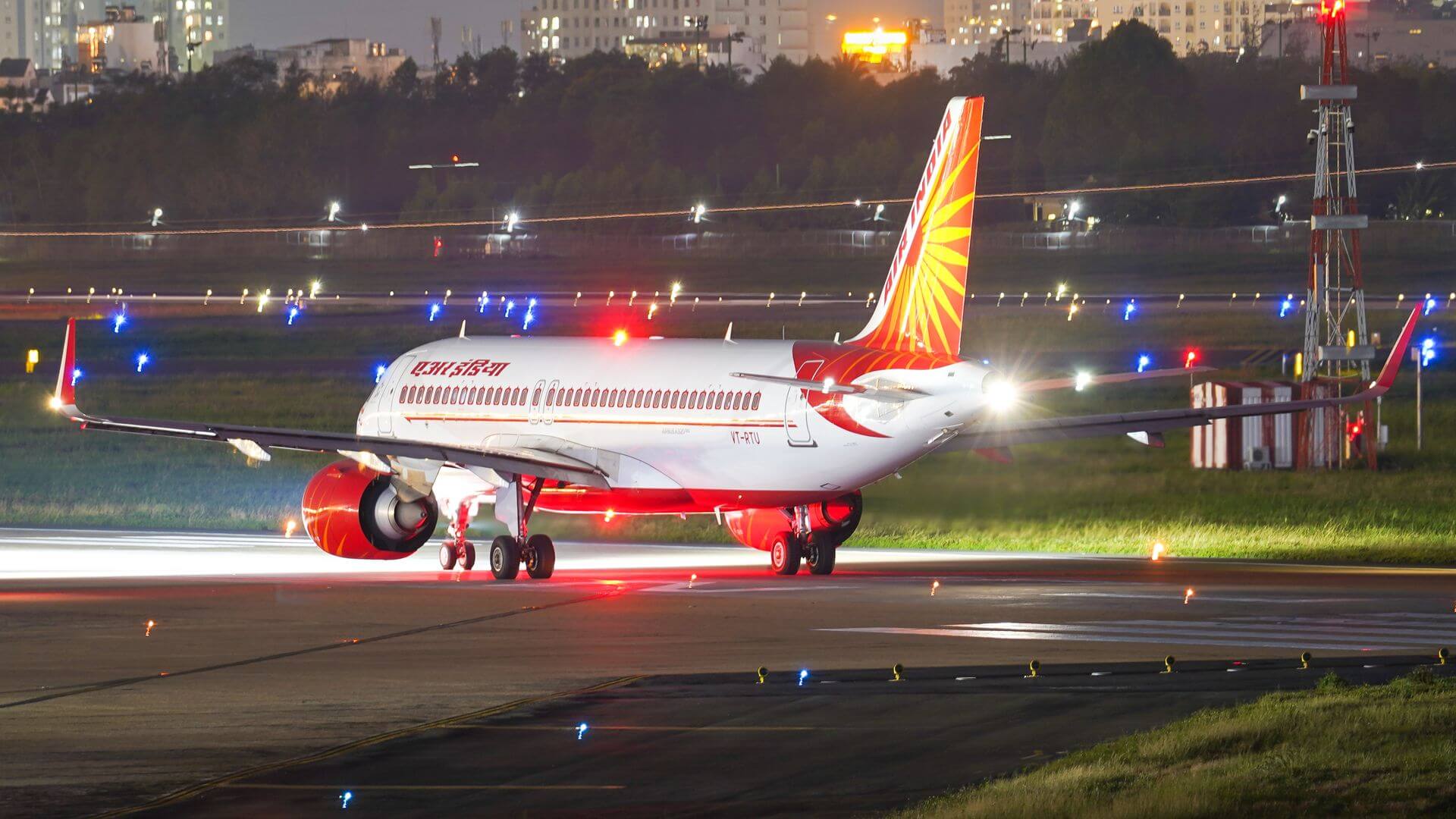
Book your flights at least three to four months in advance for the best chance at a good deal, especially if you’re planning a trip during peak season when prices go through the roof.
Peak travel season also means higher costs for cancellations and medical emergencies, which is why many visitors choose travel insurance for India before departure.
And speaking of peak season, don’t even think about waiting to book your hotel during December and January – popular spots get snapped up lightning fast.
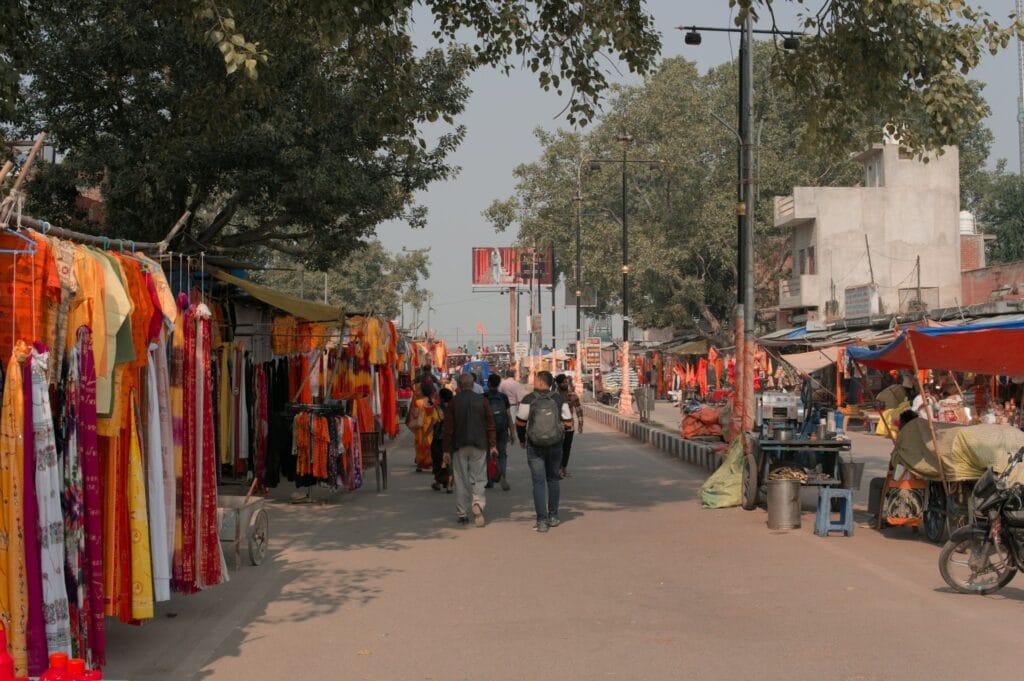
When you’re packing, don’t assume you just need to chuck on a thick coat because it’s winter. Afternoons can still be pretty pleasant, even in the middle of winter, and mornings and evenings can be downright chilly.
Wrap up in some light, breathable layers – they’re a lifesaver. Be honest with yourself about how you handle the heat and the crowds.
If you don’t mind a bit of a sweaty trip and you’re after a better deal on hotels, why not consider shoulder season options like April or September?
Klook.comPeak vs Off-Peak Travel: The Best Time to Visit India
India is a year-round destination with an incredibly varied climate and numerous seasonal events – figuring out when to go is crucial to having a wonderful trip.
And, when you get down to the nitty-gritty, different regions in India have some distinct offerings depending on the time of year you visit.
Peak Tourist Season: What to Expect
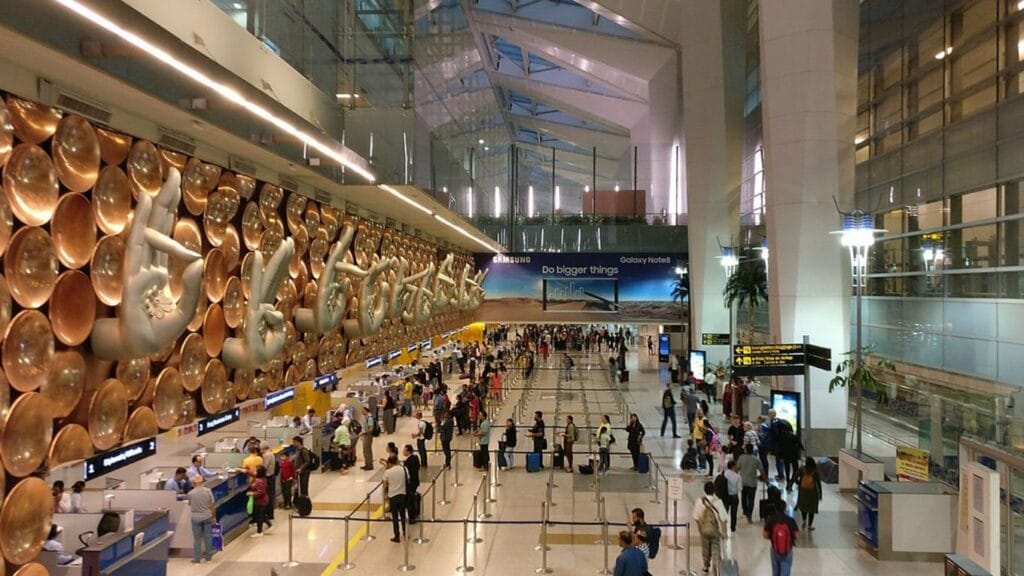
The peak season in India is from October to March. It’s an excellent time, with great weather for sightseeing. However, it also means navigating larger crowds and incurring higher expenses. Here’s how to make the most of it:
- Book your accommodations and activities ahead of time: Secure your hotels, tours, and attractions well in advance to avoid complications.
- Be prepared for masses of people: Locations will be crowded, so ensure you plan your day properly.
- Expect higher costs: Everything is more expensive during peak season. Just factor that into your budget.
Downloading a few essential travel apps for India can make transportation, navigation, and hotel bookings much easier during peak season.
The Off-Peak Travel Experience in India
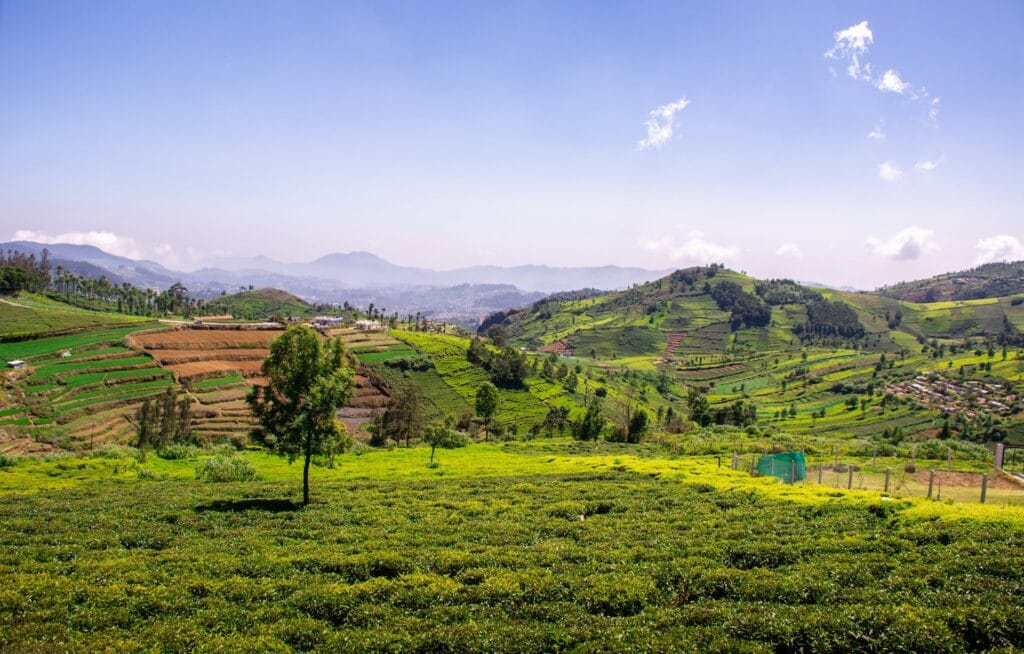
Off-peak is usually an opportune time – whether that’s during the monsoon or the summer months. While some attractions might be closed due to weather, you can enjoy:
- The countryside looks lush and beautiful: The monsoon brings out the best in India’s natural beauty, which is perfect for nature lovers.
- Significant savings: With fewer people around, prices drop considerably.
- Places will be considerably less crowded: That means less stress and more of a chance to relax and enjoy your time.
So, When Is the Best Time to Visit India?
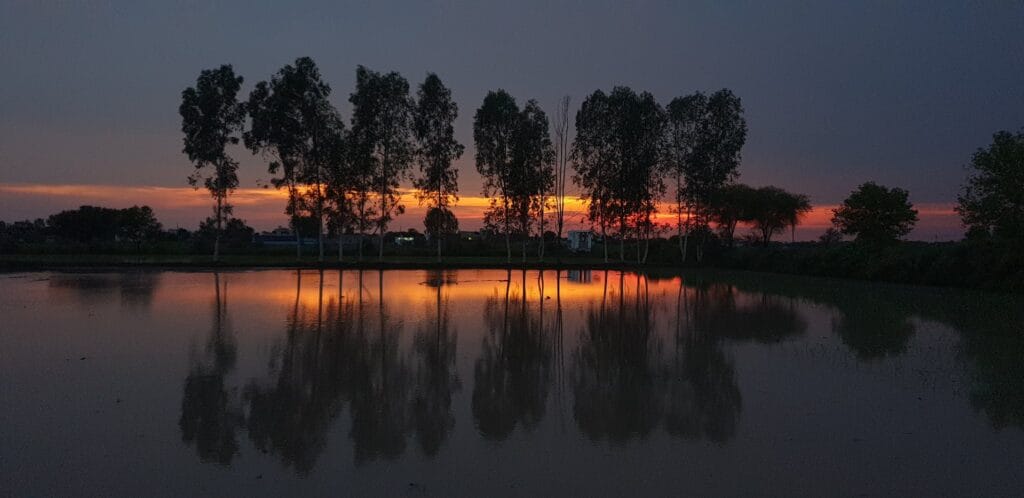
There’s no universally “perfect” time to visit India because it depends on what you want to experience and where you would like to go.
But for first-time visitors wanting a comfortable introduction to this incredible country, the cooler, drier months from October to March offer the most rewarding experience.
India will challenge you, amaze you, and probably change you a little bit. Picking the right time to visit just makes sure that the challenges come from cultural immersion and amazing experiences rather than simply battling the weather.
Start planning, pack your sense of adventure, and get ready for the trip of a lifetime. India is waiting for you.
FAQs for Best Time to Visit India for First-Time Travelers
What is the best time to visit India for first-time travelers?
The best time to visit India for first-time visitors is October to March – the weather is cooler, drier, and pretty much ideal for sightseeing all across the country.
Which month is best for a first trip to India?
November and February are the pick of the bunch for a first trip to India – the weather is really pleasant, and the temperatures aren’t too extreme.
Is summer a good time to visit India for the first time?
Summer (March to June) can be pretty challenging for first-time visitors because it’s so hot in most areas, but the hill stations and Himalayan regions are actually great places to visit at this time.
Should first-time travelers visit India during the monsoon season?
The monsoon season (July to September) is a great time to see the really lush landscapes, but the heavy rain can cause a right old disruption to your travel plans. Unless you don’t mind fewer crowds and greener scenery, it’s probably not the best time for first-time visitors.
What is the best time to visit North India for first-time travelers?
The best time to visit North India is November to February – the temperatures are generally cooler and make it ideal for exploring places like Delhi, Agra, Jaipur, and Varanasi.
What is the best time to visit South India for first-time travelers?
December to February is probably the best time to visit South India – the weather is warm but still pretty comfortable for sightseeing and beach-hopping.
Is it a good idea to plan a first trip to India around festivals?
Yeah, visiting during festivals like Diwali (October–November) or Holi (March) can really enhance your cultural experiences. Just be sure to book your accommodation early because people tend to flock there during these times.
What should first-time travelers pack when visiting India?
First-time visitors to India should probably pack some light, breathable clothing and some comfortable walking shoes – and don’t forget to bring a few layers for those cooler mornings and evenings, especially during the winter months.
Image Credit: Pexels
