
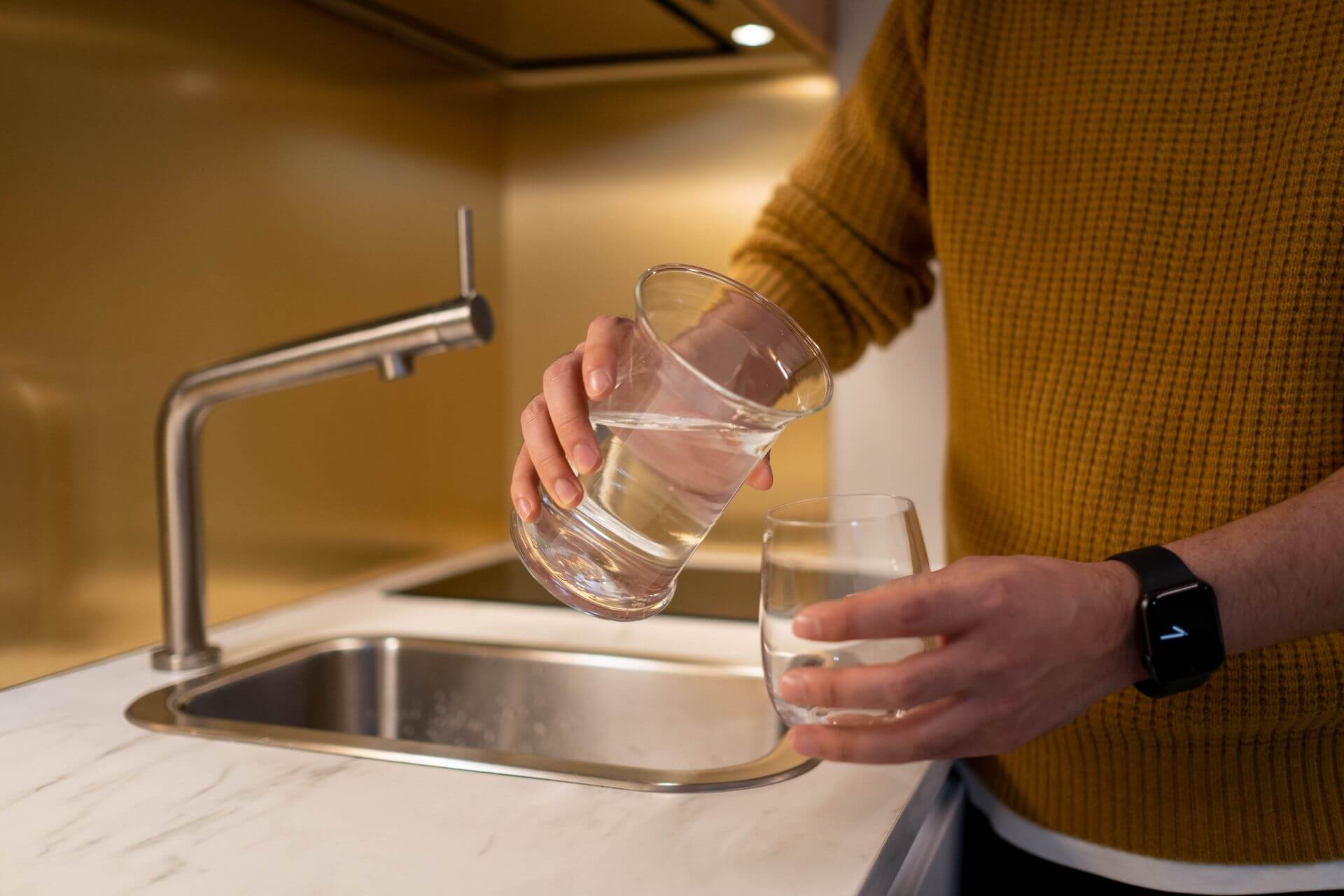


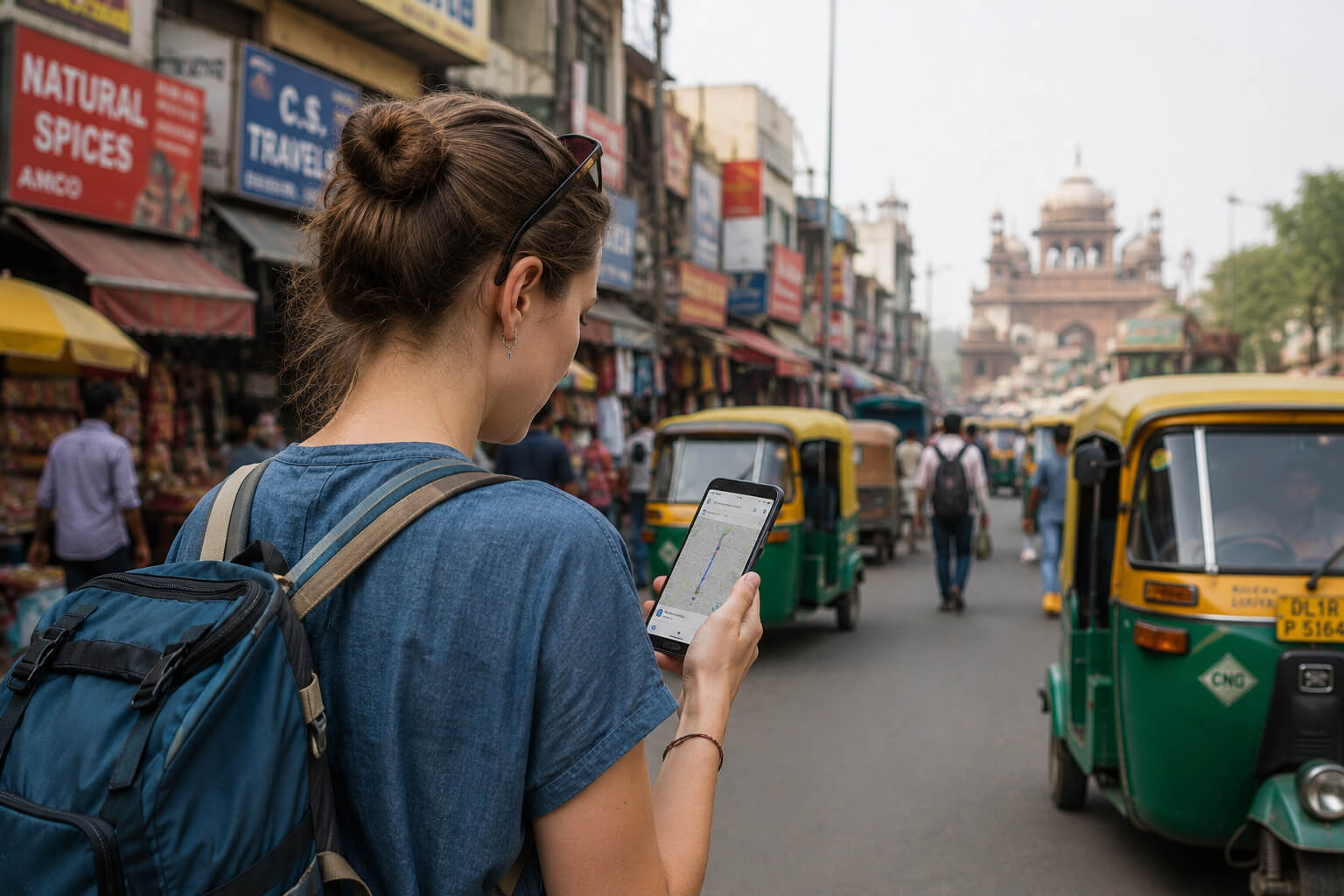
You have just landed in India after a long flight. You check into your hotel, drop your bags, and feel the kind of thirst that only comes from ten hours in recycled cabin air.
You walk to the bathroom, look at the tap, and hesitate. The water looks clear. The hotel seems decent. You can hear someone in the corridor walking back from the lobby with a sealed bottle.
But you also just watched a local staff member fill a glass straight from the tap without a second thought. This is where most travelers first ask: Can you drink tap water in India?
It is one of the most practical questions you can ask before your trip. And the answer is not just yes or no. It depends on where you are, what your stomach is used to, and what kind of water you are actually being offered.
Can you drink tap water in India? While some locals drink it without any issues, most tourists should avoid it.
Water quality varies across India, and even treated water can pick up contaminants through aging pipes and storage systems. For travelers, sealed bottled water or verified filtered water is usually the safest choice.
Table of Contents showQuick Answer: Can You Drink Tap Water in India?
No. Most tourists should avoid drinking tap water in India. While many cities treat their water supply, contamination can occur through pipes, storage tanks, and local plumbing systems.
Sealed bottled water or properly filtered RO water is generally the safest option for travelers.
Why Can’t Tourists Drink Tap Water in India?
One thing surprises many first-time visitors: locals may drink water that causes stomach problems for travelers. India’s water systems vary widely between cities, towns, and rural areas.
In many places, municipal water is filtered and treated before it reaches homes and businesses. However, treatment is only part of the story.
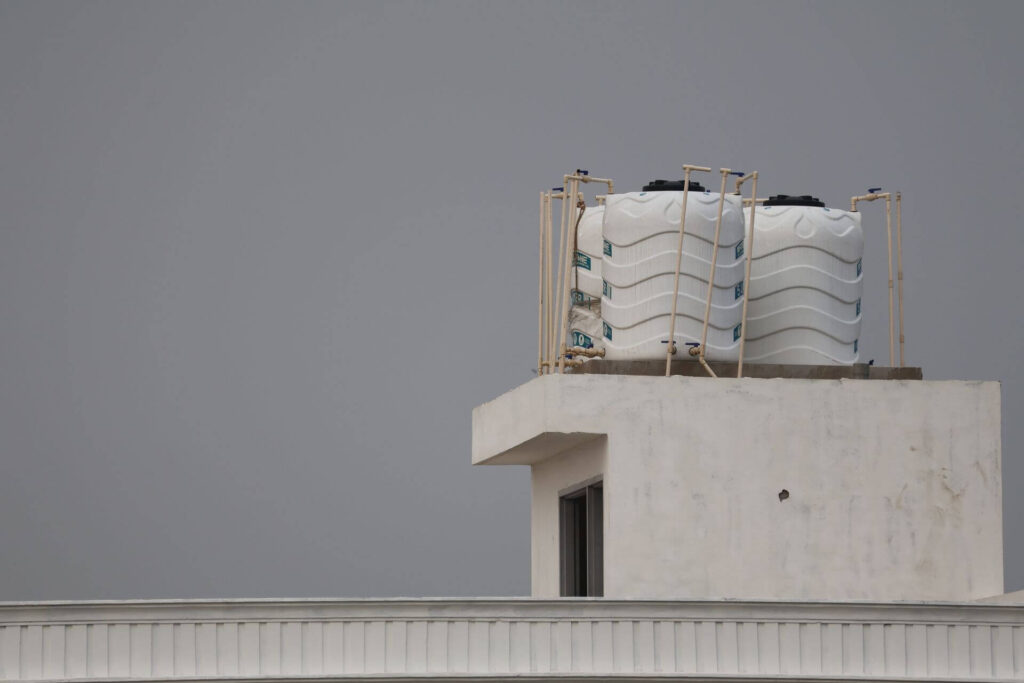
Water often travels through older pipes before reaching the tap. Along the way, contamination can occur through leaks, damaged infrastructure, or storage tanks that are not properly maintained.
For travelers, the bigger issue is unfamiliar bacteria. Your digestive system has not adapted to the microorganisms commonly found in local water supplies.
Even when water is considered acceptable for local residents, it may still cause stomach upset for visitors. The issue is not that every glass of tap water is unsafe.
The problem is that travelers have no reliable way to know which sources are safe and which are not. That’s why most experienced visitors avoid tap water altogether and stick to bottled or filtered alternatives.
Why Is Tap Water Different for Foreign Travelers?
Travelers from the United States, Canada, the United Kingdom, Australia, Europe, and other regions may react differently to local water supplies than Indian residents.
Over time, people develop tolerance to some of the microorganisms commonly found in their environment. This does not mean local water is unsafe for everyone.
However, visitors who are not accustomed to these bacteria may experience stomach upset, diarrhea, or digestive discomfort even after drinking water that appears clean.
This is one of the main reasons travel health experts recommend bottled or properly filtered water for tourists visiting India.
Can You Drink Tap Water in India as a Tourist?
According to WHO and UNICEF drinking-water data, access to safely managed drinking water in India has improved significantly in recent years, although water quality can still vary between regions and individual buildings.
However, water quality can still vary between regions, cities, and individual buildings, which is why bottled or properly filtered water remains the preferred option for many international travelers.
Tap water in India is not safe for tourists in most cases due to inconsistent water quality and plumbing conditions.
For most visitors, drinking tap water in India is not worth the risk. In large cities, water is usually treated before entering the distribution system.
However, the condition of pipes, storage tanks, and local plumbing can vary significantly. Water that leaves a treatment plant in good condition may not reach your hotel room in the same state.
In smaller towns and rural areas, water sources often rely on wells, boreholes, or local supply systems with varying treatment standards. The quality can change from one location to the next.
Hotels also differ. Budget properties may rely on older plumbing systems, while higher-end hotels often use their own filtration systems and provide purified drinking water.
Best Safe Drinking Water Options in India for Tourists
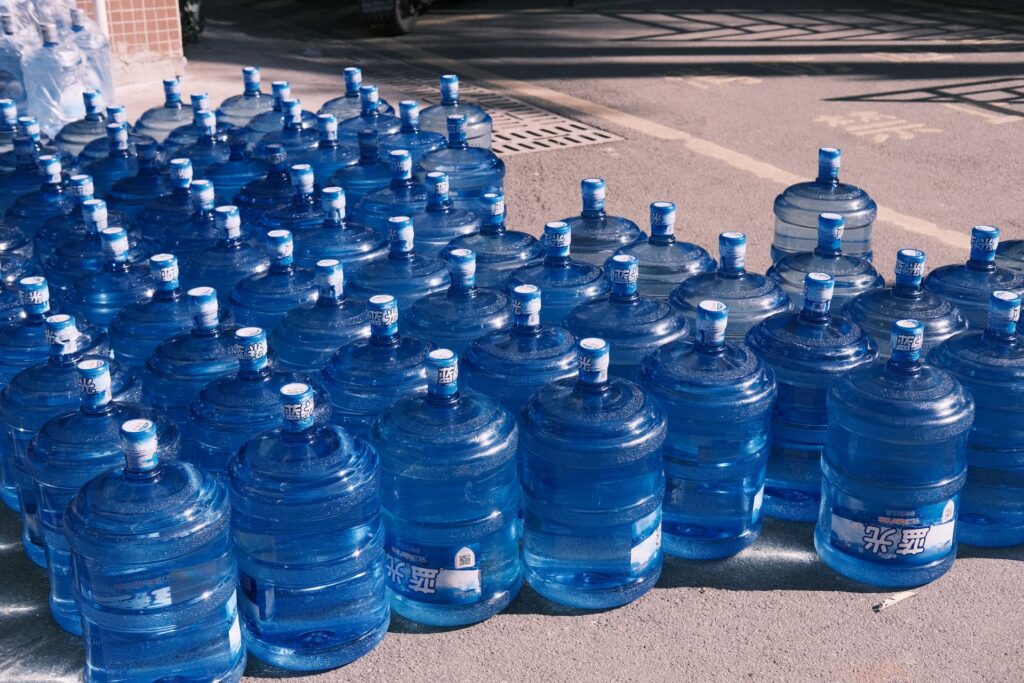
There are three reliable options for safe drinking water in India. Sealed bottled water is the most straightforward.
It is available everywhere in India, from airports and railway stations to corner shops and hotel room minibars.
The major brands sold across the country – Bisleri, Kinley, Aquafina, Bailley, and Himalayan – all go through regulated bottling processes.
A 1-litre bottle typically costs between 20 and 30 rupees at a local shop, slightly more at tourist spots and hotels. RO filtered water in hotels is the second option. Reverse osmosis filtration removes bacteria, dissolved salts, and most contaminants.
Mid-range and upscale hotels in India commonly use RO systems for their in-room water supply, whether in a carafe or a dedicated tap.
If you are unsure whether a hotel’s filtered water is safe, ask the front desk directly. A good hotel will tell you honestly.
Boiled water at budget stays is the third option, and the least reliable in practice. Boiling kills bacteria effectively.
The issue is that in a budget guesthouse, you cannot always verify that the water was boiled long enough, stored in a clean container, or has not been recontaminated since boiling. Use this as a fallback option, not a primary one.
Can You Brush Your Teeth With Tap Water in India?
Most travelers use bottled or filtered water when brushing their teeth, especially during the first week of their trip.
Accidentally swallowing a small amount of tap water once is unlikely to cause serious illness. However, repeated exposure over several days increases the chances of stomach problems.
Many visitors simply keep a bottle of water in the bathroom and use it for brushing. It quickly becomes part of the routine and removes one more thing to worry about during the trip.
If you’re staying in a hotel that confirms its water comes from a properly maintained RO filtration system, brushing your teeth with that water is generally considered low risk.
Is Filtered Water Safe in India?
Filtered water can be a safe alternative to bottled water, but it depends on the filtration system being used.
Many hotels, cafés, coworking spaces, and modern accommodations use reverse osmosis (RO) systems that remove bacteria, viruses, and dissolved impurities.
Water from these systems is generally safe for travelers. The challenge is verification. Travelers often have no way of knowing when a filter was last serviced or whether it is functioning correctly.
As a simple rule:
- If a reputable hotel or restaurant confirms the water comes from an RO filtration system, it is usually safe.
- If the source is unclear, choose bottled water instead.
- In remote areas, consider carrying a portable filter or purification tablets as a backup.
Bottled Water Safety Tips
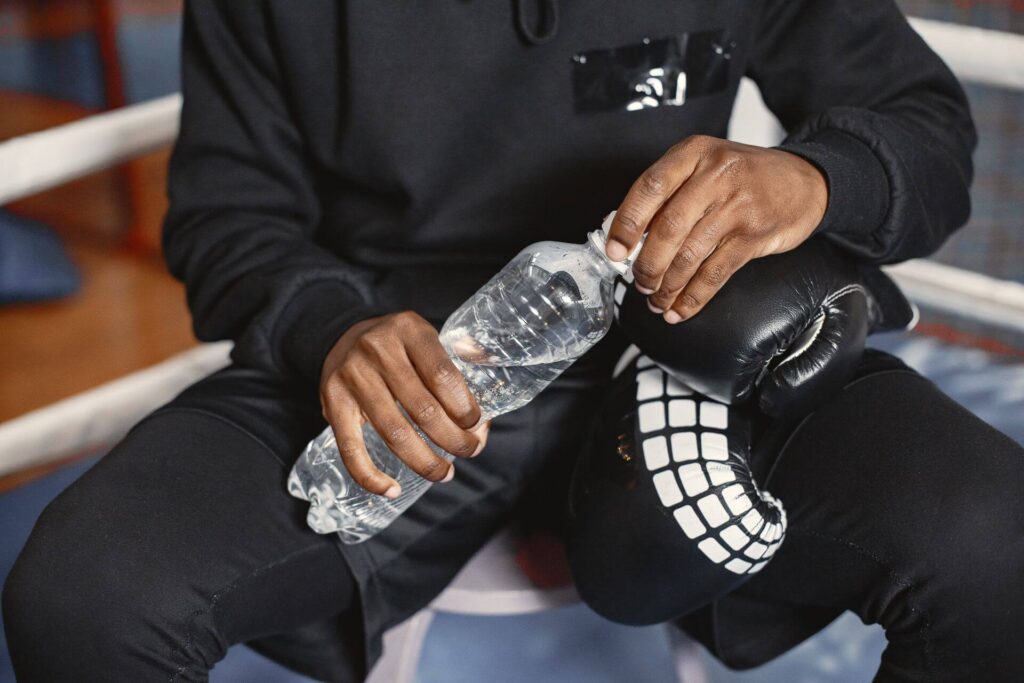
Not all bottled water in India is what it claims to be. This is not widespread fraud, but it exists at enough tourist hotspots that it is worth knowing about.
Always check the seal before you accept or drink from a bottle. The cap should be fully sealed with a tamper-evident ring intact.
If the cap turns before the ring breaks, the bottle has been previously opened. Some counterfeit bottles have been refilled with tap water and resealed loosely.
A new, sealed bottle requires some force to open for the first time. Buy bottled water from pharmacies, established shops, supermarkets, and hotel receptions rather than from street vendors at major tourist attractions.
The risk is higher where foot traffic is high and stock turnover incentivizes refilling. Check the bottom of the bottle for a manufacturing date if you want to be thorough.
Plastic degrades over time and very old bottles stored in direct sunlight can affect water quality.
Carry a reusable bottle that you fill from your hotel’s sealed stock or from a new sealed bottle. This reduces plastic waste and ensures you always have water on hand rather than searching when you are already thirsty.
Is Ice in Drinks Safe in India?
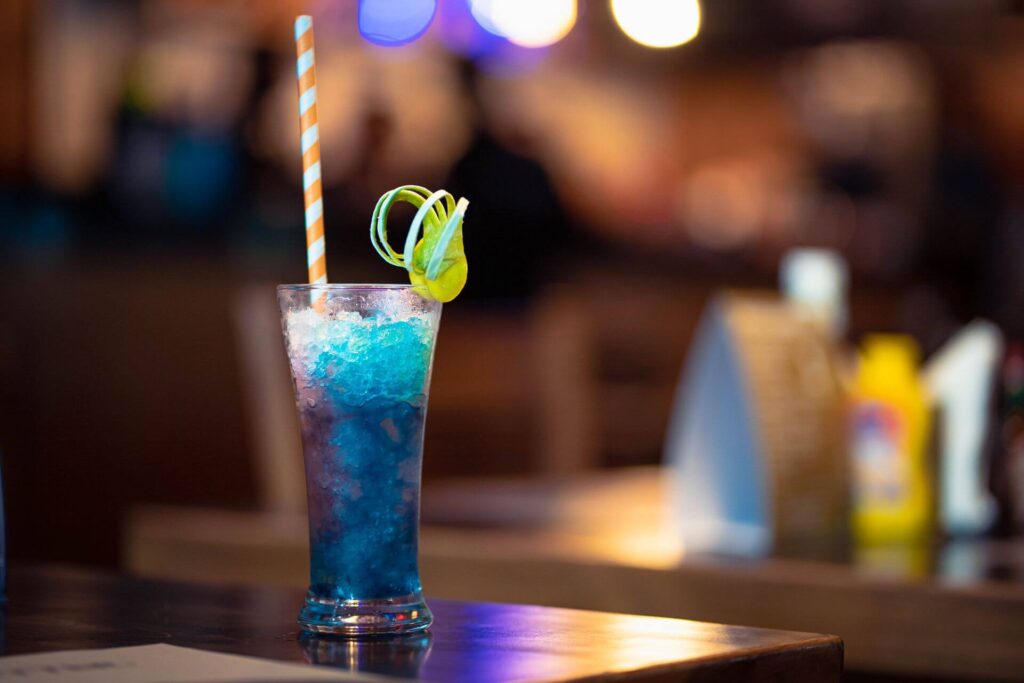
Many travelers avoid tap water but forget about ice. If the ice was made from untreated water, it can cause the same stomach problems as drinking the water itself.
At established restaurants, mid-range hotels, and upscale properties, ice is almost always made from filtered or purified water. These places have refrigeration systems that use a dedicated water line from their RO supply. The ice is safe.
At street stalls, small roadside dhabas, and budget eateries, ice is often made from tap water or comes from a block ice supplier whose source is unknown.
This is where the risk lies. A perfectly safe meal can be followed by a stomach infection because of two ice cubes in a lime soda.
The practical rule is straightforward: at a restaurant or hotel where you would drink the water, the ice is probably fine. At a street cart or a small stall where you would not drink the tap water, skip the ice.
Most popular street drinks in India, including chai and fresh-pressed sugarcane juice, do not use ice. Chai is boiled, which makes it safe.
Sugarcane juice is pressed fresh and the risk there is the water used to wash the cane and the cleanliness of the press, not ice.
Is Hotel Tap Water Safe to Drink in India?
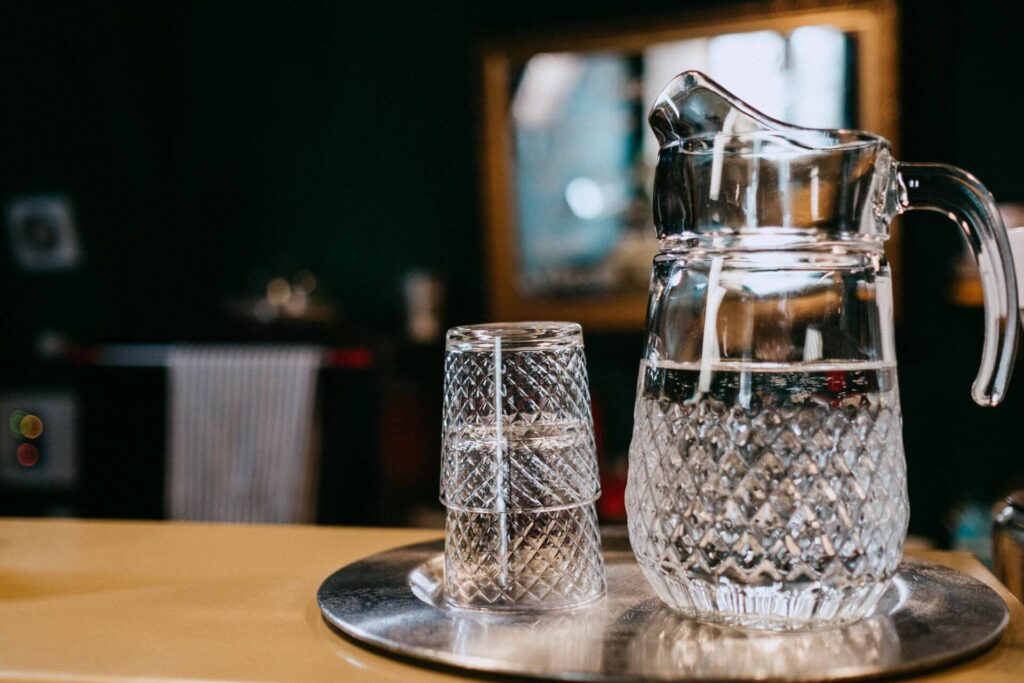
The hotel category matters more than most travelers realize when it comes to water safety. Budget guesthouses priced under 1,500 rupees per night rarely have dedicated water treatment systems.
They may offer bottled water for purchase at reception, or they may put a jug of water in your room without clarifying its source.
Assume it is tap water unless told otherwise, and drink only from sealed bottles you have purchased yourself.
Mid-range hotels in the 2,000 to 6,000 rupee range increasingly use RO filtration and will often tell you so.
A carafe of filtered water in your room at a mid-range hotel in a major city is usually safe. Ask at check-in if you are unsure.
Luxury properties at international chains and top Indian hotel brands almost universally provide filtered or bottled water as standard.
Some provide complimentary bottled water in the room. Even here, experienced travelers maintain the habit of sealed bottles simply because consistency removes a decision point from every day.
In practice, many travelers keep things simple. They buy a large sealed bottle on arrival, refill a reusable bottle throughout the day, and avoid making judgment calls every time they need a drink.
What Happens If You Accidentally Drink Tap Water in India?
One small sip is unlikely to cause significant illness. The dose matters with most waterborne pathogens.
Accidentally swallowing water while brushing your teeth once is not the same as drinking a glass of tap water every day for a week.
If you do accidentally drink tap water, monitor how you feel for the next 24 to 48 hours. Mild stomach gurgling or loose stools are possible and usually resolve without treatment.
Traveler’s diarrhea typically appears within 24 to 72 hours of exposure. Symptoms include frequent loose stools, stomach cramps, nausea, and sometimes a low-grade fever.
Most cases resolve within two to three days with rest, oral rehydration salts (ORS), and plain food.
The situations that require a doctor are: diarrhea that continues beyond 72 hours, blood in the stool, a fever above 38.5 degrees, or severe vomiting that prevents you from keeping any liquids down.
How to Stay Safe When Drinking Water in India
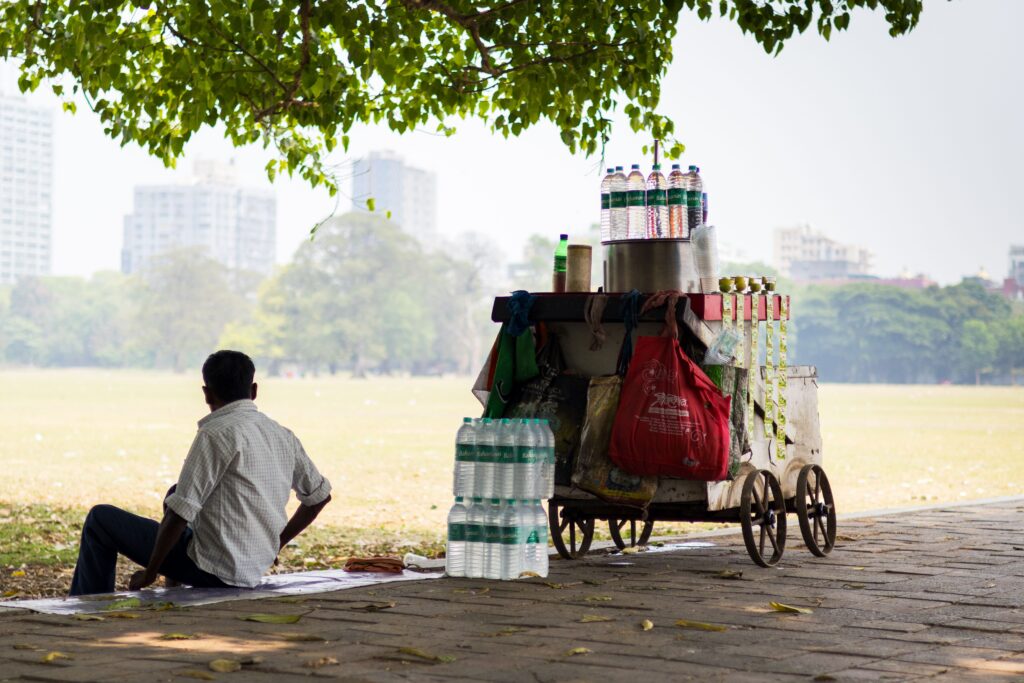
These are the habits that make a difference across a full trip rather than just on day one when you are being careful. Drink sealed bottled water consistently, not just when you are unsure.
Make it the default for every drink of water, not just the first one of the day. Carry water with you before you need it. Thirst in Indian heat moves faster than you expect.
Once you are already dehydrated and scrambling for water, you make worse decisions about what to accept. Use bottled water for brushing your teeth.
The amount you accidentally swallow while brushing is small, but cumulative exposure over a two-week trip adds up. Stay ahead of dehydration.
In hot weather, aim for two to three liters of water per day minimum. Add an ORS packet to one liter per day if you are in extreme heat or being physically active.
Dehydration is a bigger daily risk in India than waterborne illness for most travelers. Avoid buying water from informal vendors at major tourist sites. These are the highest-risk locations for refilled bottles and unknown sources.
Common Water Mistakes Tourists Make
Trusting open containers is the most frequent error. A jug of water left on a restaurant table, a glass filled at the counter before you arrived, or water poured from an unlabeled bottle at a guesthouse all carry unknown source risk.
If you did not see it come from a sealed bottle, do not drink it. Ignoring the bottle seal comes next. A bottle that has been opened and resealed is the main food safety risk specific to bottled water in India.
Check every single time. Relaxing habits after a few days without problems is the third mistake. The first three or four days in India, most travelers are careful.
By day five or six, when nothing bad has happened, the vigilance drops. This is exactly when the slip happens. Consistency across the whole trip is what keeps you well.
Drinking from free water dispensers at railway stations or public spaces is a risk some budget travelers take. The machines exist and some are maintained properly.
Many are not. Unless you can verify the filter is current and functioning, bottled water is the safer choice.
Water Safety Checklist for India Travelers
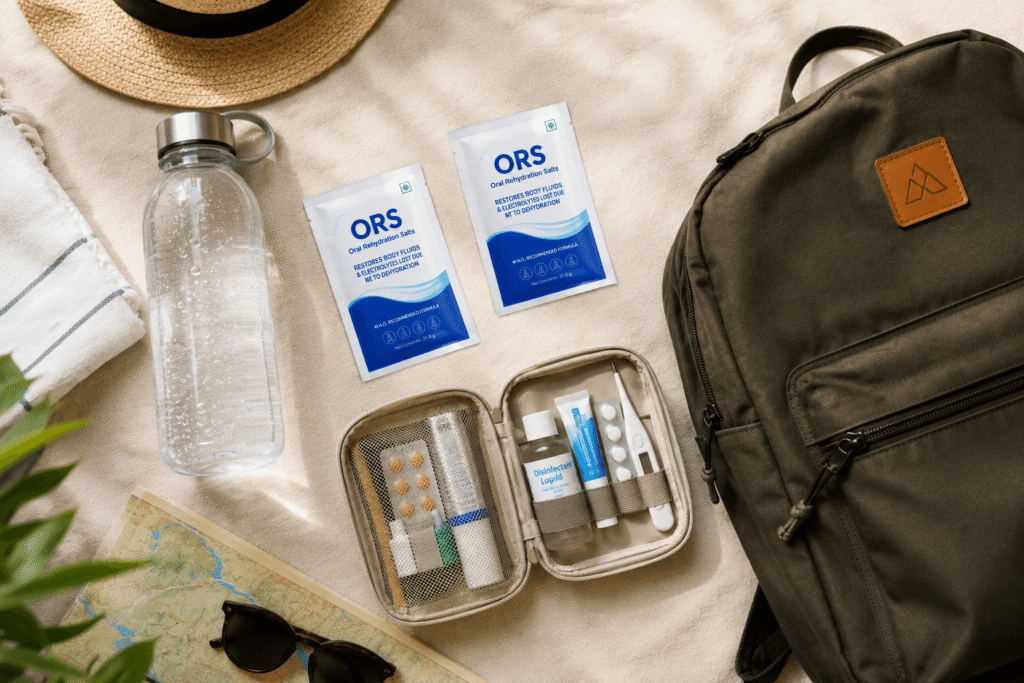
- Before you leave home: confirm you have ORS packets and basic antidiarrheal medication in your travel kit.
- On arrival: buy sealed bottled water at the airport before you leave the terminal.
- At your hotel: ask at check-in whether in-room water is sealed bottled or filtered, and from which system.
- Every day: drink sealed bottled water, use it for brushing teeth, avoid ice at street stalls, and carry water before you go out.
- If you get sick: start ORS immediately, eat plain food, rest, and see a doctor if symptoms are severe or do not improve within 72 hours.
Water Safety Across Different Parts of India
Water quality can vary significantly between major cities, tourist destinations, small towns, and rural areas.
Whether you’re visiting Delhi, Mumbai, Goa, Jaipur, Kerala, or the Himalayas, the safest approach is to rely on sealed bottled water or verified filtered water throughout your trip.
Should Tourists Drink Tap Water in India?
Can you drink tap water in India? For most tourists, the answer is no. Safe alternatives like bottled water and properly filtered water are inexpensive and widely available throughout the country.
Stick to sealed bottled water or verified filtered water, be cautious with ice, and use common sense when the source is unclear.
These simple habits dramatically reduce your chances of stomach problems and help you spend your trip exploring India instead of recovering in your hotel room.
Frequently Asked Questions About Drinking Tap Water in India
Can tourists drink tap water in India?
No, tourists should avoid drinking tap water in India. Even in cities where water is treated, differences in local bacteria and plumbing systems can cause stomach problems for visitors. Sealed bottled water or verified filtered water is usually the safest choice.
Is tap water safe in India for foreigners?
In most cases, no. Many foreign visitors are not accustomed to the bacteria found in local water supplies and may experience digestive issues. Drinking bottled or properly filtered water is a simple way to reduce the risk of getting sick during your trip.
Can I brush my teeth with tap water in India?
Most travelers prefer to use bottled or filtered water when brushing their teeth. Accidentally swallowing a small amount of tap water once is unlikely to cause serious illness, but using safe water throughout your trip helps minimize unnecessary risk.
Is bottled water safe to drink in India?
Yes, bottled water is generally safe if the seal is intact and the bottle comes from a reputable shop, hotel, restaurant, or supermarket. Before drinking, always check that the cap has not been opened or tampered with.
Which bottled water brands are safe in India?
Popular brands include Bisleri, Kinley, Aquafina, and Himalayan. These brands are widely available across India, but you should still check that the bottle seal is intact before drinking.
Is ice in drinks safe in India?
Ice is usually safe in reputable hotels, restaurants, and cafés that use purified water. However, ice from street stalls or places where the water source is unclear can increase the risk of stomach problems, so it is best avoided.
Can tourists drink filtered water in India?
Yes, water from a properly maintained RO (reverse osmosis) filtration system is generally safe for travelers. Many hotels and modern accommodations use RO filters.
Is hotel tap water safe to drink in India?
It depends on the hotel. Many mid-range and luxury hotels use advanced filtration systems and provide purified drinking water for guests. If the source is not clearly stated, ask the hotel directly or stick to bottled water.
What happens if I accidentally drink tap water in India?
A small sip is unlikely to cause serious illness. However, contaminated water can sometimes lead to diarrhea, stomach cramps, nausea, or vomiting within a few days. Stay hydrated, monitor your symptoms, and seek medical advice.
How can tourists avoid getting sick from water in India?
Drink sealed bottled water or verified filtered water, avoid ice from unknown sources, use safe water when brushing your teeth, and carry water with you during the day.
Is tap water safe in Delhi for tourists?
Many visitors to Delhi choose bottled or filtered water because water quality can vary between neighborhoods, hotels, and buildings.
Is tap water safe in Mumbai?
Mumbai’s municipal water is treated, but most tourists still prefer bottled or filtered water due to differences in local bacteria and plumbing conditions.
Can tourists drink tap water in Goa?
Visitors to Goa are generally advised to drink bottled or filtered water, especially in guesthouses and smaller accommodations where water sources may vary.
Is RO water safe to drink in India?
Yes, properly maintained reverse osmosis (RO) systems generally provide safe drinking water for travelers.
Can I drink water at restaurants in India?
Water served at reputable restaurants and hotels is often filtered, but if you’re unsure about the source, bottled water is the safer choice.
How much does bottled water cost in India?
A standard 1-liter bottle typically costs around ₹20–₹30 at local shops, though prices may be higher in hotels, airports, and tourist areas.
Images: Pexels
