


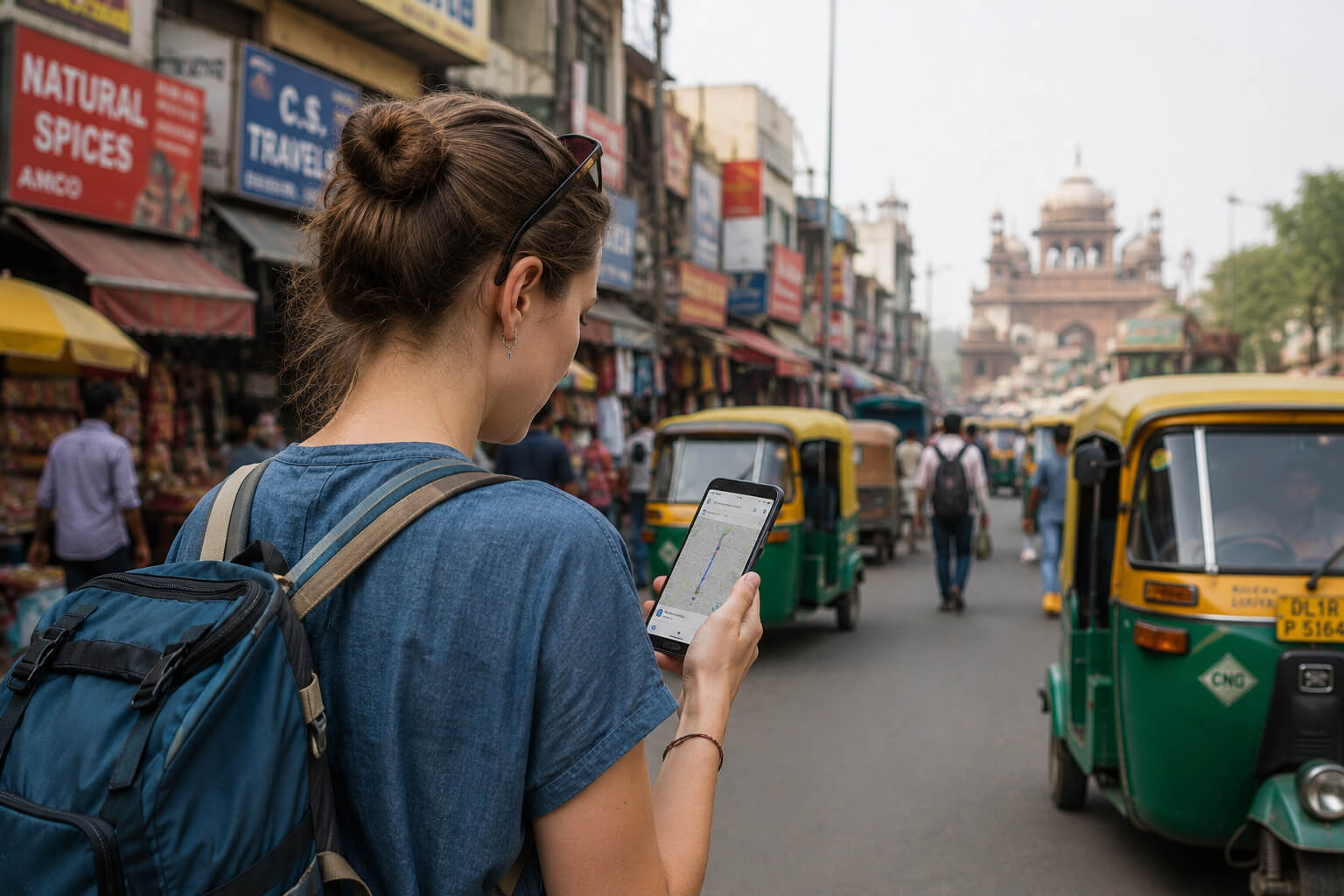
Traveling to India can be exciting but overwhelming for first-time visitors. This guide on Health and Hygiene Tips for Traveling in India will help you avoid common travel illnesses like Delhi belly, food poisoning, and dehydration.
You’ll also learn about safe food in India, travel vaccinations for India, and practical ways to stay healthy throughout your trip.
You land in Mumbai or Delhi, step outside the airport, and within ten minutes someone is offering you a plate of something that smells incredible.
It is fried, it is hot, and it costs almost nothing. You have no idea if eating it will ruin the next three days of your trip. This is the moment almost every first-time visitor to India faces.
The food looks good. The water situation is unclear. The heat is already doing something to you. And somewhere in the back of your mind, you have heard the phrase “Delhi belly” enough times to be nervous.
Here is the honest answer: most travelers who get sick in India do so because of a few specific, avoidable mistakes. Understanding these risks is the easiest way to enjoy a safe and healthy trip.
It is a place with different water quality, different food handling practices, and a different climate than most Western visitors are used to.
Once you understand what actually causes illness and what does not, you can eat well, travel comfortably, and spend your energy on the trip rather than the bathroom.
This is your complete travel health guide for tourists in India to stay safe and confident throughout your trip.
If you’re planning your first visit, don’t miss our Safety Tips for First-Time Travelers , which covers scams, transportation safety, cultural etiquette, and practical travel advice beyond health and hygiene.
Table of Contents showIs It Safe to Travel in India in Terms of Health?
India is generally safe for visitors if you follow simple hygiene and health precautions. Most illnesses occur due to contaminated food or water, heat, or mosquito-borne diseases – but they are easily preventable with the right knowledge.
- Traveler’s diarrhea from contaminated food or water
- Mosquito-borne illnesses (dengue, malaria)
- Dehydration from heat
Food Safety in India: Tips for Tourists
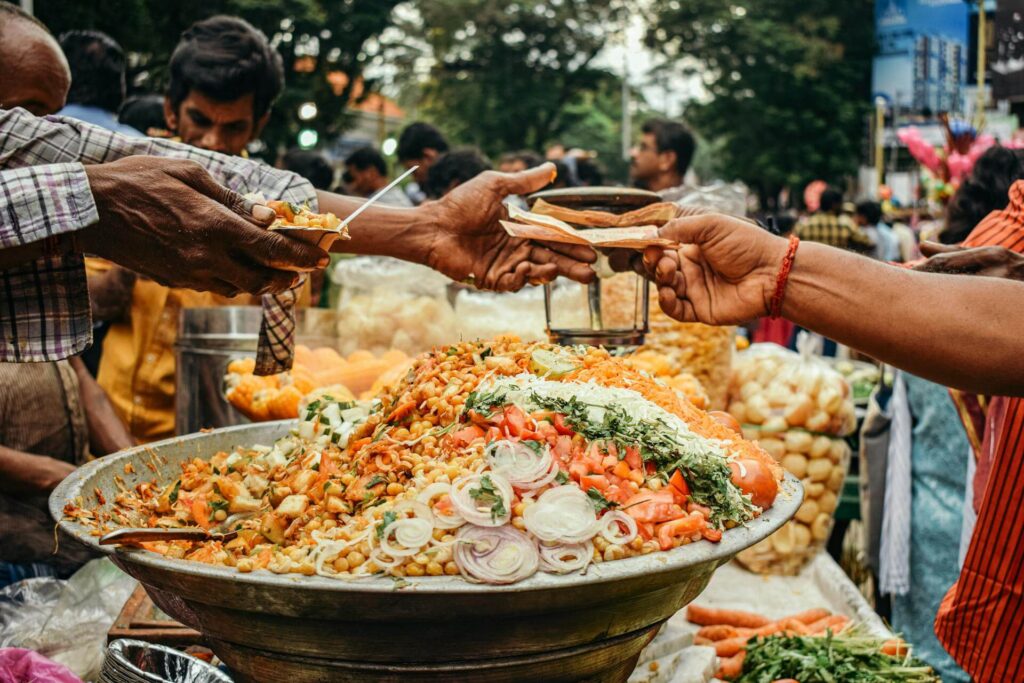
One of the biggest concerns for first-time visitors is food safety, but eating well in India does not mean avoiding local food altogether.
In most cases, the difference between safe and risky food comes down to freshness, temperature, and hygiene rather than whether it comes from a restaurant or a street stall.
As a general rule, food that is cooked at a high temperature and served immediately is usually a safer choice than food that has been sitting out for long periods.
Busy restaurants and popular street stalls are often a good sign because high customer turnover means ingredients are constantly being used and replaced.
Quick Food Safety Rules
Here are simple rules to remember when choosing what to eat:
- Choose freshly cooked food served hot.
- Eat at busy restaurants or street stalls with regular customers.
- Avoid food that looks like it has been sitting out for hours.
- Skip raw salads unless you’re confident they were washed in purified water.
- Peel your own fruit whenever possible.
- Be cautious with unpackaged dairy products from small eateries.
Is Street Food Safe in India?
Yes, street food can be safe when it is cooked fresh and served immediately. In fact, some of the busiest street food vendors are often safer than quiet restaurants because the food turnover is so high.
Start with fried snacks like samosas, pakoras, or freshly cooked thalis. Avoid raw salads, unwashed vegetables, or unsealed dairy products for the first few days. Your gut will gradually adjust, letting you enjoy more adventurous dishes later in the trip.
For your first few days in India, start with simple cooked dishes and fried snacks such as samosas or pakoras. As your digestive system adjusts, you can gradually become more adventurous.
The easiest rule to remember is simple: if it is hot, freshly cooked, and busy locals are eating it, it is usually a good sign.
Water Safety in India
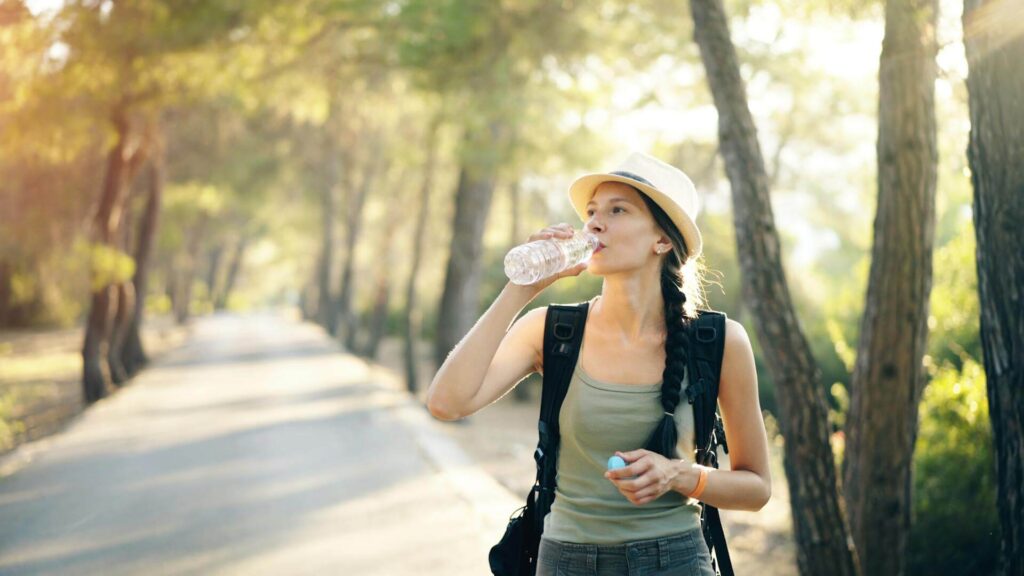
One of the most common causes of stomach illness among visitors is unsafe drinking water. Travelers should avoid tap water throughout India and instead rely on sealed bottled water or verified filtered water.
Be cautious with ice and drinks prepared using untreated water, particularly in smaller establishments.
For a complete guide covering bottled water, hotel water, ice cubes, brushing your teeth, and what to do if you accidentally drink tap water, see our detailed article: Can Tourists Drink Tap Water in India?
How to Avoid Delhi Belly
Delhi belly is simply a common term for traveler’s diarrhea. While many visitors worry about it, it is far from inevitable. Most cases happen because travelers become less careful after a few days and start taking risks with food or water.
Remember, prevention is far easier than treatment. By sticking to safe water and food, washing hands, and carrying ORS, most visitors never have more than a mild stomach upset. Awareness is your strongest defense.
The best prevention strategy is straightforward: wash your hands, eat freshly cooked food, and be careful about food and water sources.
If stomach problems do develop, start drinking ORS (oral rehydration salts) immediately. Staying hydrated is often more important than the illness itself.
Travel Vaccinations for India
Before your trip, visit a travel health clinic at least four to six weeks before departure. Most travelers should discuss the following vaccinations with their healthcare provider:
- Hepatitis A → recommended for most travelers because it spreads through contaminated food and water.
- Typhoid → common recommendation for travelers eating local food.
- Rabies → worth discussing if spending significant time in rural areas or around animals.
- Japanese Encephalitis → may be relevant for extended rural stays.
- Routine vaccinations (MMR, tetanus, etc.)
Depending on where you plan to travel, malaria prevention or additional vaccinations may also be recommended. Keeping your travel vaccinations up to date is one of the easiest ways to reduce health risks while visiting India.
Even if you’re generally healthy, these vaccines give peace of mind and let you enjoy India without constantly worrying about illness.
Travelers should consult official travel health recommendations before departure and discuss appropriate vaccinations with a healthcare provider.
Common Travel Health Risks in India
Most travelers experience nothing more serious than a mild stomach upset, but it helps to know what to watch for.
Most mild issues resolve quickly if you stay hydrated and rest, but knowing the warning signs helps you act fast if things worse.
Traveler’s Diarrhea
The most common issue for visitors.
Symptoms:
- Loose stools
- Stomach cramps
- Mild nausea
Usually improves within one to three days with rest, hydration, and simple foods such as rice, bananas, and plain bread.
Food Poisoning
Food poisoning often appears suddenly and may involve vomiting, nausea, or severe stomach cramps within a few hours of eating contaminated food. Seek medical attention if you cannot keep fluids down.
Hepatitis A and Typhoid
These infections are generally linked to contaminated food or water and are best prevented through vaccination before travel.
Giardia
A waterborne parasite that can cause prolonged digestive symptoms lasting weeks rather than days. If stomach problems continue for more than a week, consider seeing a doctor.
Hygiene Tips for Everyday Travel
Keeping your hands and environment clean is simple but powerful. Small daily habits like handwashing, avoiding face-touching, and keeping accommodations tidy reduce illness risk dramatically.
Daily hygiene habits make a huge difference when traveling in India.
Essentials to Carry
- Hand sanitizer
- Tissues or toilet paper
- Reusable water bottle
- Basic medications
Public toilets vary widely. Airports, malls, and modern metro stations are usually clean, while facilities in rural areas can be very basic.
Whenever possible:
- Wash your hands with soap after using the toilet.
- Avoid touching your face unnecessarily.
- Keep accommodation spaces reasonably clean and dry.
Mosquitoes, Dengue, and Insect Protection
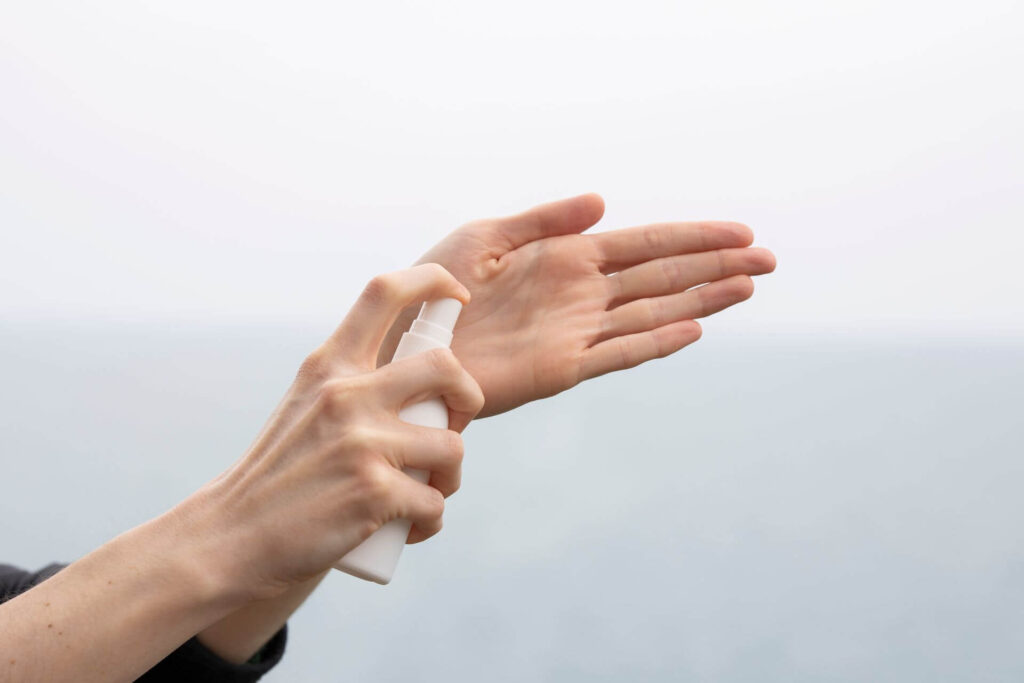
Dengue is a daytime risk, unlike malaria, which is often nocturnal. Protecting yourself during walks, sightseeing, and market visits is essential even if you’re not near standing water.
Dengue is currently the most important mosquito-related risk for travelers in India.
Unlike malaria mosquitoes, dengue-carrying mosquitoes are active during the daytime, especially during early morning and late afternoon.
Travelers can review the latest dengue prevention guidance from national and international public health authorities.
Protection Tips
- Use a DEET-based insect repellent.
- Wear lightweight long sleeves and trousers.
- Stay in accommodation with screened windows where possible.
- Use mosquito nets in rural or budget accommodations.
Malaria risk varies by region, so check current health recommendations based on your itinerary.
Heat, Sun Exposure, and Dehydration
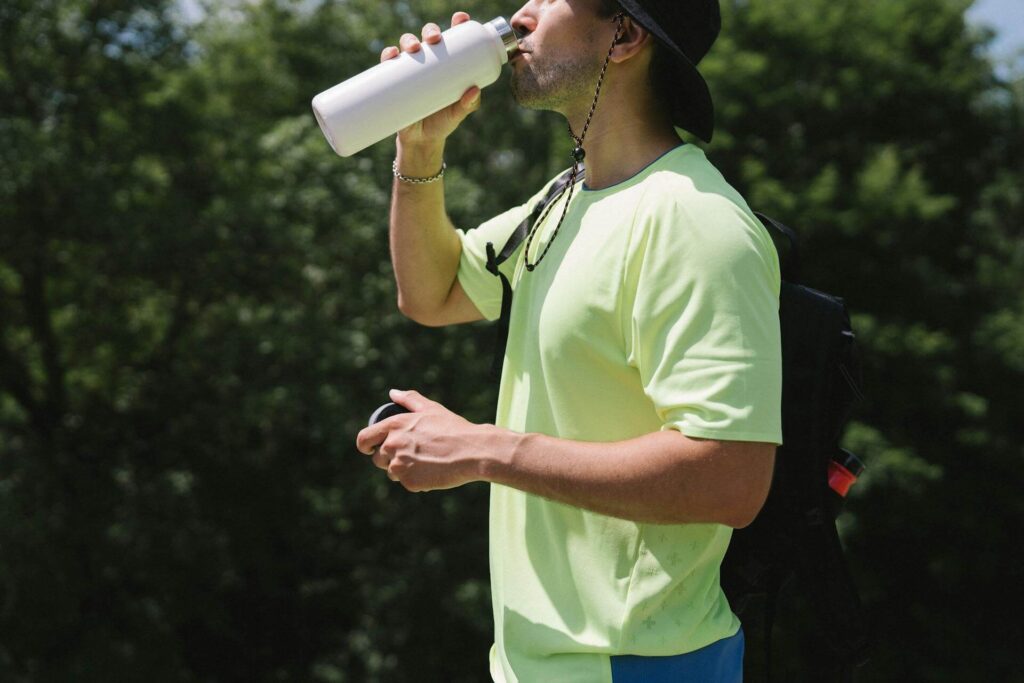
For many travelers, heat causes more problems than food. In many parts of India, temperatures regularly exceed 35°C and can become extreme during summer.
Dehydration can sneak up quickly, especially while exploring cities or trekking in rural areas. Listen to your body, and don’t ignore early signs of heat exhaustion.
Stay Hydrated
- Drink at least 2–3 liters of water daily.
- Increase intake during hot weather.
- Consider adding ORS during periods of heavy sweating.
Watch for signs of heat exhaustion:
- Dizziness
- Excessive sweating
- Weakness
- Nausea
- Headaches
If symptoms appear, move to shade, cool down, and rehydrate immediately.
Air Pollution in India
Air quality can worsen suddenly. For sensitive travelers, even a few hours outdoors can trigger symptoms.
Plan indoor activities on high-pollution days, and carry masks to reduce exposure. Air quality can be poor in some northern Indian cities, particularly during winter months.
Travelers with asthma, allergies, or respiratory conditions should monitor local air quality reports and carry any necessary medications.
Helpful precautions include:
- Wearing an N95 mask on high-pollution days.
- Limiting strenuous outdoor activity when AQI levels are very high.
- Planning extra caution if visiting heavily polluted cities during winter.
Travel First Aid Kit for India
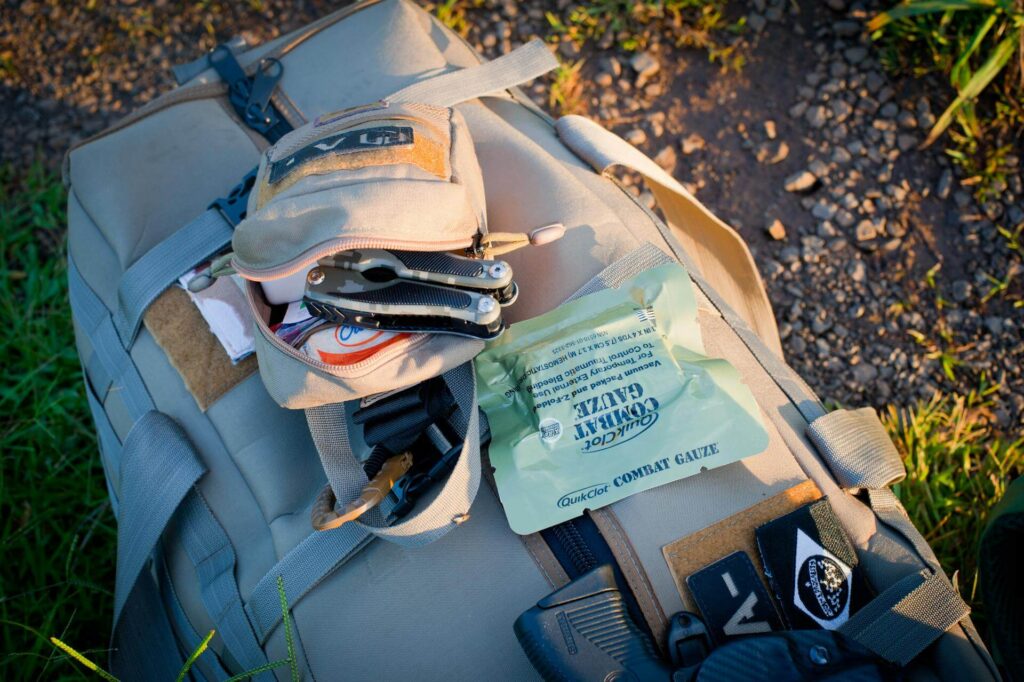
A small, well-prepared kit saves time and stress. You may not need everything, but having ORS, basic medicines, sunscreen, and insect repellent ensures you’re ready for most common issues.
A small travel health kit can save a surprising amount of stress. Recommended items:
- ORS packets
- Loperamide (Imodium)
- Pain relievers
- Antihistamines
- Antiseptic wipes
- Bandages
- Insect repellent
- Sunscreen
- Prescription medications
What to Do If You Get Sick
If you develop a mild stomach illness, focus on hydration first. Drink ORS, rest, and stick to simple foods until symptoms improve.
Even with precautions, mild illness can happen. Staying calm and knowing the steps to recover prevents minor issues from ruining your trip.
Seek medical attention if you experience:
- High fever
- Persistent vomiting
- Blood in stool
- Severe dehydration
- Symptoms lasting more than 72 hours
Major Indian cities have excellent private hospitals, and quality medical care is generally easy to access in tourist areas.
Best Health Strategy for Traveling in India
If you remember only a few things from this guide, remember these:
Do This
- Drink sealed bottled water.
- Eat freshly cooked food.
- Wash your hands before meals.
- Use mosquito repellent daily.
- Carry ORS.
- Stay hydrated.
Avoid This
- Drinking tap water.
- Eating food that has been sitting out.
- Buying pre-cut fruit from street stalls.
- Ignoring heat exhaustion symptoms.
- Skipping travel insurance.
Final Health and Hygiene Checklist for India Travelers
Do This | Avoid This |
Drink sealed bottled water | Drink tap water, well water, or water from dispensers |
Eat freshly cooked hot food | Eat pre-made food sitting out in heat |
Use DEET repellent daily | Go outdoors in the afternoon without repellent |
Wash hands before every meal | Rely only on hand sanitizer when soap is available |
Peel your own fruit | Buy pre-cut fruit from street stalls |
Carry ORS and anti-diarrheal | Wait until you are seriously sick to find a pharmacy |
Check AQI before outdoor activity | Ignore air quality on bad pollution days |
Book with reputable hospital chains | Treat serious illness with self-medication only |
Before leaving home:
- Visit a travel clinic.
- Update recommended vaccinations.
- Pack a travel first aid kit.
- Confirm travel insurance coverage.
During your trip:
- Drink safe water.
- Wash your hands regularly.
- Use sunscreen and insect repellent.
- Monitor hydration levels.
- Know the location of a reputable clinic nearby.
India will challenge your comfort zone in the best possible ways.
By following these Health and Hygiene Tips for Traveling in India, making smart food and water choices, and staying prepared, you can spend less time worrying about illness and more time enjoying one of the world’s most rewarding travel destinations.
Disclaimer
This article is for informational purposes only and should not replace professional medical advice. Consult a healthcare provider before travel for recommendations specific to your health and itinerary.
Frequently Asked Questions About Health and Hygiene in India
Is it safe to travel to India without getting sick?
Yes. Most travelers stay healthy in India by drinking safe water, eating freshly cooked food, washing their hands regularly, and using mosquito protection. Following basic health and hygiene precautions significantly reduces the risk of illness.
Can tourists drink tap water in India?
No. Tourists should avoid drinking tap water in India, including in major cities. Stick to sealed bottled water, filtered water, or properly purified water for drinking and brushing your teeth.
How can I avoid Delhi belly in India?
The best way to avoid Delhi belly is to drink safe water, eat freshly cooked food, wash your hands before meals, and avoid raw foods that may have been washed in untreated water. Carrying ORS packets is also recommended.
Is street food safe to eat in India?
Yes, street food in India can be safe when it is cooked fresh, served hot, and prepared at busy stalls with high customer turnover. Avoid food that has been sitting out for long periods or contains raw ingredients.
What vaccinations do I need before traveling to India?
Most travelers should discuss Hepatitis A, Typhoid, and routine vaccinations with a travel health professional before visiting India. Additional vaccines or malaria prevention may be recommended depending on your itinerary.
What is the biggest health risk for tourists in India?
Traveler’s diarrhea caused by contaminated food or water is one of the most common health issues for visitors. Dehydration, dengue fever, and heat exhaustion are also important risks to be aware of.
How much water should I drink while traveling in India?
Most travelers should aim to drink at least 2–3 liters of water per day. During hot weather, outdoor activities, or long sightseeing days, you may need more to stay properly hydrated.
Do I need mosquito repellent in India?
Yes. Mosquito repellent is strongly recommended throughout India, especially during the monsoon season and in areas where dengue or malaria may occur. A DEET-based repellent provides effective protection.
Is India safe for travelers with asthma or respiratory conditions?
Yes, but travelers with asthma or respiratory issues should monitor local air quality, particularly in northern Indian cities during winter. Carry prescribed medications and consider using an N95 mask on high-pollution days.
What should I do if I get food poisoning in India?
If you develop food poisoning, focus on hydration immediately by drinking water and ORS. Eat simple foods, rest, and seek medical attention if symptoms are severe, involve blood, high fever, or last longer than 72 hours.
Images: Pexels
