



India is rapidly emerging as one of the most attractive destinations for digital nomads. With low living costs, a large English-speaking population, and improving tech infrastructure, it’s attracting digital nomads who previously focused on Southeast Asia.
One of India’s biggest advantages is affordability. A comfortable lifestyle in cities like Bangalore, Pune, or Goa – covering rent, coworking, food, and transport -costs significantly less than comparable hubs like Lisbon or Bali.
India’s best digital nomad cities provide major cost advantages, especially for those used to Western living standards.
India offers more than just affordability. Its food, culture, and daily life are rich, diverse, and ever-changing. However, India isn’t without its challenges.
Internet quality varies, and some areas have infrastructure gaps. Daily life can be intense due to noise, crowds, and bureaucracy.
This guide highlights the top cities for remote work in India based on what actually matters: internet, cost of living, coworking, safety, and lifestyle.
Choosing the right city in India can significantly impact your experience as a digital nomad—from productivity and comfort to overall quality of life.
Quick Comparison: Best Digital Nomad Cities in India
- Best overall: Bangalore (Bengaluru)
- Best for beginners: Bangalore
- Best for lifestyle & beaches: Goa
- Best value for money: Pune
- Cheapest city: Mysore / Dehradun
- Best for slow living: Pondicherry
- Best for nature lovers: Dehradun
- Best for culture & arts: Kochi
If you’re visiting India for the first time as a digital nomad, Bangalore is the easiest place to start. If you want lifestyle over productivity, Goa is the top choice.
What Makes a City Good for Digital Nomads
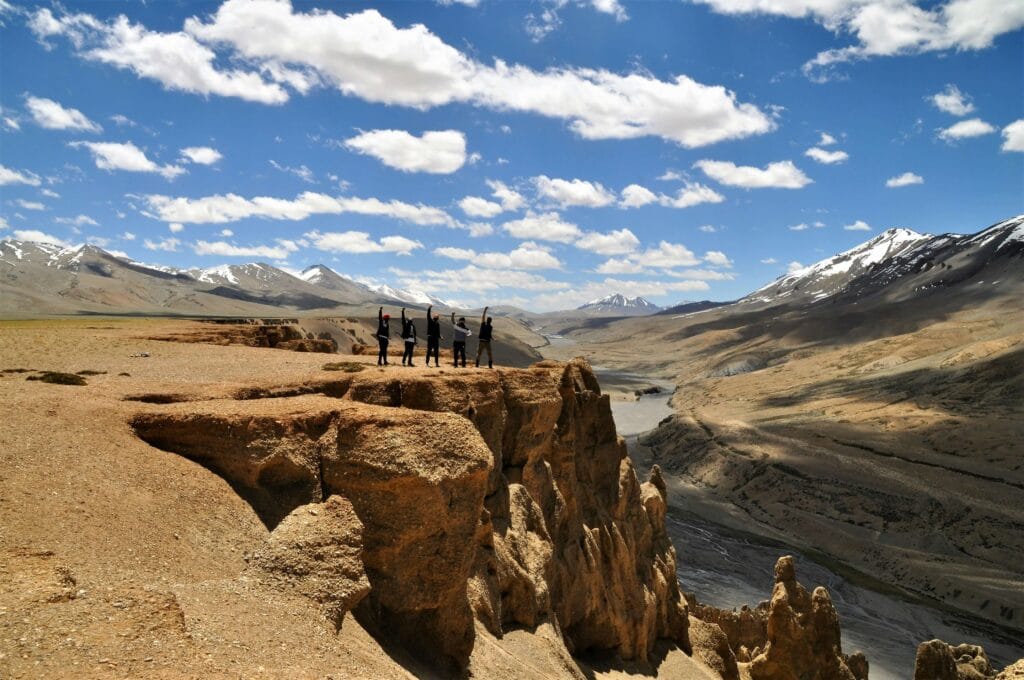
Before choosing a base, it’s important to understand what makes a city suitable for remote work in India. Reliable internet is essential for remote work. While infrastructure has improved across India, connection quality still varies by city and neighborhood.
Fiber broadband is available in most major cities, but not everywhere. 5G data from Jio and Airtel is fast and making it a reliable backup. For calls or heavy work, coworking spaces with fiber connections are the most reliable choice.
Cost of living is one of the biggest reasons why India is becoming popular among digital nomads.
Monthly living costs for a comfortable nomad lifestyle in India’s best digital nomad cities run significantly lower than comparable cities in Europe, North America, or even much of Southeast Asia.
The gap between what you spend and what you’d spend at home creates financial breathing room that makes India particularly attractive for nomads working in lower-cost-of-living currencies.
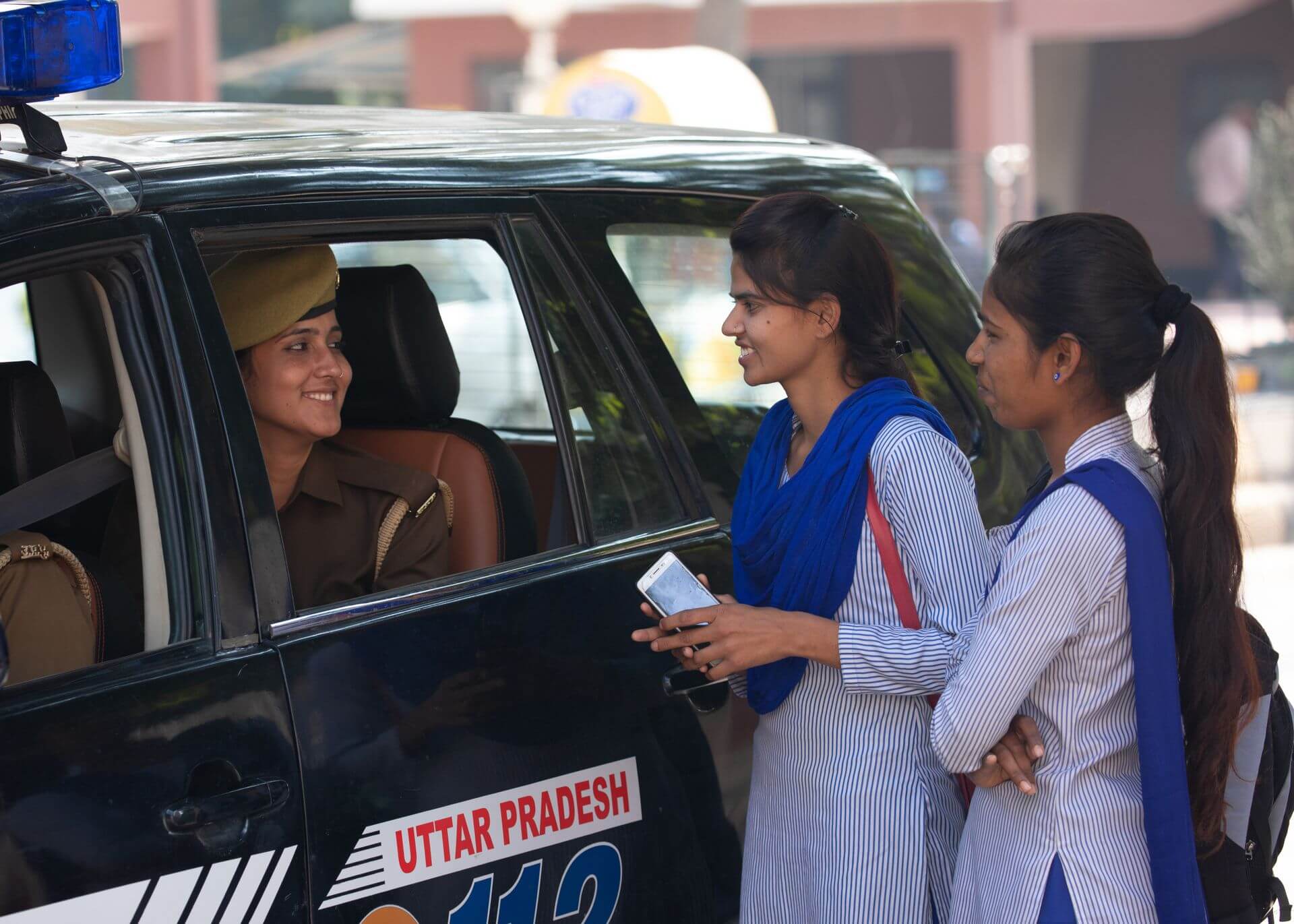
Safety varies more by neighborhood than by city. Researching where to stay is one of the most important steps before arrival.
Doing basic research on which neighbourhoods to base yourself in before arriving is the most important safety step any nomad can take.
Practical safety tips for digital nomads in India:
- Stick to well-known neighborhoods like Indiranagar (Bangalore), Koregaon Park (Pune), and Assagao (Goa)
- Avoid arriving in a new city late at night if possible
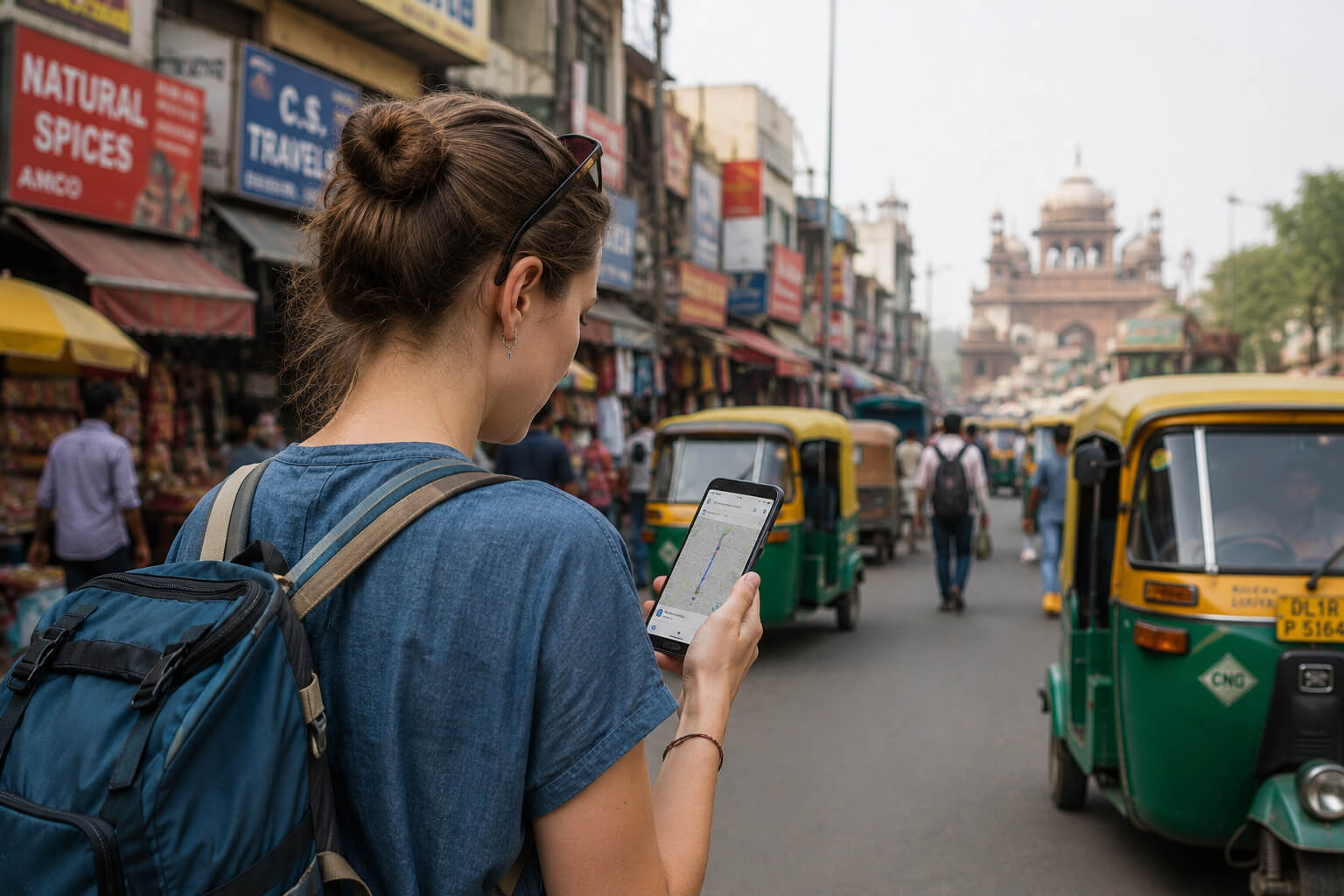
- Use ride apps like Uber or Ola instead of street taxis
- Be cautious with overly friendly strangers offering unsolicited help
- For solo female travelers, choosing the right neighborhood and accommodation is especially important
India is generally safe for digital nomads who take basic precautions and research where they stay.
Coworking spaces have surged in India’s best digital nomad cities. In Bangalore, you’ll find everything from corporate WeWorks to creative studios in heritage buildings.
Even smaller cities like Mysore and Pondicherry now have functional coworking options.
Lifestyle and community matter more for longer stays than short visits. The cities in this guide are some of the best digital nomad cities in India, with strong nomad and expat communities that know the best neighborhoods, reliable internet spots, and local shortcuts, making daily life easier.
These factors define a city that supports the digital nomad lifestyle in India.
7 Best Digital Nomad Cities in India for Remote Work (2026 Guide)
1. Bangalore (Bengaluru), Karnataka — India’s Tech Capital and Nomad Central
Best for:
- First-time digital nomads in India
- Remote workers in tech or startups
- People who want reliable internet and infrastructure
- Those who prioritize productivity over lifestyle
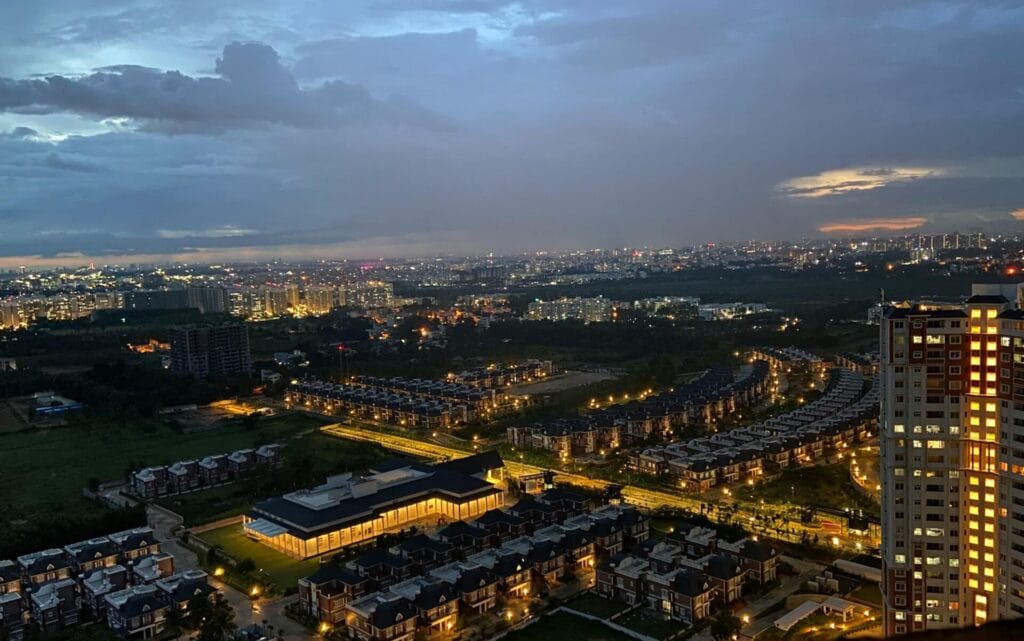
Bangalore is the most practical starting point for digital nomads in India, thanks to its strong tech ecosystem, reliable infrastructure, and established coworking scene.
This is India’s Silicon Valley — home to the Indian headquarters of Google, Microsoft, Amazon, and hundreds of homegrown tech companies. It’s one of the best cities for remote workers in India.
Bangalore’s tech ecosystem is supported by fast fiber internet, modern coworking spaces, and reliable power backup systems.
It also has a large English-speaking professional population. These factors make it the most plug-and-play city in India for remote workers. For many, Bangalore is one of the best cities for digital nomads in India.
Internet quality: Excellent by Indian standards. Fiber broadband is widely available in residential areas.
Coworking spaces across the city offer dedicated connections with speeds of 100 Mbps and above reliably. 4G coverage through Jio and Airtel is strong across all neighbourhoods.
Cost of living: Bangalore is more expensive than most Indian cities but still very affordable by global nomad standards. A furnished apartment in a good area costs ₹20,000–35,000 ($240–420) per month.
A coworking hot-desk membership costs ₹5,000–10,000 per month. The total cost for a comfortable lifestyle is ₹80,000–1,20,000 ($960–1,440), including accommodation, food, transport, and coworking.
Popular coworking areas: Indiranagar, Koramangala, HSR Layout, and Whitefield are the main nomad and tech worker neighbourhoods.
Indiranagar in particular has an excellent combination of coworking spaces, cafes with good WiFi, restaurants, and a walkable street environment that’s unusual in Bangalore’s otherwise sprawling layout.
Lifestyle and community: Bangalore has the most developed digital nomad community in India. Meetup groups, startup networking events, and nomad-specific communities are active and easy to find.
The city’s notorious traffic is its main quality-of-life challenge, choosing accommodation within walking distance of your coworking space is strongly recommended.
The climate (Bangalore sits at 900 metres and has the most temperate weather of any major Indian city, rarely exceeding 35°C even in summer) is a genuine asset.
Visa considerations: Most remote workers visit India on a standard tourist e-visa (available for stays up to 90 days, with multi-entry options).
India does not yet have a formal digital nomad visa, but tourist visas are straightforward to obtain online and cover the length of stay most nomads need.
Extensions are possible through the FRRO (Foreigners Regional Registration Office) online portal.
Best neighbourhoods to stay: Indiranagar, Koramangala, and Sadashivanagar offer the best combination of safety, walkability, restaurant and cafe quality, and access to coworking spaces.
2. Goa — Beach Life With Surprisingly Good Infrastructure
Ideal for:
- Creatives, freelancers, and solo entrepreneurs
- People who want a beach lifestyle with flexible work hours
- Long-term travelers who value lifestyle over strict productivity
- Social nomads looking for community
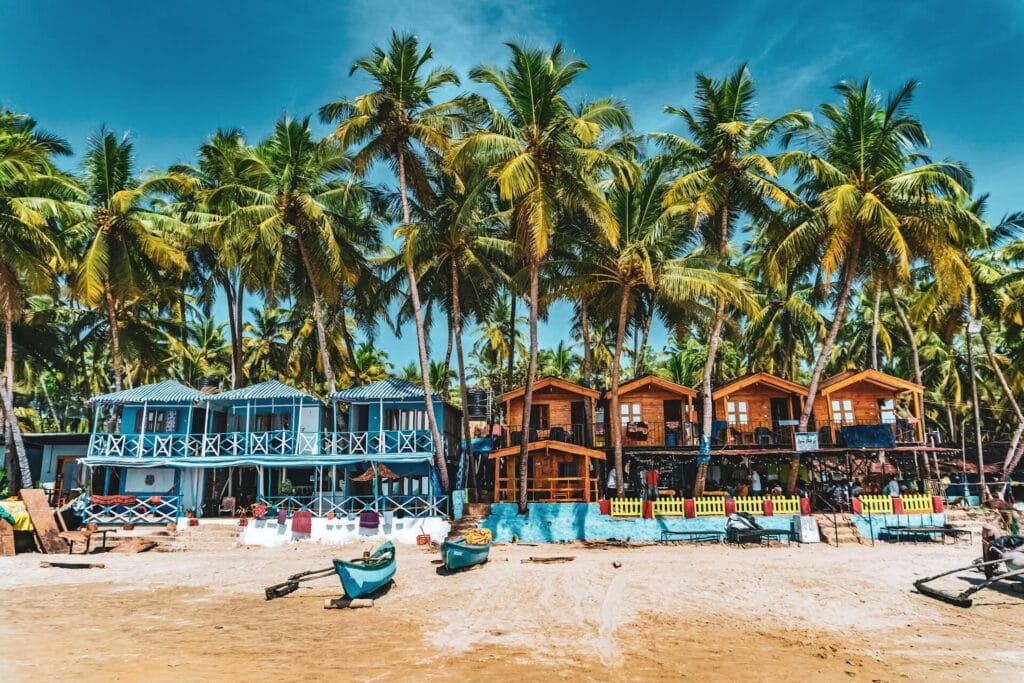
Goa has evolved beyond its party reputation into a well-established base for remote workers, combining beach lifestyle with improving work infrastructure.
In recent years, Goa has built a solid infrastructure for remote work, supported by a community of long-term residents and nomads.
Its combination of beautiful beaches, great food, reliable internet, and smooth daily logistics makes it one of India’s most desirable places to live.
Goa stands out as one of the most sought-after digital nomad hotspots, especially for those looking for a beach lifestyle.
Internet quality: Variable but manageable. Coworking spaces throughout North Goa offer reliable fiber connections.
Home and villa WiFi quality varies – always confirm internet speed before booking accommodation for a working stay. Jio 4G is strong across most of coastal Goa and serves as a reliable backup.
Cost of living: More expensive than most Indian cities, particularly for accommodation, which prices to international market rates in popular coastal areas.
A good villa or apartment in Assagao or Siolim runs ₹25,000–50,000 per month depending on season (rates drop significantly outside the October–March peak).
Monthly total costs including accommodation, food, coworking, and local transport typically run ₹90,000–1,50,000 ($1,080–1,800) in peak season, significantly less in summer.
Popular coworking areas: North Goa has the strongest coworking concentration. Spaces around Anjuna, Vagator, and Mapusa cater specifically to the nomad community with reliable fiber, meeting rooms, and flexible membership options.
Several beachside cafes in Assagao and Siolim function as informal working spaces with reliable WiFi through quieter morning hours.
Lifestyle and community: Goa has a well-established nomad and long-term expat community that creates a support network genuinely useful for first-time arrivals.
Sunset-watching from a cliff, morning surf sessions before the workday starts, evening meals at the excellent restaurants of Assagao the lifestyle here is hard to argue with.
The challenge is peak season crowding (December to February) and the summer heat and humidity (April to June) before the monsoon arrives.
Visa considerations: Same tourist e-visa as above. Goa’s nomad community is largely long-term tourist visa holders who return seasonally.
The informal infrastructure like; tax, banking, professional services is better developed here than in most Indian cities for foreign long-term residents.
Best neighbourhoods to stay: Assagao and Siolim for quiet, upmarket villa life with good restaurants nearby. Anjuna and Vagator for a more social atmosphere with easy access to the nomad coworking community.
3. Pune, Maharashtra — The Underrated Nomad City
Who should choose Pune:
- Digital nomads looking for strong value for money
- Remote workers who want a balance between work and social life
- People planning longer stays in India
- Those who prefer a less chaotic alternative to Bangalore
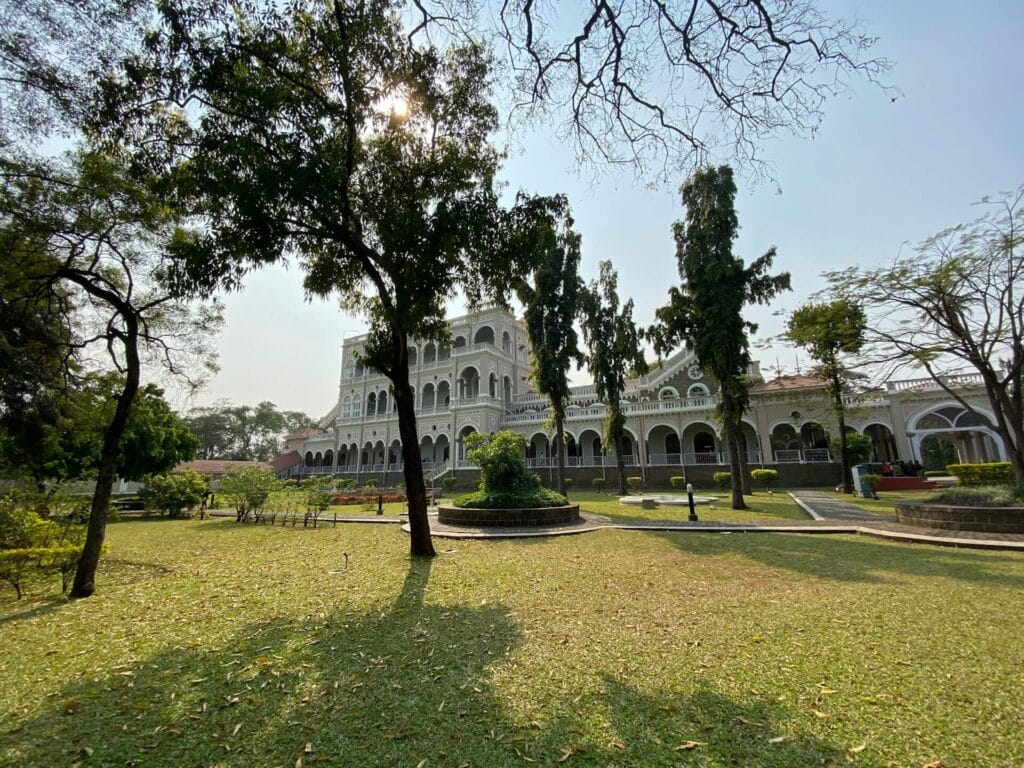
Pune doesn’t appear on many digital nomad lists, which is exactly why it deserves a prominent place on this list of the best digital nomad cities in India.
Pune has a large student and young professional population, with several major universities.
The city boasts a strong IT and startup sector, excellent coworking spaces, and a cost of living lower than Bangalore, offering similar quality of life.
It also has a vibrant cafe culture, a manageable size compared to Mumbai, and a more temperate climate. Pune is one of India’s most underrated cities for digital nomads.
Internet quality: Excellent. Pune’s IT sector demands reliable high-speed connectivity and the infrastructure reflects that.
Fiber broadband is widely available in residential areas. Coworking spaces offer fast, stable connections as a baseline expectation. 4G coverage through Jio and Airtel is strong throughout the city.
Cost of living: One of the most affordable major Indian cities for a quality nomad lifestyle. A good furnished apartment in Koregaon Park or Baner runs ₹15,000–25,000 per month.
Monthly coworking membership ₹4,000–8,000. Total monthly costs for a comfortable lifestyle typically run ₹60,000–90,000 ($720–1,080) — making Pune one of the best value nomad bases in Asia.
Popular coworking areas: Koregaon Park is Pune’s equivalent of Bangalore’s Indiranagar the neighbourhood with the best combination of coworking spaces, quality cafes, restaurants, and a walkable, relatively green street environment.
Baner and Hinjewadi cater more to the IT corridor workforce. Viman Nagar near the airport is convenient for nomads who travel frequently.
Lifestyle and community: Pune has a large, active community of young professionals and students that creates a social infrastructure nomads benefit from events, meetups, startup networking, and a general openness to meeting new people.
The city’s access to nature is underrated, the Sahyadri hills surrounding Pune offer excellent day trekking and the hill stations of Mahabaleshwar and Lonavala are 1–2 hours away for weekend escapes.
Visa considerations: Standard tourist e-visa. Pune’s FRRO office handles visa extension matters for foreigners staying longer term.
Best neighbourhoods to stay: Koregaon Park for the best overall nomad lifestyle. Kalyani Nagar for slightly lower costs with good connectivity to Koregaon Park.
4. Mysore (Mysuru), Karnataka — Calm, Affordable, and Surprisingly Well-Connected
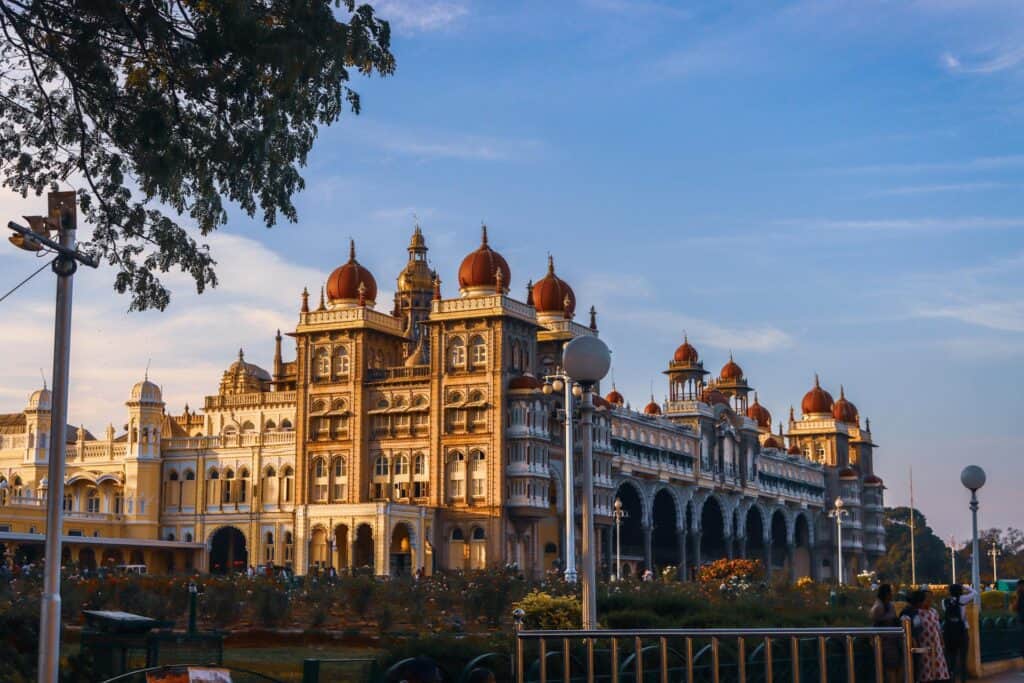
Mysore is best suited for digital nomads who prefer a slower, more intentional pace of life.
- Budget-conscious travelers
- Remote workers who don’t need a big-city ecosystem
- People looking for calm, walkable surroundings
- Yoga practitioners and wellness-focused nomads
Mysore is a city that most digital nomads overlook in favor of its larger neighbor Bangalore, but it’s one of the most affordable and best-connected cities for remote work in India.
Mysore, just two and a half hours from Bangalore, offers a calm and manageable pace of life. It has lower costs, less traffic, and a rich cultural heritage as one of Karnataka’s historic royal cities.
The coworking scene is smaller than Bangalore but growing, and the cafe culture is great, especially in the central and university areas. Mysore is perfect for digital nomads seeking a slower, more affordable lifestyle in India.
Internet quality: Good and improving. Fiber connections are available in most central areas. Several coworking spaces offer reliable dedicated connections.
5G coverage is strong throughout the city. Backup connectivity through Jio hotspot is reliable enough to handle most work requirements.
Cost of living: Significantly lower than Bangalore. Furnished apartments in good central areas run ₹8,000–15,000 per month. Food costs are very low — eating well at local restaurants costs ₹300–500 per day.
Total monthly costs for a comfortable nomad lifestyle typically run ₹40,000–70,000 ($480–840), making Mysore one of the most affordable quality nomad bases in India.
Popular coworking areas: The areas around Saraswathipuram and Vijayanagar have the most established coworking options.
Several cafes near the University of Mysore function effectively as working spaces through the morning hours with reliable WiFi and power sockets.
Lifestyle and community: Mysore’s lifestyle appeals to nomads who find Bangalore overwhelming. It’s walkable, with manageable traffic, cleaner air, and a rich cultural calendar, including the famous Mysore Dasara festival.
The city is also a global hub for Ashtanga yoga, with a strong international community of long-term practitioners, offering a supportive environment for newcomers.
Visa considerations: Standard tourist e-visa. Bangalore FRRO handles regional matters for Karnataka.
Best neighbourhoods to stay: Saraswathipuram for a quiet, residential feel with good amenities. Gokulam for easy access to the yoga community and a pleasant walking neighbourhood.
5. Pondicherry (Puducherry), Tamil Nadu — French Heritage, Slow Living, and the Sea
This city is perfect if you:
- Enjoy slow living with a cultural touch
- Like working from cafes and scenic neighborhoods
- Prefer a smaller, more walkable environment
- Want a mix of international and local community
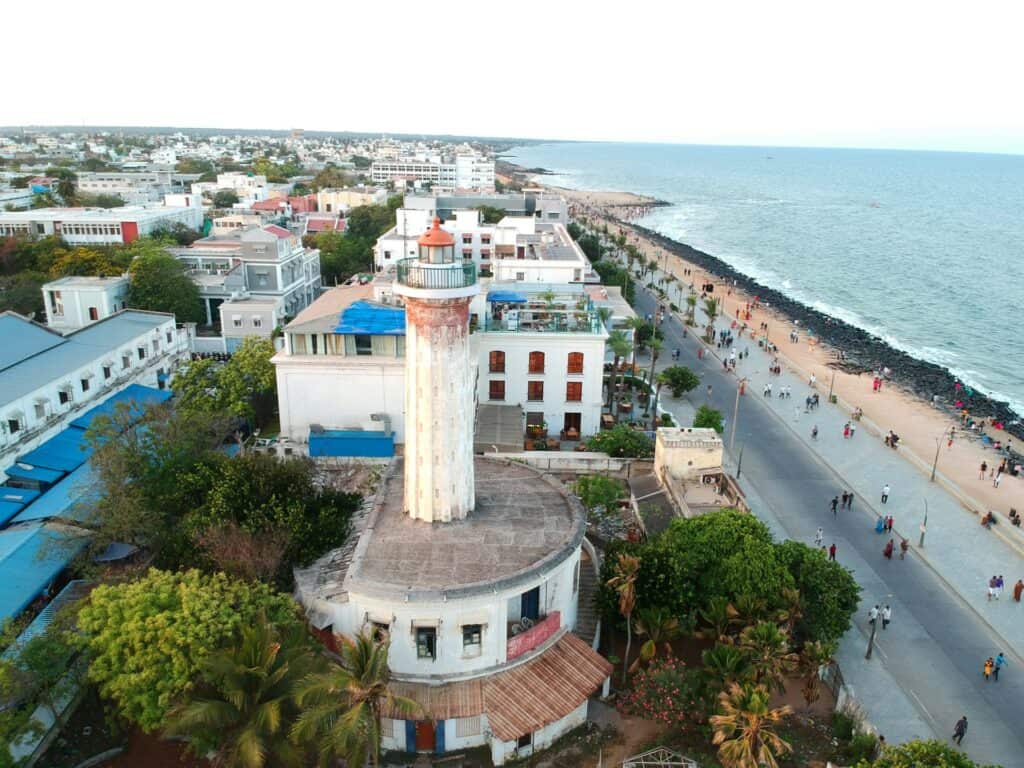
Pondicherry, a former French colony on the Tamil Nadu coast, is one of the best cities for remote workers in India. Its unique architectural and cultural charm makes it a standout for digital nomads in India.
The city features tree-lined boulevards, yellow colonial buildings, and a beachfront promenade. It blends Tamil and French influences, creating a distinct atmosphere.
For digital nomads, Pondicherry offers affordable living and a growing coworking scene.
Its cafe culture is among the best in India, and the lifestyle balances productive work hours with relaxing afternoons by the sea. The city’s mix of culture and calm makes it an ideal base for remote workers.
Internet quality: Good in the French Quarter and central areas. Several coworking spaces and cafes offer reliable connections.
The city’s smaller scale means fiber rollout has been reasonably thorough in the main residential and commercial areas. Airtel 4G is the most reliable mobile option in Pondicherry.
Cost of living: Low to moderate. Accommodation in the French Quarter (the most desirable area for most nomads) runs ₹12,000–25,000 per month for a furnished apartment.
Food is inexpensive and the local Tamil cooking is exceptional. Total monthly costs typically run ₹50,000–80,000 ($600–960) for a comfortable lifestyle.
Popular coworking areas: The French Quarter and the areas around MG Road have the highest concentration of coworking spaces and WiFi cafes.
Auroville — the international community township 12 km from the city — has its own coworking infrastructure and a strongly international atmosphere that some nomads prefer as a base.
Lifestyle and community: Pondicherry has one of the most established international communities of any small Indian city, built around the Sri Aurobindo Ashram and Auroville.
This creates a cosmopolitan social environment that makes it easier for foreign nomads to find their footing quickly.
The beach promenade at dawn, the morning filter coffee in a French Quarter cafe, the afternoon architecture walks through streets that feel genuinely European. Pondicherry offers a quality of daily life that significantly exceeds its cost.
Visa considerations: Standard tourist e-visa. Auroville has its own long-term resident system for people who want to base themselves in the township specifically, which some nomads explore for extended stays.
Best neighbourhoods to stay: The French Quarter for the full Pondicherry experience. Auroville township for those who want a more structured international community environment.
6. Dehradun, Uttarakhand — Gateway to the Himalayas With a Working Infrastructure
Good fit for:
- Nature lovers and mountain enthusiasts
- Remote workers who want low living costs
- People seeking a quiet, distraction-free environment
- Weekend explorers heading to Rishikesh or Mussoorie
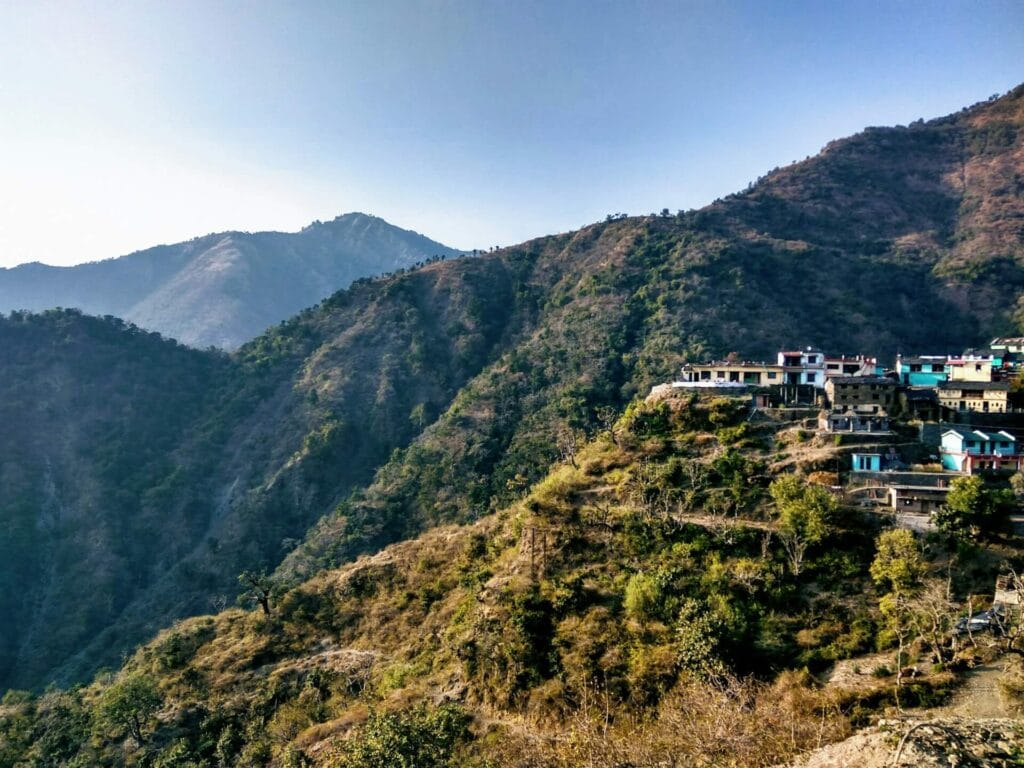
Dehradun sits in the Doon Valley at the foot of the Himalayas in Uttarakhand, surrounded by the Shivalik ranges with the Mussoorie ridge visible from the city centre.
It’s a university town with a large student population, a well-established middle-class residential base, and an infrastructure that belies its relatively small size.
Dehradun offers mountain access without sacrificing work reliability, making it one of the best digital nomad cities in India for remote workers who love nature.
It has good internet, a growing coworking scene, and lower costs than Bangalore or Goa. With weekend access to the Himalayas, Dehradun is becoming a quiet, reliable base for remote workers.
Internet quality: Good and consistently improving. Fiber broadband is available in most central areas. Jio and Airtel 4G coverage is strong throughout the valley.
Coworking spaces offer reliable connections. The city’s student population drives demand for quality connectivity infrastructure.
Cost of living: Low. Furnished apartments in good central areas run ₹8,000–15,000 per month. Food costs are very reasonable.
Total monthly costs for a comfortable nomad lifestyle typically run ₹40,000–65,000 ($480–780) — among the lowest of any quality nomad base in India.
Popular coworking areas: Rajpur Road and the Paltan Bazaar area have the most coworking options. Several cafes along Rajpur Road function as reliable working spaces through the morning hours.
Lifestyle and community: Dehradun’s lifestyle combines the ease of a medium-sized Indian city with extraordinary natural access.
Rishikesh is 45 minutes away — a weekend morning of yoga by the Ganges and white-water rafting is entirely achievable.
The Mussoorie hill station is an hour’s drive up the mountain for cool-weather weekends. The city itself has a relaxed, academic pace that suits focused working rhythms well.
Visa considerations: Standard tourist e-visa. Uttarakhand’s FRRO handles regional matters.
Best neighbourhoods to stay: Rajpur Road for the best combination of amenities, cafe culture, and access to coworking. Clement Town for a quieter residential option with good connectivity.
7. Kochi (Cochin), Kerala — Coastal Culture, Strong Internet, and a Thriving Arts Scene
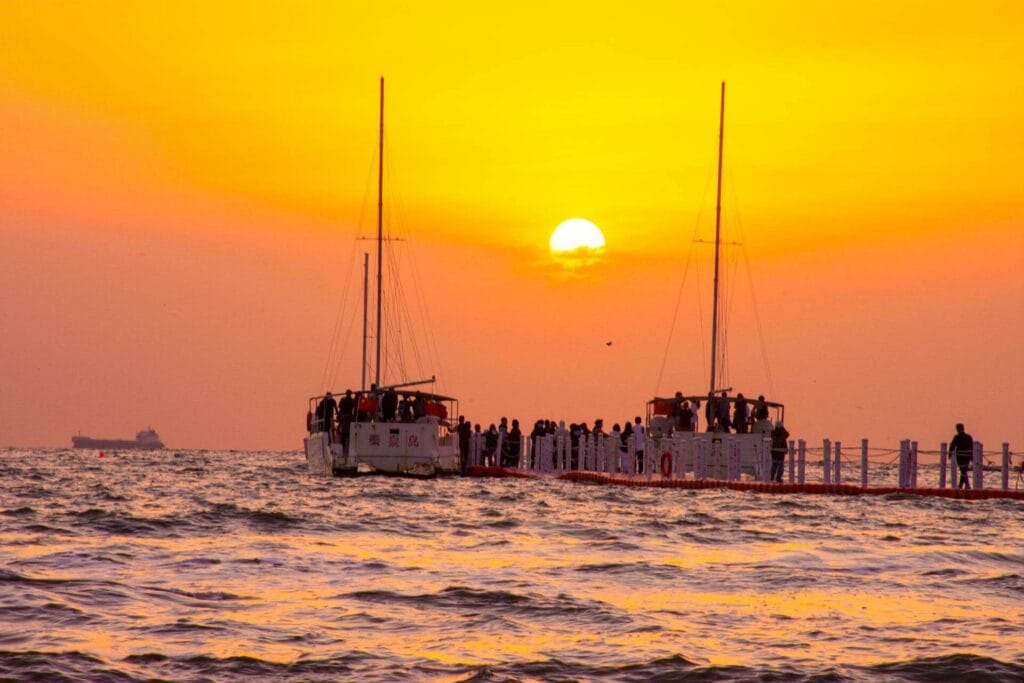
Kochi works especially well for digital nomads who are drawn to culture, history, and creative environments.
- Artists, writers, and creative professionals
- Remote workers who enjoy unique, character-filled cities
- People looking for a coastal lifestyle without the party scene
- Those interested in food, art, and heritage
Kochi, one of Kerala’s best digital nomad cities, is a cosmopolitan city with a rich history as a port that has traded with the world for over a thousand years.
Its diverse cultural influences include Jewish, Portuguese, Dutch, British, and Chinese, blended with deep Kerala heritage.
For digital nomads, Kochi offers excellent infrastructure and a vibrant arts scene. The Kochi-Muziris Biennale is one of Asia’s top art events.
The city also has a thriving food scene and a relaxed waterfront atmosphere. Kochi is one of the most culturally rich cities for remote workers in India, making daily life enjoyable and inspiring.
Internet quality: Excellent. Kerala as a state has among the highest internet penetration rates in India and Kochi’s infrastructure reflects this. Fiber connections are reliable and widely available.
BSNL’s Kerala fiber network (Kerala Fiber Optic Network) provides state-backed broadband infrastructure that makes connectivity more reliable than in many other Indian cities. Coworking spaces offer consistent high-speed connections.
Cost of living: Moderate by Indian standards, slightly higher than Dehradun or Mysore but lower than Bangalore or Goa peak season.
Furnished apartments in Fort Kochi or Ernakulam run ₹12,000–22,000 per month. Total monthly costs for a comfortable lifestyle typically run ₹60,000–90,000 ($720–1,080).
Popular coworking areas: Ernakulam (the mainland commercial area) has the highest concentration of coworking spaces and is well-connected to Fort Kochi by ferry.
Fort Kochi itself, the historic island with the heritage buildings, the Chinese fishing nets, and the art galleries has a smaller number of coworking options but an atmosphere that makes it an exceptionally pleasant working environment.
Lifestyle and community: Kochi has a creative, internationally aware community that makes it socially engaging for nomads in ways that purely commercial cities aren’t.
The Biennale (held every two years) transforms the city into a global art event. The backwaters are accessible by houseboat for weekend escapes.
The Kerala seafood, appam with coconut curry, filter coffee in the early morning is among the finest in India.
The daily ferry commute between Fort Kochi and Ernakulam is one of the more pleasant commutes you’ll have anywhere.
Visa considerations: Standard tourist e-visa. Kerala’s FRRO office in Kochi handles regional matters.
Best neighbourhoods to stay: Fort Kochi for the heritage atmosphere and creative community. Ernakulam for easier access to commercial infrastructure and the main coworking spaces.
Cost of Living Comparison for Digital Nomads in India
Here’s a realistic monthly cost comparison across the cities in this guide. All figures are approximate and based on a comfortable but not extravagant lifestyle, good neighbourhood, furnished apartment, coworking membership, eating a mix of local food and occasional international restaurants, local transport, and weekend travel.
City | Accommodation (1BHK) | Coworking Membership | Food & Groceries | Local Transport | Utilities & SIM | Total Cost |
Bangalore | ₹20,000–35,000 | ₹6,000–10,000 | ₹15,000–20,000 | ₹3,000–5,000 | ₹2,000–3,000 | ₹80,000–1,20,000 |
Goa (Peak Season) | ₹25,000–50,000 | ₹6,000–12,000 | ₹15,000–25,000 | ₹5,000–8,000 | ₹2,000–3,000 | ₹90,000–1,50,000 |
Pune | ₹15,000–25,000 | ₹4,000–8,000 | ₹12,000–18,000 | ₹2,000–4,000 | ₹2,000–3,000 | ₹60,000–90,000 |
Mysore | ₹8,000–15,000 | ₹3,000–6,000 | ₹8,000–12,000 | ₹2,000–3,000 | ₹1,500–2,500 | ₹40,000–70,000 |
Pondicherry | ₹12,000–25,000 | ₹4,000–7,000 | ₹10,000–15,000 | ₹2,000–3,000 | ₹1,500–2,500 | ₹50,000–80,000 |
Dehradun | ₹8,000–15,000 | ₹3,000–6,000 | ₹8,000–12,000 | ₹2,000–3,500 | ₹1,500–2,500 | ₹40,000–65,000 |
Kochi | ₹12,000–22,000 | ₹5,000–9,000 | ₹12,000–18,000 | ₹2,500–4,000 | ₹2,000–3,000 | ₹60,000–90,000 |
Practical Tips for Digital Nomads in India
Getting a SIM card
Get a local SIM card from Jio or Airtel for affordable mobile data. Ensure your data plan suits your remote working needs for fast and reliable internet access. Many digital nomads in India recommend Jio for the best value.
Choosing coworking spaces
India’s major cities offer a range of coworking spaces for digital nomads. Before committing to a long-term membership, always test the internet speed and backup power options. This ensures a smooth and productive workday. Look for coworking spaces in neighborhoods like Indiranagar in Bangalore and Koregaon Park in Pune.
Accommodation for working stays
For longer stays, choose furnished apartments or serviced apartments instead of hotels. You can find affordable rentals for digital nomads through platforms like NestAway or Stanza Living, especially in areas like Bangalore’s Koramangala and Mysore’s Saraswathipuram.
Managing power cuts
Power cuts can occur, so ensure your accommodation or coworking space has reliable power backup systems. Investing in a UPS power bank for your laptop is a good idea if you’re staying in places like Dehradun or smaller towns.
Banking and money
The UPI payment system (e.g., Google Pay, PhonePe) is a great way to manage payments. Also, carry some Indian cash for areas that don’t accept digital payments. Wise or Revolut cards offer competitive exchange rates for international ATMs.
Time zone advantages
Working in India (IST, UTC+5:30) benefits digital nomads working with clients in Europe since the overlap of working hours is natural. However, for North American clients, you may need to adjust your schedule for early morning meetings or late evening work.
Health insurance
Make sure your travel health insurance covers both outpatient and emergency treatment in India. Major cities like Goa, Pune, and Bangalore have excellent private healthcare facilities.
Community and networking
Expats and digital nomads in India often benefit from joining local communities. Use Meetup, Facebook expat groups, or Internations to connect with others. These communities can help you with recommendations for coworking spaces, cafes, and local amenities.
Visa & Legal Considerations for Digital Nomads in India
India does not currently offer a dedicated digital nomad visa. Most remote workers enter the country using a tourist e-visa, which is typically valid for short-term stays.
Important note on remote work legality:
Working remotely while on a tourist visa exists in a legal gray area. In practice, many digital nomads work for companies outside India without issues, but there are a few important guidelines to follow:
- Do not work for Indian companies
- Do not earn income within India
- Follow visa duration and entry rules carefully
Some long-term travelers leave and re-enter the country to extend their stay, but this approach carries some risk and should be planned carefully.
Always check the latest visa rules before traveling, as regulations can change.
Best City in India for First-Time Digital Nomads
Bangalore is the best city for first-time digital nomads in India. It offers the most reliable infrastructure, strong coworking culture, and an English-speaking professional environment that makes settling in much easier.
Cheapest City in India for Digital Nomads
Mysore and Dehradun are the cheapest cities for digital nomads in India. You can live comfortably in both cities for ₹40,000–70,000 per month while still having access to reliable internet and a good quality of life.
Best City in India for Lifestyle and Work Balance
Goa is the best city for digital nomads who prioritize lifestyle. While it may not be the most productive environment, it offers a unique balance of work, beaches, social life, and relaxation that few places in India can match.
Conclusion: Why India Deserves a Serious Look From Digital Nomads
India is becoming an increasingly viable destination for digital nomads, offering a rare combination of affordability, cultural depth, and diverse living environments.
While it requires more adjustment than typical nomad hubs, the right city can deliver a highly rewarding remote work experience.
FAQs about Digital Nomad Cities in India
Is India a good destination for digital nomads?
Yes, India is a good destination for digital nomads. It offers low living costs, a large English-speaking population, and improving internet access. Cities like Bangalore, Goa, and Pune are especially suitable for remote work.
What are the best cities in India for digital nomads?
The best cities for digital nomads in India are Bangalore, Goa, Pune, Mysore, Pondicherry, Dehradun, and Kochi. Each city offers a different lifestyle, from tech-focused environments to beach or mountain living.
How much does it cost to live in India as a digital nomad?
It usually costs between ₹40,000 and ₹1,50,000 per month to live in India as a digital nomad. Smaller cities like Mysore are cheaper, while Bangalore and Goa are more expensive.
Is internet reliable in India for remote work?
Yes, internet is reliable in most major Indian cities. Fiber broadband is widely available, and coworking spaces offer stable connections. Mobile data from Jio and Airtel works well as a backup.
Does India offer a digital nomad visa?
No, India does not offer a digital nomad visa yet. Most remote workers use a tourist e-visa, which is easy to apply for and allows short-term stays.
Which is the cheapest city in India for remote work?
Mysore and Dehradun are the cheapest cities for remote work in India. You can live comfortably there starting from around ₹40,000 per month.
Is India safe for digital nomads?
Yes, India can be safe for digital nomads if you choose the right neighborhoods. Popular areas in cities like Bangalore, Pune, and Goa are generally safe for foreigners and solo travelers.
What is the best city in India for first-time digital nomads?
Bangalore is the best city for first-time digital nomads in India. It has reliable internet, many coworking spaces, and a strong professional community.
Can foreigners work remotely from India?
Yes, foreigners can work remotely from India for companies outside the country. However, they cannot work for Indian companies without the correct visa.
What SIM card is best for digital nomads in India?
Jio and Airtel are the best SIM cards for digital nomads in India. They offer fast data speeds, wide coverage, and affordable plans.
Images: Unsplash
