
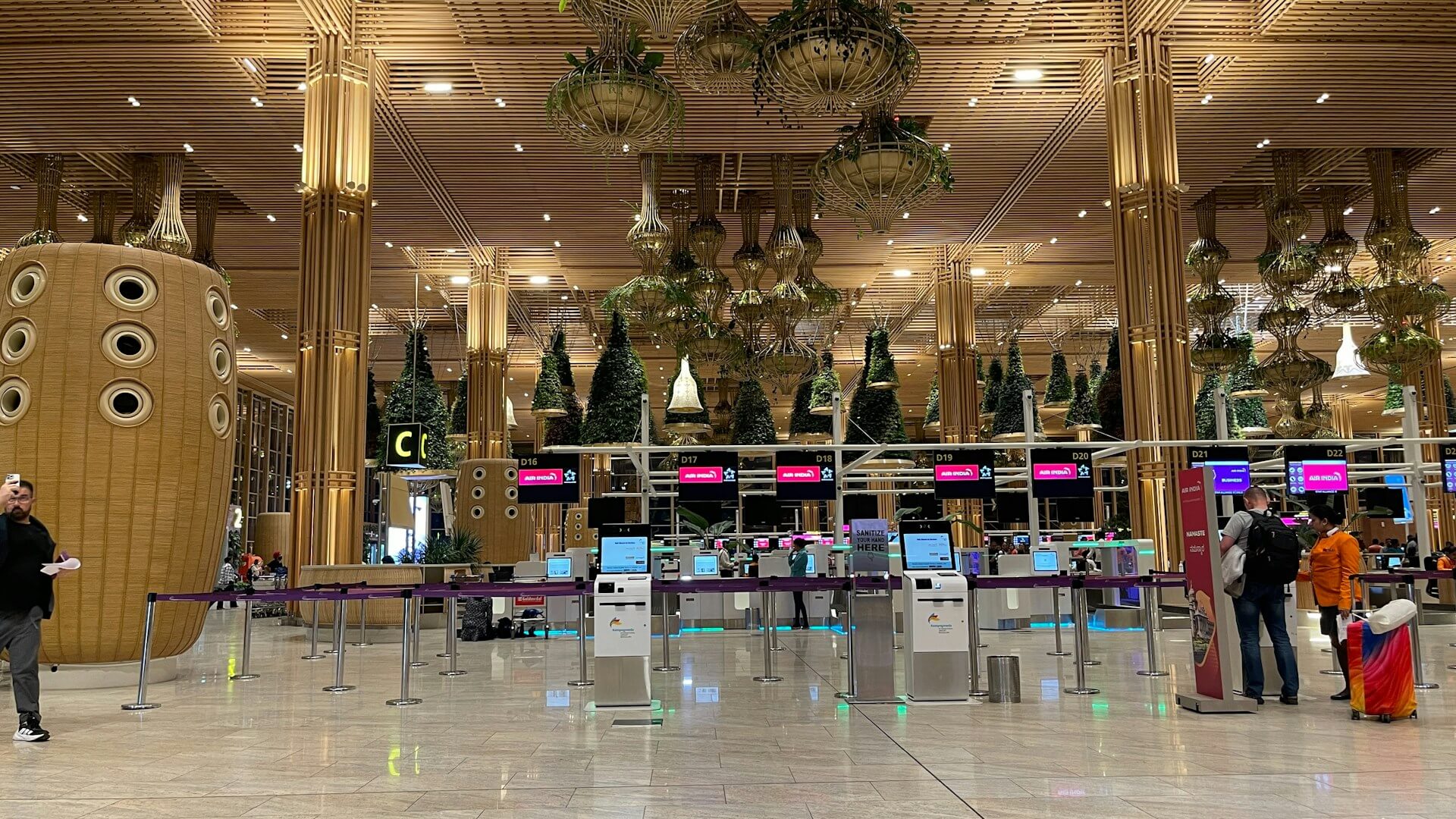





She had €500 in an envelope. Her flight had landed forty minutes ago, and she was still standing in the arrivals hall at Chhatrapati Shivaji Maharaj International Airport, wondering how to get currency exchange in India without losing money.
Three exchange counters stood before her, each promising a slightly better deal. One showed ₹88 per euro, another ₹90, and the last carried a small sign claiming “Best Rate in Airport – No Commission.” Tempted, she approached the last counter.
The man behind it quoted her ₹84. The “no commission” was actually built into the rate. Frustrated but not defeated, she walked back to the ₹90 counter and exchanged €200, promising herself she’d figure out the rest later.
Most travelers unknowingly lose money in India before leaving the airport – not because the system is broken, but because they don’t know how to get currency exchange in India efficiently.
Jet lag, luggage, and confusing rate boards often make convenience trump smart choices. With a few simple currency exchange tips in India, though, it’s possible to save both time and money while avoiding common airport traps.
If you’re arriving for the first time, my India airport arrival guide explains where to get SIM cards, find transport, exchange money, and avoid common airport scams.
Table of Contents showHow to Get Currency Exchange in India: Quick Overview
Currency exchange in India is safe and widely available — at airports, banks, authorized money changers, and ATMs.
The best rates come from authorized money changers in city centers and ATM withdrawals using low-fee travel cards.
Airport exchanges are convenient but expensive. Street exchanges and unlicensed dealers are illegal and risky. Always verify you’re dealing with an RBI-authorized provider.
Is It Safe to Exchange Money in India?
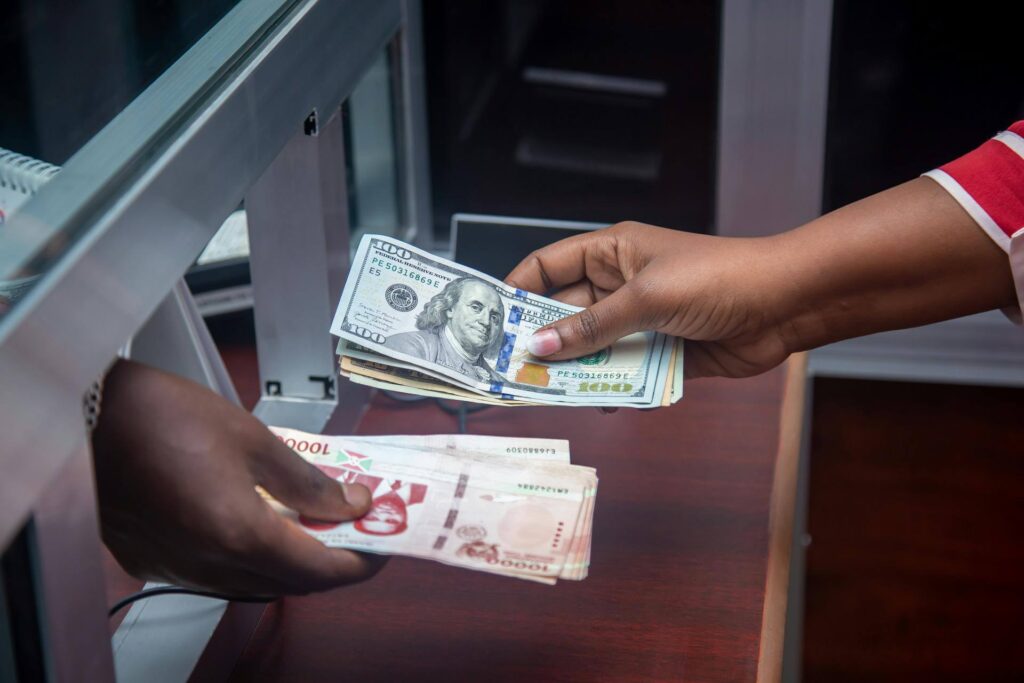
Yes – when you use authorized channels. India’s currency exchange system, including banks and authorized money changers, is regulated by the Reserve Bank of India (RBI).
Knowing how to get currency exchange in India safely is crucial for first-time visitors. Banks, authorized money changers (AMCs), and licensed airport exchange desks are all safe and legal.
The risk comes from unlicensed street dealers and deceptive “no commission” signs that hide poor rates. Stick to RBI-authorized providers and you’re protected.
India has a well-regulated foreign exchange system. The problem isn’t the system – it’s knowing which players operate inside it and which are working around it.
The RBI licenses two categories of exchange providers:
- Authorized Dealers (ADs): Banks. They can exchange currency, issue forex cards, and provide a full range of foreign exchange services.
- Authorized Money Changers (AMCs): Licensed non-bank businesses — including Thomas Cook, Centrum, and many independent exchange counters in tourist areas.
- They can buy and sell foreign currency but with more restricted services than banks.
Anyone outside these two categories is operating illegally. The man on the street offering you “better rate, no problem” is not authorized. The exchange you do with him is not protected. If he shortchanges you, you have no recourse.
Different Currency Exchange Options for Travelers
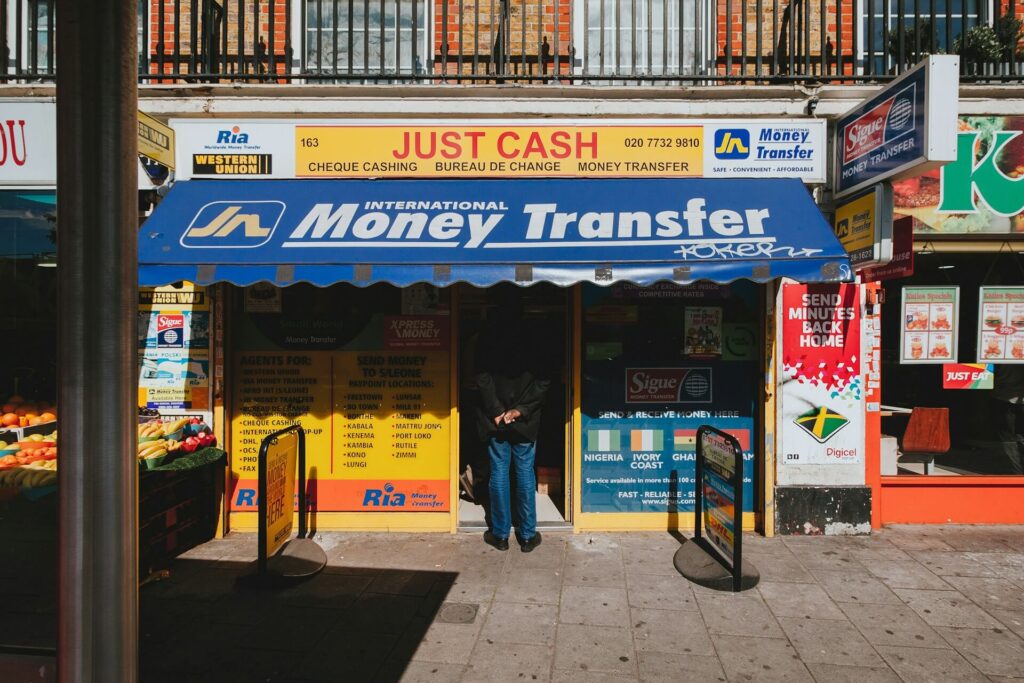
Here’s what’s available and what each option actually costs you:
- Airport exchange desks: Available 24/7 at all major international airports. Honestly, most people still use them at least once. After a long flight, convenience usually wins.
- Banks in city centers: Competitive, regulated, reliable. Slower process — you’ll need your passport and possibly additional documentation. Best for large sums where the rate difference justifies the wait.
- Authorized money changers (AMCs) in city centers: Often the best combination of rate and convenience. Faster than banks, better rates than airports. Must be RBI-authorized — check for the license displayed on the premises.
- ATM withdrawals: In practice, ATM withdrawals usually get you much closer to the real exchange rate than airport counters do. Often the best rate for amounts under ₹20,000, especially with a low-fee travel card like Wise or Niyo Global.
- Forex (prepaid travel) cards: Loaded with INR before or during your trip. Rates are set when you load — can be excellent if timed well, can be poor if loaded at an airport. Use the same cards at ATMs and merchants.
- Hotel exchange desks: Convenient if you’re stuck, but rates are consistently poor. Last resort only.
How to Get Currency Exchange in India at the Airport: Pros and Cons
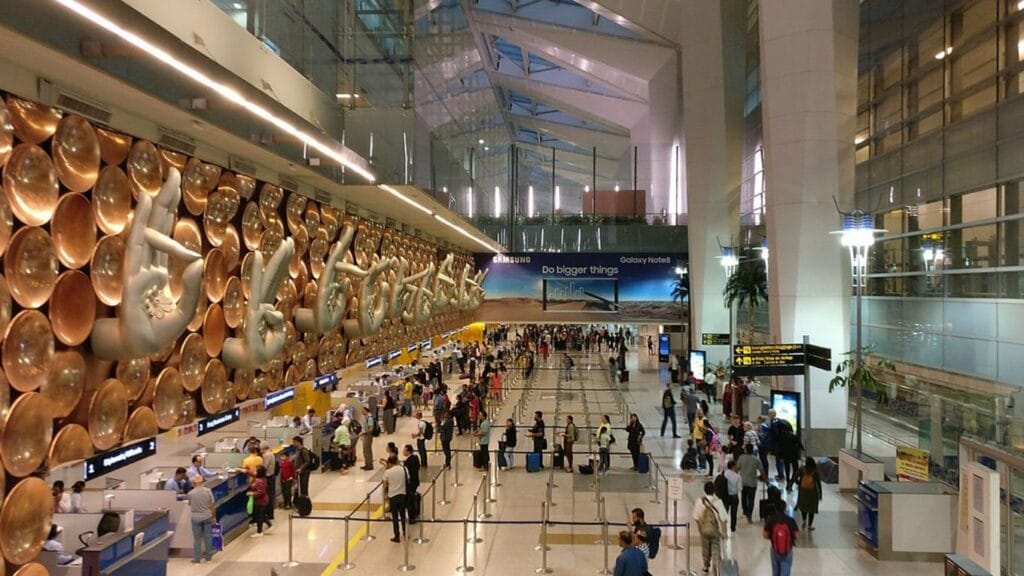
The airport counter is where most travelers make their first exchange decision, usually under pressure.
- The case for exchanging at the airport: You need cash immediately — for the taxi, for tips, for that first meal. Airports are open when banks aren’t. It’s secure and staffed.
- The case against: The spread between the buying and selling rate at airport counters is typically 3–5% wider than city AMCs. On €500, that’s roughly ₹2,000–₹4,000 in lost value before you’ve left the terminal.
- The practical compromise: Exchange only what you need for your first 24 hours — enough for transport, food, and tips. Roughly ₹2,000–₹3,000. Get the rest in the city at a better rate.
Specific airport exchange tips:
- Compare all available counters before committing. Rates change frequently and vary counter to counter.
- Ignore “no commission” or “zero fee” signs – it usually just means they buried the cost somewhere in the rate. Ask for the exact rupee amount you’ll actually get for your specific currency.
- That’s the only number that really matters, not the rate on the board.
- Avoid dynamic currency conversion if offered. If a screen asks whether you want to pay in your home currency or INR, always choose INR.
- Keep your exchange receipt. It’s required if you want to reconvert leftover rupees back to your currency when you leave.
I’ve noticed Mumbai and Delhi airport counters can vary surprisingly even within the same terminal. Two counters ten meters apart sometimes quote completely different rates.
Banks and Authorized Money Changers in India
This is where most travelers should exchange the larger chunk of their money.
Banks (Authorized Dealers):
HDFC, ICICI, SBI, and Axis Bank all handle foreign currency exchange at competitive rates. They’re regulated, reliable, and will provide an official receipt (called a Currency Exchange Certificate or Encashment Certificate).
The process requires your passport. Some banks ask for additional documentation for large amounts. Expect 20–40 minutes for the transaction. Worth it for exchanges above ₹50,000.
Authorized Money Changers:
Thomas Cook India, Centrum, and BookMyForex are established national AMC networks with physical counters in major cities and online booking platforms.
You can lock in a rate online with some providers and pick up cash at a city office — this protects you against rate fluctuations between when you decide and when you exchange.
Independent AMCs operate in every major tourist city. In Delhi’s Connaught Place, Mumbai’s Colaba, Jaipur’s MI Road, and similar areas, you’ll find licensed exchange counters with competitive rates.
Look for the RBI certificate on display – if you don’t see it, just ask. Legit operators won’t hesitate to show it.
How to verify an AMC is authorized: The RBI maintains an online register of all AMCs. You can also look for:
- A physical RBI license certificate on the wall
- A clear signboard with the business name matching the license
- Willingness to provide a printed receipt for your transaction
If any of these are missing, walk away.
The rate negotiation reality: In larger independent AMCs, particularly in tourist areas, rates can sometimes be negotiated slightly for larger amounts (over USD 500 equivalent).
This is more common than most guides acknowledge. Ask politely — the worst answer is no.
ATM & Travel Card Tips for Currency Exchange in India
ATM withdrawals deserve their own section because they function differently from cash exchange – and are often the best option for foreign currency exchange in India that travelers overlook.
Before relying on ATMs, check my guide to the best ATMs in India for foreign tourists, including safe banks, fees, and withdrawal tips.
Using low-fee travel cards like Wise or Niyo ensures near-interbank rates.
How ATM exchange works: When you withdraw rupees from an Indian ATM using a foreign card, the bank converts your home currency at or near the interbank (mid-market) rate.
Your card issuer tacks on a foreign transaction fee – usually 0–3.5%, depending on your card. The local Indian bank might also hit you with a flat fee of ₹150–₹300 per withdrawal.
Why this often beats exchange counters: The interbank rate is the real exchange rate — the one you see on Google. Exchange counters and airport desks set their own rate, which is always worse.
A low-fee card at an ATM gets you the interbank rate minus a small percentage. That’s consistently better than any walk-in exchange counter, particularly for amounts under ₹20,000.
Best cards for INR withdrawals:
- Wise debit card: near-interbank rates, low fees, widely accepted
- Niyo Global card: zero forex markup on ATM withdrawals, designed for India travel
- Revolut: good rates but check ATM withdrawal limits on your tier
ATM practicalities: Use ATMs inside bank branches (HDFC, ICICI, SBI, Axis) rather than standalone machines in markets or tourist areas.
They’re more reliable, better maintained, and lower risk for card skimming. Withdraw larger amounts less frequently to minimize flat per-transaction fees.
How to Compare Rates and Avoid Hidden Fees
This is the skill that saves the most money. It takes sixty seconds once you know how.
The only number that matters: Ask every counter the same question: “If I exchange [exact amount of your currency], how many rupees will I receive?” Get a specific number, not a rate.
Compare that number across two or three options. Some travelers obsess over squeezing every last rupee out of the exchange rate.
Personally, I think avoiding stress matters almost as much. Rate boards lie by omission.
A counter showing ₹91 per dollar with a ₹500 “handling fee” pays you less than a counter showing ₹89 with no fee on a $300 exchange. The final rupee amount cuts through all the noise.
The “no commission” trap: In Indian currency exchange, “no commission” invariably means the fee is embedded in a worse exchange rate.
It is not a benefit – it’s a reframing. Ignore the word “commission” entirely. Ask for the final rupee amount.
Dynamic currency conversion (DCC): When paying by card at Indian merchants or ATMs, you may be asked: “Pay in USD/GBP/EUR or INR?” Always choose INR.
DCC converts at the merchant’s rate, which is typically 3–7% worse than your card’s rate. It is presented as a convenience. It is a charge.
Spread awareness: Every exchange provider makes money on the spread — the gap between their buying rate and their selling rate.
The tighter the spread, the better the deal. Authorized city AMCs typically have spreads of 1–2%. Airport counters run 3–5%.
Street dealers, if you were foolish enough to use one, may run 8–10% while appearing to offer a great rate.
Timing Your Exchange: Best Practices
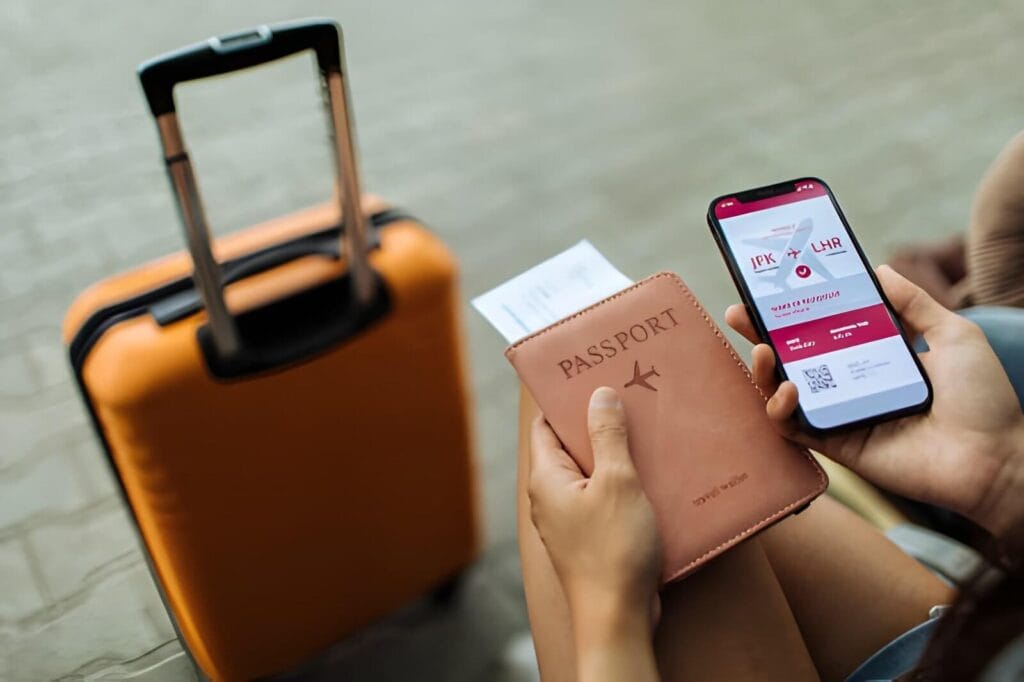
Exchange rates move daily based on currency markets. For most travelers, the fluctuation over a week or two is small enough that timing is less important than choosing the right provider. But a few practices help:
- Don’t exchange everything at once. Currency can move in either direction. Exchange enough for your first few days, then exchange more later if the rate improves. If it doesn’t, you haven’t lost much.
- Lock in rates with online AMCs for large amounts. BookMyForex and some Thomas Cook India services let you book a rate online and collect cash within a window of hours or days.
- If you’re exchanging a large sum and the rate looks good, this is worth using.
- Avoid exchanging just before major Indian holidays. Banks close on national holidays. ATMs sometimes run short of cash around Diwali and other major festivals when cash demand spikes. Plan your cash needs accordingly.
- Reconverting leftover rupees: If you have rupees left when you leave India, you can convert them back at the airport or at authorized dealers – but only up to a limited amount (generally USD 2,000 equivalent), and only with your original exchange receipts.
Safety Tips for Handling Money in India

Count your money before you leave the counter. Every time. Count it in view of the cashier. Mistakes happen, and some are deliberate. Once you walk away, the transaction is considered complete.
Carry cash in multiple locations. Your day wallet should have your spending cash for the day. A separate amount — your reserve — stays in your bag, hotel safe, or a concealed pocket. Losing your wallet should never mean losing everything.
Be aware of who’s watching at ATMs. Shield your PIN with your hand every time. Check the card slot before inserting your card — skimming devices attach to the card reader and can be detected by a gentle tug. Use ATMs inside bank branches where possible.
Large note caution: ₹500 notes are widely accepted. ₹2,000 notes — if you encounter them — are difficult to break at small shops and auto-rickshaws. Exchange them at hotels, supermarkets, or larger restaurants when you can.
Do not exchange money with anyone approaching you unsolicited. No exceptions. In tourist areas especially, people who approach offering “better rates” are operating illegally at best, scamming you at worst.
Apps and Tools for Currency Tracking
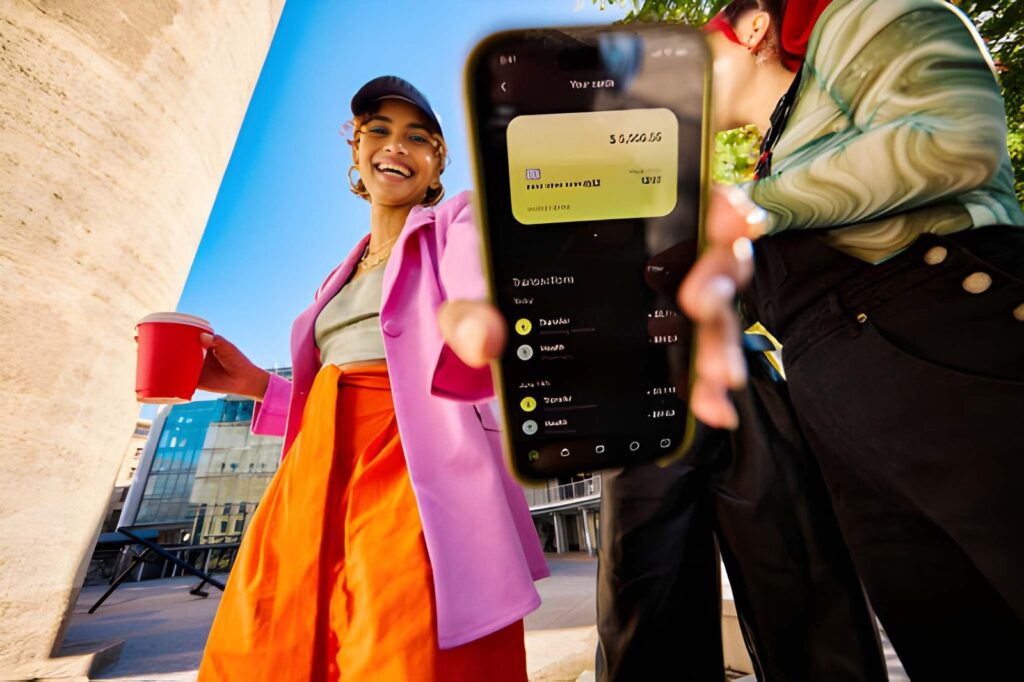
- Wise currency converter: Shows the real mid-market rate for any currency pair. Use it as your baseline — any quote more than 2% below this is a red flag.
- XE Currency: Reliable live exchange rate tracking. Download the offline version — useful when you don’t have data but need a rate reference.
- BookMyForex app: Lets you compare rates across AMCs in Indian cities and book in advance. Useful for planning large exchanges.
- Your bank’s app: For checking your account, freezing cards, and monitoring transaction fees in real time.
- Google (“USD to INR”): The simplest real-time rate check. Not as detailed as Wise, but sufficient for a quick reference at an exchange counter.
Planning Your Daily Cash and Card Use
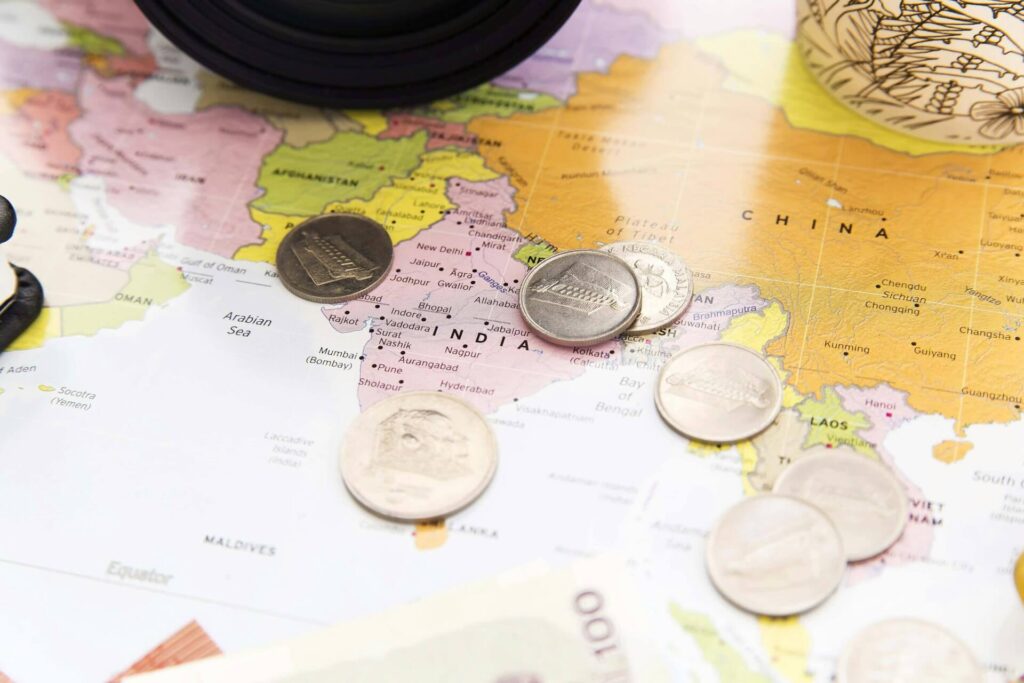
A workable daily money system for India:
- Morning: Start with ₹1,500–₹2,500 in your day wallet. Mix of ₹100s, ₹200s, and some ₹500s.
- Card: Carry one primary card for hotels, malls, and larger restaurants. Leave the backup card in your hotel safe.
- Reserve: Keep ₹1,000–₹2,000 separate from your day wallet at all times. This covers the taxi home if your main cash runs out, the ATM that doesn’t work, or the restaurant that only takes cash.
- Replenish: Visit an ATM or AMC every 2–3 days rather than daily. This reduces per-transaction fees and time spent on logistics.
Common Scams to Watch Out For
The “better rate” stranger: Someone approaches you near a tourist site or market offering a better exchange rate than the banks. This is illegal (they’re not authorized), and the rate they quote is rarely what you’ll actually receive. Decline and walk away.
The shortchange: Happens at busy counters when you’re distracted, tired, or in a hurry. The cashier counts out your notes quickly, hands them over, and if you don’t recount before walking away, you’re short. Always count at the counter.
A backpacker in Jaipur once told me he realized he was short nearly ₹3,000 only after reaching his hostel. By then the counter staff simply shrugged.
The torn note swap: A cashier includes a visibly torn or damaged note in your exchange. Indian merchants sometimes refuse damaged notes. Count and inspect notes at the counter — any damaged note can be returned for replacement immediately.
The “commission later” trick: You agree on a rate, the exchange happens, and then the cashier adds a “government tax” or “processing fee” that wasn’t mentioned.
This is not a legitimate charge at any authorized exchange point. Refuse it. If they insist, ask for the RBI license number and say you’ll report the discrepancy.
The fake note: Counterfeit ₹500 notes exist, though they’re not widespread. If a note feels unusually thin, has blurry printing, or lacks the security thread visible when held to light, it may be counterfeit. Exchange only at licensed establishments where the risk is near-zero.
Currency Do’s and Don’ts in India
Do:
- Swap most of your money at an authorized city AMC or via an ATM
- Ask for the exact rupee amount you’ll receive — ignore headline rates
- Keep your exchange receipts (required for reconversion at departure)
- Count your notes at the counter before you leave
- Carry small denomination notes for street-level spending
- Use low-fee travel cards (Wise, Niyo) for ATM withdrawals
Don’t:
- Ever hand cash to someone who comes up to you offering a “better deal”
- Believe “no commission” signs — the fee is in the rate
- Agree to dynamic currency conversion at ATMs or card terminals
- Exchange everything at the airport if you can wait
- Leave your PIN visible at ATMs
- Carry all your cash in one location
Best Strategy for Currency Exchange in India
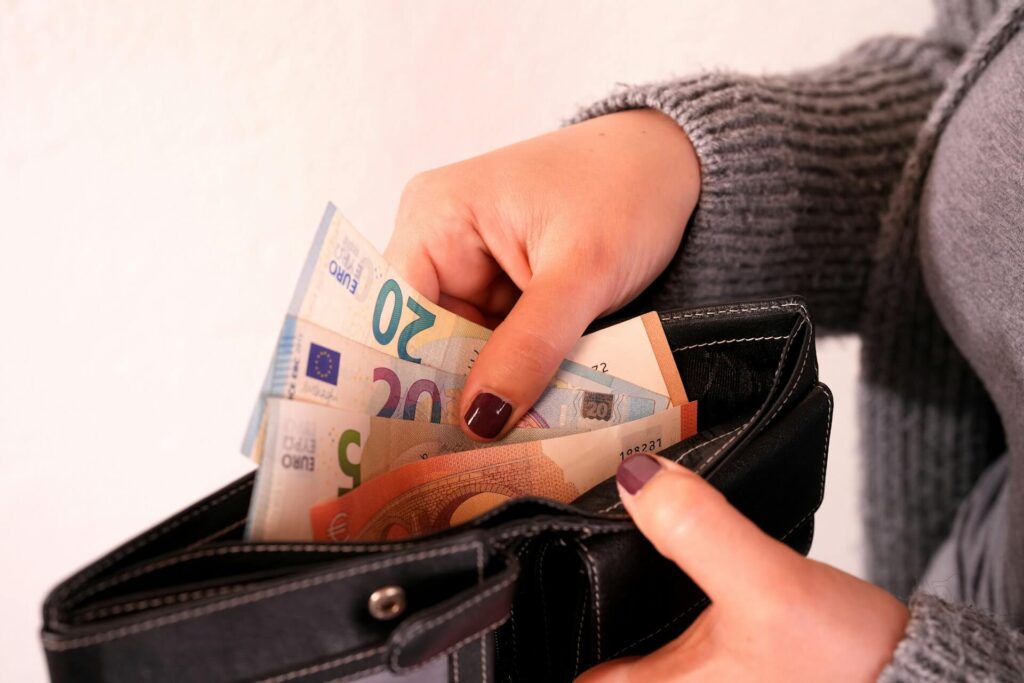
Here’s the formula that consistently gets travelers the best rates with the least risk.
Step 1 – Before you fly: Get a low-fee travel card (Wise or Niyo Global card) and load it with your home currency or link your bank account. This is your ATM card in India and your backup payment for merchants.
Apply at least two weeks before travel – delivery and activation take time.
Step 2 – At the airport on arrival: Exchange only ₹2,000–₹3,000 at the airport counter. This is enough for your taxi, first meal, and tips.
Knowing how to get currency exchange in India efficiently ensures you don’t lose money right at the start of your trip.
Step 3 – Day 1 or 2 in the city: Find an authorized money changer in the city center. Use the Wise app to check the current mid-market rate before you go.
At the AMC counter, ask: “How many rupees for [your currency amount]?” Compare two counters. Exchange ₹15,000–₹25,000 or whatever covers 4–5 days of spending.
Step 4 – ATM withdrawals for top-ups: Use your Wise or Niyo card at an HDFC or ICICI ATM to withdraw rupees as needed. This gives you near-interbank rates. Withdraw ₹10,000–₹15,000 at a time to minimize the flat ATM fee.
Step 5 – Large sum exchanges (if needed): For amounts above USD 500 equivalent, compare the AMC rate against the ATM route with your fee structure.
Book via BookMyForex online if the rate is better than walk-in options. Always bring your passport.
If things go wrong:
Problem | Solution |
ATM rejects your card | Try a different bank’s ATM (HDFC, ICICI, SBI) |
Both cards fail | Use emergency cash reserve, find a bank branch during business hours |
Shortchanged at exchange counter | Recount before leaving the counter — after is too late |
Lost cash | Use your card for all expenses, withdraw from ATM, report to police for insurance purposes |
Left with excess rupees at departure | Reconvert at airport with exchange receipts (up to the allowed limit) |
Do this: Airport exchange – small amount only. City AMC – bulk of cash exchange. ATM (low-fee card) – regular top-ups. Always ask for final rupee amount, not the rate.
Avoid this: All-airport exchange. Dynamic currency conversion. Unlicensed dealers. Exchanging without counting. Carrying all cash in one place.
Final Currency Handling Checklist for Travelers
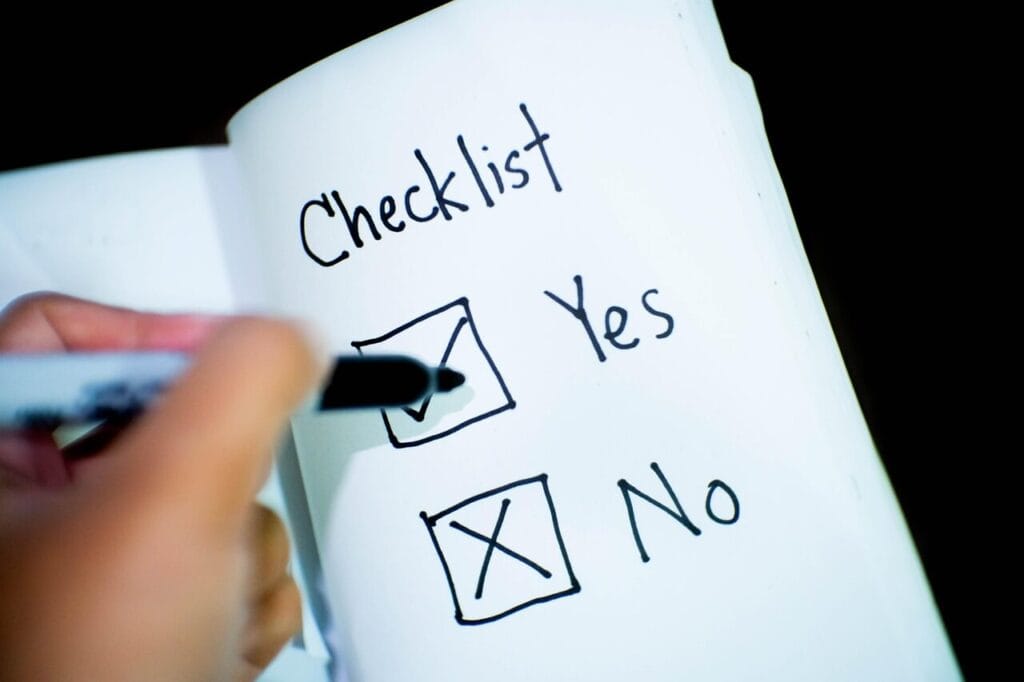
Before you fly:
- Get a Wise or Niyo Global card (apply 2+ weeks ahead)
- Check current USD/GBP/EUR to INR rate on Wise as your baseline
- Download XE Currency for offline rate reference
- Keep all exchange receipts – you’ll need them to reconvert at departure
At the airport on arrival:
- Exchange only ₹2,000–₹3,000 at the airport counter
- Ask for exact rupee amount, not headline rate
- Keep the receipt from this exchange
- Test your travel card at the airport ATM before leaving the terminal
In the city:
- Locate an authorized AMC near your accommodation
- Exchange the bulk of your cash there at a better rate
- Ask for the specific rupee amount before committing
- Count notes at the counter before you leave
- Request small denomination notes (₹100s, ₹200s)
During your trip:
- Top up via ATM using your low-fee travel card
- Keep reserve cash separate from your day wallet
- Inspect notes for damage when received
- Always choose INR over your home currency when prompted at ATMs or card terminals
Before departure:
- Gather all exchange receipts if you want to reconvert leftover rupees
- Reconvert at airport – within the allowed limit
- Check your travel card balance and withdraw remaining rupees if needed
Conclusion

Knowing how to get currency exchange in India safely and at the best rates can make your trip smoother and save you money. Start with a small exchange at the airport – just enough for transport, tips, and your first meal.
Then, use authorized money changers in the city for the bulk of your cash. Top up as needed through ATMs using a low-fee travel card.
Always count your notes before leaving the counter and keep your receipts. Travelers who consistently get the best rates aren’t lucky – they simply follow the system.
The only number that truly matters is the rupees in your hand, not the rate on the board, the “no commission” sign, or the friendly smile at the counter.
By taking it one careful step at a time, even while adjusting to a new country, you can make your money go further – and every extra rupee is worth it.
FAQs about Currency Exchange in India
How can I safely get currency exchange in India?
You can safely exchange money at banks, RBI-authorized money changers, or ATMs using a low-fee travel card. Avoid unlicensed street dealers or anyone offering “better rates” outside official counters.
Where is the best place to exchange money in India?
City-center authorized money changers usually offer the best exchange rates. Airport counters are convenient but often more expensive due to wider spreads.
Can I use ATMs for currency exchange in India?
Yes. Using a low-fee international travel card like Wise or Niyo Global at an HDFC, ICICI, or SBI ATM gives near-interbank rates, making ATM withdrawals one of the most cost-effective options.
How much should I exchange at the airport in India?
Exchange only what you need for the first day—around ₹2,000–₹3,000 for taxi fares, tips, and meals. Get the rest from city money changers for better rates.
What documents do I need for currency exchange in India?
A valid passport is mandatory at banks and authorized money changers. For larger amounts, some banks may require additional ID or address proof.
Are “no commission” airport counters cheaper?
Not always. “No commission” signs usually hide poorer exchange rates. Always ask for the exact rupees you’ll receive before confirming any transaction.
Can I exchange leftover rupees before leaving India?
Yes. You can reconvert leftover rupees at authorized dealers or airport counters using your original exchange receipts. There is a limit, usually up to USD 2,000 equivalent.
Look for an RBI license certificate, a printed receipt for your transaction, and matching business names. You can also verify them on the official RBI website.
Is it safe to carry all my cash in one wallet in India?
No. Use a small day wallet for daily expenses and keep a separate reserve in your hotel safe or hidden pocket to reduce the risk of loss or theft.
How can I avoid losing money on currency exchange in India?
Compare rates at multiple authorized counters, use low-fee travel cards for ATM withdrawals, always count your notes at the counter, and never exchange money with unsolicited street dealers.
Images: Unsplash
