

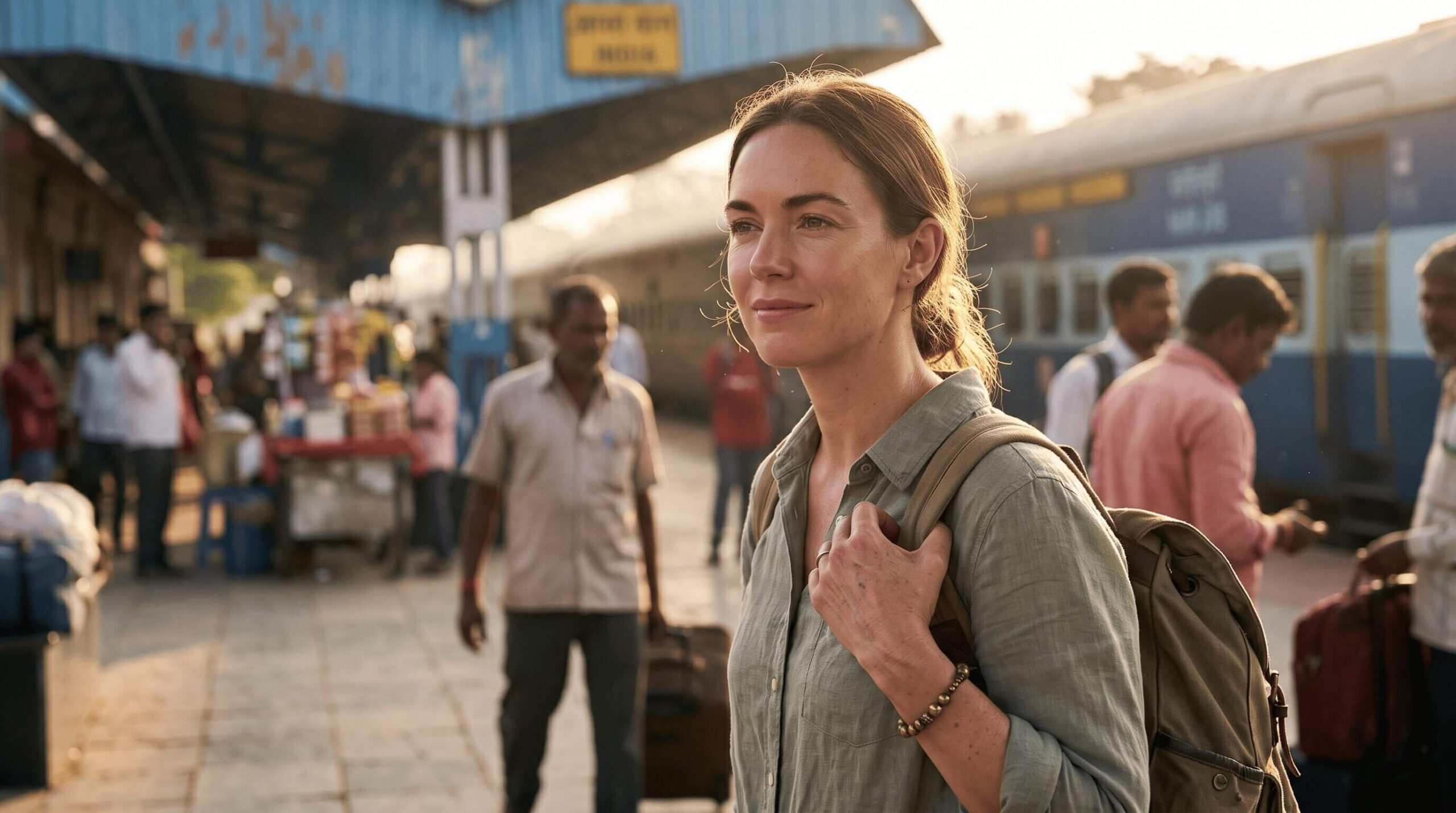

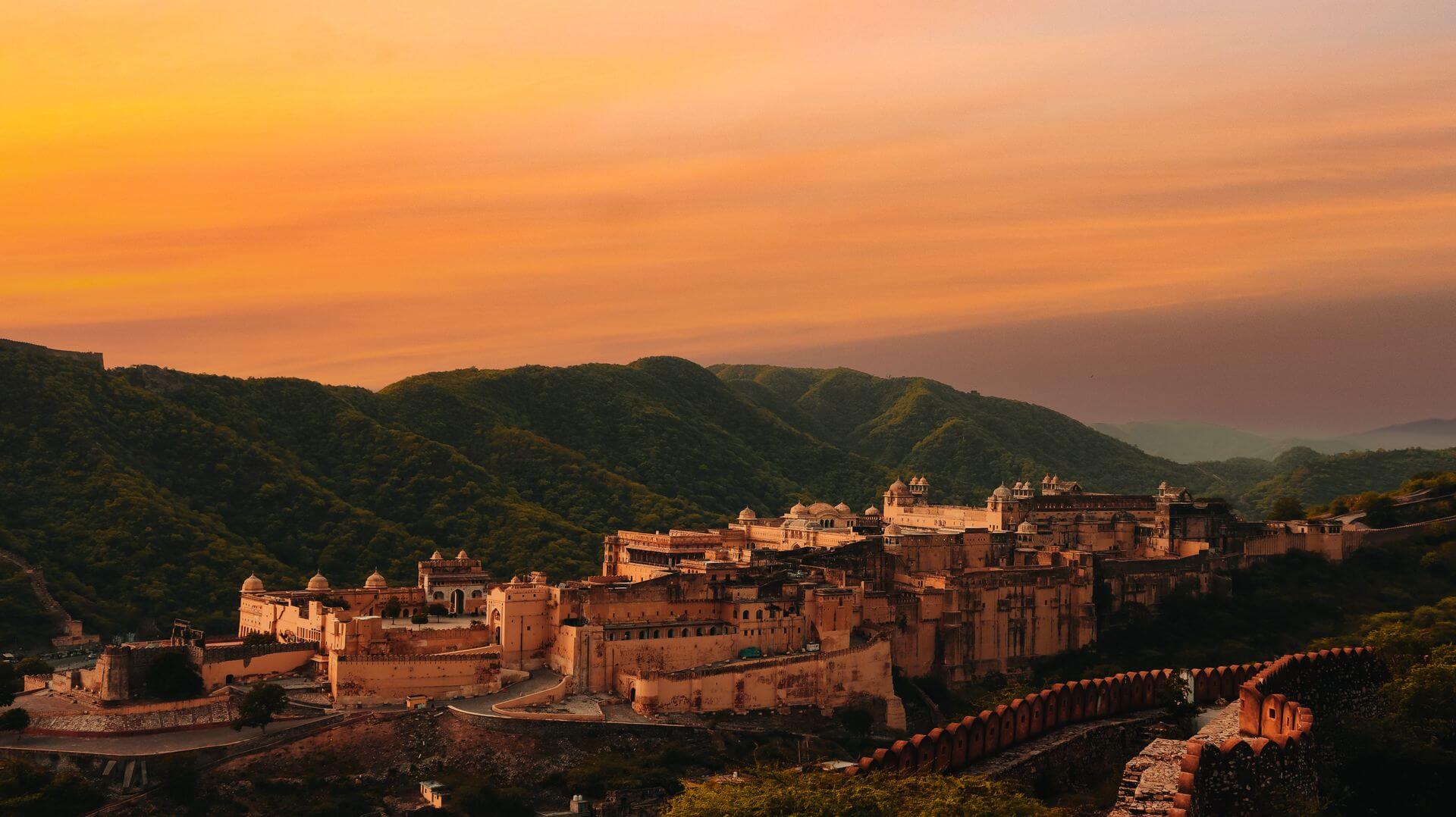
You land in Jaipur after a long flight. The airport is busy, the air feels warmer than expected, and outside the terminal the city seems to move in every direction at once.
Some people stare longer than feels comfortable. A man near the taxi stand smiles and asks where you are from. At the hotel check-in, a receptionist asks if you are traveling alone.
You wonder: how much of this is just India being India, and what should I actually be paying attention to? That question is exactly the right one to ask. The answer is not a list of dangers.
It is a clearer understanding of what is normal, what requires a calm response, and what to genuinely avoid. That distinction is what this guide is built around.
This guide on Solo Female Travel India Safety explains what female travelers should avoid in India and how to stay safe while traveling independently.
Table of Contents showWho This Guide Is For
This guide is designed for first-time solo female travelers visiting India, whether you’re planning a Rajasthan itinerary, a Kerala backpacking trip, or a multi-city journey across the country.
The advice focuses on practical safety, cultural awareness, and confidence-building rather than fear-based travel warnings.
Is India Safe for Solo Female Travelers? (India Travel Safety Guide for Women)
Yes. Millions of women travel solo across India every year, including first-time visitors from the US, UK, Europe, Australia, and Canada, and most complete their trips without serious incident.
What it does not cover are the thousands of uneventful, memorable trips that women take through Rajasthan, Kerala, Himachal Pradesh, and everywhere else.
That said, awareness matters here more than in some other destinations. The travelers who do well in India are not the ones who are the most fearful. They are the ones who are the most prepared.
For most travelers, solo female travel in India safety depends less on avoiding places and more on understanding cultural norms, transport choices, and situational awareness.
What Female Travelers Should Avoid in India: Safety, Cultural, and Travel Tips
The things worth avoiding fall into a few clear categories: cultural mistakes that create unnecessary friction, behaviors that draw unwanted attention, situations that are riskier than they appear, and practical lapses in basic safety habits.
None of these are unique to India. Travelers make versions of these mistakes in every country.
In India, the consequences tend to be more immediate because of how quickly a crowded environment responds to what you do and how you present yourself.
The sections below break each one down with specific examples and practical responses.
Common Cultural Mistakes Female Travelers Should Avoid in India
India is not one culture. It is dozens of cultures operating simultaneously across different regions, religions, and social environments.
What is completely normal in Goa is out of place in Varanasi. What is unremarkable in Mumbai reads differently in a small Rajasthani village.
Clothing at religious sites
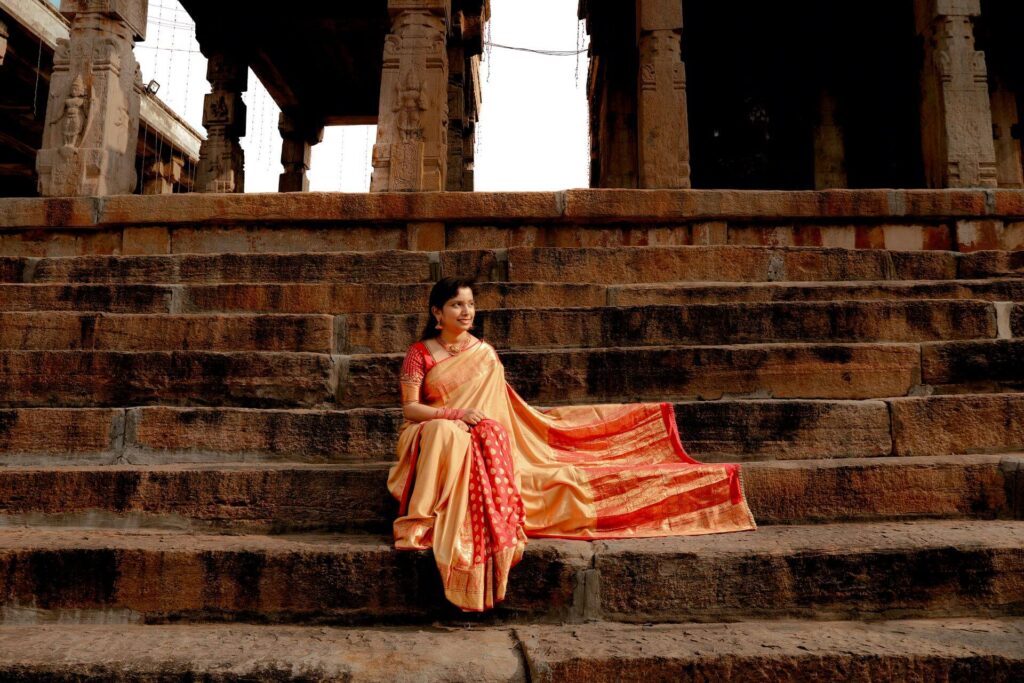
Temples, mosques, gurudwaras, and churches across India require covered shoulders and legs. This is not negotiable and is not specific to women, though women are more likely to be turned away or commented on if they arrive underdressed.
Carry a light scarf or dupatta with you every day. It weighs almost nothing, folds into a pocket, and solves the problem immediately at any religious site you encounter unexpectedly.
Most major temples sell or lend scarves at the entrance, but having your own is faster and cheaper.
Clothing in conservative regions
Tourist zones in Goa, beach areas in Kerala, and international hotel districts in major cities have different visible norms than the surrounding areas.
Swimwear on a Goa beach is fine. The same outfit in a local market two kilometers away is going to attract significant attention. This is not a judgment on what you should wear.
It is a practical observation about what makes your day easier. In conservative regions and smaller towns, covering your shoulders and knees reduces friction and lets you focus on the experience rather than managing reactions.
Public displays of affection
Physical affection between couples in public, including kissing and sustained physical contact, is culturally uncomfortable for most of India outside of cosmopolitan pockets of major metros.
This applies to heterosexual couples as much as same-sex ones. It is not illegal in most contexts, but it draws attention and can create situations that are harder to manage than they are worth.
Interacting at religious sites
At temples and mosques particularly, loud conversations, photography without permission, and walking into restricted areas without checking are all common mistakes.
Watch what local visitors are doing before you move. Ask before photographing anything that involves people praying or sacred objects.
Situational Awareness Tips for Solo Female Travel in India
Situational awareness in India is not about being suspicious of everyone. It is about staying present in your environment rather than checked out.
Most uncomfortable situations start in predictable settings: late in the evening, away from busy tourist areas, or in transport situations where you are the only woman present.
Crowded tourist sites
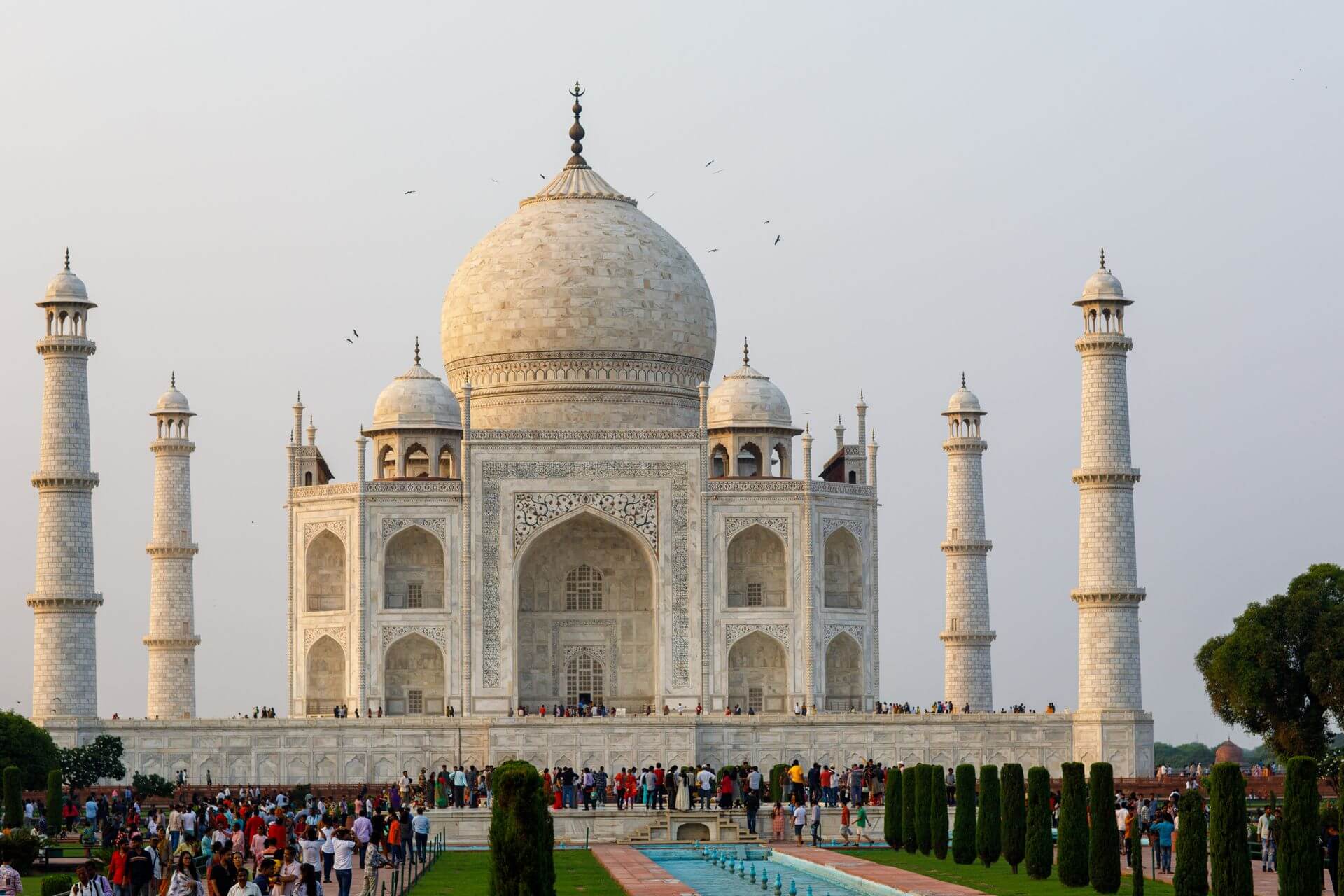
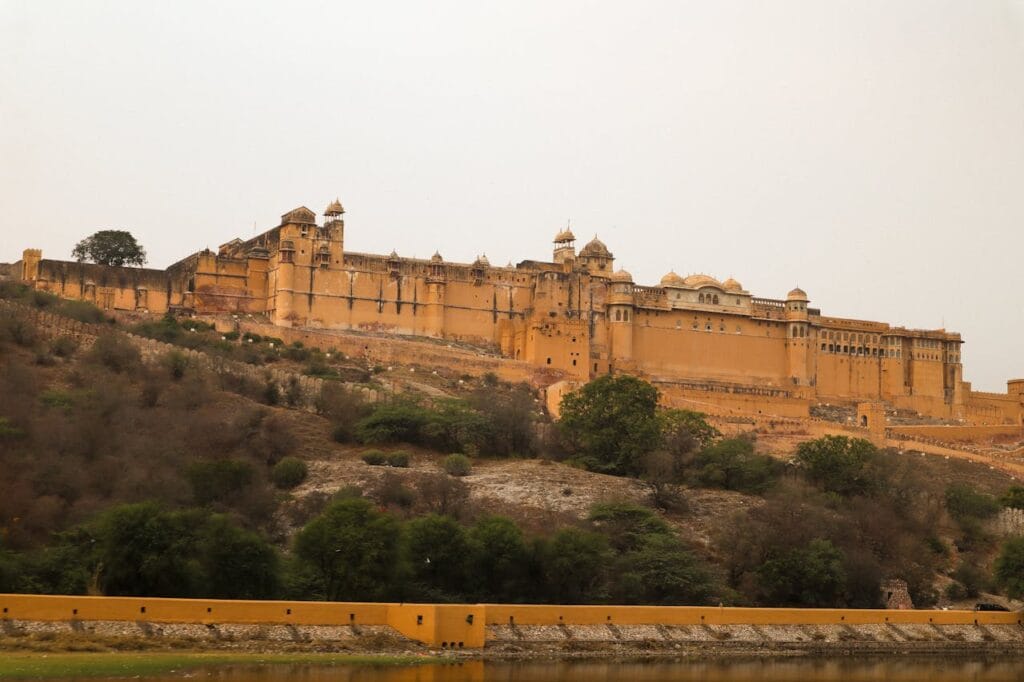
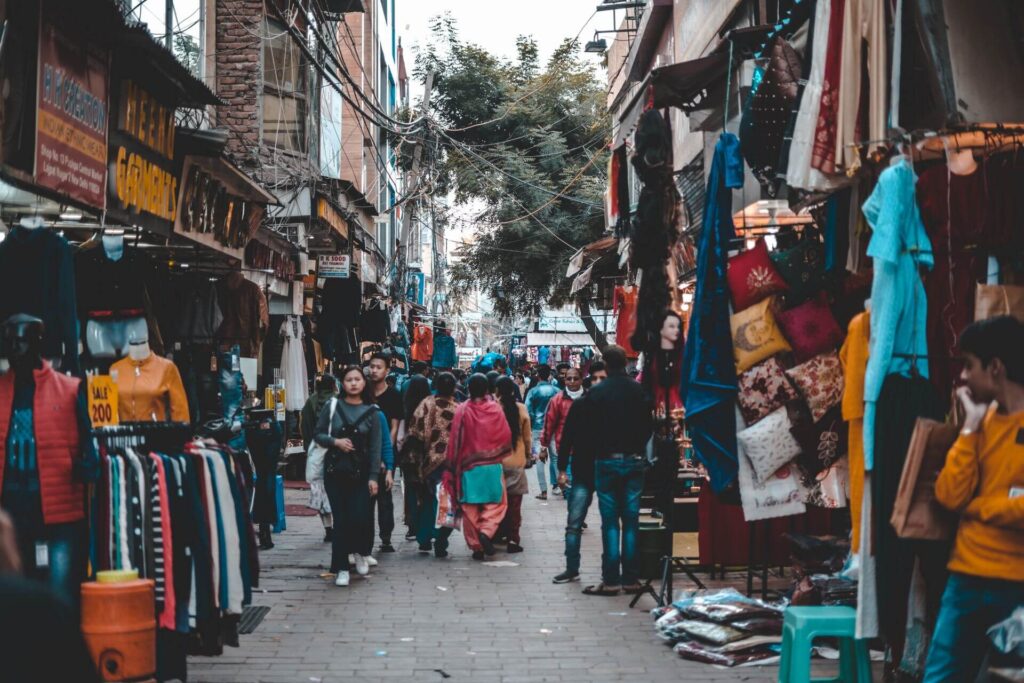
Major sites like the Taj Mahal, Amber Fort, and busy city markets are generally safe during the day because they have security, other tourists, and high foot traffic.
The risk at these locations is usually petty theft and photo requests rather than anything more serious. Keep your bag zipped and in front of you in dense crowds.
Know where your phone and money are before you enter a busy area, not after something has happened.
The moment the crowd thins
The calculus changes when you move away from the main circuit.
An empty lane off a busy market, a quiet section of a train station platform late at night, a path to a viewpoint that seemed well-traveled but has emptied out, these are the situations that require more active attention.
Tourist hotspot touts
At high-traffic tourist sites, you will encounter people who want to sell you things, offer unsolicited guide services, or simply engage you in conversation with an end goal that involves money.
This is not unique to India and is not dangerous. It is just exhausting if you are not ready for it. A firm, brief “no thank you” without stopping or making extended eye contact ends most interactions.
Engaging with someone who is selling something because you feel rude not to creates a longer and harder-to-exit situation than simply being clear from the start.
Common Tourist Scams to Avoid
Most scams targeting tourists in India are designed to create confusion rather than direct danger.
Examples include:
- Taxi drivers claiming your hotel is closed
- Fake tour guides near major attractions
- People redirecting you to “government-approved” shops
- Inflated prices for transport or souvenirs
When in doubt, verify information directly with your hotel, attraction website, or booking confirmation.
How to Handle Unwanted Attention
Unwanted attention in India most commonly takes three forms: staring, photo requests, and persistent conversation. Each requires a different response.
Staring
This is the most common experience female travelers report, particularly those who look visibly foreign. It is usually curiosity rather than hostility.
A direct, brief look back followed by looking away signals that you noticed and are not unsettled. Sustained eye contact or a smile can sometimes be misread as an invitation to approach.
Photo requests
Being asked to appear in someone’s photograph is common at major tourist sites. You are never obligated to agree. A simple “No, thank you” is enough, and you do not need to explain your decision.
If someone takes a photo of you without asking, you can ask them to delete it. In practice, enforcement is difficult, but making the request clearly is reasonable.
Persistent conversation
Someone who keeps talking despite short, disinterested responses is not getting the message from politeness alone.
Say clearly that you would prefer not to talk, then stop responding. Moving your position, sitting near another group of people, or stepping inside a shop or restaurant is more effective than continued polite deflection.
Public Interaction Safety Tips for Solo Female Travelers in India
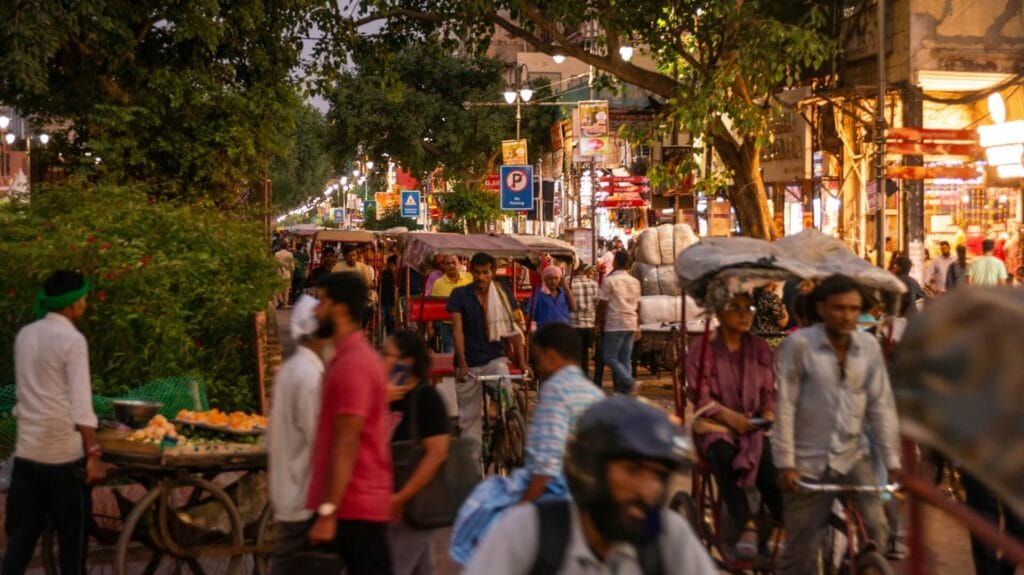
Being friendly and open is one of the best things about traveling. In India, it leads to real conversations, shared meals, unexpected kindness, and connections that stay with you. It also requires calibration.
Avoid telling people you do not know well that you are traveling alone, where your hotel is, or how long you will be in the area. This is not paranoia.
It is the same judgment you would apply in any unfamiliar environment. You can be warm and engaged without providing information that creates a map of where you are and when you are alone.
If asked directly whether you are traveling solo, it is perfectly reasonable to keep your answer vague rather than sharing details about your plans or itinerary.
Trusting your instincts
If a situation feels off, it probably is. If someone is standing too close, a conversation has shifted into uncomfortable territory, or you are being steered toward a location you did not intend to go, trust that feeling and act on it.
Exit the situation at the first signal rather than staying because you do not want to seem rude. A quick change of location, ending a conversation, or seeking a more public space is often the simplest solution.
Hotel Safety Tips for Solo Female Travelers in India
Arrival-Day Rule
If possible, book your first night in a well-reviewed hotel before arriving in India. Making accommodation decisions while tired, jet-lagged, or arriving late at night increases the likelihood of poor choices.
Booking without checking reviews
Reviews on Booking.com, TripAdvisor, and Google specifically from solo female travelers are worth reading before you book anything. A hotel that is fine for couples or families can feel very different for a woman alone.
Look for comments about staff behavior, room security, and whether the neighborhood felt safe at night.
Room security basics
Use the deadbolt and any additional latch on your room door at night. Check that windows latch properly, particularly in ground-floor rooms.
If something about the room or the staff’s behavior makes you uncomfortable after check-in, request a different room or leave and find another property. You are paying for the stay. You are entitled to feel safe.
Sharing your room number
Do not mention your room number in public conversations at the hotel. If someone at reception needs to write something down for you, ask them to write it rather than calling it out loudly.
Budget accommodation in unfamiliar areas
The cheapest guesthouse in an area you do not know is a higher-risk choice than one that costs slightly more and has verifiable reviews.
This is especially true for your first night in a new city, when you are tired and less equipped to handle a bad situation.
Transportation Safety Tips for Solo Female Travelers in India
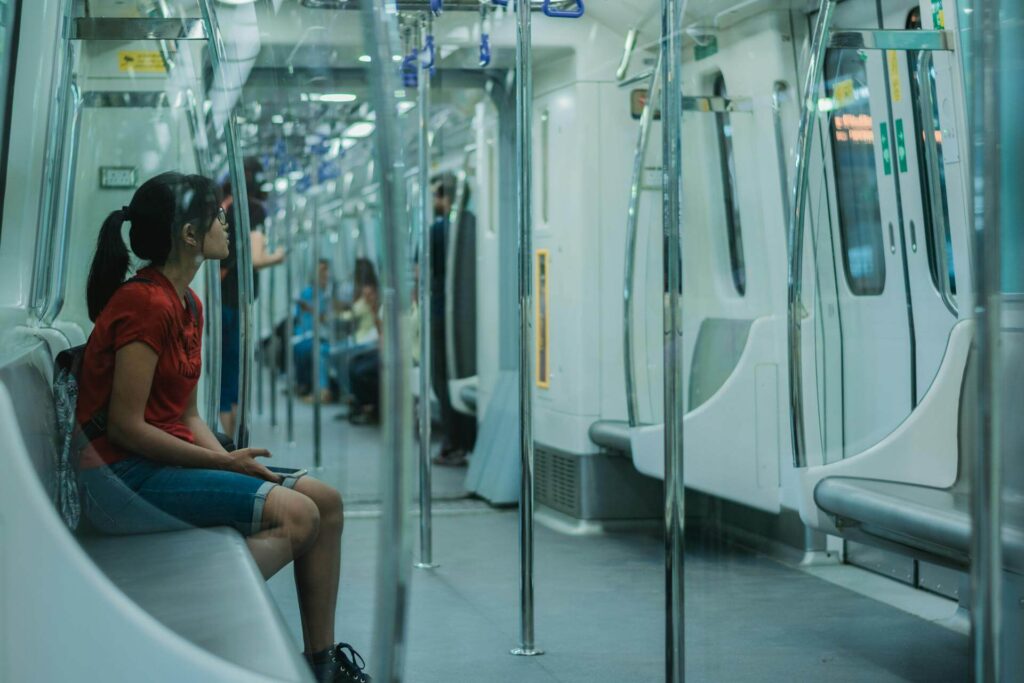
Transportation is one of the most important factors in India travel safety for women.
Using verified ride-hailing apps, pre-booked trains, and trusted hotel transfers significantly reduces risk and improves travel comfort, especially for first-time visitors.
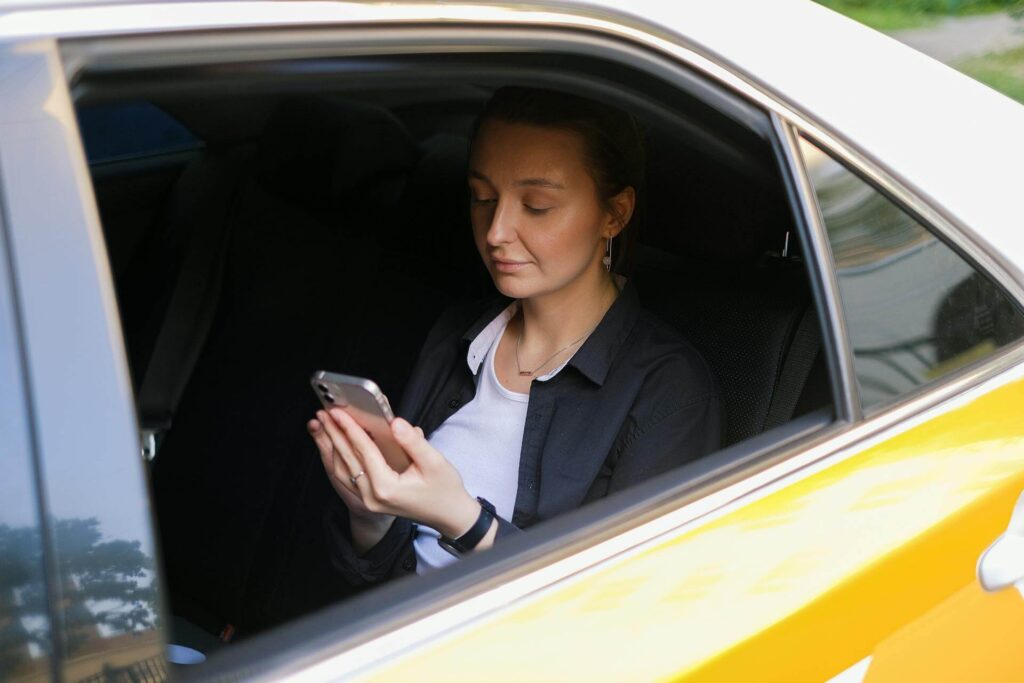
Use ride-hailing apps like Uber and Ola for most city transport. They provide a registered driver, a shared trip record, and a complaint mechanism that street-hailed autos and taxis do not.
Share your live trip status with someone you trust before you get in. Avoid sharing auto-rickshaws with strangers who offer to split the fare.
The arrangement is awkward to exit if needed and puts you in a confined space with someone you have just met.
On long-distance trains, a confirmed berth in an AC coach is significantly better than a general or sleeper class coach for solo women travelers.
Book through IRCTC. Use the Ladies Quota when booking alone. The cost difference is worth it.
Avoid arriving in unfamiliar cities very late at night if you can adjust your itinerary to avoid it. If you cannot, book accommodation in advance and have the address ready before you land.
Day vs Night Travel Safety in India for Solo Women
Daytime travel in India’s major tourist cities is generally comfortable. The streets are busy, shops are open, and there are enough people around that most situations resolve quickly.
The environment changes after 9 or 10 PM. Not dramatically in established tourist areas, but enough that decisions that would be simple during the day require more thought at night.
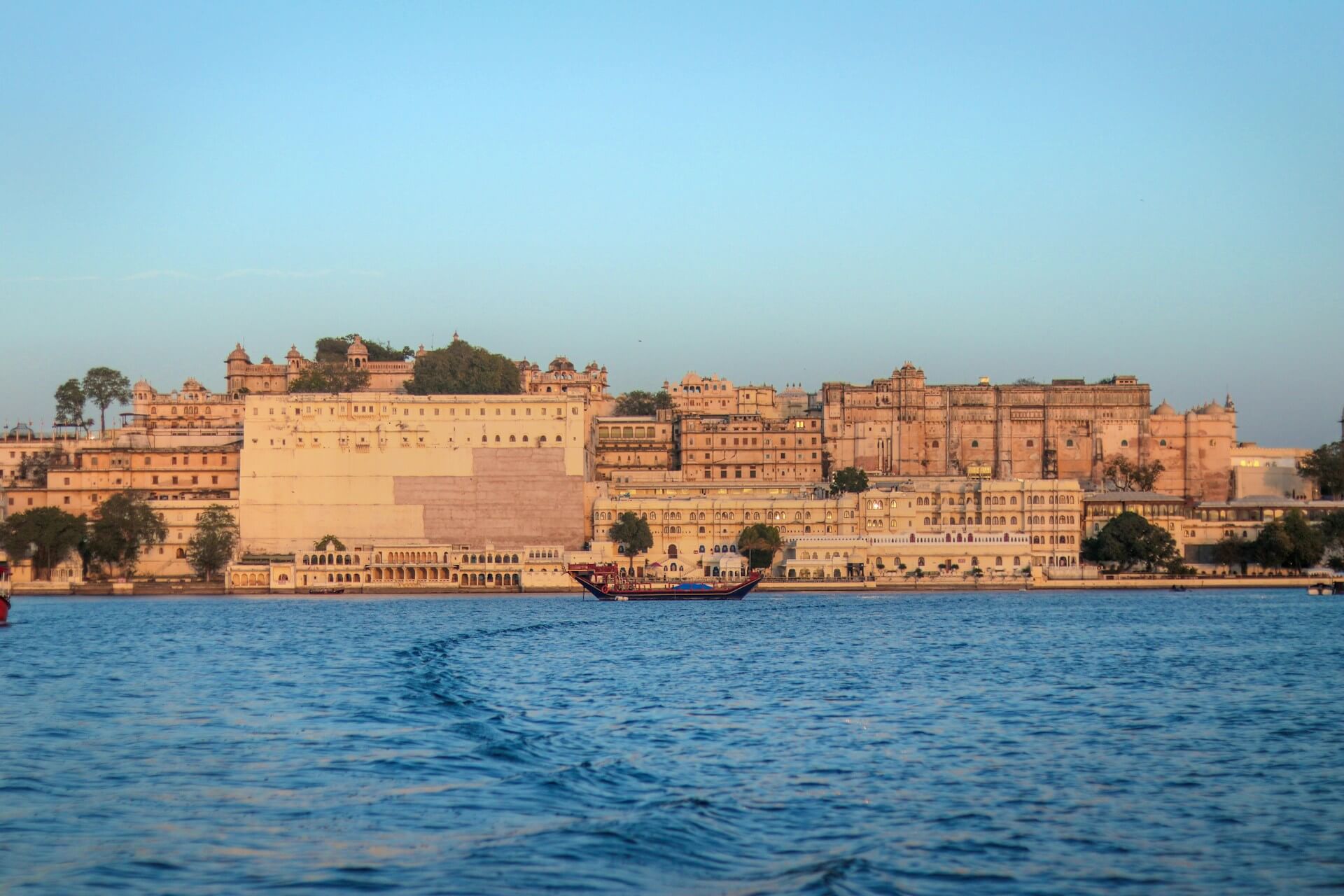
In tourist districts of Jaipur, Udaipur, Agra, and similar cities, evenings are active and restaurants stay open late. Walking in these areas after dark is fine with basic awareness.
In quieter neighborhoods, residential streets, and areas away from the main tourist circuit, the situation is different.
Foot traffic drops, lighting decreases, and streets become noticeably quieter. Smaller towns and rural areas are generally more conservative in terms of cultural expectations and quieter at night.
Neither of these things makes them more dangerous, but they do mean that your presence as a solo female traveler is more conspicuous and the available support systems are thinner.
Plan your evenings with the same intention you give your daytime sightseeing. Know where you are going, how you are getting back, and what your return transport is before you go out.
Best Places in India for First-Time Solo Female Travelers
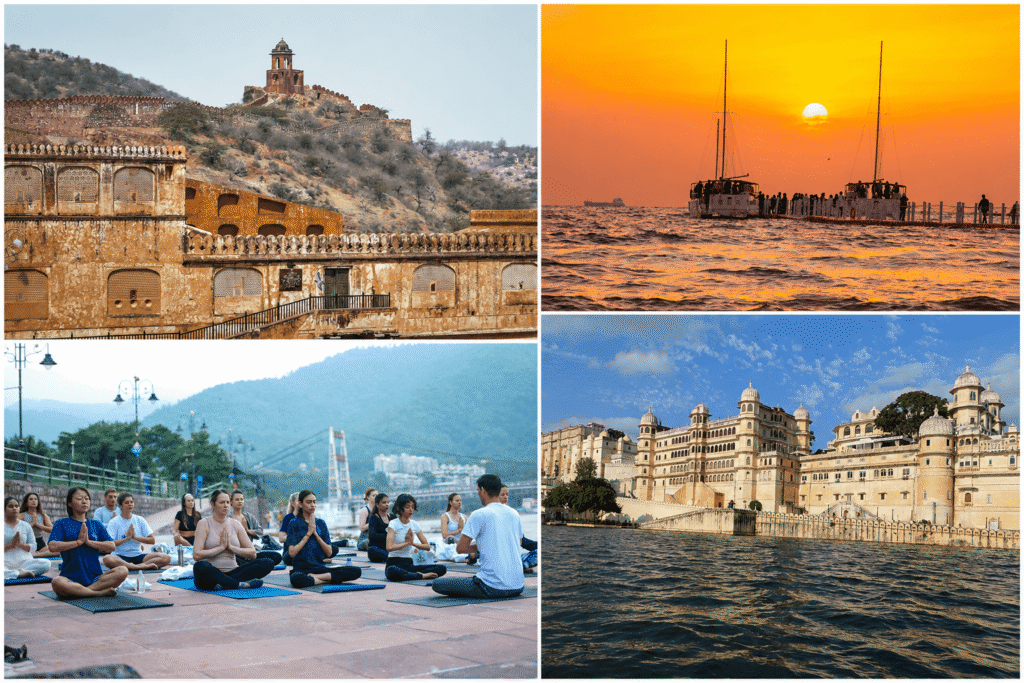
If you’re visiting India alone for the first time, some destinations are generally easier to navigate than others due to their tourism infrastructure, accommodation options, and popularity among international visitors.
- Jaipur and Udaipur (Rajasthan) – Well-established tourist routes, good hotels, and plenty of guided experiences.
- Kochi and Munnar (Kerala) – Relaxed atmosphere, scenic landscapes, and strong tourism infrastructure.
- Rishikesh (Uttarakhand) – Popular with solo travelers, yoga enthusiasts, and international visitors.
- Mysore (Karnataka) – Clean, manageable, and less overwhelming than larger Indian cities.
- Pondicherry – Walkable neighborhoods, cafés, and a slower pace of travel.
- Dharamshala and McLeod Ganj (Himachal Pradesh) – Mountain destinations with a large backpacker and international traveler community.
These destinations are not necessarily safer than every other place in India, but many first-time solo female travelers find them easier and more comfortable to navigate independently.
Safe vs Risky Travel Behaviors for Solo Female Travelers in India
Situation | Safe Approach | What to Avoid |
Temples & religious sites | Carry scarf, follow dress code, observe locals | Wearing sleeveless / short outfits |
City transport | Use Uber/Ola, share live location | Unregistered taxis at night |
Markets & tourist areas | Stay aware, keep bag zipped | Engaging with persistent touts |
Night travel | Stay in well-lit areas, plan return | Walking alone in isolated streets |
Photo requests | Say “No, thank you” politely | Feeling forced to agree |
Solo Female Travel in India: How to Stay Confident and Safe
Most trips to India go well. The vast majority of interactions are with people who are curious, generous, and genuinely happy to meet international visitors.
Street food vendors who wave you over to try something. Families who invite you to share a meal. Locals who walk you to the right platform when you look confused at a train station.
India rewards travelers who are prepared, flexible, and present. The preparation is not about building fear. It is about reducing the energy you spend managing avoidable situations so you have more of it for the trip itself.
The women who travel India most confidently are not the ones who avoided every uncomfortable moment.
They are the ones who encountered those moments and knew how to respond. That comes from preparation, not from avoiding the country.
Real-Life Safety Scenarios for Female Travelers in India
Walking through a busy market You are in a bazaar in Jaipur. It is crowded and loud. A shopkeeper calls out from every stall. One man steps in front of you and asks where you are from.
You make brief eye contact, say “just looking, thanks,” and keep walking without stopping. He returns to his stall. You continue. It requires a clear, brief response and no extended engagement.
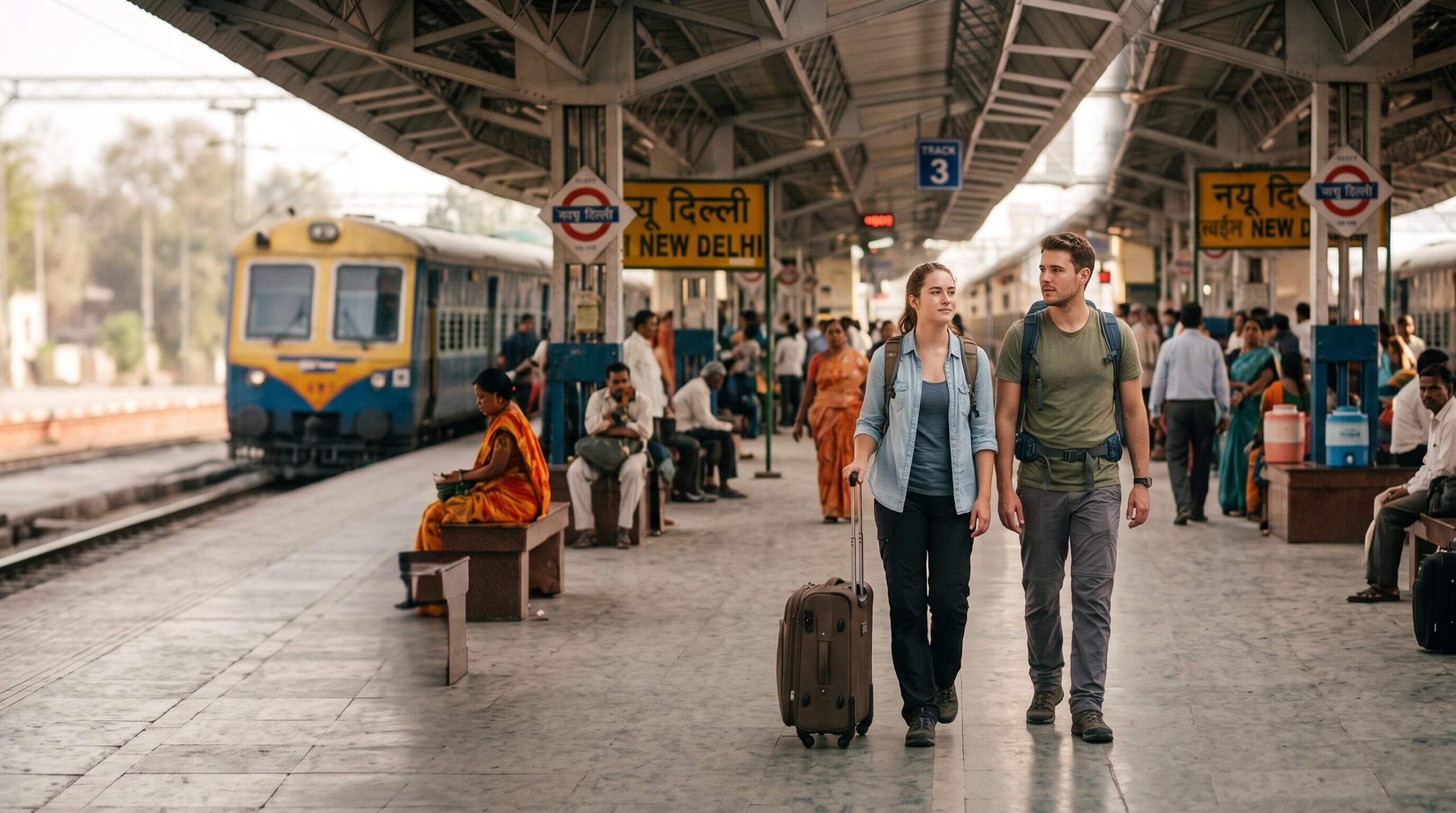
Taking a train journey You are on an overnight train from Delhi to Varanasi. You have a confirmed lower berth in an AC 3-Tier coach.
The man in the berth across from you keeps making conversation beyond what feels comfortable after you have given short, uninterested answers.
You close your eyes, put in your earphones, and pull the curtain if the coach has one. If the behavior continues, you find the Train Ticket Examiner and mention it. You do not manage this alone out of politeness.
At a major tourist attraction You are at the Amber Fort. Two men ask if they can take a photo with you. You are not comfortable with it. “No, thank you” is enough.
You do not explain. You do not apologize. You continue toward the entrance. A clear, short refusal is usually enough.
Meeting locals A family at a roadside dhaba where you have stopped for chai invites you to sit with them. The mother and daughters are there.
They are curious about where you come from and ask about your family. This is one of the genuinely lovely parts of traveling in India. Sit, talk, accept the chai. Be warm and open. You are safe, and this is what travel is for.
Solo Female Travel India Safety Checklist
Before leaving your hotel
- Phone charged and offline maps downloaded
- Hotel address saved in phone and on a physical note
- Emergency numbers saved: 112 (national), 1091 (women’s helpline Delhi)
- Light scarf in your bag
- Share your plan with someone who knows where you are
While exploring
- Bag zipped and in front of you in crowds
- Aware of who is near you and whether that changes
- Brief and clear when declining attention or vendors
- Not sharing hotel name or solo status with strangers
At tourist attractions
- Dressed for any religious sites you might enter
- Aware of where exits and security are
- Comfortable declining photo requests without explanation
At night
- Return transport arranged before going out
- Staying in well-lit areas with foot traffic
- Not walking alone in unfamiliar or quiet areas
- Live location shared with someone
In crowded areas
- Valuables secured before entering the crowd
- Aware of the exits
- Moving away from situations that feel off rather than waiting to see what happens
Solo Female Travel in India: Final Thoughts
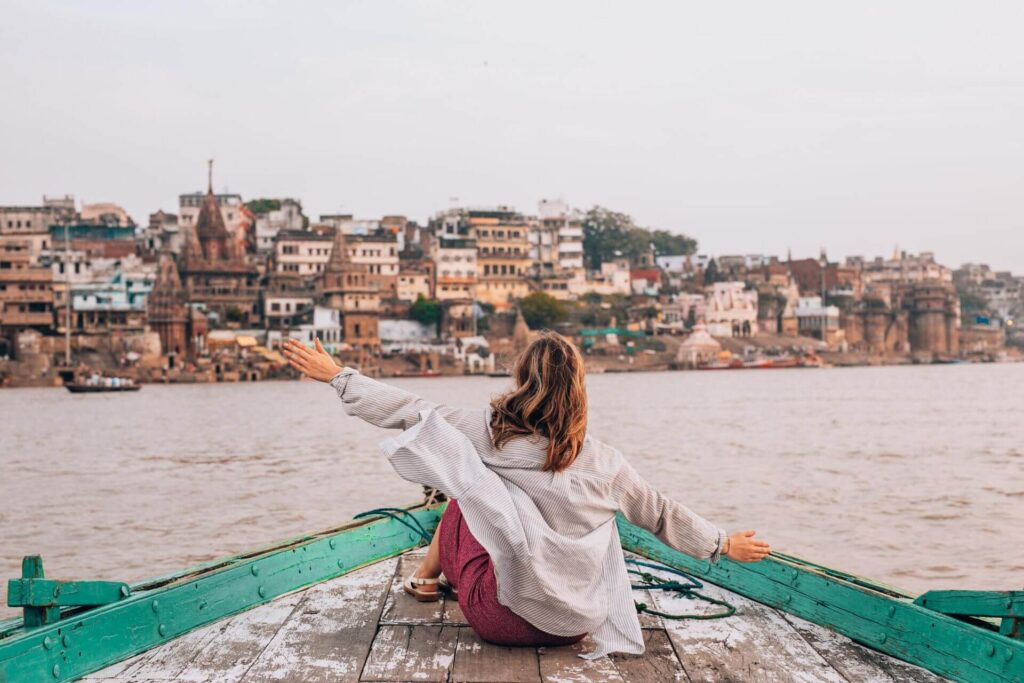
Solo female travel in India is less about avoiding danger and more about understanding your surroundings.
Most challenges travelers encounter involve cultural differences, unwanted attention, or logistical frustrations rather than serious safety concerns.
With reliable transport, well-reviewed accommodation, and a basic understanding of local customs, most women can travel India confidently and safely.
Preparation, awareness, and clear personal boundaries go much further than fear. India can be intense, surprising, and occasionally overwhelming, but it is also one of the most rewarding destinations in the world.
Travel with confidence, trust your instincts, and focus on the experiences that make the journey unforgettable.
FAQs about Solo Female Travel Safety in India
Is India safe for solo female travelers?
Yes, India is generally safe for solo female travelers if you follow basic precautions like using trusted transport, staying in reviewed hotels, and avoiding isolated areas at night.
What should female travelers avoid in India?
Female travelers should avoid sharing personal travel plans with strangers, unverified taxis, walking alone in quiet areas at night, and staying in poorly reviewed accommodation.
Is it safe for women to travel alone in India?
Yes, many women travel alone in India safely every year. Safety depends on awareness, planning, and choosing reliable transport and accommodation.
What should solo female travelers wear in India?
Solo female travelers should wear modest and comfortable clothing, especially in smaller towns and religious places, to respect local cultural norms and avoid unwanted attention.
Is public transport safe for women in India?
Public transport can be safe if you use verified options like Uber, Ola, and AC train coaches. It is better to avoid overcrowded or unregulated transport at night.
What should women avoid at night in India?
Women should avoid walking alone in isolated areas, using unknown transport, and exploring unfamiliar neighborhoods late at night in cities or small towns.
How can female travelers stay safe in India?
Female travelers can stay safe by sharing their location with someone, booking trusted hotels, using ride-hailing apps, and trusting their instincts in uncomfortable situations.
Is it safe to travel alone in India at night?
Night travel is safe in busy tourist areas, but it is better to avoid isolated streets and always plan your return transport in advance.
Can women travel alone in India without a guide?
Yes, many women travel independently in India without a guide. However, first-time travelers may feel more comfortable using guided tours in the beginning.
What are common safety mistakes female travelers make in India?
Common mistakes include not checking hotel reviews, sharing too much personal information, ignoring cultural norms, and not planning transport in advance.
Is Jaipur safe for solo female travelers?
Yes. Jaipur is one of India’s most visited tourist cities and is generally considered safe for solo female travelers who follow normal travel precautions.
Which city in India is safest for solo female travelers?
Cities frequently recommended by female travelers include Jaipur, Udaipur, Kochi, Mysore, Pondicherry, and Rishikesh.
Should female travelers use Uber or Ola in India?
Ride-hailing apps such as Uber and Ola are generally safer than negotiating with unknown drivers because trip details are recorded and can be shared with others.
Images: Pexels
