



Planning where to stay in India can be one of the most important decisions for first-time visitors.
While many travelers focus on finding the right hotel, choosing the right city and neighborhood often has a much bigger impact on the overall experience.
The best places to stay in India depend on your travel style, budget, interests, and trip length.
Some visitors prefer the historical attractions of Delhi, Agra, and Jaipur, while others choose beach destinations such as Goa or the backwaters of Kerala.
This India accommodation guide explains the best cities to stay in India, the safest and most convenient neighborhoods for tourists, accommodation types, expected costs, and practical booking tips for first-time travelers.
Best Places to Stay in India for First-Time Travelers
Traveler Type | Best City | Why |
First-time tourists | Delhi or Jaipur | Well-connected, strong tourist infrastructure |
Couples | Udaipur or Kerala | Romantic settings, relaxed pace |
Families | Jaipur or Goa | Manageable crowds, varied activities |
Backpackers | Delhi, Goa, or Varanasi | Budget options, social atmosphere |
Luxury travelers | Udaipur, Delhi, or Kerala | World-class heritage hotels and resorts |
Digital nomads | Bengaluru or Goa | Reliable infrastructure, expat communities |
Beach lovers | Goa or Kerala | Distinct beach styles for different tastes |
Culture and history | Delhi, Jaipur, or Agra | UNESCO sites, Mughal and Rajput heritage |
How to Choose Where to Stay in India
The right base depends on four things: your budget, your trip length, your travel pace, and your interests.
Short trips of seven to ten days work best with two or three cities maximum. India’s distances are larger than they look on a map, and moving every night burns time and energy.
Budget travelers get the most value in Rajasthan, Varanasi, and Goa. Mid-range travelers have strong options everywhere. Luxury accommodation is genuinely world-class in Udaipur, Delhi, and Kerala.
If you want history and culture, start in the north. If you want beaches and slower pace, head south. If you want both, split your trip between regions rather than trying to cover everything in one sweep.
Transport links also matter. Delhi and Mumbai are the main international entry points. Building your itinerary outward from whichever you fly into saves significant backtracking.
Best Areas to Stay in India by Budget
Budget Travelers
Budget travelers generally find the best value in Paharganj (Delhi), the Pink City area of Jaipur, Fort Kochi, Varanasi, and North Goa.
These areas offer affordable guesthouses, hostels, and budget hotels while remaining close to major attractions.
Mid-Range Travelers
Mid-range travelers should consider Connaught Place in Delhi, C-Scheme in Jaipur, Colaba in Mumbai, and Fort Kochi in Kerala. These neighborhoods balance convenience, comfort, transportation access, and restaurant options.
Luxury Travelers
Luxury travelers often prefer Aerocity in Delhi, Lake Pichola in Udaipur, South Goa beach resorts, and Kerala wellness retreats. These destinations provide premium service, heritage properties, and resort-style experiences.
Where Should First-Time Travelers Stay in India?
For most first-time visitors, the best places to stay in India are Delhi, Jaipur, and Agra, commonly known as the Golden Triangle.
These destinations offer the country’s most famous historical attractions, reliable tourist infrastructure, and straightforward transportation connections.
Travelers looking for beaches should add Goa, while those seeking nature, wellness, and a slower pace should consider Kerala.
Couples often prefer Udaipur for its lake views and heritage hotels, while digital nomads tend to gravitate toward Bengaluru and Goa for better infrastructure and long-stay options.
Best Cities to Stay in India for First-Time Visitors
Delhi
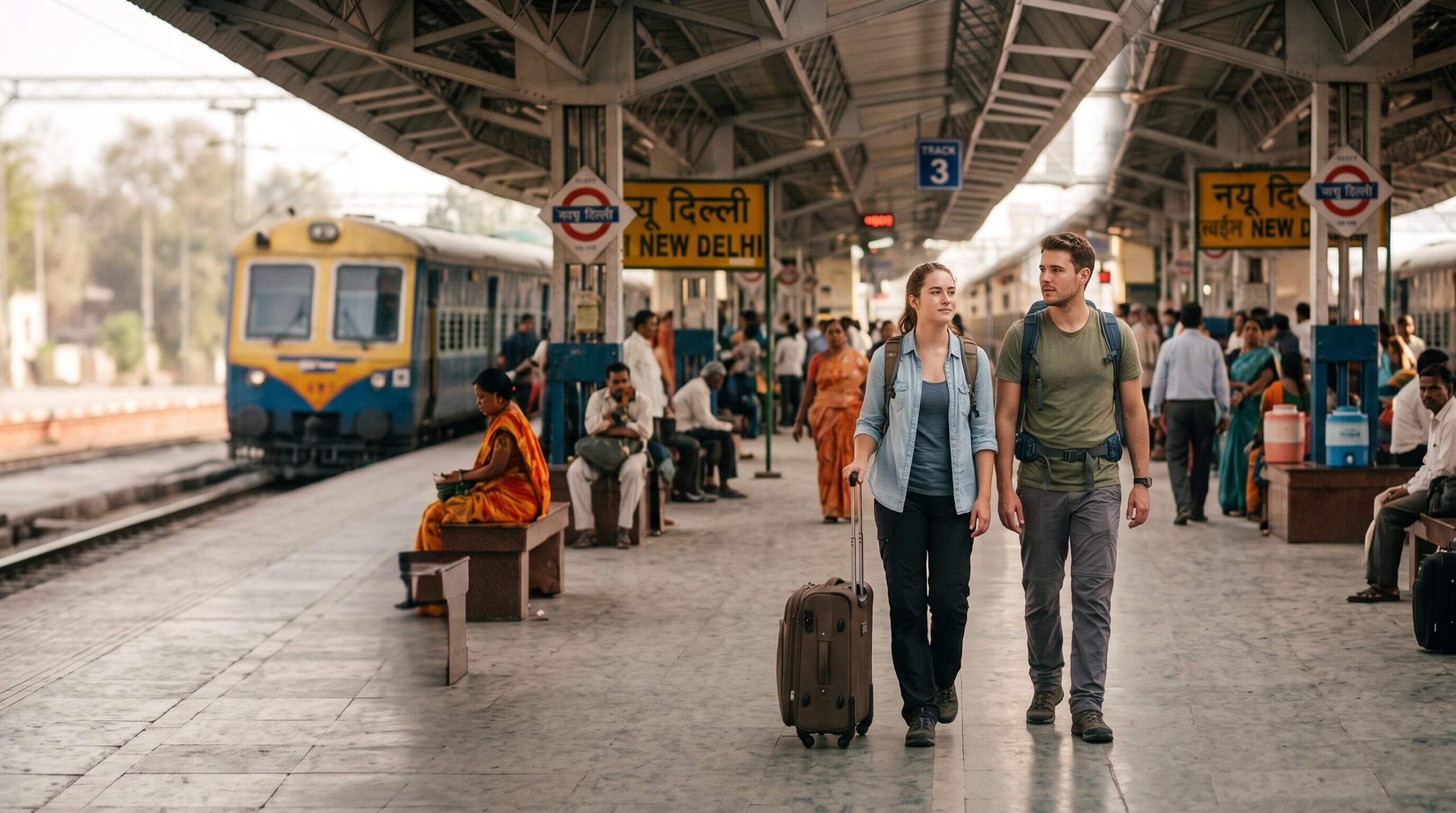
Delhi works as both India’s main international gateway and a destination in its own right. Many first-time visitors underestimate its size.
For most tourists, choosing a centrally located hotel in Delhi provides easier access to attractions, restaurants, airport transportation, and railway connections.
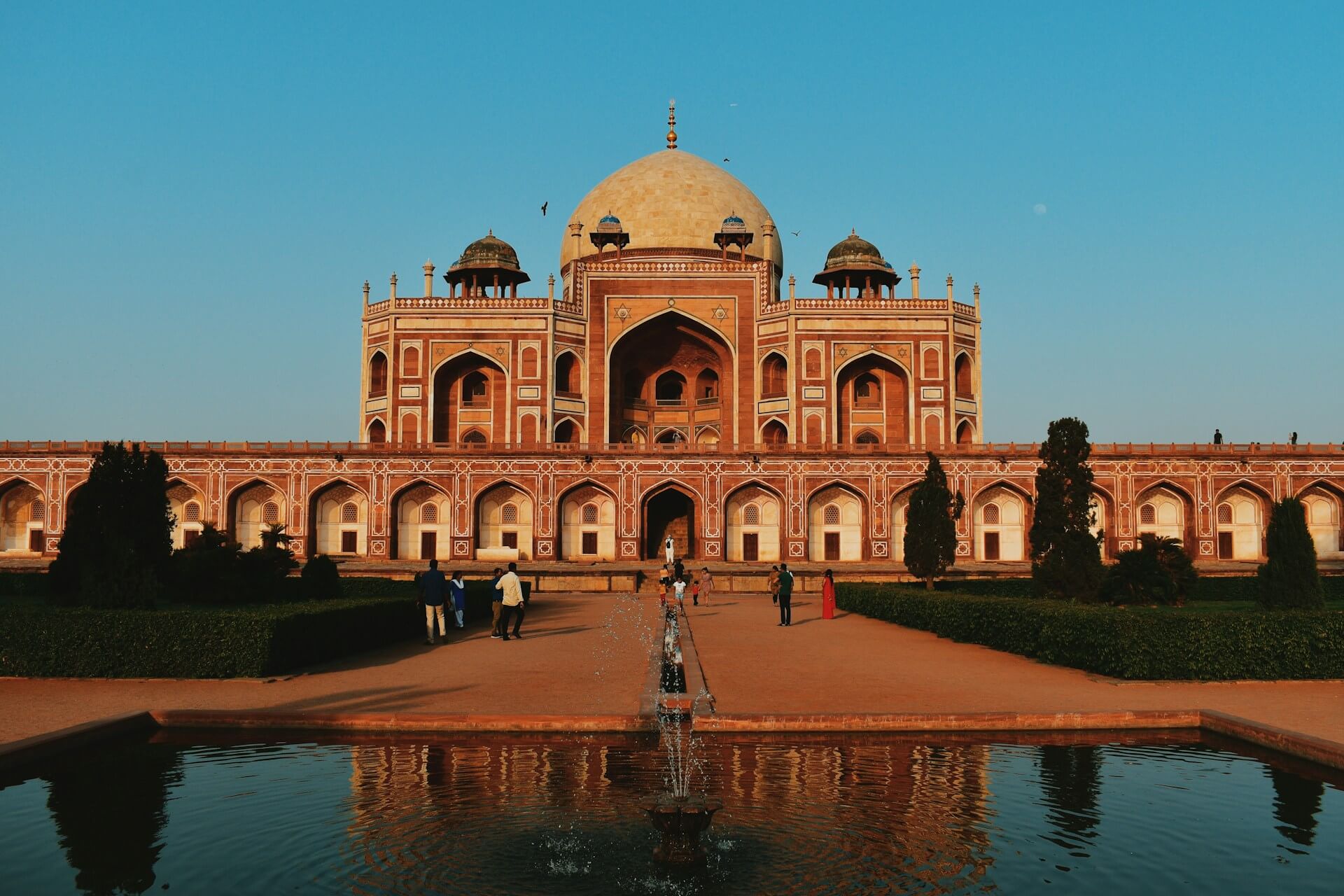
Beyond famous sites like the Red Fort, Qutub Minar, and Humayun’s Tomb, Delhi offers some of the country’s best food, museums, and day-trip connections.
Best for: first-time visitors, history travelers, those connecting to Rajasthan or Agra. Recommended stay: two to three nights minimum.
Jaipur
Jaipur is one of the easiest cities in India for first-time travelers to navigate.
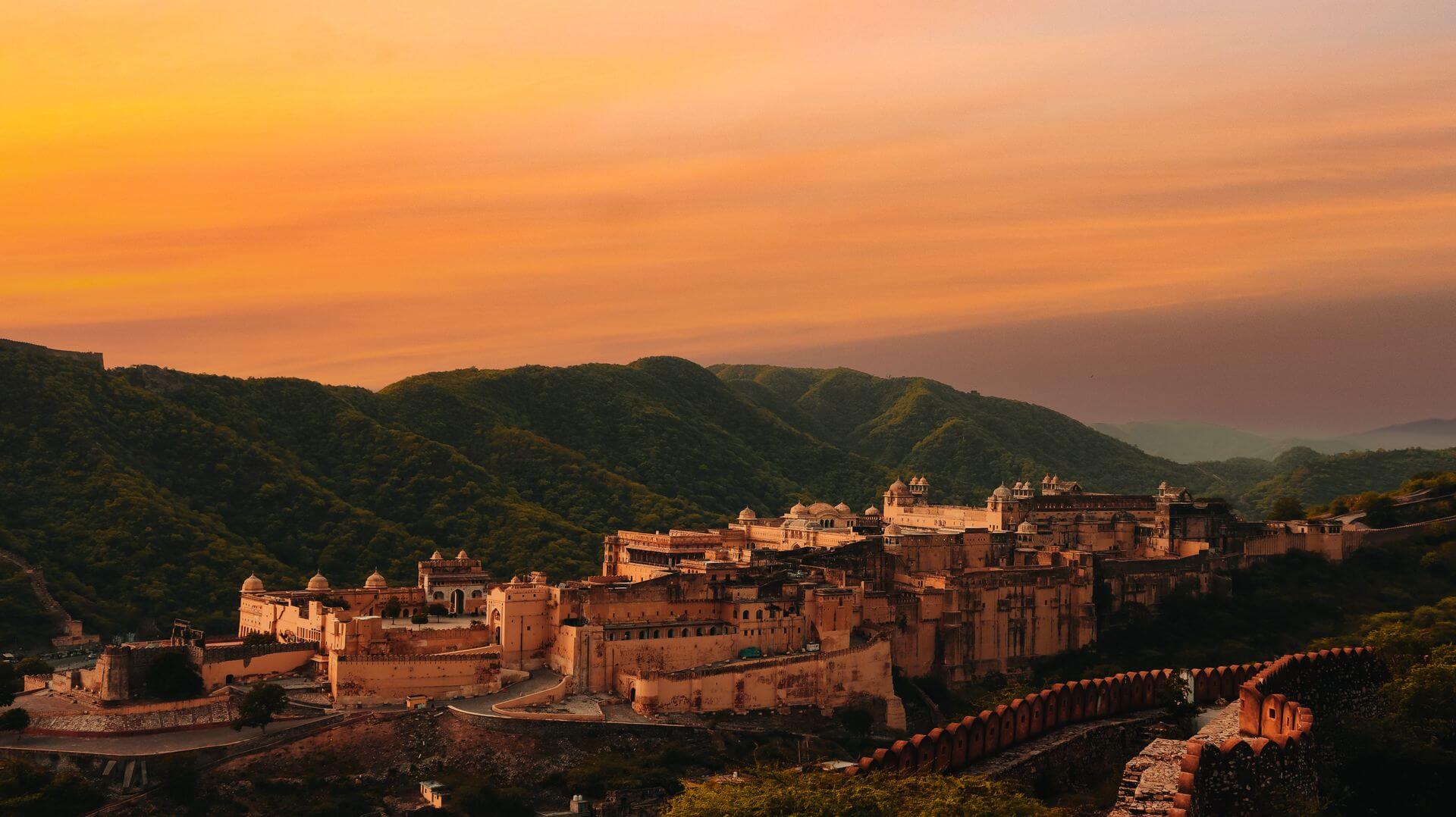
The combination of colorful bazaars, hilltop forts, royal palaces, and manageable distances makes it feel less overwhelming than India’s larger metros.
It is also one of the best places in the country to experience heritage hotels without paying luxury-level prices.
Best for: first-timers, couples, families, culture travelers. Recommended stay: two nights.
Agra
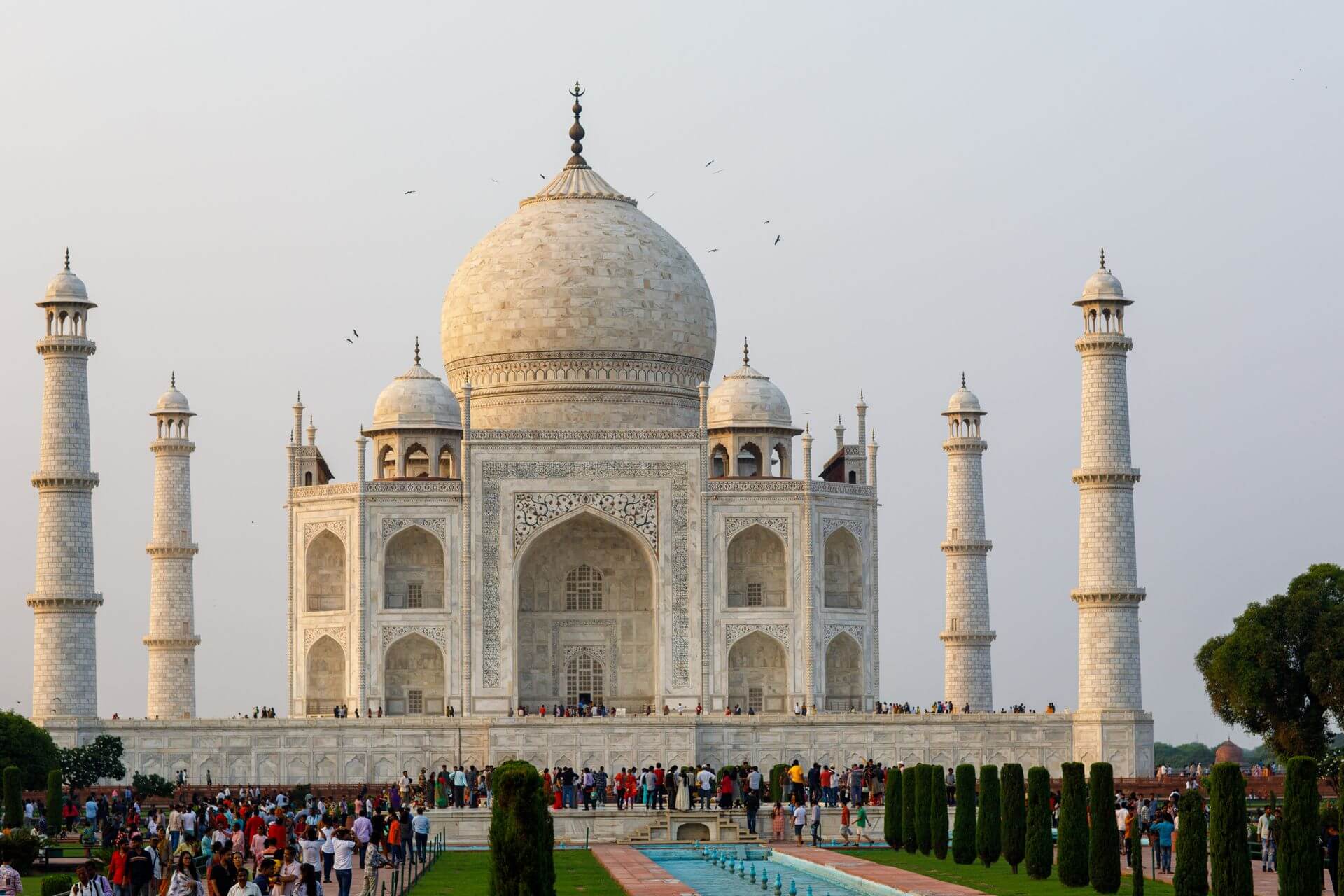
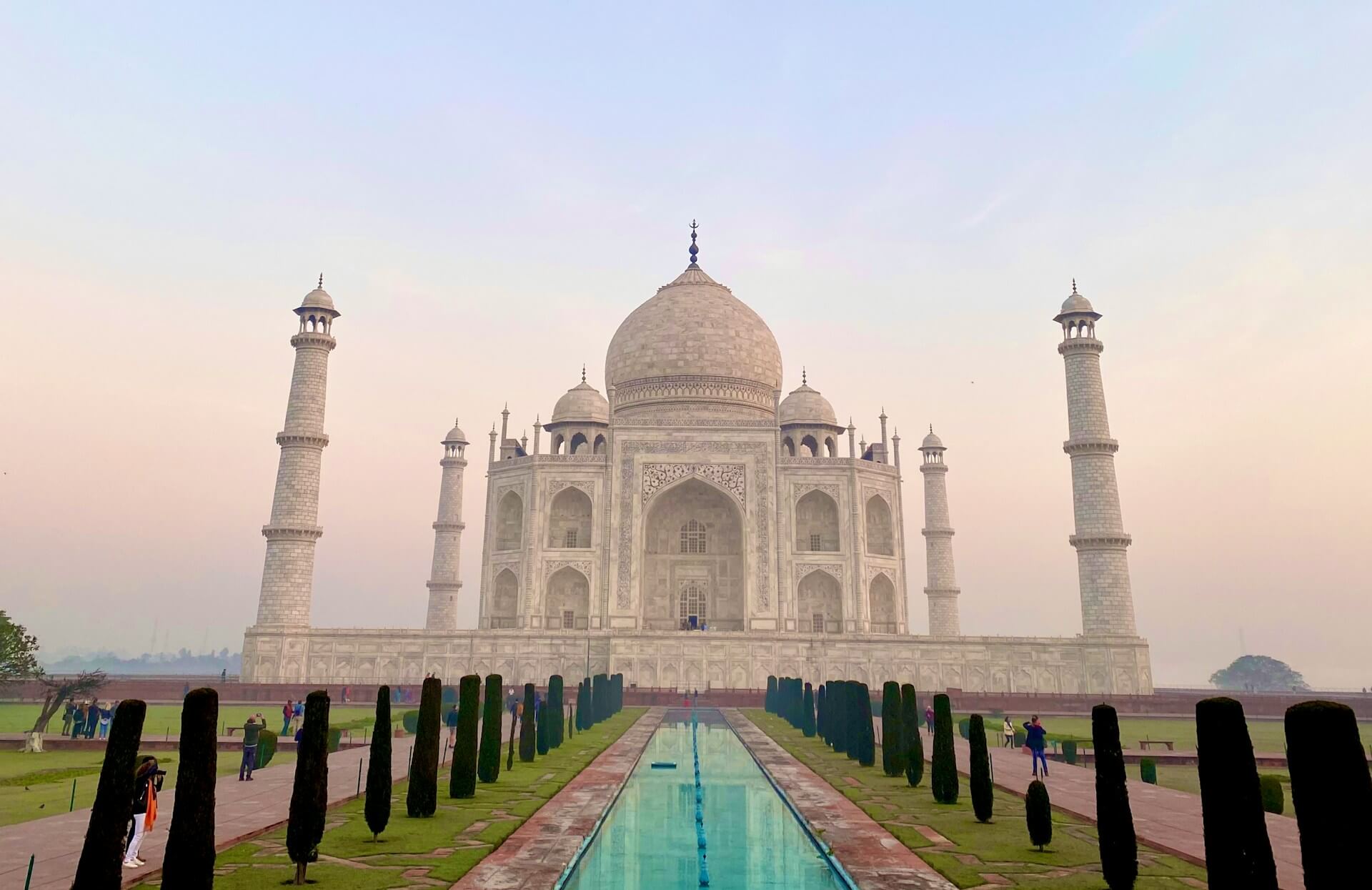
Most visitors come for the Taj Mahal and leave the same day or the next morning. Agra is not a city you need to linger in beyond the monuments.
The Taj Mahal, Agra Fort, and Fatehpur Sikri are the city’s main attractions, making one night sufficient for most itineraries.
Best for: day trip or overnight from Delhi or Jaipur. Stay at least one night.
Mumbai
India’s financial and entertainment capital is a city that rewards travelers who engage with it rather than use it as a transit point.
The colonial architecture, street food culture, and neighborhoods like Colaba and Bandra are genuinely interesting. It also has the best international flight connections in the country alongside Delhi.
Good for: urban travelers, food lovers, those flying in or out of western India. Recommended stay: two nights.
Goa
India’s most popular beach destination suits travelers who want to decompress between more intense cultural destinations. Travelers frequently ask whether North Goa or South Goa is better.
Goa also offers some of India’s best boutique hotels, beachfront resorts, backpacker hostels, and long-stay accommodation options for digital nomads.
North Goa is generally the better choice for nightlife, restaurants, hostels, and social travel, while South Goa appeals more to couples, families, and visitors looking for quieter beaches and resort stays.
Best for: beach lovers, backpackers, couples, families, digital nomads. Recommended stay: three to five nights.
Kerala
The southwestern state offers a completely different India experience: backwater cruises on houseboats, hill stations with tea plantations, Ayurvedic wellness, and relatively uncrowded beaches at Varkala and Kovalam.
It works particularly well as a southern circuit or as a contrast to a northern heritage itinerary.
Kerala is particularly popular for wellness resorts, Ayurvedic retreats, luxury resorts and traditional homestays, making it particularly attractive for travelers spending two weeks or more in the country.
Good for: couples, wellness travelers, nature lovers, those returning for a second India trip. Recommended stay: five to seven nights for the full circuit.
Udaipur
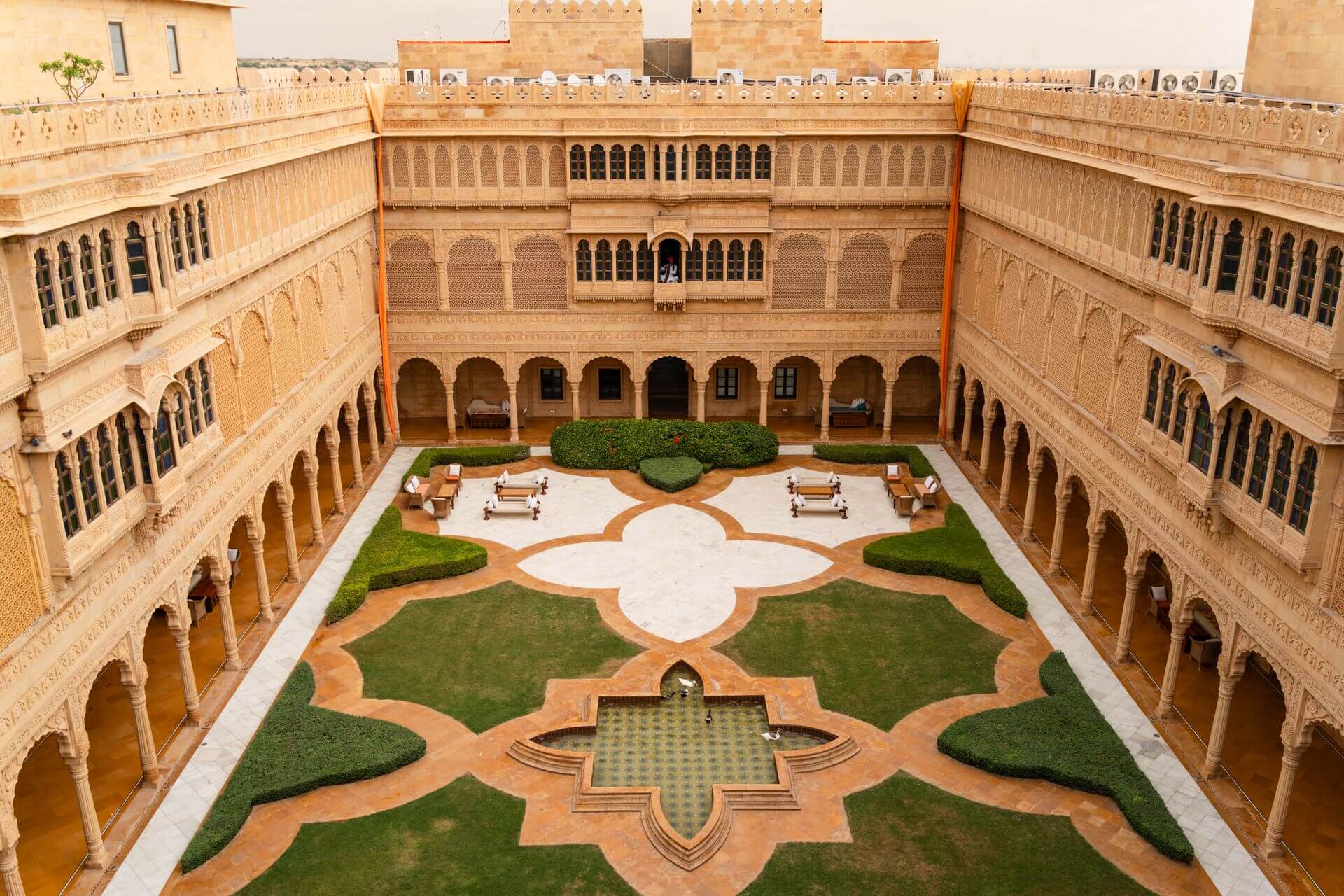
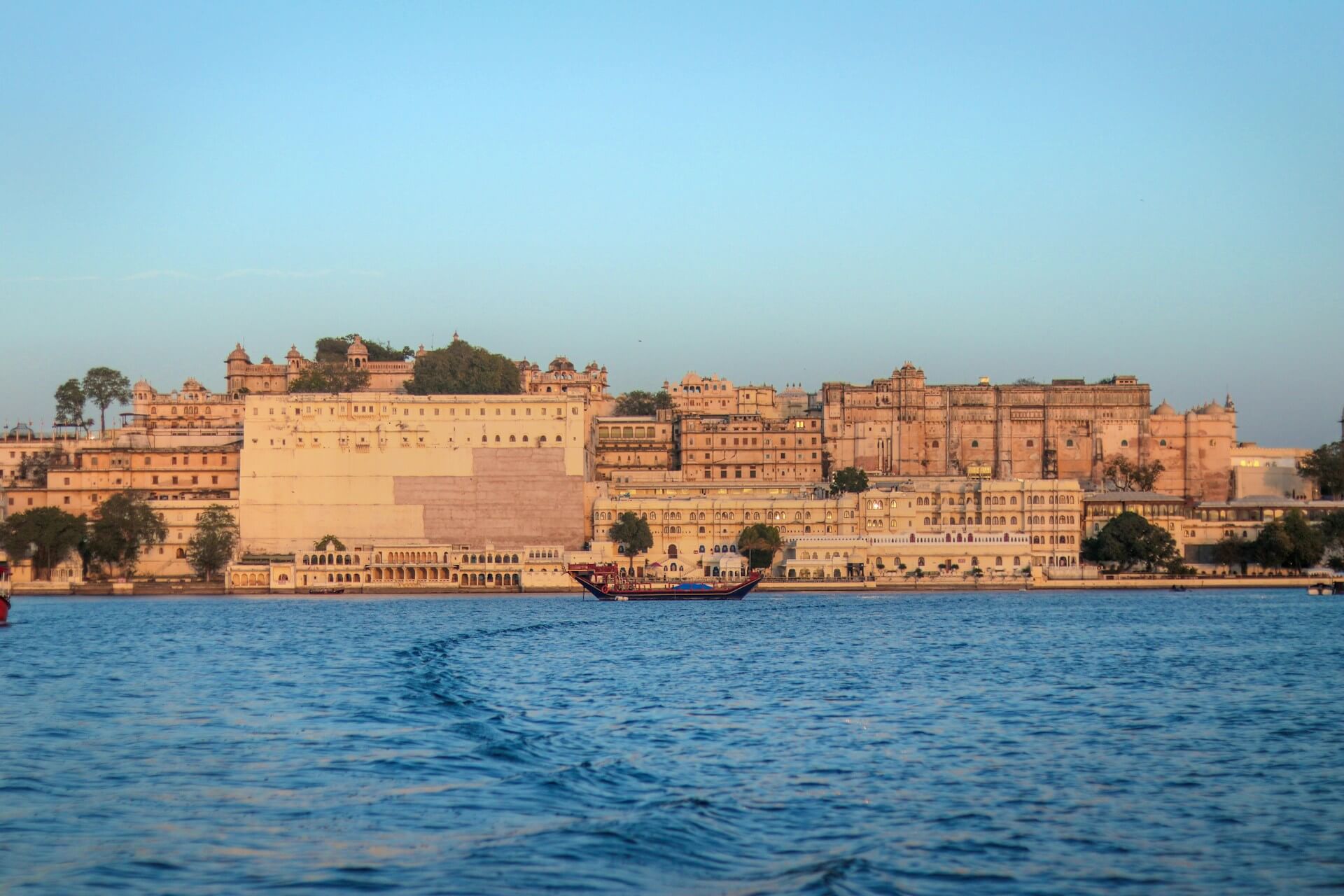
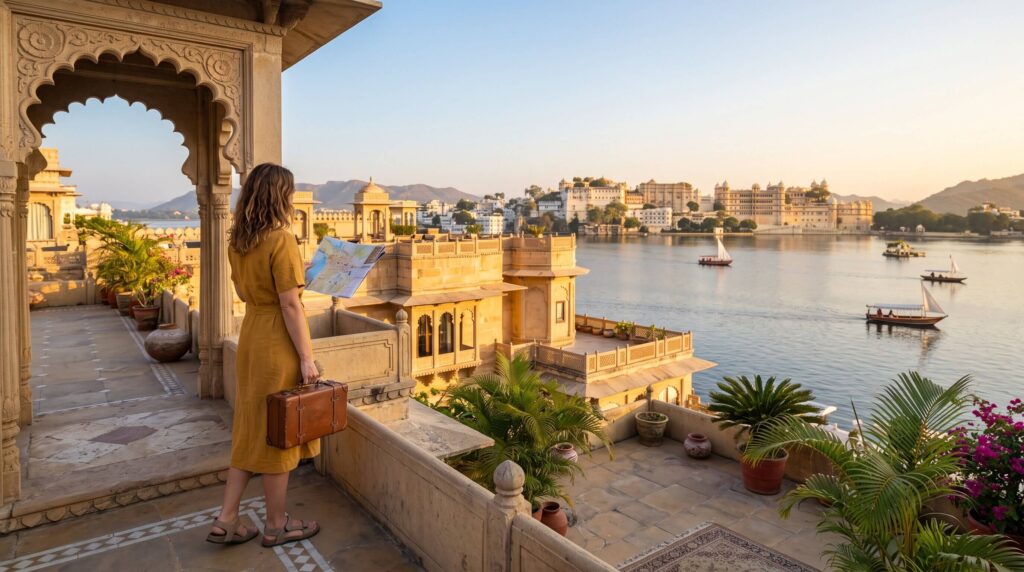
Called the City of Lakes, Udaipur is one of the most visually striking cities in India.
The lake palaces, the old city, and the rooftop restaurants overlooking Pichola Lake make it a natural highlight of any Rajasthan itinerary.
Many travelers consider Udaipur home to some of the best heritage hotels and palace hotels in India. It is also more relaxed than Jaipur or Delhi, which makes it a good place to slow down mid-trip.
Best for: couples, luxury travelers, photographers, anyone doing Rajasthan. Recommended stay: two nights.
Bengaluru
Bengaluru is India’s leading destination for digital nomads, remote workers, and long-term travelers.
The city offers reliable internet, modern coworking spaces, a large international community, and some of the country’s best long-stay accommodation options.
While Bengaluru lacks the famous monuments found in Delhi or Jaipur, it provides a comfortable base for travelers spending several weeks in India and serves as a gateway to destinations such as Mysuru, Coorg, and Hampi.
Best for: digital nomads, remote workers, long-term travelers. Recommended stay: one week or longer.
Kochi
Kochi is one of the easiest places to experience South India for first-time visitors. The historic Fort Kochi area combines colonial architecture, waterfront views, art galleries, cafes, and some of the state’s best boutique hotels and homestays.
It also serves as a convenient gateway to Kerala’s backwaters, hill stations, and beach destinations. Many travelers use Kochi as the starting point for a broader Kerala itinerary.
Best for: culture travelers, slow travel, couples, first-time visitors to South India. Recommended stay: two to three nights.
City | Best For | Trip Time | Connection Point |
Delhi | First-timers, history | 2–3 nights | North India gateway |
Jaipur | Culture, couples, families | 2 nights | Golden Triangle |
Agra | Taj Mahal visit | 1 night | Day trip or overnight |
Mumbai | Urban, food, coastal | 2 nights | West India gateway |
Goa | Beach, relaxation | 3-5 nights | Standalone or South India |
Kerala | Nature, wellness, couples | 5-7 nights | South India circuit |
Udaipur | Luxury, romance, Rajasthan | 2 nights | Rajasthan circuit |
Bengaluru | Digital nomads, remote workers | 1 week+ | South India tech hub |
Kochi | Culture, slow travel, Kerala gateway | 2–3 nights | Kerala entry point |
Best Areas to Stay in India’s Most Popular Cities
Best Areas to Stay in Delhi
Connaught Place is central, well-connected by metro, and close to government buildings, shopping, and restaurants. Good for first-timers who want easy access to everything.
Karol Bagh suits mid-range and budget travelers. Busy, affordable, and close to the metro but less polished than Connaught Place.
Aerocity works for travelers with early flights or late arrivals. Modern, quiet, and ten minutes from the airport but disconnected from the city itself.
Paharganj is the traditional backpacker district near New Delhi Railway Station. Budget guesthouses are abundant. The area is chaotic and not for everyone but is well-located for train connections.
Avoid: areas far south of the city center if your plans are focused on Old Delhi, the monuments, or onward travel north.
Travelers spending several days in the capital may also find our Delhi itinerary guide useful.
Best Areas to Stay in Mumbai
Colaba is the classic tourist base. Close to the Gateway of India, good restaurants, and the Leopold Cafe area. Higher prices but maximum convenience for first-timers.
Bandra is the city’s hippest neighborhood with the best restaurant scene, good transport links, and a more local feel. Better for travelers who have already seen the main sights.
Juhu suits beach lovers and those wanting a quieter stay near the airport.
Avoid: staying in the suburbs unless you have a specific reason. Mumbai’s traffic makes distance from your base punishing.
Best Areas to Stay in Jaipur
Old City (Pink City area) puts you closest to the bazaars, Hawa Mahal, and the city palace. Atmospheric but noisy. Good for immersive travelers.
C-Scheme and MI Road offer a more comfortable base with easy access to both the old city and modern Jaipur. Better restaurant options and quieter streets.
Outside the city walls is where most mid-range and luxury hotels sit, including heritage properties. Quieter but requires transport to reach the main sights.
Best Areas to Stay in Goa
North Goa (Anjuna, Vagator, Calangute, Baga): livelier beaches, more nightlife, stronger backpacker and party scene. Better transport connections and more accommodation variety.
South Goa (Palolem, Agonda, Colva): quieter, more scenic, better suited to couples and travelers wanting relaxation over action.
Panaji: the state capital is a good base for those wanting a more town-based experience with day trips to beaches. Charming Portuguese-influenced architecture.
For a detailed comparison, see our complete North Goa vs South Goa guide.
Best Areas to Stay in Udaipur
Old City is the best base for most travelers. Walking distance to the lake, the city palace, and the rooftop restaurants with Pichola Lake views. Most heritage guesthouses are here.
Lake Pichola area offers the closest proximity to the lake and the most photogenic views. Slightly higher prices but worth it for the setting.
Outside the old city works for luxury resort stays, several of which sit on the lake itself or on surrounding hillsides with private pool villas.
Best Places to Stay in India by Travel Style
Families
Jaipur and Goa are the most family-practical destinations. Jaipur has engaging fort and palace visits that hold children’s attention, manageable distances, and good food options.
Goa offers beach time with relatively calm waters at select spots, plus comfortable resort accommodation.
Avoid overly busy cities like Varanasi or Kolkata on a family’s first India trip. The sensory intensity is high and the logistical challenges multiply with children.
Couples
Udaipur is the top pick. The lake palaces, candlelit rooftop dinners, and heritage havelis make it genuinely romantic.
Kerala’s houseboat stays on the backwaters are a close second. Both destinations work best as part of a longer itinerary rather than as standalone trips.
Solo Female Travelers
Jaipur, Udaipur, Goa, Kochi, and central areas of Delhi such as Connaught Place are among the most comfortable destinations for solo female travelers visiting India for the first time.
When booking accommodation, prioritize properties with recent reviews, twenty-four-hour reception, strong safety ratings, and convenient access to transportation.
Reading reviews written by other solo female travelers often provides useful insight into neighborhood safety and staff professionalism.
Backpackers
The classic India backpacker circuit runs Delhi, Agra, Jaipur, Pushkar, Varanasi, and Goa. Hostels are well-established across all of these. Trains connect most of the route affordably. Budget accommodation is strong throughout.
Luxury Travelers
India’s luxury accommodation is genuinely world-class and often better value than equivalent properties in Europe.
Udaipur’s lake palace hotels, Kerala’s private pool villa resorts, Delhi’s five-star heritage properties, and Rajasthan’s converted fort hotels all offer experiences that are hard to match elsewhere.
Luxury travelers should prioritize heritage properties over international chain hotels for the most distinctive stays.
Beach Lovers
Goa suits those who want a lively beach scene with good infrastructure, nightlife, and food variety.
Kerala’s beaches at Varkala and Kovalam are quieter and more scenic, better for relaxation than activity. The Andaman Islands offer the best pure beach experience in India but require a flight and more planning.
Culture and History Travelers
The Golden Triangle of Delhi, Agra, and Jaipur is the natural starting point. Adding Varanasi extends the cultural immersion significantly.
Rajasthan as a whole, including Jodhpur, Bikaner, and Bundi alongside Jaipur and Udaipur, is one of the richest heritage circuits in Asia.
North India vs South India for First-Time Travelers
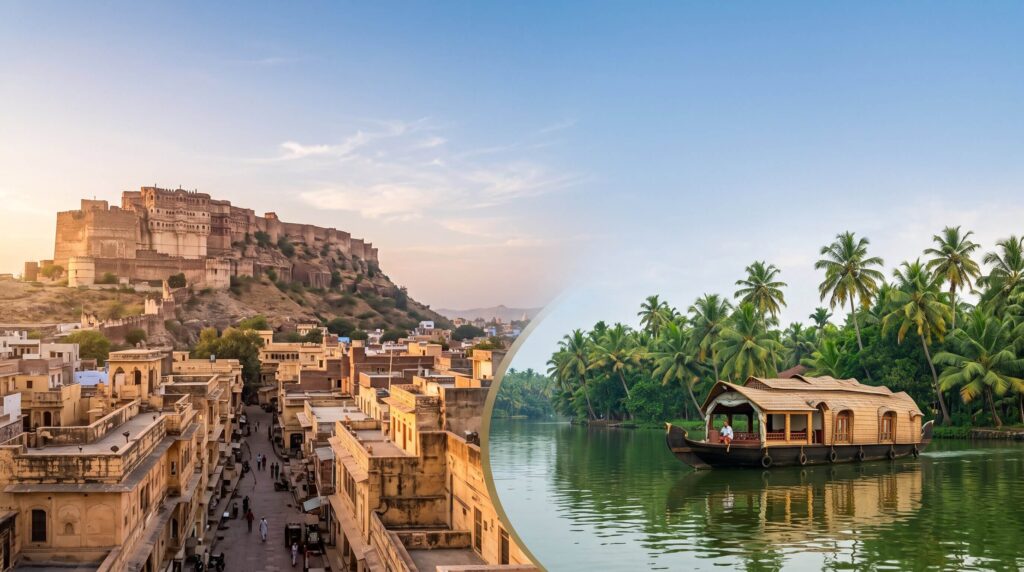
North India is usually the better choice for first-time visitors because it contains many of India’s most famous attractions, including the Taj Mahal, Jaipur’s forts, and Delhi’s historic monuments.
South India offers a slower travel pace focused on beaches, backwaters, temples, hill stations, and wellness experiences.
It is generally less crowded and appeals to travelers looking for relaxation and nature rather than fast-paced sightseeing.
Travelers with less than two weeks should usually focus on one region. Those with three weeks or more can comfortably combine both North and South India into a single itinerary.
Best Accommodation Types in India for Tourists
Type | Best For | Pros | Cons |
Budget hotels | Backpackers, solo travelers | Affordable, central locations | Variable quality, basic amenities |
Heritage hotels | Culture lovers, couples, luxury | Unique, atmospheric, memorable | Higher cost, sometimes less modern comfort |
Homestays | Cultural immersion, longer stays | Local experience, home-cooked food | Less privacy, quality varies widely |
Hostels | Backpackers, solo travelers | Social, cheap, good information | Shared spaces, noise |
Resorts | Families, beach travelers, wellness | Full facilities, relaxed environment | Often isolated, less local experience |
Boutique hotels | Couples, design-conscious travelers | Personality, good service, midsize | Limited availability in smaller towns |
Heritage hotels are one of India’s genuine accommodation strengths.
Converted palaces, havelis, and forts across Rajasthan and other states offer stays that are architectural experiences in themselves, often at prices that undercut equivalent luxury properties in other countries.
Where to Book Accommodation in India
Travelers visiting India during peak season should compare rates across multiple platforms, as prices can vary significantly between booking sites and direct hotel reservations.
- Hotels and resorts: Booking.com, Agoda, Hotels.com
- Hostels: Hostelworld
- Homestays and apartments: Airbnb
- Heritage hotels: direct booking often provides better rates and room upgrades
Accommodation Costs in India: Budget, Mid-Range and Luxury
Accommodation Type | Approximate Cost (INR) | Approximate Cost (USD) |
Hostel dorm bed | 400–800 | $ 5–10 |
Budget guesthouse | 800–2,000 | $ 10–24 |
Mid-range hotel | 2,500–6,000 | $ 30–72 |
Boutique or heritage hotel | 6,000–15,000 | $ 72–180 |
Luxury hotel | 15,000–50,000+ | $ 180–600+ |
Prices vary significantly by city and season. Delhi and Mumbai run higher than Rajasthan and Kerala for equivalent quality. Peak season (October to March) adds 20 to 40 percent to most rates.
Booking two to four weeks in advance across peak season is worth doing for popular heritage hotels and well-reviewed boutique properties, which fill up faster than the larger chains.
Recommended India Itineraries and Where to Stay
7-Day India Itinerary
- Delhi (2 nights) – Connaught Place
- Agra (1 night) – Taj South Gate area
- Jaipur (2 nights) – C-Scheme or Old City
- Delhi (2 nights) – Departure
This classic Golden Triangle itinerary offers the easiest introduction to India. Manageable distances, strong tourist infrastructure, and covers the most iconic sights.
10-Day India Itinerary
- Delhi (2 nights)
- Agra (1 night)
- Jaipur (2 nights)
- Udaipur (2 nights)
- Mumbai (3 nights)
This route combines historical attractions, Rajasthan heritage, and modern urban India.
14-Day India Itinerary
- Delhi (2 nights)
- Agra (1 night)
- Jaipur (2 nights)
- Udaipur (2 nights)
- Mumbai (1 night)
- Goa (3 nights)
- Kochi (3 nights)
This itinerary balances culture, beaches, and southern India experiences. Two weeks allows a meaningful north-to-south journey covering heritage, beach, and backwater experiences.
Best Time to Book Accommodation in India
Peak Season (October to March)
This is India’s busiest travel period, particularly in Rajasthan, Goa, Kerala, and the Golden Triangle. Popular heritage hotels and beach resorts often sell out several weeks in advance.
Shoulder Season (April to June)
Higher temperatures in many regions mean lower accommodation prices and better availability. Travelers comfortable with heat can often find excellent hotel deals.
Monsoon Season (June to September)
Monsoon brings the lowest accommodation prices in many destinations. Goa and Kerala remain popular with travelers looking for greenery and fewer crowds, although outdoor activities may be affected by weather.
As a general rule, booking two to six weeks ahead is sufficient for most trips, while luxury resorts and heritage hotels should be booked earlier during peak season.
Common Mistakes When Choosing Accommodation in India
Staying too far from attractions. India’s traffic is unpredictable. A hotel that looks close on a map can be forty-five minutes away during peak hours. Location relative to what you plan to do each day matters more than the hotel star rating.
Choosing only by price. The cheapest option in India is not always the worst, but neighborhood matters as much as the room. A cheap hotel in a well-located area often beats a slightly nicer hotel requiring a long commute.
Ignoring neighborhood reviews. Read recent reviews specifically about the area around the hotel, not just the rooms. Noise, access to transport, and street safety all affect your stay.
Moving hotels too often. Booking a different hotel every night across a two-week trip means spending a significant portion of each day on logistics. Two to three nights minimum in each location gives you time to actually experience a place.
Underestimating travel times between cities. India’s geography and traffic mean that a two-hundred-kilometre journey can take four to six hours by road. Build this into your planning rather than discovering it on the day.
Safest Places to Stay in India for Tourists
Recommended cities for first-time travelers concerned about safety include Jaipur, Udaipur, Goa, Kochi, and the central districts of Delhi such as Connaught Place and Aerocity.
As in any country, safety depends more on the specific neighborhood and accommodation than the city itself. Choosing well-reviewed properties near major attractions and transportation hubs generally provides the best experience.
Safety Tips for Choosing Accommodation in India

Read recent reviews from solo female travelers if you are traveling alone as a woman. This demographic notices things about staff behavior, room security, and neighborhood safety that general reviews do not surface.
Check that the hotel has twenty-four hour reception. Arriving late at night at a property with no one at the desk is a stressful situation that is easily avoided.
Verify the neighborhood before booking, not just the hotel. A quick Google Maps street view of the area and recent guest comments about the surrounding streets is worth five minutes before committing.
Book your first night in each city in advance, even if you prefer flexibility elsewhere. Arriving in an unfamiliar city without accommodation confirmed adds unnecessary stress to an already tiring journey.
For solo travelers, mid-range hotels with established reviews are a more reliable choice than the cheapest available guesthouse. The small price difference typically buys significantly better security standards and staff responsiveness.
Best Places to Stay in India by Traveler Type
- First-time visitors: Delhi and Jaipur
- Couples: Udaipur and Kerala
- Families: Jaipur and Goa
- Solo travelers: Delhi, Goa, and Varanasi
- Digital nomads: Bengaluru and Goa
- Luxury travelers: Udaipur, Delhi, and Kerala
- Beach lovers: Goa and Kerala
- Culture travelers: Delhi, Agra, Jaipur, and Varanasi
Final Thoughts on Where to Stay in India
The best accommodation decision for a first trip to India is not about finding the perfect hotel. It is about being in the right city, in the right neighborhood, with enough time in each place to actually experience it.
Start with the Golden Triangle if you are flying into Delhi. Start with Mumbai or Goa if you are flying into western India.
Add Udaipur for romance and luxury. Add Kerala for nature and a slower pace. Keep your city count manageable.
Within each city, prioritize proximity to what you plan to do over saving a small amount on a cheaper property in a less convenient location.
Travelers who choose their locations carefully usually spend less time commuting and more time enjoying the destinations themselves.
Book your first night in each city before arriving whenever possible, especially if you are visiting India for the first time.
Read recent reviews from travelers who match your profile. Give yourself at least two nights in each place. Do those three things and the accommodation side of your India trip will take care of itself.
Frequently Asked Questions
Where should first-time travelers stay in India?
Most first-time travelers should stay in Delhi, Agra, and Jaipur, known as the Golden Triangle. This route offers India’s most famous attractions, strong tourist infrastructure, and easy transportation connections.
What is the best city to stay in India for tourists?
Delhi is the best starting city for most tourists because it has major international flight connections and easy access to destinations such as Agra, Jaipur, and Varanasi.
Is North India or South India better for first-time visitors?
North India is usually better for first-time visitors because it includes iconic attractions such as the Taj Mahal, Jaipur’s forts, and Delhi’s historical sites. South India is better for beaches, nature, wellness, and slower-paced travel.
How many cities should I visit on my first trip to India?
For a trip of 7 to 10 days, most travelers should limit themselves to two or three cities. For a two-week trip, four to five destinations is usually a comfortable pace.
What are the best places to stay in India for couples?
Udaipur and Kerala are among the best destinations for couples. Udaipur offers lake views and heritage hotels, while Kerala is known for its backwaters, resorts, and relaxed atmosphere.
Which part of Goa is best to stay in?
North Goa is best for nightlife, restaurants, and social travel, while South Goa is better for quieter beaches, resorts, and a more relaxed experience.
Are heritage hotels worth staying in India?
Yes. Heritage hotels are one of India’s most unique accommodation experiences, allowing travelers to stay in converted palaces, forts, and historic mansions while enjoying modern comforts.
How much does accommodation cost in India?
Accommodation in India ranges from budget hostel beds costing ₹400–800 per night to luxury hotels and resorts costing ₹15,000 or more. Most mid-range travelers can find comfortable hotels for ₹2,500–6,000 per night.
What area should tourists stay in Delhi?
Most first-time visitors should stay in Connaught Place, Aerocity, or Karol Bagh. These neighborhoods offer strong transportation connections, a wide range of accommodation options, and convenient access to major attractions.
How far in advance should I book hotels in India?
For travel between October and March, booking two to six weeks in advance is usually sufficient. Popular heritage hotels, beach resorts, and luxury properties often sell out earlier during peak season.
Are homestays or hotels better in India?
Hotels generally offer more predictable service and facilities, while homestays provide a more local and culturally immersive experience. First-time visitors often combine both during a longer trip.
Which city is best for a first trip to India?
For most first-time visitors, Delhi is the best starting city because it offers major international flight connections and easy access to Agra, Jaipur, and other destinations on the Golden Triangle route.
Images: Pexels
