


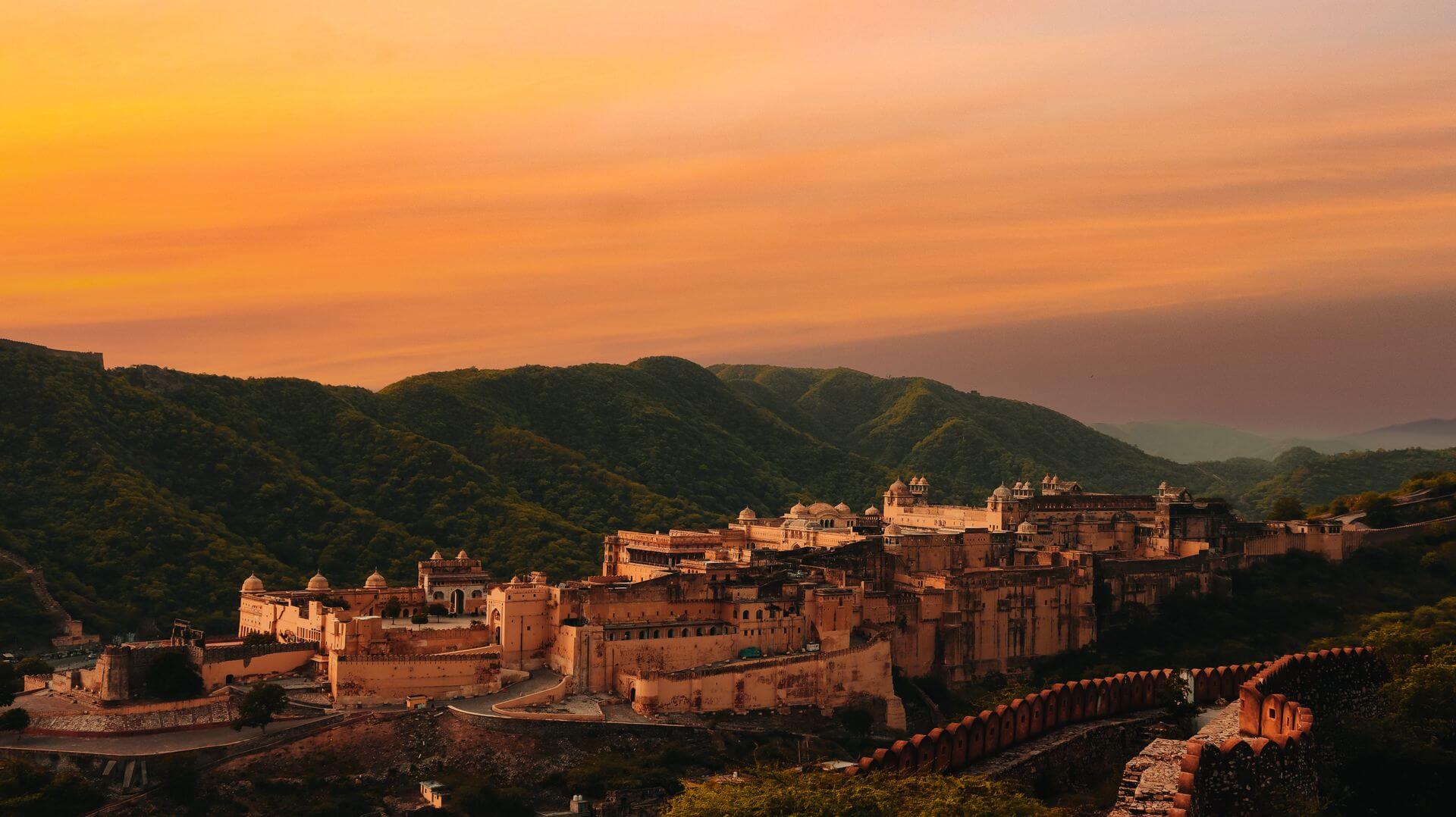
Many travelers ask: “Can foreigners drive in India legally?” The short answer is yes – but driving in India as a tourist is very different from driving in Europe, North America, or Australia.
If you’re planning your India trip, our First-Time India Travel Guide helps you prepare everything from visas and airports to money, transport, and safety.
You look up car rentals. Prices seem reasonable. Then the questions start. Is my home driving license valid in India?
Do I need an International Driving Permit? Can I rent a scooter instead? What actually happens if I get pulled over?
Then you watch five minutes of Delhi traffic on YouTube and start wondering whether driving in India is actually a good idea.
The advice online doesn’t help – some say a foreign license is fine, others say you absolutely need an IDP, and a few say don’t drive in India under any circumstances.
Here’s the question worth answering properly:
Can foreigners drive in India safely and legally – and is it actually worth driving in India as a tourist?
This guide gives you the legal reality, an honest look at what driving in India is actually like, a clear comparison of your transport options, and a decision framework to help you make the right call for your specific trip.
Quick Answer
Foreign tourists can legally drive in India using a valid home-country driving license and an International Driving Permit (IDP). While some licenses in English may technically work without an IDP, most rental companies, insurers, and traffic police strongly prefer one.
An IDP is the safest and most universally accepted option. However, legal permission to drive and practical ability to drive safely in India are two different things.
Most experienced India travelers – and most travel safety advisors – strongly recommend hiring a driver over self-driving, especially for cities and highway routes.
Driving Rules and License Requirements for Foreigners in India
India’s Motor Vehicles Act allows foreign nationals to drive in India using a valid driving license from their home country, provided certain conditions are met.
The legal requirements:
- Your home country driving license must be valid (not expired)
- The license must be in English, or you must carry an official translation
- An International Driving Permit (IDP) is the recommended document — it’s recognized by law enforcement and accepted by rental companies
India also follows left-hand driving rules, which can feel unfamiliar for travelers from countries like the United States, Canada, and most of Europe.
Speed limits officially exist: 40–50 km/h in urban areas, 80–100 km/h on highways. In practice, enforcement is inconsistent and road behavior often bears little resemblance to posted limits.
Do You Need an International Driving Permit in India?
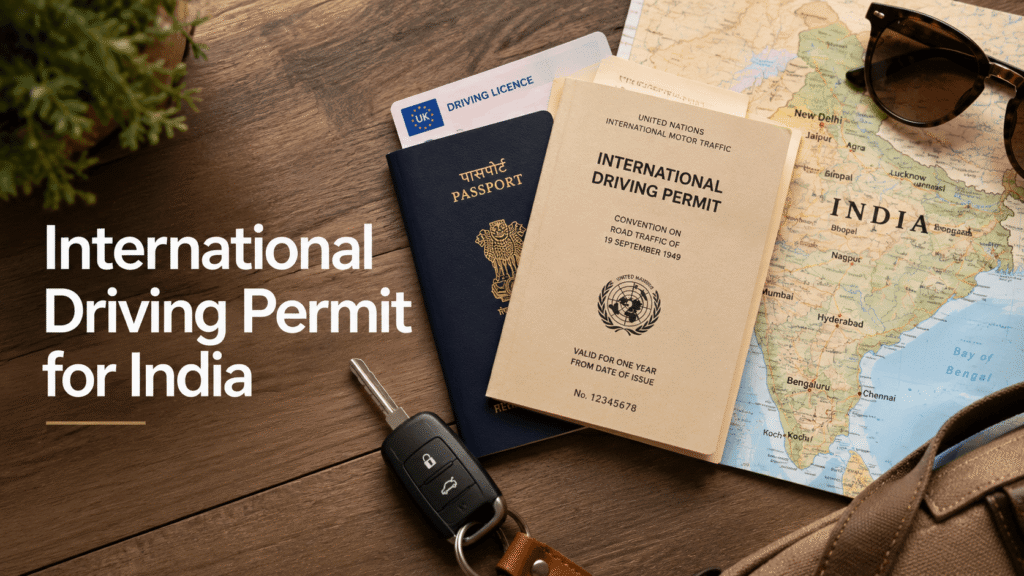
An International Driving Permit (IDP) is not technically mandatory in India if your home license is in English, but it is strongly recommended. Police, rental companies, and insurance providers universally accept an IDP.
Without one, your foreign license may be questioned, especially if it’s not in English or Roman script. Get an IDP from your home country’s motoring authority before traveling.
Before arriving, it’s also worth setting up mobile data so you can use navigation immediately after landing. Our Best India eSIM for Tourists guide explains the easiest options.
What an IDP is: An International Driving Permit (IDP) is an official translation of your driving license recognised in over 150 countries, including India. It translates your license into multiple languages and carries your photo and license details.
How to get one: Apply through your national motoring organization before departure. It takes 1–7 days depending on your country. Costs are typically $20–$30 USD equivalent. You must hold a valid driving license to get an IDP.
Why it matters in India: Even if your license is technically valid, traffic police and rental car companies may challenge it. An IDP eliminates that ambiguity. If you’re in a road incident, insurance claims can be complicated without one.
IDP validity: Most IDPs are valid for one year or until your home license expires — whichever comes first.
Is a Foreign Driving License Valid in India?
Technically yes, with conditions. Practically, it’s complicated.
Indian law recognizes foreign licenses, but implementation varies. A traffic officer in a major city may check the document carefully. One in a smaller town may not know what to make of a foreign license at all.
What makes a foreign license more straightforwardly accepted:
- It’s in English
- It has a photo
- It’s accompanied by an IDP
What creates complications:
- Non-English script licenses (Chinese, Arabic, Cyrillic, Thai, etc.) without translation
- Licenses from countries not included in India’s bilateral recognition agreements
- Expired licenses or licenses with unclear expiry formats
The practical rule: If you plan to drive in India, get an IDP before you travel. The cost and effort are minimal compared to the risk of being stranded roadside over a paperwork dispute.
Car Rental Requirements for Tourists in India
Some rental companies also place a large refundable security deposit on your credit card, especially for SUVs and premium vehicles.
Self-drive car rental exists in India but is less developed than in Europe or North America. Most major international rental chains (Avis, Hertz, Zoomcar locally) operate in cities, but the conditions differ.
Documents typically required by rental companies:
- Valid passport
- Valid home driving license (in English or with IDP)
- International Driving Permit (required by most companies)
- Credit card in renter’s name (for deposit)
- Minimum age: usually 21–25 depending on the company and vehicle class
What to read carefully in the rental contract:
- Insurance coverage — what it includes and excludes
- Whether the vehicle is permitted to travel between states (some restrictions apply)
- What happens in an accident — liability terms, excess/deductible amounts
- Fuel policy (full-to-full or pre-purchased)
Practical reality: Self-drive rental fleets in India are smaller and less standardized than in Western countries. Vehicle condition varies significantly.
Always inspect the car carefully before signing anything — document existing scratches, dents, or damage in writing and photos before driving away.
Rental companies usually place a refundable deposit on your card, so it’s useful to understand how foreign cards work in India, including ATM access if you need cash for tolls or fuel.
Can Tourists Rent Scooters or Bikes in India?
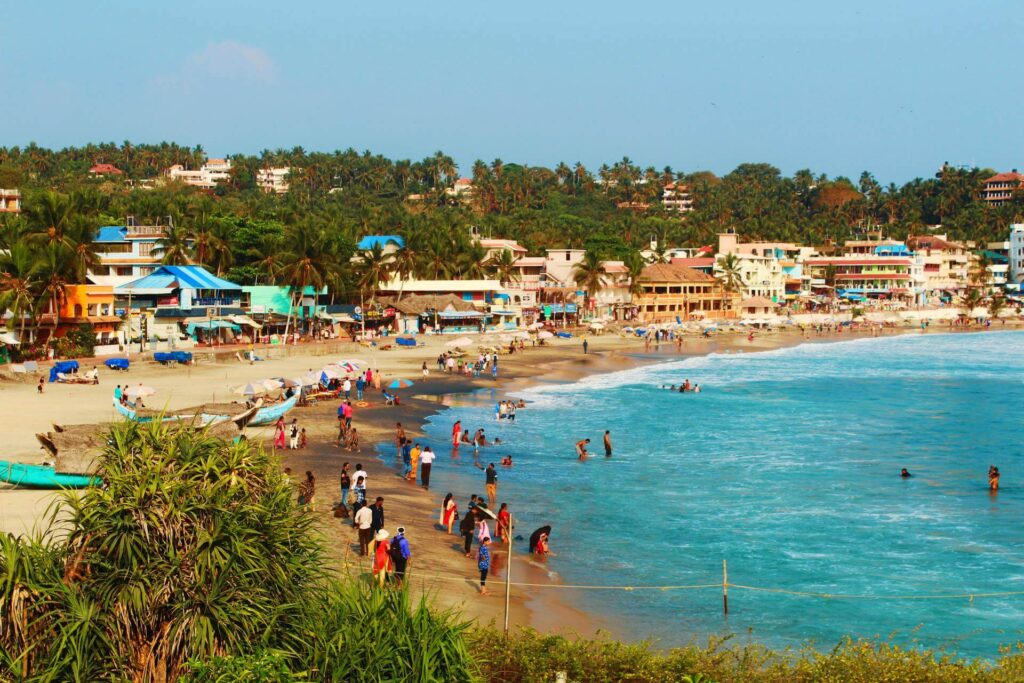
Yes, in many tourist-heavy areas – particularly Goa, Rajasthan, Kerala, and Himachal Pradesh – scooter and motorbike rental is casual and widely available.
The legal situation: You technically need a motorcycle endorsement on your home license (or IDP) to legally ride a motorbike or scooter.
In tourist towns like Goa, enforcement is inconsistent and rental shops rarely check. That inconsistency creates a false sense of safety.
The real risk: The biggest concern is road safety. Scooters and motorbikes expose riders directly to unpredictable traffic conditions, poor road surfaces, sudden obstacles, and limited protective barriers.
Other vehicles – trucks, buses, cattle, pedestrians – all operate on the same roads with different priorities. A minor mistake on a scooter has serious consequences.
Many travel insurance policies exclude motorbike accidents if you weren’t legally licensed to ride. Read your policy before renting.
If you do rent a scooter: Wear a helmet, always. Ride only during daylight. Avoid highways. Keep speeds low. Don’t ride in unfamiliar cities.
What Driving in India Is Really Like (Road Reality)
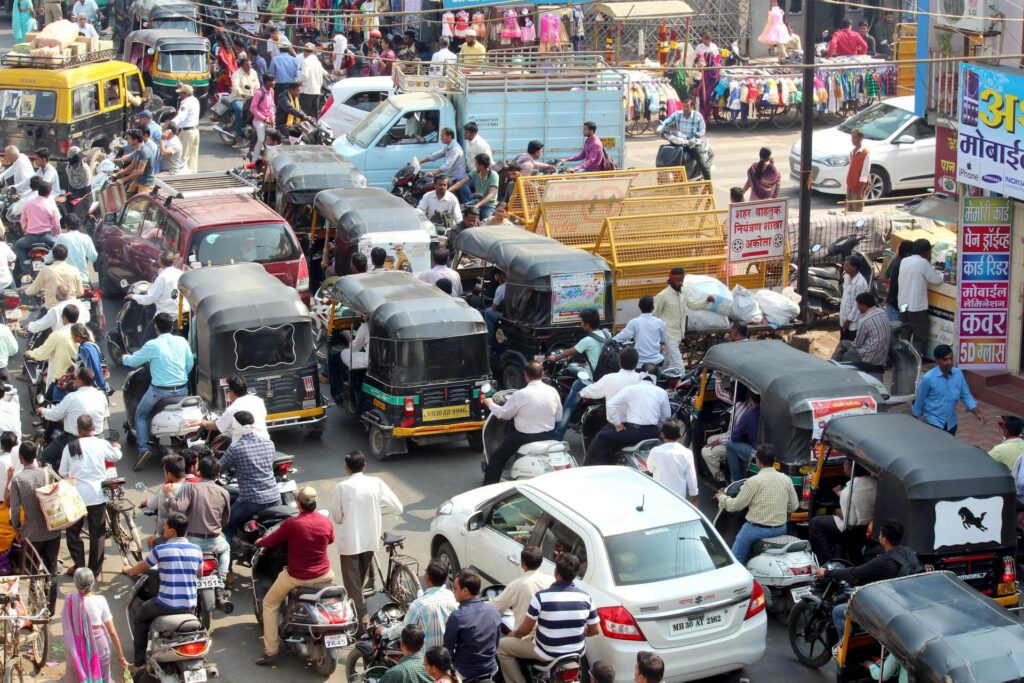
Driving in India is one of the most challenging road environments in the world. Traffic is dense, unpredictable, and operates on informal rules that take time to learn. Honking is constant and communicative. Lanes are treated as suggestions.
Animals, pedestrians, cycle-rickshaws, and overloaded trucks share the same roads. Technically competent drivers can find Indian roads overwhelming – especially in cities and on mountain routes.
This isn’t exaggeration or cultural condescension. India’s road fatality rate is among the highest in the world. Understanding what you’re actually getting into matters.
Road conditions, enforcement standards, and driving behavior can vary dramatically between Indian states, cities, and rural regions, which is why route-specific planning matters before deciding to self-drive.
Why Driving in India Feels Different for Foreigners
Many foreign travelers underestimate how mentally demanding Indian roads can feel at first. Traffic flow is less rule-based and more adaptive compared to Western driving systems.
Drivers constantly respond to:
- pedestrians crossing unexpectedly,
- scooters filtering through traffic,
- sudden lane merges,
- livestock on roads,
- and frequent honking used as communication.
Even experienced international drivers often need several days to adjust to India’s traffic rhythm.
What driving in India involves:
Constant sensory input. Traffic from all directions, frequent lane changes without signaling, vehicles entering from side roads without yielding, and pedestrians crossing everywhere. This isn’t occasionally — it’s the continuous baseline.
Horn culture. In India, honking communicates — “I’m passing,” “I’m at an intersection,” “I’m behind you.” Silence on the road is not the norm. Learning to interpret horn signals takes time that tourists don’t have.
Road conditions. National highways have improved significantly. State highways and rural roads range from good to severely potholed to unpaved. Mountain roads — Himalayan passes, Ghats, coastal routes — are narrow, steep, and heavily used by trucks. Road quality changes dramatically within the same journey.
Night driving. Particularly dangerous. Poorly lit roads, vehicles with malfunctioning lights, animals on roads at night, and heavy truck traffic. Most experienced India drivers avoid night driving entirely.
Livestock and wildlife. Cows wander roads freely — including highways — especially in Rajasthan and Uttar Pradesh. Sudden stops for animals are a normal part of driving.
Traffic Conditions and Road Safety in India
Cities: Delhi, Mumbai, Bangalore, Chennai – traffic in these cities during peak hours is not just slow, it’s physically demanding.
Navigation requires local knowledge of which lanes go where, where U-turns are permitted, where traffic police are stationed, and how local drivers signal their intentions.
Highways: National highways have improved dramatically, but driving standards remain mixed. Overloaded trucks, sudden obstacles, unmarked speed breakers, and vehicles driving against traffic on highway service roads are all real hazards.
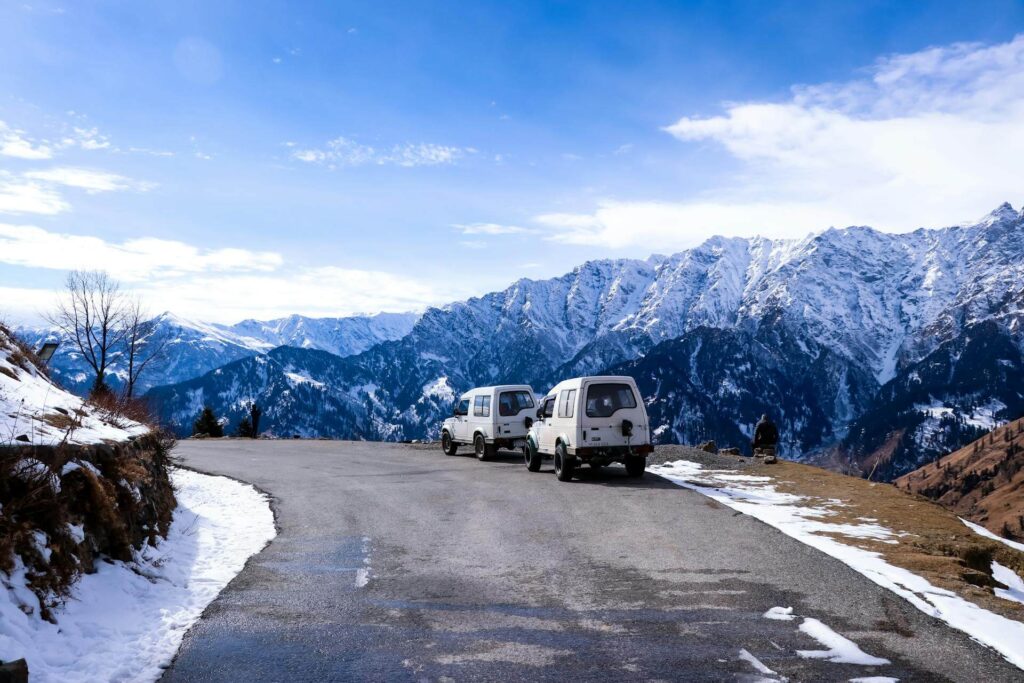
Hill and high-altitude roads: The Himalayan highways, Western Ghats roads, and high passes in Ladakh and Spiti are among India’s most scenic drives – but also among the most technically demanding.
Monsoon season (June–September): Landslides, flash flooding, and severely degraded road surfaces make driving significantly more dangerous. Mountain routes in particular can be impassable or life-threatening in heavy rain.
Weather conditions in Himalayan regions can change rapidly, especially in Ladakh, Himachal Pradesh, and Uttarakhand, where landslides and road closures are common during monsoon season.
Traffic behavior also varies heavily by region. Driving conditions in Goa or Kerala feel very different from Delhi, Mumbai, or Himalayan mountain roads.
Self-Drive vs Hiring a Driver in India
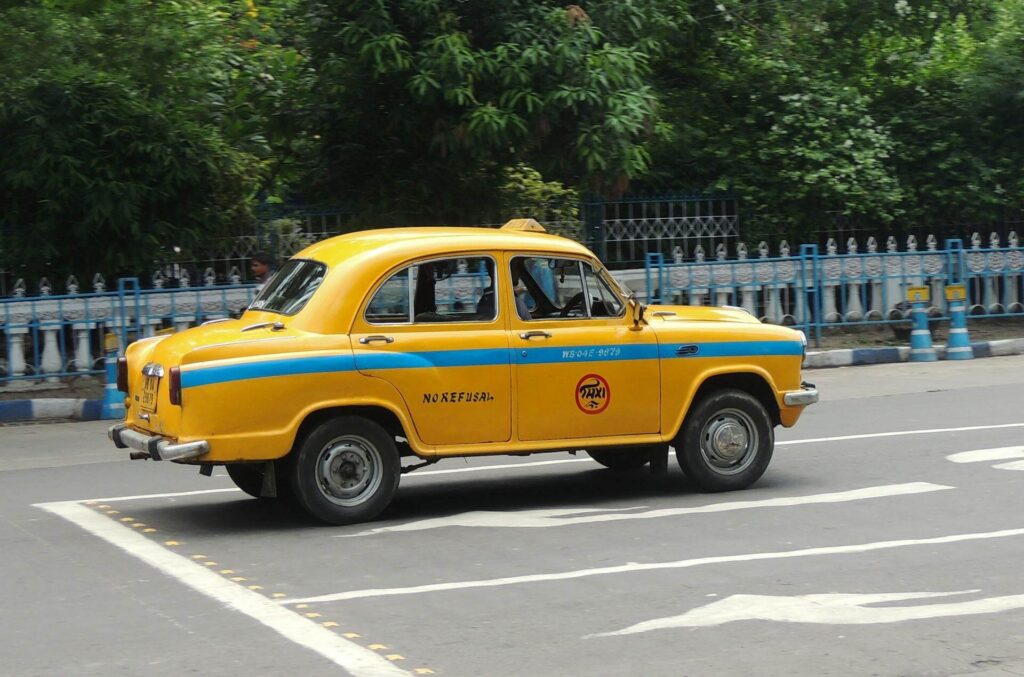
For most foreigners, hiring a driver is safer, less stressful, and often not much more expensive than self-driving when total costs are compared.
A hired driver handles navigation, traffic, road conditions, local knowledge, and parking. Self-driving gives independence but requires navigating unfamiliar roads in one of the world’s most demanding traffic environments.
Factor | Self-Drive | Hired Driver | Uber / Ola | Public Transport |
Cost | Medium (rental + fuel + parking) | Medium–High (negotiated daily rate) | Low–Medium (per ride) | Lowest |
Flexibility | Highest | High (if driver is on retainer) | Moderate | Low |
Safety | Dependent on your skills | High (local knowledge) | Moderate | Varies |
Stress level | High | Low | Low | Variable |
City usability | Poor | Good | Excellent | Good in some cities |
Rural / remote areas | Possible but risky | Good | Limited | Limited |
Paperwork burden | High | Low | None | None |
Language barrier | High | Medium | Low | High |
Night travel | Risky | Manageable | Good in cities | Variable |
For many tourists, hiring a private driver in India is not considered a luxury service – it’s often the most practical and safest transport option.
Hiring a driver — how it works: Many tourists hire a car with driver for a fixed daily rate. The driver knows local roads, handles parking, understands traffic patterns, and often speaks enough English for practical communication.
For multi-day trips between cities, this setup typically includes fuel, the driver’s meals and accommodation, and is negotiated upfront.
Typical cost: ₹2,000–₹4,000 per day for a driver with car for regional travel. Varies significantly by region, vehicle type, and negotiation.
Uber, Ola, and Taxi Options Compared
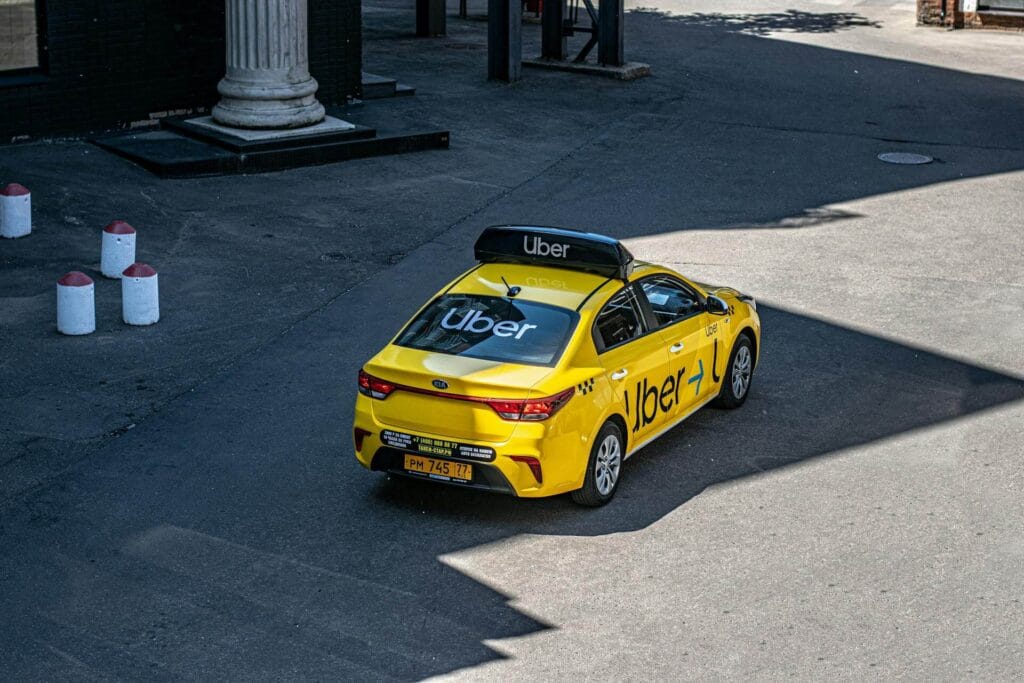
For city travel in India, app-based rides have genuinely transformed the experience for foreign travelers.
Uber: Available in all major Indian cities. Works with international accounts and home country payment cards. Prices are in rupees, fixed at booking. No negotiation, no meter disputes, route tracked on app. Reliable in metro areas.
Ola: India’s largest ride-app. Wider coverage in tier-2 cities than Uber. Requires Indian payment method for some options — international cards work on Ola but setup can be fiddly. Worth having both apps installed.
Many ride apps, toll booths, and local businesses now prefer digital payments, so it helps to understand whether tourists can use UPI in India before arriving.
Auto-rickshaws: The three-wheeled backbone of Indian city transport. Cheap, ubiquitous, no air conditioning, exciting. Meters exist but are often non-functional — negotiate fare before getting in, or use app-based auto booking through Ola/Uber which fixes the price.
Prepaid taxi counters: Available at all major airports and many train stations. Government-regulated, metered fare paid upfront — use these on arrival to avoid negotiation with drivers outside.
Limitations of app-based rides: Coverage drops significantly outside major cities. In smaller towns, hill stations, and rural areas, you’ll need to arrange local transport differently – negotiate with local drivers, use guesthouses to arrange transport, or use buses.
Common Problems Foreigners Face When Driving in India
Getting pulled over: Traffic police checkpoints are common, especially near city borders, at night, and during festivals. Having your IDP, passport copy, and rental documents organized and accessible reduces friction significantly.
Navigation confusion: Google Maps works well in India, but route guidance sometimes sends drivers through areas that locals would know to avoid — narrow lanes, no-entry zones, or routes that look clear on maps but aren’t. Supplement with local knowledge.
Fuel situations: Finding specific fuel types (CNG, diesel, premium petrol) requires planning in smaller towns. Not all petrol stations are 24-hour. Know your fuel type before renting and plan stops on longer routes.
Parking: Formal parking infrastructure is limited in most Indian cities. Illegal parking is common and parking enforcement is inconsistent but real. Your rental contract may not cover parking fines.
Accident procedures: See the insurance section below. Any accident in India — even minor — can attract a crowd quickly. Knowing how to respond is important.
Smaller fuel stations and rural toll booths may still prefer cash payments, especially outside major cities, so it’s useful to understand cash vs card usage in India before road-tripping.
Insurance and Accident Risks for Tourists
Car rental companies in India include basic third-party insurance as required by law. This covers damage to other vehicles and property — not your rental vehicle or your personal injury.
Collision Damage Waiver (CDW): Available as an add-on. Reduces your liability for damage to the rental vehicle. Always read what’s excluded — scratches from road debris, underbody damage on rough roads, and windscreen damage are commonly excluded.
Your travel insurance: Check whether your travel policy covers self-driven rental vehicles in India. Many policies have specific exclusions for countries with high road incident rates or for motorbike use. Read before renting.
If an accident happens:
- Don’t panic. Don’t move the vehicle if injuries are involved
- Call the police (100) — a police report is essential for insurance
- Document everything — photos of both vehicles, damage, road conditions, and any witnesses
- Contact your rental company immediately
- Get medical attention if needed before worrying about the vehicle
- Contact your travel insurer as soon as possible
The legal reality of accidents in India: Traffic accident procedures in India can be slow and complicated, particularly for foreign tourists unfamiliar with local systems.
Having your rental company’s 24-hour assistance number immediately accessible is not optional – it’s essential.
Documents Required for Driving or Renting in India
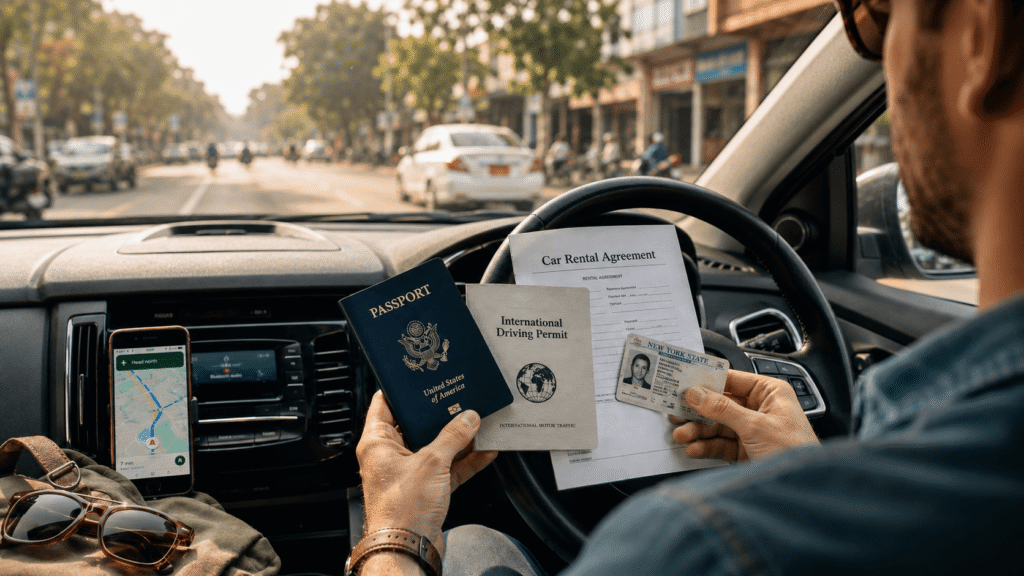
To rent a car:
- Passport (original + copy)
- Valid home driving license
- International Driving Permit (strongly recommended, required by most major companies)
- Credit card in your name (for deposit)
To keep accessible while driving:
- Original passport or certified copy
- Original driving license
- IDP
- Rental agreement
- Rental company’s assistance number
- Travel insurance emergency number
- Vehicle registration document (provided by rental company)
- Insurance document (provided by rental company)
Keep these in a clearly organized folder in the glove compartment. A traffic police check at a checkpoint should take two minutes if documents are organized. It becomes a long, stressful event if you’re searching through a bag.
Best Transport Option for Foreign Tourists
Honest answer, not a hedge: for most foreign tourists, hiring a driver or using Uber/Ola is better than self-driving in India.
Self-driving makes practical sense in specific situations:
- Road trips in Goa (short distances, relatively manageable traffic)
- Rental car for a long specific journey where flexibility genuinely matters
- Experienced travelers who have driven in other complex traffic environments (Southeast Asia, South America, Egypt) and specifically want the challenge
Self-driving makes less sense for:
- First-time India visitors
- Anyone uncomfortable in chaotic traffic
- City-to-city travel on major highways (driver is better)
- Mountain routes (genuinely dangerous without local knowledge)
- Night travel anywhere
- Anyone with limited time who can’t afford to deal with problems
The money argument often surprises travelers: when you add up rental costs, fuel, parking, IDP procurement, extra insurance, and the time spent dealing with traffic and navigation, a hired driver often costs the same or only slightly more – and comes with local knowledge, flexibility, and zero stress.
Best Strategy for Getting Around India
STEP 1 – Decide If Self-Driving Is Actually Necessary
For most itineraries, it isn’t. Uber and Ola cover cities well. Hired drivers cover regional travel. Trains cover long distances cheaply and comfortably. Start from “do I genuinely need to drive?” rather than assuming you do.
STEP 2 – Get an IDP Before You Leave Home
If you decide to drive, or want the option, obtain your IDP before departure. It takes a few days through your national motoring organization and costs very little. You cannot get an IDP in India.
STEP 3 – Compare Real Costs: Self-Drive vs Driver
Get actual quotes. In many parts of India, hiring a car with driver for a day’s regional travel costs ₹2,500–₹4,000. A self-drive rental with fuel, parking, and insurance add-ons often reaches the same figure — with considerably more risk and stress added.
STEP 4 – Choose Transport by Situation
- In cities: Uber or Ola
- Between cities: train (excellent network, book in advance) or hired driver
- Tourist-area day trips: hired driver with local knowledge
- Goa/coastal areas: scooter only if experienced and appropriately licensed
- Himalayan and hill-region roads: a hired driver is strongly recommended
STEP 5 – Avoid Driving in High-Risk Conditions
Night driving, monsoon season, steep hill highways, first days in a new city — these are the situations where risk spikes sharply. Build your transport plan around avoiding these even if you are self-driving overall.
STEP 6 – Use Apps for City Travel
Install Uber and Ola before arriving. Both are more reliable than negotiating with street-side taxis, especially on arrival when you’re unfamiliar with local fares. Use airport prepaid taxi counters when apps have surge pricing on arrival.
You should also install a few essential navigation, train booking, and safety apps before your trip – here are the best apps for traveling in India.
STEP 7 – Keep an Emergency Transport Backup
Know which transport option you fall back on if your primary plan fails. If your rental car breaks down or your driver cancels, what’s your next move?
Having Uber installed, a local guesthouse contact who can arrange transport, and some cash solves most emergencies.
Do this / Avoid this:
Do This | Avoid This |
Get an IDP before leaving home | Assuming your foreign license alone will be accepted everywhere |
Inspect rental vehicle thoroughly before driving | Signing rental paperwork without documenting existing damage |
Download Google Maps offline for your routes | Relying entirely on live navigation in areas with poor signal |
Hire a local driver for mountain routes | Self-driving Himalayan passes without specific experience |
Use Uber/Ola for city travel | Negotiating with unmarked taxis without agreeing fare first |
Read your travel insurance policy before renting | Discovering your policy excludes India driving after an accident |
Keep all documents organized and accessible | Searching through bags at a police checkpoint |
Avoid driving at night | Night highway driving — high truck traffic and poor lighting |
Research road conditions for monsoon season travel | Starting a Ghat or mountain road drive during active monsoon |
Final Decision Checklist for Travelers
Before deciding to self-drive:
- IDP obtained from home country motoring authority
- Home driving license valid and in English (or IDP covers translation)
- Travel insurance confirmed to cover self-drive rental in India
- Comfortable driving in chaotic, left-hand traffic environments
- Route assessed for road quality, night driving risk, mountain terrain
If renting a vehicle:
- Rental company verified (major brand or well-reviewed local company)
- Vehicle inspected and damage documented with photos before driving
- CDW / collision coverage added to rental
- Rental company’s 24-hour assistance number saved to phone
- Vehicle registration and insurance documents secured in car
Alternative transport arranged:
- Uber and Ola apps installed and working
- Train bookings made in advance for long-distance routes
- Driver contact arranged through hotel or reputable travel agent for regional travel
- Airport prepaid taxi counter noted for arrival
Emergency preparation:
- Emergency contacts: police (100), ambulance (102), rental company assistance
- Travel insurer emergency number saved
- Offline maps downloaded for key destinations
- Hotel or guesthouse contact who can arrange local transport backup
When Self-Driving in India Is NOT Recommended
Self-driving in India is not the best choice for every traveler. If you are uncomfortable with:
- aggressive traffic,
- left-hand driving,
- mountain roads,
- heavy honking,
- or unpredictable road conditions,
hiring a driver is usually the safer and more enjoyable option. This is especially true for first-time visitors, monsoon-season travel, and long-distance highway journeys.
Conclusion
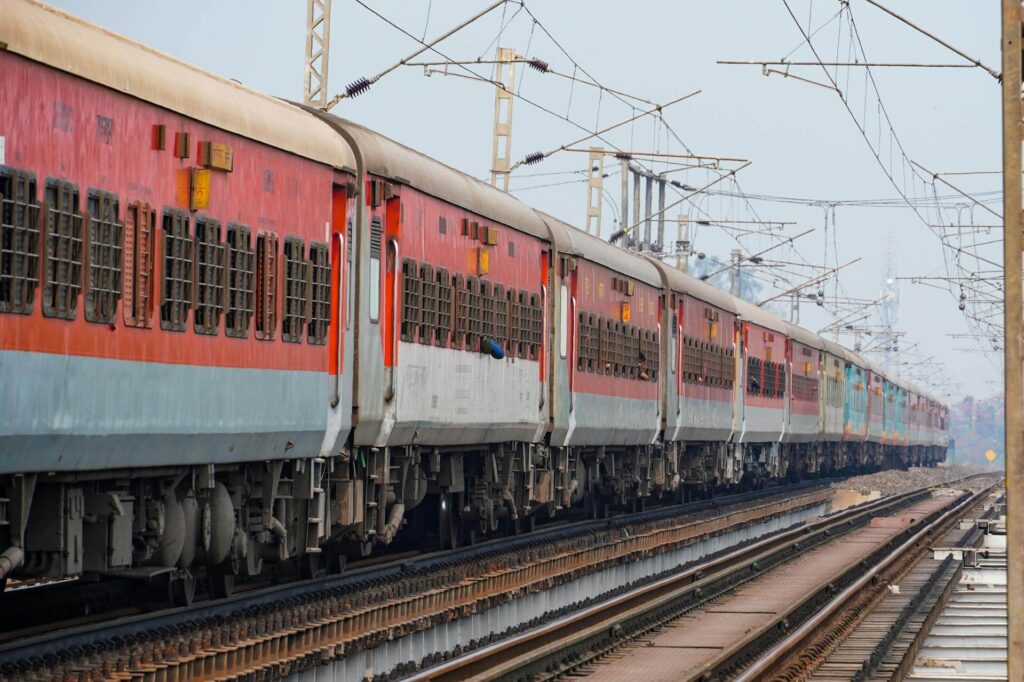
So, can foreigners drive in India? Legally, yes – provided you carry the correct driving documents, ideally including an International Driving Permit.
The practical answer is more nuanced: whether you should depends on your experience, your route, and an honest assessment of whether driving in one of the world’s most complex traffic environments is actually the right choice for your trip.
For most first-time visitors, the combination of Uber/Ola for cities, trains for long distances, and a hired driver for regional travel covers almost every itinerary — with less stress, similar or lower cost, and significantly lower risk than self-driving.
If you do decide to drive, get your IDP before you leave home, inspect every rental vehicle before signing, and build your plan around avoiding the highest-risk scenarios: night driving, monsoon conditions, and mountain routes without local guidance.
India’s roads are challenging even for experienced local drivers. That’s not a reason to avoid them entirely — but it is a reason to go in with accurate expectations rather than assumptions.
Driving in India as a foreigner is legally possible, but whether it is the right choice depends on your experience, route, and comfort level with complex traffic conditions.
FAQs About Driving in India as a Foreigner
Can tourists legally drive in India?
Yes. Foreign tourists can legally drive in India using a valid home-country driving license along with an International Driving Permit (IDP).
Do I need an International Driving Permit for India?
An IDP is strongly recommended for India. Many rental companies, insurers, and traffic police prefer or require it.
Is driving in India difficult for foreigners?
Yes. Indian roads can feel chaotic for first-time visitors due to traffic density, frequent honking, unpredictable lane behavior, and mixed road conditions.
Can foreigners rent a car in India?
Yes. Most car rental companies require a passport, valid driving license, IDP, and a credit card deposit.
Is it better to hire a driver in India?
For most travelers, yes. Hiring a driver is usually safer and less stressful than self-driving, especially in cities and mountain regions.
Can tourists rent scooters in India?
Yes, especially in tourist destinations like Goa and Kerala. However, tourists legally need a motorcycle license endorsement and should wear helmets at all times.
Is Uber available in India for tourists?
Yes. Uber works in most major Indian cities and supports international accounts and payment cards.
Is Ola better than Uber in India?
Ola often has better availability in smaller Indian cities, while Uber is generally easier for international travelers to set up.
Is driving in India safe at night?
Night driving in India is generally not recommended for tourists due to poor lighting, truck traffic, animals on roads, and unpredictable driving conditions.
What is the safest way to travel around India?
For most travelers, the safest combination is Uber/Ola in cities, trains for long distances, and hired drivers for regional travel.
Images: Pexels
