




Planning your first wildlife safari in India can be an exciting yet overwhelming experience. With over 100 national parks, diverse ecosystems, and a variety of safari options, figuring out where to start can feel like a challenge.
But don’t worry – India is one of the world’s best wildlife safari destinations for first-time travelers, offering some of the most rewarding safari experiences in the world.
Whether you dream of spotting a tiger in Ranthambore or getting up close with rhinos in Kaziranga, the options are diverse, and each park has something special to offer.
This guide breaks it down in a practical way. You’ll learn where to go, what you can realistically expect from a safari, how bookings work, and which mistakes to avoid.
Whether your goal is spotting a tiger, seeing rhinos, or simply experiencing nature up close, this will help you plan a trip that actually feels worth it.
Best Wildlife Safari in India (Quick Picks for First-Time Travelers)
If you want a simple starting point, these are the most reliable wildlife destinations in India for beginners:
- Ranthambore National Park – Best for first-time tiger safaris
- Bandhavgarh National Park – Highest tiger sighting probability
- Kaziranga National Park – Highest probability of rhino sightings
- Jim Corbett National Park – Scenic landscapes and elephant herds
- Kabini Wildlife Sanctuary – Excellent in South India with diverse wildlife
- Sundarbans National Park – Unique mangrove ecosystem and boat safaris
Best choice for beginners:
Start with Ranthambore or Bandhavgarh for the highest chances of a successful safari.
Pro Tip:
Plan at least 2–3 safaris. One drive is rarely enough, and multiple safaris significantly improve your chances of meaningful wildlife sightings.
Is India Good for Wildlife Safaris? (What First-Time Travelers Should Know)
Yes — India is one of the best wildlife safari destinations in the world, especially for spotting Bengal tigers.
The country is home to:
- The largest population of wild Bengal tigers
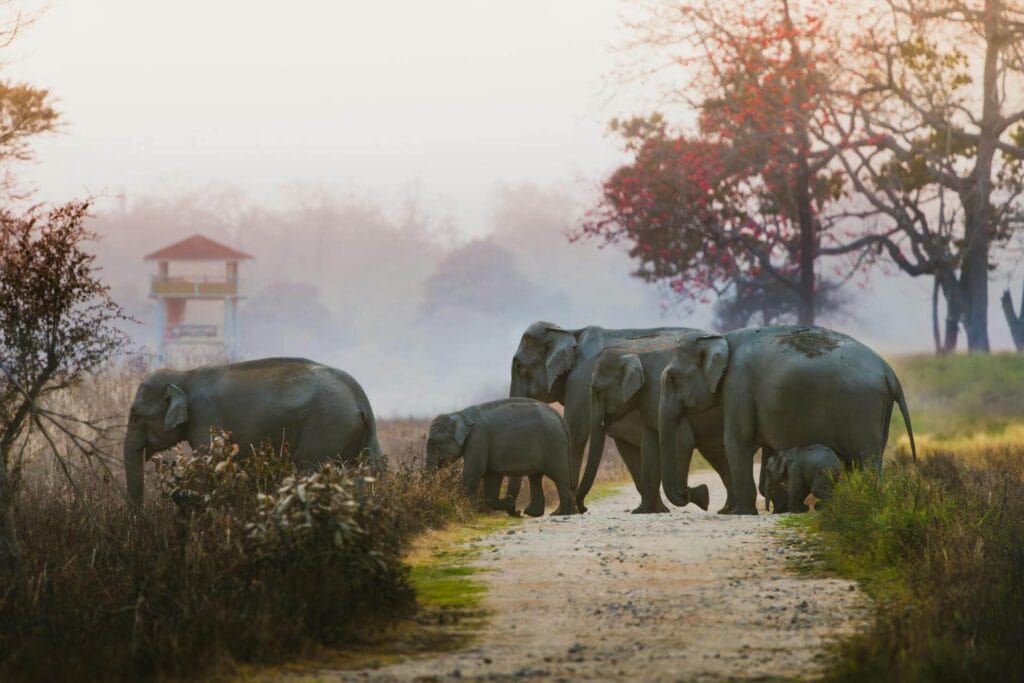
- One-horned rhinos, elephants, leopards, and sloth bears
- Over 500+ bird species across national parks
What makes a wildlife safari in India unique is the diversity of landscapes. You’ll find:
- Dense jungles
- Open grasslands
- River ecosystems
- Mangrove forests
However, it’s important to set the right expectations.
Wildlife sightings are never guaranteed, and every safari is different. Instead of focusing on just one animal, the best approach is to enjoy the full experience – the forest, sounds, and tracking process.
Instead of chasing just one animal, focus on the overall safari experience in India — the forest, sounds, and tracking process.
How We Chose the Best Wildlife Safaris in India
Every destination in this guide was evaluated on five key criteria for first-time wildlife travelers. These criteria include the probability of meaningful wildlife sightings and how easy the park is to access.
We also considered the quality of safari infrastructure, guiding, and the overall safety and comfort of the experience.
Additionally, we looked at the value for money across different budget levels to ensure a well-rounded experience. Parks that excelled across all five categories emerged as the best beginner-friendly wildlife destinations in India.
Best Wildlife Safari in India for First-Time Travelers
Ranthambore National Park — India’s Most Famous Tiger Reserve
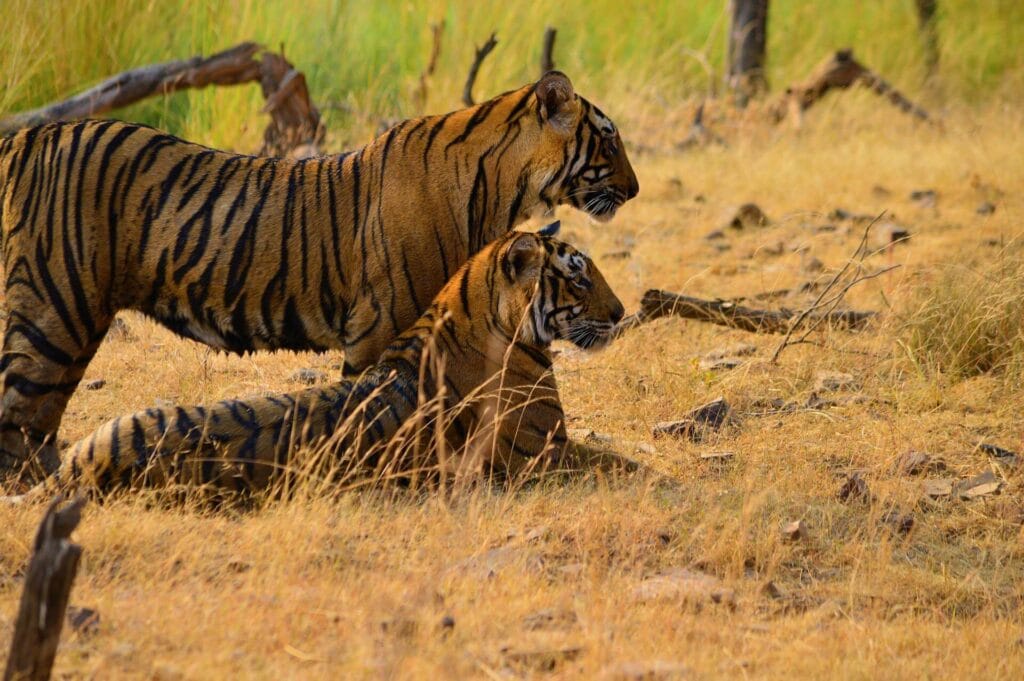
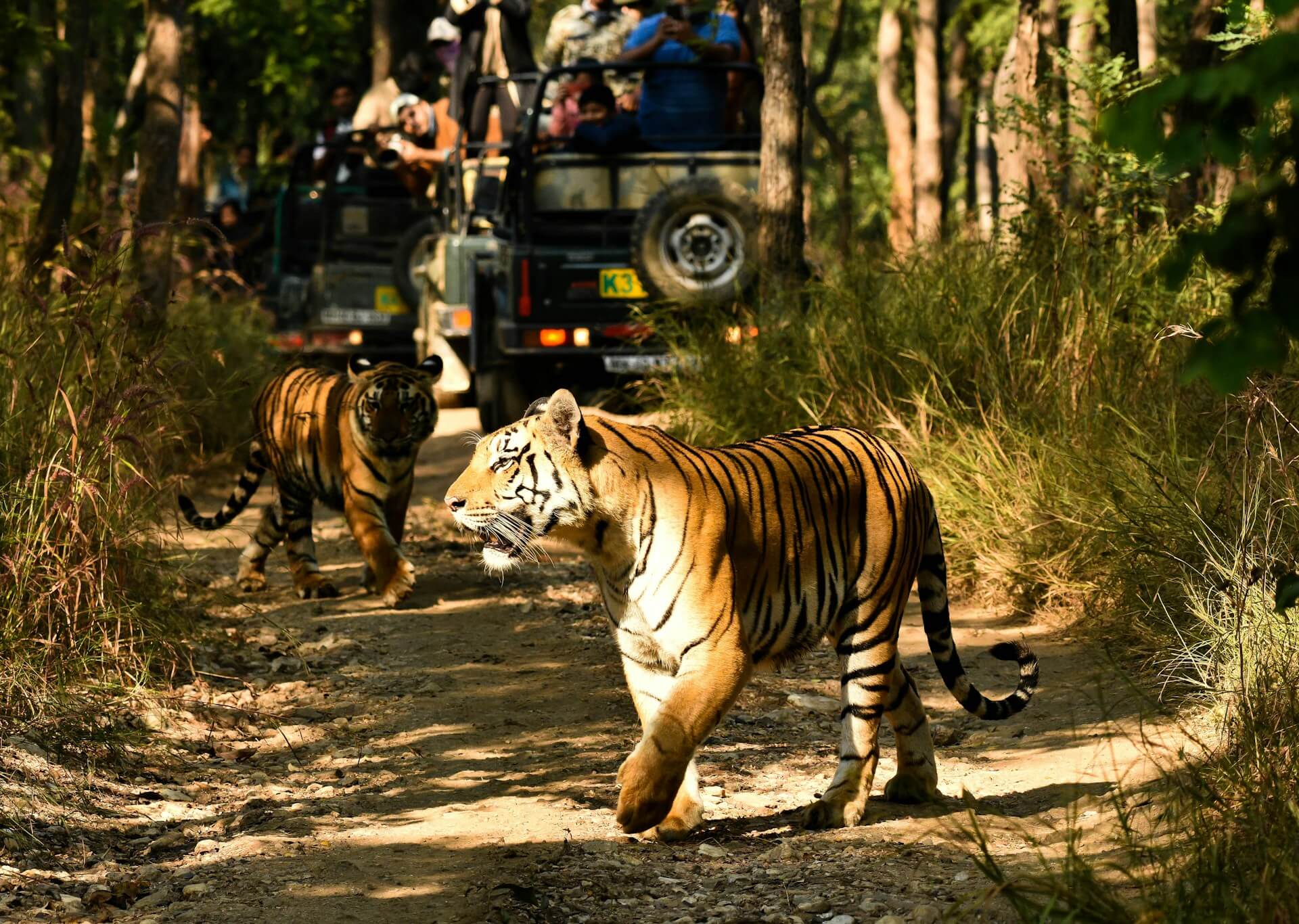
Ranthambore is the most beginner-friendly tiger reserve in India. The open terrain makes wildlife easier to spot compared to dense jungles.
Why Ranthambore is ideal for first-time safari travelers:
Ranthambore is one of the easiest places in India to spot wildlife, thanks to its open terrain and high tiger density. Zones 1–4 are especially active, increasing your chances of sightings.
The park is also well-organized, with experienced guides who help track animal movement and explain behavior, making it a great introduction to safaris.
Jeep safaris are the best option here – they’re quieter, more flexible, and allow for a more immersive experience compared to larger canters.
Bandhavgarh National Park — Highest Tiger Density in India
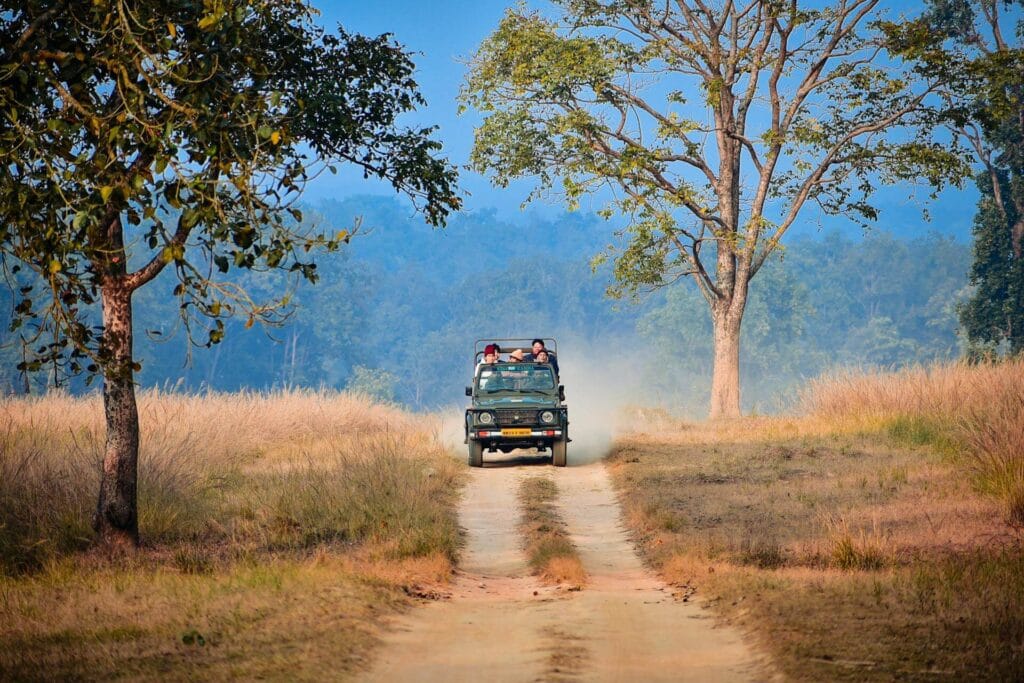
Bandhavgarh offers one of the highest tiger sighting probabilities in India, making it ideal if your main goal is to see a tiger.
The Tala Zone is the most active area and should be your first choice when booking. Along with wildlife, the park also features the historic Bandhavgarh Fort, adding a cultural element to the experience.
Although slightly less accessible than Ranthambore, the higher sighting chances often make the extra travel worthwhile.
Kaziranga National Park — The Rhino Capital of the World
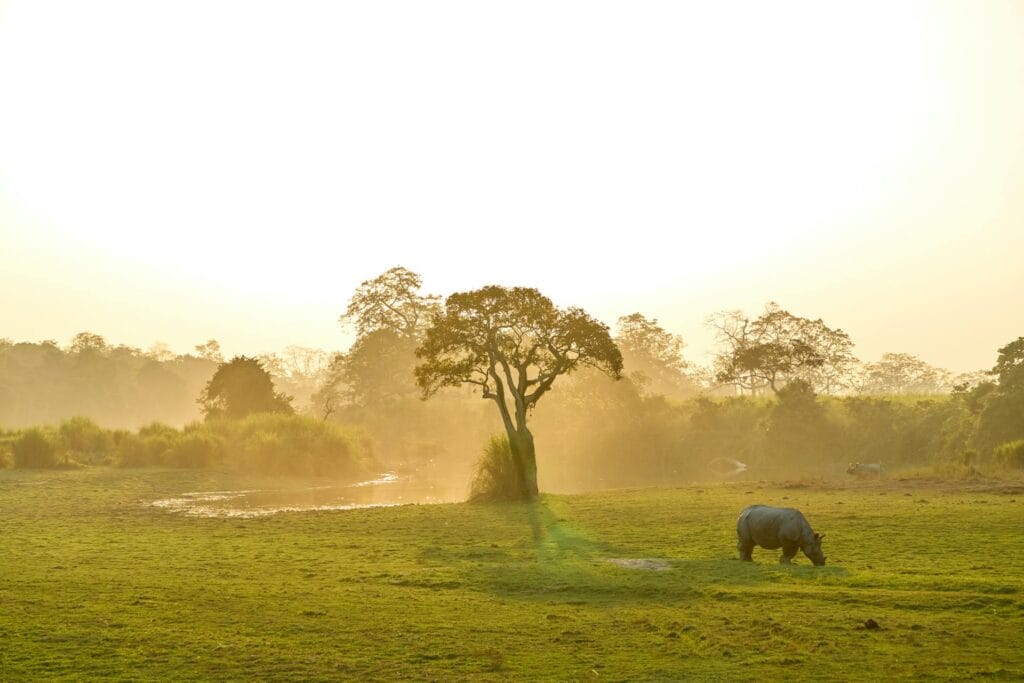
Kaziranga is one of the most reliable wildlife safari destinations in India. It’s home to over 70% of the world’s one-horned rhinos. Wildlife enthusiasts and first-time travelers alike flock here to witness these incredible creatures up close.
Why Kaziranga is one of the most reliable wildlife destinations:
Kaziranga is known for its extremely high probability of spotting one-horned rhinos, along with elephants, wild buffalo, and a wide variety of bird species.
The park’s open grasslands make wildlife easier to spot compared to dense forests, and both jeep and elephant safaris offer different perspectives of the landscape.
Jim Corbett National Park – India’s Oldest and Most Storied Reserve
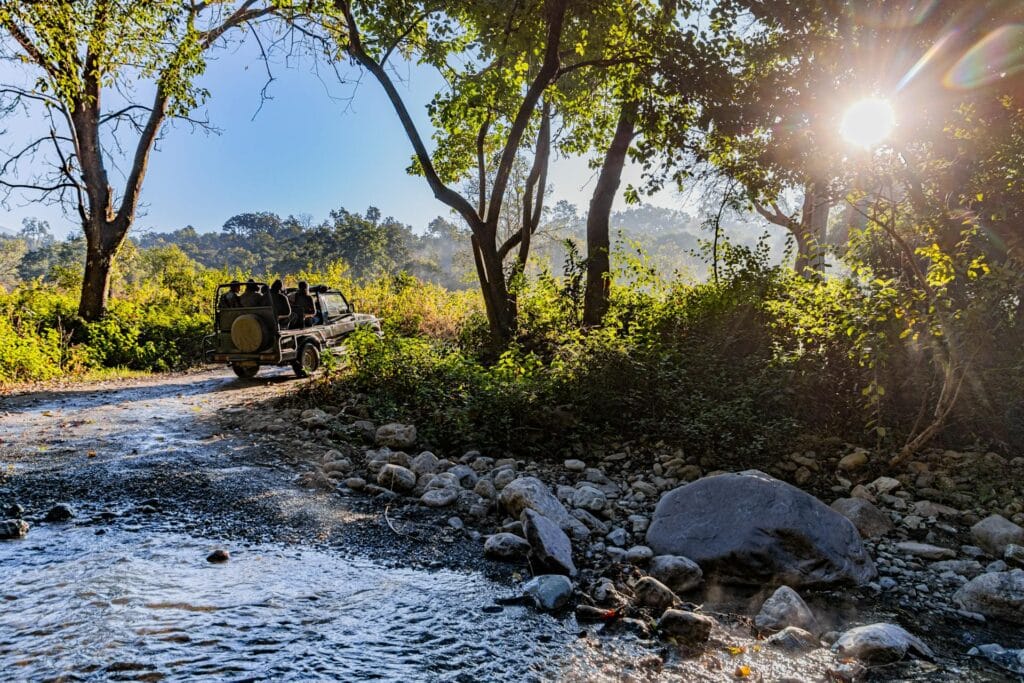
Jim Corbett National Park, is not just India’s first national park, but also one of its most iconic wildlife destinations. It’s ideal for a balanced wildlife safari experience in India.
Why Jim Corbett is a balanced safari destination:
Jim Corbett offers a mix of wildlife, scenery, and accessibility, making it a well-rounded option for first-time visitors.
The Dhikala Zone is the best area for spotting elephants and improving your chances of tiger sightings, especially during early morning safaris.
With river systems, forests, and Himalayan foothills, the landscape itself is a major highlight.
Kabini Wildlife Sanctuary – South India’s Safari Gem
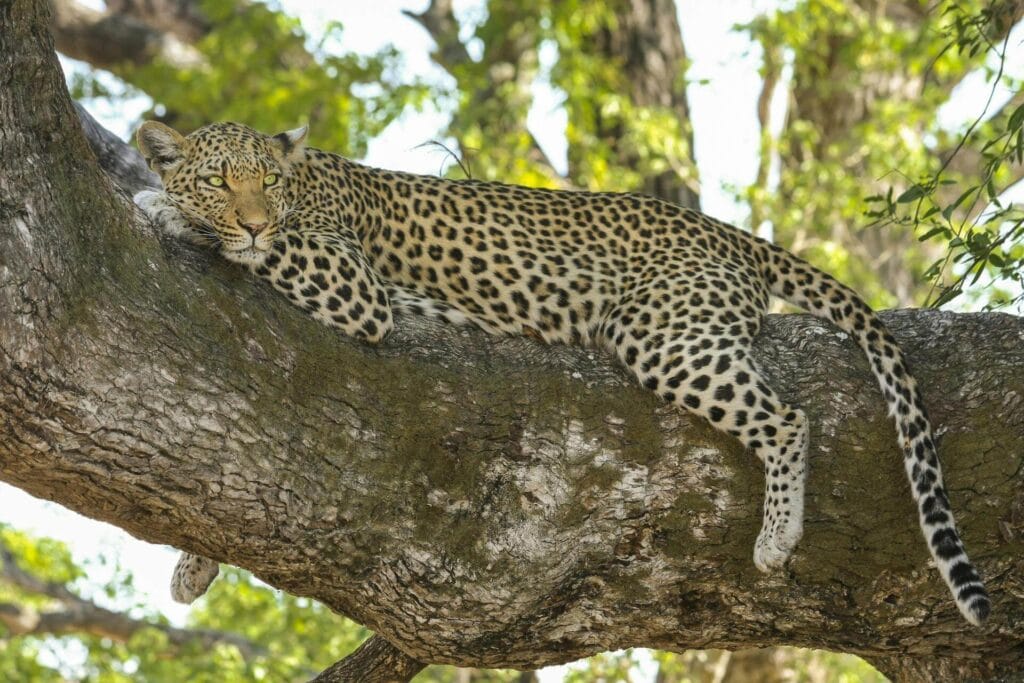
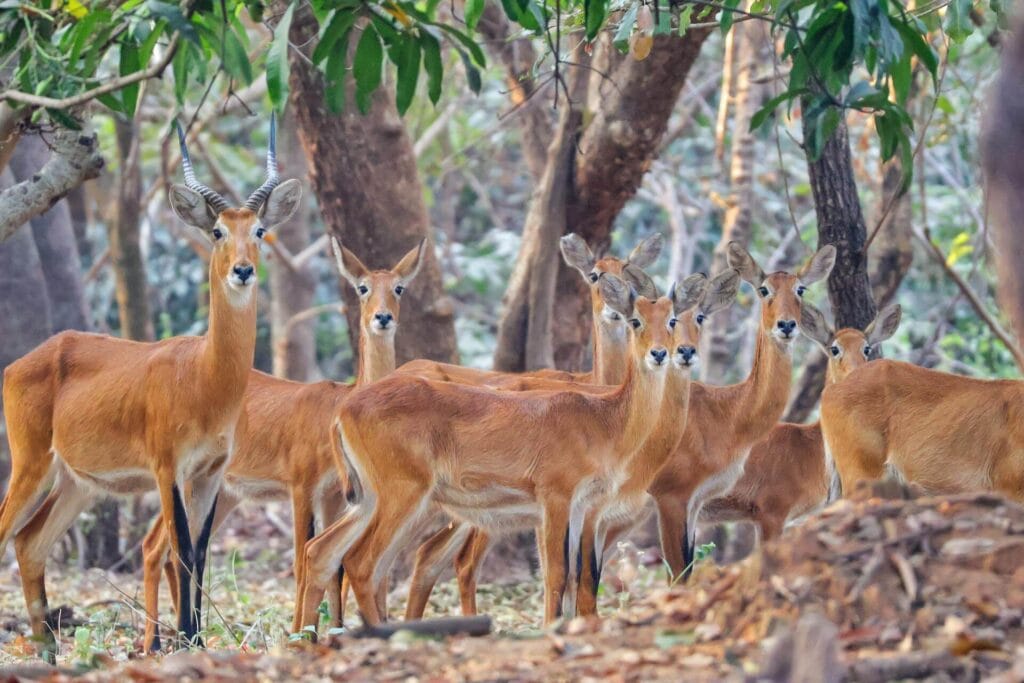
For a quieter and more relaxed safari experience, Kabini Wildlife Sanctuary in Karnataka offers a unique charm. Kabini is one of the best safari destinations in South India.
Why Kabini is a great South India safari option:
Kabini is known for its relaxed atmosphere, good sightings of elephants and leopards, and less crowded safari experience compared to northern parks.
It’s especially convenient for travelers coming from Bengaluru or Mysuru, and boat safaris add a unique dimension to wildlife viewing.
Sundarbans – Something Completely Different
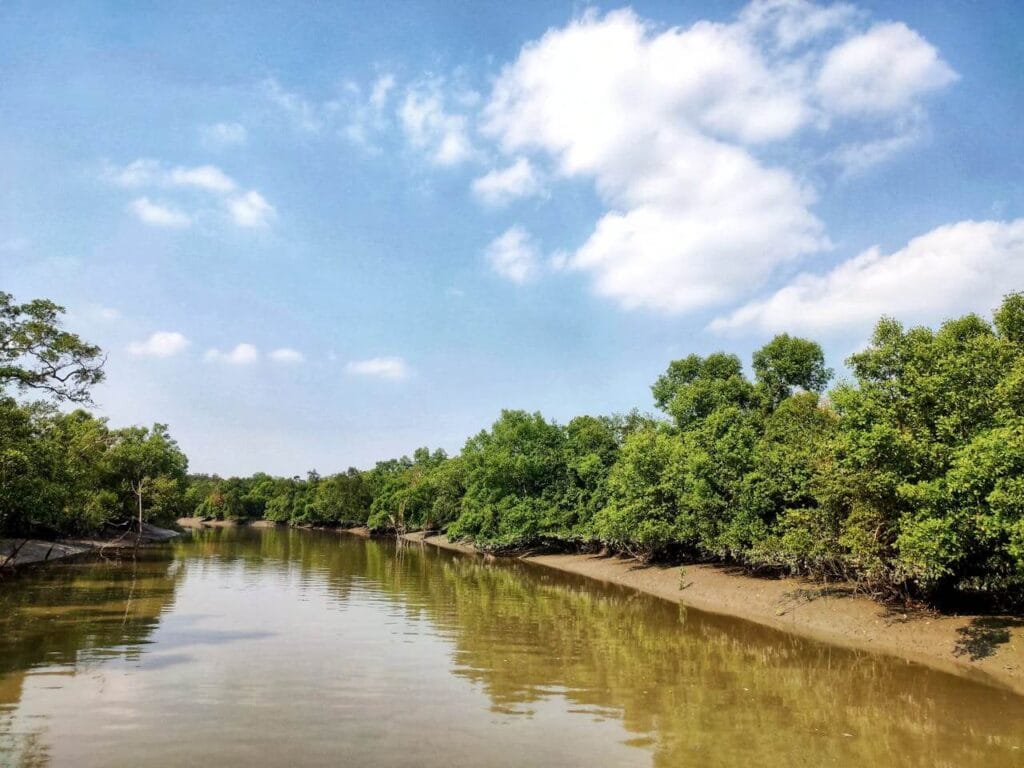
For a truly unique wildlife experience, Sundarbans National Park in West Bengal offers a dramatic departure from the norm. This mangrove forest is home to the elusive Bengal tiger—and the experience of seeing them swim between islands is unlike any other.
Why the Sundarbans is a Must-Visit for Adventurous Travelers:
Unlike other parks, Sundarbans offers boat-based safaris through mangrove forests, where wildlife viewing feels more exploratory and unpredictable.
While tiger sightings are rare, the ecosystem itself—home to crocodiles, dolphins, and diverse birdlife—is what makes this destination special.
Wildlife Destination Comparison
Park | Best For | Tiger Sighting Chance | Accessibility | Best Season | Cost Level |
Ranthambore | First-timers, tiger safaris | High | Very Good | Oct–Apr | Mid-range |
Bandhavgarh | Tiger sightings, density | Very High | Good | Oct–Apr | Mid-range |
Kaziranga | Rhinos, birds, diversity | Rhino: Very High | Good | Nov–Apr | Budget-Mid |
Jim Corbett | Elephants, scenery | Good | Excellent | Nov–Jun | Mid-Luxury |
Kabini | South India, leopards | Good | Good | Oct–May | Mid-Luxury |
Sundarbans | Unique experience, birds | Low | Moderate | Oct–Mar | Budget-Mid |
Sample Wildlife Itineraries for First-Time Travelers
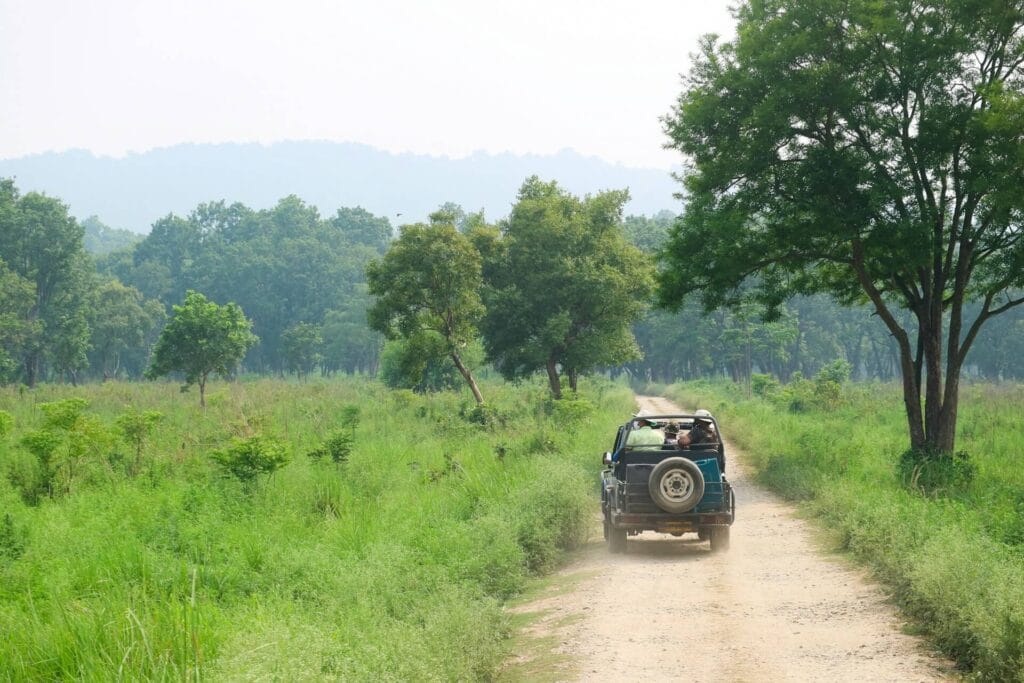
If you’re not sure how to structure your trip, these sample plans work well for most travelers:
3-Day Short Safari Trip (Ranthambore or Bandhavgarh)
- Day 1: Arrival + afternoon safari
- Day 2: Morning and evening safaris
- Day 3: Morning safari + departure
This gives you 3–4 safari drives, which is usually enough for a good chance of sightings.
5–6 Day Wildlife-Focused Trip
- 2–3 days in Ranthambore or Bandhavgarh
- 2–3 days in another park (like Kanha or Kaziranga)
This improves your chances of seeing different species and landscapes.
7–10 Day India Wildlife + Culture Trip
- Delhi / Jaipur (culture and history)
- Ranthambore or Bandhavgarh (tiger safari)
- Optional: Add Kaziranga or Jim Corbett
This is ideal if you’re visiting India for the first time and want a balanced itinerary.
Cost of Wildlife Safaris in India

Costs can vary depending on the park, season, and level of comfort, but here’s a realistic breakdown:
- Jeep Safari Permit: ₹1,500 – ₹4,000 per person
- Guide & Vehicle Charges: Usually included in total booking
- Accommodation:
- Budget: ₹1,000 – ₹3,000 per night
- Mid-range: ₹4,000 – ₹10,000
- Luxury lodges: ₹12,000+ per night
For a 3-day safari trip, most travelers spend between ₹15,000 to ₹50,000 total, depending on their travel style. Booking early helps secure better zones and avoids last-minute price increases.
Which Wildlife Safari in India Should You Choose?
The right park depends on what kind of experience you’re looking for:
- If your priority is seeing a tiger, go to Ranthambore or Bandhavgarh
- If you want wildlife sightings, Kaziranga is the best choice
- For scenic landscapes and elephants, Jim Corbett works well
- If you’re traveling in South India, Kabini is the most convenient option
- If you prefer something unique and less predictable, Sundarbans offers a completely different experience
First-time travelers should keep things simple and choose one or two parks rather than trying to cover too much.
What Are the Chances of Seeing Tigers in India?
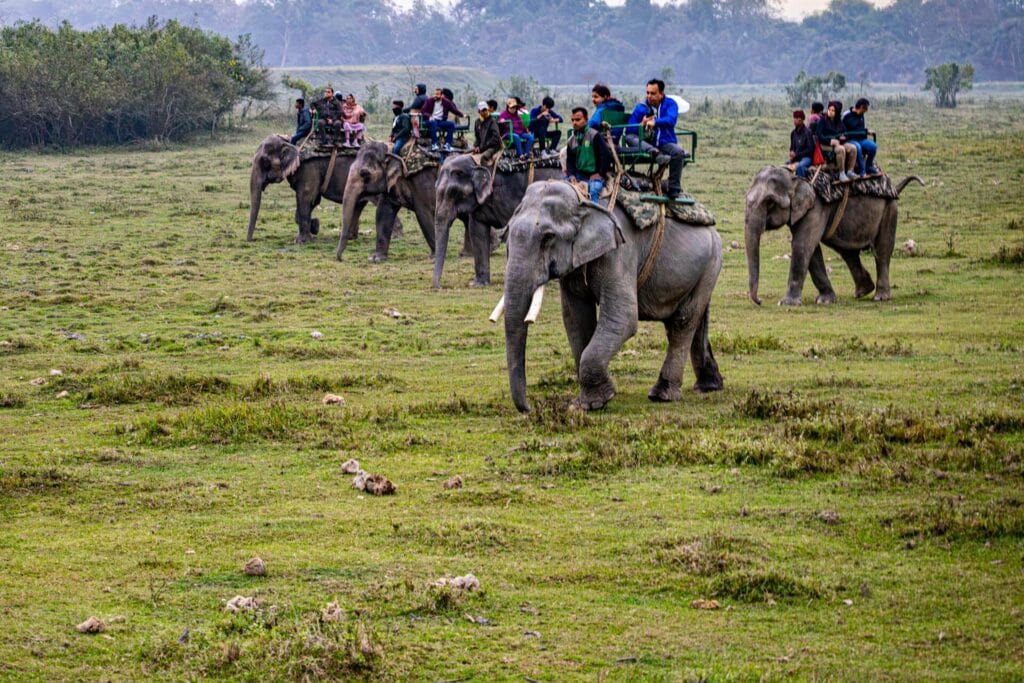
The honest answer is that your chances are better in India than almost anywhere else in the world – but “easily” is the wrong expectation to set.
Ranthambore and Bandhavgarh offer the highest sighting probabilities, and many visitors do have meaningful encounters.
On a three-day visit with six safaris, experienced park guides estimate a sighting probability of 60 to 80 percent in peak season at the best zones.
But wild tigers are unpredictable, and some visitors leave without a sighting despite doing everything right.
Going with patience and genuine curiosity about the broader environment – not just the tiger – is both the realistic approach and the one that leads to a more satisfying experience.
Essential Safari Tips for First-Time Travelers in India
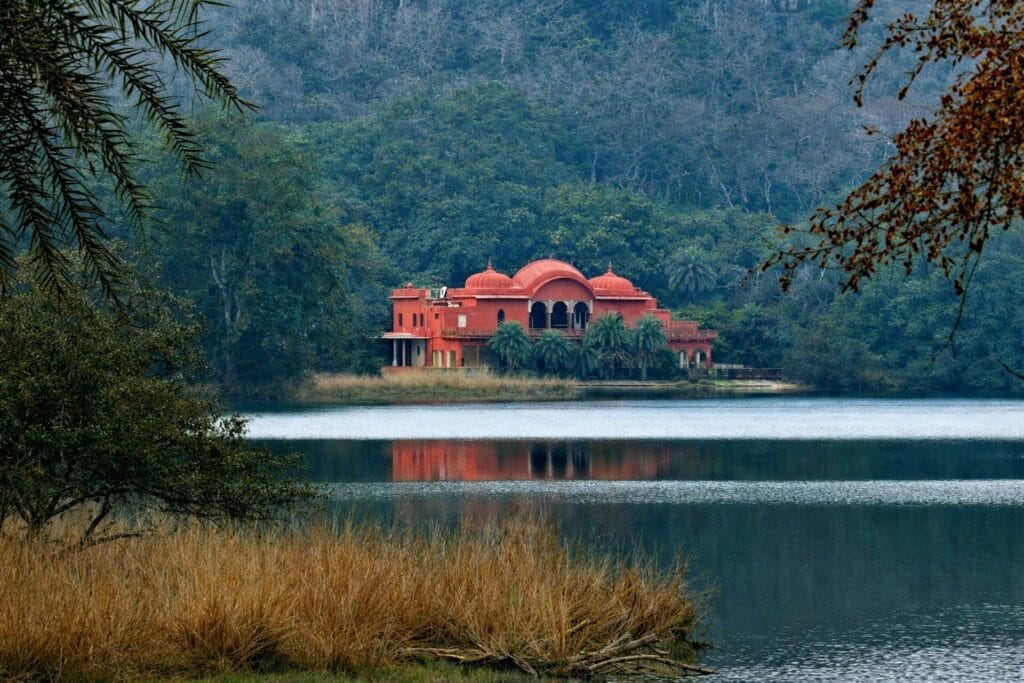
Booking your safari in advance is one of the most important steps. Core zones in popular parks fill up quickly, especially between October and April.
It’s best to secure safari permits before finalizing flights or hotels.
What to Wear on a Safari
Stick to:
- Green, Brown, Neutral tones
- Avoid bright colors
- Carrying a light jacket for early morning safari
Follow Your Guide
Guides track:
- Animal calls
- Footprints
- Movement
- Always listen carefully
Don’t Focus Only on Tigers
This is the biggest mistake. Instead, enjoy:
- Birds
- Forest sounds
- Smaller wildlife
The forests, birdlife, and smaller interactions often become the most memorable parts of the trip. This makes your safari experience in India more rewarding.
Common Wildlife Safari Mistakes First-Time Travelers Make
Expecting high chance tiger sightings
Wildlife is unpredictable. Even in the best parks, sightings are never 100%.
Booking safaris at the last minute
Top zones in popular parks sell out quickly. Book at least 2–4 weeks in advance
Choosing the wrong season
Monsoon (July–September) often means park closures and dense vegetation. The best time for wildlife safari in India is October to June
Doing only one safari
One safari is rarely enough for meaningful sightings. Plan at least 2–3 safari drives
Focusing only on tigers
You’ll miss the full experience if you ignore birds, landscapes, and smaller wildlife.
Making noise during the safari
Talking loudly or sudden movements can scare wildlife away.
Best Apps for Wildlife Travel in India
The iGoWild app provides a useful wildlife identification guide specifically for Indian species. eBird, run by Cornell Lab of Ornithology, is the standard tool for birdwatchers and has comprehensive data on Indian species distribution.
For safari bookings, the official state forest department portals are the most reliable, though Wildlife Tourism India aggregates availability across multiple parks in one place.
Google Maps with downloaded offline areas is essential for navigating to remote park entrances where data connectivity is limited.
Best Time for Wildlife Safaris in India
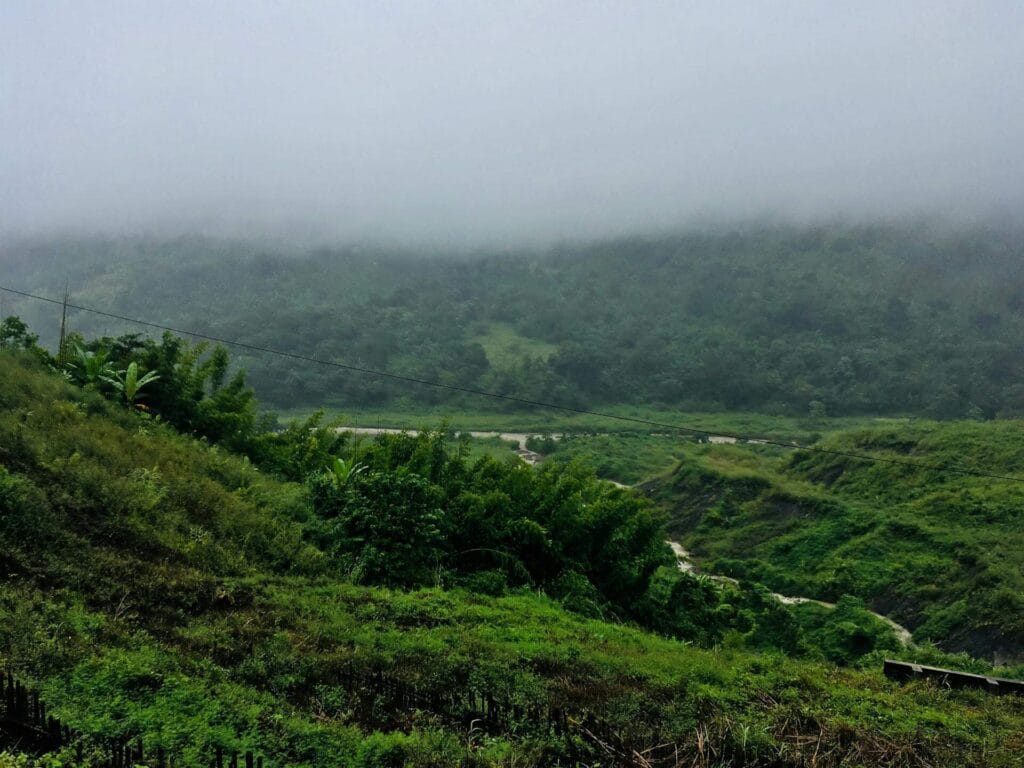
The best time for wildlife safaris in India is generally between October and June, when most parks are open.
Winter (November–February) offers comfortable weather, while summer (March–May) increases wildlife sightings as animals gather near water sources.
However, the ideal timing varies depending on the region and the type of wildlife experience you’re looking for. In Ranthambore National Park and other parks in Rajasthan, the most comfortable months are November to April.
The weather is cooler, vegetation is thinner, and visibility improves, making it easier to spot animals during safaris. Central India parks like Bandhavgarh National Park follow a similar pattern.
While winter months offer pleasant conditions, March to May is considered peak time for tiger sightings, as rising temperatures force animals to gather around water sources, increasing the chances of encounters.
In Kaziranga National Park, the park remains open from November to April and closes during monsoon due to flooding from the Brahmaputra River.
This is one of the most reliable destinations in India for wildlife sightings, especially for one-horned rhinoceroses.
Jim Corbett National Park is open year-round in most zones, although the Dhikala zone closes between mid-June and mid-November.
Winter is ideal for scenery and birdwatching, while summer improves the chances of spotting larger mammals.
For South India, Kabini Wildlife Sanctuary is best visited from October to May, with the dry summer months offering excellent wildlife visibility around the reservoir.
Seasonal Overview
- Winter (November to February):
Comfortable weather, good visibility, and ideal for first-time visitors. This is also peak tourist season, so early booking is recommended. - Summer (March to May):
Best time for tiger sightings and predator activity, as animals gather near water sources. Temperatures can be high, especially in central India. - Monsoon (July to September):
Many parks remain closed, and dense vegetation reduces visibility. Not ideal for safaris. - Off Peak Months (October & late April to June):
Fewer crowds, better availability, and good overall safari conditions.
Conclusion: Planning Your Wildlife Safari in India
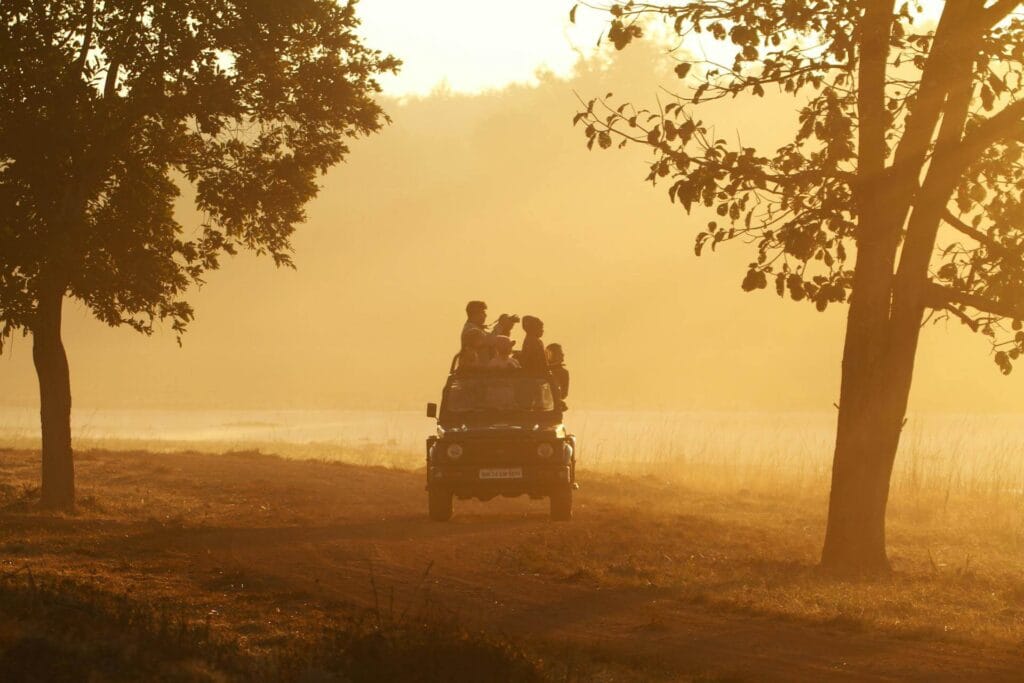
Wildlife travel in India is not just about spotting a tiger. It’s about spending time in landscapes that feel untouched, observing animal behavior, and experiencing nature in a slower, more focused way.
Start with Ranthambore or Bandhavgarh, plan your safaris in advance, and keep realistic expectations. With the right approach, even a short trip can turn into a memorable experience.
India’s forests reward patience – and often, the best moments are the ones you don’t plan for.
FAQs about Best Wildlife Safari in India for First-Time Travelers
What is the best wildlife safari park in India for first-time visitors?
Ranthambore National Park is ideal for first-time visitors, with high tiger sighting chances and easy accessibility.
When is the best time to visit wildlife parks in India?
The best time is from October to April when the weather is cooler, and visibility is better for wildlife sightings.
Can I see tigers in India’s wildlife parks?
Yes, Ranthambore and Bandhavgarh have high tiger sighting chances, especially during peak season (October to April).
What is the cost of a safari in India’s national parks?
A safari costs between ₹1,500 to ₹4,000 per person, depending on the park and the type of safari.
Are safaris in India safe for tourists?
Yes, safaris are safe with licensed guides and strict park regulations ensuring both visitor and animal safety.
Do I need to book safaris in advance?
Yes, booking in advance is recommended, especially for popular parks like Ranthambore and Bandhavgarh, especially during peak season.
What should I wear for a wildlife safari in India?
Wear neutral colors like khaki, green, or brown to blend in with nature and avoid disturbing wildlife.
Which park in India is best for spotting rhinos?
Kaziranga National Park in Assam is the best for rhino sightings, housing two-thirds of the world’s one-horned rhinos.
Are there any boat safaris in India’s wildlife parks?
Yes, Kaziranga offers unique elephant-back safaris, and the Sundarbans offers boat-based tiger sightings.
Can I visit India’s wildlife parks year-round?
Most parks are open from October to June, with some like Jim Corbett open year-round except for certain zones.
What wildlife can I expect to see in Jim Corbett National Park?
Jim Corbett is known for its tigers, elephants, and diverse birdlife, making it a top choice for wildlife enthusiasts.
How can I reach Bandhavgarh National Park?
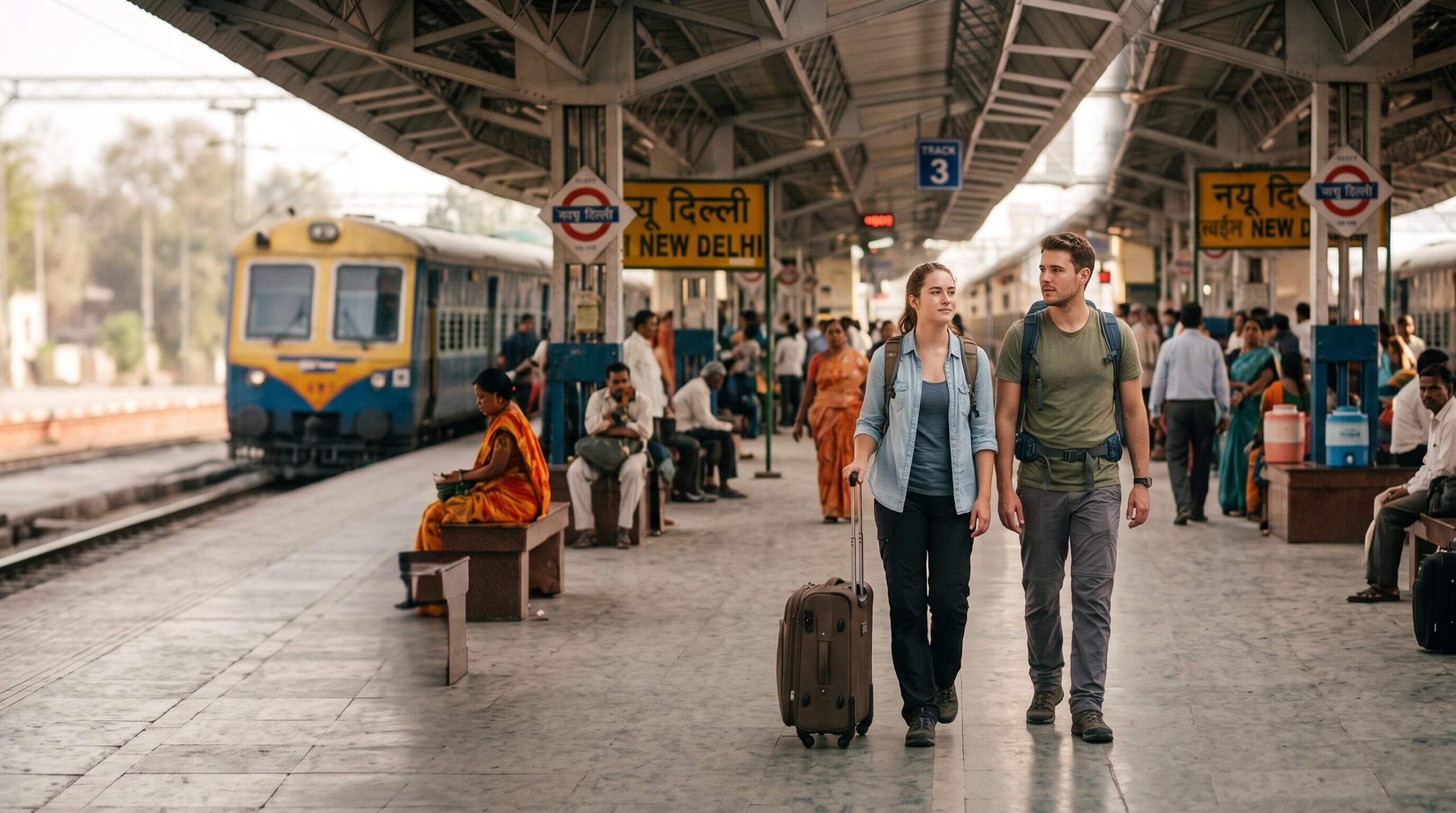
Bandhavgarh is accessible via Jabalpur airport (3 hours by car) or by train from major cities like Delhi or Mumbai.
Images: Pexels
