








India is one of the most diverse and interesting countries you can visit. Every region feels different, from the food and language to the landscapes and daily life.
For many travelers, it’s a place that leaves a strong impression. Like any country that attracts millions of visitors each year, there are tourist scams in India that target visitors, especially first-time travelers.
This doesn’t mean your trip will be full of problems. Most travelers explore India without major issues. But it does help to understand how certain situations work before you arrive.
Many scams are based on simple things: visitors not knowing local prices, not understanding how transport works, or trusting the wrong person at the wrong time.
Understanding common scams targeting tourists in India before you arrive makes your trip smoother and less stressful. This guide explains the common travel scams in India and how to avoid them.
So you can explore confidently and avoid unnecessary stress. The goal isn’t to make you worried; it’s to help you feel prepared and confident.
Overcharging Taxi and Rickshaw Scam
How It Works
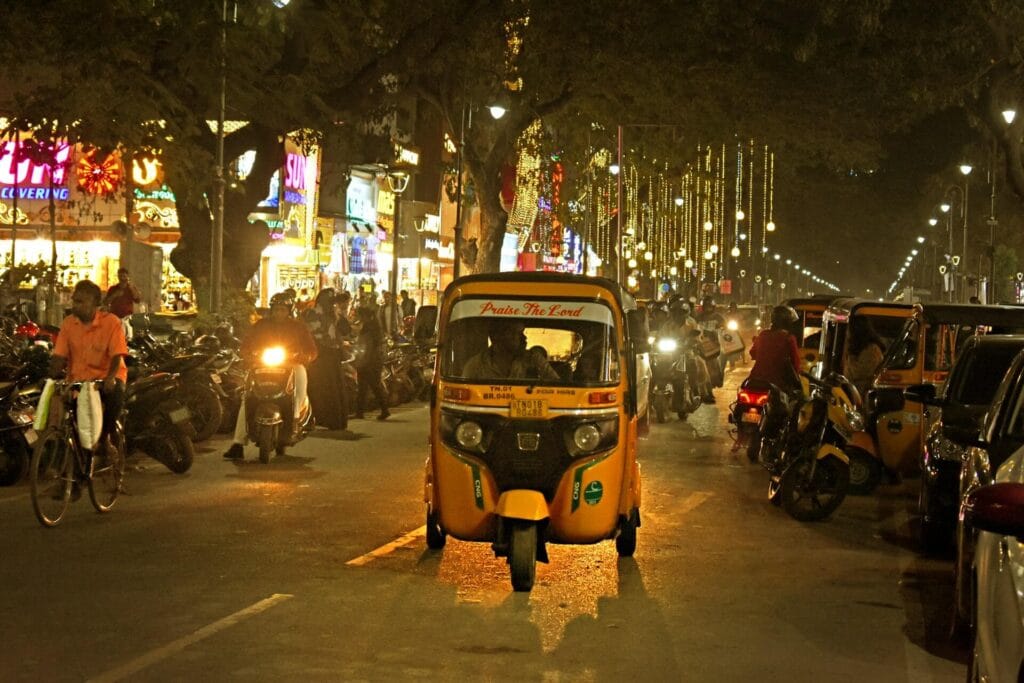
This situation usually happens when drivers assume a traveler does not know the local fare. They may quote a price much higher than normal, say the meter is not working, or avoid using it altogether.
In some cases, drivers take a longer route to increase the final amount. At airports and train stations, drivers may approach visitors directly and offer fixed prices.
These are often higher than standard rates because they assume tourists won’t question them. The issue here is not that all drivers overcharge; most do not.
Taxi scams in India are among the most common issues faced by foreign tourists, especially at airports and railway stations.
How to Avoid It
- Use ride-hailing apps. Uber and Ola operate in most Indian cities and show you the fare upfront. No negotiations, no meter drama, and you have a record of the trip.
- Insist on the meter. If using a regular auto-rickshaw, insist they use the meter. If they refuse, walk away and find another one. In cities like Mumbai and Bangalore, meters are standard.
- Know approximate fares. Ask locals or hotel staff what a fair price is for your destination before you set out. This gives you a baseline for negotiations.
- Agree on the price beforehand. In places where meters aren’t used, negotiate the fare before getting in. Be firm but polite. If they won’t agree to a reasonable price, find another driver.
- Use prepaid taxi booths. Many airports and major train stations have official prepaid taxi counters. You pay a fixed rate upfront and get a receipt. The driver can’t overcharge you.
The Fake Tour Guide Scam

How It Works
At major tourist attractions, some individuals approach visitors and offer guided tours. They may claim to be official guides or say they are government approved.
Sometimes they show ID cards that look convincing but are not legitimate. In other cases, the tour itself may be rushed or limited, and the guide may strongly encourage visits to specific shops or businesses where they receive commission.
Because many travelers want context and history while visiting monuments, this scam works when someone accepts an offer without verifying credentials first.
How to Avoid It
- Book tours in advance through reputable companies. Use well-reviewed tour operators on TripAdvisor, Viator, or Get Your Guide. This costs slightly more but saves you from headaches.
- Verify credentials. Official guides at archaeological sites carry government-issued photo ID cards. Don’t be shy about asking to see it.
- Politely decline unsolicited offers. If someone approaches you offering a tour, just say “no, thank you” and keep walking. Don’t engage in conversation, or you’ll have a hard time getting away.
- Hire guides at official counters. Major monuments have official guide counters near the entrance. The guides here are licensed and charge fixed government rates.
The “That Place is Closed” Scam

How It Works
Taxi or rickshaw drivers tell you that your intended destination—whether it’s a hotel, restaurant, or attraction—is closed for renovation or holidays or has burned down.
They then helpfully suggest an alternative that just happens to be a shop, hotel, or restaurant where they get commission.This scam is especially common with hotels.
You’ll hear that your booked hotel is full, closed, or has moved. The driver knows a “much better” place that’s conveniently open.
How to Avoid It
- Verify independently. If a driver claims something is closed, call ahead to verify. Don’t take their word for it.
- Insist on your original destination. If you’ve booked a hotel or have a specific place in mind, be firm about going there. Say you’ll check yourself once you arrive.
- Use GPS navigation. Have Google Maps open on your phone. If the driver starts heading in the wrong direction, you’ll know immediately.
- Book confirmed reservations. Having a confirmed hotel booking with a confirmation number makes it harder for drivers to convince you it’s closed.
The Gem and Jewelry Scam

How It Works
This scam often begins with a friendly conversation. Someone may introduce themselves casually in a market, café, or even through a taxi driver.
After building trust, they bring up an opportunity to purchase gems or jewelry at low prices, claiming the items can be resold abroad for profit.
They may show certificates, export documents, or stories of previous travelers who made money. In reality, the gems are usually worth far less than the price paid, and resale value is extremely low.
The scam works because it sounds like a rare opportunity, and it feels personal rather than transactional.
How to Avoid It
- Don’t mix business with travel. If something sounds too good to be true, it is. Legitimate gem dealers don’t recruit tourists off the street.
- Be skeptical of new “friends” with business proposals. While many Indians are genuinely friendly, be wary of anyone who quickly moves from casual chat to business opportunities.
- Never send money or make purchases based on promises of profit. This scam relies on greed. Don’t fall for it.
- Buy jewelry for yourself only. If you want to buy jewelry as a souvenir, that’s fine. But buy it because you like it, not as an investment.
The “Free Gift” Scam
How It Works
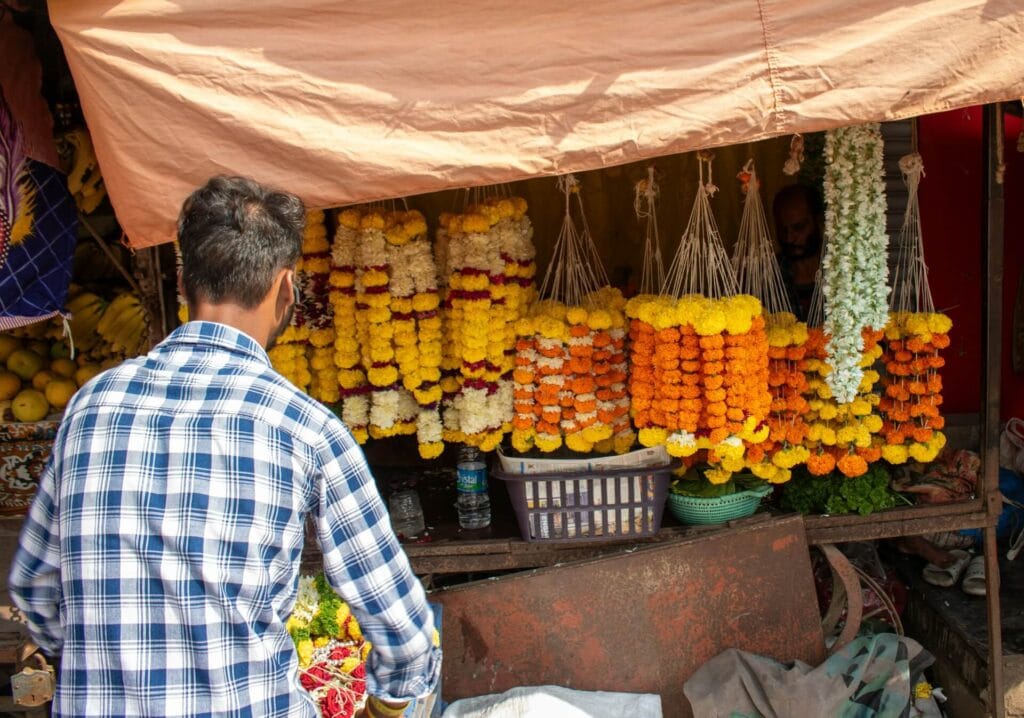
This usually happens in busy tourist areas, near temples, markets, or popular attractions. Someone may approach you and offer a “free” bracelet, flower, or small blessing.
Before you have time to respond, they may place it in your hand or tie it around your wrist. Once you’ve accepted it—even unintentionally—they ask for payment.
The amount requested is often much higher than expected, and the situation can feel uncomfortable if you try to refuse.
A similar situation happens with henna artists. They may start drawing a small design on your hand without clearly discussing the price first.
After finishing, they demand a high fee. The main issue here is that the price is never agreed upon before the service begins.
How to Avoid It
- Keep your hands to yourself. Don’t extend your hand or accept anything from street vendors unless you’ve agreed on a price first.
- Say no firmly and keep walking. A polite but firm “no thank you” while continuing to walk is effective. Don’t stop to explain or engage.
- If something is placed on you, remove it immediately. If someone ties a bracelet on you despite your protests, take it off and hand it back. Don’t feel guilty about this.
- Ask the price first. If you actually want henna or a flower garland, ask the price clearly before accepting the service.
The Fake Charity Scam

How It Works
In tourist areas, you may meet individuals asking for donations. They often carry clipboards, forms, or photos and say they are raising money for schools, orphanages, or medical treatment.
The story may sound genuine and urgent. In some cases, the organization may not exist at all. In others, only a small portion of the money actually goes toward the cause.
Sometimes children approach visitors asking for money for food or school supplies. While the situation may seem heartbreaking, giving cash does not always help the child directly.
In some cases, organized groups collect the money from them later. This scam works because it appeals to kindness and sympathy.
How to Avoid It
- Don’t give money on the street. If you want to help, donate to established, verified charities with track records.
- Ask for credentials and research later. If someone claims to represent a charity, ask for their organization’s website and registration details. Don’t donate on the spot—research them online first.
- Give food instead of money to children. If you encounter child beggars and want to help, offer food or supplies rather than cash. Though be aware that this can attract more attention from other children.
- Support verified NGOs. Organizations like Akshaya Patra, CRY (Child Rights and You), and Goonj are legitimate and do real work. Donate to them instead.
The Money Exchange Scam
How It Works
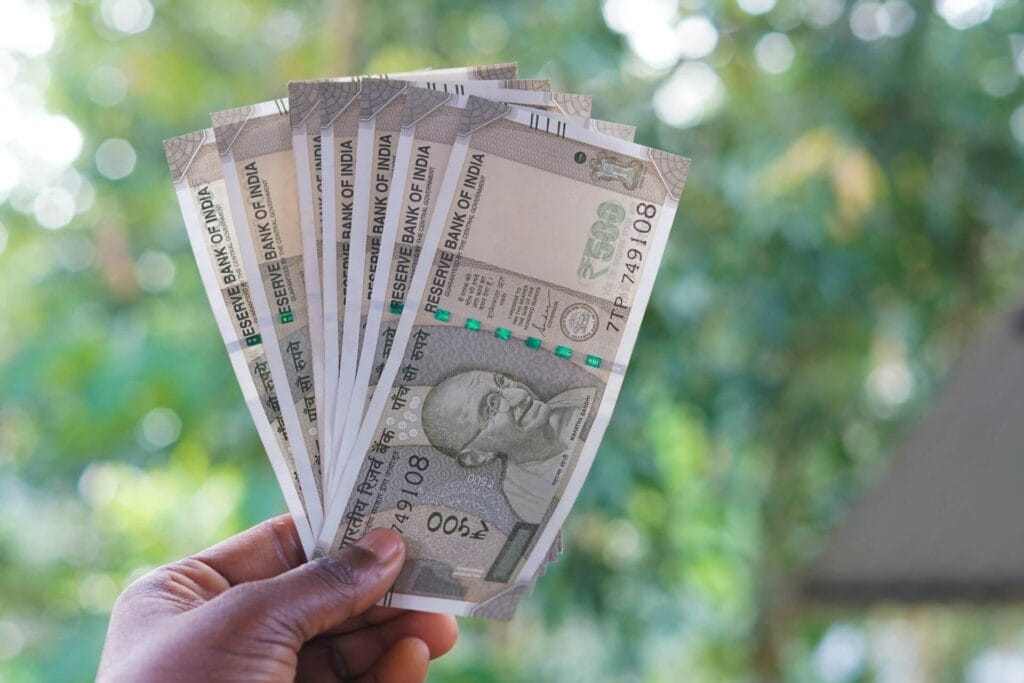
When exchanging currency at unofficial exchange counters or small shops, the process may not always be transparent. The person counting the money may move quickly, interrupt the count, or create distractions during the transaction.
In some cases, you may receive fewer bills than expected. In others, the exchange rate offered may seem unusually high at first, but hidden fees or incorrect calculations reduce the final amount.
There is also a small risk of counterfeit notes when using unlicensed money changers. Money exchange scams in India typically affect tourists who use unofficial or street currency exchangers.
How to Avoid It
- Use ATMs or official banks. ATMs give you the official exchange rate minus a small fee. This is almost always better than money changers.
- Count your money carefully before leaving. Don’t let anyone rush you. Count every bill twice before you walk away from the counter.
- Avoid street money changers. Only use licensed exchange bureaus in airports, hotels, or official locations. Street money changers often scam tourists.
- Know the current exchange rate. Check the rate on Google or XE.com before exchanging. If someone offers you significantly more, it’s a scam.
The Hotel and Restaurant Overcharge Scam

How It Works
Occasionally, hotels may add extra charges to the final bill that were not clearly explained during check-in. These can include additional service fees, taxes, or charges for amenities you didn’t use.
In restaurants, you might receive items like bottled water, bread, or appetizers without specifically ordering them. Later, these appear on the bill as chargeable items.
Some places may also have separate pricing for tourists, especially in heavily visited areas. Overcharging is one of the more subtle travel scams in India, particularly in heavily visited tourist areas.
How to Avoid It
- Get everything in writing. When checking into a hotel, confirm the total price, including all taxes and fees. Keep the confirmation email handy.
- Review itemized bills carefully. Before paying, check your hotel or restaurant bill line by line. Question any charges you don’t recognize.
- Ask if bread, water, or appetizers are complimentary. In some restaurants, items brought to the table automatically aren’t free. Ask before consuming them.
- Check menu prices before ordering. Make sure the menu has prices listed. If it doesn’t, ask for prices verbally before ordering.
- Take photos of rate cards. When checking into a hotel, photograph any posted rates or your booking confirmation. This gives you leverage if they try to overcharge at checkout.
The ATM Skimming Scam
How It Works
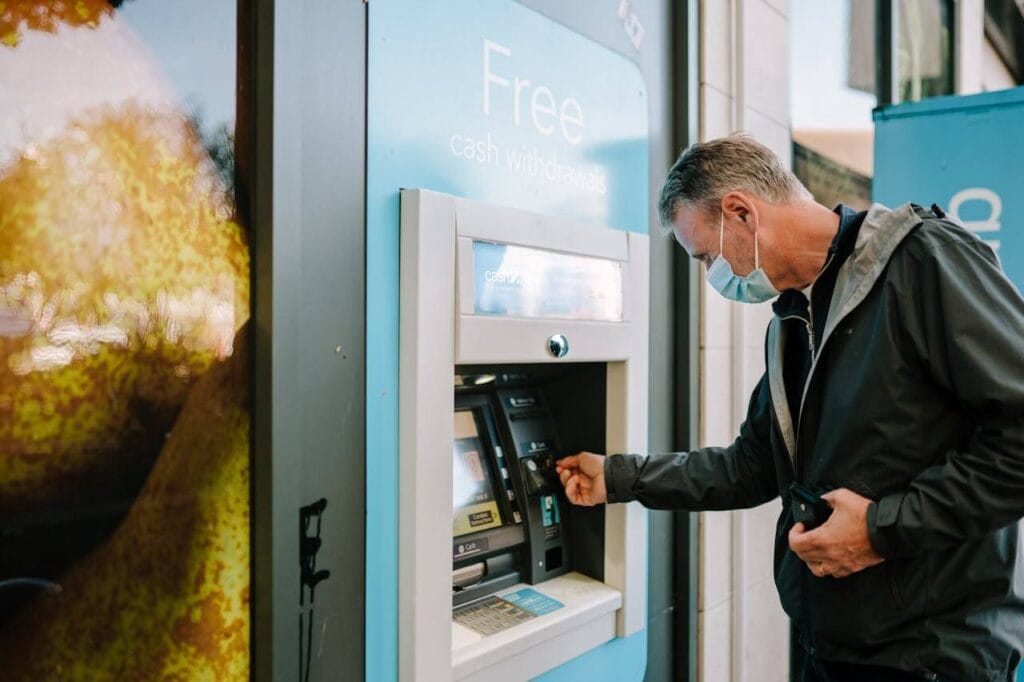
In some cases, illegal devices are placed on ATMs to capture card information. Small hidden cameras may also be used to record PINs. Once card details are copied, unauthorized withdrawals can happen later.
This is not extremely common, but it does occur occasionally, especially at standalone machines that are not monitored closely.
While ATM fraud in India is not extremely common, travelers should still follow basic travel safety precautions.
How to Avoid It
- Use ATMs inside banks. These are monitored and much safer than standalone machines on the streets.
- Inspect the machine before use. Check for anything that looks loose, attached, or improper around the card slot or keypad. If something feels off, find another ATM.
- Cover the keypad when entering your PIN. Shield the keypad with your hand or body so hidden cameras can’t capture your PIN.
- Monitor your account regularly. Set up transaction alerts on your bank account so you’re notified immediately of any withdrawals.
- Use credit cards when possible. Credit cards offer better fraud protection than debit cards. If your credit card is compromised, you’re not immediately out of cash.
The Train Ticket Scam
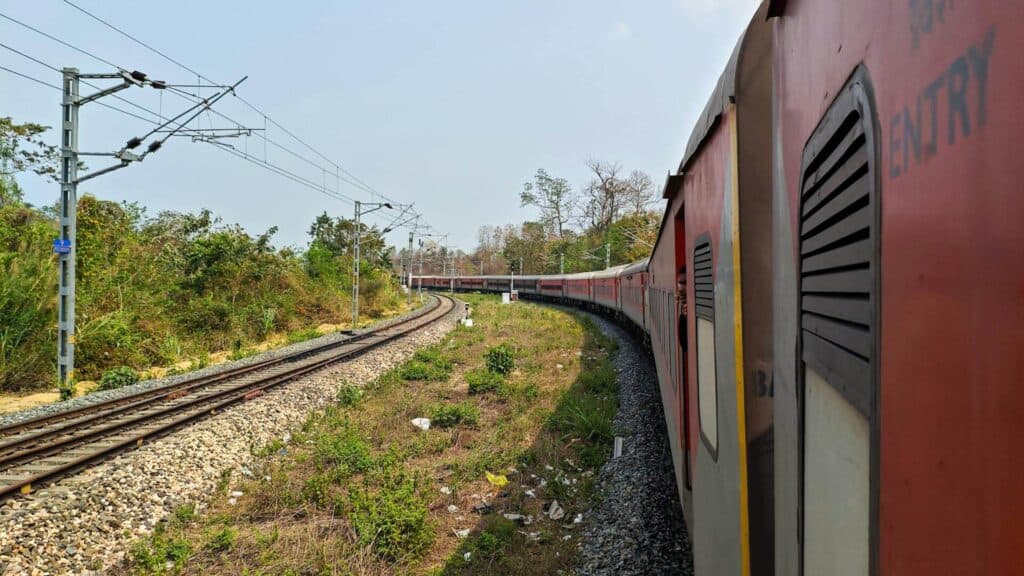
Explore India travel with scenic train routes and picturesque landscapes for first-time travelers.
How It Works
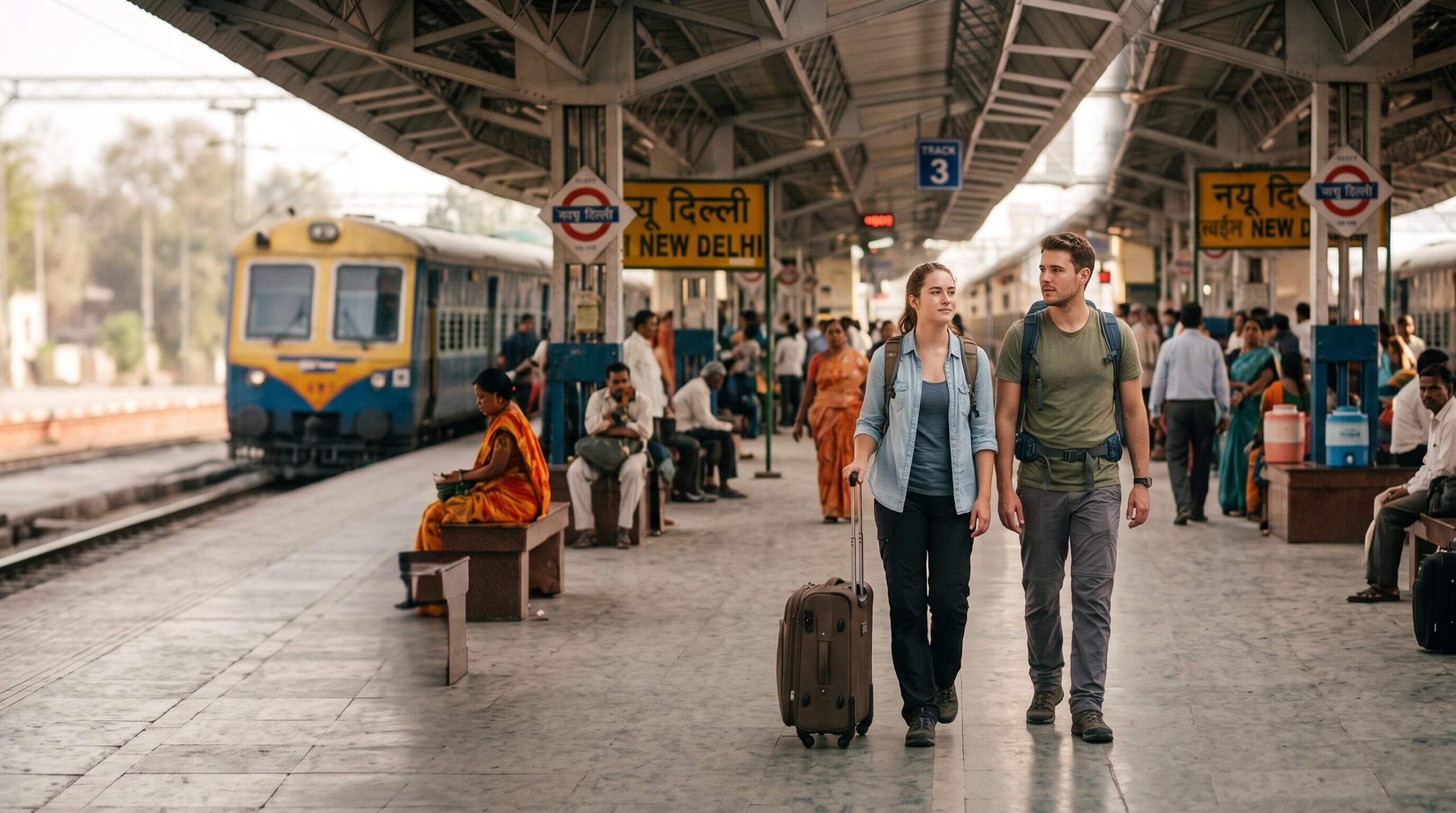
Indian train stations can feel overwhelming, especially in big cities. If you look unsure, someone may approach you claiming to be railway staff.
They might offer to help you book a train ticket, confirm availability, or even “upgrade” your seat for an extra fee. Sometimes they’ll say the ticket counter is closed or that trains are fully booked.
Then they guide you to a different office or travel agency that charges much higher prices.
In some cases, the ticket you receive is fake, incorrect, or not valid for the train you intended to take. Train ticket fraud in India mainly targets visitors who are unfamiliar with the reservation system or official booking process.
How to Avoid It
- Book online through official channels. Use the IRCTC website or app (Indian Railway’s official booking platform) or trusted sites like Cleartrip and MakeMyTrip.
- Ignore touts at train stations. Real railway staff don’t approach you offering help. They wear uniforms and work inside official booths.
- Use official ticket counters. Look for clearly marked ticket windows with queues. Don’t follow people who claim to take you to a “faster” booking office.
- Verify your tickets. After purchasing, check that all details are correct—train number, date, class, seat number, and your name.
The Motorbike Rental Damage Scam

How It Works
Renting a scooter or motorcycle is popular in places like Goa and other beach destinations. The problem usually happens when you return the vehicle.
The rental shop may point out scratches or small dents and claim you caused them. These marks may have already been there, but without proof, it becomes your word against theirs.
Some shops ask for large repair fees, even for minor cosmetic damage. Not every rental business does this, but it happens often enough that it’s worth being careful.
How to Avoid It
- Document existing damage thoroughly. Before leaving with the vehicle, take photos and videos of every scratch, dent, and issue. Make sure the rental agency acknowledges these in writing.
- Read the rental agreement carefully. Understand what you’re liable for and what’s considered normal wear and tear.
- Choose reputable rental companies. Read reviews on Google and TripAdvisor. Avoid places with multiple complaints about damage scams.
- Don’t pay inflated damage fees. If they claim damage you didn’t cause, show them your photos. If they insist, tell them you’ll file a police report. This usually makes fraudulent claims disappear.
- Consider rental insurance. Some rental places offer insurance that covers minor damage. It might be worth the extra cost for peace of mind.
The Photography and Camel Ride Scam

How It Works
Near popular tourist attractions, you may meet people offering to take your photo, let you pose with an animal, or go on a short camel ride.
It may sound casual at first, and the price might not be clearly mentioned. After the photo is taken or the ride is finished, the price suddenly increases.
Sometimes extra charges appear for photos, tips, or “additional time” that you didn’t agree to. This situation usually happens when the price wasn’t clearly discussed beforehand.
How to Avoid It
- Always ask the price first. Before accepting any service—photos, rides, anything—ask clearly what it costs and negotiate if necessary.
- Use your own camera. Ask fellow tourists to take your photo rather than accepting offers from locals with professional cameras.
- Politely decline unsolicited offers. If you don’t want a service, say no immediately and walk away. Don’t let people pressure you into things.
- Agree on photo charges upfront. If you do want a camel ride or photo with an animal, negotiate the total price clearly before starting. Get the agreement verbally confirmed.
Safety Tips on Common Travel Scams in India and How to Avoid Them
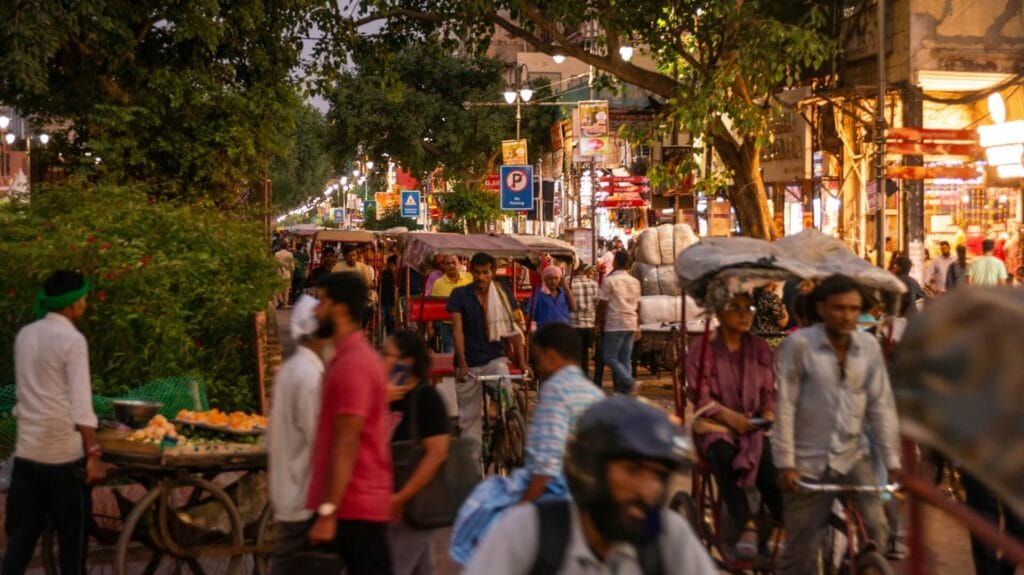
Beyond specific scams, here are some universal principles that will protect you throughout your trip:
- Trust your instincts. If something feels rushed or unclear, pause and reassess.
- Know average prices. Before heading out, check typical taxi fares, train ticket costs, and restaurant prices. A quick search can help you spot overcharging immediately.
- Stay calm and confident. You don’t need to explain yourself when saying no. A polite but firm response works well.
- Ask trusted sources. Hotel staff, verified tour operators, and experienced travelers can give reliable recommendations.
- Use helpful travel apps. Google Maps, ride-hailing apps, online booking platforms, and digital payment apps reduce the need to rely on strangers.
- Carry small cash notes. This makes it easier to pay exact fares and avoids “no change” situations.
- Understand basic numbers. Even knowing simple Hindi numbers can help when checking prices or reading bills.
Most scams rely on confusion or hesitation. When you appear informed and confident, you’re much less likely to be targeted.
Conclusion: Travel Prepared, Not Worried
Reading about common travel scams in India can feel a bit overwhelming, especially if it’s your first visit. When everything is listed in one place, it can seem like problems are everywhere.
In reality, most travelers explore India without serious issues. Yes, scams exist. Like in many popular tourist destinations around the world, there are people who try to take advantage of visitors.
Most tourist scams in India are opportunistic and rely on confusion rather than aggression. They usually happen when travelers are unsure about prices, transport systems, or local processes.
The good news is that awareness makes a big difference. Once you understand how train ticket booking works, how taxi fares are calculated, or how common tourist scams operate, you’re far less likely to run into trouble.
When you understand how common travel scams in India work, avoiding them becomes much easier. Millions of people visit India every year and have meaningful, positive experiences.
Most of your interactions will be honest, helpful, and welcoming. The scams mentioned in this guide are things to be aware of, not reasons to avoid the country.
Traveling anywhere requires basic awareness. India is no different. Stay informed, trust your instincts, don’t rush decisions, and verify when something feels unclear.
India offers incredible food, historic landmarks, diverse landscapes, colorful markets, and rich cultural experiences. Don’t let concern about scams overshadow that.
The goal isn’t to travel in fear. It’s to travel prepared. Stay aware, stay confident, and enjoy the journey.

FAQs about Common Travel Scams in India
Are travel scams common in India?
Most travelers visit India without serious issues. However, like many major tourist destinations, there are common travel scams in India that mainly target first-time visitors.
Is India safe for tourists?
Yes. India is generally safe for tourists, especially in major travel destinations. Most issues involve minor overcharging rather than serious crime.
What is the most common scam in India?
Taxi and auto-rickshaw overcharging scams are among the most common, especially at airports and railway stations.
How can I avoid taxi scams in India?
Use ride-hailing apps, insist on the meter, agree on the fare beforehand, or use prepaid taxi counters.
Are train ticket scams common in India?
They occur mostly at busy railway stations where touts target confused travelers. Booking through official channels prevents this.
Is ATM fraud common in India?
ATM fraud is not widespread, but using machines inside banks and covering your PIN reduces risk.
Should I give money to beggars in India?
It’s better to donate to verified charities rather than giving cash directly on the street.
Are tourists specifically targeted in India?
Yes, most scams specifically target tourists who are unfamiliar with local prices or systems.
How can first-time visitors stay safe in India?
Research common tourist scams in India, verify prices in advance, use trusted apps, and stay confident when saying no.
Do these scams happen everywhere in India?
They are more common in major tourist cities and transportation hubs, not in every location.
Images: Unsplash
