

For many people planning their first trip to India, choosing the right cities can make the difference between an overwhelming experience and an unforgettable one.
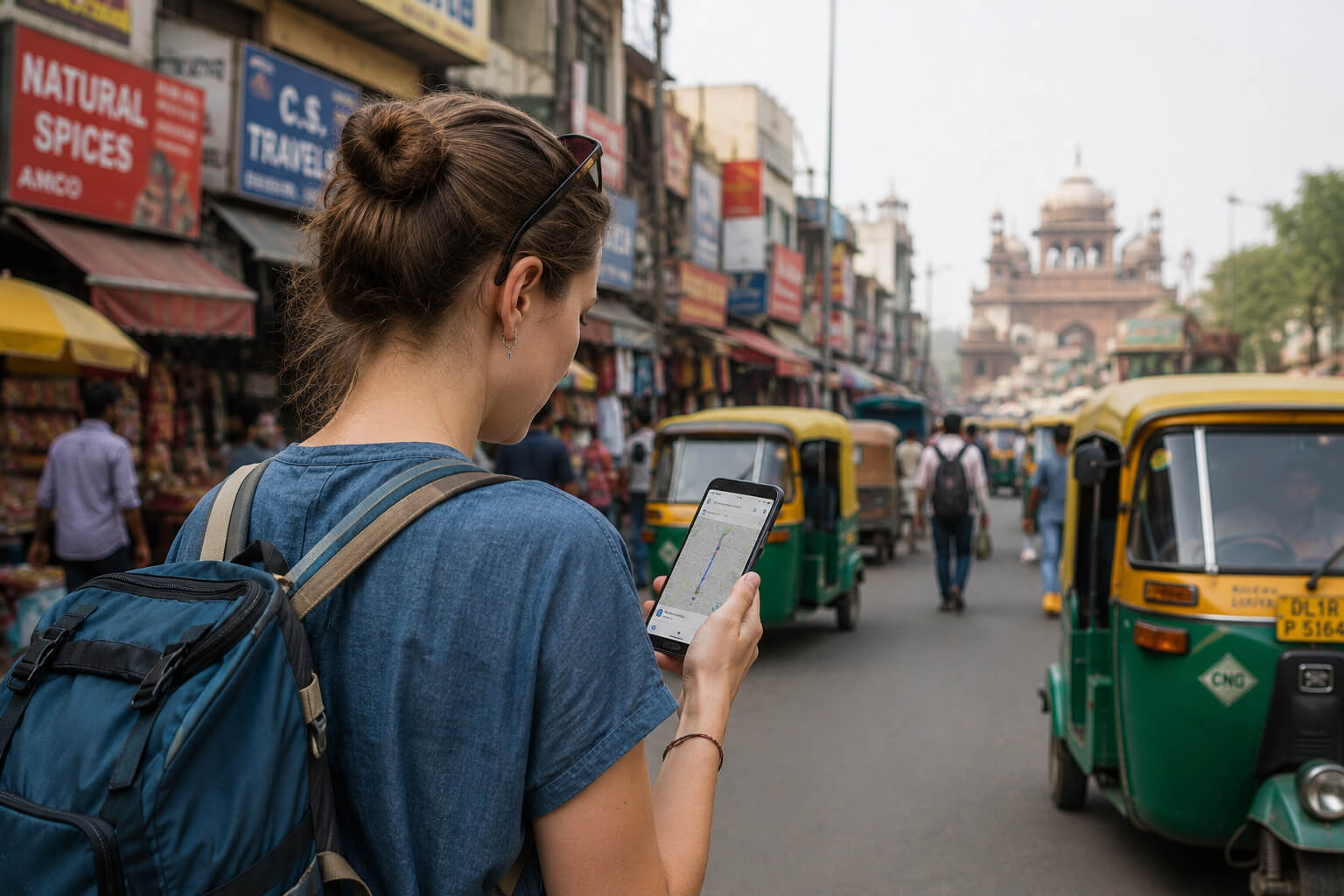
Let’s be honest: India has a lot.The moment you step out of the airport—any airport—you’re hit with heat, noise, color, and a kind of energy that no travel blog can fully prepare you for.
That’s not a warning. That’s the pitch. India is one of the most extraordinary places on earth. But for a first-time international visitor, “where do I even begin?” is a very real question.
The country has 28 states, dozens of languages, and enough history to keep you busy for a decade. You can’t see it all in two weeks—and you shouldn’t try.
What you can do is pick the right cities, go in with realistic expectations, and leave with stories you’ll tell for the rest of your life.
Most guides hand you the same recycled list – Delhi, Agra, Jaipur, Mumbai and call it a day. This Best Cities In India For First Time Travelers guide is different.
Yes, a couple of those classics are here because they deserve to be. But we’ve also included cities that offer extraordinary experiences without drowning a first-timer in overwhelm.
Cities where the infrastructure is solid, the tourist scene is manageable, and you’ll actually leave feeling good about India instead of shell-shocked.
This guide breaks down the best cities in India for first-time international travelers – not just the famous names, but what each city actually feels like, what to budget, and the mistakes most visitors make before they know better.
Best Cities in India for First-Time Travelers
India is enormous, and not every destination is easy for new visitors. The best cities in India for first-time travelers combine culture, accessibility, and memorable experiences without overwhelming newcomers.
The destinations below represent some of the most rewarding places to visit in India for travelers visiting the country for the first time.
How This Guide Was Created
These cities are widely recommended by experienced travelers and tourism experts for first-time visits to India.
Planning Your First Trip to India
Understanding these basics will make it easier to travel between the best cities in India and build a realistic India travel itinerary.
Travel pace
India looks compact on the map, but travel takes time.
- Train journeys often take 8–12 hours
- Even short distances can take longer than expected
- Plan 2–3 days per city minimum
Budget expectations
India can be extremely affordable:
- Budget travelers: ₹1,500–₹2,500 ($18–$30/day)
- Mid-range comfort: ₹3,500–₹7,000 ($42–$84/day)
- Luxury travel is far cheaper than in most Western countries
Best time to visit
October to March generally offers the most comfortable weather across most regions.
Getting around
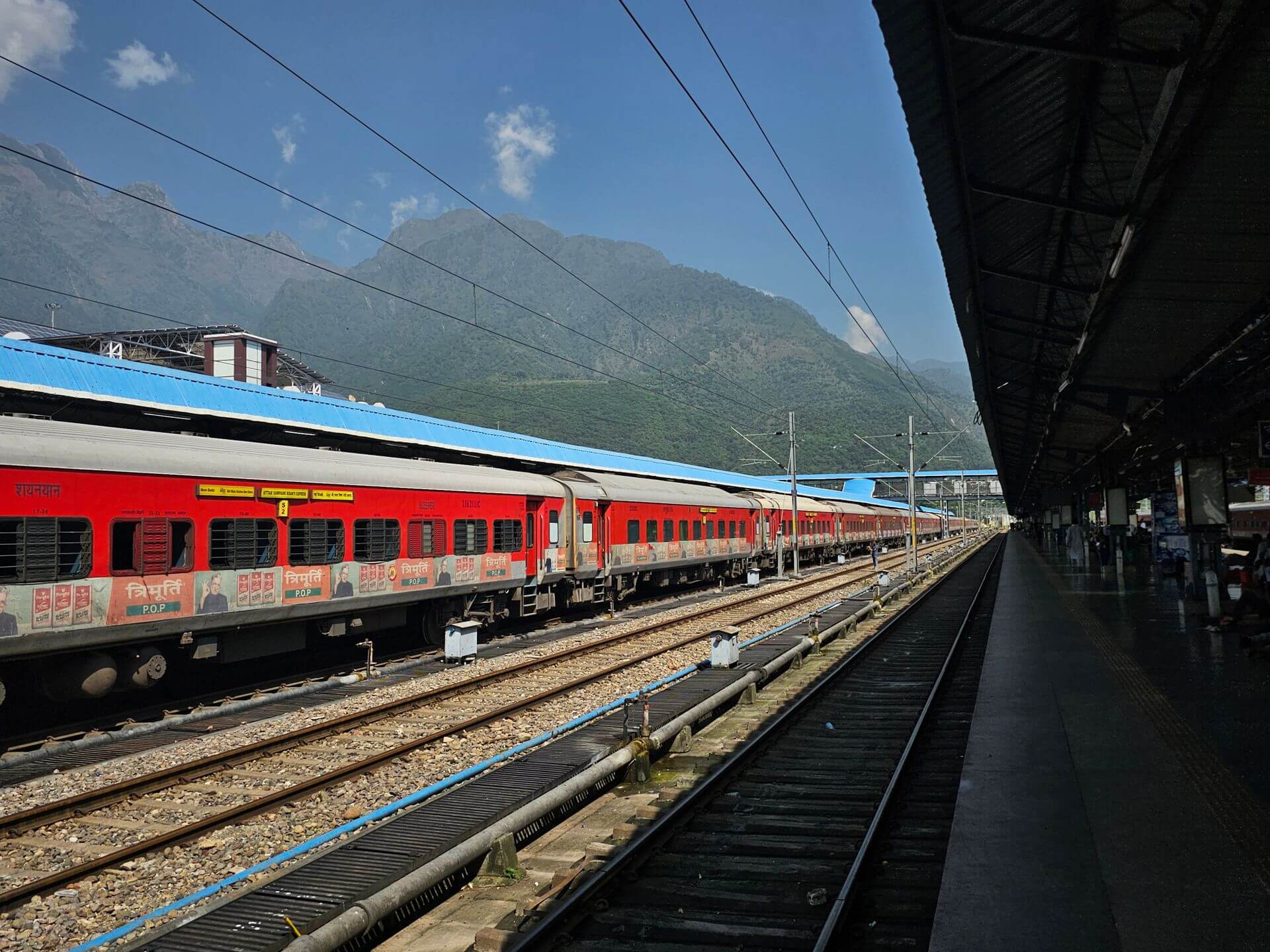
India’s train network run by Indian Railways is the most popular way to travel between cities. Flights with airlines like IndiGo and Air India are also affordable for longer routes.
Quick Overview: Best Cities in India for First-Time Travelers
Choosing the best cities in India for first-time travelers can make your first trip far easier and more enjoyable. The cities below offer the best mix of culture, accessibility, and unforgettable experiences.
Travel Style | Best City | Why It’s Great | Top Experience | Ideal Stay |
History & Monuments | Delhi | India’s capital with centuries of Mughal and colonial history | Visit Qutb Minar and Humayun's Tomb | 3–4 days |
Palaces & Royal Culture | Jaipur | Famous for colorful forts and royal heritage | Explore Amber Fort and photograph Hawa Mahal | 2–3 days |
Spiritual Experiences | Varanasi | One of the oldest living cities and a major Hindu pilgrimage site | Watch the evening Ganga Aarti on the Ganges River | 2–3 days |
Modern City Life | Mumbai | India’s financial capital with nightlife, food, and colonial landmarks | See the Gateway of India | 3–4 days |
Coastal Culture | Kochi | Relaxed port city blending Indian, Portuguese, and Dutch influences | Walk through Fort Kochi | 2–3 days |
Scenic & Romantic | Udaipur | Beautiful lakes, palaces, and mountain views | Sunset boat ride on Lake Pichola | 2–3 days |
Religious Heritage | Amritsar | Home to Sikhism’s holiest shrine | Visit the Golden Temple | 1–2 days |
French Colonial Charm | Pondicherry | Coastal town with European architecture and cafes | Walk the French Quarter and Promenade Beach | 2 days |
Royal South Indian Heritage | Mysuru | Elegant city known for royal history | Tour Mysore Palace | 2 days |
Ancient Ruins & Landscapes | Hampi | Vast UNESCO site filled with temple ruins | Explore the temples of Hampi | 2–3 days |
Art, Culture & Literature | Kolkata | Cultural capital with colonial architecture and museums | Visit the Victoria Memorial | 2–3 days |
These destinations represent some of the most popular India travel destinations for international visitors and provide an excellent introduction to the country’s culture, food, and history.
Delhi – The Gateway That Asks You to Stay
Almost every international flight into northern India lands in Delhi. Most first-timers treat it as a pit stop. That’s a mistake. Delhi is messy, sprawling, and slightly chaotic and underneath all of that, it’s deeply fascinating.
For many travelers, Delhi is the natural starting point when deciding where to visit in India for the first time. It holds more UNESCO World Heritage Sites than almost any city on earth.
Old Delhi and New Delhi feel like two cities from different centuries sharing the same metro line.
What to actually do in Delhi:
- Spend a morning in Old Delhi—walk Chandni Chowk, eat a parantha at Paranthe Wali Gali, visit Jama Masjid before the crowds arrive
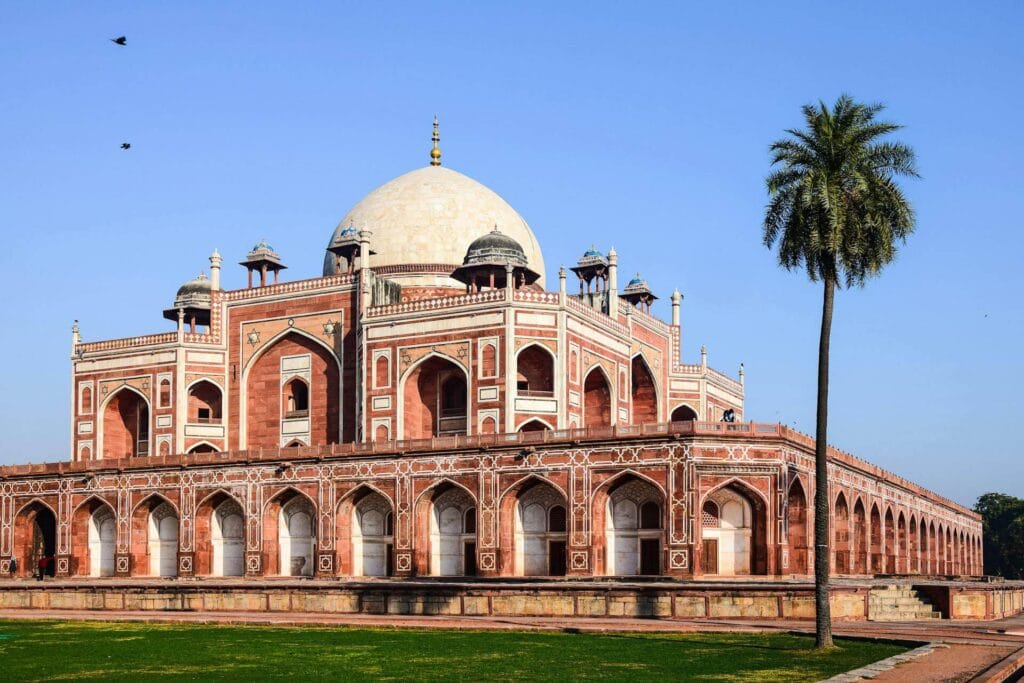
- Humayun’s Tomb is architecturally stunning and far less crowded than the Taj Mahal (which is a few hours away)
- The Qutb Minar complex is genuinely impressive and easy to visit in an afternoon
- Lodhi Garden is a hidden gem: a public park full of 15th-century tombs where locals jog and picnickers spread out on Sunday afternoons
Practical budget:
- Budget hotel/guesthouse: $15–30/night
- Mid-range hotel: $50–90/night
- Meals at local dhabas: $2–5
- Metro card for the week: roughly $5–8
Common mistake:
Booking a hotel in the wrong neighborhood. South Delhi (Hauz Khas, Lajpat Nagar) and Central Delhi (Connaught Place area) are much easier to navigate than the chaos around Old Delhi—especially for a first-time visitor.
How many days: 3 days minimum. 4 days if you want a day trip to Agra for the Taj Mahal (absolutely worth it).
Jaipur, Rajasthan – The Pink City That Delivers on Every Promise
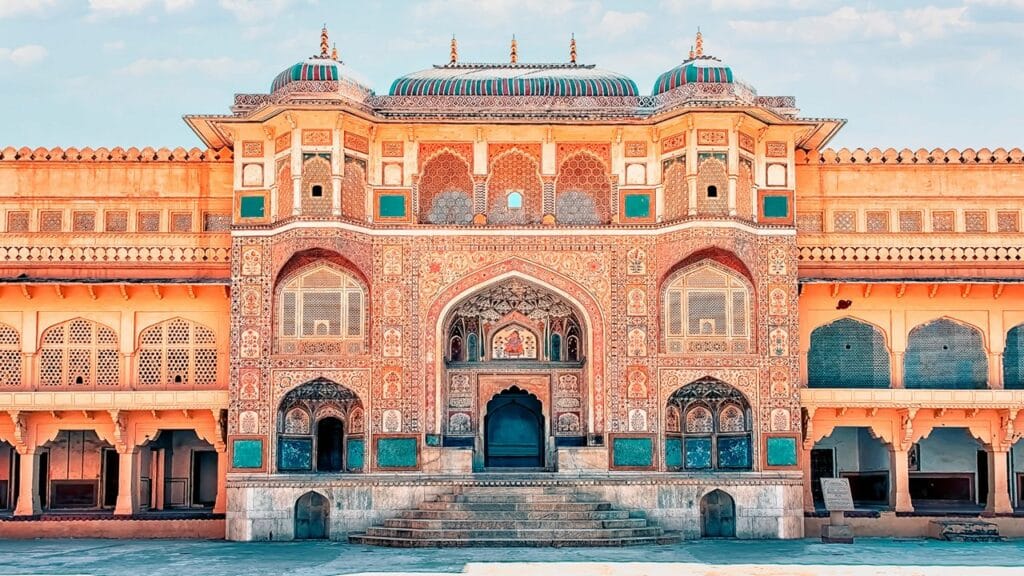
Jaipur is the one Indian city that rarely disappoints first-timers. That’s a bold claim, but it holds up.
The city has a coherent identity like; forts, palaces, bazaars, and that iconic pink-washed old town and it delivers that identity without requiring you to work too hard to find it.
Jaipur is widely considered one of the best places to visit in India for first-time visitors, thanks to its rich history and accessible attractions.
What Makes Jaipur Special
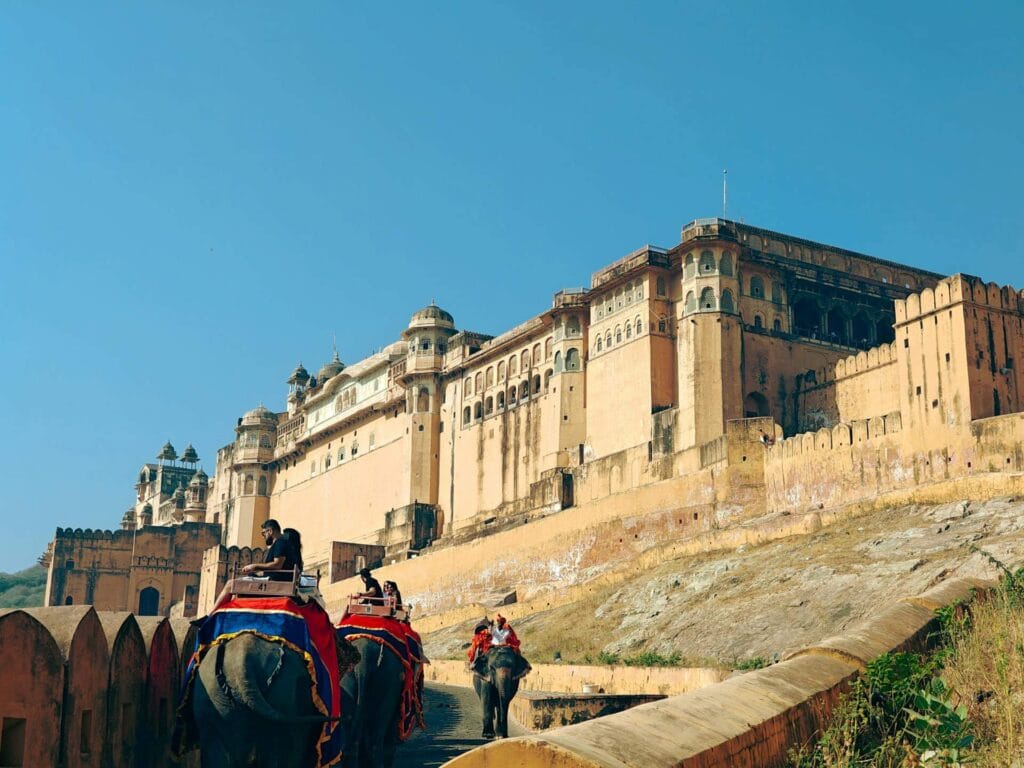
- Amber Fort is legitimately one of the most impressive forts in Asia. Arrive by 8am before the tour buses hit and you’ll have the first courtyard almost to yourself.
- Hawa Mahal (Palace of Winds) is only impressive from the outside—but that five-story facade is worth every photograph.
- Johari Bazaar is the place for silver jewelry, gemstones, and block-print textiles. Opening prices are rarely final, so bargain with confidence.
- Nahargarh Fort at sunset gives you one of the best skyline views you’ll find anywhere in India.
The Mistake Most Travelers Make
Trying to do Jaipur in one day as part of the Golden Triangle rush. You’ll see the landmarks but miss the city entirely.
The old town at dusk, a quiet chai at a rooftop café, a morning at the bazaar before the crowds arrive—that’s the Jaipur worth having. Give it 3 days minimum.
Budget snapshot:
- Budget guesthouses run ₹600–₹1,200 per night.
- Mid-range heritage hotels (genuinely beautiful options here): ₹2,500–₹6,000 per night.
- Local dhaba meals are ₹80–₹200.
- Restaurant meals: ₹300–₹700.
Varanasi, Uttar Pradesh – Nowhere Else on Earth Quite Like This
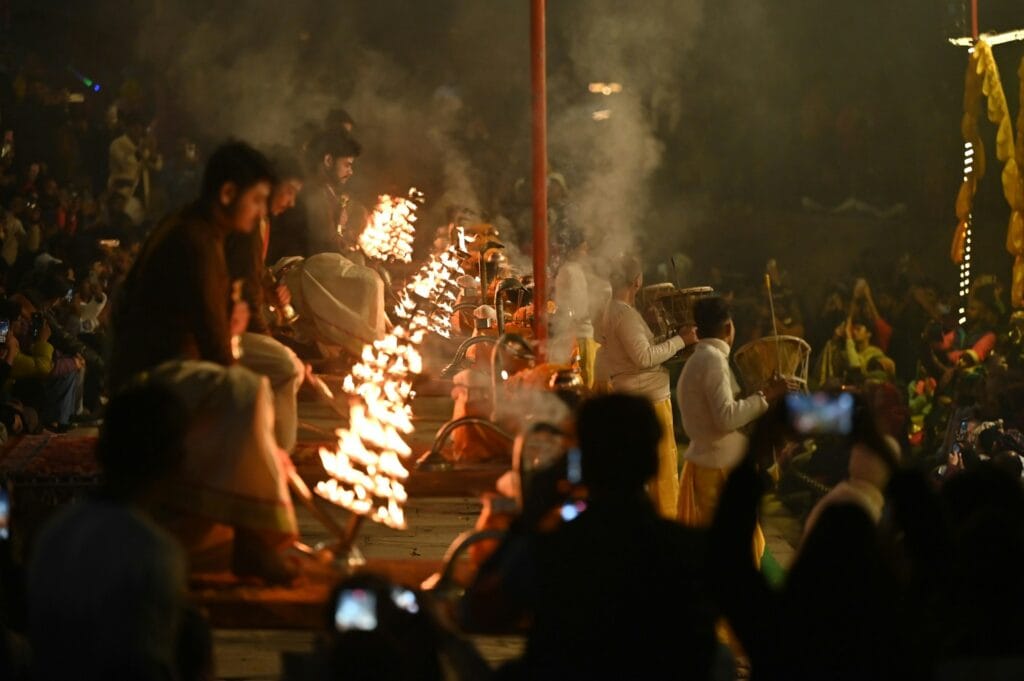
Varanasi is one of the most important spiritual destinations in India and attracts pilgrims and travelers from around the world.
It’s also, for many travelers, the most unforgettable city they’ve ever visited anywhere in the world.
This is Hinduism’s holiest city, one of the oldest continuously inhabited places on the planet, and a place where the line between the living and the dead is considered deliberately thin.
The ghats—the ancient stone steps leading down to the Ganges—are extraordinary.
In the early morning, pilgrims bathe in the river at sunrise while priests perform elaborate rituals on the banks.
In the evening, the Ganga Aarti ceremony at Dashashwamedh Ghat draws thousands of people and is, without exaggeration, one of the most visually and spiritually powerful things you can witness anywhere in Asia.
Honest First-Timer Advice for Varanasi
Hire a local guide for your first morning on the ghats. The narrow alleyways (called galis) behind the ghats are beautiful and easy to get completely lost in.
A guide makes the difference between confusion and discovery. The burning ghats (Manikarnika and Harishchandra) are where cremations take place openly, 24 hours a day.
Approach respectfully, observe quietly, and do not photograph. Take a boat at sunrise.
Practical budget:
- Guesthouses near the ghats: $10–30/night
- Local meals: $2–5
Honest note:
- Hire a local guide for your first morning walk through the ghats and alleyways
- Respect local customs, especially around cremation sites
- Photography is not allowed at the main cremation ghats
How many days: 2–3 days.
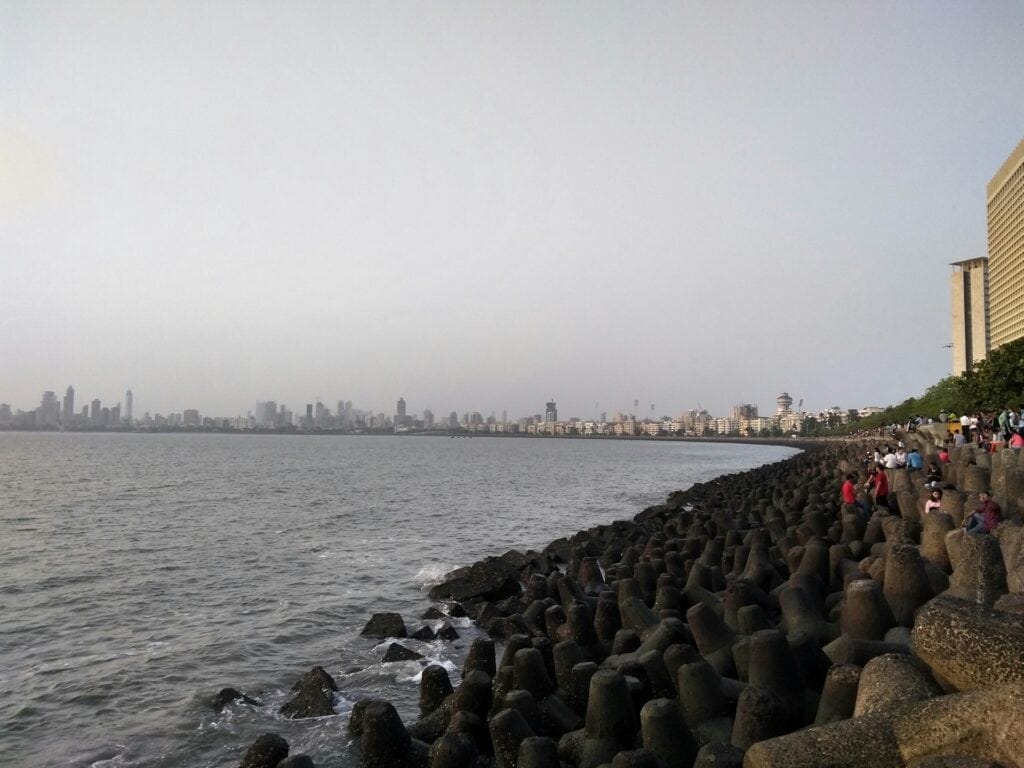
Mumbai—Cosmopolitan, Chaotic, and Completely Addictive
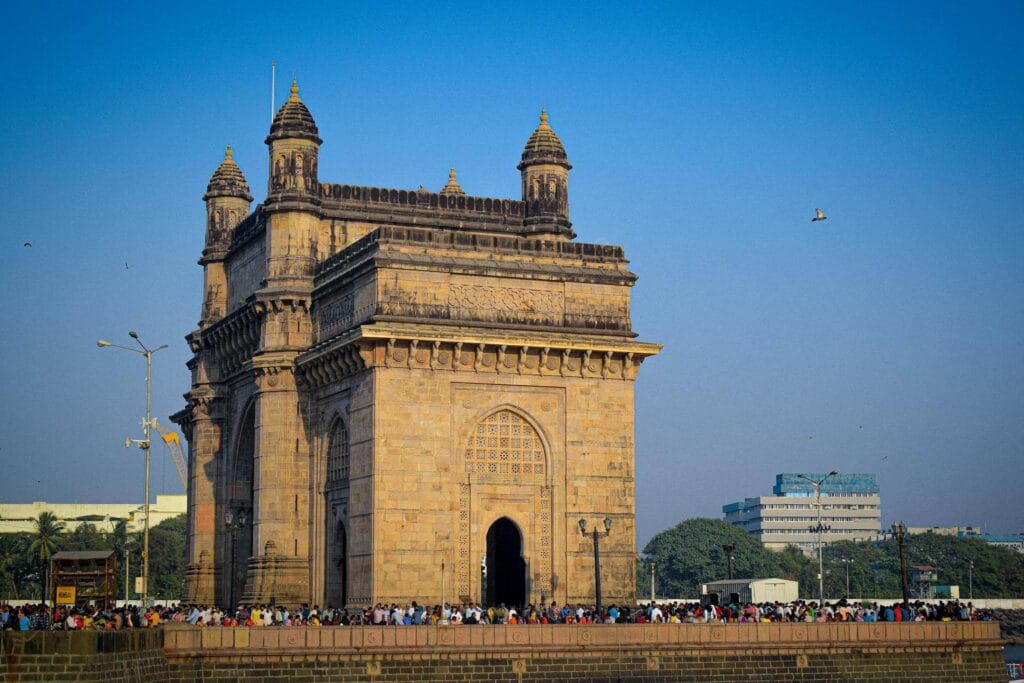
If Delhi is India’s political heartbeat, Mumbai is its commercial pulse. This is the city of Bollywood, of colonial architecture, of street food so good.
Mumbai is more expensive than most Indian cities, more international in feel, and—in some ways—easier to navigate for first-time visitors. The infrastructure is better.
Mumbai is also one of the most modern Indian cities for tourists, offering international restaurants, nightlife, and a vibrant cultural scene.
Mumbai is also known for India’s best street food, including vada pav and pav bhaji, which can be found across the city. English is more widespread.
The restaurants and cafes cater to a global palate. But don’t mistake “easier” for “less interesting.” Mumbai rewards wandering.
What to actually do in Mumbai:
- Colaba is where most tourists start; Gateway of India, Taj Mahal Palace Hotel, Leopold Cafe (yes, the one from Shantaram)
- Dharavi, one of Asia’s largest urban slums, is visited by thousands of tourists through responsible guided tours. It’s a complex, living, working community not a poverty exhibit.
- Dhobi Ghat, the famous open-air laundry, is best viewed from the footbridge above—a free and genuinely fascinating sight
- Go to Bandra for coffee shops, graffiti art, and the sea-facing Bandstand promenade.
- Chhatrapati Shivaji Maharaj Terminus (the train station, formerly Victoria Terminus) is a UNESCO-listed building that’s still fully operational stunning inside.
Practical budget:
- Budget hostel/hotel: $20–40/night
- Mid-range hotel: $80–150/night
- Street food (vada pav, pav bhaji): $0.50–2
- Sit-down restaurant meal: $8–20
Common mistake:
underestimating Mumbai’s size and traffic. Google Maps will show you a 20-minute drive that takes 90 minutes in reality. Use the local trains for north-south travel—they’re fast and cheap. Just avoid rush hour if it’s your first time.
How many days: 3–4 days.
Kochi (Cochin), Kerala: India’s Most Livable First Stop
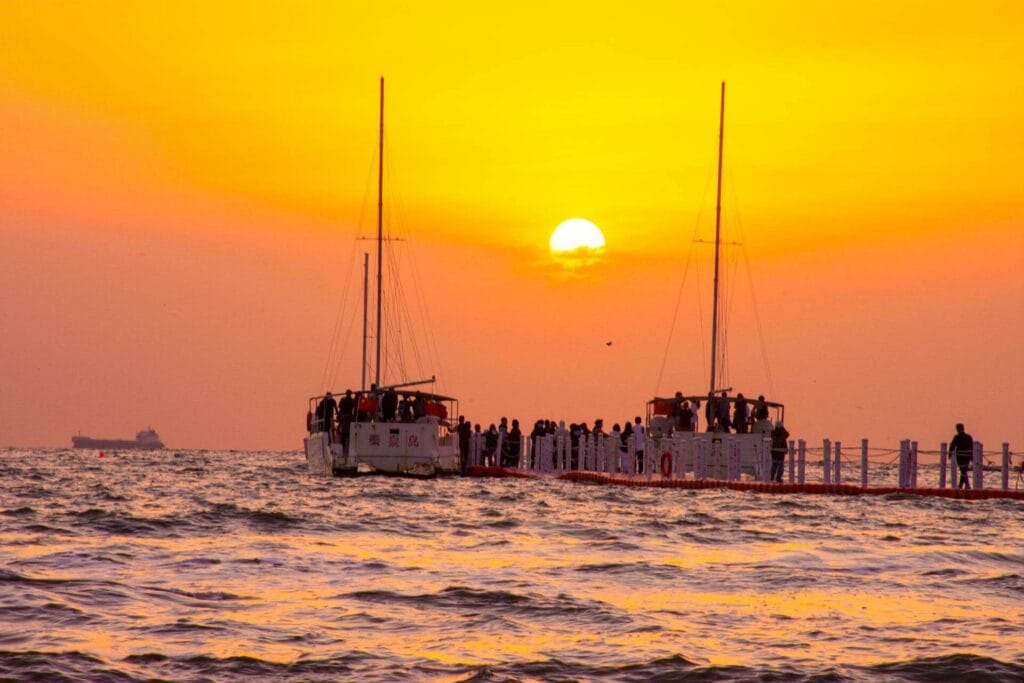
If you’re nervous about India, if you want to ease into it rather than dive into the deep end, start in Kochi. Many travelers consider Kochi one of the easiest places to travel in India for beginners.
Fort Kochi in particular feels like it was designed to be gentle on newcomers. Portuguese churches, Dutch palaces, Chinese fishing nets, spice warehouses, and excellent seafood restaurants line a walkable waterfront neighborhood that rarely feels overwhelming.
Why Kochi Works So Well for First-Timers
- Fort Kochi is walkable in a way almost no other Indian city neighborhood is. You can spend two full days without needing an auto-rickshaw.
- The Kerala Kathakali dance performances in the evenings are genuinely captivating; go for the full 90-minute show, not the tourist-shortened version.
- Jew Town and the Paradesi Synagogue, one of the oldest in the Commonwealth, are a short walk from the main ferry terminal and make for a fascinating half-morning.
- Kochi is your gateway to Kerala’s backwaters. A houseboat trip from Alleppey (Alappuzha) is only 1.5 hours away and worth every rupee.
- Pro tip: Stay in Fort Kochi, not the main city. The newer parts of Kochi are busy and commercial. Fort Kochi is where the magic is – and where you’ll want to spend your time.
Practical budget:
- Guesthouses in Fort Kochi: $20–40/night
- Kerala thali meal: $3–6
- Houseboat (overnight, all-inclusive): $80–180 depending on season
How many days: 2 days in Kochi, then 2–3 more for Kerala’s backwaters, beaches, or hill stations.
Udaipur, Rajasthan – The City of Lakes and Palaces
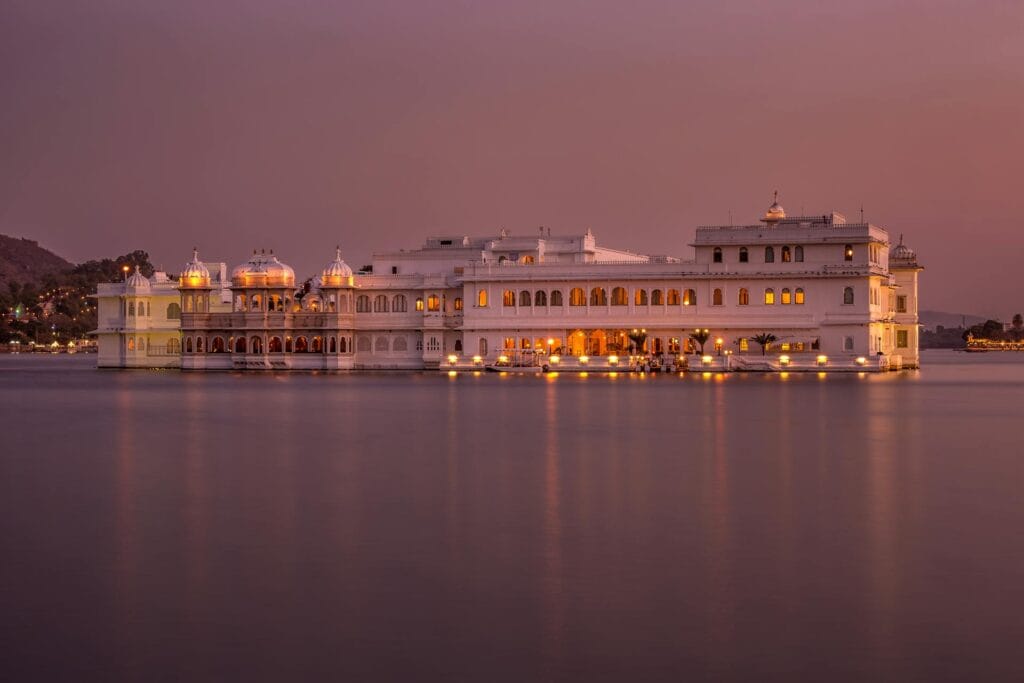
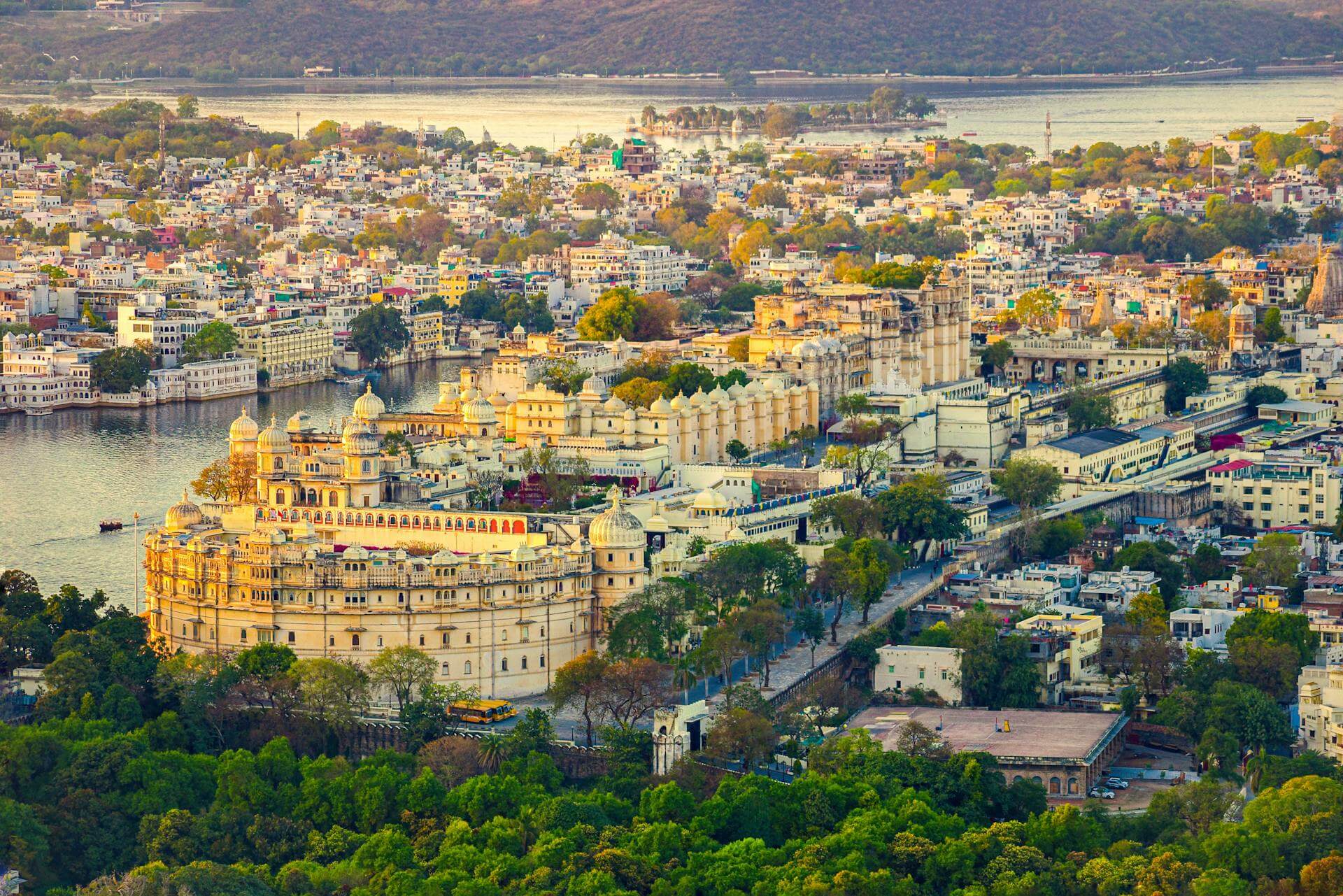
Udaipur is one of the most romantic and best places for first-time visitors, as it is considered one of the most beautiful cities in India, with its magnificent architecture of old palaces and the old city built around Lake Pichola.
It’s compact, manageable, and genuinely beautiful to walk through without a plan. The City Palace is enormous and can easily occupy half a day.
The rooftop restaurants overlooking the lake are among the best dining settings you’ll find anywhere in the country.
Experiences Worth Planning For
- Sunset boat rides on Lake Pichola provide beautiful views of the City Palace and surrounding hills.
- Bagore Ki Haveli evening cultural show—folk music, puppet shows, and traditional Rajasthani dance. Worth the ₹150 entry fee for an evening well spent.
- Sajjangarh (Monsoon Palace) on the hill above the city gives panoramic views over the lakes—best visited 45 minutes before sunset.
- Udaipur is also a great base for day trips to Ranakpur’s Jain temples (90 minutes away)—one of the most intricately carved pieces of architecture in India and still far less crowded than the main Rajasthani sights.
Practical budget:
- Heritage guesthouse near the lake: $25–60/night
- Rooftop restaurant meal: $5–15
How many days: 2–3 days. It pairs naturally with Jaipur (roughly 6 hours by train or 5 hours by road).
Amritsar, Punjab—Spirituality, History, and the Best Food in India
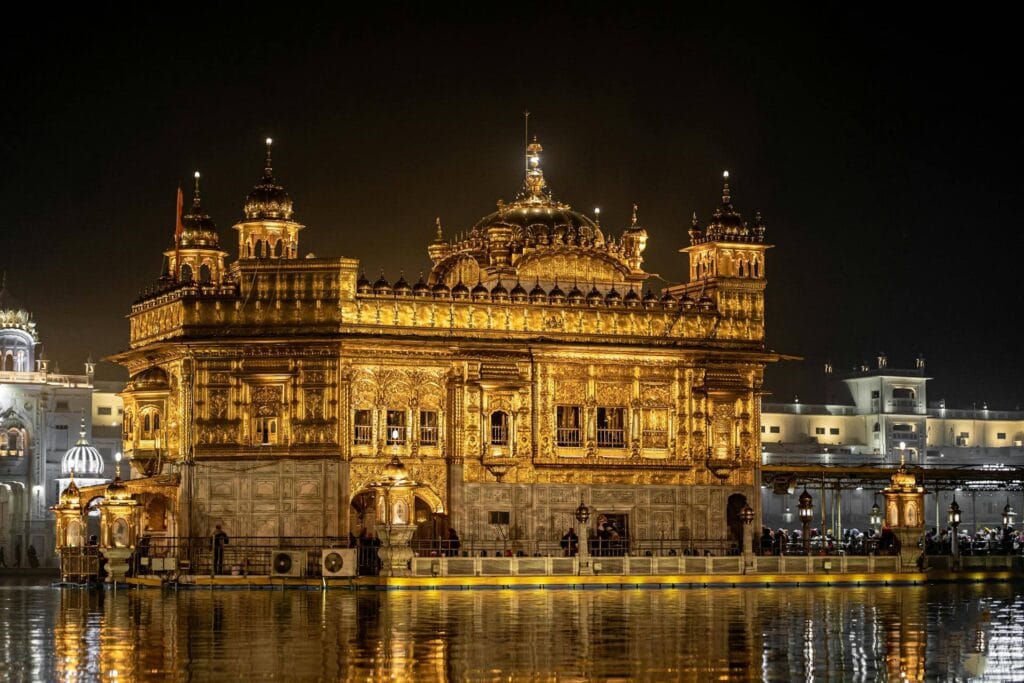
Most first-time visitors skip Punjab entirely, which is a genuine mistake. Amritsar deserves a spot on every India itinerary—not just for the Golden Temple, which is one of the most breathtaking religious sites on earth, but for the full experience the city offers.
The Harmandir Sahib (Golden Temple) is free to enter, operates 24 hours a day, and serves a free meal to anyone who arrives at the langar (community kitchen), regardless of religion.
Over 100,000 people are fed here daily. Walking around the Amrit Sarovar (sacred pool) at night, with the gold-covered shrine reflected in still water, is the kind of sight that stops mid-sentence conversations.
Beyond the Golden Temple
- Wagah Border Ceremony: Every evening at sunset, the India-Pakistan border (45 minutes from Amritsar) hosts a flag-lowering ceremony that is part military drill, part national theater, part extraordinary collective energy. Arrive early for good seats. It fills up fast.
- Jallianwala Bagh: The garden where British colonial forces massacred hundreds of peaceful civilians in 1919. A profoundly moving and historically important site that every visitor should see.
- The food: Amritsar is the spiritual home of Punjabi cuisine. Kulcha, lassi, dal makhani, chole bhature—eat all of it, eat it from the street stalls around the Golden Temple, and don’t hold back even slightly.
Pondicherry (Puducherry)—A French Colonial Town on the Bay of Bengal
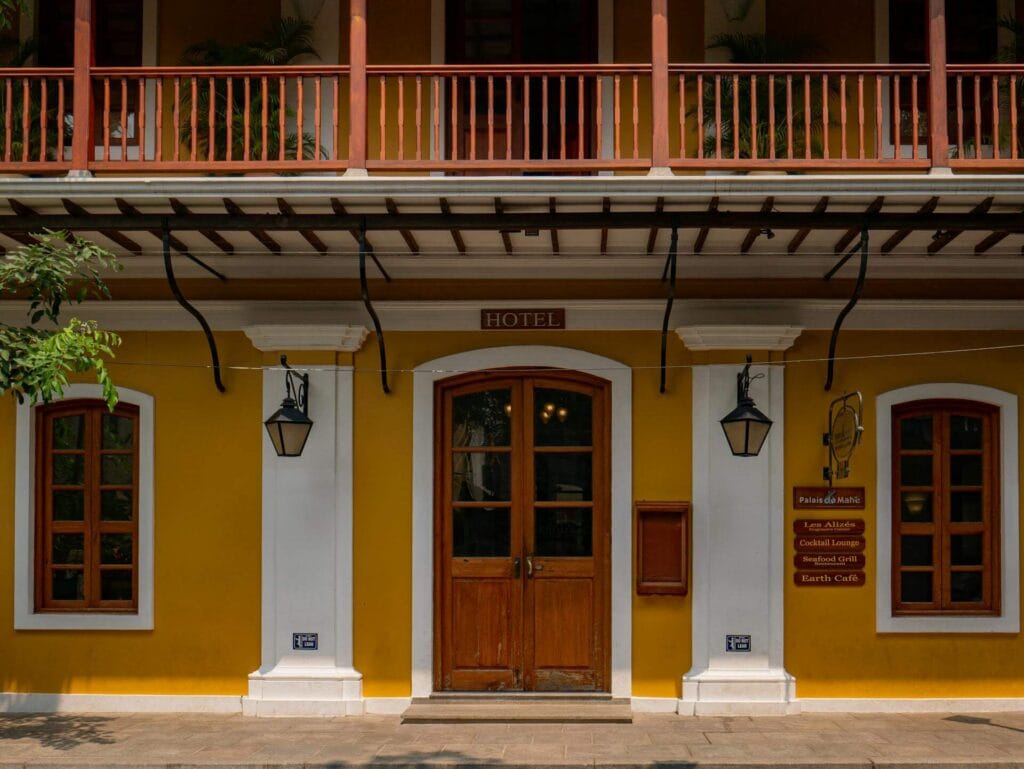
Pondicherry is one of India’s most quietly remarkable cities and one of the least talked about on international travel platforms.
A former French colonial territory until 1954, the city’s French Quarter still looks and feels entirely unlike anywhere else in the country.
Wide, tree-lined boulevards, yellow colonial buildings, a seafront promenade, and a contemplative atmosphere that stands in complete contrast to most Indian cities.
Pondicherry rewards slow travelers. It’s a place to rent a bicycle, wander without a specific destination, stop at a café that opens onto the street, visit the Sri Aurobindo Ashram, and eat extraordinarily well.
The Tamil Quarter on the other side of the canal offers an entirely different sensory experience, and the contrast between the two neighborhoods within a few hundred meters of each other is genuinely fascinating.
What to Do in Pondicherry
- Morning walk along Promenade Beach—a French-built seafront esplanade that still carries its old colonial charm. Early mornings here are calm and beautiful before the day heats up.
- Auroville—the experimental international township founded in 1968, located 10km outside the city. The Matrimandir (a massive golden sphere used for meditation) is unlike anything else in India and requires advance registration to visit inside.
- The café and restaurant scene here is exceptional. French bakeries, South Indian filter coffee, and excellent Tamil seafood all within a short walk of each other.
Budget Tips:
- Pondicherry is one of the more affordable places on this list.
- A good guesthouse in the French Quarter runs ₹1,200–₹2,500 per night.
- Meals at local cafés: ₹150–₹400.
Mysuru (Mysore), Karnataka—Palaces, Incense, and Silk
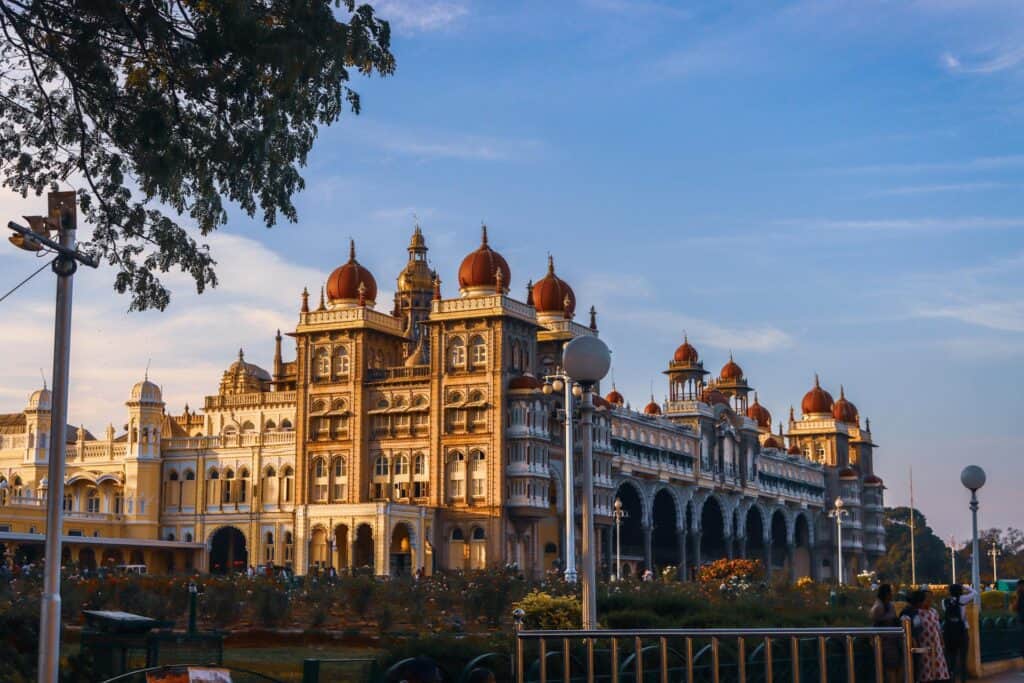
Mysuru gets underestimated in most international itineraries, which is undoubtedly why it belongs here.
The Mysore Palace—one of the largest and most opulent palaces in India—is illuminated by nearly 100,000 light bulbs every Sunday evening, creating a spectacle that draws visitors from across the country.
If you can time your visit to land on a Sunday, do it. But Mysuru is also known as the Yoga Capital of the World, the center of the Ashtanga tradition, and a city with a calm, sophisticated character that feels quite different from much of India.
It’s clean, navigable, and home to some of the country’s finest sandalwood products, silk sarees, and hand-crafted incense.
What First-Timers Love Here
- Devaraja Market: One of India’s most photogenic and atmospheric bazaars—mountains of turmeric, flower garlands stacked ceiling-high, and vendors who’ve been working the same stall for generations. Go in the morning for the best energy and light.
- Chamundi Hill: A 13th-century temple above the city with panoramic views and a massive Nandi bull carved from solid rock. The climb up 1,000 steps is optional—auto-rickshaws take the road.
- Mysuru is also an excellent base for Coorg (India’s coffee and spice region, 2 hours away), Wayanad, and the Nagarhole Tiger Reserve.
Jodhpur, Rajasthan—The Blue City Under a Mighty Fort
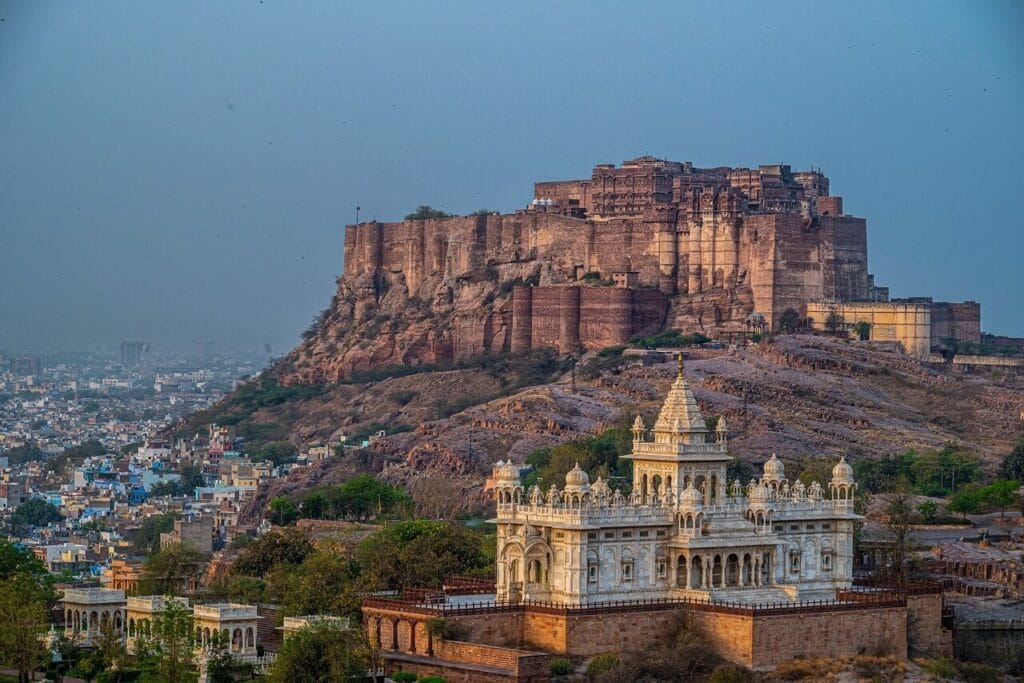
Jodhpur is dominated by Mehrangarh Fort—and rightfully so. Rising 125 meters above the city on a sheer rocky outcrop, it’s arguably the most dramatically positioned fort in all of India.
The museum inside is well-curated, the views from the ramparts are extraordinary, and the fort itself feels genuinely alive rather than merely preserved.
Below the fort lies the famous Blue City—a dense, winding neighborhood of blue-painted houses whose original residents were Brahmins (blue was traditionally associated with this community).
Walking the narrow lanes of the old city with the fort looming overhead is one of those experiences that photographs can’t fully capture. You have to be standing in it.
Jodhpur Tips for First-Timers
- Start at Mehrangarh and work your way down into the city, physically and metaphorically easing yourself into the experience from the top.
- The rooftop restaurant scene near the clock tower gives you the fort backdrop for dinner. Pick one with a direct fort view and arrive around sunset.
- Jodhpur is well positioned for trips into the Thar Desert; camel safaris, desert camps, and Jaisalmer (5 hours by road) are all accessible from here.
- Jaswant Thada, the white marble cenotaph beside the fort, is one of the most serene and overlooked spots in all of Rajasthan. Worth 45 minutes of your time.
Hampi, Karnataka—Ruins, Boulders, and a Landscape From Another World
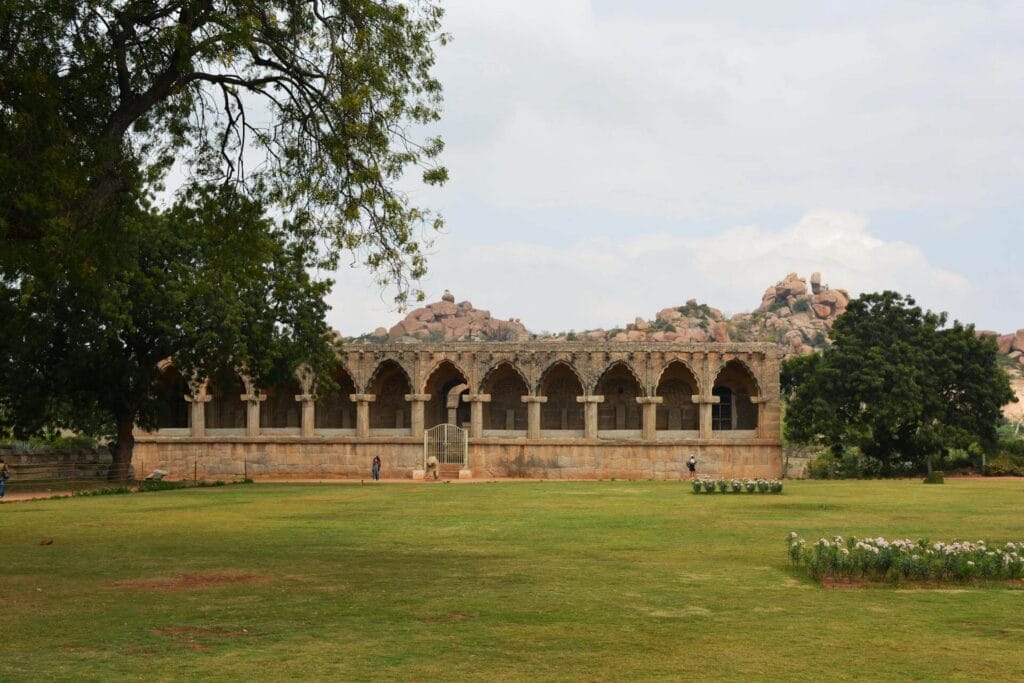
Hampi is unlike any other place on this list. This isn’t really a city in the conventional sense; it’s the ruins of Vijayanagara, once one of the largest cities in the medieval world, spread across a surreal landscape of enormous rounded boulders and the Tungabhadra River.
UNESCO listed it as a World Heritage Site in 1986, and it remains one of India’s most undervisited major attractions by international travelers.
What makes Hampi perfect for adventurous first-timers?
- There are over 500 monuments spread across 41 square kilometers.
- You can rent a bicycle or hire an auto-rickshaw for a day and simply ride between temples, market ruins, royal enclosures, and ancient elephant stables.
- The Vittala Temple complex—with its famous stone chariot and musical pillars—is magnificent and unlike anything else in South Asia.
Practical Notes for Hampi
- Base yourself in Hampi Bazaar (main side) or Virupapur Gaddi (across the river by coracle boat)—the latter is quieter and has a relaxed backpacker atmosphere.
- The nearest major airport is Hubli (2 hours away) or Bangalore (6 hours by road or overnight train to Hospet, which is 13 km from Hampi).
- Avoid weekends if possible, Hampi gets significantly more crowded with domestic tourists on Saturdays and Sundays, and early morning weekday light over the ruins is genuinely something else.
Budget note:
- Hampi is one of the cheapest places to stay on this list.
- Basic guesthouses: ₹400–₹900 per night.
- Meals cost ₹100–₹300 at the local restaurants around the Bazaar.
Kolkata, West Bengal—India’s Soul City
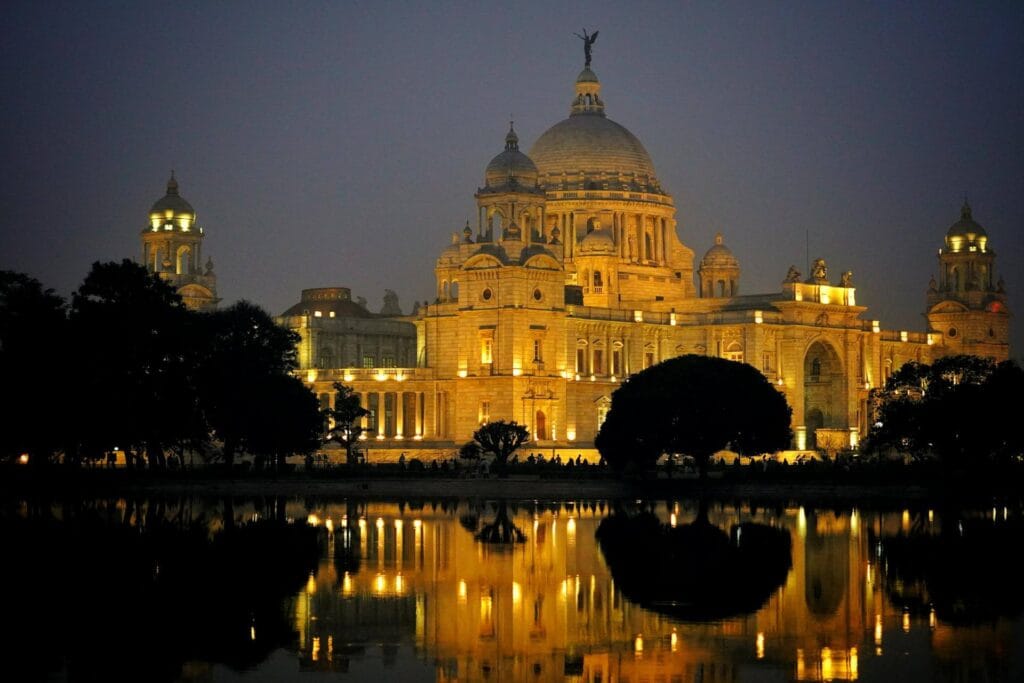
Kolkata is the city that most travelers underestimate and that many end up loving more than anywhere else they visited. It’s not an easy city it’s dense, intense, and emotionally complex.
Kolkata is one of the most culturally rich cities to visit in India, especially for travelers interested in literature, art, and history. But it has a cultural depth and intellectual energy that no other Indian city quite matches.
This was the capital of British India for over 130 years, and the colonial architecture along the Strand and around BBD Bagh is some of the most impressive in Asia much of it crumbling beautifully, all of it dramatic.
The Victoria Memorial is as grand as anything you’ll find in Britain. Howrah Bridge, illuminated at night and carrying hundreds of thousands of people across the Hooghly River every single day, is one of the great living bridges of the world.
Why Kolkata Surprises First-Timers
The food: Kolkata arguably has the most interesting and diverse street food culture in India. Kathi rolls (invented here), mishti doi (sweet yogurt), fish curries, and the snack scene around Park Street are extraordinary.
Follow the crowds:
- The intellectual life: Kolkata has more bookshops per person than almost any city in India. The College Street book market—stretching for blocks—is a wanderer’s paradise and an experience unlike anything else.
- Kumartuli: The neighborhood of clay idol-makers, where craftsmen sculpt massive deities ahead of Durga Puja. Visiting the workshops is one of the most fascinating artisan experiences in all of South Asia.
- Durga Puja (October/November) transforms the entire city into an open-air festival that has no equal anywhere in India. If your timing allows it, plan around it.
How to Build Your First India Itinerary
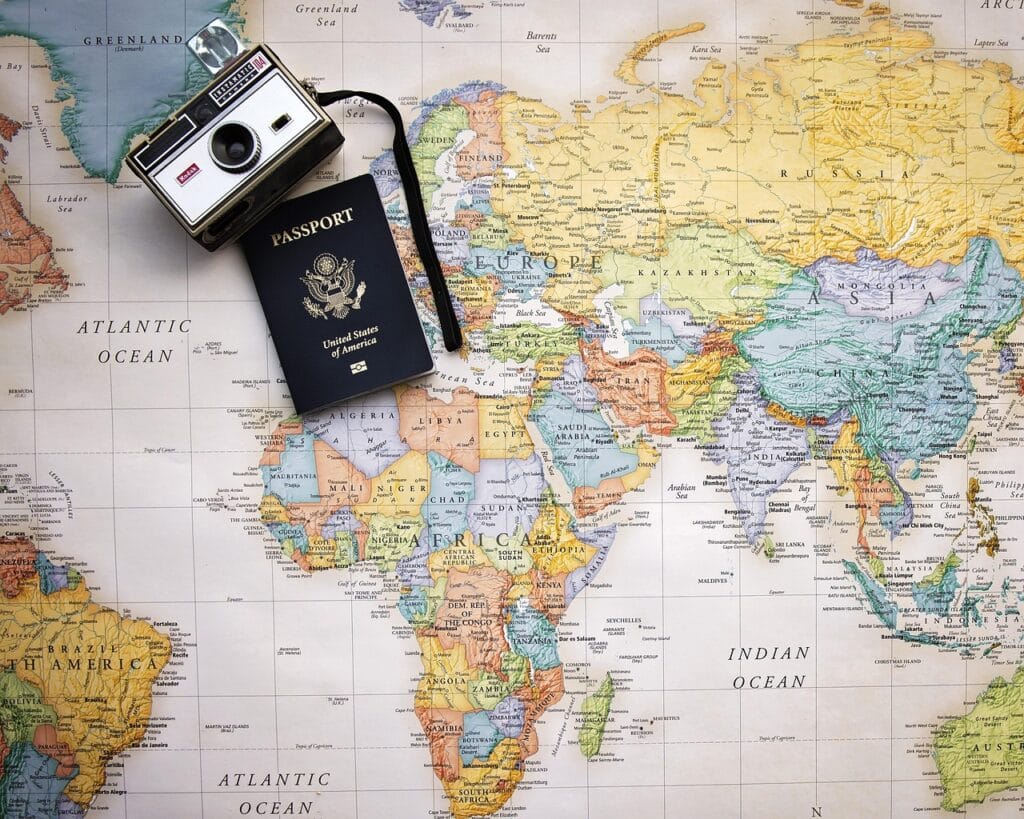
If you are planning your India travel itinerary for the first time, these routes help minimize travel time while covering the country’s most fascinating regions.
You don’t want to zigzag across the subcontinent—it wastes time, money, and energy. Here are three practical routes for first-timers based on how long you have:
- 10 Days—Northern India Focus: Amritsar (2 days) → Jaipur (3 days) → Udaipur (2 days) → Jodhpur (2 days) → Delhi as your exit hub (1 day)
- 2 Weeks—South and Heritage Mix: Kochi (3 days) → Pondicherry (2 days) → Mysuru (2 days) → Hampi (2 days) → Bangalore as exit (1 day)—add Varanasi if you have the extra days and want North India represented
- 3 Weeks—North, East, and South: Amritsar → Jaipur → Varanasi → Kolkata → Hampi → Kochi → Pondicherry → fly home via Chennai or Bangalore
5 Common Mistakes First-Time Travelers Make in India
- Packing too many cities into too few days. India requires decompression time. A city you spend three days in will give you ten times the experience of one you rush through in an afternoon. Protect your pace.
- Ignoring the train network. India’s trains are not just affordable; they’re an experience in themselves. A sleeper class overnight train is one of the best ways to see the countryside and meet local travelers. Don’t fly everywhere.
- Only eating at tourist restaurants. The best food in India is almost always at local dhabas, market stalls, and neighborhood joints. Look for the places with crowds of locals eating, not crowds of tourists photographing.
- Skipping smaller cities because they seem harder. Pondicherry, Hampi, and Mysuru are all genuinely easy to navigate. Don’t let unfamiliarity talk you out of the best experiences on this entire list.
- Not budgeting for travel days. Every overland journey eats a significant chunk of your usable day. Plan around this; don’t assume you’ll have energy to explore the afternoon you arrive after an eight-hour train ride.
Practical Travel Tips that Most Travel Guides Skip
On getting around between cities: Indian trains are the best way to travel between most of these destinations. Book in advance—at least 3–4 weeks for popular routes—through IRCTC (the official Indian Railways platform).
A “tourist quota” exists specifically for foreign visitors and releases extra seats that locals can’t book. Flights are affordable and useful for longer distances (like Delhi to Kochi). Check IndiGo and Air India for domestic routes.
On food and your stomach: Your digestive system will take a few days to adjust. This is normal.
Don’t avoid street food—that’s where the best eating happens—but start slow, stick to freshly cooked items, and avoid raw salads from unknown places in your first week. Carry oral rehydration salts.
On money: ATMs are widely available in cities. Carry some cash for rickshaws, street food, and smaller guesthouses that don’t take cards. UPI (India’s payment system) is everywhere, but international cards often can’t use it directly.
On bargaining: In bazaars and with auto-rickshaws (where meters aren’t used), negotiate. The opening price is never the final price.
Ask guesthouse staff what a rickshaw to a nearby landmark should cost before you walk out the door.
A Simple First-Time Itinerary (3 Weeks)
- Week 1: Delhi (4 days including a day trip to Agra) → Jaipur (3 days)
- Week 2: Udaipur (2 days) → Mumbai (3–4 days) → fly to Kochi
- Week 3: Kochi (2 days) → Kerala backwaters (2 days) → Varanasi (3 days)
This route covers North India, West India, and South India while staying manageable. It uses a combination of trains and one domestic flight.
Final Thoughts: India Rewards the Open-Minded
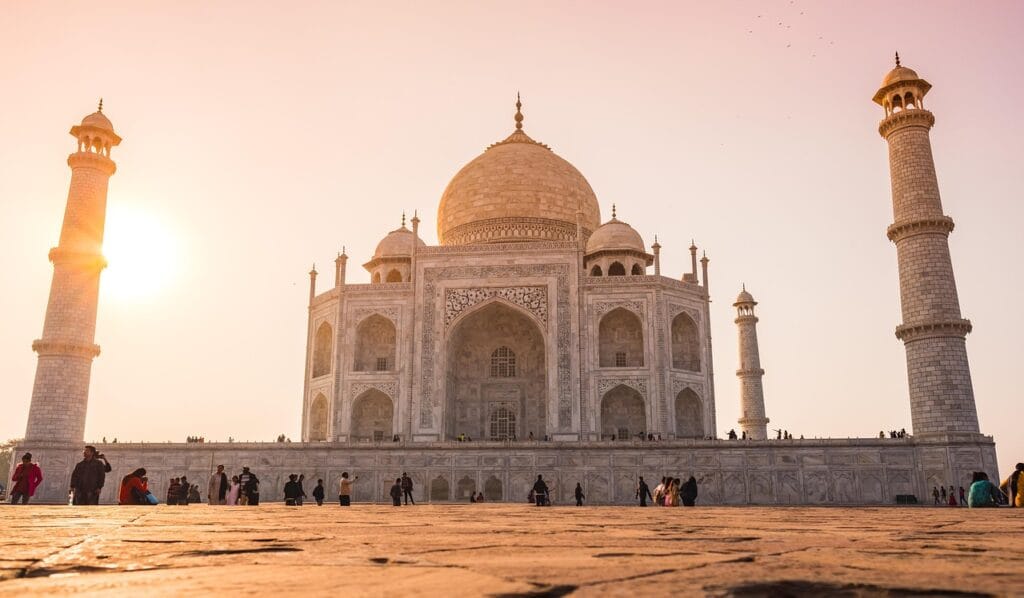
The best cities in India for first-time travelers offer a perfect introduction to the country’s culture, history, and diversity.
No guide, however detailed, captures what it feels like to stand at the edge of the Ganges at dawn, or watch the lights come up on the Golden Temple past midnight, or cycle between 600-year-old temple ruins in Hampi with nobody else around.
The cities in this list were chosen because they give first-time visitors the best combination of experience, access, and manageability. Not the most famous ten. Not the most photographed ten.
The ten most likely to make you fall in love with this country. Start with a realistic itinerary, keep your schedule flexible, and allow time to adjust to the pace of travel.
With the right preparation, a first trip to India can easily become the beginning of many return visits. India is the kind of country that takes something from you and gives back twice as much.
First-time visitors almost always say the same thing when they return: it was harder than expected, more beautiful than expected, and they’re already thinking about going back.
The key is not to over-plan. Pick 4–5 cities, leave gaps in your schedule for things you didn’t expect, and let the country do what it does best—surprise you. Every India trip is different.
FAQs About the Best Cities in India for First-Time Travelers
Is India safe for first-time travelers?
Yes, millions of tourists visit India every year. Choosing well-known destinations and planning a realistic itinerary makes travel much easier.
How many days do you need for a first trip to India?
Two weeks is the minimum recommended time. This allows you to visit 3–4 cities without rushing.
What is the best time to visit India?
October to March is generally the best time, with cooler weather across most regions.
What is the easiest route for a first trip to India?
The classic Golden Triangle route—Delhi, Agra, and Jaipur—is the most popular itinerary for first-time travelers.
Is India expensive for tourists?
No. India is one of the most affordable travel destinations. Budget travelers can spend around $25–40 per day.
Should first-time travelers use trains or flights in India?
Trains are great for shorter routes. Flights are better for long distances like Delhi to Kochi.
What should first-time visitors avoid in India?
Avoid drinking tap water, eating uncooked street food initially, and overpacking your itinerary.
Which Indian city is best for first-time visitors?
Delhi, Jaipur, and Kochi are often considered the easiest starting points.
Do people in India speak English?
Yes. English is widely spoken in major cities, hotels, and tourist areas.
Is India overwhelming for first-time travelers?
It can feel intense at first, but most travelers quickly adapt and find the experience incredibly rewarding.
What city should I visit first in India?
Delhi is often the starting point for many international travelers, but cities like Kochi and Jaipur are also excellent introductions to India.
How many cities should you visit on your first trip to India?
Most travelers should focus on 3–5 cities during their first visit to avoid travel fatigue.
Images: Pexels
